• About
  • History Writings

Water and Me

Water and Me

Category Archives: Photography

Susquehanna revisited

28 Sunday Aug 2016

Posted by Ronald Parks in HISTORY, Photography, water history

≈ Leave a comment

Tags

Baltimore, engineering, Hiking, HISTORY, kayaking, light house, photography, Public Works, water history

Back in 2013 I wrote about the Susquehanna River. More specifically on the droughts and the need for Baltimore to withdraw water from the river. This is done through the intake structures above the Conowingo Dam.

During the research for my water history book, I read the various water engineering reports concerning the need for alternate water sources. The Susquehanna came up quite a few times. In one of the reports it was mentioned that there were 13 – 16 various sewage plants along the river. After the drought of 2010 and our using the Susquehanna River as a source of water, I decided to take a field trip to see this river.

I started in 2011 and it took a while to be able to hike and drive along the river. It is 444 miles long (Depending on who you ask), from Cooperstown NY to Havre de Grace Md. No, I did not walk and drive the whole way in one outing. I would drive to a town or just outside it, get out and start hiking for a few miles, up one side and down the other. I would head back to Baltimore then a couple weeks later, ride to the next town until I got far enough north, I just drove all the way to Cooperstown and started hiking/driving south. Climbing under bridges over train tracks and thru some strange parts of towns, hearing a variety of stories about the river. I visited such communities and areas as Goodyear Lake, Binghamton, Wilkes-Barre, Harrisburg, Three Mile Island, Columbia, Turkey Hill, etc.

I was going to do a photo-journal book about my travels but sometimes life gets in the way and I just never had a chance to finish the book. There are two excellent books on the Susquehanna that I wish I read before I started my travels – Susquehanna: River of Dreams and Down the Susquehanna to the Chesapeake.

Today, Kathy and I visited Havre de Grace. Always an adventure!

P1070273

Part of the Susquehanna Locks. While hiking through here years ago, I came across a lot of these, mostly hidden and grown over.

P1070275

Lock House – who has a key to the lock house?

P1070286

Rte 40 Hatem Bridge, old RR bridge and Interstate 95.

P1070288And yes, there is a boat – kayak ramp!

P1070296

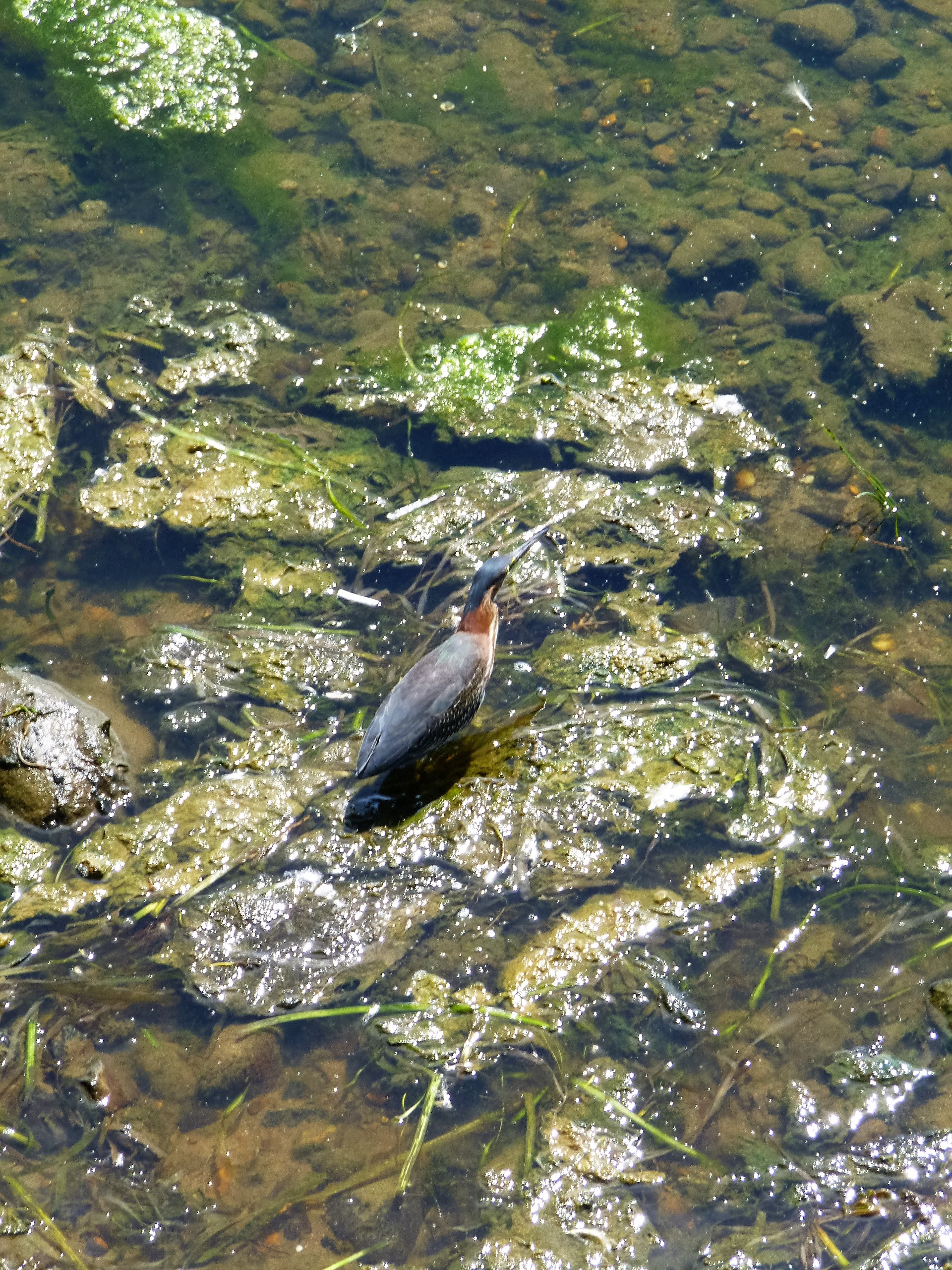
Always alone, but never alone…

P1070299

This guys head just bobbed up and down with the ripples of tide
P1070302

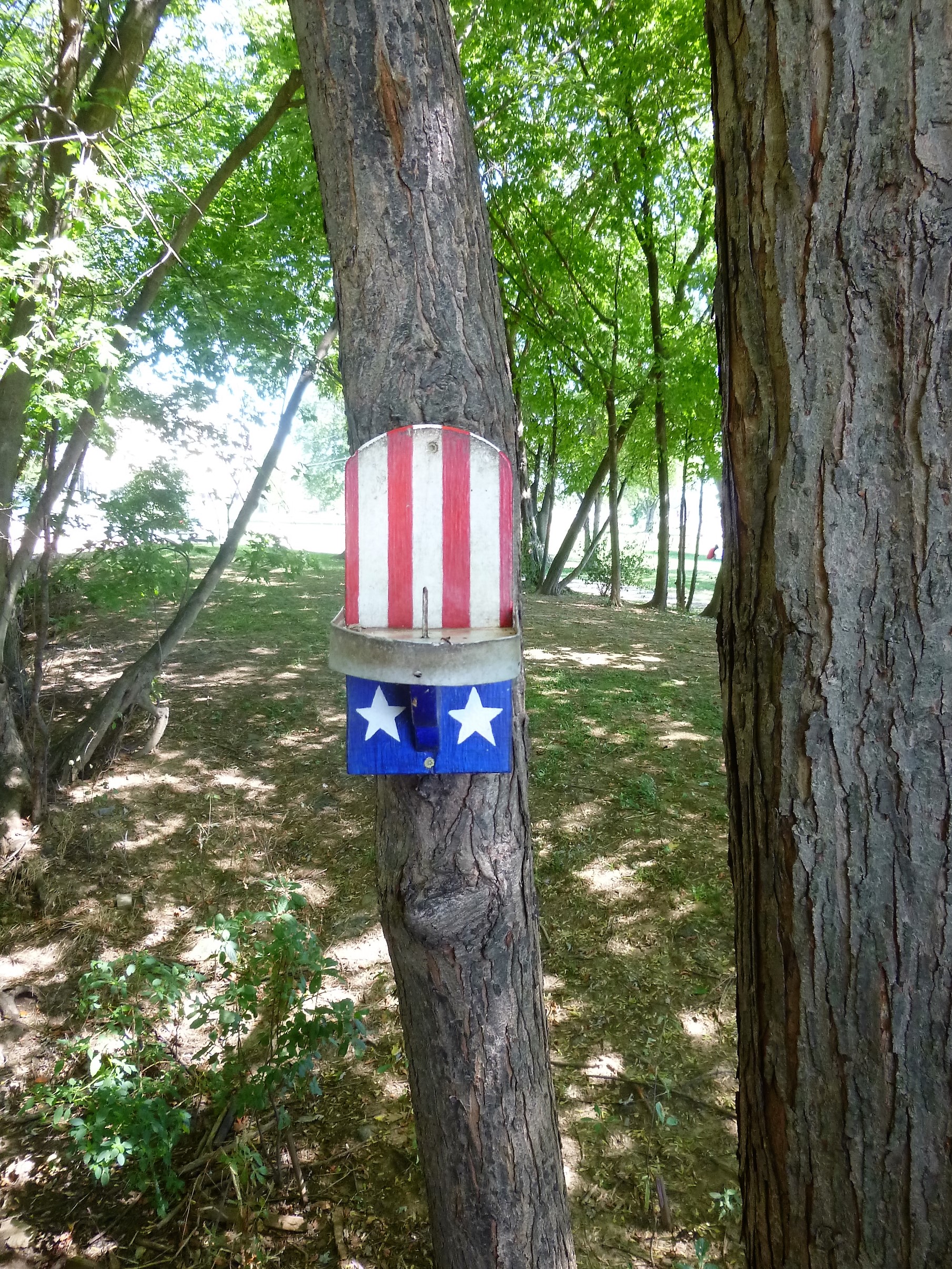
Me: Oh look, an 1812 candle holder! Kathy: It’s a corn cob holder for the squirrels. I knew that!

P1070308 (2)

The pier.

P1070313

It a piers that part of the pier is missing.

P1070314

Concord Point lighthouse.

P1070315

Some history

P1070319 (2)

As many photographs that I have taken of this, I just always liked it in black and white

Eden Mill Kayaking

14 Thursday Jul 2016

Posted by Ronald Parks in HISTORY, Photography, Reservoir, water history

≈ 3 Comments

Tags

eden mill, engineering, Hiking, HISTORY, kayaking, mills, Museum, Public Works, water history

Kathy and I went kayaking on one of the most peaceful creeks I know of – Eden Mill at Deer Creek. Back in July 2013 I posted about History and Photography, that people should appreciate the history of the mills and streams they hike. Since I have just started to kayak, I now have a deeper appreciation of the history of Eden Mill. The perspective is so much different on the water than it is walking the trails.

Additional research has shown that there were a few plans for damming Deer Creek. in July of 2013 I wrote that the crest of the proposed dam at the Rocks would be at an elevation of 540’. Another 1933 study put it at 430’. In either case, if the dam was built, the mill would be under water.

The below topography map shows the creek elevation at 342’. The dam is 16’ tall so that brings us to 358’. The mill is three stories so let’s add roughly another 36’ – that’s 394’. So yes, that is still a good 30 feet underwater! The mill is to the right of the word creek, just past the branch stream.

EM5

To know this and to understand the history makes it such a sweet kayaking adventure. Appreciate history. Go kayaking. Be happy!

EM7

Looking upstream from the base of the mill.

EM6

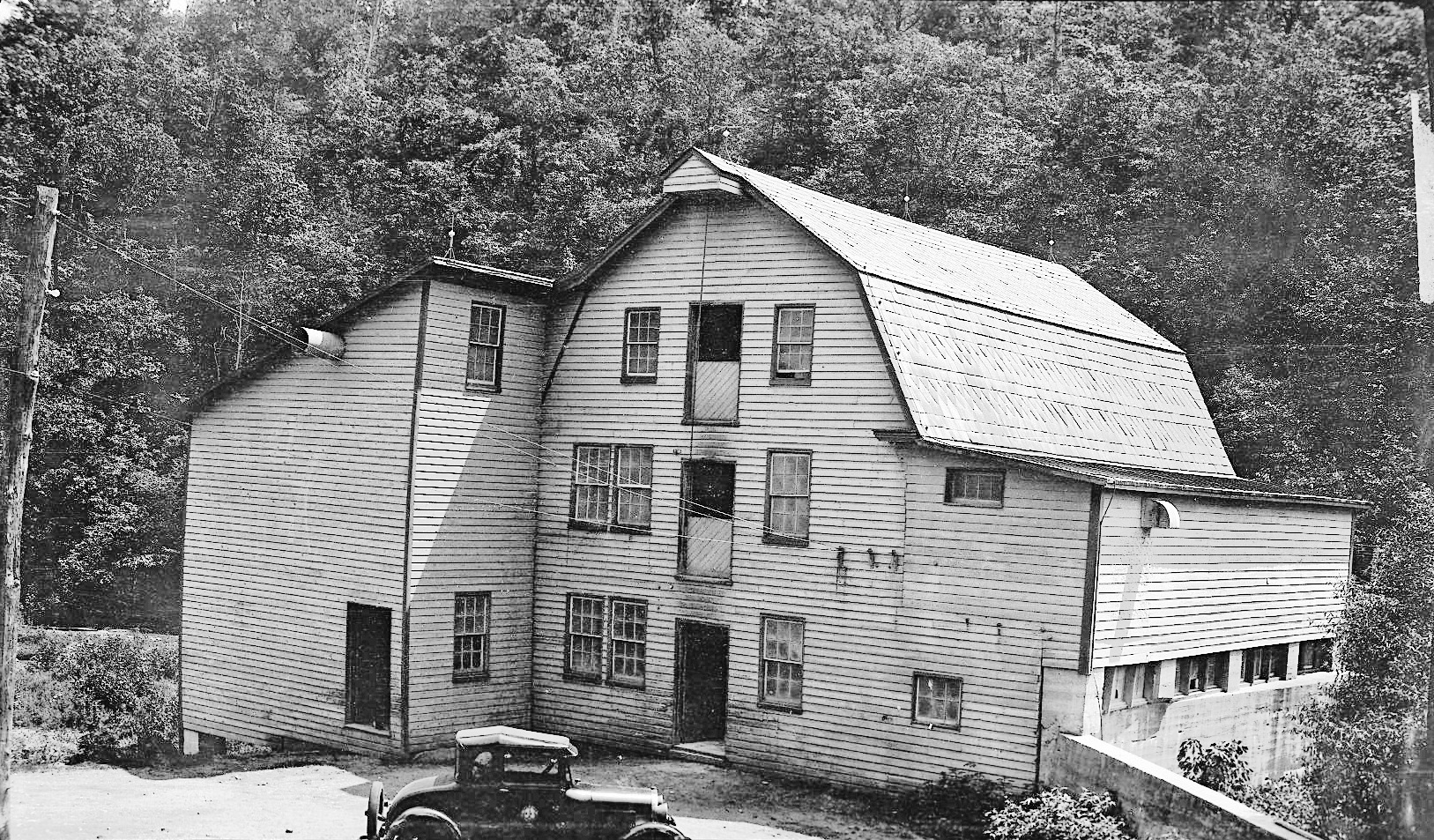
The Mill as it looked in the 1930s

EM1

The mill and top of dam. View from kayaks.

EM3

One of the branch streams that feeds Deer Creek. These two bridges would be under water.

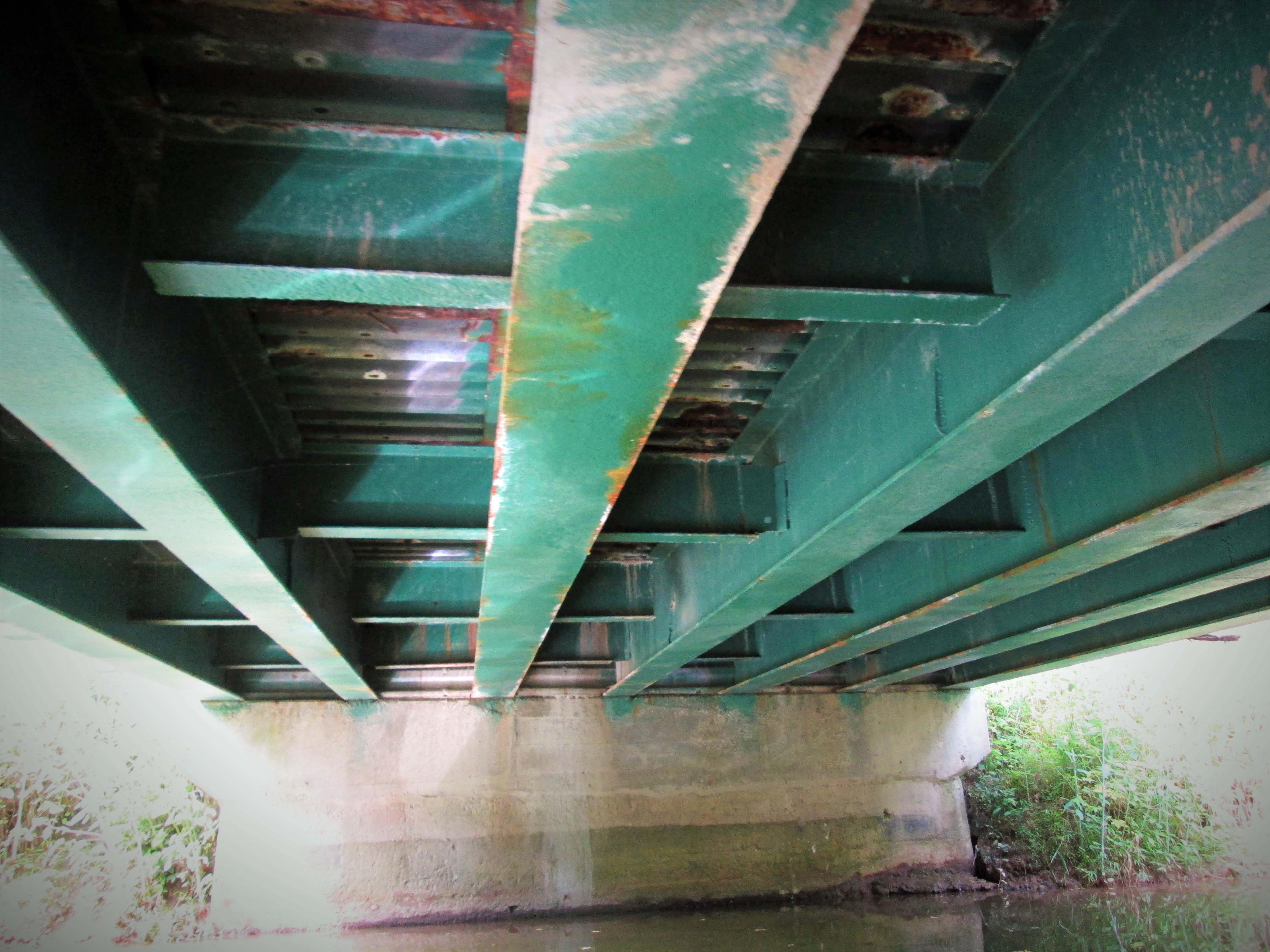
EM4

View from under the bridge. Back in the 30s, this bridge was probably an old wooden one.

EM2

It doesn’t get any better than this!

Brock Mill Pond NC

04 Monday Apr 2016

Posted by Ronald Parks in HISTORY, Photography, Travel

≈ Leave a comment

Tags

engineering, Hiking, kayaking, mills, North Carolina, photography, water history

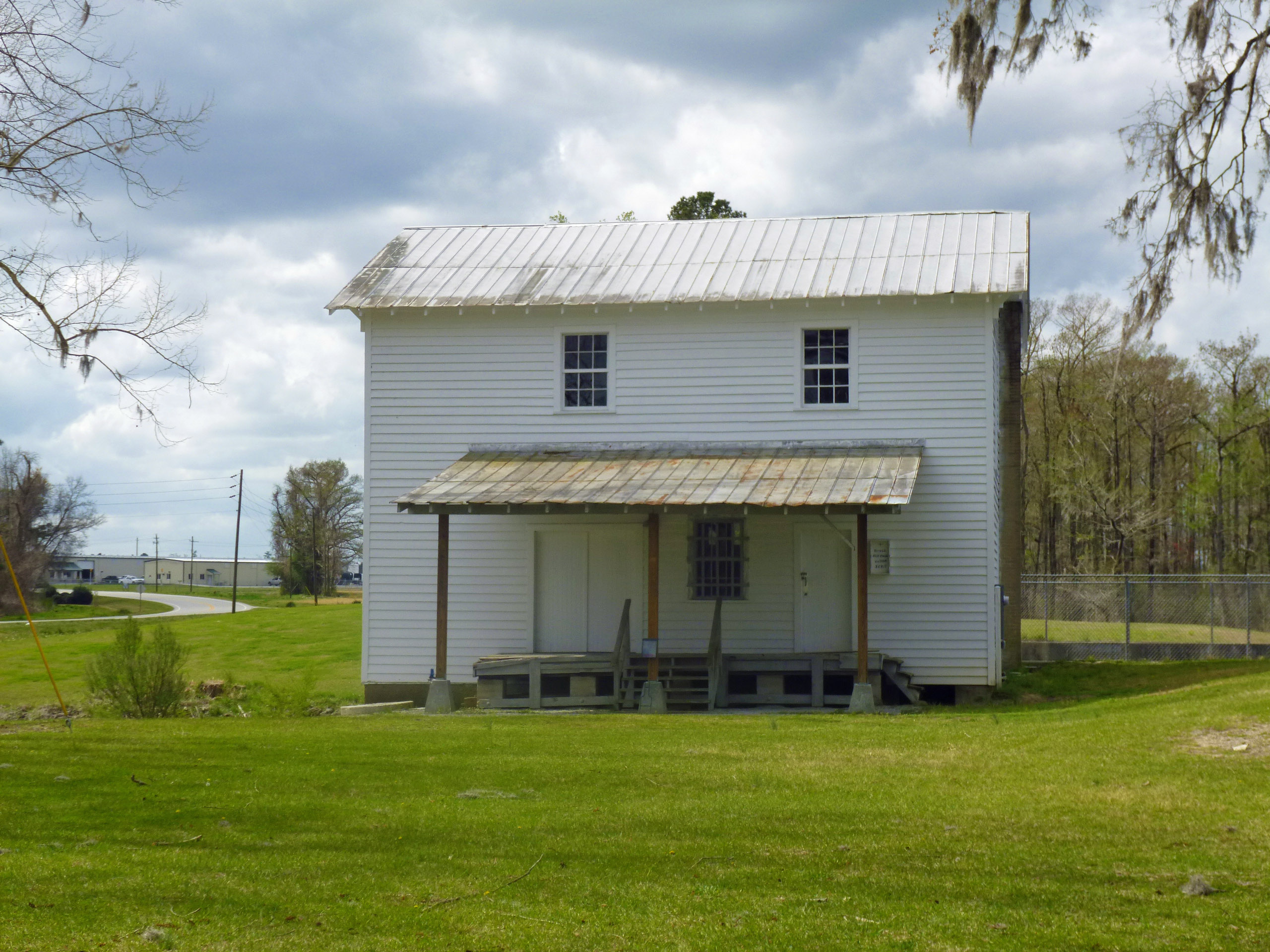
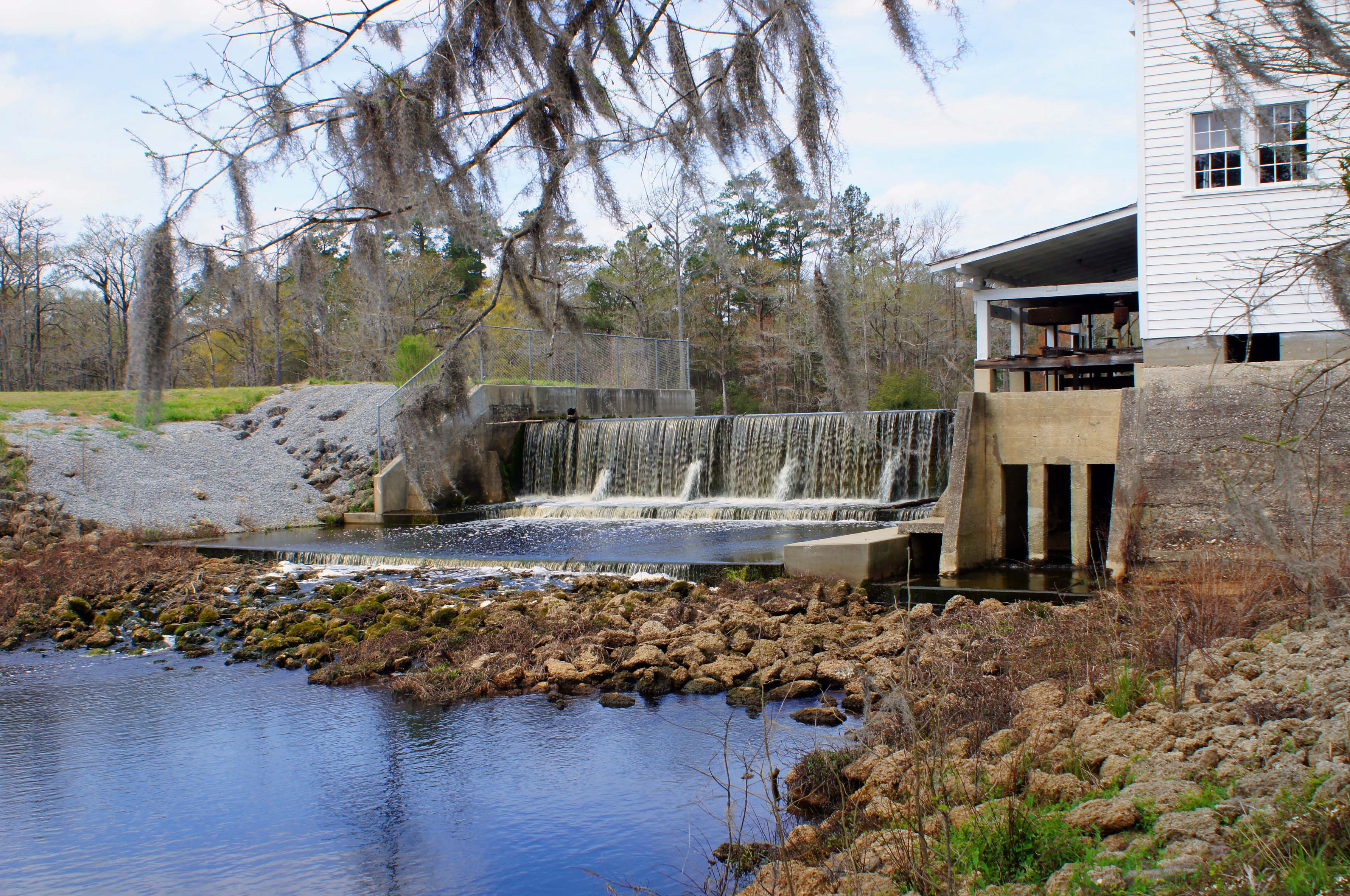
Took a road trip to Indian Beach, North Carolina the other day. On the way we stopped at an old mill, c1700s. Nice.

P1060471

Too bad it was closed for the day – would like to see the inside workings.

The dam

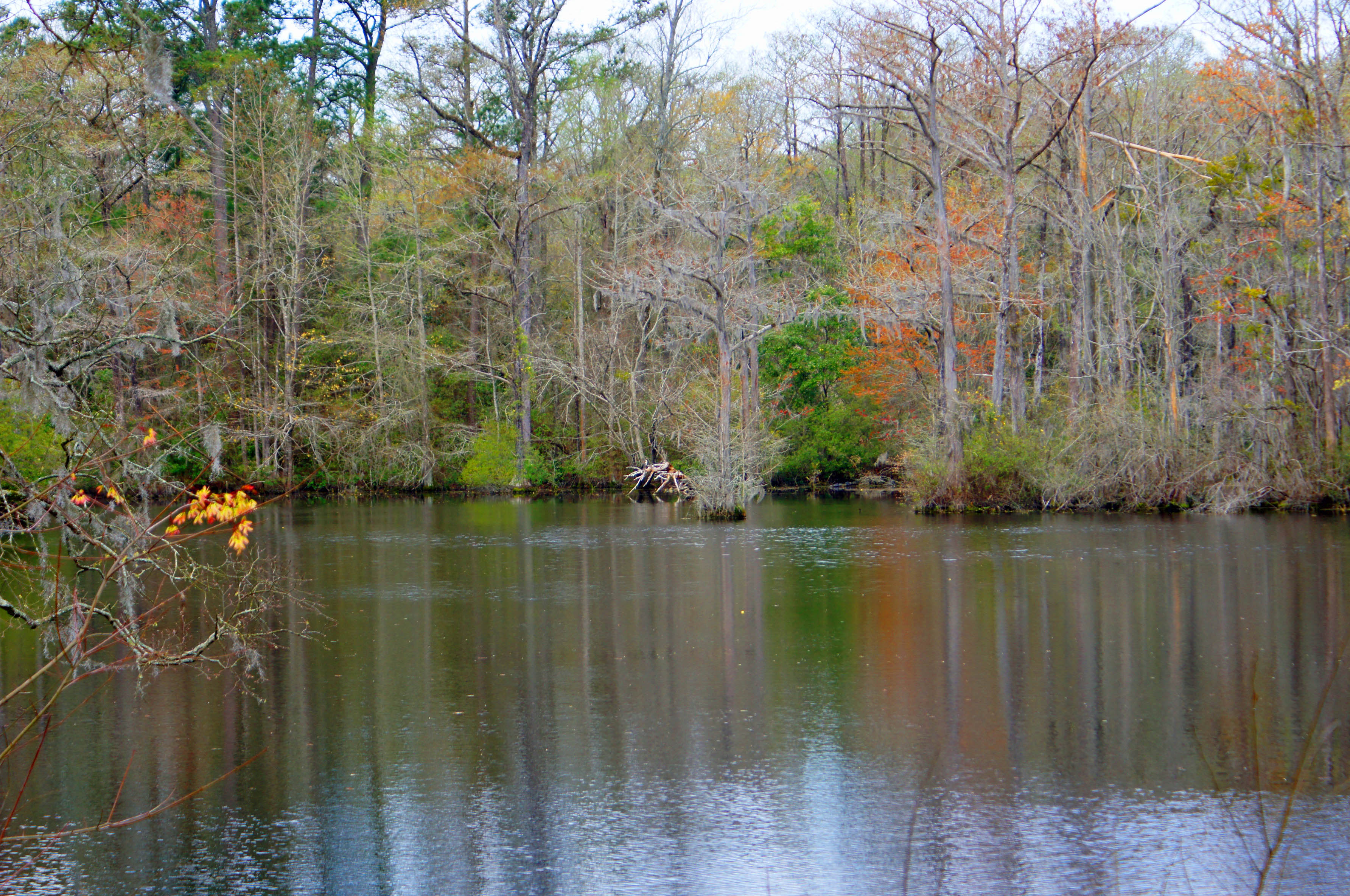
The pond – Kayak adventure waiting to happen!

Face on the Falls

28 Sunday Feb 2016

Posted by Ronald Parks in Hiking, Photography

≈ Leave a comment

Tags

Gunpowder Falls, Hiking, photography

SONY DSC
SONY DSC
SONY DSC
SONY DSC

Walking along the Big Gunpowder Falls today, looked up and saw this.

Little House and Big Sycamore

13 Saturday Feb 2016

Posted by Ronald Parks in Photography, water history

≈ Leave a comment

Tags

Baltimore, Cromwell Park, Gunpowder Falls, photography

Cromwell Valley Park, after the snow.

071
095
103

Bodine

09 Friday Aug 2013

Posted by Ronald Parks in Baltimore, HISTORY, Photography, water

≈ Leave a comment

Tags

Baltimore, bodine, engineering, FILTRATION, HISTORY, photography, water history

Susq L232

Susq L238

Susq L244

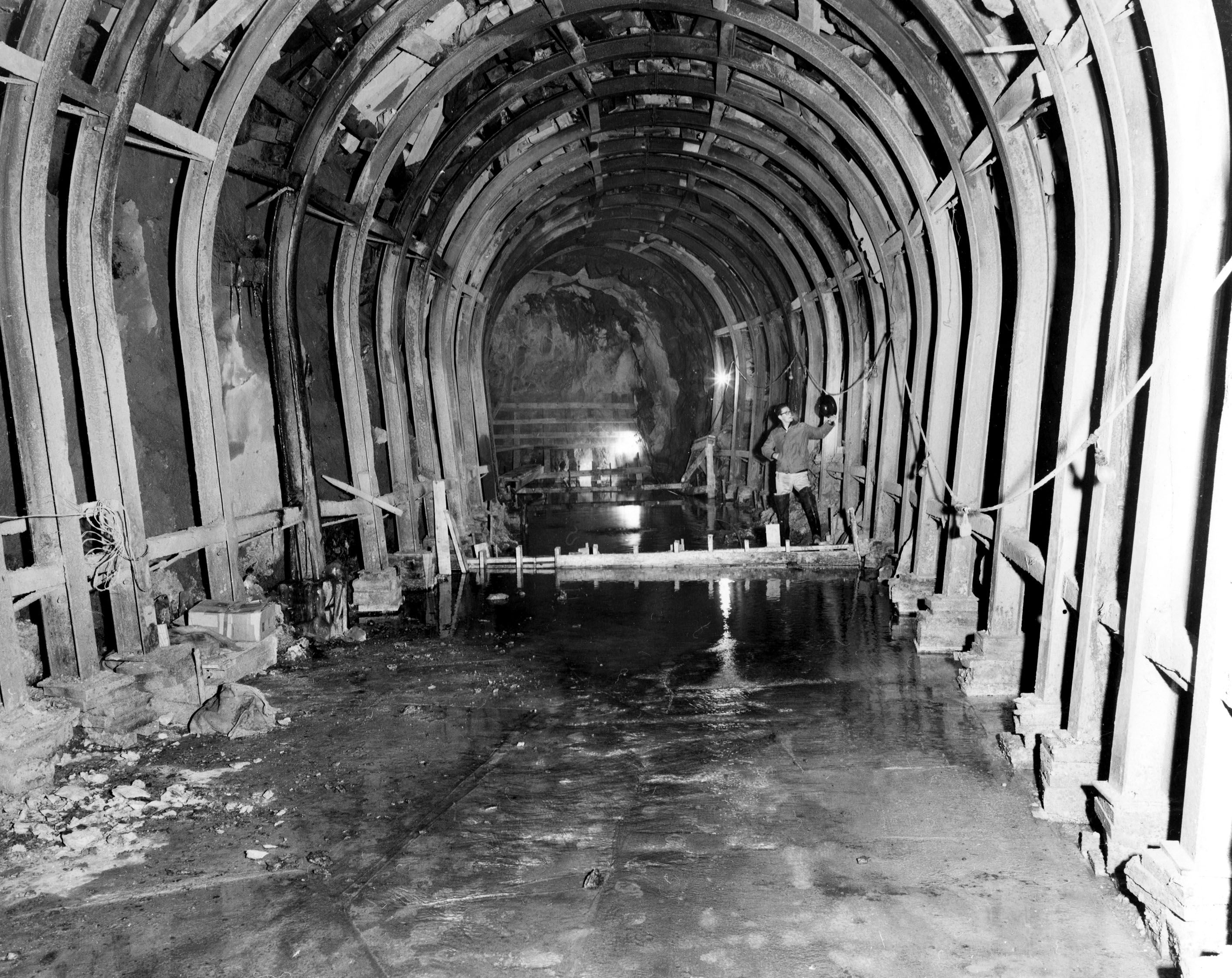
There is a lot to be said for an A. Aubrey Bodine photograph but unfortunately not enough is said about the City Engineers and contractors who took progress photos during the building of water projects. These were taken by a city engineer during the construction of the intake structure of the Susquehanna – Baltimore 108″ tunnel.

The Susquehanna

25 Thursday Jul 2013

Posted by Ronald Parks in HISTORY, Photography, water

≈ Leave a comment

Tags

Baltimore, engineering, FILTRATION, HISTORY, photography, water, water history

Coffer Dam Intake Structure 108" Tunnel

Since working for the City Water Department, I can only remember three times that we have used the Susquehanna River as a source of supply during a drought. I know it was used when it was first built in 1966. The first time I saw the water from the Susquehanna being dumped into our waste lake, I became fascinated with the river. A couple years ago I started documenting the Susquehanna through photographs (Another story, another time)

The history of the river and its role in supplying Baltimore with water starts in 1919 when an electrical engineer from Pennsylvania Power suggested to the consulting engineers, that they could build a tunnel, 32 miles in length from the Susquehanna to Loch Raven Reservoir, to a new dam there with hydro-electric capabilities. His plan was referred to as the Keilholtz Scheme. The consultants brushed him off.

Between 1926 and 1928 the Conowingo Dam was built. In the 1950s it was thought about once again to use the Susquehanna as a water supply, so in 1960 a tunnel was started. It was referred to as the “Big Inch” as it was 108 inches in diameter. Instead of going to Loch Raven, it was built to connect the Montebello Plant, in Baltimore, with the Susquehanna. A total of 38 miles. It was completed in 1966, just in time for the drought.

The photos above show the building of the coffer dam, in the Susquehanna, to hold back the water as they build the intake structure. and a photo of the interior of the tunnel.

History and Photography

20 Saturday Jul 2013

Posted by Ronald Parks in HISTORY, Photography, water

≈ Leave a comment

Tags

Baltimore, eden mill, engineering, FILTRATION, HISTORY, photography, water, water history

Eden Mill


It is a typical mill on a typical creek in Maryland. Maryland had many of these years ago. This one still stands and I have been to it many times to take photographs. When I look through my camera and put it into focus, I focus on more than just the building. I focus on the history of this building. For me, it is not a matter of taking a lot of pictures then rushing home to hurry up and put them on Facebook. (Then keep checking FB  every 10 minutes to see who commented. Yes – guilty!) I see something that I’m grateful to be able to see.

Back in Baltimore’s water history, between 1910-1930, there were many consultants and engineers hired to help the City find new sources of water. One of the recommendations was to build a dam, at what is called the ‘Rocks’ on Deer Creek, right where the Ma & Pa train tracks were. The dam would have a crest elevation of 540′. The top of the Eden Mill, pictured above, is at 535′ which means that the mill would have ended up under water and people from 1940 on would not have been able to see it.

So, the next time you take a picture of an older building, dam, bridge, etc., think of its history and not how fast you can upload to FB!!

Newer posts →

Blogroll

  • Flouride Action Network
  • lulu
  • My Book
  • WordPress.com
  • WordPress.org

Recent Posts

  • Bermuda 2023
  • ICELAND April 2023
  • George Chalmers of Fochabers
  • In Search of The Skipjack Ada Mae
  • Trap Pond Kayak

Blog at WordPress.com.

  • Subscribe Subscribed
    • Water and Me
    • Join 231 other subscribers
    • Already have a WordPress.com account? Log in now.
    • Water and Me
    • Subscribe Subscribed
    • Sign up
    • Log in
    • Report this content
    • View site in Reader
    • Manage subscriptions
    • Collapse this bar
 

Loading Comments...