• About
  • History Writings

Water and Me

Water and Me

Tag Archives: art

Leakin Park

05 Monday Sep 2016

Posted by Ronald Parks in art, Baltimore, Hiking, HISTORY, Photography, water history

≈ 1 Comment

Tags

art, Baltimore, engineering, Hiking, HISTORY, Parks, photography, Public Works, sewage, Sewage History, water history

Visited this park the other day. Our plans for the Eastern Shore were cancelled by Hermine. It was a nice hike. Below is from the Baltimore Heritage website.

Crimea Estate at Leakin Park
By Johns Hopkins
The Crimea Estate is the former summer home of Thomas DeKay Winans, a chief engineer of the Russian Railway between Moscow and St. Petersburg in the 19th Century. The estate features Winans’ Italianate stone mansion, Orianda, as well as a gothic chapel, a “honeymoon” cottage, and a carriage house. The architectural design is said to have been inspired by Winans’ French-Russian wife, Celeste Louise Revillon.

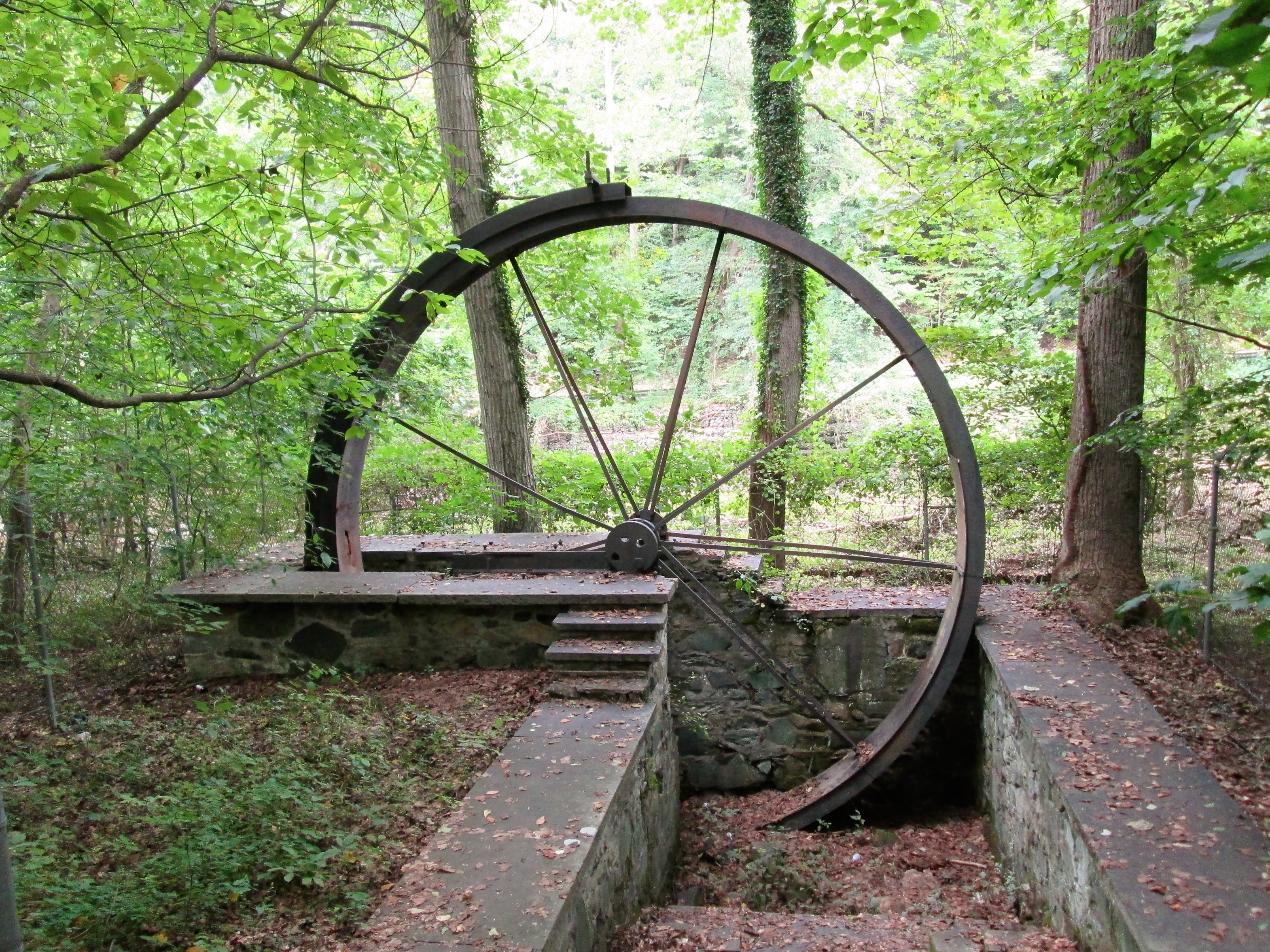
An early, and now often overlooked, part of the estate is called Winans Meadow in Leakin Park. This current meadow was the site of an early milling operation along the Gwynns Falls River. An iron water wheel still remains that pumped water to the Orianda mansion. Along with the water wheel, a barn, silo, smokehouse, and root cellar also tell the story of early development in West Baltimore. There is even an intriguing battlement near the meadow that is thought to be modeled after the Battle of Balaklava where the Russian stand against the British was immortalized in Alfred Lord Tennyson’s poem “The Charge of the Light Brigade.”

Although Leakin Park has retained its original structures in a picturesque natural setting, it almost wasn’t so. In the 1970s, federal and city officials planned to route Interstate 70 through the park in front of the mansion and directly through the carriage house. Saved by a group of dedicated Baltimoreans, the estate remains a central element in Leakin Park. (Check Google Maps for this road – it ends right at the park. The road to nowhere)

Not mentioned in the above narrative is the fact that since 1940, 71 bodies have been found in the park. Dumping ground for west Baltimore knuckleheads. It is about 1200 acres large. Part of the Blair Witch Project was filmed here.
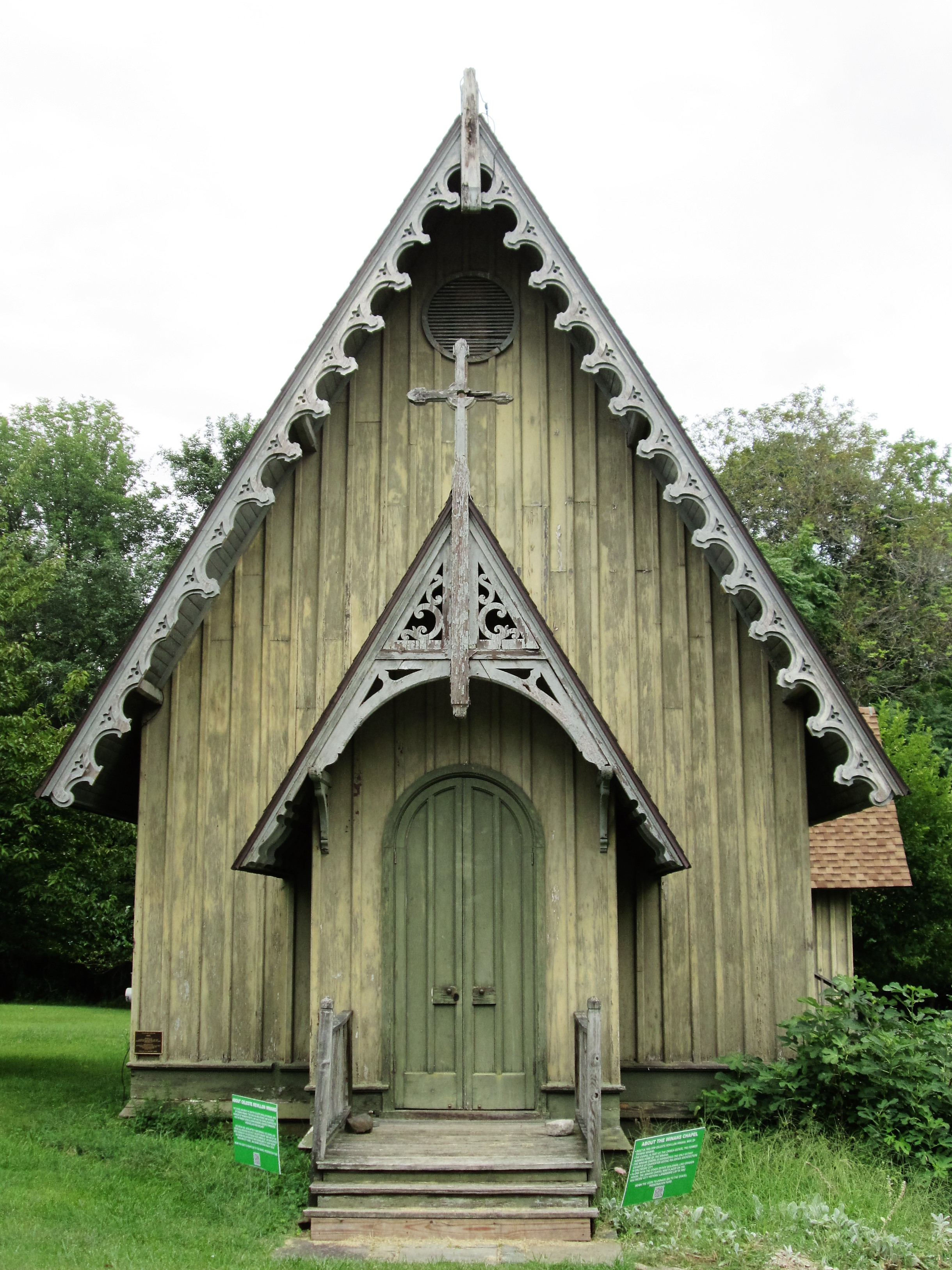
002

The chapel where annual herb festivals are held.
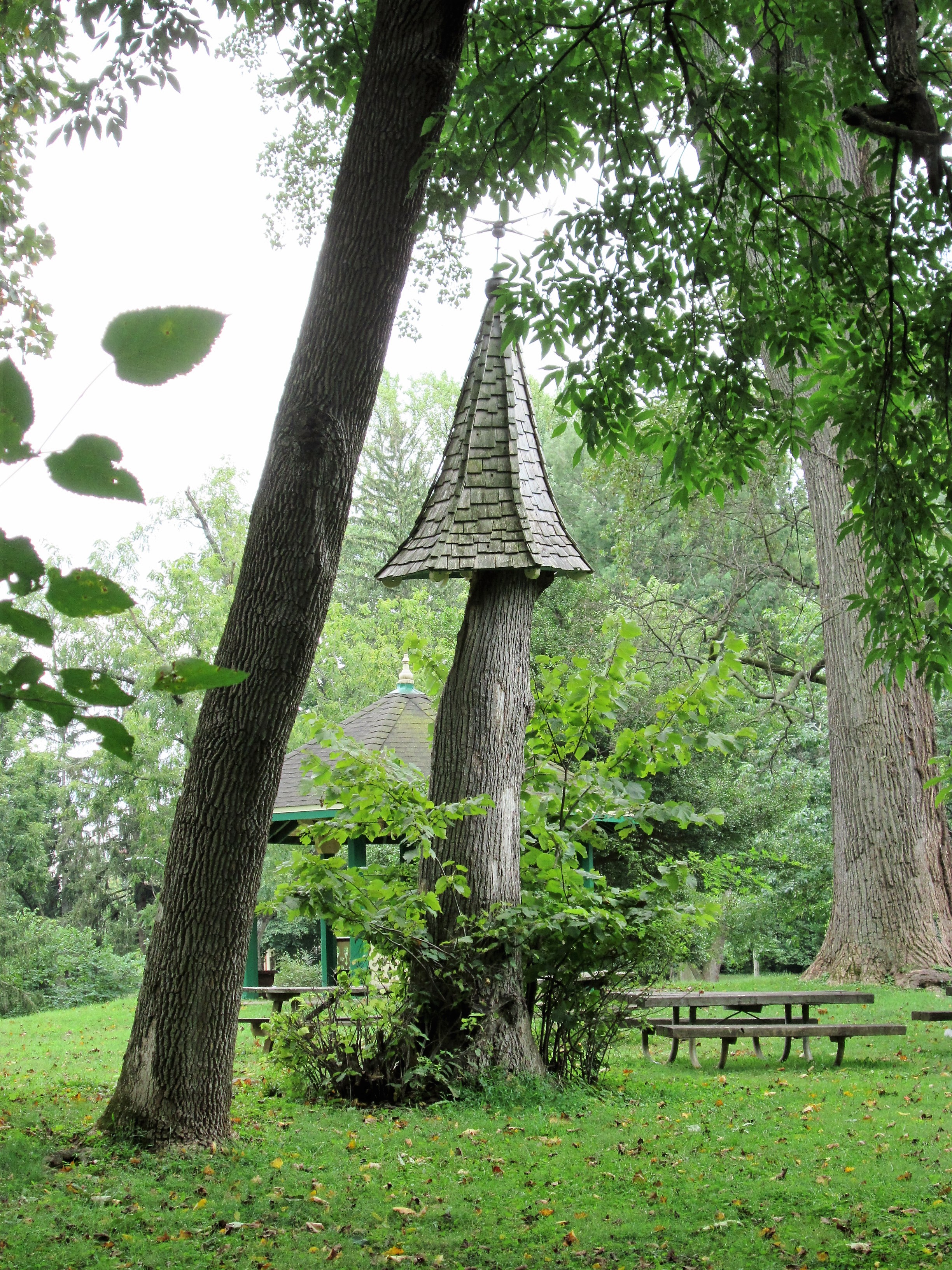
007

Part of the ‘Art in the Park’ collection. Mr Keebler’s house.
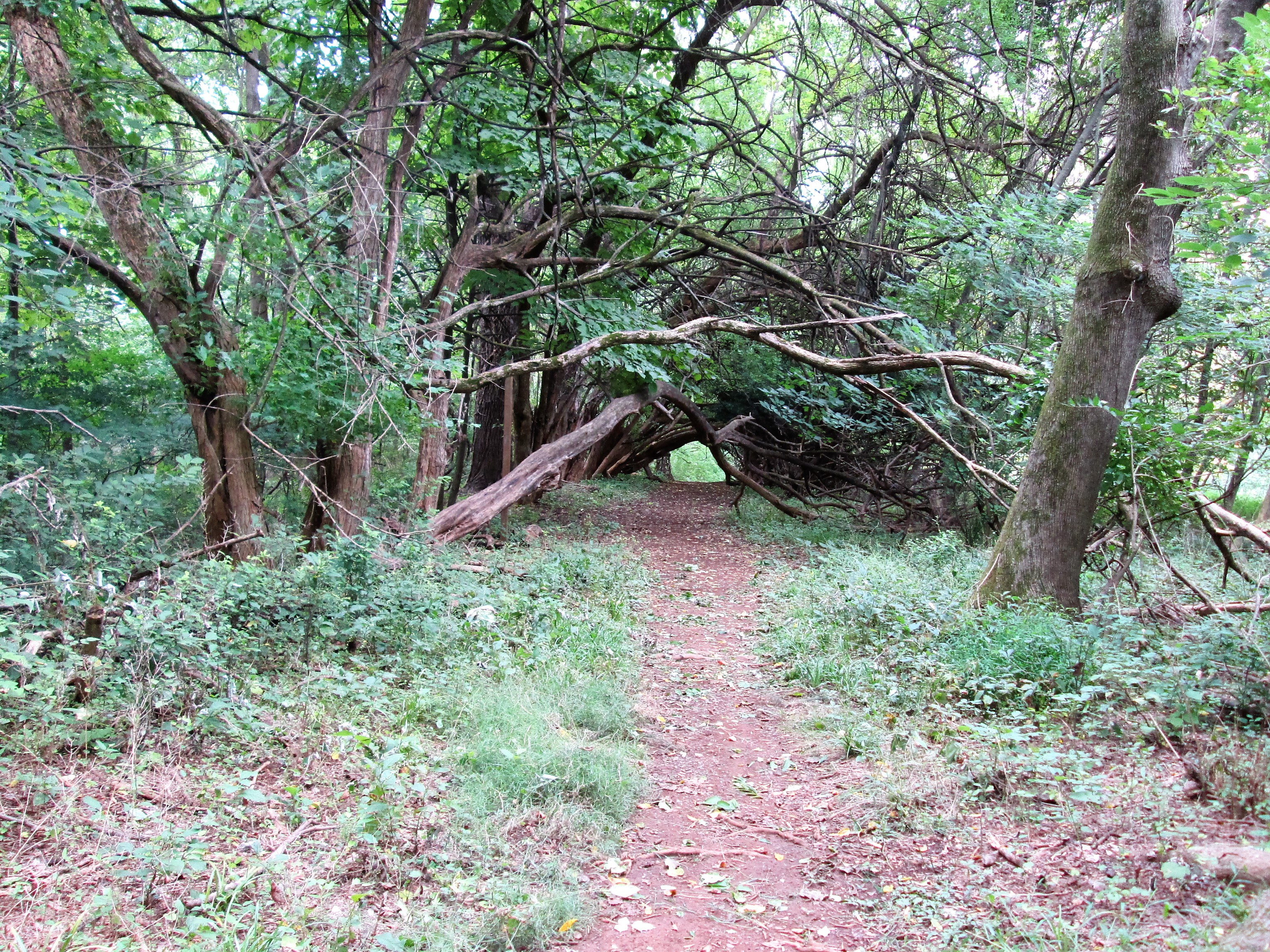
009

Sometimes nature creates her own art.

013Shrooms.

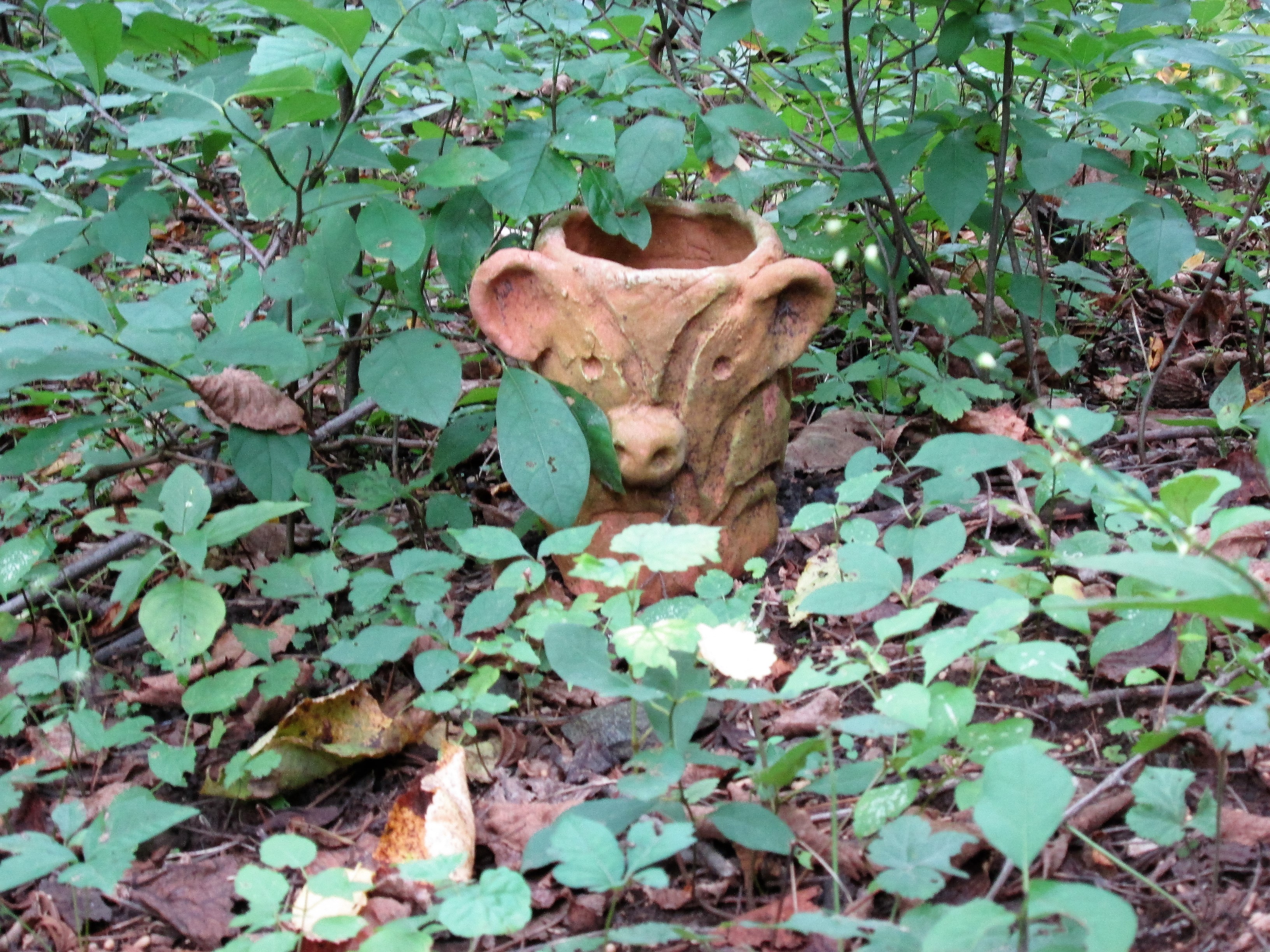
014

Clay art.

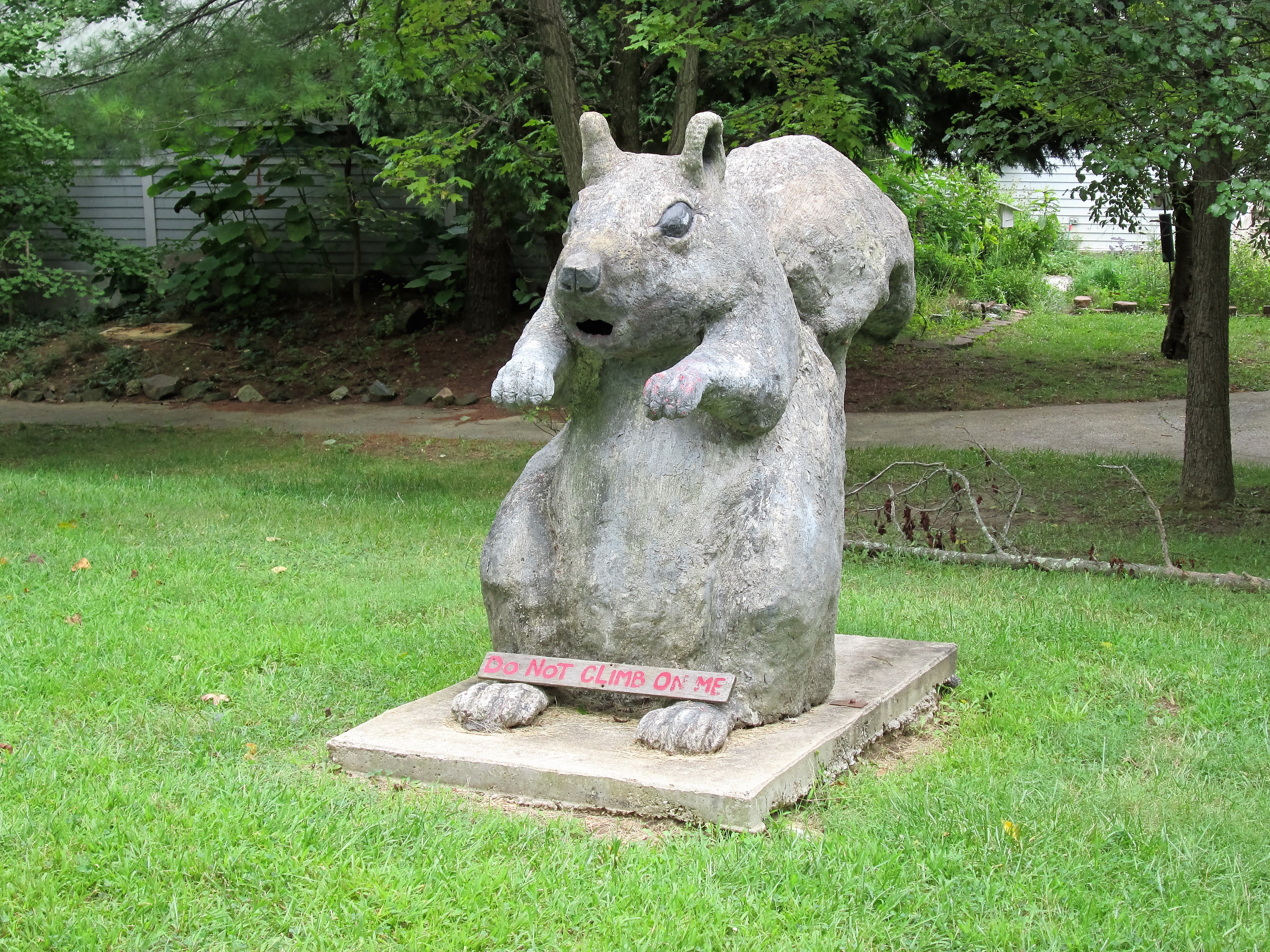
024

Big scary squirrel.

028

Spider-woman.

033

Nice little walkway to the next trail down.
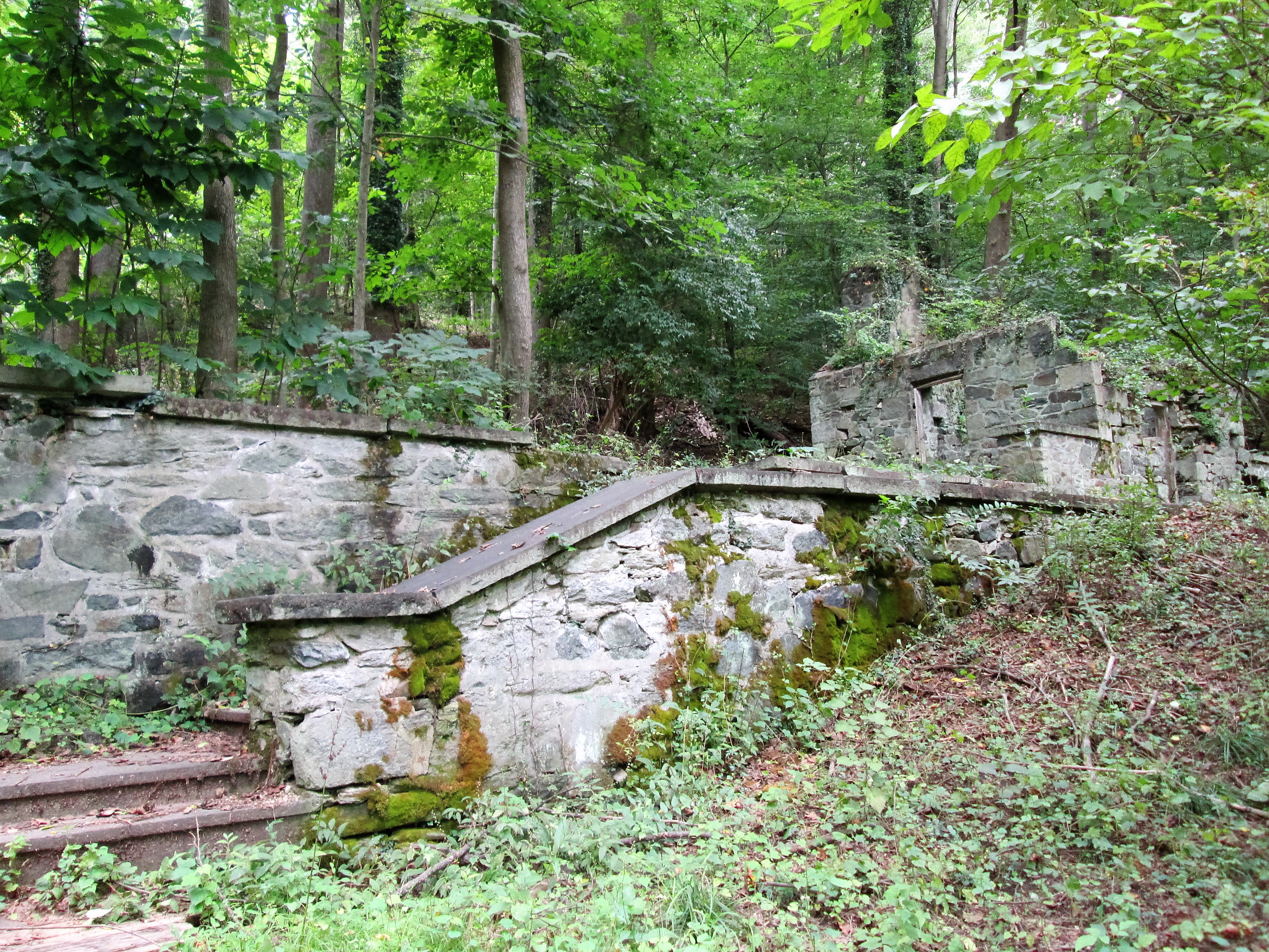
044

Fort remnants.

047

Through the doorway, fireplace.

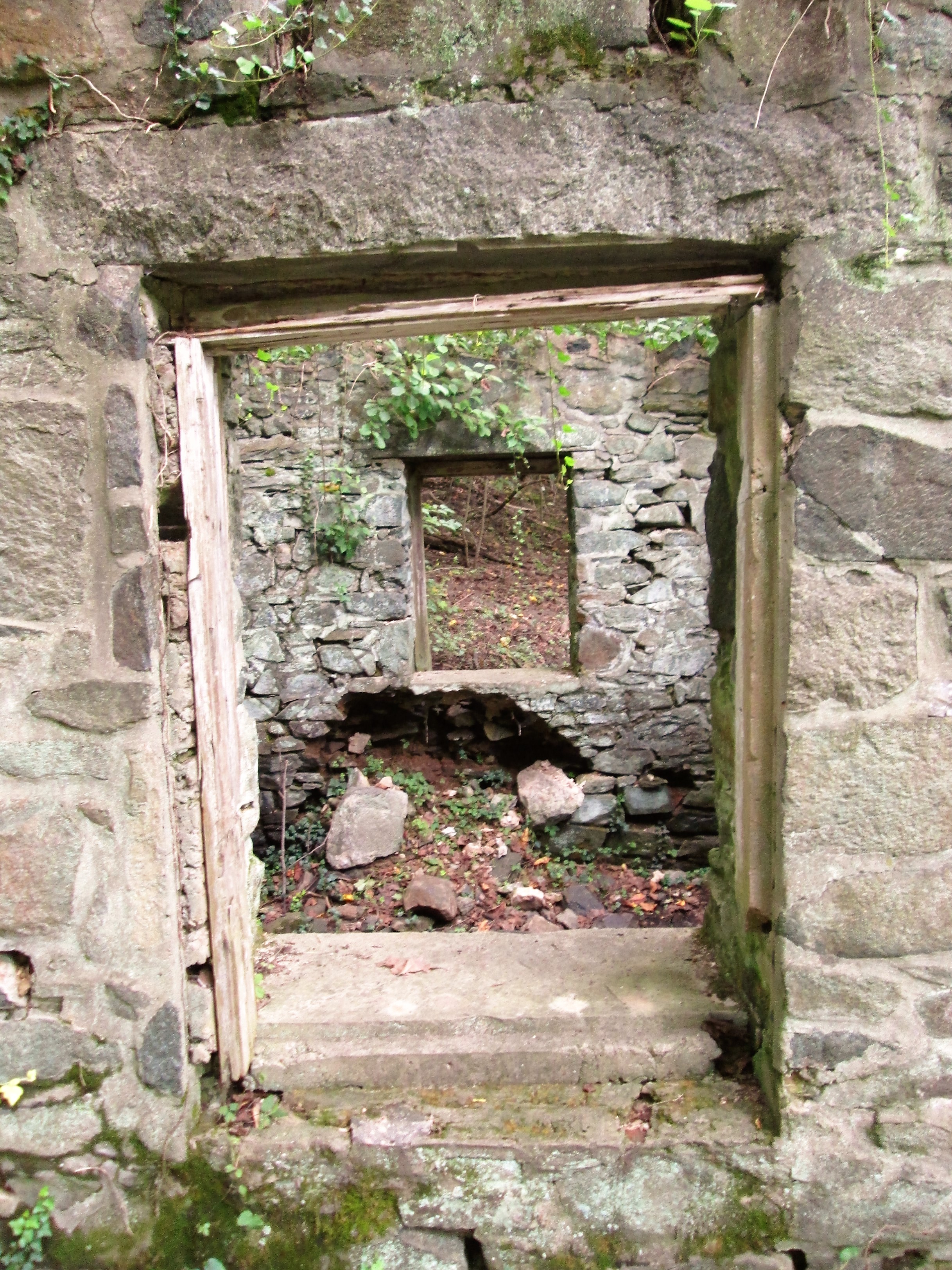
051

Windows to its soul.

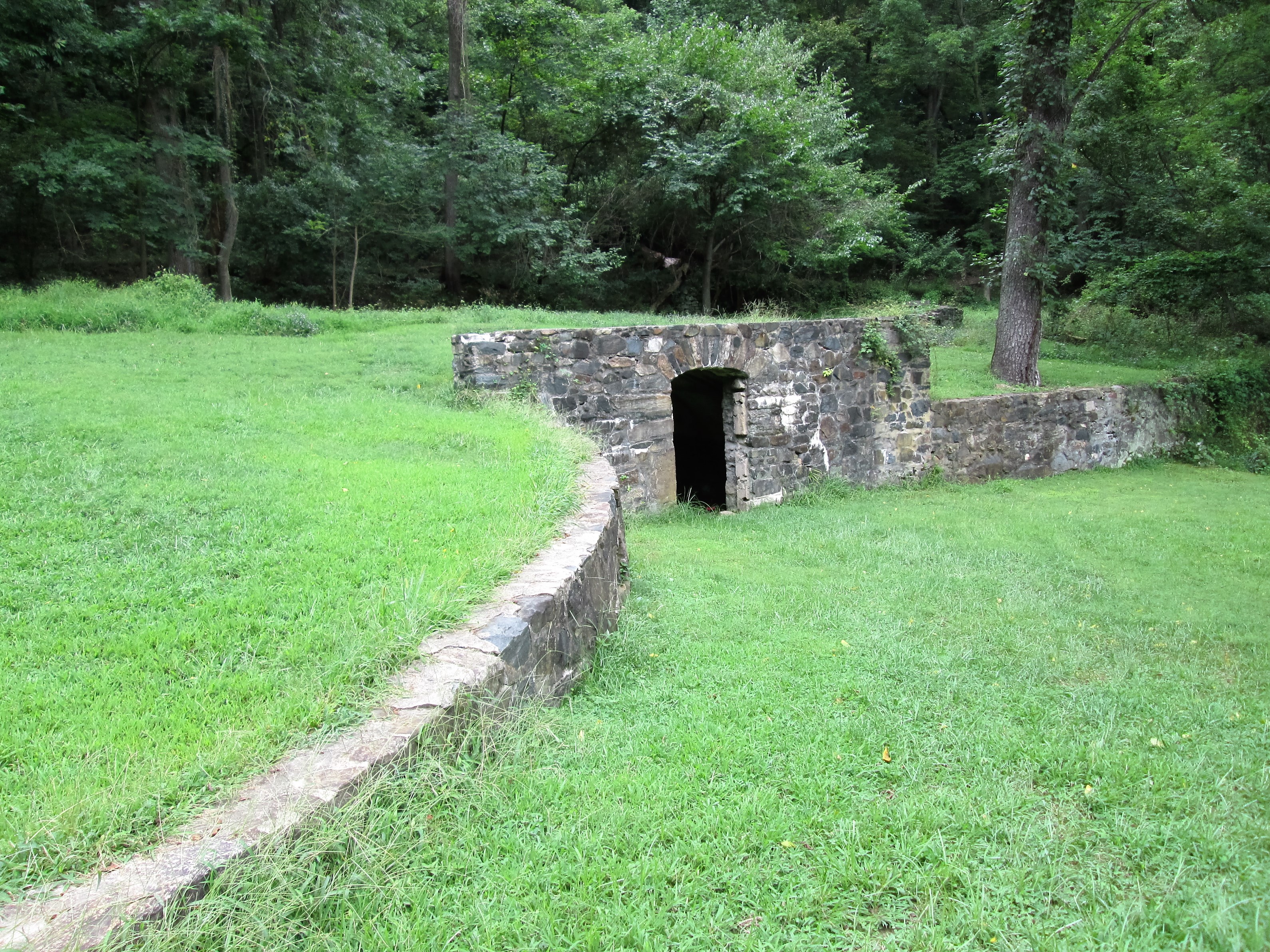
054

Looks like a place to keep your black powder.
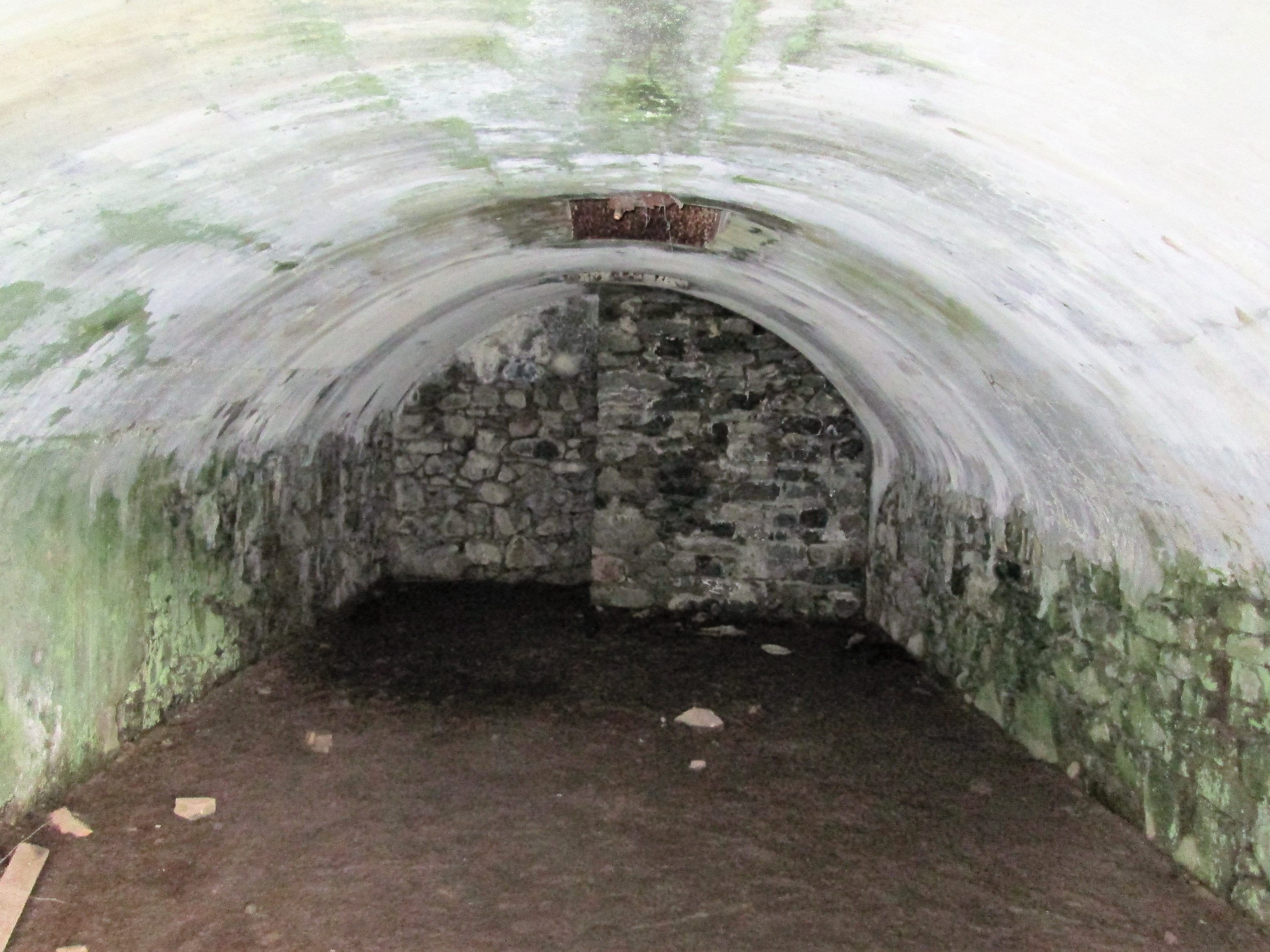
057

Interior of bunker.

069

The water wheel. It is unbelievable how far up the hill this had to pump water – to the mansion.
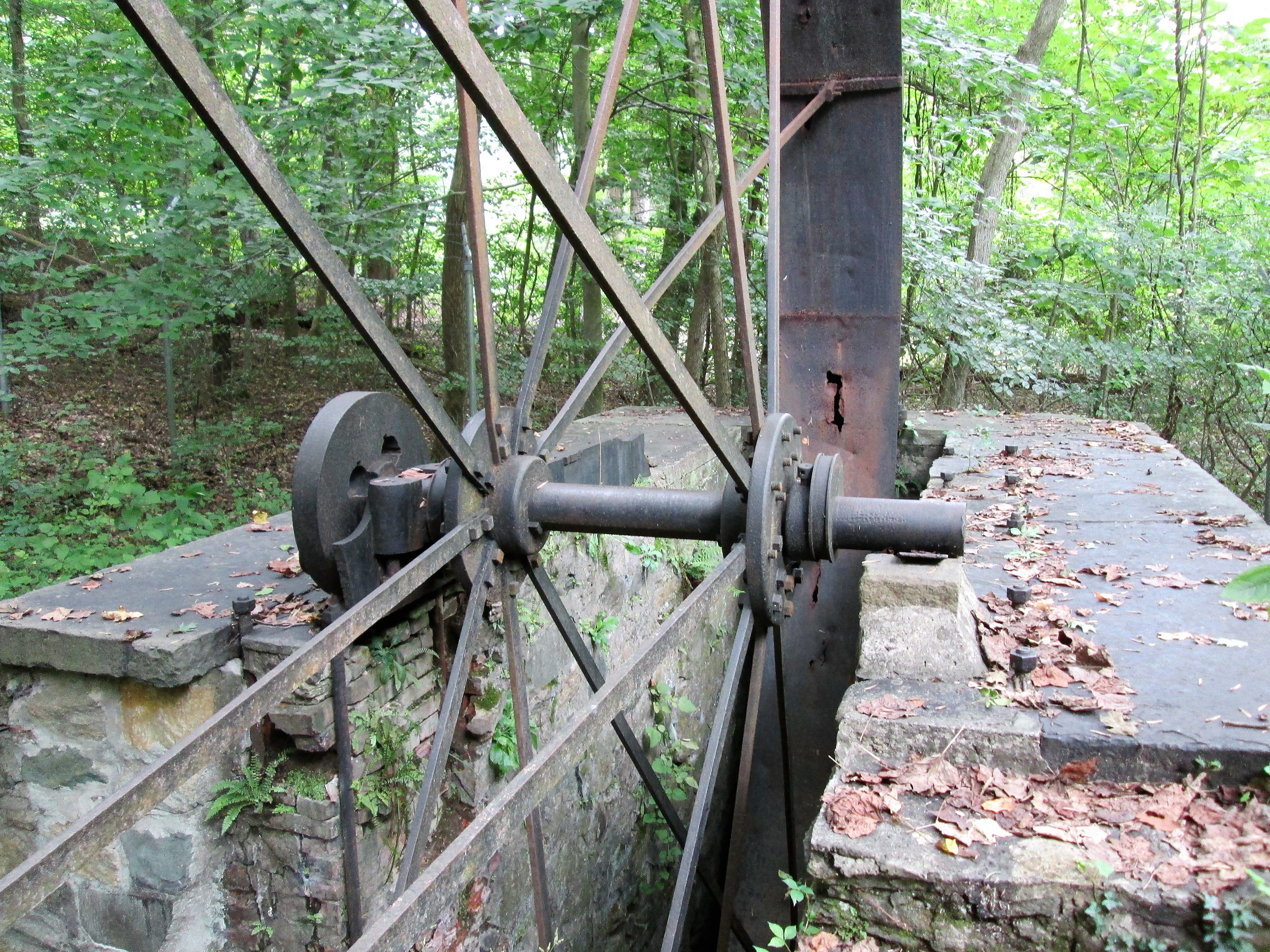
073

Water works. (I have to mention something about water since that is what my blog is supposed to be about) (It smelled like sewage here. I read that during the last storm, 850,000? gallons of sewage was dumped into the Gwynn’s Falls – controlled dump?)
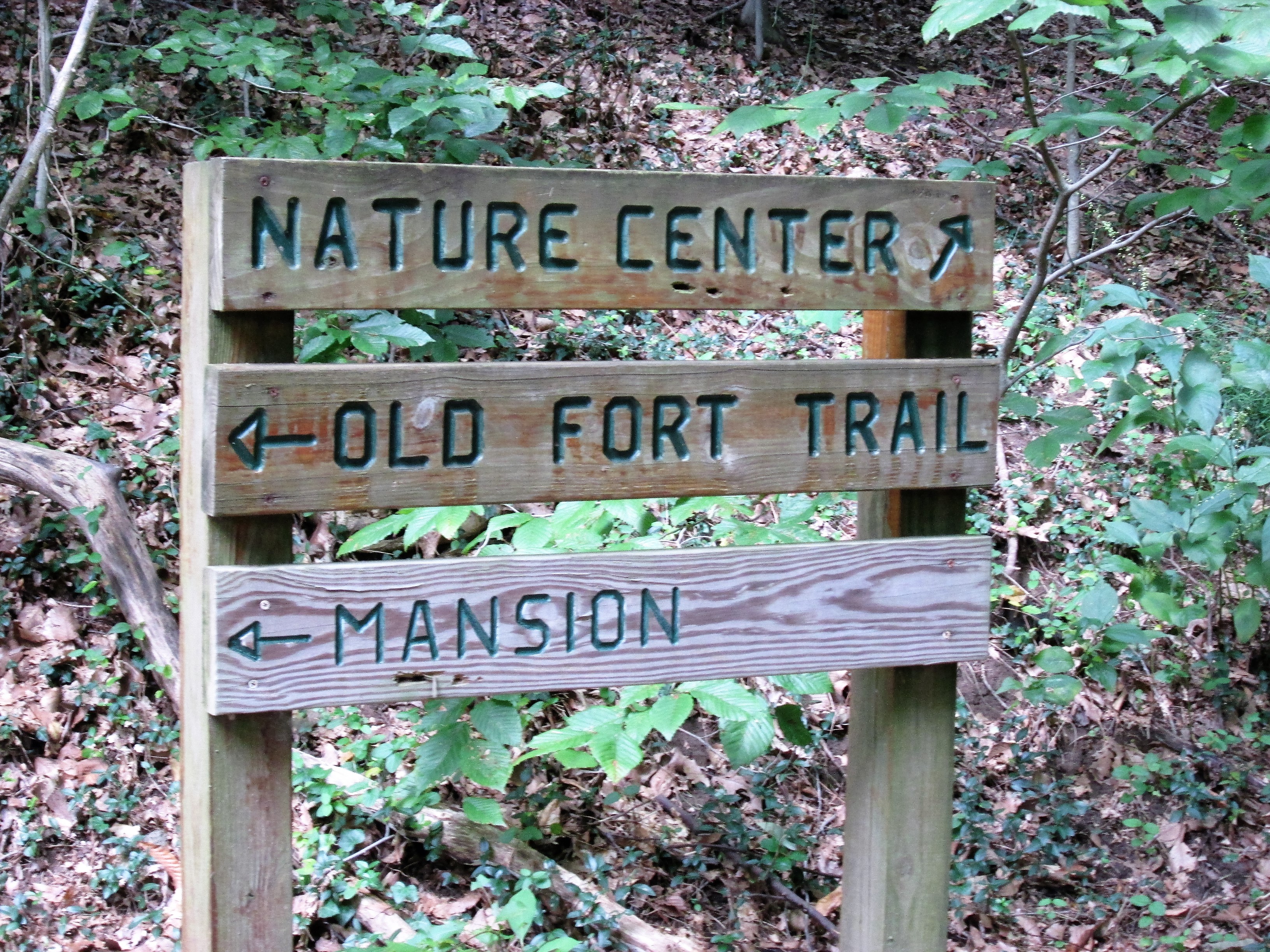
083

Trails were marked pretty good.

090

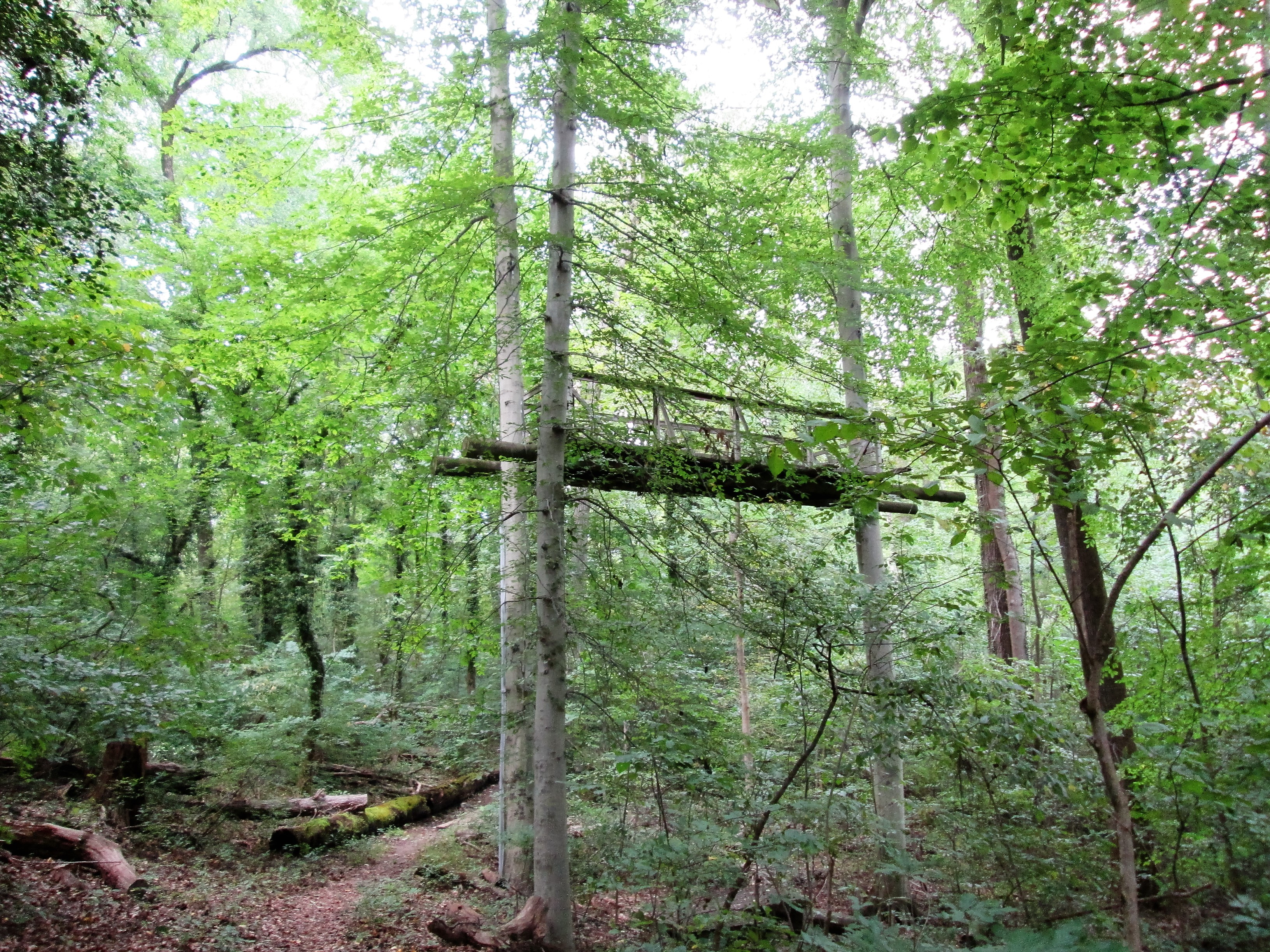
Kathy and I stood and stared at this for a while. No clue. It is on cables and has a trap door with hooks. Torture item? Remnant from filming Blair Witch?

099Man made art…

108

Nature made art.

114

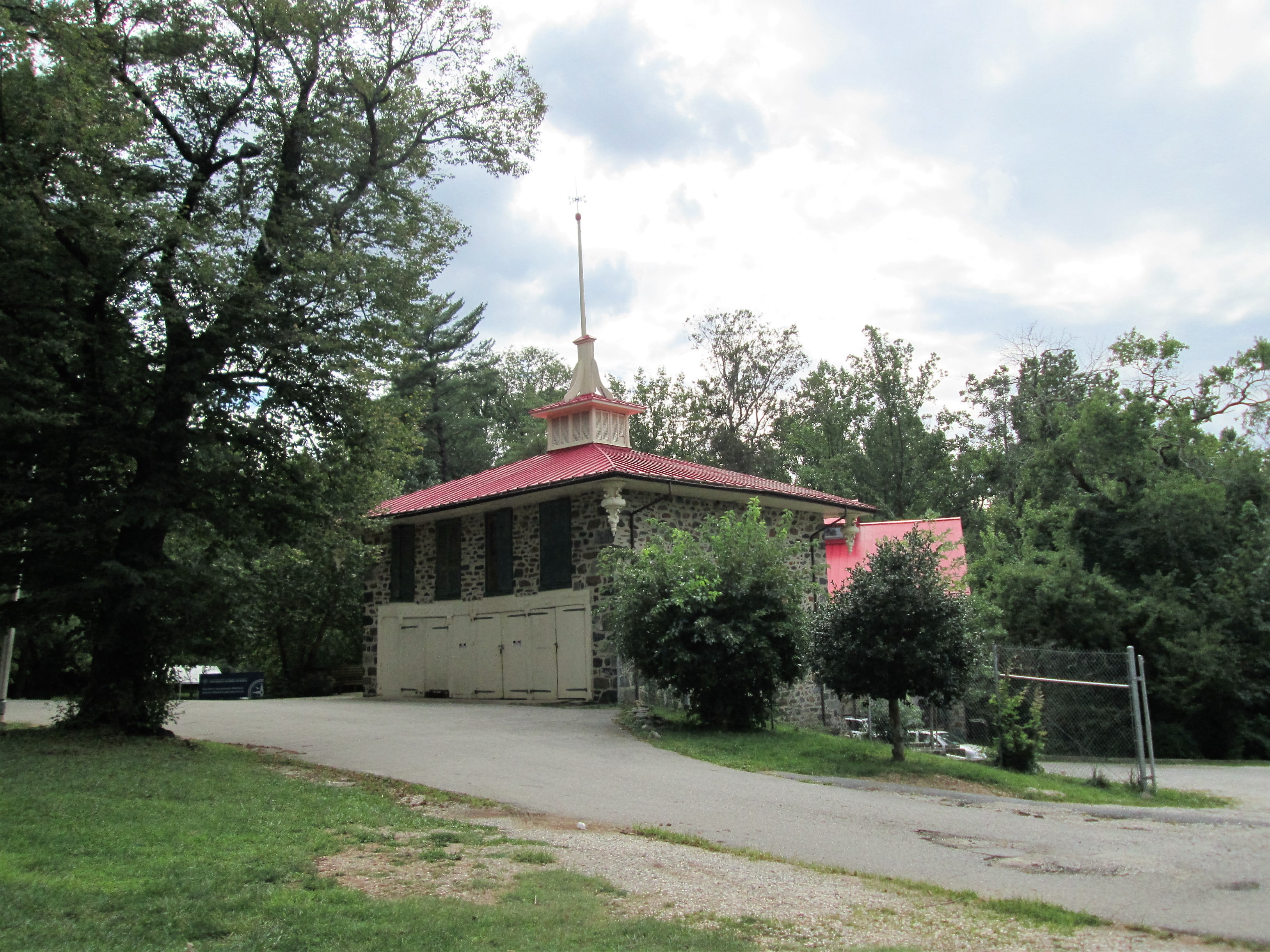
The old carriage house.

117

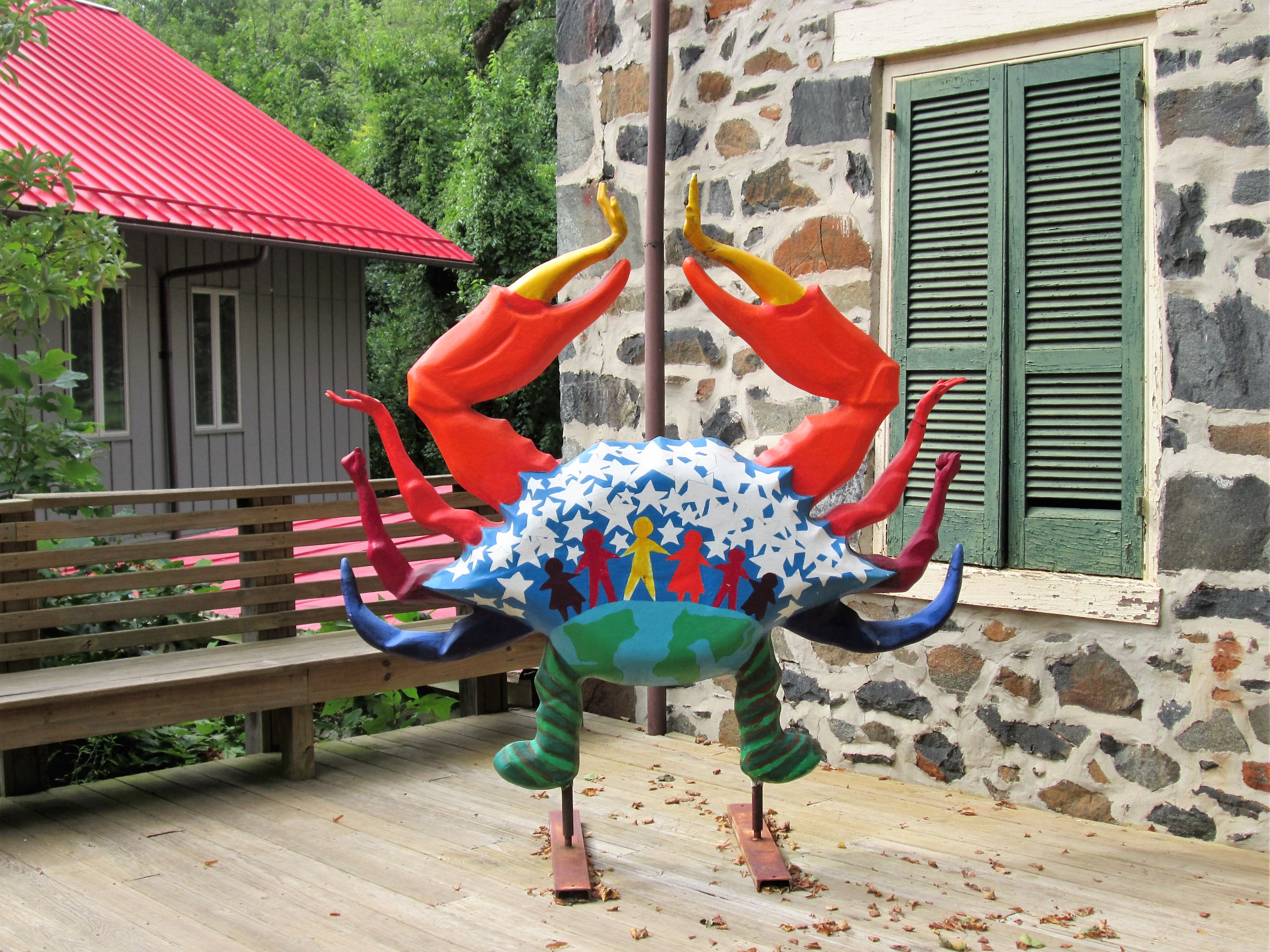
Pole dancing crab

118

Honeymoon cottage.

125

Art.

126

Mansion.

135

Nice.

Graffiti as History

13 Wednesday Jul 2016

Posted by Ronald Parks in Baltimore, HISTORY

≈ 1 Comment

Tags

art, Baltimore, graffiti, HISTORY, Monuments, POLITICS, preservation, Statues

img013a

During last night’s class on Historic Preservation, the topic of graffiti came up for a brief moment. There is apparently two sets of graffiti inside the Washington Monument in downtown Baltimore. Those written in the base of the monument, dating back, possibly to the mid-1800s and that written in the tower, which was most recently done. There is an attempt to figure out and preserve the graffiti in the base, but yet, the graffiti in the tower is vulgar, obscene and must be removed! I posed this question to the group; wouldn’t the tower graffiti be historic in 100 years? A couple people were adamant that this type of graffiti is not historic.

So that got me thinking – who determines this? Who is to say what is vulgar and what is historic? A quick Google search of Roman Graffiti shows many sites with graffiti quotes that the Romans plastered everywhere. Did this graffiti tell a story of the social lives of people? Was Pompeii a den of iniquity? What about cave drawings? Supposed it was found out that these were all sexual in nature? Would they be removed? And petroglyphs? Rock carvings, some of which may be considered animal cruelty. Or are they the tales of various cultures?

I do not condone graffiti. I was once (when I was 17) considering writing a book about it while hitch hiking cross country. I was amazed at the different graffiti scribbled on the bathroom stalls of gas stations. Short stories and quotes about toilet paper (or the lack thereof) and where to get the best sex in town! Did this graffiti describe nomadic living? I’ve seen much graffiti that defaces public spaces and right next to it will be graffiti, renamed as a commissioned art piece. Who determines which of the two are really works of art? I’ve seen a lot of graffiti that were truly works of art. Someone I know went under a bridge, saw graffiti and did a painting of it. It was really good and I tried to buy her original artwork at auction but was outbid by many others.

Rendition – Sewage Pumping Station

07 Monday Mar 2016

Posted by Ronald Parks in Baltimore, HISTORY, Sewage History

≈ Leave a comment

Tags

art, Baltimore, engineering, Health, HISTORY, Jones Falls, Museum, Sewage History

Below is an artist rendition of what the Eastern Avenue Pumping Station was to look like in 1907. I found this water color drawing at the DPW Museum, tucked behind a bunch of wet, moldy boxes (some museum pieces were damaged by water and fire years ago). I am hoping to take this art work and have it restored soon. I like that the artist also included the Baltimore Shot Tower in the background, to the right. With the coal bins above the steam boilers, that ran the pumps, the coal was unloaded from rail cars and ships, then conveyed to the top of the building. It fell into hoppers and the hoppers fed the boilers. Engineering marvel. The building is being considered as a Historic Landmark.

The building is still pumping sewage every day. Where the boilers once were, had been converted into the DPW Museum, which has been closed for a few years.

IMG_1797

Newer posts →

Blogroll

  • Flouride Action Network
  • lulu
  • My Book
  • WordPress.com
  • WordPress.org

Recent Posts

  • Bermuda 2023
  • ICELAND April 2023
  • George Chalmers of Fochabers
  • In Search of The Skipjack Ada Mae
  • Trap Pond Kayak

Blog at WordPress.com.

  • Subscribe Subscribed
    • Water and Me
    • Join 231 other subscribers
    • Already have a WordPress.com account? Log in now.
    • Water and Me
    • Subscribe Subscribed
    • Sign up
    • Log in
    • Report this content
    • View site in Reader
    • Manage subscriptions
    • Collapse this bar
 

Loading Comments...