• About
  • History Writings

Water and Me

Water and Me

Tag Archives: Public Works

N.Y. Trip

30 Monday Oct 2017

Posted by Ronald Parks in Hiking, New York, Photography

≈ Leave a comment

Tags

art, engineering, Hiking, HISTORY, nature, photography, Public Works

Another day trip to New York. Always a lot of fun and a lot of walking. You cannot beat the Groupon $33 round trip price. Our driver just flies up the highway. Went thru the Holland Tunnel and got off at 8th and 45th. Went to the City Kitchen then headed over to the subway. 
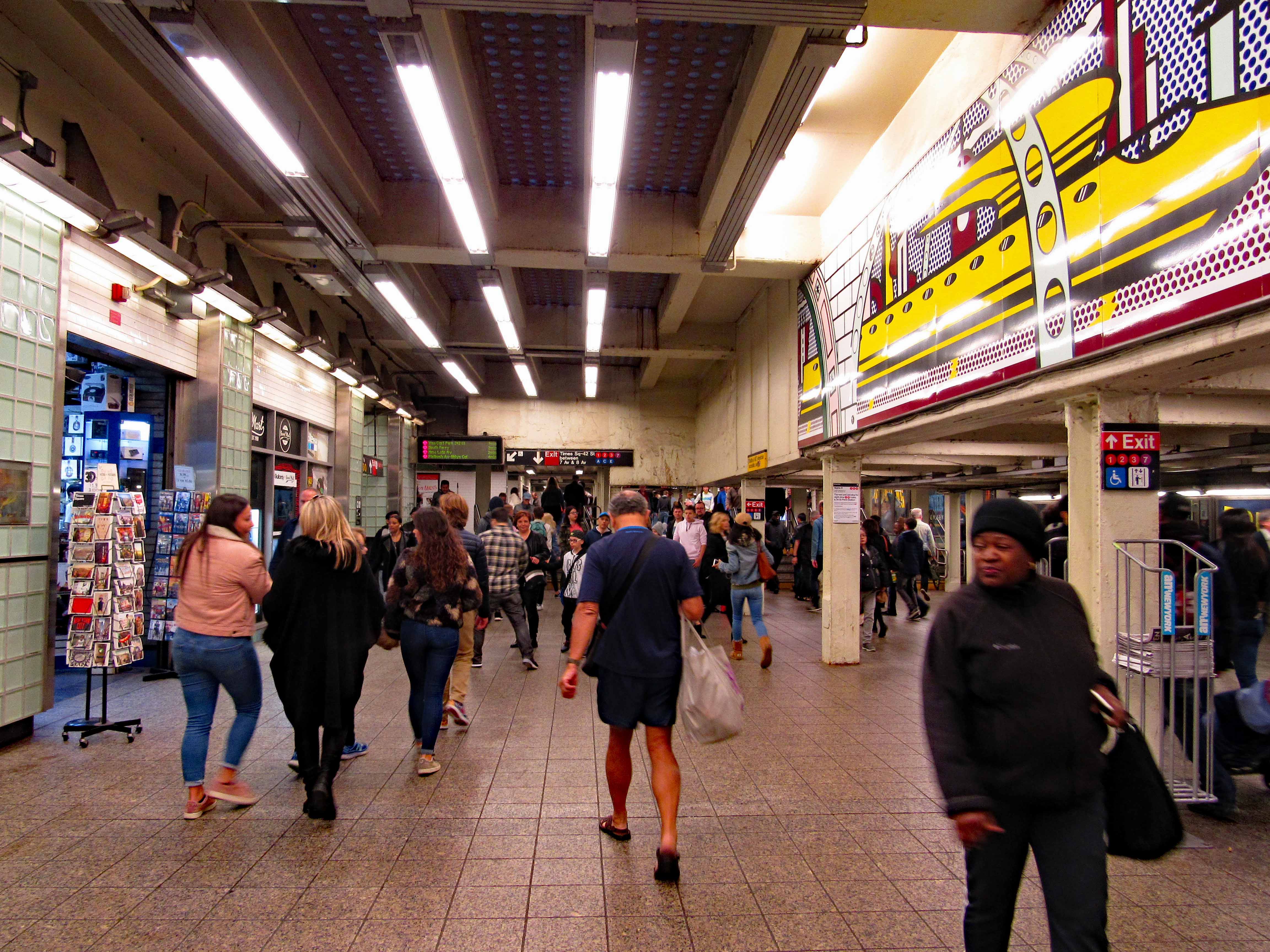
It was a lot cleaner than I thought it would be. Lots of people in N.Y. for some reason.
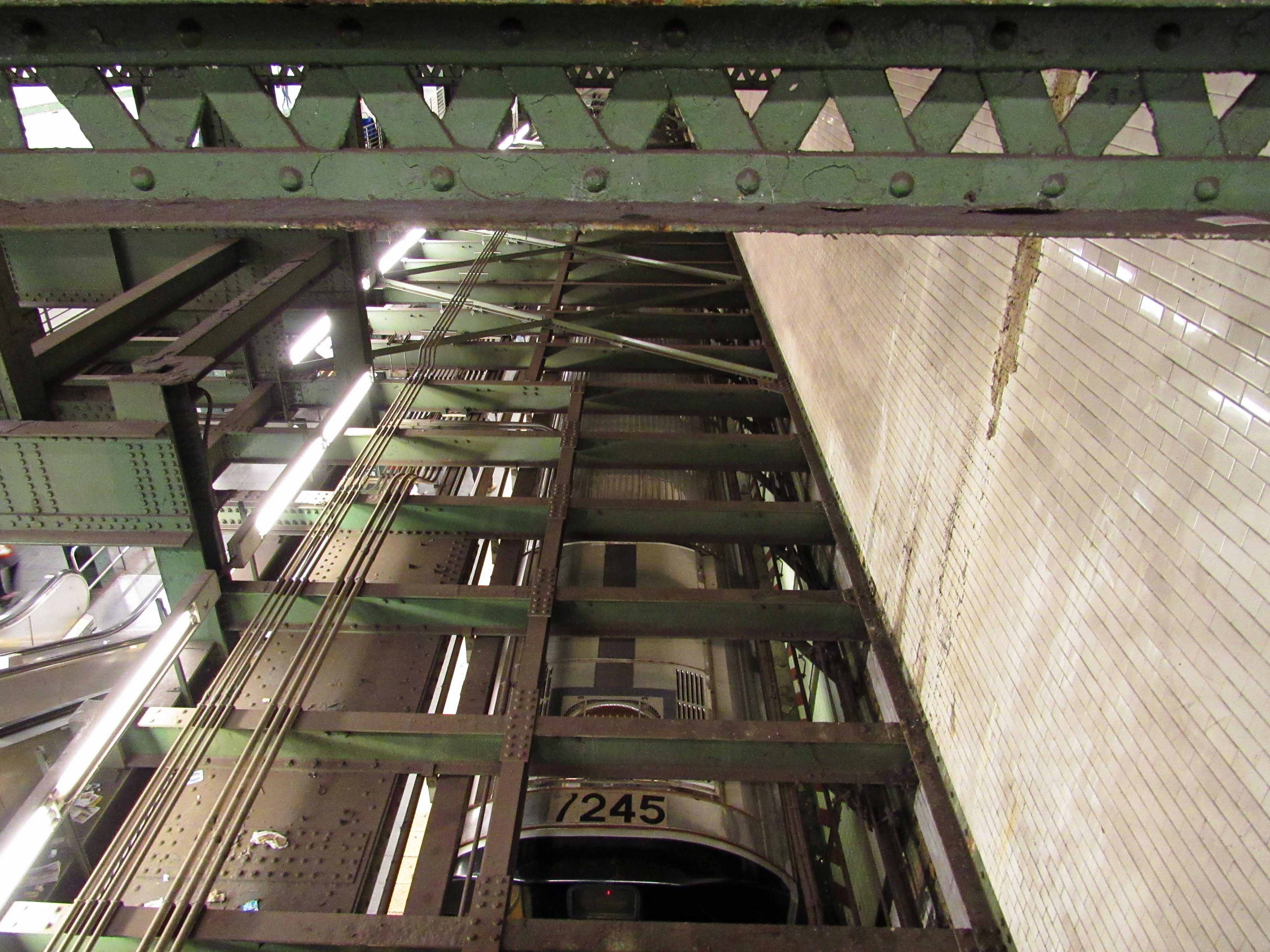
Looking down at one of the trains.

Our first stop was at the 9/11 memorial. This is some sort of mall?

Inside view.

Bright sunny day with lots of reflections.
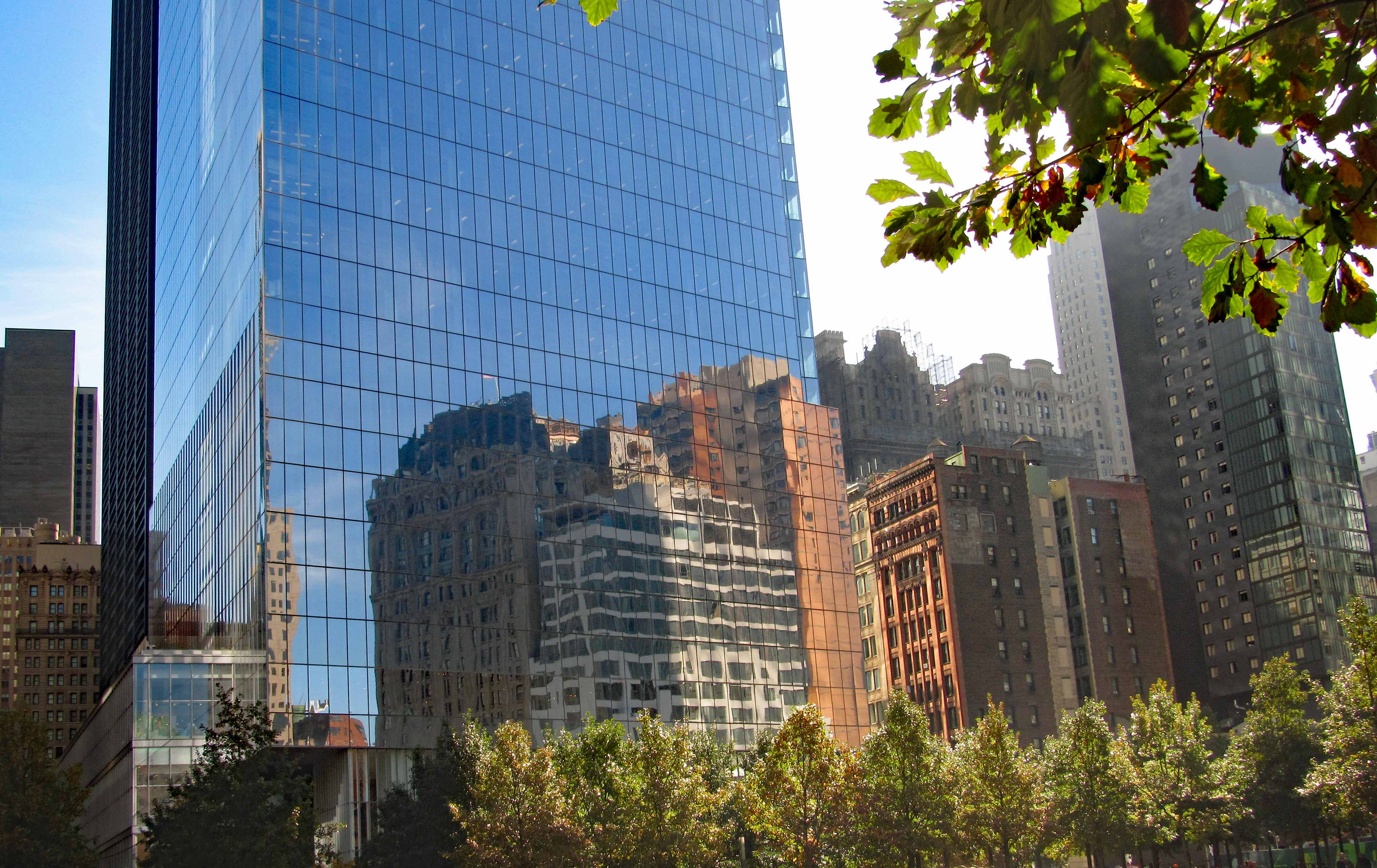
More reflections.
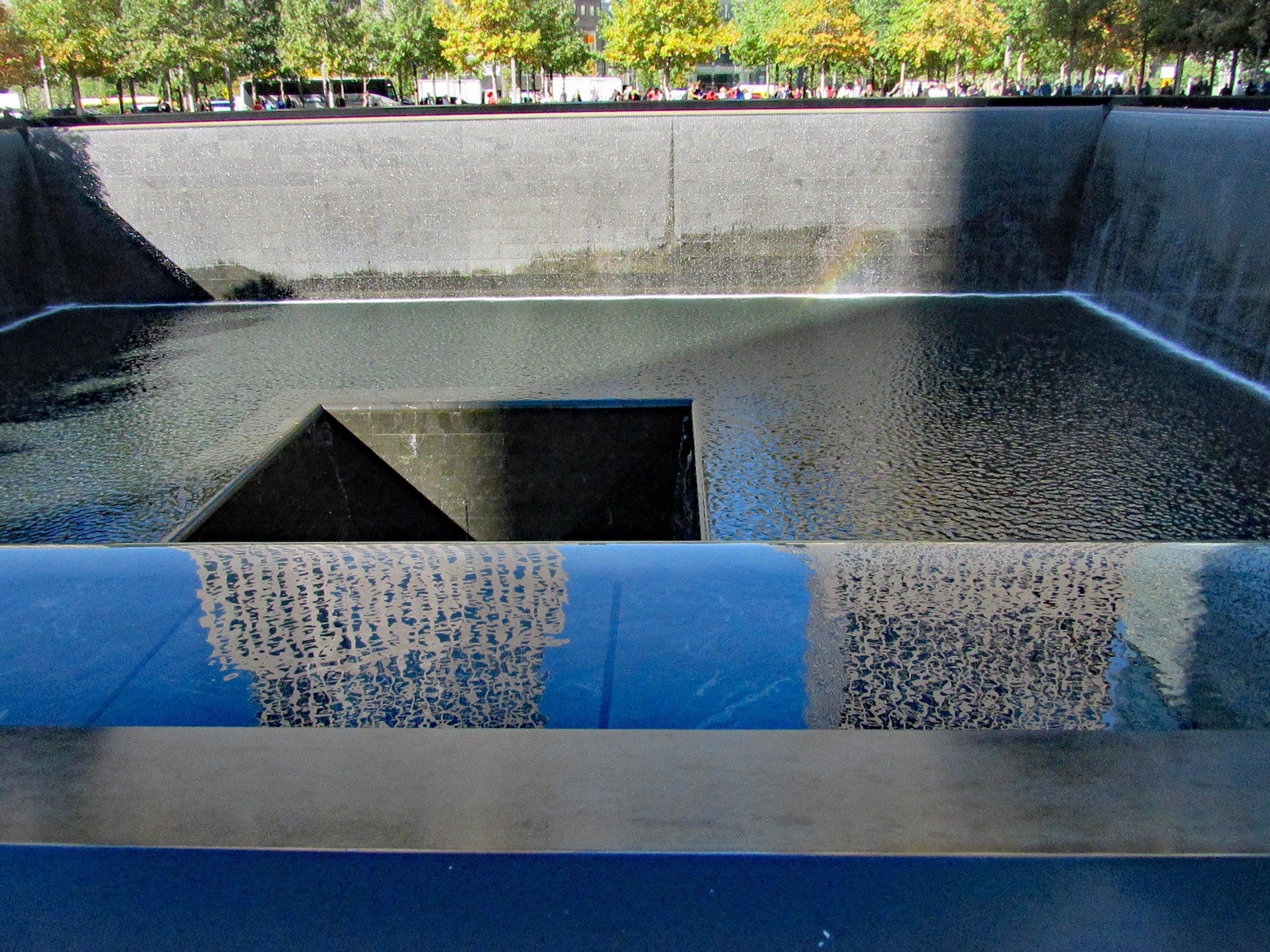
Reflecting pool. Hard to believe there once was a building here – full of people.

Kathy left her cellphone at work, so I’m not sure who she is talking to – on a cloaked phone.
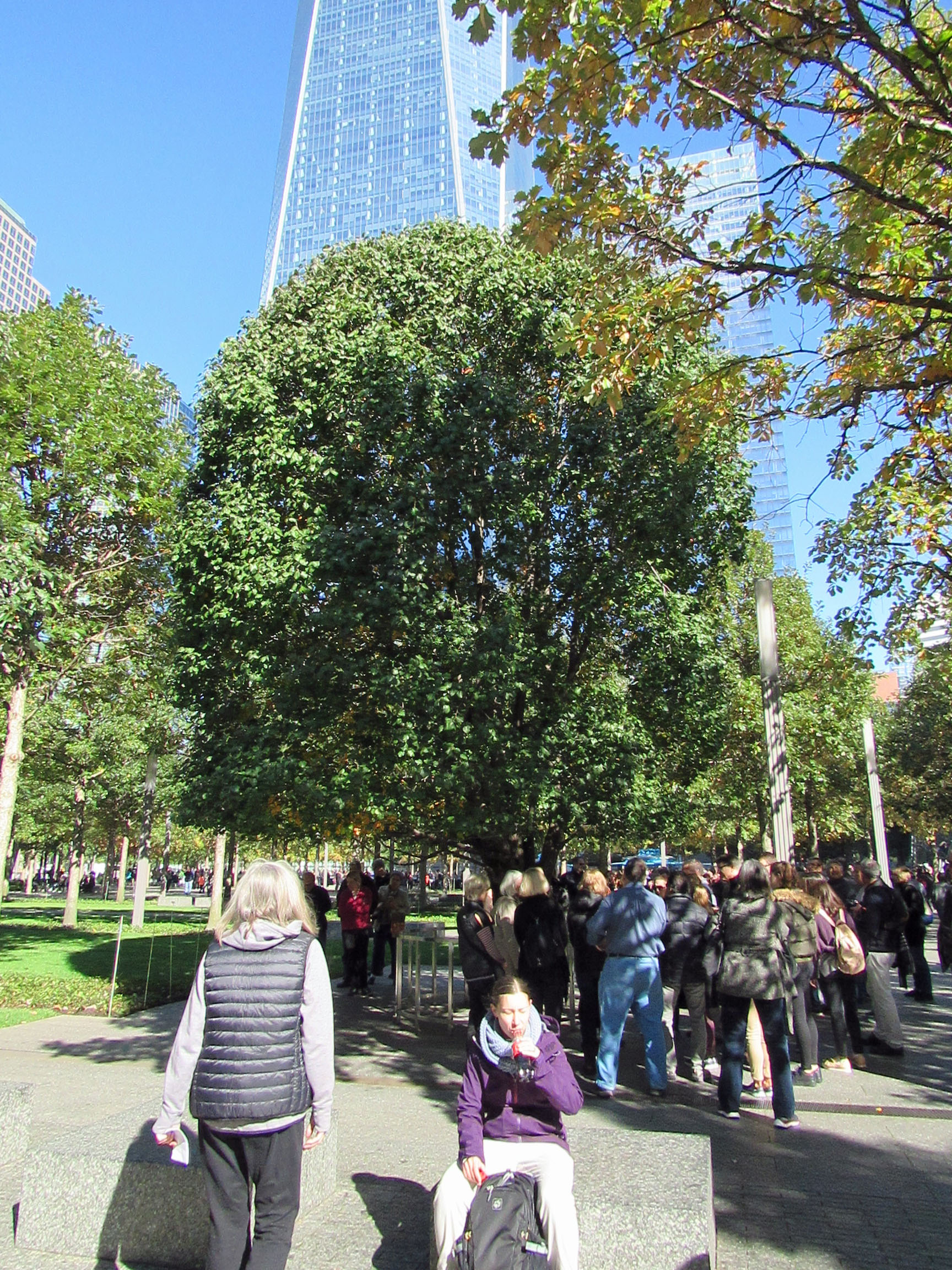
The Survivor Tree. Discovered amidst the wreckage of 9/11 – transplanted and cared for, then brought back to be planted here.

An art sculpture from the wreckage at WTC Plaza. 1971 “The Sphere”

Back on the subway and headed to Staten Island Ferry. The subway card did not work after Kathy went thru – a woman held the gate open for me! Niceness in NY!
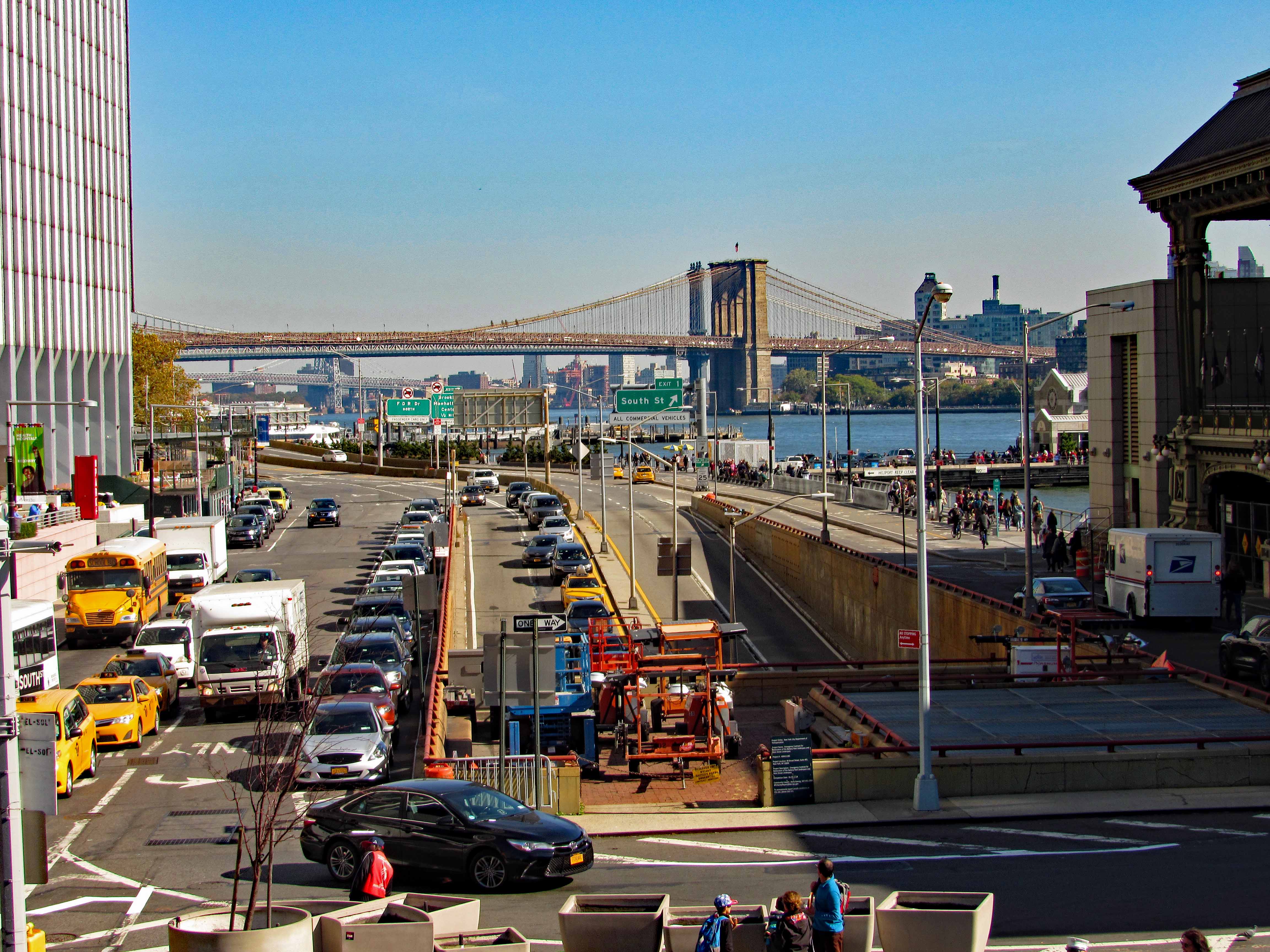
From outside the ferry terminal you can see the Brooklyn Bridge.

Leaving the terminal and watching a million people standing in line for the ferry, we walked over to Battery Park. Besides being able to see Lady Liberty from there, they have many statues around.
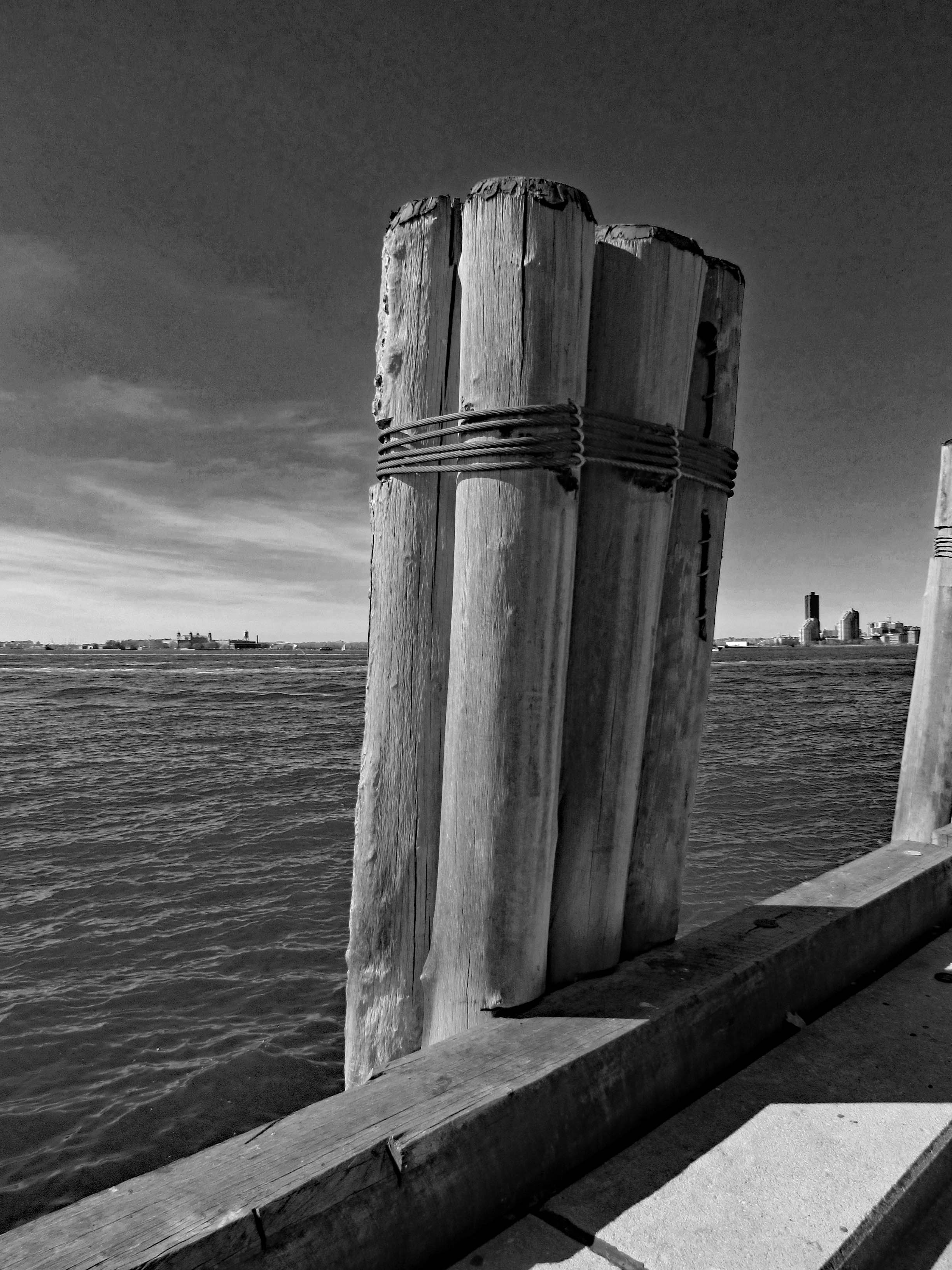
My B&W post of the day.
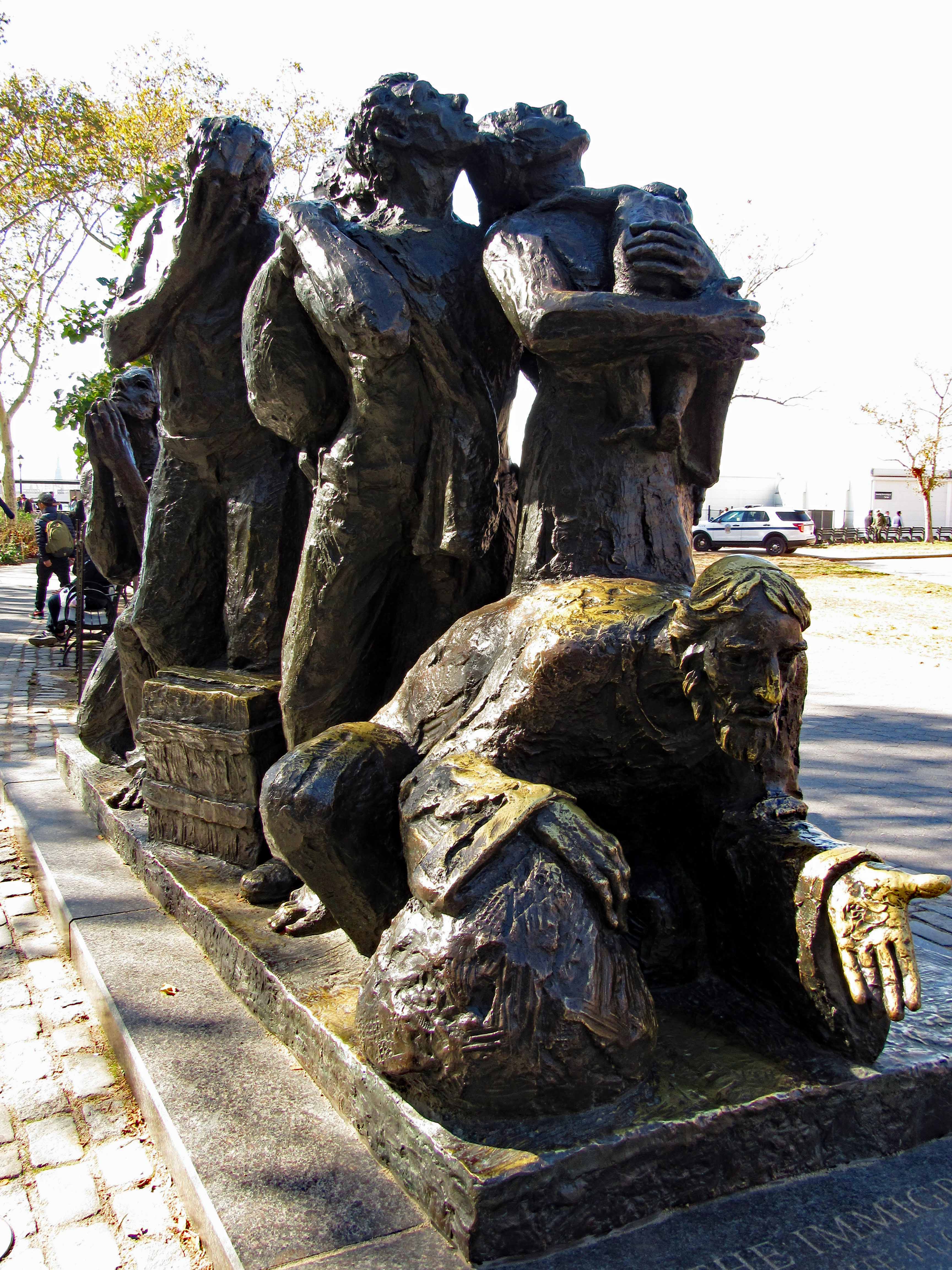
This was a strange one – called The Immigrants. 
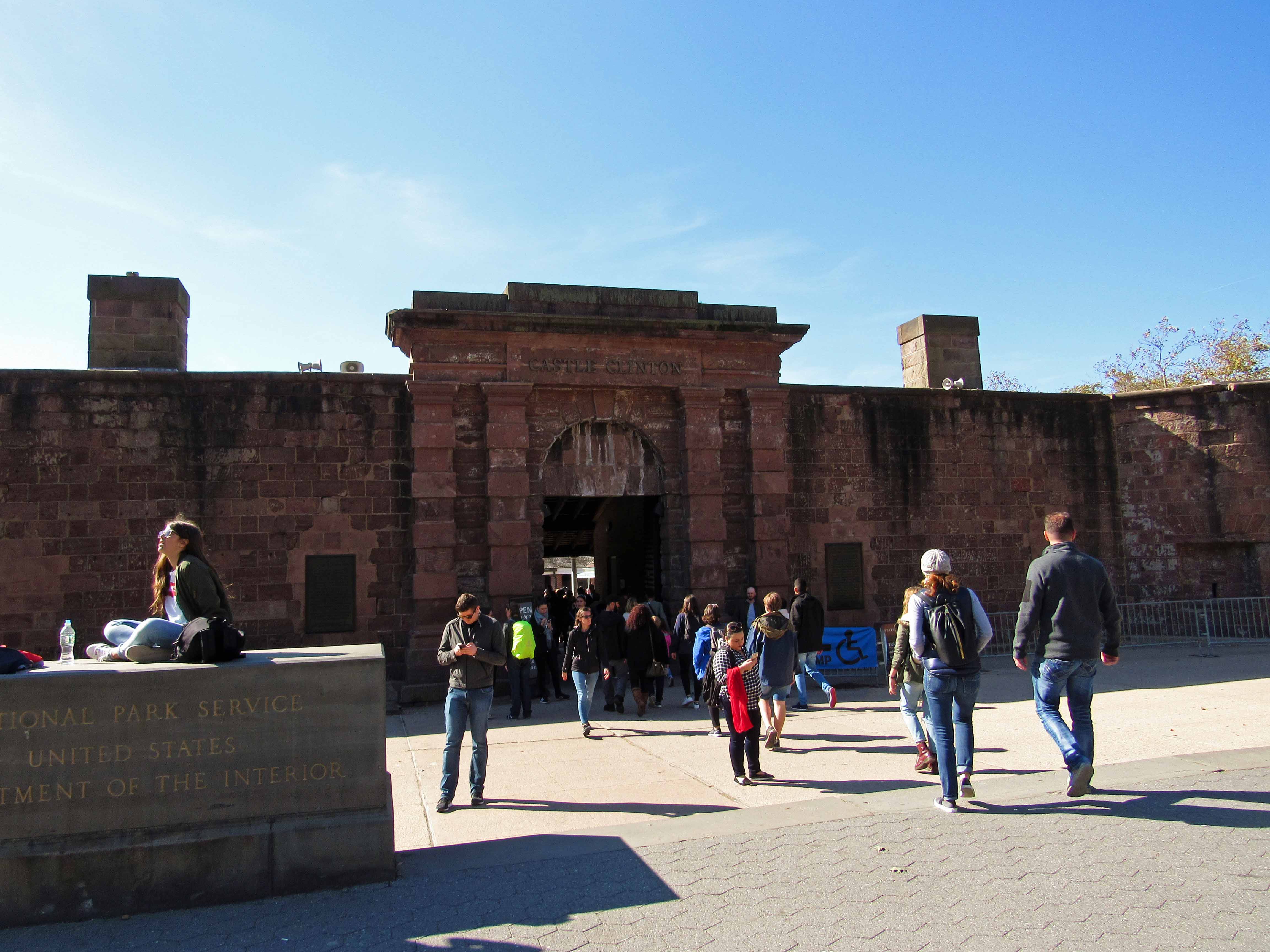
Castle Clinton. Had some nice dioramas inside.

Another statue. This was blocked off and we couldn’t read what it was about.

Korean War Memorial – Got his camos on.
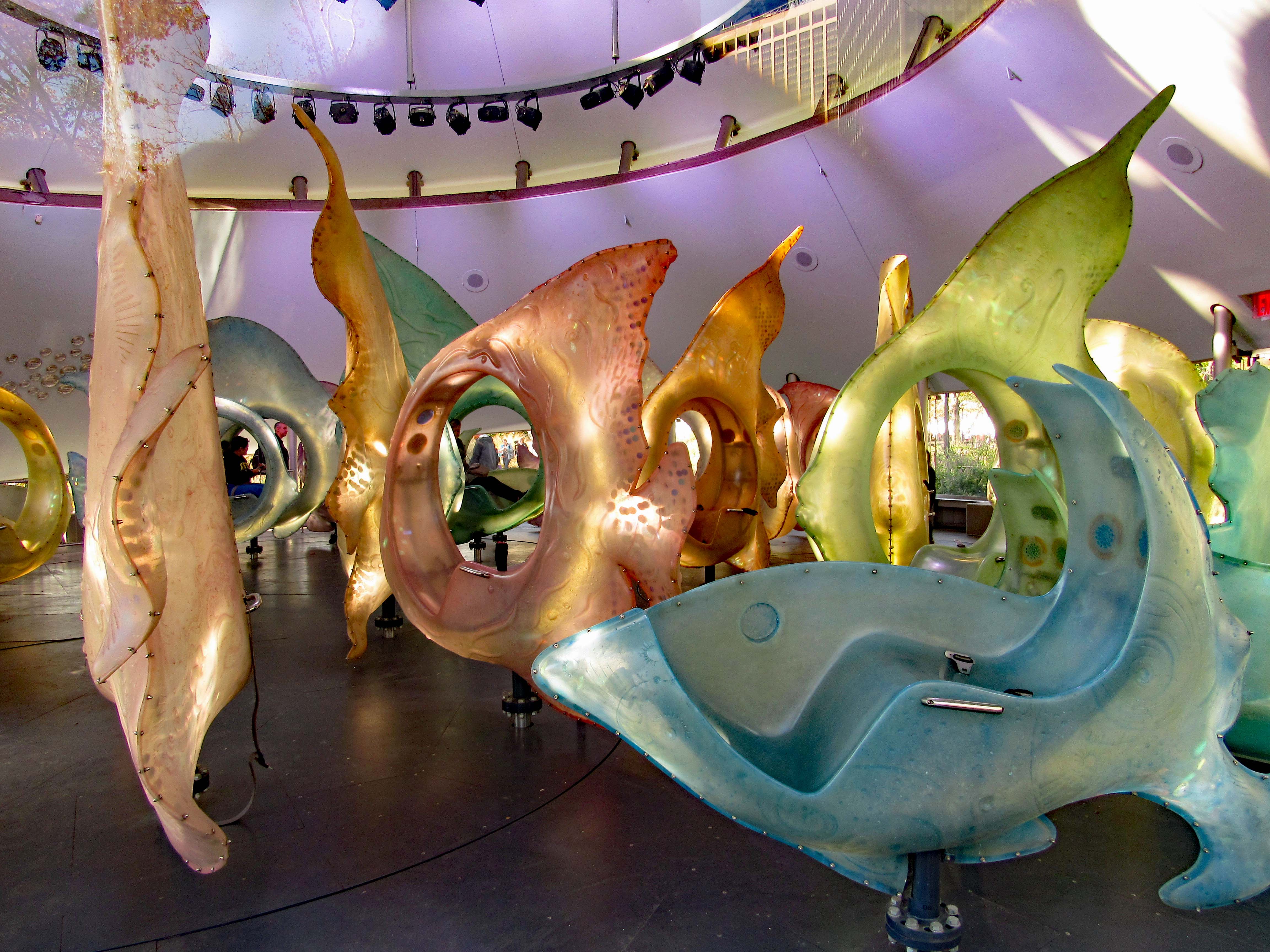
The Seaglass Carousel. 
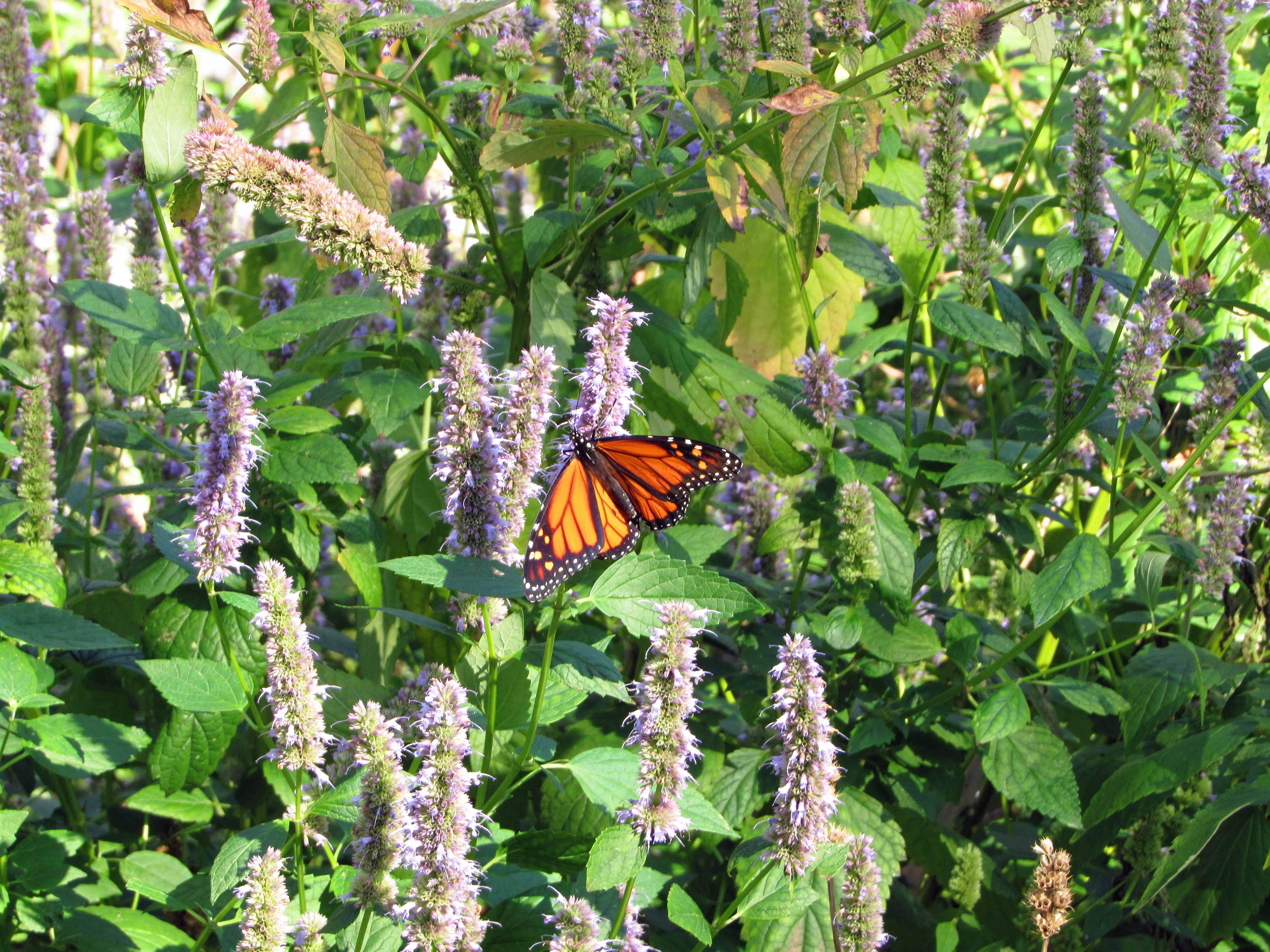
Leaves are slow to turn up here.
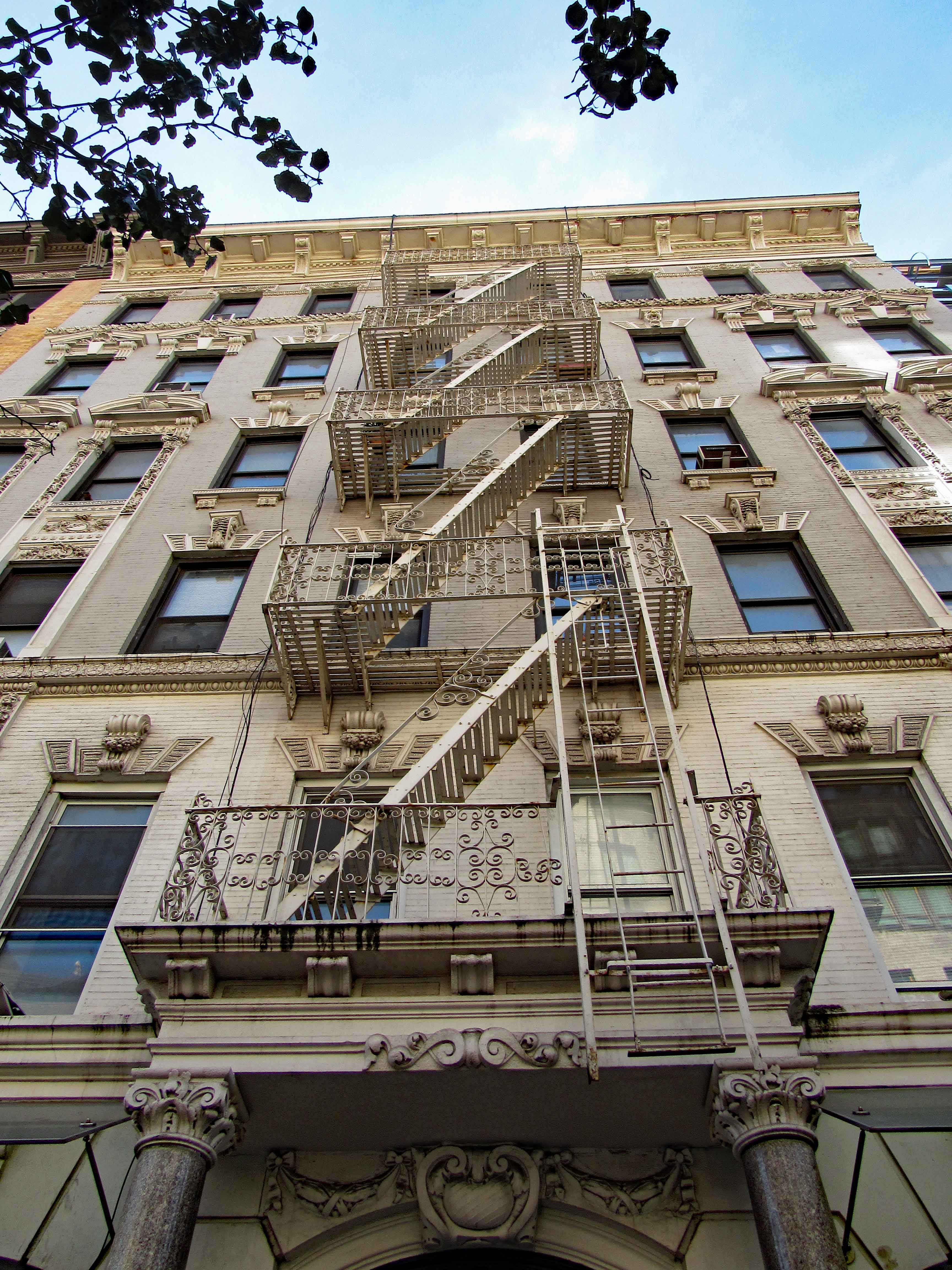
After Battery Park we caught another subway to Chelsea Market. Building on the way.

This place was packed. Halloween stuff going on.
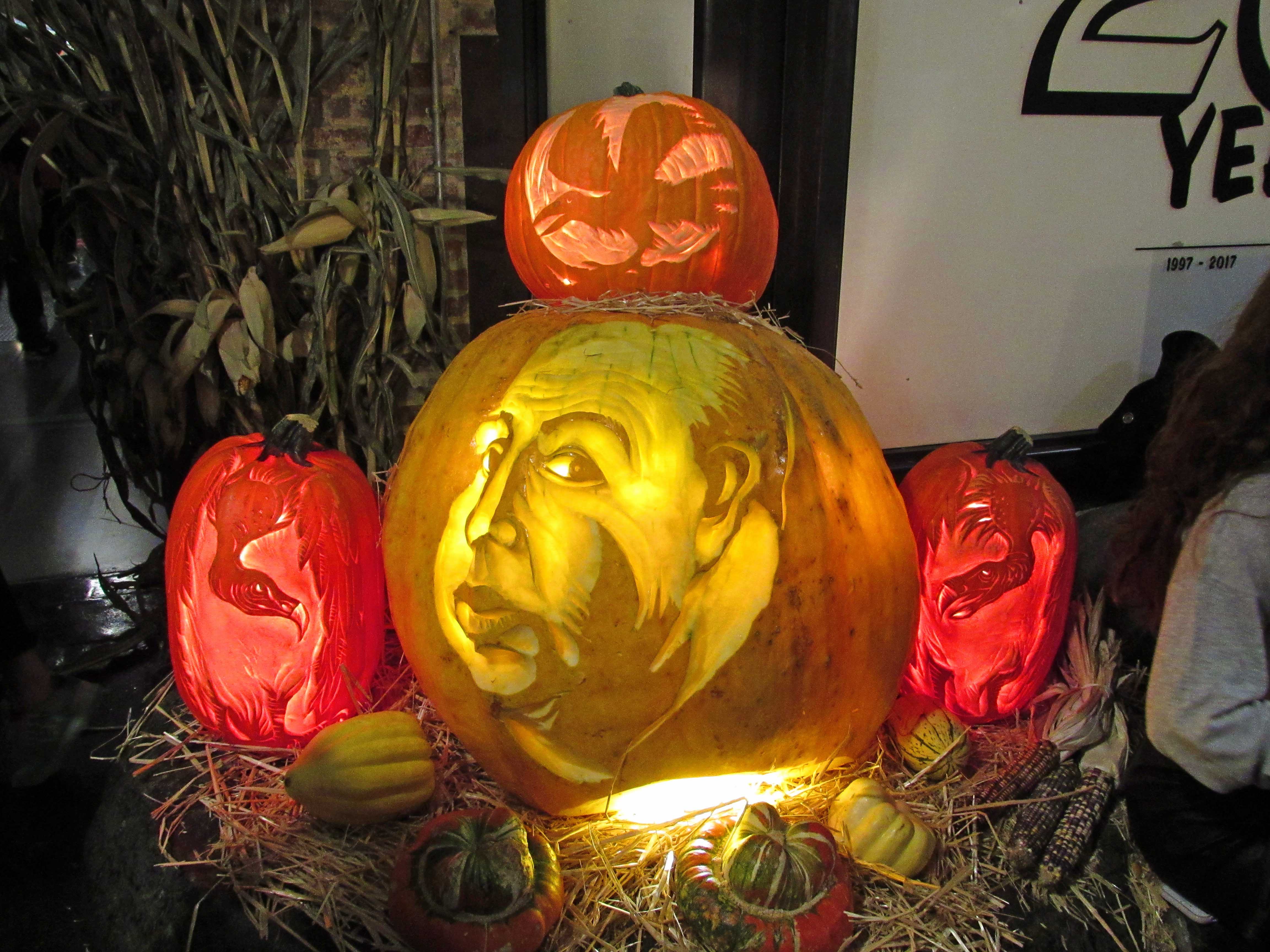
Halloween stuff!Left the market and headed to the High Line.
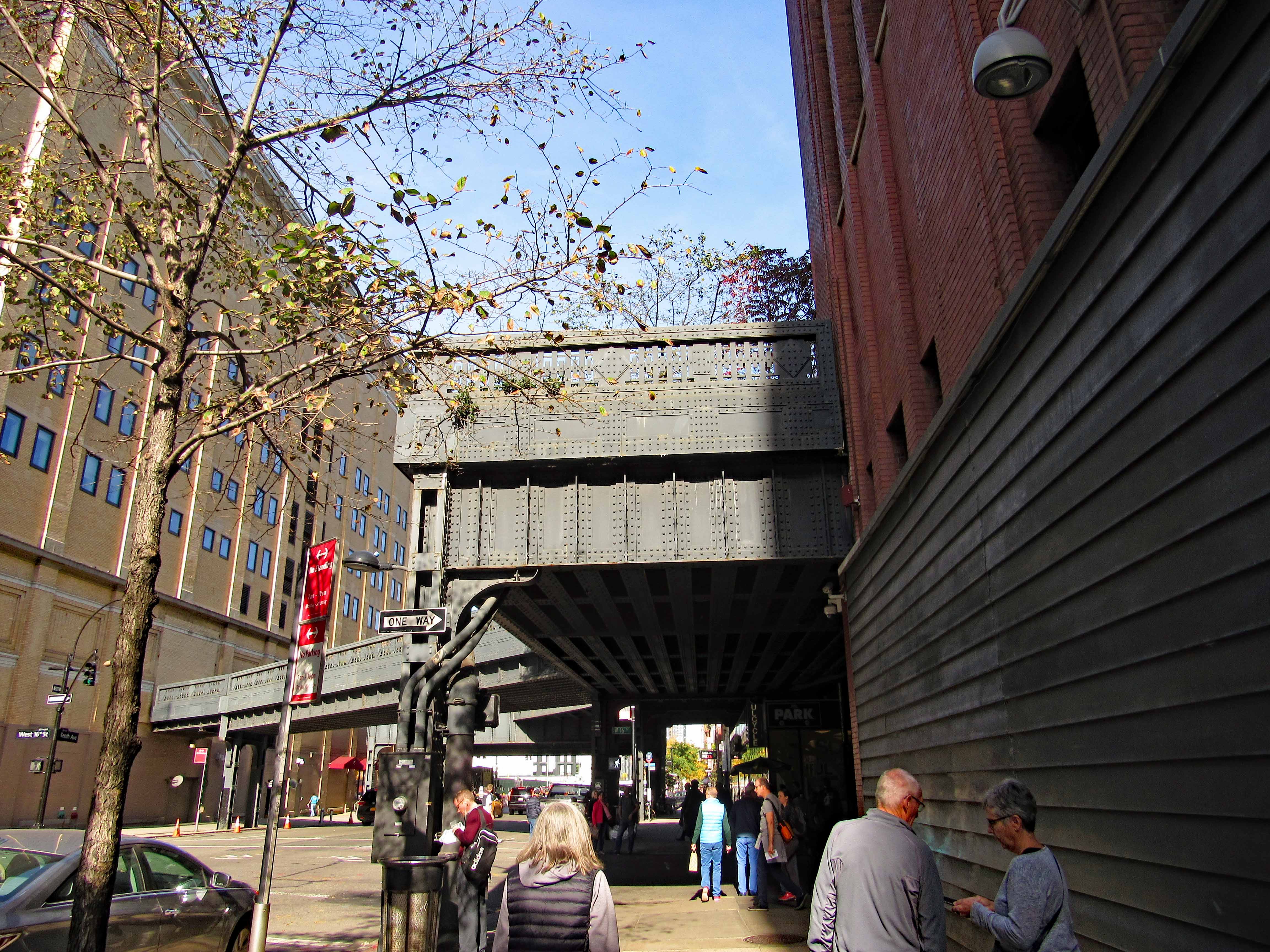
Another view. This is at 14th Street.
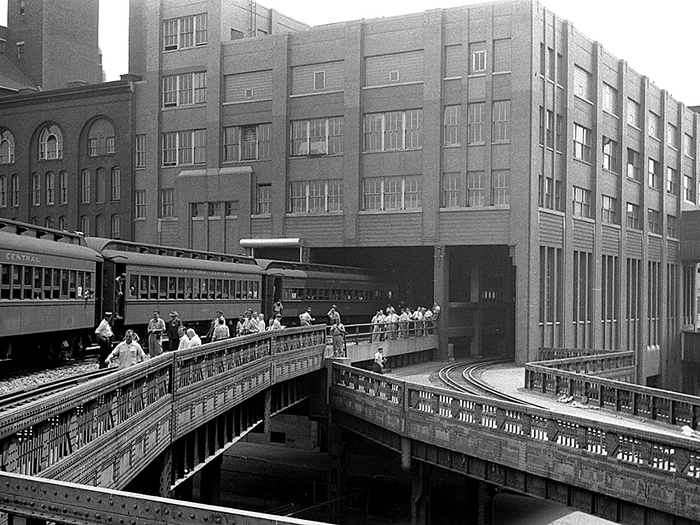
And here is an old time view. Interesting history about this. Plenty of articles on Google.

The High Line was old train tracks above the City, turned into a garden.

Finally some fall colors.

From 14th street we headed south to the end. Kathy got a kick out of me wanting to keep walking. This is at Gansevoort St. From here on, the rails were destroyed.

Besides being a nice hike, you get to see so much on the High Line.

I saw an old time photo of this. Didn’t think one still existed!

Lots of art work around and to be seen from an eye level view.
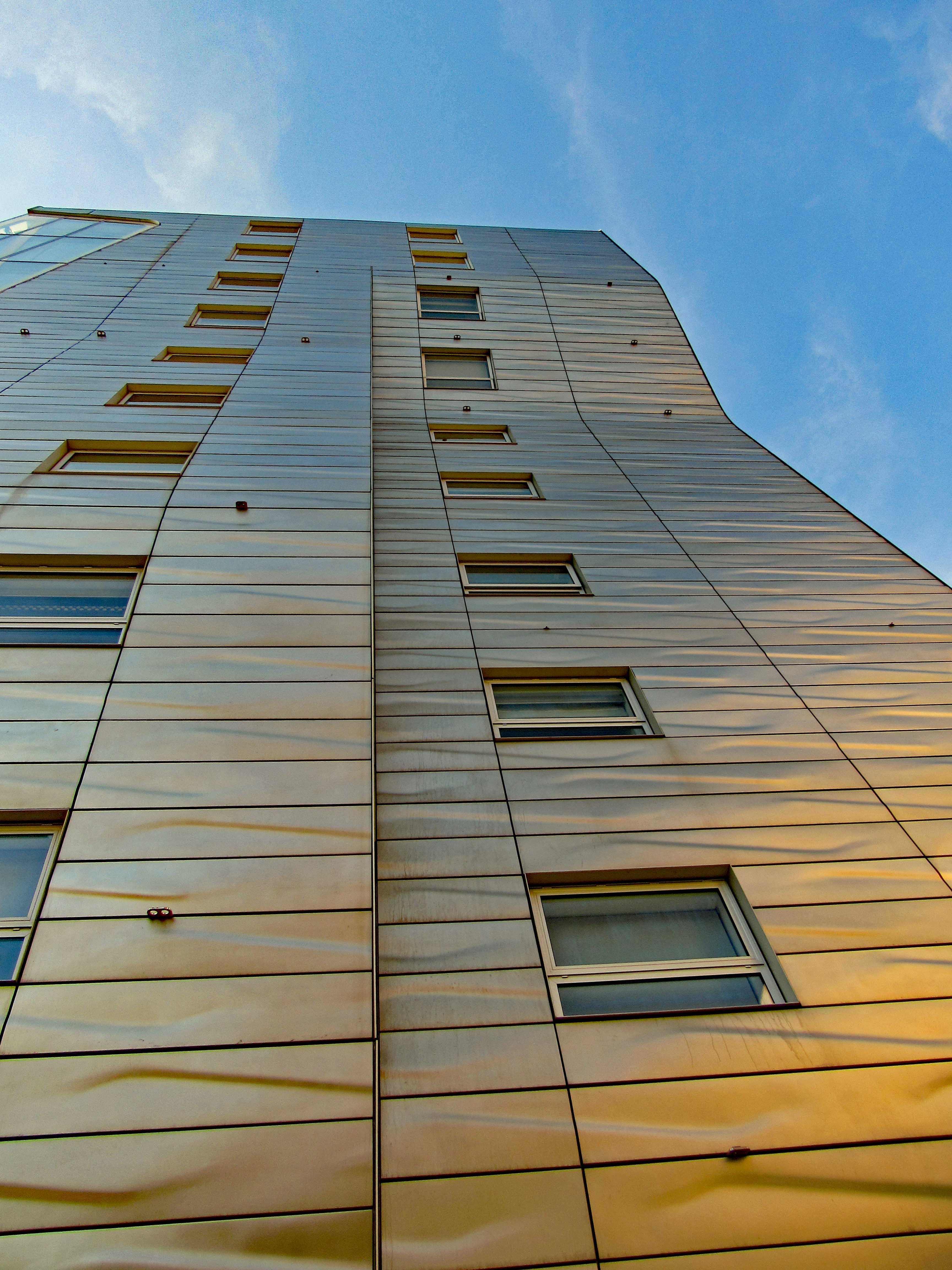
On the way heading north.
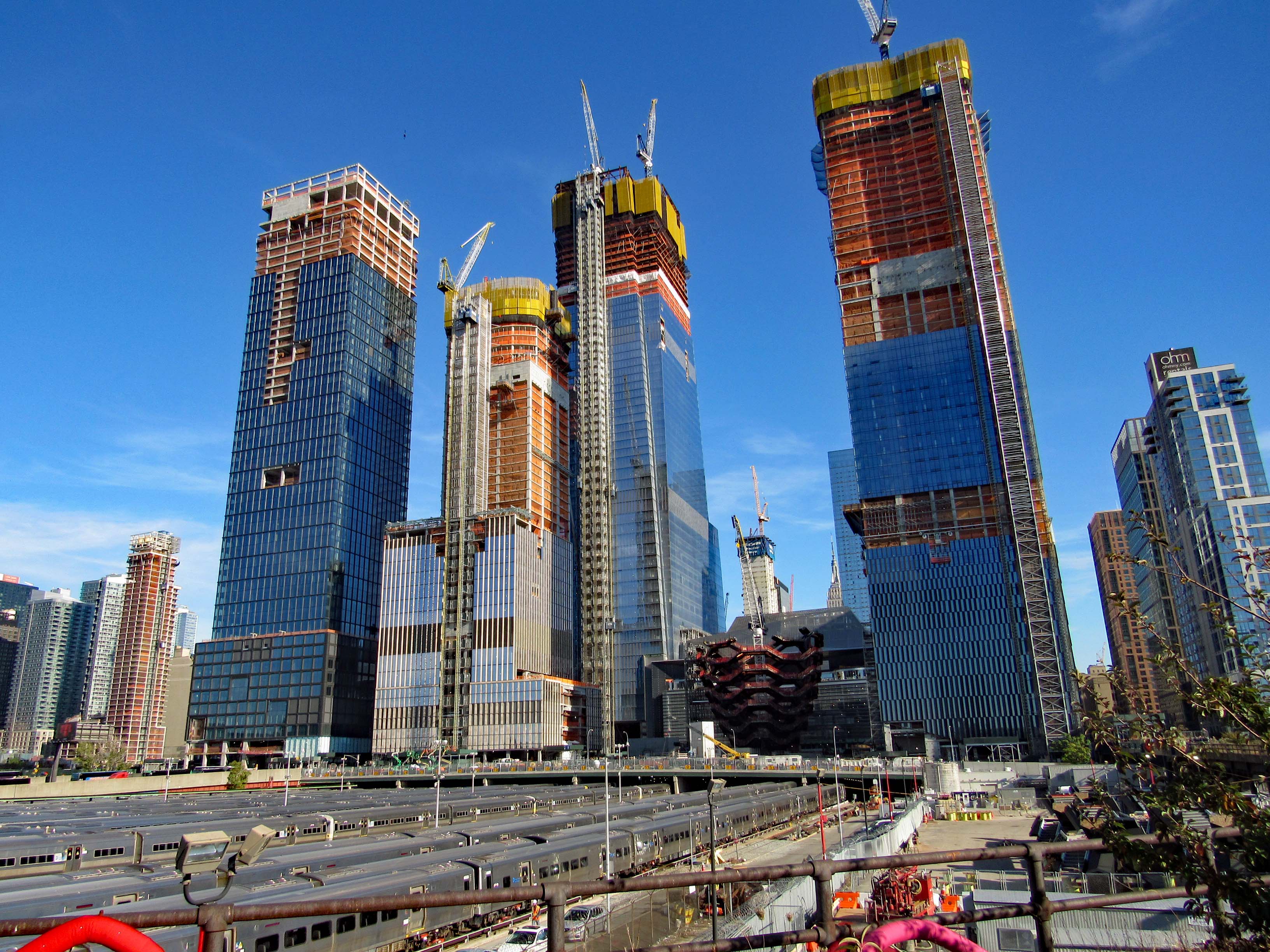
We are almost at the end and we come across this, just before 34th St.

Lots of new construction going on. This is Hudson Yard.

Leave the High Line and head back to the Theater District. Sights on the way.

Ha! Ralph Kramden!

Times Square is always a treat. Guy flipping over tourist.

Nice day and lots of people. We ate at Shake Shack, went to Muji and just hung out until it was time to head home.

Eastern Pumping Station aka Food Hub

25 Wednesday Oct 2017

Posted by Ronald Parks in Baltimore, engineering, water history

≈ 7 Comments

Tags

Baltimore, engineering, FILTRATION, glass plate negatives, HISTORY, Lake Clifton, photography, Public Works, Research, Sewage History, water history

Went to check on the status of the work being done at the old EPS down on Wolf St. (Not to be confused with the Eastern Avenue Pumping Station). The first thing I see is a new roof on the old Gay St. Yard, which later became City S/R 06 then part of the Transit and Traffic storage yard. 

Below is what the building looked like when it was first built.

This was about 1902. 

Sign on the gate showing what is going on. The gate was opened so I invited myself in. Something I’m not sure of, because I thought the Pumping Station was a Historic Place, why does this banner show it as a flat roof (green)?

The building to the right is what it originally looked like. 

This building was just recently put up. It is called the Food Incubator (Best to go to the Foodhub website for more info on this) I went inside here to find the general contractor to ask permission to roam around. Granted. He told me the City no longer owns these 3-1/2 acres. They were bought. And soon to be rented out. The new roof, as shown in the first photo is only to help protect the property. It will be up to others to fix the buildings.

The pumping station ready to be rented out. Someone actually went thru and cleaned the inside of these buildings. I was here in 2014 and it was a mess.

Hallway up to the 2nd floor.

A room with a view.

Heading towards the next building…

Last time I was here, I was able to go up and down this spiral staircase.

Last night’s rain splattering on the floor.

These shots are all of the old maintenance shop. They made valves and hydrants here.

The maintenance shop, in middle, and the storage yard. P.S. to left. 

I think this sign should have been at the front gate?!

I believe this was the workmen’s bath house. It is completely gutted now.

This is the rear of the first building with the new roof. Steps inside are shot, so I took the scaffold up.

Nice new roof. 

Headed across the yard to one of the shops/carriage houses. The blacksmith shop had burnt down a few times.

Here is what the above building use to look like.

Hard hat area.

Looking from stables back towards main buildings.

Random engineering craziness!

This was from the Food Hub’s brochure. When I was in front of the building, this was all grown over. Although the date says 1890 my notes tell me that this Pumping Station was completed in 1891.

If you send me your email, I will send you a brief word document covering the history of these buildings.

200th Blog

20 Friday Oct 2017

Posted by Ronald Parks in water history, Writing

≈ 8 Comments

Tags

Baltimore, engineering, FILTRATION, fluoride, glass plate negatives, Gunpowder Falls, HISTORY, Loch Raven, Montebello, Public Works, water history, writing

My WordPress Dashboard tells me that this is my 200th blog post. So, since my blog is called Water and Me, maybe I should write something about water? Trying to think of something profound or water history worthy! I know – Don’t Drink The Water!!!

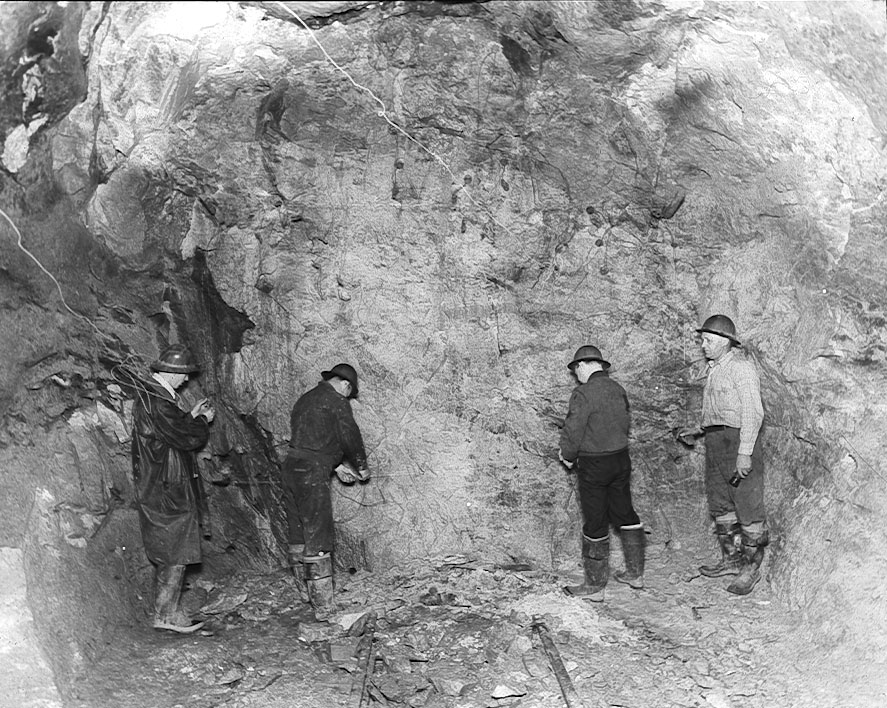
In 2006 I started writing about water history, doing research and then eventually writing a small book, mostly on one of the water tunnels that supplies water to the Montebello Filters. Here is the Lantern Slide I saved from the dumpster, that started it all:

This is what I had to say about it in my book: “While working with one of the lantern slides, I noticed something odd, that in a tunnel, where workers were excavating, there were train tracks that came to a dead end under what looked like a giant boulder. This particular slide came from a box from around 1938, so I asked Richard if he had any information on an event of that year that was of interest. Sure enough, he showed me the Annual Report covering the year 1938 where it was reported that an explosion had occurred in the building of the Gunpowder Falls Montebello Tunnel. This notation in the report was only about a half a paragraph long, nothing more than a blurb, so I decided to investigate it further.” And I have been investigating water history ever since. Ten men were killed in this explosion and it was just a blurb in a report!

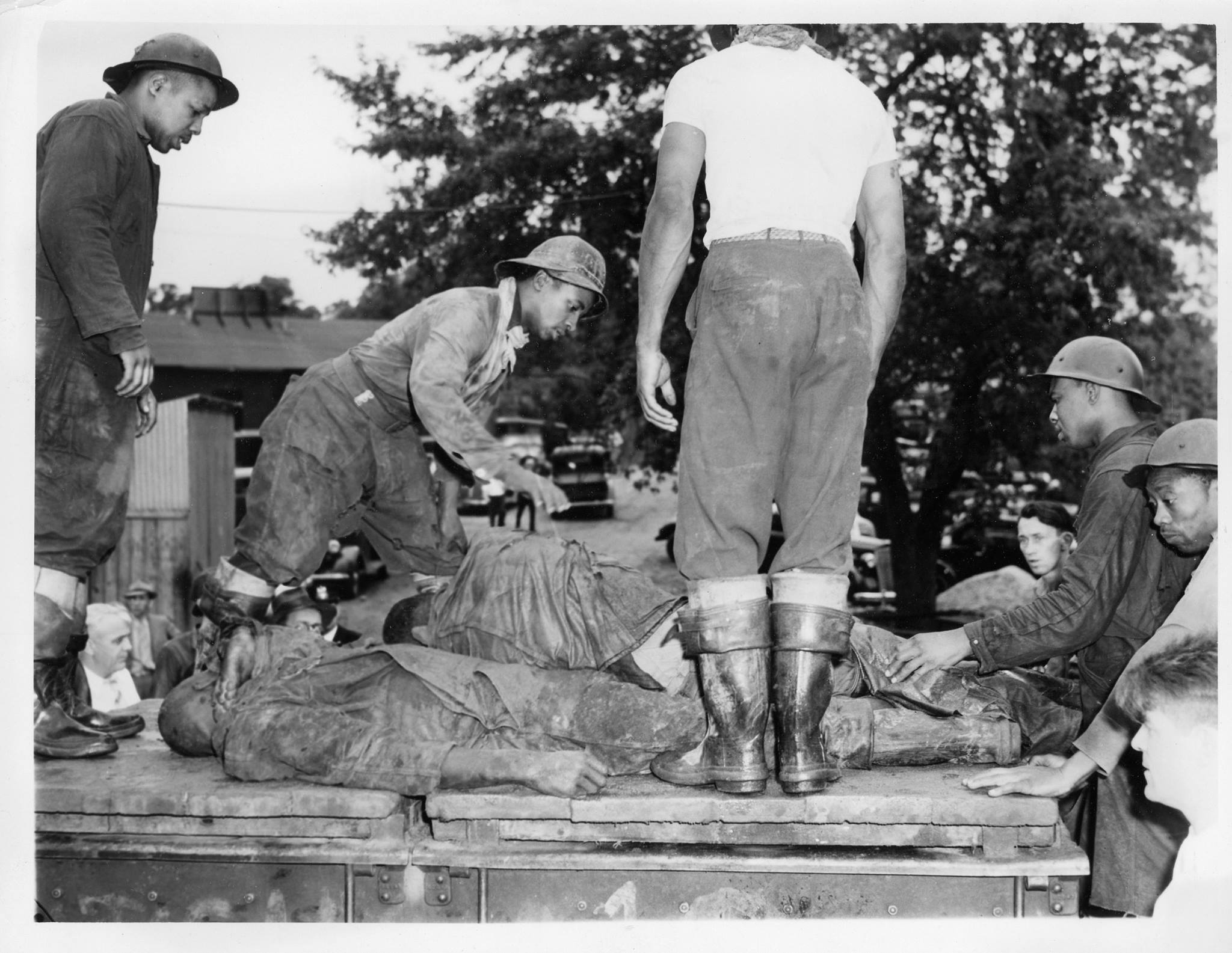
After years of refining my skills at research, I came across so much more information on this explosion. It is amazing what you can find these days on the internet. I found this photo and purchased it from the Baltimore Sun.

It shows the ten dead African American miners being hauled out. My research has taken me to draw the conclusion that this was no accident. That because of the Union troubles going on back then (Fighting between Unions for membership), this was a case of murder.

Sometimes historical research is not pleasant. Just as much as present day research can be unsettling. Like my comment above to not drink the water. I don’t drink it because of the research I have done concerning the fluoridation of the water system. But, I will save that for another post…

Thanks

18 Wednesday Oct 2017

Posted by Ronald Parks in water history, Writing

≈ 2 Comments

Tags

Baltimore, engineering, FILTRATION, Gunpowder Falls, HISTORY, Lake Montebello, Loch Raven, Montebello, photography, Public Works, Research, water history, writing

Just want to thank the person(s) that bought 6 copies of my book yesterday. I receive a sales report, but there are no names attached. Thank You!

Speaking of Loch Raven – Update

12 Thursday Oct 2017

Posted by Ronald Parks in engineering, water history

≈ 2 Comments

Tags

Baltimore, Construction, Dams, engineering, Gunpowder Falls, HISTORY, Loch Raven, Public Works, water history

These aerial photographs were just sent to me from Corey at www.aceservinc.com

Makes me want to go out and buy a drone! As far as I know, the busted ten foot conduit has not been fixed, but these guys are doing an exceptional job on building the new Loch Raven Maintenance Yard and Admin buildings. 

This is a great shot, including the dam in the background.

Another view of the same area.

Up the road a piece is the new admin building. The abandoned Zebra Mussel Station is in the background.

Thanks Corey.

Building Montebello Filters and Loch Raven Dam

12 Thursday Oct 2017

Posted by Ronald Parks in Archives, HISTORY, water history

≈ Leave a comment

Tags

Baltimore, Dams, engineering, FILTRATION, Gunpowder Falls, HISTORY, Lake Montebello, Loch Raven, Montebello, POLITICS, Public Works, Research, water, water history

I am now in the process of documenting Water Board minutes from 1912-1919, Baltimore City. Over the course of blogging water history, some readers had asked information concerning relatives that may have worked on the New Dam at Loch Raven and/or constructing the Filtration Plant at Montebello. These ledgers have list of employees and their addresses and in some cases, their titles and pay rates. If you think this may be you, send me their names and I will try to look up that info. Keep in mind this is for the above dates. Once I am finished documenting, these books are going into the archives…

Lake Ashburton 1908-1910

04 Wednesday Oct 2017

Posted by Ronald Parks in Baltimore, engineering, Photography, water history

≈ 4 Comments

Tags

Baltimore, Dams, engineering, FILTRATION, glass plate negatives, HISTORY, photography, Public Works, water history

More files, more documenting. More work. As stated before, I am trying to get my archive files in some sort of order so that at a later date, it will be easier for people to find things. (Not that I really think anyone will go through this stuff once I’m gone, but I can retire with a clear conscience that yes, I did my job).

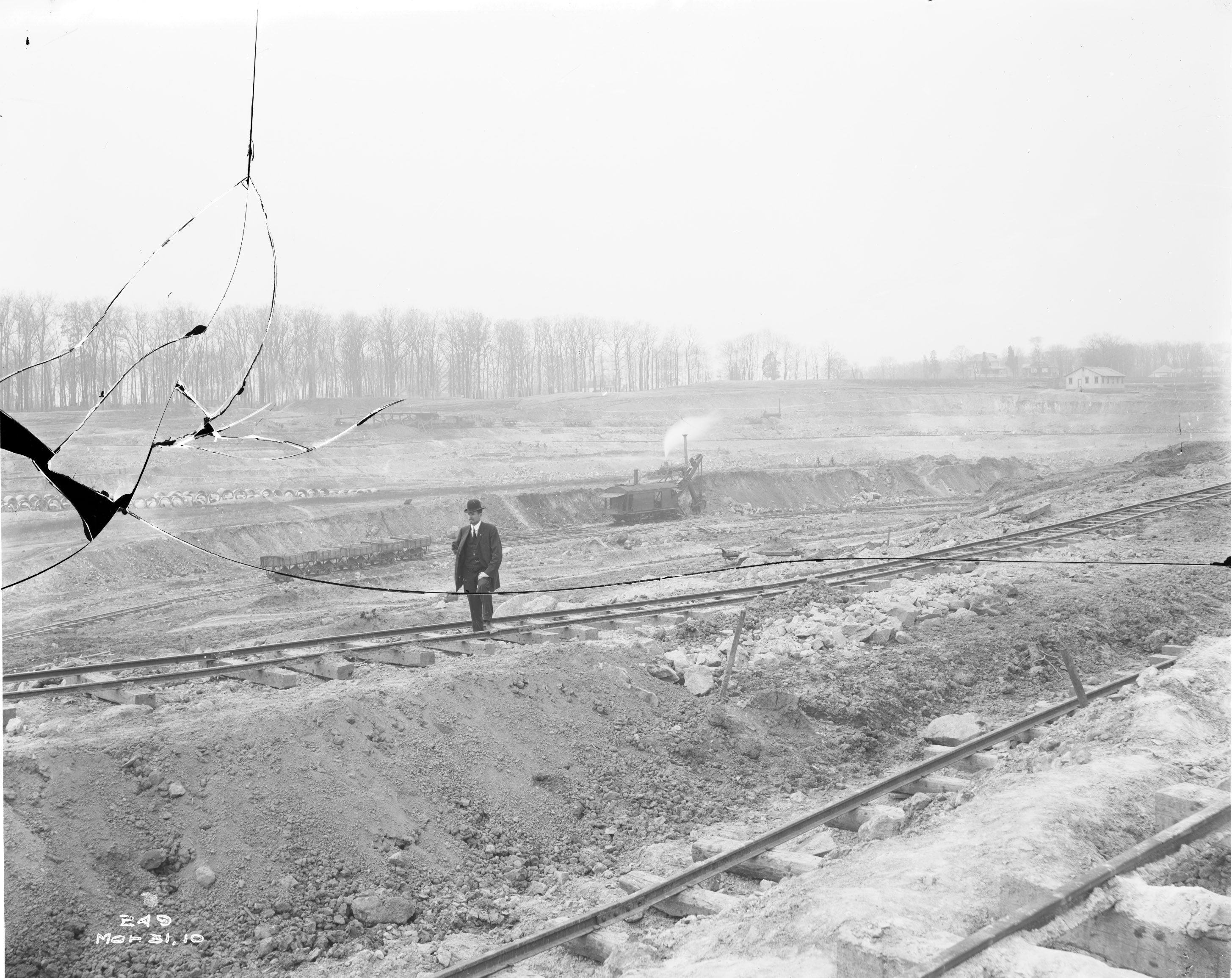
What has made this job difficult, yet interesting, is that various people have had numerous boxes of archives scattered throughout the City. A lot were mislabelled. These photos came from a box of glass plate negatives marked as ‘Loch Raven’ Bringing it all together in some sort of order is challenging. Chaos:

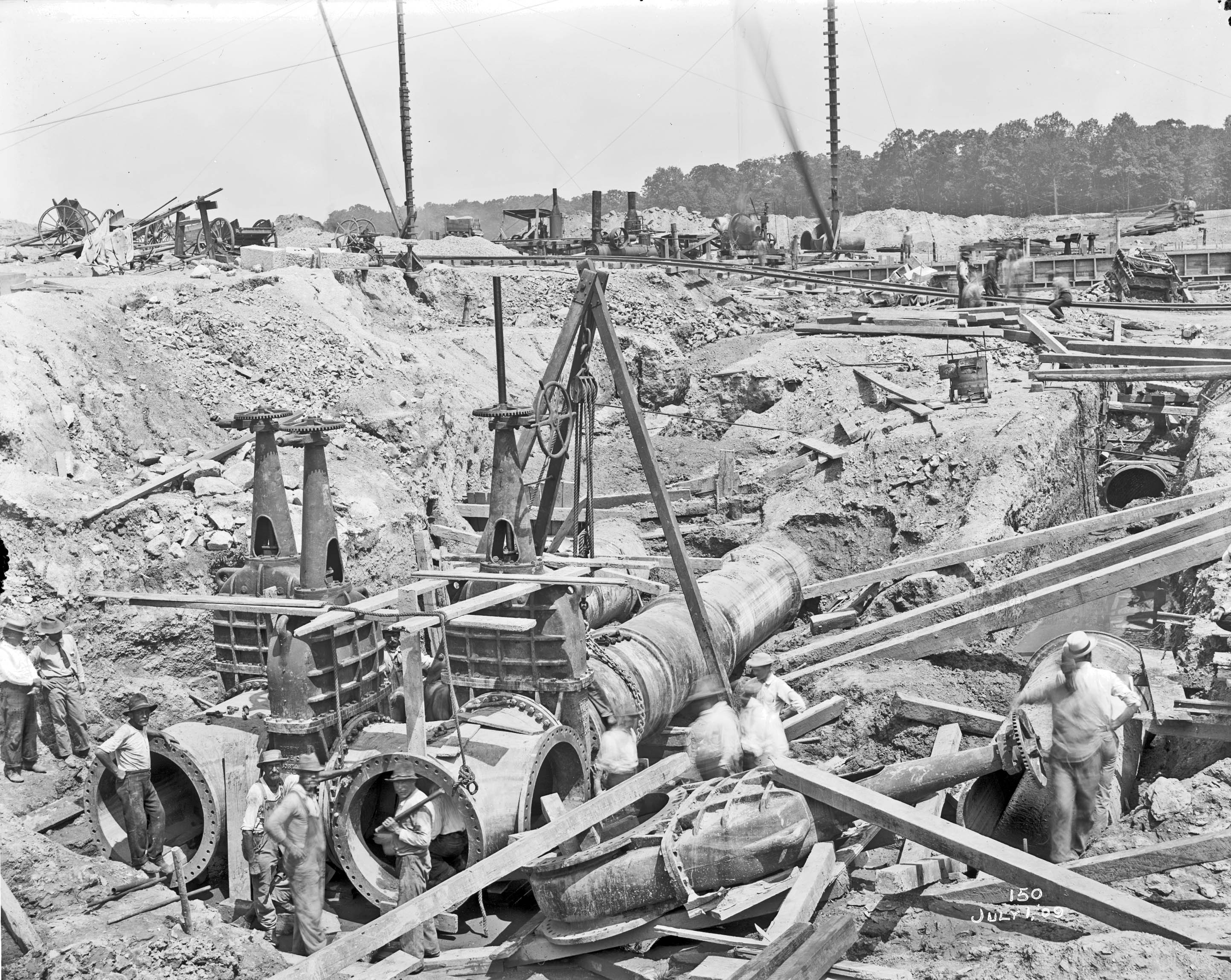
It is hard to believe that out of this construction chaos there will be built a reservoir so that the citizens of Baltimore will be able to enjoy drinking water. These are the pipes from the lake to the gate house (foundation in background).

Many years ago when I started this project, I had no clue about glass plate negatives, positive photos, restoration, etc. When I held the above GPN up to the light I thought it was a bad one – the white shown coming from the pneumatic jack hammers is black on the negative. I thought it was ruined until I processed it. Duh.

This one I have yet had a chance to restore. What I found interesting here is the suitcase in the upper right corner. Not only is this GPN broken, some of the image has peeled off.

Another interesting one from 1908 shows a church in the background. The writing on the sleeve said: Epiphany College in background.

Before building the lake the engineers had to move and raise the sewer/storm water manholes.

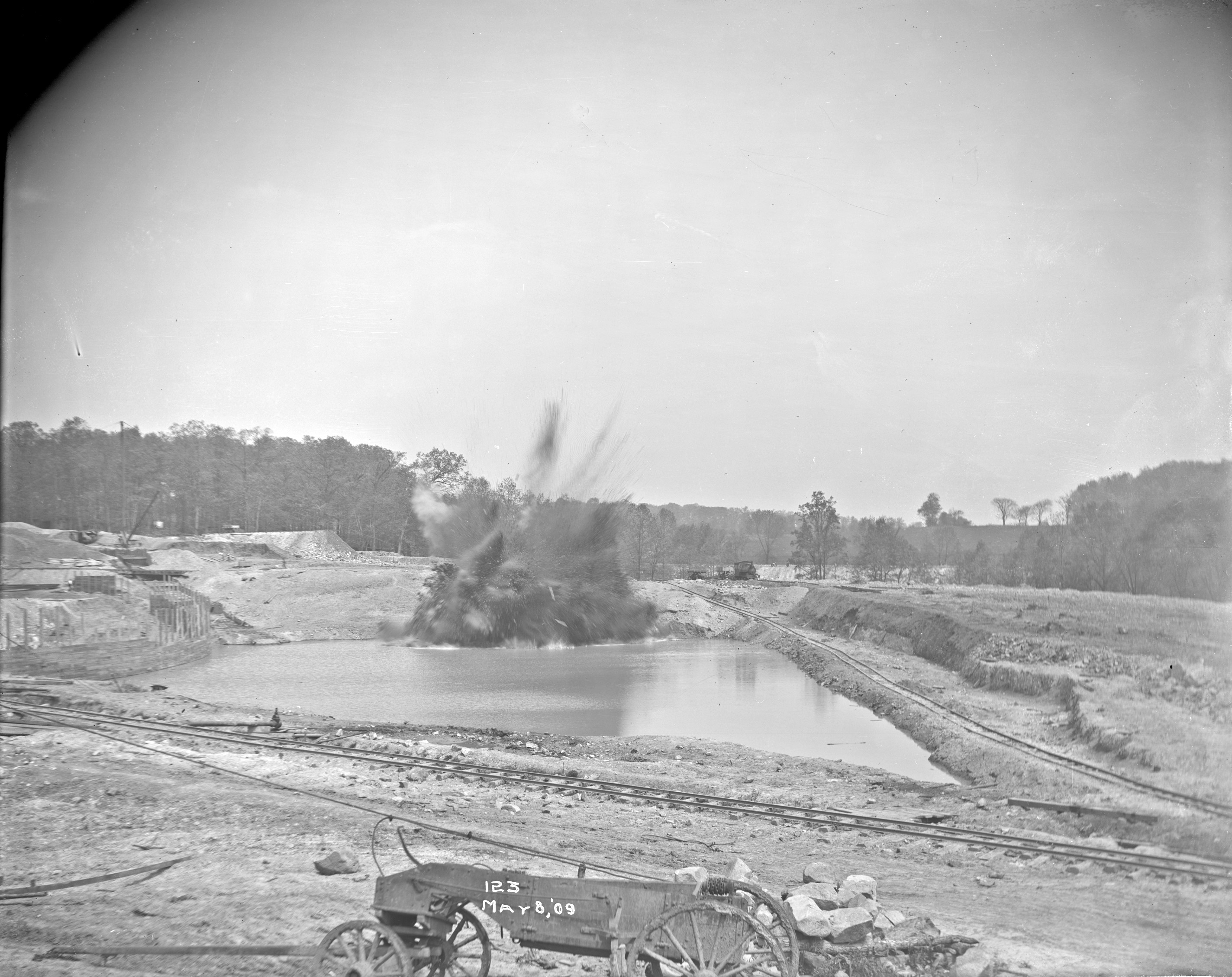
The photographer did a good job catching this dynamite blast at the right time.

This broken jigsaw puzzle plate I did restore.


Drawing Loch Raven Dam

17 Thursday Aug 2017

Posted by Ronald Parks in Baltimore, HISTORY, water history

≈ 1 Comment

Tags

Baltimore, Dams, engineering, FILTRATION, glass plate negatives, Gunpowder Falls, HISTORY, Loch Raven, Public Works, water history

It seems that everytime someone asks me to find something for them, I find a lot more undocumented stuff. While researching information concerning the properties at Ashland, which is Northwest of the Loch Raven Dam, Baltimore, Md., I came upon a full scale drawing of the dam. I had posted a few years ago, one of my favorite photographs:

This is the photographer’s studio showing the artist’s rendition of what the dam would look like when construction is completed in 1922. All the supplies for developing the film/glass plates are on the shelves.

Later I would find a lantern slide of just the drawing.

Yesterday I found a colorized drawing. It is fairly beat up. So glad I was able to scan it.

Water and the United Nations

11 Friday Aug 2017

Posted by Ronald Parks in Baltimore, POLITICS, water

≈ 1 Comment

Tags

Baltimore, food&water, POLITICS, Public Works, Research, United Nations, water

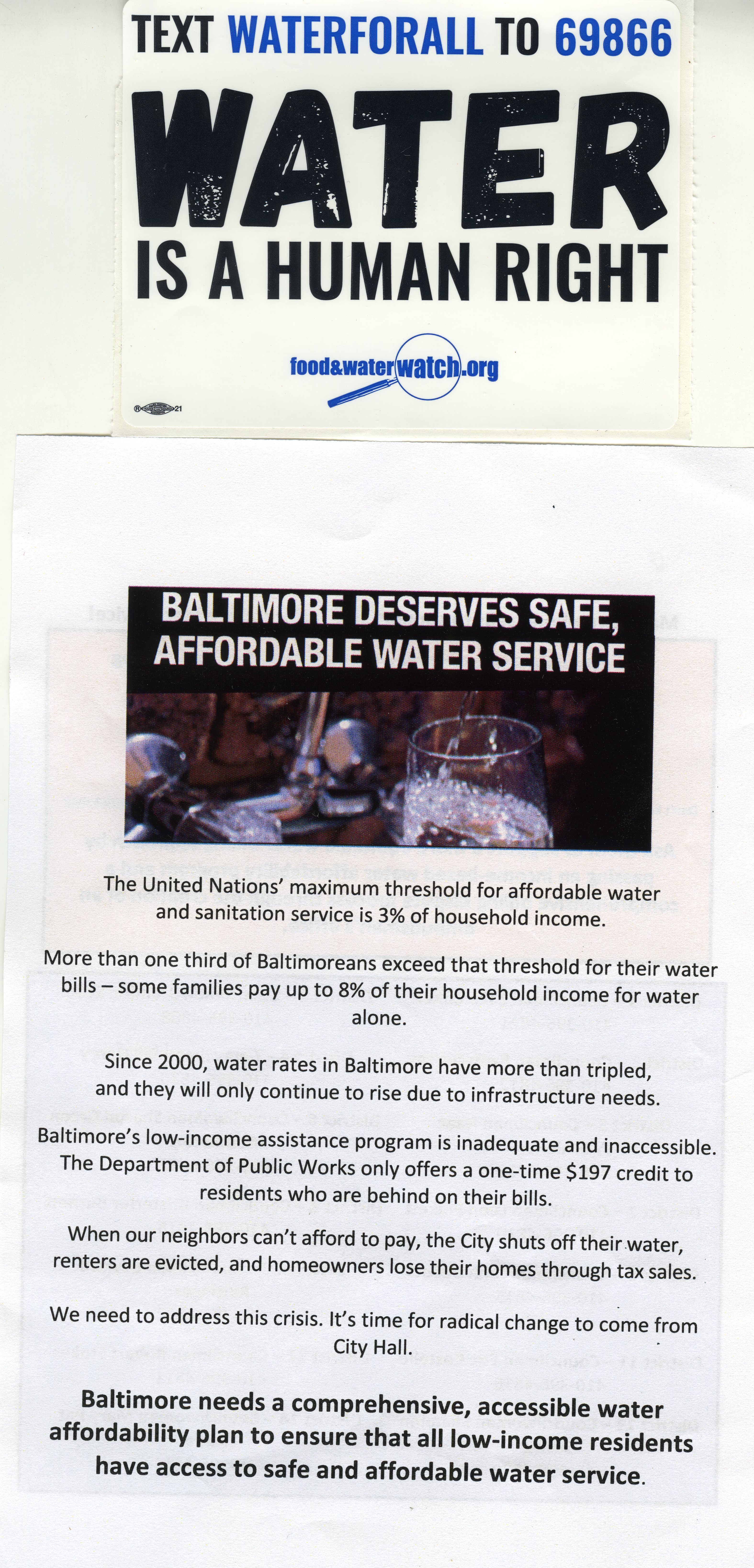
August 9th I attended a meeting at Red Emma’s Bookstore in Baltimore. For some reason I thought they were going to try and start another “Free Water Movement”, which has happened in Baltimore before. But this was not the case. They talked about water being a human right and that the U.N. says so:

As can be seen in this flyer, the UN notes that water and sanitation services should not exceed 3% of a families income.
Here is the panel that spoke and the accompanying info from their FB page: Last night more than 160 Baltimoreans came to the Water for All: A Panel on Baltimore’s Water Affordability Crisis. Thank you to everyone who came, to our coalition partners and panelists who made this event so powerful and to Red Emma’s Bookstore Coffeehouse for hosting!
We look forward to working with everyone to ensure that everyone in our city has access to safe, affordable water!
Panelists will include:
-Delegate Mary Washington, 43rd District
-Eddie Conway, Producer, The Real News Network
-Komal Vaidya, Clinical Teaching Fellow with the Community Development Clinic, University of Baltimore
-Yvonne Wenger, Baltimore City and Social Services Reporter, The Baltimore Sun
-Zafar Shah, Attorney, Public Justice Center

And below is me in the crowd

Because I did not know a lot of the information presented, I went to the UN website and looked it up. It is a lot to read and decipher:  “The United Nations General Assembly passed and adopted the resolution on the human rights to water and sanitation on 17th December 2015.
• Everyone is entitled “to have access to sufficient, safe, acceptable, physically accessible and affordable water for personal and domestic use”
• Everyone is entitled “to have physical and affordable access to sanitation, in all spheres of life, that is safe, hygienic, secure, and socially and culturally acceptable and that provides privacy and ensures dignity.” I also found other resolutions from 2002 and 2012.

The panelist talked about how people are losing their homes because they cannot afford their water bills (tax liens/sales) Rent, food and medication comes first. In Baltimore 2015 there were 5,301 water shut-offs. in 2016 there were 1,149. They did not explain the decrease in those numbers. One panelist brought up race and the affect this has on the Black Community. This affects everyone, not just blacks. These disproportionate numbers may come from their being more blacks in Baltimore? Population of Baltimore is 620,961 with 63% being black/African Americans. Which to me, brings up another point I was hoping to address but we ran out of time: If Baltimore’s Water Dept supplies water to 1.8 million people and only 600 thousand plus people live here – why aren’t the other peoples/counties carrying the brunt of these water bills? And the big corporations here should be paying more without those big tax write-offs!

So as not to only express problems, they offered a couple solutions. The one I wasn’t sure what they meant so I won’t bring it up, the other is a fairly good idea: Baltimore should create an income-based billing program. And along with that, no one should lose there home over their inability to pay a water bill.

The UN’s Universal Declaration of Human rights with Preamble and 30 Articles is a good read also.

Electrical Survey

20 Thursday Jul 2017

Posted by Ronald Parks in Baltimore, engineering, HISTORY

≈ 2 Comments

Tags

Baltimore, bricks, Electrical engineering, engineering, glass plate negatives, HISTORY, POLITICS, Public Works, Research

This afternoon I will be giving a tour to a group of electrical consultants. They want to come up with new ways to save the City money by cutting back on our electrical use. Every time there is a new administration, new “Offices” and Bureaus are created. To prove their worth for their new job and new title, they come up with these new major plans for the City. Actually, there is nothing new about it. This will be the fourth or fifth time this has happened. Once in the 80s it was decided to turn 1/2 the lights out in the hallways and filter areas. Personnel complained that they couldn’t see, so they turned the lights back on, which in turn, maintenance then removed the bulbs. Just a few years ago they (paid consultants) came up with the idea to switch out all lights with LED bulbs. That definitely was not going to be cost saving.

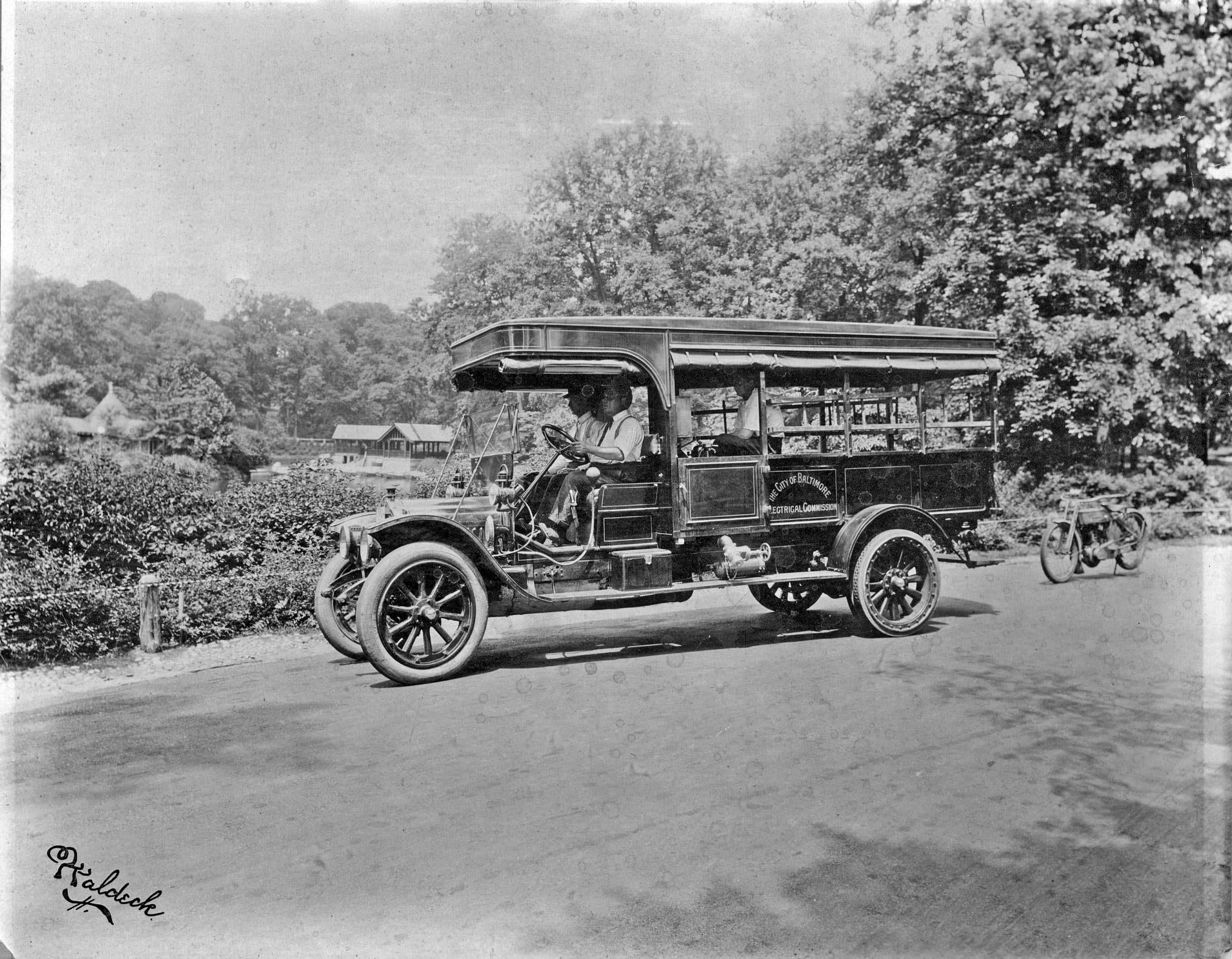
I started looking through some old files and came across these Electrical Commission photographs from the 1920s:

Electrical Commission office for operations, maintenance and construction. 

On the wall to the left of the first photo was this photograph. It was in bad shape when it was removed from the wall and placed in storage.

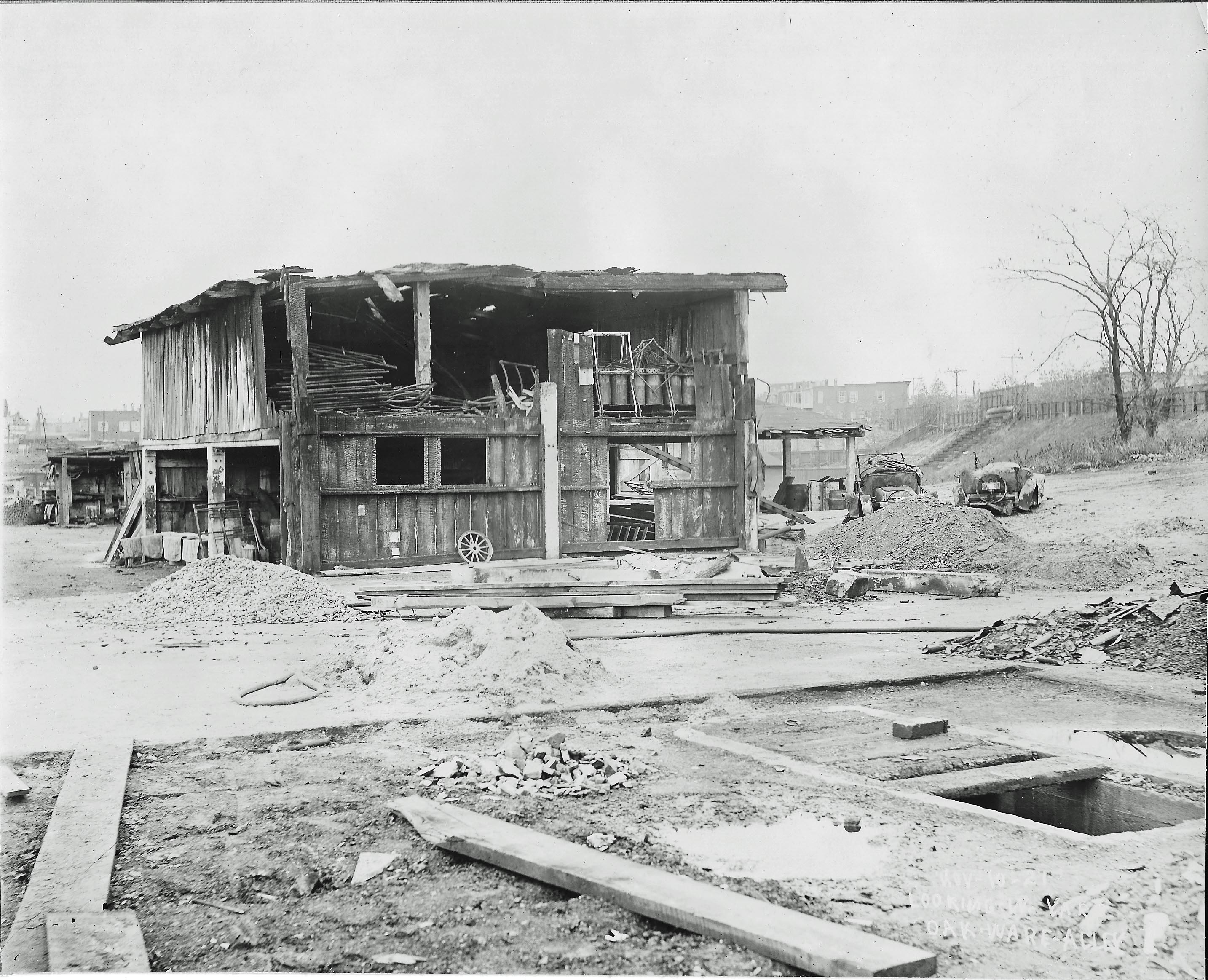
The commission’s garage and work area was destroyed by fire. Looking thru the building on the left you can see the burnt autos.


More damage from fire.

Work still continues despite the damage.

Clay duct banks. These were used to rebuild the garages…

…as can be seen here.

A new fleet of vehicles while the rebuilding continues in the background.

← Older posts
Newer posts →

Blogroll

  • Flouride Action Network
  • lulu
  • My Book
  • WordPress.com
  • WordPress.org

Recent Posts

  • Bermuda 2023
  • ICELAND April 2023
  • George Chalmers of Fochabers
  • In Search of The Skipjack Ada Mae
  • Trap Pond Kayak

Blog at WordPress.com.

  • Subscribe Subscribed
    • Water and Me
    • Join 231 other subscribers
    • Already have a WordPress.com account? Log in now.
    • Water and Me
    • Subscribe Subscribed
    • Sign up
    • Log in
    • Report this content
    • View site in Reader
    • Manage subscriptions
    • Collapse this bar
 

Loading Comments...