• About
  • History Writings

Water and Me

Water and Me

Tag Archives: Lake Montebello

Roundhouse

05 Wednesday Apr 2017

Posted by Ronald Parks in Baltimore, engineering, water history

≈ 2 Comments

Tags

Baltimore, engineering, FILTRATION, glass plate negatives, Gunpowder Falls, HISTORY, Lake Montebello, Loch Raven, Montebello, Public Works, Research, water history

A couple weeks ago the contractor called me over to the site because they struck something that is not on the drawings. This was about the 12th time in 10 days they hit something buried, not on the drawings. i go over and this is what I saw:

At first glance, it looks like an electrical ductbank, enclosed in concrete. I told the contractor I would go look in my drawings to see what I could come up with. When I retuned, unable to find anything, the contractor had cleared some more dirt from the concrete.

Am I hallucinating or does that thing have a curve to it?? Holy crap, that looks like the foundation to the old roundhouse, which was the Montebello Pumping Station, built in 1914-1915. More research to do.

This hole was dug and goes about 75 feet down at which point they busted through the 1881 tunnel from Loch Raven. The pumping station was to be used to pump water from Loch Raven, into the filtration plant. This was due to the city not getting permission to raise the new dam above an elevation of 188′ (The new dam is now at 240′)

This photo shows the foundation for the pumps and the piping waiting to be placed.

Looking at the top tier here it can be seen the structure matches the first photo above. The hole in the center is the suction well.

View from the outside of the roundhouse. This is facing south towards the filtration building.

This is looking north from the the head house. The roundhouse foundation is flush with the ground level.

Nearing completion.
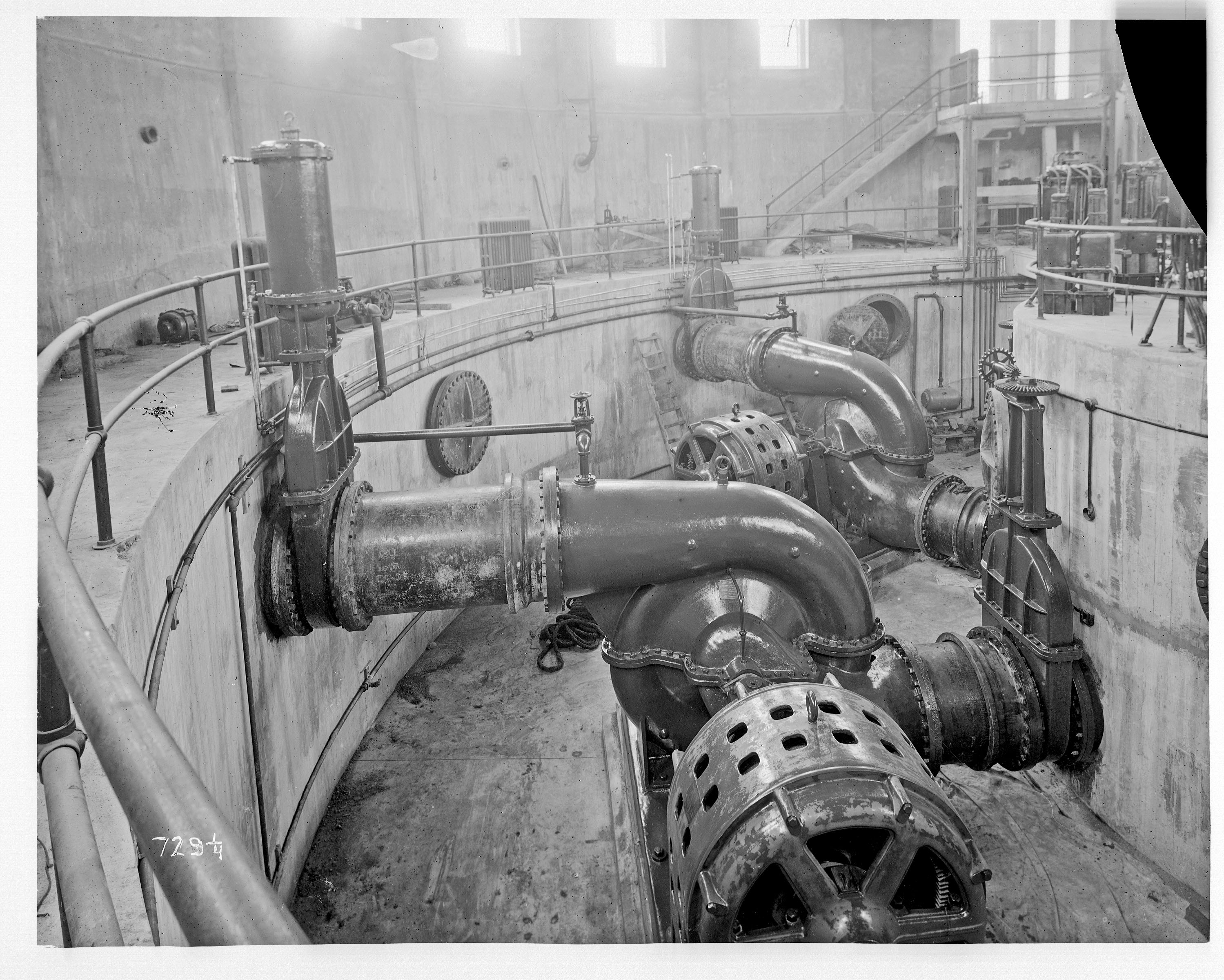
The pumps.

From the time this was built until about 1957, this pumping station had more than its fair share of problems – wrong size pumps, electrical problems, building being struck by lightening a few times, power surge from Holtwood Electric, water hammers that raised and cracked the foundation, etc. In 1963 the building was demolished but, the foundation remains. And now the problem is, what’s down there? Will this area support the weight of a generator and fuel tanks? And is that hole still open (there is an air vent coming out of dead center)? The tunnel underneath originally supplied water to Montebello from Loch Raven. Now this tunnel supplies drinking water to Towson, via the Cromwell Pumping Station.

This shows where the roundhouse use to be, north of Filter building.

Montebellephant

24 Friday Mar 2017

Posted by Ronald Parks in art, Baltimore

≈ 1 Comment

Tags

art, Baltimore, boats, elephant, Lake Montebello, Montebello, Public Works, water, water history

I have been working at Montebello Filters for over 35 years and have never seen it allowed to use the Montebello Lake for anything other than what its purpose is – an overflow catchment for the smaller waste lake up on the property of the filters. I have seen it requested to be used for paddle boats, canoeing, kayaking (I’m not even allowed to kayak on it!), fishing, ice skating, model boat racing, etc. The answer has always been “NO”.

But next week – there will be an inflatable elephant floating on the lake! Yes, you heard me – an inflatable Lighted elephant! History will be made next weekend.

But seriously – I think it looks pretty cool and I can’t wait to see it!

See lightcity.org for a list of other events around Baltimore.

1881 Tunnel Inspection, Again?

27 Friday Jan 2017

Posted by Ronald Parks in Baltimore, engineering, water history

≈ Leave a comment

Tags

Baltimore, engineering, FILTRATION, Gunpowder Falls, HISTORY, Lake Montebello, Montebello, Public Works, water, water history

Last year in another post I wrote about my excitement to go on an inspection of the old Loch Raven – Montebello Tunnel, which was built between 1875 and 1881. This tunnel, being 7 miles long was built mostly through solid rock. A lot of which is collapsing. Which is bad because potable water has been flowing thru it since the late 1950s, from Montebello to Towson. When it was built, the raw water from Loch Raven flowed to Montebello Lake. The inspection for last year was cancelled, saying it was unsafe? (Last inspected in 1984). Last night I get an email telling me that the consultants want to see where the exit point will be if the inspection does happen…
010-996b

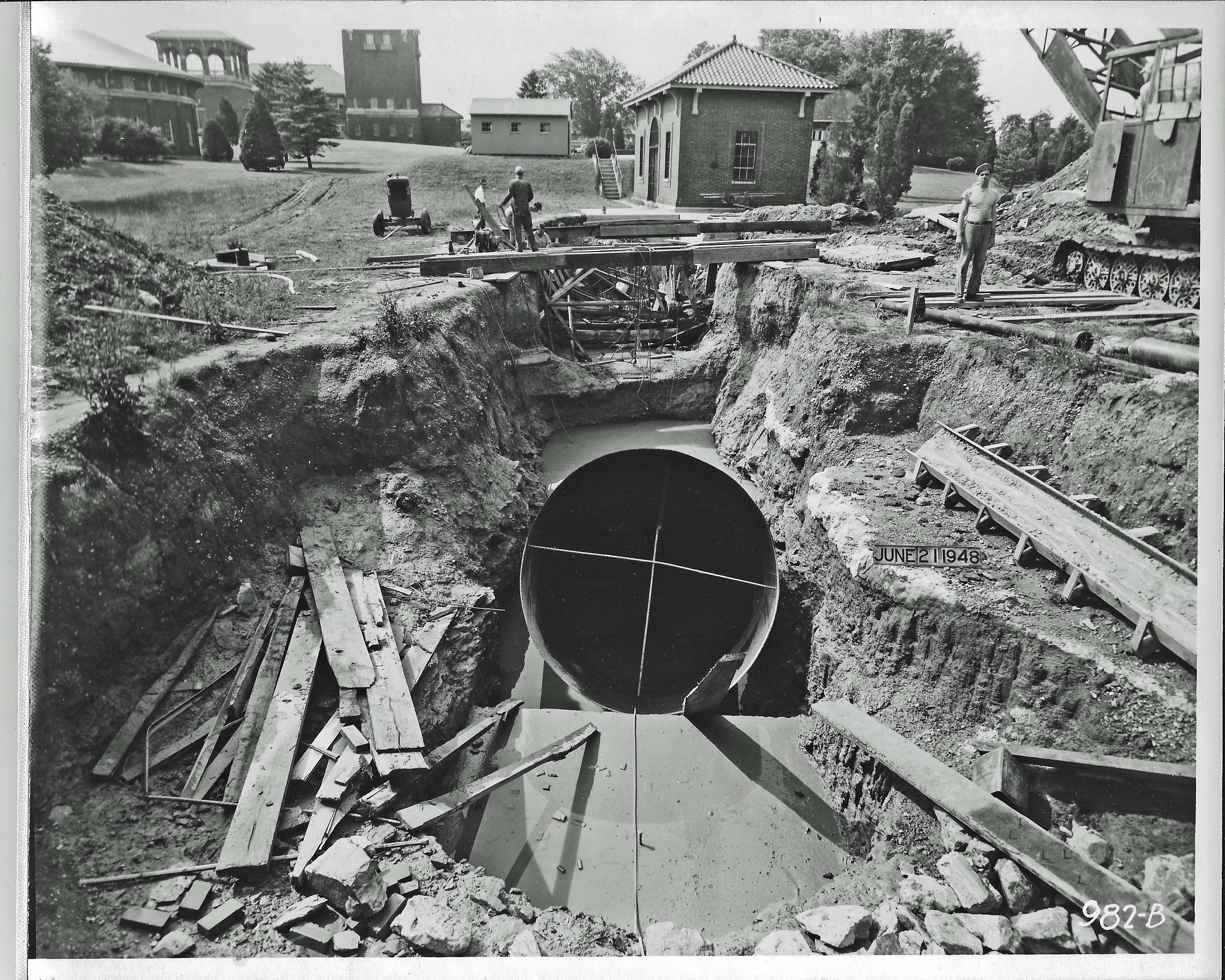
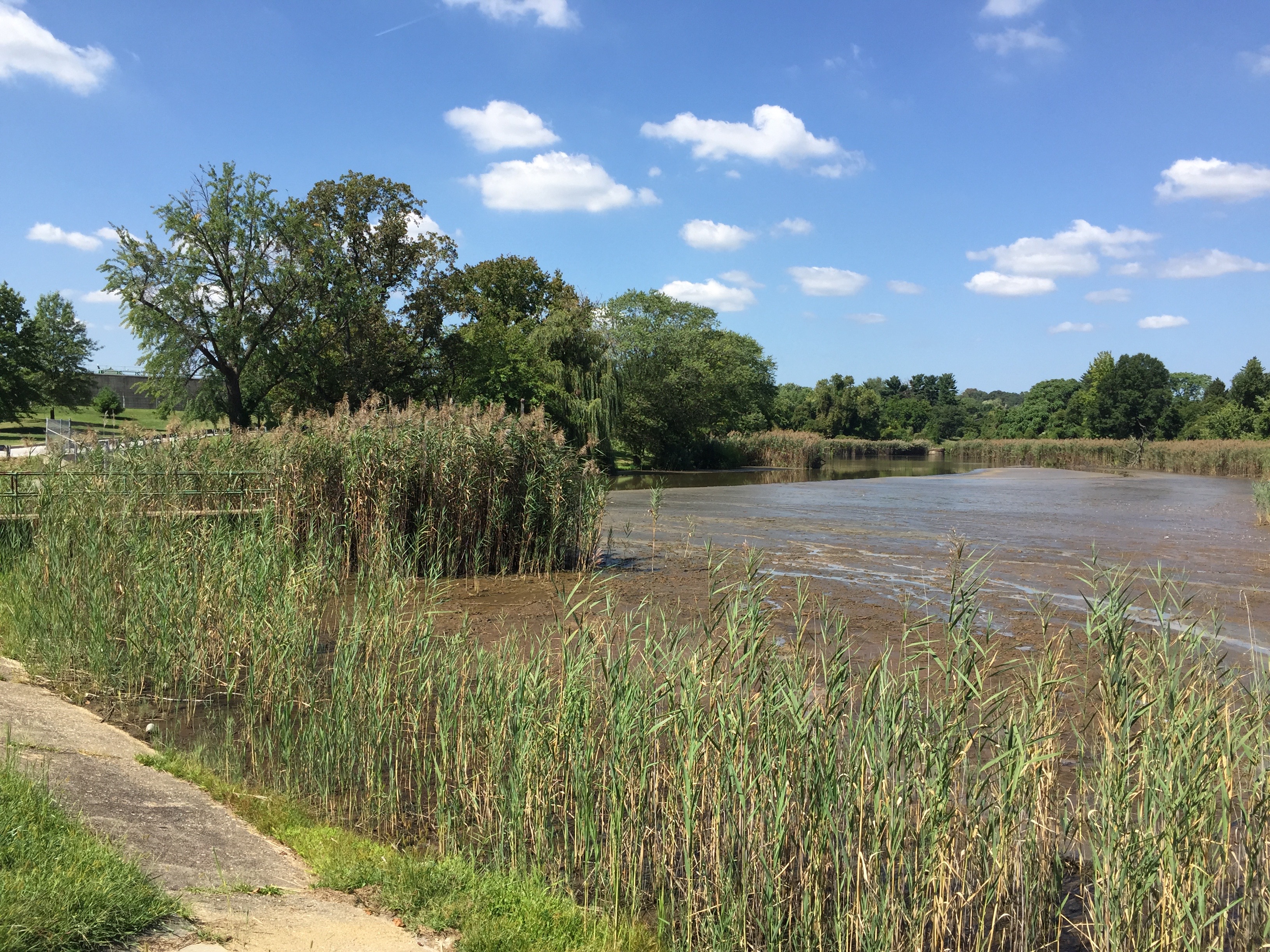
This is where we would exit. At the waste lake, Montebello Filters. If you look back at my post from a few months ago on the waste lake dredging, you can see that it no longer looks like this. It is grown over with phragmites. This photo from 1948 shows them dewatering the tunnel so a new surge shaft could be built.

001-982b

The new surge shaft is connected to the 1938 Loch Raven Tunnel (steel, not rock) which is connected to the old rock tunnel, soon to be connected to the just being built Patapsco Tunnel. (Confused yet? You should work here!)

002-984b

As with most construction projects with the city, there are always problems. This one being a storm washing away some of the work already completed.

013-1c

The almost finished surge shaft. Wrap it in brick and put a Spanish tile roof on and you are done. I hope we can actually do an inspection of the tunnel.

The Gunpowder Falls and Battle Monument

21 Wednesday Dec 2016

Posted by Ronald Parks in Baltimore, water history

≈ 4 Comments

Tags

Baltimore, engineering, glass plate negatives, Gunpowder Falls, HISTORY, Lake Clifton, Lake Montebello, Montebello, Monuments, POLITICS, Public Works, Statues, water history

When the permanent water supply from the Gunpowder Falls was built, it included a dam at Loch Raven, a 12′ tunnel approximately 7 miles long, an impounding reservoir at Montebello, another conduit from there to Lake Clifton and then it was distributed to the public as unfiltered, yet wholesome drinking water.

Photo from the 1920s showing the original 1881 gate house at Loch Raven

How the gate house area looked in 2011.

When they eventually removed the gate house, they kept some of the original stone and built this somewhat mini-monument to the Permanent Supply, across the street.

The supply is finished and the valves are opened. This is downtown Baltimore at the Battle Monument. Caption reads: Fountain and Cataract – Monument Square – The Introduction of the Gunpowder Water Supply – Oct. 10th 1881

84″ Conduit Inspection

08 Thursday Dec 2016

Posted by Ronald Parks in Baltimore, engineering, water history

≈ Leave a comment

Tags

Baltimore, conduit, engineering, FILTRATION, Lake Montebello, Montebello, pipe, Public Works, water history

Back in 1956 – 1957 a new 84″ pipeline was laid to connect the Montebello Filters with South East Baltimore, doing away with a pumping station. It was inspected this week using what is called a Pipe Diver. A mini-sub looking thing with a bunch of probes. No camera unfortunately.

Here is the pipe prior to connection to the filtered water reservoir in 1957. The reservoir (20 million gallons) is behind that house on the left, underground.

Connection to the clear-well chamber. Years later another connection would be made on the opposite side of the reservoir. The two conduits are connected about 100 yards from the above point.

Back in June, while making my rounds thru the property, I saw a contractor digging a hole. Asked what he was doing and he said he needed to rebuild this manhole and put a new valve on the pipe. That they were getting ready to inspect the 84″ pipe. I asked if he knew that this pipe was full of water. He said he knew and it would be alright. Here is another case in the City when agencies do not communicate. We had no idea they were doing a pipe inspection.

A month later, a contractor comes on site to look at a possible entry point for their pipe diver. I showed them and in November they came back.

They could not relieve the pressure in the pipe enough to insert their tool. So they had to postpone and rethink their strategy.

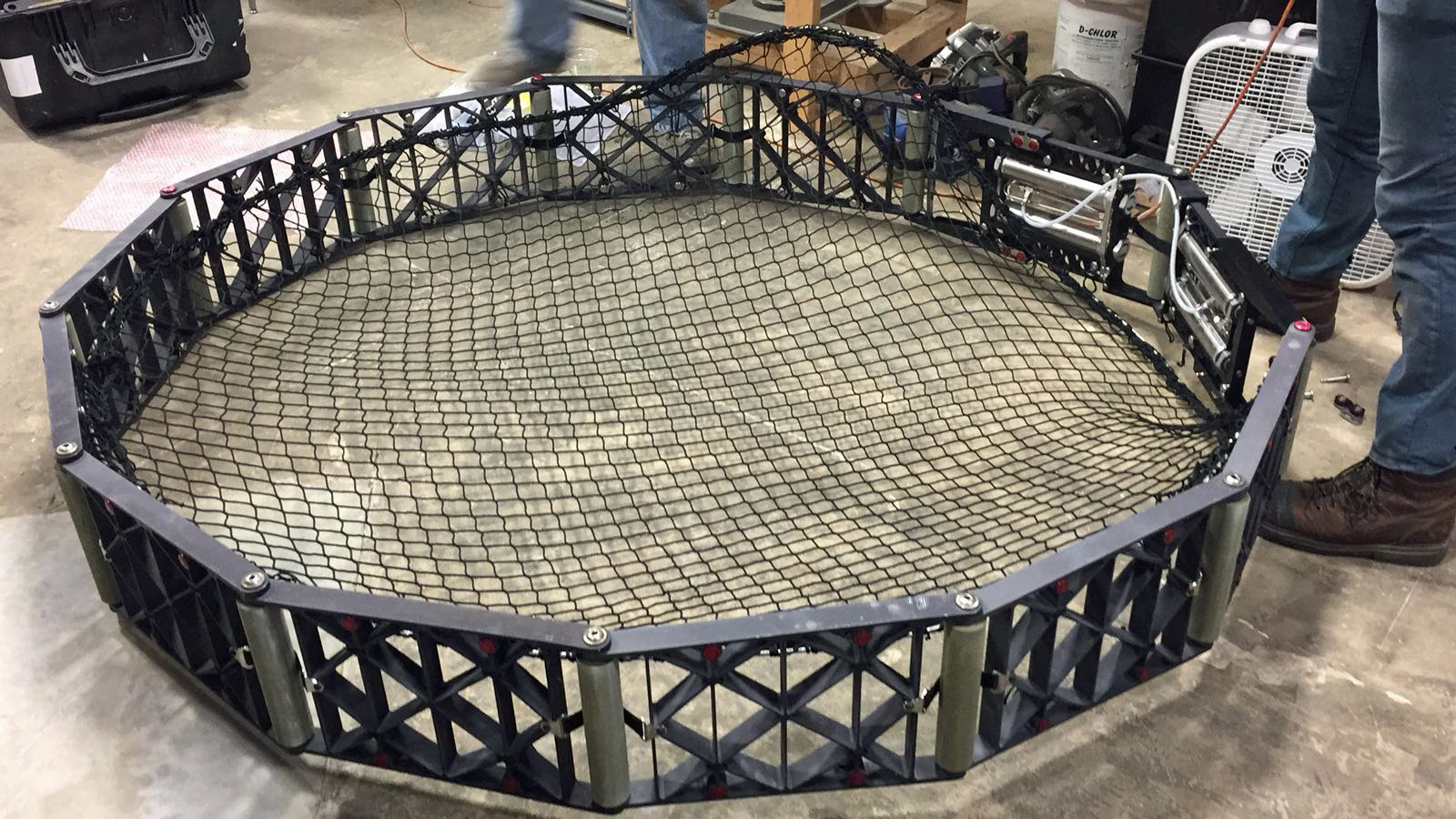
This week they came back. It took a lot longer to relieve the pressure than what they thought. This is the net that was inserted downstream, about 3 miles. It was there to catch the pipe diver.

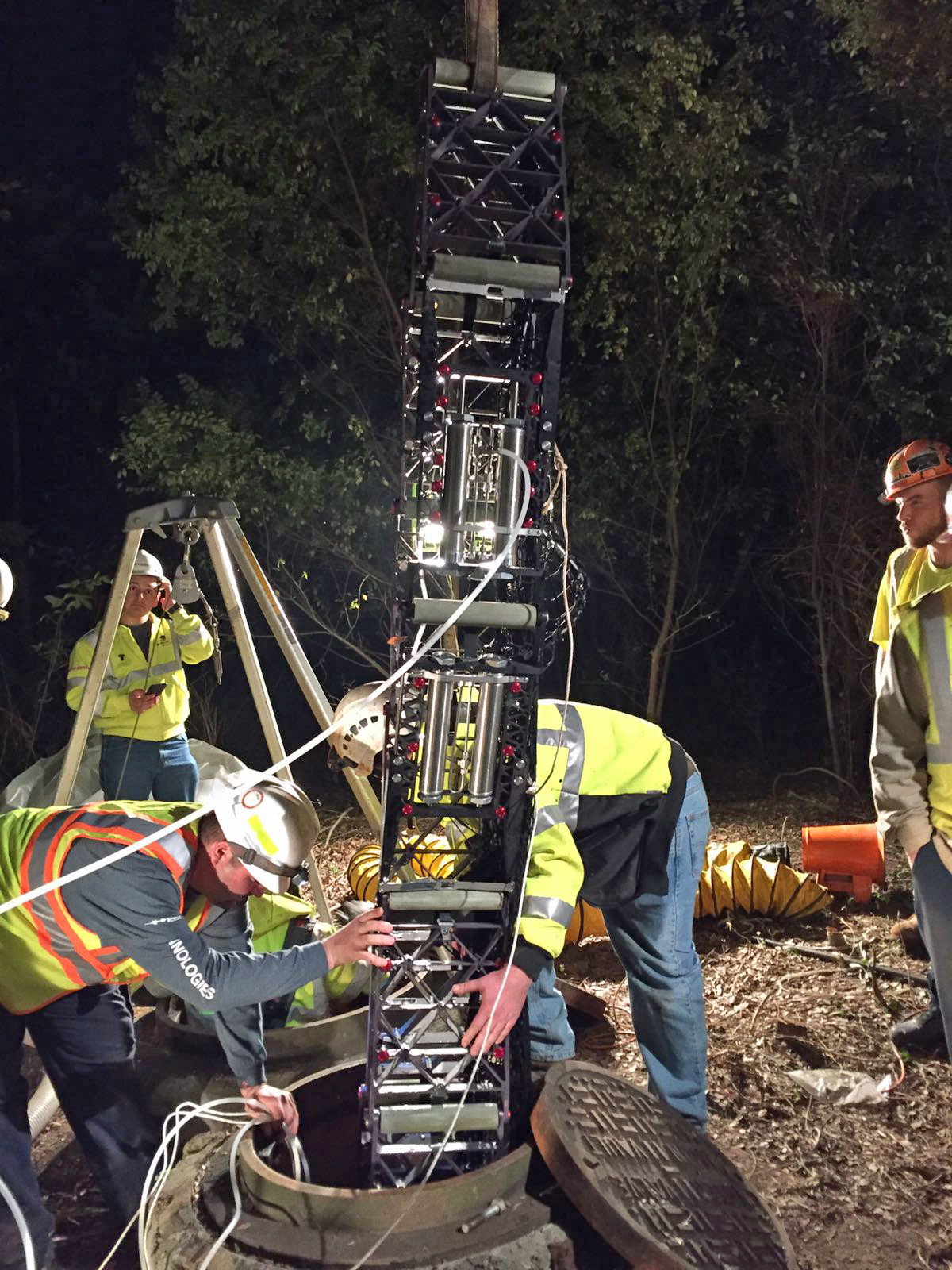
Installing the net.

This is the equipment that was used to track their diver. It only took about 3-1/2 hours for the machine to flow by water pressure to the net.

Removing the pipe diver tool. hopefully the information obtained is all good info – that the pipe doesn’t need repairs or in worse case, replacing.

One disturbing photo sent to me is this one, showing where ground cover has washed away, exposing the water pipe. I’ve lived around this stream for many years and I know the force of nature, during storms. Just a matter of time…

Waste Lake Before and After

05 Monday Dec 2016

Posted by Ronald Parks in Baltimore, filtration, water history

≈ 2 Comments

Tags

Baltimore, engineering, FILTRATION, Lake Montebello, Montebello, photography, Public Works, water history

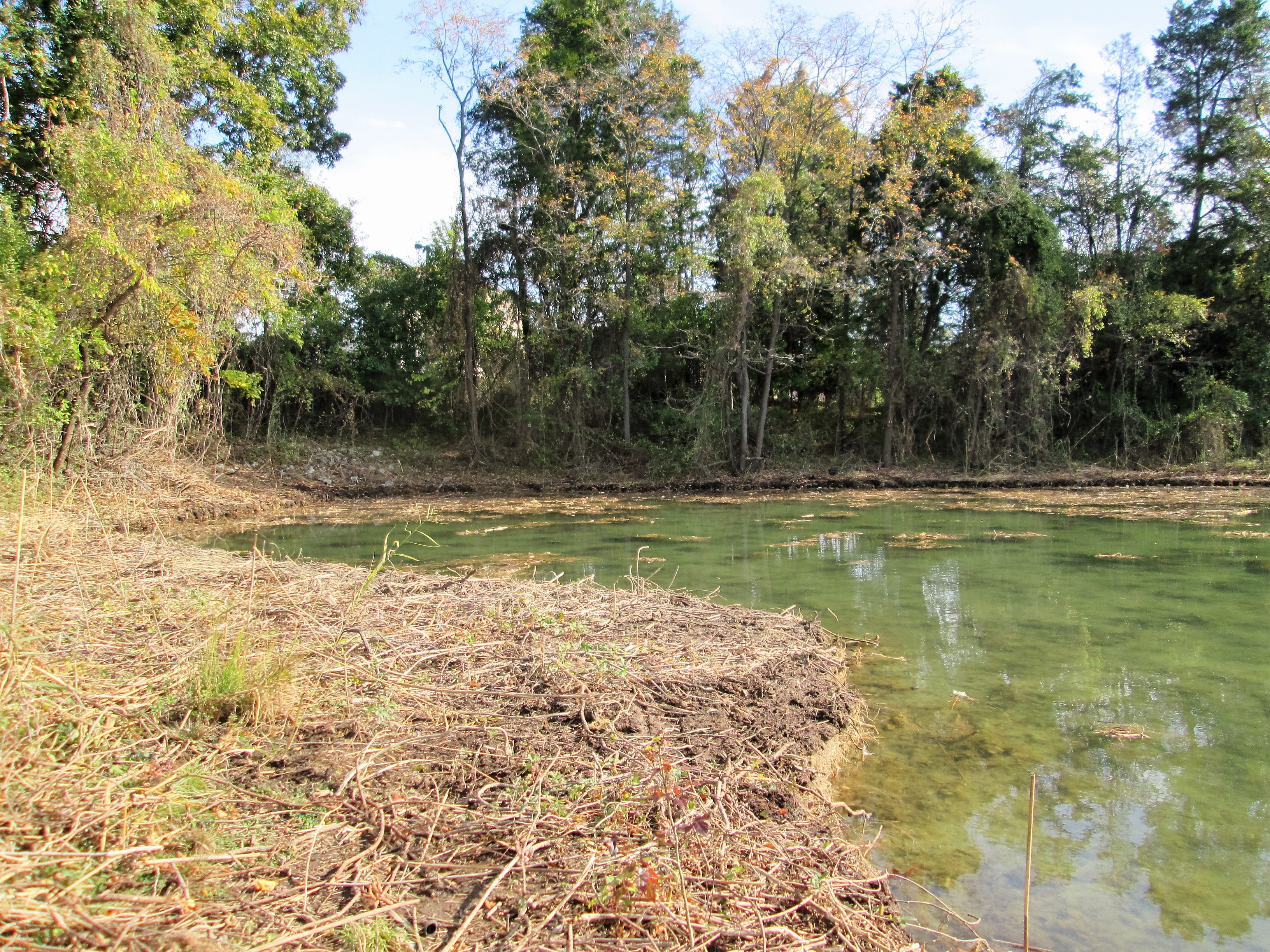
The contract has been completed. Here are the before and after photos.

img_0469 untitled-1-2


Pre-Black Friday Sale

23 Wednesday Nov 2016

Posted by Ronald Parks in Baltimore, water history, Writing

≈ Leave a comment

Tags

Baltimore, engineering, FILTRATION, fluoride, Gunpowder Falls, Health, HISTORY, Lake Montebello, Montebello, POLITICS, Public Works, Research, water, water history, writing

Ok, time to order now for Christmas! Nothing like a little self promoting during the Holiday Season. (Thanks to the person(s) that bought 3 copies this month! My sales report does not list the buyers so I have no way to know who to thank)

These books are cheaper on Amazon than they are on the publisher’s pages. ALL proceeds from the sale of these books goes to Water For People.

This first book is a crazy story about Chuck and Gary and the misadventures that happen because of the fluoride in their toothpaste! I think this may have been an LSD induced novel. But more likely comes from all the research I did concerning the subject that I didn’t know what else to do with!bookcoverimage-1


This next one is about, well, it’s about what the title says it’s about. Taken from the journals of the building inspectors. Ten miners killed in an explosion – called an accident, but I don’t think so…

bookcoverimage-2


And this last one is also about what the title implies. Over 400 pages of more information you will probably ever need concerning water history. Plus a bunch of tidbits thrown in.bookcoverimage


Herring Run Walking (or running) Tour

21 Monday Nov 2016

Posted by Ronald Parks in Baltimore, HISTORY

≈ Leave a comment

Tags

Baltimore, bridges, engineering, Floods, HISTORY, Lake Montebello, Montebello, Public Works, water history

I was not the only one asked for information concerning Herring Run. All this info is for a walking tour on Black Friday. This instead of Mall Madness. Another submission of info:
The design for the Pedestrian Bridge at Sinclair Lane began in 2010 with final greenway plans dated on January 31, 2014. The bridge was designed by Wheeler in Bloomington, Minnesota and fabricated by Big R Bridge in Gresley, Colorado. A new pedestrian bridge was built in close proximity to Sinclair Road since the new ten foot wide greenway trail could not be accommodated using the existing Sinclair Road bridge. Also, the new pedestrian bridge location was selected to span the narrowest portion of the Herring Run Stream and the bridge length was determined to not encroach the Herring Run Stream’s 100 year flood elevation and cross over the existing DPW utility sanitary and 84” water pipes.
This info got me thinking about various reports I had read recently. Not concerning a 100 year flood, but about what would happen if the dam gave way at Montebello Lake??
August 2000 – Danger Reach Study for Lake Montebello MD Dam #107. Prepared for DPW, Bureau of Water and Wastewater. Has a lot of graphs, charts and data. ‘What if’ scenario of a dam failure at Lake Montebello, between Harford Rd and the Park. The consultants do not believe the water would go over the Harford Rd bridge, but under. They do believe it would overflow four feet above the Belair Rd bridge at Herring Run. It would overflow Manasota by two feet and Brehms lane by four feet. Sinclair Lane would be two feet under water. It would follow a path all the way to Moore’s Run. The dam is 600 feet long, 60 feet wide at top and 31 feet tall.
From the Emergency Action Plan 2016: Lake Montebello is an earthen dam built in 1880 as a water supply reservoir for the city of Baltimore. It contains approximately 410 million gallons of water, with a maximum storage of 606 million gallons. If the dam fails, this is what will be read by Emergency Management:
“Lake Montebello Dam, MD Dam No. 107, located northeast Baltimore City is failing. Repeat. Lake Montebello Dam, Dam No. 107, located northeast Baltimore City is failing. If you are in or near this area, proceed immediately to high ground away from Herring Run Park. Do not travel on the following roadways: Parkside Dr., Shannon Dr., Pulaski Hwy, North Point Rd, Bowleys Ln, Harford Rd, Mannasota Ave, Belair Rd and Sinclair Ln, in the vicinity of Herring Run Park. Avoid all residential roadways near the Park located in northeastern Baltimore City. Travel away from Herring Run Park. Avoid all residential roadways near the park. Do not return to your home to recover your possessions. You cannot outrun or drive away from the flood wave. Proceed immediately to high ground away from the area.”

dam-breach2

The dam in question is to the right of the lake. Shows the Harford Road bridge to the far right.

dam-breach5

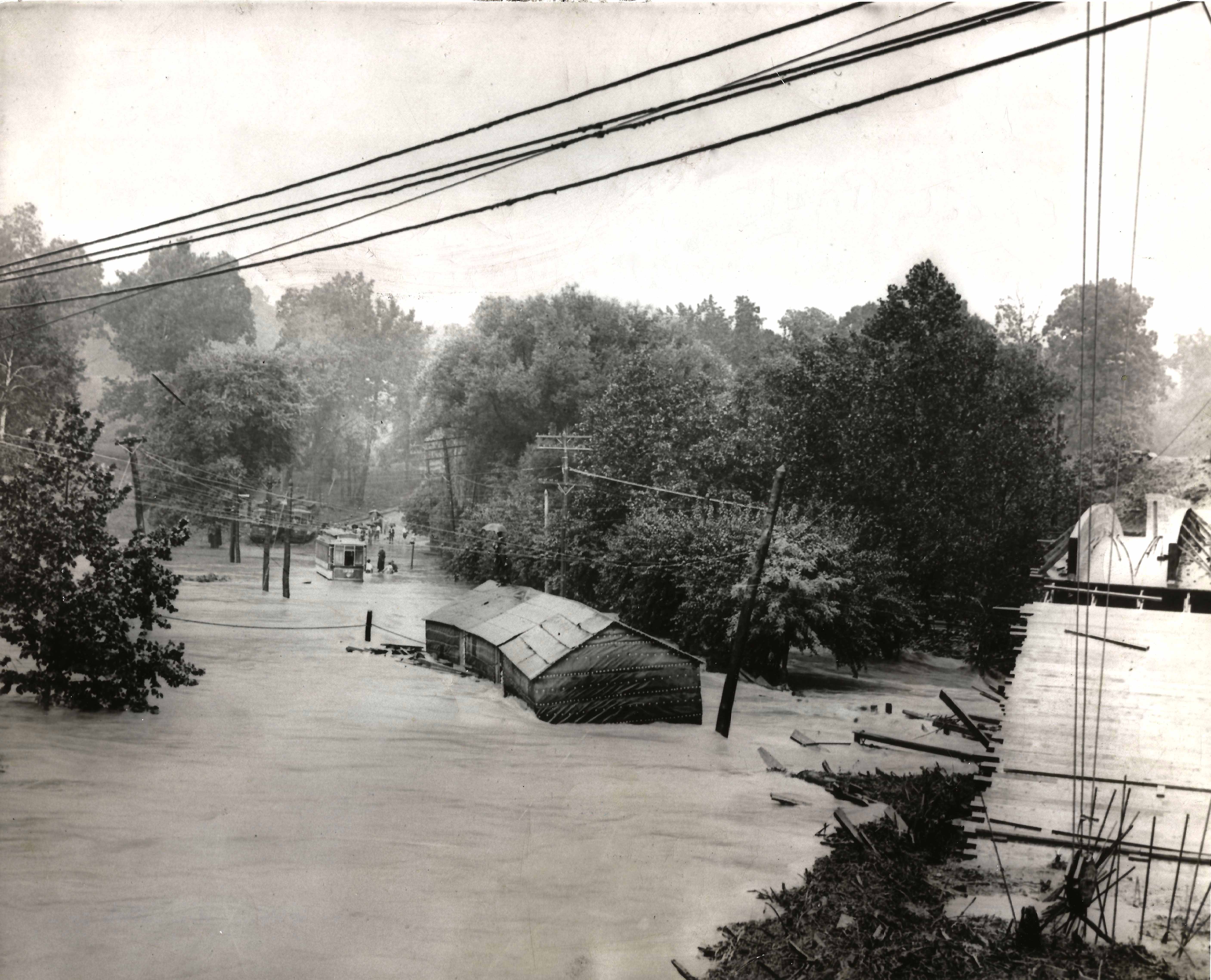
This is how a rain induced flood looked many years ago, Harford rd. bridge to the right.

dam-breach3

Belair road bridge would be flooded 4′ above roadway.

dam-breach4

Brehms Lane bridge – would also be 4′ under. (Note: Bridge no longer looks like this and there are no longer any horse rides in the park)

Herring Run or Tiffany Run

17 Thursday Nov 2016

Posted by Ronald Parks in Baltimore, HISTORY, water history

≈ Leave a comment

Tags

Baltimore, engineering, glass plate negatives, Gunpowder Falls, HISTORY, Lake Montebello, Montebello, Public Works, Research, water history, writing

I was recently asked to do a brief history for the Friends of Herring Run Park, concerning the history of DPW activity in the park. More specifically – What is up with those concrete structures in the park that have pipes sticking out of them? They are air relief vaults for the Susquehanna pipeline. So, instead of a brief, one line answer, I decided to give them a Readers Digest version for the building of the Susquehanna pipeline.
As in most cases, when doing basic research, I always get distracted with other history facts I find. The story of my life (Well, the story of my life is another book I wrote, which is out of print. Too many people disagree with what I wrote about MY life and MY memories. I did however see a copy on Amazon for $354.00! Ha!)(See what I mean about getting distracted!!)
Anyway, I came across the below 1854 report that mentions Herring Run as a possible source of water for the City of Baltimore. If not a source, then possibly build a reservoir there. The author of the report, Alfred Duvall, who signs the report as a ‘Practical Engineer’ also suggests a reservoir on Tiffany Run, which is a stone’s throw away from Herring Run. By 1875 they decided on Tiffany Run for the new reservoir, that would be filled via tunnel from Loch Raven.

1854

Duvall’s 1854 report. Interesting read.

2bw

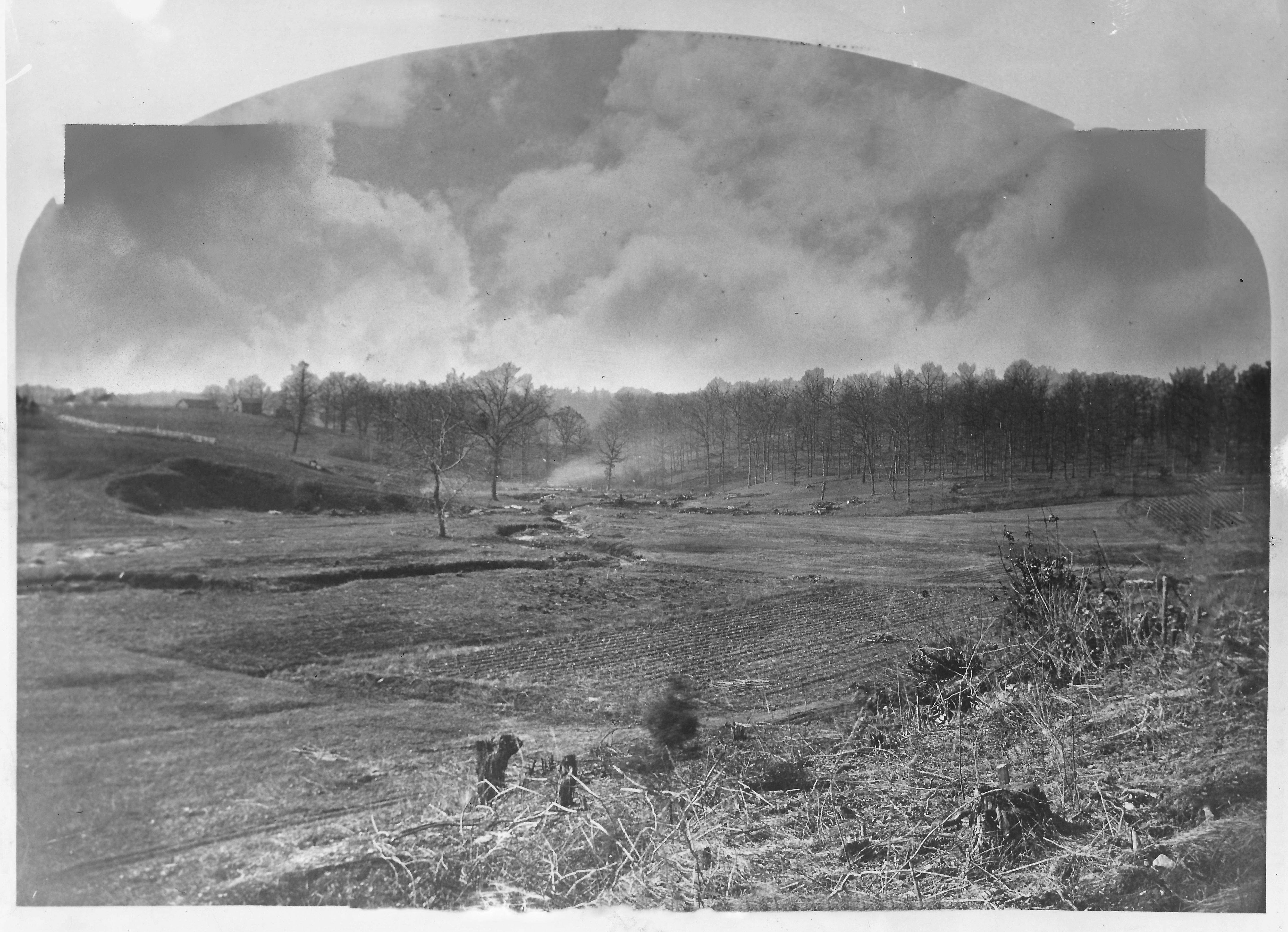
Tiffany Run, prior to the 1875-1881 construction of Lake Montebello

montgatehouse1u

Lake Montebello soon after construction. Gatehouse to the left received water from Loch Raven, where a dam was built during the same years.

Waste Lake Chronicles

31 Monday Oct 2016

Posted by Ronald Parks in Baltimore, Hiking, water history

≈ Leave a comment

Tags

Baltimore, boats, engineering, FILTRATION, Hiking, HISTORY, Lake Montebello, Montebello, Public Works, water history

Checking on the contractors the other day, I saw that they had pretty much cleared most of the shoreline…nice day for a hike around the lake.

wl1

Started on the SW side looking towards Morgan State University.

wl2

Headed up to the far end, closest to Hillen Road. The old surge shaft from Loch Raven is to the right. The dredge and barges could not get this far up.

wl3

Looking down from on top – the sludge. This is a by-product of what goes on in the filtration plant. Lots of sand at this point. The sand is used to filter the drinking water and when the filter becomes clogged, we backwash it. Unfortunately the pressure from backwashing pushes sand into the drain and ends up here.

wl4

More sand and sludge.

wl5

Since I was up here, I figured I would look down the hatch. The contractor had some concerns about getting too close to this structure. He said they could see a pipe that I told them to stay away from.

wl6

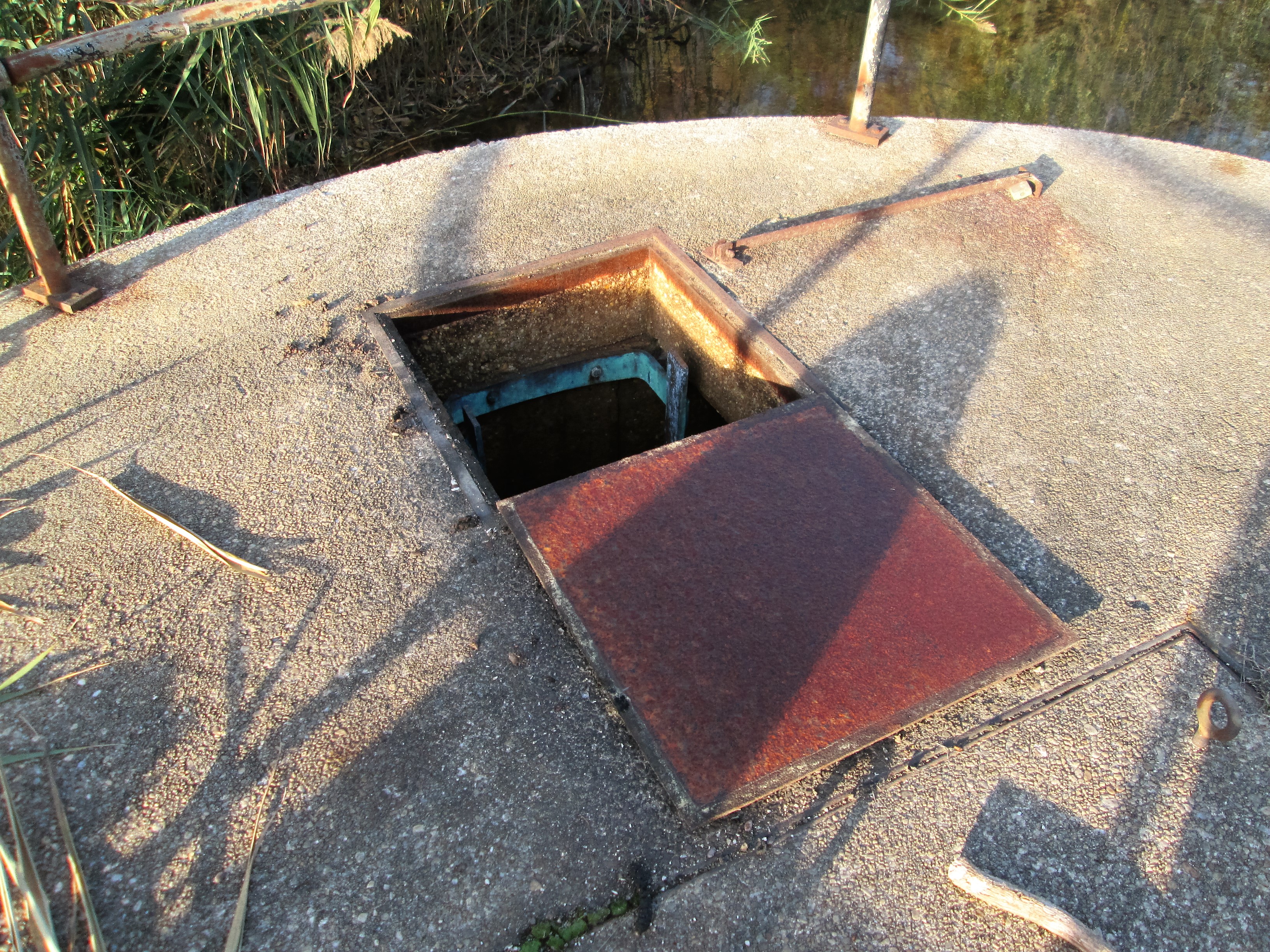
The pipe coming thru the wall at the top, is laid in the waste lake bed. It is about 10′ under the water surface. Although capped off, it would still cause problems if broken. I was supposed to climb out of this shaft a while ago…after an inspection of the old 1880 Loch Raven tunnel. (5-1/2 mile hike). Cancelled due to safety concerns.

wl7

Heading down the NE side. Watching the small barge and excavator get as close as he can.

wl10

The large excavator and barges. These barges are only about 5 feet tall. They displace only 2 feet of water. That just amazes me.

wl8

Soon, we will be testing pumps up on Deer Creek. This will be water from the Susquehanna River. It is very dirty water so we will just dump it instead of letting it go into the plant. See that tower in the background? That is the Susquehanna Surge shaft. When the DC pumps come on and the water flows 36 miles to this point, closing the valves to not let it in, well, the water has to go somewhere. It goes up that shaft and then out thru the drain you see to the left of the boat. 50-60mgd. The dredging should be done by then and their equipment removed. If not, they better tie that stuff down!

wl9

Continuing my hike down the shoreline.

wl11

Some spots were a little rough to navigate across.

wl12

Here is that cove I mentioned in an earlier post. Deer tracks everywhere.

wl13

The 4 million dollar problem – already rearing its head in the warm sun!

← Older posts
Newer posts →

Blogroll

  • Flouride Action Network
  • lulu
  • My Book
  • WordPress.com
  • WordPress.org

Recent Posts

  • Bermuda 2023
  • ICELAND April 2023
  • George Chalmers of Fochabers
  • In Search of The Skipjack Ada Mae
  • Trap Pond Kayak

Blog at WordPress.com.

  • Subscribe Subscribed
    • Water and Me
    • Join 231 other subscribers
    • Already have a WordPress.com account? Log in now.
    • Water and Me
    • Subscribe Subscribed
    • Sign up
    • Log in
    • Report this content
    • View site in Reader
    • Manage subscriptions
    • Collapse this bar
 

Loading Comments...