• About
  • History Writings

Water and Me

Water and Me

Tag Archives: Loch Raven

Good Intentions, Not Always Good Results

04 Friday May 2018

Posted by Ronald Parks in engineering, Hopkins, Reservoir, water history

≈ Leave a comment

Tags

Baltimore, Cromwell Park, Dams, engineering, Hiking, Loch Raven, maps, nature, photography, Research, water history

A couple weeks ago I was drawn into a discussion concerning the Balancing Reservoir adjacent to Cromwell Valley Park. I say adjacent because it is City property, in Baltimore County, part of the City’s watershed. This past weekend was the first chance that Kathy and I had to take a hike through CVP and this is what greeted us:
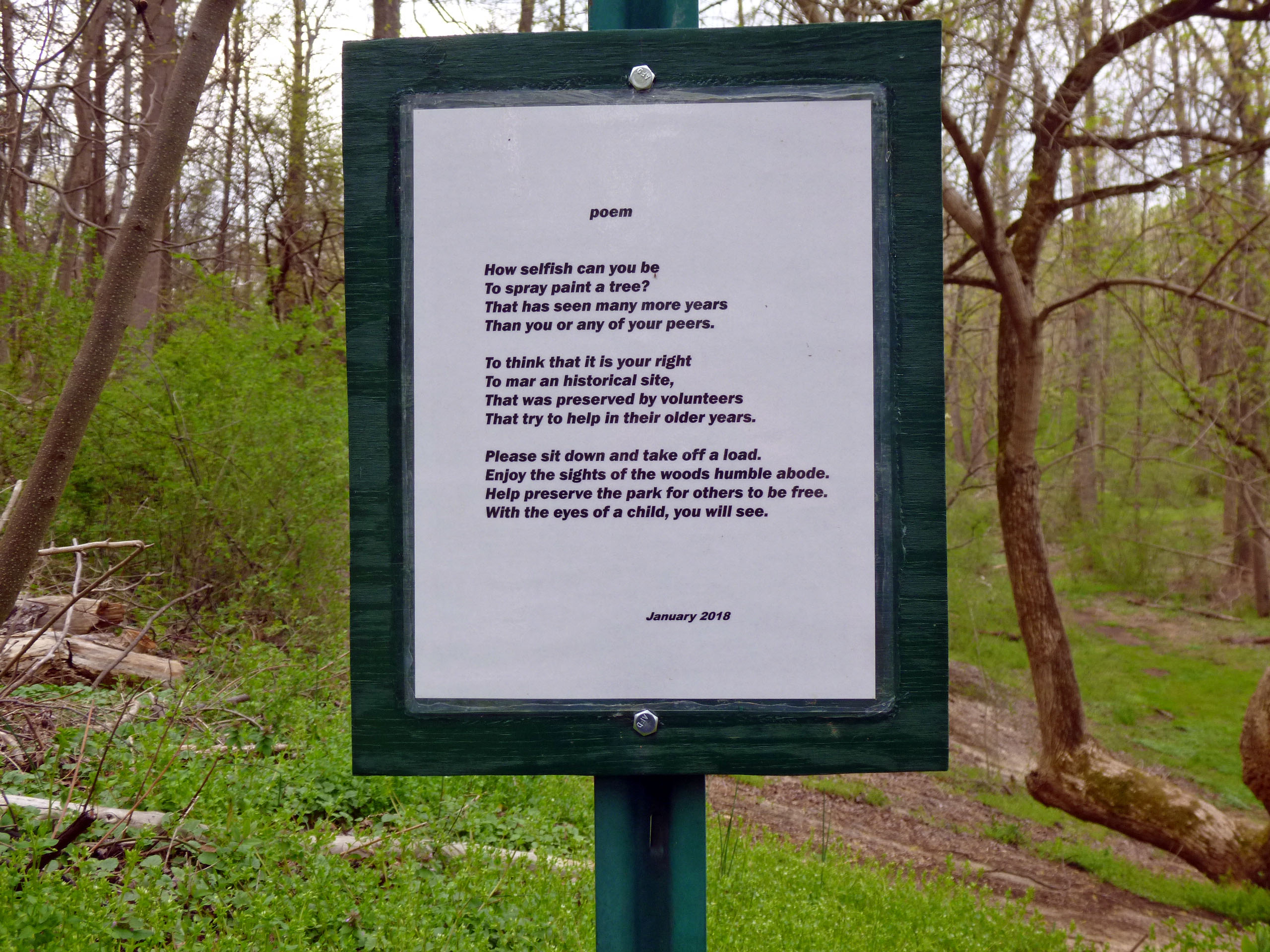
A poem about graffiti. What the hell? So I looked down at the balancing reservoir shaft and understood.
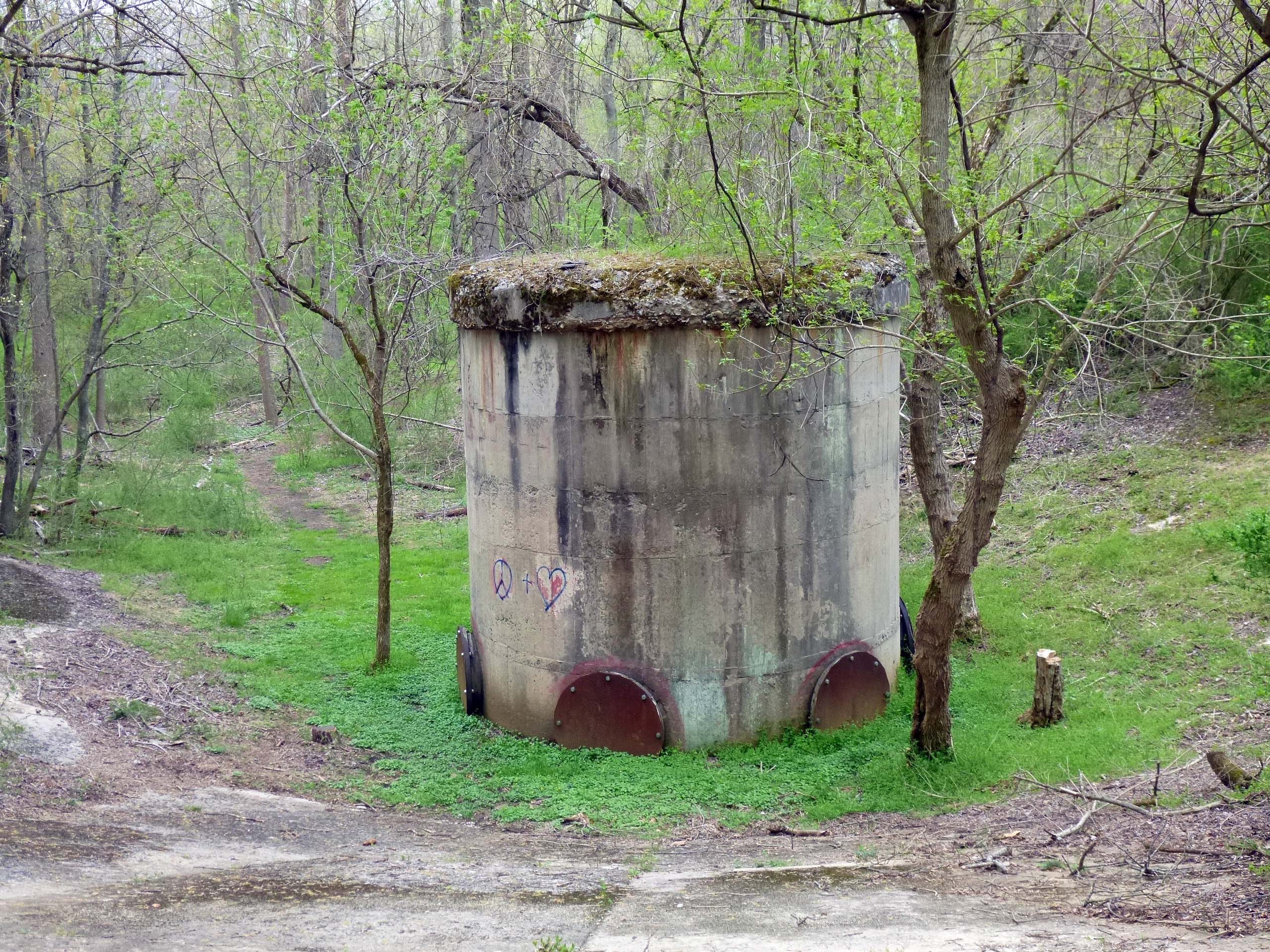
Someone drew, what I guess they thought, was a peace symbol and a heart. Going down the slope we saw even more.

Now I understand the reason for the poem. What idiots! I have never understood graffiti. Some that are murals are nice, but this makes no sense to me. And no, I don’t believe in that sort of “Freedom of Expression”

What does this have to do with my Post Title and opening statement? The discussion I had was with City Watershed personnel, the County, the Park and the volunteers at CVP. The area has been nicely cleared around this structure and throughout the reservoir. Unfortunately by clearing it out, it made it more accessible to more people and more people means more risk of vandalism. The discussion, both pros and cons, concerned restoring the site. Pros – historical water history. Cons – disruption to the wildlife and native plants.

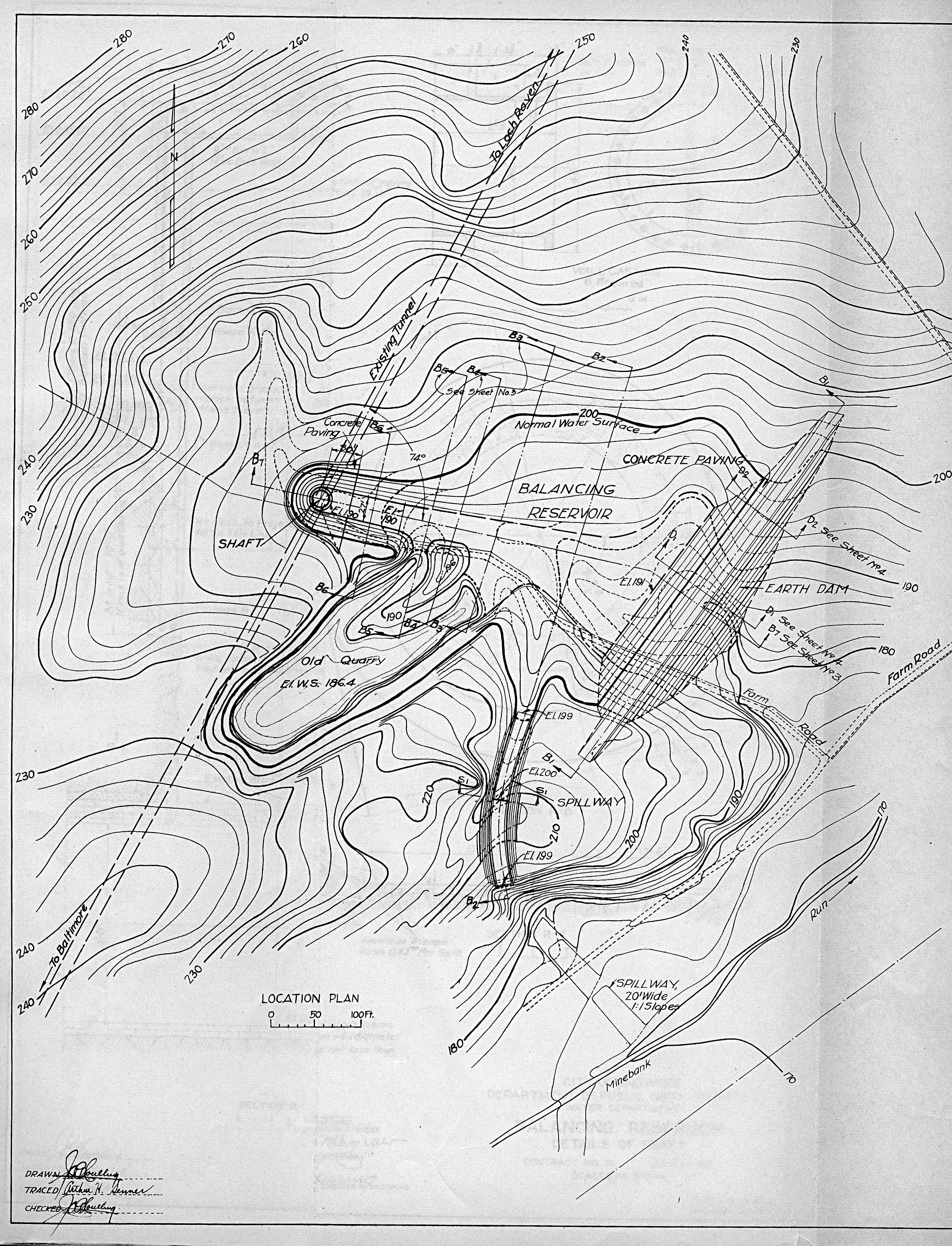
Here is a 1921 partial drawing of the Balancing Reservoir.
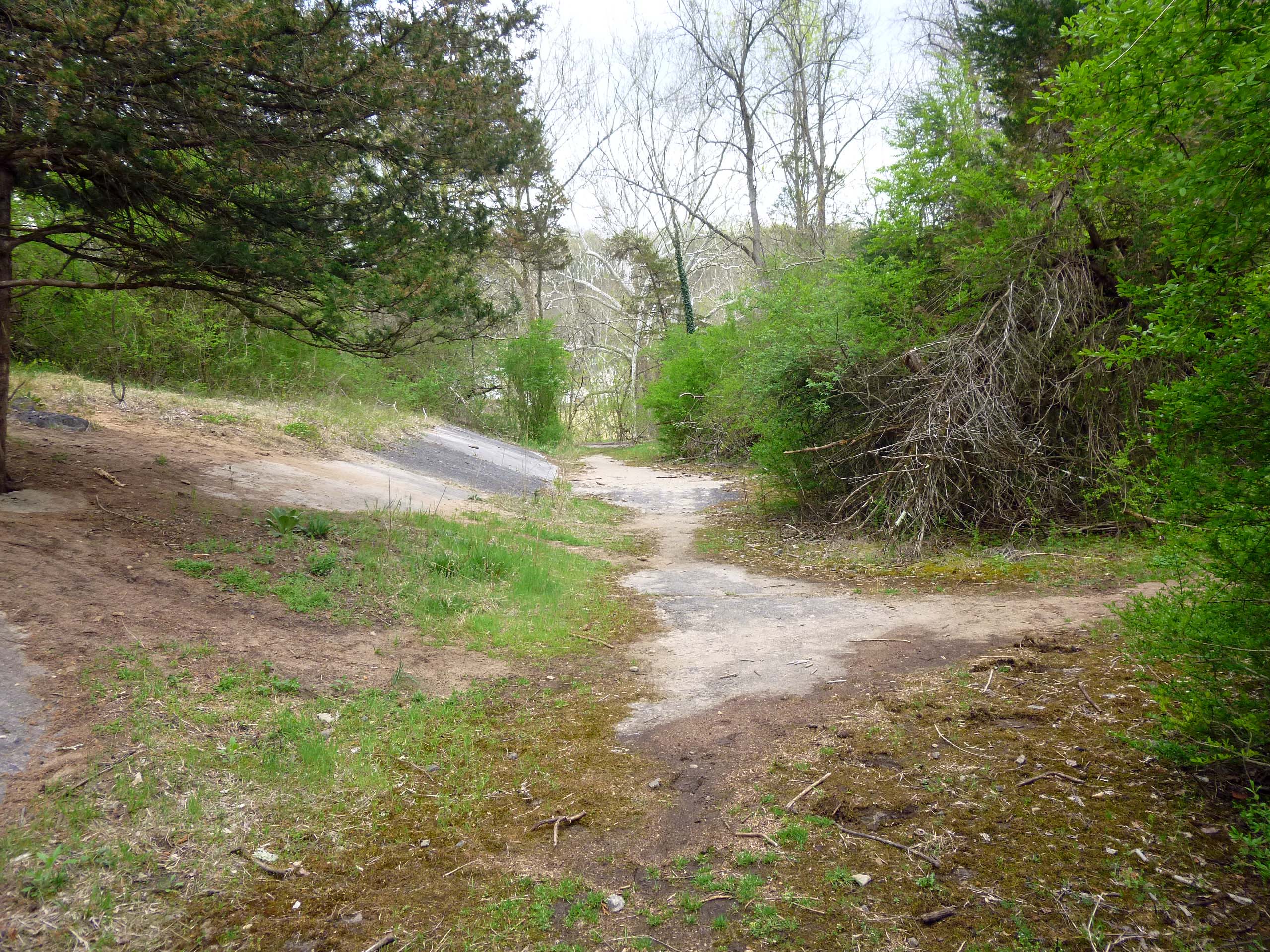
We walked down the shaft slope and went over to the quarry, then to the spillway. View from the beginning of spillway looking toward Mine Bank Run.
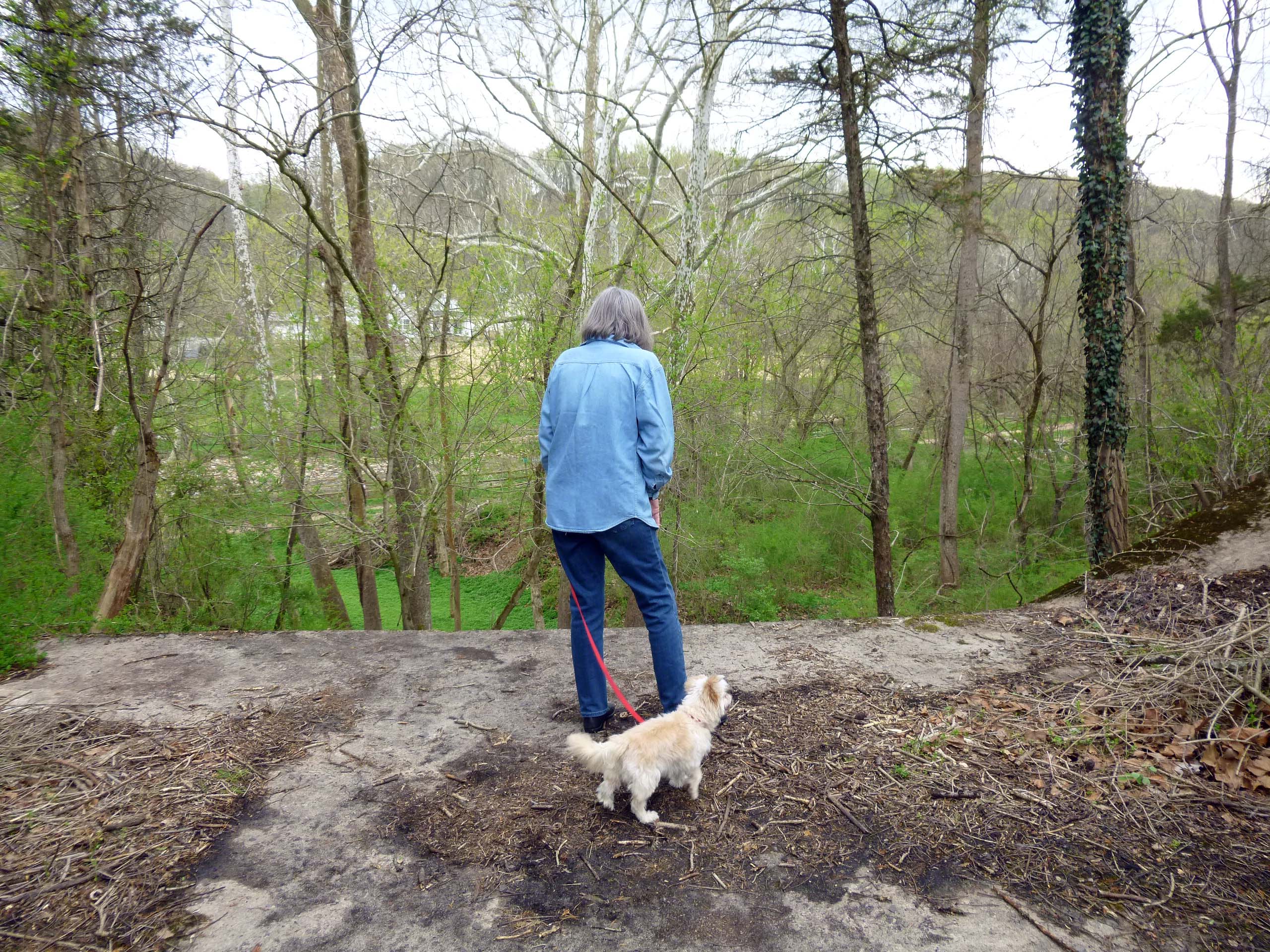
A close up of the Spillway.

And of Molly not wanting to get too close. It is about a 20′ drop. There use to be a rope across there saying “Danger”
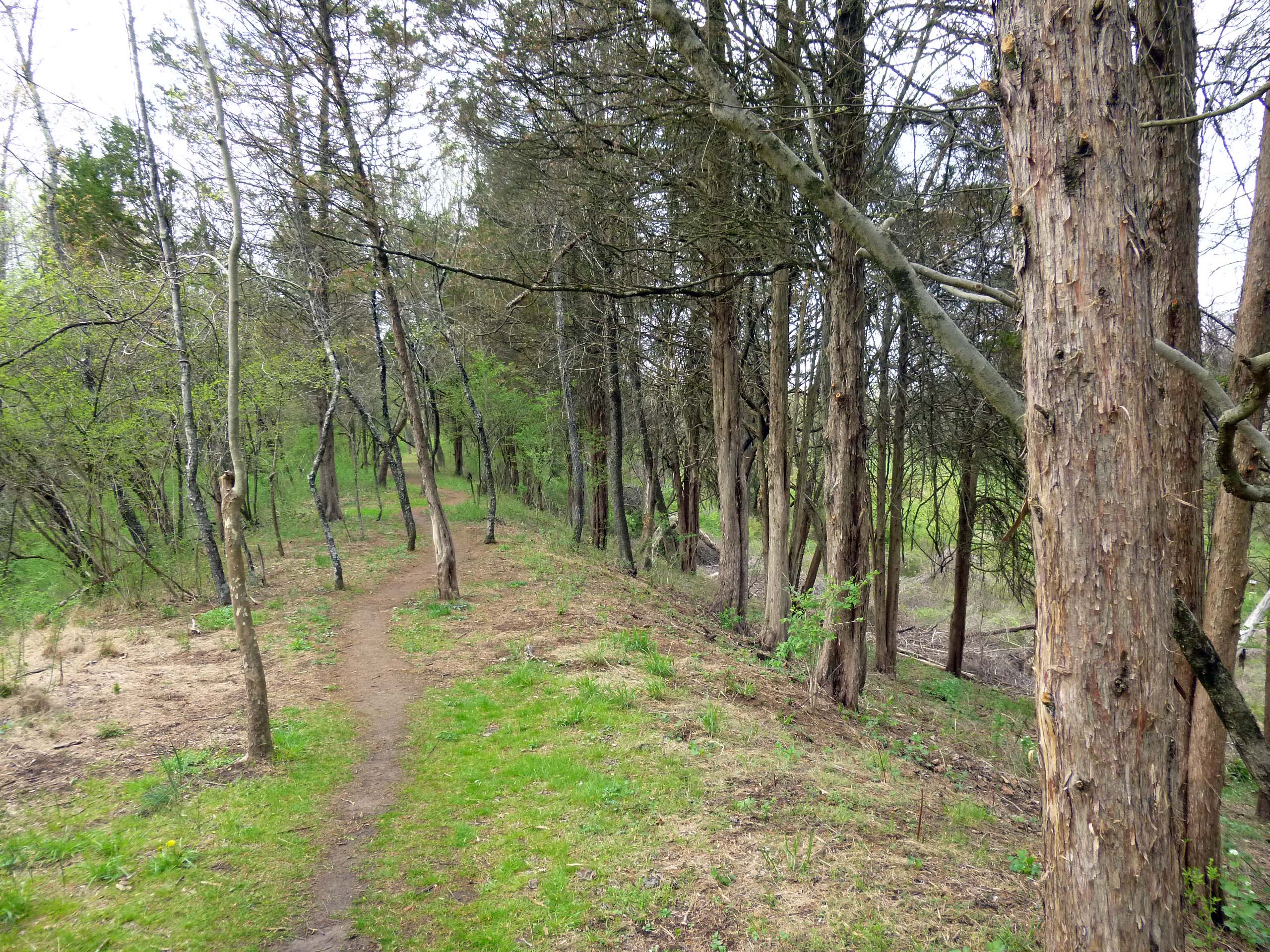
From the spillway we walked over to the dam. This dam actually has a concrete apron that extends partially down the slope towards the surge shaft. It has been pretty much cleared out, to the bird watchers and rangers dismay.
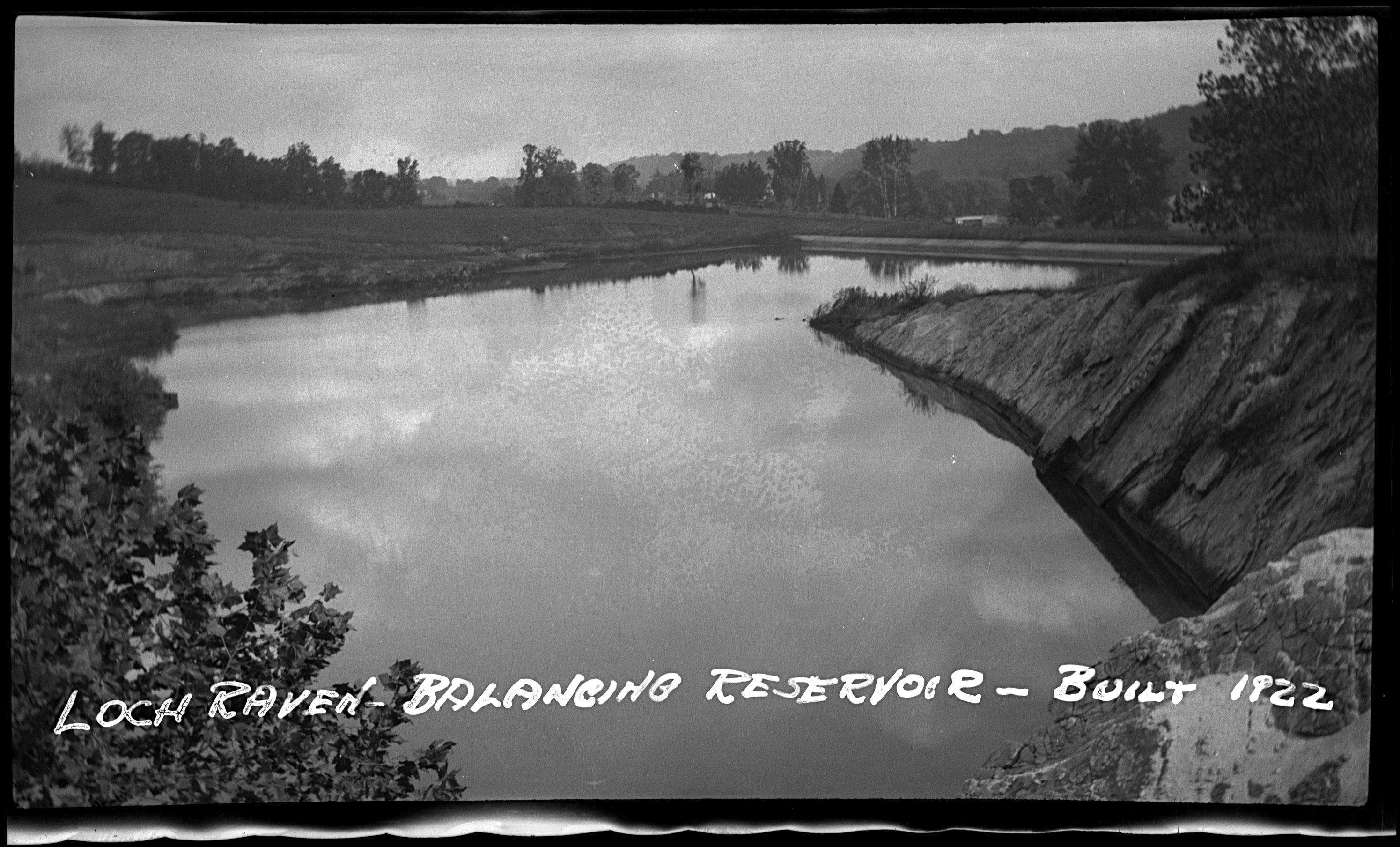
Here is the balancing reservoir in use 1922. This view is from the shaft to the dam.
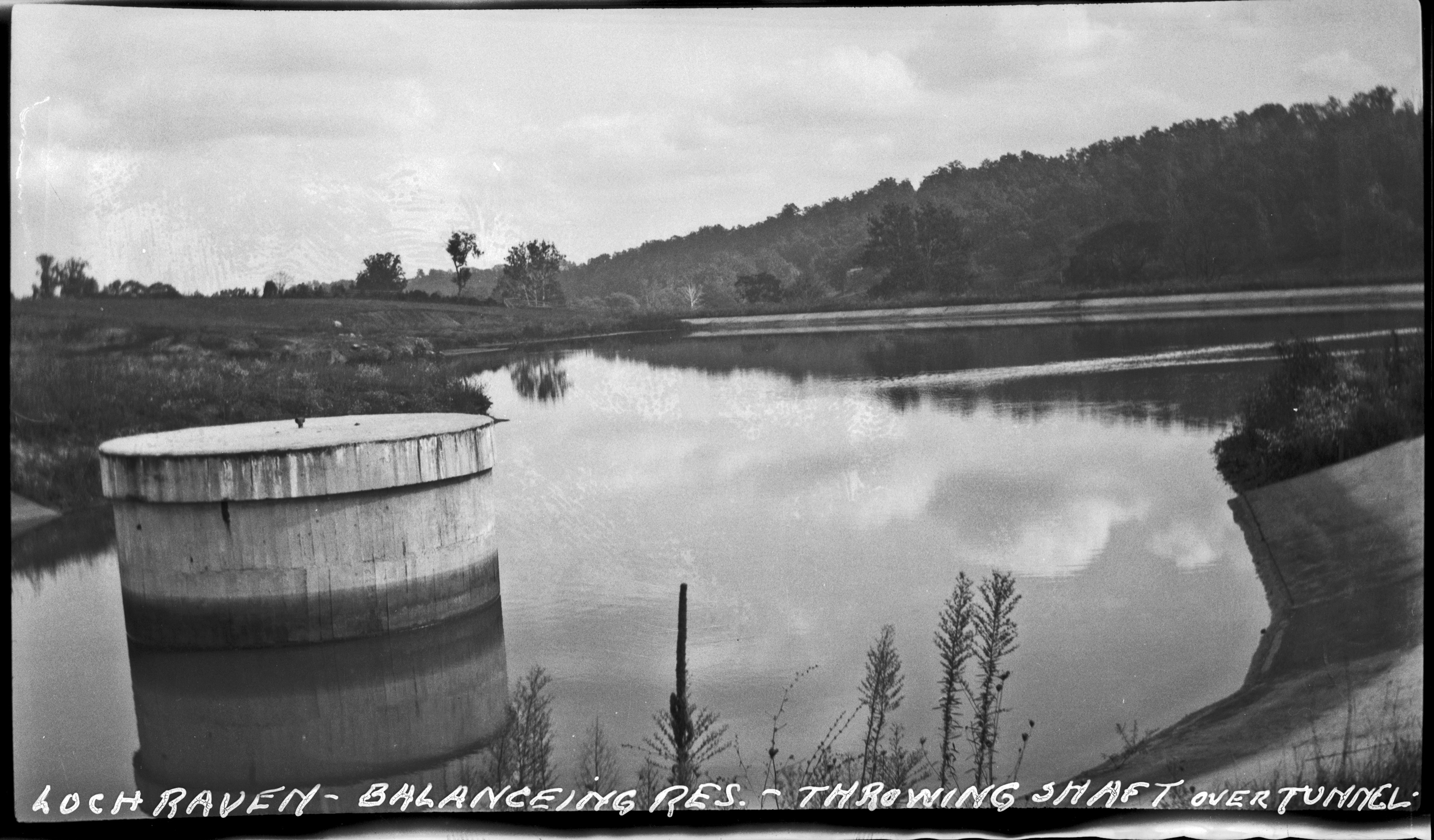
This other view is looking over the old quarry. Both of these photos come from the Maryland Historical Society.
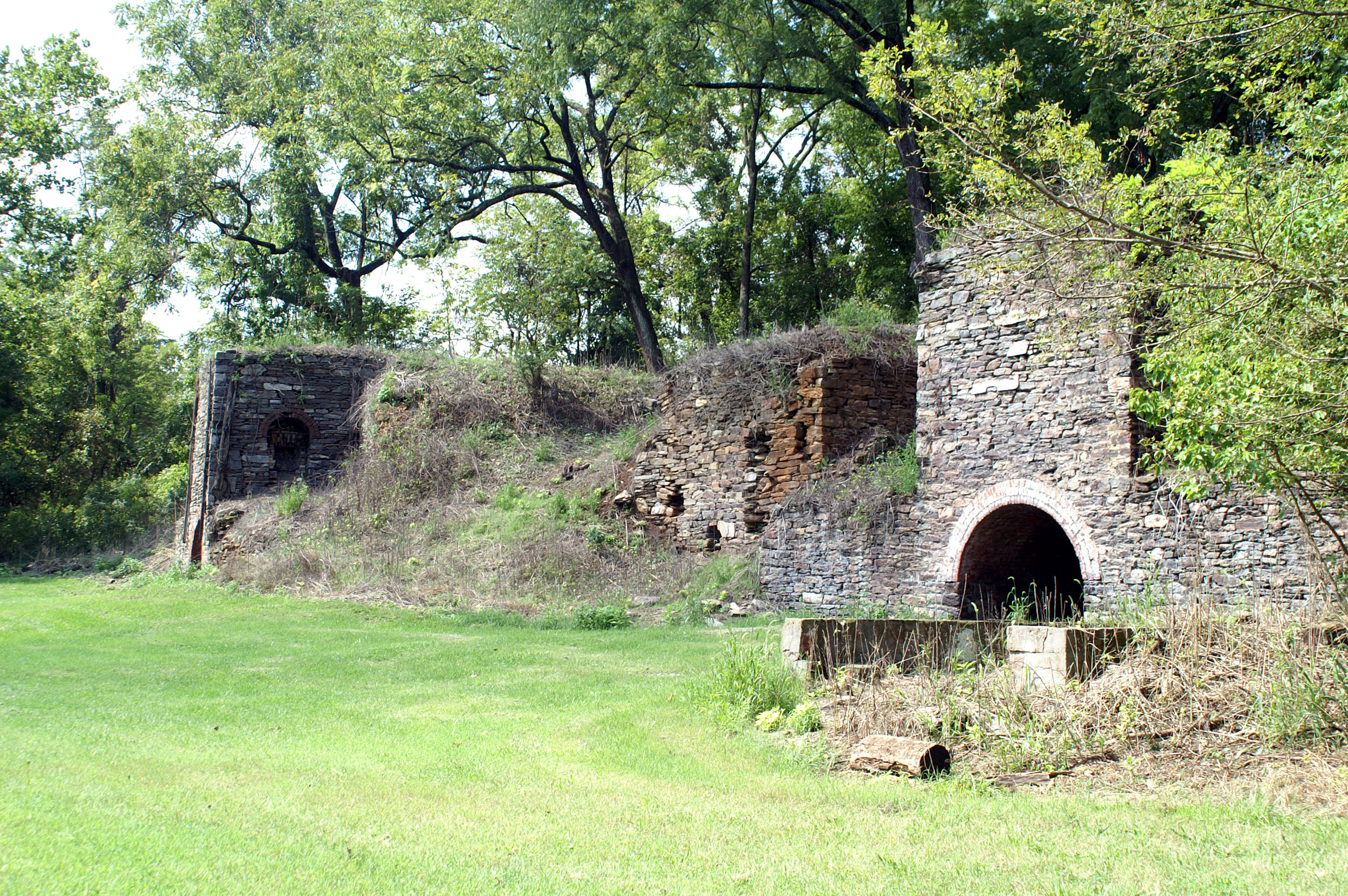
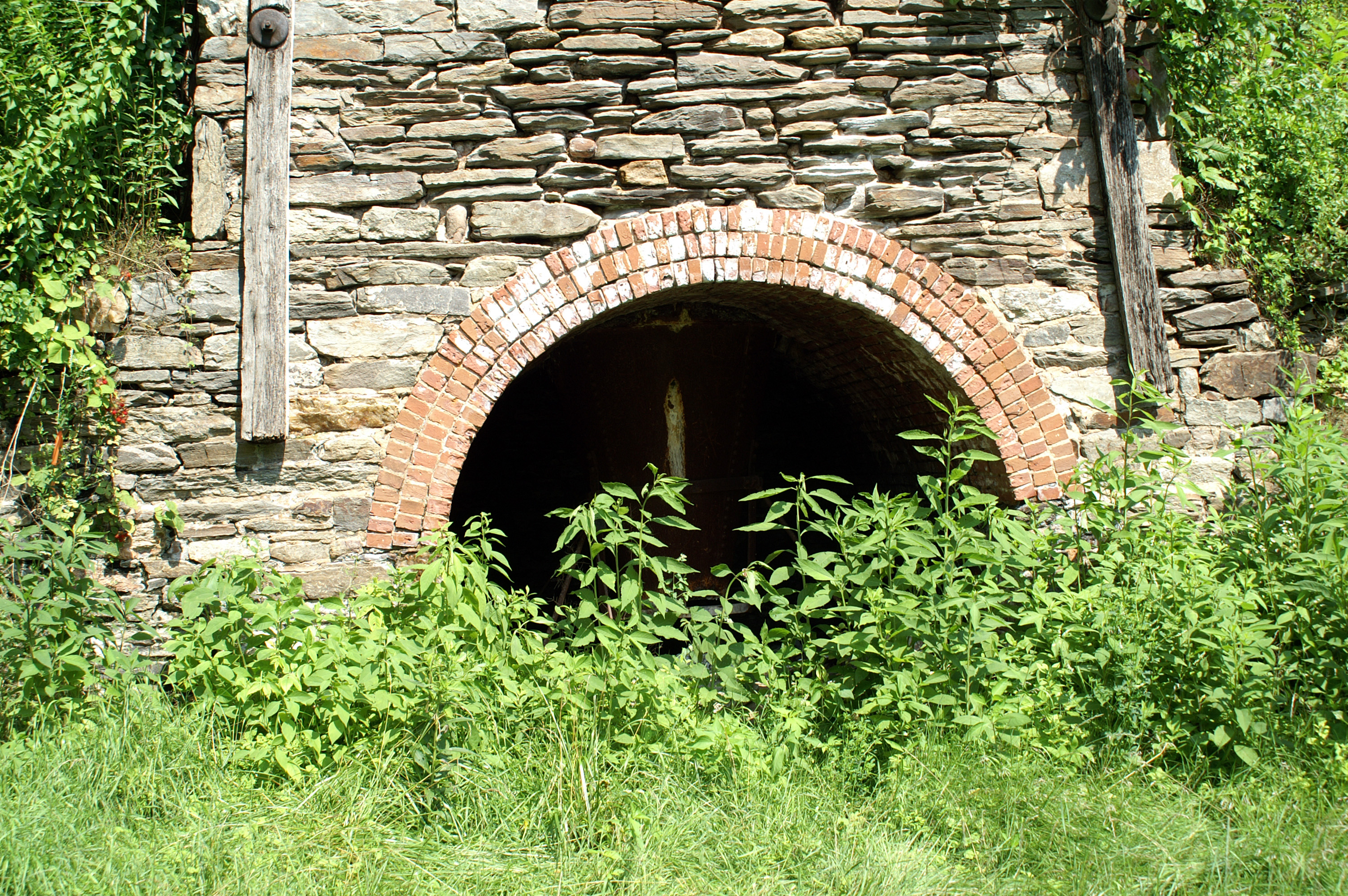
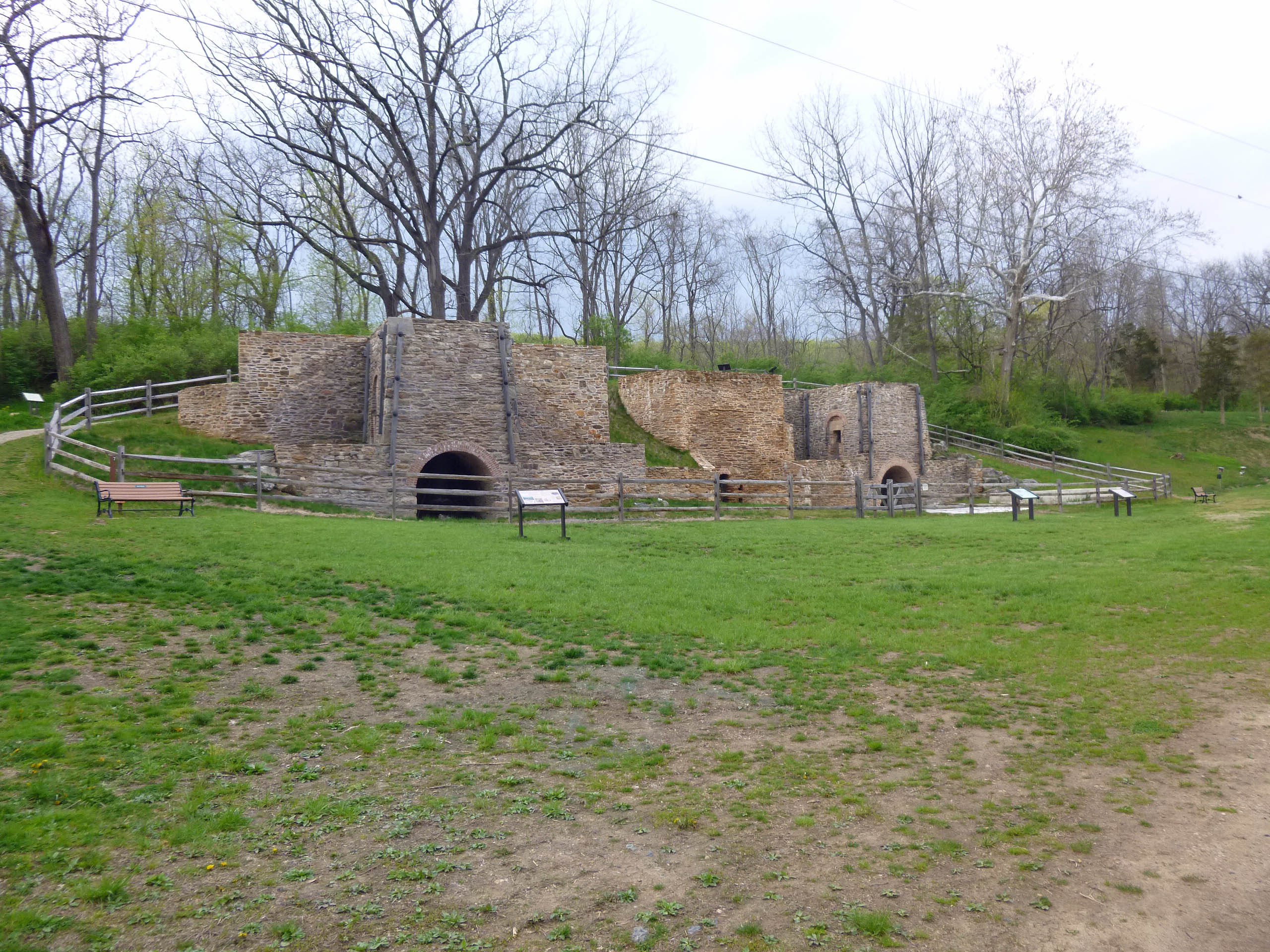
No trip to CVP would be complete without a hike to the Kilns.
New signage everywhere – kind of reminds me of an old 70s song! Descriptive signs.

My take on all this? Originally I thought it would be great to restore the complete balancing reservoir to its original construction, but I’m not so sure now. It would be nice to clear the concrete apron around the surge shaft and the concrete spillway. Not sure it would be worth clearing the dam face. Too many animals and birds in that area. And as the poem states, “volunteers…in their older years…” Who will maintain it 20 years from now? The City won’t and they haven’t. The place is only historical in the minds of people who appreciate their water source. Most people that turn on their faucets could care less about the history of how it gets there!

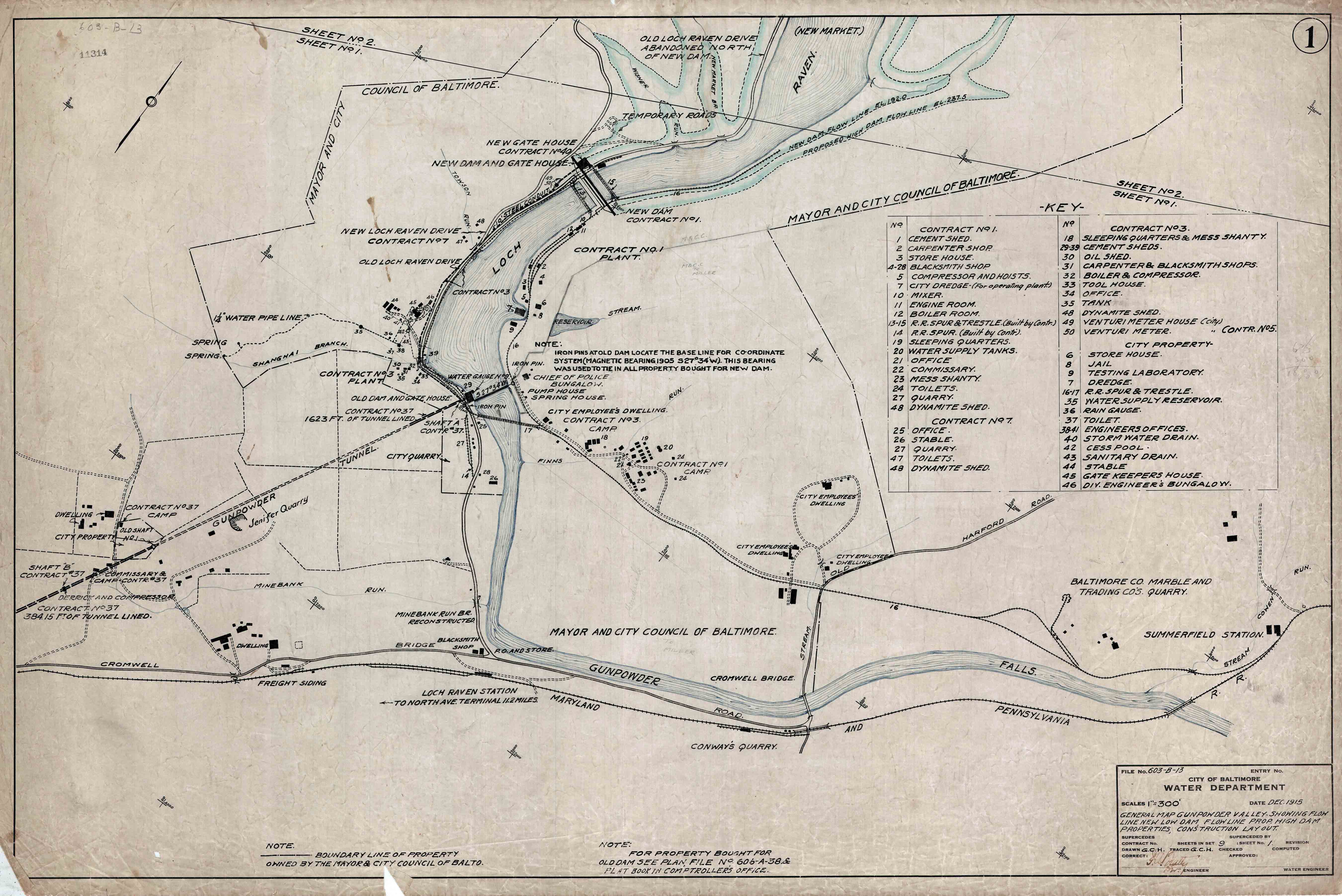
And for my history friends, here is a map from 1915 of the area. When the City built the new dam.
 

Montebello and the Panama-Pacific Exposition 1915

22 Friday Dec 2017

Posted by Ronald Parks in Baltimore, Dams, HISTORY, water history

≈ 2 Comments

Tags

Baltimore, Dams, engineering, FILTRATION, glass plate negatives, Gunpowder Falls, HISTORY, Lake Montebello, Loch Raven, maps, Montebello, Public Works, Research, water history

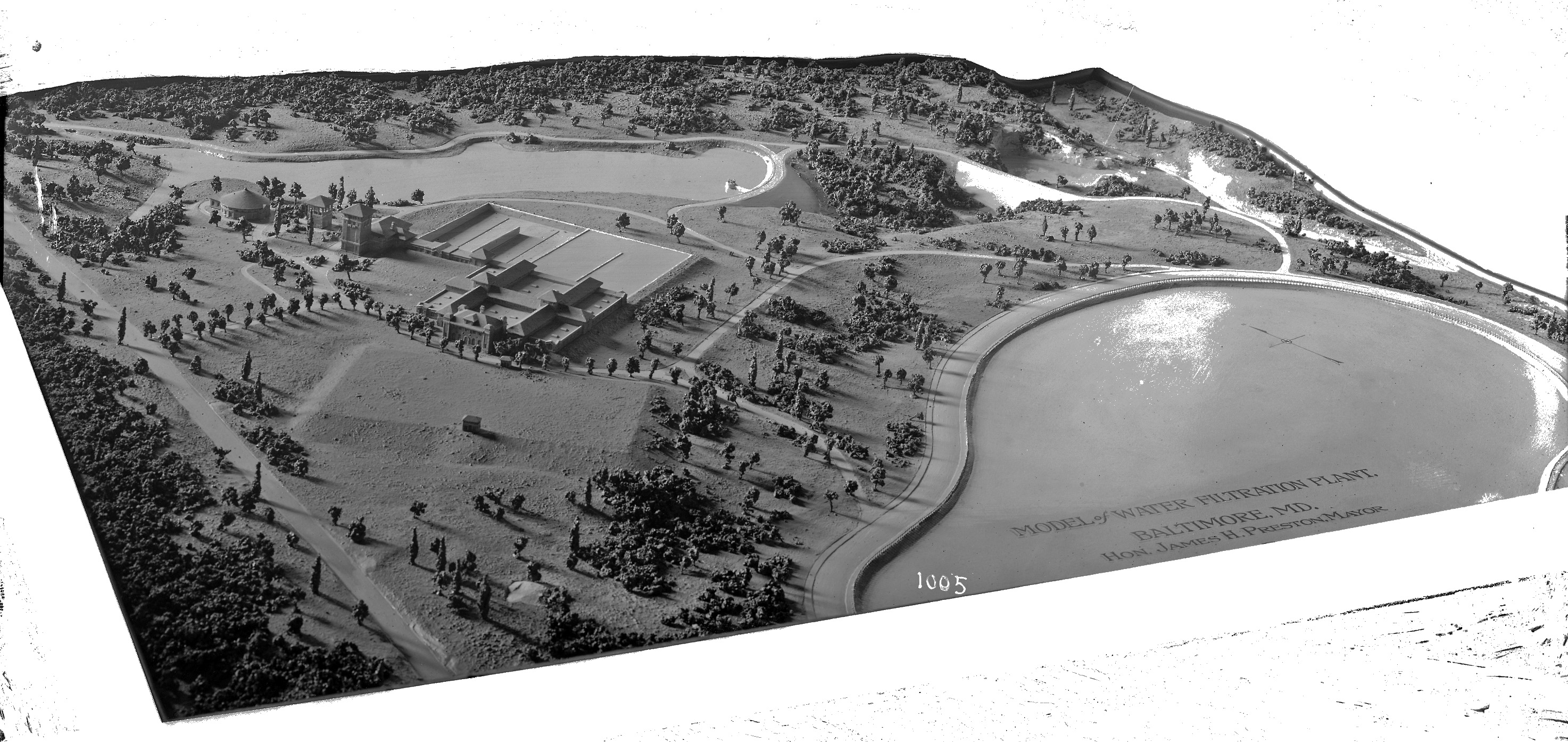
Finishing up documenting a Water Board Minutes of Meetings Journal, I came across a couple of interesting tidbits concerning the connection between Baltimore and San Francisco. In 2015 we both celebrated a 100 year anniversary. Them celebrating the 1915 World’s Fair and us the building and opening of the Montebello Filtration Plant. The connection being this – February 11, 1915 It was resolved by the Water Board to send the Filtration and Dam models to the Panama-Pacific Exposition. According to the model itself, it was completed in December, 1914.

Here is a lantern slide copy of the model. If you visited Montebello during our 100th anniversary and took a tour, you would have saw the actual model.

The lighting in the hallway is terrible with all the reflections. It was too dark with the lights out and too reflective with a flash.

Here is the nameplate data on the model.

Along with this one. I did a search for information on this company but could not find much. And something else I could not find is – where is the model of Loch Raven?

Howell’s did a pretty good job replicating the filtration plant.

The plant as it looked in the 1920s.

I don’t know about anybody else, but I’d like to put little people in here…and maybe Godzilla!!

Showing what the waste lake looked like.

And the detail of the outfall structure.

The waste lake dam and outfall structure being built. Notice the date – October 1914. This means that the model was built conceptually, like an artist’s rendition of something before it is there.

Of course, one research item always leads to more.

In 1884 models of the substructures were built and placed in each gatehouse, Loch Raven and Lake Montebello, to give visitors a better understanding as to how each works. (What happened to them?)
February 6, 1893 the Water Board resolved to send a display to the Columbian Exposition. This was 21 years before the Howell Microcosms were built. so what did they send?
November 18, 1935 letter from M.P. McNulty, he has just completed creating a model of the Loch Raven dams and inquires as to the dates the real dams were built. Small replies that the lower dam was built between 1875 and 1881 by Fenton and Jones, Contractor. The upper dam was constructed by King-Ganey starting in 1912 and finished in 1914 and then raised between 1920 to 1922 by Whiting-Turner. Attached to the letter was a newspaper clipping which shows a picture of the model. (This clipping is at the City Archives)
December 31, 1952 letter from William Eichbaum Scale Models informing Hopkins that they will build a new, Montebello Plant model in the existing case for $1,000.00. This was not done.
And for what appears to be a wonderful book – San Francisco’s Jewel City: The Panama-Pacific International Exposition of 1915 by Laura Ackley


Willow Grove at Cromwell Valley

09 Saturday Dec 2017

Posted by Ronald Parks in Hiking, nature, Photography

≈ 2 Comments

Tags

Cromwell Park, Gunpowder Falls, Hiking, Loch Raven, nature, photography

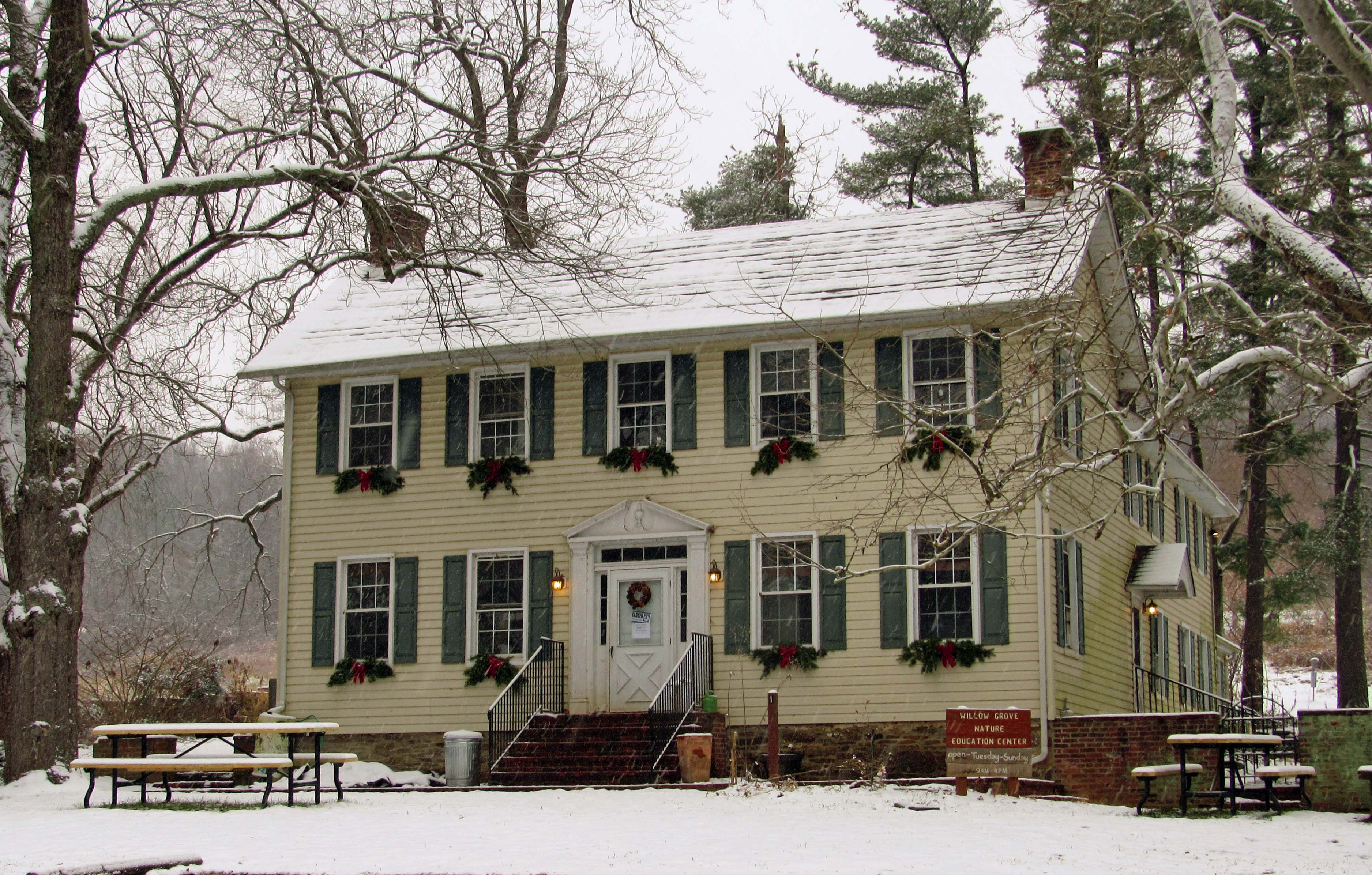
Nice day for a walk in the park. Let it snow!

The nature center is decorated, so why not the Little House?

Bells, bows and garland, from us to you.

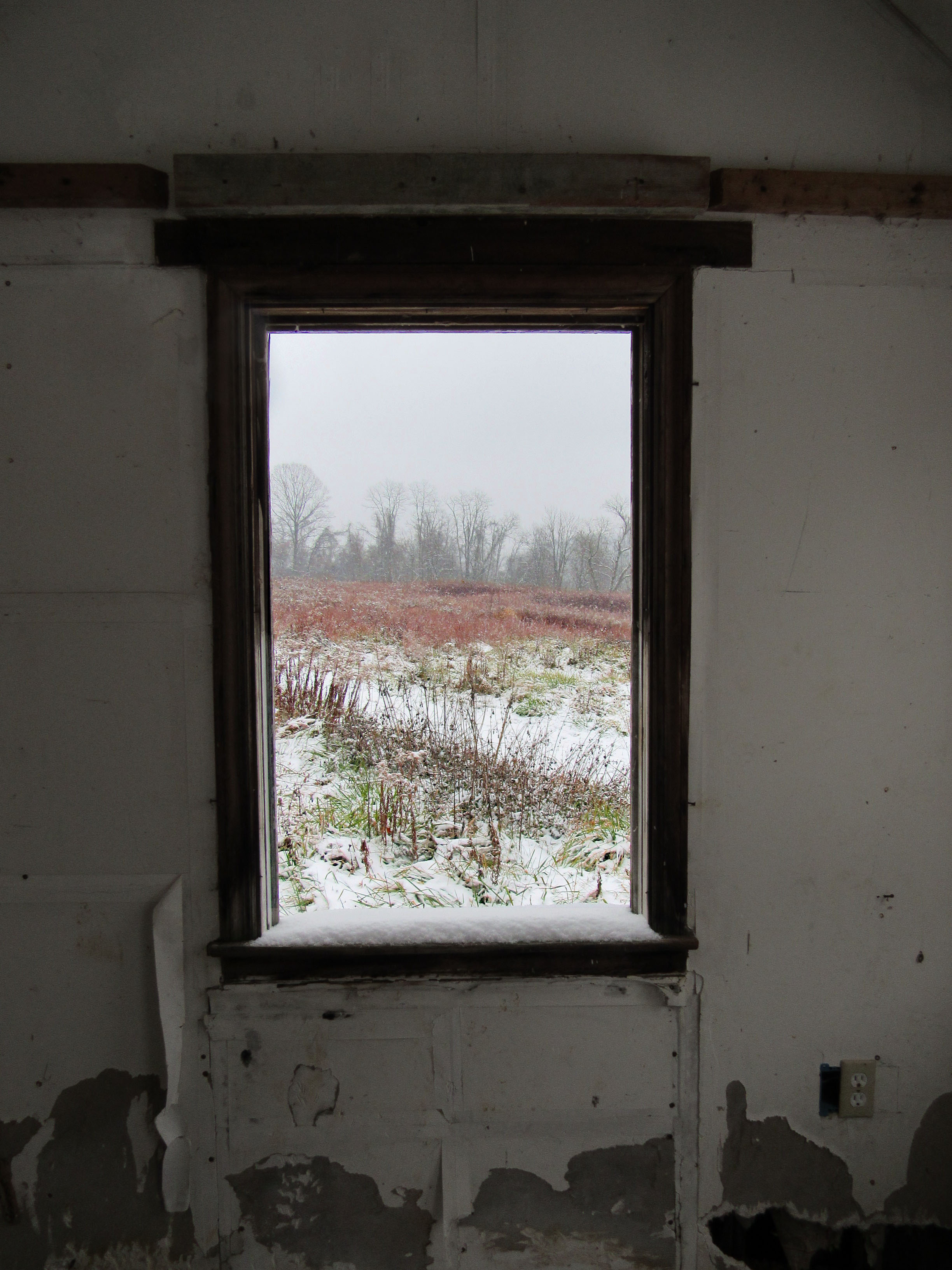
While Kathy is decorating the door, I enjoy the cold view through the window.

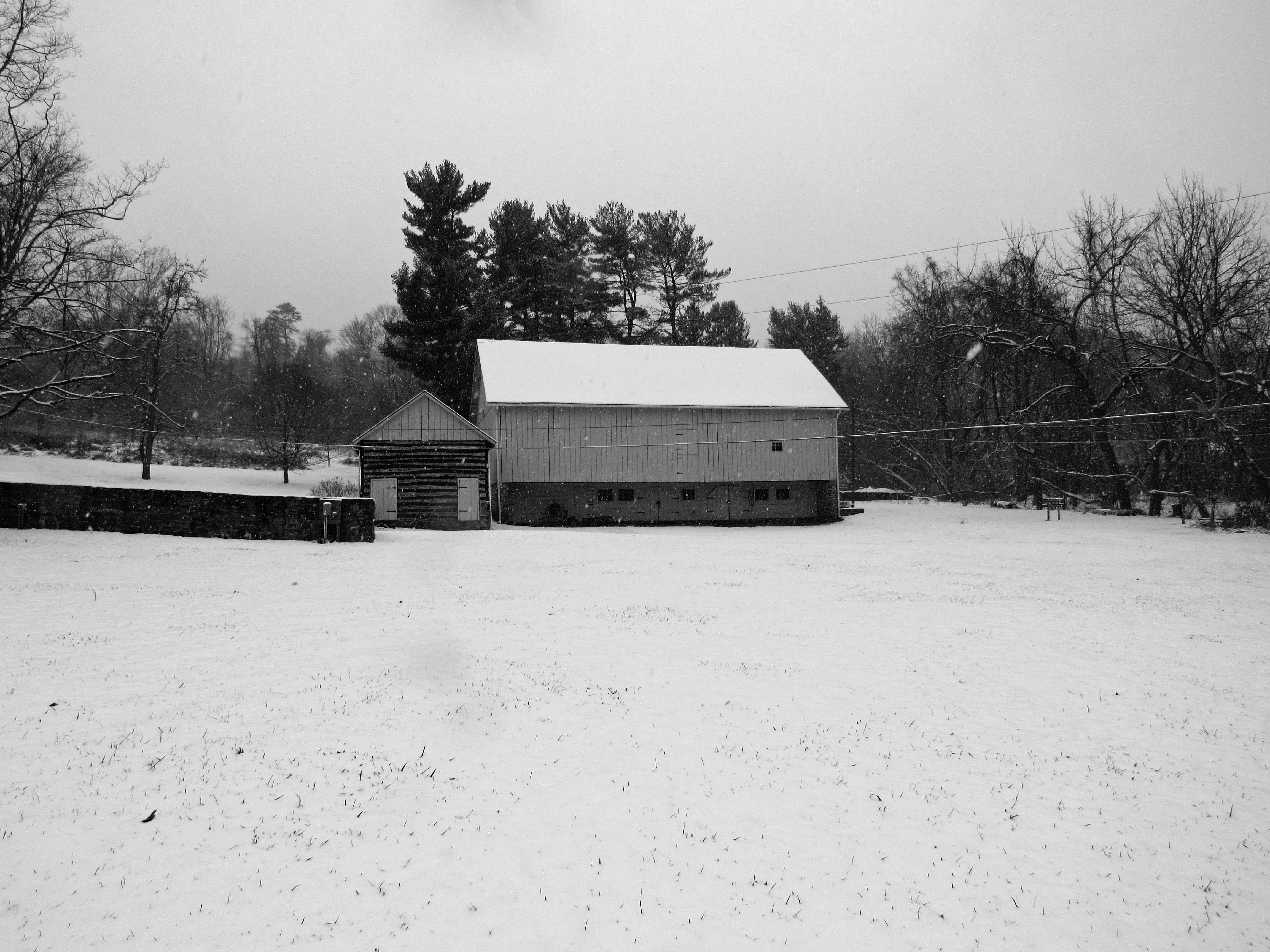
The barn in B/W. Thanks God for the snow! It lets us be grateful for the sunny days.

The Permanent Gunpowder Water Supply

05 Tuesday Dec 2017

Posted by Ronald Parks in Archives, Baltimore, water history

≈ Leave a comment

Tags

Baltimore, bridges, Dams, engineering, glass plate negatives, Gunpowder Falls, Loch Raven, Public Works, water history

Started planning back in 1854. Elevation of 160’ would supply seven-eighths of population (according to contour lines). Supplying others outside that elevation would be a matter of mechanical detail (pumping stations). The need to keep Lake Roland and the Gunpowder as two distinct and separate supplies, as Lake Roland becomes muddied during rainy season (this was why Druid Lake was constructed). It was first suggested to tap the river as far up as the Warren Factory but concurred by a host of engineers that the proper volume of water could not be obtained by damming at any point above Raven’s Rock and most agreed to a point further downstream about where Mr. Martin has located it. The dam will be erected on the Gunpowder river, at a point admirably adapted for the purpose, a short distance above Mine Bank Run, and the lake thus formed, will extend up the river as far as Meredith’s Ford Bridge at the Dulaney Valley Turnpike, where the pump house connected with the ‘Temporary Supply’ is now located…will flow by natural gravity through a twelve foot pipe to a lake at Montebello, between Hillen and Harford roads, located in a natural basin formed by one of the tributaries of Herring Run (Tiffany Run). The lake will have a water area of about eighty acres and a storage capacity of 700,000,000 gallons. The twelve foot pipe (conduit) will continue to a point on the Harford road opposite Homestead, whence pipes will be laid to connect with the city pipe system at North Boundary Ave. and Washington St. Lake Clifton.

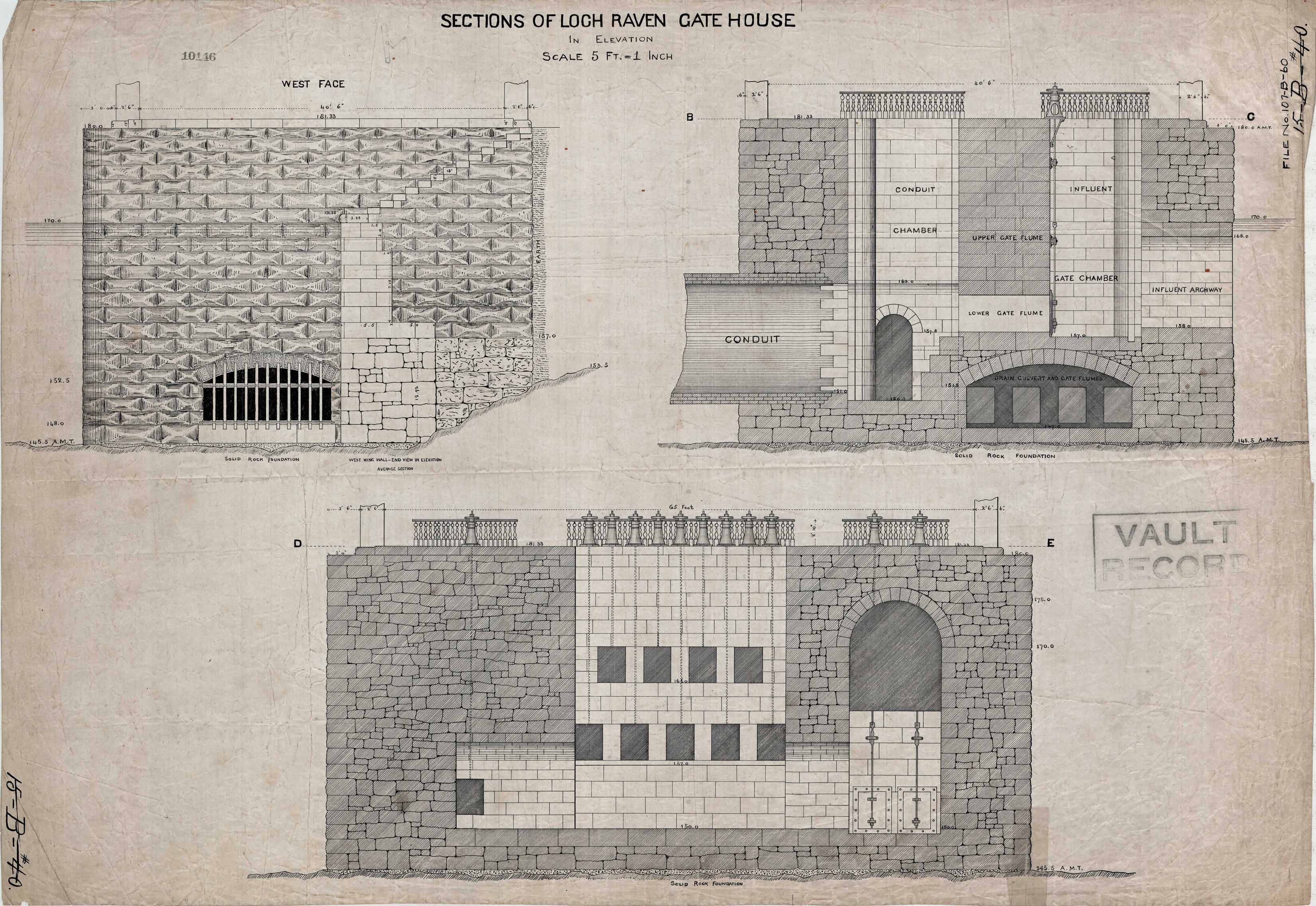
A drawing of the Loch Raven Gate House a couple years after completion, for the engineer’s files.

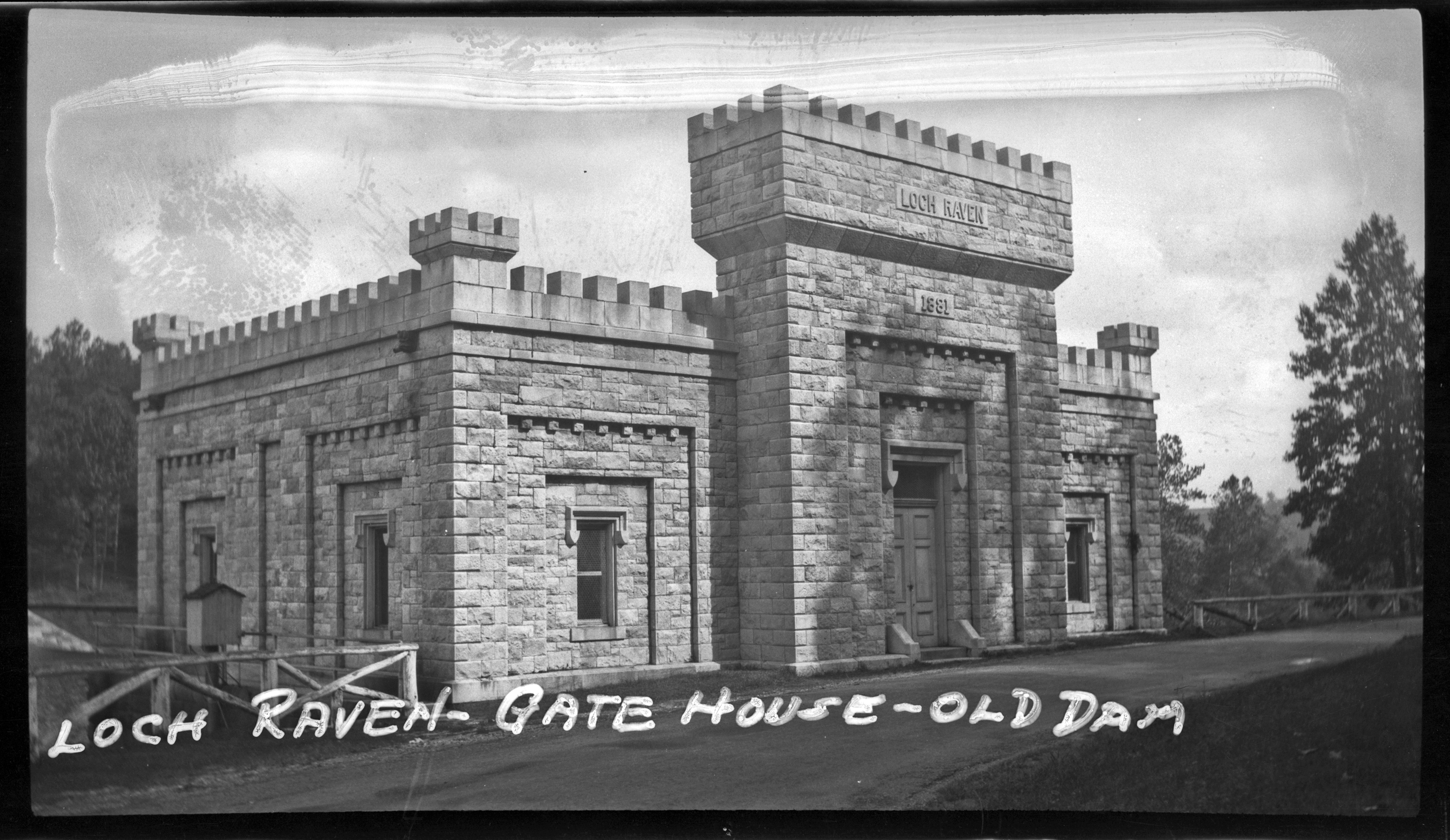
The Gate House and how it looked in the 1920s.

An interior, cut away view.

The influent drain chamber to the yet to be built Gate House.

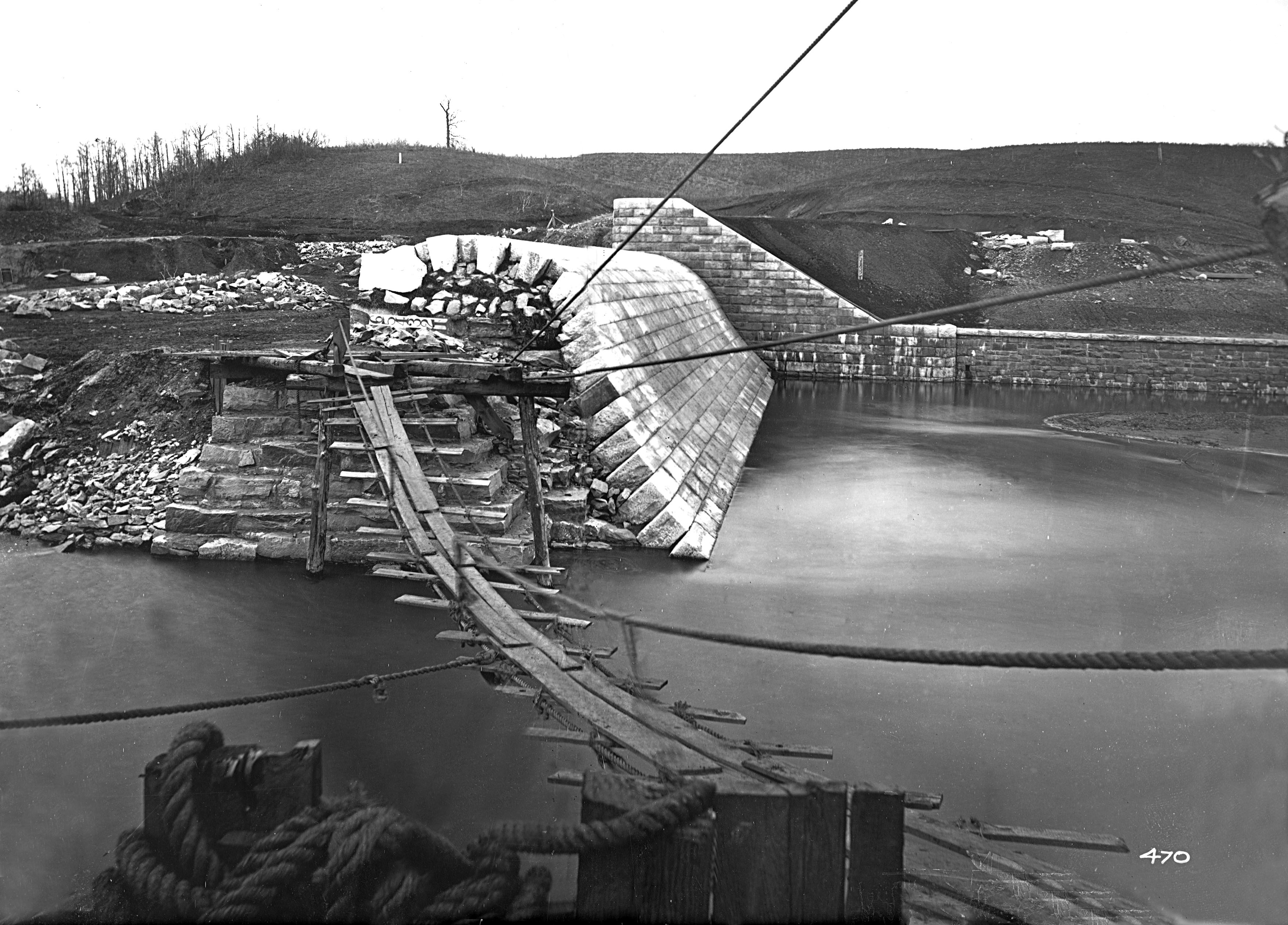
Looking over the construction of the dam, towards the east wall.

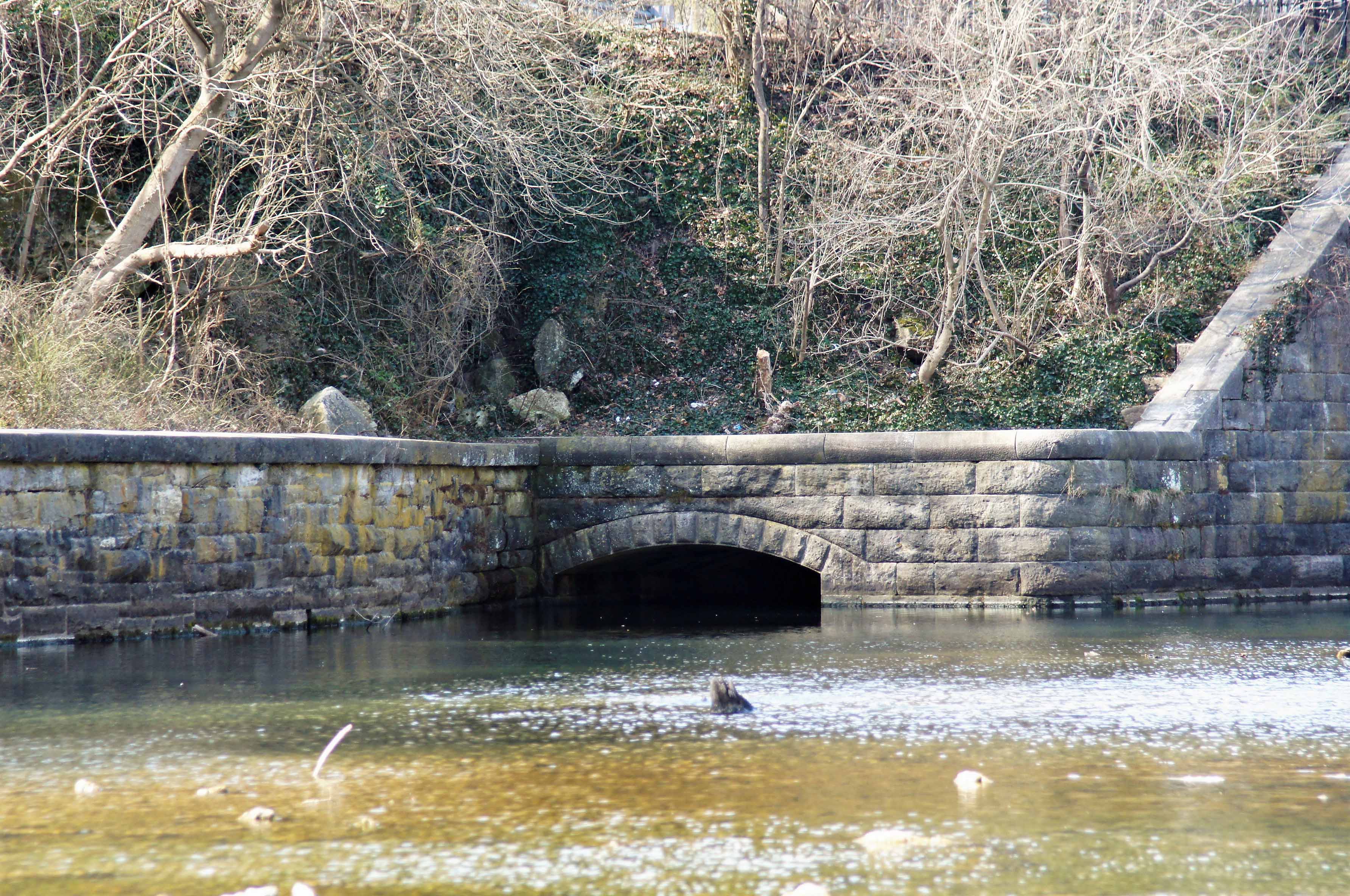
A recent view of the discharge conduit, below the dam. As shown in third photo above.

Another drawing of the Gate House structure. Where it says Vault Record would be facing the road.

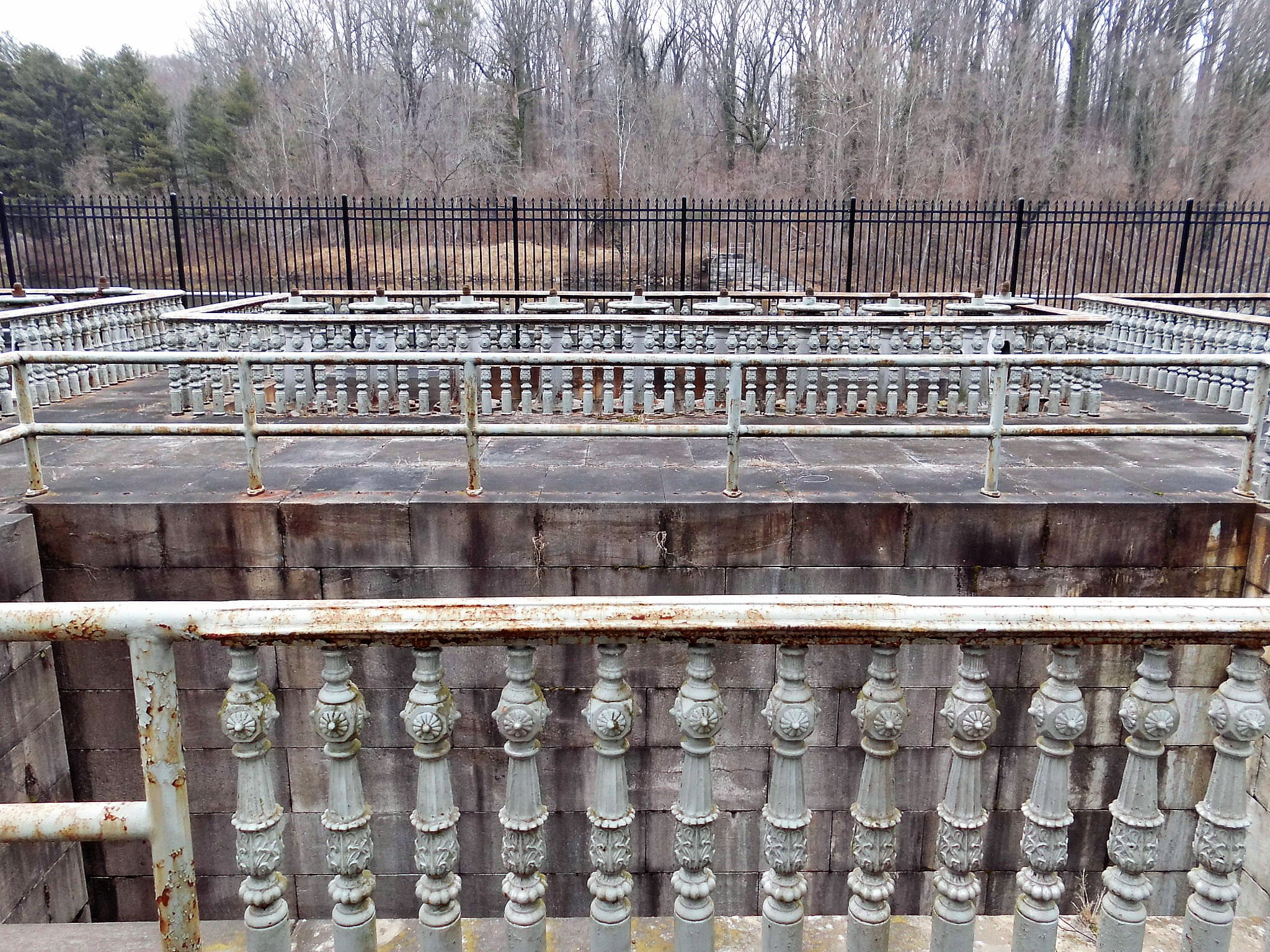
Recent photo from the road, after Gate House was removed, showning vaults and valves.

This photo has me baffled. It is showing two 12′ conduits, whereas all the drawings only show one. On the left you can see where the laborers are building the brick lined conduit. On the right, nothing going on. Wondering if it was built in error or was it for a bypass as the dam was being built?

Drawing of the east wall.

1880s photo of building dam, looking east.

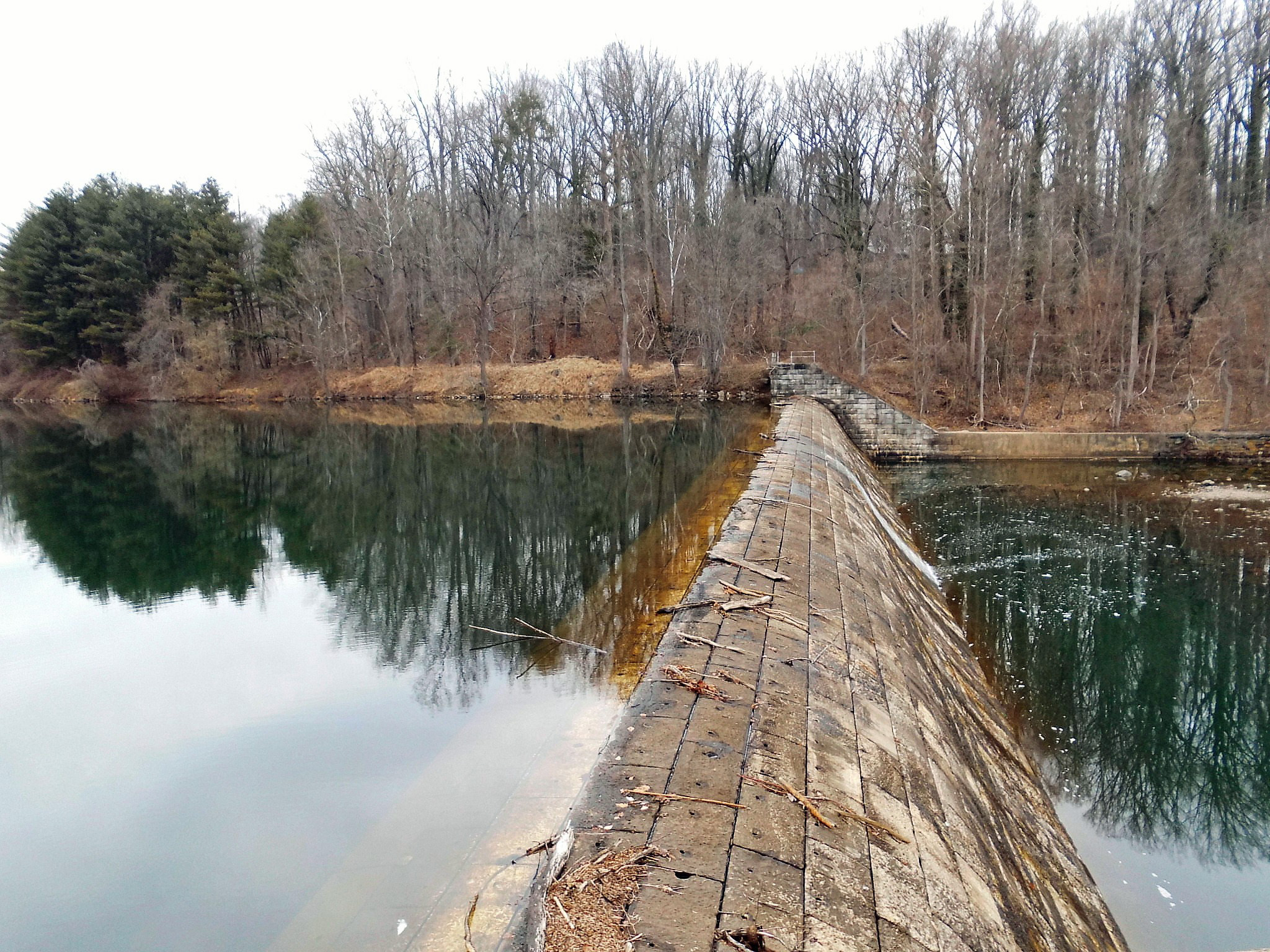
Recent photo looking east. Looking close you can see where the stone work stops and cement starts. In the 1970s they put a parallel pipeline in and cut right thru the wall.

This is an early, beginning of construction photo. Stone excavation looking west. Interesting on zooming in – under the roadway guardrail is a tunnel opening that looks like…

…the top left of these drawings. 

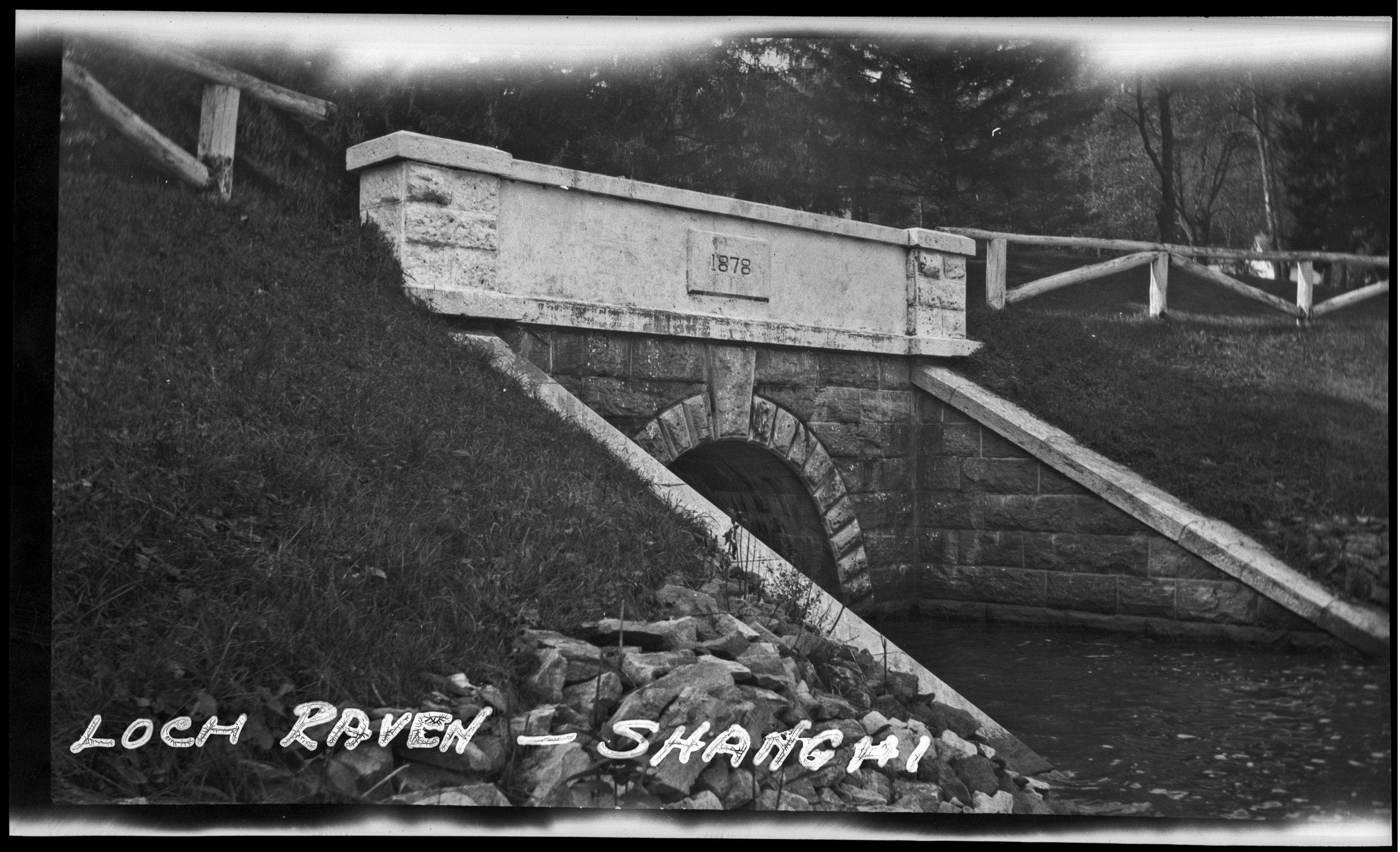
The drawing for Shanghai Run.

A 1920s photograph.

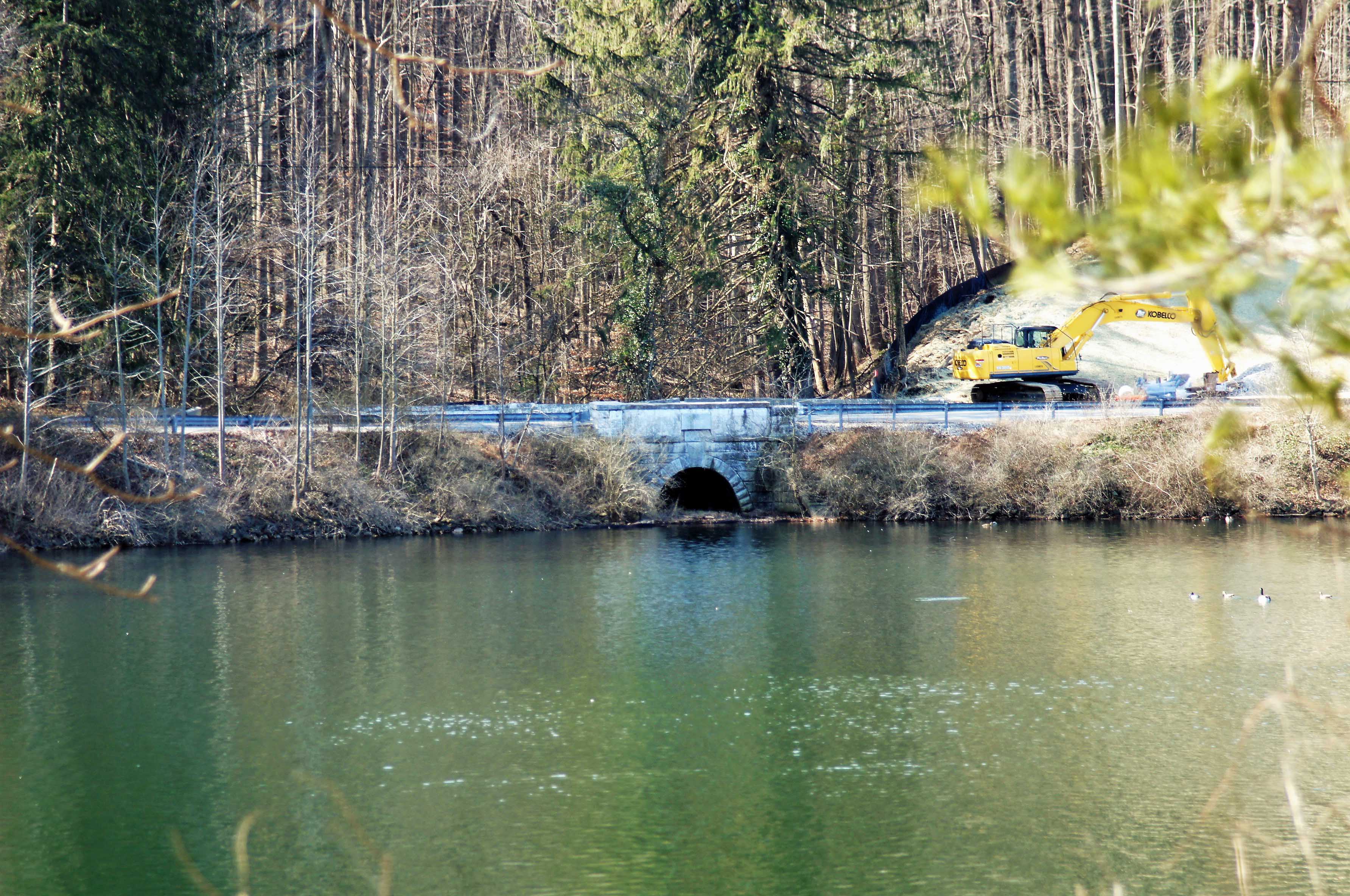
A recent photo of the opening to Shanghai Run. Looking over the wall towards the woods, there is no opening??

City workers lounging and the job is almost completed.


200th Blog

20 Friday Oct 2017

Posted by Ronald Parks in water history, Writing

≈ 8 Comments

Tags

Baltimore, engineering, FILTRATION, fluoride, glass plate negatives, Gunpowder Falls, HISTORY, Loch Raven, Montebello, Public Works, water history, writing

My WordPress Dashboard tells me that this is my 200th blog post. So, since my blog is called Water and Me, maybe I should write something about water? Trying to think of something profound or water history worthy! I know – Don’t Drink The Water!!!

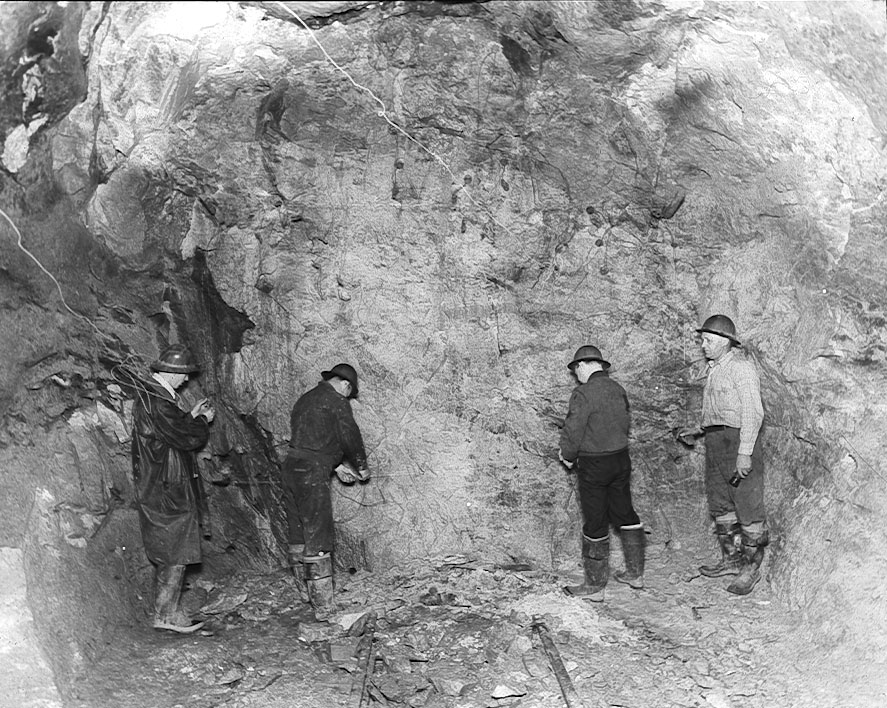
In 2006 I started writing about water history, doing research and then eventually writing a small book, mostly on one of the water tunnels that supplies water to the Montebello Filters. Here is the Lantern Slide I saved from the dumpster, that started it all:

This is what I had to say about it in my book: “While working with one of the lantern slides, I noticed something odd, that in a tunnel, where workers were excavating, there were train tracks that came to a dead end under what looked like a giant boulder. This particular slide came from a box from around 1938, so I asked Richard if he had any information on an event of that year that was of interest. Sure enough, he showed me the Annual Report covering the year 1938 where it was reported that an explosion had occurred in the building of the Gunpowder Falls Montebello Tunnel. This notation in the report was only about a half a paragraph long, nothing more than a blurb, so I decided to investigate it further.” And I have been investigating water history ever since. Ten men were killed in this explosion and it was just a blurb in a report!

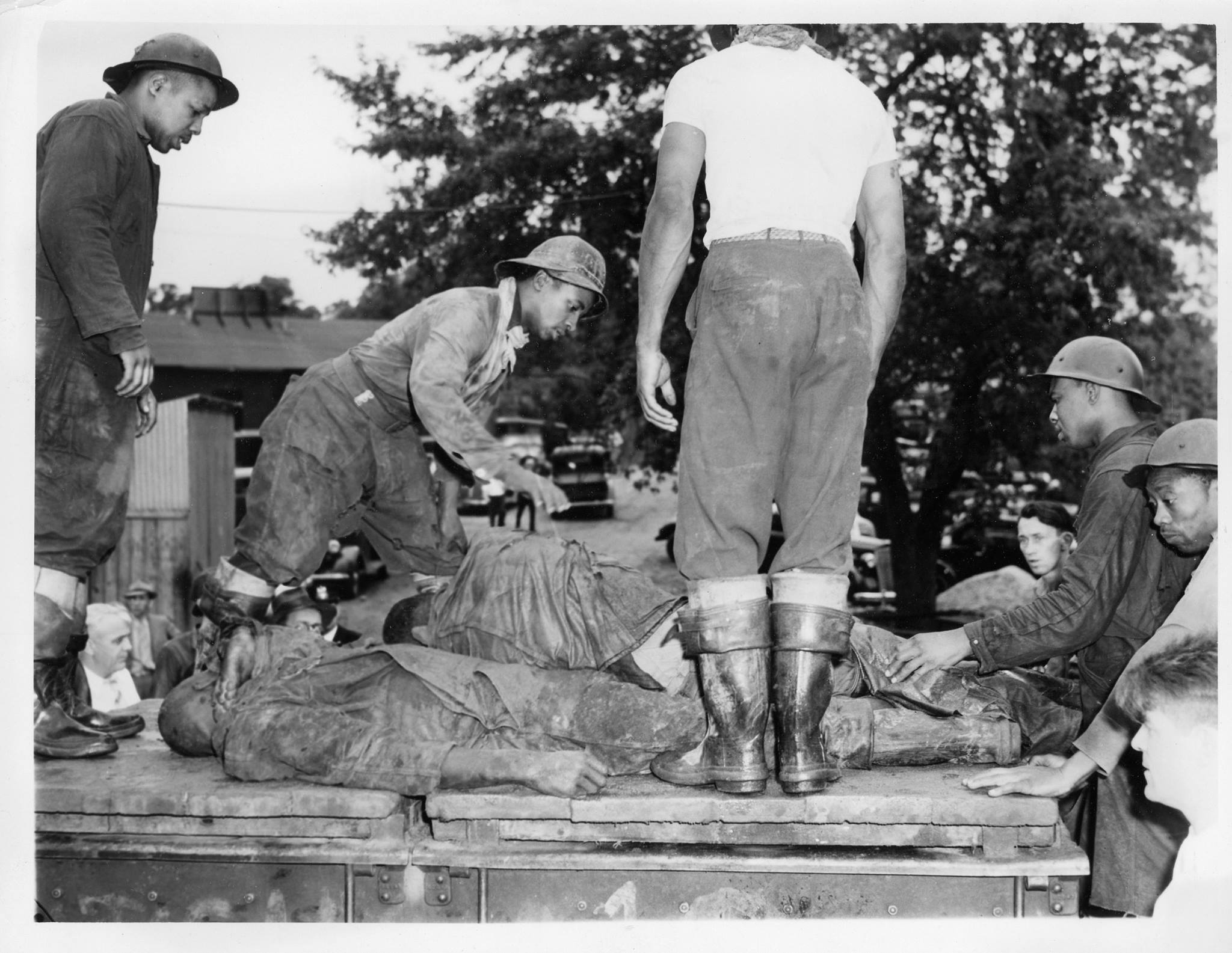
After years of refining my skills at research, I came across so much more information on this explosion. It is amazing what you can find these days on the internet. I found this photo and purchased it from the Baltimore Sun.

It shows the ten dead African American miners being hauled out. My research has taken me to draw the conclusion that this was no accident. That because of the Union troubles going on back then (Fighting between Unions for membership), this was a case of murder.

Sometimes historical research is not pleasant. Just as much as present day research can be unsettling. Like my comment above to not drink the water. I don’t drink it because of the research I have done concerning the fluoridation of the water system. But, I will save that for another post…

Thanks

18 Wednesday Oct 2017

Posted by Ronald Parks in water history, Writing

≈ 2 Comments

Tags

Baltimore, engineering, FILTRATION, Gunpowder Falls, HISTORY, Lake Montebello, Loch Raven, Montebello, photography, Public Works, Research, water history, writing

Just want to thank the person(s) that bought 6 copies of my book yesterday. I receive a sales report, but there are no names attached. Thank You!
Speaking of Loch Raven – Update

12 Thursday Oct 2017

Posted by Ronald Parks in engineering, water history

≈ 2 Comments

Tags

Baltimore, Construction, Dams, engineering, Gunpowder Falls, HISTORY, Loch Raven, Public Works, water history

These aerial photographs were just sent to me from Corey at www.aceservinc.com

Makes me want to go out and buy a drone! As far as I know, the busted ten foot conduit has not been fixed, but these guys are doing an exceptional job on building the new Loch Raven Maintenance Yard and Admin buildings. 

This is a great shot, including the dam in the background.

Another view of the same area.

Up the road a piece is the new admin building. The abandoned Zebra Mussel Station is in the background.

Thanks Corey.

Building Montebello Filters and Loch Raven Dam

12 Thursday Oct 2017

Posted by Ronald Parks in Archives, HISTORY, water history

≈ Leave a comment

Tags

Baltimore, Dams, engineering, FILTRATION, Gunpowder Falls, HISTORY, Lake Montebello, Loch Raven, Montebello, POLITICS, Public Works, Research, water, water history

I am now in the process of documenting Water Board minutes from 1912-1919, Baltimore City. Over the course of blogging water history, some readers had asked information concerning relatives that may have worked on the New Dam at Loch Raven and/or constructing the Filtration Plant at Montebello. These ledgers have list of employees and their addresses and in some cases, their titles and pay rates. If you think this may be you, send me their names and I will try to look up that info. Keep in mind this is for the above dates. Once I am finished documenting, these books are going into the archives…

Cromwell Park

27 Wednesday Sep 2017

Posted by Ronald Parks in Hiking, nature

≈ Leave a comment

Tags

Cromwell Park, Hiking, Loch Raven, nature, photography

Saturday it was a nice day for a walk in the park, followed by a visit to the Greek Festival. Kathy’s friend’s dog Jay joined us.

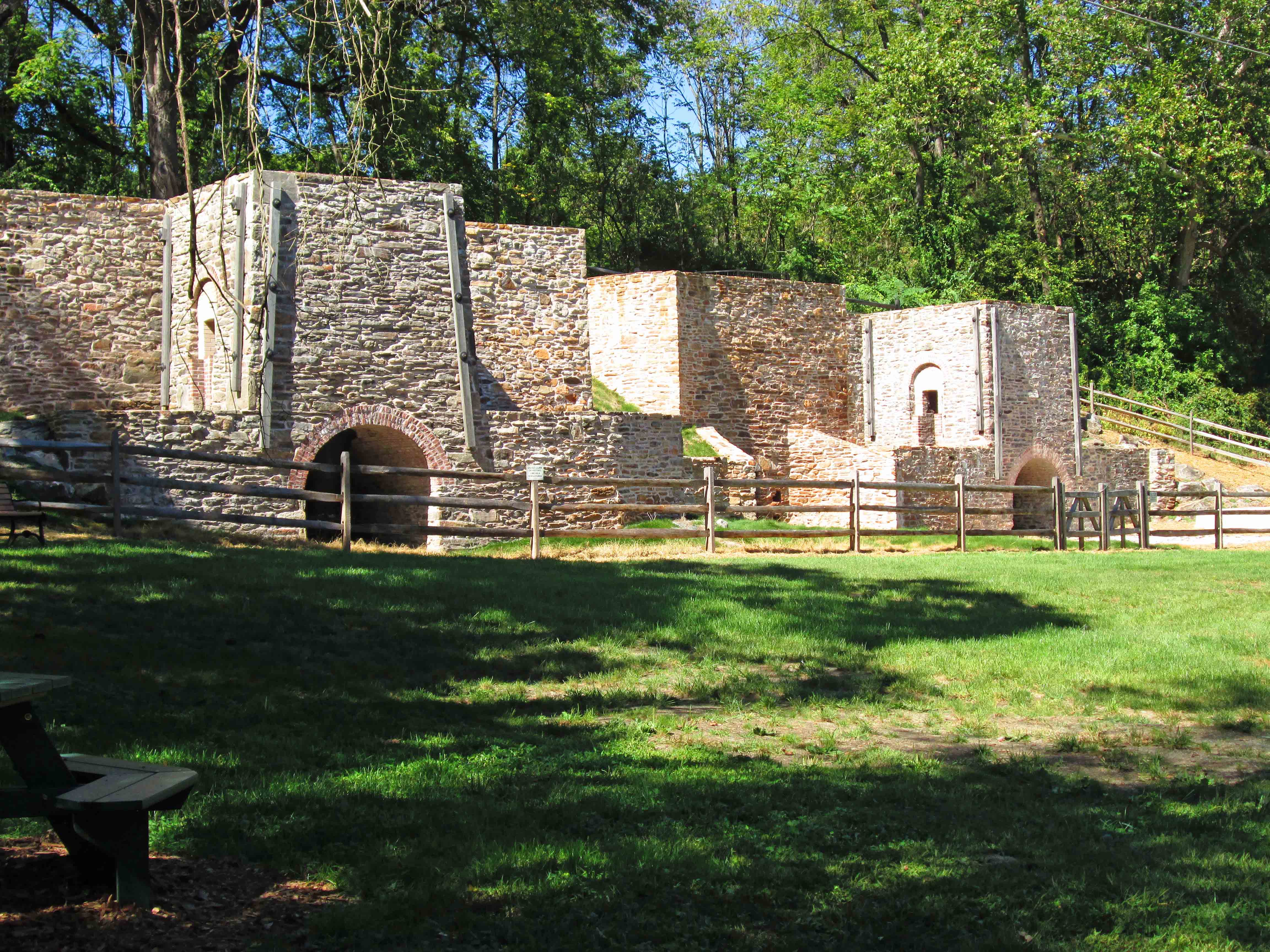
First stop was to check on the renovated lime kilns. Amazing job these guys have done.

This is what it looked like in 2006.

And then in 2011 when they were just starting to work on them.

Now and…

Then.

Another shot from back then.

Our favorite little house has gone thru some changes over the years. This is 2015.

This was last year. I asked what happened to the windows and they said they took them out to restore. I like that they removed the weeds from around the house but…

This was Saturday and it is all growing back. Sad.

New benches around the park.

And a new foot bridge.

A new pond.

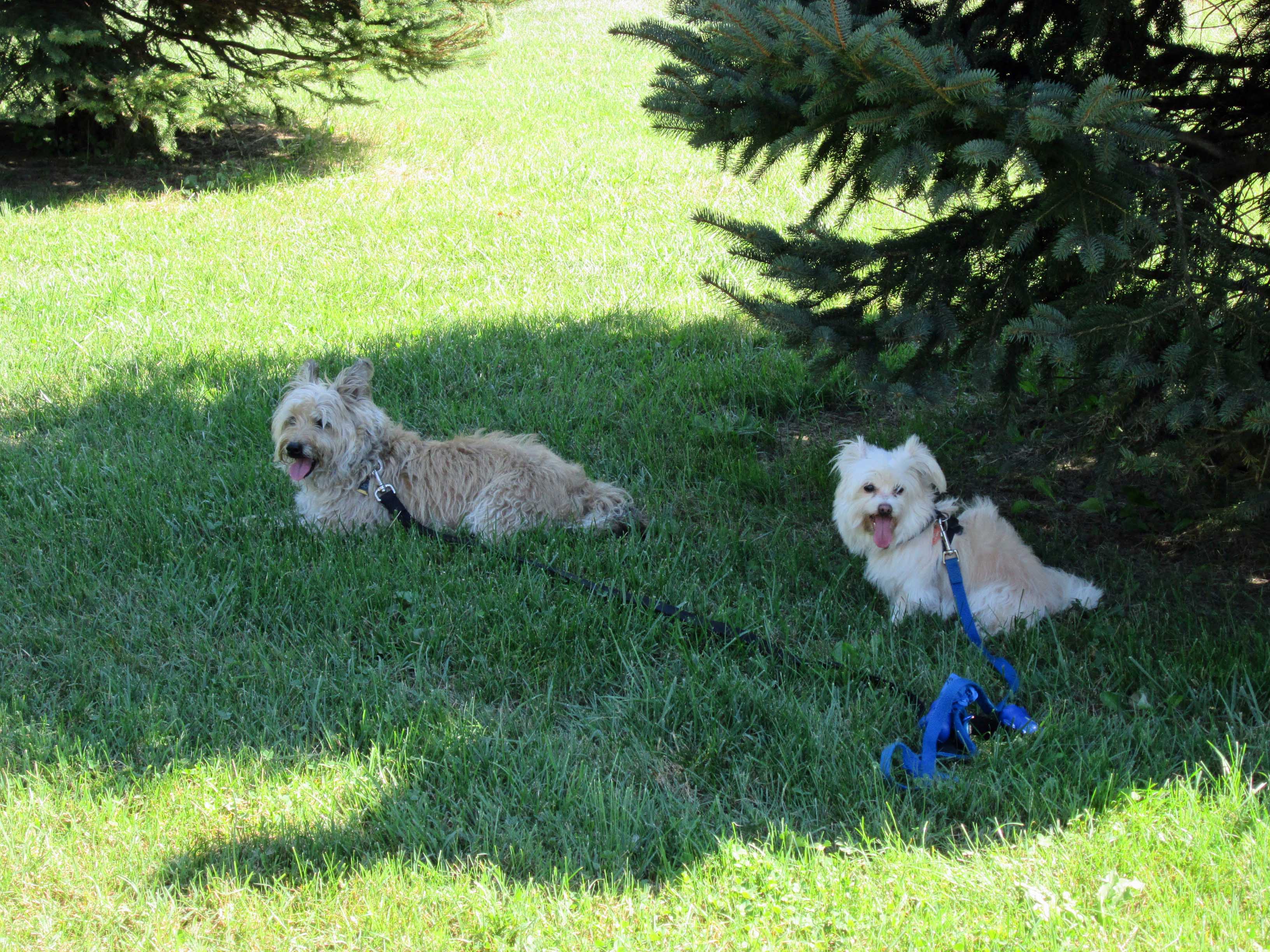
Jay and Molly chillin in the shade. It was rather warm.

A path we had never taken.

After a couple miles, Jay wanted to cool off. Molly not so much.

Mine Bank Run was really dried up.

So when we found a puddle, Jay took the opportunity to cool off.


Tying Up Loose Ends

21 Thursday Sep 2017

Posted by Ronald Parks in Photography, water history

≈ 2 Comments

Tags

Baltimore, Dams, engineering, FILTRATION, glass plate negatives, Gunpowder Falls, Loch Raven, Museum, photography, Research, water history

Since my retirement is pretty much just around the corner, I need to start working on “Tying up some loose ends”, so to speak. At work, this means getting my files together and putting them in order so others may find important information. As far as my work on the DPW Museum archives, I do not think I will ever get this done. Just so much stuff.

I came back across an old box full of broken glass plate negatives. I guess it must be about 24 8″x10″ plates. Hard to tell because most are broken into a lot of small pieces. Some, like the one below, are in just a couple pieces, making restoration fairly simple. Years ago, before computer scanning and restoration software, the previous archivist either placed the pieces on a Xerox copier and scanned them or took a photograph of the pieces, placed together as best they could. They came out as negatives. I need to find those paper copies to help put the pieces back together.

Here is one of the better broken plates. The slivers from the crack will never be found by me. So I filled it in as best I could with the software. When I first started my water history research, I had no idea that Baltimore City built one dam on top of another. The upper right portion shown was built in steps, at an elevation of 188′. This was to be able to support the newer dam which would be built at elevation 240′. It was thought to be able to support a dam at 270′.

The jigsaw puzzle, restoration process is long and tedious and I don’t believe I will have the time to finish up this box of broken pieces. Let alone finish up documenting what is left to be done.

← Older posts
Newer posts →

Blogroll

  • Flouride Action Network
  • lulu
  • My Book
  • WordPress.com
  • WordPress.org

Recent Posts

  • Bermuda 2023
  • ICELAND April 2023
  • George Chalmers of Fochabers
  • In Search of The Skipjack Ada Mae
  • Trap Pond Kayak

Blog at WordPress.com.

  • Subscribe Subscribed
    • Water and Me
    • Join 231 other subscribers
    • Already have a WordPress.com account? Log in now.
    • Water and Me
    • Subscribe Subscribed
    • Sign up
    • Log in
    • Report this content
    • View site in Reader
    • Manage subscriptions
    • Collapse this bar
 

Loading Comments...