• About
  • History Writings

Water and Me

Water and Me

Tag Archives: water history

End Fluoride

07 Thursday Apr 2016

Posted by Ronald Parks in Baltimore, Fluoride, water history

≈ Leave a comment

Tags

Baltimore, engineering, FILTRATION, fluoride, Health, HISTORY, Montebello, POLITICS, Public Works, water history

In May 2008 the Mayor of Baltimore had a program called the “Innovation Bank” This was a program that allowed City Employees to make suggestions on how the City could save money. The winner could win up to $5,000.00 for their idea.

The first idea that popped into my mind was to end Fluoridation of the drinking water supply. Back then the over-all savings to the City would have been $670,000.00 a year. Today it is closer to one million a year. After about a month of waiting for a reply to my proposal, I called the Mayor’s Office and was told – “Yeah, she saw it” (Was that a snicker I heard in her assistant’s voice?)

Today I received an email from a woman who had started a campaign a couple years ago to end fluoridation of Baltimore’s Water. It said: Breaking news:  The resolution/bill to study water fluoridation is being introduced TODAY at the City Council meeting, in City Hall, 5pm.  You are all welcome to attend; however, there is no actual action taking place today except that the bill will be read off a list as being officially introduced.  Exciting!  And now: Its on.  Time to start prepping for a hearing about 6 weeks from now.

This is great news! I could list all the reasons WHY we should have stopped (or not started at all) but I will let the experts tell you. For me, my dislike for the poison came my first week on the job in 1981 when I was asked to work on the fluoride pumps and saw how the leaking acid ate thru the metal stand and concrete base. I thought to myself – this stuff can’t be good for you! You can read what the experts say here:

http://fluoridealert.org/

Below is a photograph showing when Baltimore first started using fluoride

Fluor 11-52

Tunnel Inspection

06 Wednesday Apr 2016

Posted by Ronald Parks in Baltimore, water history

≈ 1 Comment

Tags

Baltimore, engineering, FILTRATION, Gunpowder Falls, HISTORY, Jones Falls, Lake Montebello, Montebello, Public Works, tunnel, water, water history

Between the years 1875 and 1881 a tunnel, 12′ in diameter 7 miles long was constructed between a dam on the Gunpowder River and a man-made lake at Montebello. This was all part of the new, permanent water supply for Baltimore. It would eventually replace the supply from the Jones Falls. As needed, this tunnel was inspected and found to be in very good condition over the years. The majority of the tunnel is through solid rock with only a few sections having a brick lining. As the City grew, a new dam was built upstream in 1914, with a connection to the 1881 conduit.

In 1933 the City was contemplating a new source of water. The decision was made to build  a parallel tunnel from Loch Raven (on the Gunpowder Falls). An inspection by the consultants was made of the old tunnel first. The below photographs show what they found – rock falls and leakage.

The old tunnel was taken out of service and the new tunnel was used. In the 50s and 60s it was decided to re-use the old tunnel, which carried raw water, to start sending processed water to Baltimore County. An inspection of the tunnel, which at this point being only 5-1/2 miles long (Bulkheads built on each end of the tunnel that were no longer needed) was done in 1968. These consultants, pictured below, found more of the same. Rock falls and leaks. Three of these men I eventually worked with in 1981.

Another inspection was done in 1984. Unfortunately I can not find any photographs. I do have the reports from this inspection and it is not good. More rock falls and leakage. I was asked last year to be a part of a new inspection group to enter this tunnel. I immediately said yes! BUT, over the course of a couple months preparing for this and all the safety people you can imagine being involved, it was decided to send in a remote operated vehicle. Not sure when they will do this, I just know the sub isn’t big enough for me to fit into!

Two quotes came to mind when i was asked “Why do you want to go in there? It is dangerous!”

Valeria to Conan the Barbarian – “Do you want to live forever?” And Lenny and Ziggy singing “Death by Misadventure!”

Brock Mill Pond NC

04 Monday Apr 2016

Posted by Ronald Parks in HISTORY, Photography, Travel

≈ Leave a comment

Tags

engineering, Hiking, kayaking, mills, North Carolina, photography, water history

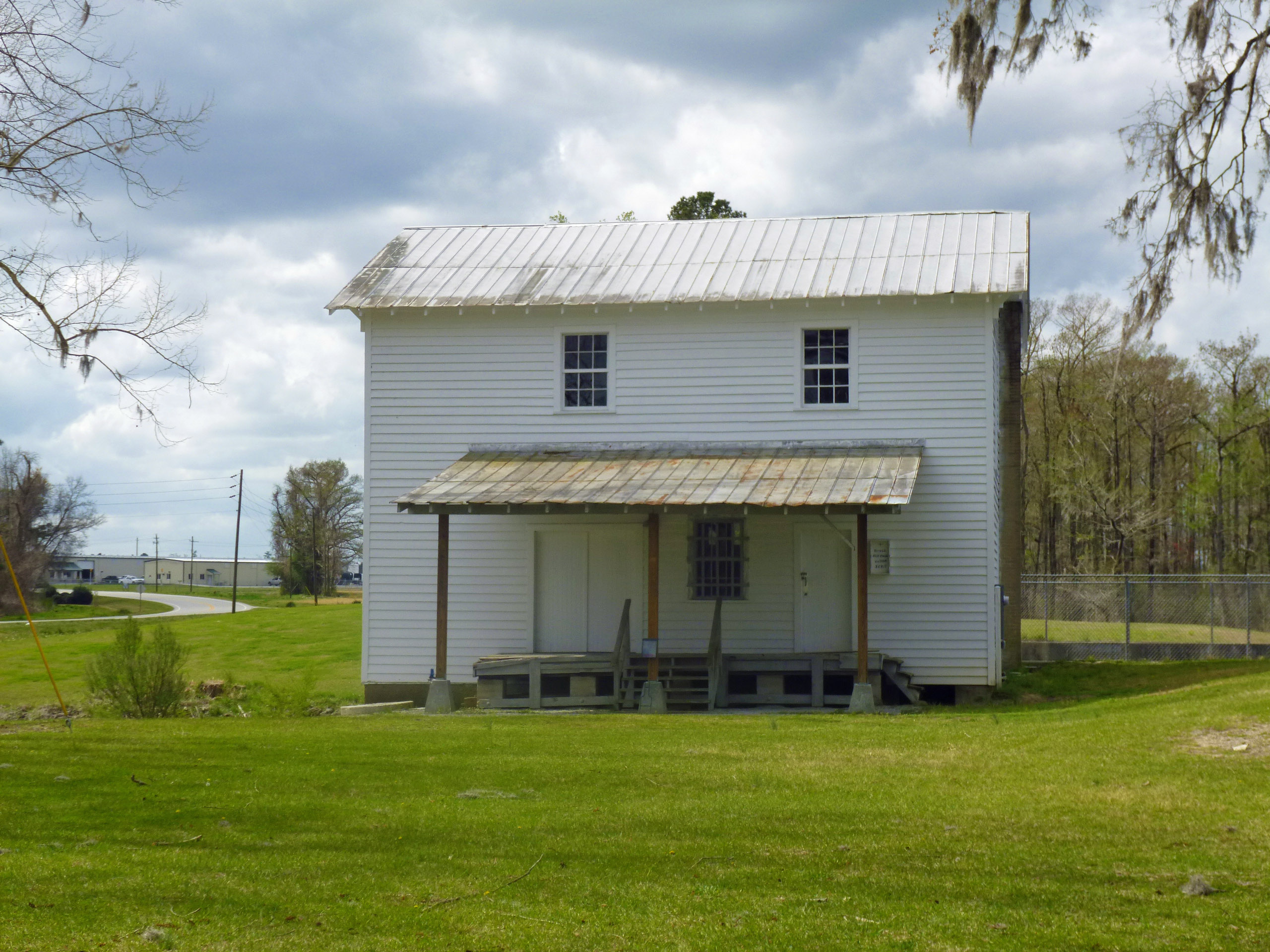
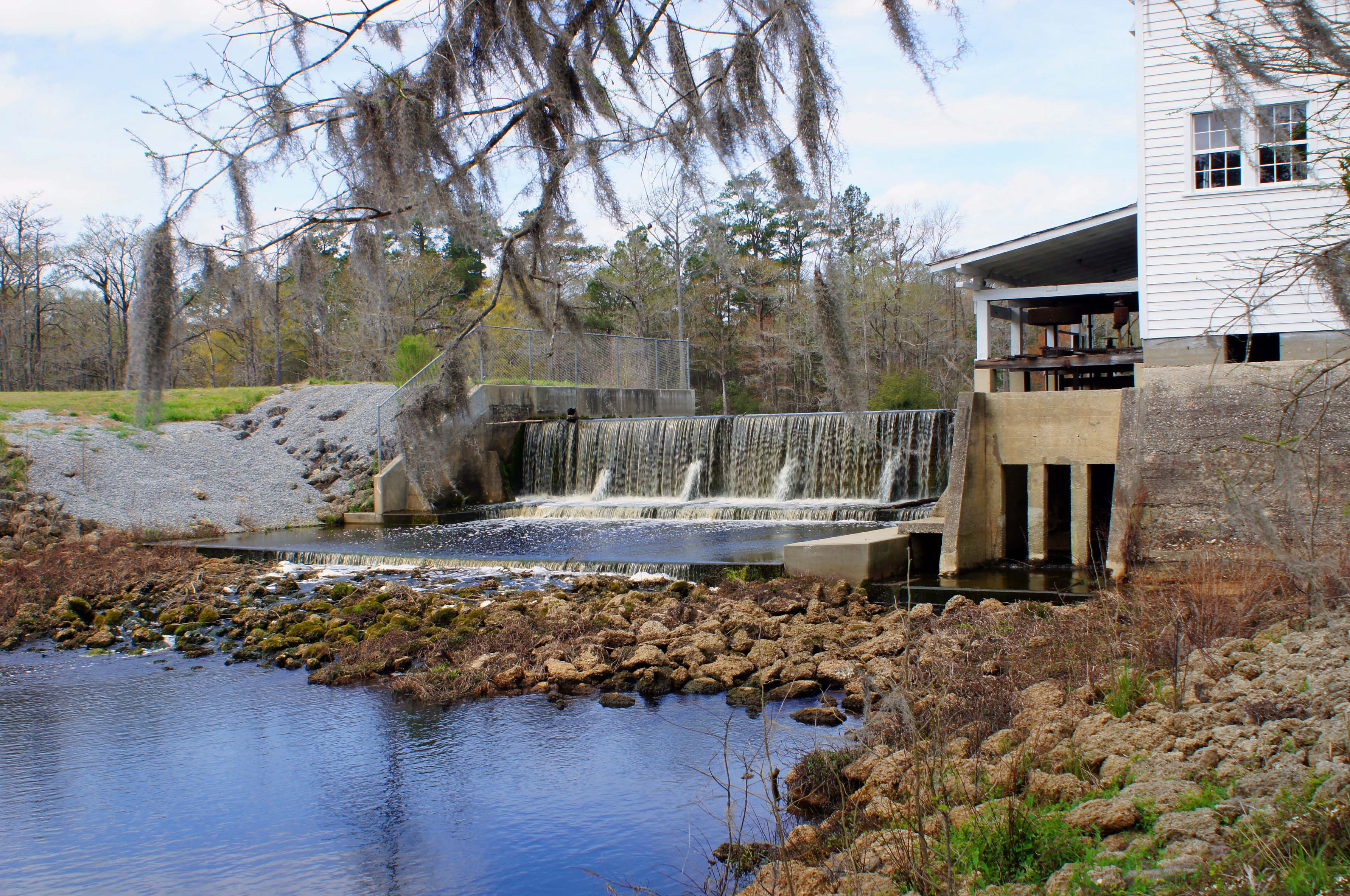
Took a road trip to Indian Beach, North Carolina the other day. On the way we stopped at an old mill, c1700s. Nice.

P1060471

Too bad it was closed for the day – would like to see the inside workings.

The dam

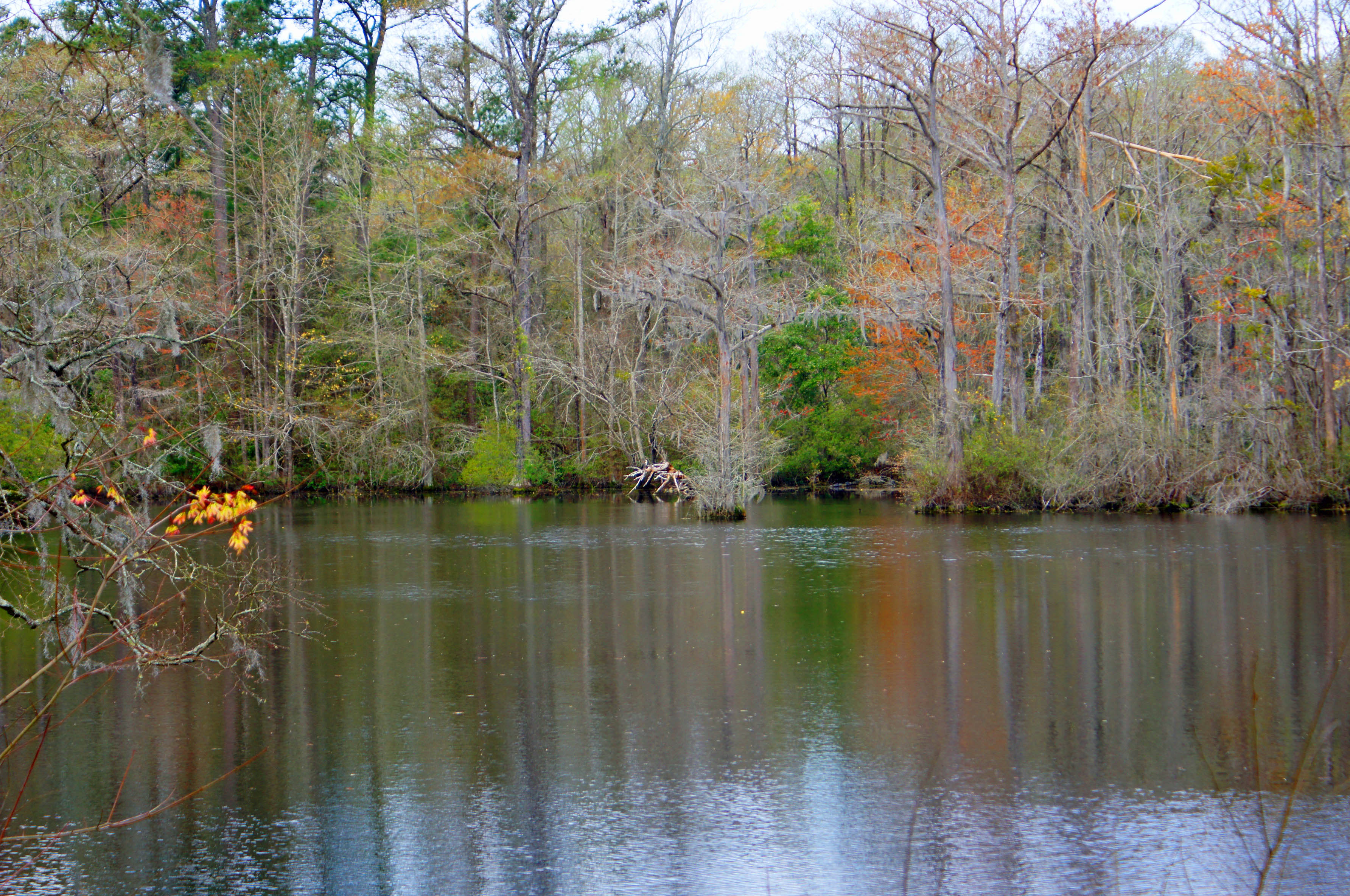
The pond – Kayak adventure waiting to happen!

The Morgue

31 Thursday Mar 2016

Posted by Ronald Parks in Baltimore, Sewage History

≈ Leave a comment

Tags

Baltimore, Cemetery, engineering, Health, HISTORY, Morgue, Museum, Public Works, Sewage History, vaccination, water history

From the 1888 Health Commissioner: I may be permitted complacently to add, that there has not occurred more than five cases of small-pox in the City of Baltimore during the past five years (all imported), and not more than two deaths. This is due to vaccination, carefully and persistently practiced by the excellent corps of Vaccine Physicians, added to the watchfulness and diligence of our able Quarantine Physician. Too much cannot be said to the people on this subject, and all should be convinced of the absolutely protective power of perfectly successful vaccination against small-pox. Those who arrogantly set themselves up as anti-vaccinationists should be regarded in every community as public enemies, and treated accordingly. Notwithstanding the good results of our past years’ experience, there are many defects in the sanitary condition of our City, that it is our bounden duty to correct at the earliest possible period of time. Prominent among these is the improvement of our storm-water sewers, most of which are defective in every particular. Constructed in bad form of improper materials, with insufficient and irregular grades, and for the most part un-trapped. Hundreds of damp or wet cellars contribute to the causes of sickness and deaths, which could be prevented by a system of drains, if the system of sewers were such as to render it possible or practicable. I trust the City Council will not delay in this important work. The disposal of the offal of our large cities is a problem of great importance as well as most perplexing difficulty. Cremation has been urged and adopted in several places, but as yet has not proved entirely satisfactory, either from a sanitary or economic point of view. The subject is still undergoing experimental investigation at Buffalo, New York and Chicago, and we shall await the result before recommending any plan for the improvement of our present system of disposal of garbage, street dirt and night soil. I would be failing in my duty if I did not again appeal to your Honorable Body in behalf of those who have so often and so sorely felt the need of a Morgue. In the name of the afflicted friends of the unknown dead, in the name of our efficient and zealous police force, and in the name of every reflecting citizen of Baltimore, I urge that this long felt want shall no longer be neglected and laid aside as a matter for future consideration. A city of five hundred thousand people cannot afford to be without a Morgue any more than she can to be without electric lights.

img010

Undated photo showing the morgue, which was connected to the Eastern Avenue Sewage Pumping Station

Storm Water Study

11 Friday Mar 2016

Posted by Ronald Parks in Baltimore, HISTORY, Sewage History

≈ Leave a comment

Tags

Baltimore, engineering, FILTRATION, HISTORY, Lake Montebello, Montebello, sewage, Sewage History, water history

When the sewer system was to be built, a separate and independent storm water collection system was also constructed. This seemed to work fine in the early parts of the 1900s, but as the City grew, problems arose and this is what happened next:

1948 Annual Report – It has been recognized that the technology of storm drainage design could be improved if a better experimental background were established to guide the designer. To accomplish this purpose, the City together with the Baltimore County Metropolitan District and the State Roads Commission of Maryland have agreed to jointly sponsor a Storm Water Research Program to be conducted at the Johns Hopkins University.

1959 Annual Report – A Parshall flume was installed in the vicinity of the outlet of a 48” drain at the east side of Hillen Road south of Argonne Drive in order to measure the amount of run-off from a shopping center (Northwood) type of drainage area. Both rainfall and run-off data for this area are collected by automatic recording devices.

1965 Annual Report –  The Storm Water Research Program is in its 17th year (and still no results mentioned)

I found the structure where this site was located on our property. I sent off an email to Johns Hopkins University to see what became of the report. You would think that a study conducted for 17 years would have a report. The Environmental Engineering section and others have no clue what happened to that study?? 077

This is the structure where the recording equipment was stored. The door is padlocked but I was able to stick my camera under it to see what is in there – nothing but an old recording device.P1060414

Here is the guy that was guarding itP1060418

This is the 48″ drain from the Northwood shopping center.

I was looking for historical information on this study but at the same time, the plant was receiving complaints that the Montebello Lake had a green tint to it. Besides the processes inside the plant, this is the only other source of water that empties into the lake. The lab is now analysing the water to see what caused the discoloration.

Not Baltimore…but

08 Tuesday Mar 2016

Posted by Ronald Parks in Baltimore, water history

≈ Leave a comment

Tags

Baltimore, engineering, FILTRATION, HISTORY, photography, Public Works, water, water history

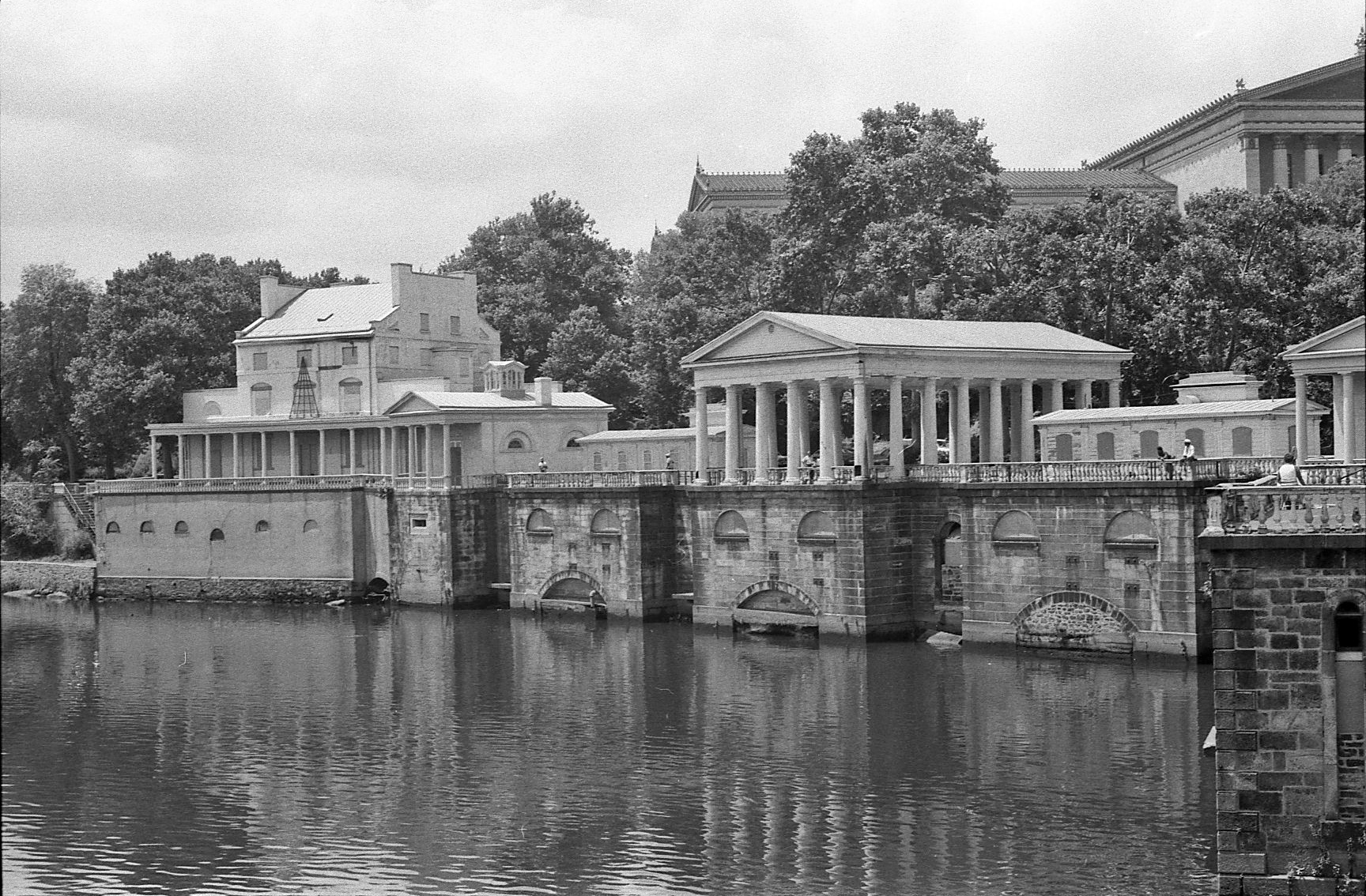
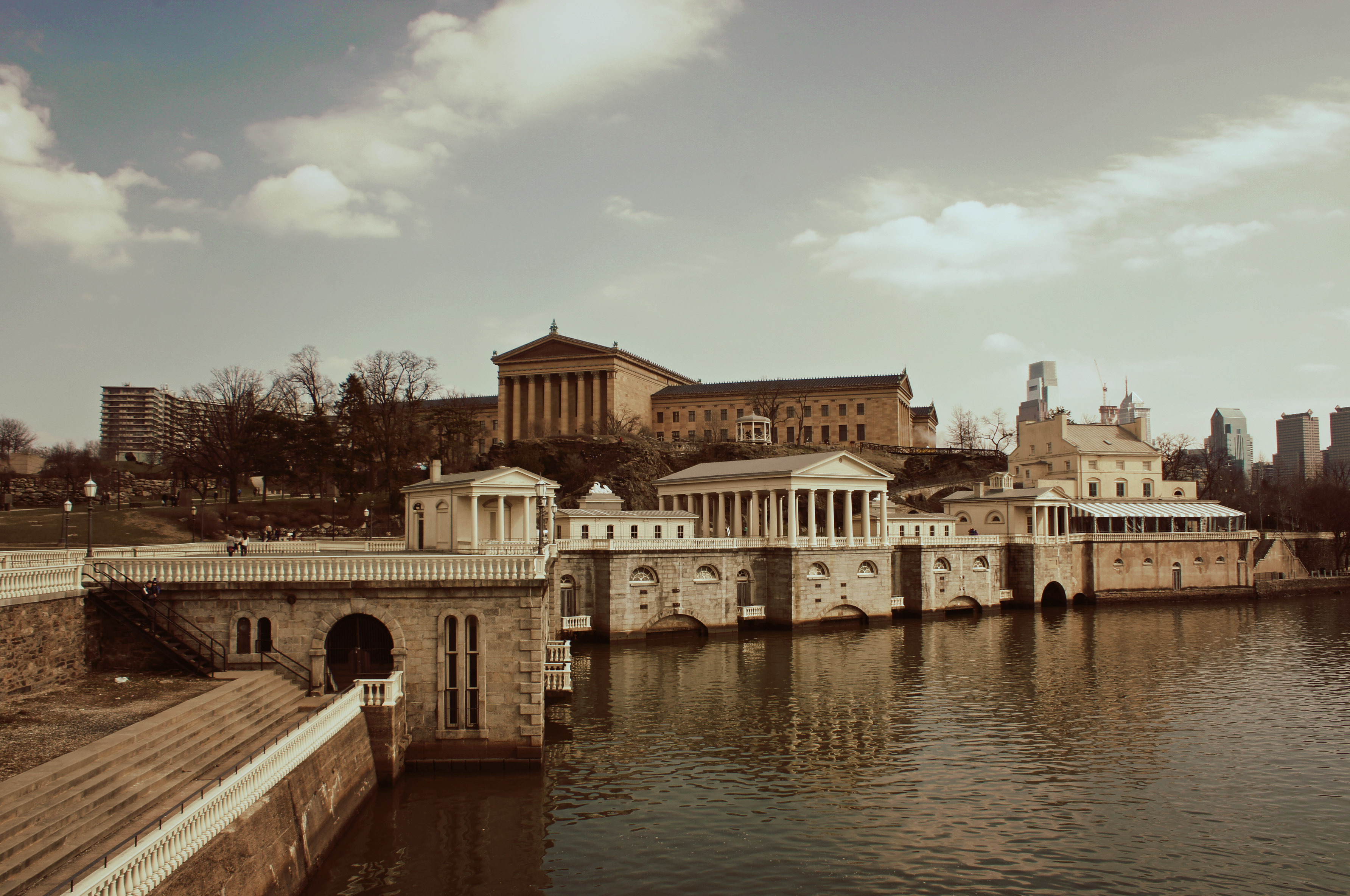
…but, it was a really great place to visit on Sunday, in Philadelphia. Although Philly was packed because of a flower show, it was still a good visit. We visited the art museum first and then walked down the hill to the Water Works (Fairmount). They just celebrated their 200th Anniversary.

Here is a brief history from the Interpretive Center:

Perched on the banks of the Schuylkill River, the Water Works was not only a source of the City’s water, its rambling Classic architecture and cutting-edge engineering made it an international 19th century tourist attraction. Water was pumped from the river into a reservoir (where the Art Museum now stands) and then distributed through the city via wooden water mains.

The one photo below (B&W) I found in Baltimore’s DPW Museum Archives and after some research, found out what it was. The other photo I took myself at the works.

img398 

Posing for Pics

01 Tuesday Mar 2016

Posted by Ronald Parks in Baltimore, Sewage History

≈ Leave a comment

Tags

Baltimore, engineering, HISTORY, sewage, Sewage History, water history

On February 4th I posted a photograph of Mayor Timanus of Baltimore, breaking ground for the new sewerage works, behind Greenmount Cemetery on October 22, 1906. I recently found another photo of him breaking ground on that same date, about 3 miles away as the crow flies. This was for the Testing Plant.

img002b

Testing Plant

25 Thursday Feb 2016

Posted by Ronald Parks in HISTORY, Sewage History

≈ 2 Comments

Tags

Baltimore, engineering, FILTRATION, glass plate negatives, HISTORY, Jones Falls, sewage, water history

1906 – Before building a complete, City-wide sewerage system, a Testing Station was built to figure out the best means of treatment.

At Hampden and Walbrook, surveys were made and every house located, and in each place a plan for a comprehensive sewerage system was made. As a result of these studies Walbrook was selected as offering the most advantages.

Establishment of experimental testing station at Walbrook: In accordance with the Chief Engineer’s recommendation, the Commission on June 14th, 1906 authorized the erection of an experimental Testing Station. On October 2nd sufficient land was secured, without charge, from the Walbrook Land Corporation for the site of the Testing Station, for a period of seven years. On October 10th the contract for the erection of this testing station was awarded to the lowest responsible bidder, Malcolm W. Hill Company of Baltimore, Md., at their bid of six thousand, nine hundred and thirty dollars and forty-seven cents ($6,930.47). The contract for the Laboratory Building in connection with the Testing Station was awarded to the lowest responsible bidder, Wm. Kirkpatrick, of Baltimore, Md., on October 18th, at his bid of three thousand, seven hundred and fifty dollars ($3,750.00). The contract for the permanent sanitary sewers which will lead to the Testing Station was awarded to the lowest responsible bidder, M. A. Talbott & Company, of Baltimore, Md., on October 29th, at their bid of thirty-three thousand, two hundred and thirty dollars and ninety-eight cents ($33,230.98).

1907 – “Sir: In obedience to the requirements of Section I, Chapter 349, of the Acts of the General Assembly of Maryland for 1904, this Commission has the honor to make a report of its official transactions for the year 1907.” The first sanitary sewers to be constructed were those in Walbrook for the drainage of houses embraced within a prescribed area, and which were constructed as auxiliary to the experimental testing station, as part of the permanent system. Work on outfall sewer and interceptors was begun. There was criticism as to the size chosen for the sewers, but the Commission stuck to the plans of the advisory engineers: Rudolph Hering, Samuel Gray and Frederick Stearns.

These photos show constructing the Testing Station and Lab. Also the sprinkling filters.

81_6_56 81_6_159 img041

1908 sewage map walbrook

Here is the only reference I could find concerning the exact location of the Testing Plant.It comes from the Johns Hopkins Sheridan Library. I cut it down in size for viewing here. The location is never mentioned in any of the Annual Reports other than “Walbrook”. The testing plant is represented by the two circles at the bottom of the dark lines, just above Patterson Ave.

From Sewage Commissioner’s Report: The sewage testing part of the laboratory has been closed for a number of months, but the testing of all materials for construction work is being carried on, which has proved of great value in getting desired results. The plant is continuing to receive and purify the sewage carried to it from the system of sewers throughout Walbrook. On account of the disposal plant being operated by gravity, the cost of maintenance is reduced to a minimum.

1904 Fire

24 Wednesday Feb 2016

Posted by Ronald Parks in Baltimore, HISTORY, Sewage History, water history

≈ Leave a comment

Tags

Baltimore, engineering, HISTORY, Jones Falls, sewage, water, water history

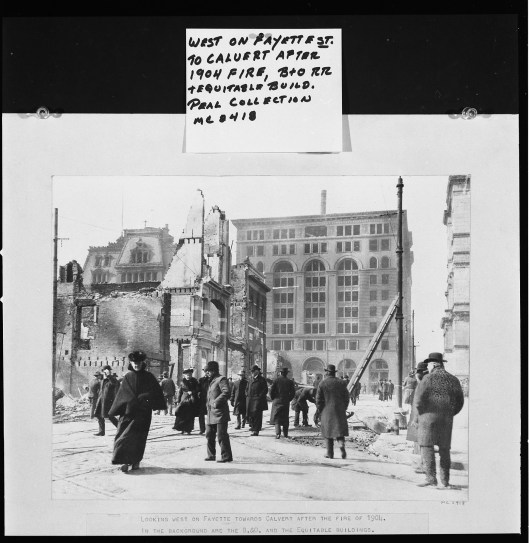
Many of the history books that I have read concerning Baltimore, all point to the Great Fire as the reason for new water and sewer systems. But as I read thru the records of the Commissioners and Engineer’s Annual Reports, it shows that the need for new sewage works was on the minds of every Baltimorean as early as 1815. With the increase of the water supply, from the Gunpowder River in 1881, there was an enormous amount of waste – cesspools and privies overflowed so badly that the Baltimore Harbor became a disgrace.

Here is a view of the 1904 fire in Baltimore: Courtesy of the DPW Museum and the Peale Museum

img092

Pollution of the Jones Falls

18 Thursday Feb 2016

Posted by Ronald Parks in Baltimore, HISTORY, Sewage History

≈ Leave a comment

Tags

Baltimore, engineering, Health, HISTORY, Jones Falls, photography, sewage, water history

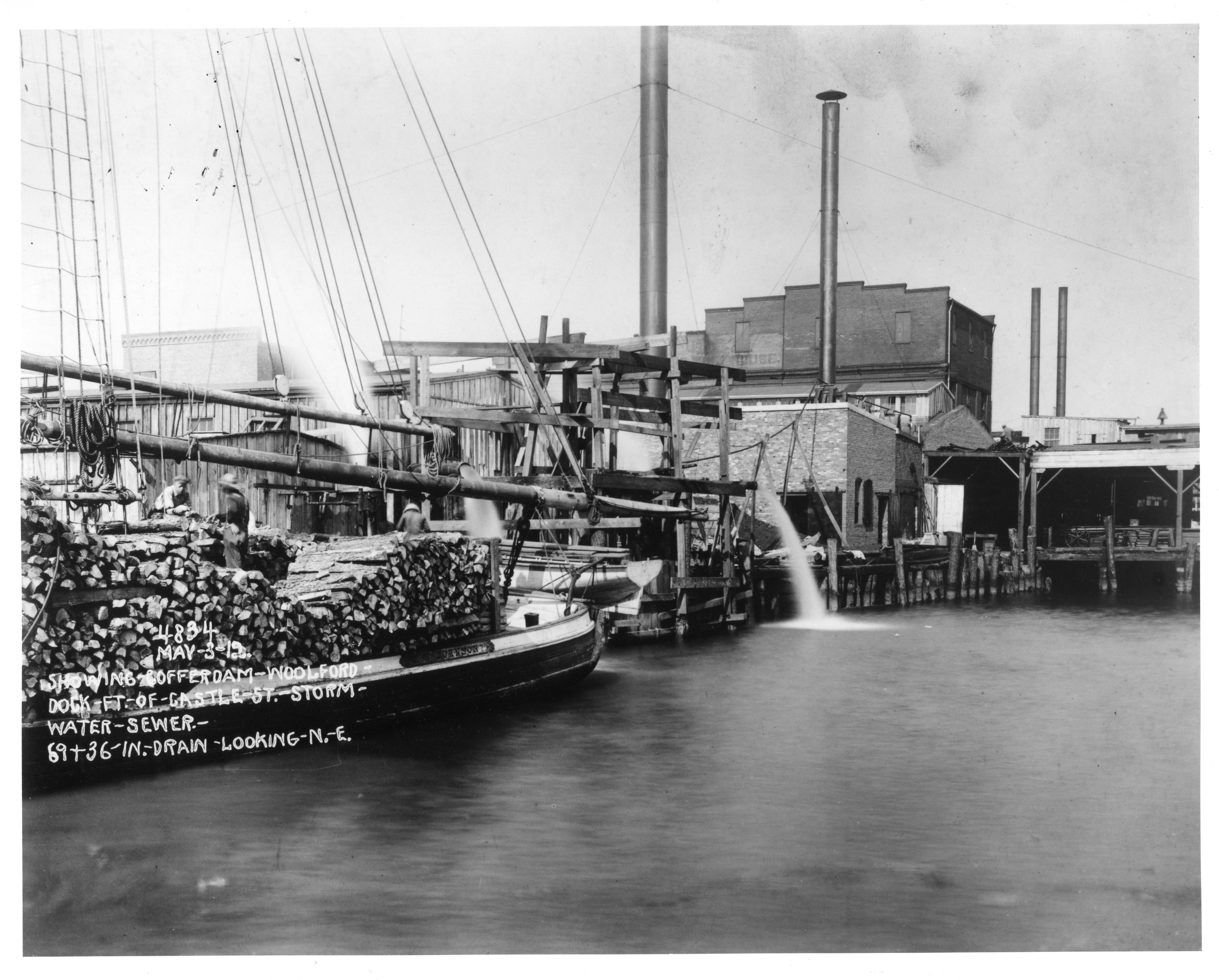
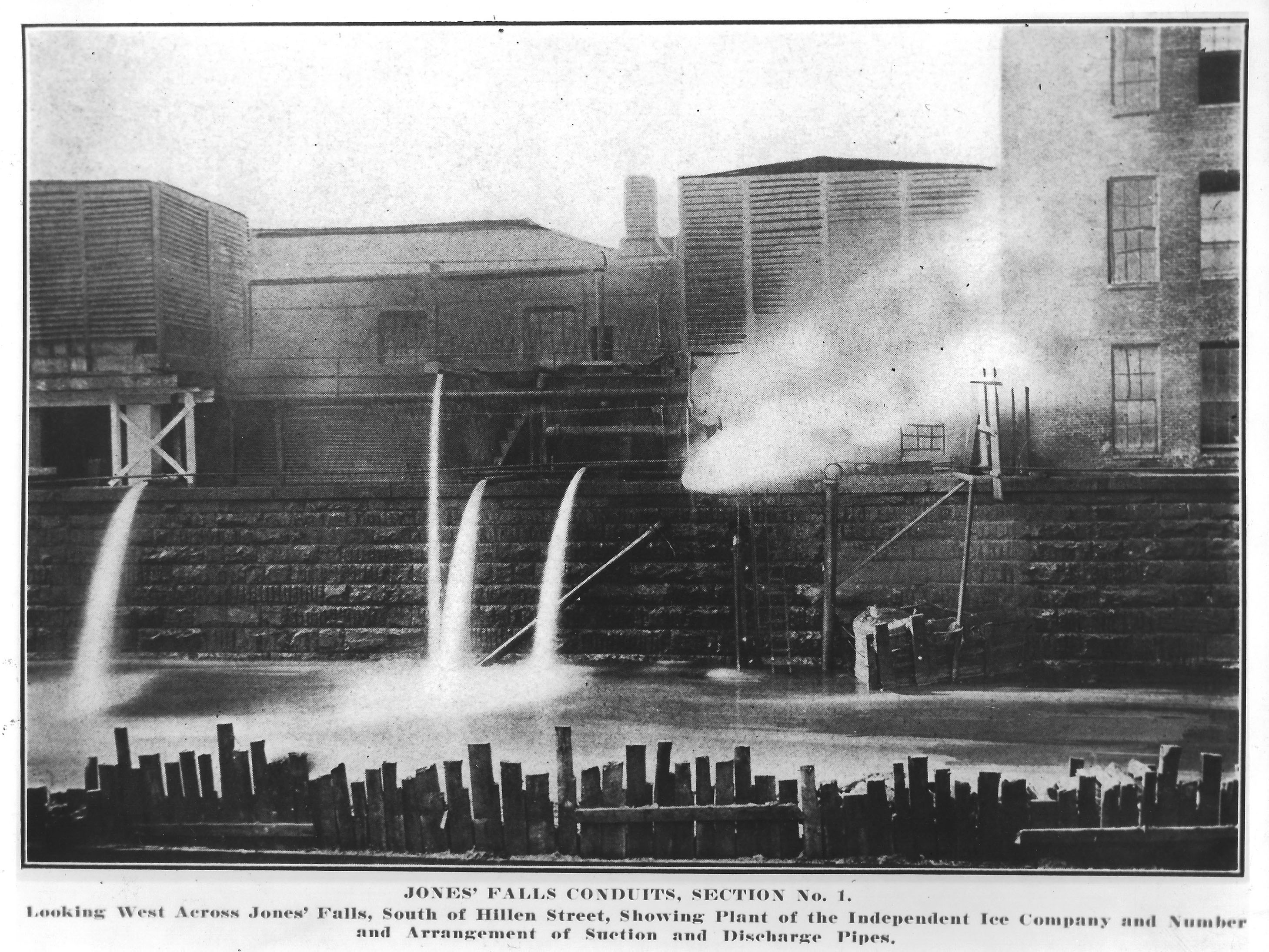
As previously mentioned in another post, the Jones Falls suffered much flooding along with a tremendous amount of pollution.

The below photograph shows a storm drain dumping into the Falls. This one was fed not by just the rain onto the street, but by the houses and over-flowing cesspools.

img107


This photograph shows an ice company dumping its wasted water into the Jones Falls, then pumping the water back out, to make ice.

001


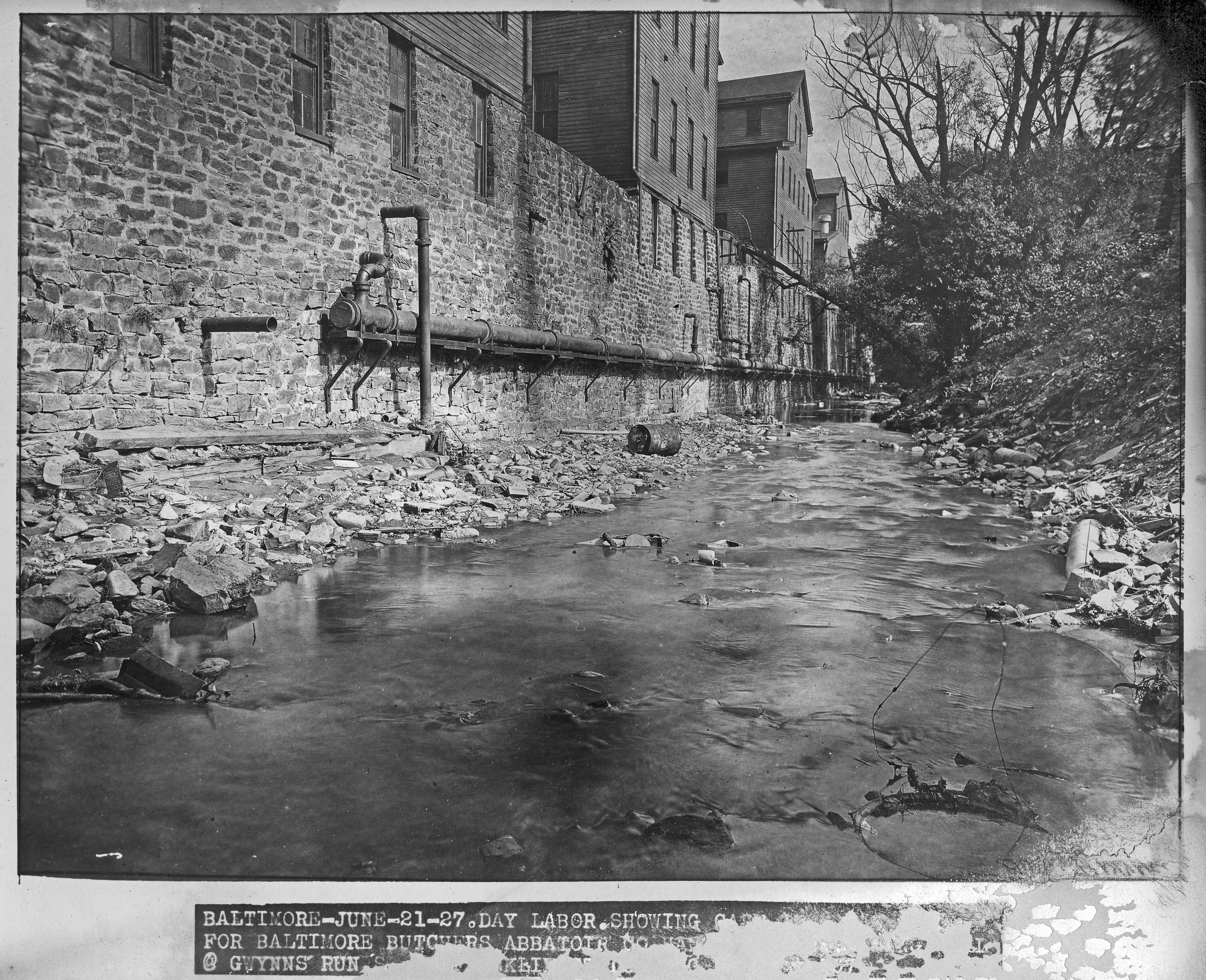
And this is a meat packing plant, slaughter house, that dumped all its waste into Gwynns Falls, which also dumped into Baltimore’s Harbor. This photograph came from an album that was first in a fire (at the warehouse it was stored) and then suffered water damage. The caption underneath reads: …for Baltimore Butcher’s [Abattoir] (slaughterhouse) Co ? @ Gwynns’ Run…

img011

← Older posts
Newer posts →

Blogroll

  • Flouride Action Network
  • lulu
  • My Book
  • WordPress.com
  • WordPress.org

Recent Posts

  • Bermuda 2023
  • ICELAND April 2023
  • George Chalmers of Fochabers
  • In Search of The Skipjack Ada Mae
  • Trap Pond Kayak

Blog at WordPress.com.

  • Subscribe Subscribed
    • Water and Me
    • Join 231 other subscribers
    • Already have a WordPress.com account? Log in now.
    • Water and Me
    • Subscribe Subscribed
    • Sign up
    • Log in
    • Report this content
    • View site in Reader
    • Manage subscriptions
    • Collapse this bar
 

Loading Comments...