• About
  • History Writings

Water and Me

Water and Me

Category Archives: HISTORY

Patapsco SP, Avalon

22 Monday May 2017

Posted by Ronald Parks in Baltimore, Hiking, HISTORY, water history

≈ 2 Comments

Tags

Baltimore, bridges, engineering, Hiking, HISTORY, maps, mills, nature, photography, state park, water history

Due to the possibility of rain, we decided to go hiking at Avalon in the Patapsco State Park instead of going kayaking. I have a new phone app called All Trails which is pretty cool. It documents your hike.

Although it says we were moving for 1 hour and 25 minutes, we were actually there for 3 hours. It does not record every time you stop to enjoy the sights, sounds and smells. That is indicated by the thicker line, where we deviated from the trail. Lots of honeysuckle out. The only thing I did not like about this hike was the amount of bikes flying through there. Some had bells, most didn’t.
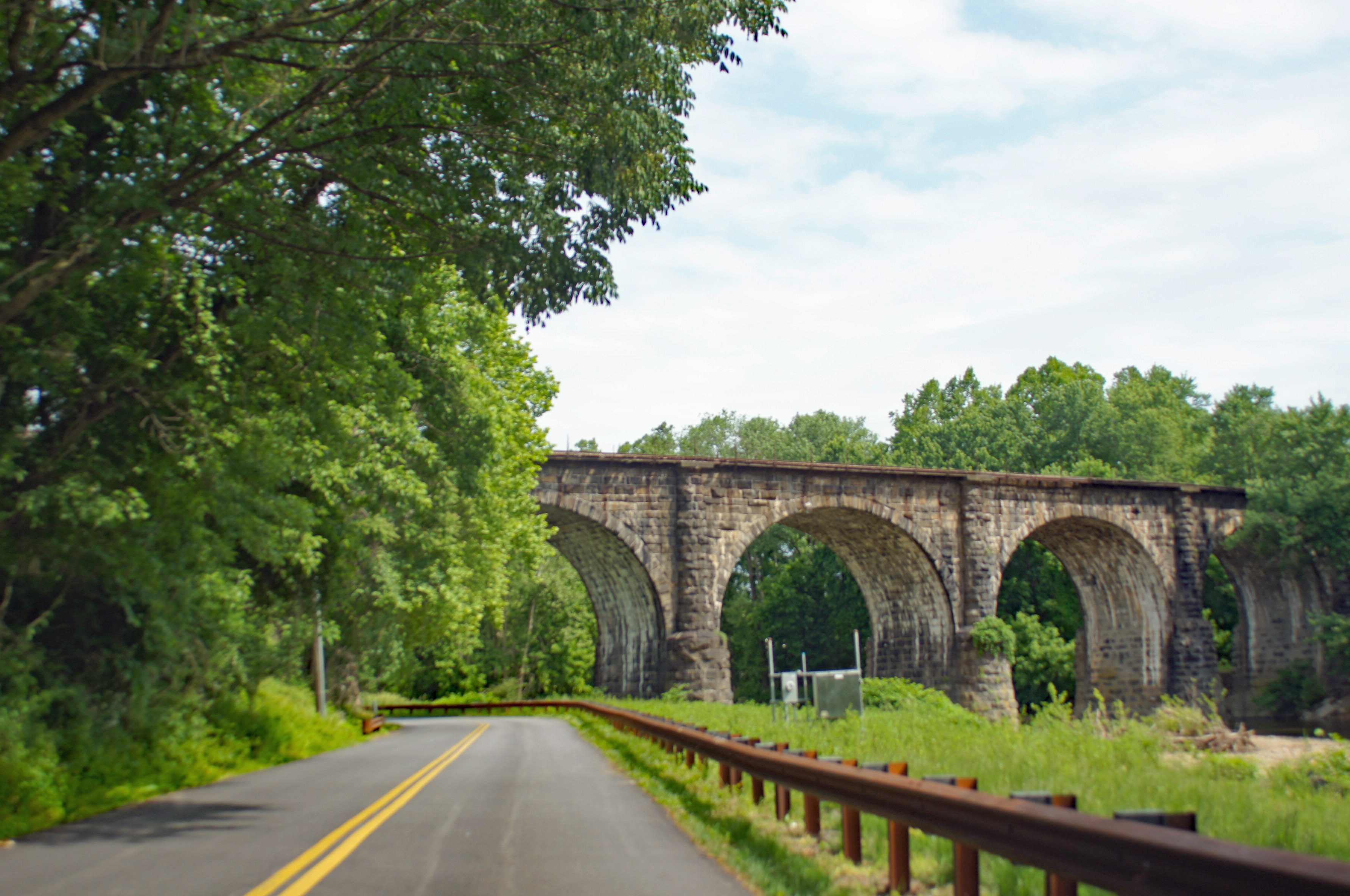
Entering the park, one of the first things you see is the Thomas Viaduct.
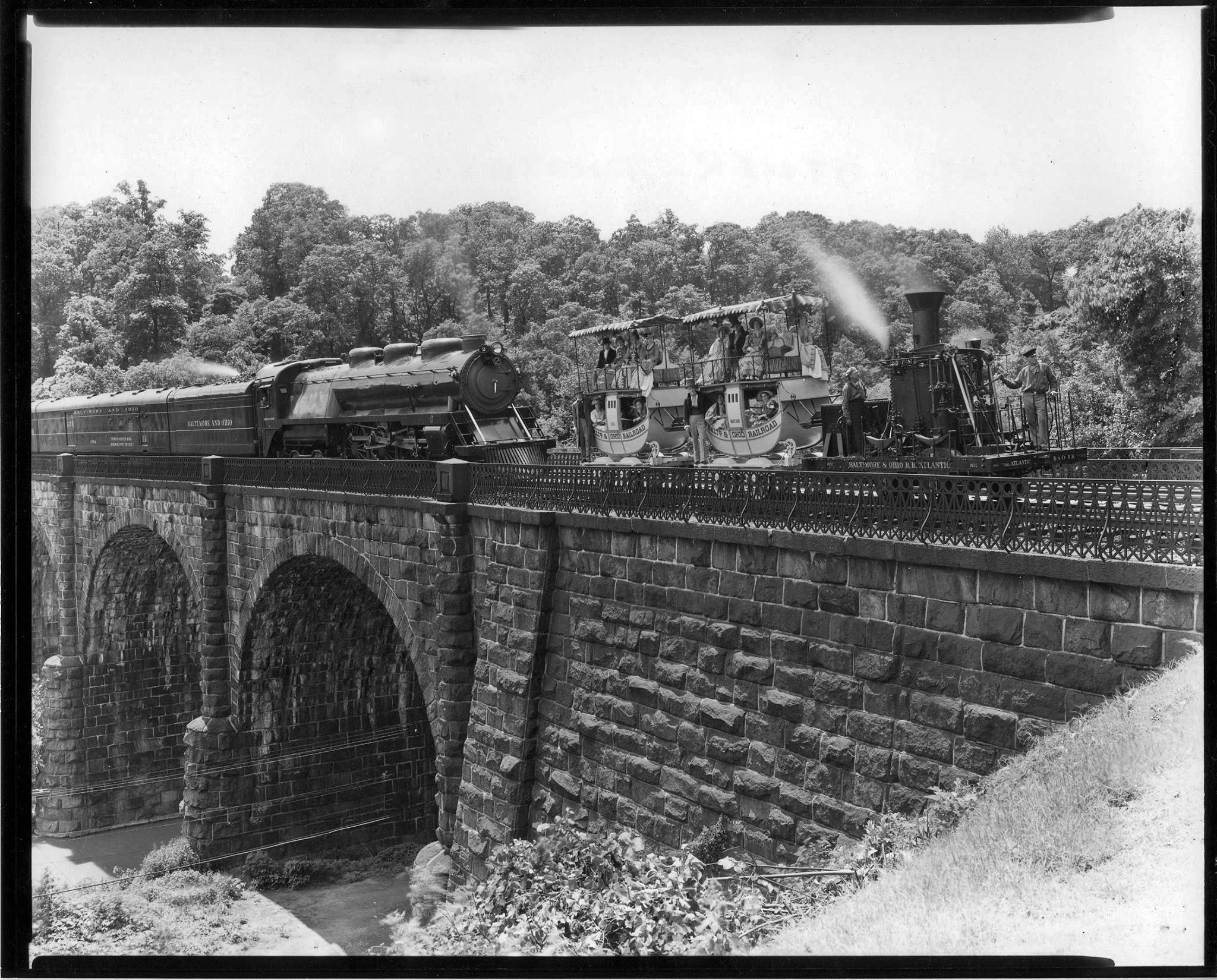
This photo is from the 1930s I believe (DPW Archives). It shows an older train and a newer one from that time.

This photo I took 5 years ago, the last time I visited the park. Soon after this, my Konica Minolta camera would die on me. It was a good camera.
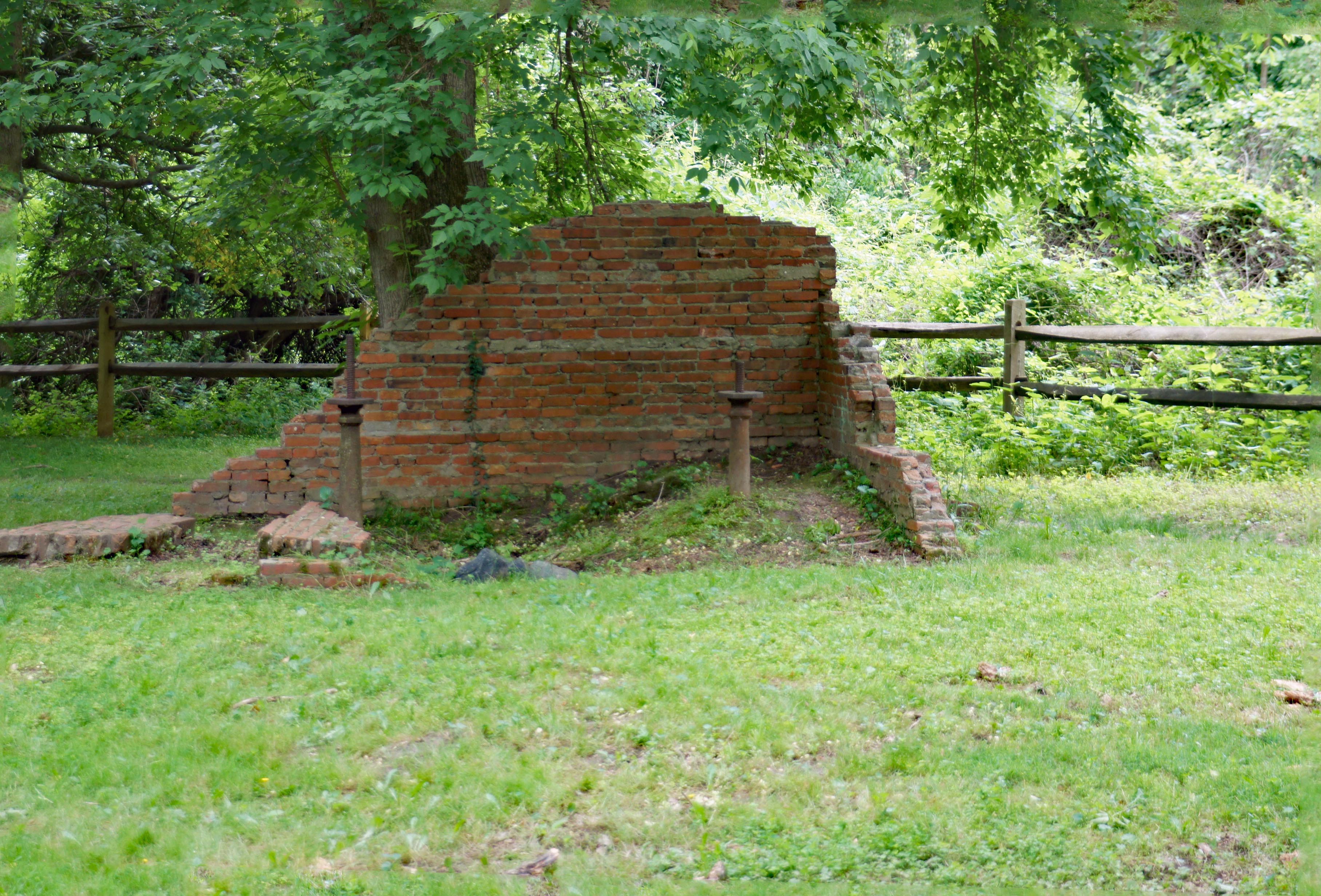
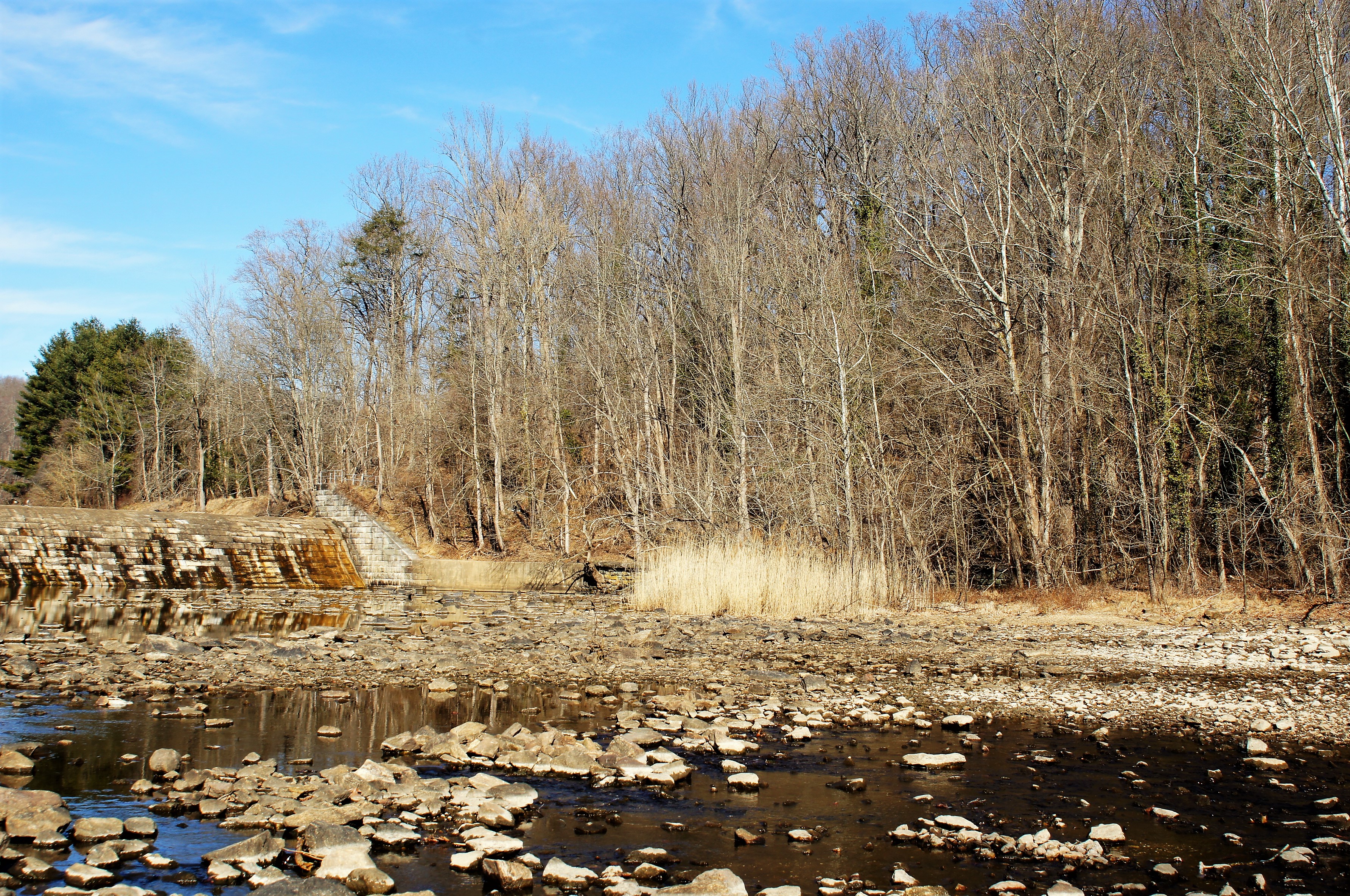
Of course I had to check out the old water works, or what is left of them. Here is some info on that:

On September 30, 1921, the City of Baltimore took over operation of the filters at Avalon. By the purchasing of the Baltimore County Water and Electric Company, the City received a dam and filtration plant on the Patapsco River at Avalon. After this, the filters at Herring Run, near Philadelphia Road, were abandoned and the sand taken to Avalon. Ten years later, the City stops using it.
Of interest is the following:
1923 Correspondence between Edward Rost (Mechanical Engineer), [V].B. Siems (Water Engineer), Edmund Budnitz (Federal Prohibition Director) and A. Bernard Siems (Water Engineer). Concerns sampling water at the Rockburn Branch (Patapsco River), Avalon Pumping Station for pollution caused by illicit liquor still smashed up by Government agents. How the Feds destroyed it and dumped it into the stream, causing the contamination. Excellent description of how the still was built and operated: They built a small dam with a hand pump for water, pumped through a rubber hose and iron pipe to twenty-seven wooden boxes made of pine, made water tight with muslin. They also had a vertical high pressure steam boiler. Scattered around were half gallon mason jars, corn meal and liquid mash. It was suggested by Siems that the mash be hauled away to a local farmer’s manure pit. A follow up letter to the feds by Siems asking that they clean up the corn mash they dumped everywhere, which is still contaminating the stream.
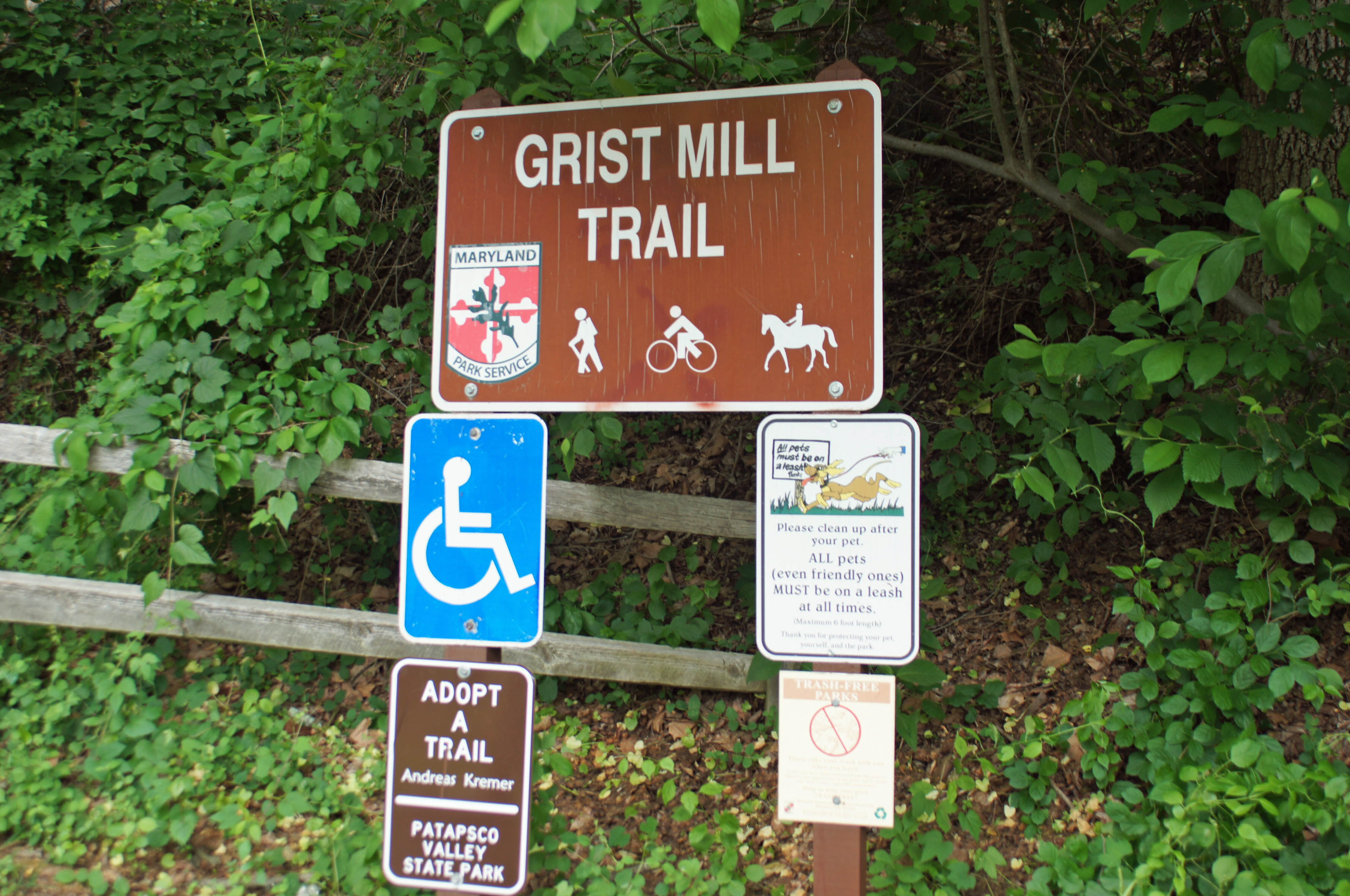
One of the many trails. According to All Trails, there are over 20 miles of trails here.
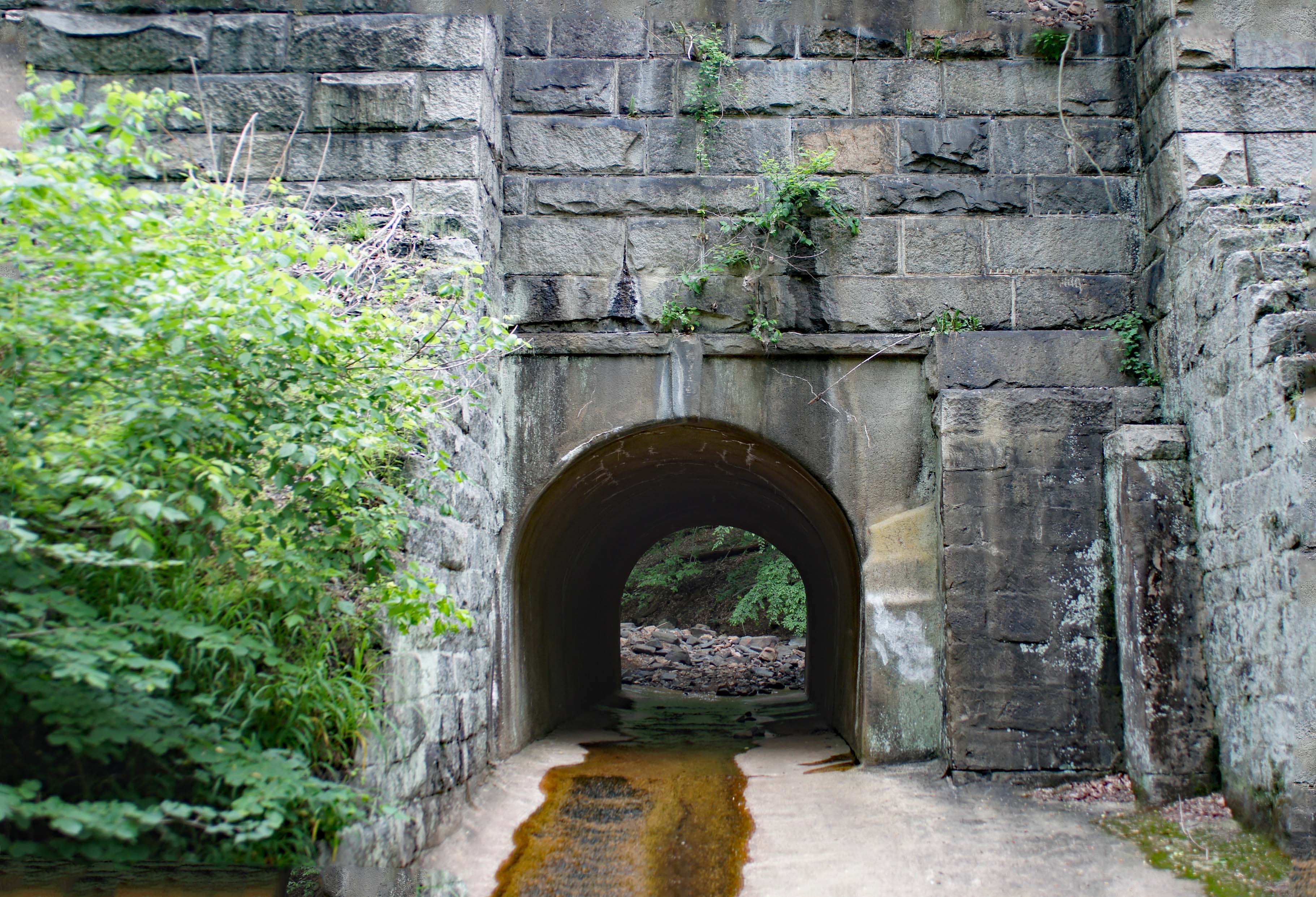
Tunnels to the other trails.
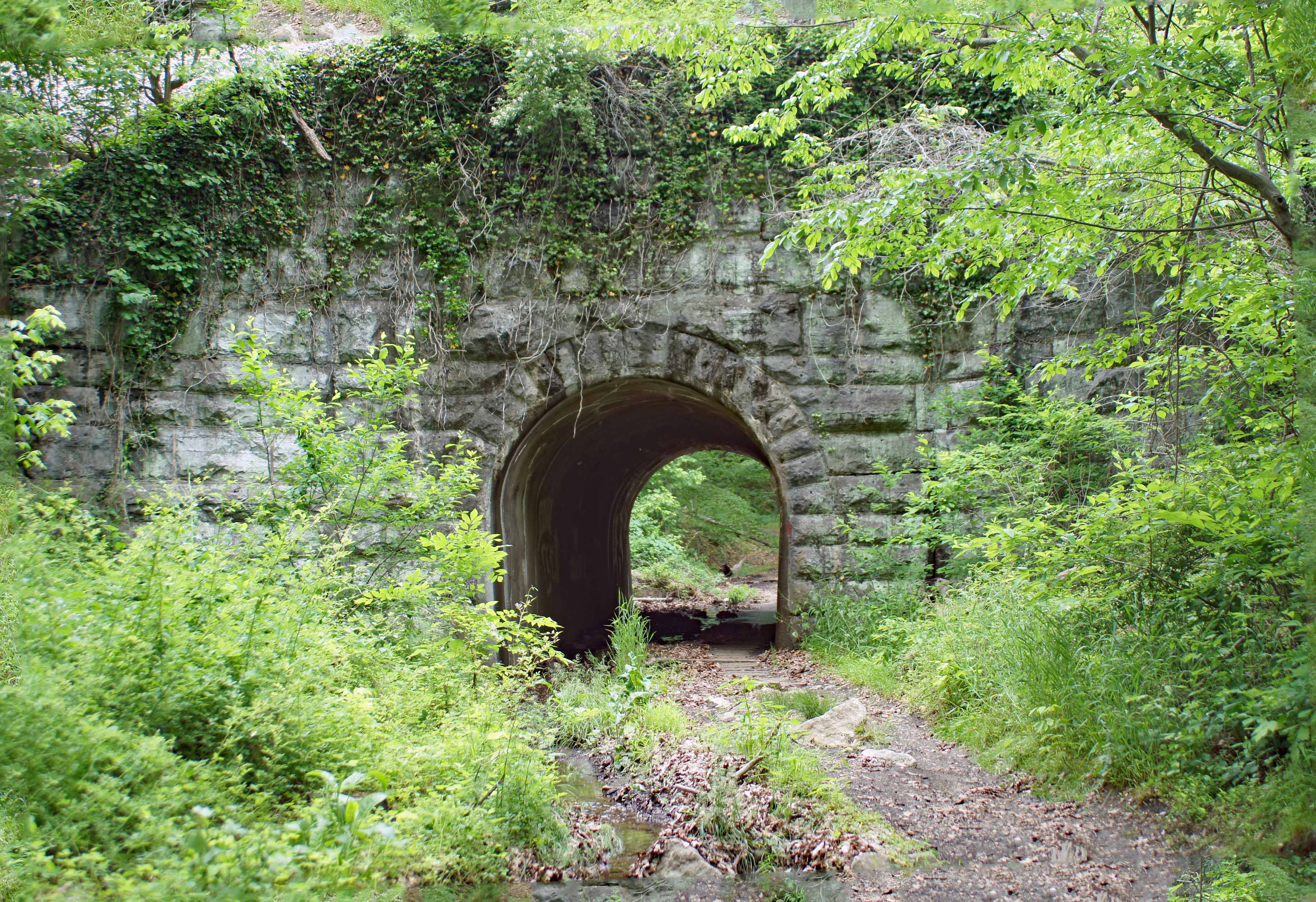
Another one.
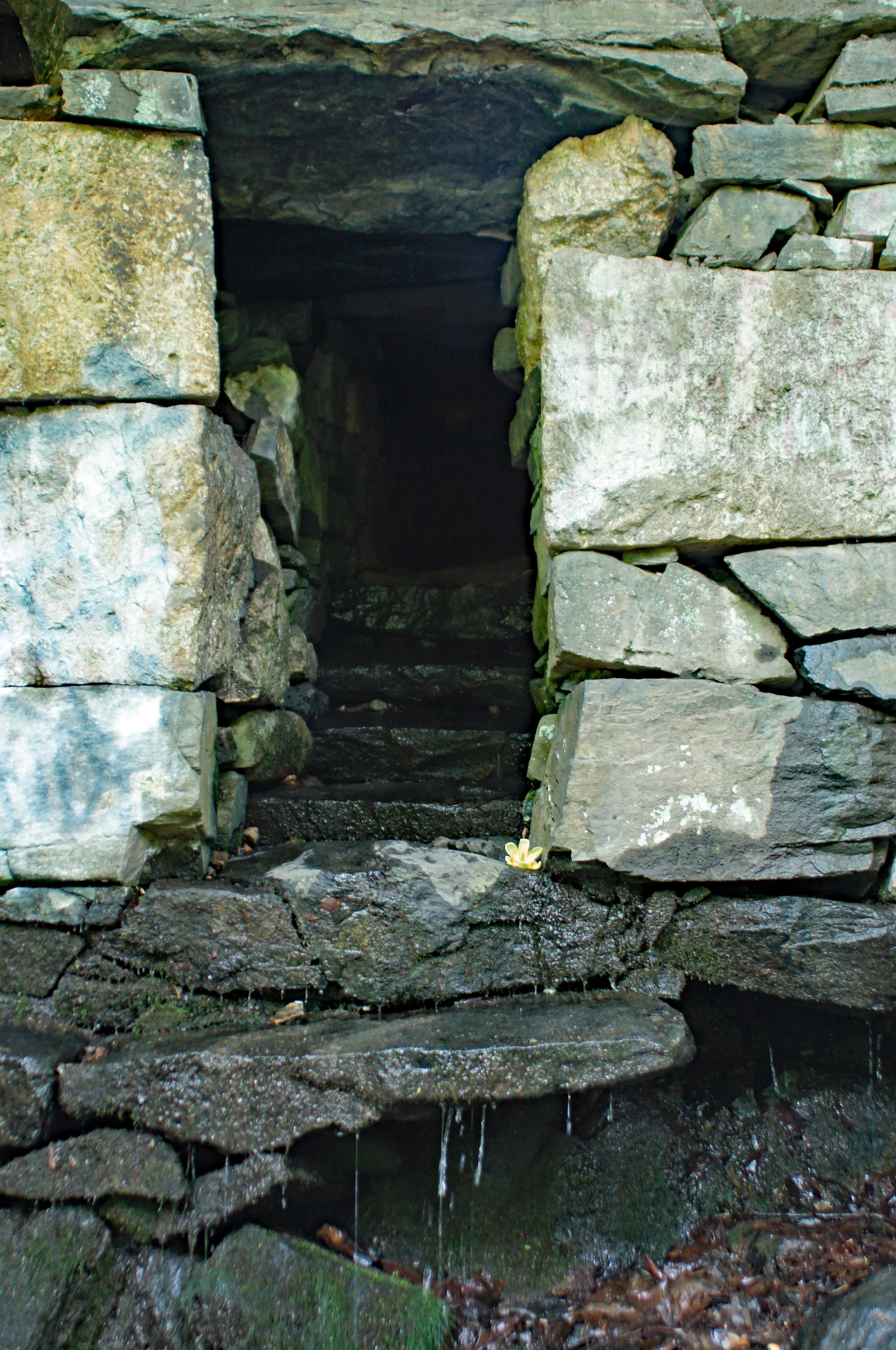
Besides the tunnels to the other side of the train tracks, there were many storm drains. This one had a Tulip Poplar Tree flower. Fell right in place for all to enjoy.
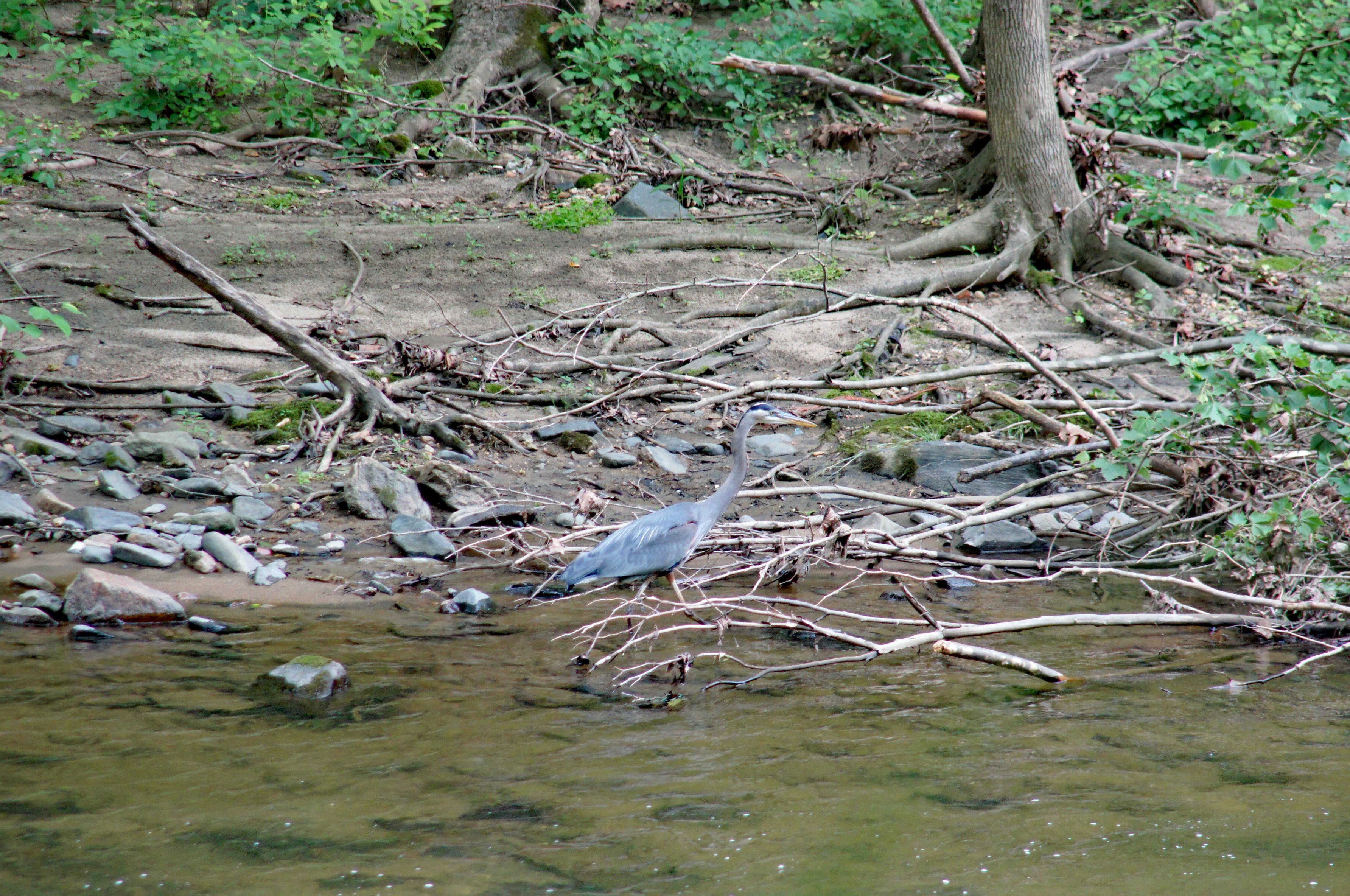
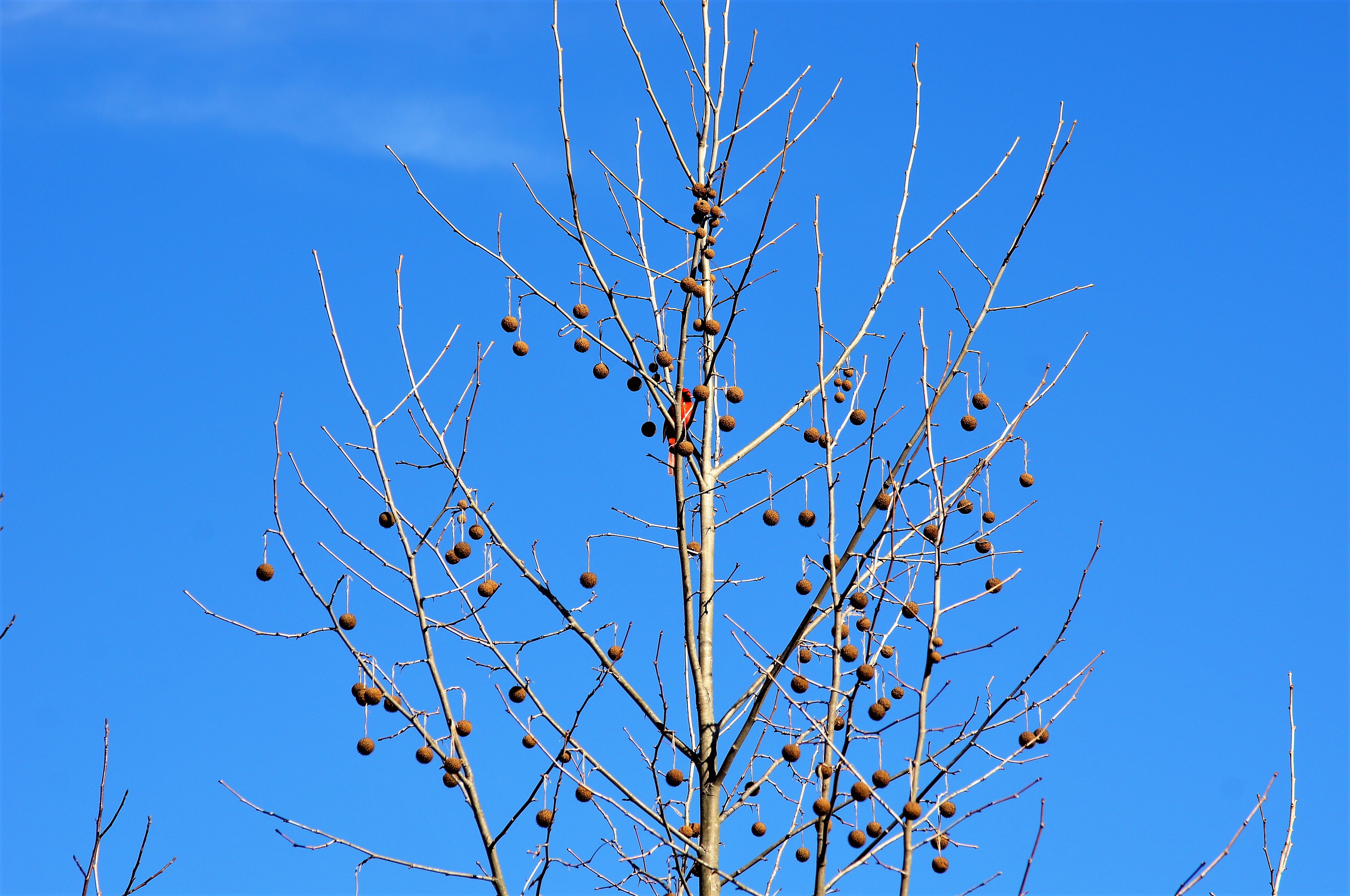
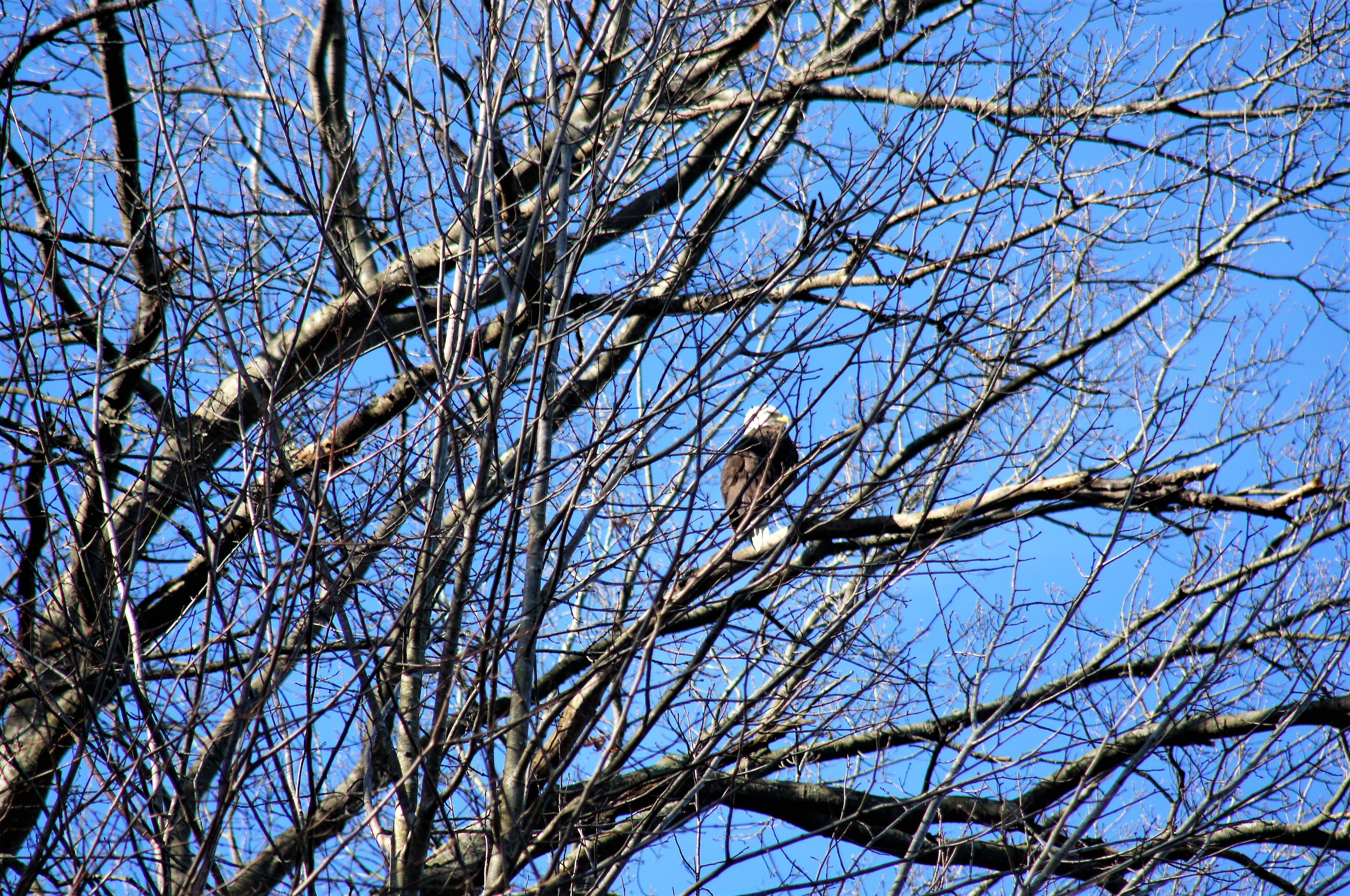
One of our off-trail forages to the river, we came across this guy. There was also an osprey and maybe an adolescent eagle.
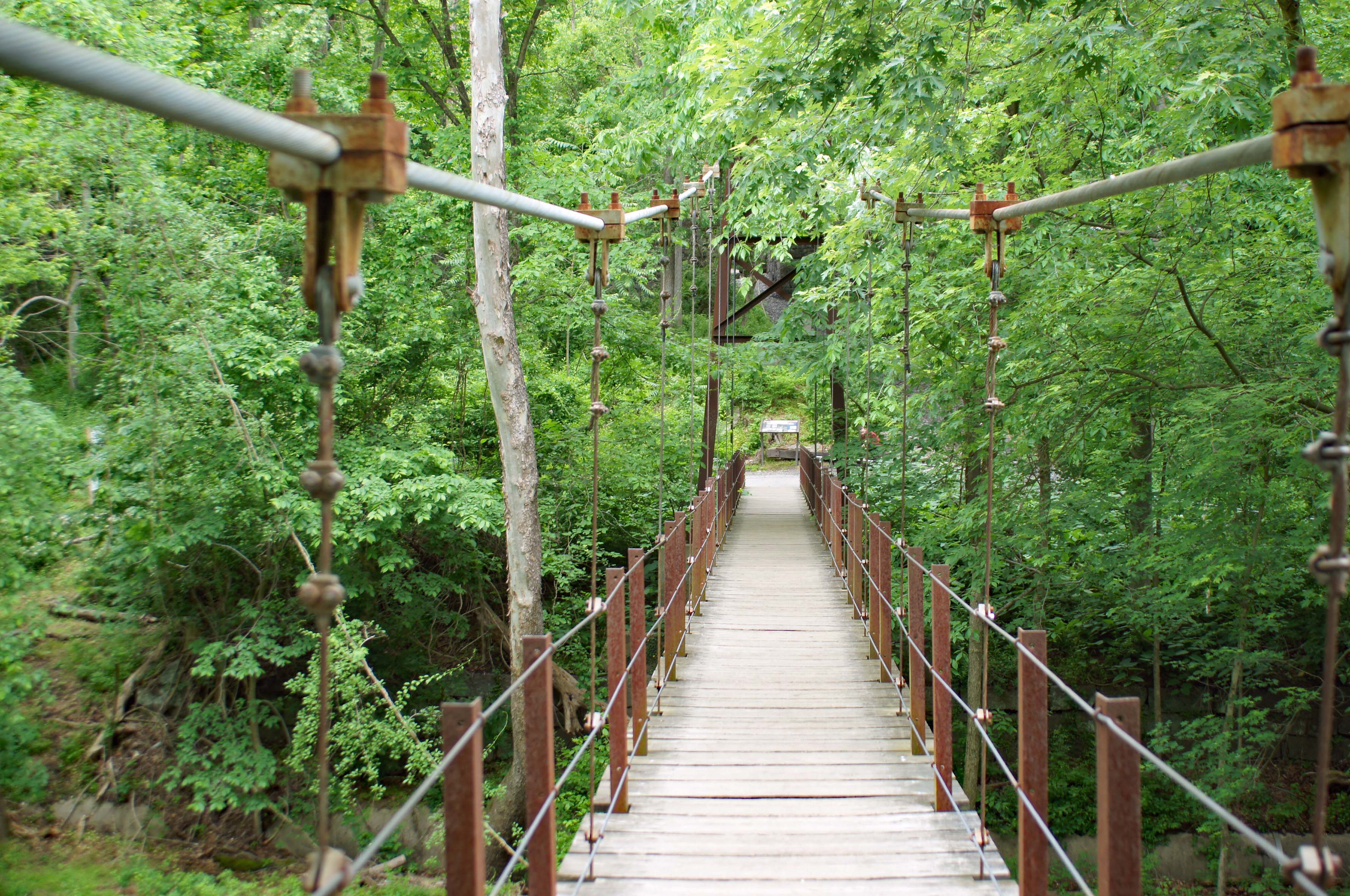
Up stream a ways is the swinging bridge. I could swear that when I was young, this bridge was made of rope and wood and it really swung. Now it just kind of bounces.

Five years ago. It was pretty clear under the swinging bridge.
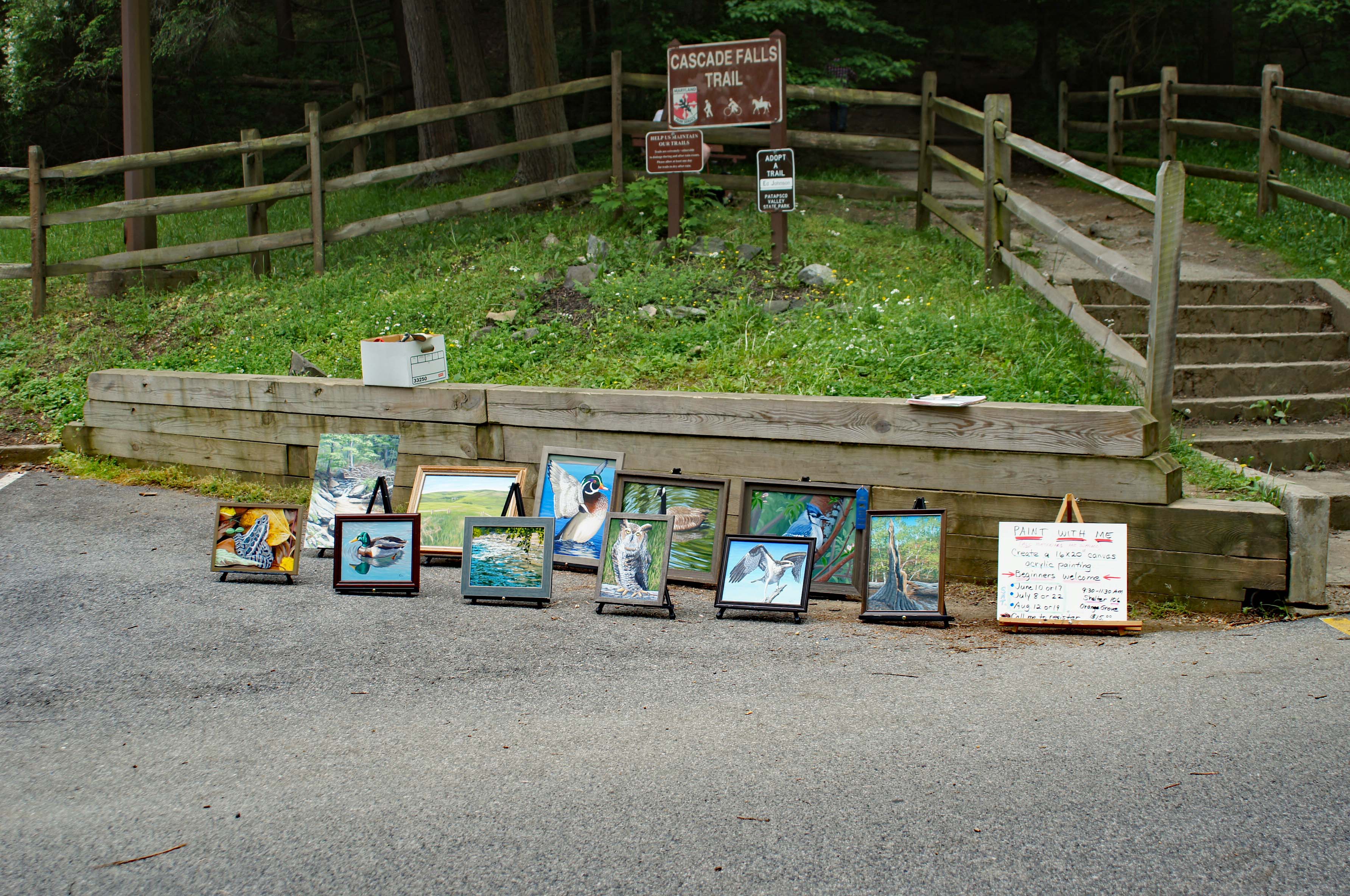
Plein art at the entrance to Cascade Falls.
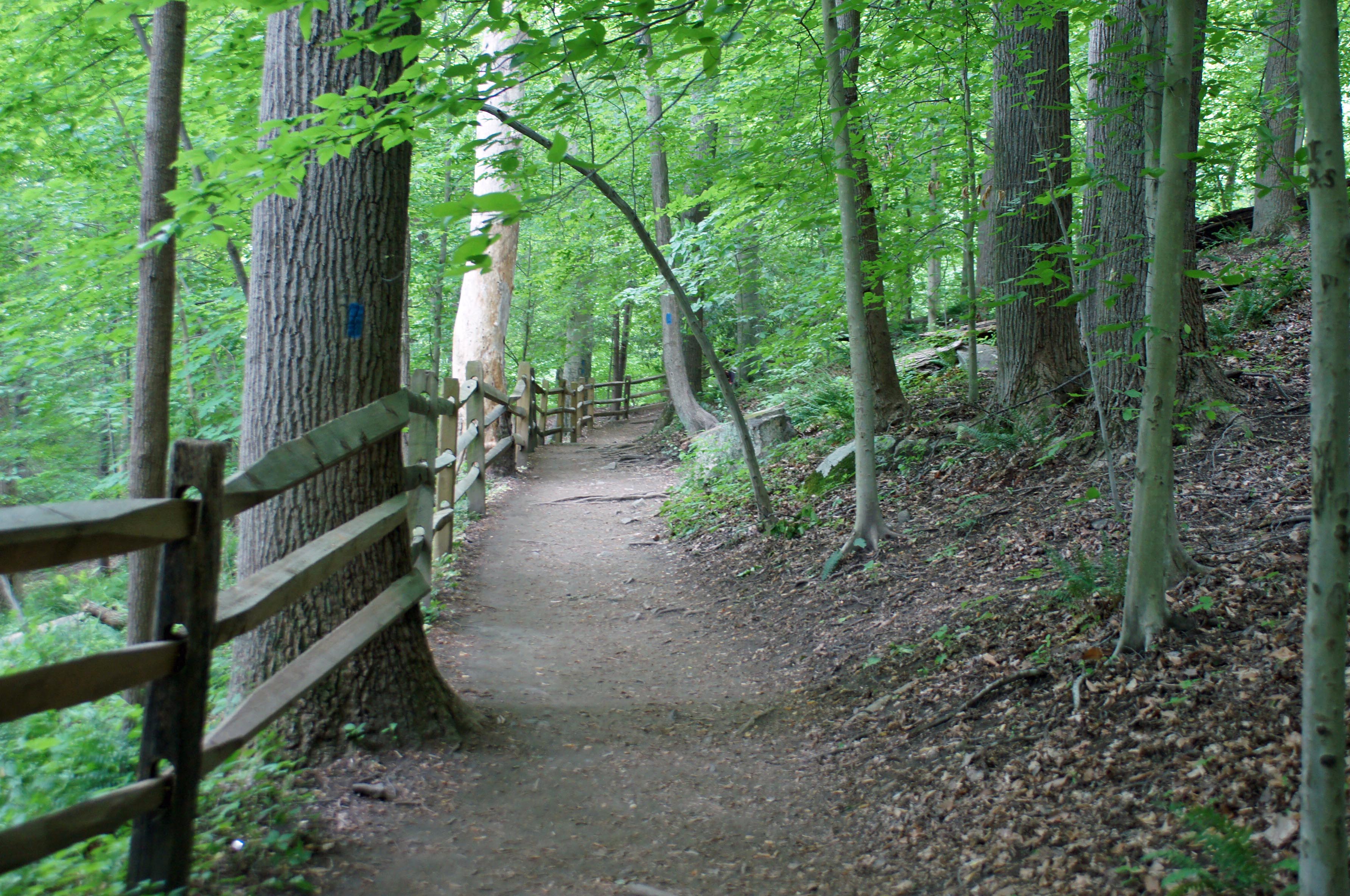
Well worn trails.
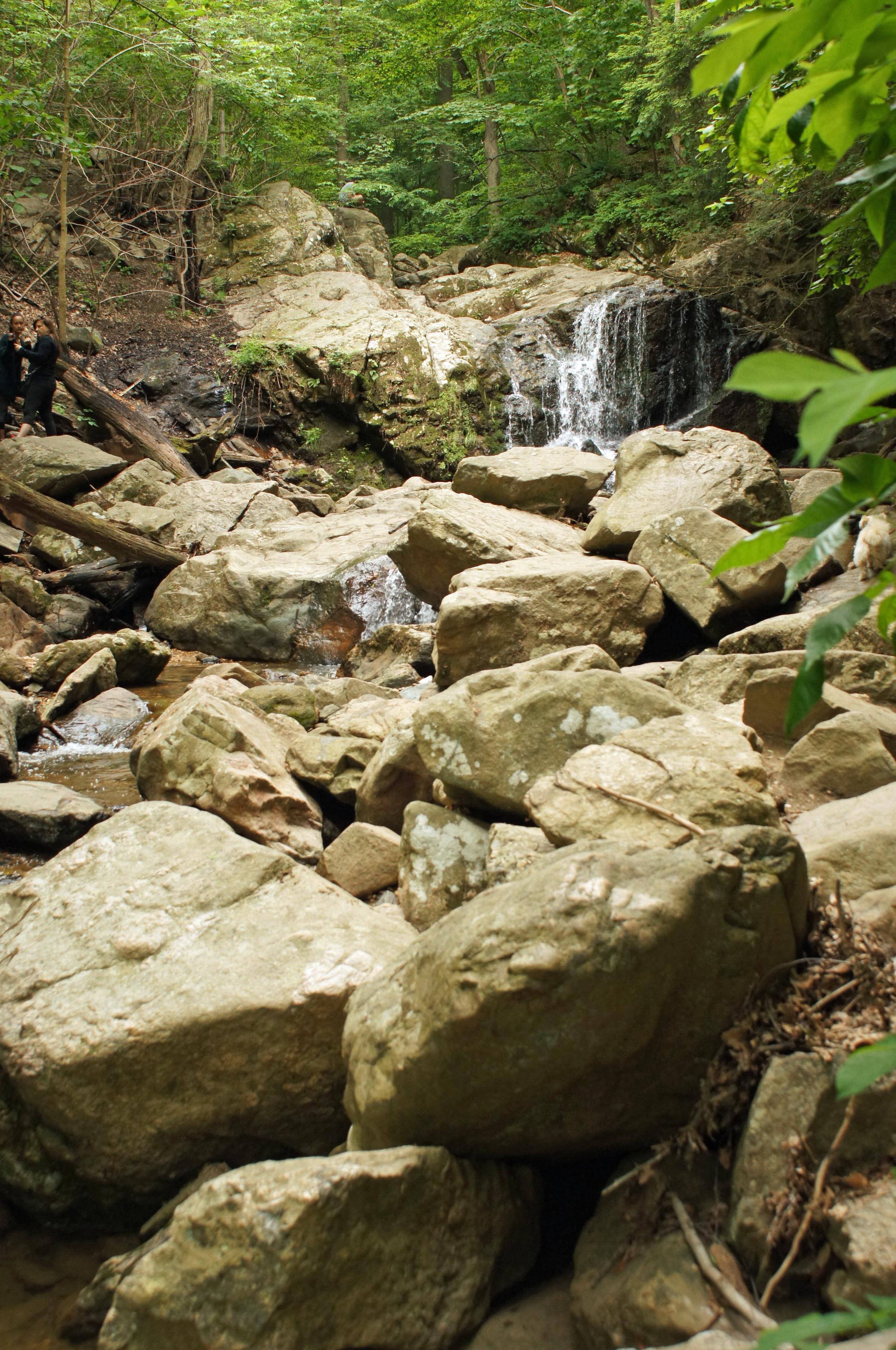
The lower portion of the falls.
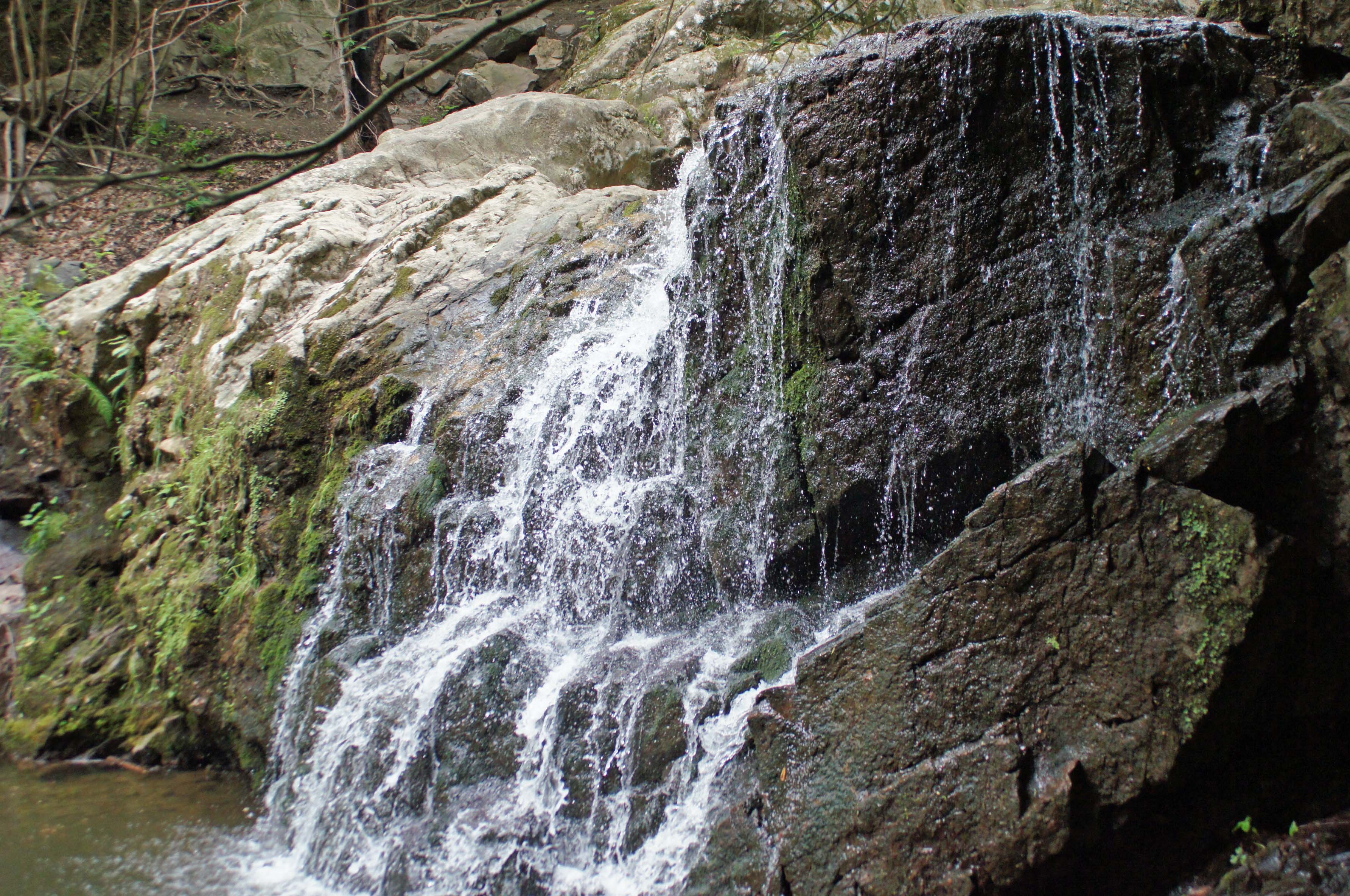
Cascade Falls.
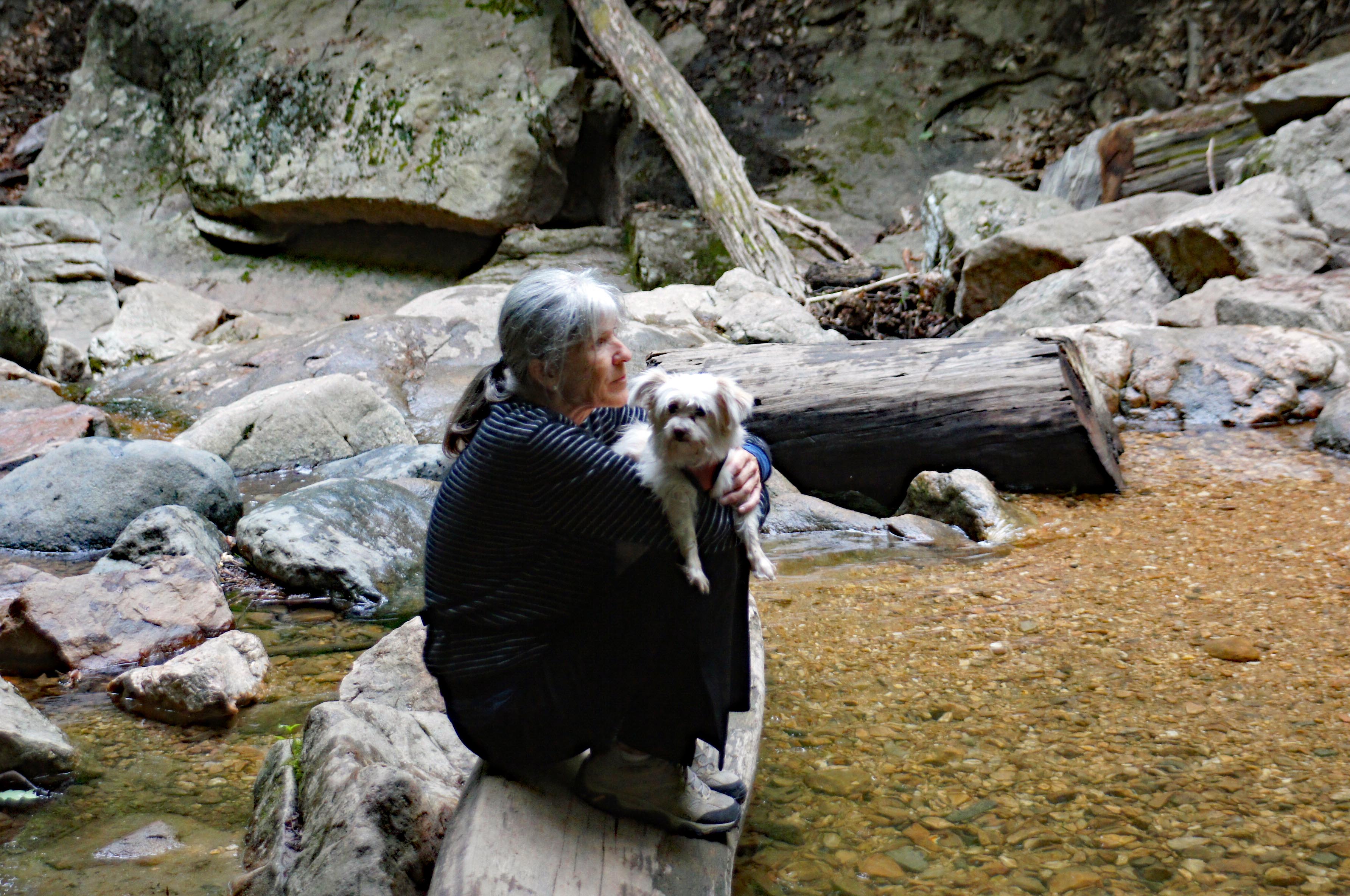
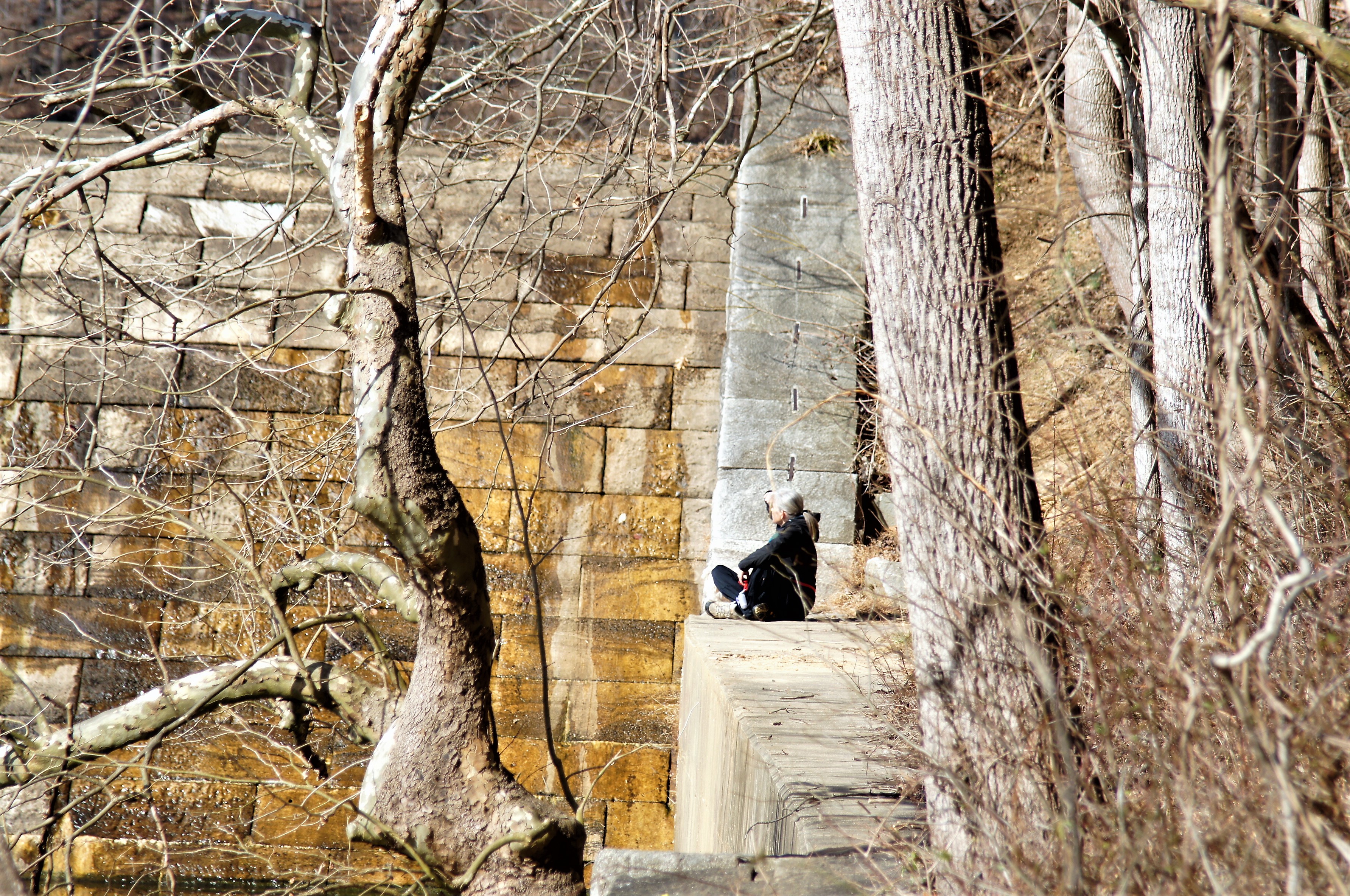
Kathy contemplating the sights and sounds of the falls. Molly contemplating how to get off that log and back to land.
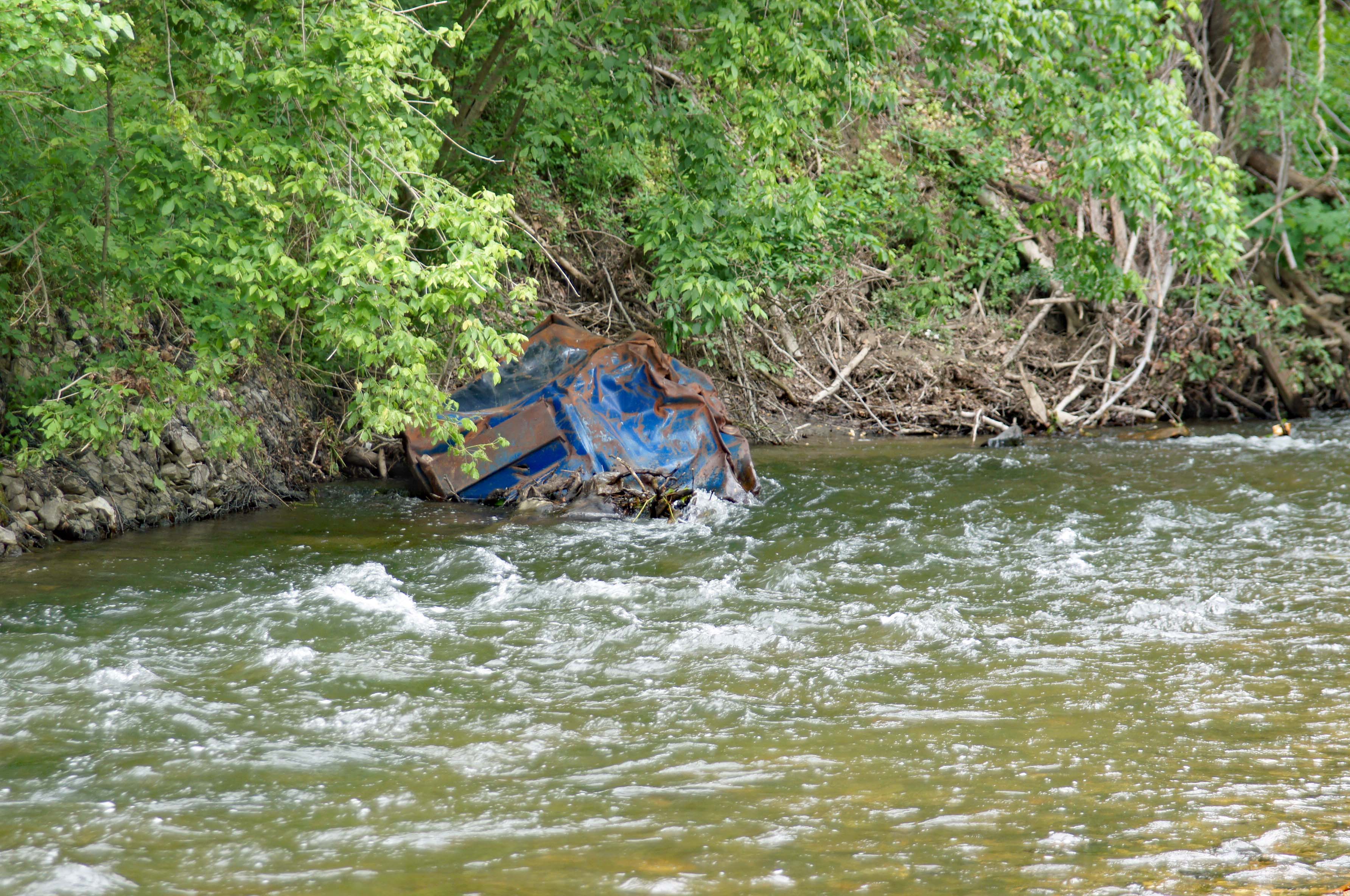
Heading back, following the river instead of the trail. Dumpster?
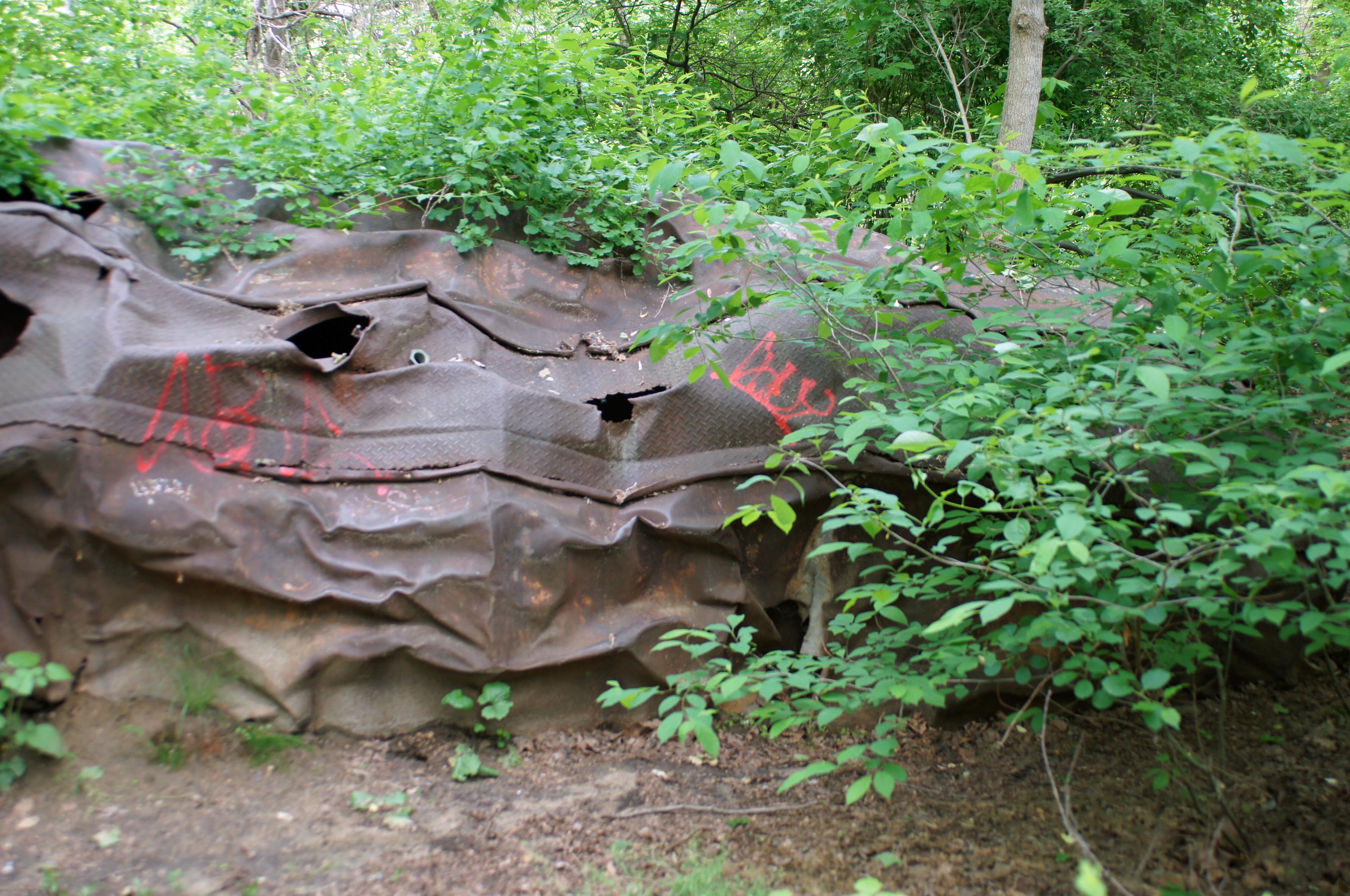
Had trouble finding this guy. An oil tanker that was washed away during Hurricane Agnes, 1972.

This is 5 years ago. So only recently did they (Park people) allow it to get so overgrown. There is a historic marker on the trail – The Forces of Nature.
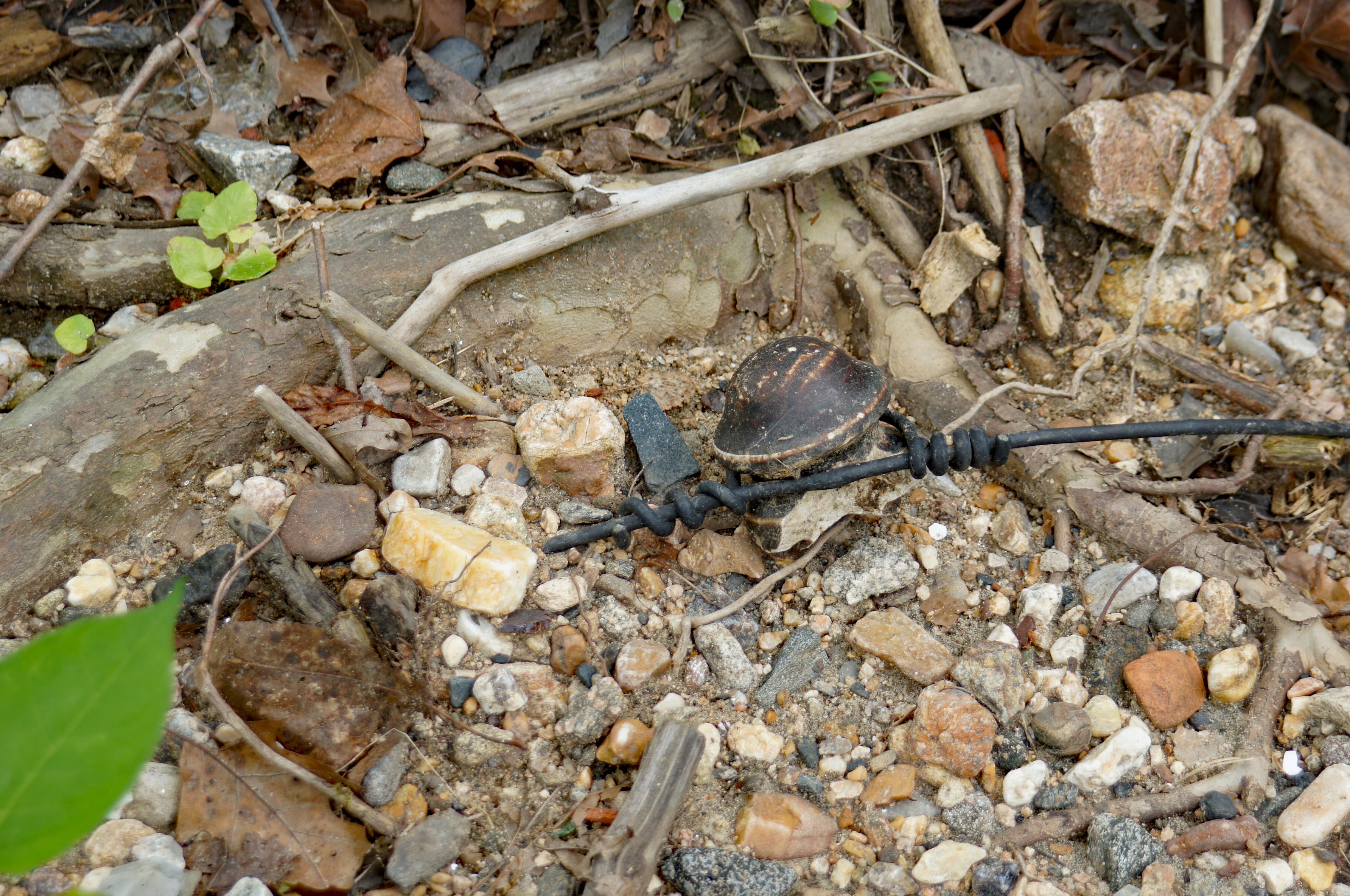
Walking along the river, found a lot of Sea Glass – actually I guess it is river glass. Also there was an electrical insulator. Found some really nice glass and porcelain. (Kathy found most of it)

A nice day and a wonderful hike. Five years ago I did this hike by myself. It is nice to have someone with me, to enjoy this.

Ghost in the Conduit

18 Thursday May 2017

Posted by Ronald Parks in Dams, engineering, HISTORY, water history

≈ 8 Comments

Tags

Baltimore, Dams, engineering, FILTRATION, fishing, Gunpowder Falls, HISTORY, Loch Raven, Montebello, Public Works, water history

Awhile back I had posted some photographs of the construction work at Loch Raven. The contractor hit and poked a hole through the ten foot conduit that supplies water to Baltimore from the Loch Raven Reservoir. Fortunately, another one of the conduits was in service, so the damage did not affect our drinking water supply. This conduit was installed in 1915. It is riveted, welded steel. Some portions are encased in concrete and a good portion is lined with cement.

I would like to thank Pure Technologies for giving me permission to use their photographs.

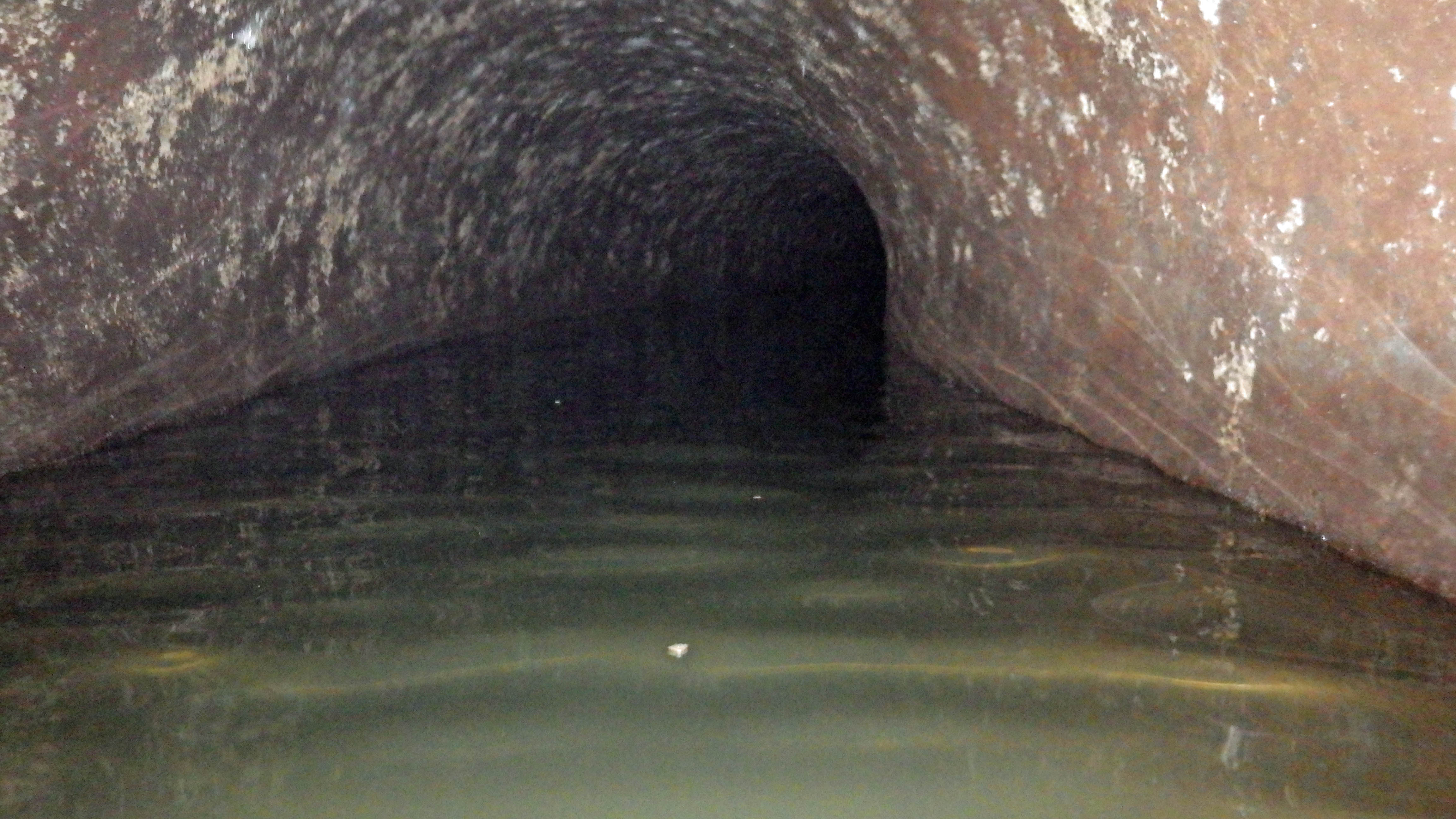
Pure crew heading into the conduit. This is near Mine Bank Run, heading towards the dam. The water would eventually be at chest level.

This was interesting and took a little research to figure it out. The smaller opening on the right connected to the 1880 rock and brick tunnel. In 1937 they built a parallel pipe line from Loch Raven to Baltimore and that is the conduit on the left. There is a valve in the smaller pipe stopping the flow of water towards Baltimore. Down stream further, the raw water pipeline becomes potable water from Baltimore, to Towson, at Cromwell.

Continuing the inspection of the conduit. Pretty good shape for being over 100 years old.

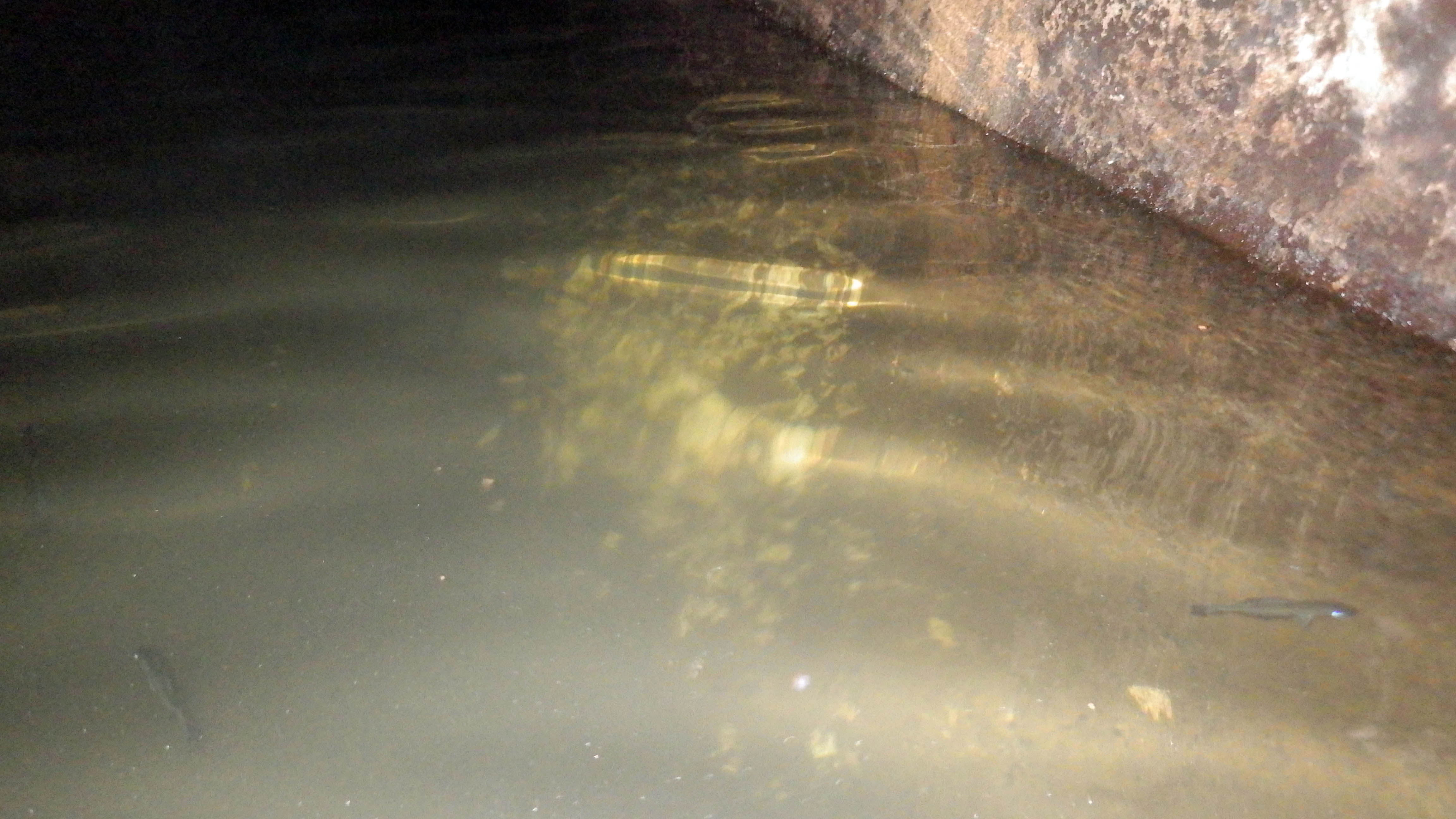
The fish like the water (Baltimore water finished in the top ten again this year in a national taste test)

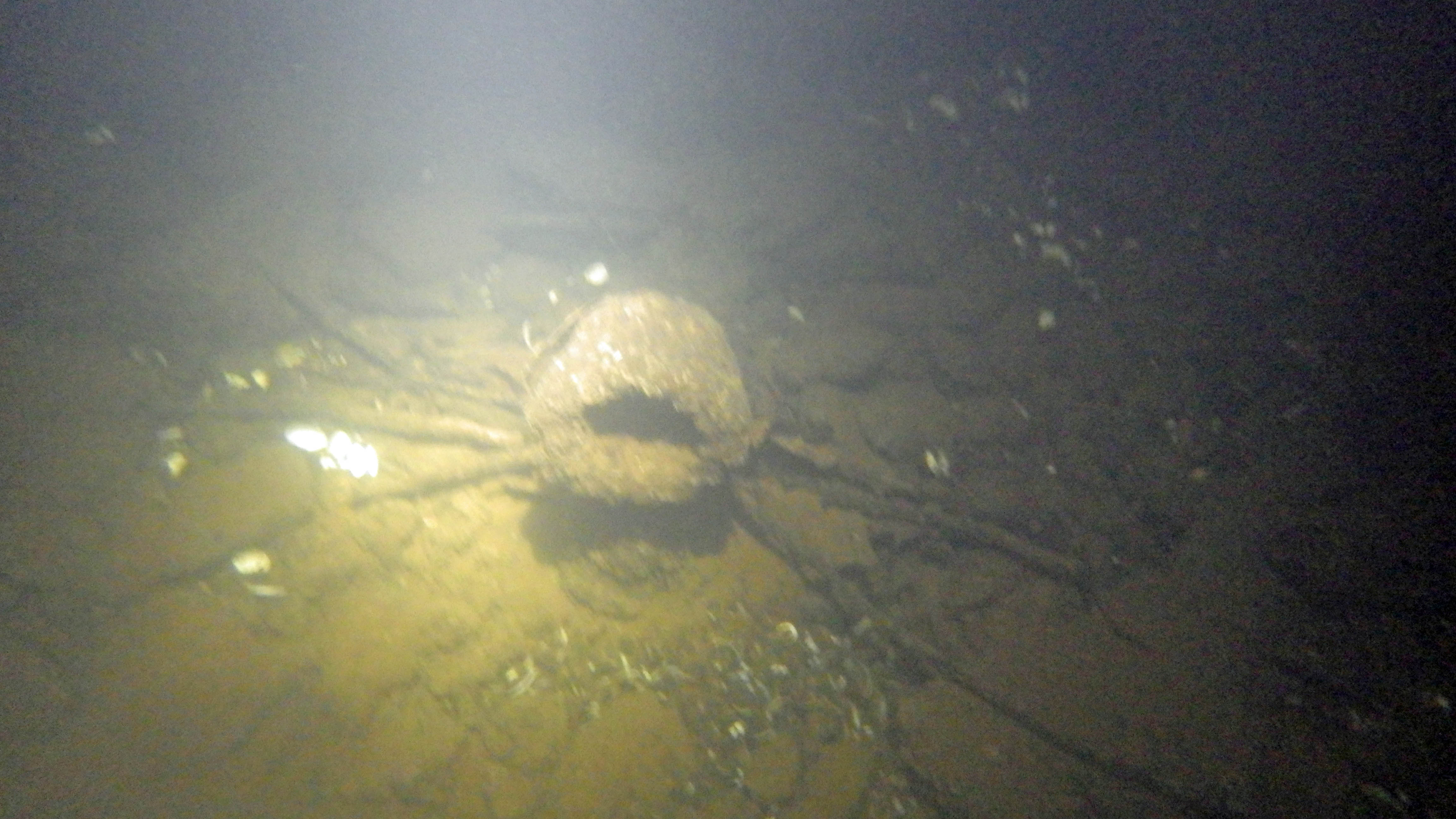
Not sure what this is. Looking at the drawings I saw where there is a drainage system under the steel conduit. But didn’t see this in the drawings.

Pure finally reached their destination. The damage is a little more than we thought. The cement lining has been knocked off.

It is about a 3’x4′ section of damage.

This is the hole that the excavator punched through. There are also about 5-6 dents in the pipe.

When the inspection crew climbed out, I think they brought something with them…

Random Archives

04 Thursday May 2017

Posted by Ronald Parks in Baltimore, HISTORY, Sewage History

≈ Leave a comment

Tags

Baltimore, baseball, Democrats, Latrobe, mayor, plumbing, POLITICS, Public Works, Research, Sewage History, stadium, water history

Sorting and documenting more archives from the DPW Museum.

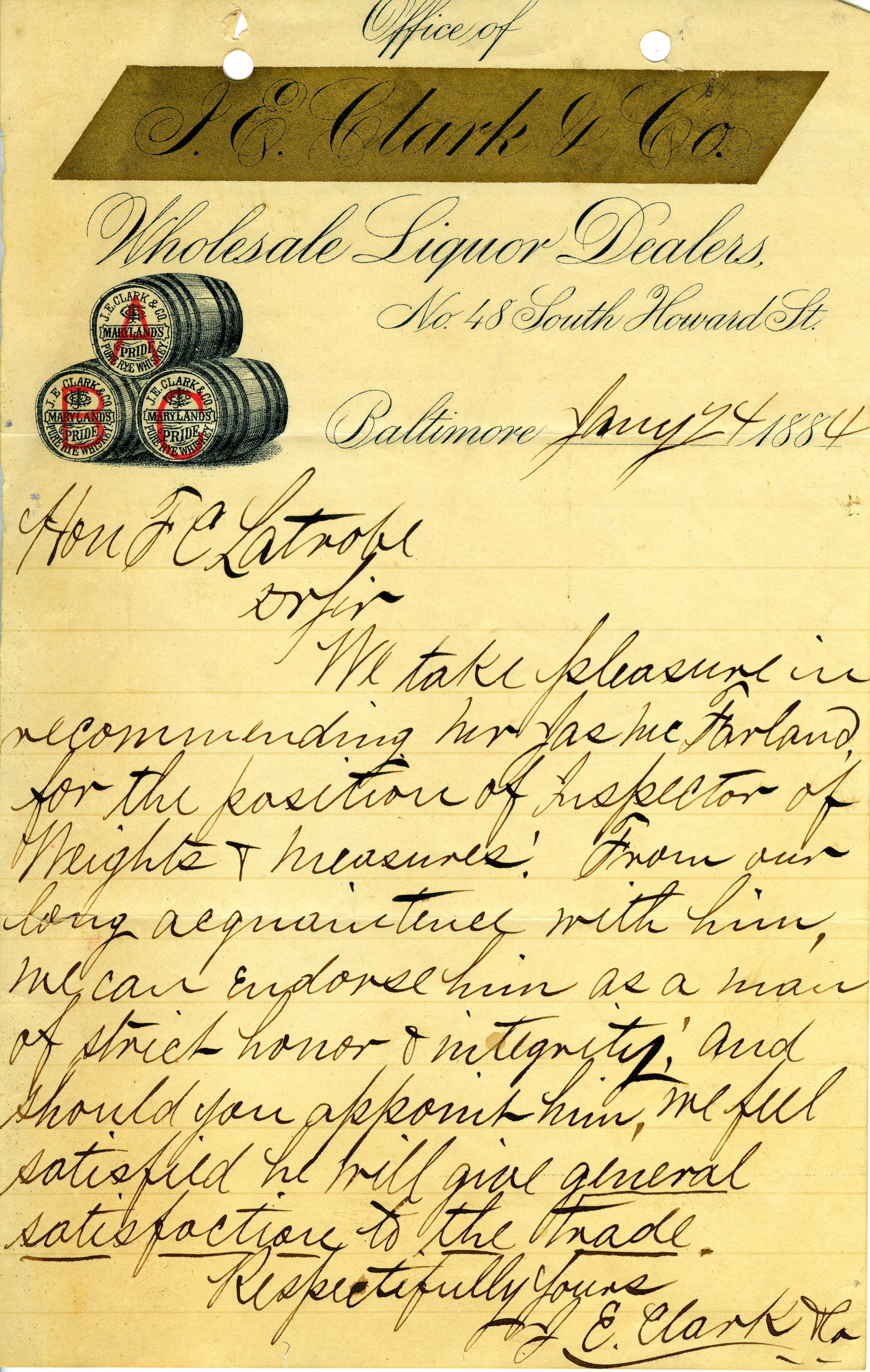
January 24, 1884 Letter from the office of J.E. Clark & Co., Wholesale Liquor Dealers, No. 48 S. Howard St. Baltimore to Hon (Honorable) (Mayor) F.E. Latrobe: Dr. (Dear) Sir, We take pleasure in recommending hon (honorable) Jas. McFarland for the position of Inspector of Weights and Measures! From our long acquaintance with him, we can endorse him as a man of strict honor & integrity and should you appoint him, we feel satisfied he will give general satisfaction to the trade. Respectfully Yours J. E. Clark & Co.

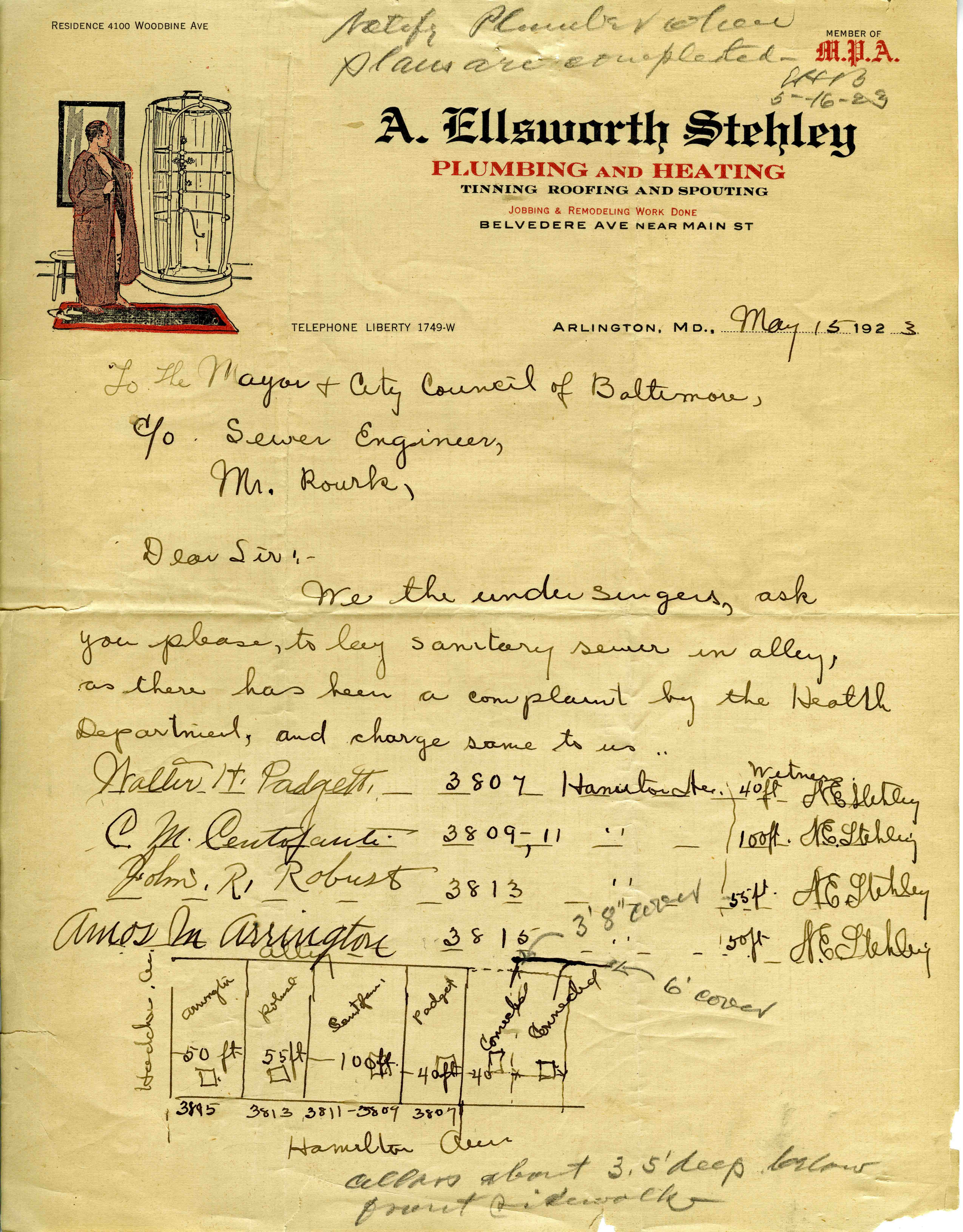
May 15, 1923 Letter from Stehley Plumbing to the Mayor and the sewerage engineer Ruark asking for a sanitary sewer in the alley, houses along Hamilton Ave. and ? (Where Remmell Ave. is now)(Not sure if initials in upper right are Mayor Broening’s? Note says to notify plumber when plans are completed).

I looked on a few maps and still cannot find the name of the intersection that 3815 Hamilton Ave. was at back then. Someone once asked me when did Northeast Baltimore get a sewer system? It was about this time.

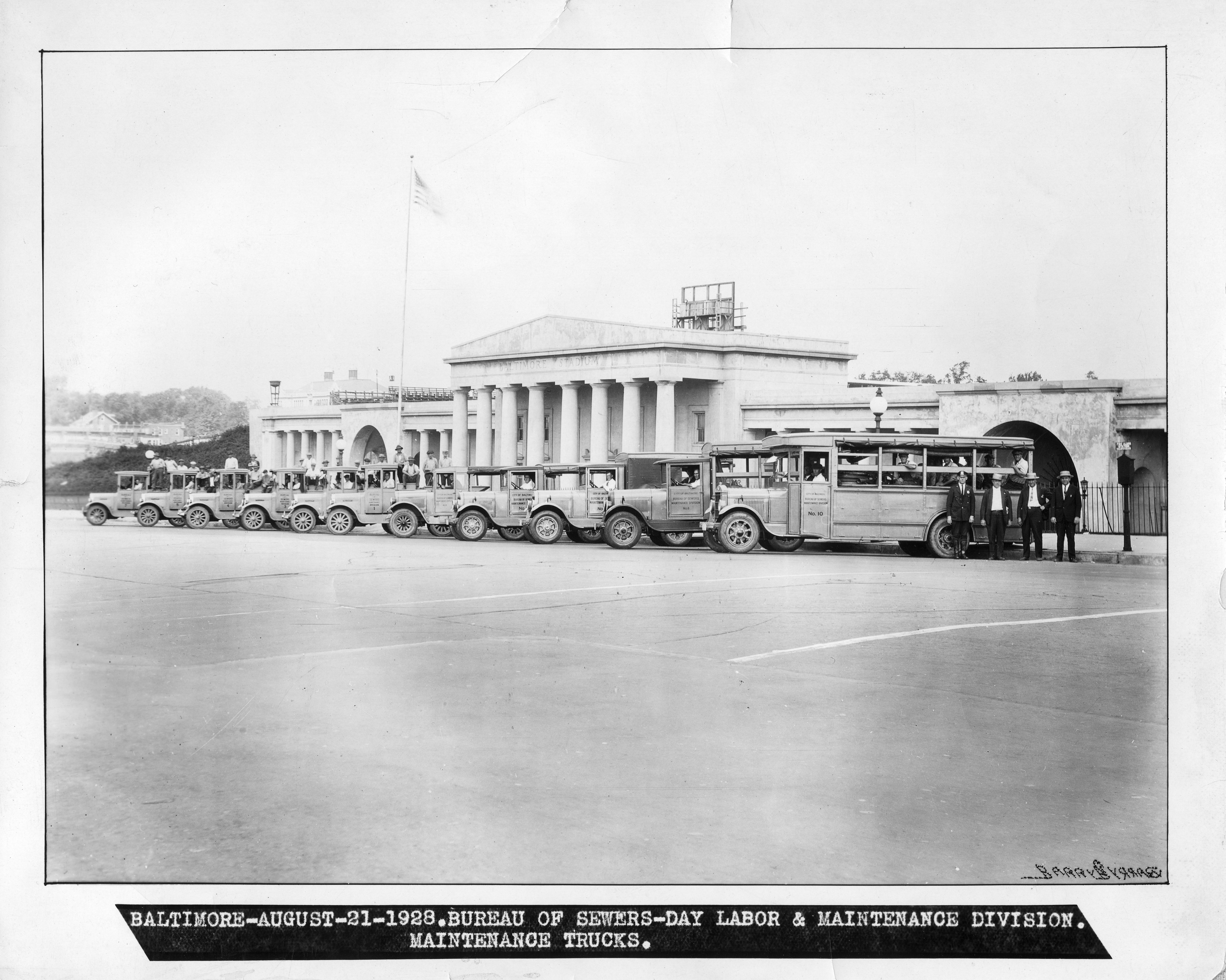
A photo I posted on Facebook a couple years ago, showing Sewerage Maintenance trucks and workers back in 1928, parked in front of the Baltimore Stadium.

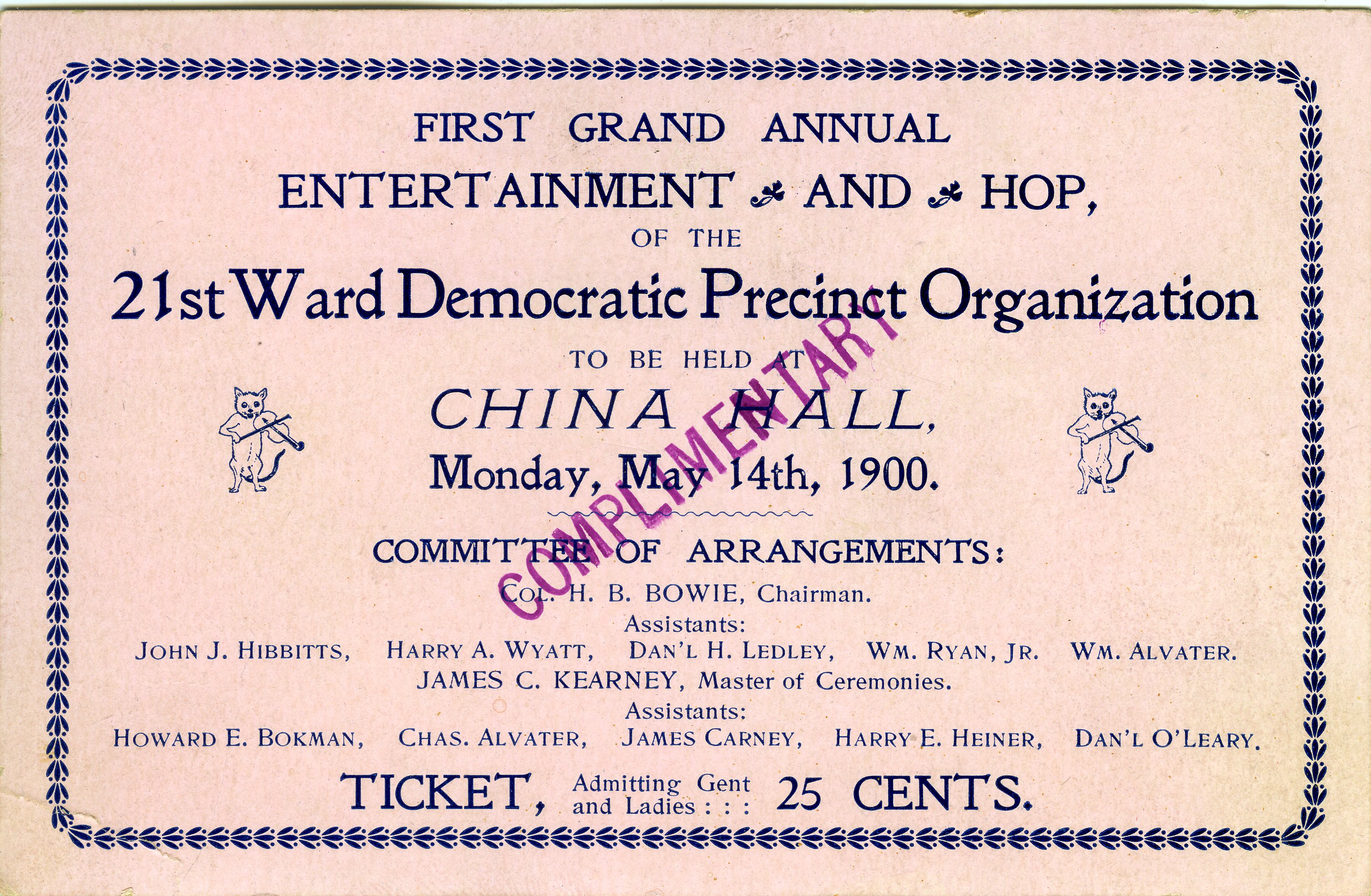
Democrats doing the Hip-Hop back in 1900! I looked up the 21st District to see where the China Hall was located. Found China Alley but no Hall.

Baltimore 1910-1965

24 Monday Apr 2017

Posted by Ronald Parks in Baltimore, HISTORY, Inner Harbor

≈ 2 Comments

Tags

Baltimore, boats, bridges, engineering, Inner Harbor, Jones Falls, photography, Public Works

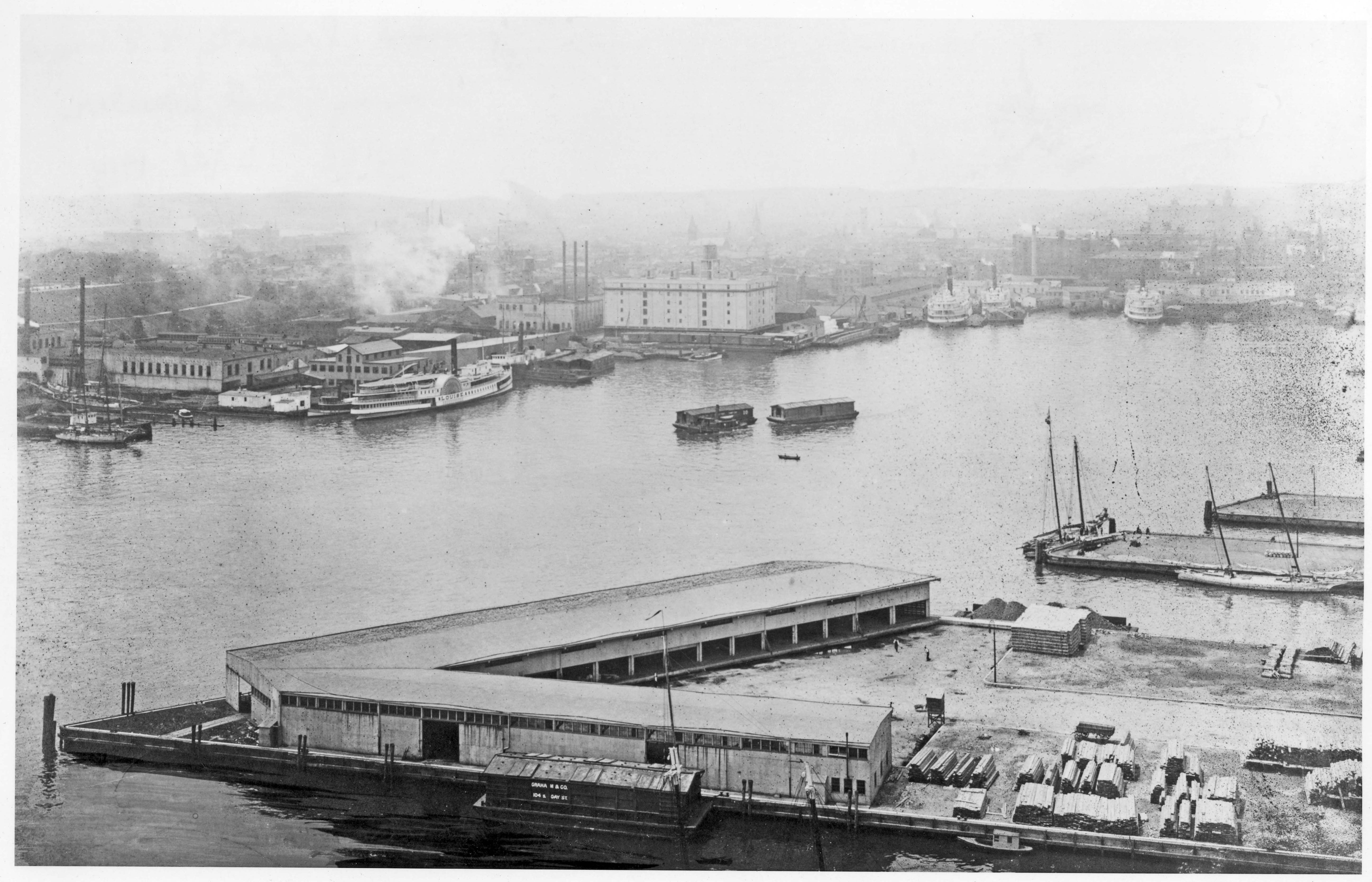
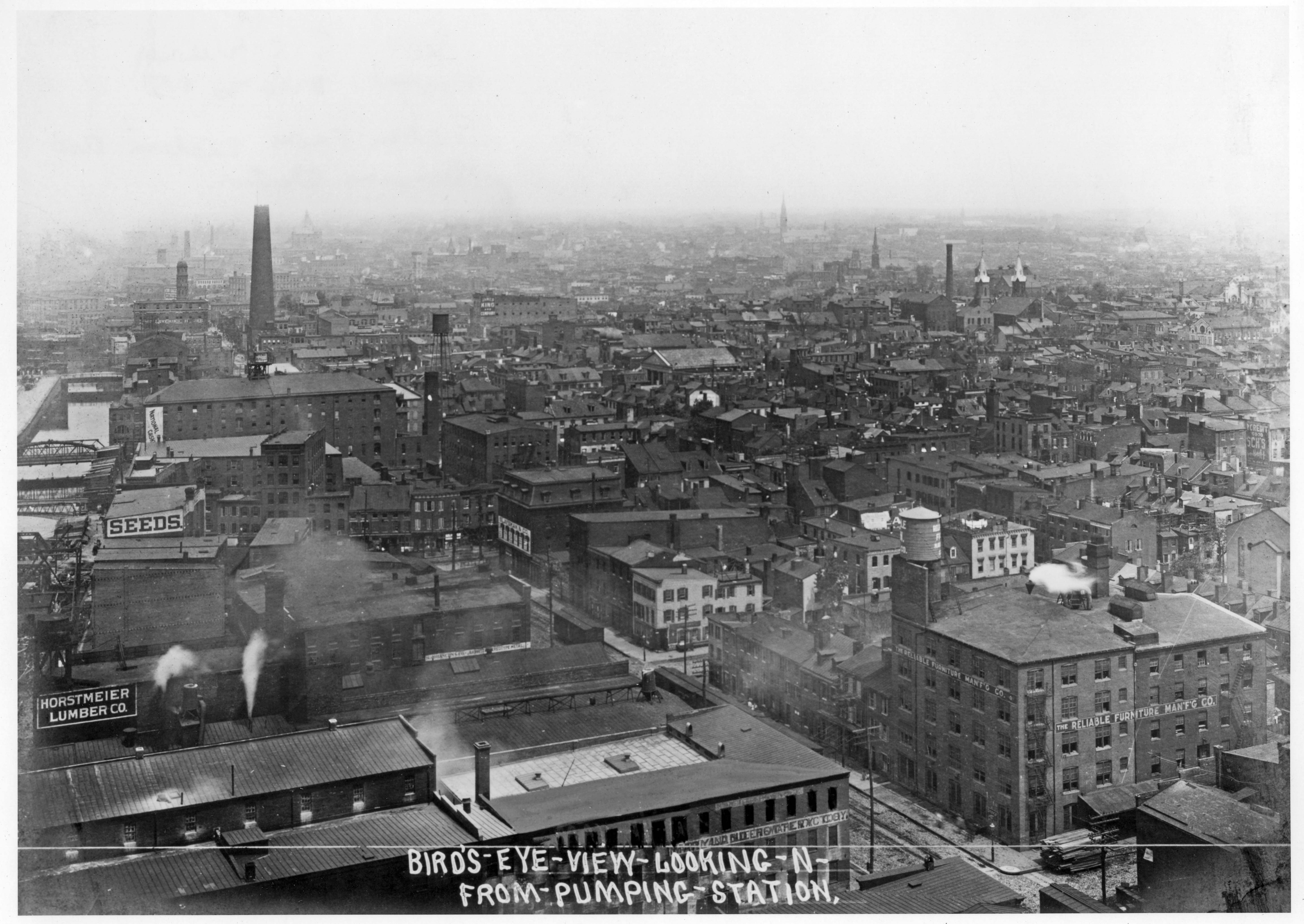
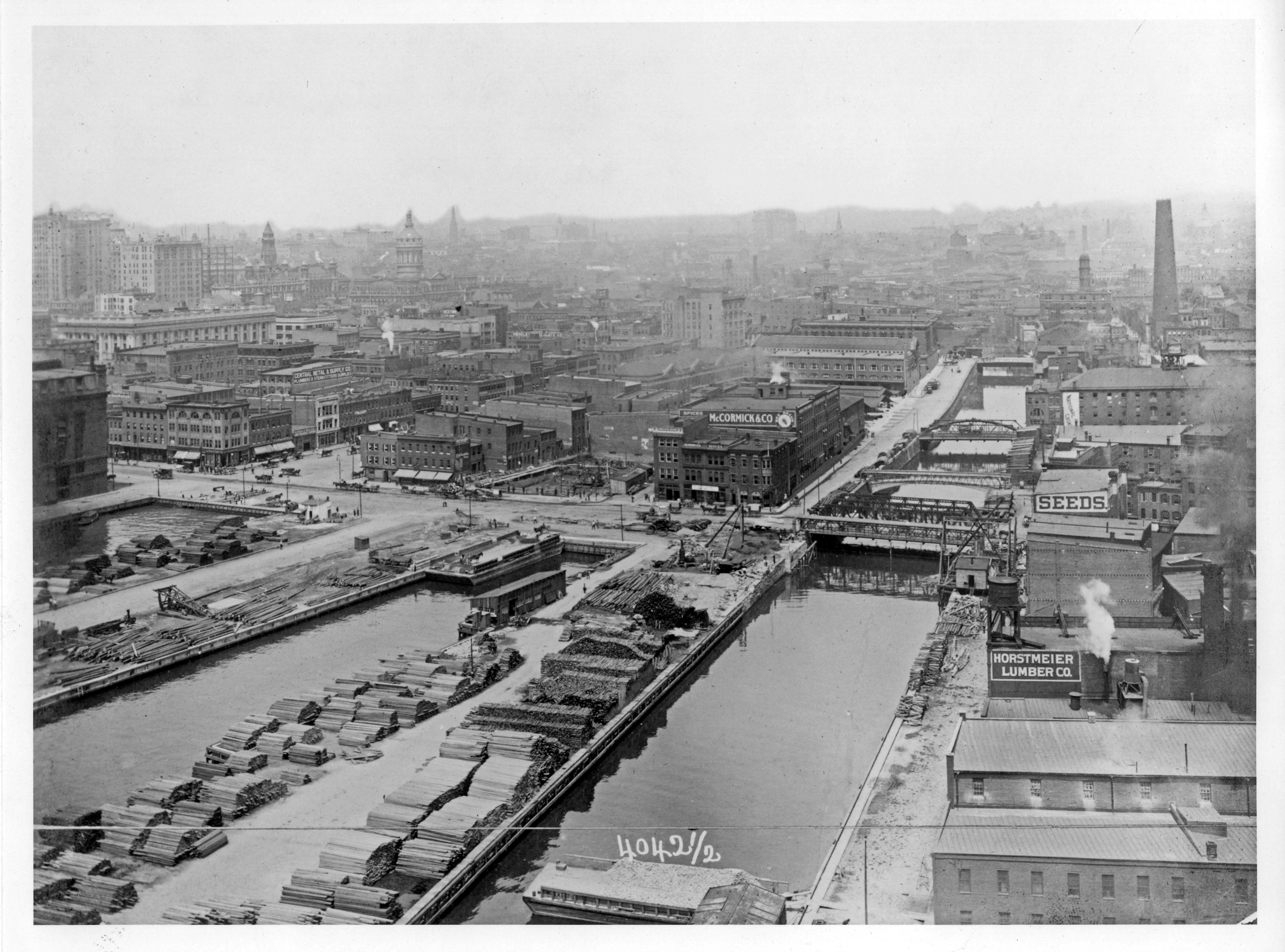
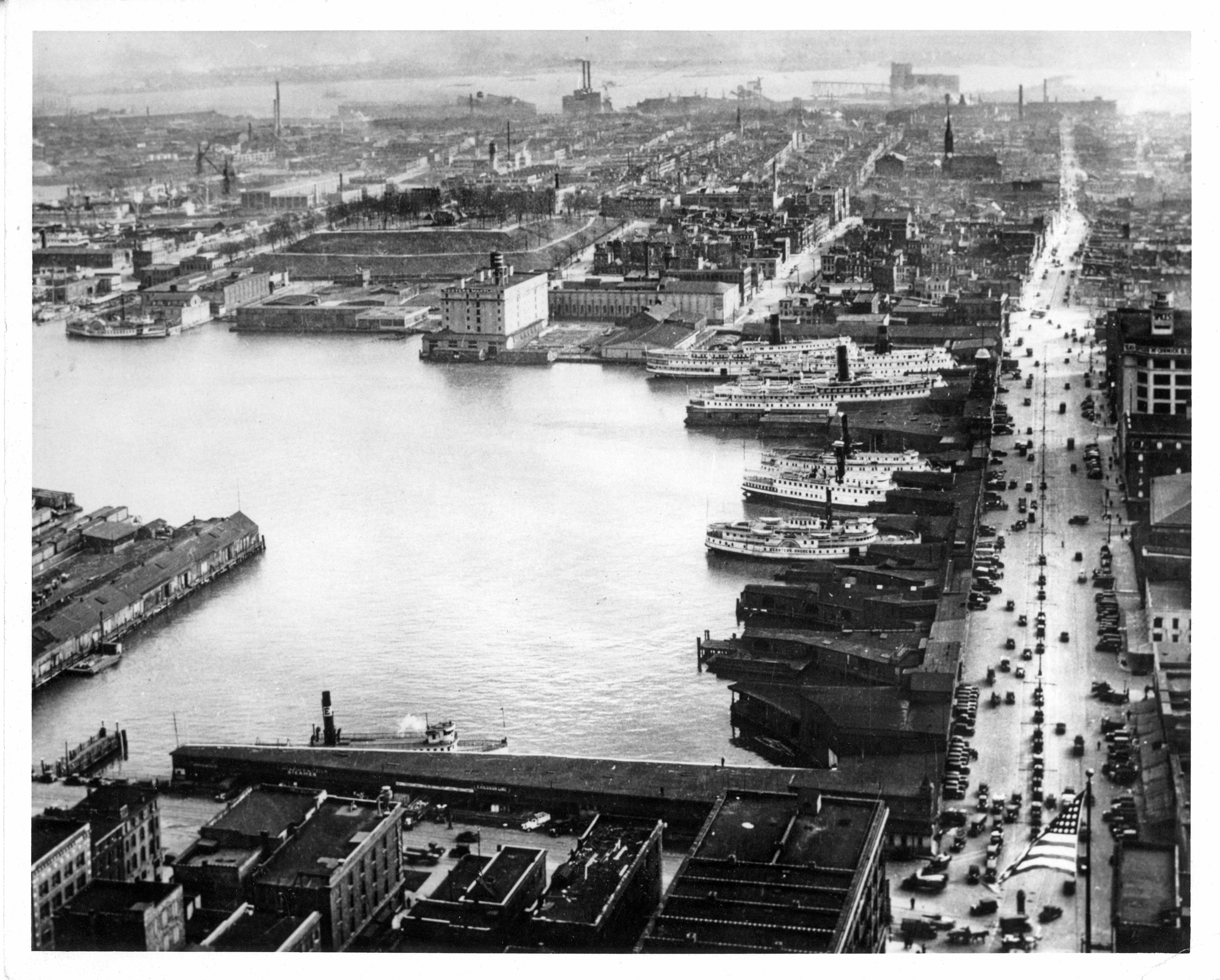
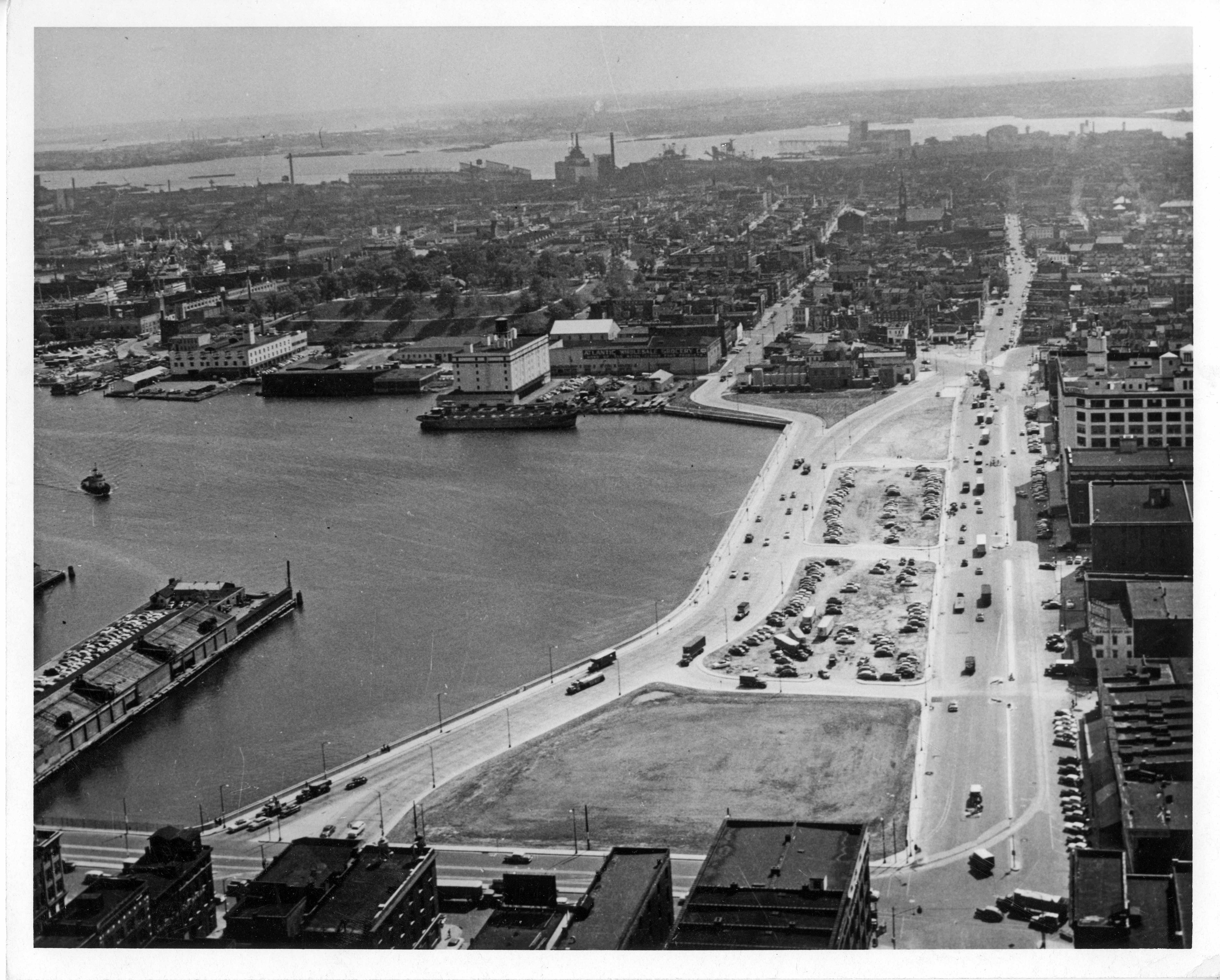
Scanning and documenting some more photos from the DPW Museum collection. A while back I had posted some photos taken from the smoke stack of the Eastern Avenue Pumping Station – they were in bad shape and a lot of smog in the pics. These look more like originals. Found in an unmarked folder. Some writing on reverse of photos.

On reverse of this photo is stated: Property of C.C. Wisner showing side wheeler Louise. 1910

Also marked as Wisner and being taken by A. Waldek (His name is spelled two different ways on 2 photos). Undated. Looking north. Shot Tower in upper left.

Another undated one. Assuming between 1910 and 1934 . Marked with Wisner and Waldeck. View of Pratt Street up Jones Falls.

Notation on back: Baltimore City, Old Light Street waterfront piers and docks since removed. 1949.

And after the removal. About 1954.

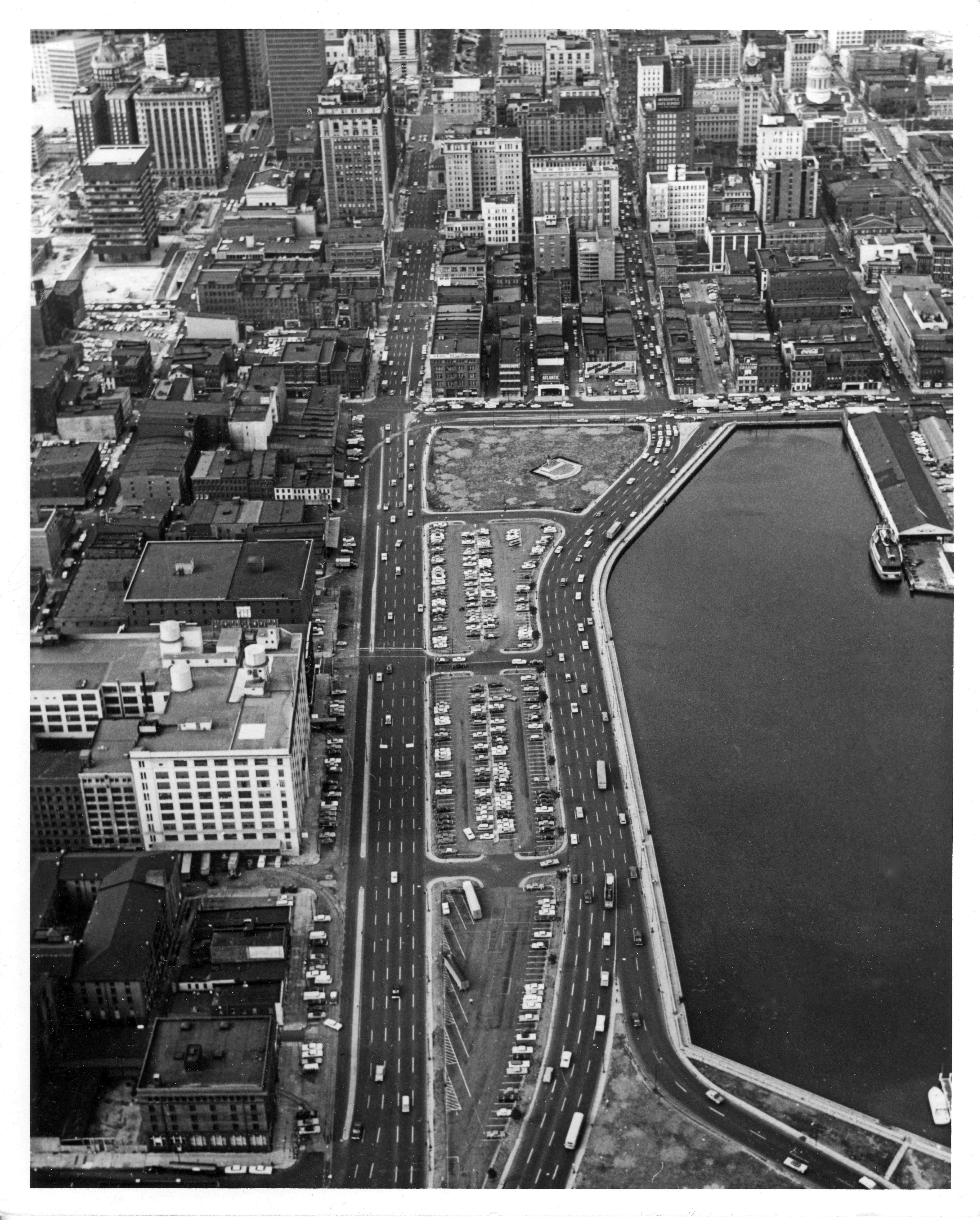
1965 improvements prior to the Inner Harbor becoming Harbor Place.

Lewis M Keizer Farm

24 Friday Feb 2017

Posted by Ronald Parks in HISTORY, water history

≈ 4 Comments

Tags

Baltimore, Cromwell Park, engineering, glass plate negatives, Gunpowder Falls, HISTORY, Loch Raven, POLITICS, Public Works, water, water history

I was called up to Loch Raven today because the contractor punched a hole through the ten foot water supply conduit, but that is a another story for another time. A lot of finger pointing going on so I should stay quiet for now…

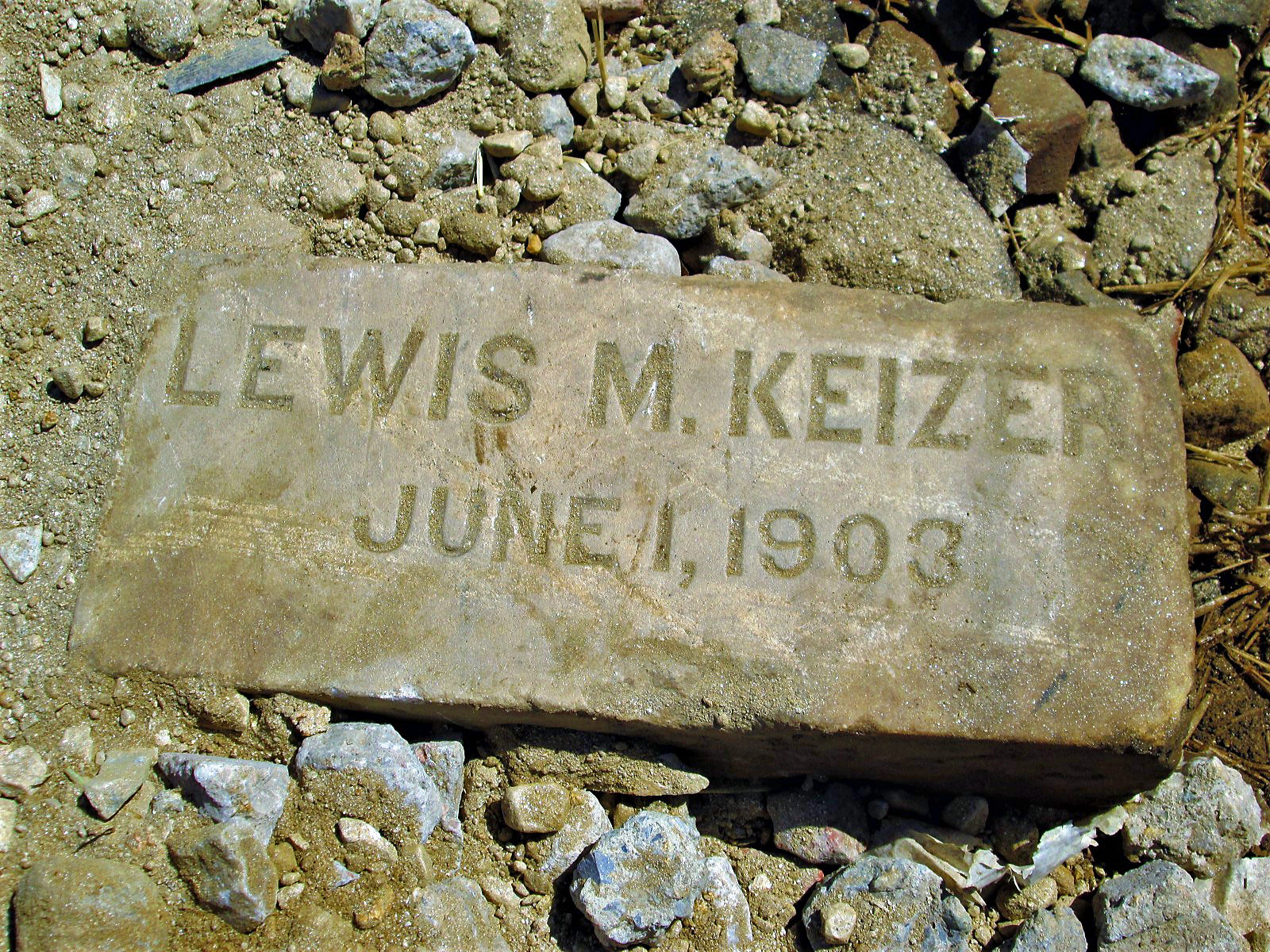
Anyway, while up there one of the laborers approached me and asked if I was the history guy and did I want to see something? Ok. He showed me the below stone:

067

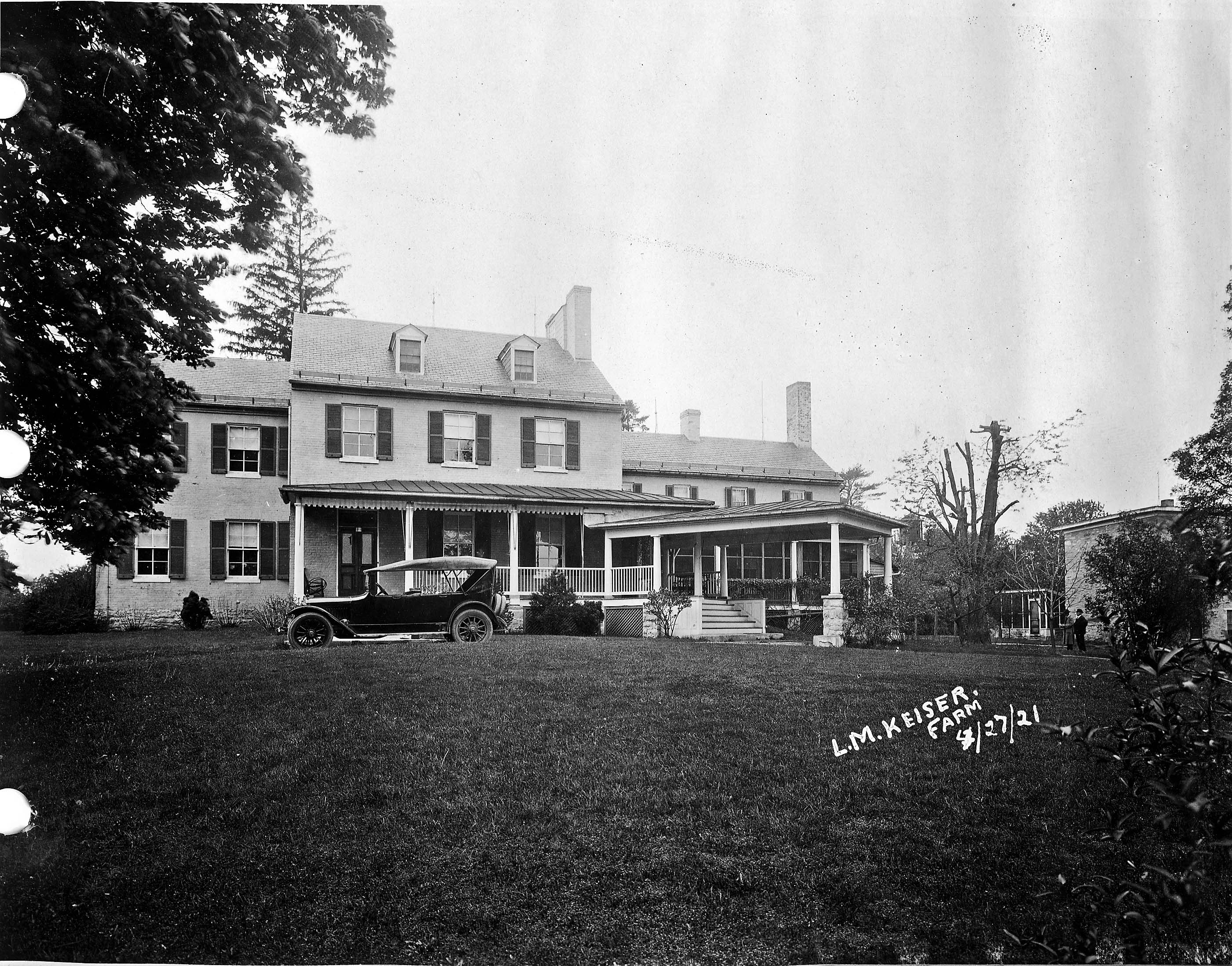
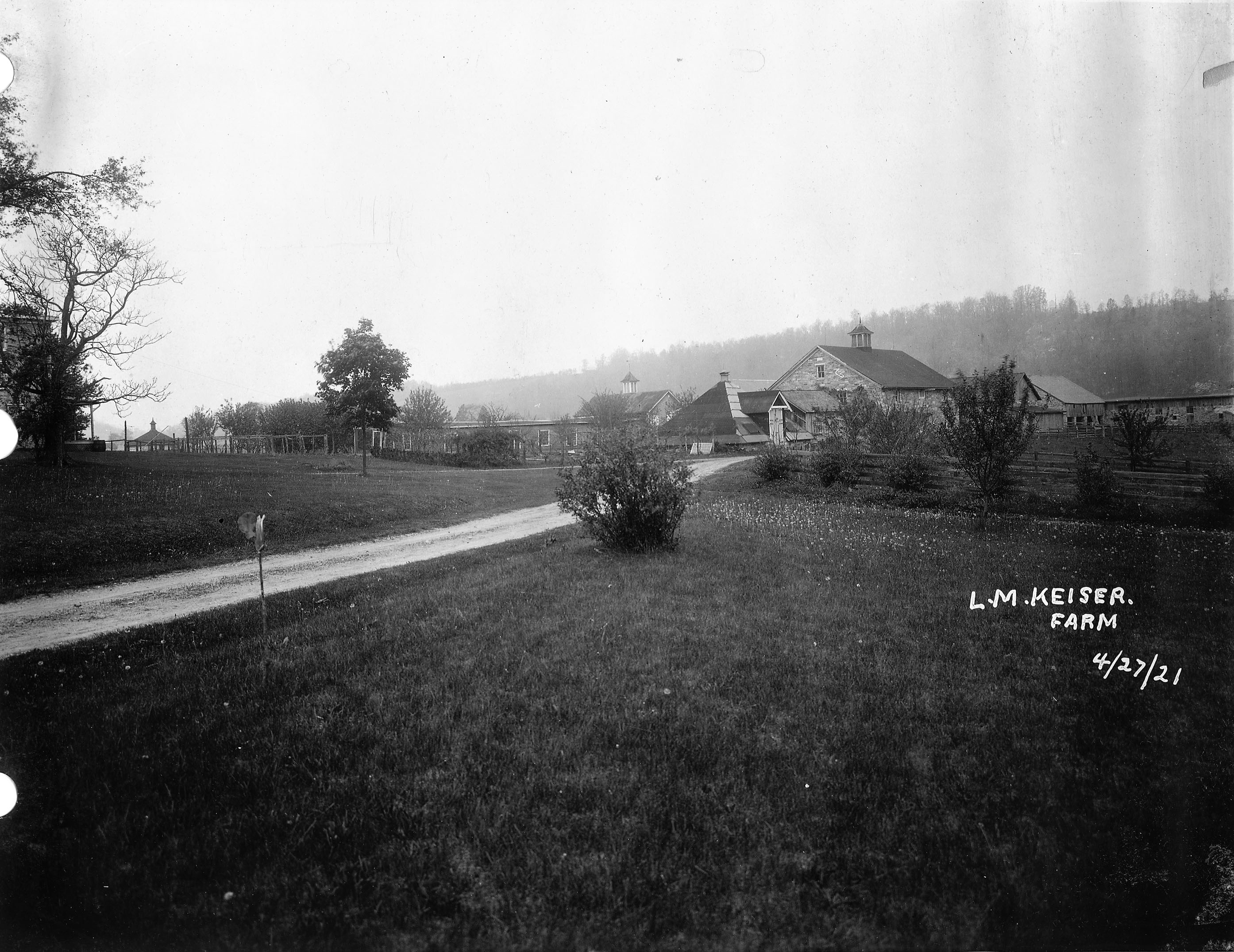
This is a nice sized marker (I hope it’s not part of a grave marker!) I recognized the name from some research I had done. So I did a quick look to see what I could find. I asked two of the workers there to load it onto my truck for me. Below are 2 photos of the old farm in 1921.

tract86a-1

This was when the city was buying up all the property around the Gunpowder Falls for the watershed, to raise the dam.

tract86a-2

It was a nice farm and the city didn’t tear it down, instead they used it as can be seen in the below excerpts:

1880 record of land acquisition and plat.
October 19, 1922 letter from assistant engineer Browne to Loch Raven resident engineer Allen, “…Megraw here today…you were to appoint a watchman for the Keiser property…a man who is now employed by Keiser known as Arc [Tracry]. Please permit me to tell you that this man has a (?) rep in this vicinity…he is a common thief. He has also deserted his wife and is living openly here in a city house with another woman…” October 23, 1922 letter, marked at top “Confidential Department Business” from assistant engineer Browne to Loch Raven Resident Engineer Allen, “I wish to advise you that [darkey] on Keiser property is about to move some property from such place during next day or so.”
November 6, 1922 memo from assistant Engineer Brown to Resident Engineer Allen, “The negro Henderson, former farm hand for Mr. Keiser, has visited this property and endeavored to start a row here. All due to his not moving his things…he comes and takes what he wants…need some direction from you as to what to do.”
January 23, 1928 letter to Armstrong from Rost, “Kindly permit Doctor Stuart Cassard to inspect the Keiser property (Near Phoenix, Loch Raven watershed). April 21, 1928 request from Girls Vocational School for tours of both Loch Raven and Montebello. July 3, 1928 letter, “To Whom It May Concern, This letter gives authority to bearer, Mr. G.S. Koller…and party to use the grounds of the Keiser property…for an outing. The request for this permission was endorsed by Mr. McKeldin, secretary to Mayor Broening.” October 10, 1928 another letter giving permission to inspect Keiser property, including the mansion house.
A different Keizer farm but a head scratcher never the less: May 17, 1948 letter from Fenwick Keyser to Small: Becoming involved with such people is a profitless occupation. They would only retaliate by harming my cattle, my dogs, or setting fire to farm buildings. All of the neighbors who own their homes around me are sober, industrious people. We are all on the best of terms. We do not shoot each other’s dogs or heap abuse on each other. I have tried to get along with your tenants. A few months ago I rounded up the escaped goats owned by the renter in the old Kiser place. He replied by killing our pet cat a few weeks later.

Nice history! But as can be seen in the 1928 note, the property was at Phoenix so what was this marker doing where the laborer found it? Eight miles away as the crow flies? A Google search also shows that Lewis Keizer had 3 patents for engine carburetors.

Hiking and History

21 Tuesday Feb 2017

Posted by Ronald Parks in Baltimore, Hiking, HISTORY

≈ 2 Comments

Tags

Baltimore, Dams, engineering, Gunpowder Falls, Hiking, HISTORY, Loch Raven, nature, photography, Public Works, water history

Kathy just loves it when we go on hikes and I fill her head with a bunch of useless information! Went to Loch Raven Saturday since it was so nice out – looking for eagles.

Before the eagles, we saw this guy trying to hide from us.

I guess we saw about 4-5 different eagles. This one was trying to hide too.

Kathy has known that I always wanted to go to the other side of the dams (in all my years hiking, I’ve never been there), so she grabs up Molly and starts heading across the rocks.

Looking for more eagles.

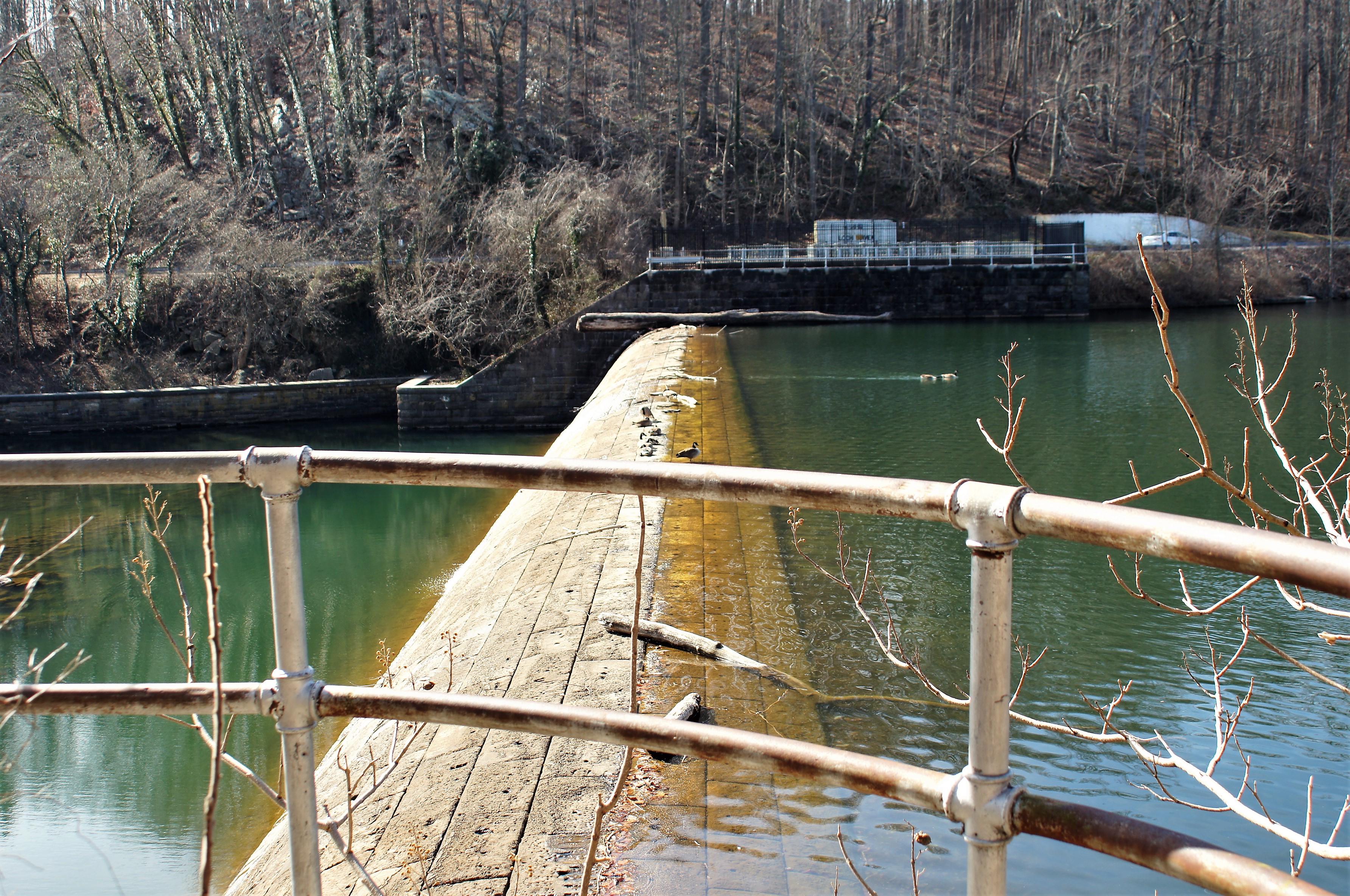
Top of the east side of the old dam. Across the way are the gate house valves.

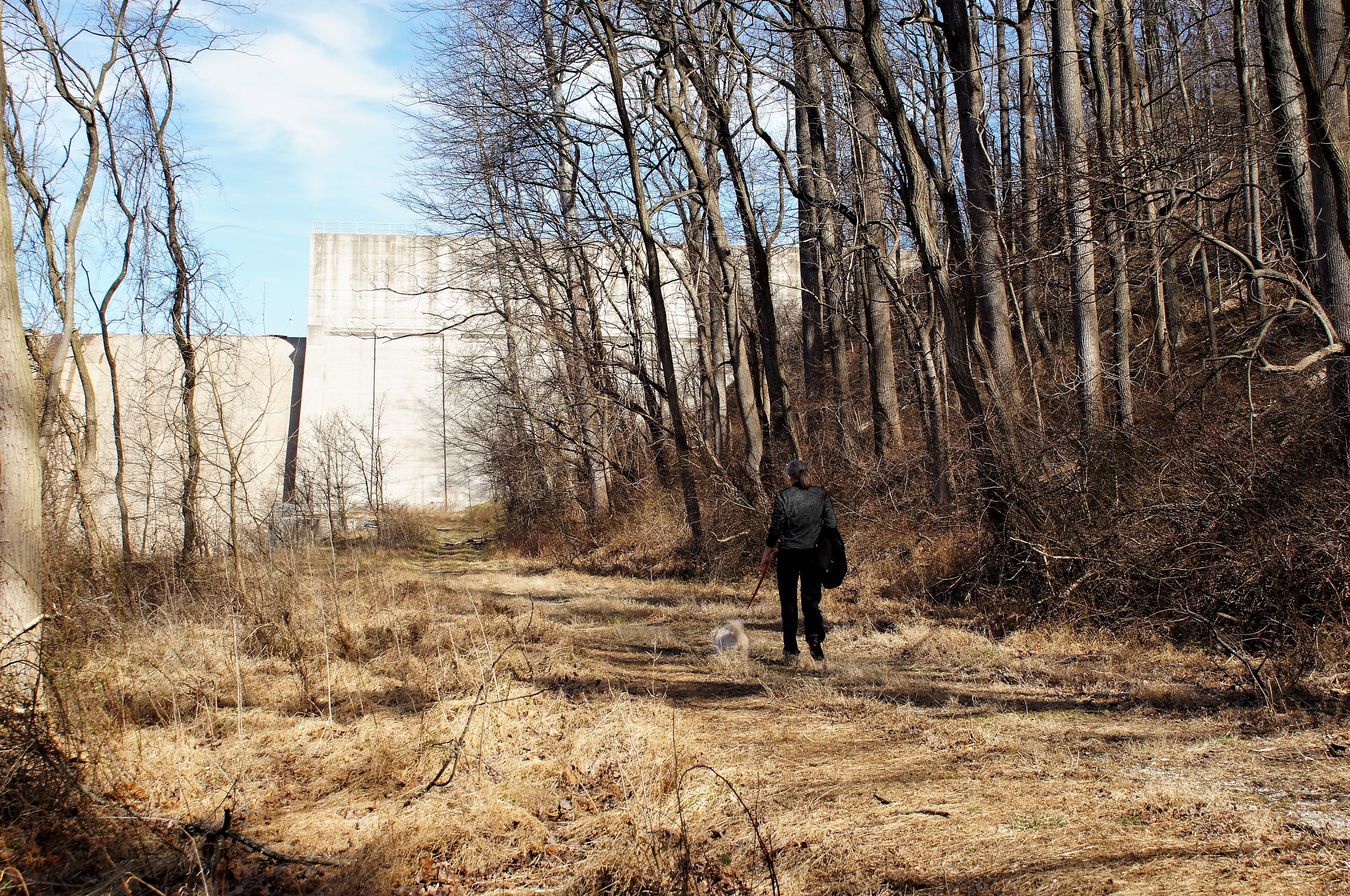
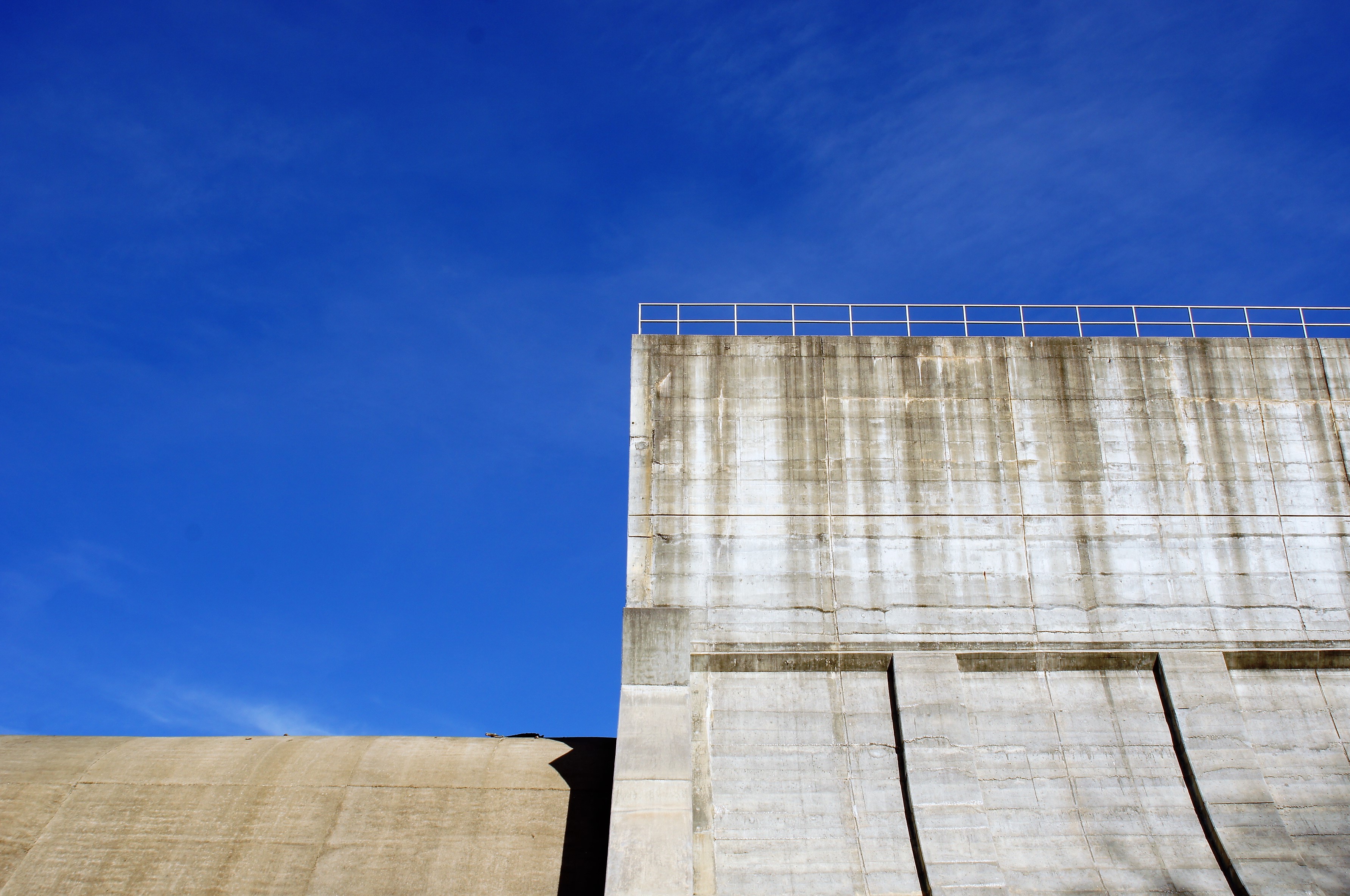
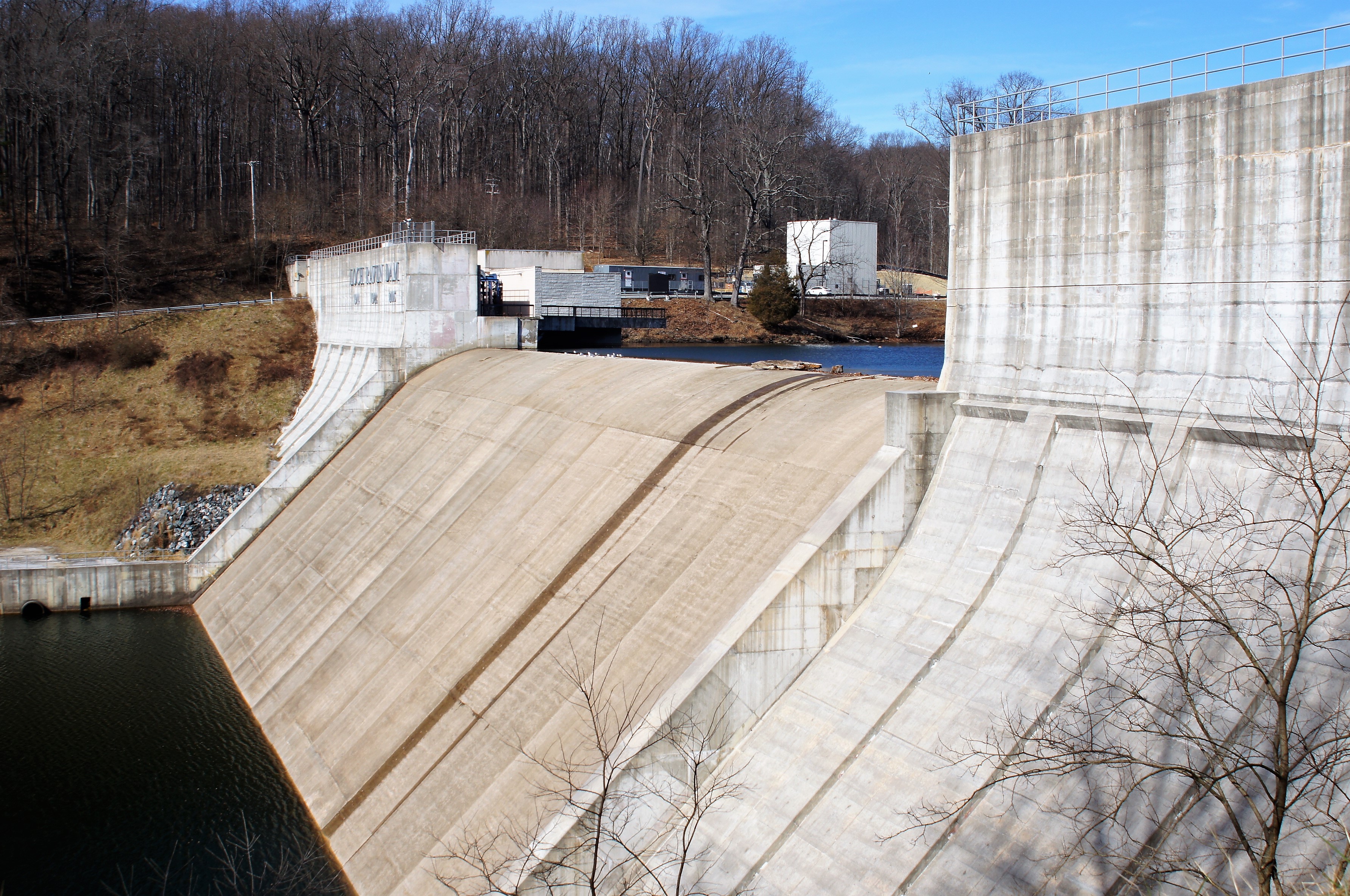
Next we headed towards the newer dam, which actually underneath is a 100 year old dam.

Look! An Eagle! Damn – too slow on the shutter!

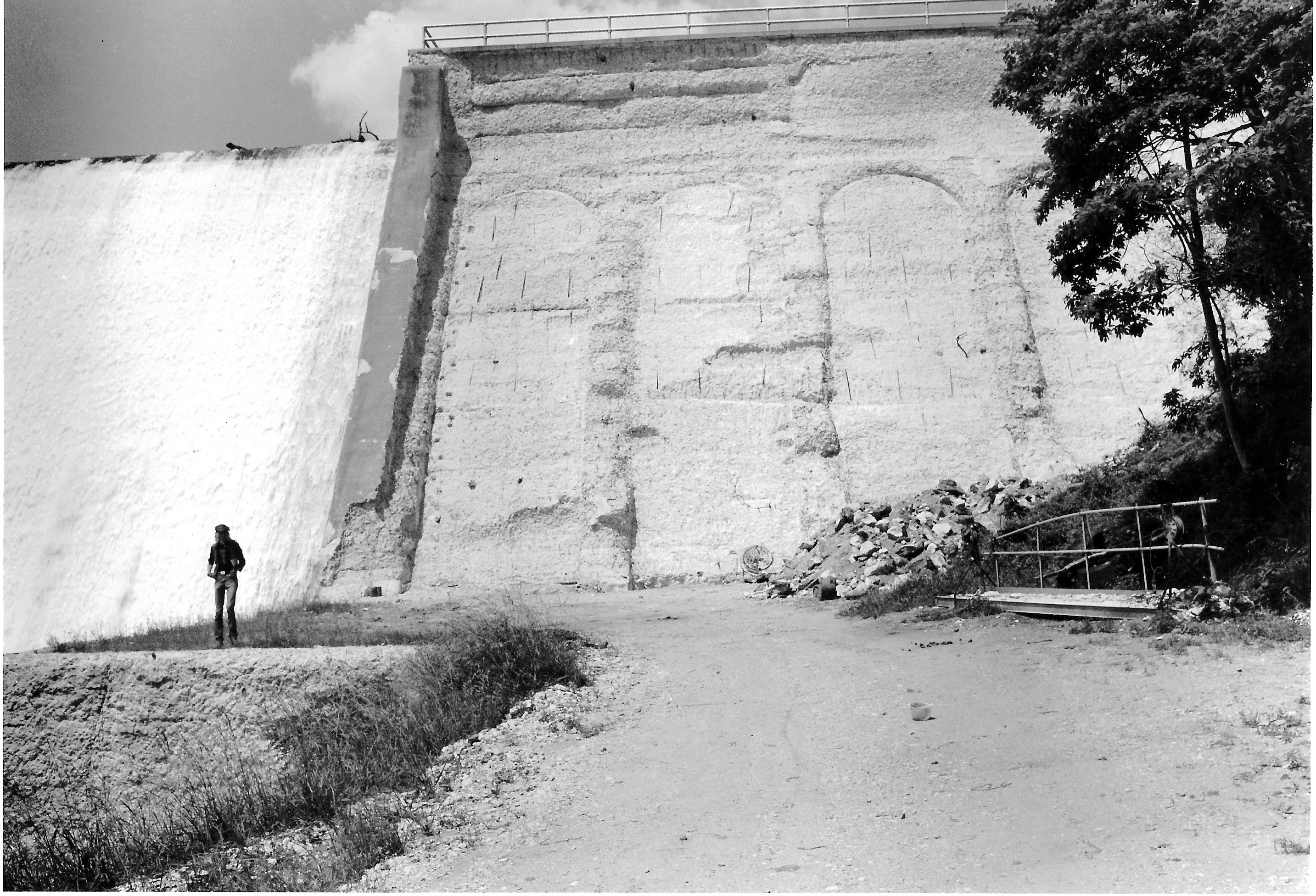
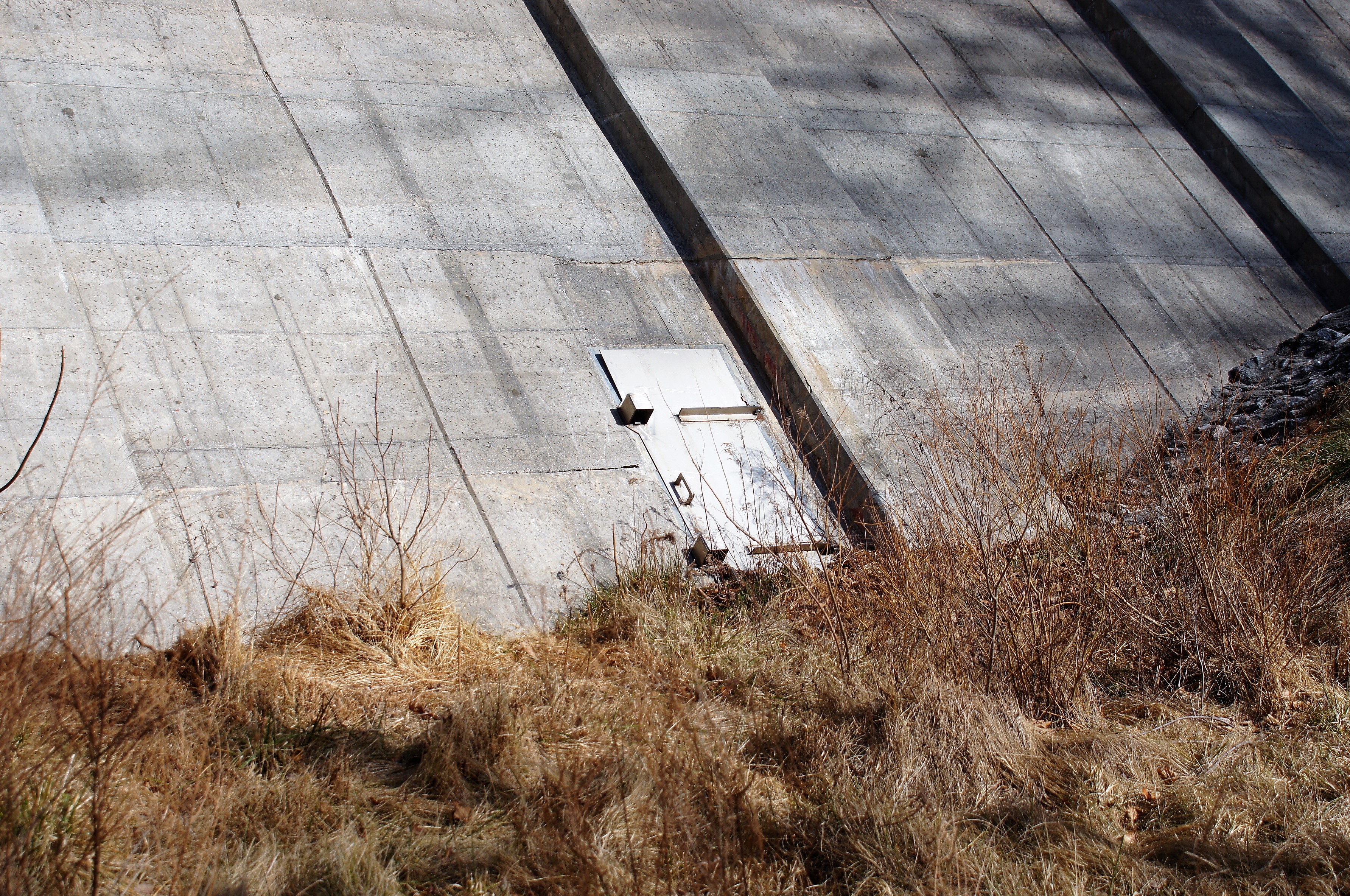
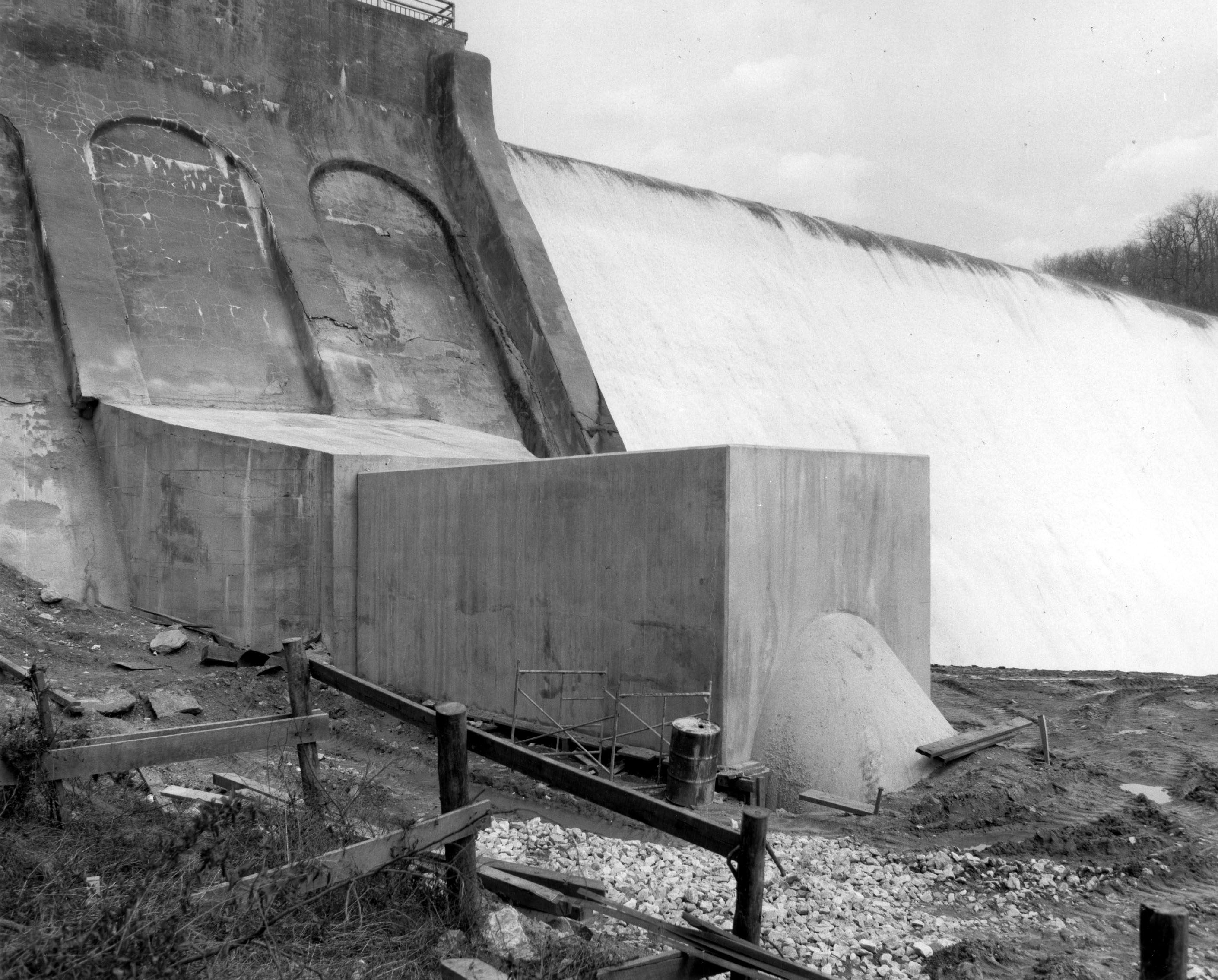
Here is the same dam in the 1970s – it was falling apart really bad. Looking close you can see a circular cap on the lower face.

When they refinished the face of the dam, the round hole became square. It was locked.

Besides the face lift the dam gets, they also built a Zebra Mussel station – tall white building in background. They never used it and now more construction is going on behind it – an admin building of some sort.

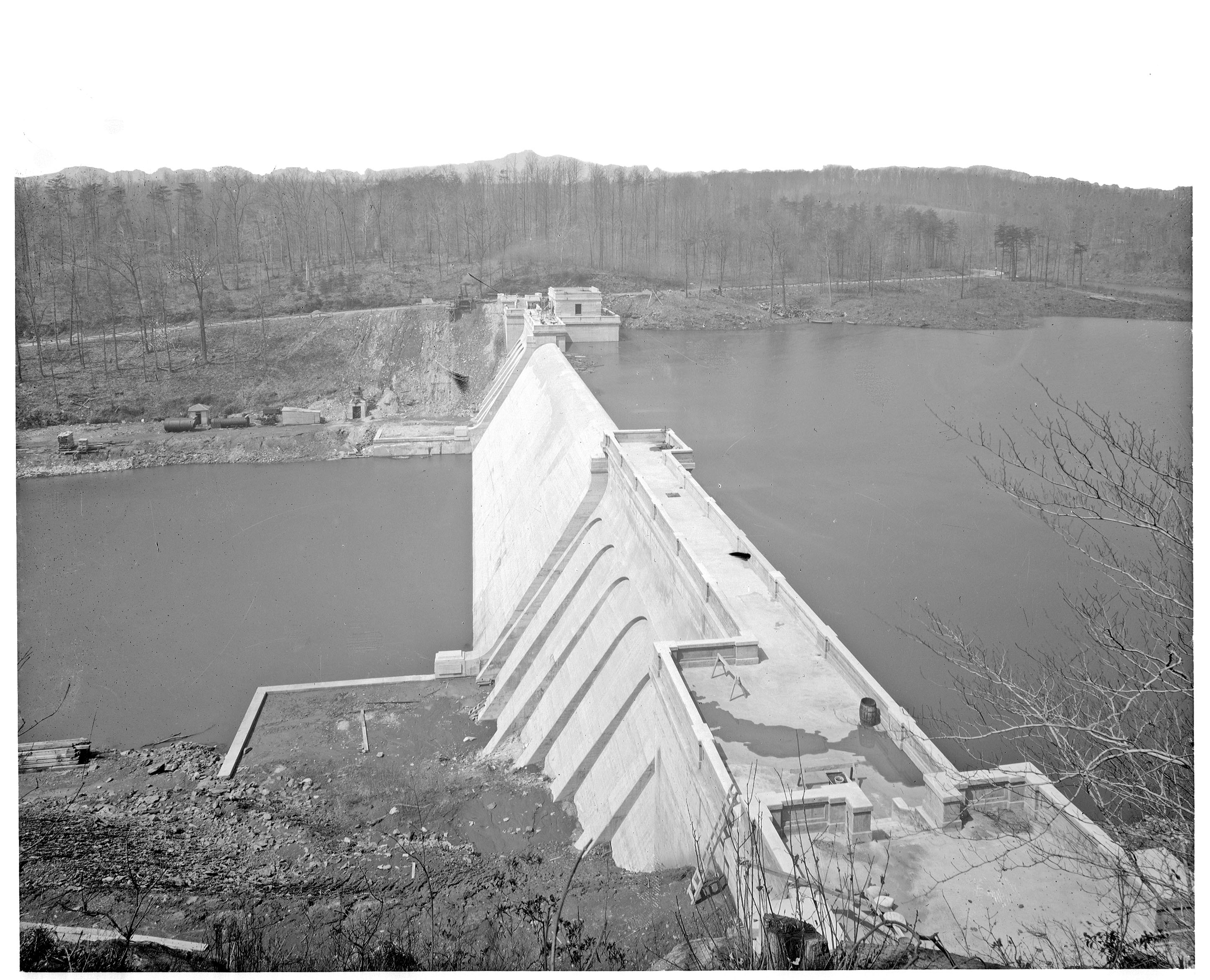
How Loch Raven dam looked in 1922. Notice on the lower portion across the water. The land is at the same elevation as this side, but…

Now it is elevated by the placement of this pipe. This pipe is covered in dirt. I’m still not sure why they installed this pipe into the face of the dam??? I have the drawings and project photos, but nothing to say why?

So all this is to say that the original dam, under this one was built in 1914. It was at an elevation of 188′. The newer dam was placed on top of it in 1922 – elevation 240′. Then in the 70s and again in 2005 it received various face lifts and this is why it will never get a historic designation..

Love – Hate Relationships

14 Tuesday Feb 2017

Posted by Ronald Parks in engineering, HISTORY

≈ 2 Comments

Tags

Baltimore, bridges, Dams, engineering, FILTRATION, glass plate negatives, Gunpowder Falls, HISTORY, Public Works, water history

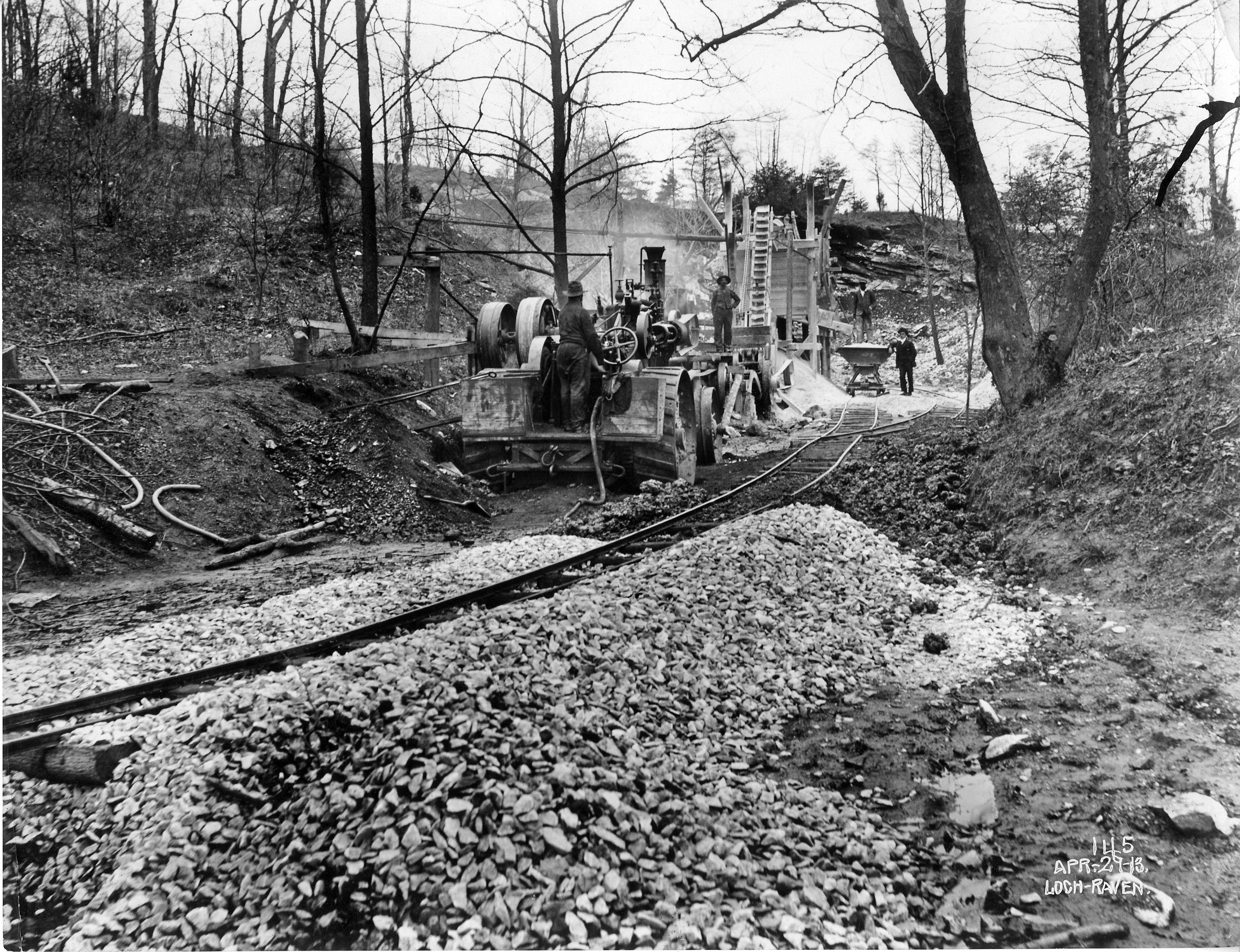
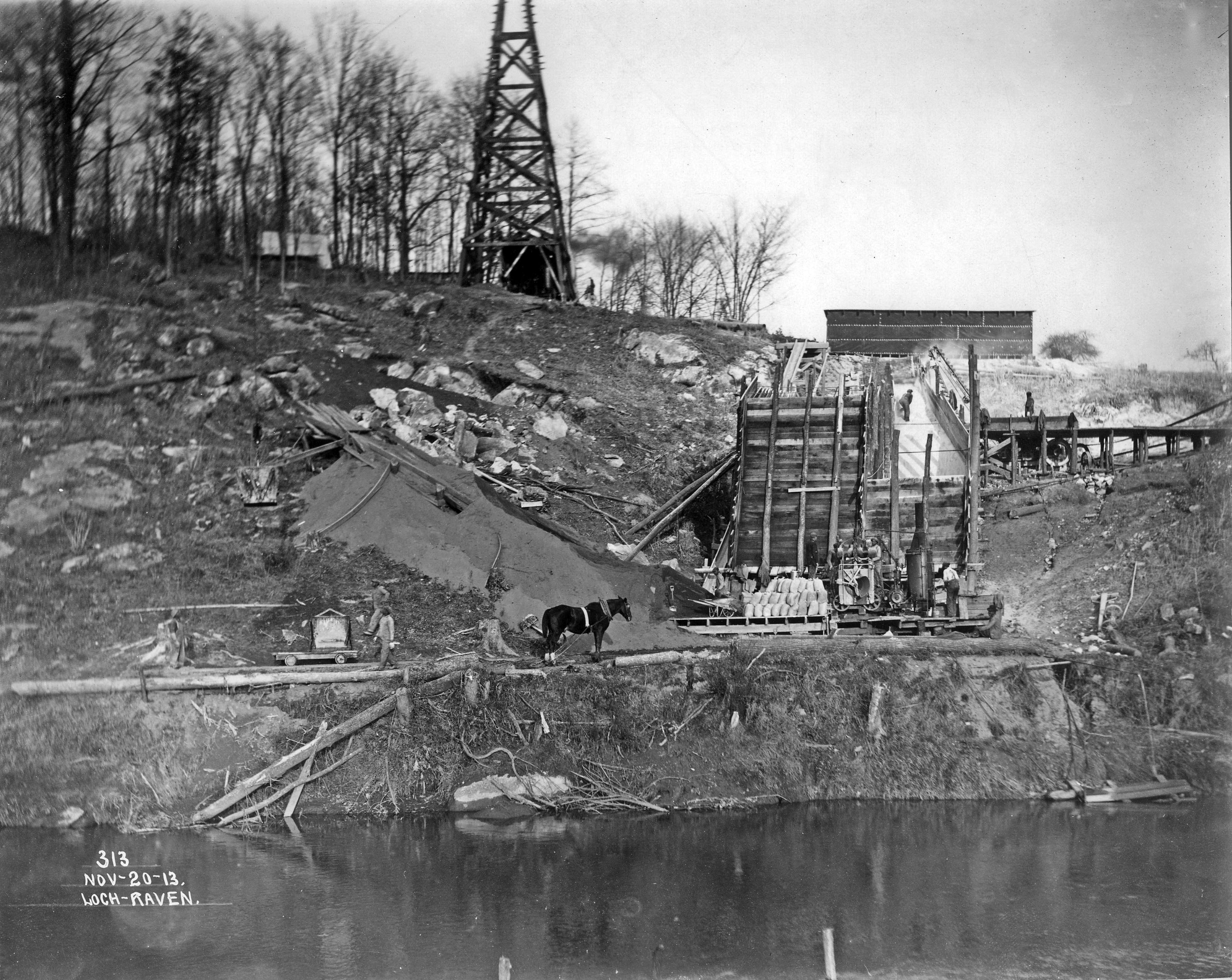
Sorry, this is not a Valentines Blog! This is in regards to my job. Co-workers know I do the archiving, so when they think it’s time to clear out some filing cabinets, they bring all their junk drawers to me. I hate it! So I sort and document and throw out a bunch of stuff…but then, hidden between the pages of some obscure files, I find a folder of photographs! I love it! This particular group of photos are from the 1913-1915 building of the Loch Raven dam. They are the actual prints from the glass plate negatives. Some of which I’ve never seen or ones that I have, scanned from plates that were cracked or silvering. Poor quality. These are near perfect prints.

ic-006

 I have a very poor quality of this one with no real description. On the back it says – “Crushing Plant at Department Quarry near Bridge #1”

ic-001

Building Bridge #1 which is the first bridge up Loch Raven Drive from the dam. One thing I don’t understand about engineering is…

ic-002

…how do they take the upside down bridge and turn it right side up??

ic-003

I’m not sure what this one is, which is ok. I will look thru the old records and see if I can match it up some how. I thought it was of the construction of bridge #1 but the date wouldn’t be right.

ic-004

No description on this one either, but I like the guy in the back with a hatchet, wearing Frye Boots!

ic-005

This one is of the building of the bridge. Look close and you can see a typical City worker, sitting down on the job to the right!

White Boy (or Who Am I?)

09 Thursday Feb 2017

Posted by Ronald Parks in Baltimore, Genealogy, HISTORY

≈ 5 Comments

Tags

1904, ancestry, Baltimore, Genealogy, HISTORY, LIFE, maps, Research

For many years I had been told by family members that ‘we’ are part American Indian. I was even told what tribe we were part of – Delaware. Friends and co-workers told me that I ‘looked’ Indian. I was even given the nickname Cochise at work for a few years. I get really dark in the summertime and back then I had a ponytail.

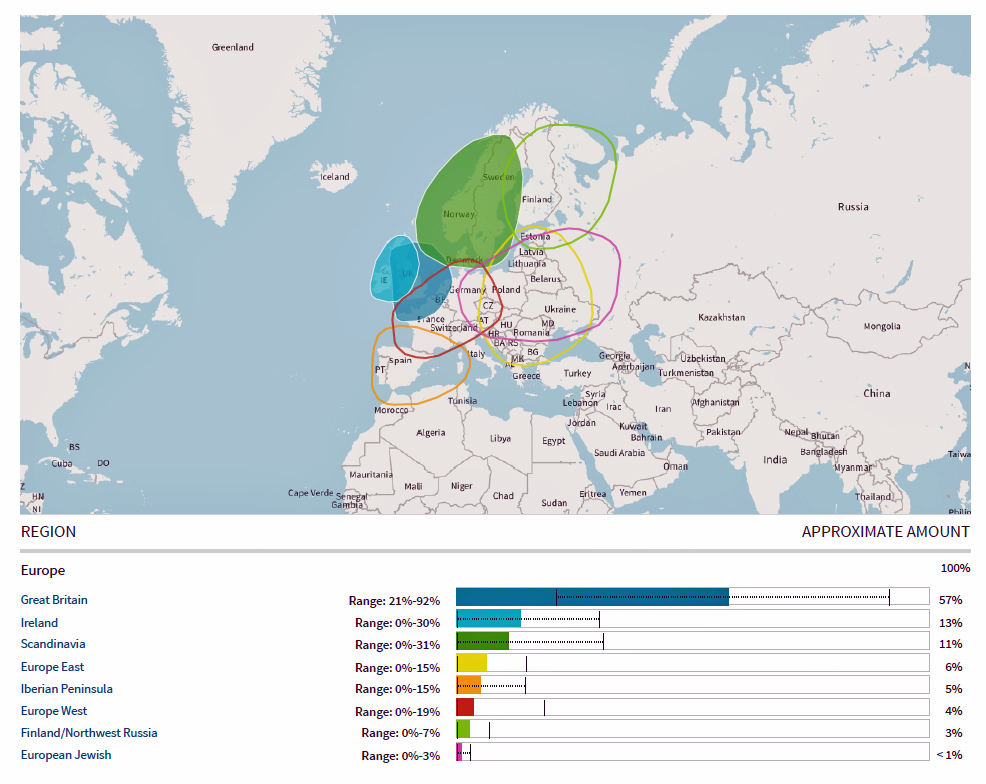
But then, Ancestry DNA happened. Come to find out, I’m probably one of the whitest white boys you’ll ever meet! Who knew! So I started doing the research through the Ancestry site and there is a lot of interesting information out there. Most notably, one relative of mine was the owner of Congress Hall here in Baltimore, where the second Continental Congress met (1776-1777). (Henry Fite). It burned down during the Great Fire of 1904.

So this is me. There is a lot of research to do yet on my family history. I often wonder what the hell they were thinking back then with the naming of the children? More times than not I wonder what other researchers are thinking when they add people to their family trees – Example: One person has listed that a parent of a relative was 10 when they had their daughter? All that is just to say that you need to be careful what you add to your own tree. Look at dates. And now, I can look at my ethnicity thru the DNA.

Who knew??

dna-map

You Decide

03 Friday Feb 2017

Posted by Ronald Parks in Baltimore, HISTORY, POLITICS

≈ Leave a comment

Tags

Baltimore, Druid Hill, HISTORY, Museum, photography, Public Works, Rec and Parks

shower1

Hands up, don’t shoot or a public shower?

img006

Early entrepreneur, ready to run for office or just some kid in a box on a flooded street?

img040

Good old days ice skating or the beginning of a race riot?

The negative comments I received after posting this last photo on Face Book was one of the many reasons I stopped using FB to post the museum archives. How in the world do you go from ‘The good old days’ ice skating at Druid Hill Park in the 1920s to ‘There’s a lot of racial tension here, look they’re carrying sticks’ to ‘it’s all Obama’s fault’!!??

The top two photos, although found in the DPW Museum Archives, I believe, are part of another collection, that the museum bought rights to use for one of its displays.

Major Payne (Not Damon Wayans)

23 Monday Jan 2017

Posted by Ronald Parks in Baltimore, Health, HISTORY

≈ Leave a comment

Tags

Baltimore, cholera, Fort McHenry, Health, HISTORY, POLITICS, water history

Folded letter of 1832 found in the archives. Benjamin was the son of John Eager Howard. Major Payne commanding the fort during the cholera epidemic?

img033

Front of folded letter:

Postmark, Jun 14 City of Washington
Free (postage)
Benj. C. Howard
To: William Steuart, Esq.
Mayor of Baltimore

“Letter from B.C. Howard Esq., on the subject of Quarantine Laws
June 14th, 1832”

img034-2

The letter:

House of Representatives
June 14, 1832

Dr. Sir,
I received this morning your letter of yesterday enclosing a correspondence between the Health officer and Major Payne which I laid before the proper Department; and am informed that an order will be transmitted immediately to produce the result which you desire, of obtaining the aid of troops in Fort McHenry –

I am Respectfully Yours,
Benj. C. Howard (Benjamin Chew Howard)

William Steuart Esq.
Mayor

← Older posts
Newer posts →

Blogroll

  • Flouride Action Network
  • lulu
  • My Book
  • WordPress.com
  • WordPress.org

Recent Posts

  • Bermuda 2023
  • ICELAND April 2023
  • George Chalmers of Fochabers
  • In Search of The Skipjack Ada Mae
  • Trap Pond Kayak

Blog at WordPress.com.

  • Subscribe Subscribed
    • Water and Me
    • Join 231 other subscribers
    • Already have a WordPress.com account? Log in now.
    • Water and Me
    • Subscribe Subscribed
    • Sign up
    • Log in
    • Report this content
    • View site in Reader
    • Manage subscriptions
    • Collapse this bar
 

Loading Comments...