• About
  • History Writings

Water and Me

Water and Me

Tag Archives: Dams

Druid Lake a.k.a Lake Chapman

17 Friday Nov 2017

Posted by Ronald Parks in engineering, HISTORY, water history

≈ Leave a comment

Tags

Baltimore, Dams, Druid Lake, engineering, HISTORY, Jones Falls, Lake Roland, Public Works, water history

From the Water Engineer’s office – drawings and history of Druid Lake. A Google search will give various histories of the lake. This history comes from the actual Water Engineer’s reports to the Mayor at that time:

1863 Druid Lake (Lake Chapman): City authorized construction of lake and reservoirs in Druid Hill Park and the land adjoining. Also authorized to lay pipe from Hampden Reservoir or from the conduit to a reservoir or reservoirs within the park. Heavy rains had caused the Jones Falls water to be muddy, hence the need to construct Druid Lake. Work started on March 7, 1864
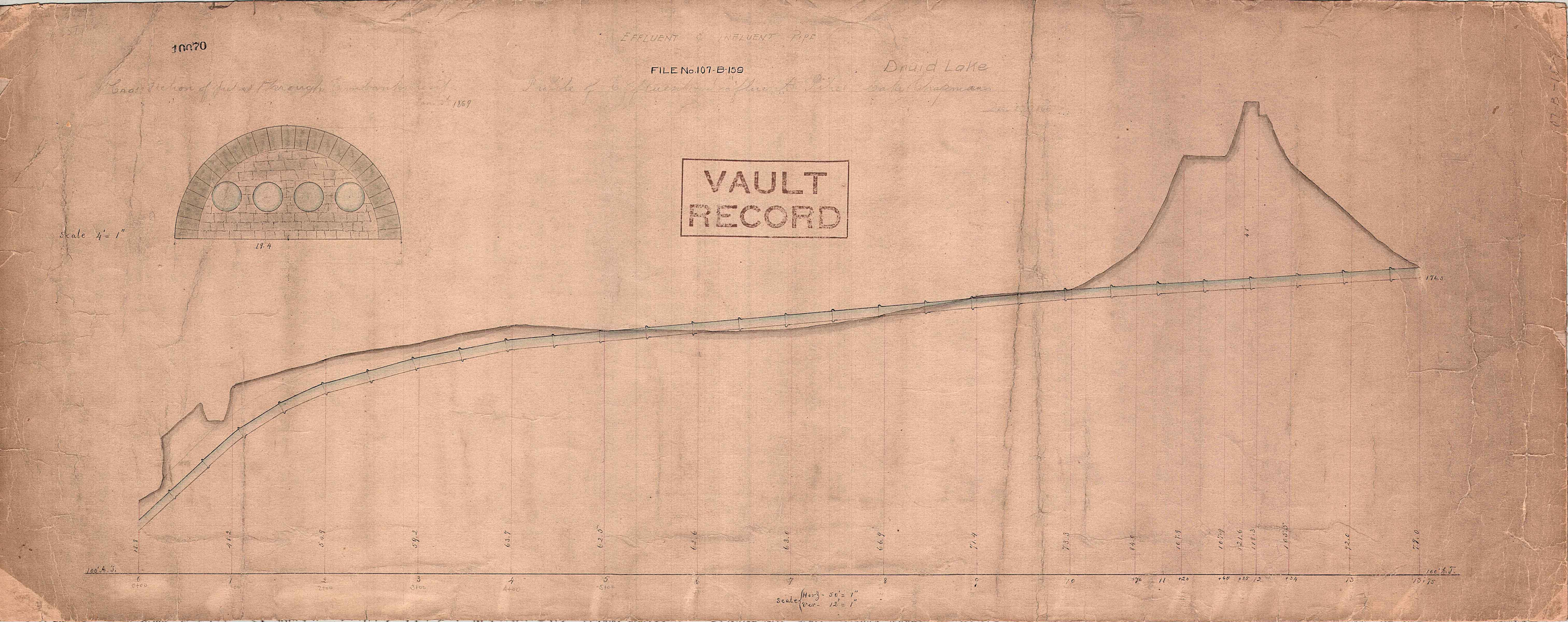
Although the writing on this drawing is hard to read, from what I could read it states: 1869, Cross section through [pipes?]. Effluent and Influent [?] Lake Chapman ^ Druid Lake December 2[?] 1869[?] What I like about this is that it is the first drawing that I have seen where Druid Lake was called Lake Chapman.

1867 Druid Lake (Lake Chapman): Completed Lake Chapman, 429,000,000 gallons, capable of holding a supply of water equal to 40 days of consumption. Lake has nominally the same elevation as Hampden Reservoir, but is usually about 5 feet lower.

1868 Druid Lake (Lake Chapman): March 30, Res. No. 111, changed name of Lake Chapman to Druid Lake.
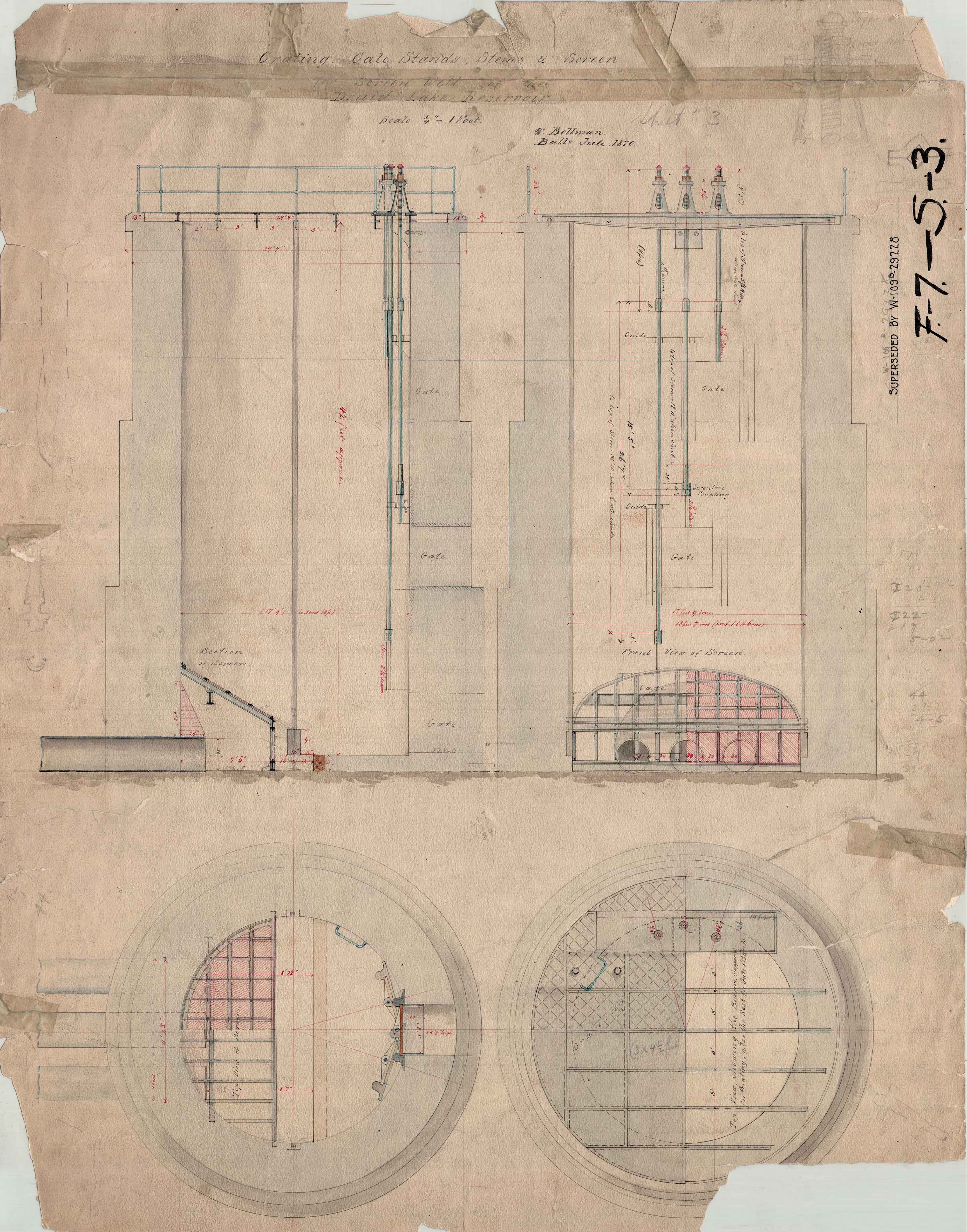
Another hard to decipher drawing: W. Bollman(?). Balto. Jule(?) 1870. Grating, Gate Stands, Stems and Screen for screen well at Druid Lake Reservoir.

1870 Druid Lake: The inside portion of the Druid Lake dam was completed in 1868 except for the remaining top 30 feet of the required elevation, and had remained unfinished during the year 1869. Work on Druid Lake resumed on May 2, 1870. The Druid Lake Park Reservoir is completed and water is first let. Druid Lake has a storage capacity of 493 million gallons, but only 429 million gallons to be available for City use. This equates to 40 days of water consumption which would allow ample time for Lake Roland to settle after the heaviest rains. The extreme water depth at the foot of the dam is to be 65 feet. The extreme water depth at the upper end of the dam is to be 20 feet.
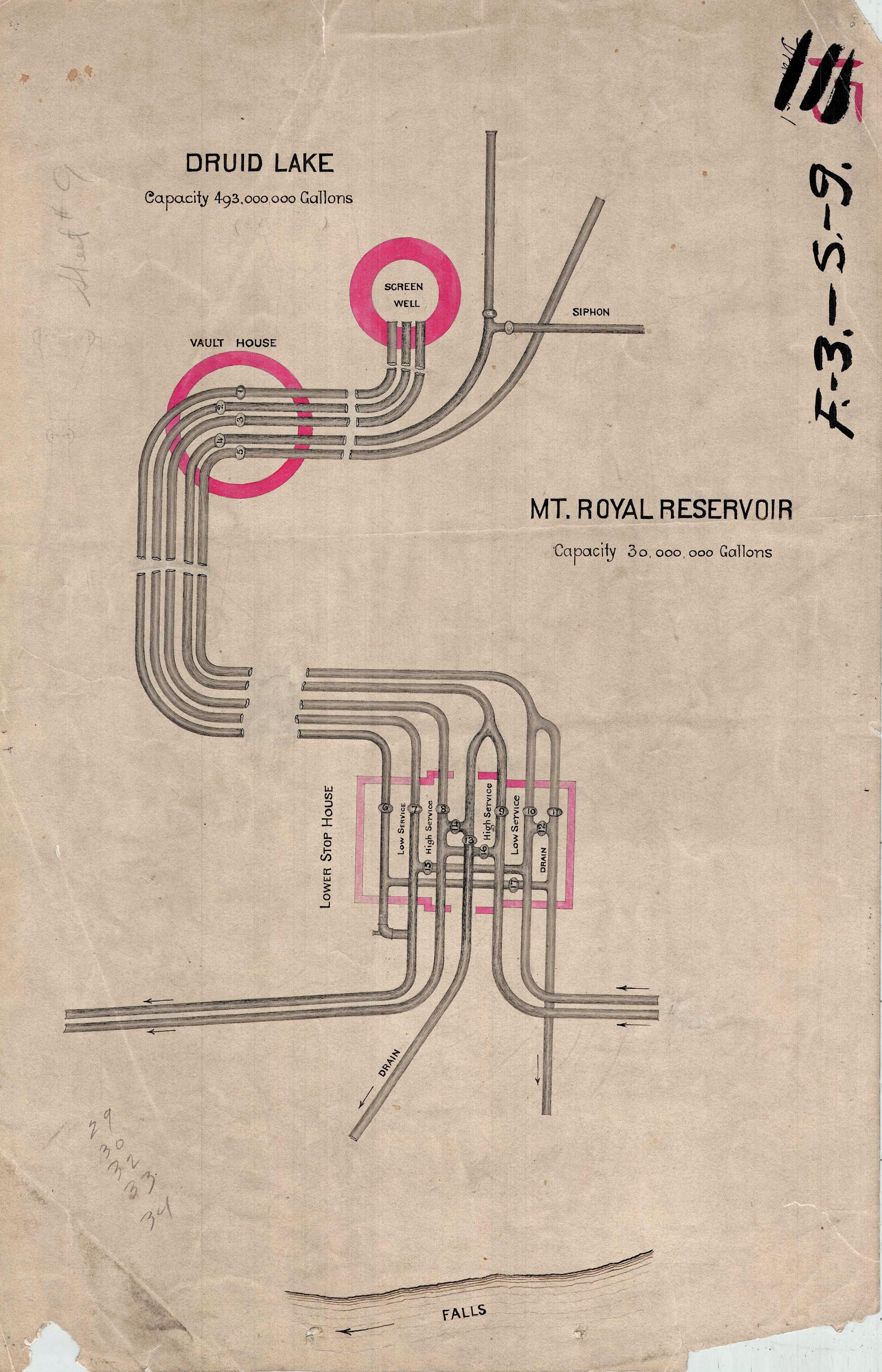
Druid, Mt. royal and Hampden Reservoir were all connected through various series of pipes. In 1898 (for year ending 1897) it is reported that the water conduit from Lake Roland to Hampden Reservoir is a brick conduit, and the water is then delivered from Hampden Reservoir to Druid Lake by means of four 30-inch cast-iron pipes.
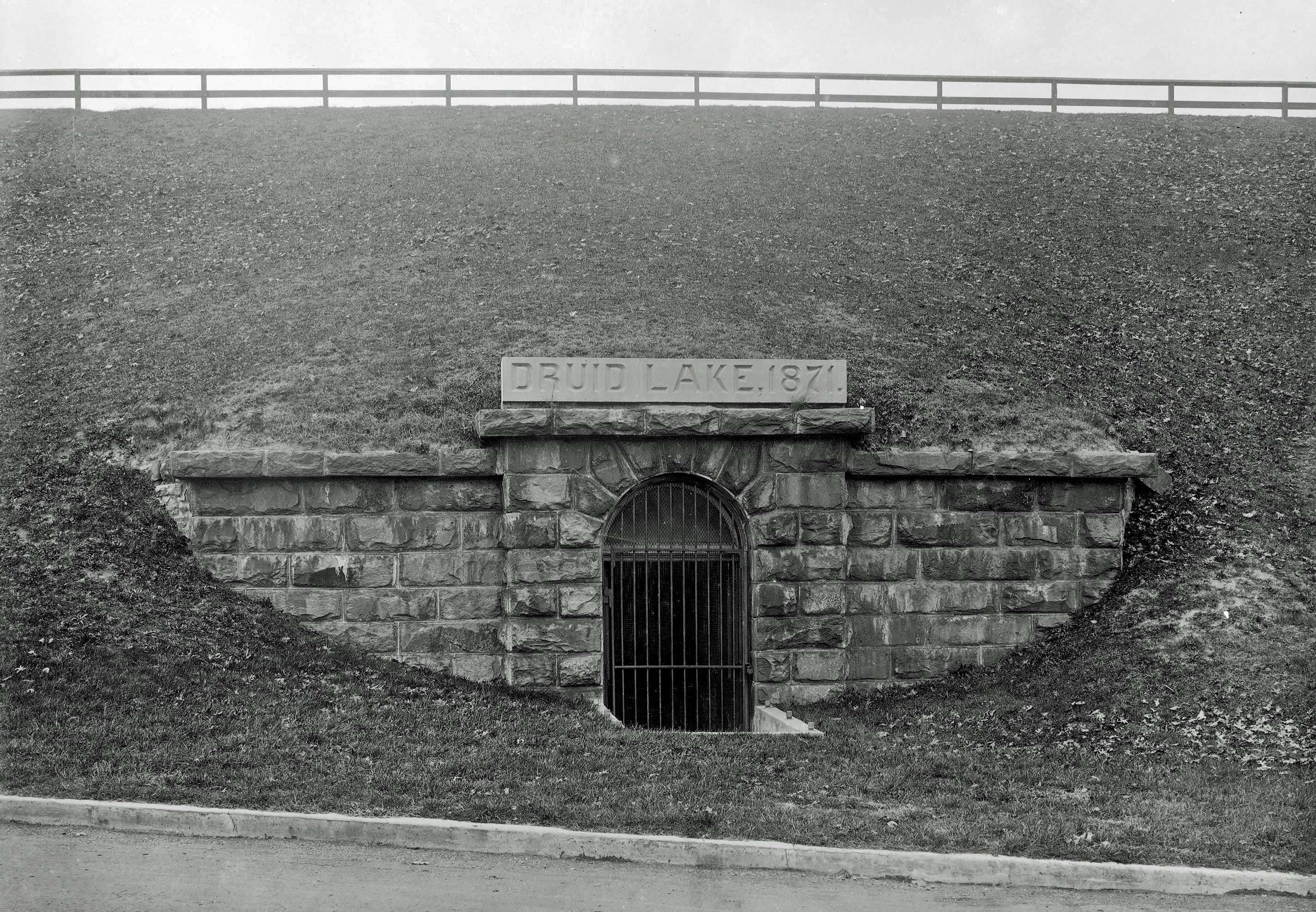
Photo of valve vault at embankment.
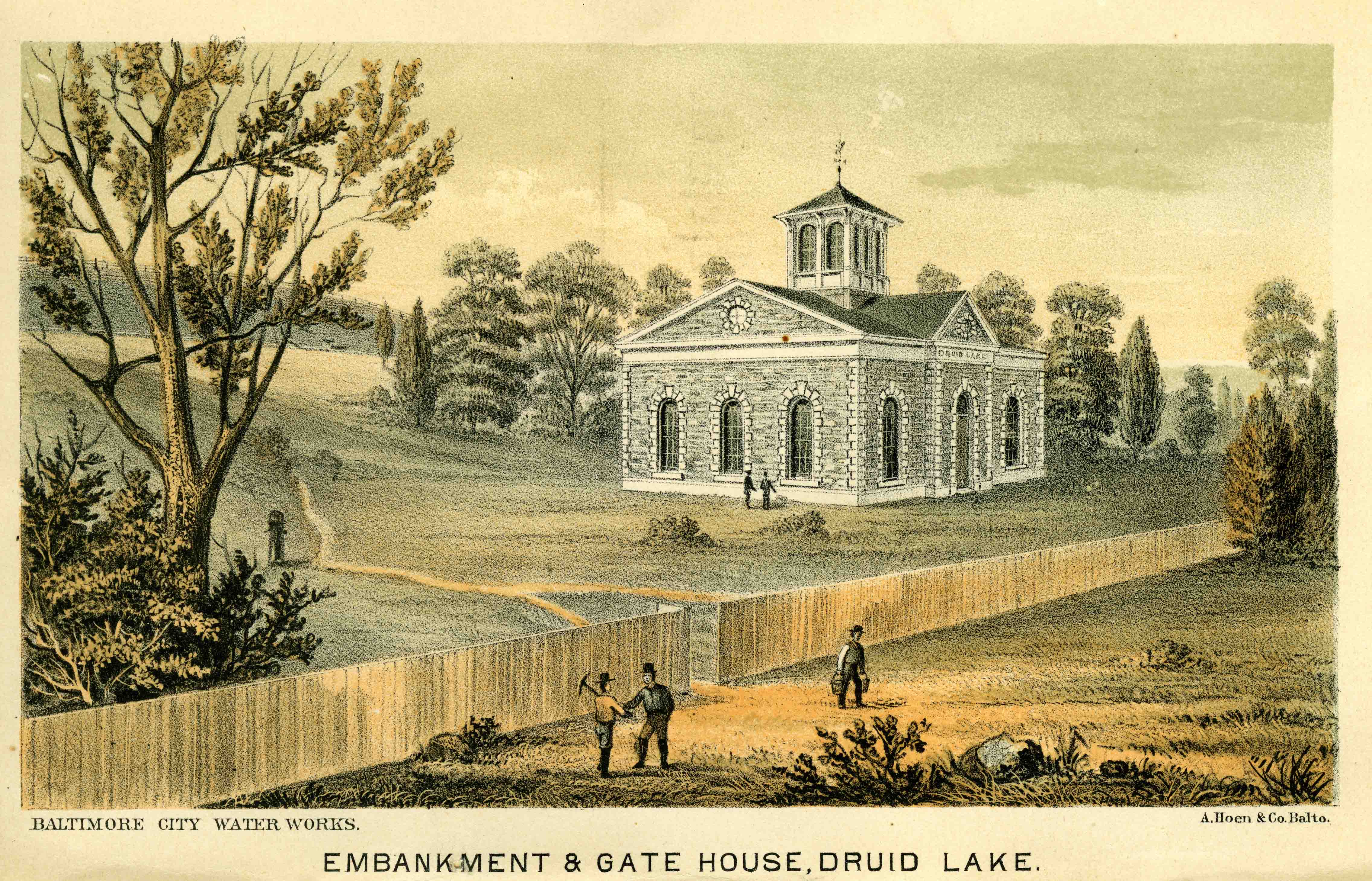
From the Water Engineer’s report to the Mayor – Hoen lithograph.
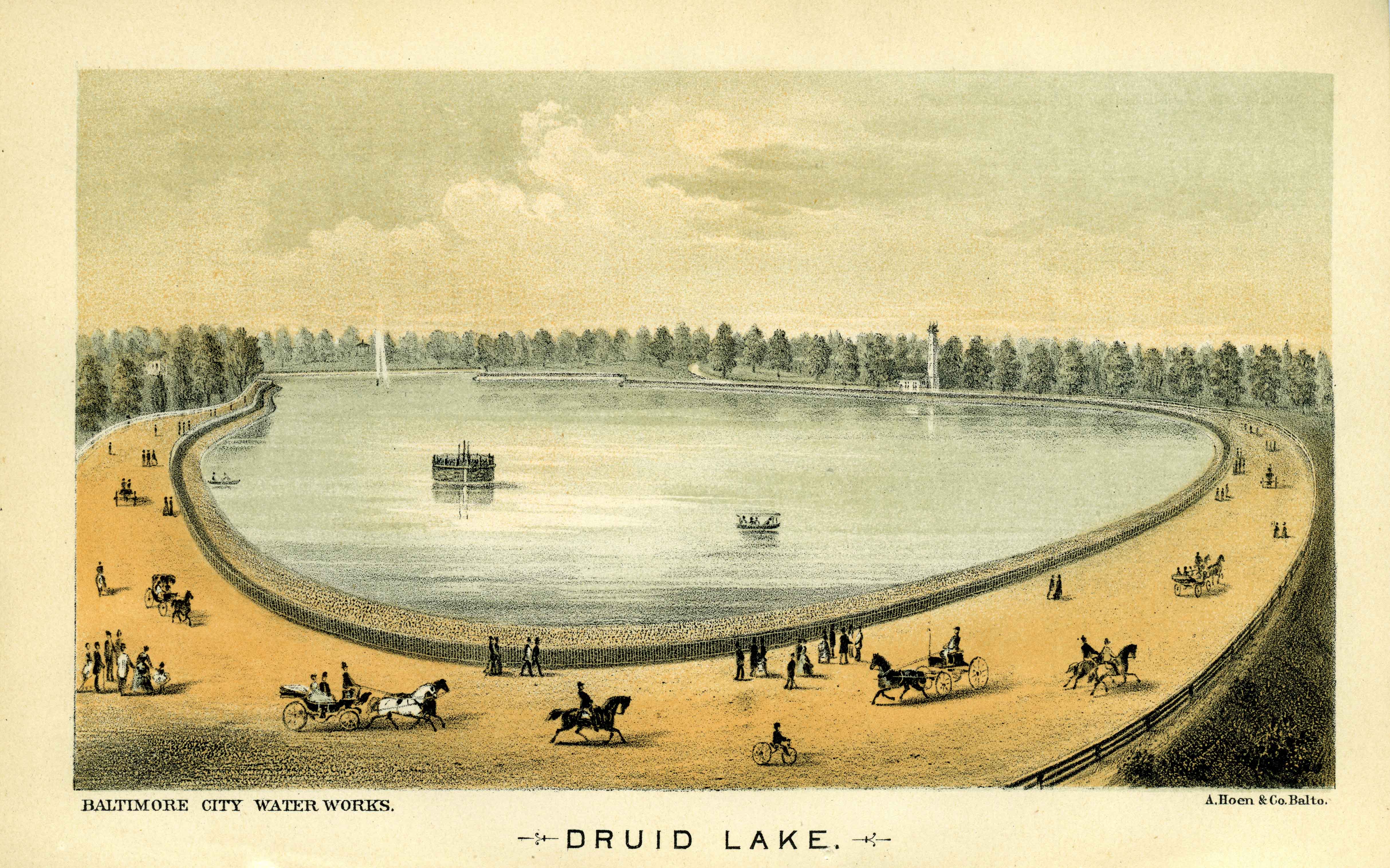
Another drawing of the lake. Looking close to the upper left I believe that was the keeper’s cottage. To the right is the High Service Reservoir Pump Station.
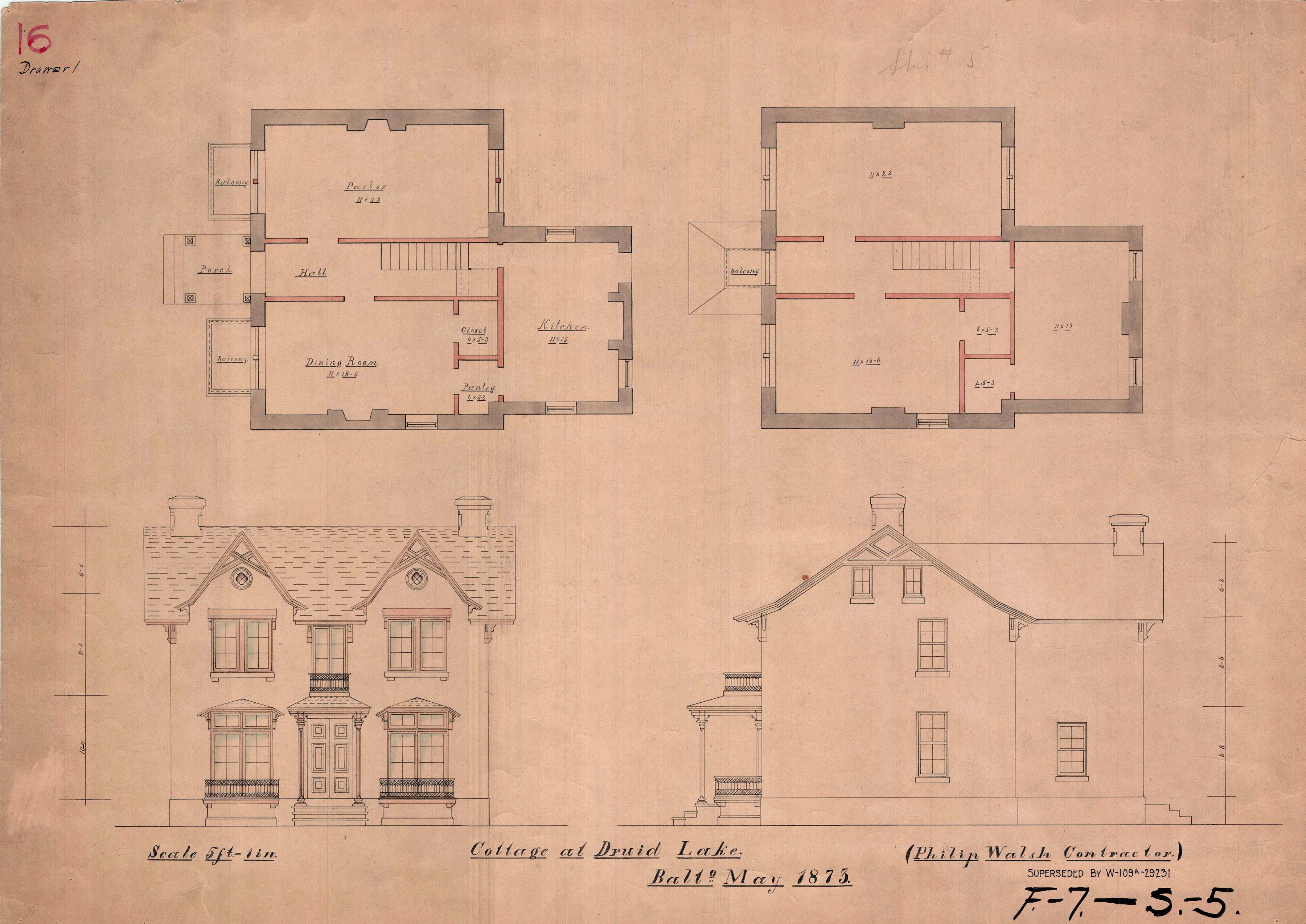
The cottage at Druid. 1873. Philip Walsh, contractor.
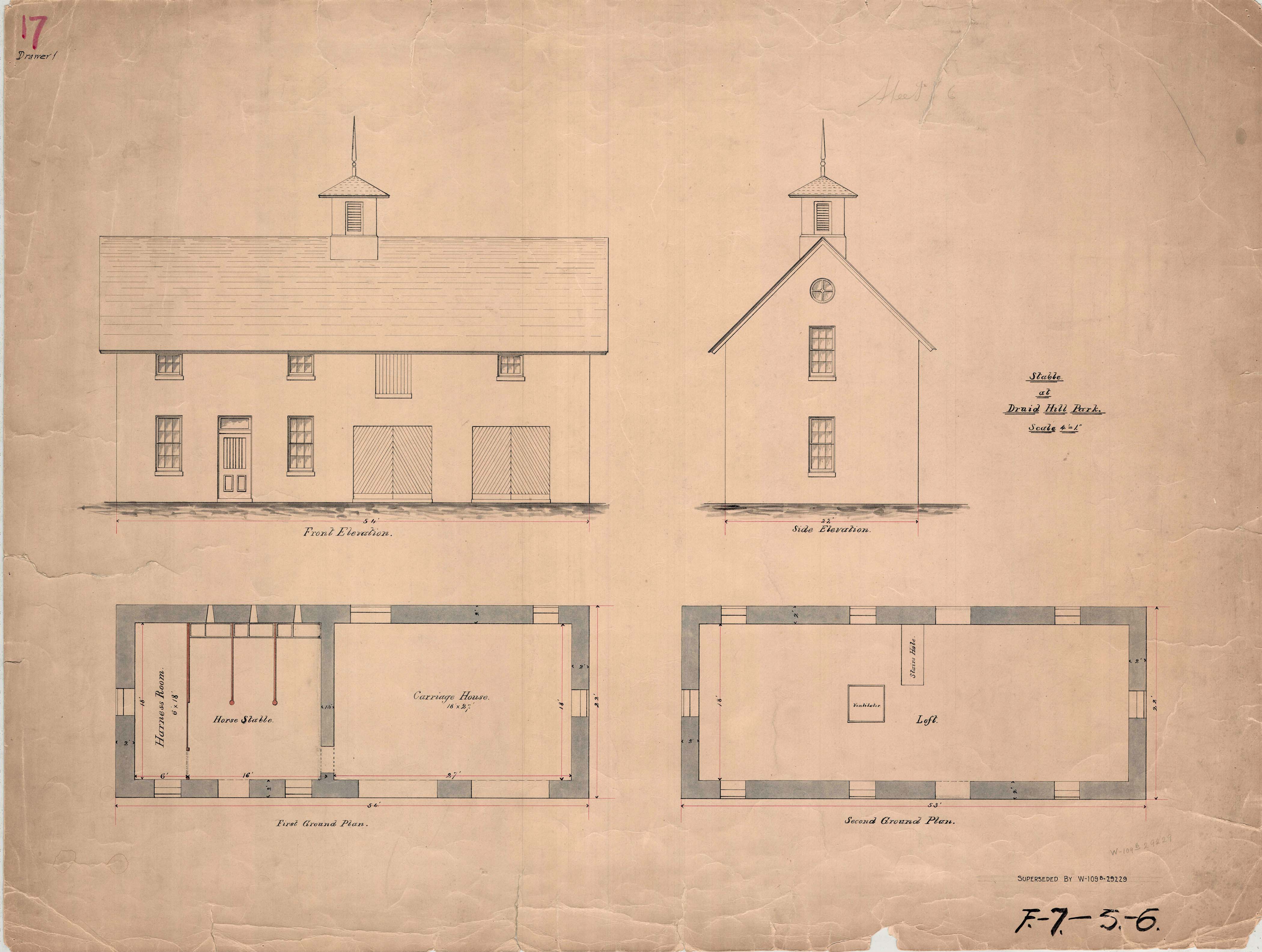
The stable for the cottage.

Not sure of this drawing from 1902. It is saying that the lake is 118′ deep?? An earlier report puts it at 65′.
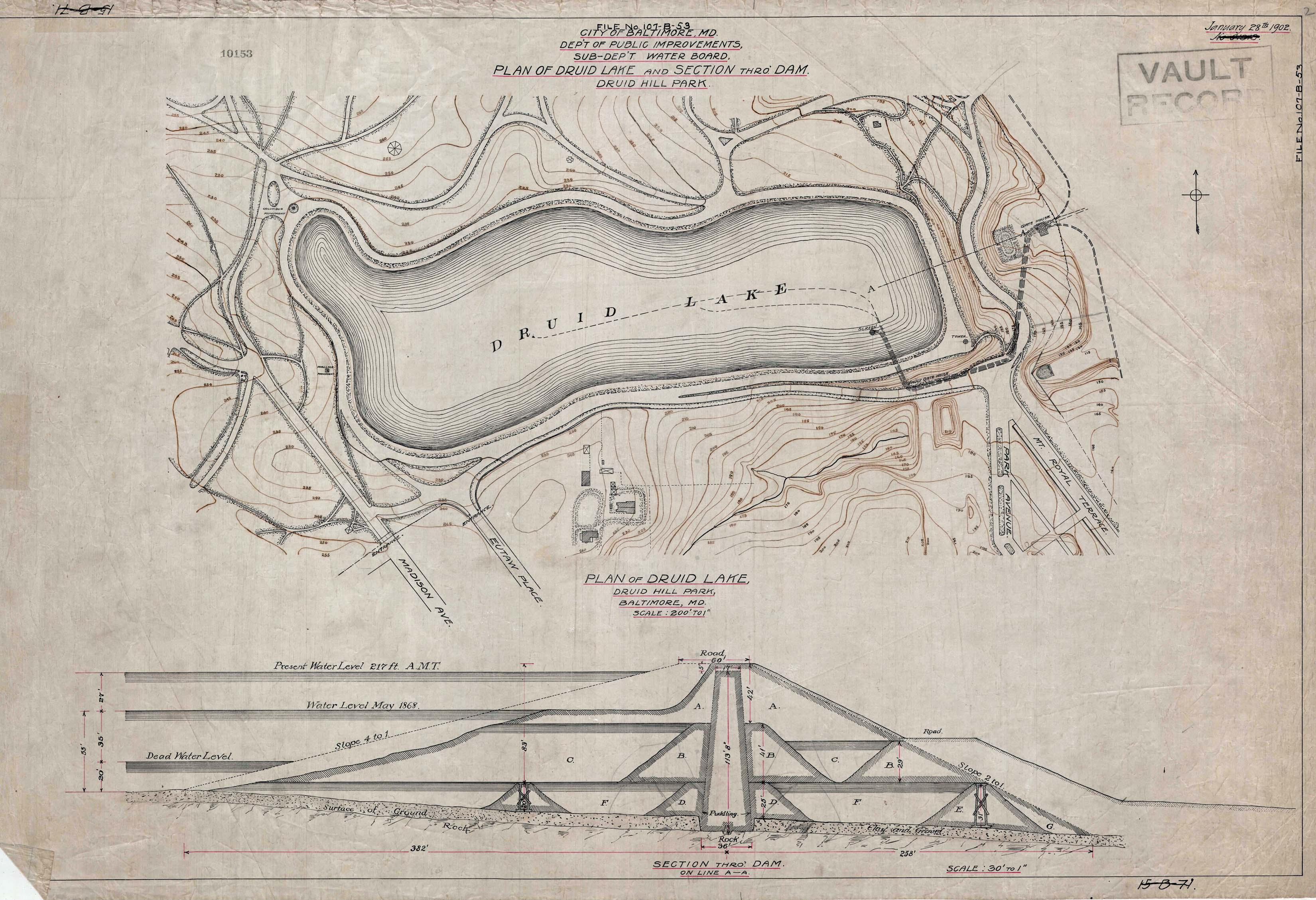
Another 1902 drawing.
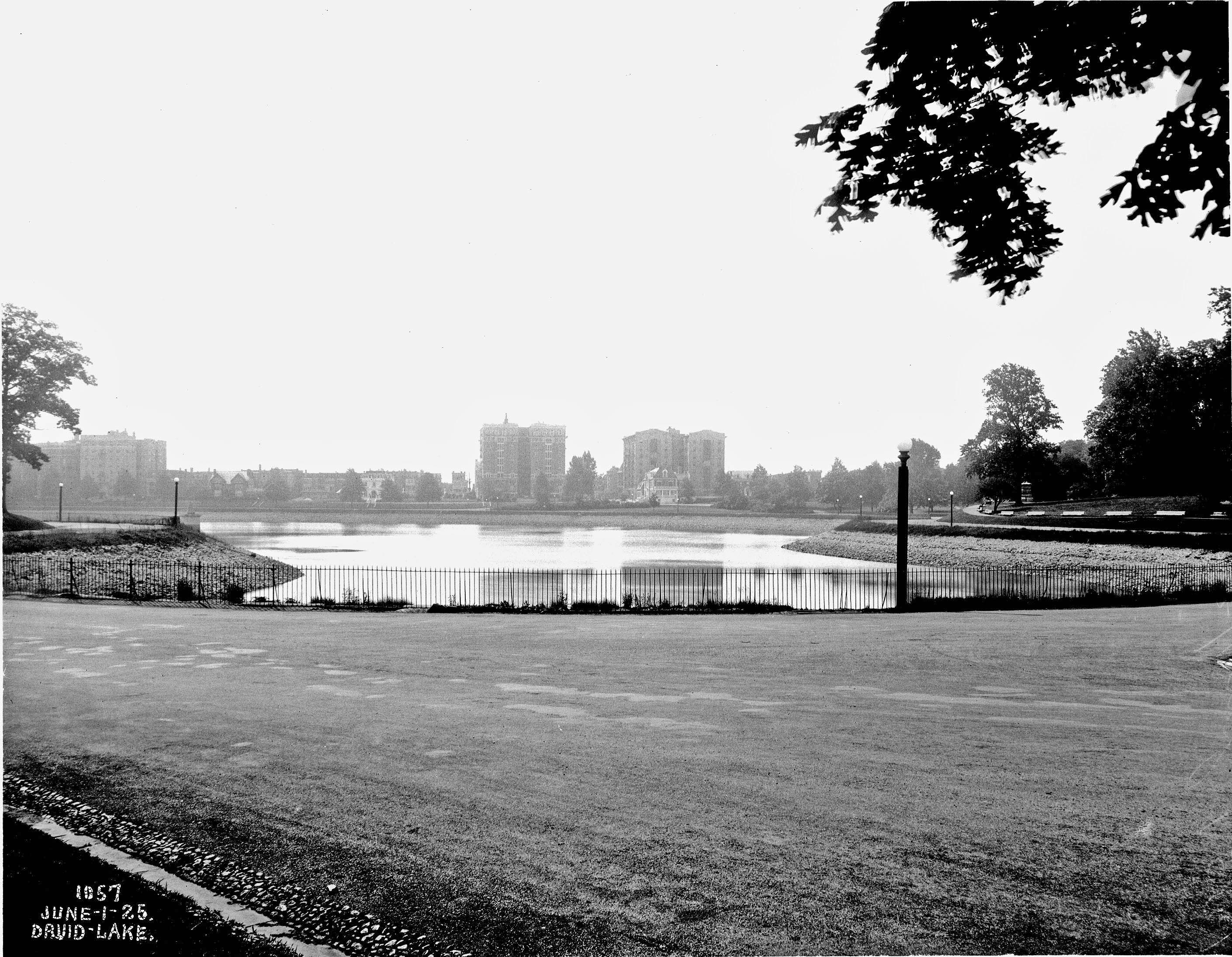
Looking across Druid Lake in 1925.

Speaking of Loch Raven – Update

12 Thursday Oct 2017

Posted by Ronald Parks in engineering, water history

≈ 2 Comments

Tags

Baltimore, Construction, Dams, engineering, Gunpowder Falls, HISTORY, Loch Raven, Public Works, water history

These aerial photographs were just sent to me from Corey at www.aceservinc.com

Makes me want to go out and buy a drone! As far as I know, the busted ten foot conduit has not been fixed, but these guys are doing an exceptional job on building the new Loch Raven Maintenance Yard and Admin buildings. 
This is a great shot, including the dam in the background.

Another view of the same area.

Up the road a piece is the new admin building. The abandoned Zebra Mussel Station is in the background.

Thanks Corey.

Building Montebello Filters and Loch Raven Dam

12 Thursday Oct 2017

Posted by Ronald Parks in Archives, HISTORY, water history

≈ Leave a comment

Tags

Baltimore, Dams, engineering, FILTRATION, Gunpowder Falls, HISTORY, Lake Montebello, Loch Raven, Montebello, POLITICS, Public Works, Research, water, water history

I am now in the process of documenting Water Board minutes from 1912-1919, Baltimore City. Over the course of blogging water history, some readers had asked information concerning relatives that may have worked on the New Dam at Loch Raven and/or constructing the Filtration Plant at Montebello. These ledgers have list of employees and their addresses and in some cases, their titles and pay rates. If you think this may be you, send me their names and I will try to look up that info. Keep in mind this is for the above dates. Once I am finished documenting, these books are going into the archives…

Lake Ashburton 1908-1910

04 Wednesday Oct 2017

Posted by Ronald Parks in Baltimore, engineering, Photography, water history

≈ 4 Comments

Tags

Baltimore, Dams, engineering, FILTRATION, glass plate negatives, HISTORY, photography, Public Works, water history

More files, more documenting. More work. As stated before, I am trying to get my archive files in some sort of order so that at a later date, it will be easier for people to find things. (Not that I really think anyone will go through this stuff once I’m gone, but I can retire with a clear conscience that yes, I did my job).

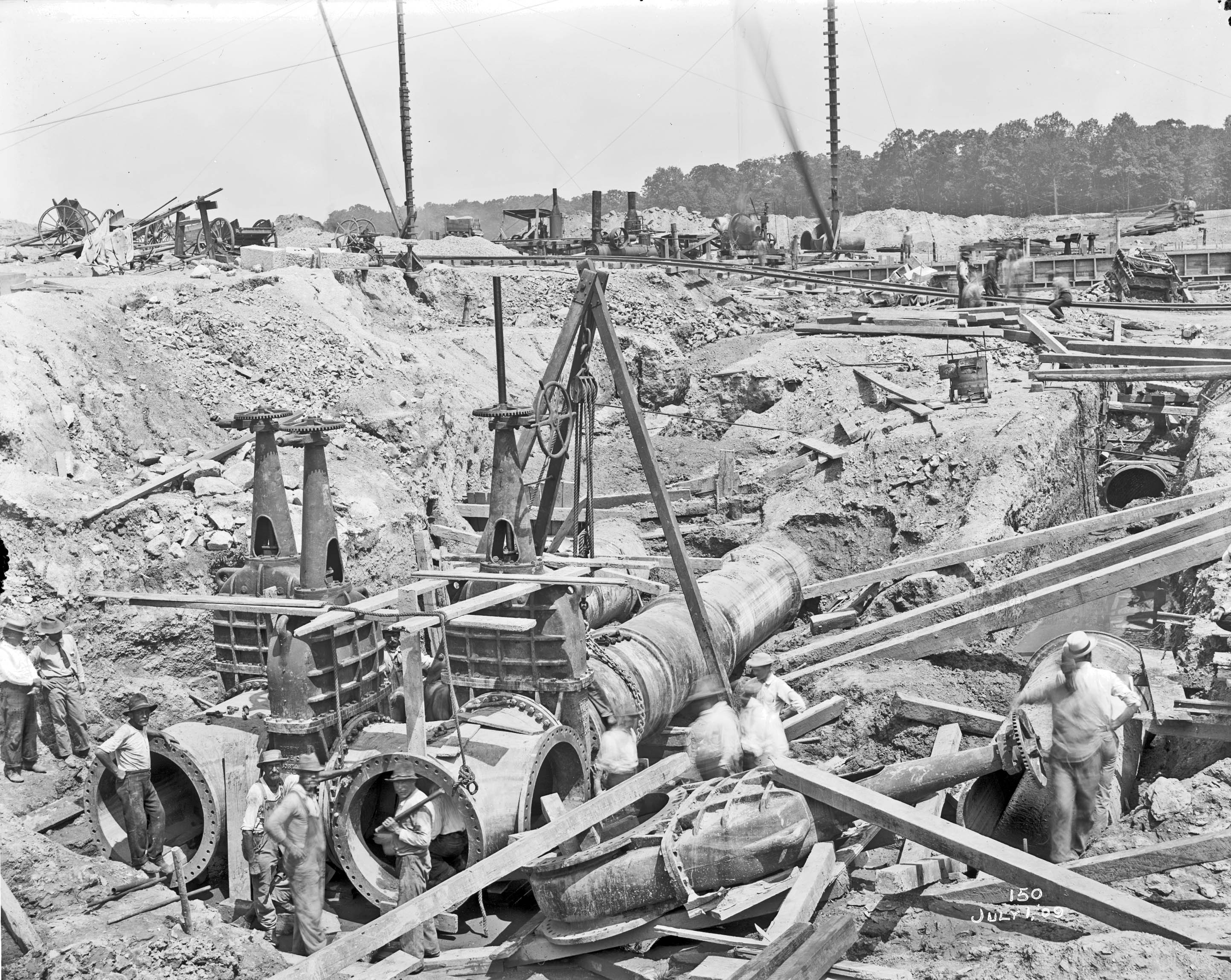
What has made this job difficult, yet interesting, is that various people have had numerous boxes of archives scattered throughout the City. A lot were mislabelled. These photos came from a box of glass plate negatives marked as ‘Loch Raven’ Bringing it all together in some sort of order is challenging. Chaos:

It is hard to believe that out of this construction chaos there will be built a reservoir so that the citizens of Baltimore will be able to enjoy drinking water. These are the pipes from the lake to the gate house (foundation in background).

Many years ago when I started this project, I had no clue about glass plate negatives, positive photos, restoration, etc. When I held the above GPN up to the light I thought it was a bad one – the white shown coming from the pneumatic jack hammers is black on the negative. I thought it was ruined until I processed it. Duh.

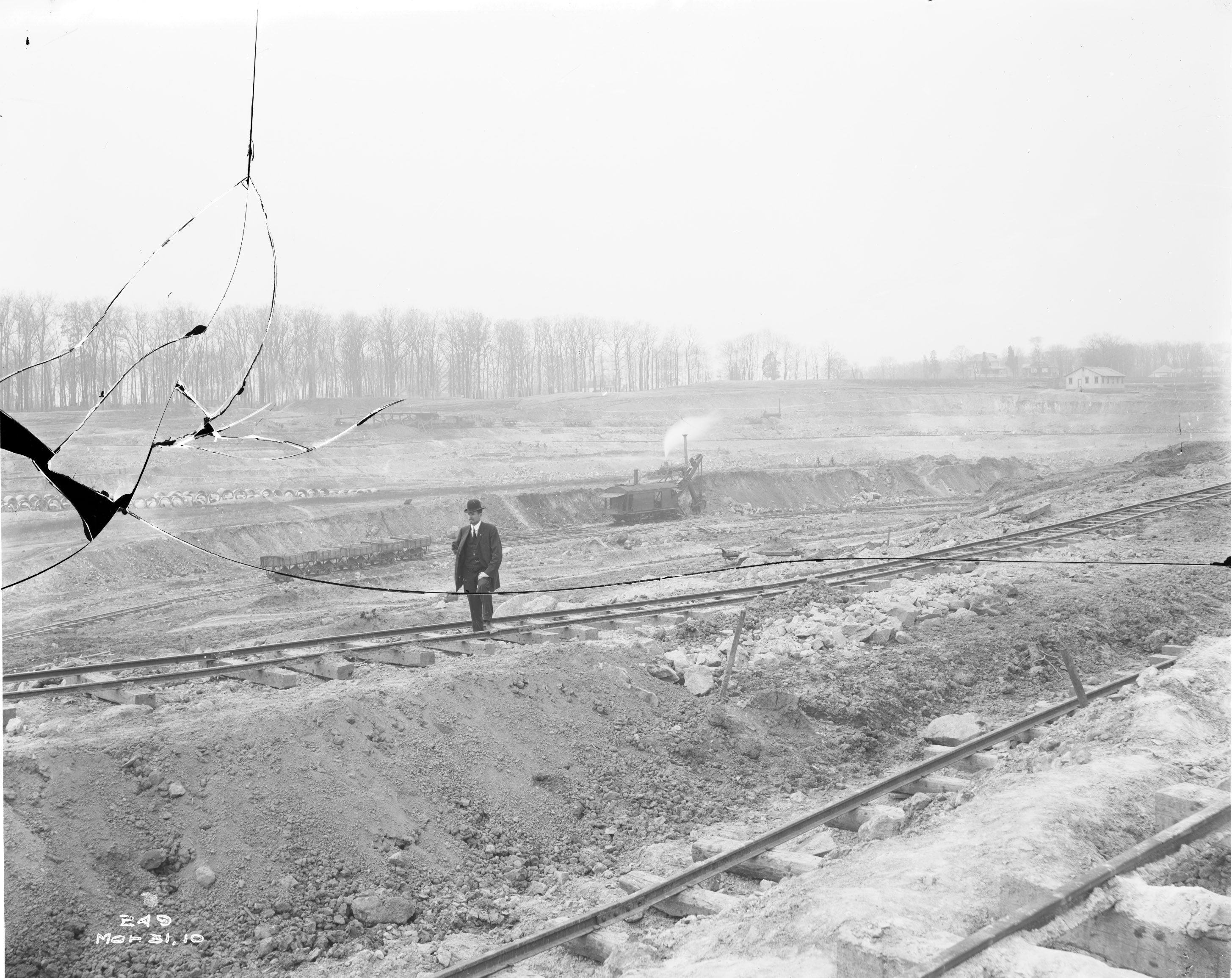
This one I have yet had a chance to restore. What I found interesting here is the suitcase in the upper right corner. Not only is this GPN broken, some of the image has peeled off.

Another interesting one from 1908 shows a church in the background. The writing on the sleeve said: Epiphany College in background.

Before building the lake the engineers had to move and raise the sewer/storm water manholes.

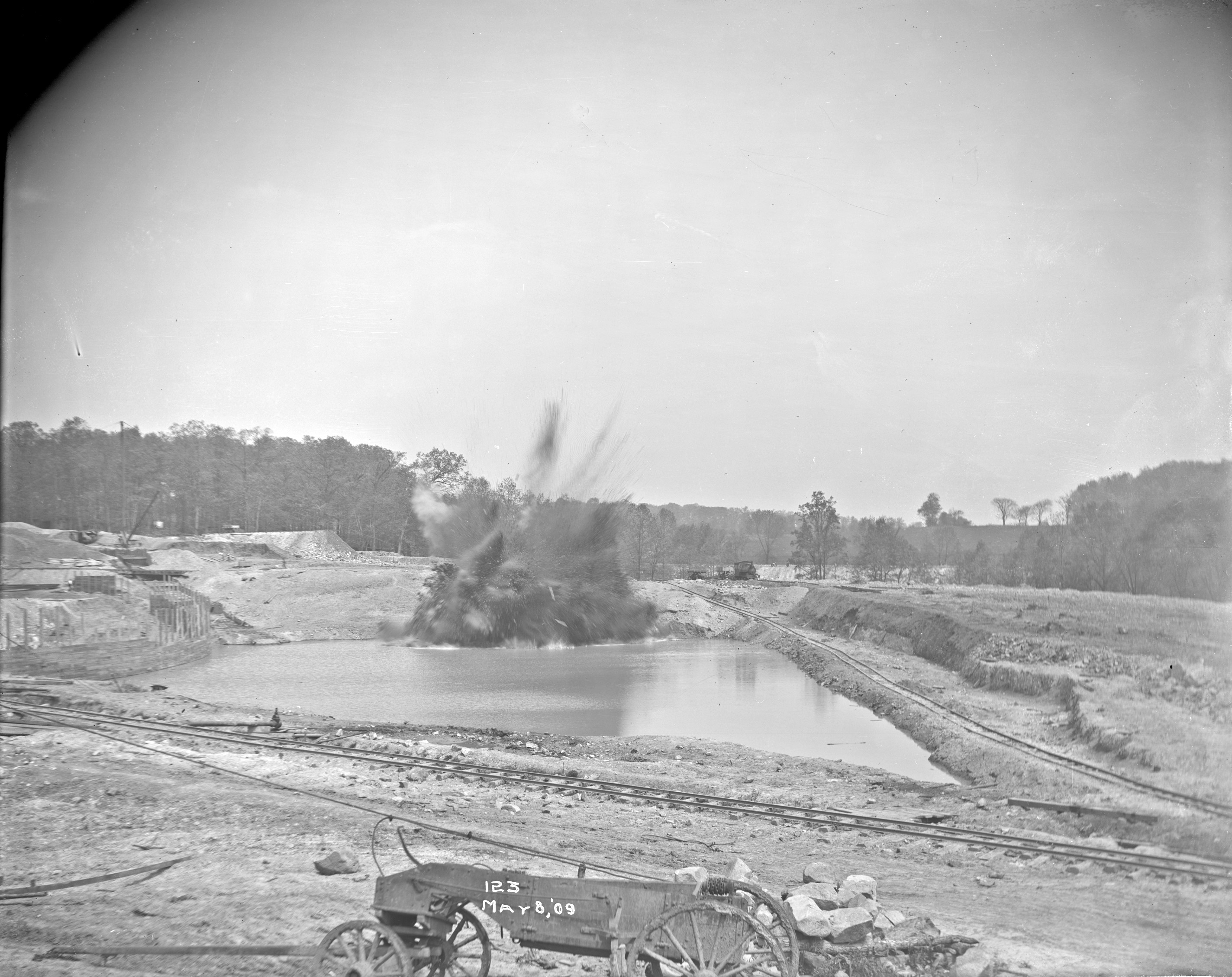
The photographer did a good job catching this dynamite blast at the right time.

This broken jigsaw puzzle plate I did restore.


Tying Up Loose Ends

21 Thursday Sep 2017

Posted by Ronald Parks in Photography, water history

≈ 2 Comments

Tags

Baltimore, Dams, engineering, FILTRATION, glass plate negatives, Gunpowder Falls, Loch Raven, Museum, photography, Research, water history

Since my retirement is pretty much just around the corner, I need to start working on “Tying up some loose ends”, so to speak. At work, this means getting my files together and putting them in order so others may find important information. As far as my work on the DPW Museum archives, I do not think I will ever get this done. Just so much stuff.

I came back across an old box full of broken glass plate negatives. I guess it must be about 24 8″x10″ plates. Hard to tell because most are broken into a lot of small pieces. Some, like the one below, are in just a couple pieces, making restoration fairly simple. Years ago, before computer scanning and restoration software, the previous archivist either placed the pieces on a Xerox copier and scanned them or took a photograph of the pieces, placed together as best they could. They came out as negatives. I need to find those paper copies to help put the pieces back together.

Here is one of the better broken plates. The slivers from the crack will never be found by me. So I filled it in as best I could with the software. When I first started my water history research, I had no idea that Baltimore City built one dam on top of another. The upper right portion shown was built in steps, at an elevation of 188′. This was to be able to support the newer dam which would be built at elevation 240′. It was thought to be able to support a dam at 270′.

The jigsaw puzzle, restoration process is long and tedious and I don’t believe I will have the time to finish up this box of broken pieces. Let alone finish up documenting what is left to be done.

Kilgore Falls and Kayaking (Doggie Style)

12 Tuesday Sep 2017

Posted by Ronald Parks in Hiking, kayaking, Photography

≈ Leave a comment

Tags

Dams, dogs, eden mill, Hiking, kayaking, Kilgore, mills, nature, photography

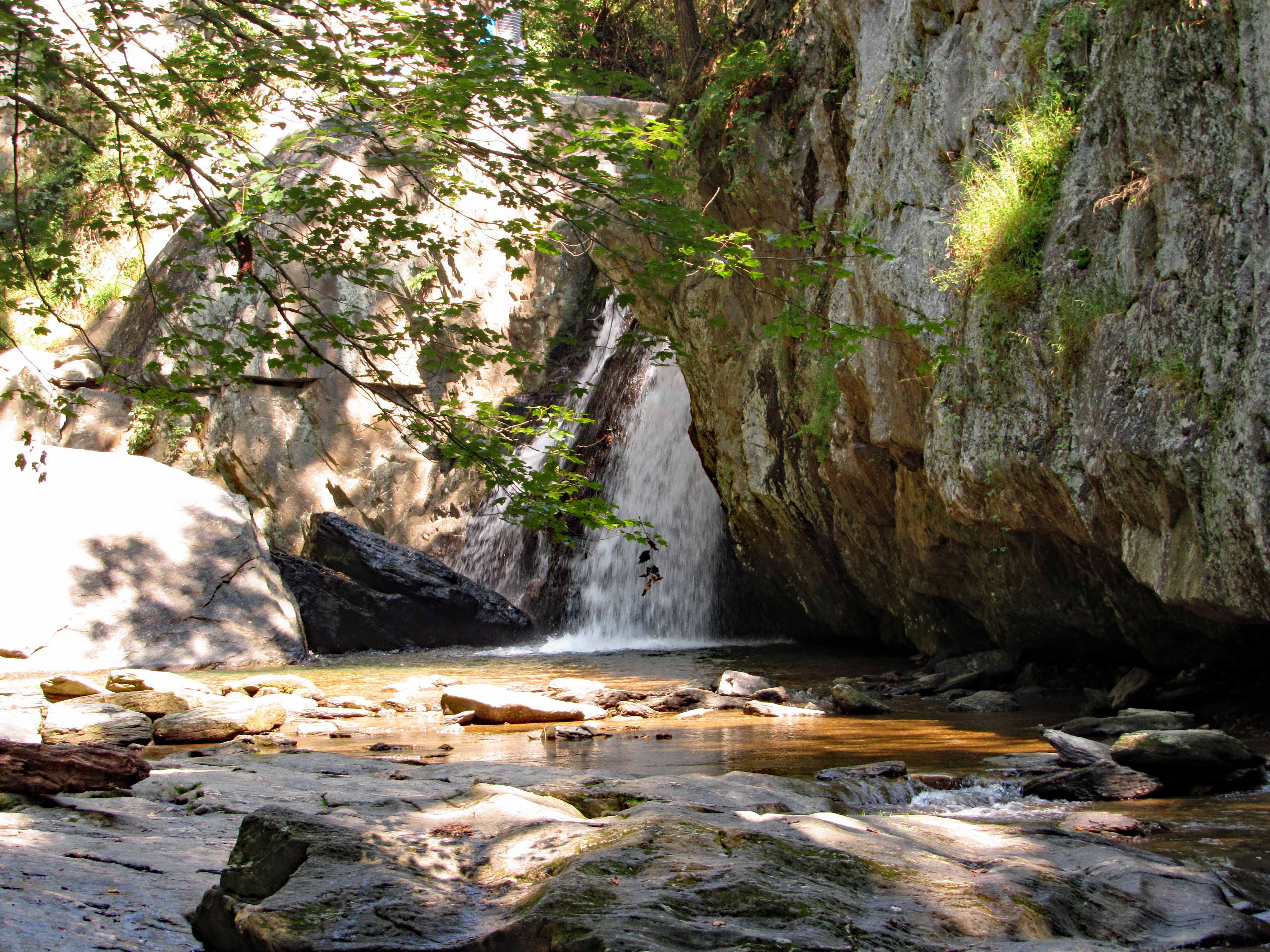
It was a nice day to head up to Eden Mill for some kayaking, but first we stopped at Kilgore Falls, on Falling Branch, to do a little hiking. Early enough and cool enough out that there wasn’t a big summer crowd there.

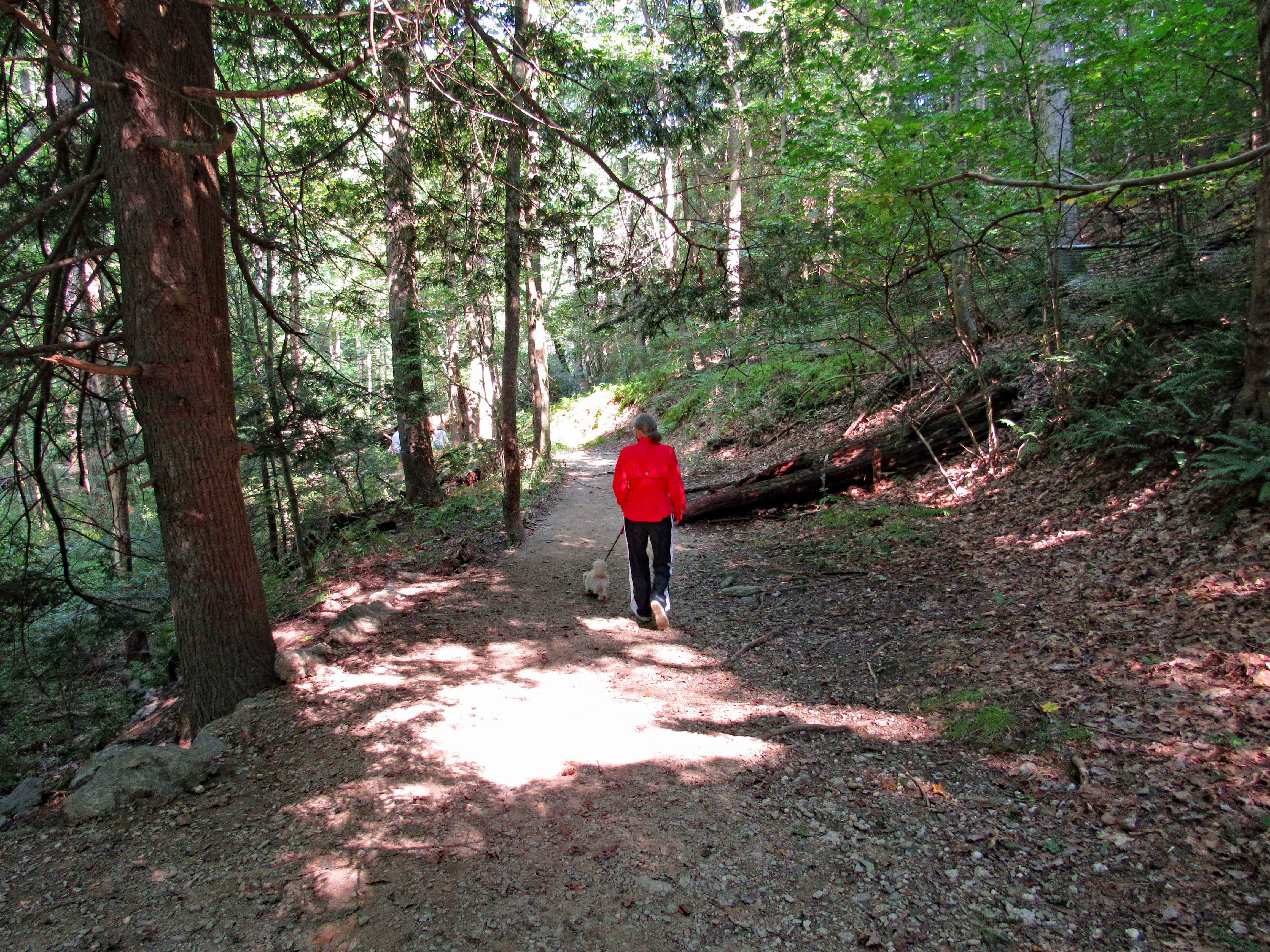
Nice, well worn trails to the falls.

Two paths across the water. I took the easier one since I was carrying Molly in one hand and the camera in the other.

Molly, a poop bag and an alien t-shirt. Life is sweet!

An unobstructed view.

Speaking of aliens, did you ever see the Star Trek episode with Frank Gorshin – Let That Be Your Last Battlefield?

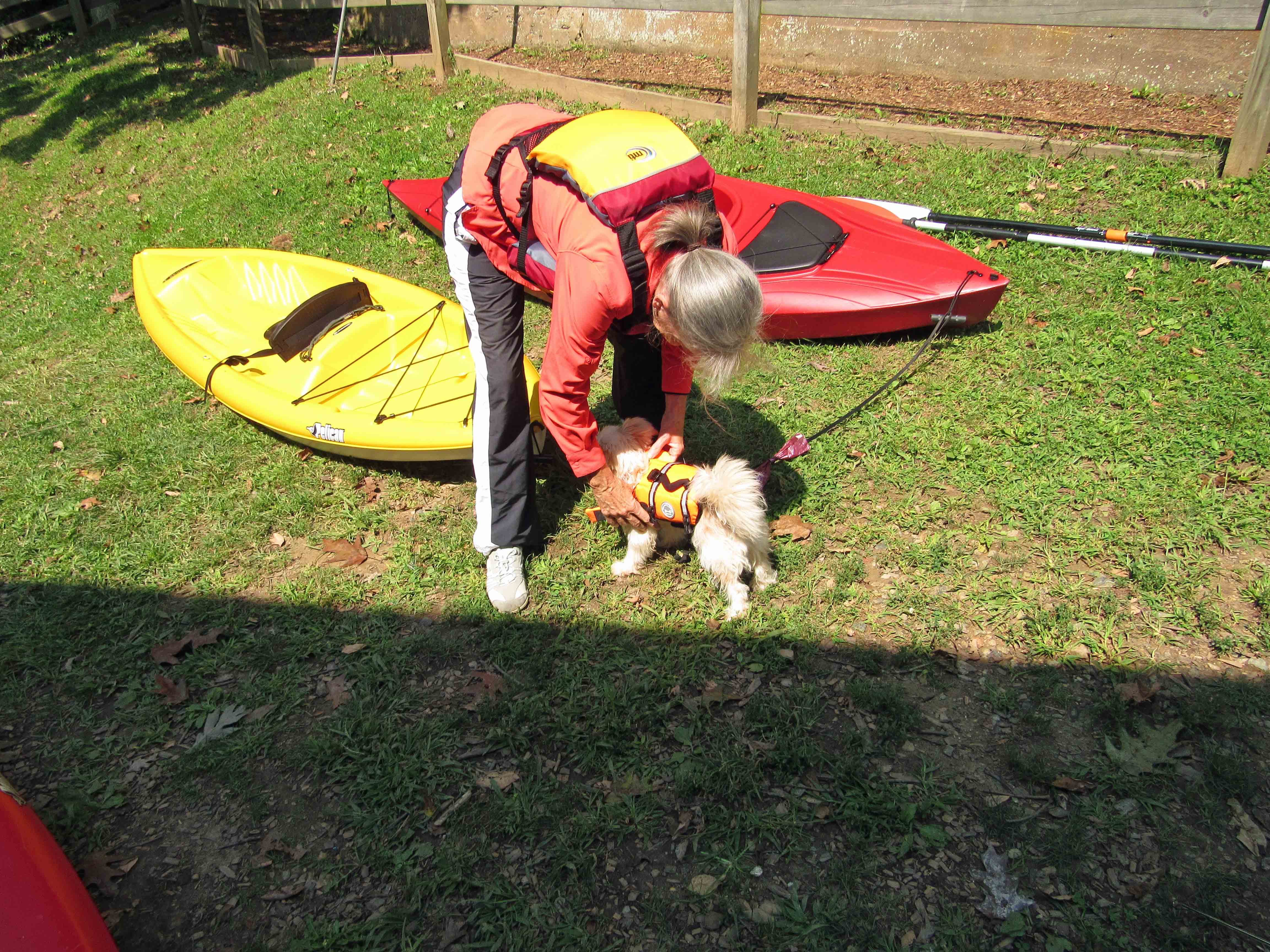
We finished our hike and then headed to the mill for Molly’s first kayak adventure. She was well behaved and only got jumpy once. (When I say jumpy, I mean, we thought she was going to jump ship)

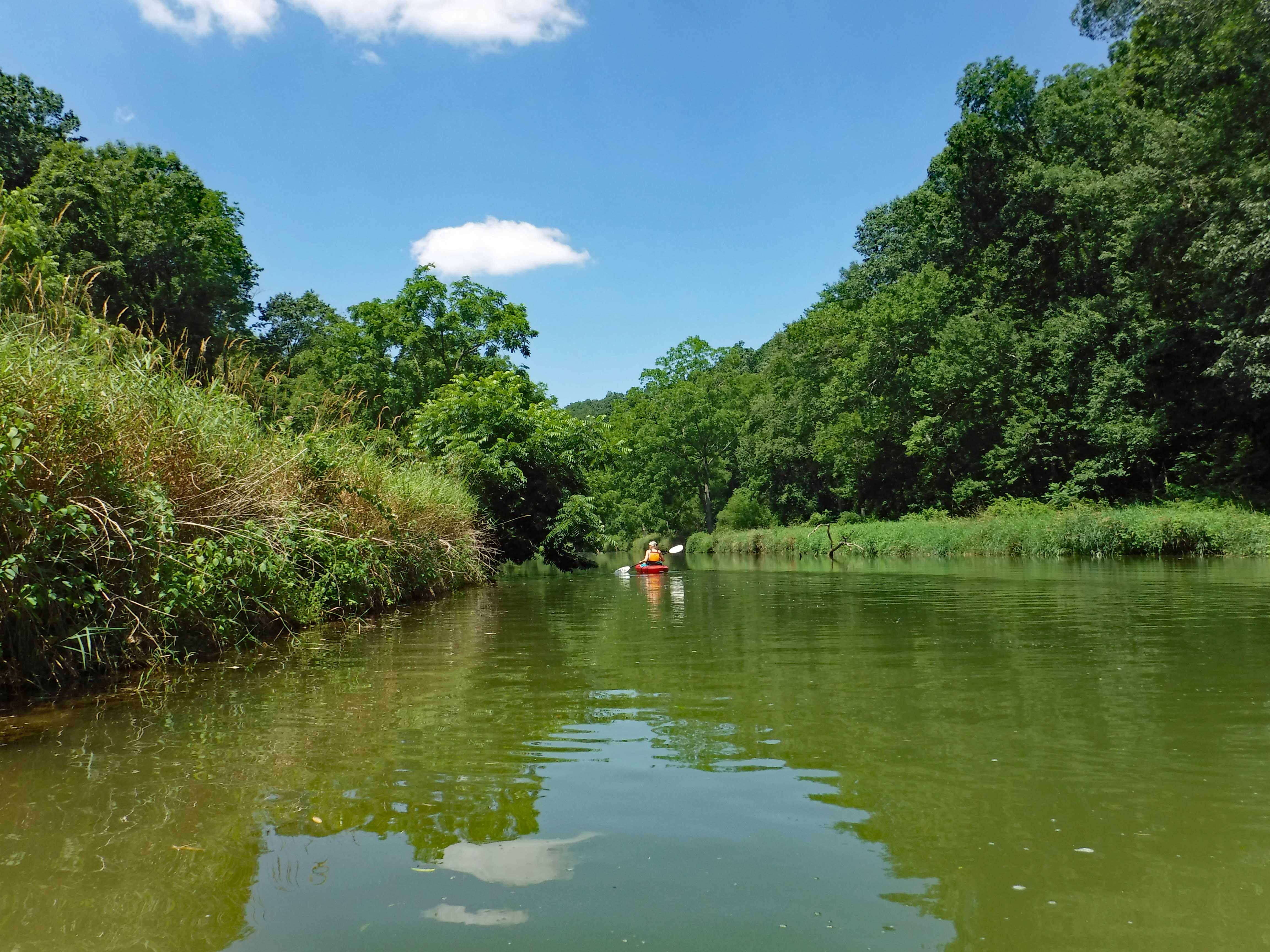
Heading up stream, waiting for me. Another kayaker suggested I move my truck. Shouldn’t park in front of the mill. I thought the mill was closed.

Right after she peeked over the side and realized she was on the water, she panicked some. But calmed down.

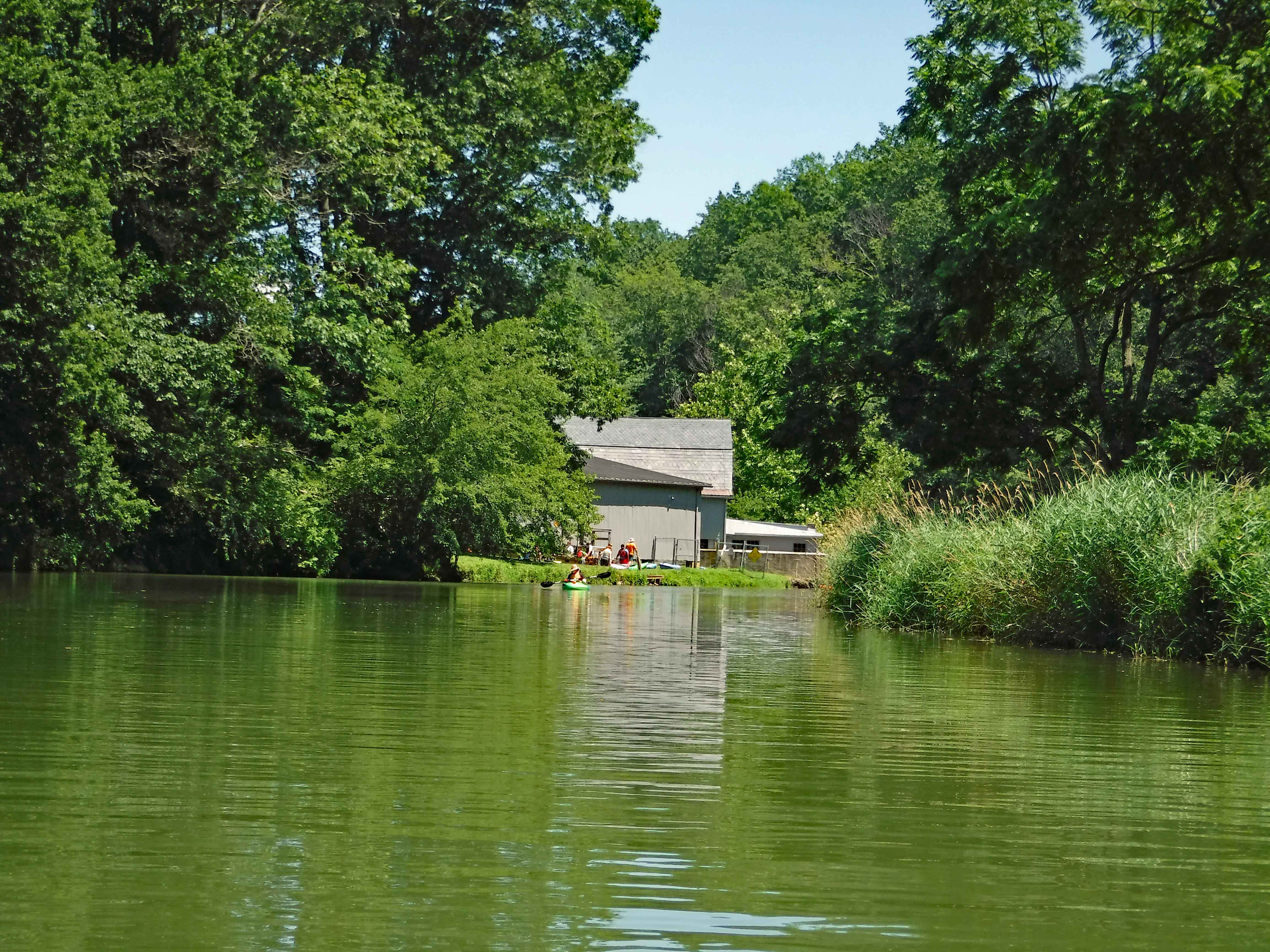
The barn and shed upstream a ways. The water was higher than normal. We were hoping to go further up, but…

…just past the farm the water was only a couple inches deep. I got out and walked up some to see if it was deeper upstream. To the curve, it was not.

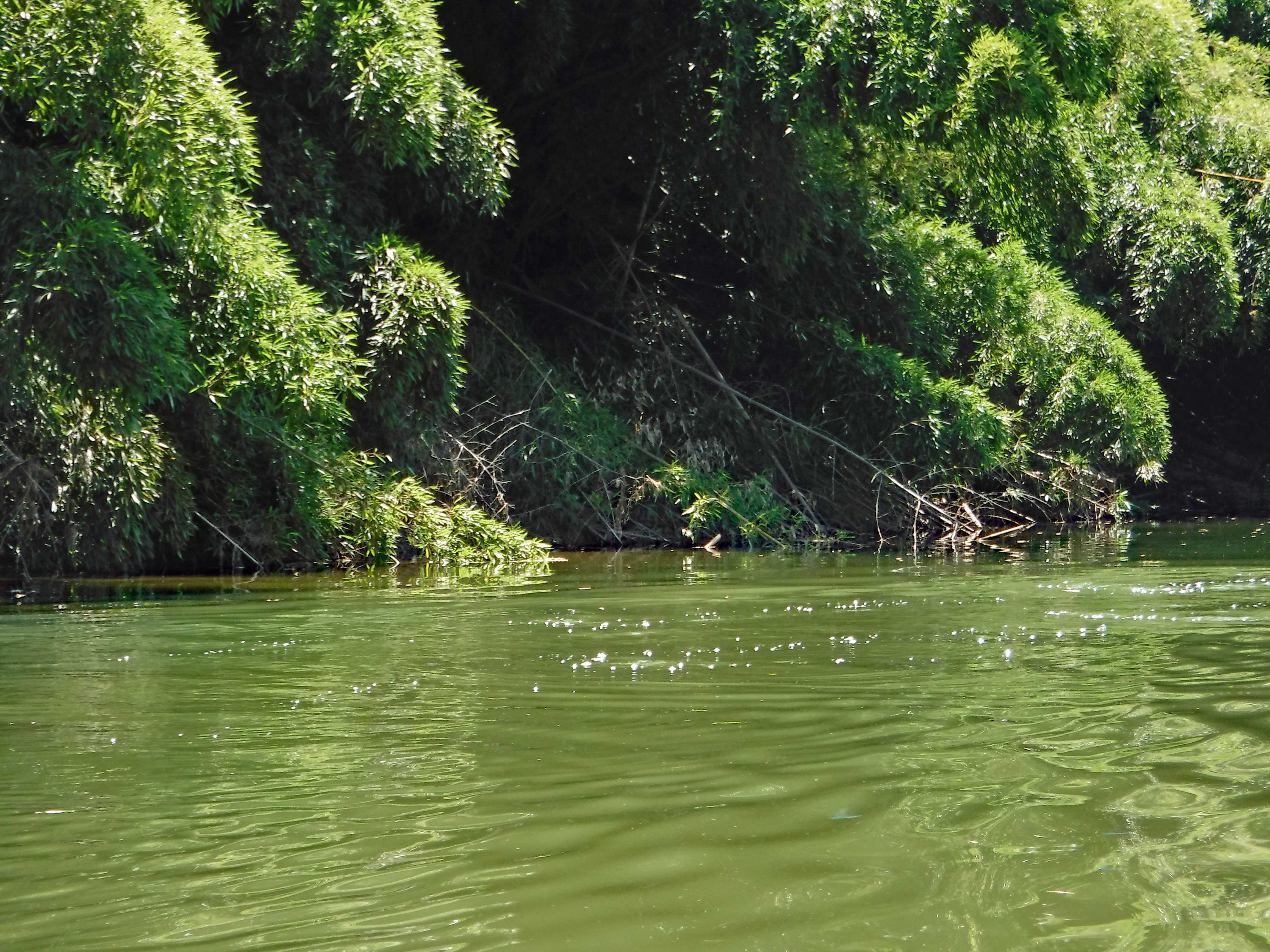
We brought the kayaks together to drift downstream at an easy pace. Molly decided to jump in my kayak.

Only turtles we saw.

And this guy. We did see a couple deer driving the back road to the dam, but that was it for wildlife.

Speaking of wild life, when I went to get the truck, this guy, in his mastiff taxi, was pulling up! Another weekend of wonderful adventures!!

Drawing Loch Raven Dam

17 Thursday Aug 2017

Posted by Ronald Parks in Baltimore, HISTORY, water history

≈ 1 Comment

Tags

Baltimore, Dams, engineering, FILTRATION, glass plate negatives, Gunpowder Falls, HISTORY, Loch Raven, Public Works, water history

It seems that everytime someone asks me to find something for them, I find a lot more undocumented stuff. While researching information concerning the properties at Ashland, which is Northwest of the Loch Raven Dam, Baltimore, Md., I came upon a full scale drawing of the dam. I had posted a few years ago, one of my favorite photographs:

This is the photographer’s studio showing the artist’s rendition of what the dam would look like when construction is completed in 1922. All the supplies for developing the film/glass plates are on the shelves.

Later I would find a lantern slide of just the drawing.

Yesterday I found a colorized drawing. It is fairly beat up. So glad I was able to scan it.

Peaceful Sunday Kayak

09 Sunday Jul 2017

Posted by Ronald Parks in kayaking, Photography

≈ 1 Comment

Tags

Dams, Deer Creek, fishing, kayaking, mills, nature, photography

Headed up to Deer Creek early this morning for an early kayak adventure. Not a lot of people there, which is the way we like it. Some people fishing off the bank. We saw lots of fish way up stream.

Heading up stream. Fisher-people to the right, casting in our direction.

Something swam across our path. I thought it was a beaver at first…

it was this raccoon. He swam to this side to get a drink!

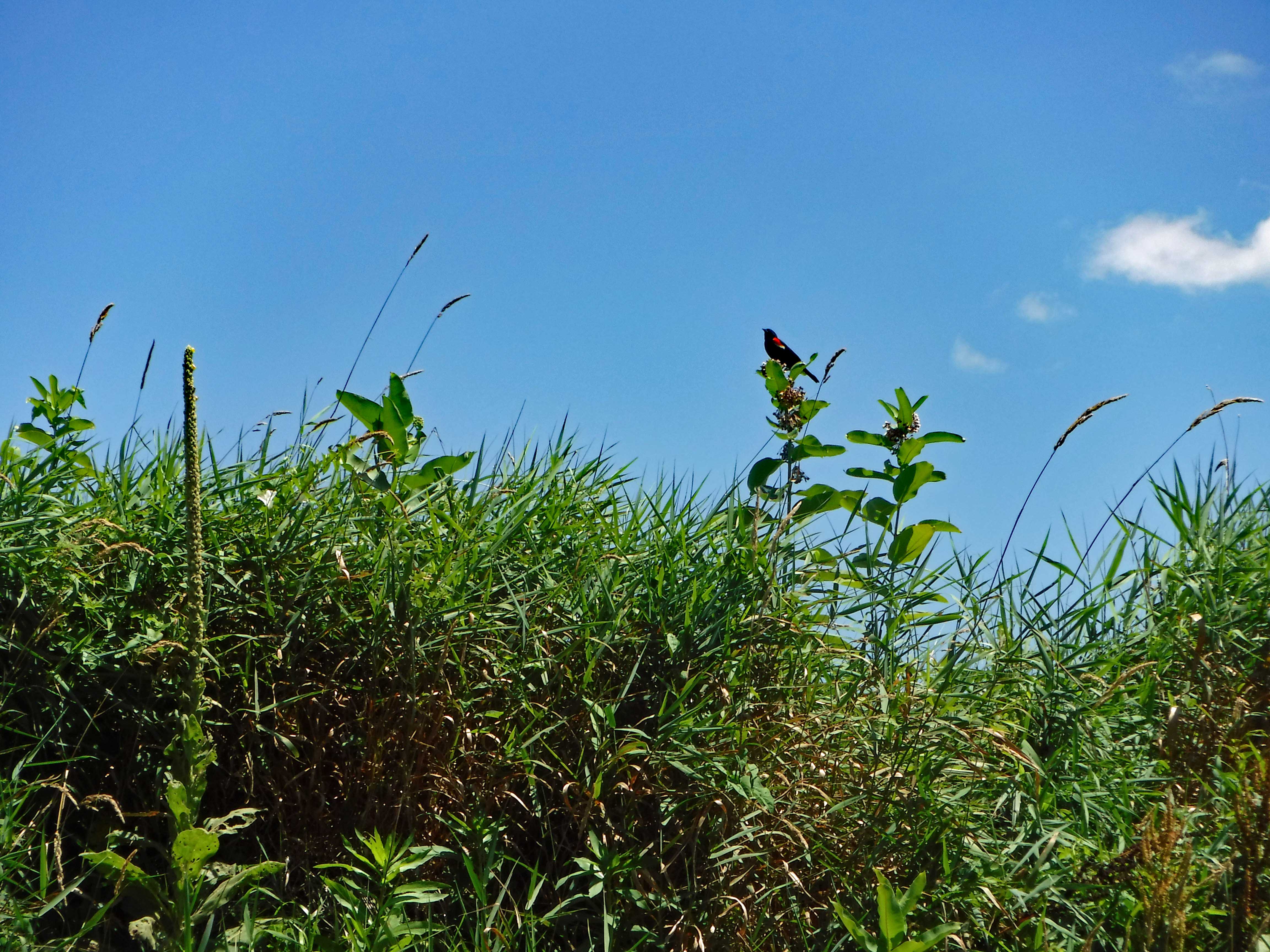
There were so many red-winged blackbirds. What a variety of sounds they make! Mullein plant to the left. We did see a couple hawks, but they were too far up in the tree for me to get a good shot. I usually just take my underwater camera when kayaking. it doesn’t have a good telephoto lens on it.

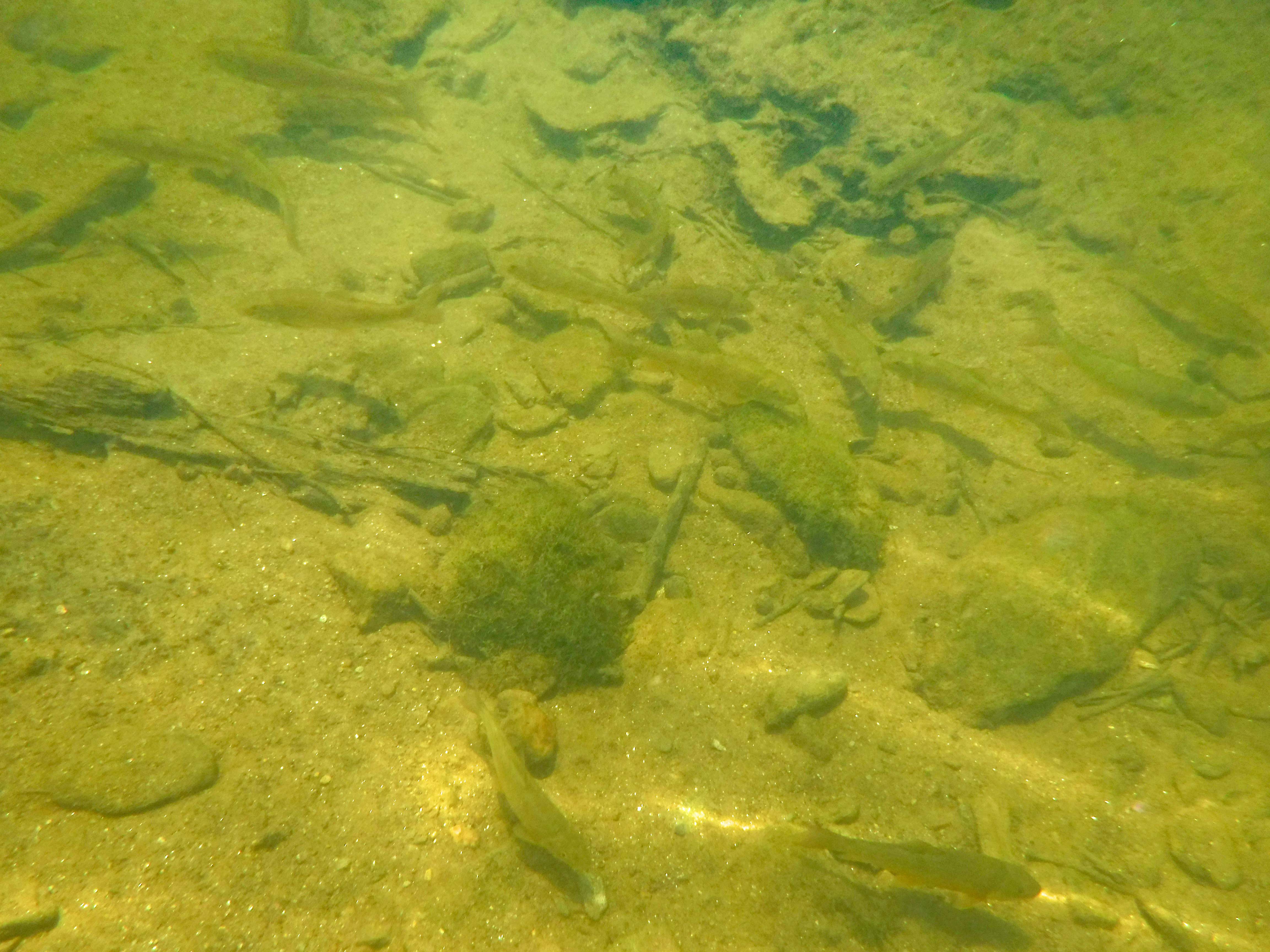
Speaking of underwater – I just stuck it under, next to the kayak and saw a bunch of trout.

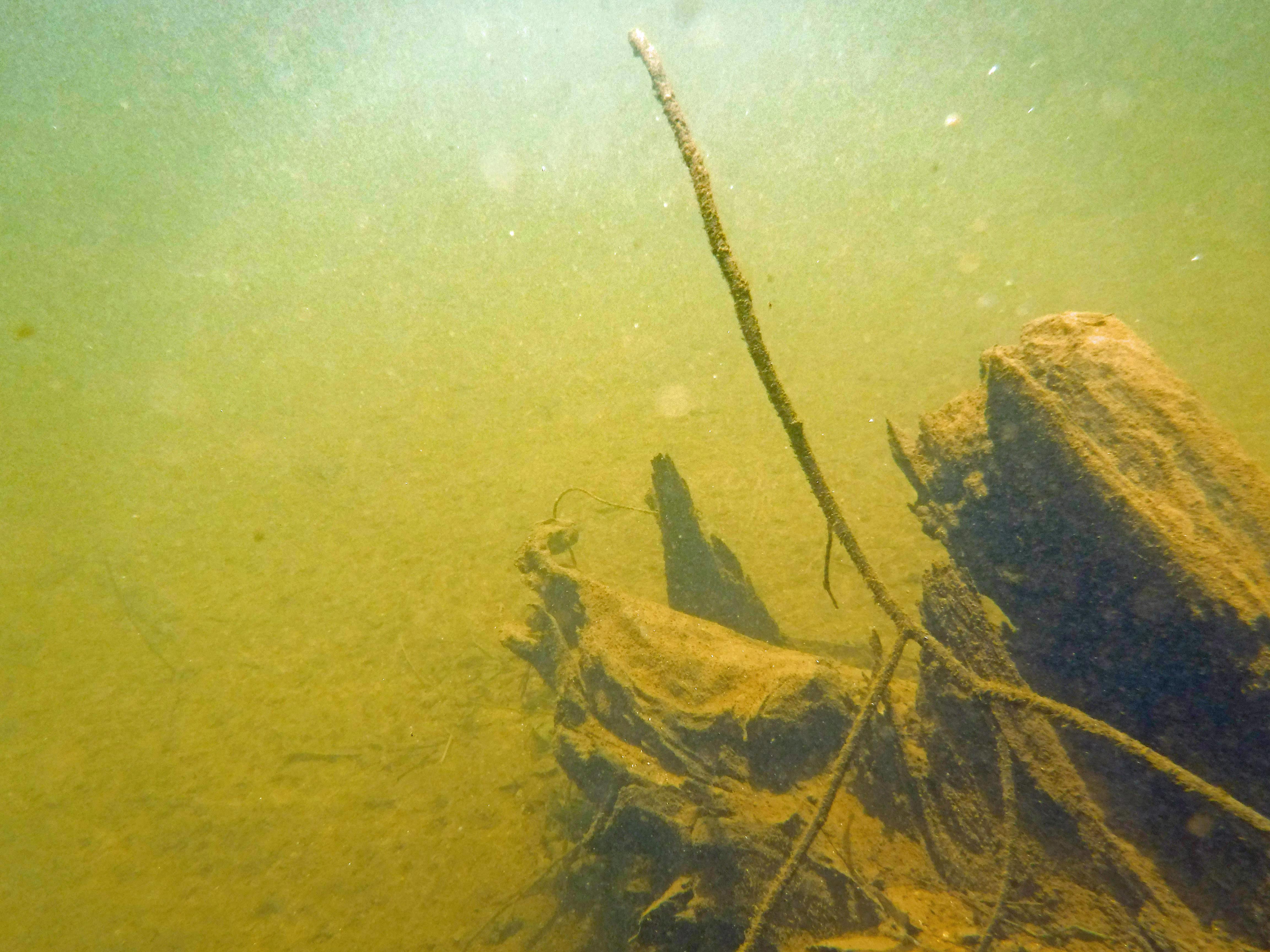
You do have to pay attention for the submerged logs.

Kathy collecting for our souvenirs. Only had to get out twice for shallow water. Water felt good.

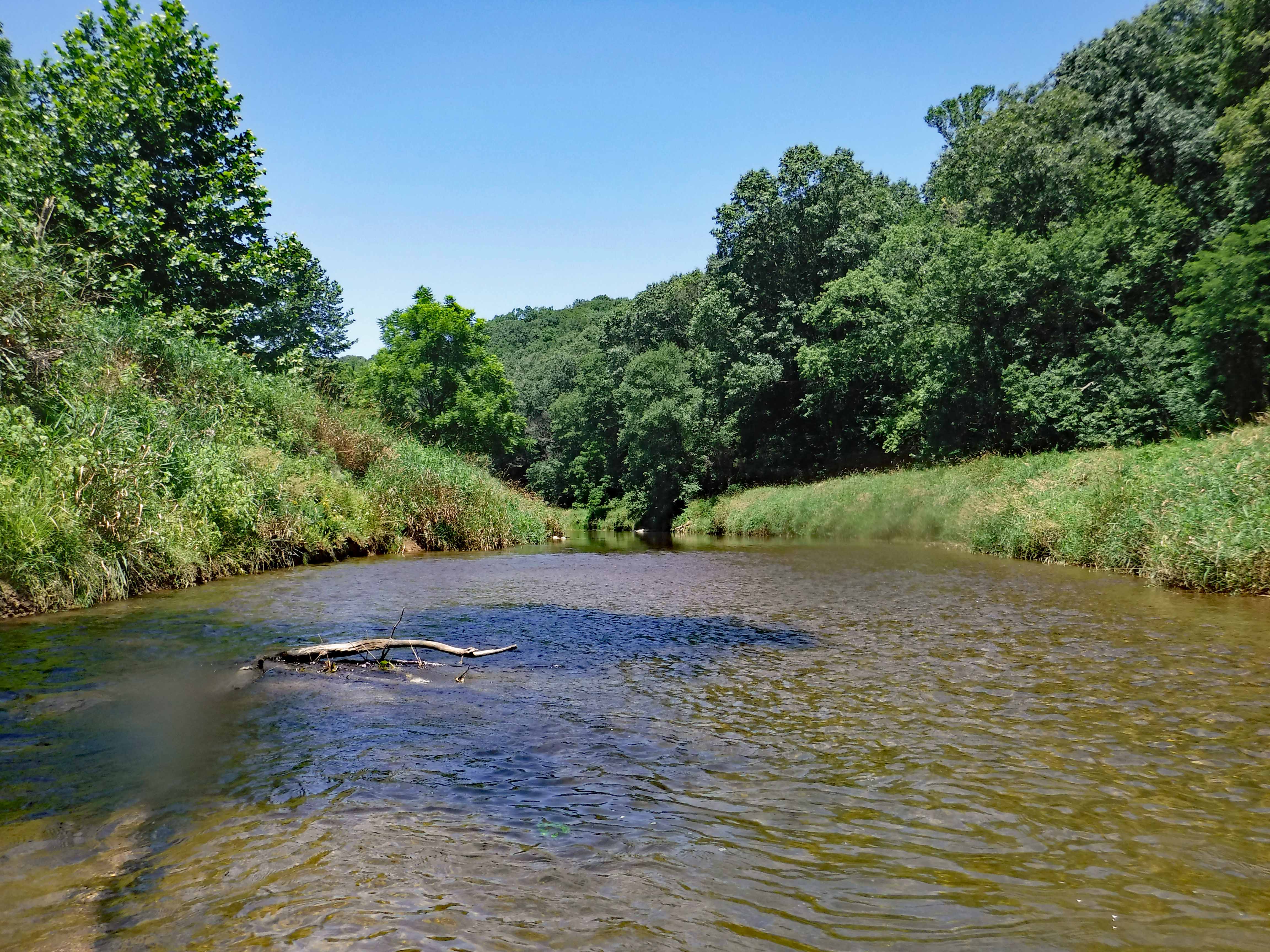
This was as far as we were able to go – too shallow. Almost 2 miles up. You can practically drift all the way back to the mill.

Odd looking cocoon. Three leaves weaved together to make a pouch. Like a pea pod. There were a bunch in this tree.

Pretty little flowers.

Glad we went early. A crowd showed up. Nice day enjoying ourselves, nature and God.

Saving History, One Piece at a Time

16 Friday Jun 2017

Posted by Ronald Parks in Baltimore, HISTORY, water history

≈ 3 Comments

Tags

Baltimore, Clifton Gate House, Dams, engineering, FILTRATION, Gunpowder Falls, HISTORY, Lake Montebello, Loch Raven, Montebello, POLITICS, Public Works, water history

Anyone that has been following my blog will remember my writing about a few construction projects that are water related. Such as the new buildings at Loch Raven, the contractor busting a hole in the ten foot conduit that supplies water to Baltimore, another contractor digging up the foundation to an old pumping station, the attempts to save the Clifton Gate House, the Roland Tower, the residence at Montebello, etc.

When I first wrote about the work along Loch Raven, I wrote about the house and buildings they were tearing down. After being notified of this project, I went to investigate and saw a bunch of metal signs. Not necessarily ultra historic, but a part of Baltimore’s Water Supply History nonetheless. I was able to retrieve from the contractor, 2 of the 8 that were there. The other six were taken by a company the reuses old building materials.

Here is one of the eight signs. This all happened a few months ago. The other day I received an email. One of those courtesy type ones from the big bosses downtown, trying to keep me in the history loop. Well, I was dumbfounded when I read the email. It just said FYI and had the attached photo along with two other attachments.

I couldn’t believe what I was seeing! This photo is of the marble plaque that was in the original 1881 gate house to the first Loch Raven Dam!!! i always wondered what happened to this thing.

The third attachment is a quote, only partially shown to protect the parties involved. Two marble plaques? The quote went on to say that the other one was dated 1887!! Holy crap! Only one water works related to Loch Raven was built at that time and that was the Clifton Gate House!! My eyes were playing tricks on me!! This couldn’t be!

But wait! How did this company get these things and were they really trying to sell them back to the City? City property??!! I don’t think I ever cussed in an email to one of the bosses downtown but I just couldn’t contain myself “What the hell! This is City property. How can they charge us for something that is ours?!” I suggested he gets the Environmental Police involved to check this out. If not, tell them I will give them $500 and we won’t press charges. He said he turned it over to the EP. And he did. Today I received a copy of the investigative report stating that these items were picked up by accident and would be returned to the City. And they were this afternoon!!

More on this later so stay tuned! (I want to go into a lengthy bit of comment on what we should learn from this…)

Loch Raven Property Part 2

14 Wednesday Jun 2017

Posted by Ronald Parks in Baltimore, Dams, HISTORY, water history

≈ 8 Comments

Tags

Baltimore, Dams, FILTRATION, glass plate negatives, Gunpowder Falls, HISTORY, Loch Raven, nature, Public Works, water, water history

Back in December I posted information about a house that was being torn down to make way for a new Loch Raven Reservoir Maintenance building(s). Some questions came up as to who owned the house originally and how long had it been there. Just recently my blog had been read and I have been in communication with two brothers that lived there. Their grandfather was the superintendent of the property from the fifties to the eighties.

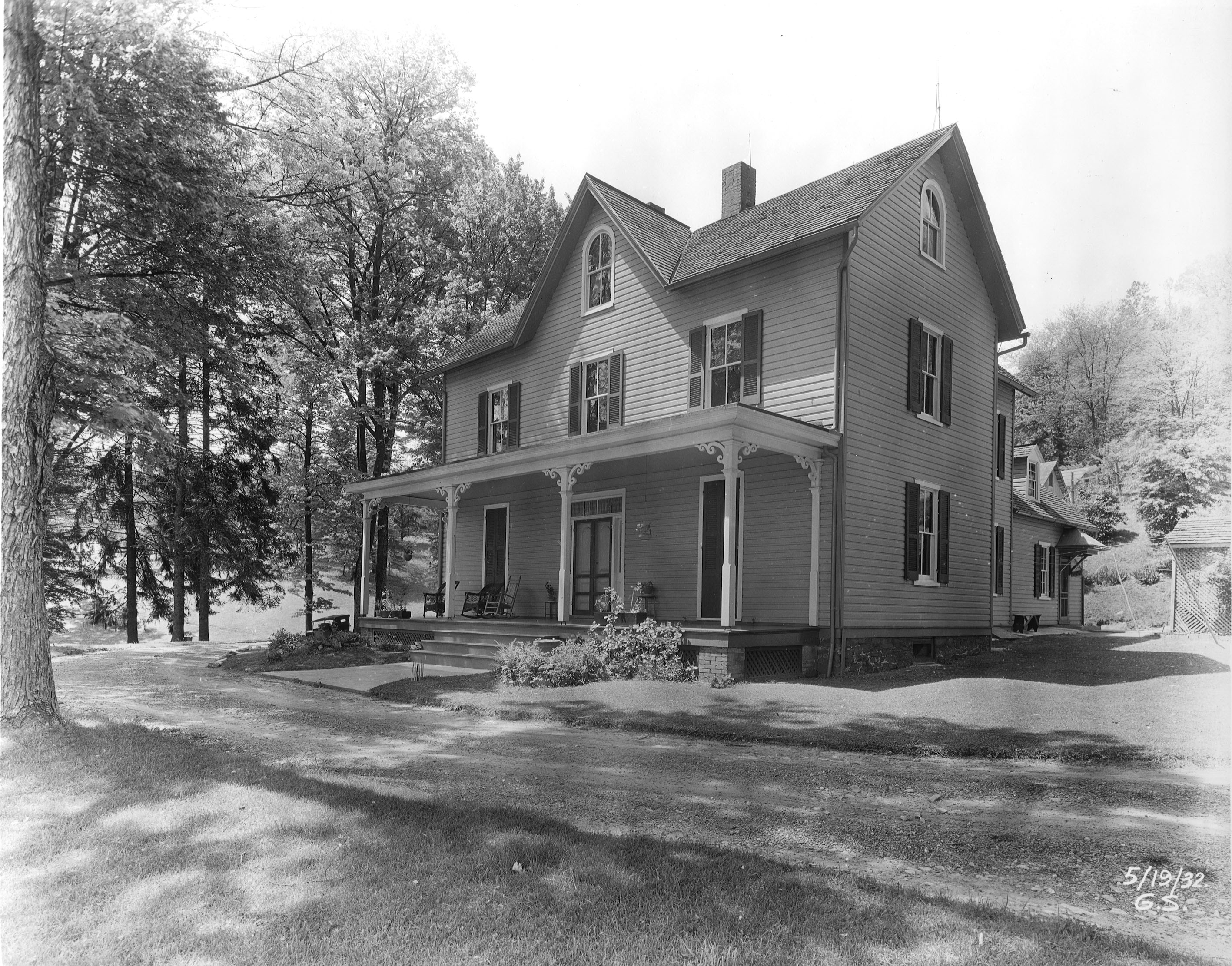
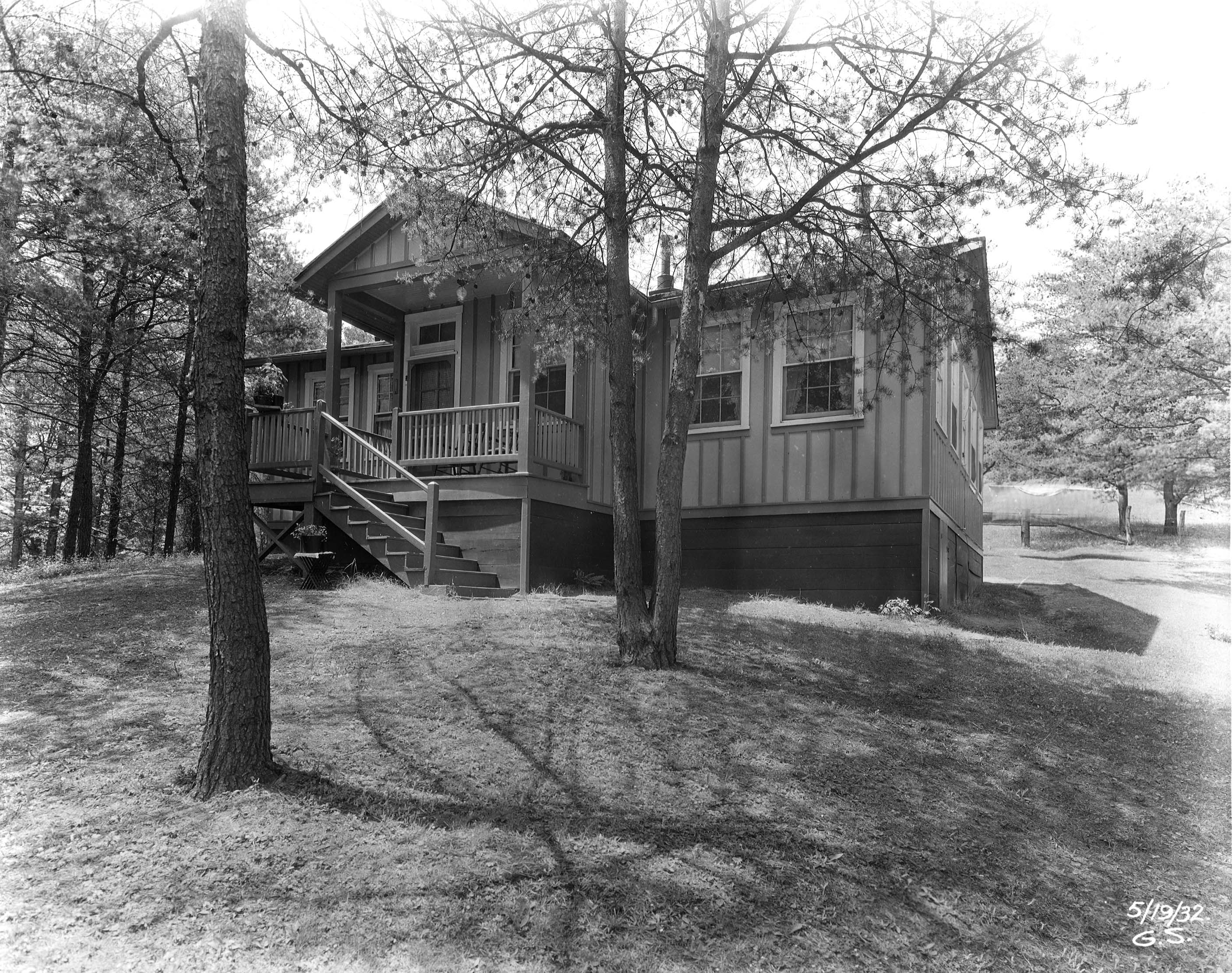
I found this photo and the accompanying info sheet on the property.

Back in 1932 a handyman lived there named William Butcher. The brother’s names are Joe and Jim Greenwood. Their grandfather’s name was William Farrell. They are going to try and find some photographs of when they lived there.

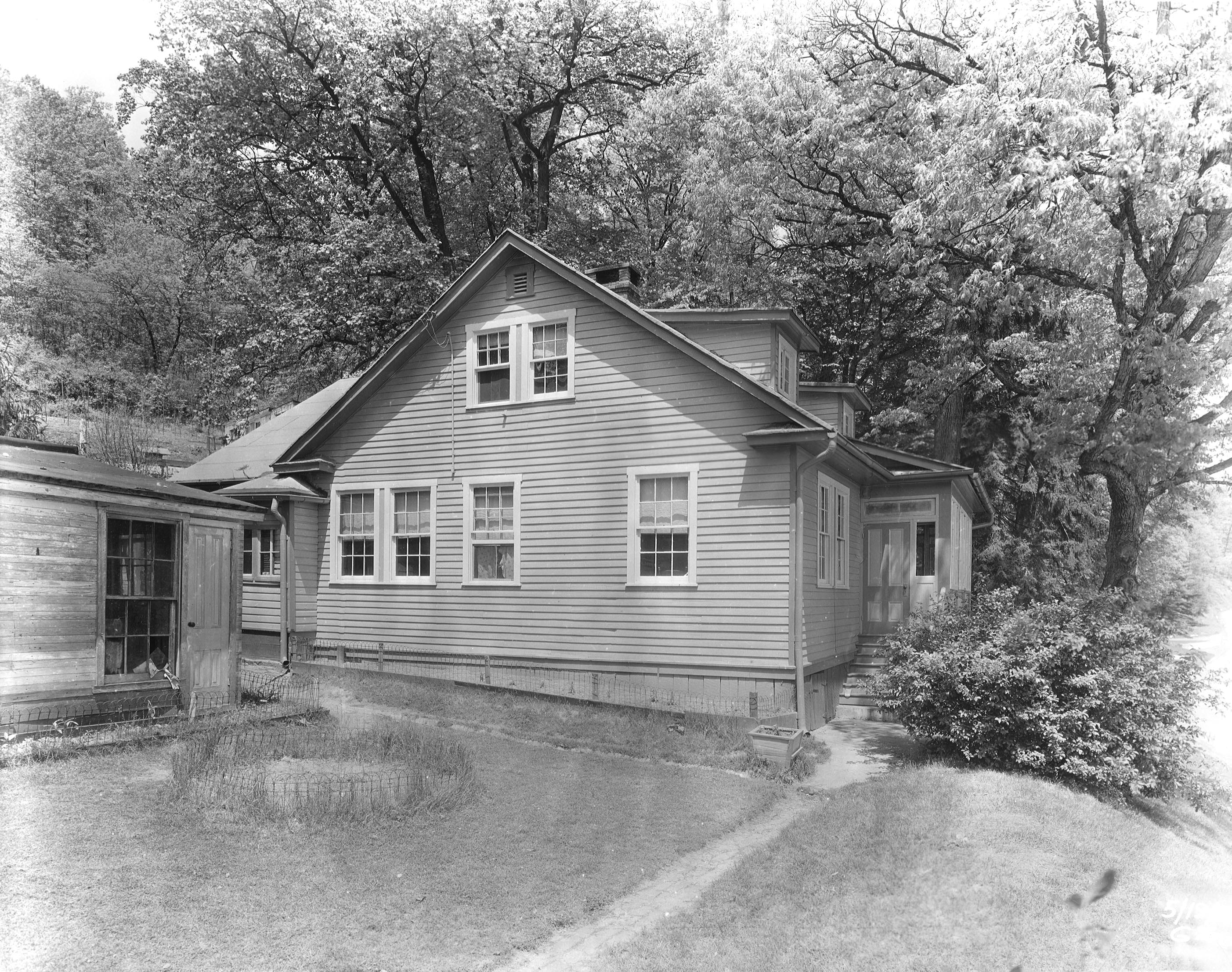
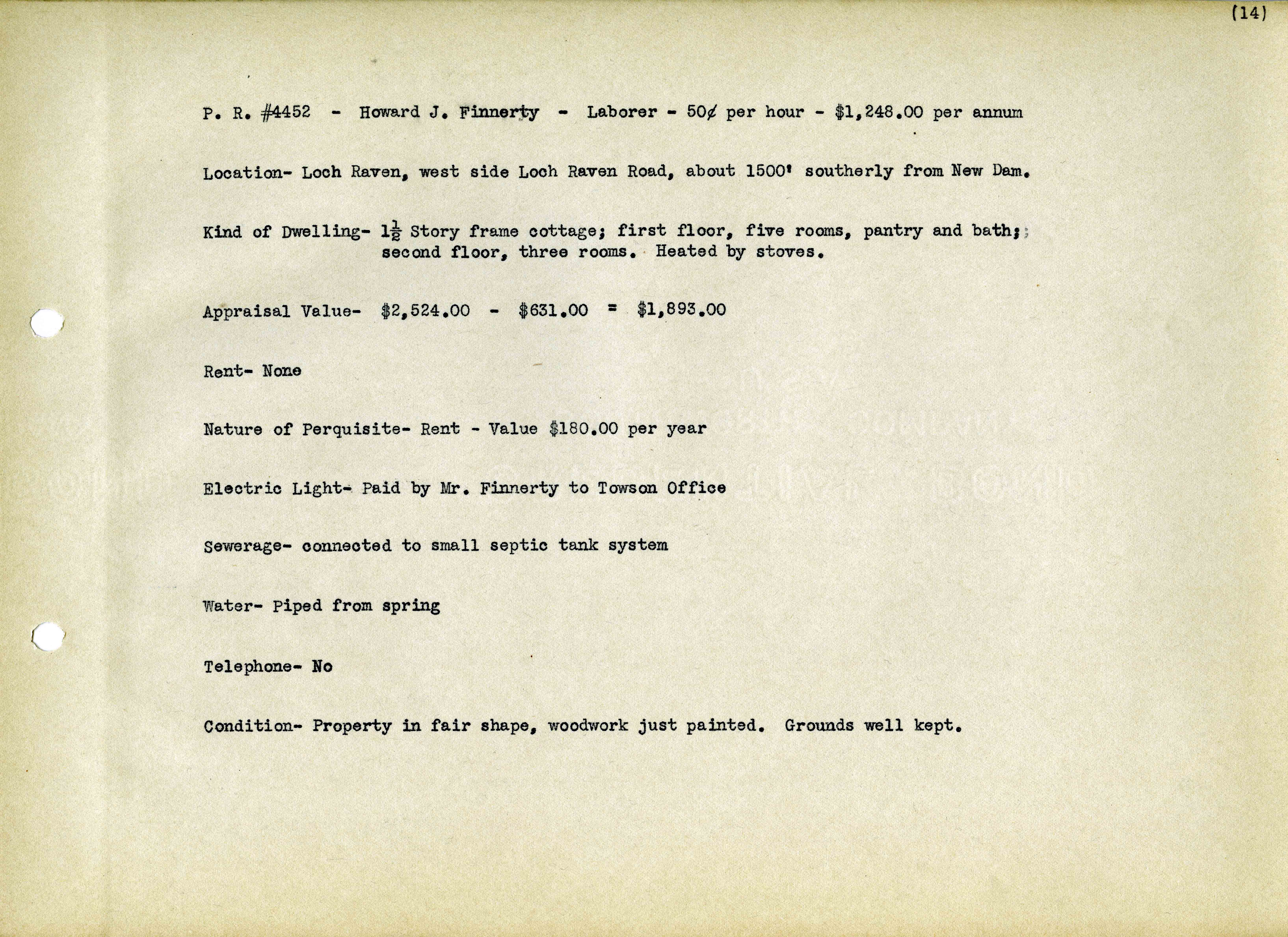
In my records is this house, occupied by Howard Finnerty.

As can be seen, this house was 1500 feet south of the dam, which puts it just north of the Butcher property.

Enlarging this photo from about 1914, you can see both houses to the left.

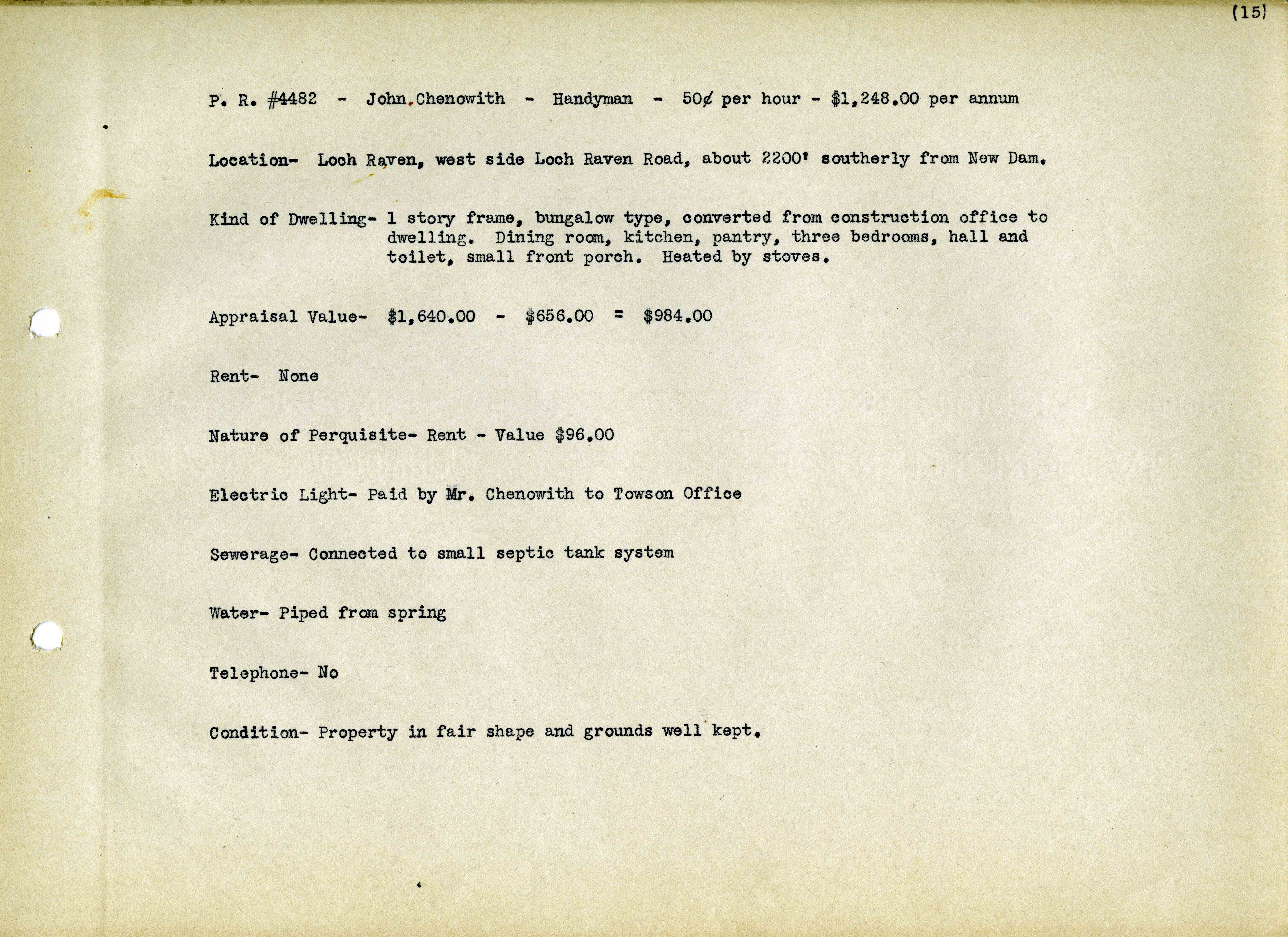
Another interesting house adjacent to the property was occupied by John Chenowith.

According to this record, the house was 2200 feet from the dam which kind of puts it just south of Shanghai Run, on the hill. I did find a photo that LOOKS like this house from 1914 but I am not sure.

Here is some of what the brothers said about growing up on Loch Raven:

• Jim Greenwood said: June 12, 2017 at 4:15 pm
According to family history, the home was built in stages sometime before the Civil War. The kitchen section was built first, then the center section, then finally the large section up front, including the porch. It was later bought by the city.
The house was always occupied by the Superintendent up until 1980 when my grandfather retired. Legend has it that General Harry Gilmor spent time in the house during his adventures in the area.
Many, many stories. I remember evacuating the house during Agnes, and ice skating below the lower dam in the winter, and hearing about Chuck Thompson at the fishing center (a celebrity!) In the 60s we’d get trapped in the house as the road became gridlocked with folks cruising in their cars and flat lands below the dam became a big parking lot/beach party every weekend. In the mid-seventies they planted trees below the lower damn and closed the road on the weekends and the hippies were replaced by bicyclists.
Despite the beautiful photos, the area between the dams was usually a mud pit with a stream of water trickling down the middle.
My grandfather kept a close eye on the place, and we always enjoyed him shouting from the front porch at people getting into things they shouldn’t get into.

• Joe Greenwood said: June 13, 2017
I think Chuck Thompson came to one of the crab feasts. Several barrels of steamed crabs from Hale’s for the then crazy sum of $100 each.
Winter was always fun for us with the salt trucks going in and out and never understood why our grandfather hated snow. Greatest sled hill in the world up behind the pumps and the old foundation up on the hill. We somewhat had the run of the place since all the workers knew us and we would despoil Uncle Bill’s penny jar and walk to Sanders’ at the juncture of Cromwell Valley. If nothing else, we could check on the dead cat along the way and occasionally didn’t catch fish off the little dam while the hippies jumped off it. It was always fascinating to talk to Clarence, who tended to come on duty in the evening to patrol and was missing a finger and was always happy to show us his pistol.
We did get in a little trouble like accidentally throwing kerosene on the workers’ wood stove.

So now the question comes up! Should this house have been torn down before doing a thorough investigation? Gilmor??

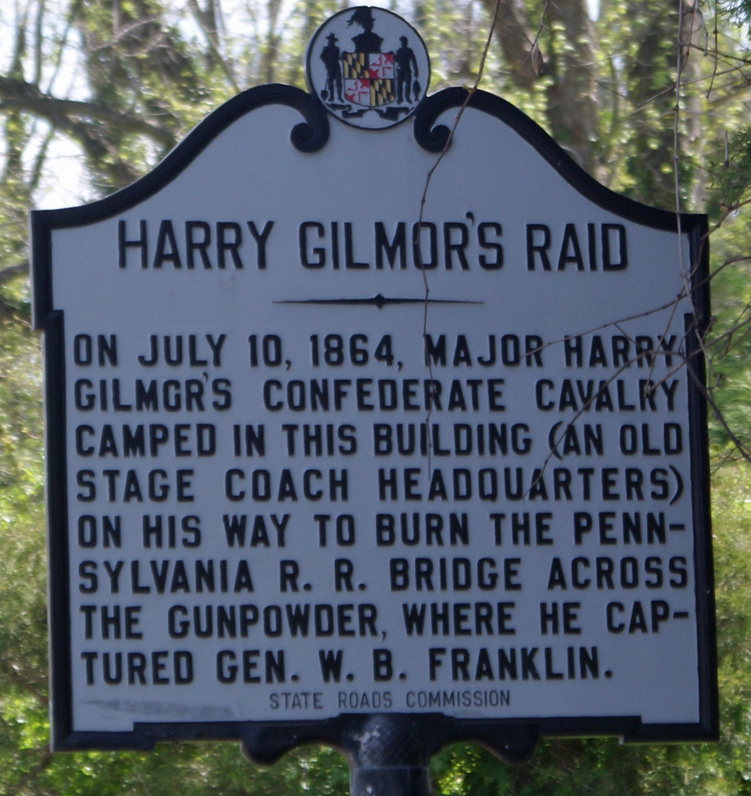
This is a historic marker up off of Mountain Road, not too far from Loch Raven. Which brings up another question – since a lot of people are so hell bent on erasing history, by removing Confederate statues – should all the Highway Markers also be removed?

Thanks to Joe and Jim Greenwood for your stories. This is what makes my job so interesting.


← Older posts
Newer posts →

Blogroll

  • Flouride Action Network
  • lulu
  • My Book
  • WordPress.com
  • WordPress.org

Recent Posts

  • Bermuda 2023
  • ICELAND April 2023
  • George Chalmers of Fochabers
  • In Search of The Skipjack Ada Mae
  • Trap Pond Kayak

Blog at WordPress.com.

  • Subscribe Subscribed
    • Water and Me
    • Join 231 other subscribers
    • Already have a WordPress.com account? Log in now.
    • Water and Me
    • Subscribe Subscribed
    • Sign up
    • Log in
    • Report this content
    • View site in Reader
    • Manage subscriptions
    • Collapse this bar
 

Loading Comments...