• About
  • History Writings

Water and Me

Water and Me

Tag Archives: Museum

You Decide

03 Friday Feb 2017

Posted by Ronald Parks in Baltimore, HISTORY, POLITICS

≈ Leave a comment

Tags

Baltimore, Druid Hill, HISTORY, Museum, photography, Public Works, Rec and Parks

shower1

Hands up, don’t shoot or a public shower?

img006

Early entrepreneur, ready to run for office or just some kid in a box on a flooded street?

img040

Good old days ice skating or the beginning of a race riot?

The negative comments I received after posting this last photo on Face Book was one of the many reasons I stopped using FB to post the museum archives. How in the world do you go from ‘The good old days’ ice skating at Druid Hill Park in the 1920s to ‘There’s a lot of racial tension here, look they’re carrying sticks’ to ‘it’s all Obama’s fault’!!??

The top two photos, although found in the DPW Museum Archives, I believe, are part of another collection, that the museum bought rights to use for one of its displays.

Road Trip, Museum and Hike

30 Monday Jan 2017

Posted by Ronald Parks in art, Photography

≈ Leave a comment

Tags

art, Hiking, mills, Museum, nature, photography

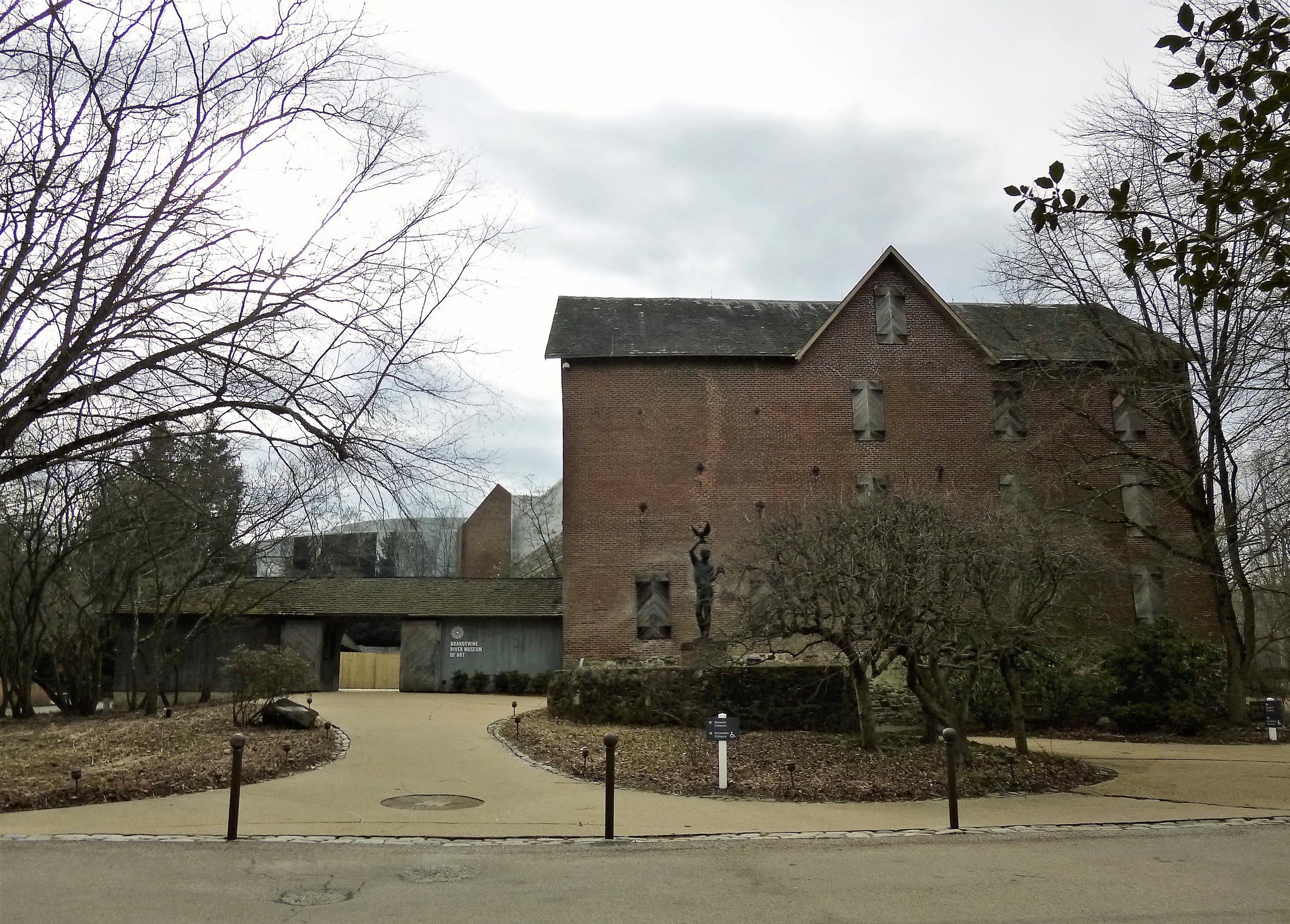
Headed up to the Brandywine River Museum in Chadds Ford, Pa. where part of the Wyeth Collection is displayed. Kathy suggested we go to check out the Wyeth Family art work before we go see Andrew Wyeth’s granddaughter’s work at the Harford Artist Association next month.

p1070817

Art gallery connected to a mill. http://www.brandywine.org/museum

p1070819

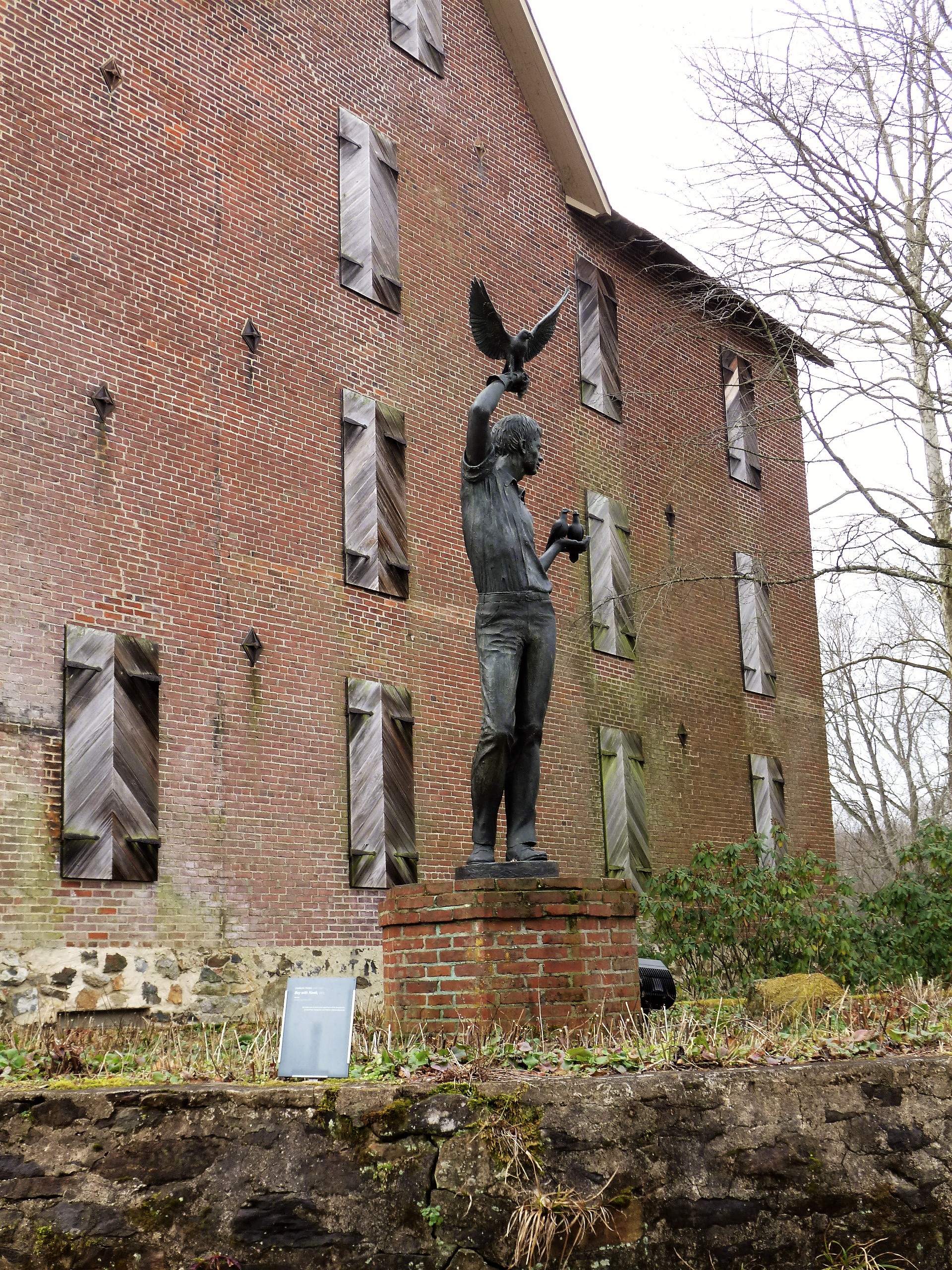
A boy and his hawk (and I guess 2 pigeons to feed to his hawk?)

p1070821

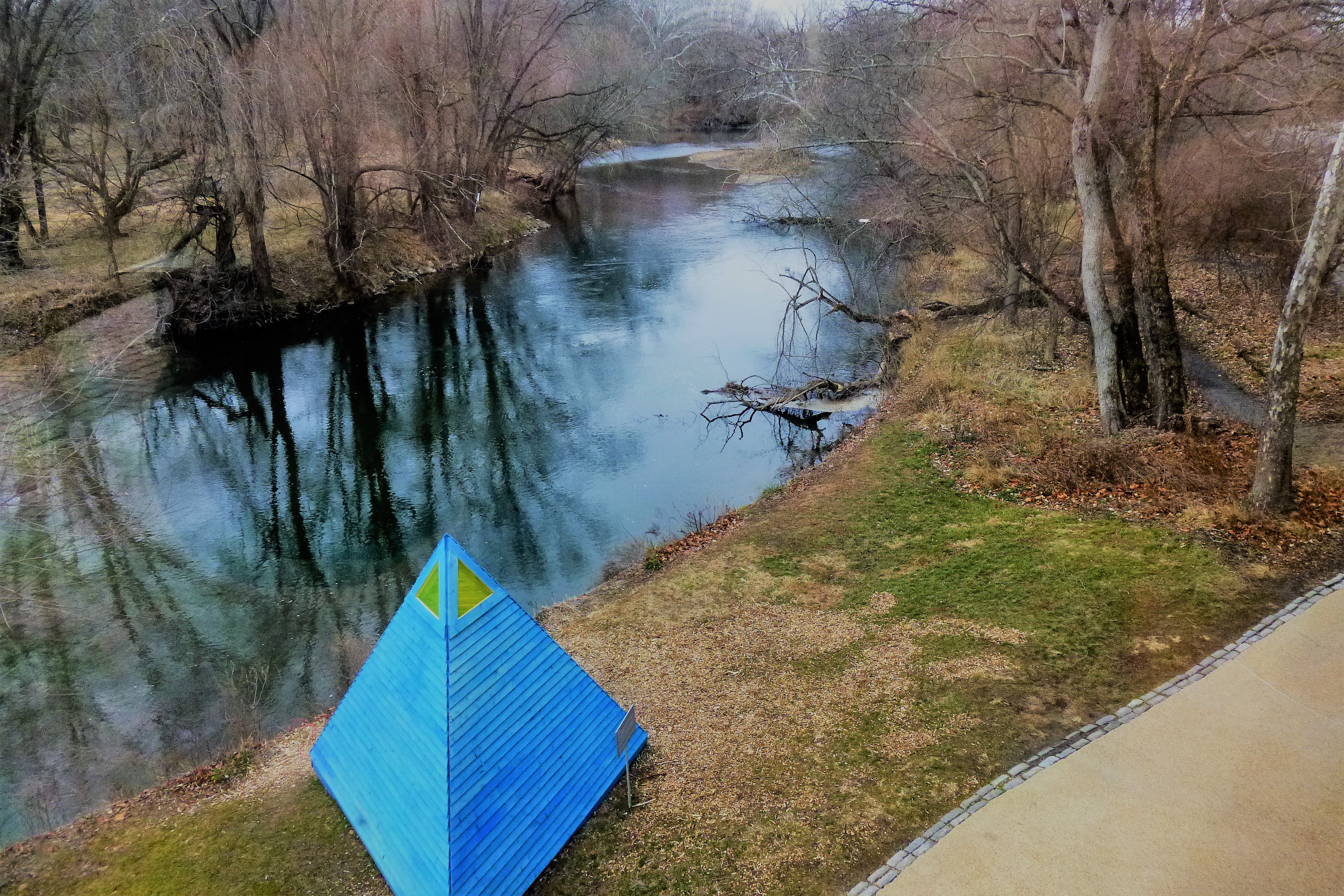
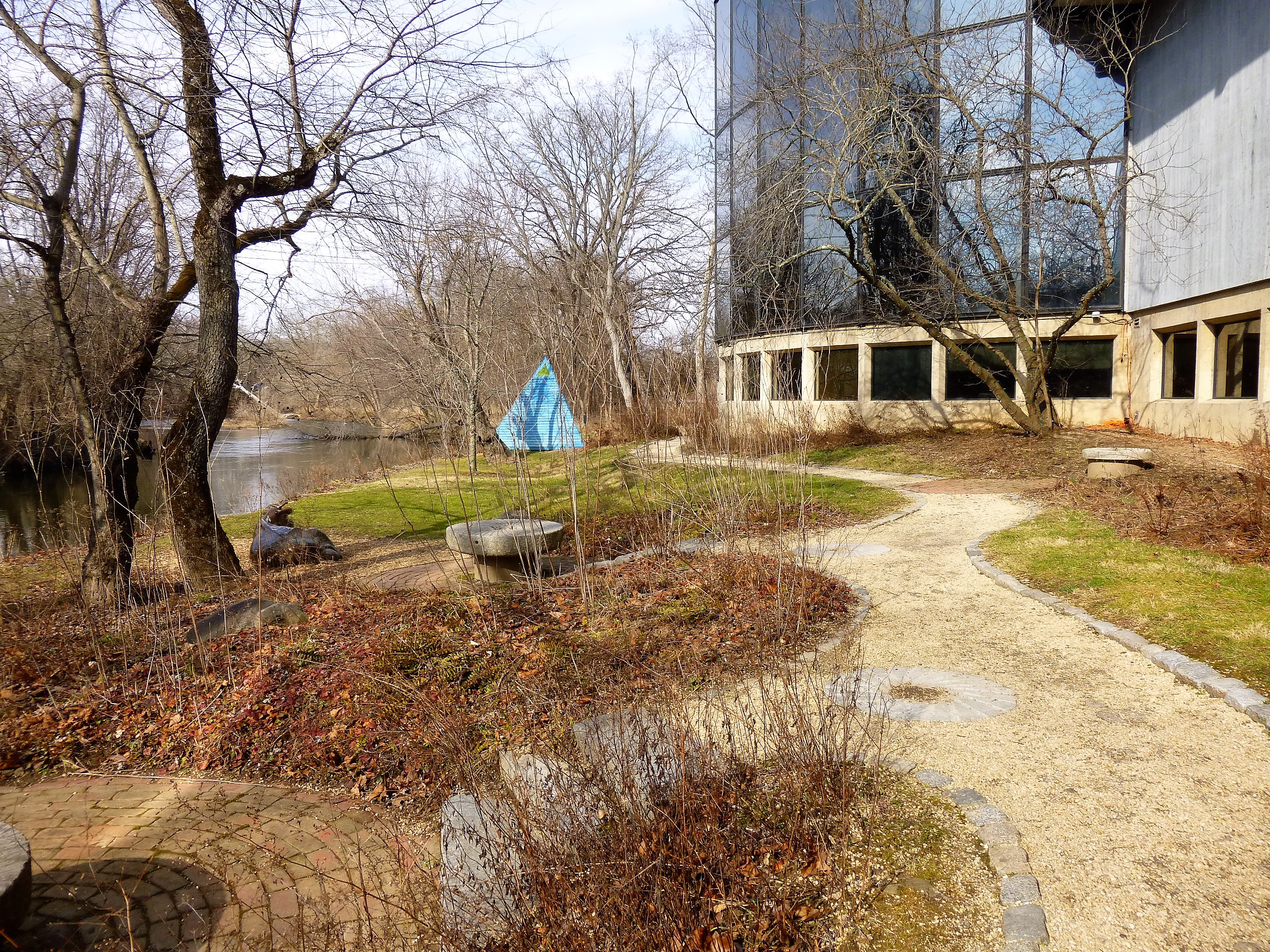
View from the second story window, actually thru the window. Meditation pyramid.

p1070828

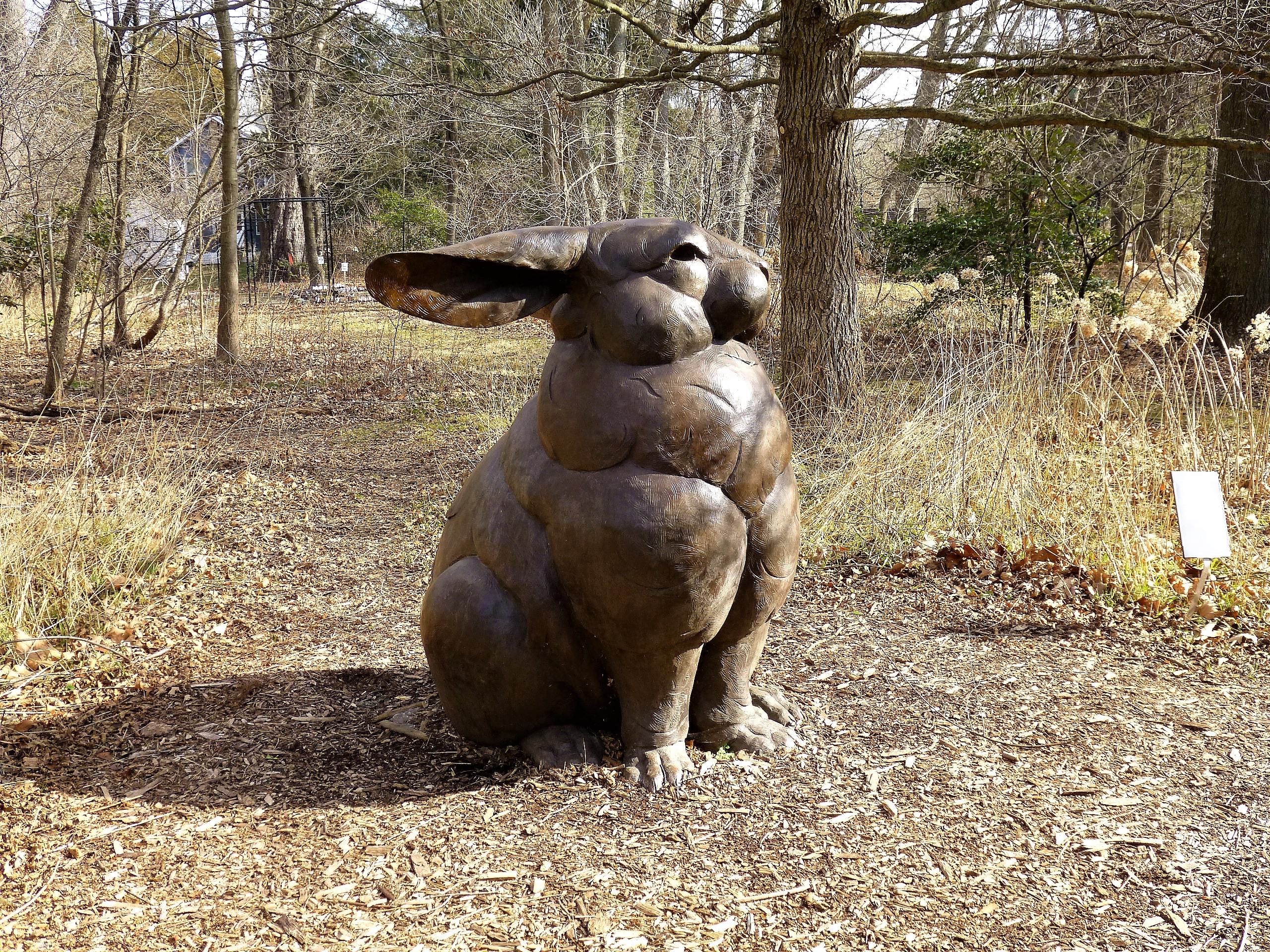
Not allowed to photograph the artwork, which was fine. Gave me more time to look at and enjoy the work (sometimes I photograph objects and their accompanying plaques, thinking I will read later…) Big Brass Bunny to start off our hike on the Riverwalk.

p1070832

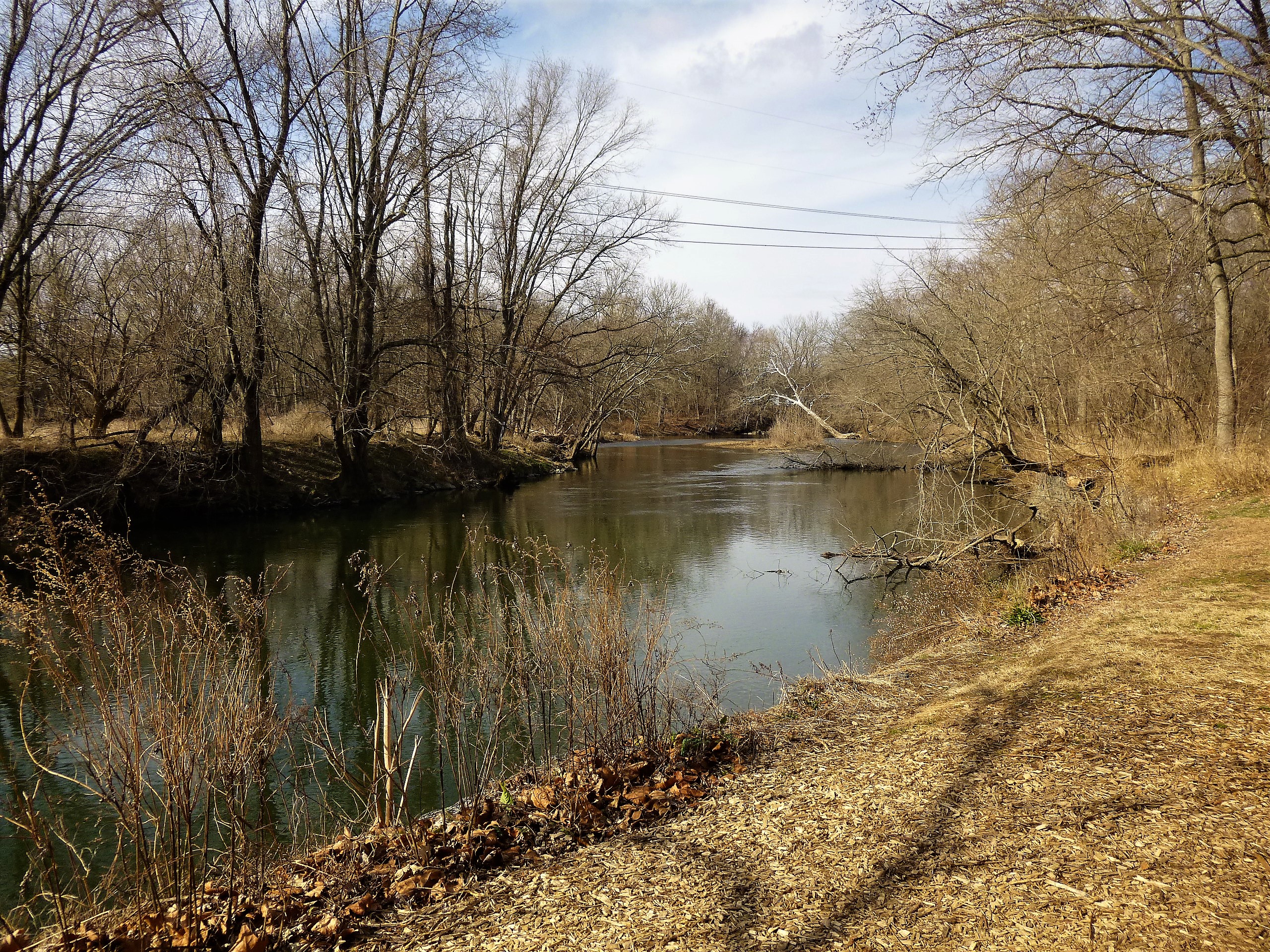
Nice little trail along the Brandywine River.

p1070839

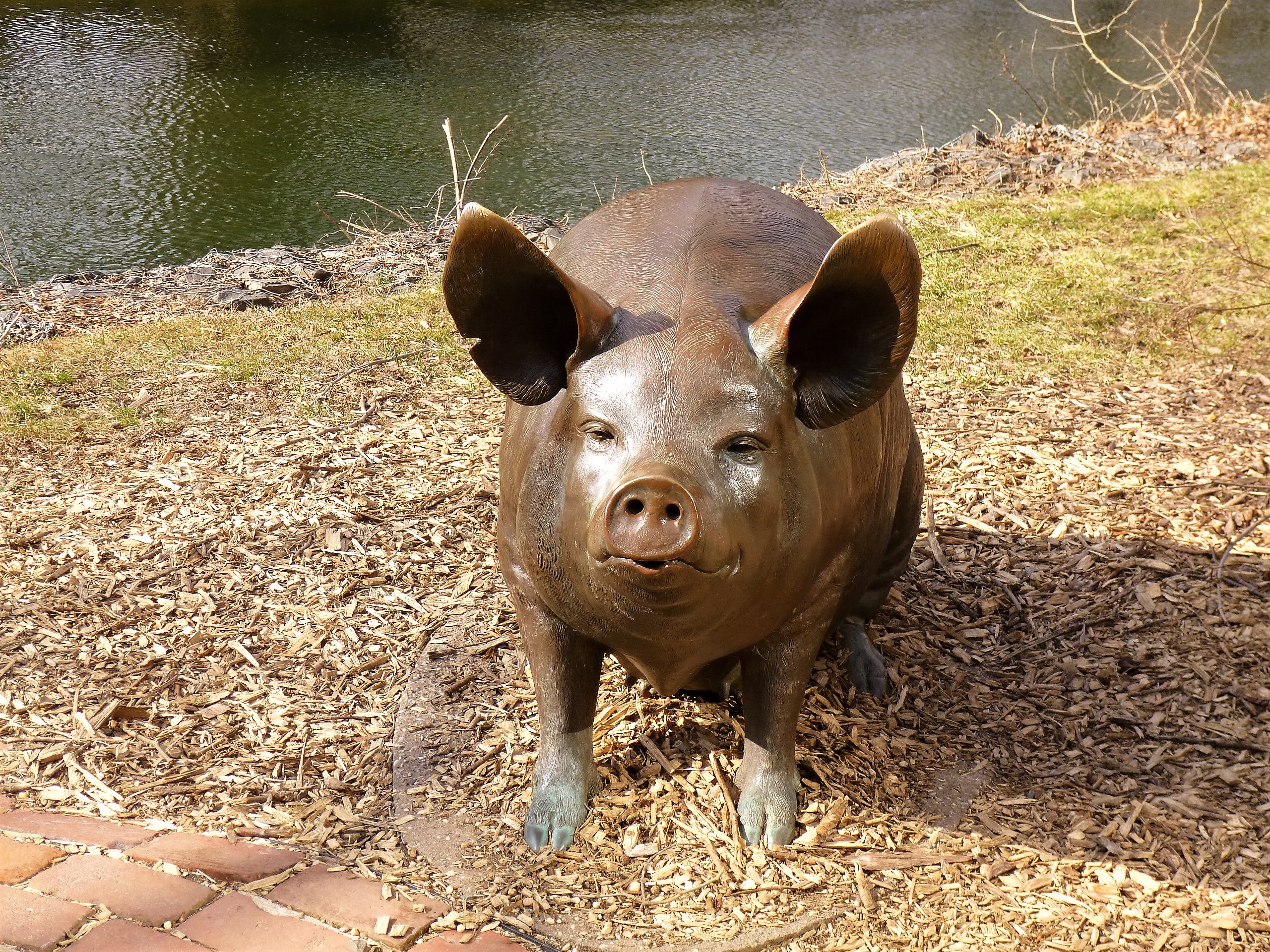
“That’ll do pig, that’ll do.” Farmer Hoggett – Babe.

p1070843

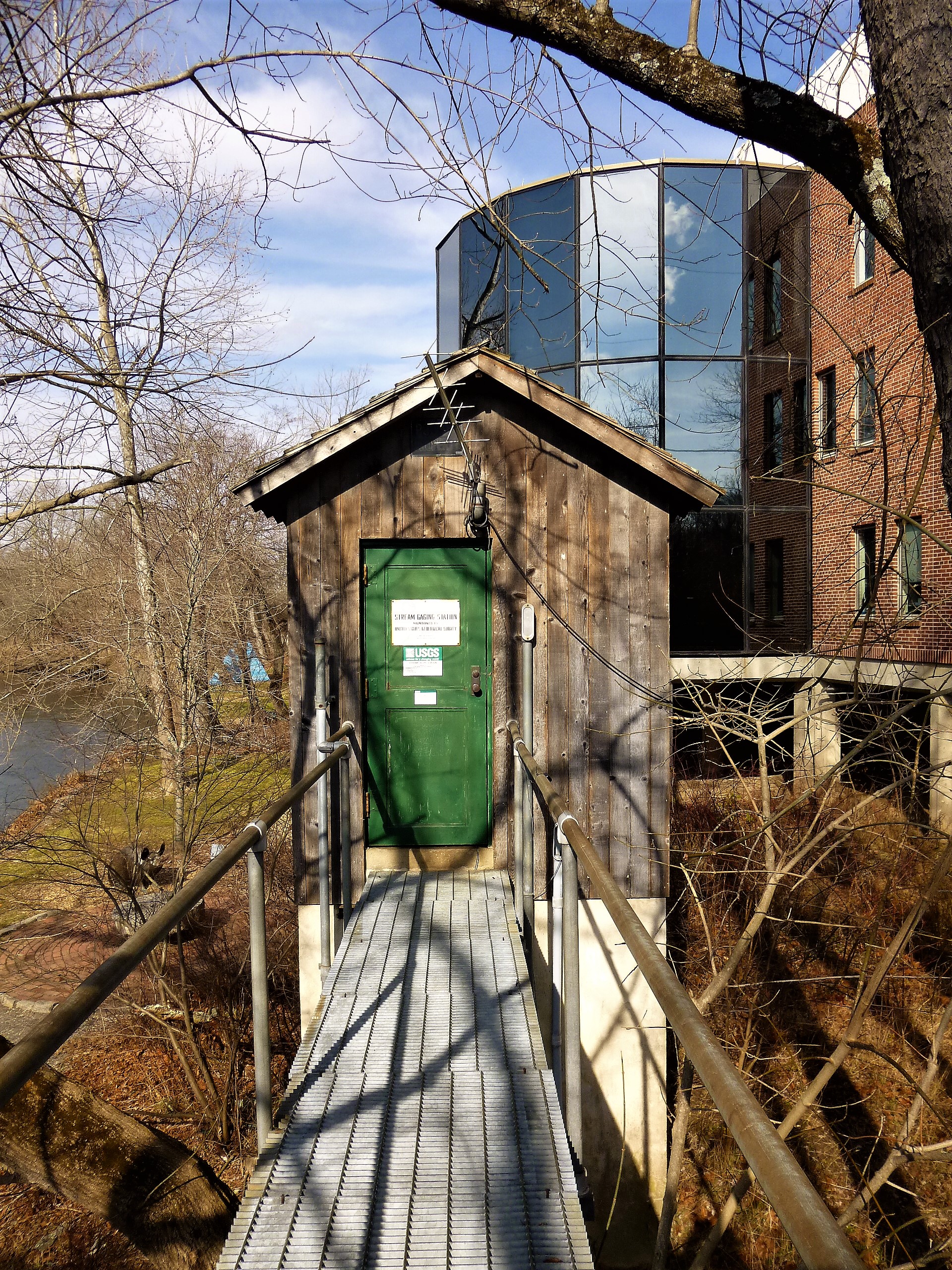
Water connection for my water blog – Stream monitoring station (USGS)

p1070848

View from the train tracks, looking up-stream.

p1070853

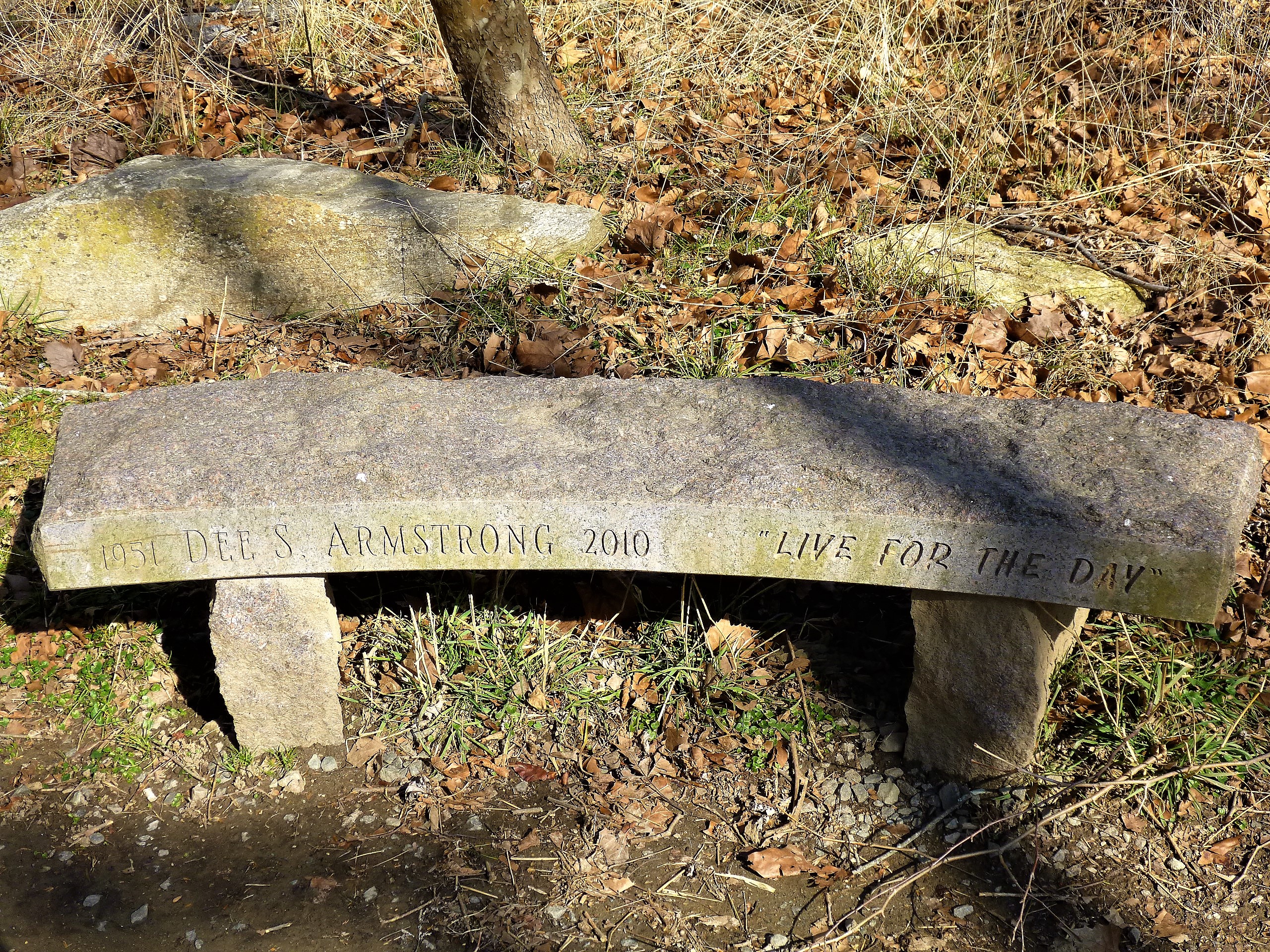
One of two inscribed benches along the trail. “Live For The Day”

p1070855

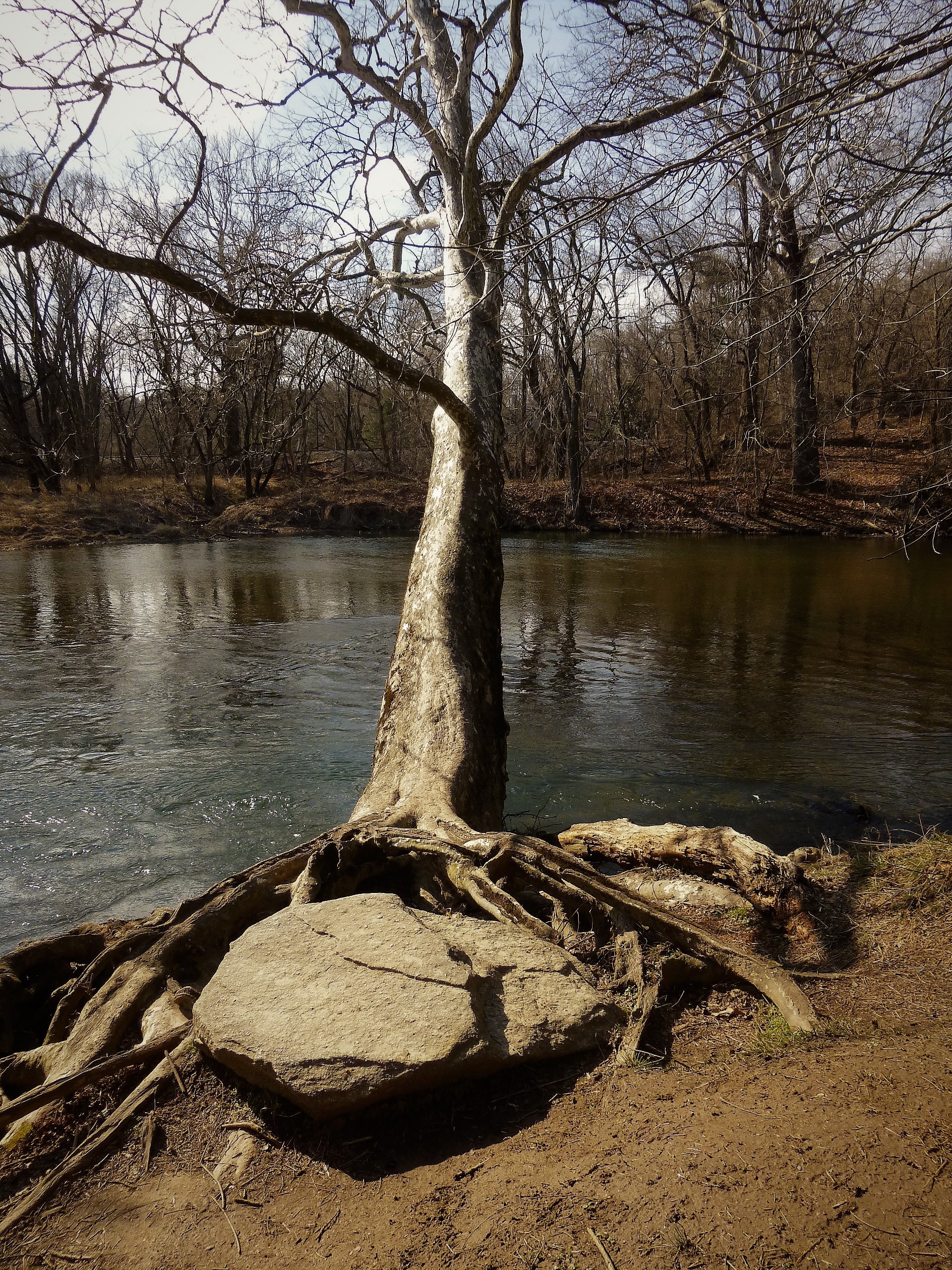
Large sycamore leaning towards the water. Wonder how much longer it will stand?

p1070878

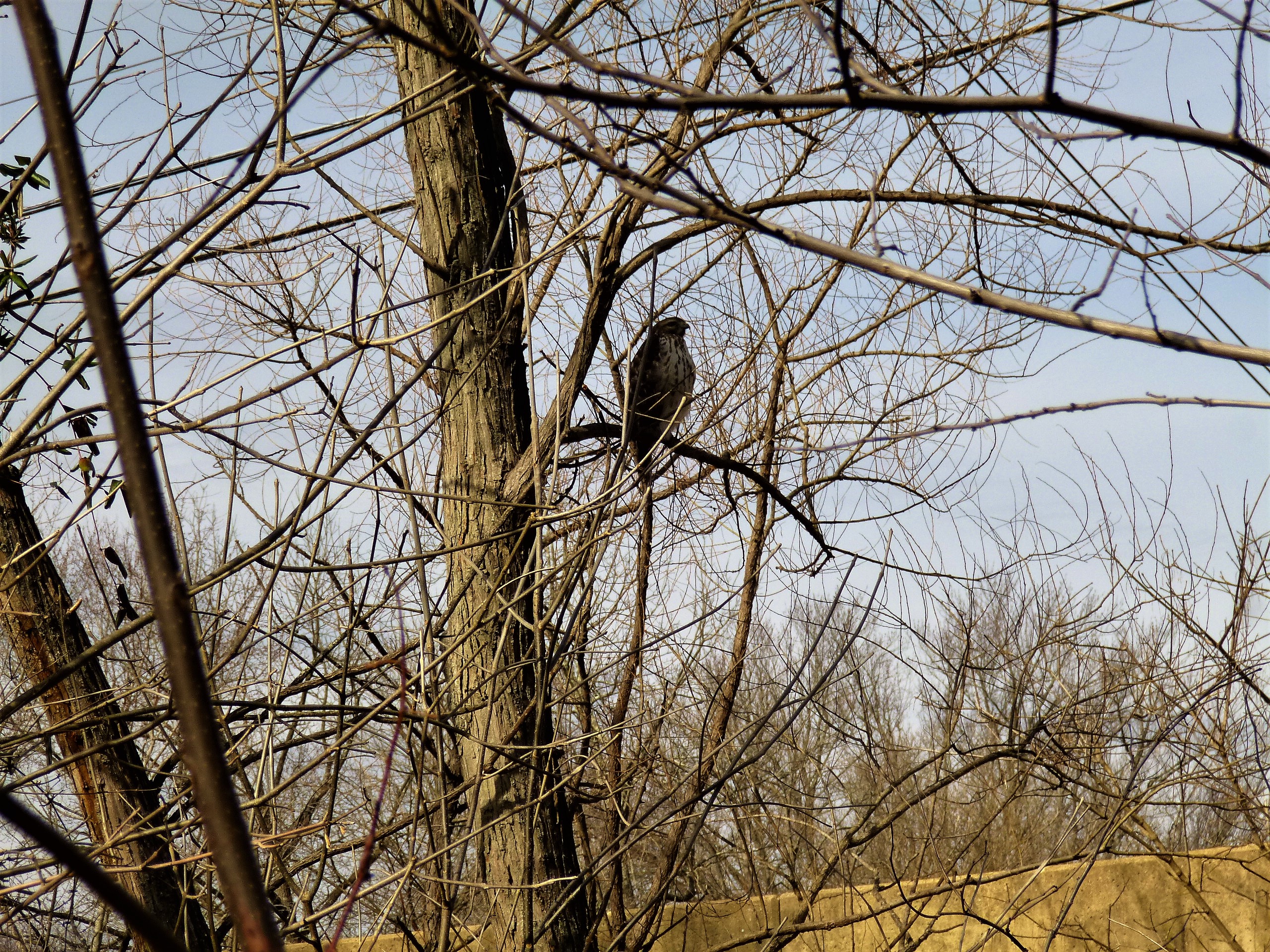
A lone hawk wondering if he will ever get to pose for a bronze statue…

Mrs. Jones, The Butcher, The Chicken and Hakeem

09 Monday Jan 2017

Posted by Ronald Parks in Baltimore, Health, HISTORY

≈ Leave a comment

Tags

Baltimore, DPW, Health, HISTORY, Museum, Research

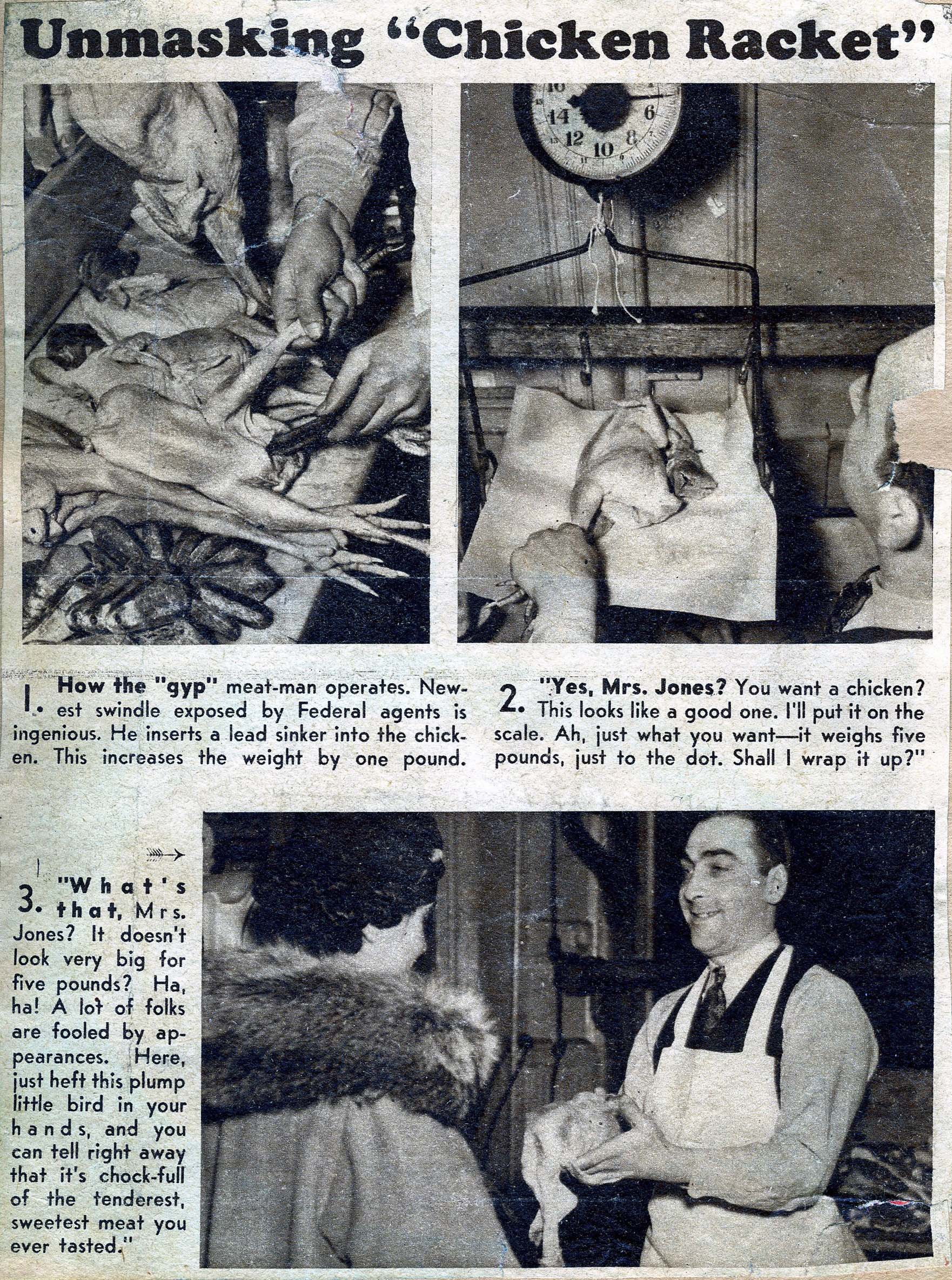
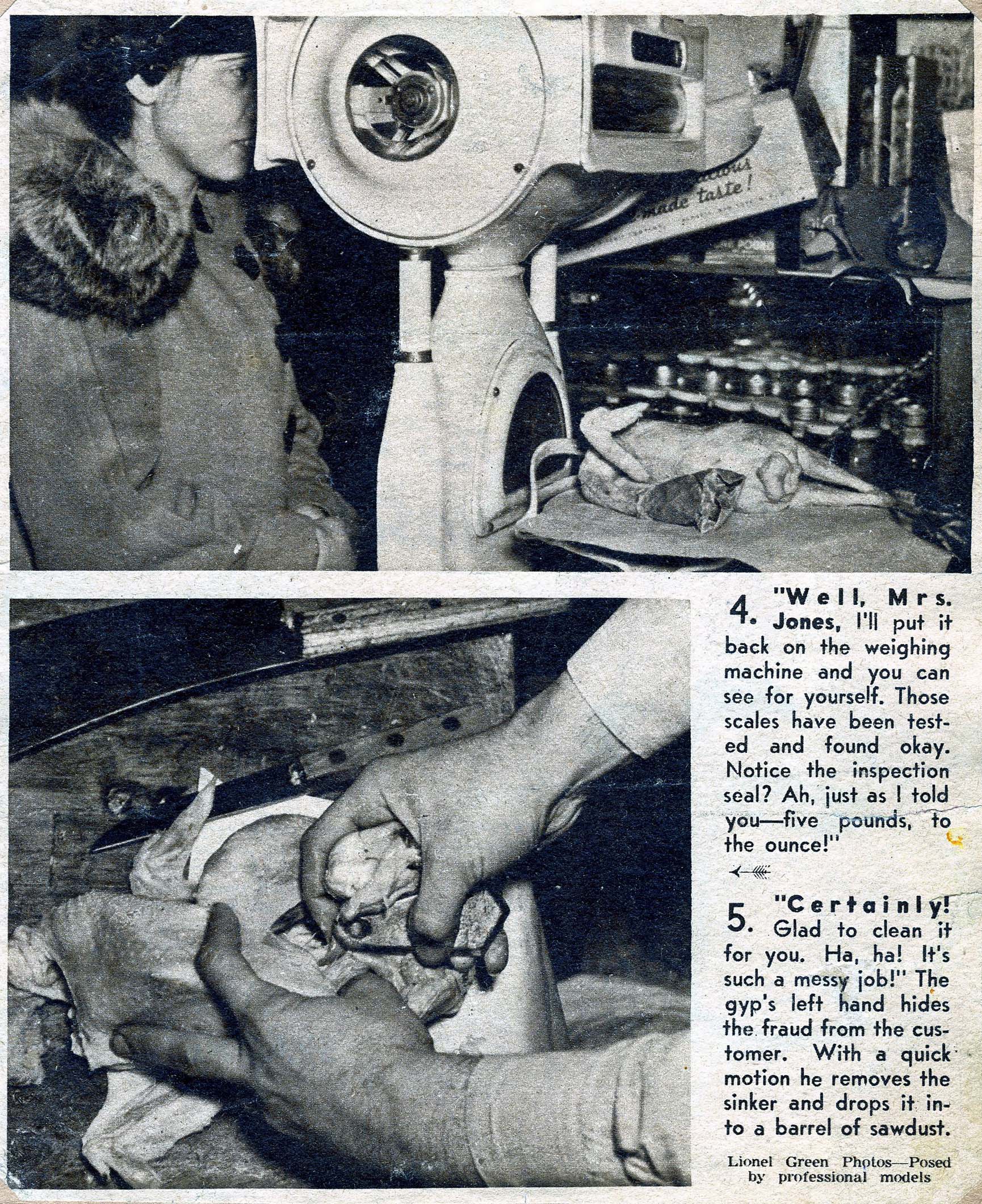
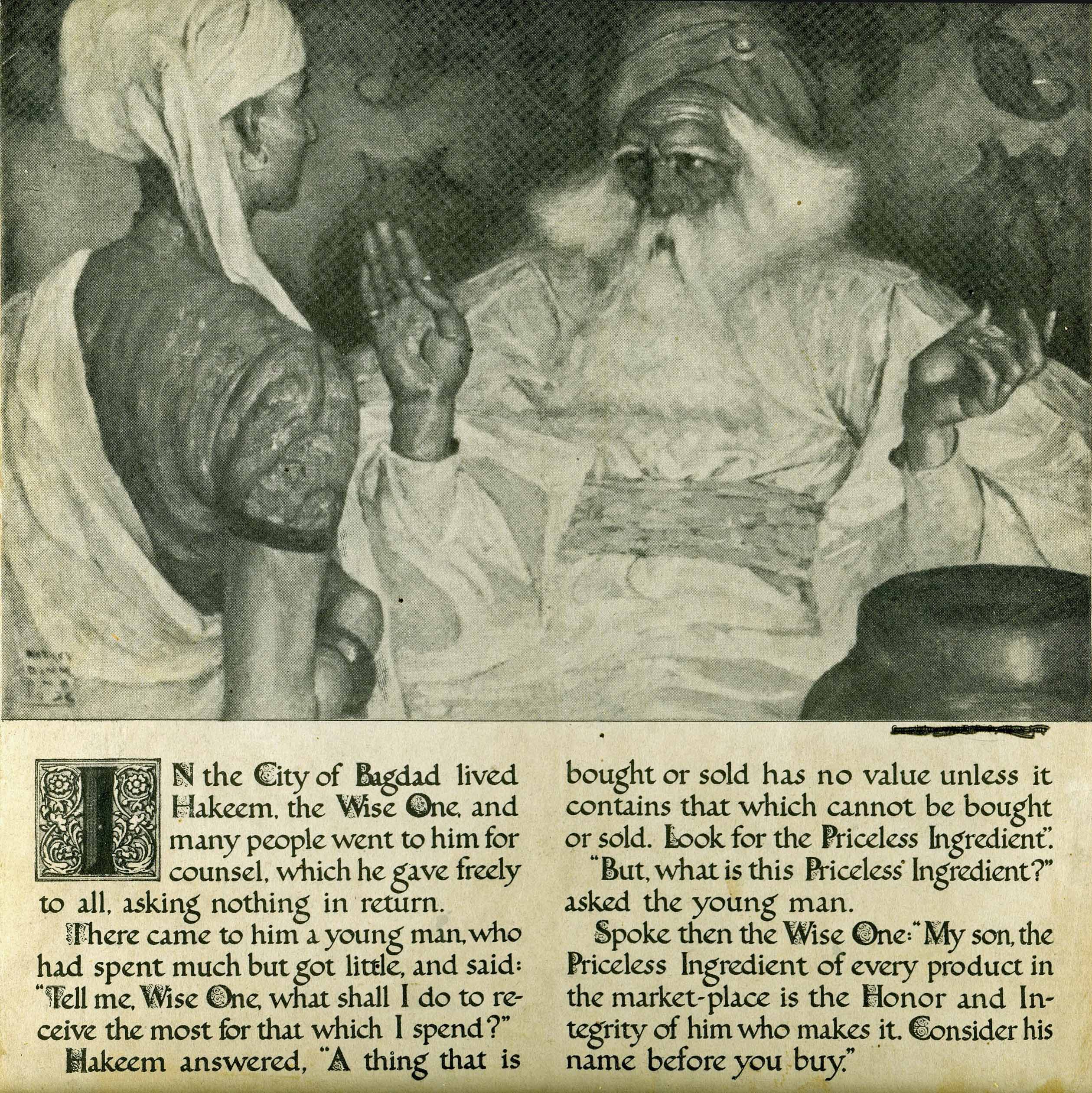
Scanning scrap books from the museum. Weights and Measures.

sb7-018a

Mrs. Jones and the butcher.

sb7-018b

What about lead poisoning?

sb7-023

The Wise One!

1908 Baltimore

30 Friday Dec 2016

Posted by Ronald Parks in Baltimore, HISTORY

≈ Leave a comment

Tags

Baltimore, City Hall, glass plate negatives, HISTORY, Museum, POLITICS, Public Works, Trolley

More scanning of Museum stuff – came across this photo on pressed cardboard. Looking north on Guilford Street (Ave.)

misc010

Looking close you can see the elevated trolley tracks just past City Hall.

misc011

I use to be good at figuring out what the writing on the back of old photos said, but this I am unsure of? “View from ? Bank after ?” No idea of what it says in the circle? Bottom word looks like ‘subway’??

Grate Works

02 Friday Dec 2016

Posted by Ronald Parks in art, Baltimore, Photography, Sewage History

≈ 2 Comments

Tags

Baltimore, HISTORY, Museum, photography, Public Works, Sewage History, water history

When not doing my regular job, I document archives and museum objects. Recently thinking of my retirement in a few years, I started to wonder what will happen to most of the stuff I have stored in a large garage at work. Most of the water archives were almost thrown out many years ago, but I stashed them away for a couple decades. So, with my leaving, what will happen to it? No one really knows or knows what to tell me. Some of the artwork doesn’t even belong to the City, so I decided to get in touch with the artist to see what they wanted me to do with it.

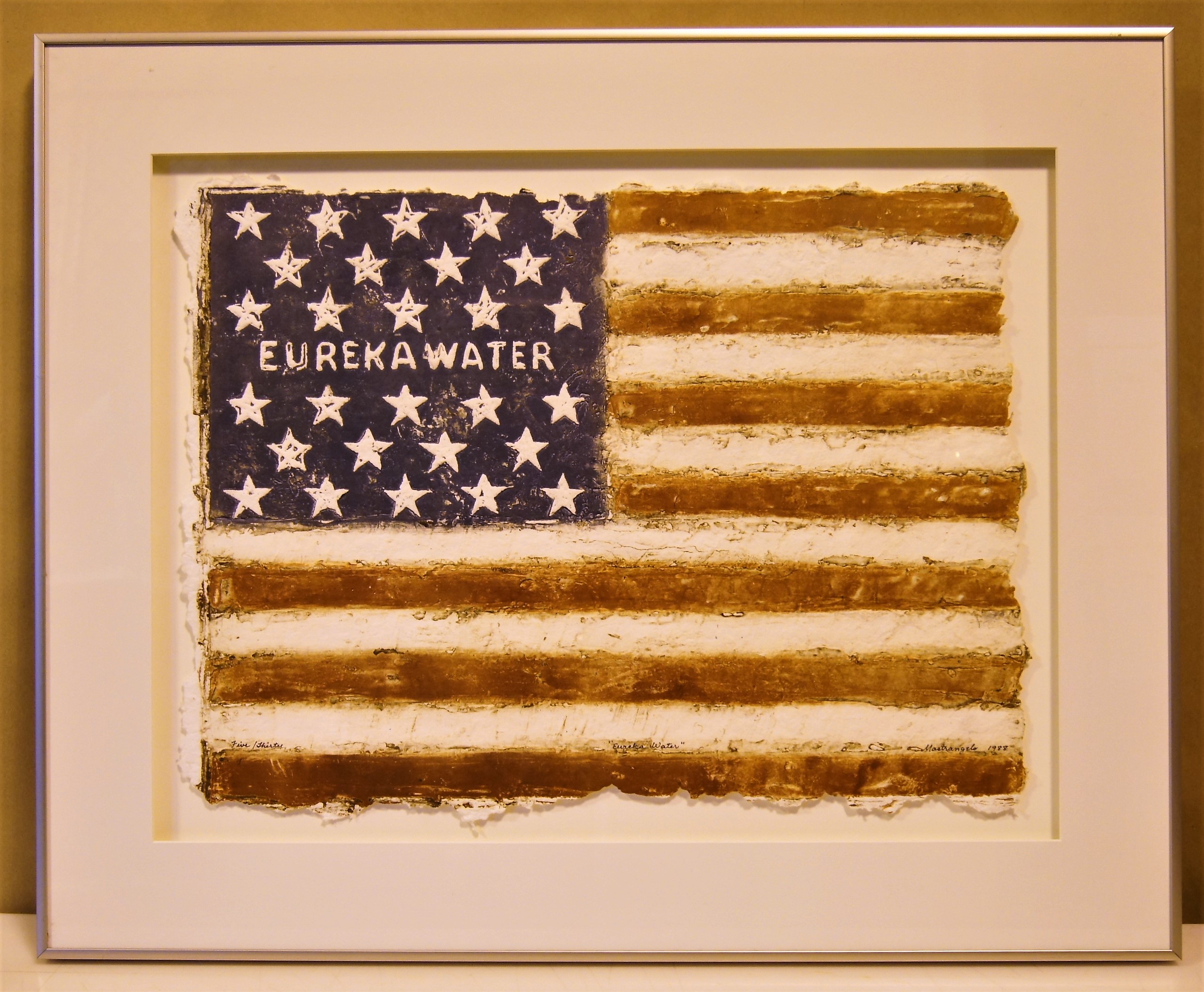
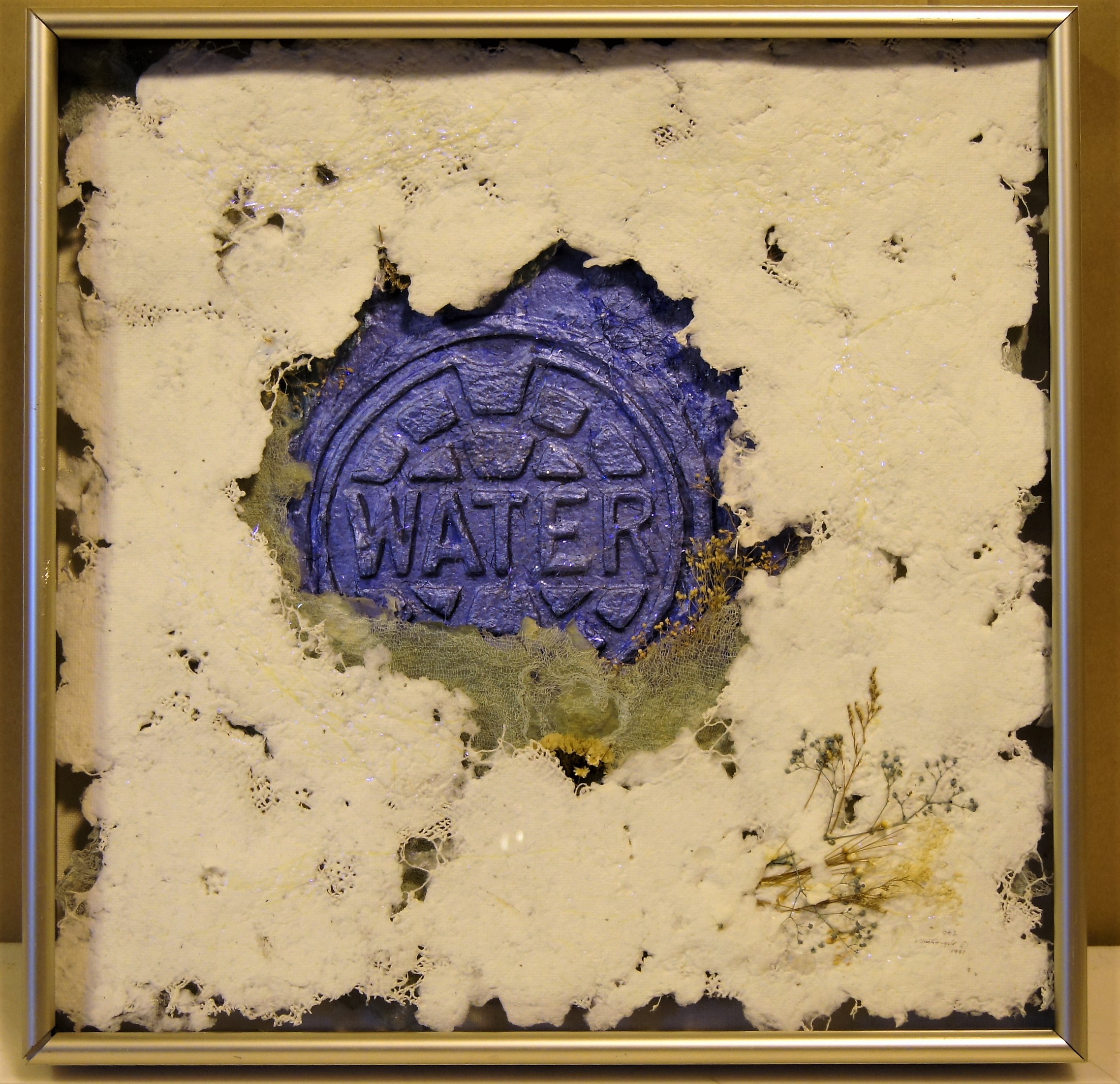
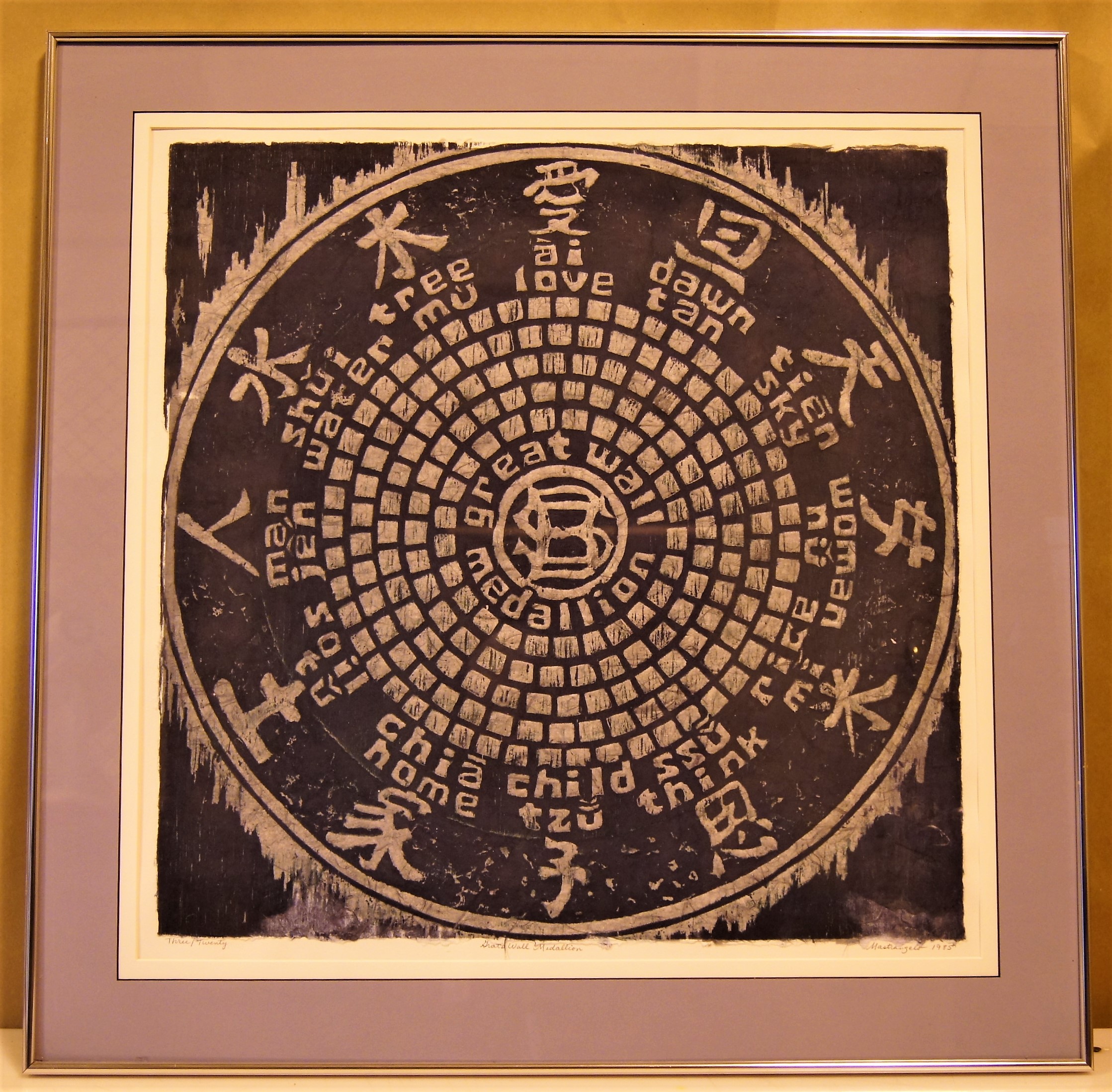
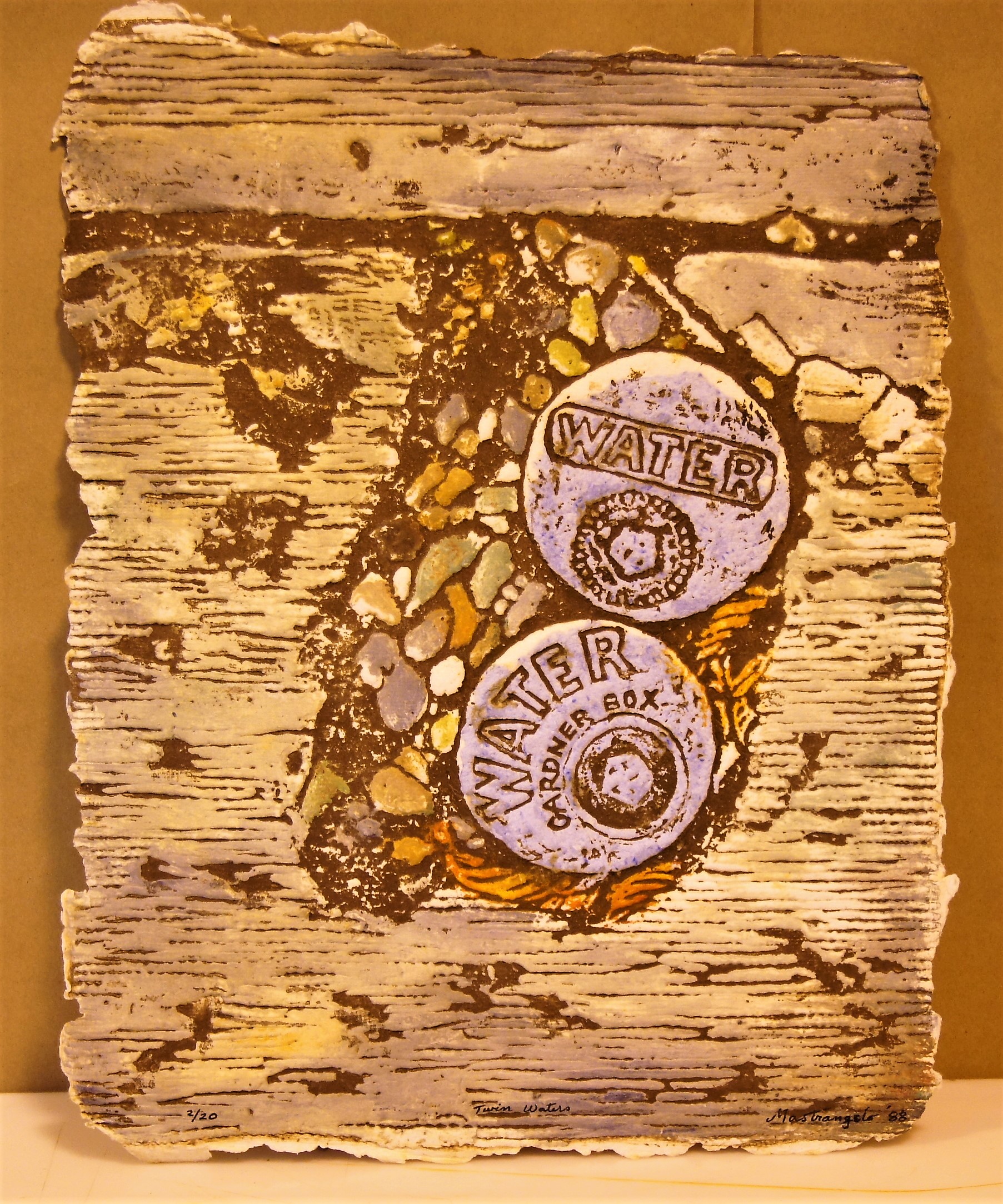
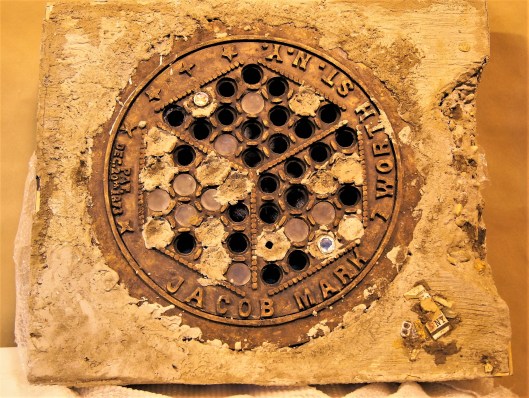
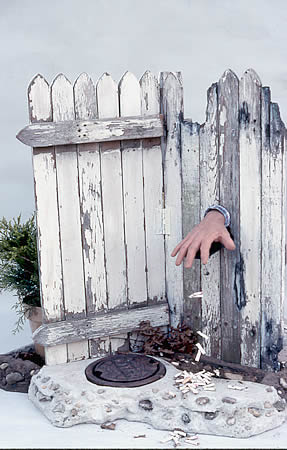
First up is Bobbi Mastrangelo who has a collection of manhole cover art. Both sculptures and art prints. I found her thru a Google search and we have been in contact for the past couple weeks. She will see first how to relocate the work and if she has no luck, I will ask around to see who may want to display or purchase the works. Below is a sampling of her work.

One of my favorites. Eureka Water American Flag.

Another favorite. I think this one is called – Sparkling Blue Waters. (Mixed Media Relief) Some of the names I am unsure of. They have been stored at Back River WWTP for about 20 years. The transfer of loan paperwork is a mess.

The Great Wall Medallion.

Twin Waters.

SONY DSC

peoplestartpoll1

Another sculpture. People Start-Stop Pollution.

A few of these I had trouble photographing. The lights in the building are a mixture of incandescent, sodium vapor and fluorescent. I snapped off 20 before looking at them on the computer and realized they were all really yellow. I brought into work my good camera and messed with the white balance but still had trouble getting it right?? Any tips on this kind of lighting?

Here is Bobbi’s website if you are interested in her work: http://www.grateworks.com/

Vac Pics #5

27 Tuesday Sep 2016

Posted by Ronald Parks in Photography, Travel, vacation

≈ 4 Comments

Tags

boats, Museum, photography, vacation, water

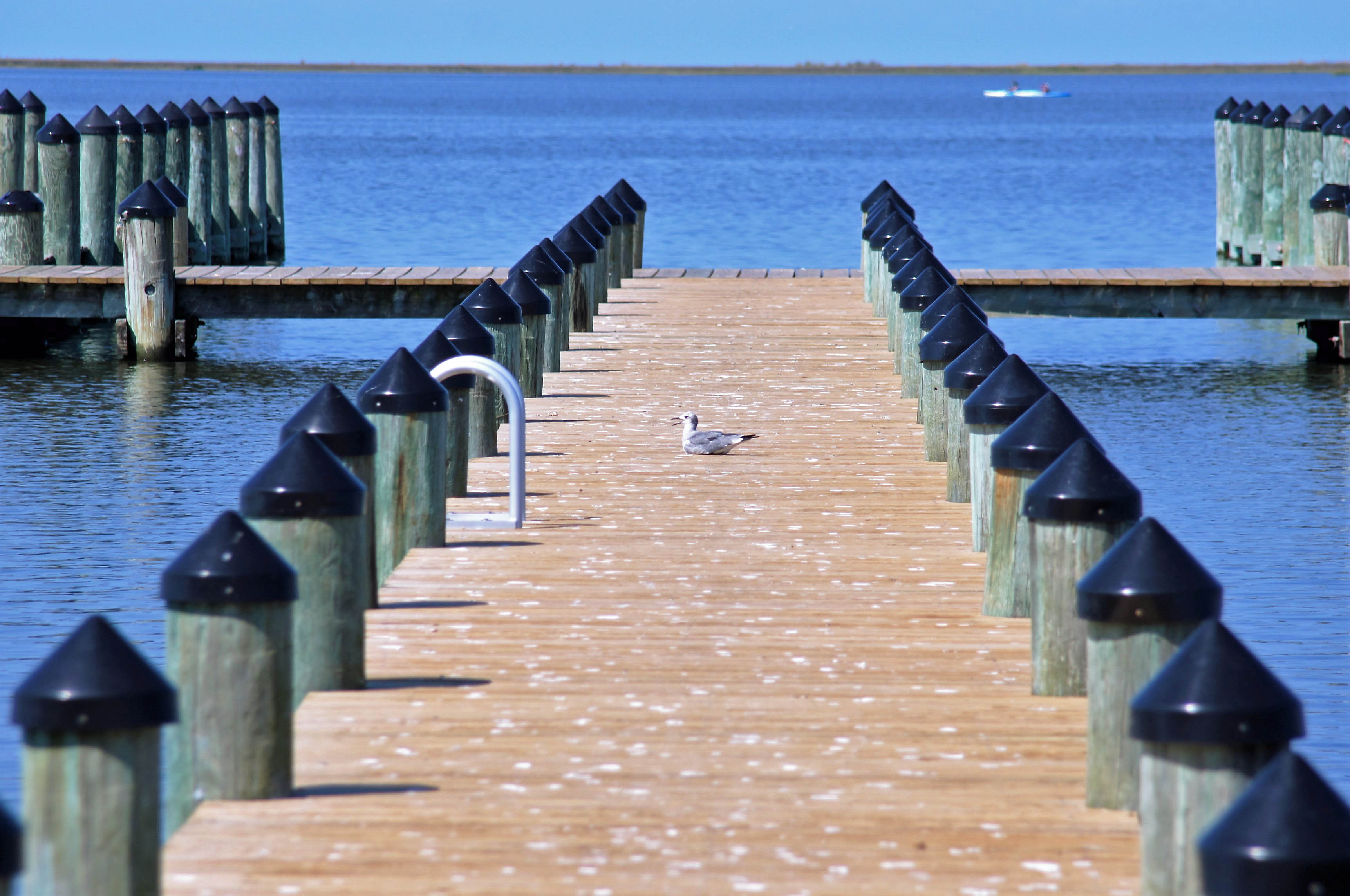
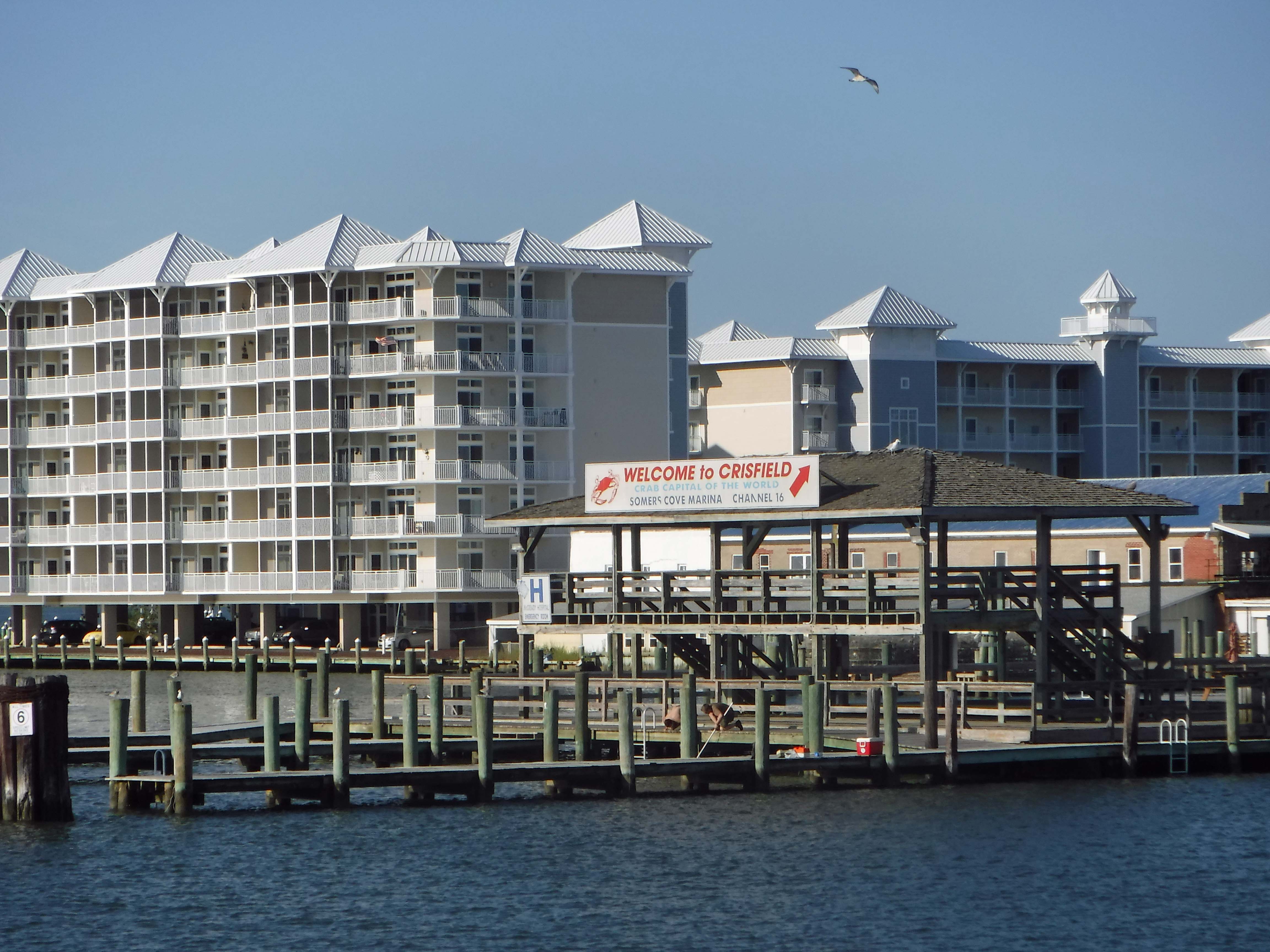
Alright, alright! I know! Way too many vacation photographs! This is the last of them (We already had another adventure since these were taken!) These photos are from our trip to Smith Island, via Crisfield.

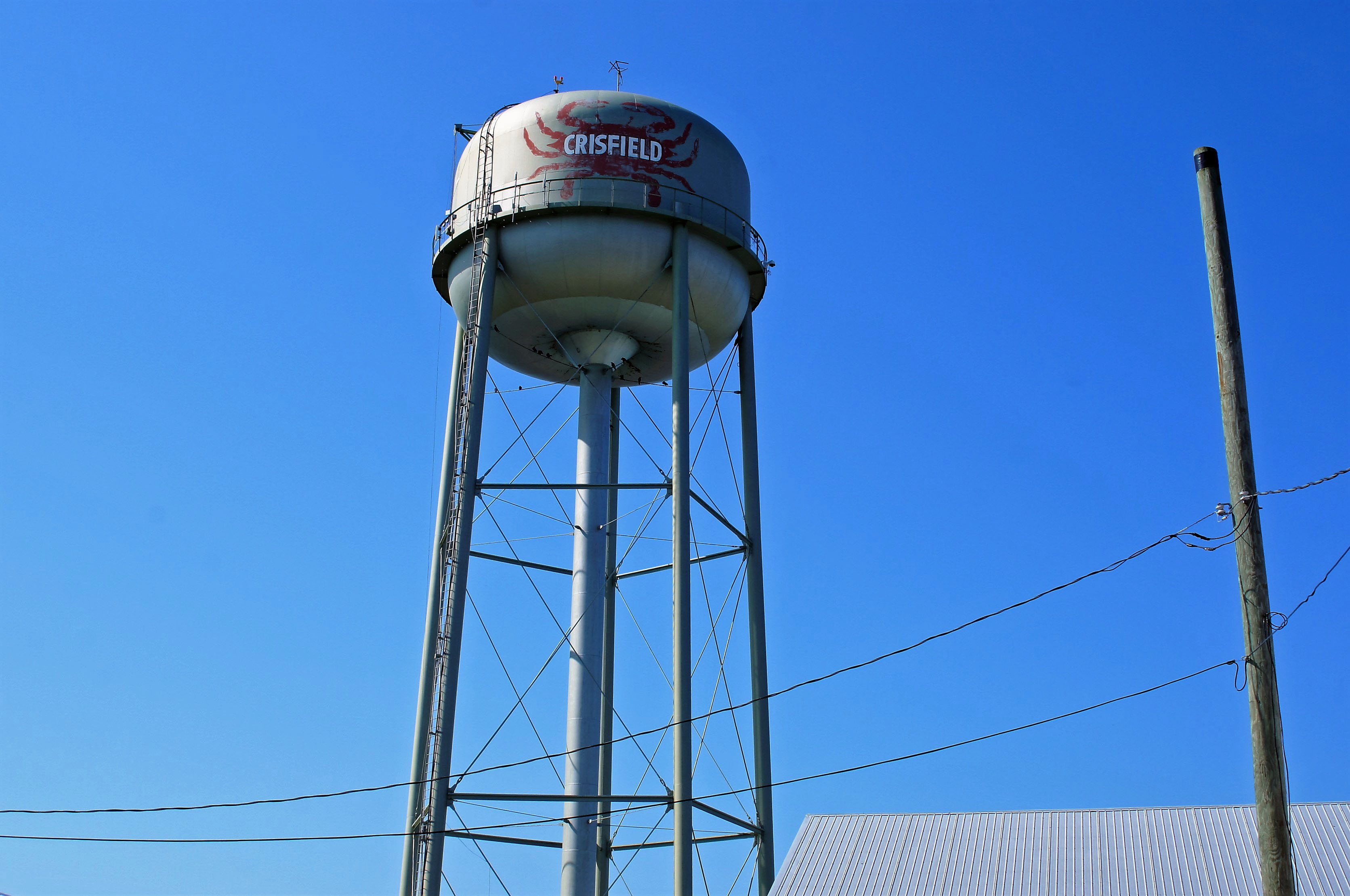
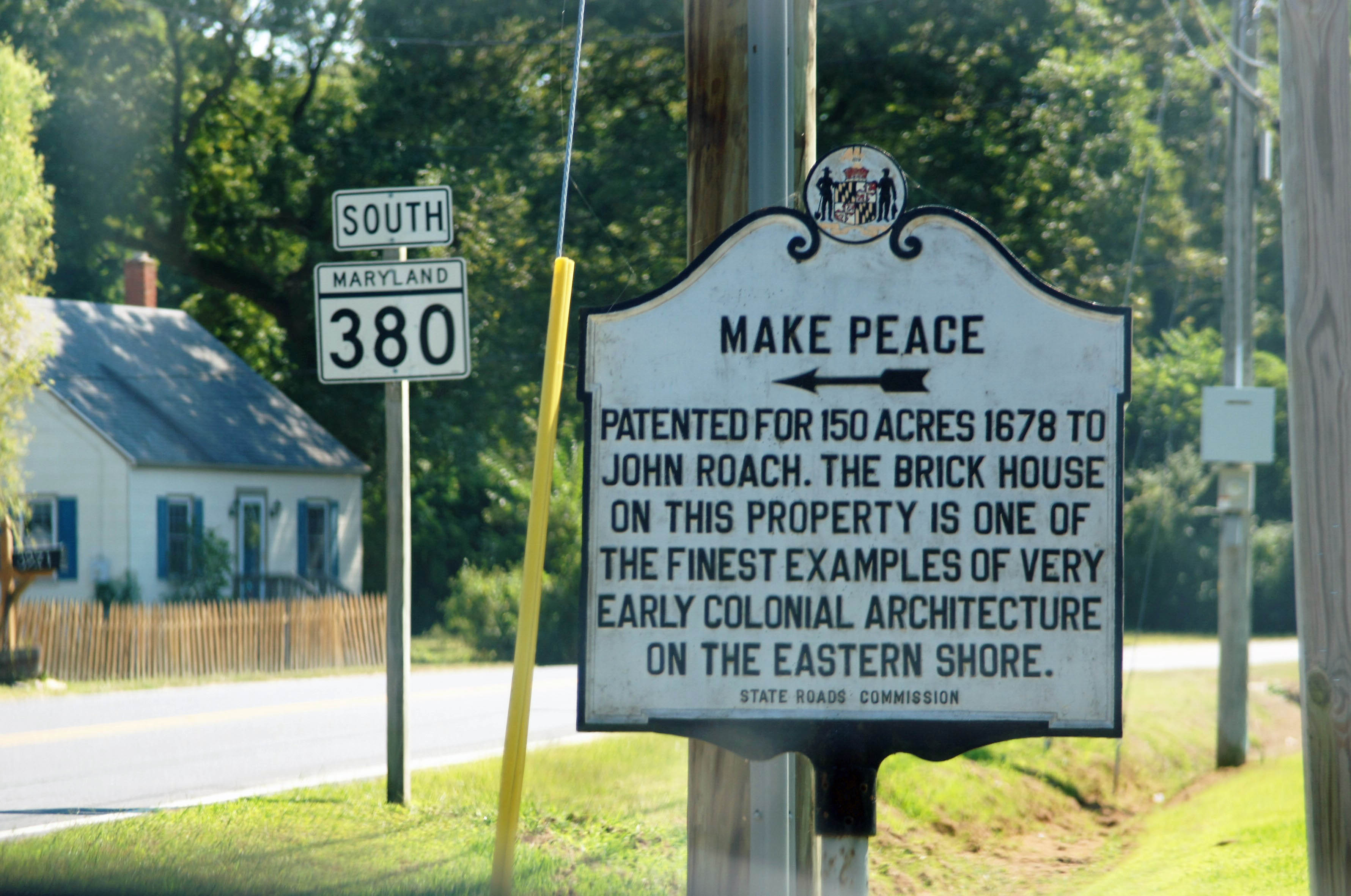
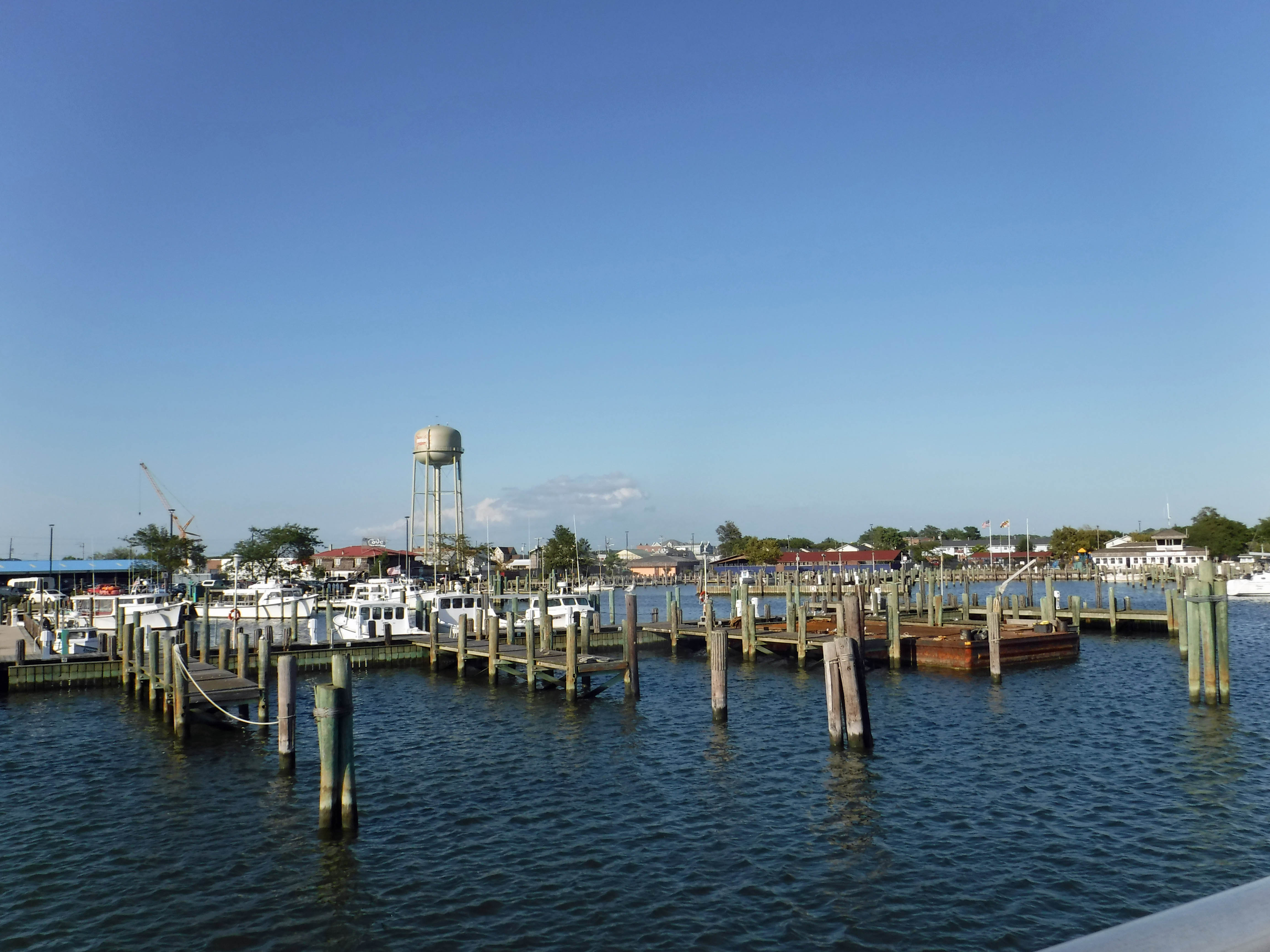
We did a short tour of Crisfield before getting on the tour boat.
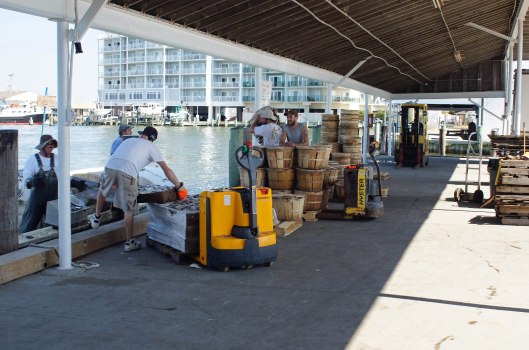
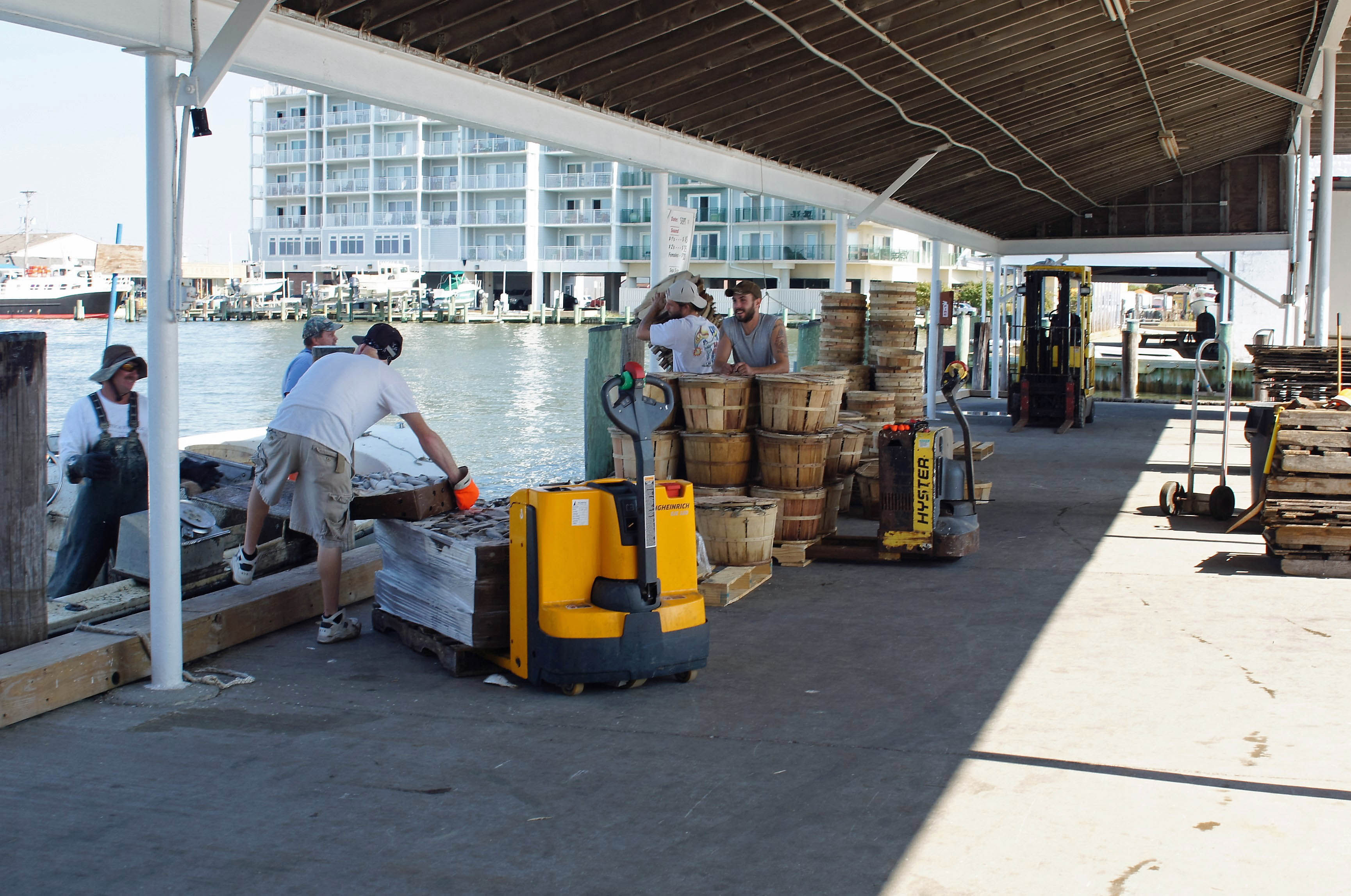
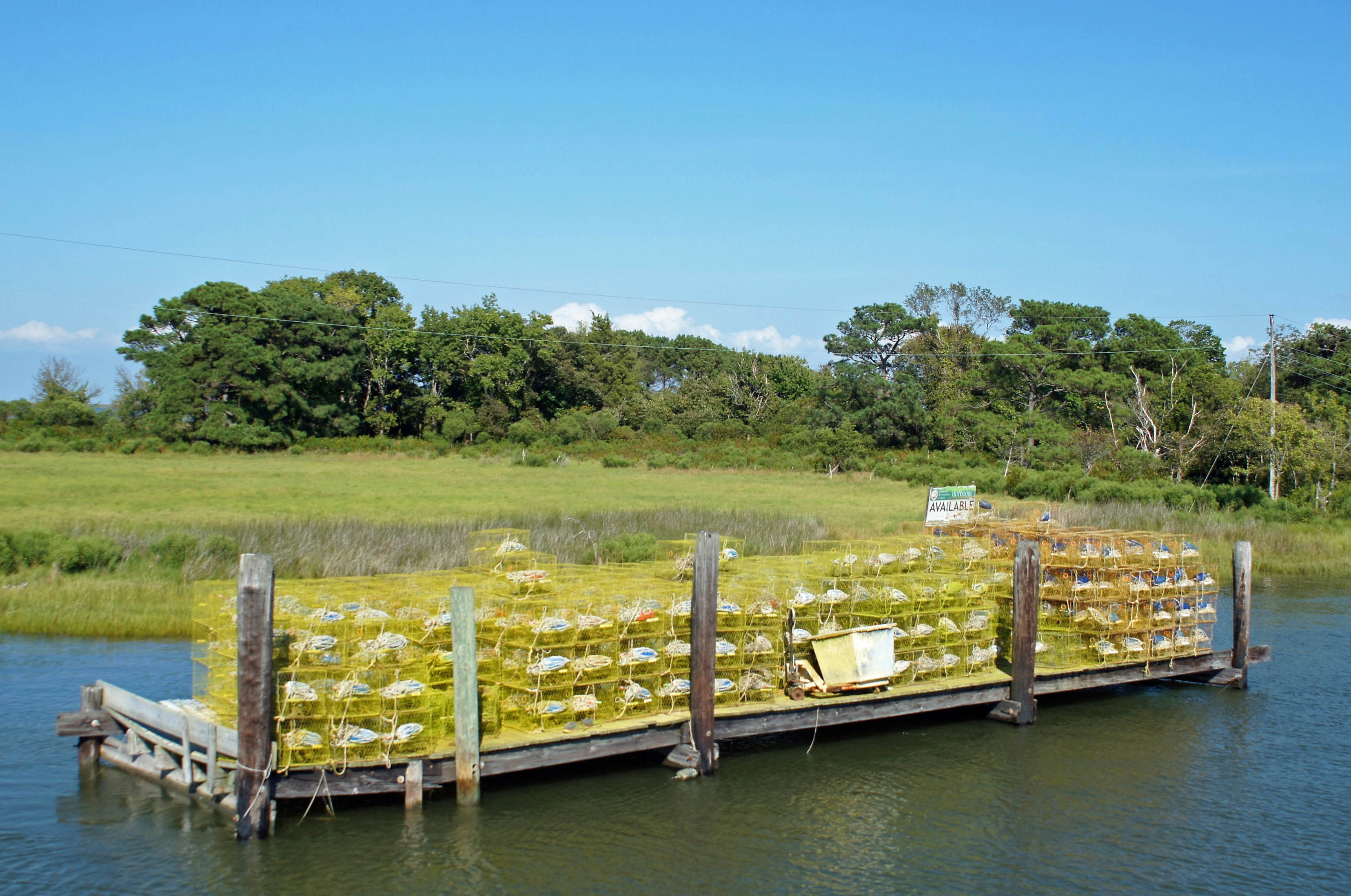
Watched the watermen unload their boats.

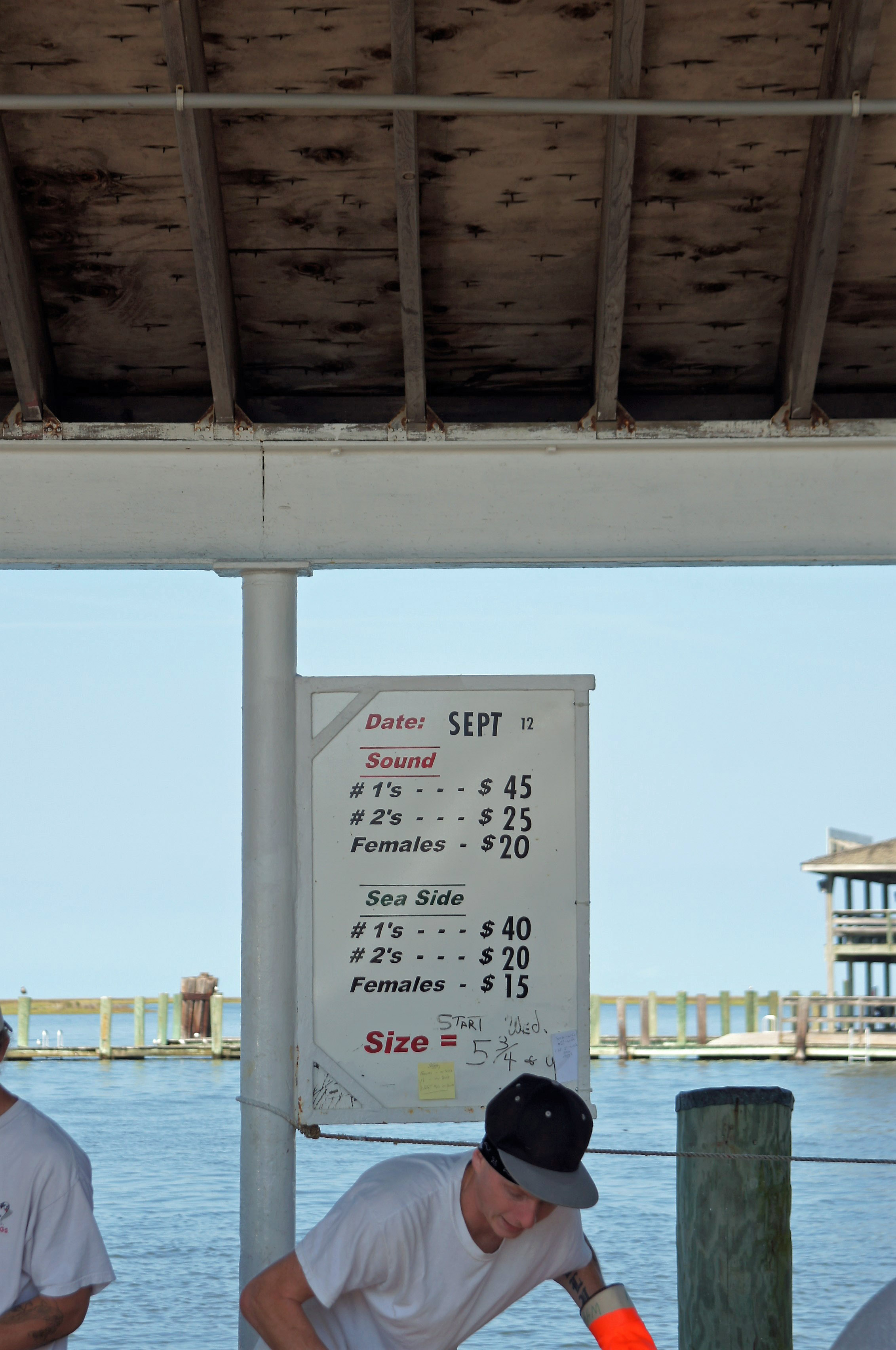
These are the prices the watermen are paid for their hard work. We paid $170 not too long ago for steamed crabs. Watermen aren’t making much money are they?

All we are saying…

Messy little fellow.

Got on the boat and started to head out to sea. Well, towards the bay at least.

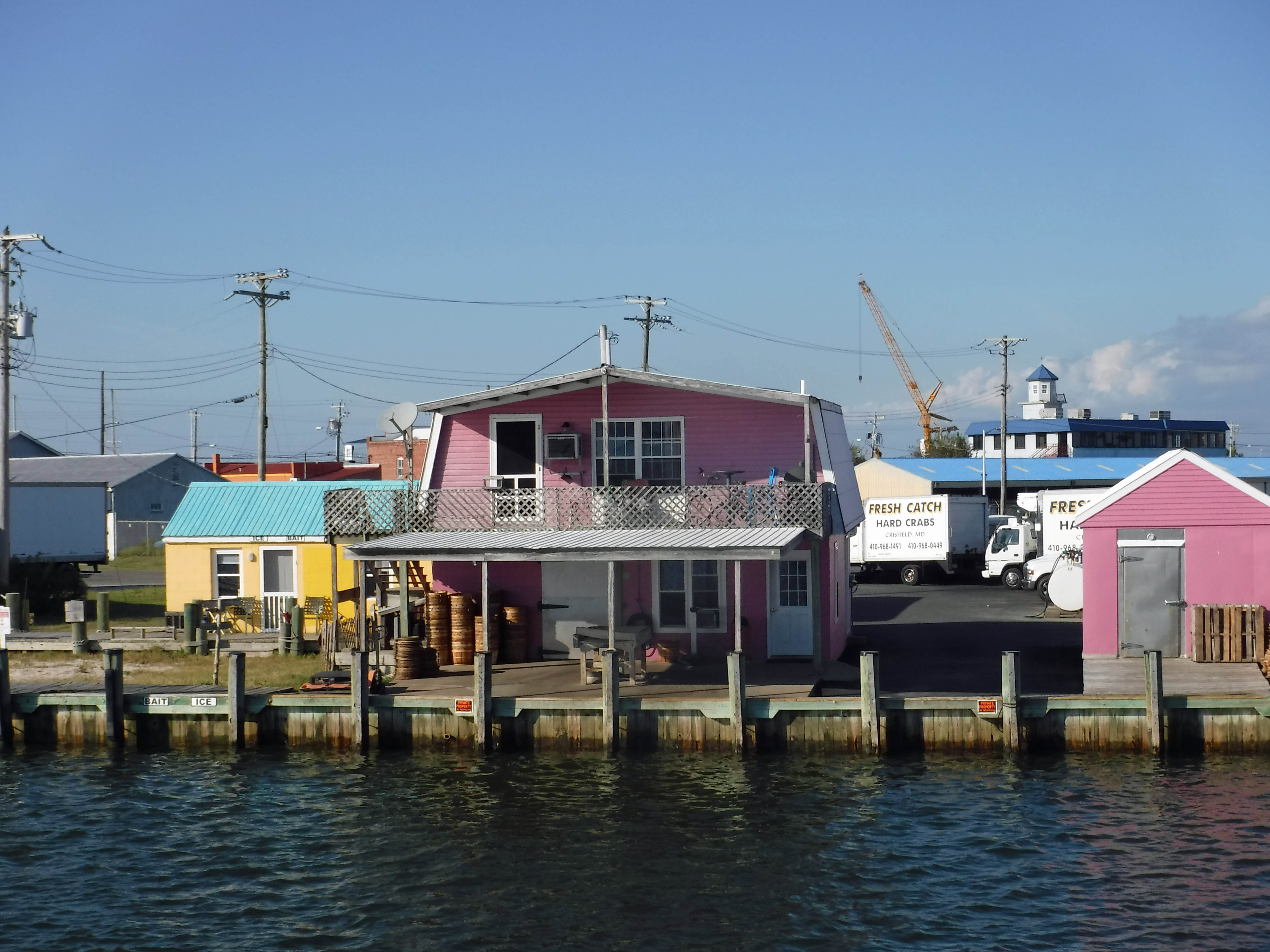
Little pink houses.

Now we are moving. It takes an hour to get to Smith Island.

Kathy and her parents. Great people.

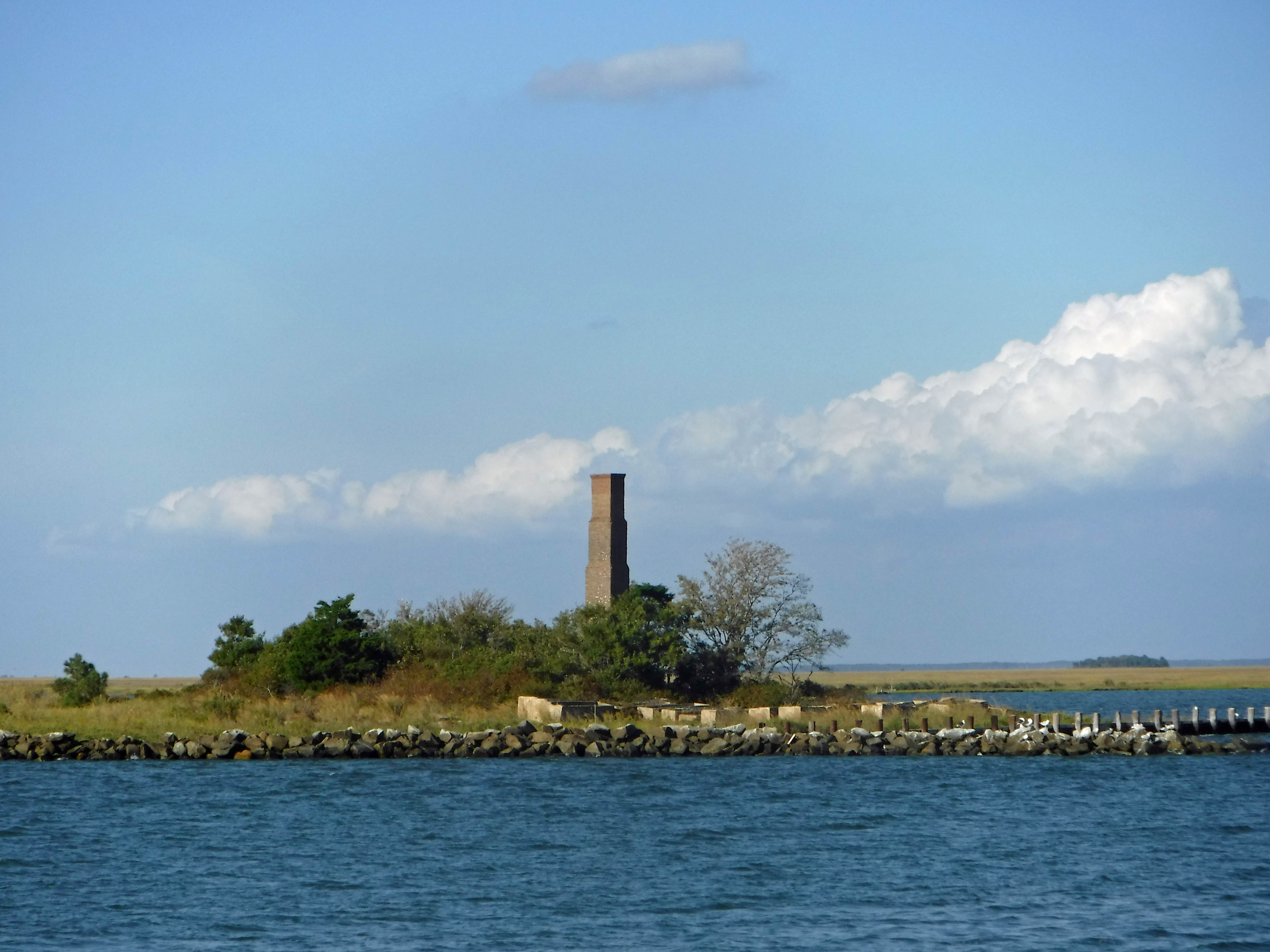
This is a  rebuilt smoke stack, all that was left of the processing plant here. Rebuilt by park services in dedication to the person who left the land to them.

I love you a bushel and a peck!
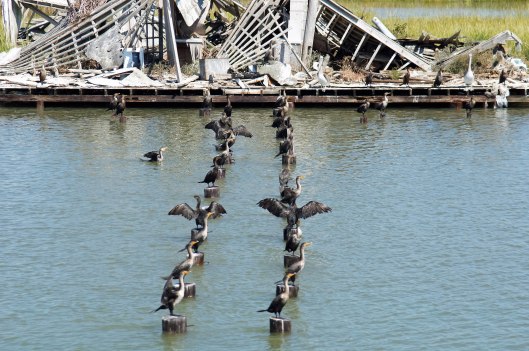
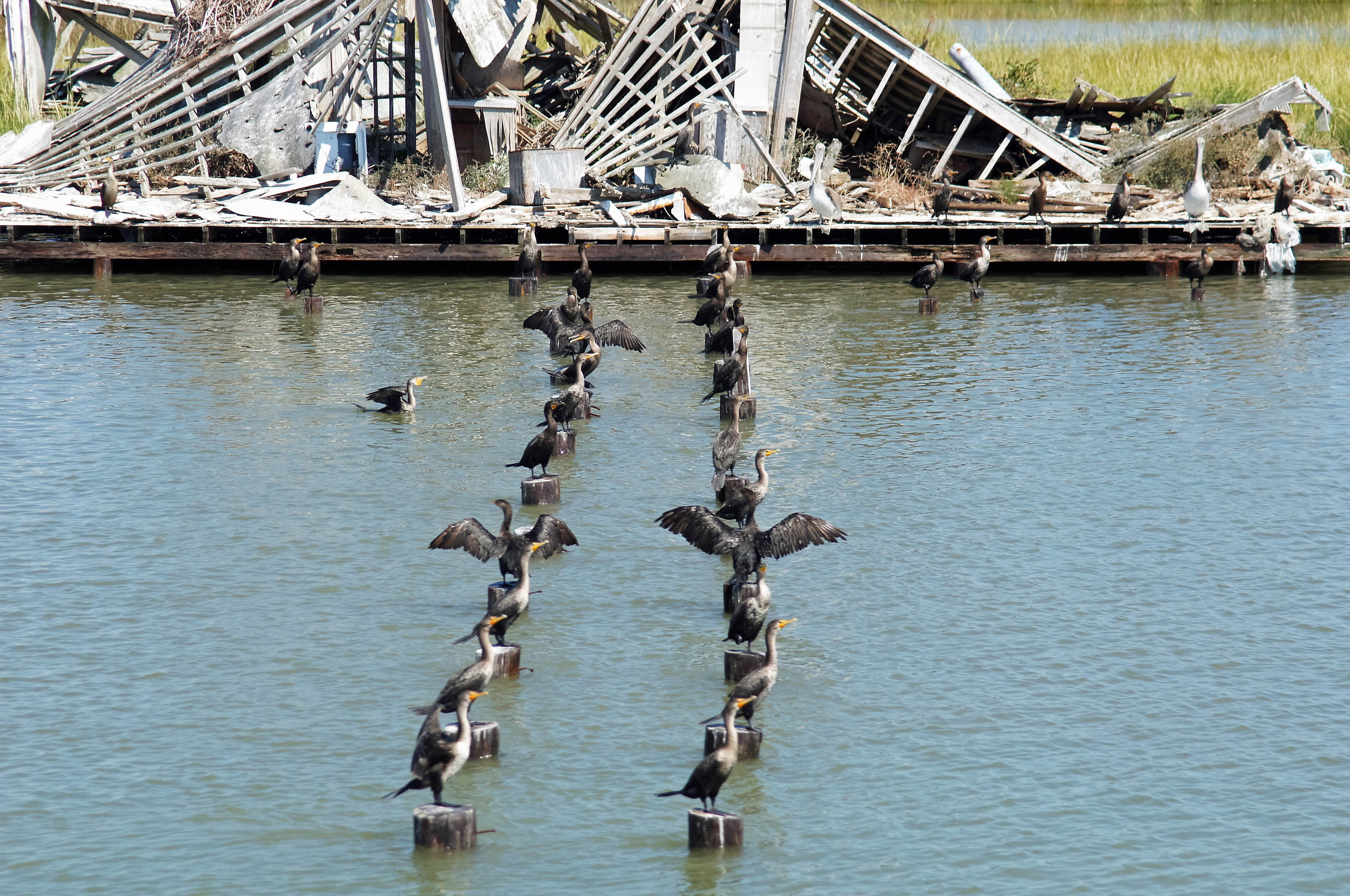
Passing a nature reserve island before Smith Island, the birds were all lined up, ready to dance.

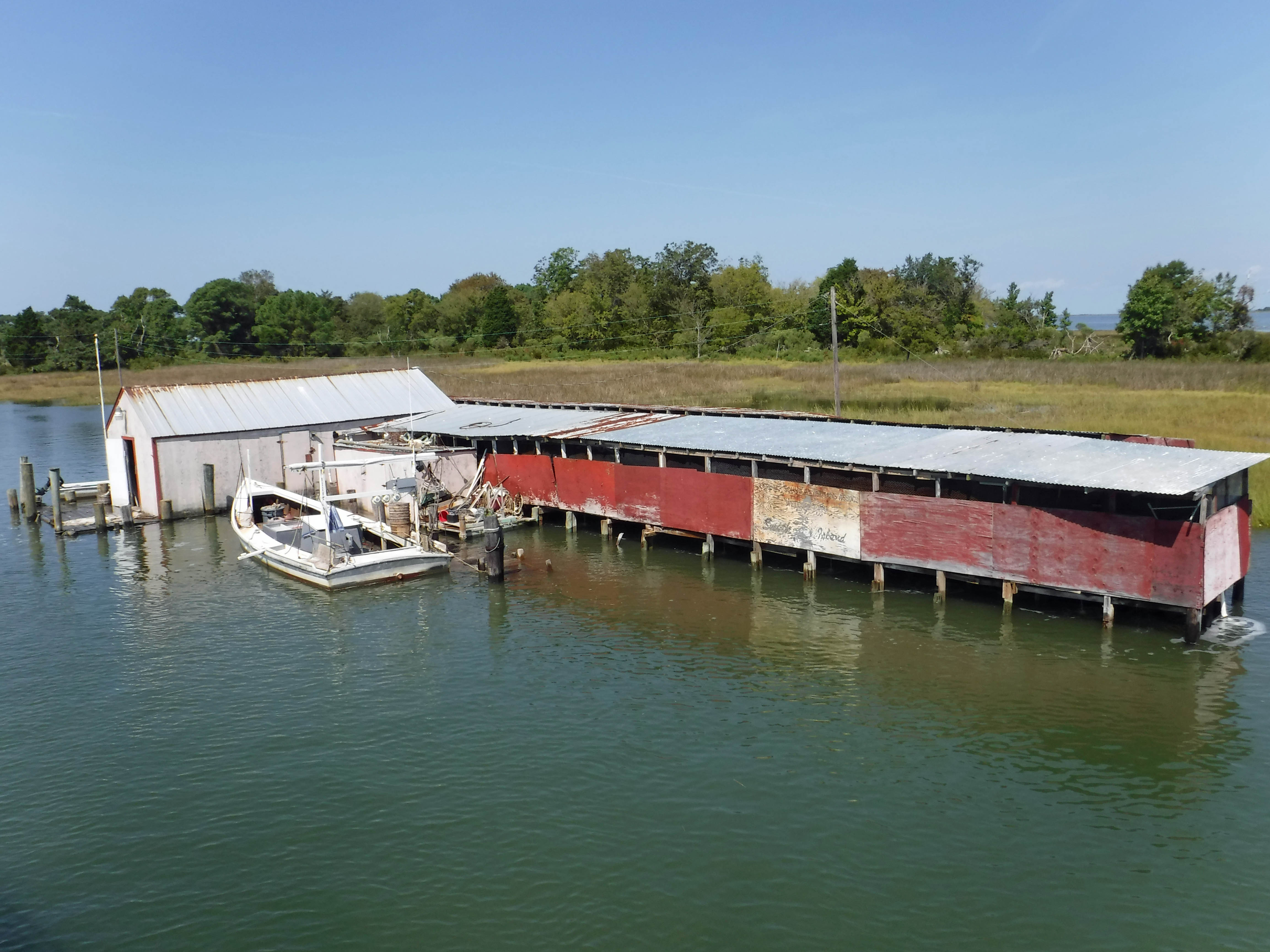
One of many waterman’s shacks.

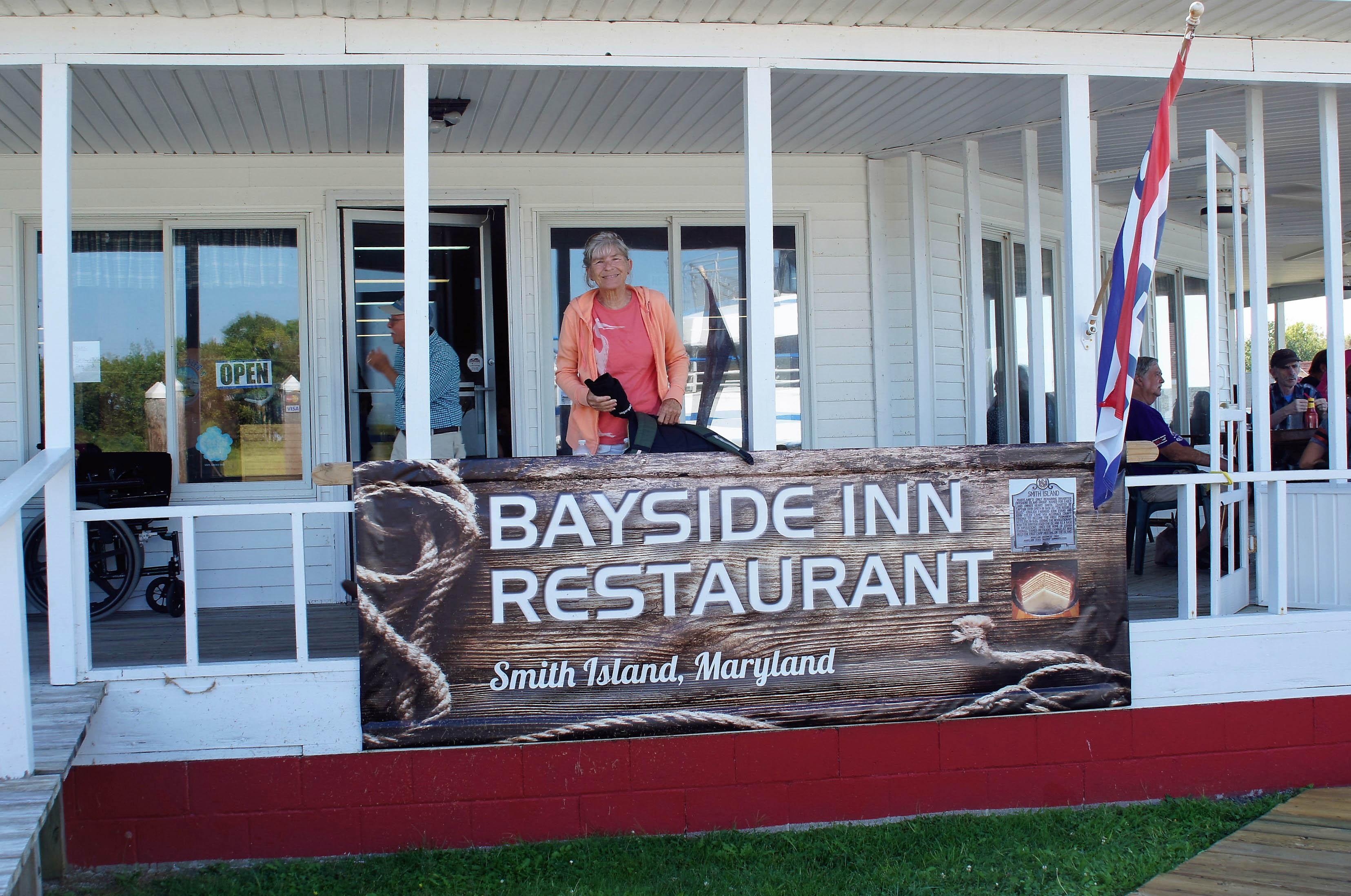
Kathy jumped off the boat to grab us a table at a restaurant that I believe is owned by the boat captain – “Make sure you stop at the Bayside Inn!”
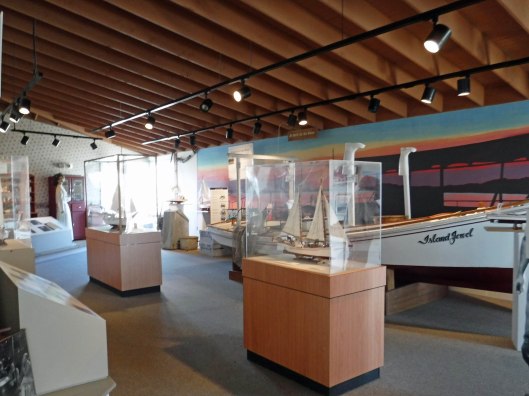
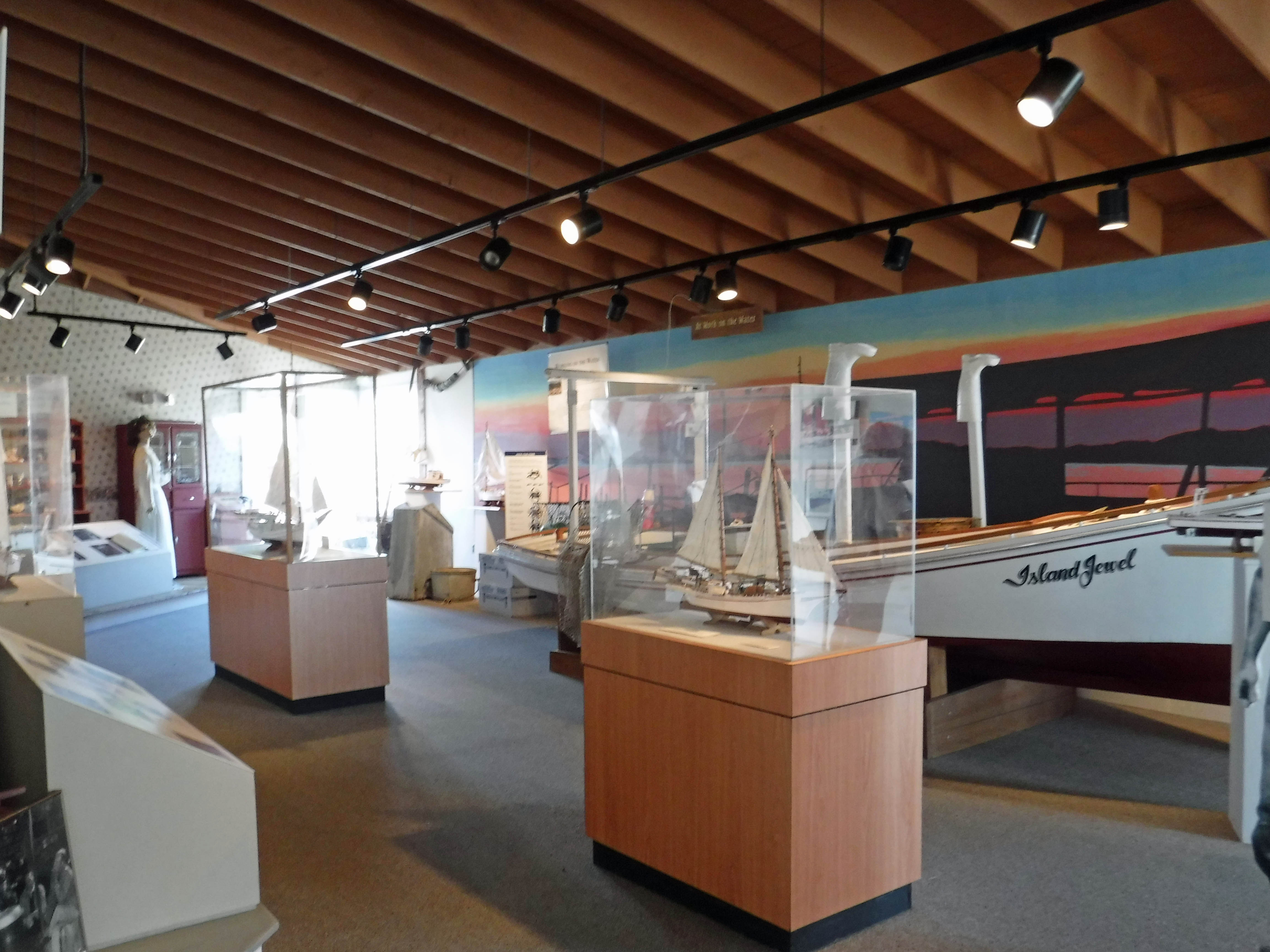
After some good food, we headed to the museum. Pretty nice.

Then took a walk around a partially submerged island! High tide.

I don’t think so.
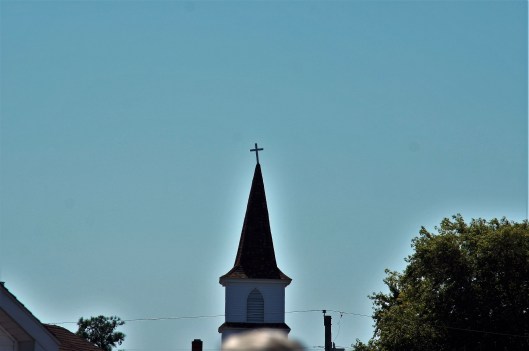
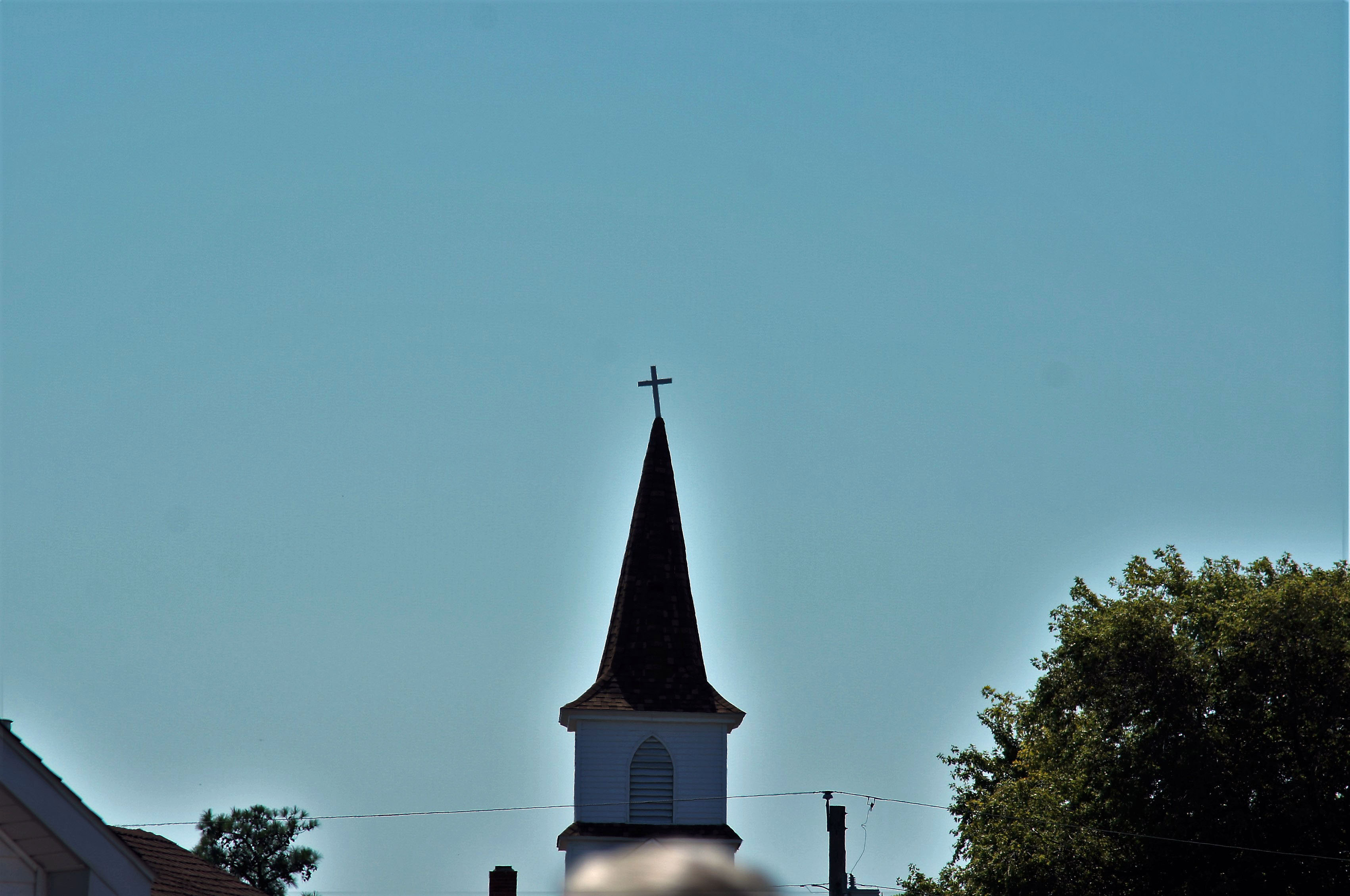
Church with a halo

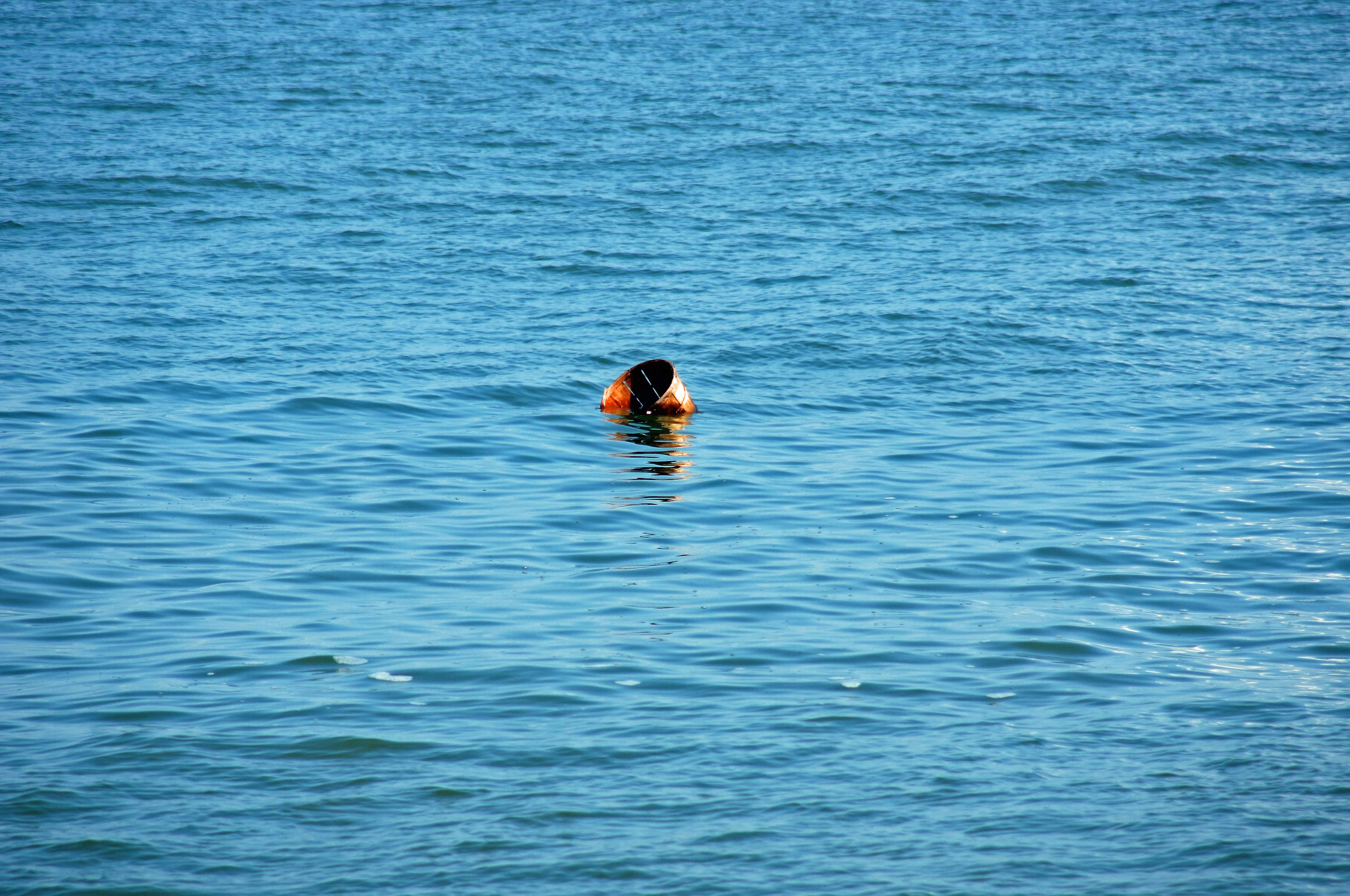
It has always amazed me that people abandon their boats wherever they want.

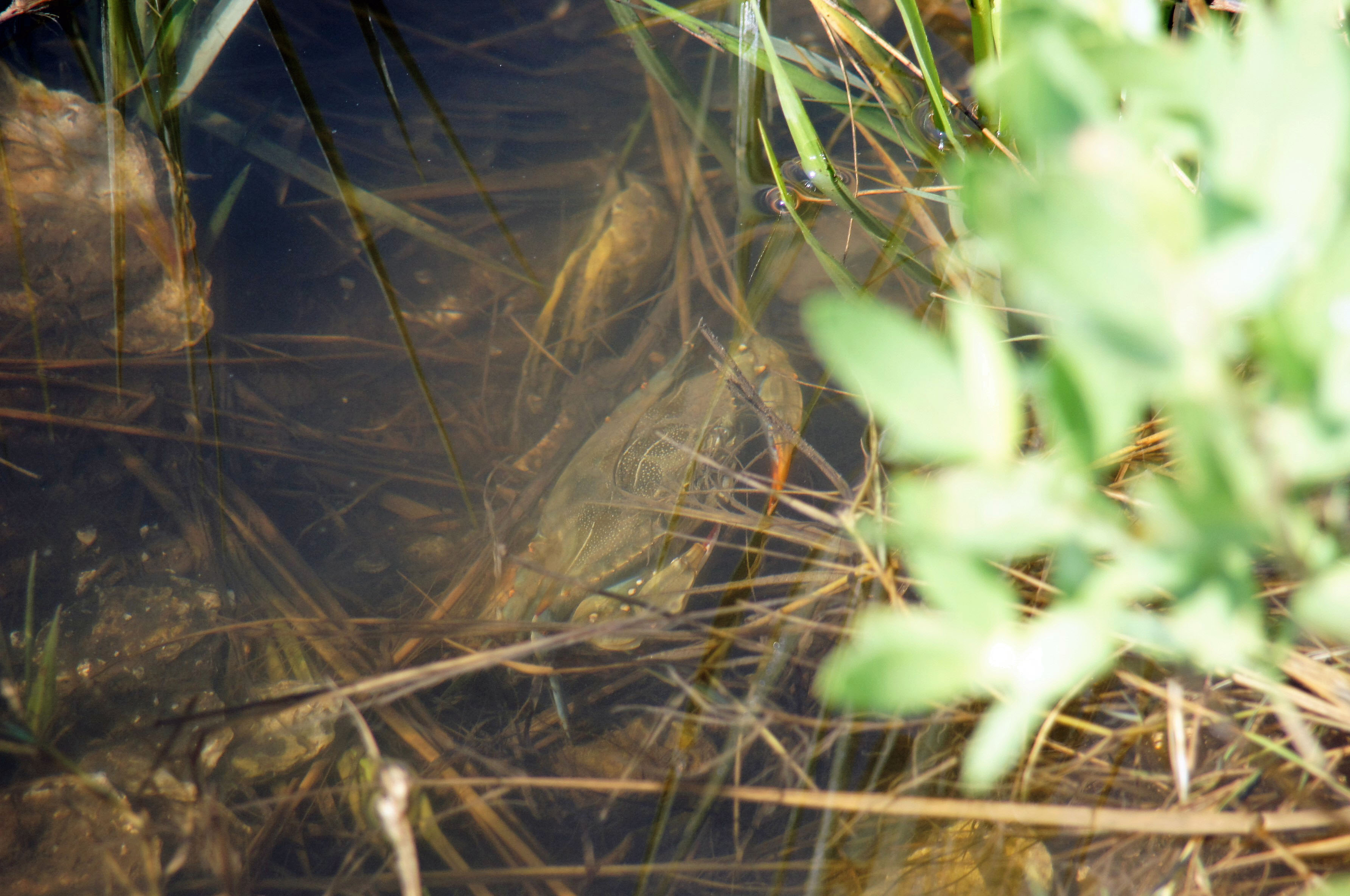
Crabby.

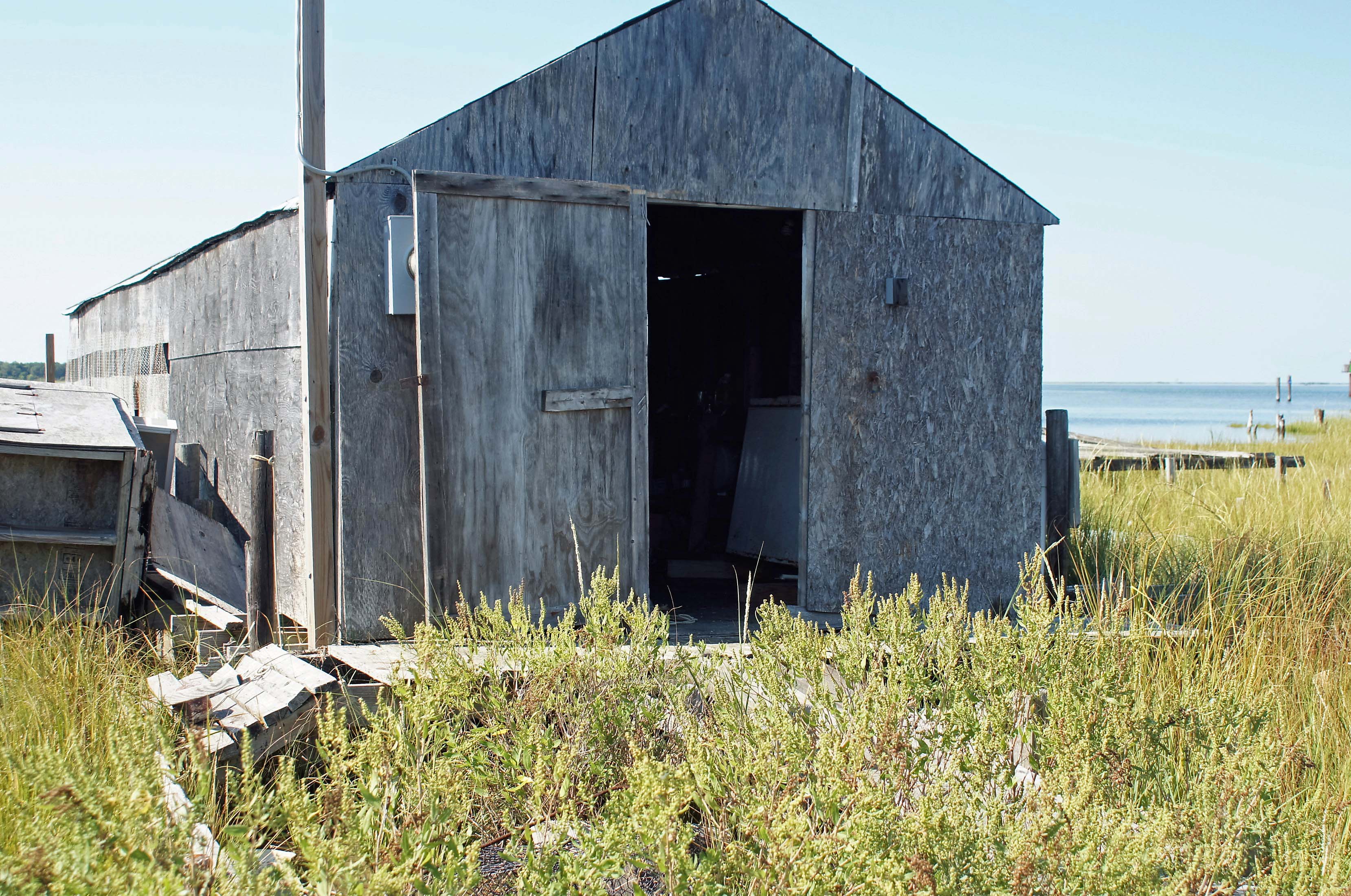
I thought this was another abandoned shack, but a few minutes after we sat down, the door closed.

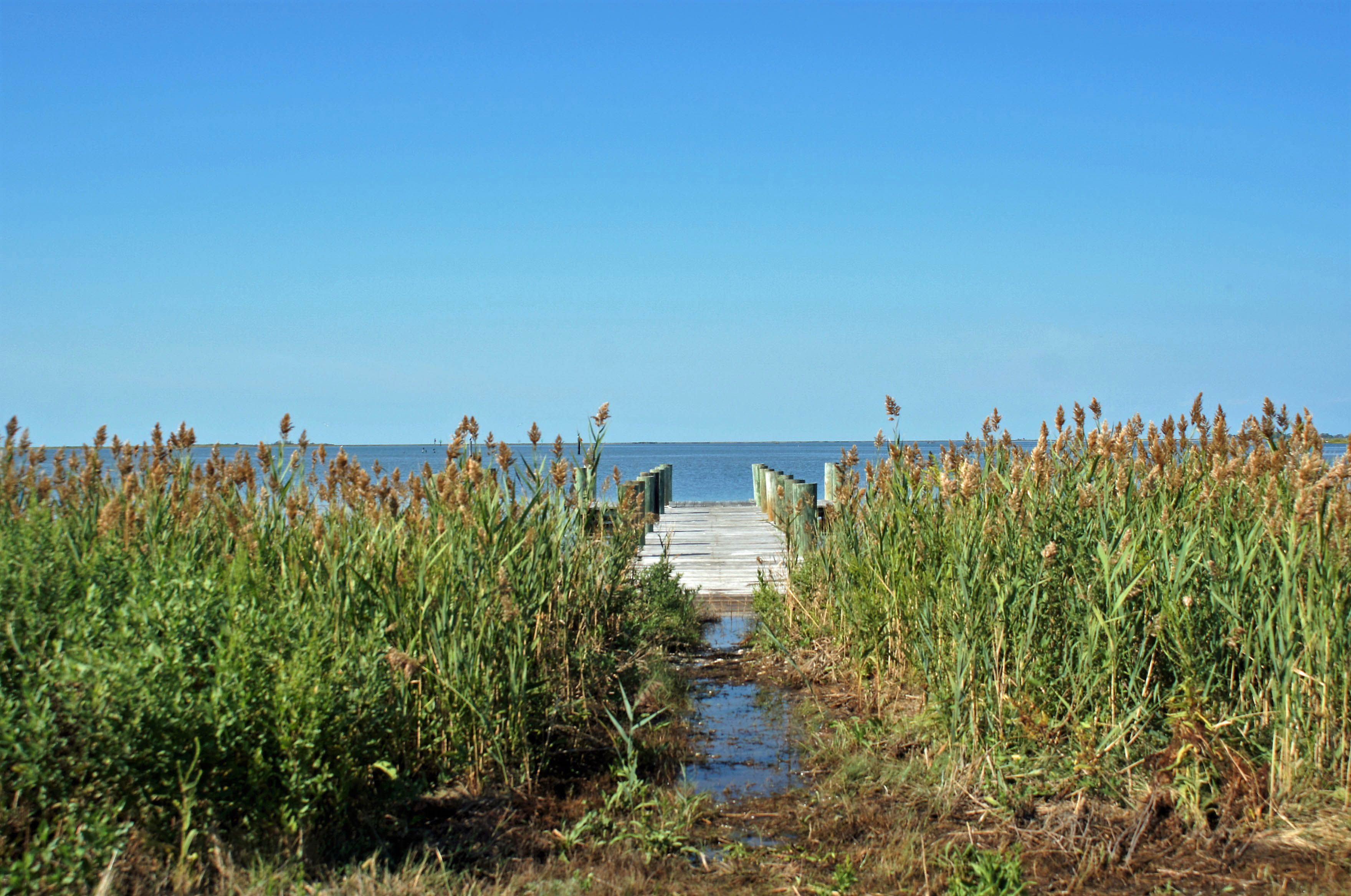
Nice little pier.

Kathy told me to lay down in the wet grass and get this photo. Oh, ok!
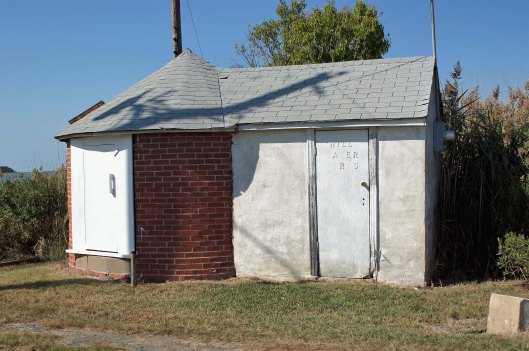
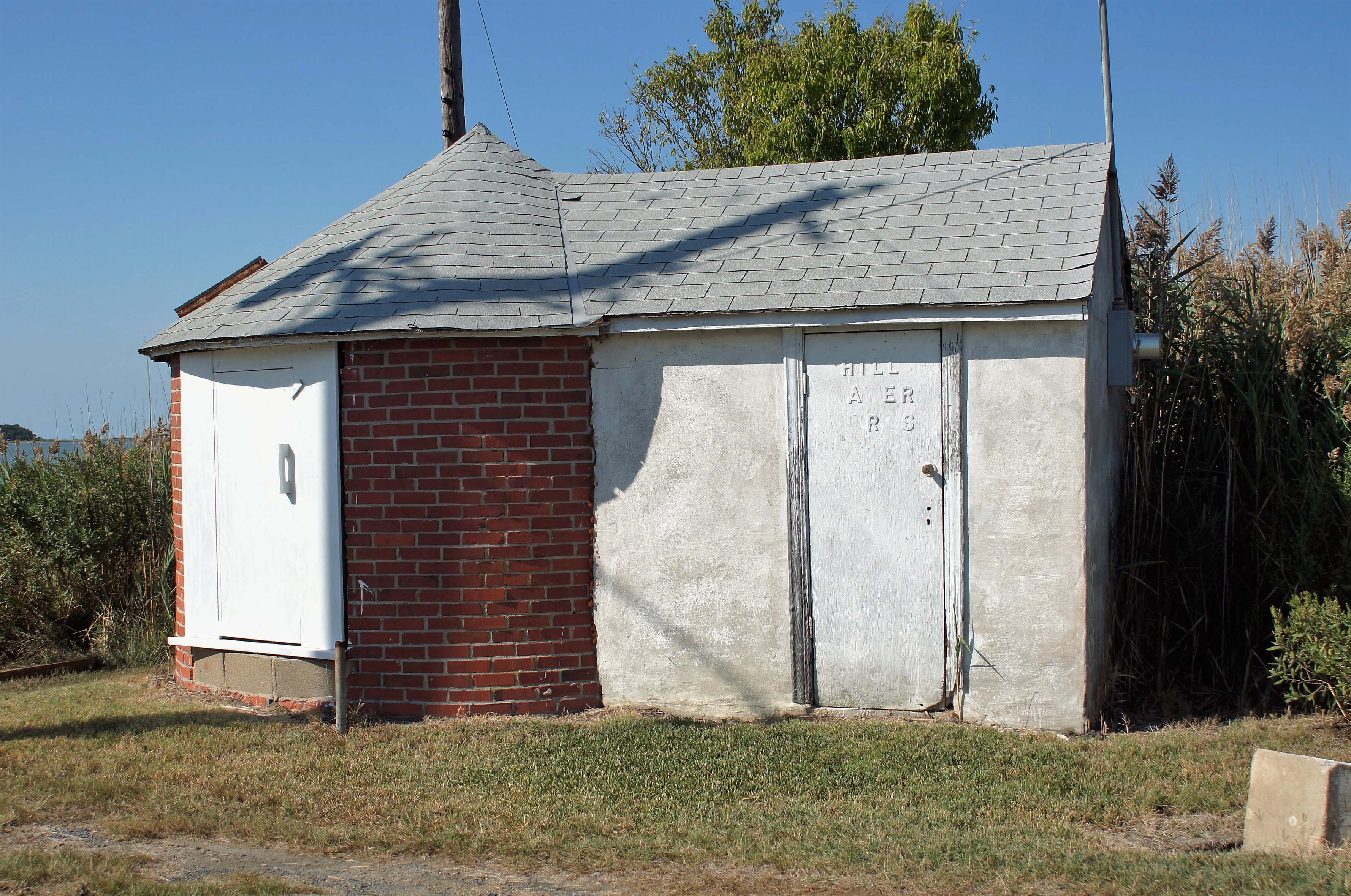
And here is one of two water works photos. Building is called Hill Water Works.
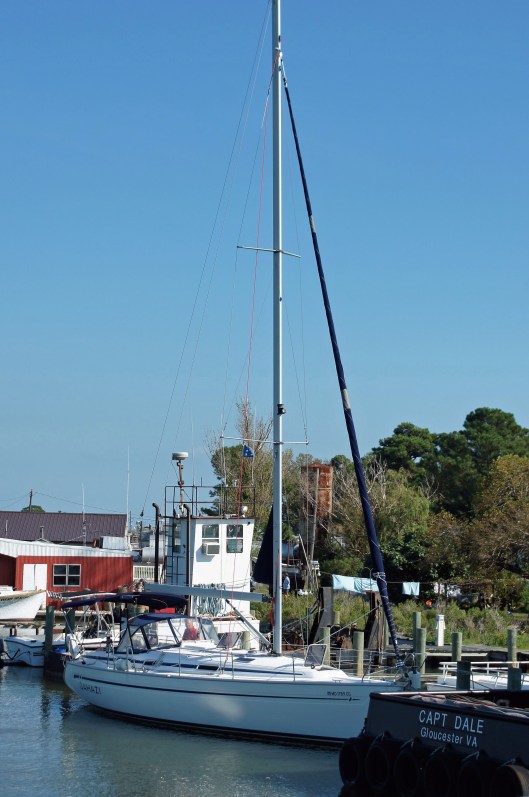
And here is the second – showing an old water tower.
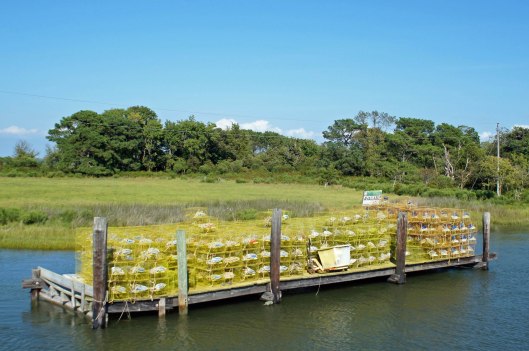
Watermen’s stuff.

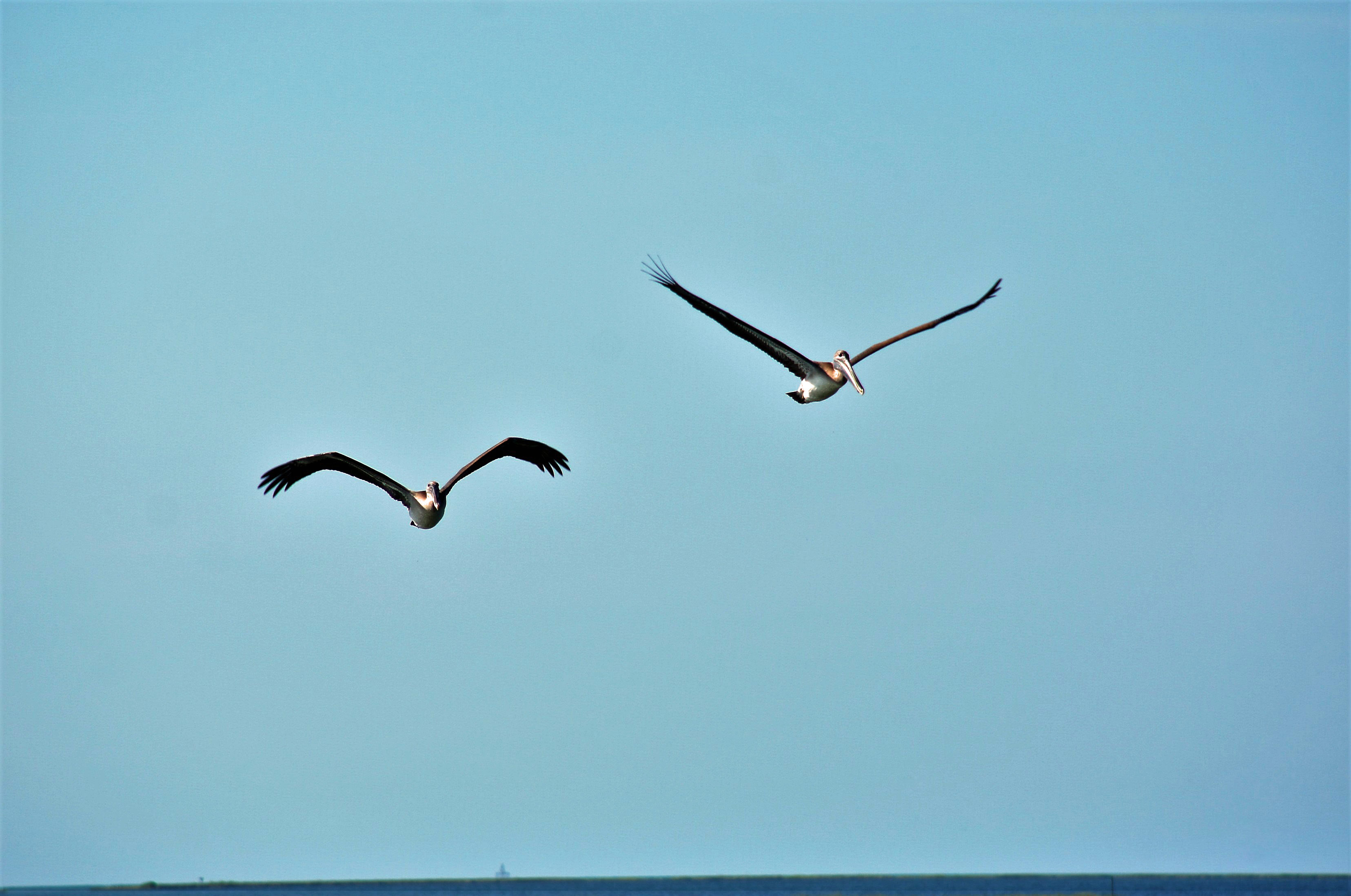
Pelicans…

…who do not land gracefully in the water!

Returning to crisfield.

Eden Mill Kayaking

14 Thursday Jul 2016

Posted by Ronald Parks in HISTORY, Photography, Reservoir, water history

≈ 3 Comments

Tags

eden mill, engineering, Hiking, HISTORY, kayaking, mills, Museum, Public Works, water history

Kathy and I went kayaking on one of the most peaceful creeks I know of – Eden Mill at Deer Creek. Back in July 2013 I posted about History and Photography, that people should appreciate the history of the mills and streams they hike. Since I have just started to kayak, I now have a deeper appreciation of the history of Eden Mill. The perspective is so much different on the water than it is walking the trails.

Additional research has shown that there were a few plans for damming Deer Creek. in July of 2013 I wrote that the crest of the proposed dam at the Rocks would be at an elevation of 540’. Another 1933 study put it at 430’. In either case, if the dam was built, the mill would be under water.

The below topography map shows the creek elevation at 342’. The dam is 16’ tall so that brings us to 358’. The mill is three stories so let’s add roughly another 36’ – that’s 394’. So yes, that is still a good 30 feet underwater! The mill is to the right of the word creek, just past the branch stream.

EM5

To know this and to understand the history makes it such a sweet kayaking adventure. Appreciate history. Go kayaking. Be happy!

EM7

Looking upstream from the base of the mill.

EM6

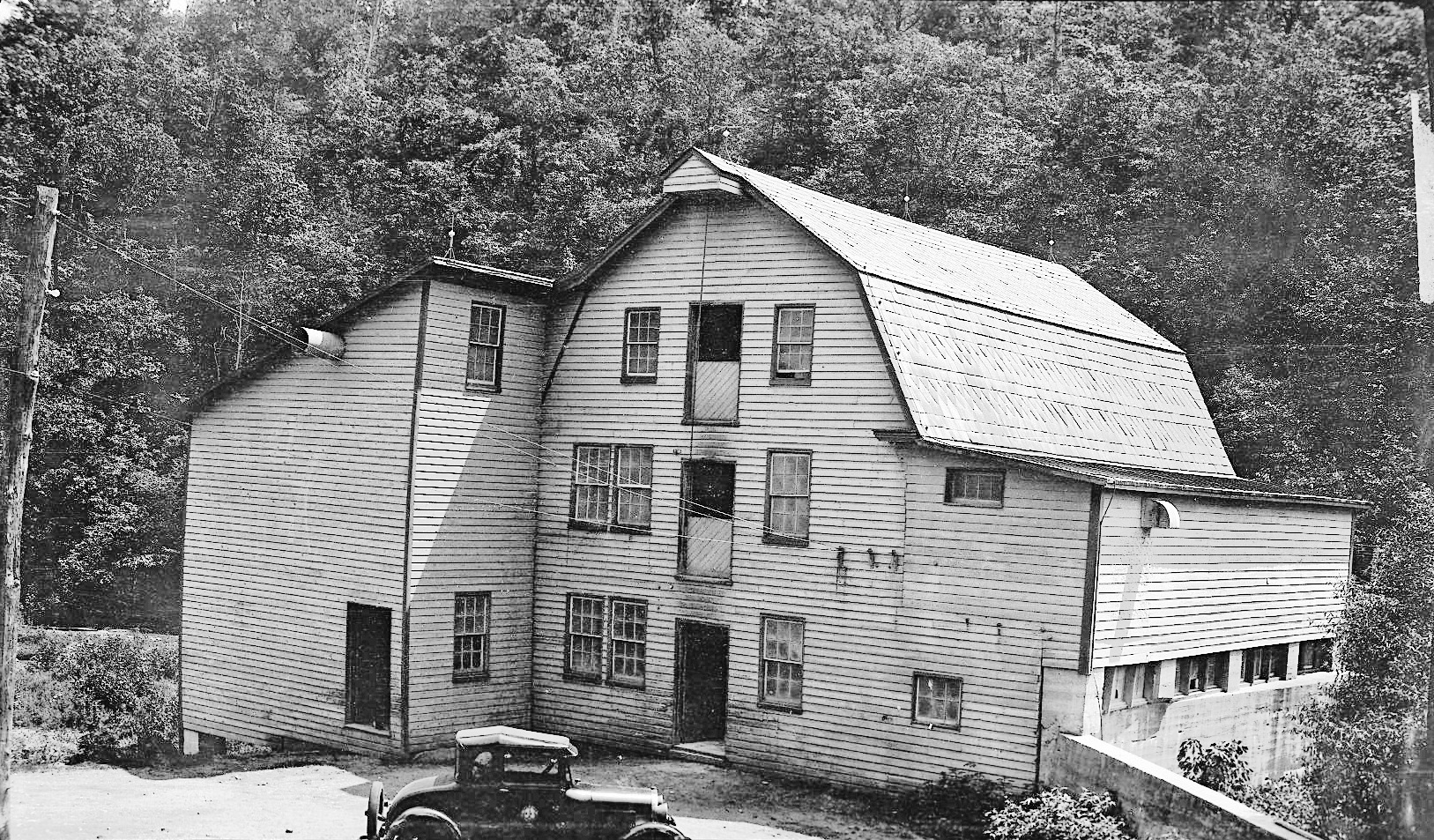
The Mill as it looked in the 1930s

EM1

The mill and top of dam. View from kayaks.

EM3

One of the branch streams that feeds Deer Creek. These two bridges would be under water.

EM4

View from under the bridge. Back in the 30s, this bridge was probably an old wooden one.

EM2

It doesn’t get any better than this!

Possible Treasure Trove

10 Friday Jun 2016

Posted by Ronald Parks in Baltimore, HISTORY, Sewage History

≈ Leave a comment

Tags

Baltimore, engineering, FILTRATION, HISTORY, Jones Falls, Museum, photography, Public Works, sewage, Sewage History, water history

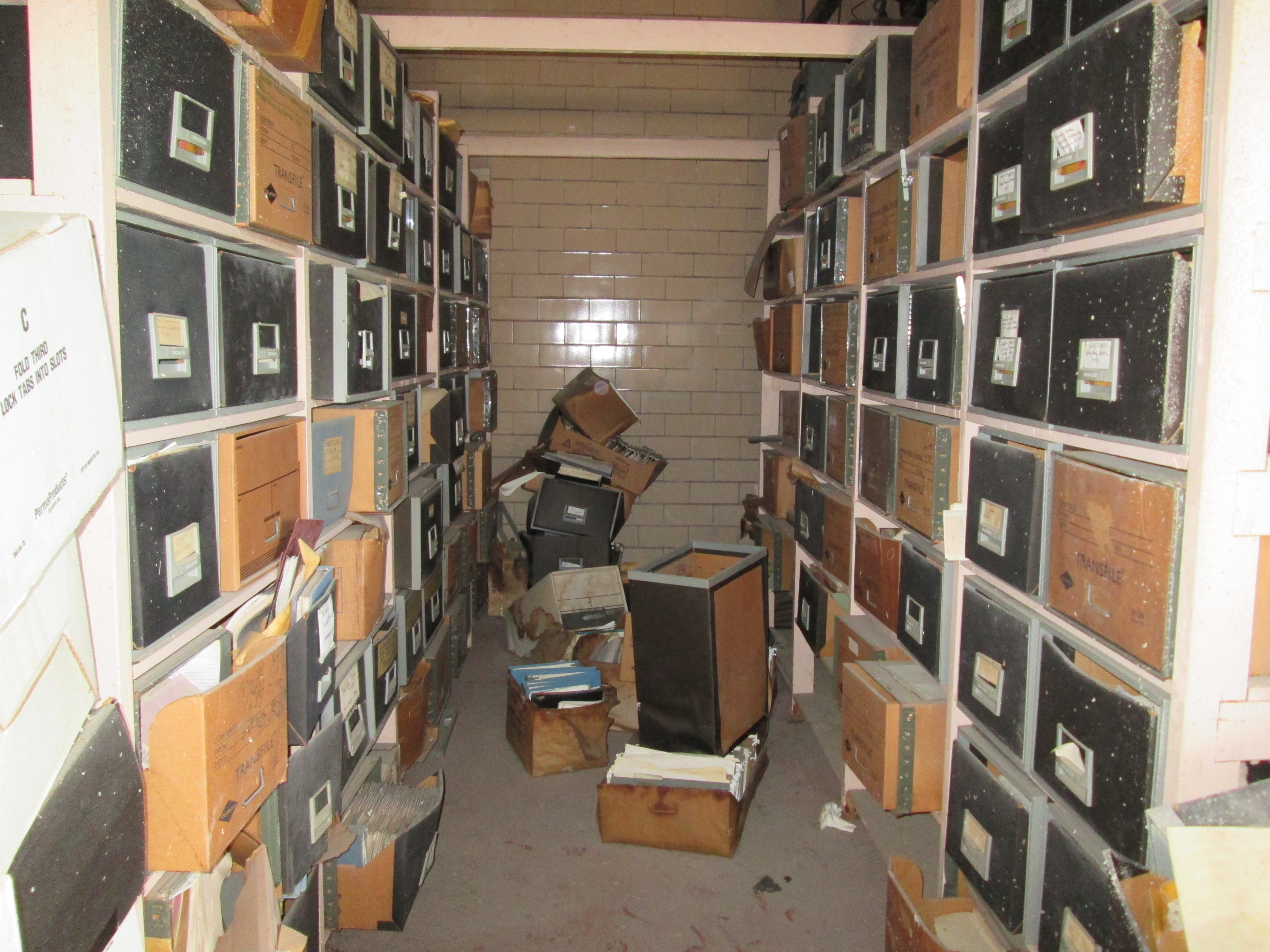
A few years ago, before I was asked to relocate the DPW Museum Archives, I was researching Baltimore’s Water History. I knew there were files kept down at Back River, in the museum storage area and after repeatedly pestering people to let me have access to the building, I was told ok – the only problem being, they sent me to the wrong ‘archives’ area. This building was old, dark, damp and a disaster. I was unable to find anything I could use. (It was so dark, I had to use my camera’s flash to get around!) I told the admin down there that if they were to put in some lights, I would volunteer to clean, organize and document the files. No response. A while later I was given access to the museum files, the ones I originally wanted to see.

For my Sewerage History, I again asked for access to the old building. The museum files have since been moved to my work location, but I knew there were others down at Back River, in that original building I was sent to. The place is still a mess but at least I could see inside. The boards on the windows have rotted and fallen down. Sunlight filtered in. There are a lot of old records in there that need preserving. Maybe someone will give me permission this time to do what needs to be done.

019

Early contracts, specification books and drawings.

011 (2)

Three floors of Early Sewerage History!

003

There are even photographs from water filtration. These are of the renovations at Ashburton. Why they are at Back River is beyond me!

The Morgue

31 Thursday Mar 2016

Posted by Ronald Parks in Baltimore, Sewage History

≈ Leave a comment

Tags

Baltimore, Cemetery, engineering, Health, HISTORY, Morgue, Museum, Public Works, Sewage History, vaccination, water history

From the 1888 Health Commissioner: I may be permitted complacently to add, that there has not occurred more than five cases of small-pox in the City of Baltimore during the past five years (all imported), and not more than two deaths. This is due to vaccination, carefully and persistently practiced by the excellent corps of Vaccine Physicians, added to the watchfulness and diligence of our able Quarantine Physician. Too much cannot be said to the people on this subject, and all should be convinced of the absolutely protective power of perfectly successful vaccination against small-pox. Those who arrogantly set themselves up as anti-vaccinationists should be regarded in every community as public enemies, and treated accordingly. Notwithstanding the good results of our past years’ experience, there are many defects in the sanitary condition of our City, that it is our bounden duty to correct at the earliest possible period of time. Prominent among these is the improvement of our storm-water sewers, most of which are defective in every particular. Constructed in bad form of improper materials, with insufficient and irregular grades, and for the most part un-trapped. Hundreds of damp or wet cellars contribute to the causes of sickness and deaths, which could be prevented by a system of drains, if the system of sewers were such as to render it possible or practicable. I trust the City Council will not delay in this important work. The disposal of the offal of our large cities is a problem of great importance as well as most perplexing difficulty. Cremation has been urged and adopted in several places, but as yet has not proved entirely satisfactory, either from a sanitary or economic point of view. The subject is still undergoing experimental investigation at Buffalo, New York and Chicago, and we shall await the result before recommending any plan for the improvement of our present system of disposal of garbage, street dirt and night soil. I would be failing in my duty if I did not again appeal to your Honorable Body in behalf of those who have so often and so sorely felt the need of a Morgue. In the name of the afflicted friends of the unknown dead, in the name of our efficient and zealous police force, and in the name of every reflecting citizen of Baltimore, I urge that this long felt want shall no longer be neglected and laid aside as a matter for future consideration. A city of five hundred thousand people cannot afford to be without a Morgue any more than she can to be without electric lights.
img010

Undated photo showing the morgue, which was connected to the Eastern Avenue Sewage Pumping Station

Rendition – Sewage Pumping Station

07 Monday Mar 2016

Posted by Ronald Parks in Baltimore, HISTORY, Sewage History

≈ Leave a comment

Tags

art, Baltimore, engineering, Health, HISTORY, Jones Falls, Museum, Sewage History

Below is an artist rendition of what the Eastern Avenue Pumping Station was to look like in 1907. I found this water color drawing at the DPW Museum, tucked behind a bunch of wet, moldy boxes (some museum pieces were damaged by water and fire years ago). I am hoping to take this art work and have it restored soon. I like that the artist also included the Baltimore Shot Tower in the background, to the right. With the coal bins above the steam boilers, that ran the pumps, the coal was unloaded from rail cars and ships, then conveyed to the top of the building. It fell into hoppers and the hoppers fed the boilers. Engineering marvel. The building is being considered as a Historic Landmark.

The building is still pumping sewage every day. Where the boilers once were, had been converted into the DPW Museum, which has been closed for a few years.

IMG_1797

← Older posts
Newer posts →

Blogroll

  • Flouride Action Network
  • lulu
  • My Book
  • WordPress.com
  • WordPress.org

Recent Posts

  • Bermuda 2023
  • ICELAND April 2023
  • George Chalmers of Fochabers
  • In Search of The Skipjack Ada Mae
  • Trap Pond Kayak

Blog at WordPress.com.

  • Subscribe Subscribed
    • Water and Me
    • Join 231 other subscribers
    • Already have a WordPress.com account? Log in now.
    • Water and Me
    • Subscribe Subscribed
    • Sign up
    • Log in
    • Report this content
    • View site in Reader
    • Manage subscriptions
    • Collapse this bar
 

Loading Comments...