• About
  • History Writings

Water and Me

Water and Me

Tag Archives: photography

Vacation Pics #1

21 Wednesday Sep 2016

Posted by Ronald Parks in Travel, vacation

≈ Leave a comment

Tags

kayaking, ocean, ocean city, photography, vacation, water

After some catching up with work and life stuff, finally got around to doing my photos…

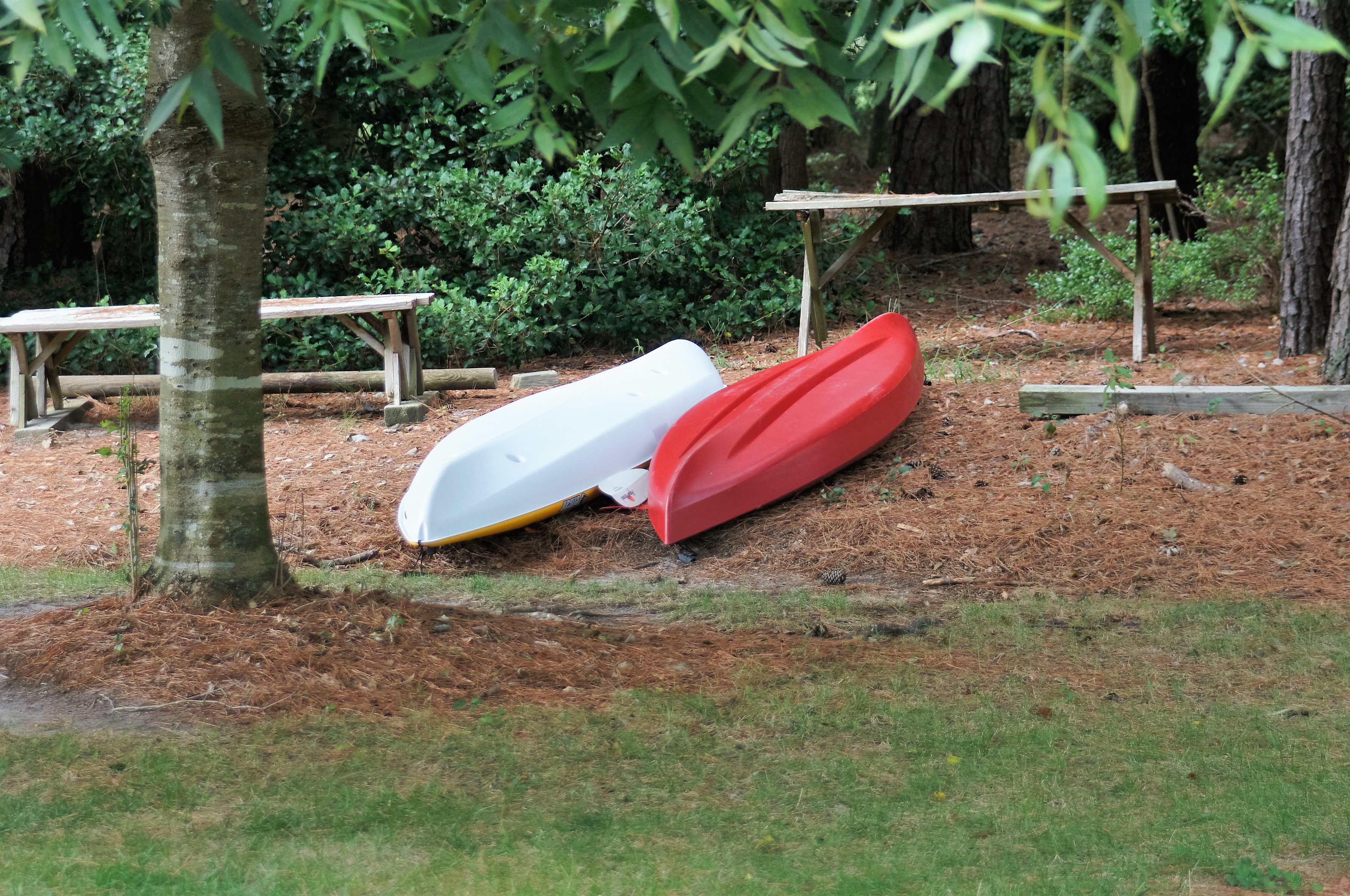
The kayaks are patiently waiting our return from Ocean City…

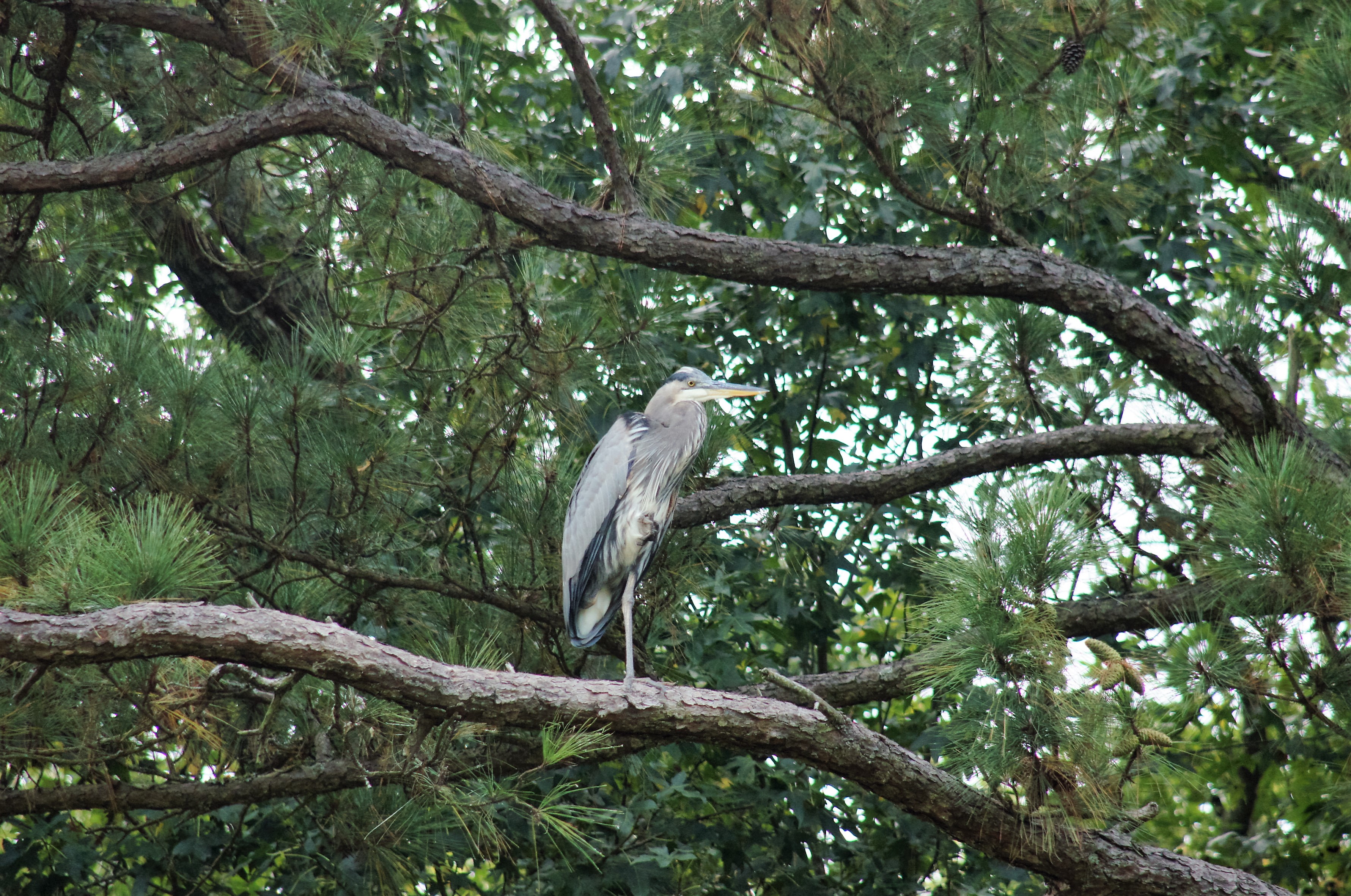
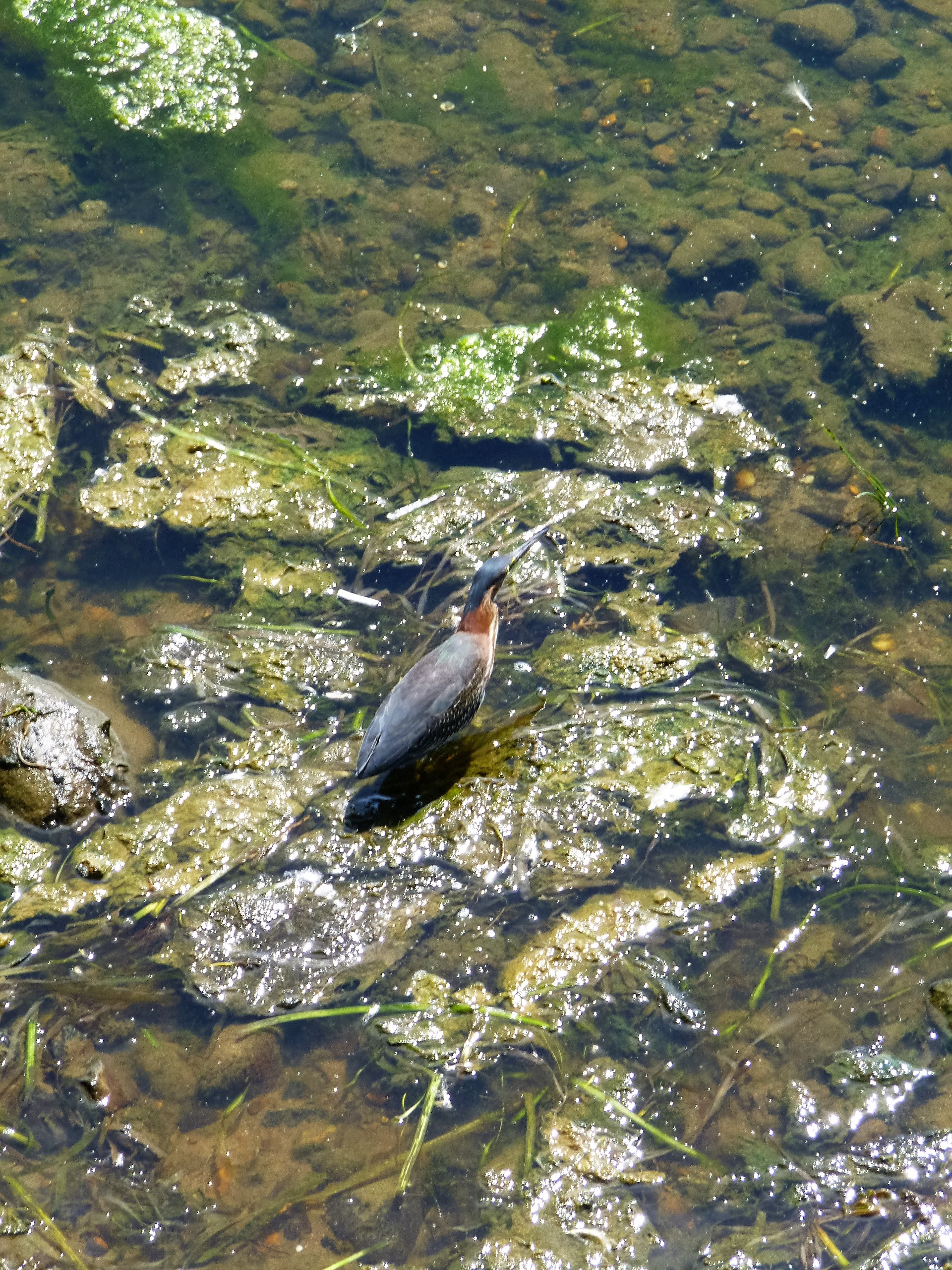
The one legged Blue Heron doesn’t look as patient.

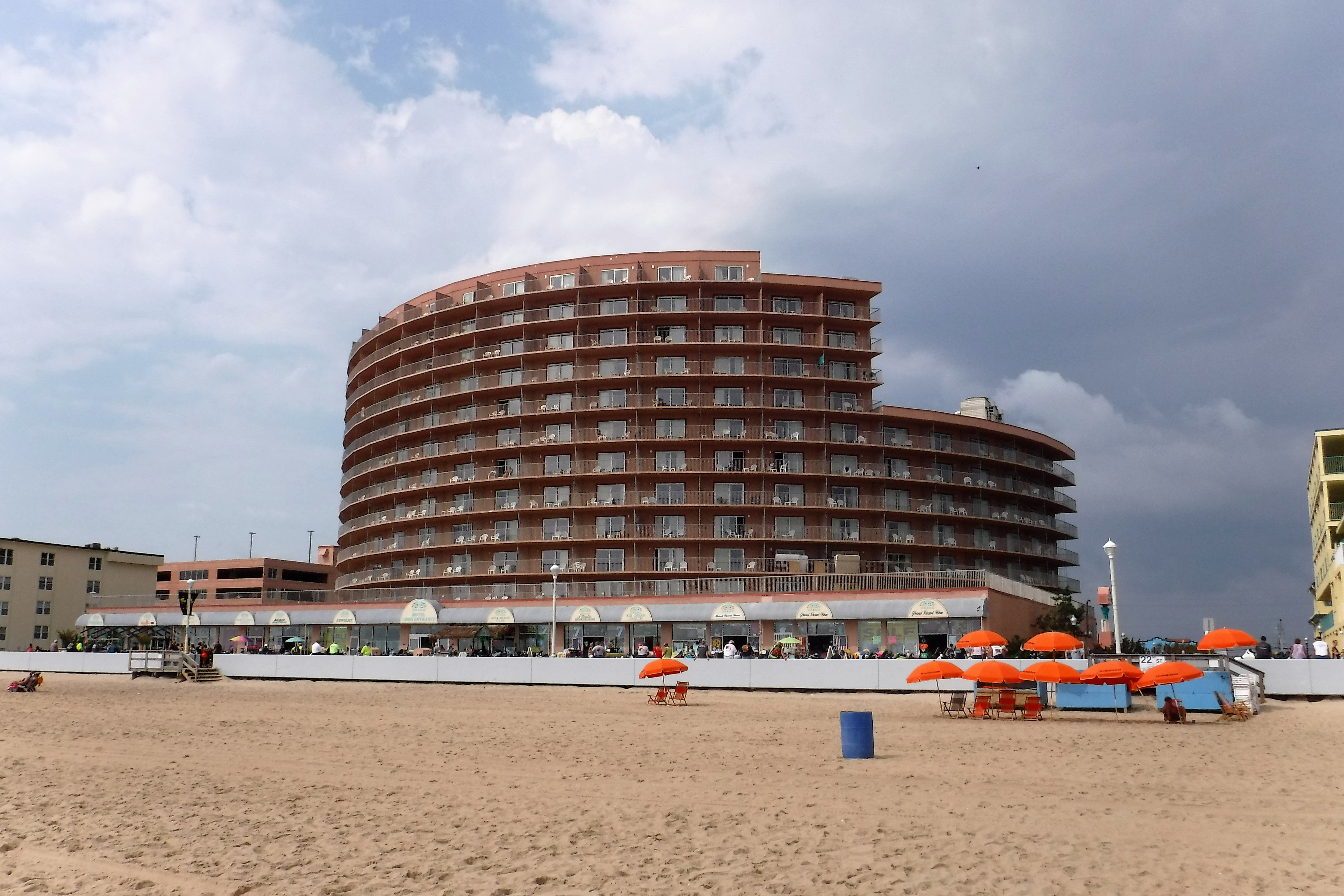
Our hotel. Next to the top floor. I enjoy being at the beach, in a room with a view.

stowaway

What our hotel use to look like in the 60s. (Postcard found on line)

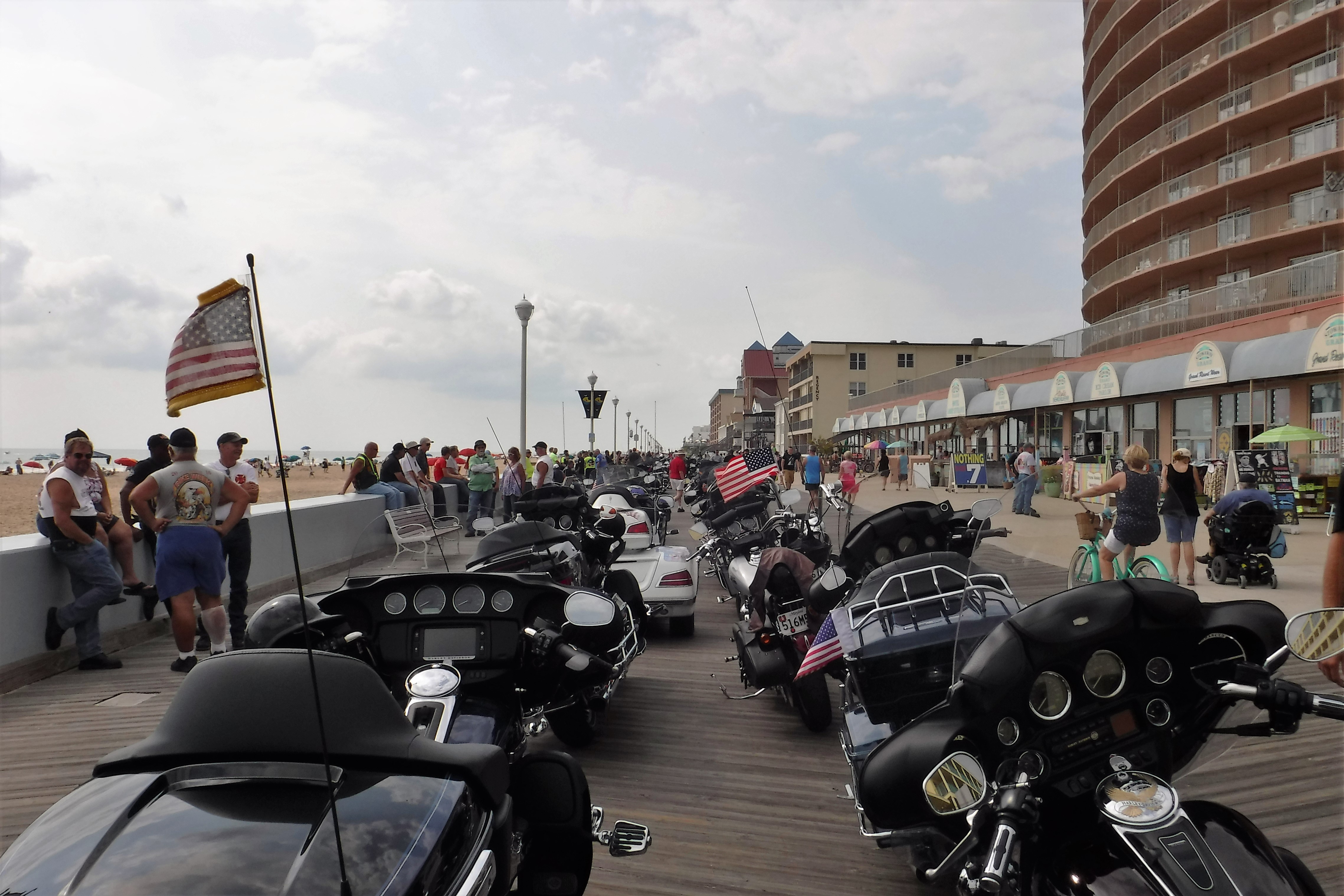
Biker/First Responder bike run for 9/11. This is at 22nd street and went all the way back to 28th and then down, I’m guessing to 9th street. They rode the boardwalk to the Fireman’s Memorial, down just past Division Street where there was a memorial service.

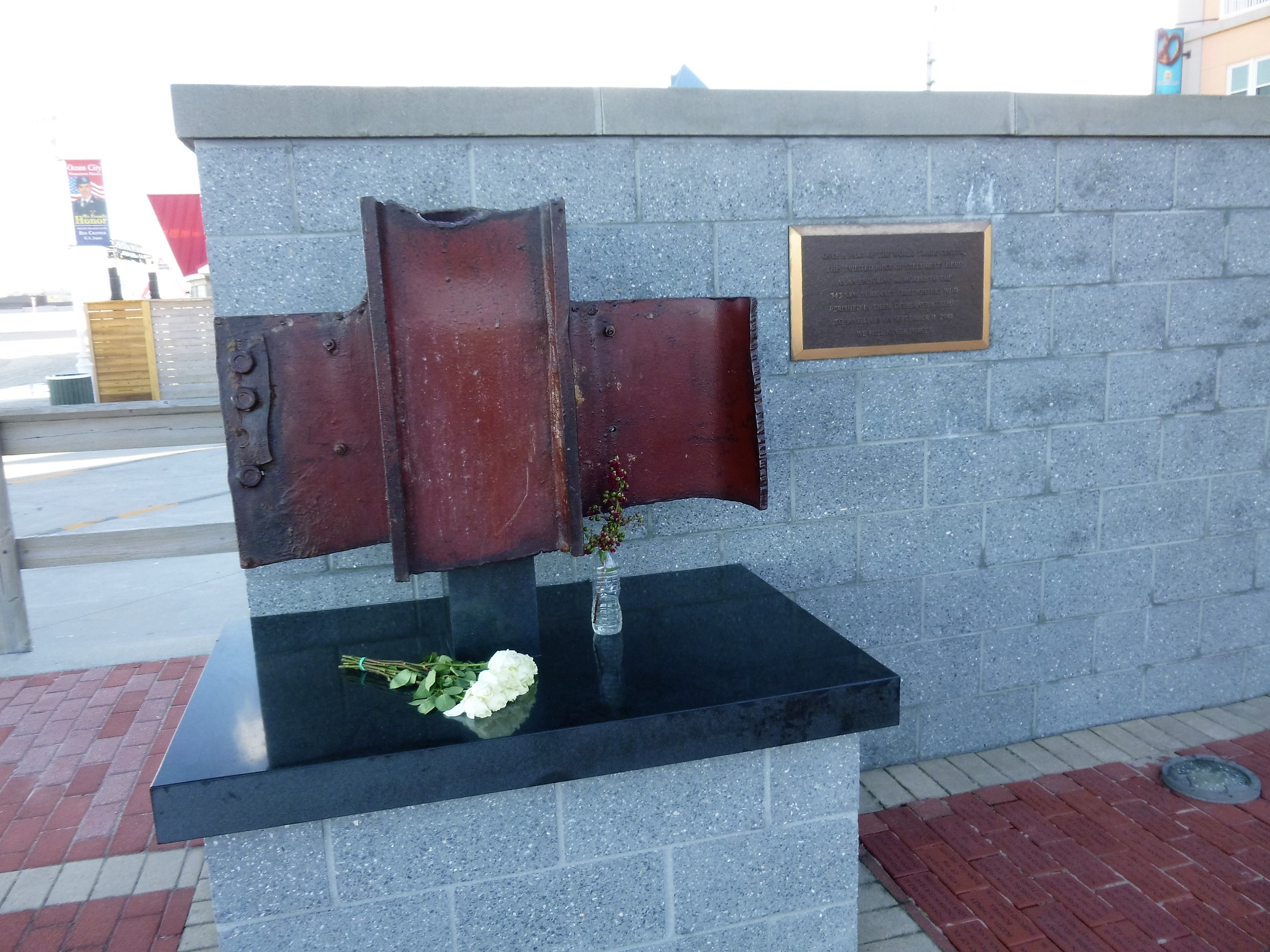
The 9/11 memorial. A piece of the World Trade Center.

Entrance to the boardwalk.

Natty Boh and the UTZ girl?

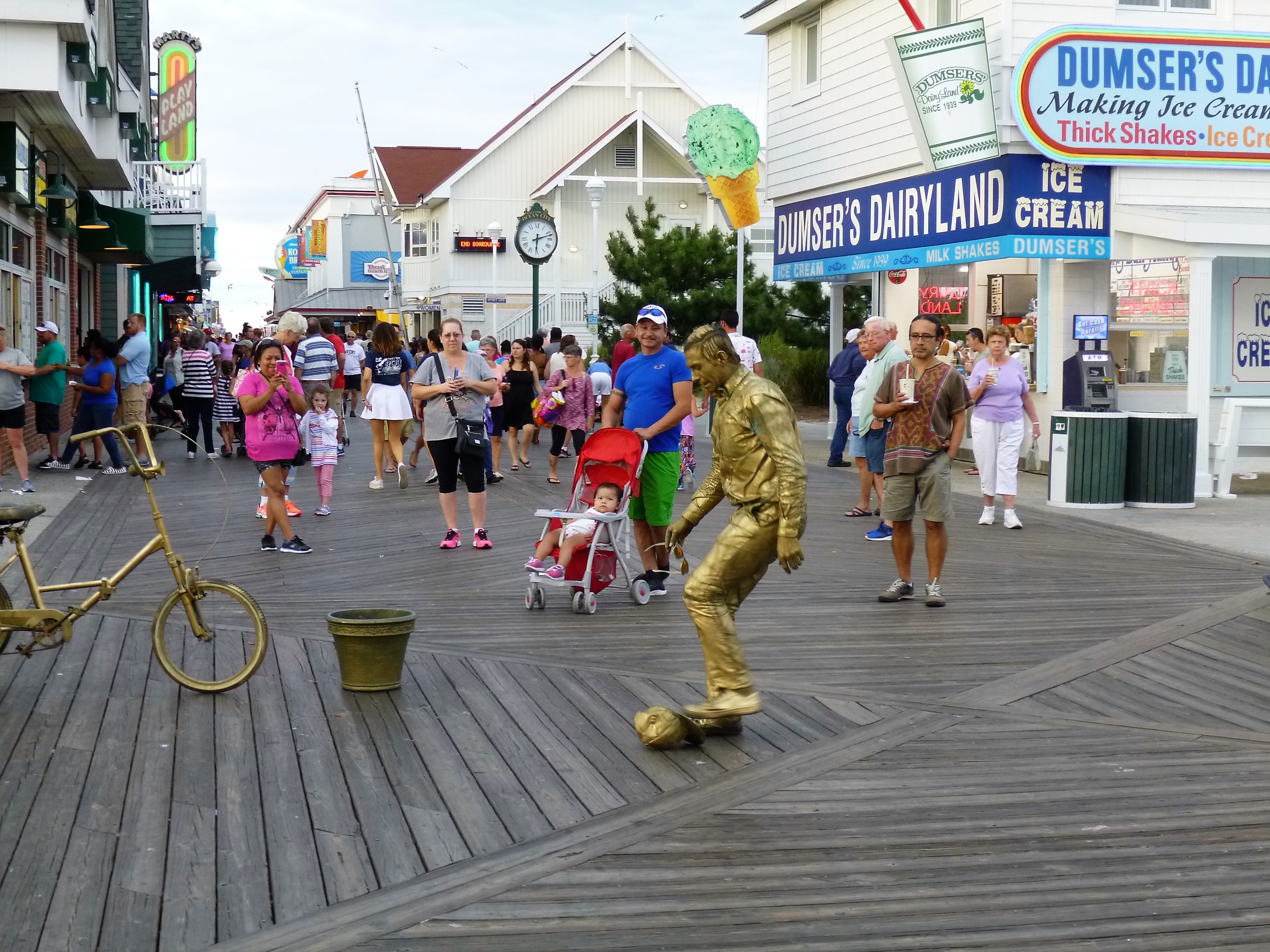
What can you say about a guy that paints himself gold and makes noises like he has a chirping bird stuck in his throat??

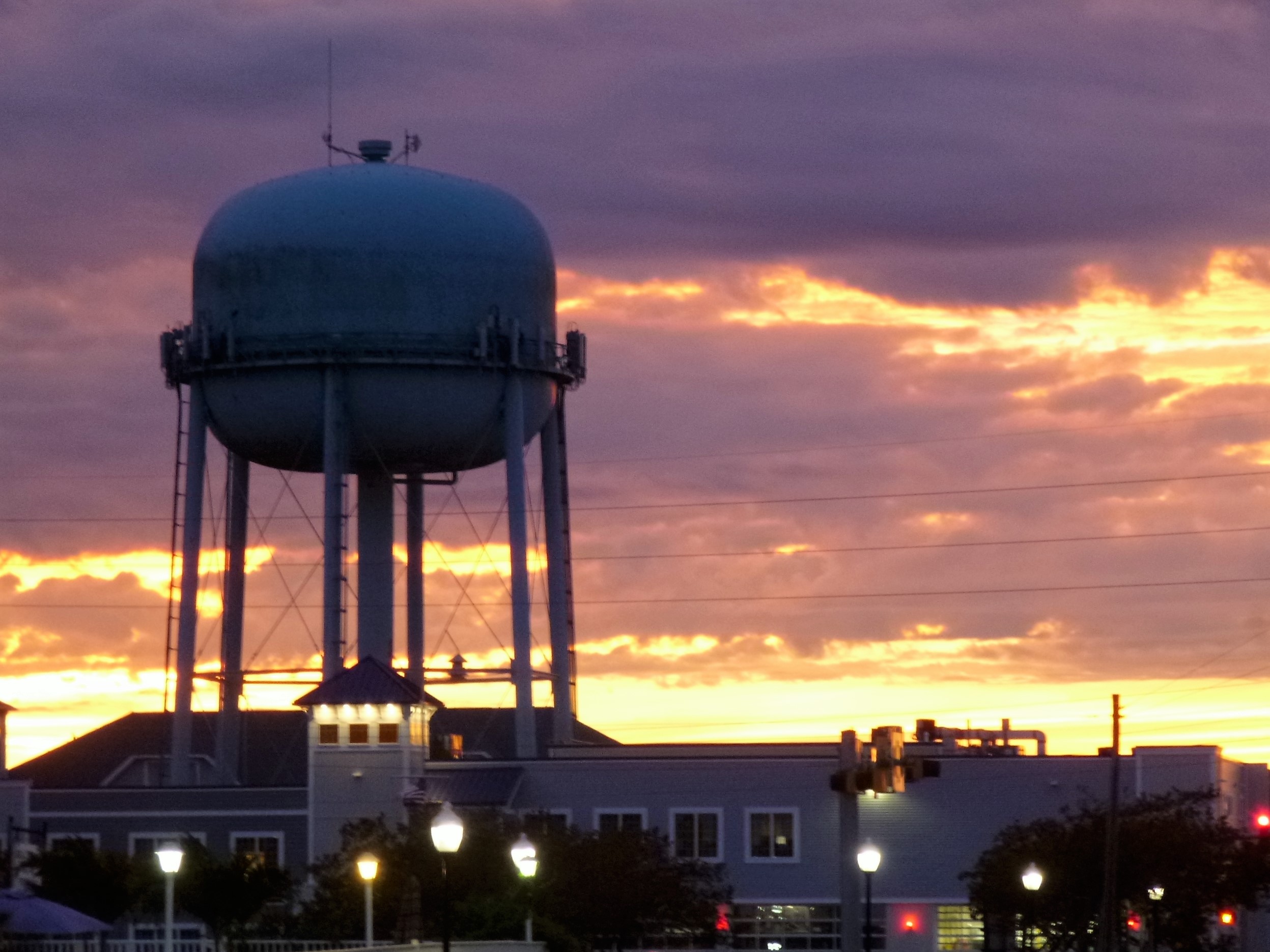
Old water tower at sunset.

New, just getting painted water tower.

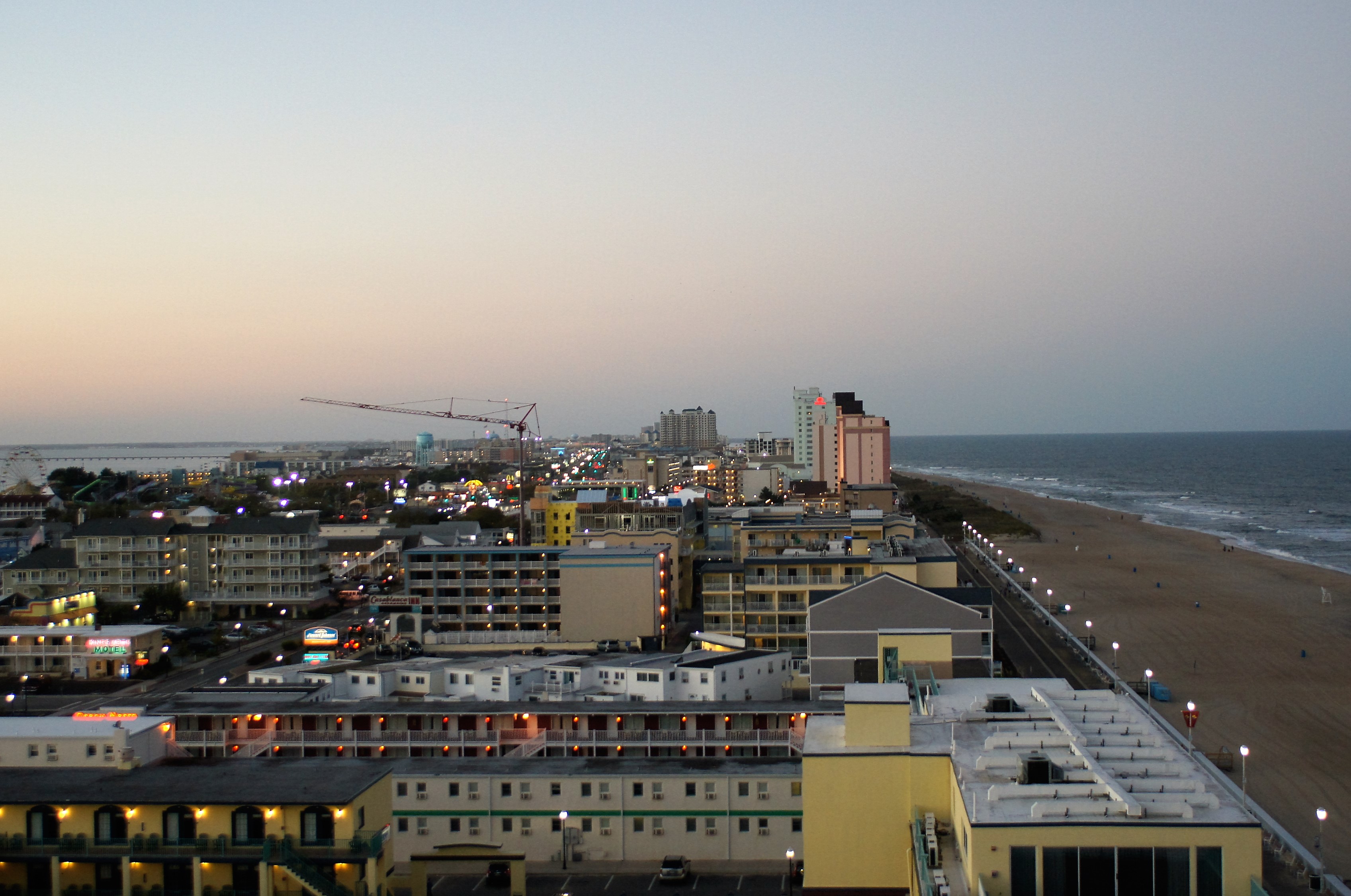
The view – bay to the left, ocean to the right.

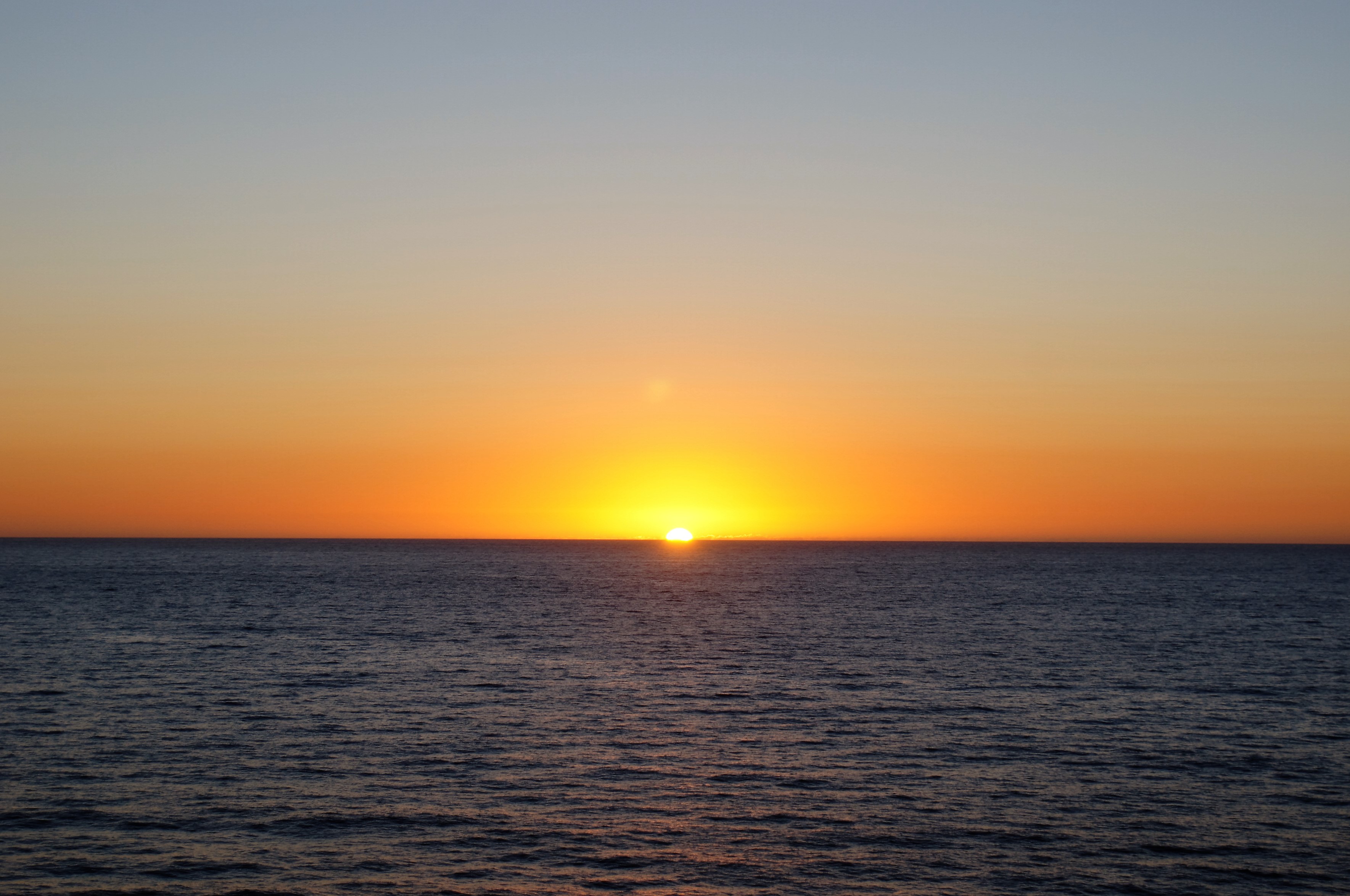
I’m still waiting to see that green flash I heard about…

Vacation

18 Sunday Sep 2016

Posted by Ronald Parks in Hiking, kayaking, vacation, Writing

≈ 4 Comments

Tags

boating, fishing, Health, Hiking, kayaking, photography, writing

Best vacation in a long time!

Ocean City for a couple days: Sun, dolphins, 11th floor balcony door opened – listening to the pounding of the surf on the beach, watching the sunrise and sunset, Thrasher Fries, junk food, good food, 9/11 memorial, biker week …

Snow Hill for kayaking at Goat Island, saw no goats but was a great adventure…

Assateague Island for more kayaking and hiking through water onto beaches…

Fishing off Deal Island (caught a lot of variety including crabs and a skate), boat around other islands…Princess Anne for dinner and historic tour…

Crisfield then to Smith Island…

Home. Great vacation except for two unpleasantries – daughter needs brain surgery and “service engine soon” light came on in truck.

Photos later..


Leakin Park

05 Monday Sep 2016

Posted by Ronald Parks in art, Baltimore, Hiking, HISTORY, Photography, water history

≈ 1 Comment

Tags

art, Baltimore, engineering, Hiking, HISTORY, Parks, photography, Public Works, sewage, Sewage History, water history

Visited this park the other day. Our plans for the Eastern Shore were cancelled by Hermine. It was a nice hike. Below is from the Baltimore Heritage website.

Crimea Estate at Leakin Park
By Johns Hopkins
The Crimea Estate is the former summer home of Thomas DeKay Winans, a chief engineer of the Russian Railway between Moscow and St. Petersburg in the 19th Century. The estate features Winans’ Italianate stone mansion, Orianda, as well as a gothic chapel, a “honeymoon” cottage, and a carriage house. The architectural design is said to have been inspired by Winans’ French-Russian wife, Celeste Louise Revillon.

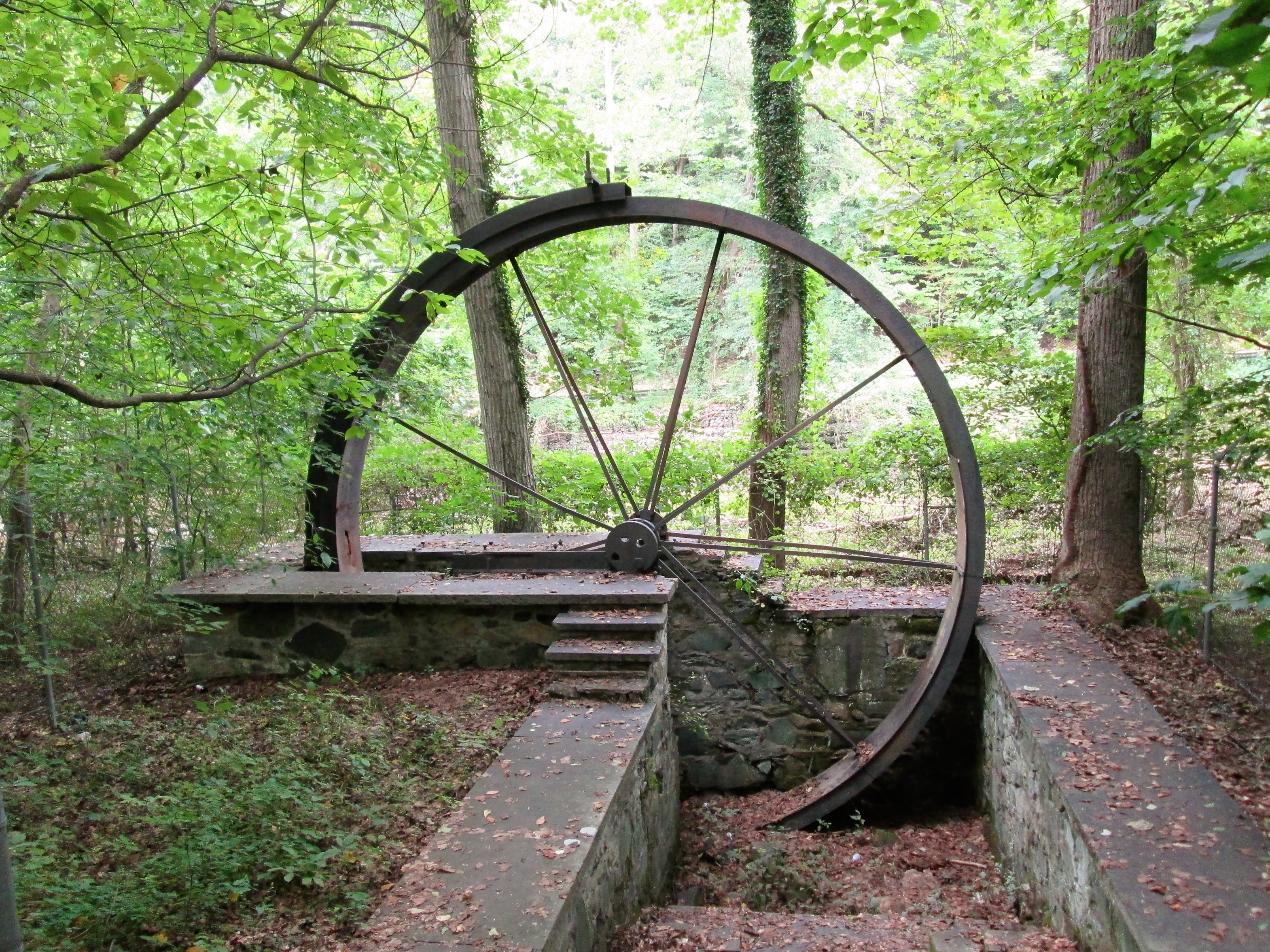
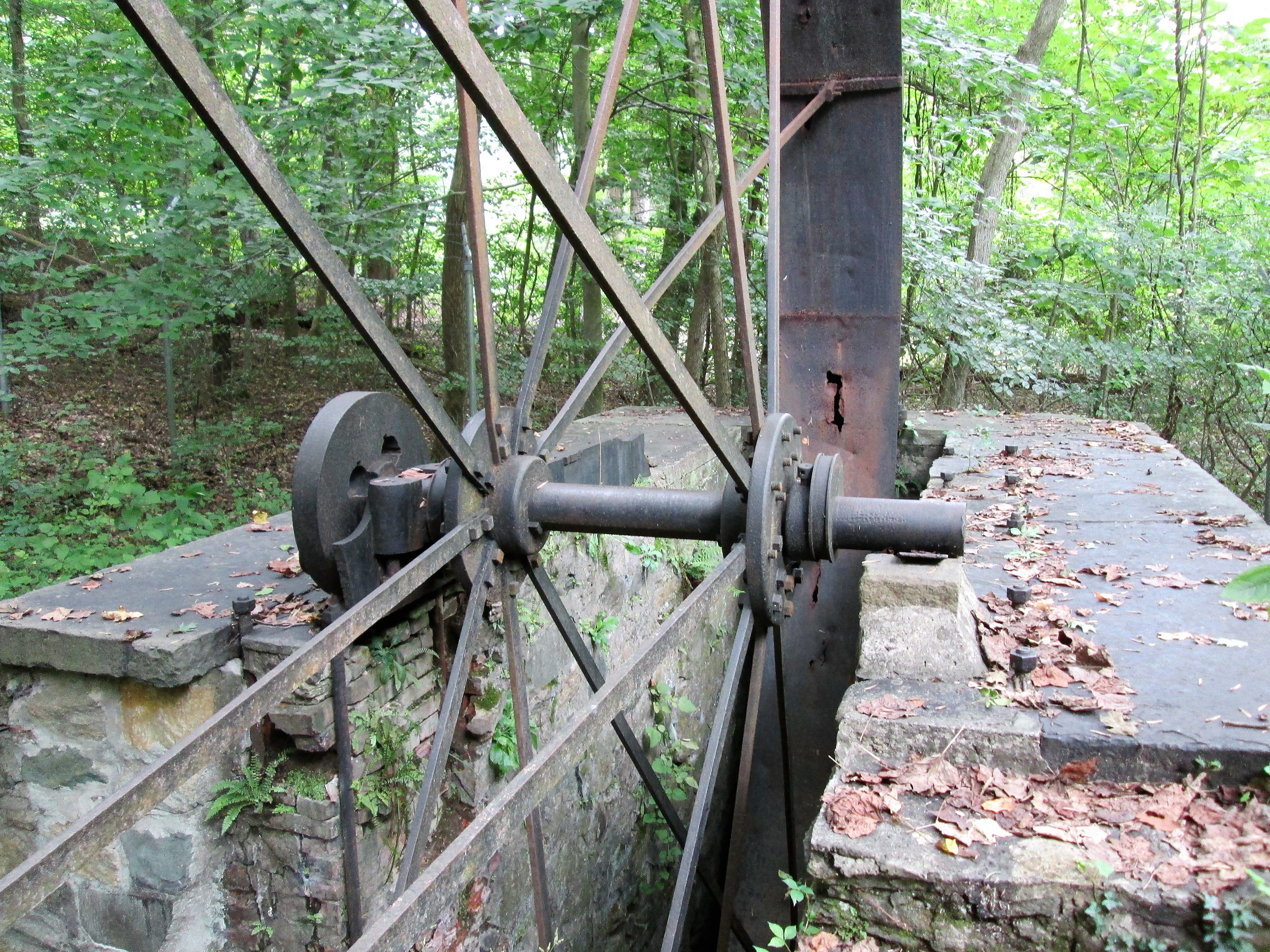
An early, and now often overlooked, part of the estate is called Winans Meadow in Leakin Park. This current meadow was the site of an early milling operation along the Gwynns Falls River. An iron water wheel still remains that pumped water to the Orianda mansion. Along with the water wheel, a barn, silo, smokehouse, and root cellar also tell the story of early development in West Baltimore. There is even an intriguing battlement near the meadow that is thought to be modeled after the Battle of Balaklava where the Russian stand against the British was immortalized in Alfred Lord Tennyson’s poem “The Charge of the Light Brigade.”

Although Leakin Park has retained its original structures in a picturesque natural setting, it almost wasn’t so. In the 1970s, federal and city officials planned to route Interstate 70 through the park in front of the mansion and directly through the carriage house. Saved by a group of dedicated Baltimoreans, the estate remains a central element in Leakin Park. (Check Google Maps for this road – it ends right at the park. The road to nowhere)

Not mentioned in the above narrative is the fact that since 1940, 71 bodies have been found in the park. Dumping ground for west Baltimore knuckleheads. It is about 1200 acres large. Part of the Blair Witch Project was filmed here.

002

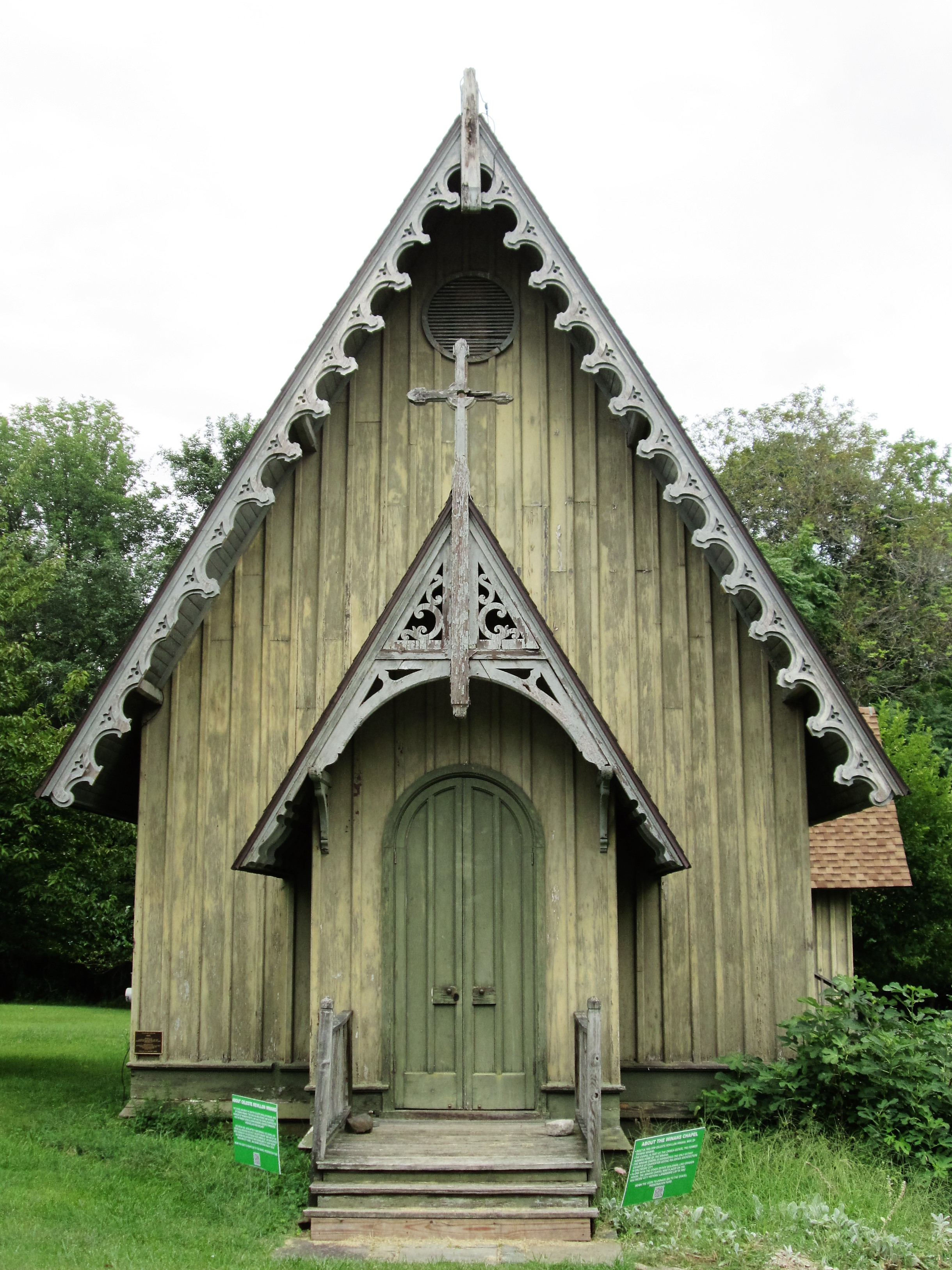
The chapel where annual herb festivals are held.

007

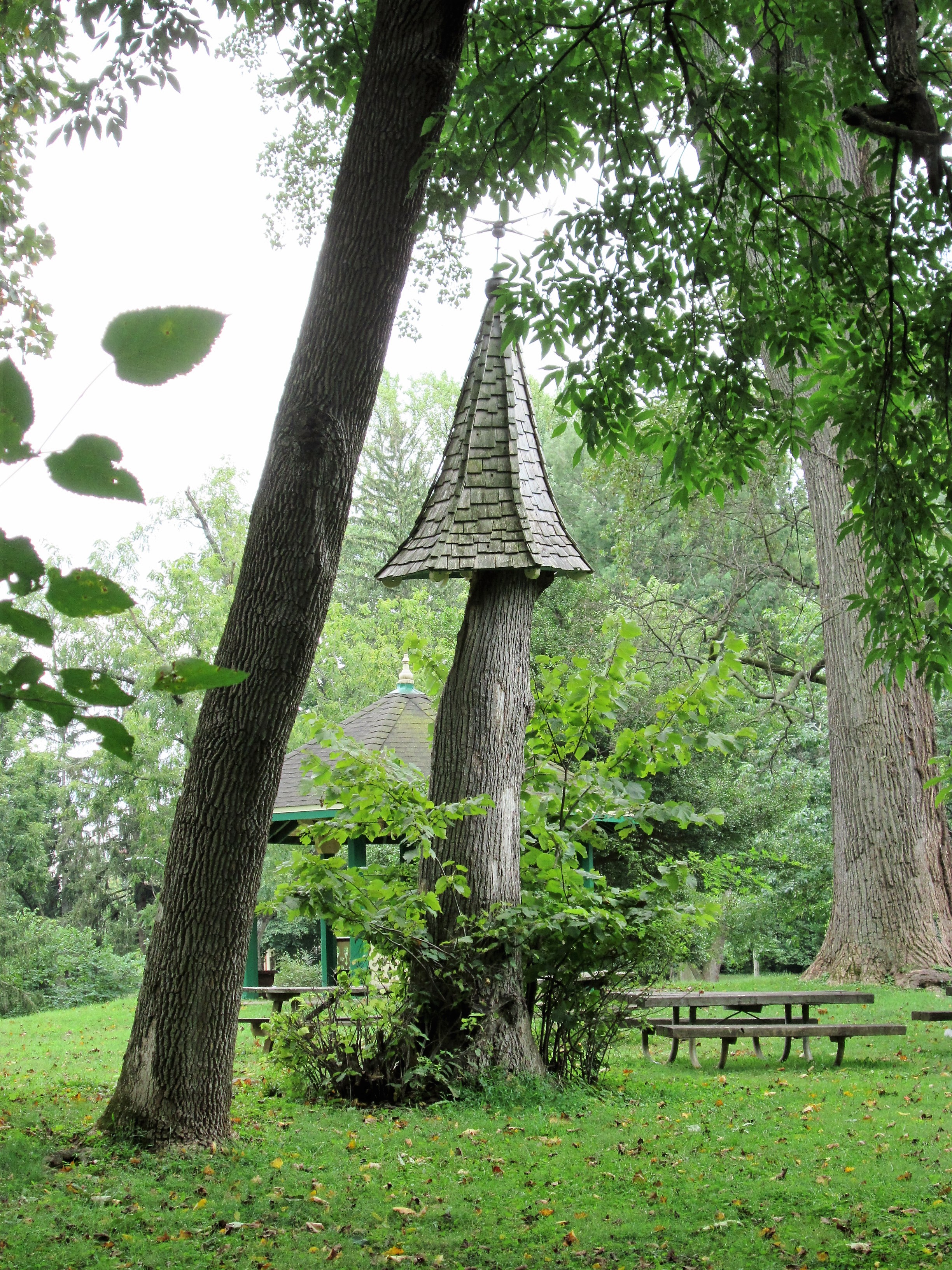
Part of the ‘Art in the Park’ collection. Mr Keebler’s house.

009

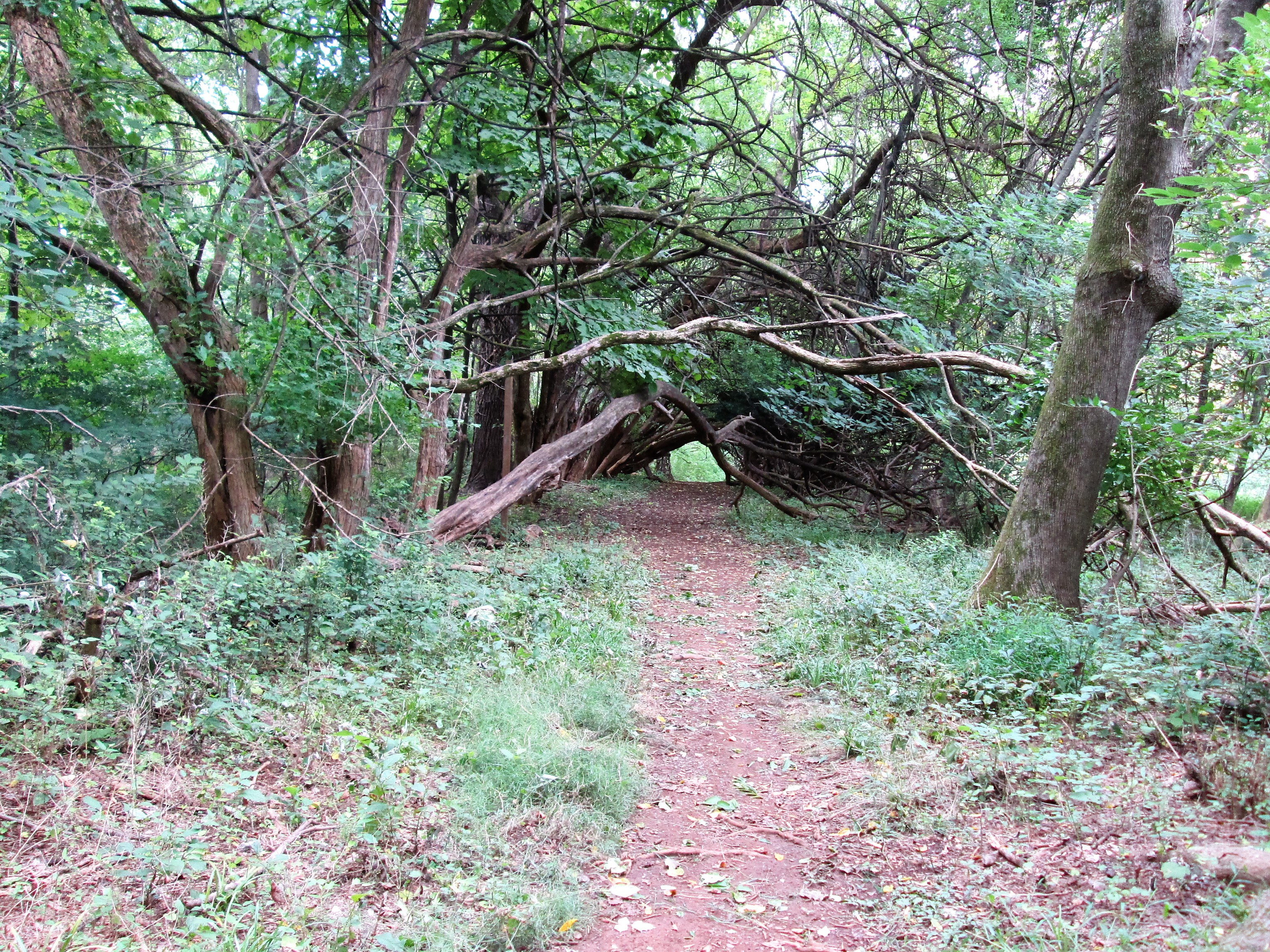
Sometimes nature creates her own art.

013Shrooms.

014

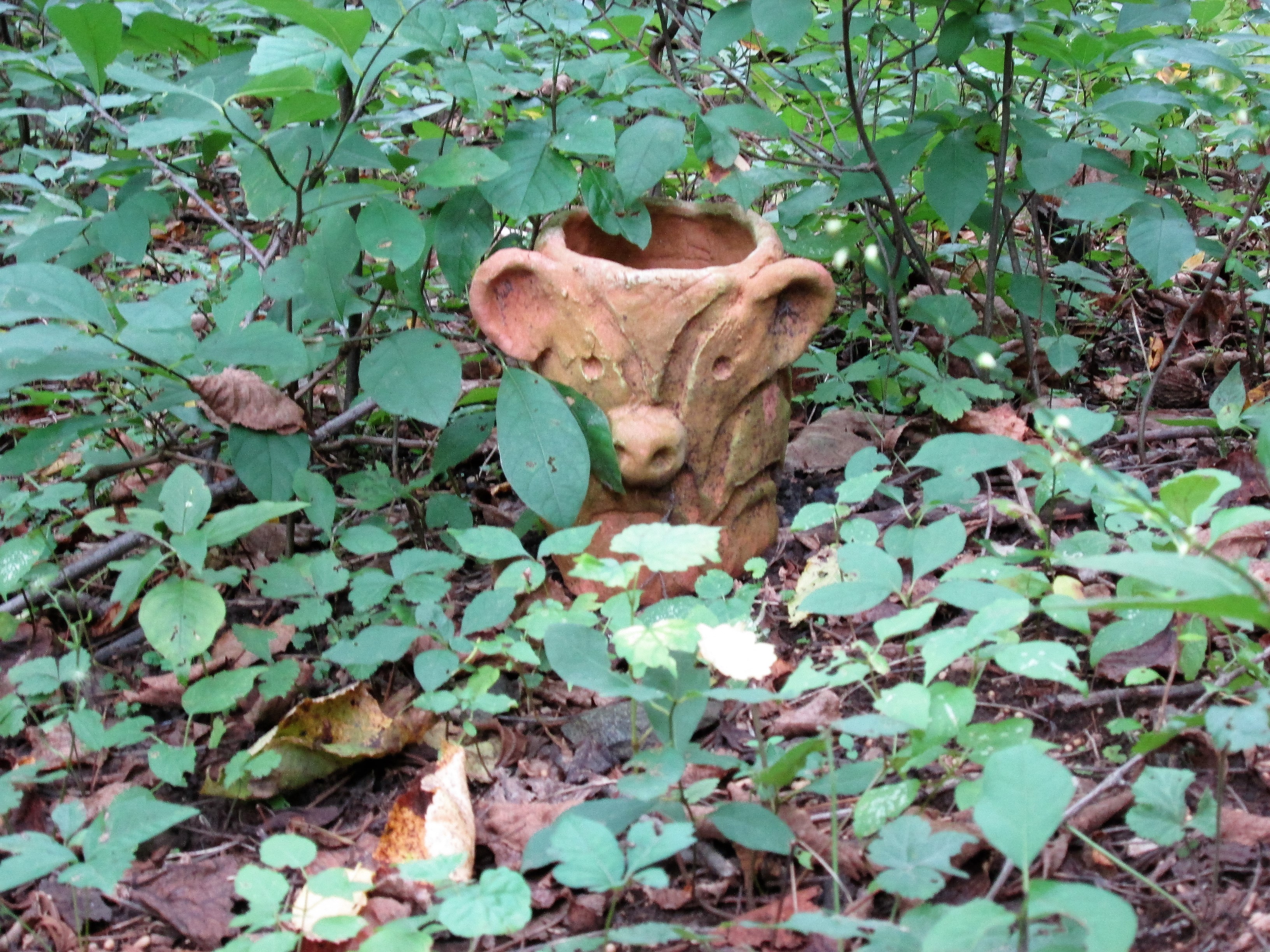
Clay art.

024

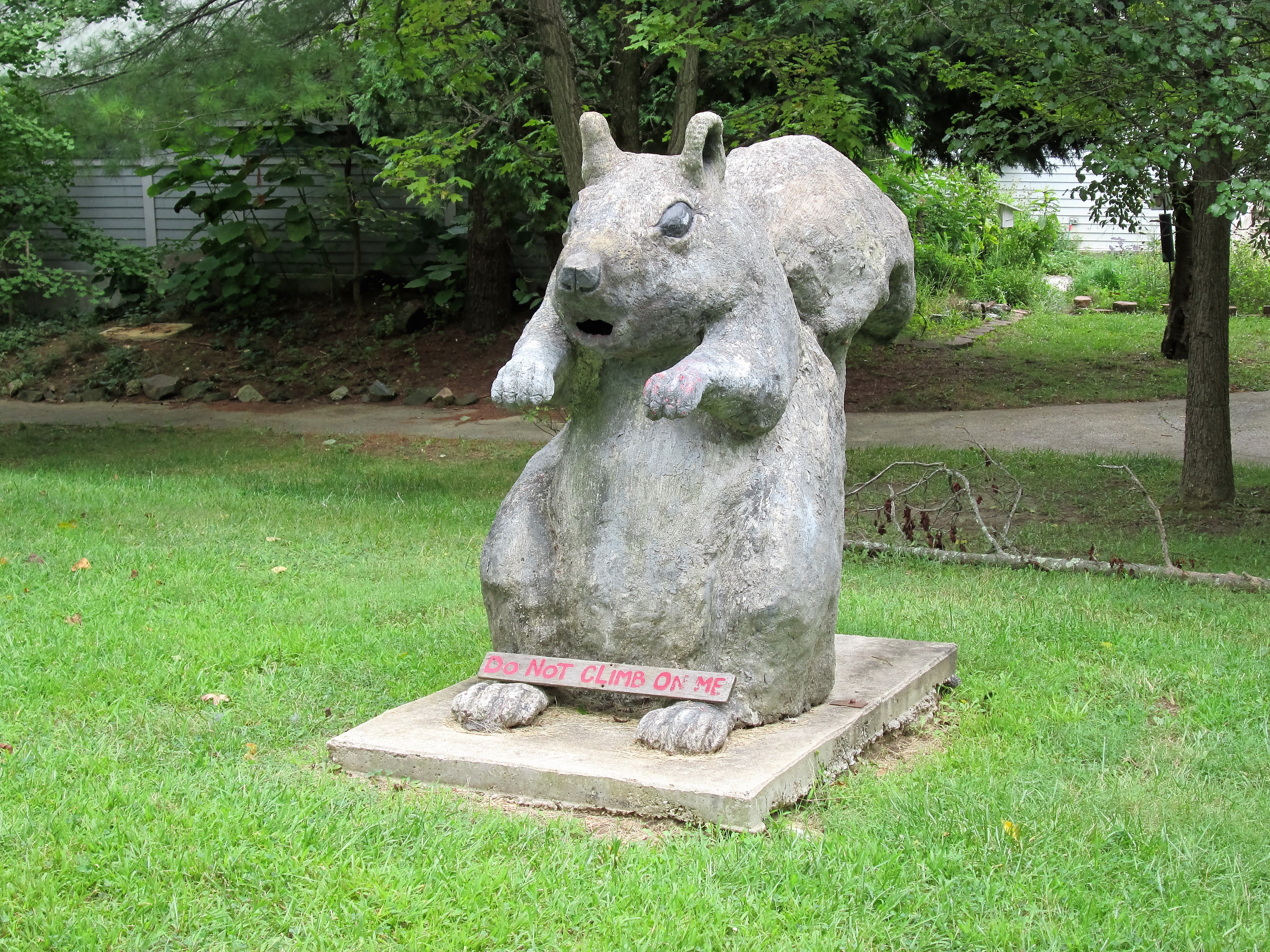
Big scary squirrel.

028

Spider-woman.

033

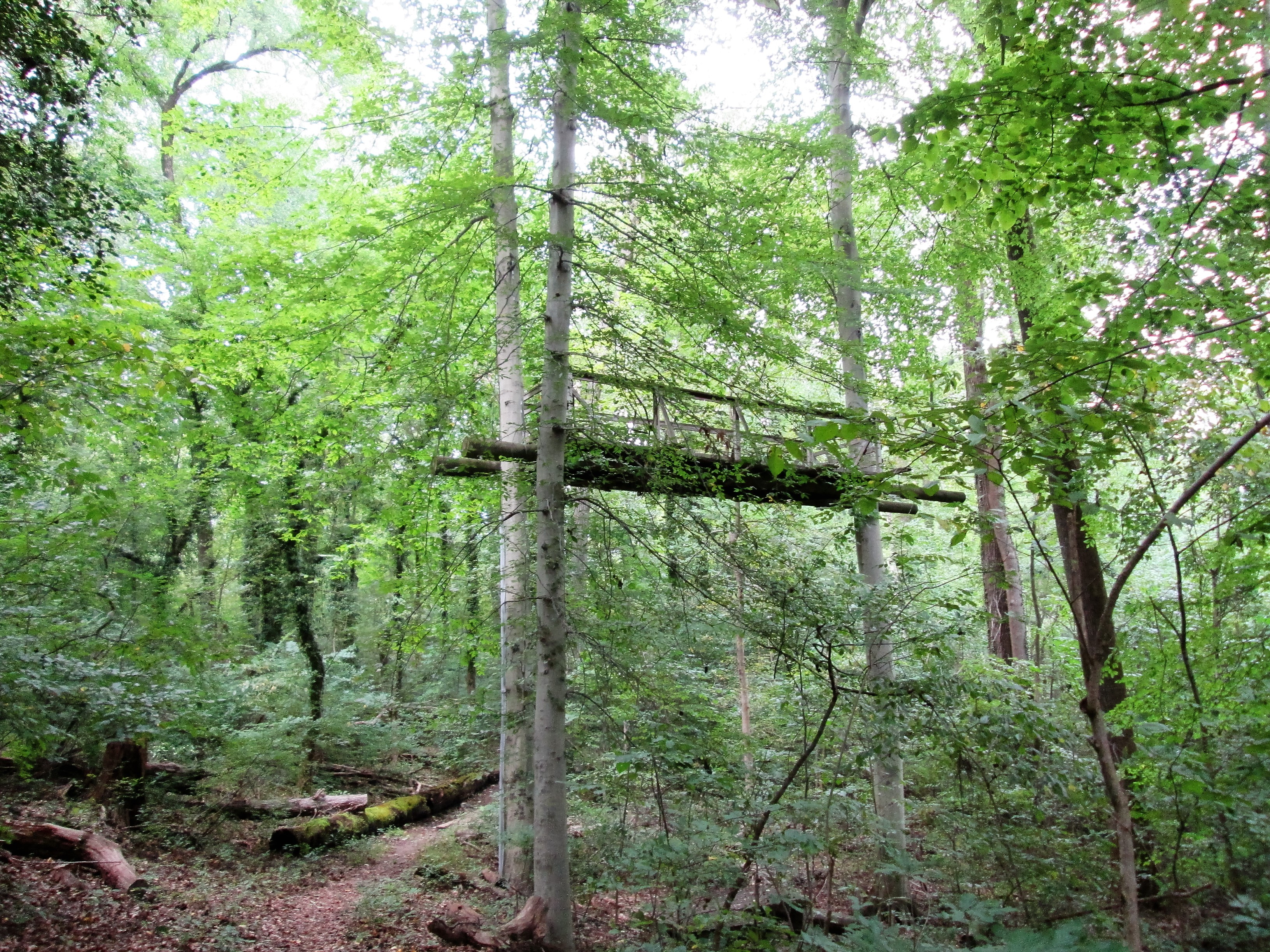
Nice little walkway to the next trail down.

044

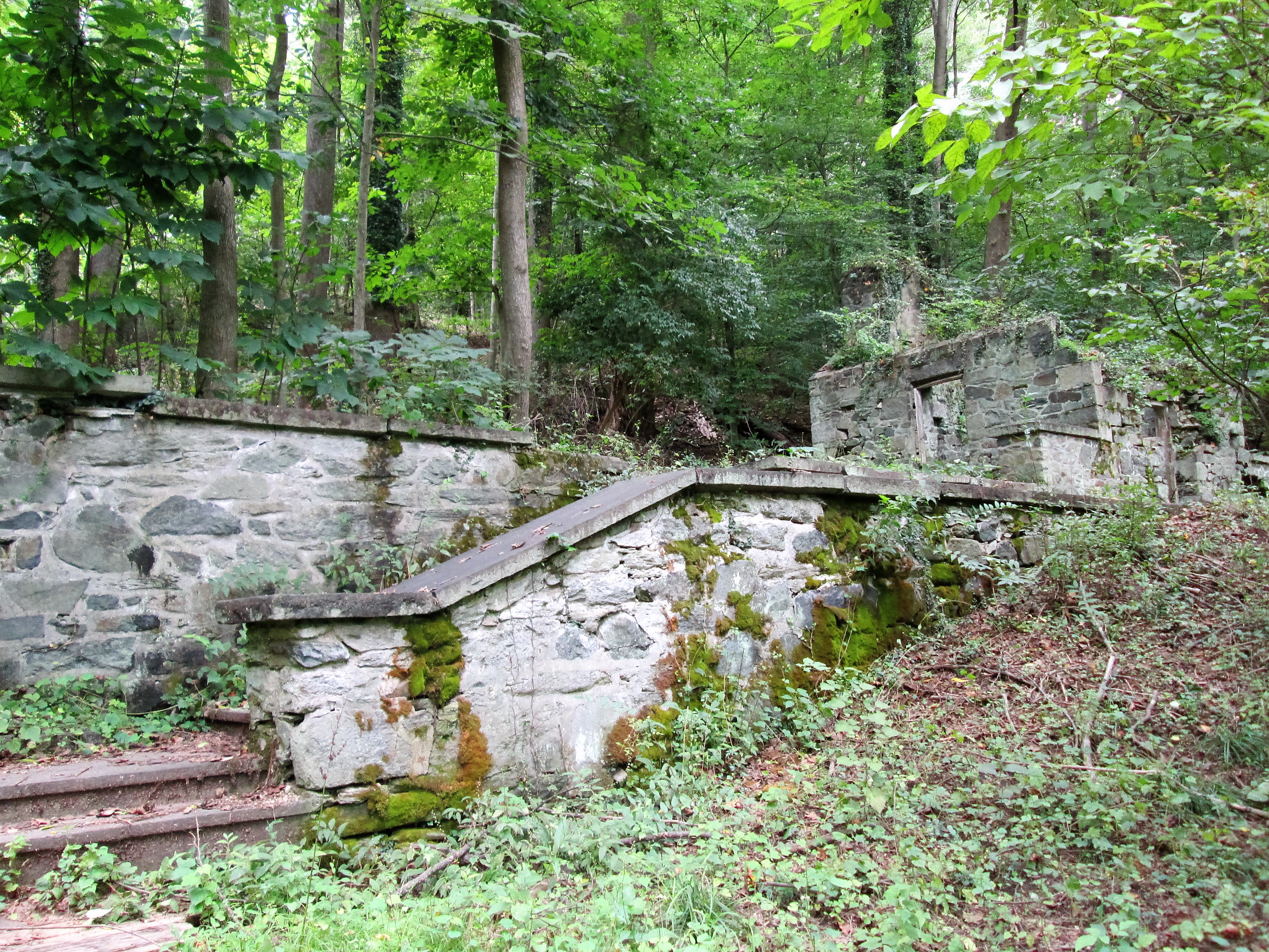
Fort remnants.

047

Through the doorway, fireplace.

051

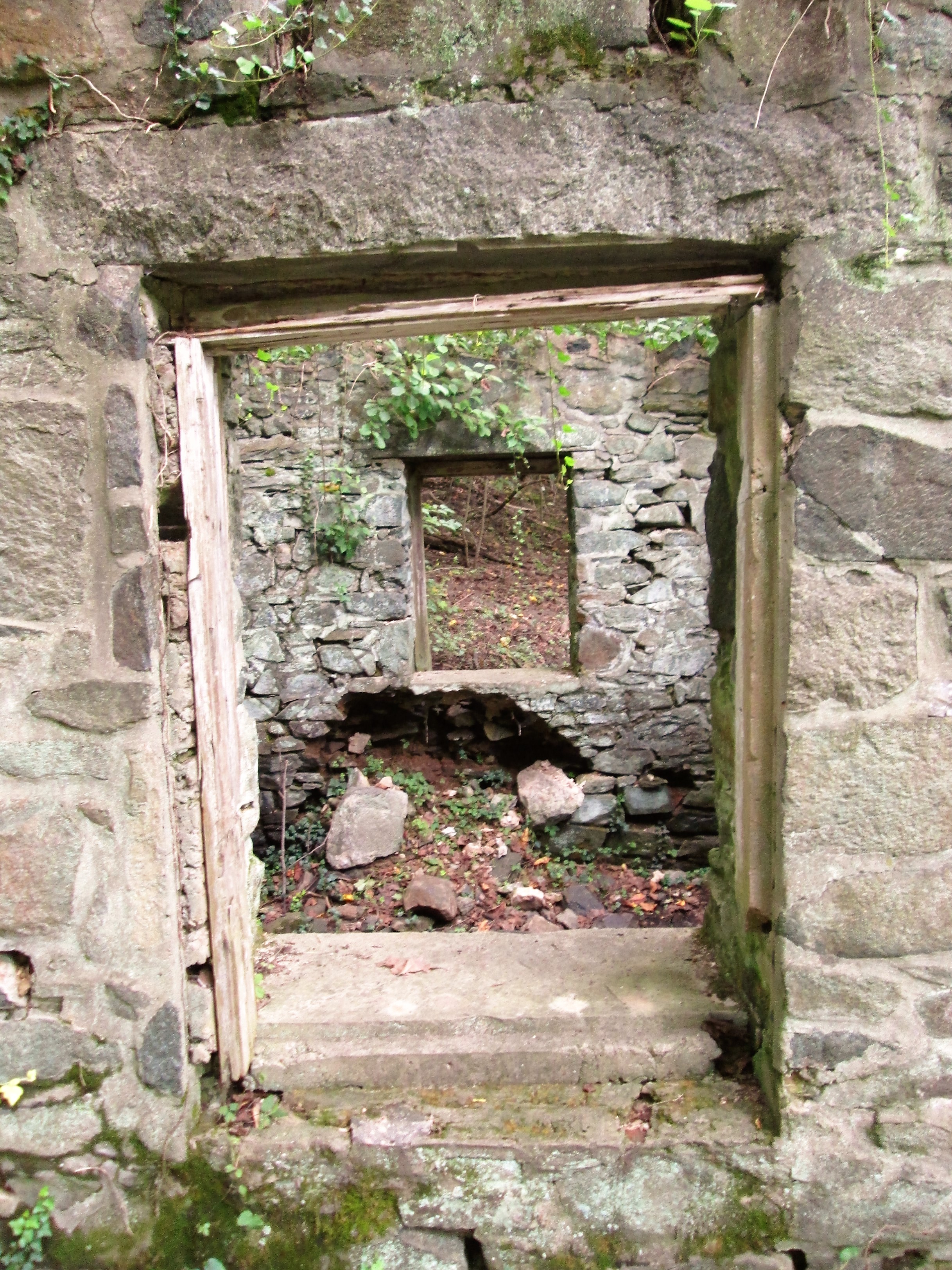
Windows to its soul.

054

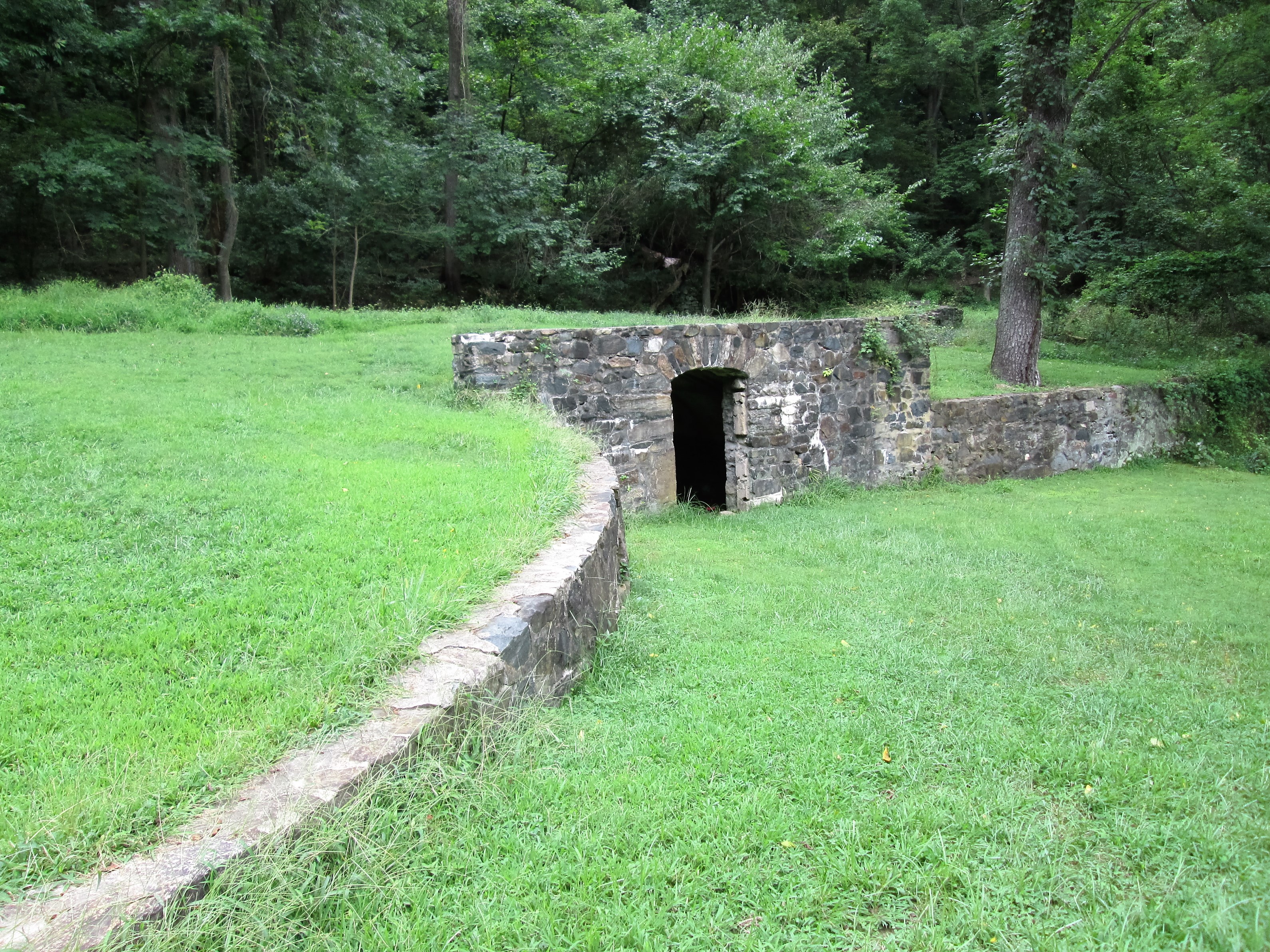
Looks like a place to keep your black powder.

057

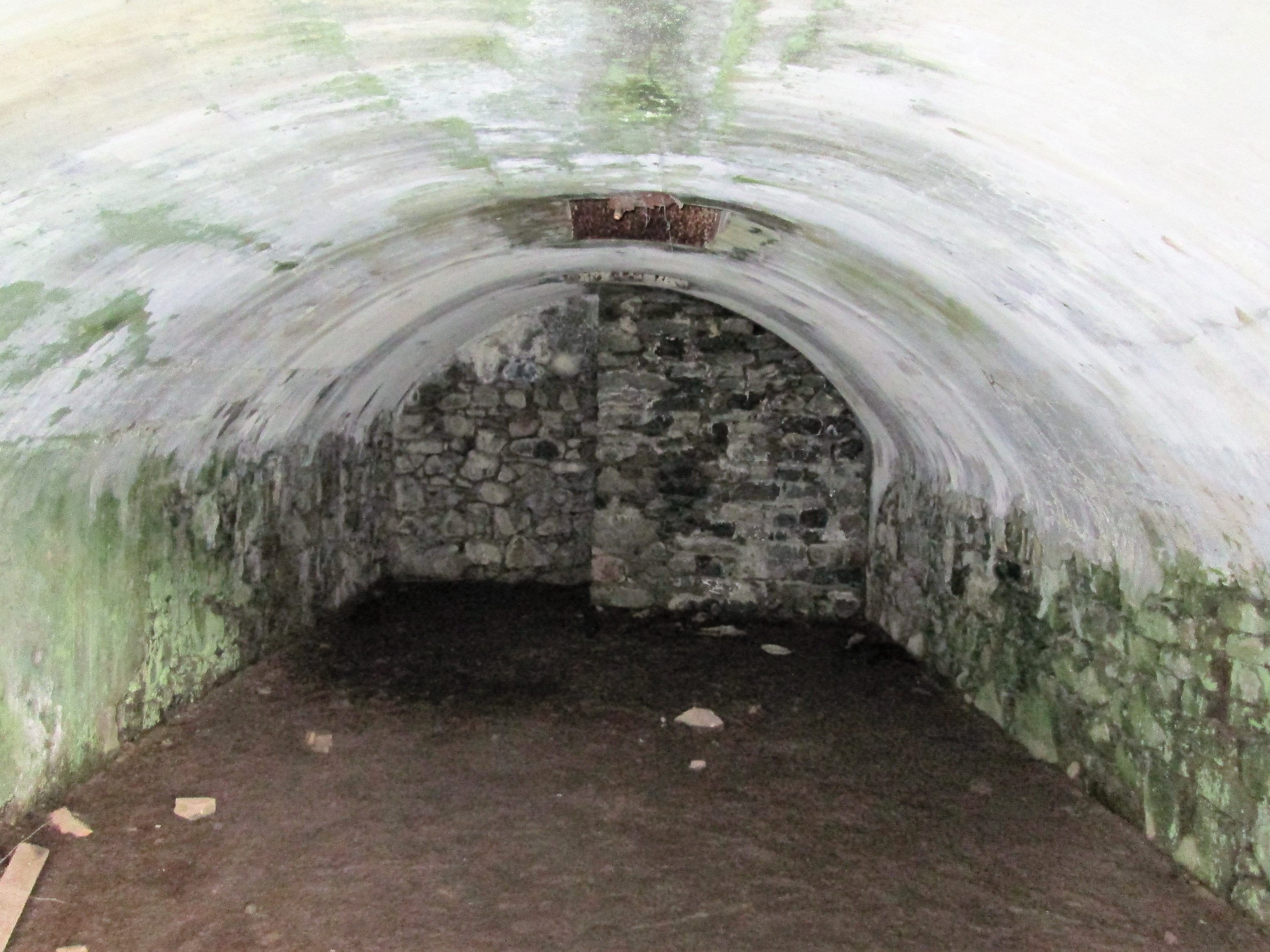
Interior of bunker.

069

The water wheel. It is unbelievable how far up the hill this had to pump water – to the mansion.

073

Water works. (I have to mention something about water since that is what my blog is supposed to be about) (It smelled like sewage here. I read that during the last storm, 850,000? gallons of sewage was dumped into the Gwynn’s Falls – controlled dump?)

083

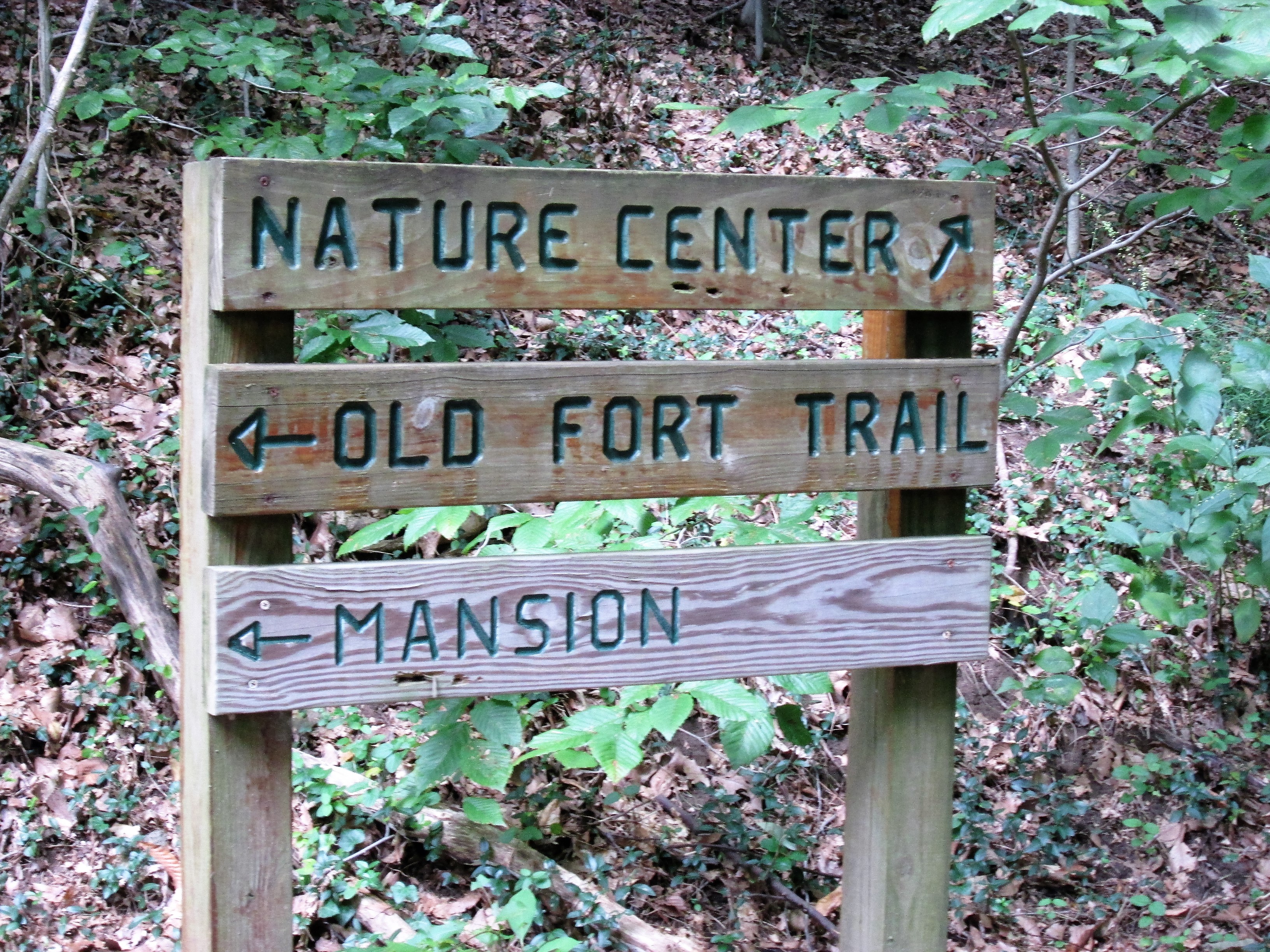
Trails were marked pretty good.

090

Kathy and I stood and stared at this for a while. No clue. It is on cables and has a trap door with hooks. Torture item? Remnant from filming Blair Witch?

099Man made art…

108

Nature made art.

114

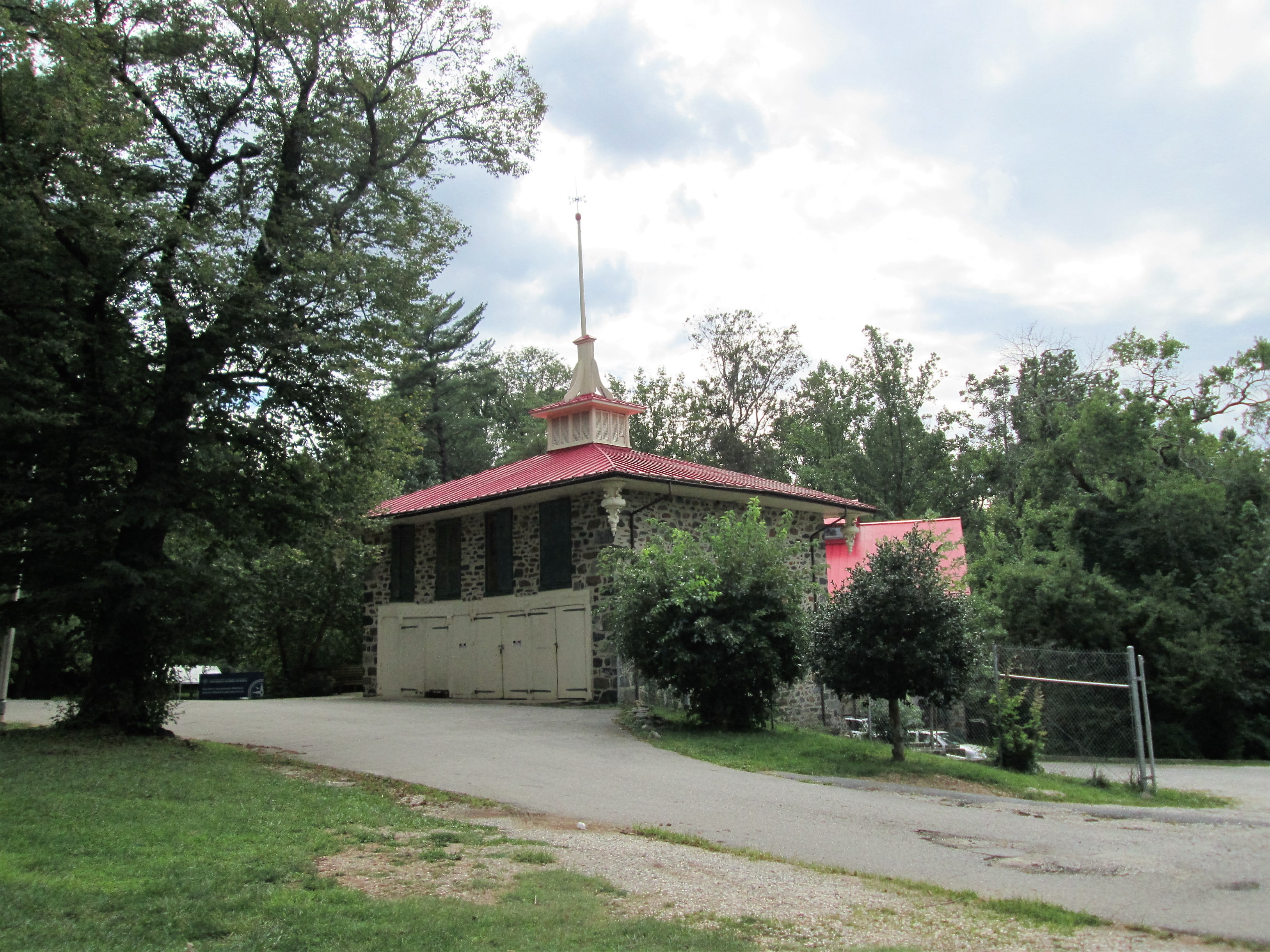
The old carriage house.

117

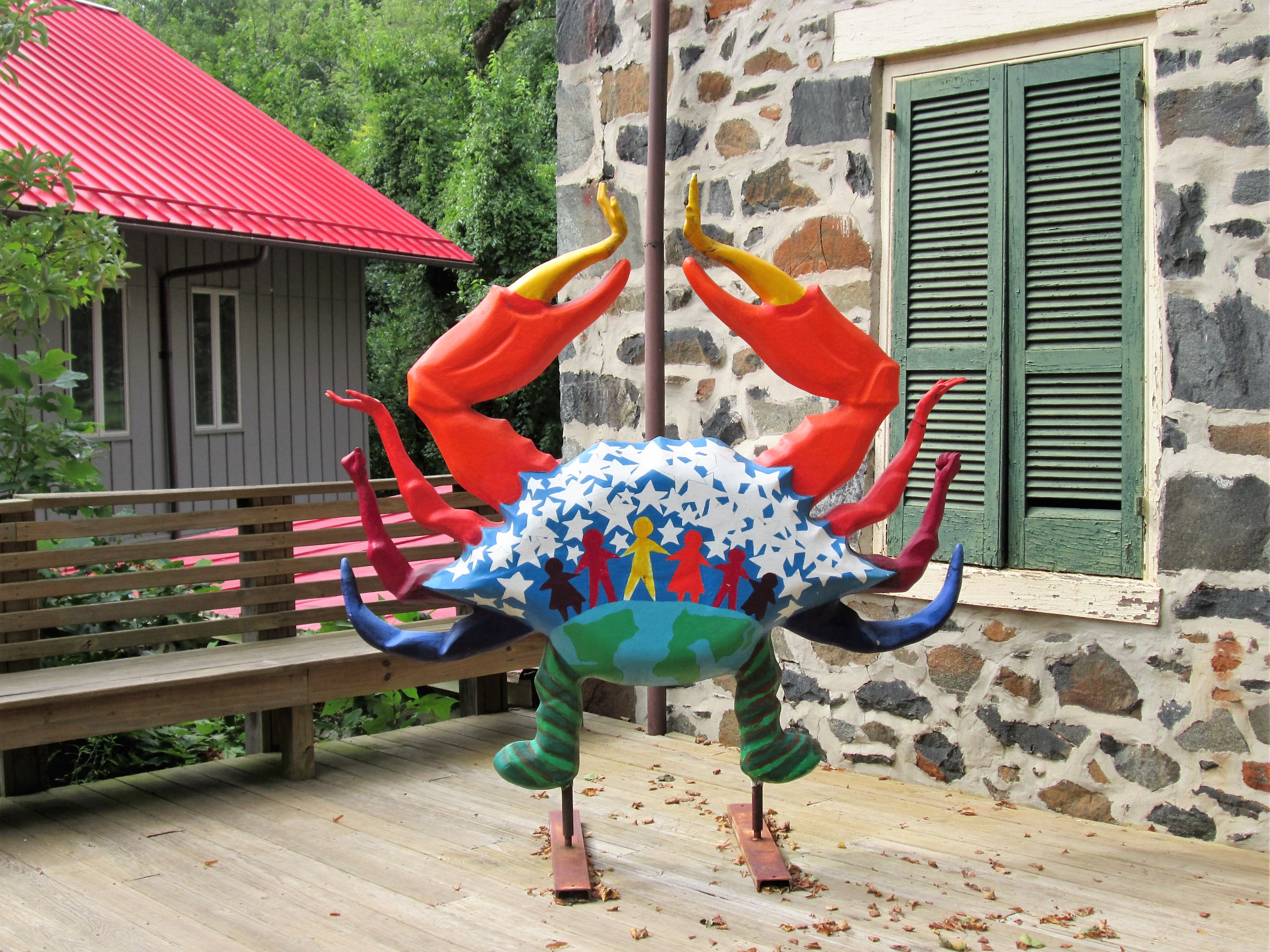
Pole dancing crab

118

Honeymoon cottage.

125

Art.

126

Mansion.

135

Nice.

Somedays…

02 Friday Sep 2016

Posted by Ronald Parks in Photography, Reservoir, water history, Work

≈ Leave a comment

Tags

Baltimore, bridges, Dams, engineering, FILTRATION, Hiking, HISTORY, kayaking, photography, water history

…I just love my job. I love that I get to see and do the things I do – research! Headed up to Liberty Dam to look for some shaft openings, to do a possible tunnel inspection sometime in the future. While waiting for my tour guides, I roamed around a bit and took some photographs of the property.

P1070328

 This looks like the old hut the engineers used when building the Ashburton plant.

P1070326

Blue highlights on this contraption.

P1070330

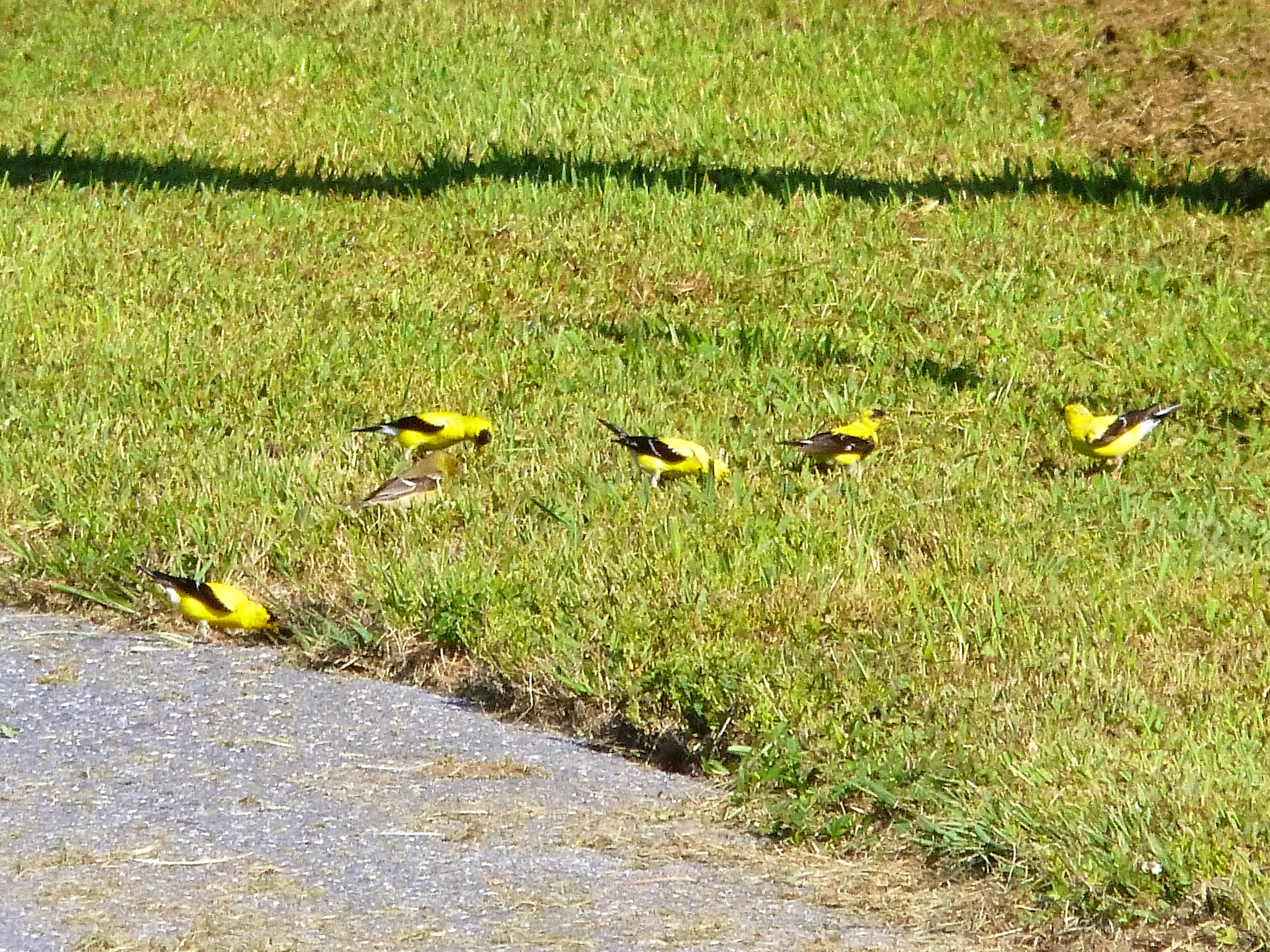
Ha! A charm of finches. (Why aren’t seagulls really a flock? They are a colony. And what about turkeys? A rafter??)

P1070336

Getting a little bored here.

P1070344

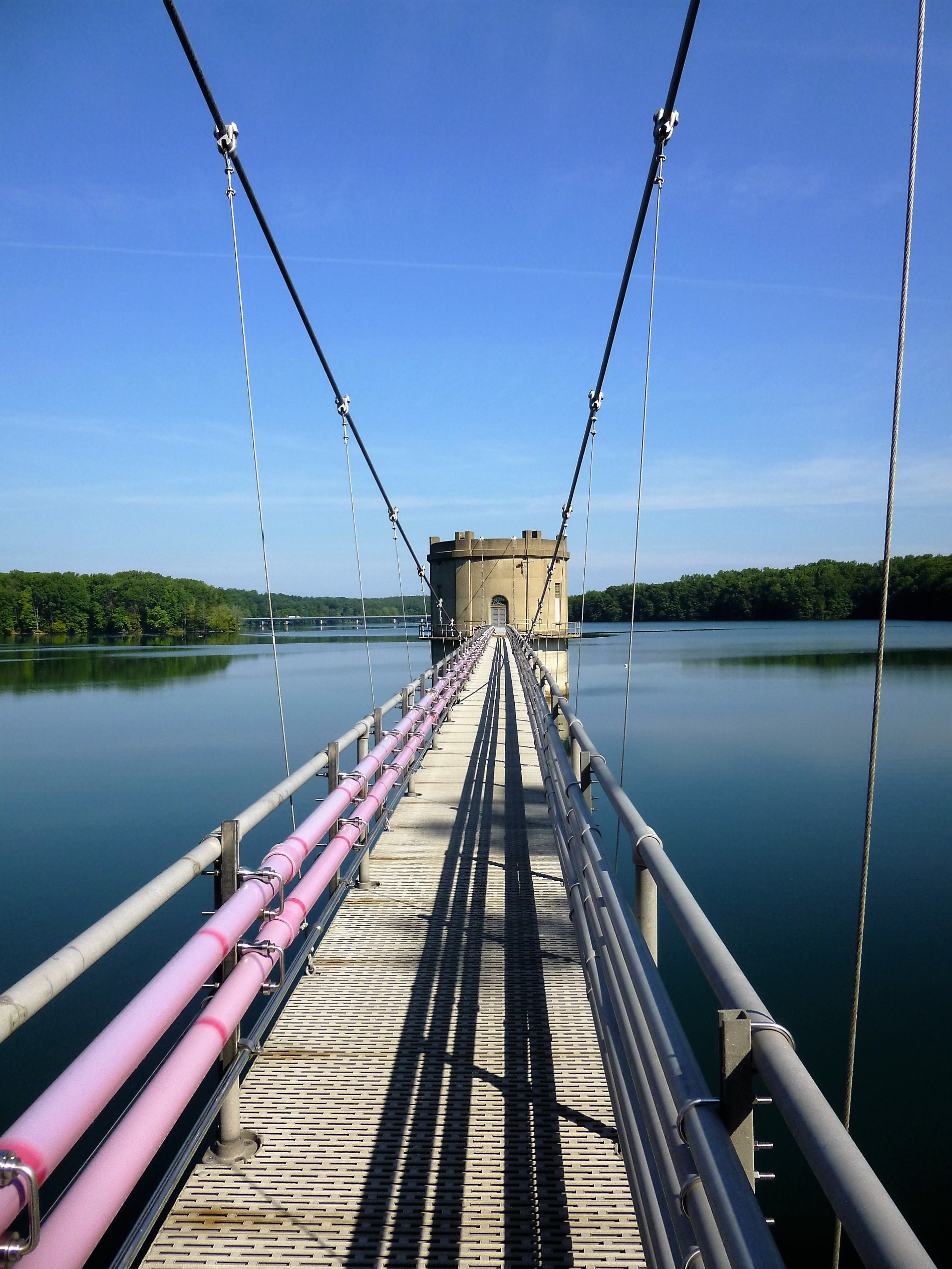
Yes! First stop, the intake structure!

P1070350

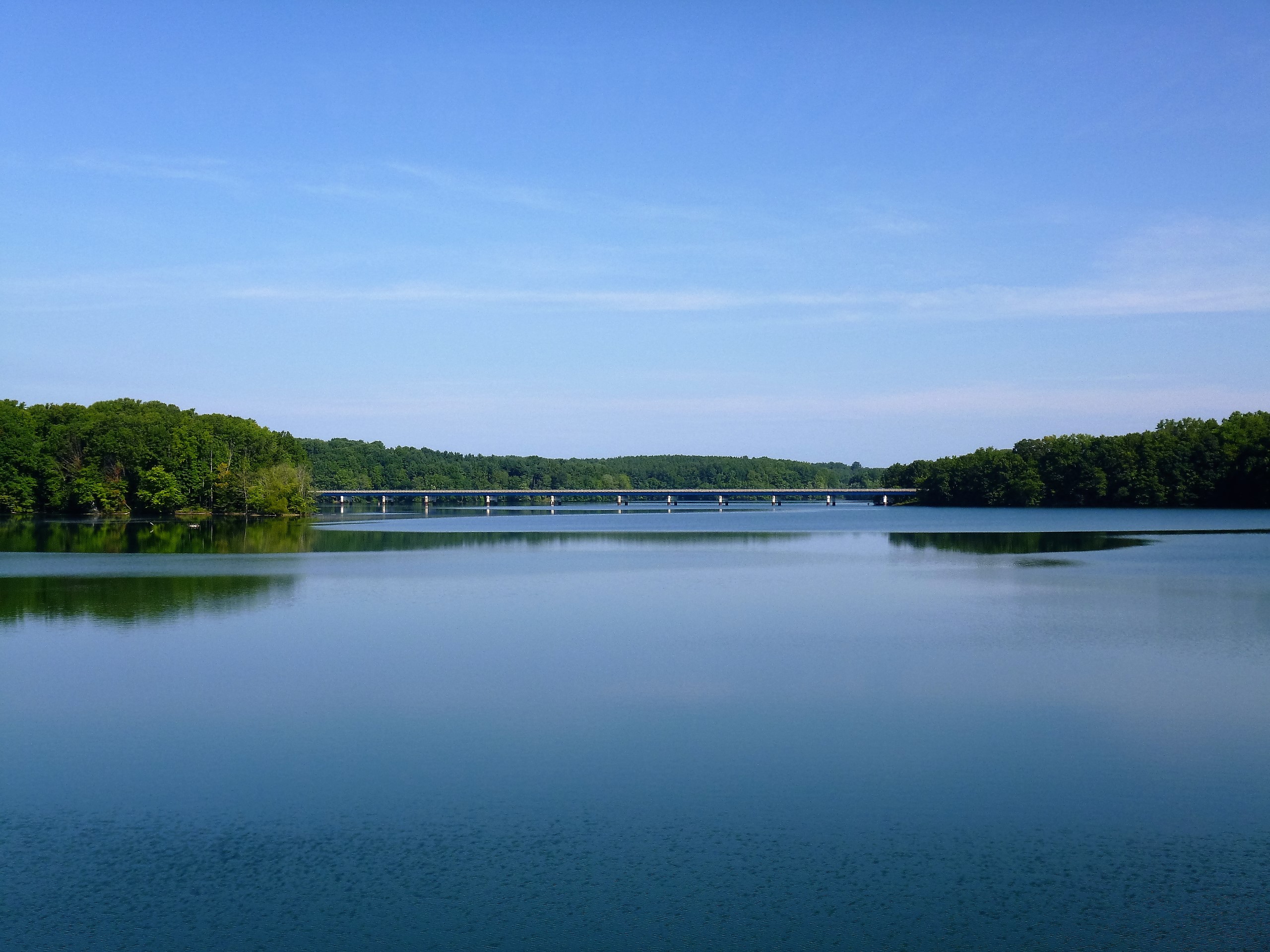
Liberty Road bridge. I asked about kayaking here – need a permit and a 12′ kayak. Mine is 10′.

P1070352 (2)

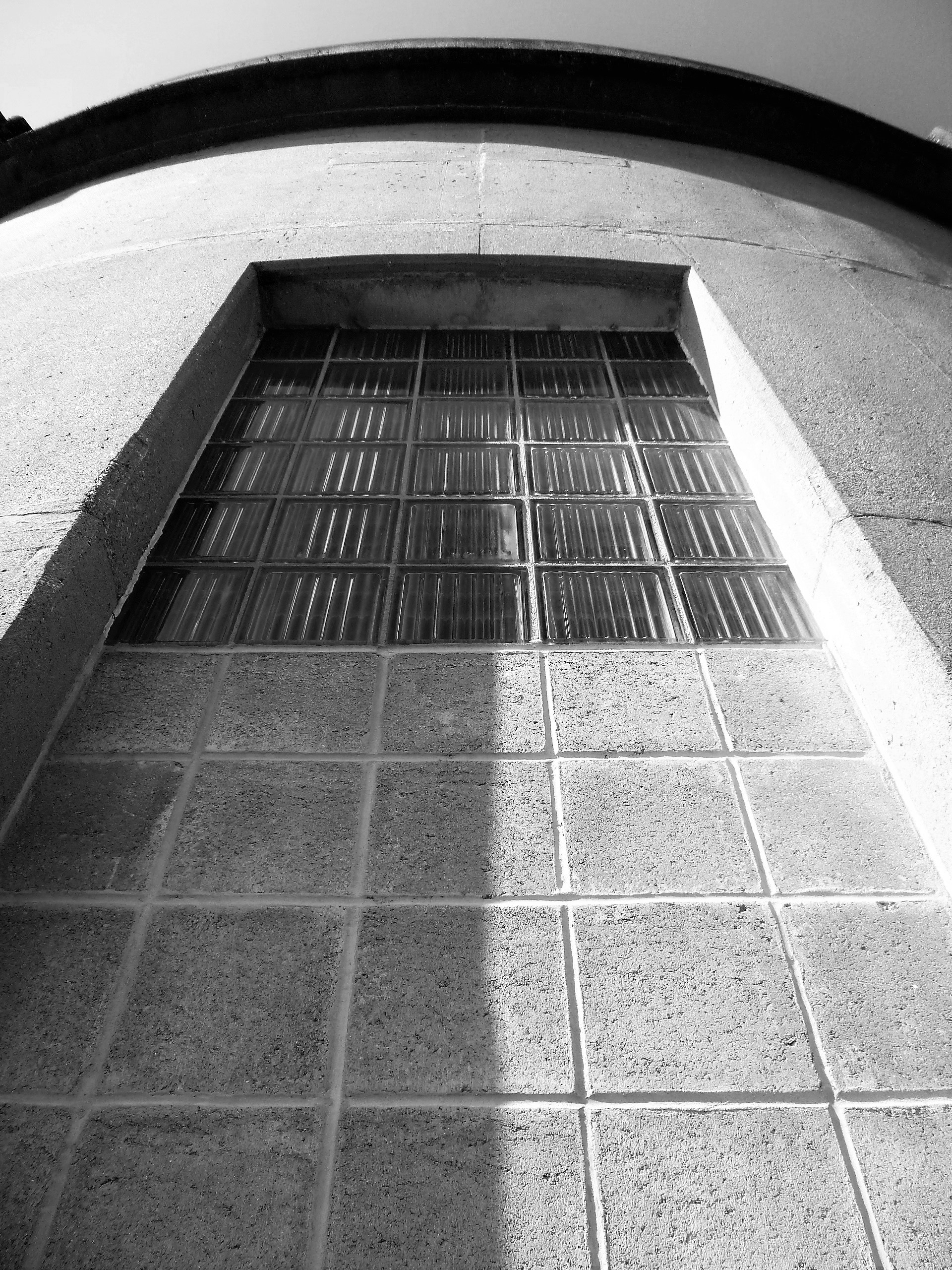
I like the glass block.

P1070356

The valves. Looking for an opening to enter the conduit to Baltimore, for the inspection.

P1070391

Done at the intake, headed to the dam.

P1070389

Art deco?

P1070369

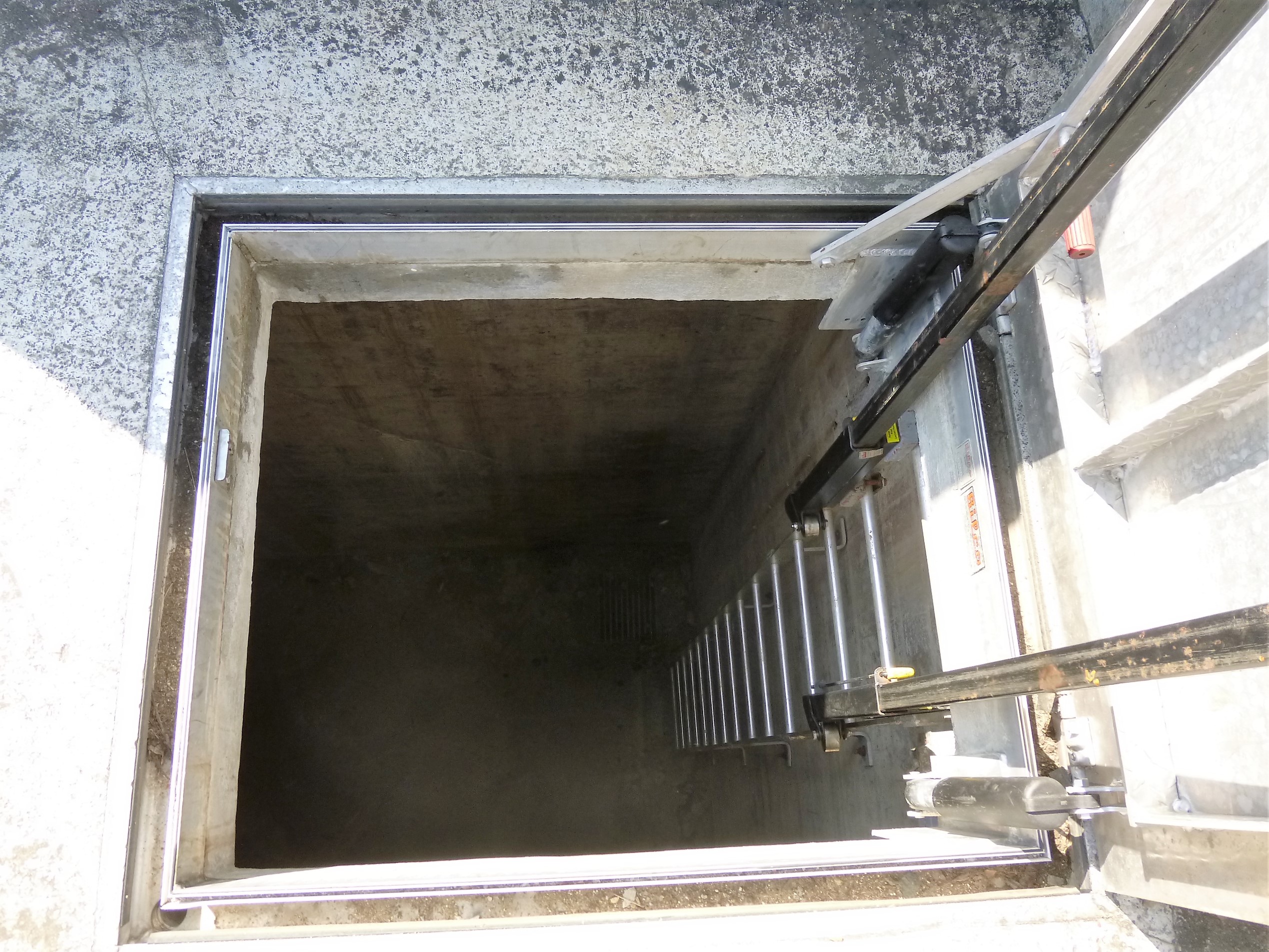
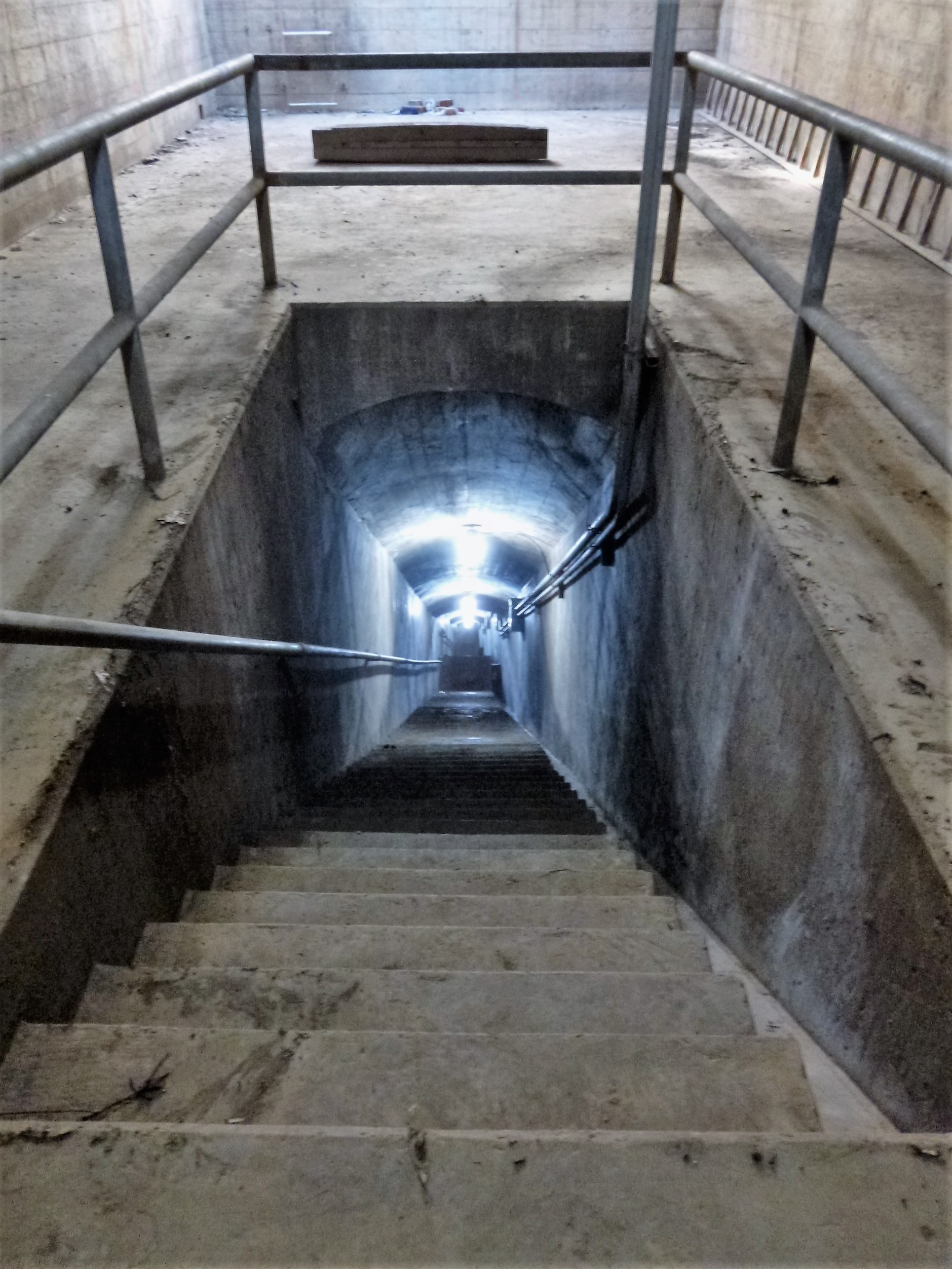
Damn! I thought there was going to be an escalator or an elevator to get to the bottom!

P1070373

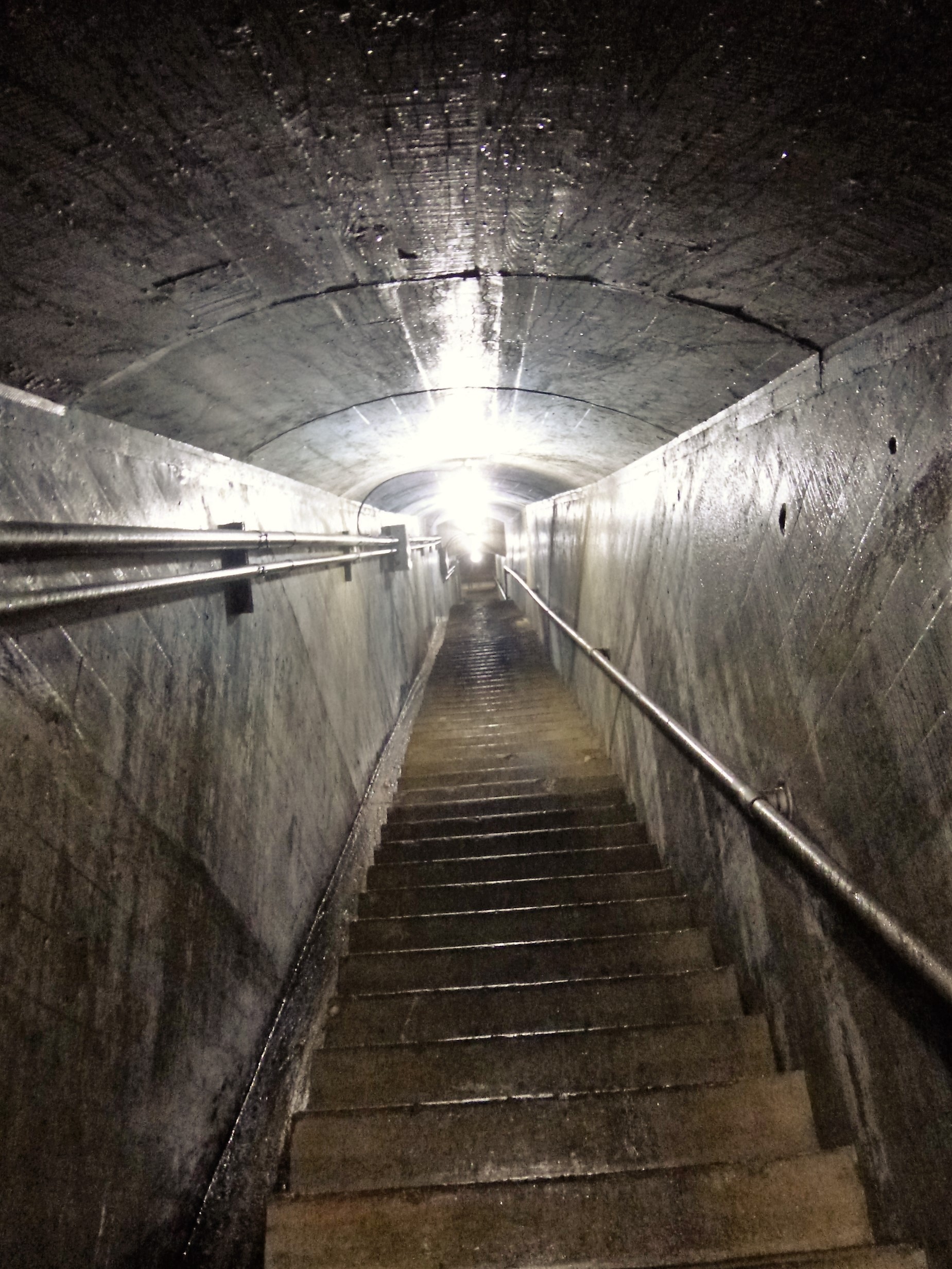
Heading down. Does anyone else have a problem photographing with LED lights?

P1070377

Looking up from the bottom. No matter if I used a flash or not, the LEDs were too bright.

P1070381

Another view. Different light.

P1070384

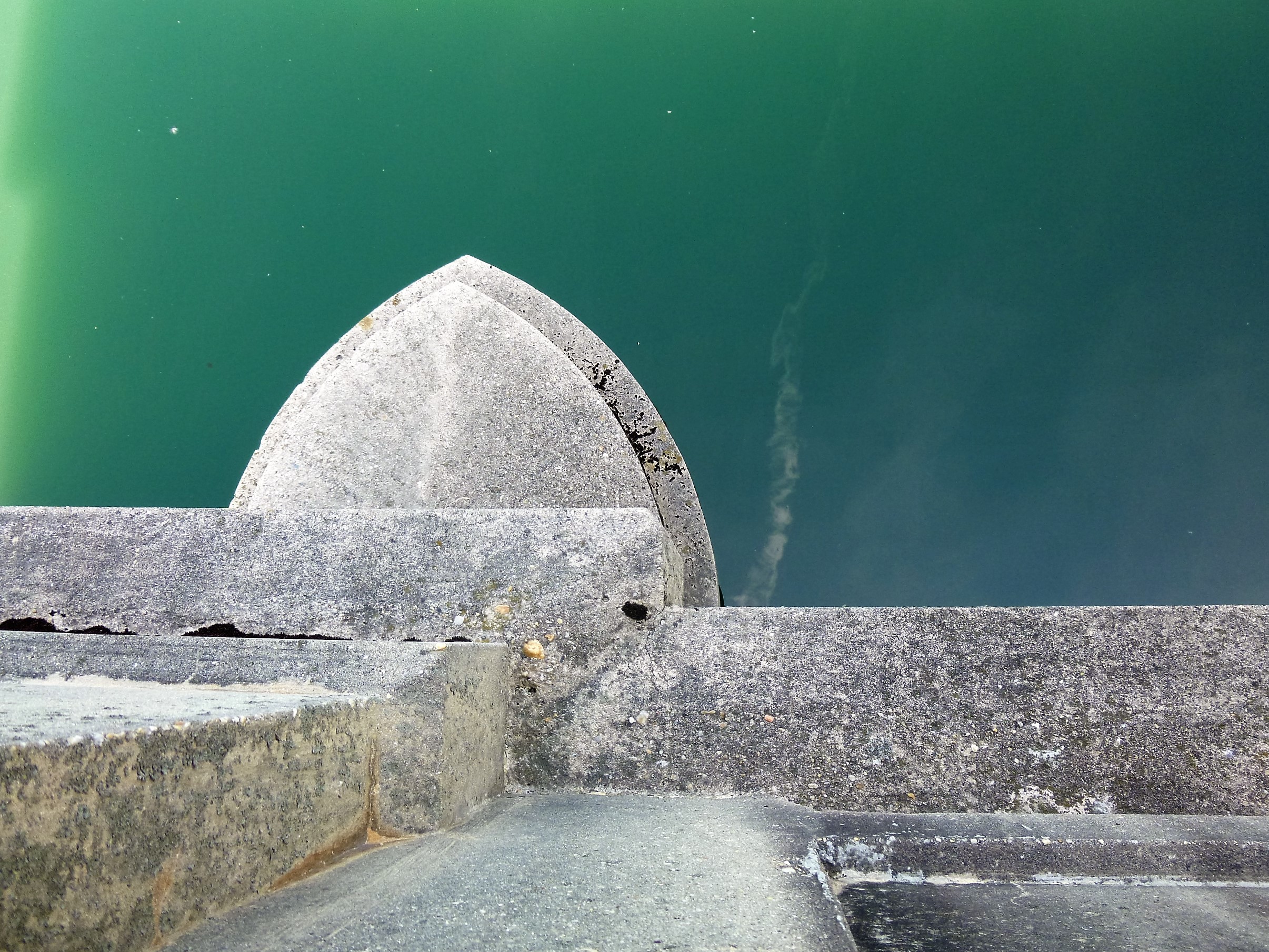
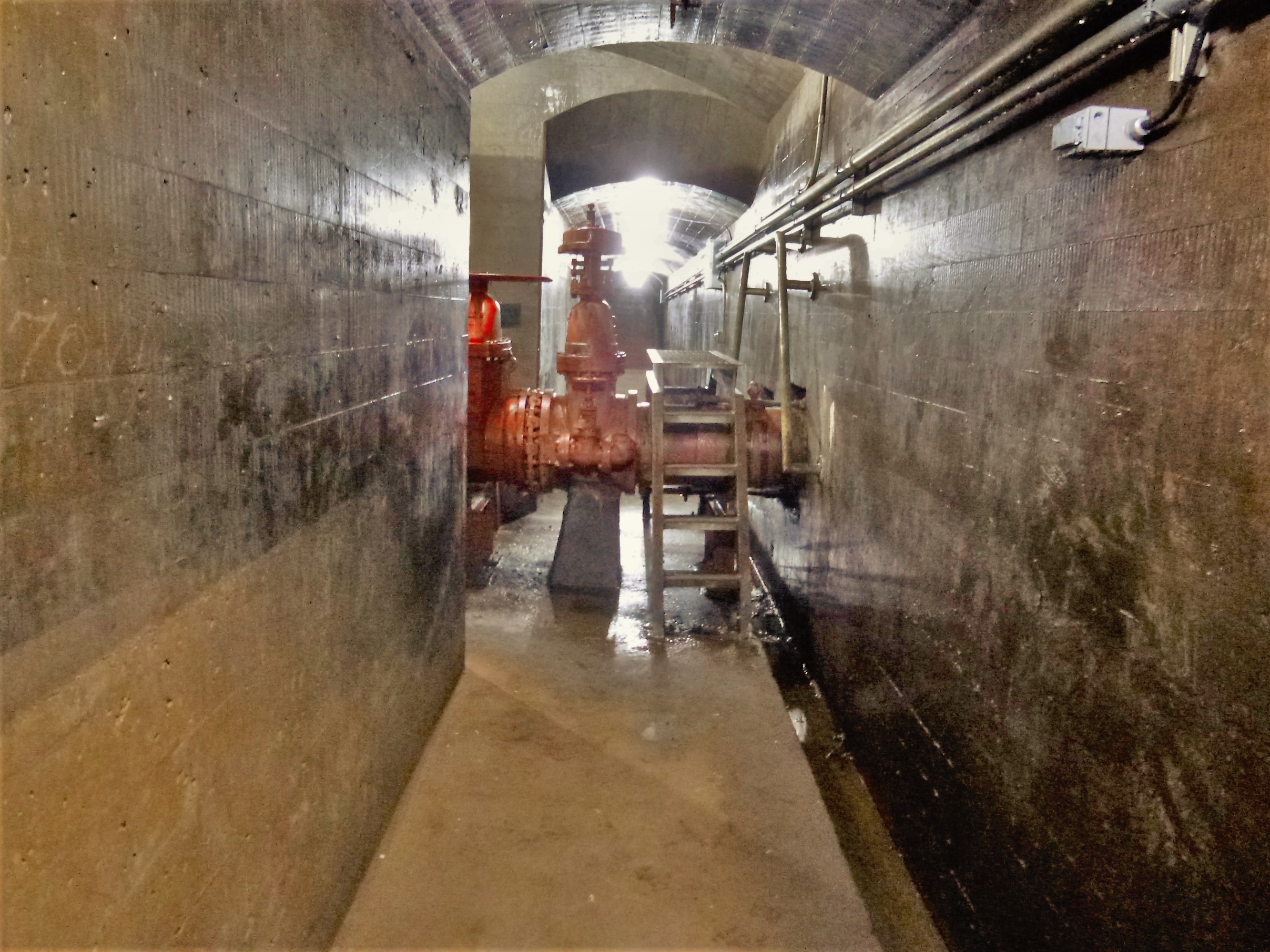
This is dead center at the bottom. It was a relief opening when they built the dam.

Lib007

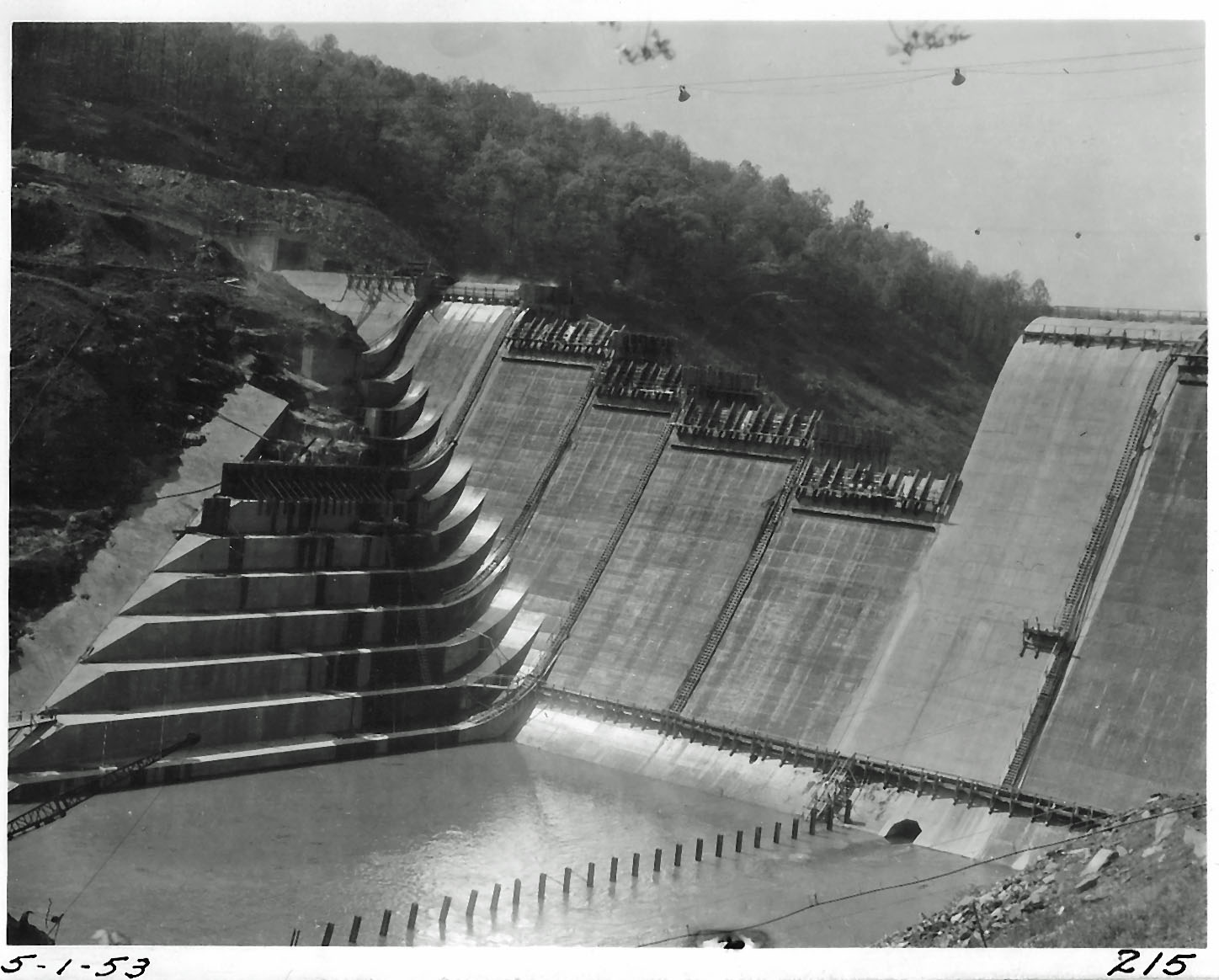
As can be seen here during construction – the relief opening.

Susquehanna revisited

28 Sunday Aug 2016

Posted by Ronald Parks in HISTORY, Photography, water history

≈ Leave a comment

Tags

Baltimore, engineering, Hiking, HISTORY, kayaking, light house, photography, Public Works, water history

Back in 2013 I wrote about the Susquehanna River. More specifically on the droughts and the need for Baltimore to withdraw water from the river. This is done through the intake structures above the Conowingo Dam.

During the research for my water history book, I read the various water engineering reports concerning the need for alternate water sources. The Susquehanna came up quite a few times. In one of the reports it was mentioned that there were 13 – 16 various sewage plants along the river. After the drought of 2010 and our using the Susquehanna River as a source of water, I decided to take a field trip to see this river.

I started in 2011 and it took a while to be able to hike and drive along the river. It is 444 miles long (Depending on who you ask), from Cooperstown NY to Havre de Grace Md. No, I did not walk and drive the whole way in one outing. I would drive to a town or just outside it, get out and start hiking for a few miles, up one side and down the other. I would head back to Baltimore then a couple weeks later, ride to the next town until I got far enough north, I just drove all the way to Cooperstown and started hiking/driving south. Climbing under bridges over train tracks and thru some strange parts of towns, hearing a variety of stories about the river. I visited such communities and areas as Goodyear Lake, Binghamton, Wilkes-Barre, Harrisburg, Three Mile Island, Columbia, Turkey Hill, etc.

I was going to do a photo-journal book about my travels but sometimes life gets in the way and I just never had a chance to finish the book. There are two excellent books on the Susquehanna that I wish I read before I started my travels – Susquehanna: River of Dreams and Down the Susquehanna to the Chesapeake.

Today, Kathy and I visited Havre de Grace. Always an adventure!

P1070273

Part of the Susquehanna Locks. While hiking through here years ago, I came across a lot of these, mostly hidden and grown over.

P1070275

Lock House – who has a key to the lock house?
P1070286

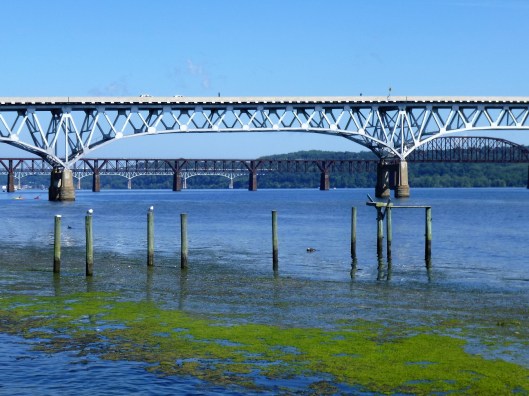
Rte 40 Hatem Bridge, old RR bridge and Interstate 95.

P1070288And yes, there is a boat – kayak ramp!

P1070296

Always alone, but never alone…

P1070299

This guys head just bobbed up and down with the ripples of tide

P1070302

Me: Oh look, an 1812 candle holder! Kathy: It’s a corn cob holder for the squirrels. I knew that!
P1070308 (2)

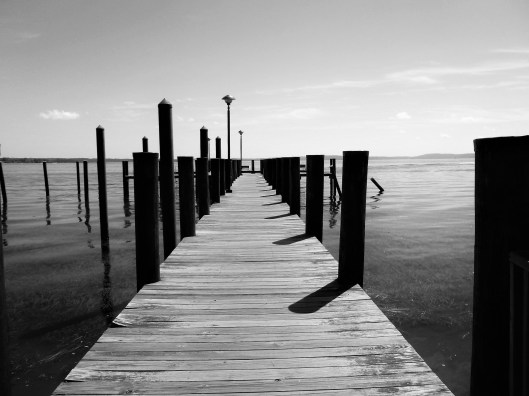
The pier.

P1070313

It a piers that part of the pier is missing.

P1070314

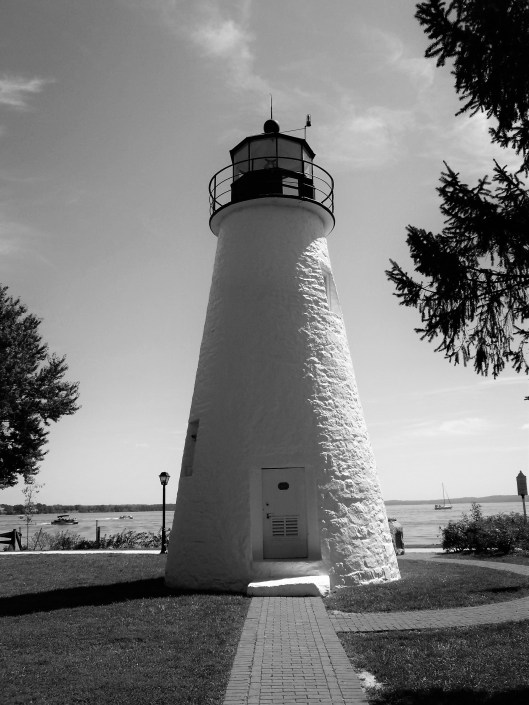
Concord Point lighthouse.

P1070315

Some history

P1070319 (2)

As many photographs that I have taken of this, I just always liked it in black and white

Mariners Point Park

17 Wednesday Aug 2016

Posted by Ronald Parks in kayaking

≈ 2 Comments

Tags

boats, Gunpowder Falls, Hiking, kayaking, photography

Nice Sunday morning kayaking trip. Thanks to EFF30 for the recommendation. What I like about this is that the Little Gunpowder Falls, the Big Gunpowder Falls and the Gunpowder River all converge here.

Entrance into the park

There’s a little black squirrel in the park today…

One of the many fishing piers

Nice boat ramp. I like that it is marked as enter and exit…not that everybody pays attention…

Many heron

Another one

Grounded Buoy.

Ducks

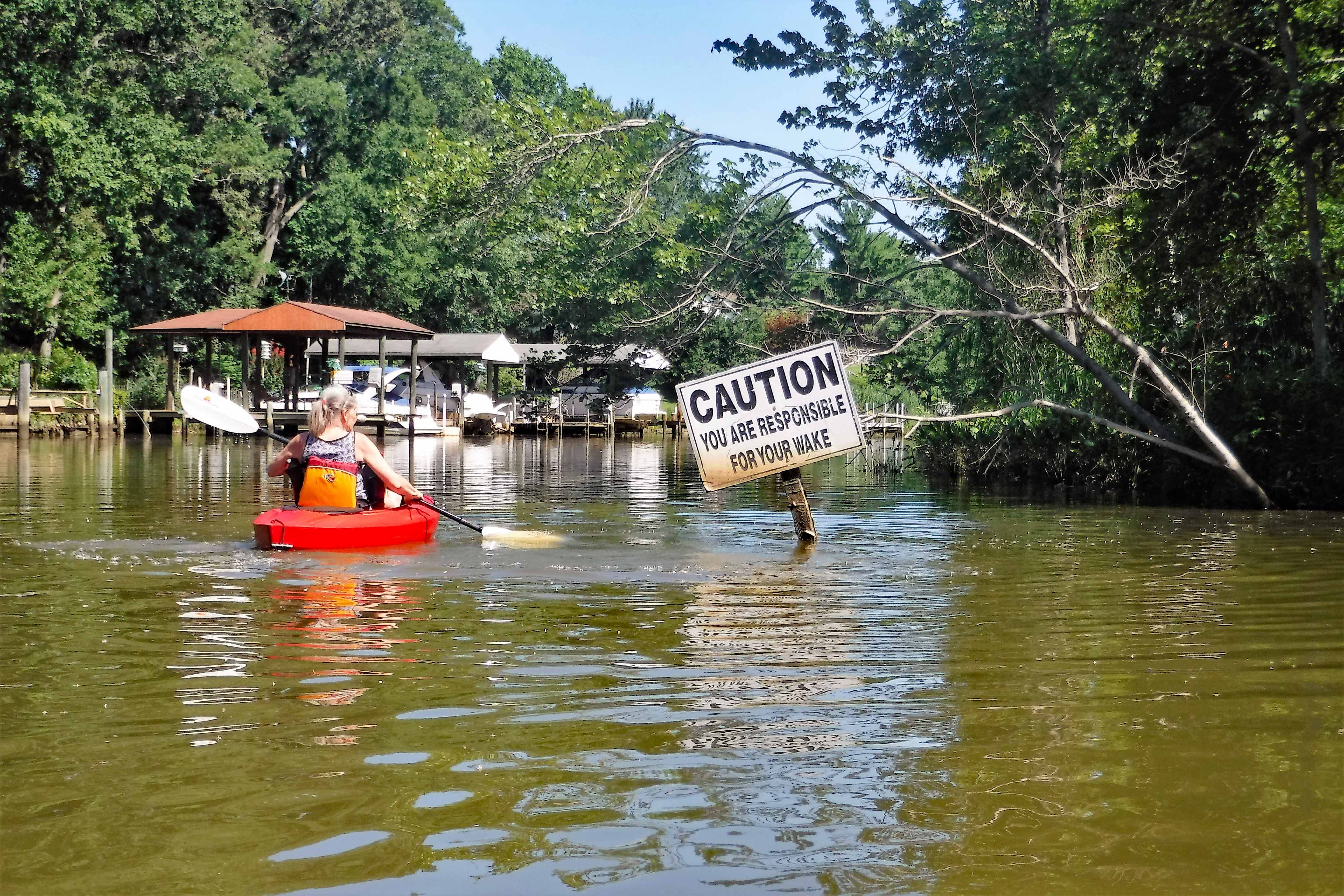
Kathy trying her darndest to make wakes!

And another.

After paddling around the coves we headed to the RR bridge.

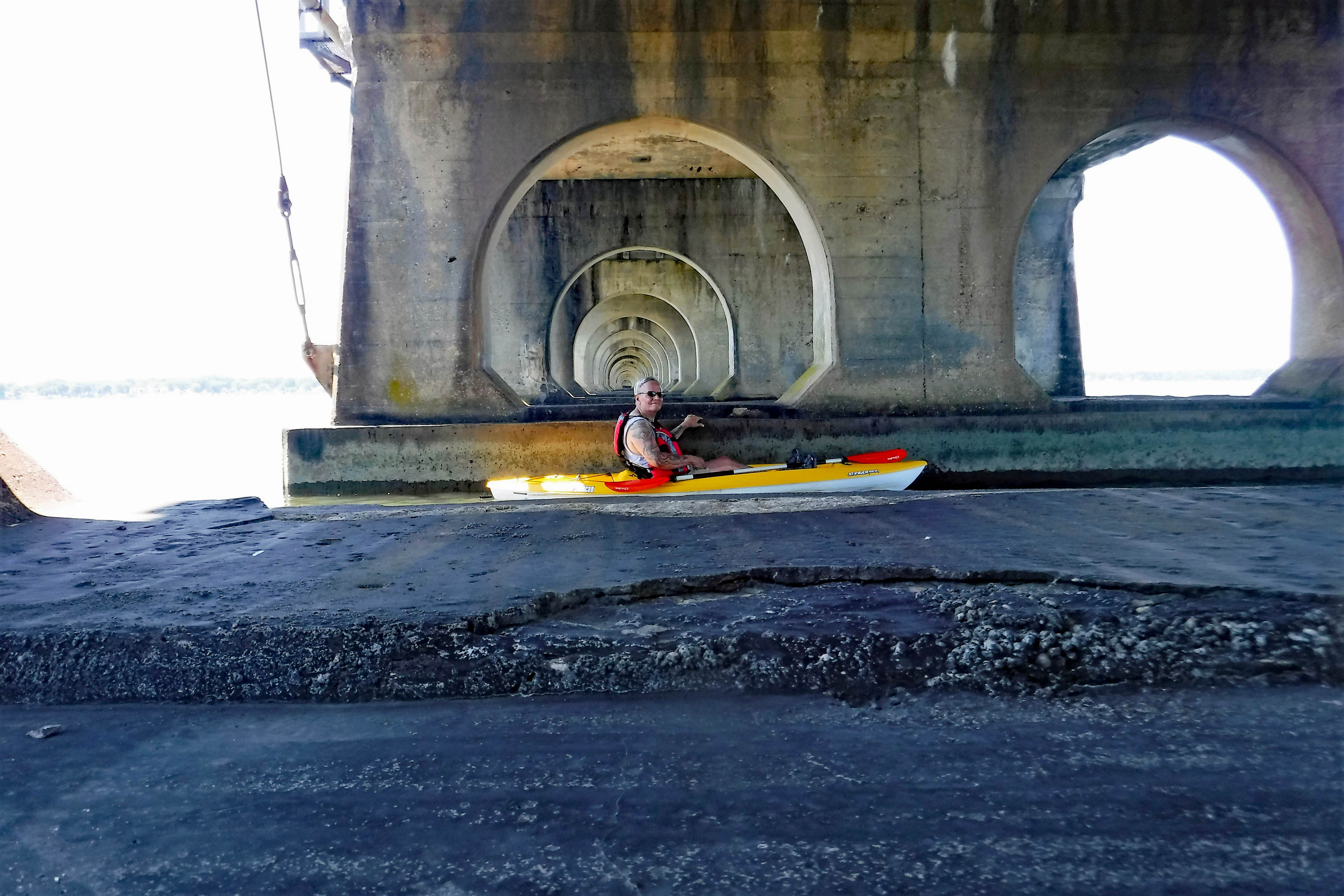
I think Amtrak needs a bridge inspector in a kayak

Me.

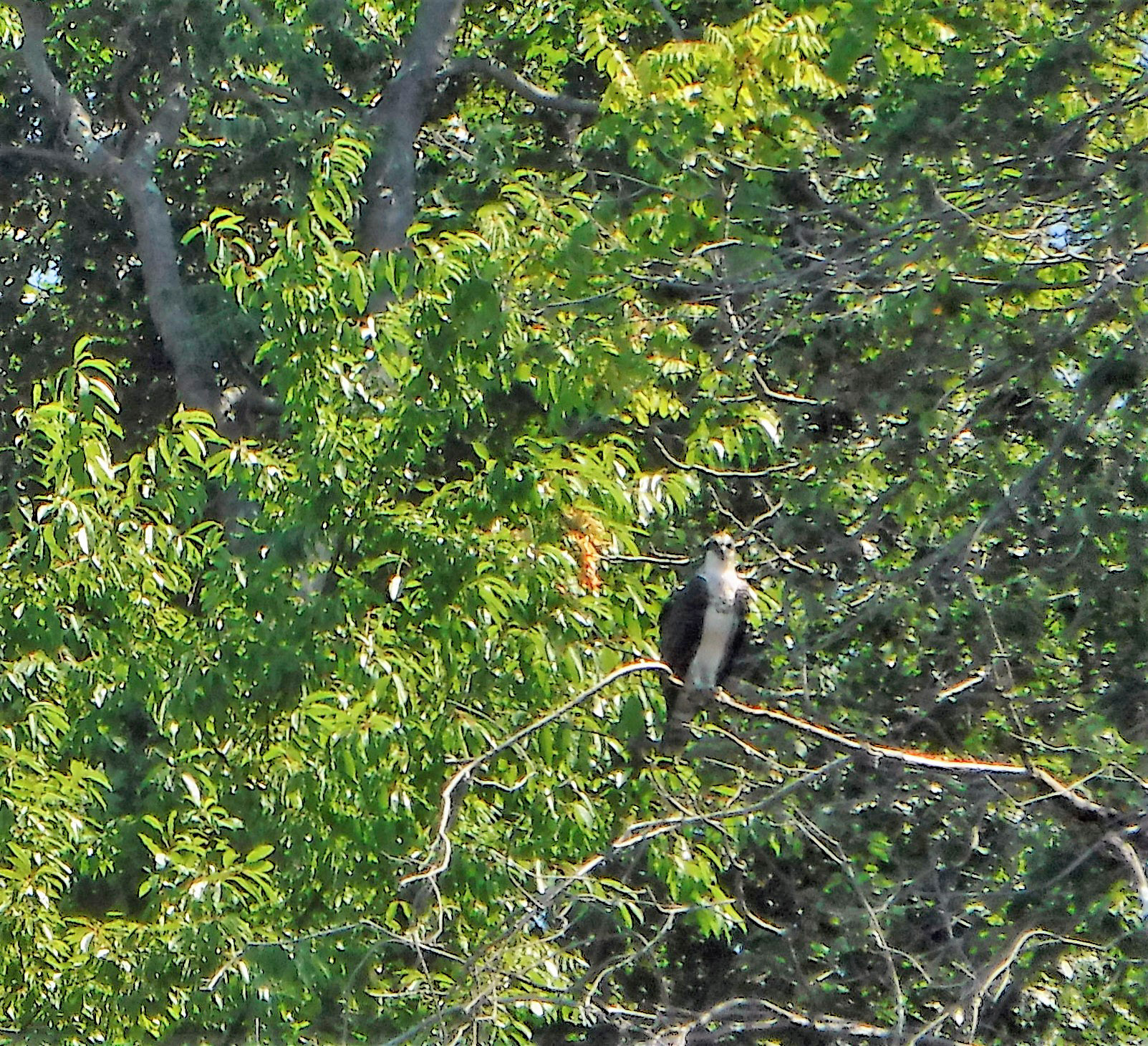
Besides heron, there were many osprey to be seen.

Entrance to the Jones Falls

20 Monday Jun 2016

Posted by Ronald Parks in Baltimore, HISTORY, Sewage History

≈ 1 Comment

Tags

Baltimore, bricks, engineering, HISTORY, Jones Falls, photography, POLITICS, Public Works, sewage, Sewage History

On sunday I went looking for the entry point of the Jones Falls conduit. Here is the 1912 description of where it should be:

The extent of this improvement (Jones Falls conduit) will be from Baltimore street bridge to the westerly side of Maryland avenue, a distance of approximately 8,850 linear feet. The structure planned is of reinforced concrete with a flat roof, designed to carry the heaviest city traffic, and curved inverts, lined with vitrified brick. This design was selected after considerable effort to find an arched structure which would fill the requirements and keep the expense within a reasonable figure. The lack of head room over a considerable part of the distance to be covered made the problem very difficult. The structure proposed can be erected without disturbing the present retaining walls, the invert of the east conduit being first erected to carry the ordinary flow of water while the other conduits are under construction. As the retaining walls are not to be taken down they can be reckoned upon to give side support to the structure which, in consequence, has not been designed to carry all of the lateral pressure which the side banks would impart to it if not already safely supported.

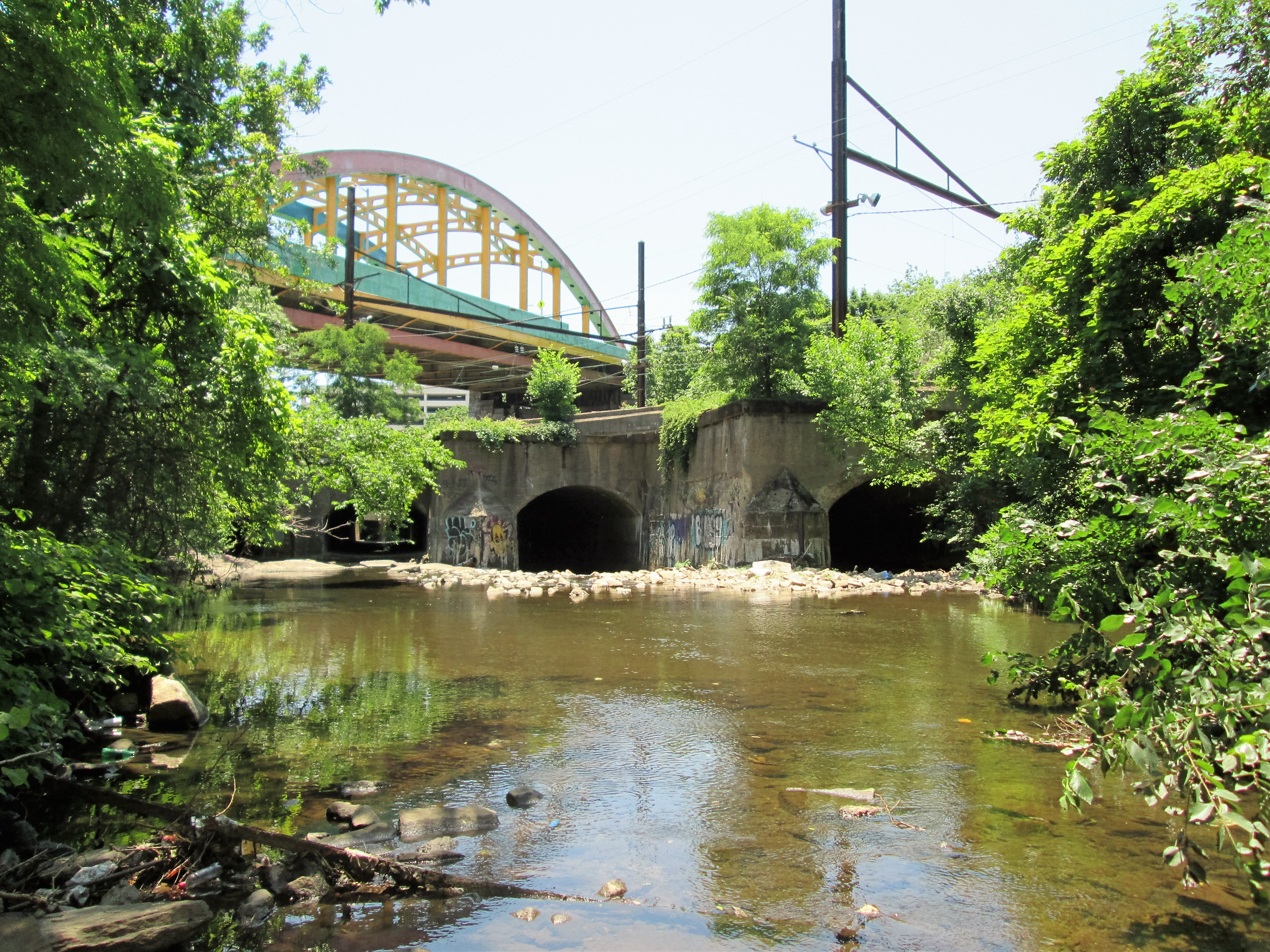
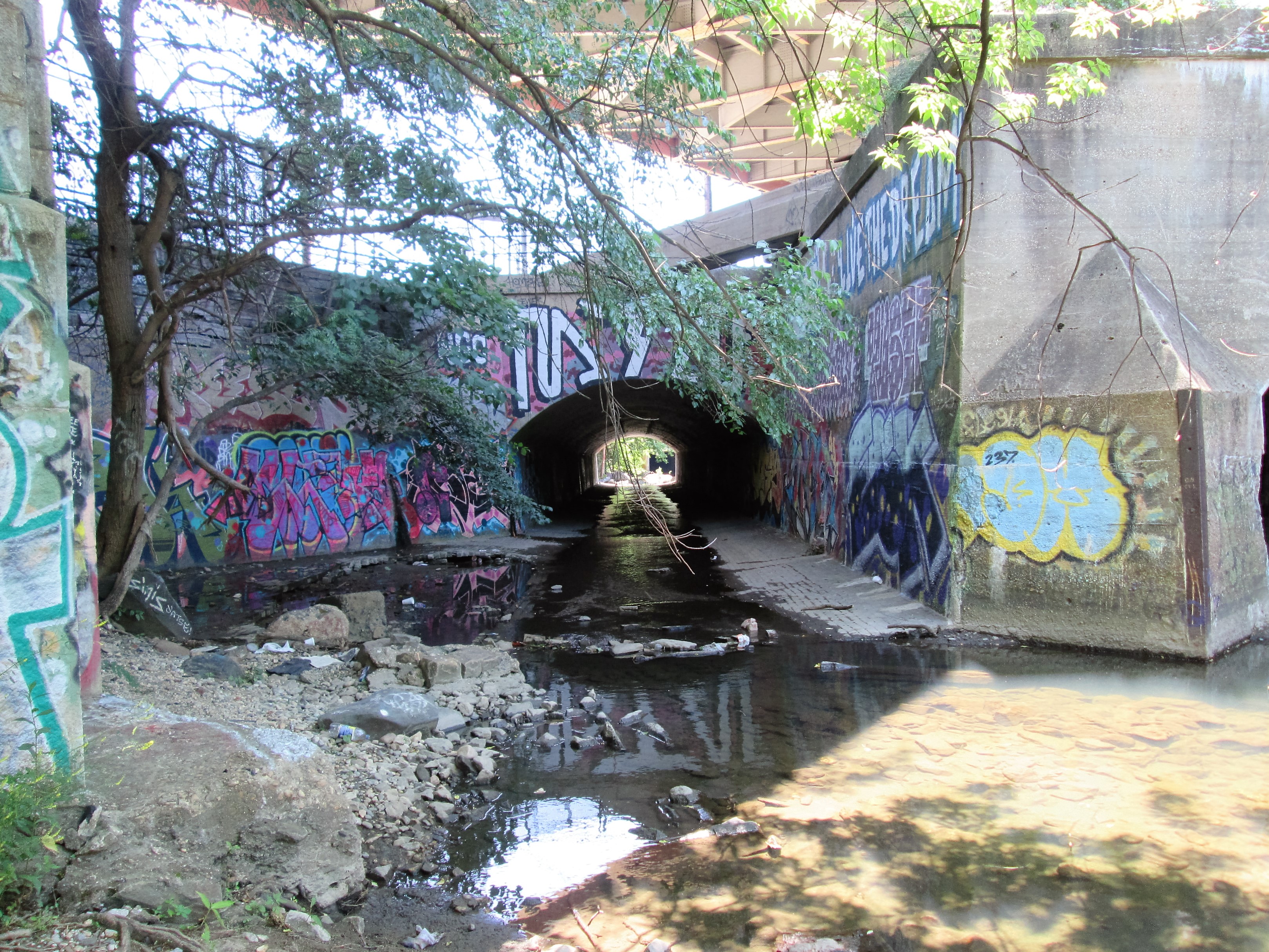
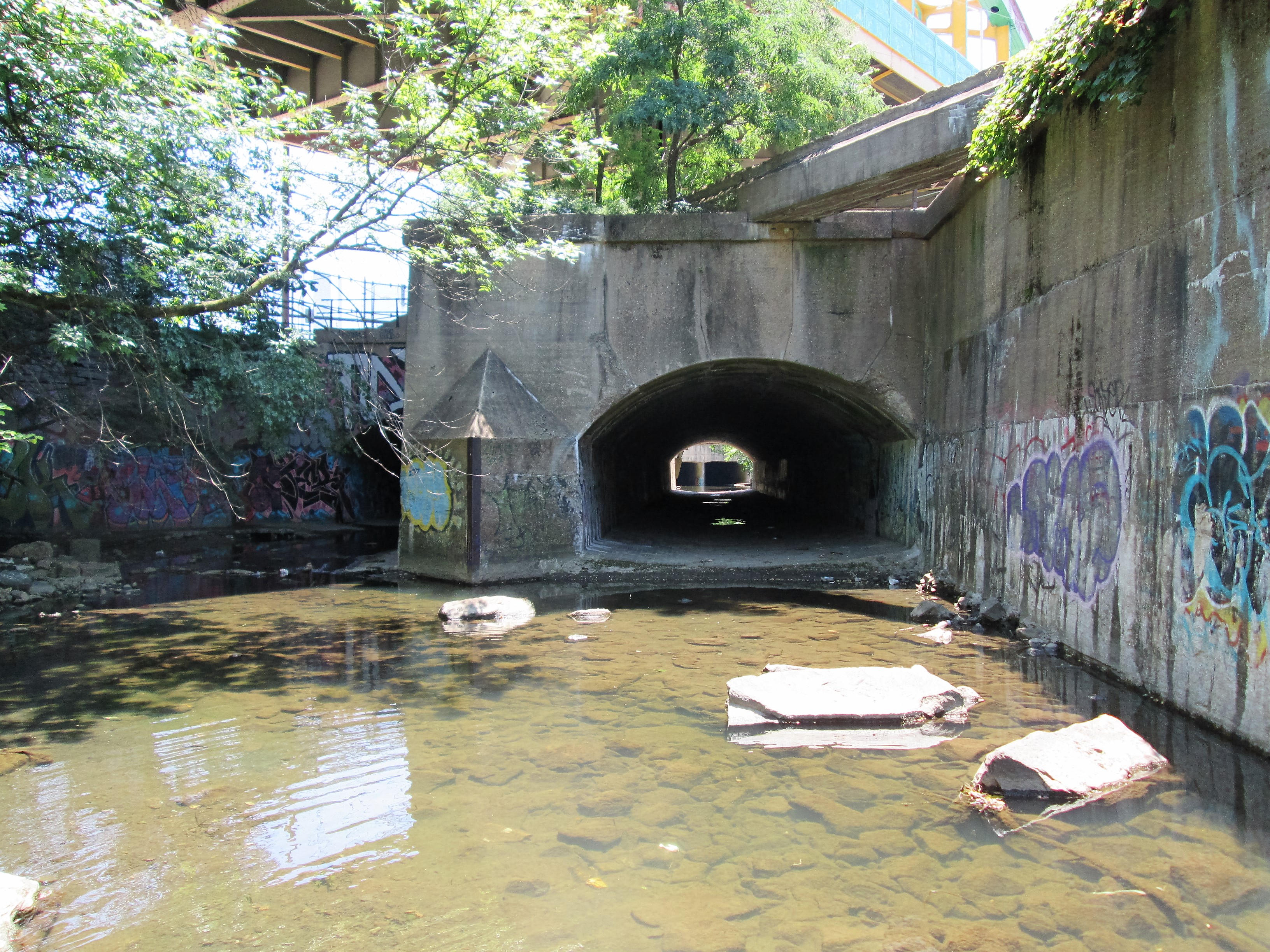
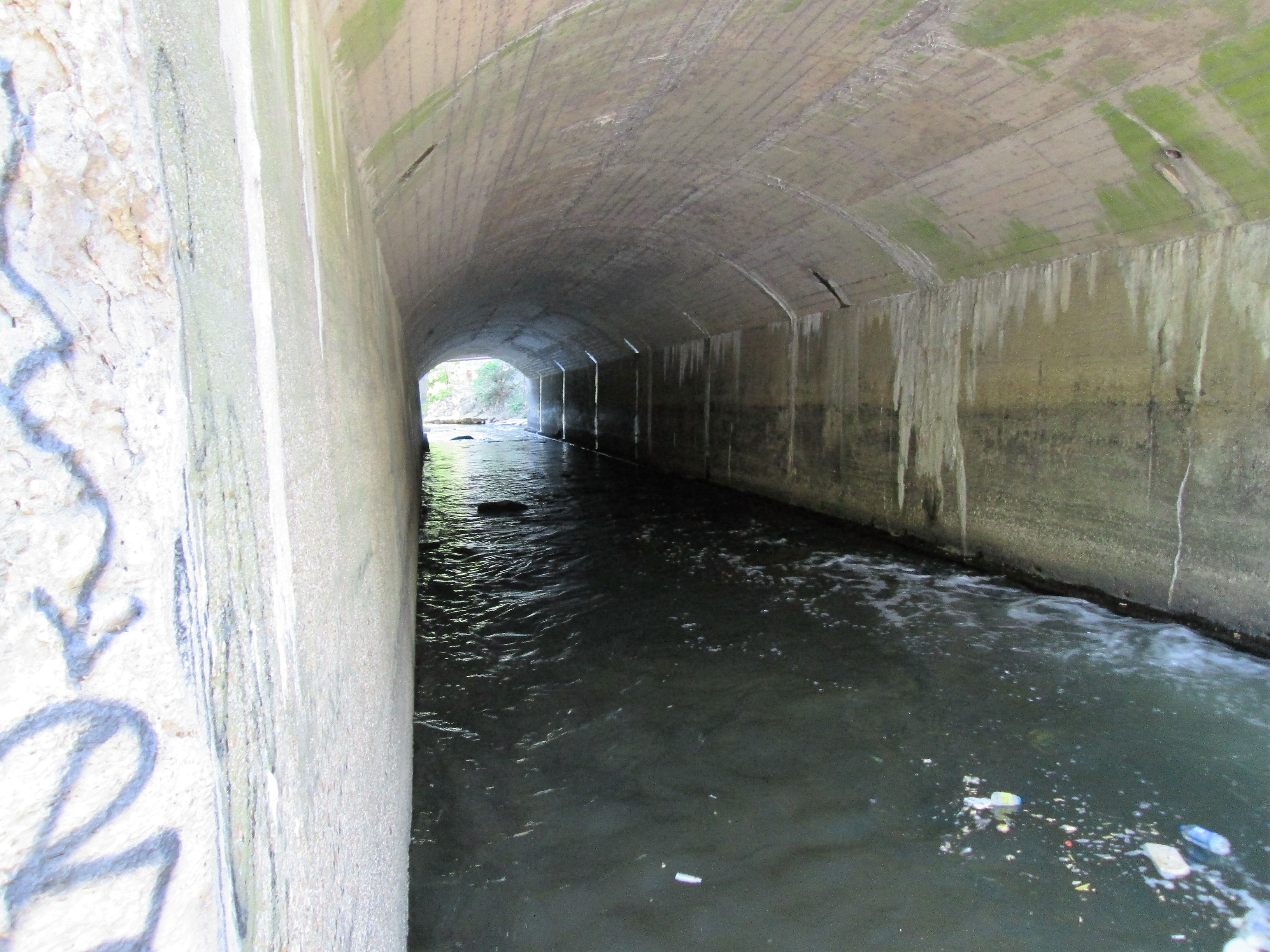
A quick view of Google maps is deceiving because of all the growth under and around the JFX. The plain map view shows the Falls ending right about under Howard St. So there I went. This portion appears to have been built later – for the light rail and Amtrak? Looking thru the tunnels you can see daylight and I believe this is where the actual entrance starts. Didn’t have my water shoes on so I didn’t venture thru the first set of tunnels And it actually smelt pretty bad there – sewage! (Sewage does not belong in the Jones Falls!)

Here is a link to some guys who actually went into the tunnels – amazing and I thank them for the trip!

http://ronniekirchner.com/jones-falls-conduit/077

Howard Street bridge up above

086


094


103


070 (2)

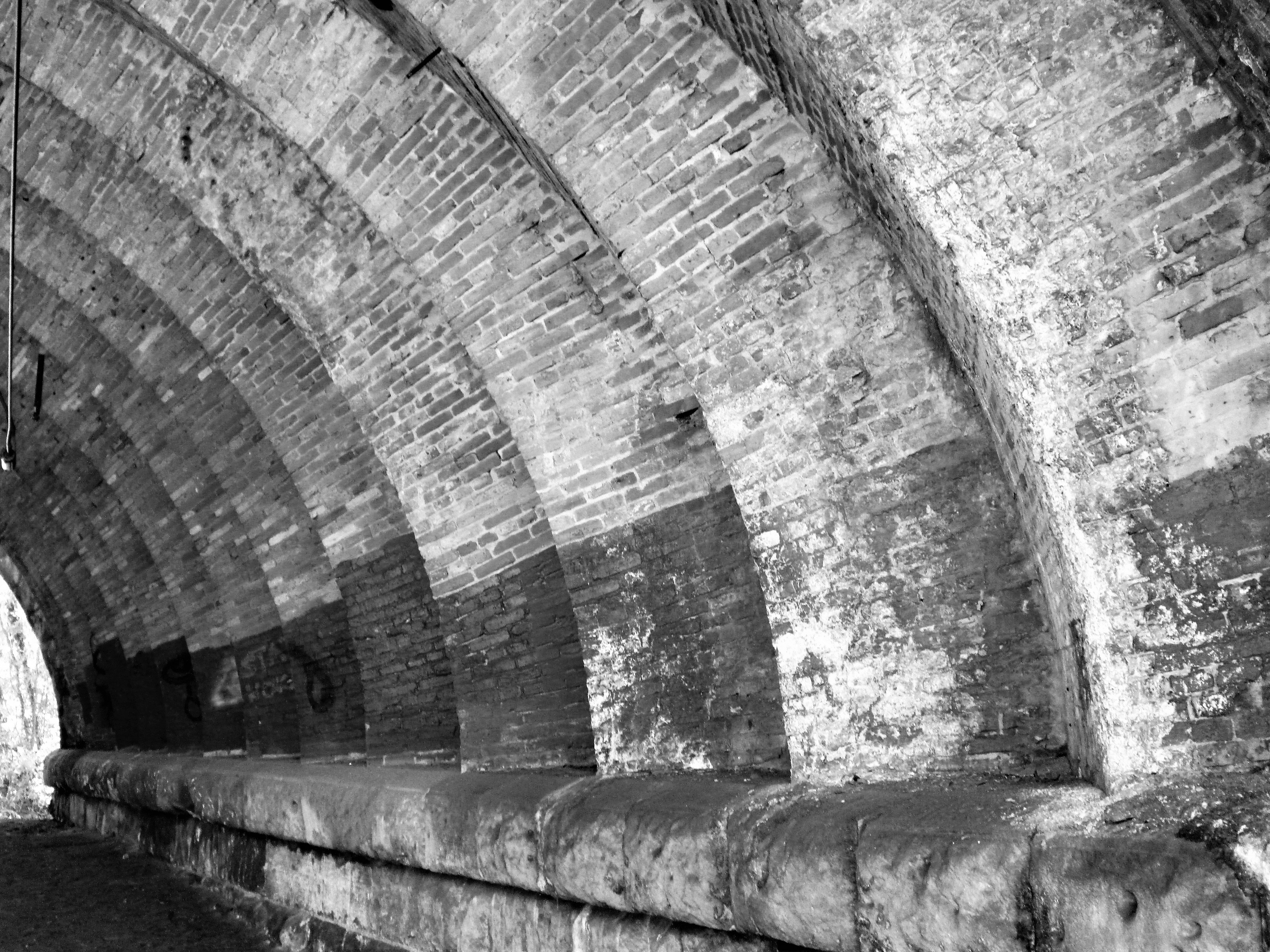
I just added this last one because I like the brick-work.

Possible Treasure Trove

10 Friday Jun 2016

Posted by Ronald Parks in Baltimore, HISTORY, Sewage History

≈ Leave a comment

Tags

Baltimore, engineering, FILTRATION, HISTORY, Jones Falls, Museum, photography, Public Works, sewage, Sewage History, water history

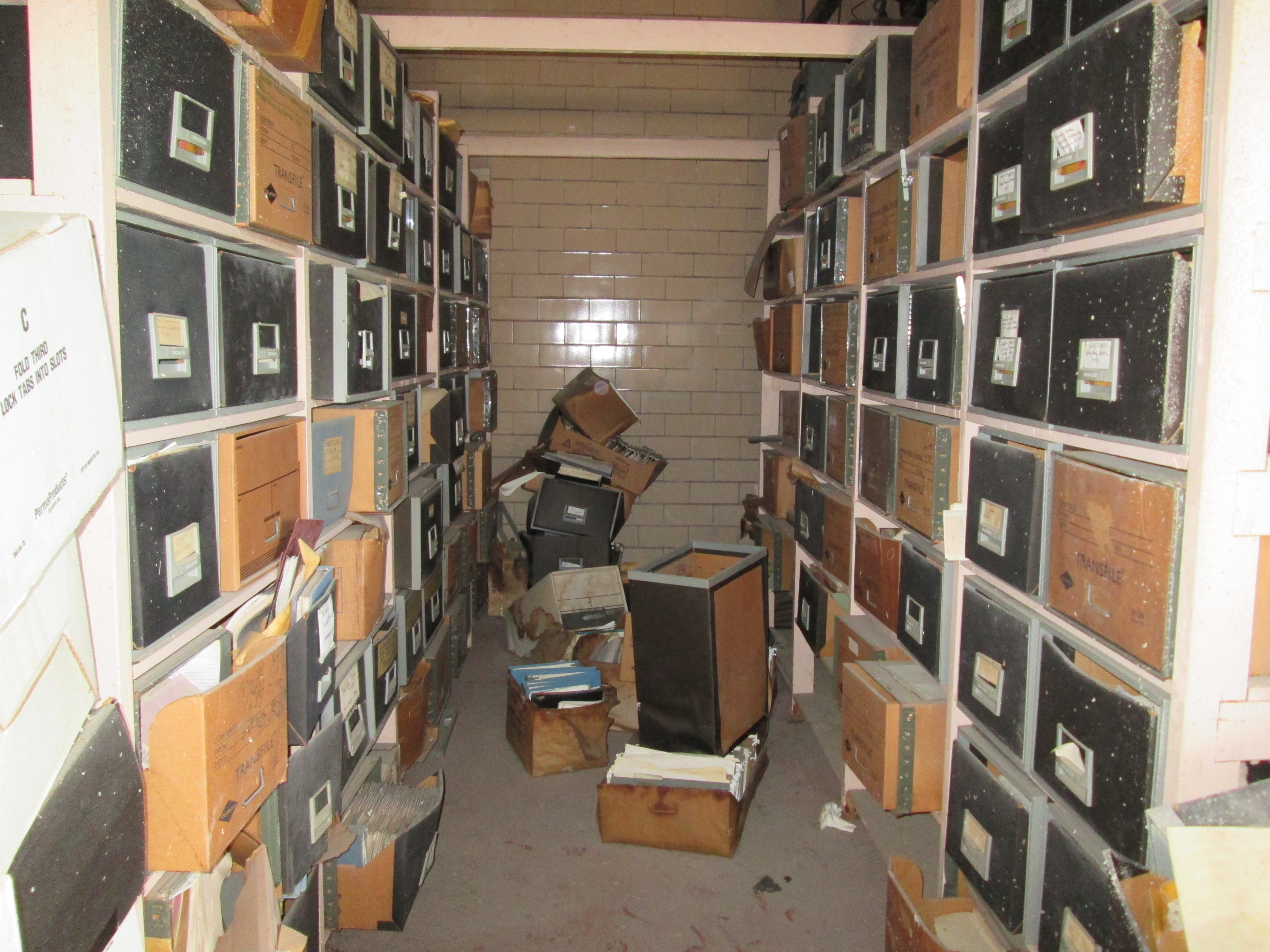
A few years ago, before I was asked to relocate the DPW Museum Archives, I was researching Baltimore’s Water History. I knew there were files kept down at Back River, in the museum storage area and after repeatedly pestering people to let me have access to the building, I was told ok – the only problem being, they sent me to the wrong ‘archives’ area. This building was old, dark, damp and a disaster. I was unable to find anything I could use. (It was so dark, I had to use my camera’s flash to get around!) I told the admin down there that if they were to put in some lights, I would volunteer to clean, organize and document the files. No response. A while later I was given access to the museum files, the ones I originally wanted to see.

For my Sewerage History, I again asked for access to the old building. The museum files have since been moved to my work location, but I knew there were others down at Back River, in that original building I was sent to. The place is still a mess but at least I could see inside. The boards on the windows have rotted and fallen down. Sunlight filtered in. There are a lot of old records in there that need preserving. Maybe someone will give me permission this time to do what needs to be done.

019

Early contracts, specification books and drawings.

011 (2)

Three floors of Early Sewerage History!

003

There are even photographs from water filtration. These are of the renovations at Ashburton. Why they are at Back River is beyond me!

The Conduit from Loch Raven (aka my favorite workers GPN)

08 Wednesday Jun 2016

Posted by Ronald Parks in Baltimore, water history

≈ Leave a comment

Tags

Baltimore, engineering, glass plate negatives, Gunpowder Falls, HISTORY, Lake Montebello, photography, Public Works, water history
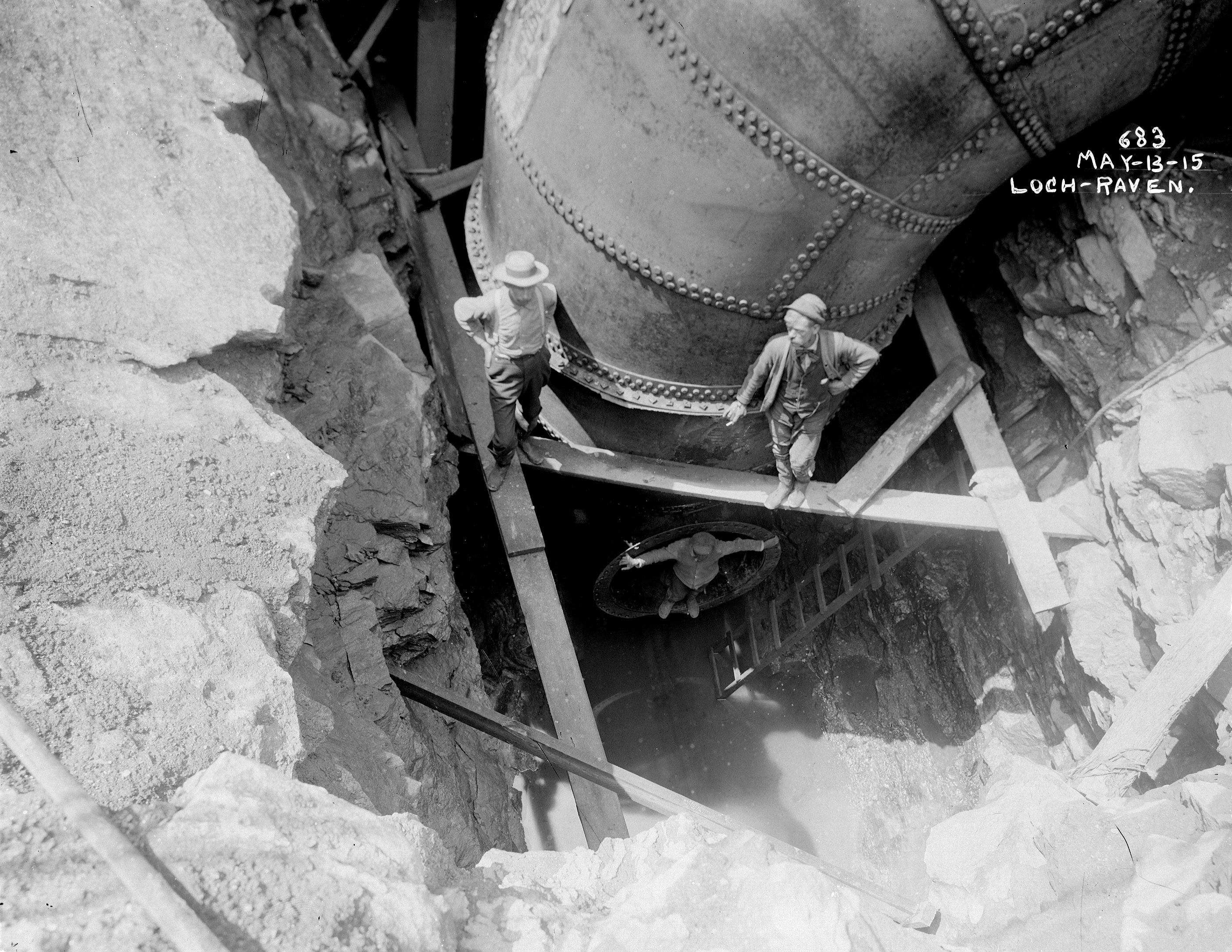
Since I started scanning and documenting the huge collection of Glass Plate Negatives (GPN) at work, there has always been a few that really caught my eye and became my favorites. Such being the one below. I would take the 8″ x 10″ GPN out of its falling apart sleeve, hold it up to the light and see what it was and in which collection it belonged. Most of these negatives were in the original boxes. Some not, just thrown into other boxes. I had to take a second look at this one. Is that a foot I see? I scanned it and blew it up and it sure does look like a foot! And a couple of workers taking a smoke break.

The original 1881 tunnel from the first dam to Lake Montebello was dug through rock. The new dam of 1915, just upstream from the old dam, was connected to the old tunnel by a steel conduit. The second picture below shows the steel conduit dropping down to meet the old one.

LochRaven 5-15 686a copy

I enlarged the center section and superimposed onto the corner.

LochRaven 5-15 683

Workers posing, which makes me wonder how much work would slow down if the cell phone/selfie was around back then?

Montebello Lake

25 Monday Apr 2016

Posted by Ronald Parks in Baltimore, filtration, HISTORY, water history

≈ 1 Comment

Tags

Baltimore, engineering, FILTRATION, Health, HISTORY, Lake Montebello, Montebello, photography, Public Works, water, water history

Last week I received a request from my boss to check out the Montebello Lake. That it was reported that someone was seen dumping petroleum and chlorine into the lake. My first question was – “Did the person who spotted this call the police?” It is a crime to tamper with the water supply, let alone dump toxic chemicals into a lake on our property. This lake is no longer part of the city water supply system, other than being a settling basin for what goes on in the filtration plant. It is a by-product of filtration, waiting to settle out before flowing into Herring Run. Most people, even the neighbors don’t know this. They still believe the lake is drinking water. It hasn’t been drinking water since 1915.

I go and check out the lake but didn’t find anything amiss. (Not only do people NOT call the police, but after 35 years of being here, I learn to take those calls for lake problems with a grain of salt. Most are not true and unsubstantiated, but they do need to be checked out)

004

This is the view across the lake towards the gate house. The brown you see in the water is sludge build-up. This lake was dredged in 2005-2007, but the contractors only did a small portion of the smaller lake where most plant sludge is collected before flowing to this lake. That lake will soon be dredged. (It should be every 3-5 years, with the big lake not needing to be done for 30 years)

040 031 006

The ducks, turtles, fish and other wildlife all seem to be fine. No effects from a toxic dump here. I also did not see any dead growth on the grass which would indicate dumping.

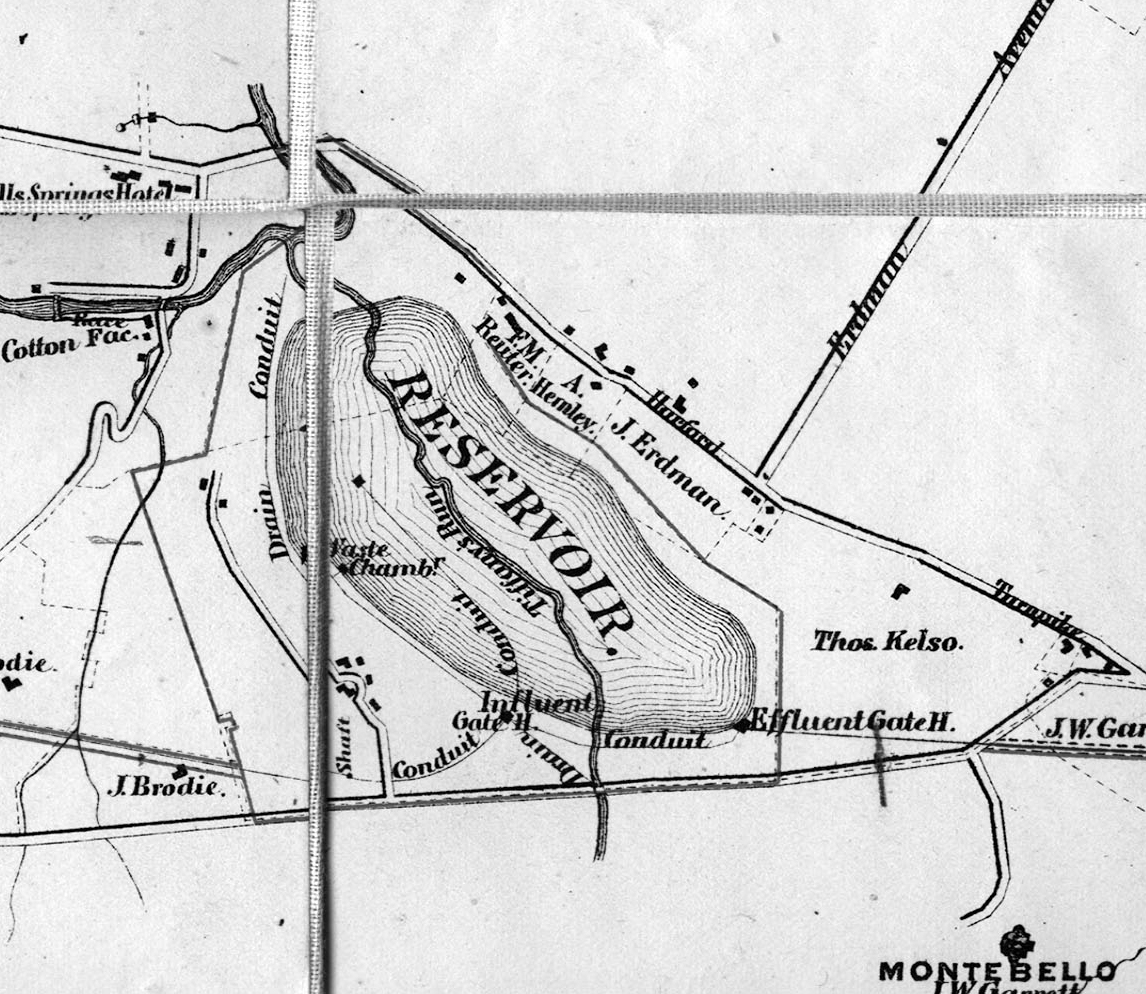
tiffanyrThis is one of the original drawings from 1875 showing the lake being built over Tiffany Run, which dumps into Herring Run. The run was diverted into a tunnel from the gate house, lower left of lake then heads along, marked as drain conduit to Herring Run.

016

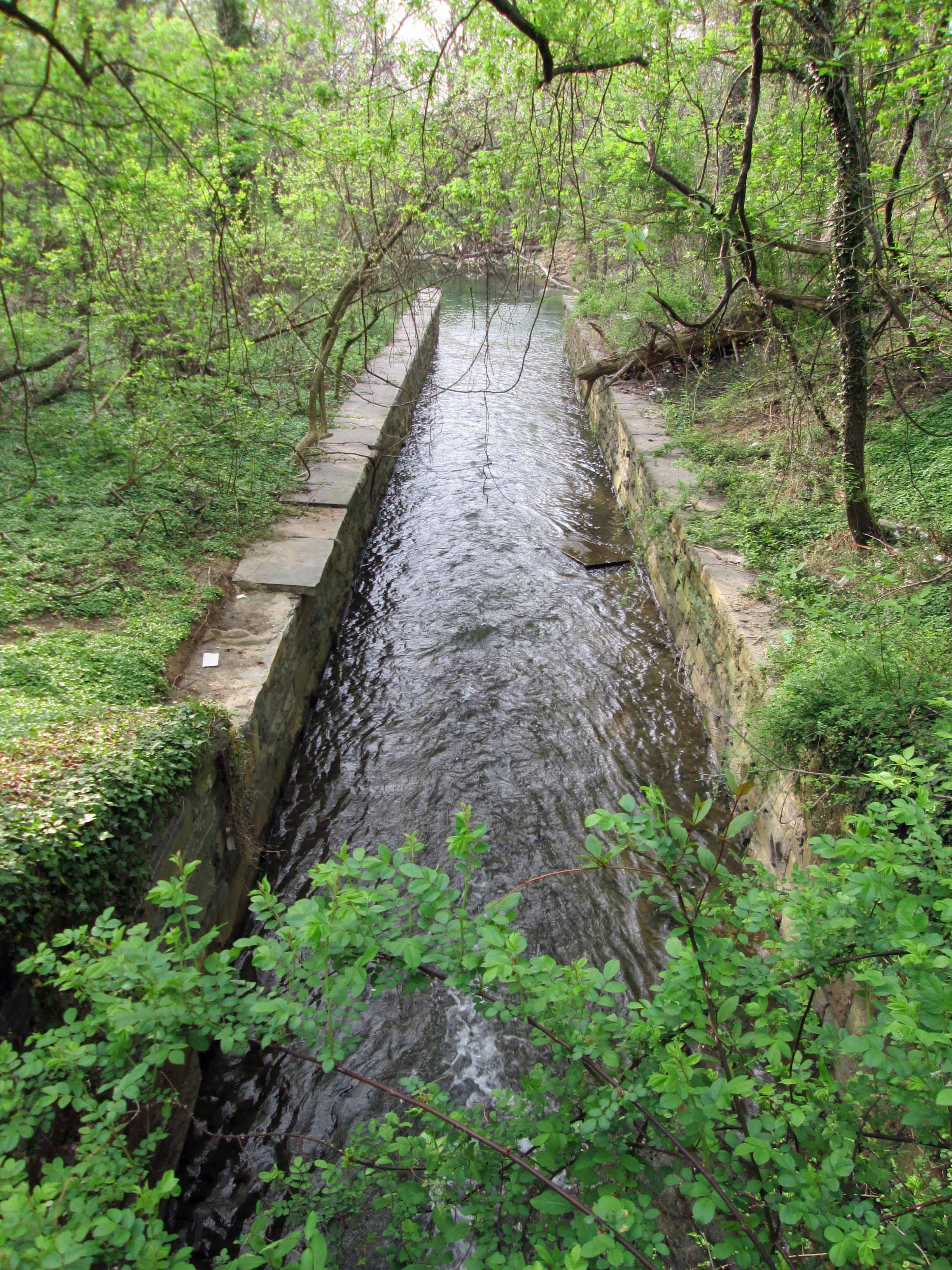
This is the original 1880s Tiffany Run drain. It has been relined a couple times since being built.

011

Channel from Tiffany drain to Herring Run. This is probably the best part of my job, other than historical research – getting to roam around in the woods. All 300 acres.

← Older posts
Newer posts →

Blogroll

  • Flouride Action Network
  • lulu
  • My Book
  • WordPress.com
  • WordPress.org

Recent Posts

  • Bermuda 2023
  • ICELAND April 2023
  • George Chalmers of Fochabers
  • In Search of The Skipjack Ada Mae
  • Trap Pond Kayak

Blog at WordPress.com.

  • Subscribe Subscribed
    • Water and Me
    • Join 231 other subscribers
    • Already have a WordPress.com account? Log in now.
    • Water and Me
    • Subscribe Subscribed
    • Sign up
    • Log in
    • Report this content
    • View site in Reader
    • Manage subscriptions
    • Collapse this bar
 

Loading Comments...