• About
  • History Writings

Water and Me

Water and Me

Category Archives: Baltimore

Boy Scouts

25 Tuesday Jul 2017

Posted by Ronald Parks in Baltimore

≈ Leave a comment

Tags

Baltimore, HISTORY, Monuments, POLITICS, Statues

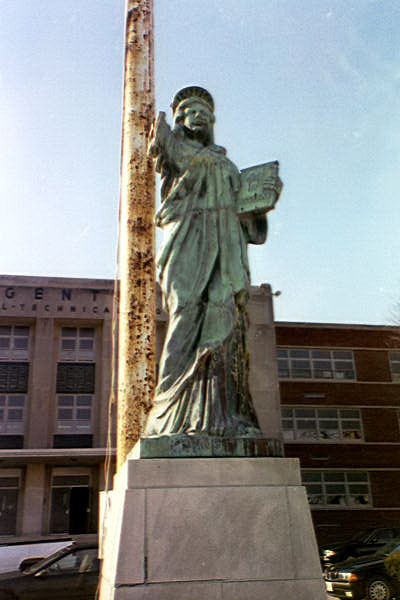
There are over 200 of these replicas in 39 states in the U.S. and several of its possessions and territories. The project was the brainchild of Kansas City businessman, J.P. Whitaker, who was then Scout Commissioner of the Kansas City Area Council. The copper statues were manufactured by Friedley-Voshardt Co. (Chicago, IL) and purchased through the Kansas City Boy Scout office by those wanting one. All were erected in the early 1950’s by Boy Scout troops and others to celebrate Scouting’s 40th anniversary theme, “Strengthen the Arm of Liberty.”
The statues are approximately 8 1/2 feet tall without the base, constructed of sheet copper, weigh 290 pounds, and originally cost $350 plus freight.

Maryland had two of them. This one was in front of Mervo until it was destroyed and sold as scrap by the contractor. The other is supposedly in Belair.

Electrical Survey

20 Thursday Jul 2017

Posted by Ronald Parks in Baltimore, engineering, HISTORY

≈ 2 Comments

Tags

Baltimore, bricks, Electrical engineering, engineering, glass plate negatives, HISTORY, POLITICS, Public Works, Research

This afternoon I will be giving a tour to a group of electrical consultants. They want to come up with new ways to save the City money by cutting back on our electrical use. Every time there is a new administration, new “Offices” and Bureaus are created. To prove their worth for their new job and new title, they come up with these new major plans for the City. Actually, there is nothing new about it. This will be the fourth or fifth time this has happened. Once in the 80s it was decided to turn 1/2 the lights out in the hallways and filter areas. Personnel complained that they couldn’t see, so they turned the lights back on, which in turn, maintenance then removed the bulbs. Just a few years ago they (paid consultants) came up with the idea to switch out all lights with LED bulbs. That definitely was not going to be cost saving.

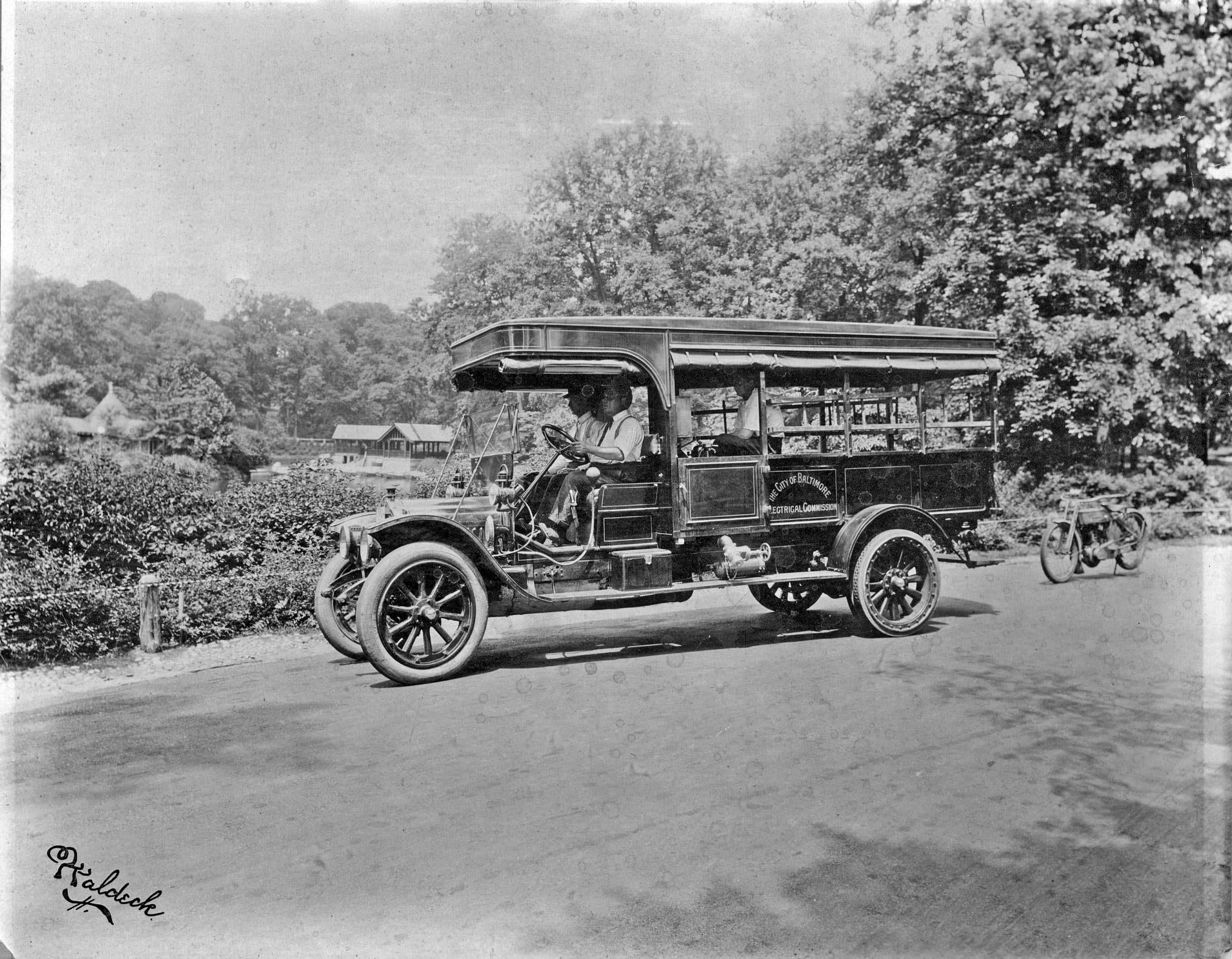
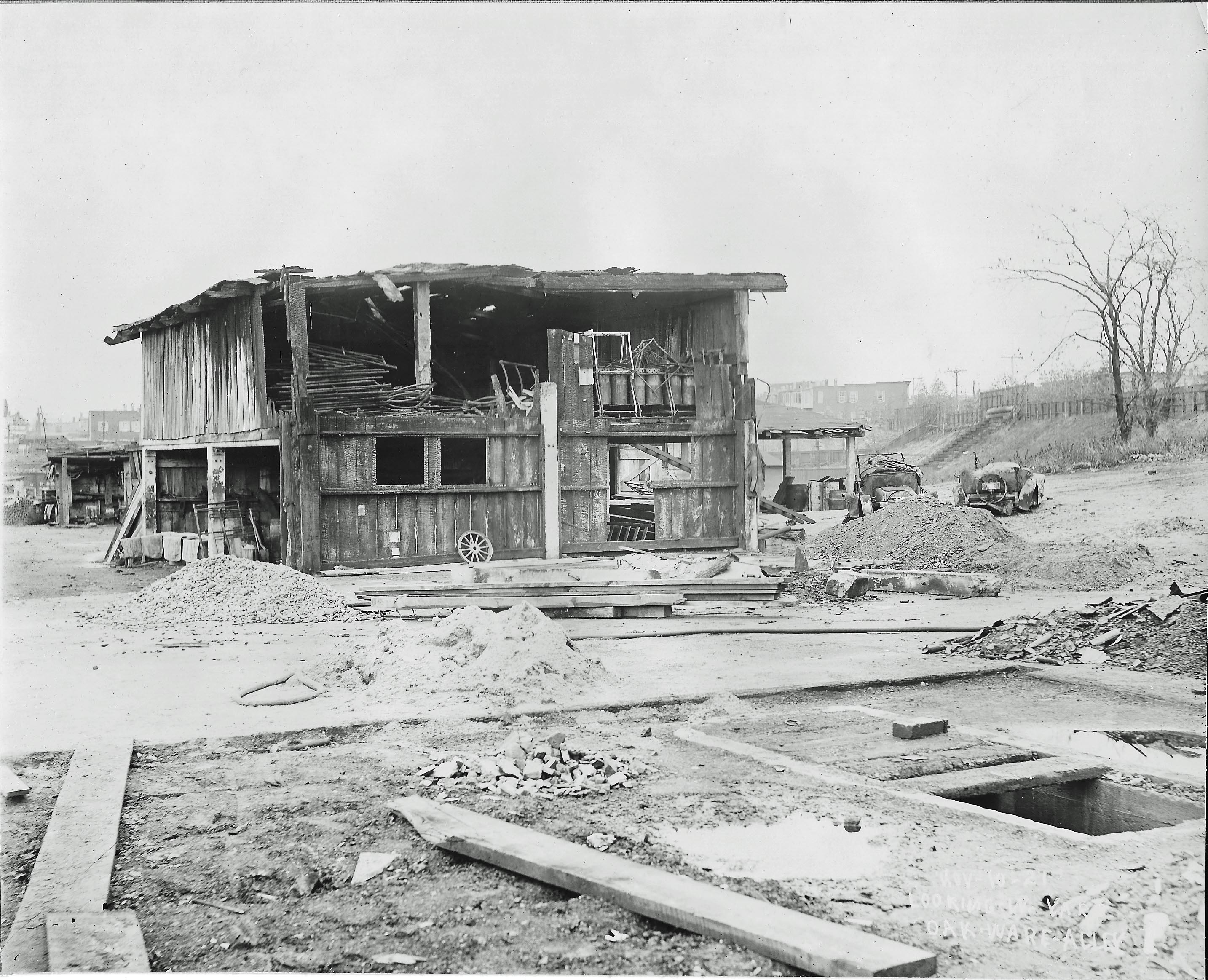
I started looking through some old files and came across these Electrical Commission photographs from the 1920s:

Electrical Commission office for operations, maintenance and construction. 

On the wall to the left of the first photo was this photograph. It was in bad shape when it was removed from the wall and placed in storage.

The commission’s garage and work area was destroyed by fire. Looking thru the building on the left you can see the burnt autos.


More damage from fire.

Work still continues despite the damage.

Clay duct banks. These were used to rebuild the garages…

…as can be seen here.

A new fleet of vehicles while the rebuilding continues in the background.

Swimming Bathing Drowning

06 Thursday Jul 2017

Posted by Ronald Parks in Baltimore, HISTORY, water history

≈ 3 Comments

Tags

Baltimore, engineering, FILTRATION, Health, HISTORY, Jones Falls, Lake Montebello, Loch Raven, Montebello, POLITICS, Public Works, Swimming, water history

For your summer reading pleasure:

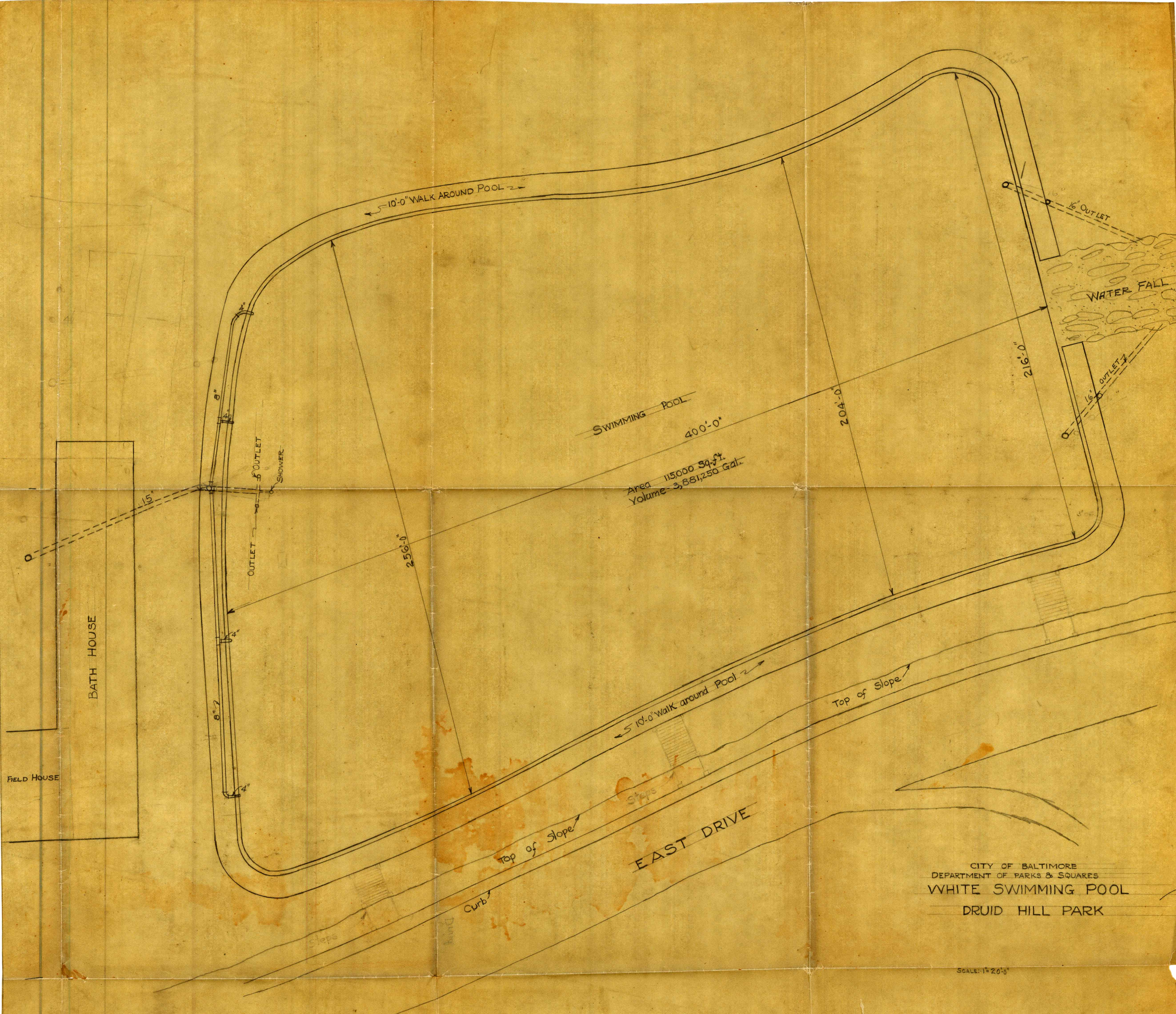
1916: A 16,000 gallon swimming pool was being built next to Lake Roland. July 19, 1917 letter from Water Engineer Walter Lee to the Baltimore County Commissioners asking that they police the area around Lake Roland as it has been reported that 10-15 persons bathe there every day. They reply that the city should get their own men to do it. June 9, 1923 letter requesting permission for the L’Hirondelle Club to be allowed to swim in Lake Roland. March 1924 newspaper clipping on drowning of boy, thirteen, in Lake Roland. The city investigation tried to place blame on the Pennsylvania Rail Road, who they say had some timbers floating about, which the boy fell off of as he used them as a raft. The PRR said it was a contractors fault, who used the timbers for some work they were doing. They also note that the boys were trespassing at the time of the incident. October 10, 1917 letter from Walter Lee to Mayor Preston notifying him of the intent of two ladies from Hampden, asking that a swimming pool be constructed on the property of the Hampden reservoir. They were also soliciting for his honor to pass a city ordinance in which they were to propose. Lee asks that if this happens, would the mayor turn the property over to Park Board? June 20, 1922 letter from Megraw to Christhilf Construction and other contractors, asking that they put in a modest bid (For charities sake) for the construction of a swimming pool at West Park (New name of Hampden Reservoir area) March 22, 1923 memo concerning the creation of a swimming pool between the upper and lower dams complete with toilet, shower facilities and a snack shack. June 20, 1924 letter from Armstrong to Siems concerning the swimming in the waters between the dams. He says it is prohibited. June 20, 1926 letter from the Baltimore Federation of Labor to Bernard Siems concerning the city using non-union workers to build the Druid Park Swimming Pool. On the bottom of this memo is a union logo: Specify UNION LABOR, have the job done Right!

Druid Park Swimming Pool

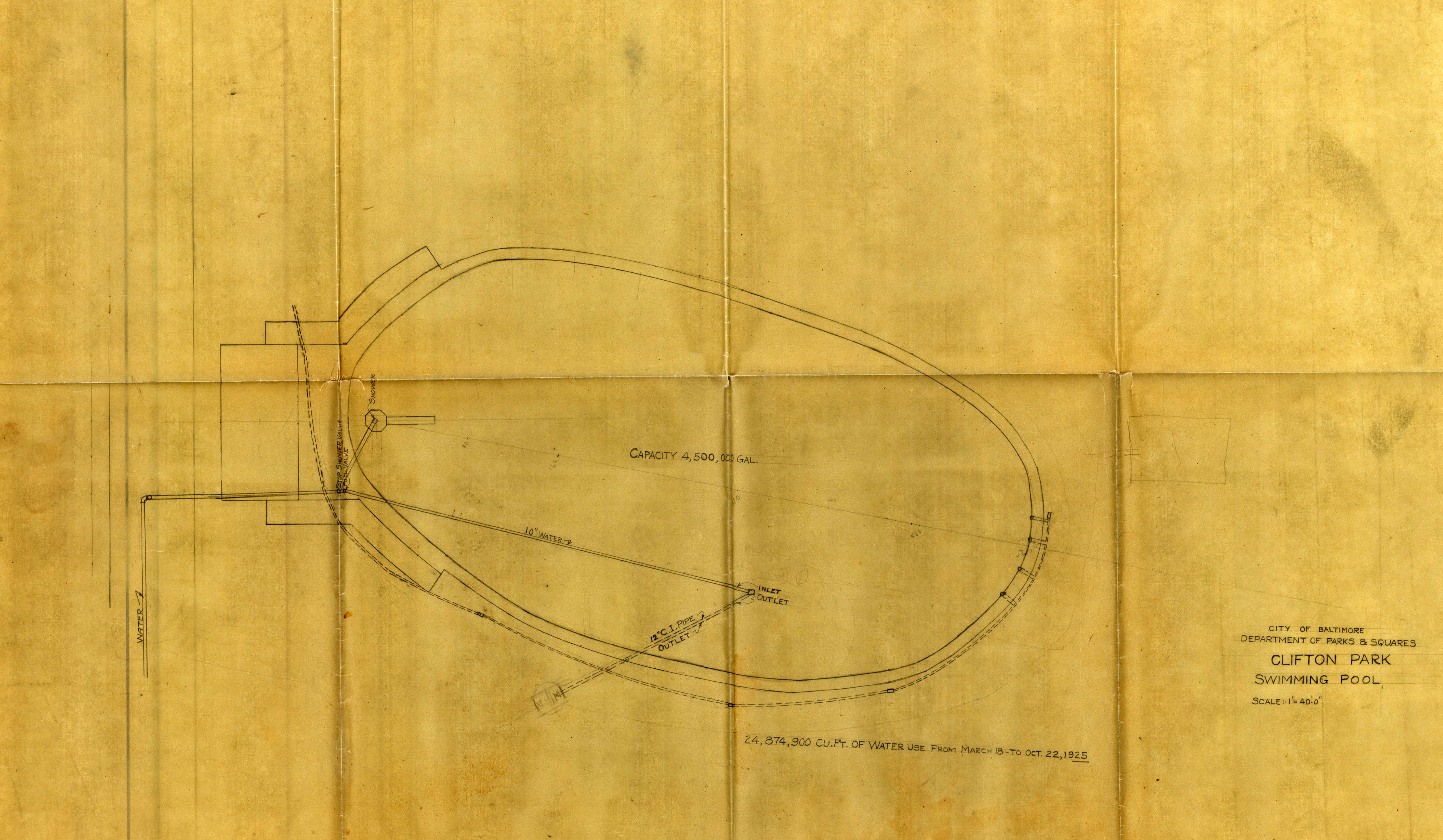
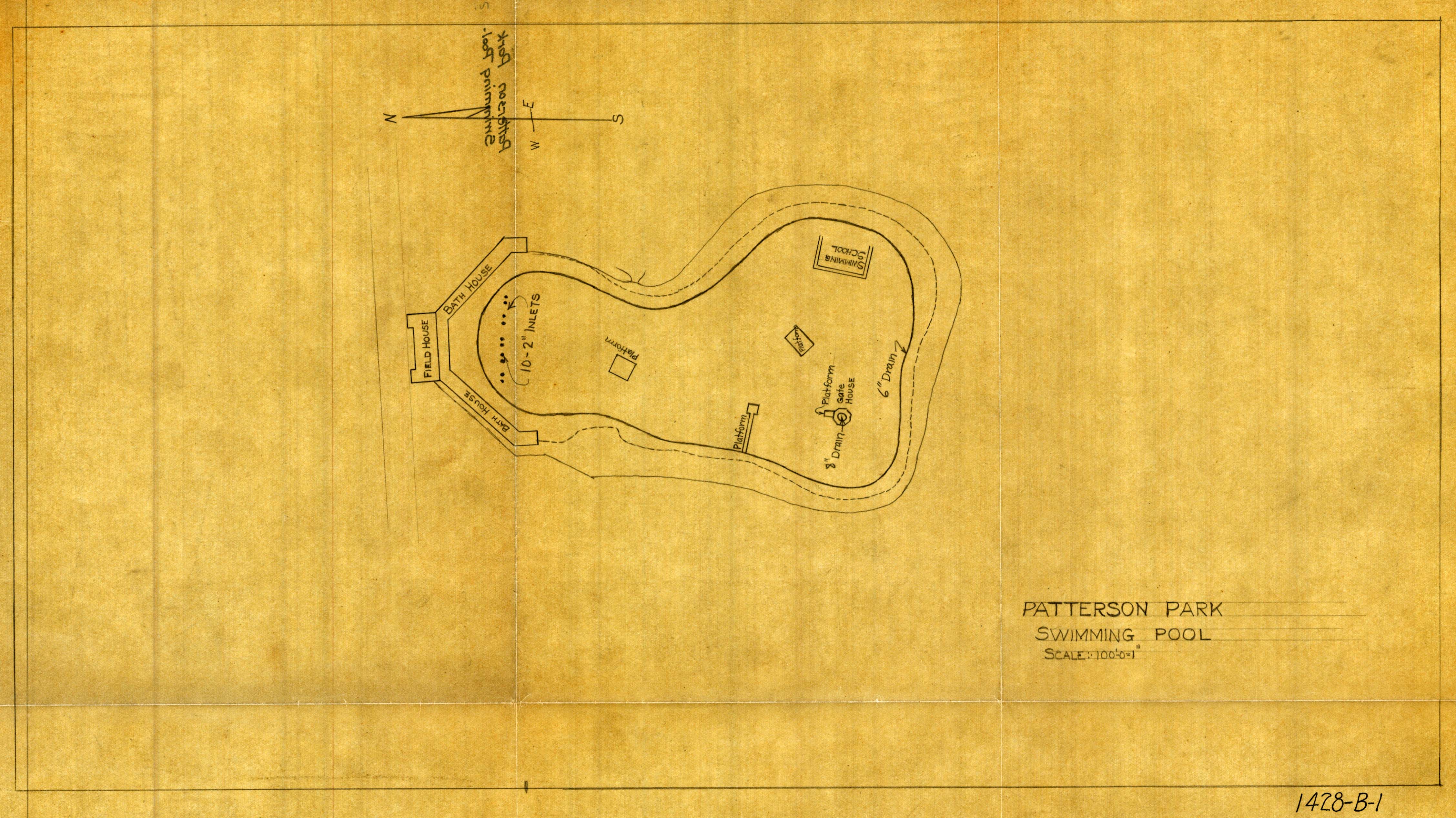
July 11, 1927 letter from Wolman to Wieghardt, “…when the pool was inspected by us a couple years ago we were informed that the Hampden Reservoir contained filtered water…the Hampden reservoir obtains all its water from the Jones Falls. In other words, the pool has been obtaining a completely untreated water from a relatively dangerous source, which has been abandoned for all municipal purposes for over 10 years…” July 14, 1927 letter refers to the Hampden Reservoir area as Roosevelt Park instead of West Park. June 24, 1930 memo from Rost to the Police Commissioner asking that the police stop the boys from climbing over the fence and swimming in the Montebello Plant II filtered water reservoir. 1932 Pools listed are: Druid Hill Colored Pool, Druid Hill White Pool, Gwynns Falls Park Pool, Carroll Park Wading Pool, Riverside Park Pool, Patterson Park Pool, and Clifton Park Pool.

Clifton Park Pool

June 10, 1933 police report on a ten year old who went swimming with three other youths and he drowned. The others left him and told no one. July 18, 1935 request from the National Guard for a shooting range at Loch Raven. Small does not want this. August 15, 1935 Brigadier General Washington Bowie writes Small back stating, “I note what you state in regard to the interference with the recreational purposes. If you had been with me last Sunday…when I saw three negroes in bathing suits swimming back and forth near where I wish to locate the range, or on a previous occasion when I found a half-dozen white boys swimming…I think you would find a rifle range more desirable than such recreational use…the portion outlined on your print is constantly used by both negroes and whites for swimming. The rifle range would at least make this unpopular.”  Bowie then goes over Small’s head to Crozier. Crozier agrees with Small. A few months later, the Mayor agrees with Small and Crozier. June 14, 1938 list of names of swimmers at Loch Raven. Officer Goetz is to arrest these people and take them to Towson jail if they are caught again swimming in the reservoir. June 14, 1945 memo from A. Bailey to L. Small concerning kids swimming in the waste lake, “The boys in the Northwood neighborhood…are using it as a swimming pool…groups up to about thirty…during the daylight and night hours, sometimes as late as 12pm. They have been warned a number of times by various employees of this division only to be cursed for their troubles…radio police have been summoned but made no attempt to stop this practice…I talked with two patrolmen while eight to ten boys were in the lake and asked that they talk to the boys…they promised they would but walked to the opposite side of the lake and blew their whistles instead. Yesterday, June 13, there were even a greater number of swimmers than any time previous, so I contacted these boys personally and told them that it was my orders to have them arrested…they paid little attention to what I said…placed twelve ‘No Trespassing’ signs up. By 9pm all signs but one were removed and destroyed. At 10pm, a great commotion was heard, a group of three boys were in swimming and one had gotten into trouble and was so far gone when they rescued him, that it was necessary to apply artificial respiration…police called and all three were taken to Sydenham Hospital. The police, at least the patrolmen, do not seem to want to cooperate with us and make no attempt to put a stop to the practice of swimming. (We) could drain the lake and keep it drained in the summer months…parents may then be willing to stop their kids, but judging from what I have seen of these people, I do not believe they have enough control over their children to prevent them from doing anything that they wish to do. Child delinquency for this section is bad, if not worse than the average for Baltimore City. August 23, 1945 memo from Bailey to Strohmeyer about unwanted visitors to the plant. Young men swimming in the waste lake, one almost drowned. Two, three year olds, alone, swimming in waste lake. One threw a fit and refused to leave. The police were called. Two teenagers running through Plant II and when told to leave, went and got their father who dared anyone to stop them from coming into the plant. An undated memorandum: “Yesterday afternoon … three young men found swimming in the Balancing Reservoir at Loch Raven in their birthday clothes.”

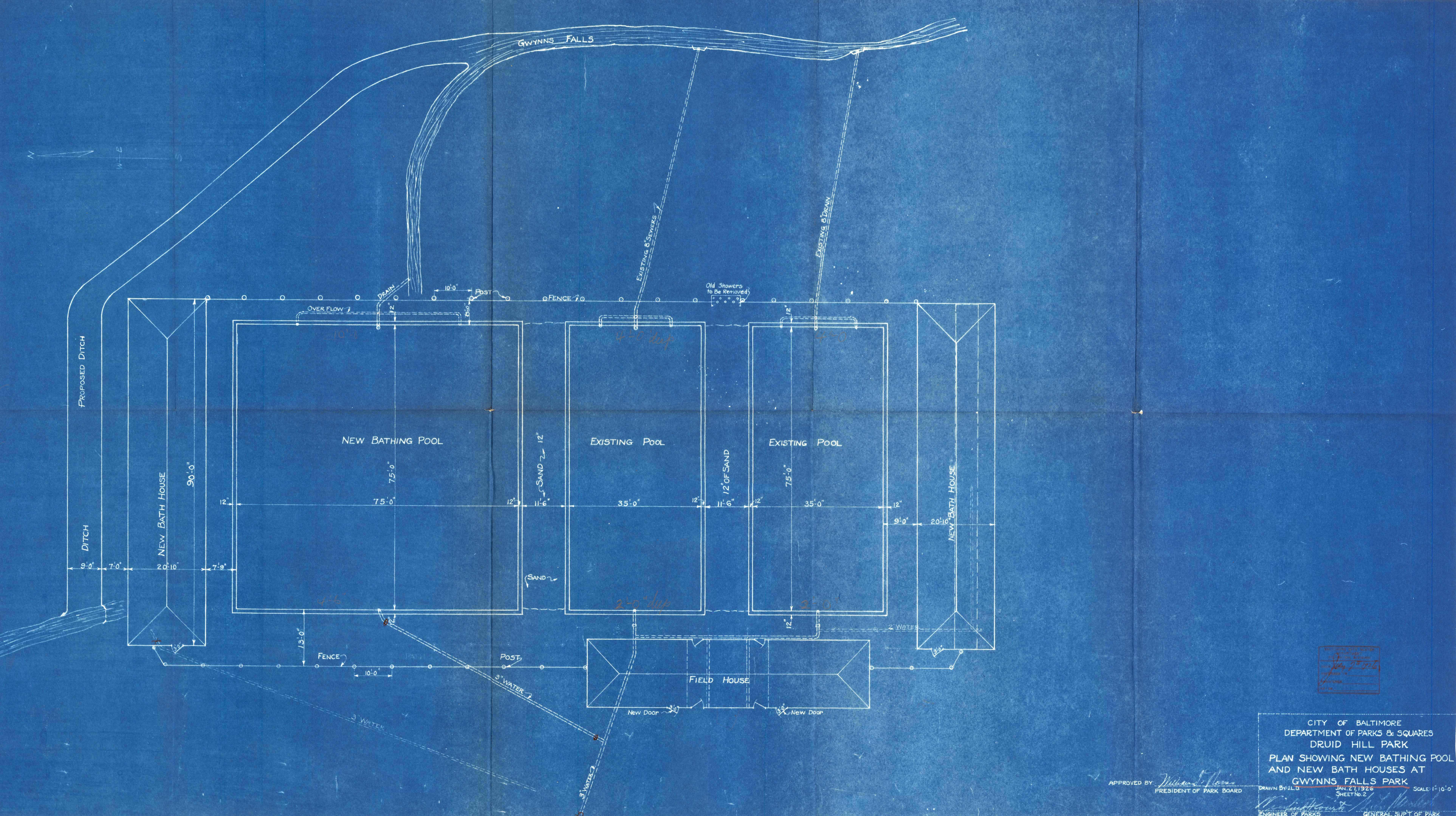
Gwynn’s Falls Pool – the overflow goes right into the stream, adding more pollution.

The largest of the pools back then.

Tunnel Inspection Part 2

30 Friday Jun 2017

Posted by Ronald Parks in Baltimore, engineering, water history

≈ 4 Comments

Tags

Baltimore, bricks, engineering, FILTRATION, Gunpowder Falls, HISTORY, Lake Montebello, Loch Raven, Montebello, nature, Public Works, water, water history

Over a year ago I was asked to be part of an inspection team, to walk/boat through the 12′ tunnel that connects the Loch Raven Reservoir to the Montebello Filters. This tunnel was built between 1875 and 1881. In the early years it was inspected quite often. In the 1960s it was decided, after a parallel tunnel was built in the late 1930s, to reverse the flow in this old tunnel to supply drinking water to Towson via the Cromwell Pumping Station. The old tunnel was last inspected in 1984. For that info you can see my post linked here:  https://rep5355.com/2016/04/06/tunnel-inspection/

In preparation for the inspection, I did all the necessary training – Red Cross/CPR, Confined Space, etc. Then we were told that it was too unsafe to send anyone in the tunnel. Totally bummed!

So now they have finally gotten around to inspecting the tunnel with a remote operated vehicle. It has been a long week starting last Friday. First order of business was to clear the site for the contractor to bring in his equipment.

Area cleared and the phragmites sprayed.

Next, construction mats were placed across the phrag roots – which is very soft. (And the equipment very heavy) These boards did the trick.

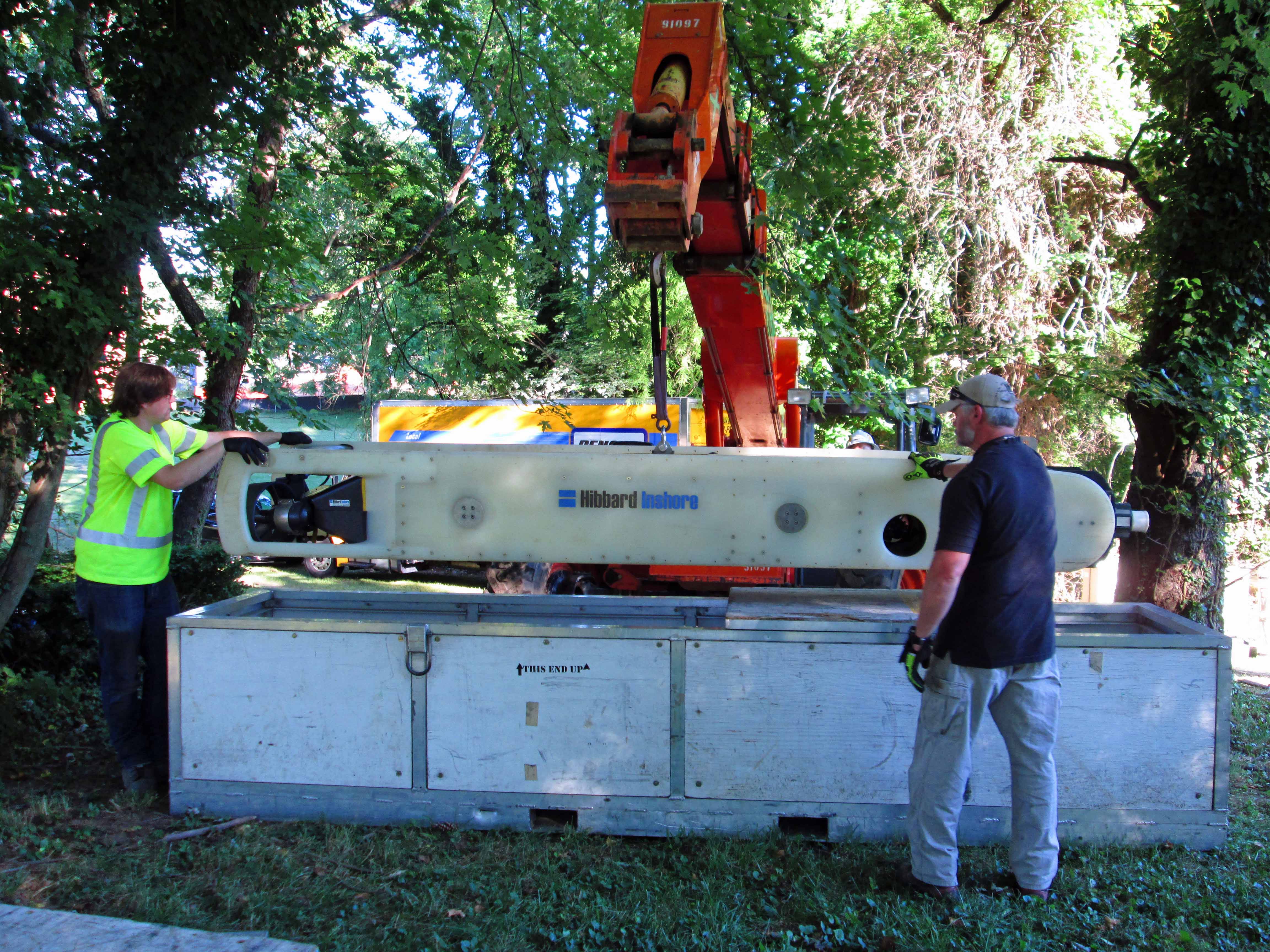
The equipment was unloaded. This is the inspection vehicle. It is about 14′ long and weighs 1500 pounds.

This is the tether. The sub is connected to this. It is 7 miles long, but only needs to go 5-1/2 miles.

The sub will enter at the top right. This is looking down the shaft towards the tunnel.

Here she goes.

Because this is a pipe that is in use, with drinking water, everything that enters the water was sprayed with a chlorine solution.

The control center. All this information on all these screens will be made into a report for the City to decide if the tunnel is still usable. The interesting one is bottom center. If you watch that and there is a change in the circle, say a rise in the bottom, that means the sub is going over a rock fall. You then look at the camera display and you can actually see it.

In my previous tunnel inspection post is a photo where the balancing shaft enters the tunnel at Cromwell. It is mostly smooth. Unlike this entry point – it looks like someone busted thru the top of the tunnel with a sledge hammer.

The sub was moving at a nice pace – looked like the Enterprise going at warp speed! Not sure what those particulates are just yet. Probably just some stirred up lime deposits.

And when I got bored, I went looking for nature. There are 3 young bucks…

A couple babies.

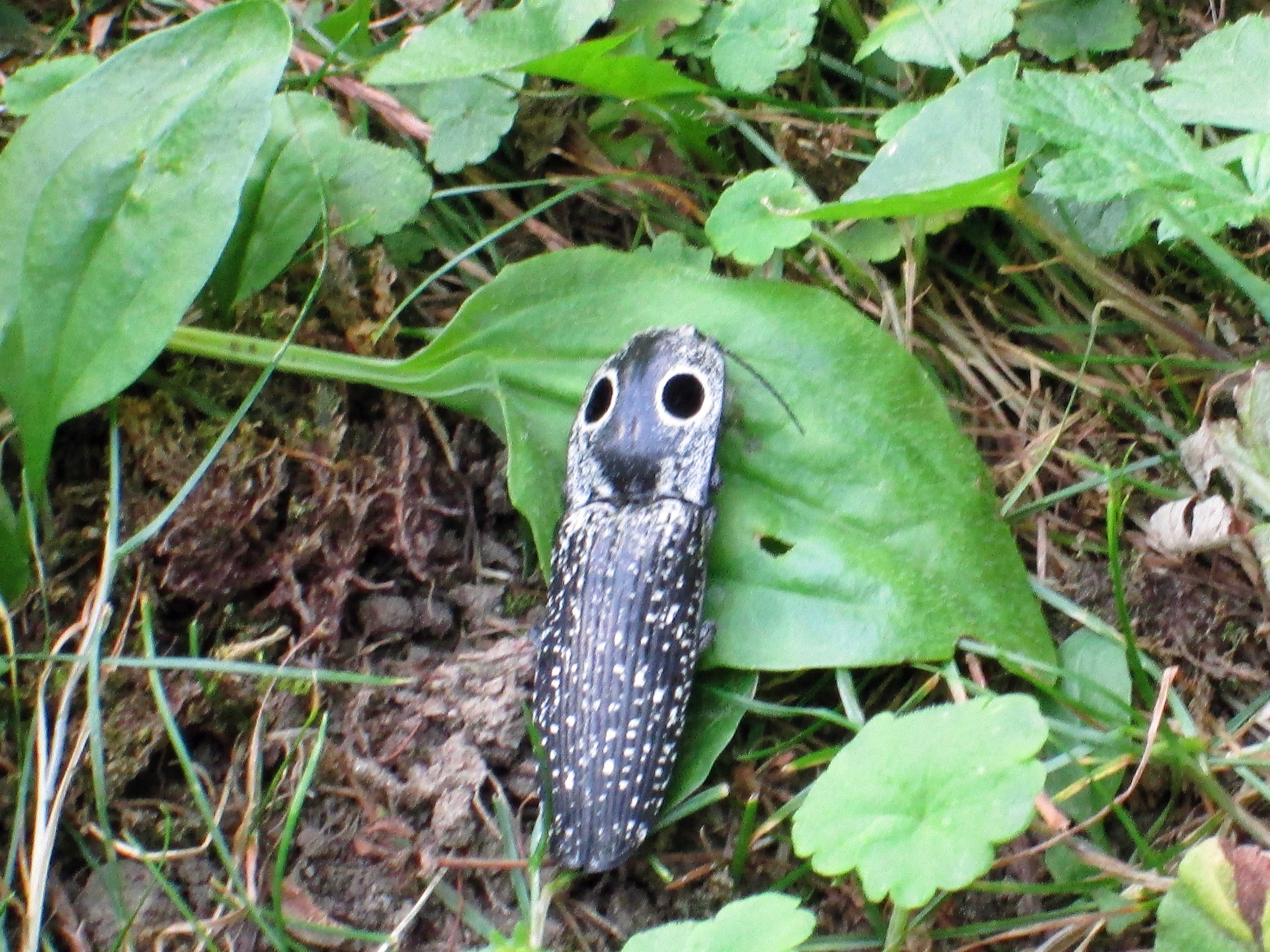
An Eastern-eyed Click Beetle

Bunches of other bugs.

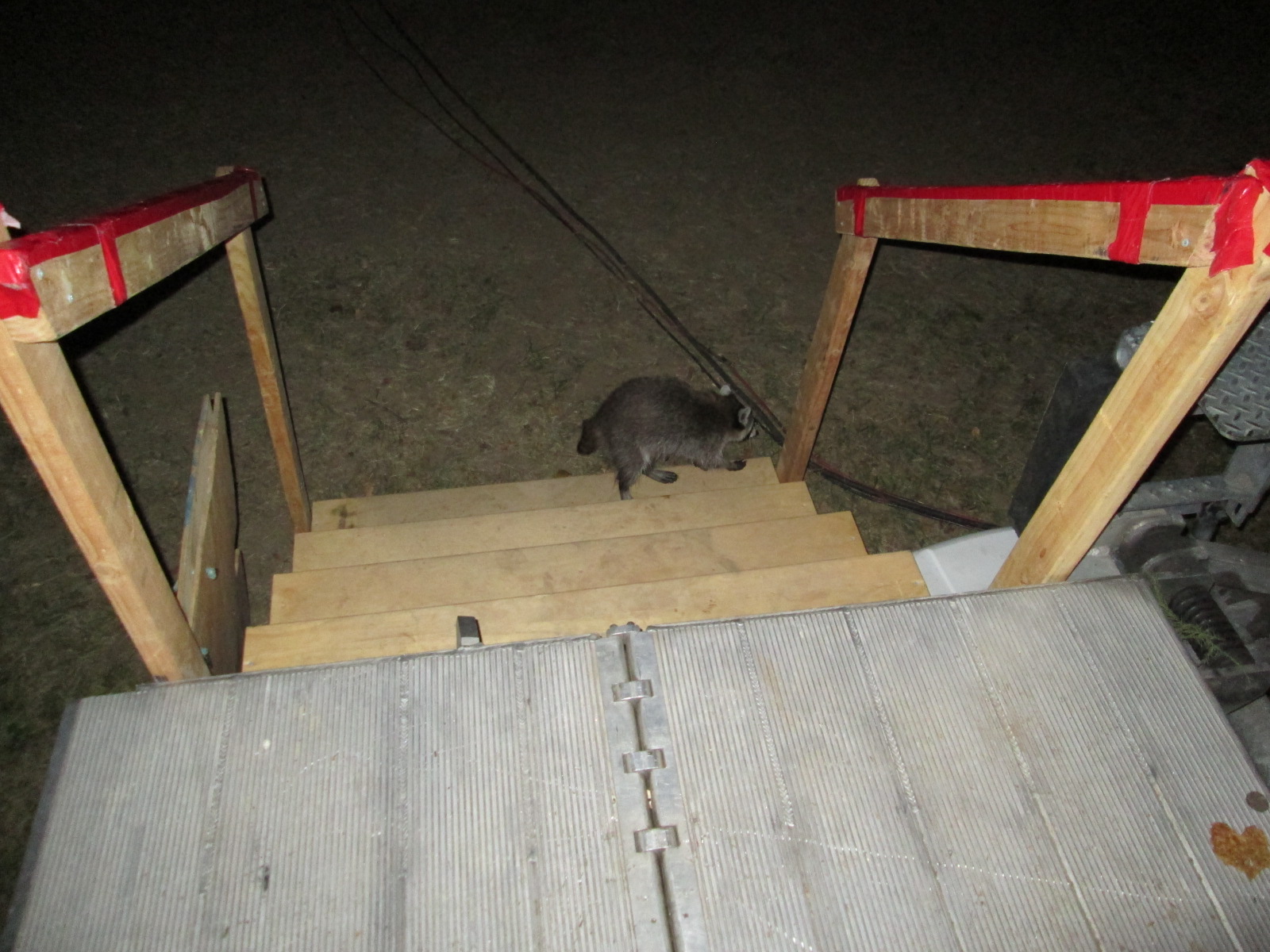
And our night time visitor looking for food.

Saving History, One Piece at a Time

16 Friday Jun 2017

Posted by Ronald Parks in Baltimore, HISTORY, water history

≈ 3 Comments

Tags

Baltimore, Clifton Gate House, Dams, engineering, FILTRATION, Gunpowder Falls, HISTORY, Lake Montebello, Loch Raven, Montebello, POLITICS, Public Works, water history

Anyone that has been following my blog will remember my writing about a few construction projects that are water related. Such as the new buildings at Loch Raven, the contractor busting a hole in the ten foot conduit that supplies water to Baltimore, another contractor digging up the foundation to an old pumping station, the attempts to save the Clifton Gate House, the Roland Tower, the residence at Montebello, etc.

When I first wrote about the work along Loch Raven, I wrote about the house and buildings they were tearing down. After being notified of this project, I went to investigate and saw a bunch of metal signs. Not necessarily ultra historic, but a part of Baltimore’s Water Supply History nonetheless. I was able to retrieve from the contractor, 2 of the 8 that were there. The other six were taken by a company the reuses old building materials.

Here is one of the eight signs. This all happened a few months ago. The other day I received an email. One of those courtesy type ones from the big bosses downtown, trying to keep me in the history loop. Well, I was dumbfounded when I read the email. It just said FYI and had the attached photo along with two other attachments.

I couldn’t believe what I was seeing! This photo is of the marble plaque that was in the original 1881 gate house to the first Loch Raven Dam!!! i always wondered what happened to this thing.

The third attachment is a quote, only partially shown to protect the parties involved. Two marble plaques? The quote went on to say that the other one was dated 1887!! Holy crap! Only one water works related to Loch Raven was built at that time and that was the Clifton Gate House!! My eyes were playing tricks on me!! This couldn’t be!

But wait! How did this company get these things and were they really trying to sell them back to the City? City property??!! I don’t think I ever cussed in an email to one of the bosses downtown but I just couldn’t contain myself “What the hell! This is City property. How can they charge us for something that is ours?!” I suggested he gets the Environmental Police involved to check this out. If not, tell them I will give them $500 and we won’t press charges. He said he turned it over to the EP. And he did. Today I received a copy of the investigative report stating that these items were picked up by accident and would be returned to the City. And they were this afternoon!!

More on this later so stay tuned! (I want to go into a lengthy bit of comment on what we should learn from this…)

Loch Raven Property Part 2

14 Wednesday Jun 2017

Posted by Ronald Parks in Baltimore, Dams, HISTORY, water history

≈ 8 Comments

Tags

Baltimore, Dams, FILTRATION, glass plate negatives, Gunpowder Falls, HISTORY, Loch Raven, nature, Public Works, water, water history

Back in December I posted information about a house that was being torn down to make way for a new Loch Raven Reservoir Maintenance building(s). Some questions came up as to who owned the house originally and how long had it been there. Just recently my blog had been read and I have been in communication with two brothers that lived there. Their grandfather was the superintendent of the property from the fifties to the eighties.

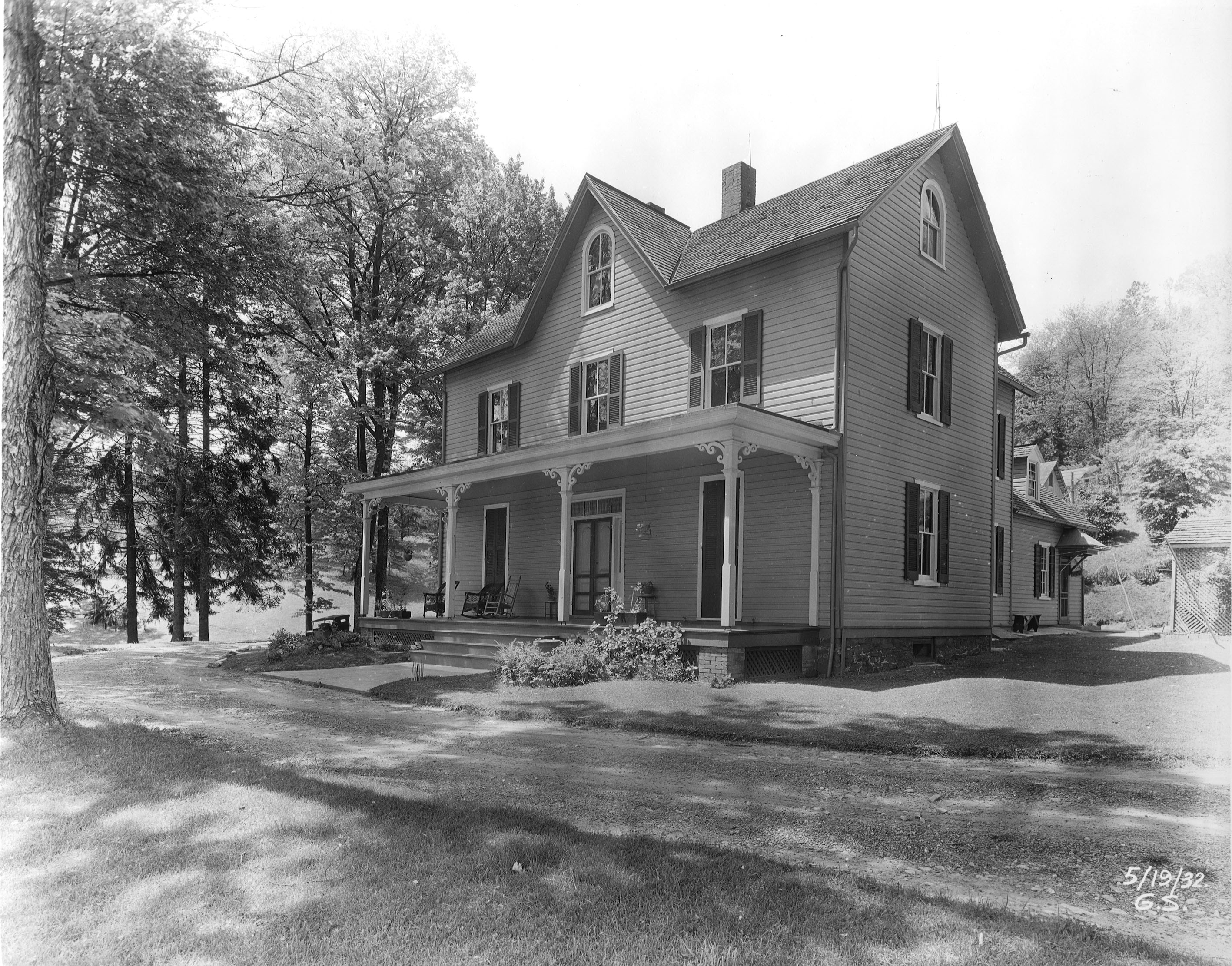
I found this photo and the accompanying info sheet on the property.

Back in 1932 a handyman lived there named William Butcher. The brother’s names are Joe and Jim Greenwood. Their grandfather’s name was William Farrell. They are going to try and find some photographs of when they lived there.

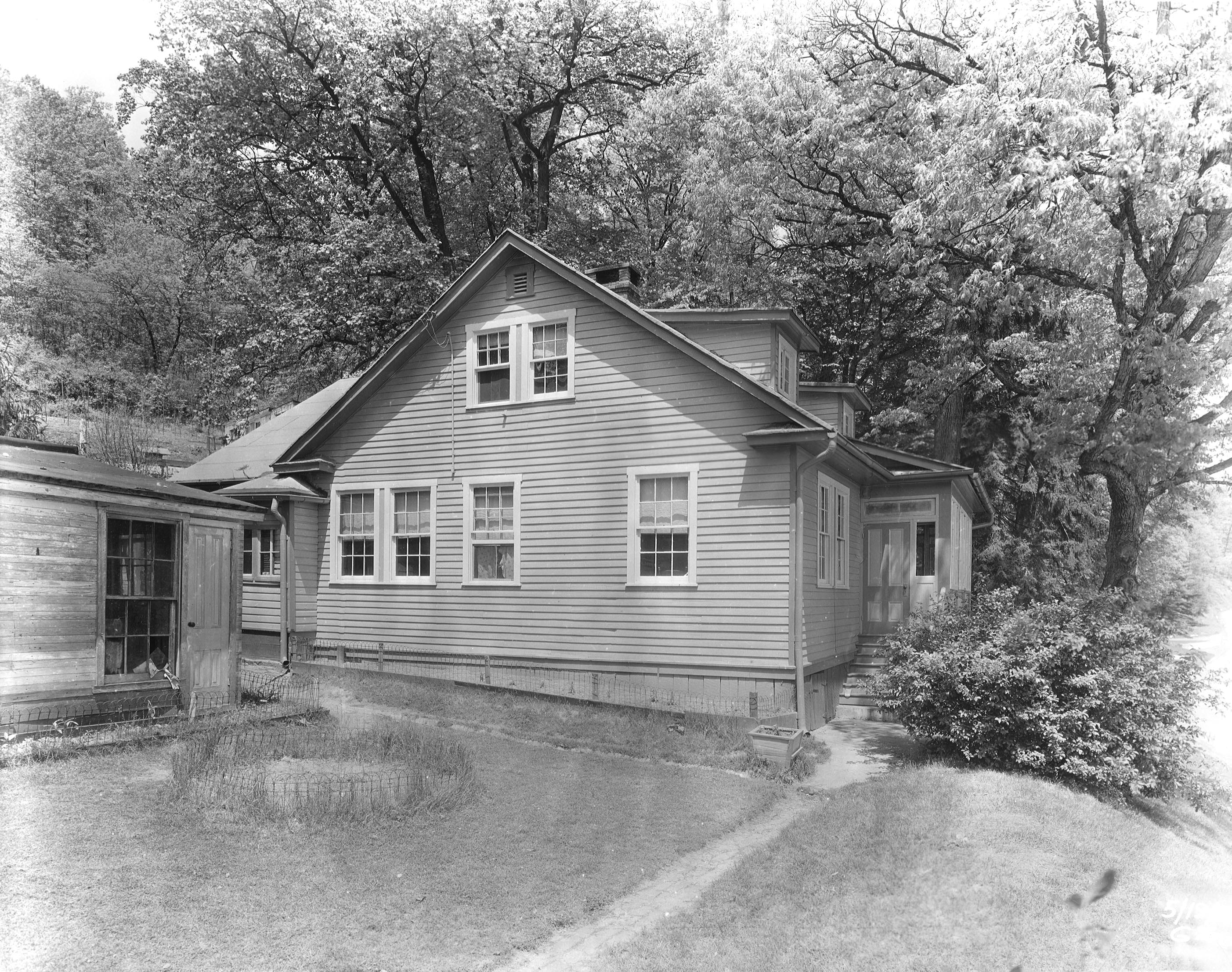
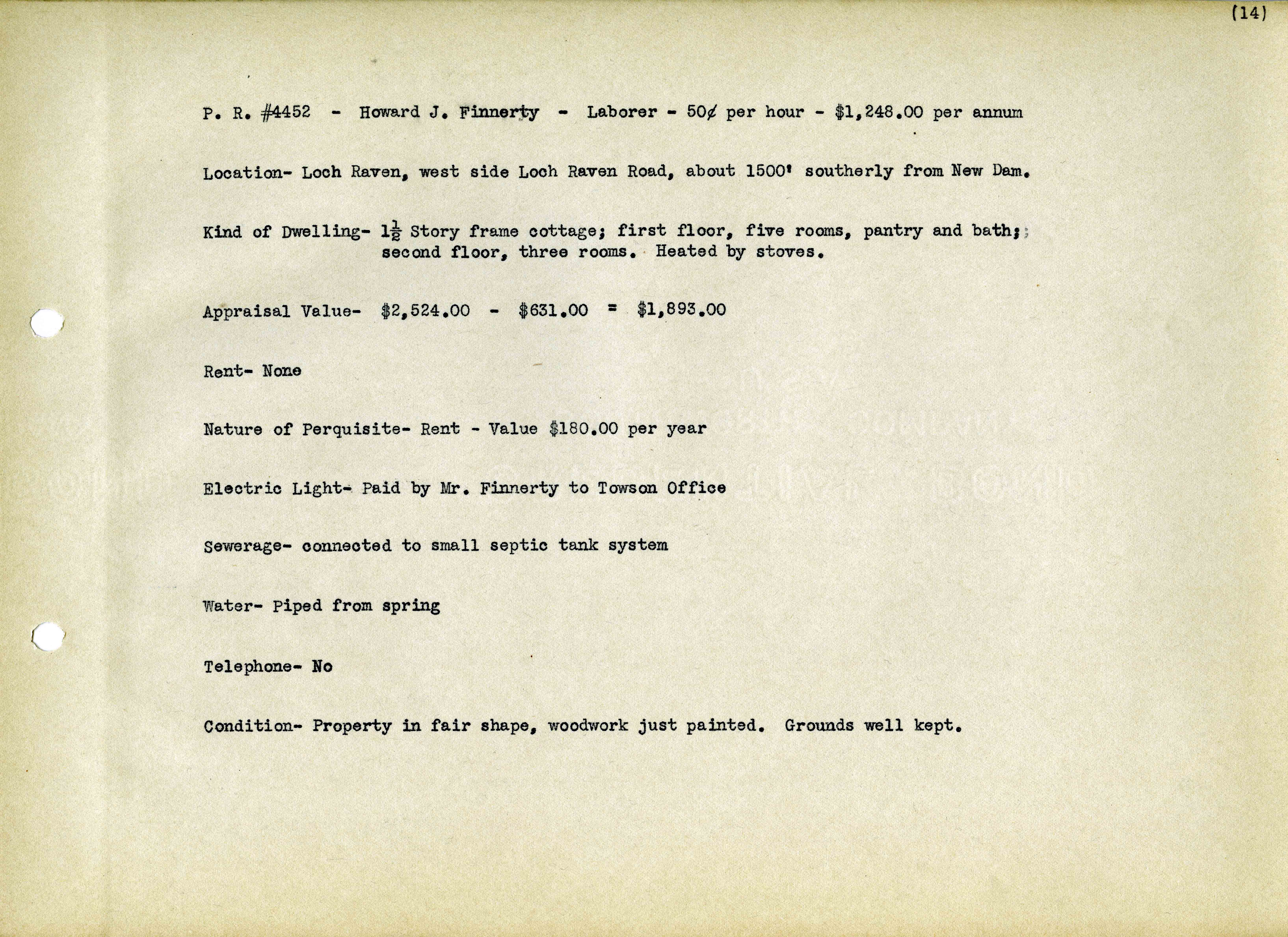
In my records is this house, occupied by Howard Finnerty.

As can be seen, this house was 1500 feet south of the dam, which puts it just north of the Butcher property.

Enlarging this photo from about 1914, you can see both houses to the left.

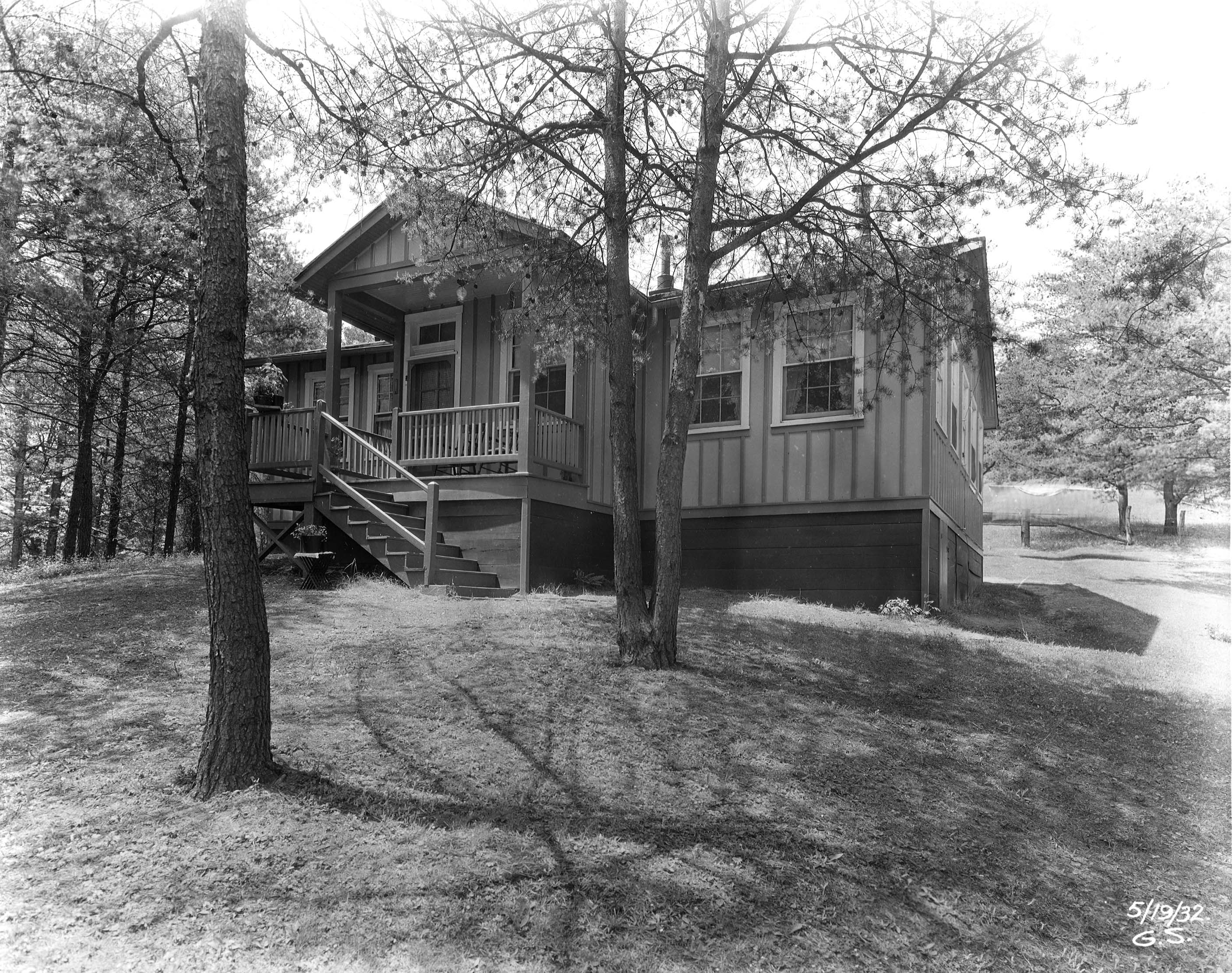
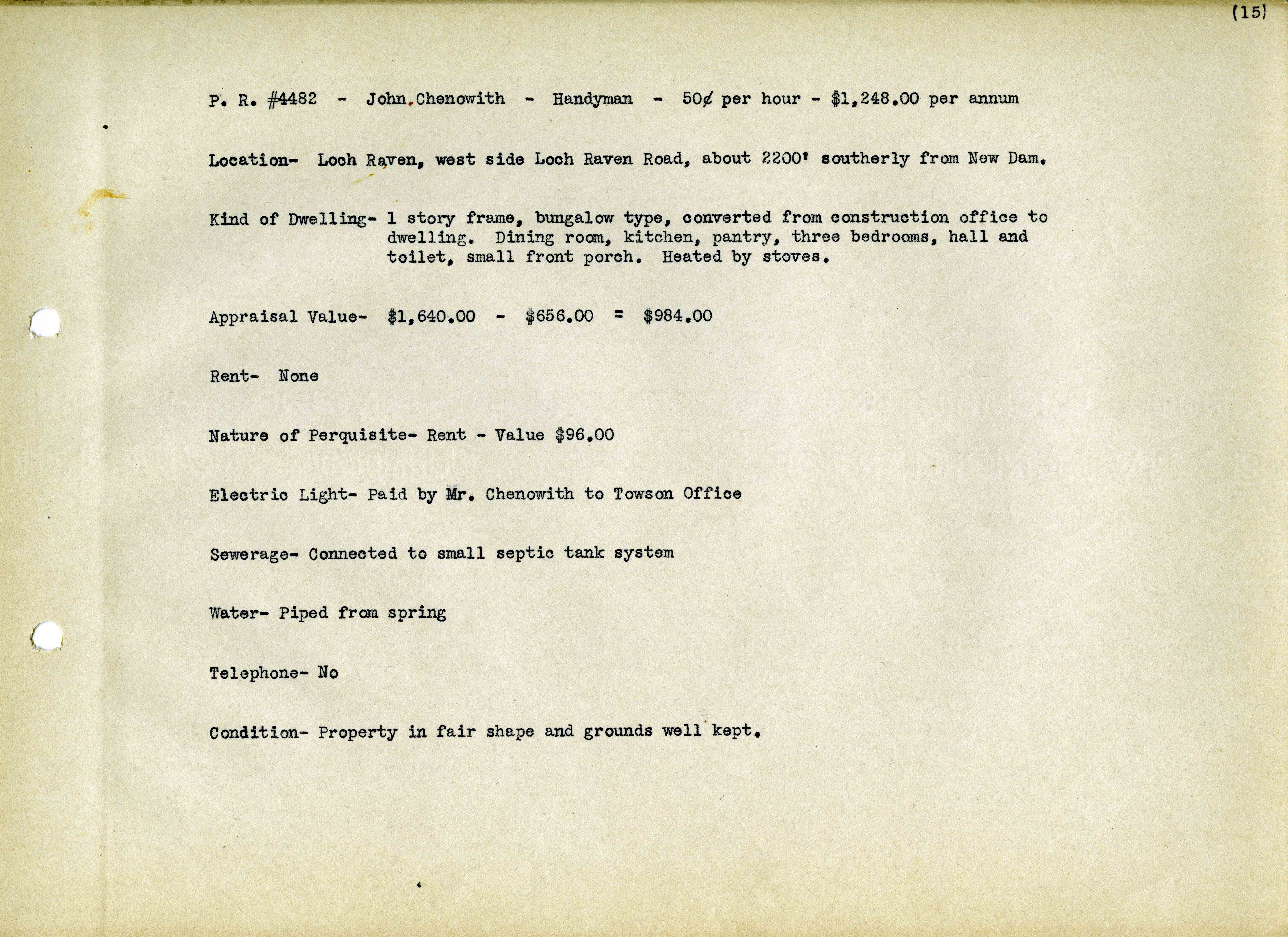
Another interesting house adjacent to the property was occupied by John Chenowith.

According to this record, the house was 2200 feet from the dam which kind of puts it just south of Shanghai Run, on the hill. I did find a photo that LOOKS like this house from 1914 but I am not sure.

Here is some of what the brothers said about growing up on Loch Raven:

• Jim Greenwood said: June 12, 2017 at 4:15 pm
According to family history, the home was built in stages sometime before the Civil War. The kitchen section was built first, then the center section, then finally the large section up front, including the porch. It was later bought by the city.
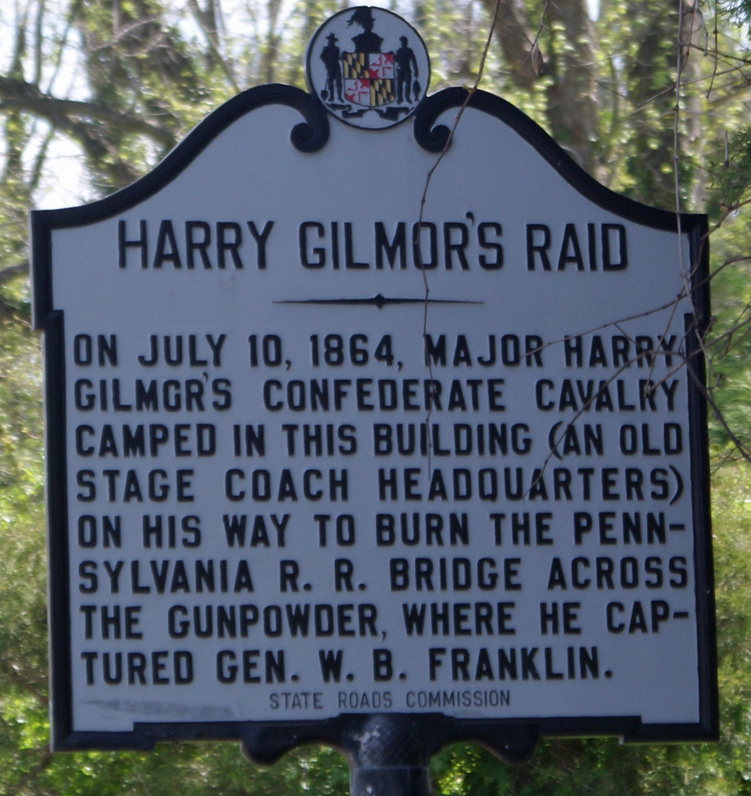
The house was always occupied by the Superintendent up until 1980 when my grandfather retired. Legend has it that General Harry Gilmor spent time in the house during his adventures in the area.
Many, many stories. I remember evacuating the house during Agnes, and ice skating below the lower dam in the winter, and hearing about Chuck Thompson at the fishing center (a celebrity!) In the 60s we’d get trapped in the house as the road became gridlocked with folks cruising in their cars and flat lands below the dam became a big parking lot/beach party every weekend. In the mid-seventies they planted trees below the lower damn and closed the road on the weekends and the hippies were replaced by bicyclists.
Despite the beautiful photos, the area between the dams was usually a mud pit with a stream of water trickling down the middle.
My grandfather kept a close eye on the place, and we always enjoyed him shouting from the front porch at people getting into things they shouldn’t get into.

• Joe Greenwood said: June 13, 2017
I think Chuck Thompson came to one of the crab feasts. Several barrels of steamed crabs from Hale’s for the then crazy sum of $100 each.
Winter was always fun for us with the salt trucks going in and out and never understood why our grandfather hated snow. Greatest sled hill in the world up behind the pumps and the old foundation up on the hill. We somewhat had the run of the place since all the workers knew us and we would despoil Uncle Bill’s penny jar and walk to Sanders’ at the juncture of Cromwell Valley. If nothing else, we could check on the dead cat along the way and occasionally didn’t catch fish off the little dam while the hippies jumped off it. It was always fascinating to talk to Clarence, who tended to come on duty in the evening to patrol and was missing a finger and was always happy to show us his pistol.
We did get in a little trouble like accidentally throwing kerosene on the workers’ wood stove.

So now the question comes up! Should this house have been torn down before doing a thorough investigation? Gilmor??

This is a historic marker up off of Mountain Road, not too far from Loch Raven. Which brings up another question – since a lot of people are so hell bent on erasing history, by removing Confederate statues – should all the Highway Markers also be removed?

Thanks to Joe and Jim Greenwood for your stories. This is what makes my job so interesting.


When they were giving out brains, you thought they said trains…

30 Tuesday May 2017

Posted by Ronald Parks in Baltimore, engineering, water history

≈ Leave a comment

Tags

Baltimore, engineering, FILTRATION, HISTORY, Montebello, POLITICS, Public Works, Research, water history

Contractor on site called me over once again because they hit something unknown.

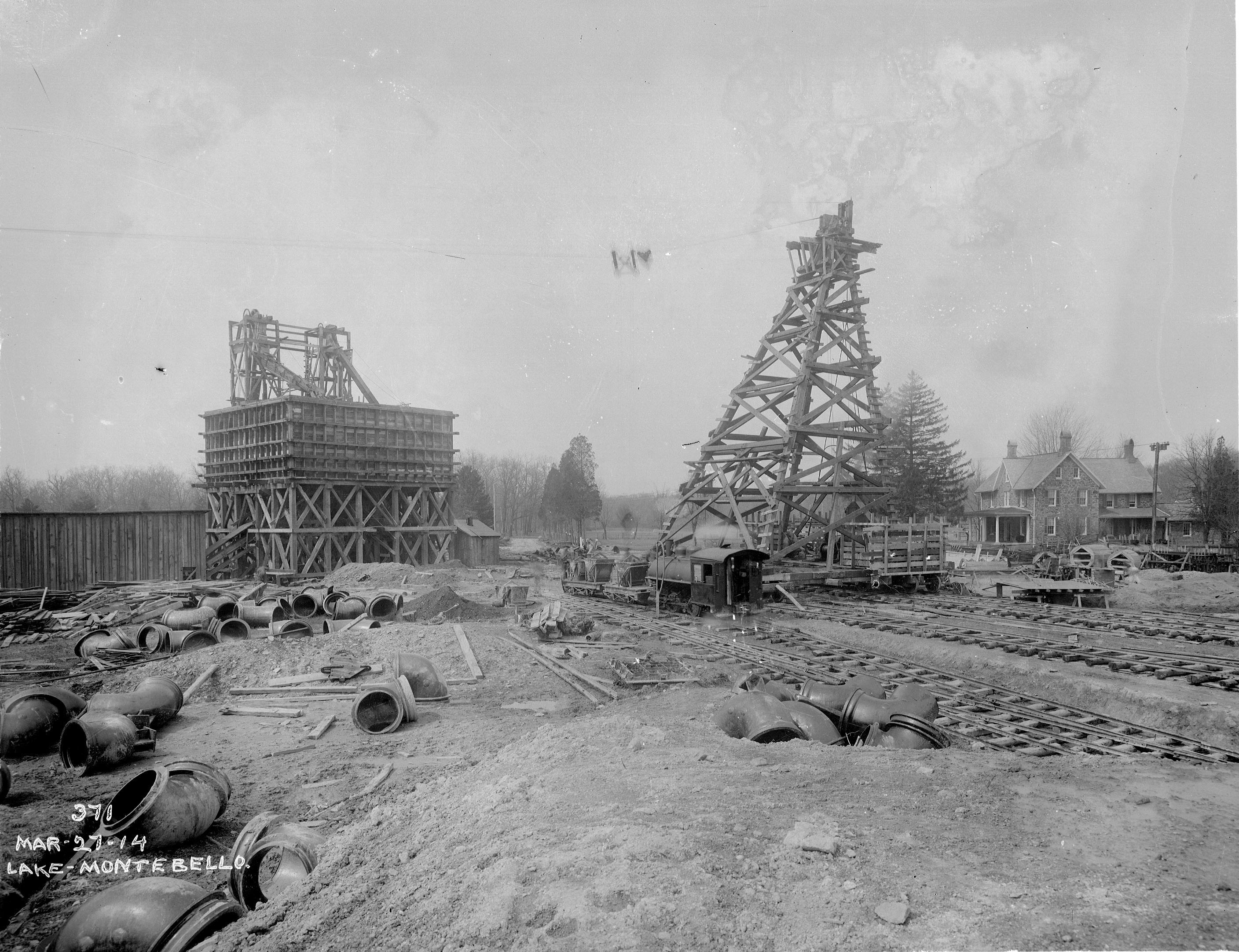
Turned out to be a set of train tracks from original construction 1913-1915.

As can be seen here, there were a lot of tracks laid for construction. These veer off to the right to hook up with the ones below.

In this photo, lower right is about where the tracks are that the contractor dug up. I told them they would have to suspend their work until I talk with the historical people – these may be the tracks that President Woodrow Wilson’s train was on during his visit when the plant opened in 1915. Not. Montebello Lake is in the background.

Patapsco SP, Avalon

22 Monday May 2017

Posted by Ronald Parks in Baltimore, Hiking, HISTORY, water history

≈ 2 Comments

Tags

Baltimore, bridges, engineering, Hiking, HISTORY, maps, mills, nature, photography, state park, water history

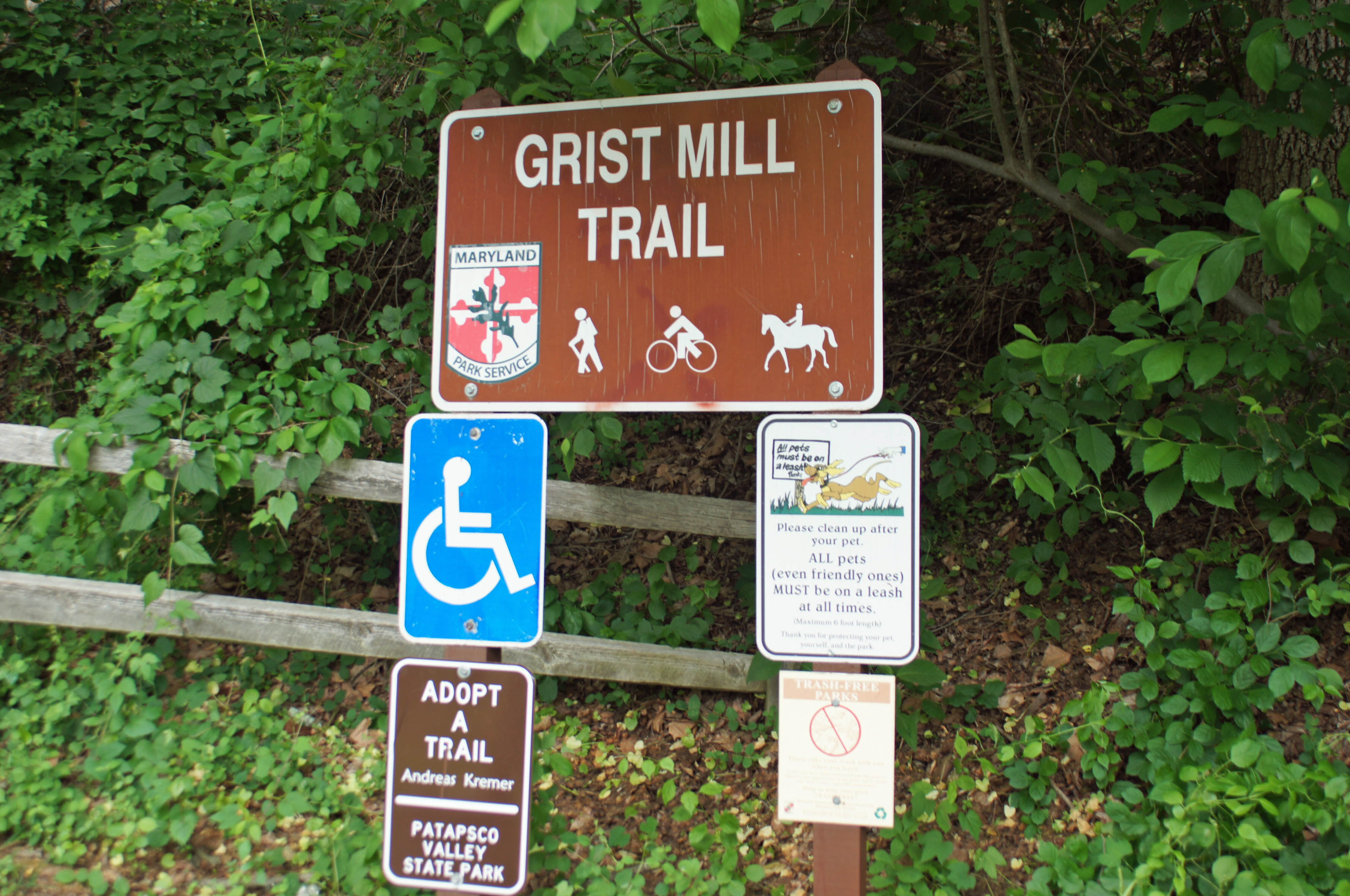
Due to the possibility of rain, we decided to go hiking at Avalon in the Patapsco State Park instead of going kayaking. I have a new phone app called All Trails which is pretty cool. It documents your hike.
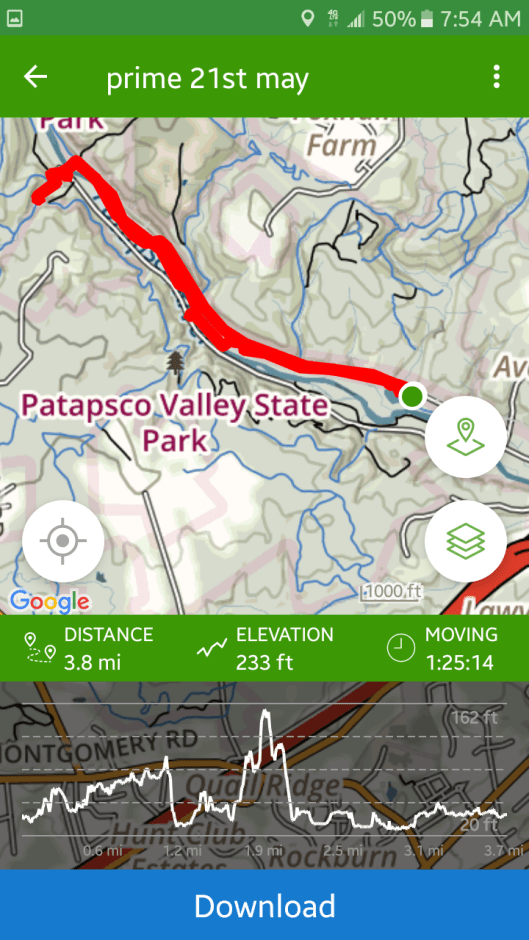
Although it says we were moving for 1 hour and 25 minutes, we were actually there for 3 hours. It does not record every time you stop to enjoy the sights, sounds and smells. That is indicated by the thicker line, where we deviated from the trail. Lots of honeysuckle out. The only thing I did not like about this hike was the amount of bikes flying through there. Some had bells, most didn’t.
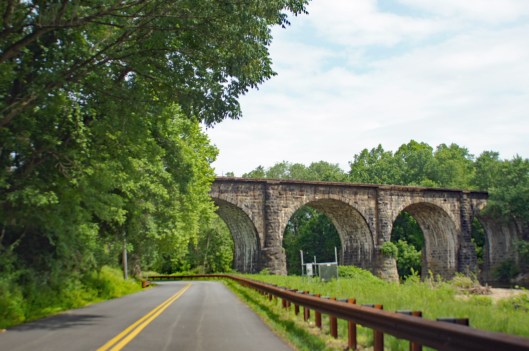
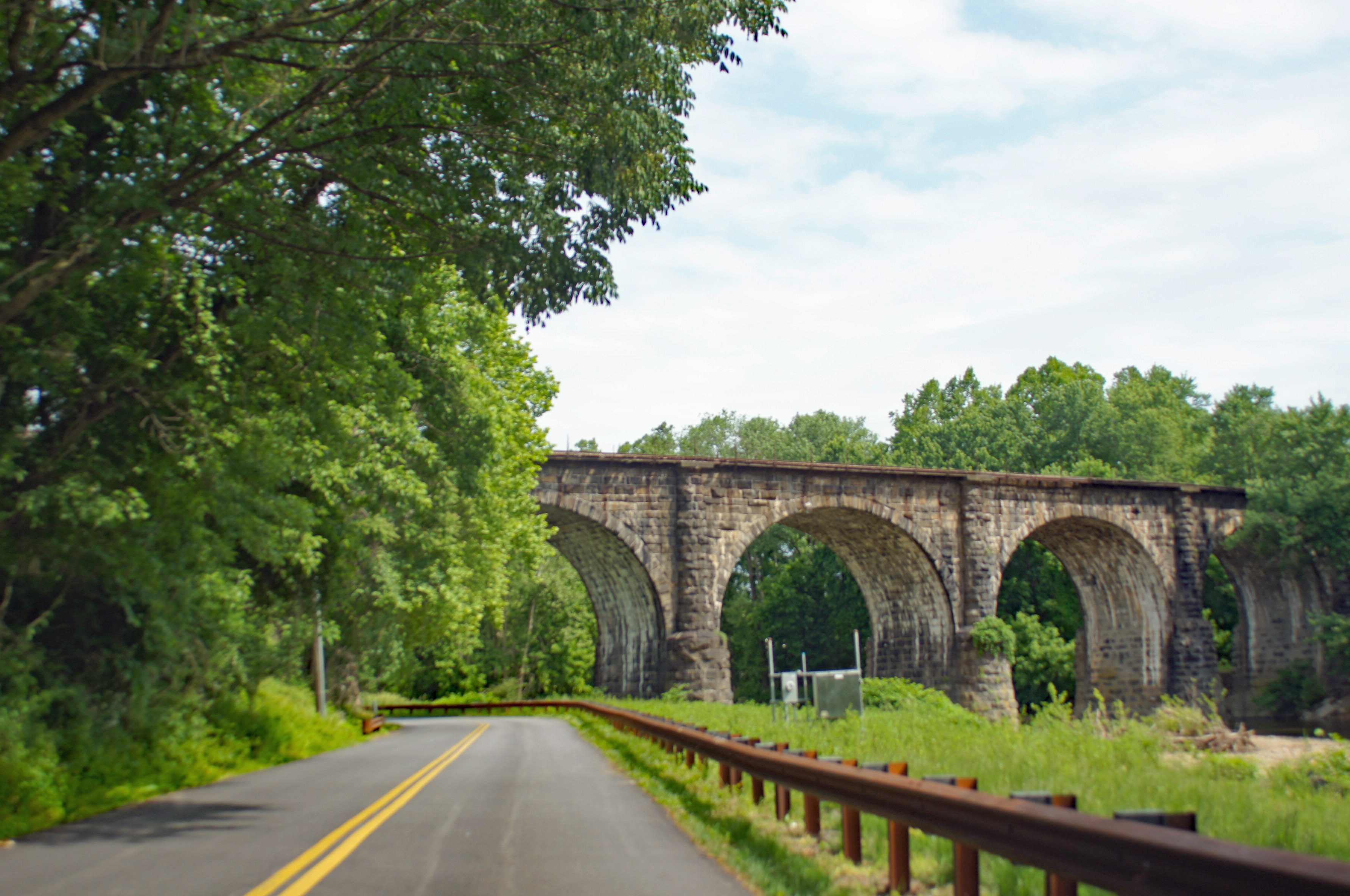
Entering the park, one of the first things you see is the Thomas Viaduct.
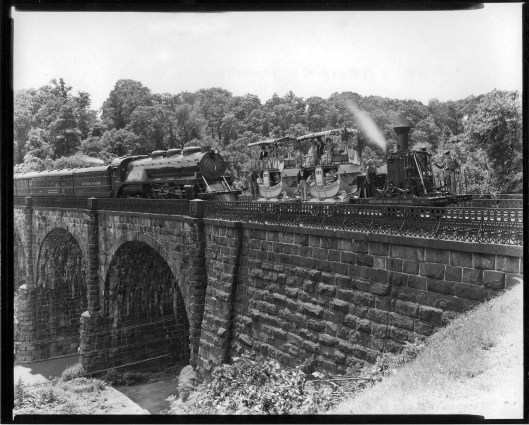
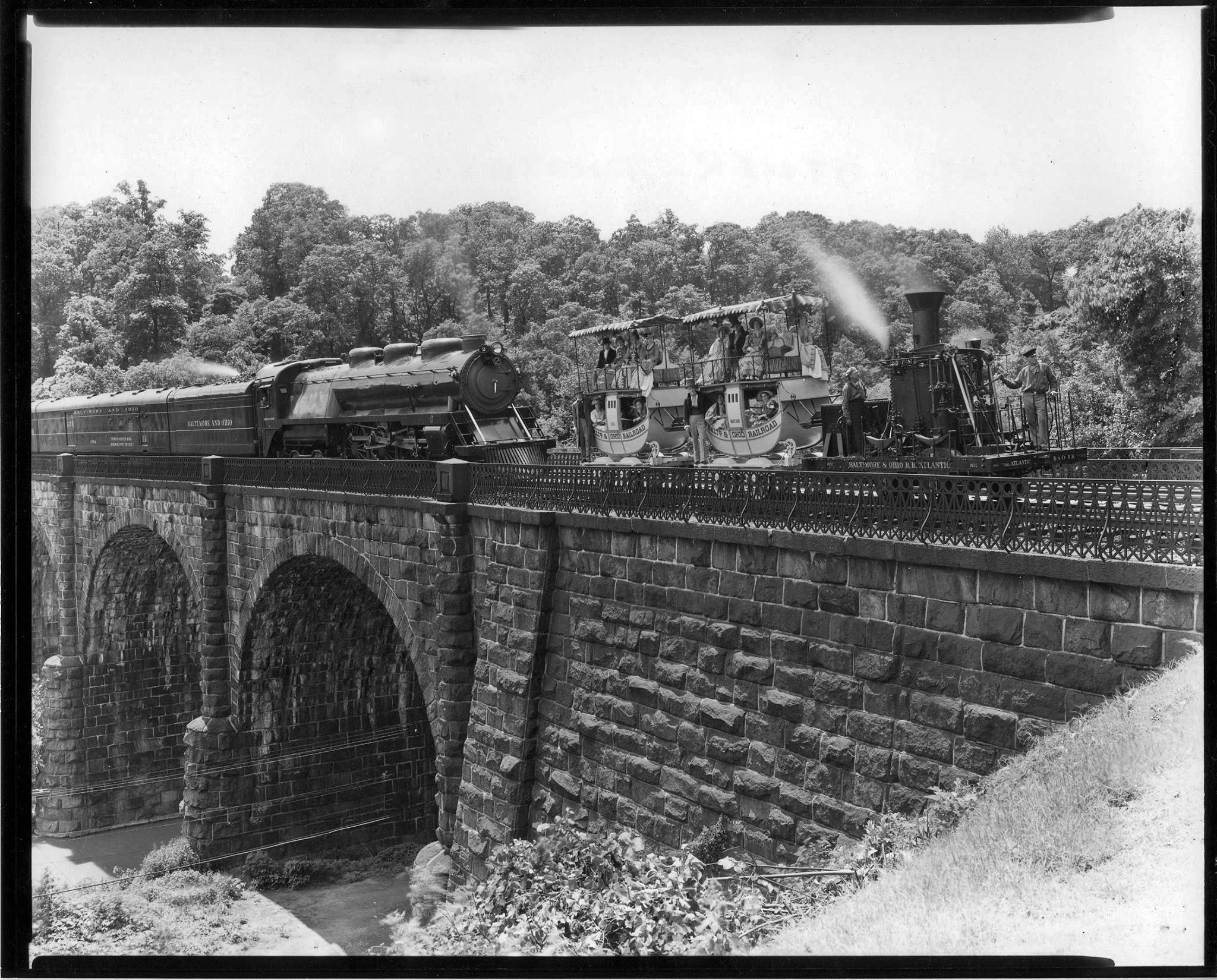
This photo is from the 1930s I believe (DPW Archives). It shows an older train and a newer one from that time.
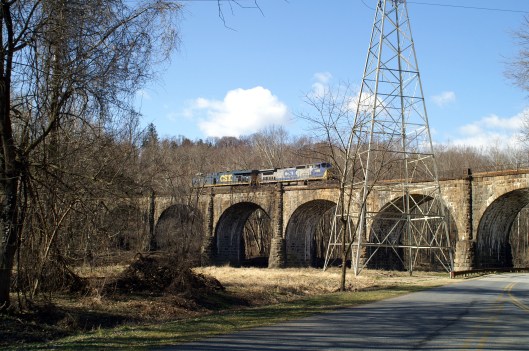
This photo I took 5 years ago, the last time I visited the park. Soon after this, my Konica Minolta camera would die on me. It was a good camera.
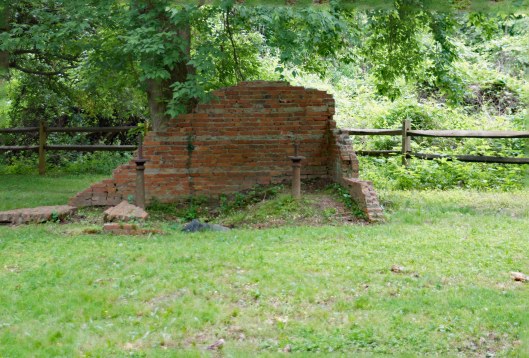
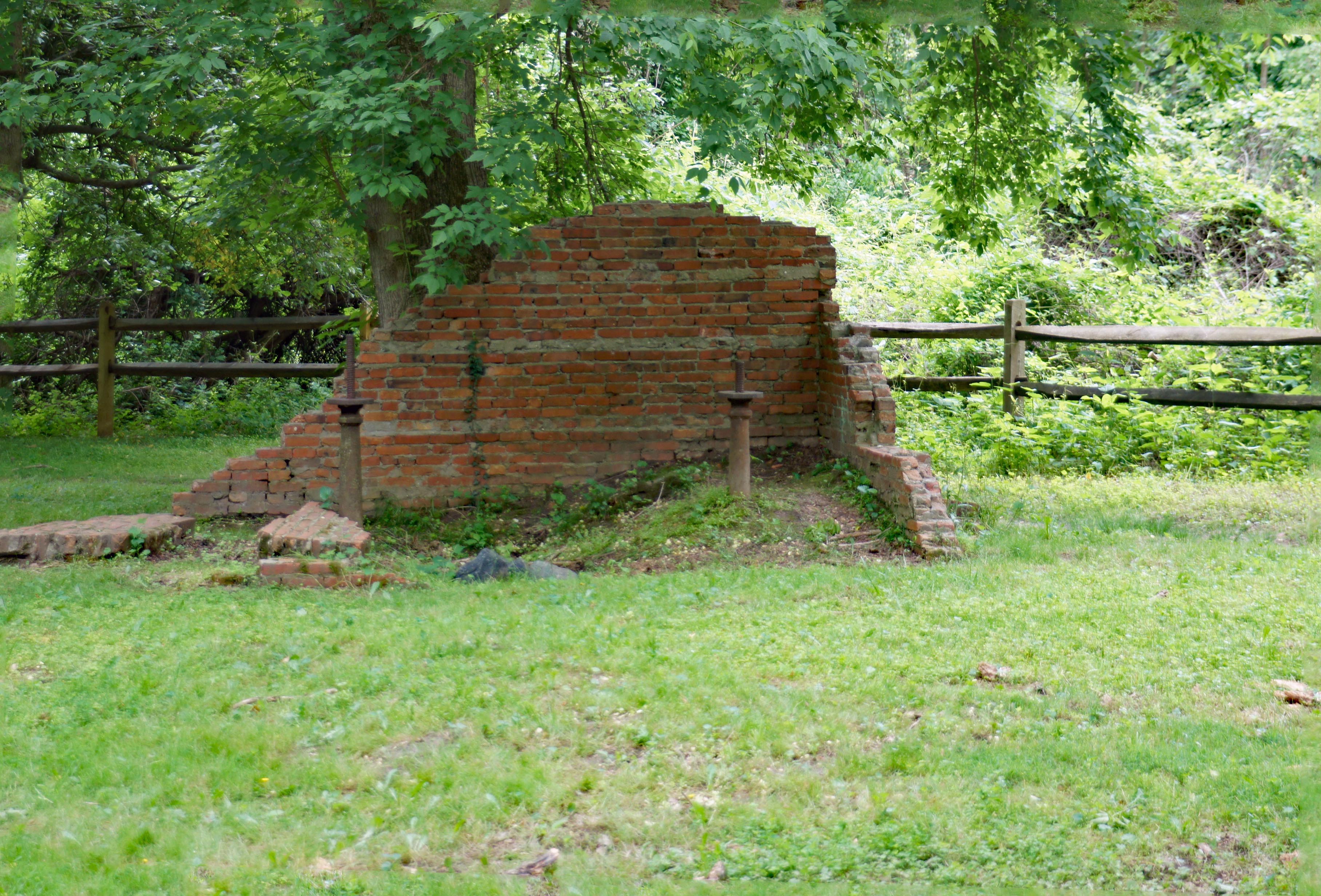
Of course I had to check out the old water works, or what is left of them. Here is some info on that:

On September 30, 1921, the City of Baltimore took over operation of the filters at Avalon. By the purchasing of the Baltimore County Water and Electric Company, the City received a dam and filtration plant on the Patapsco River at Avalon. After this, the filters at Herring Run, near Philadelphia Road, were abandoned and the sand taken to Avalon. Ten years later, the City stops using it.
Of interest is the following:
1923 Correspondence between Edward Rost (Mechanical Engineer), [V].B. Siems (Water Engineer), Edmund Budnitz (Federal Prohibition Director) and A. Bernard Siems (Water Engineer). Concerns sampling water at the Rockburn Branch (Patapsco River), Avalon Pumping Station for pollution caused by illicit liquor still smashed up by Government agents. How the Feds destroyed it and dumped it into the stream, causing the contamination. Excellent description of how the still was built and operated: They built a small dam with a hand pump for water, pumped through a rubber hose and iron pipe to twenty-seven wooden boxes made of pine, made water tight with muslin. They also had a vertical high pressure steam boiler. Scattered around were half gallon mason jars, corn meal and liquid mash. It was suggested by Siems that the mash be hauled away to a local farmer’s manure pit. A follow up letter to the feds by Siems asking that they clean up the corn mash they dumped everywhere, which is still contaminating the stream.
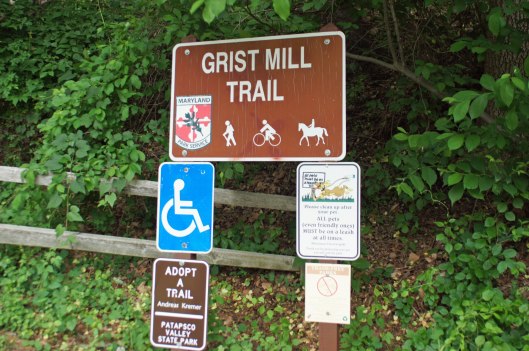
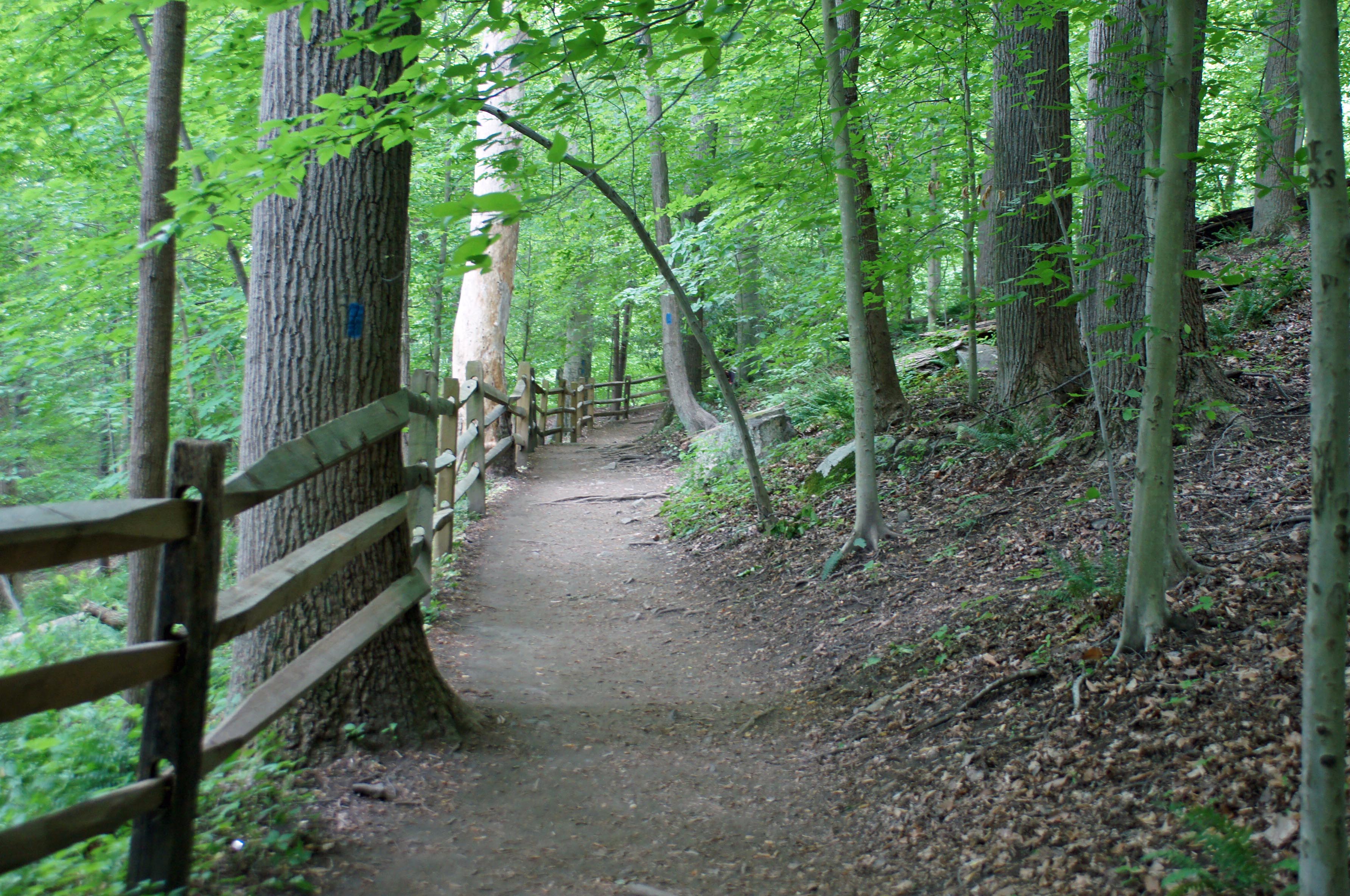
One of the many trails. According to All Trails, there are over 20 miles of trails here.
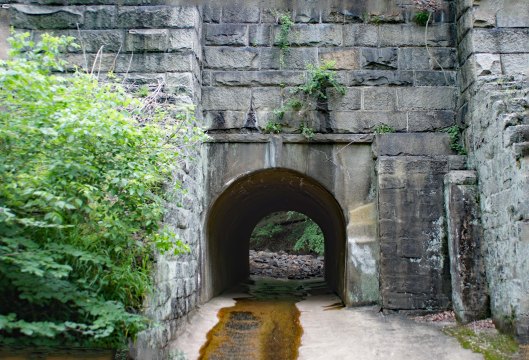
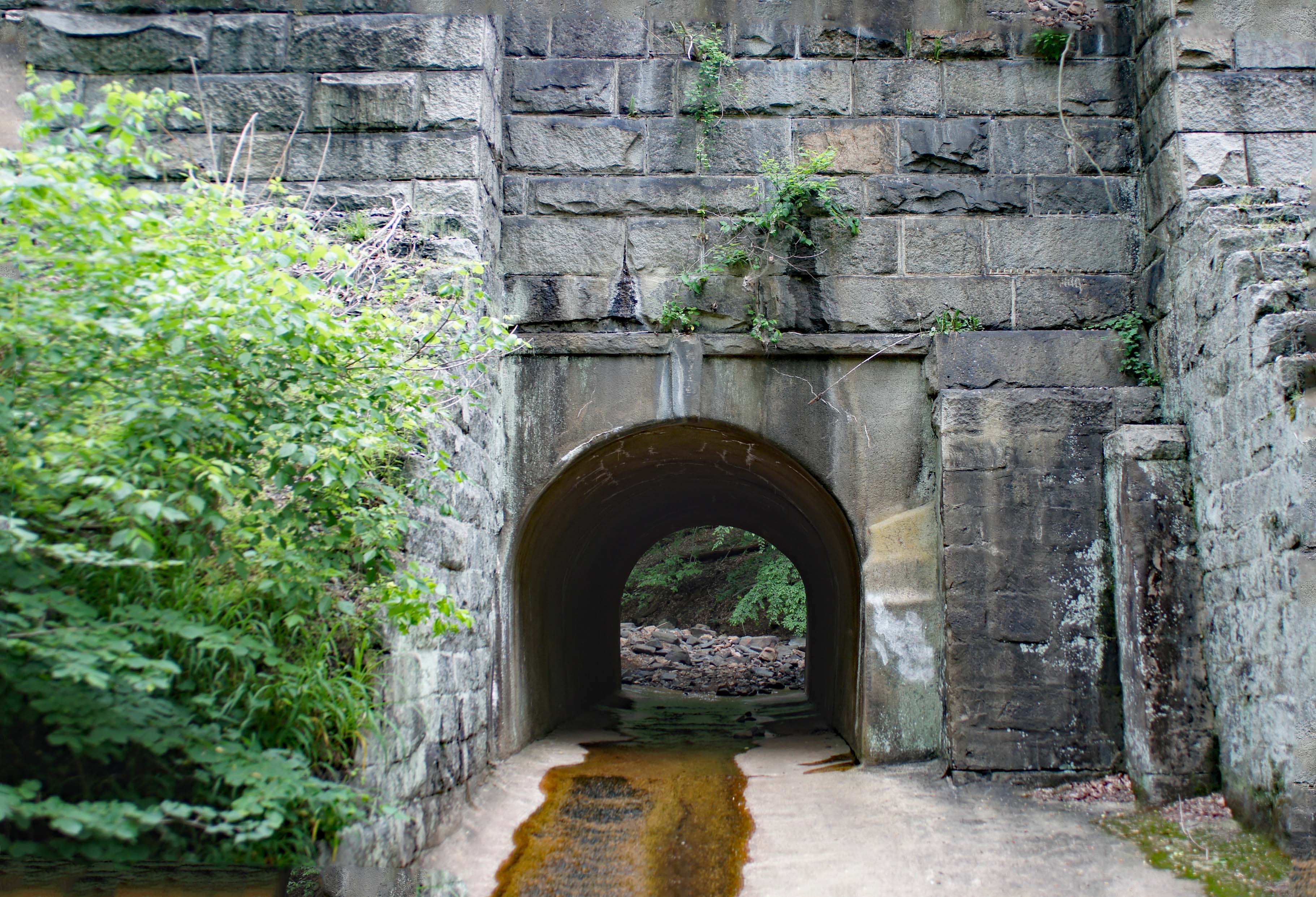
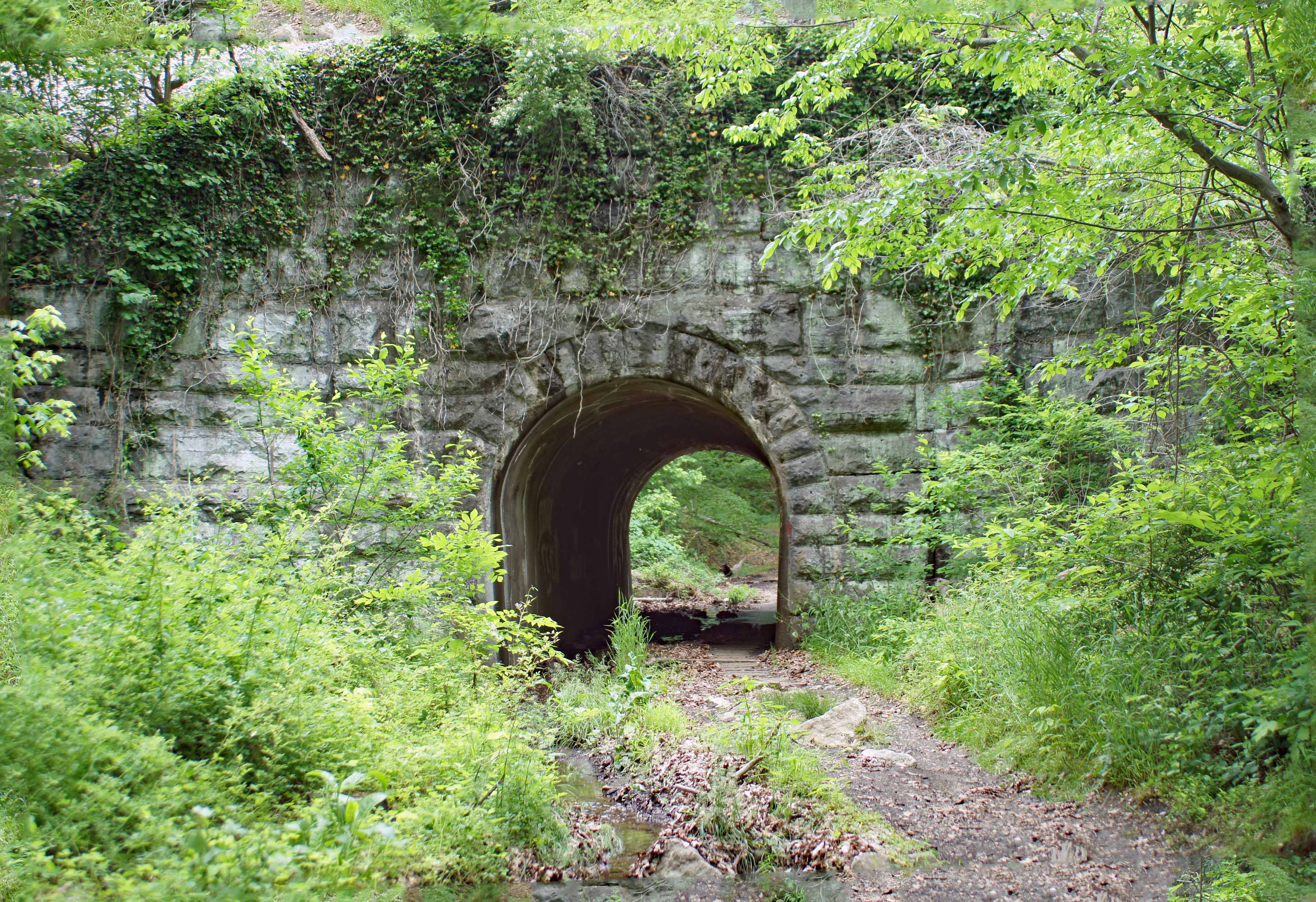
Tunnels to the other trails.
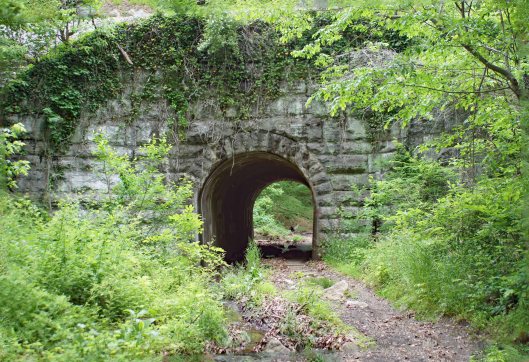
Another one.
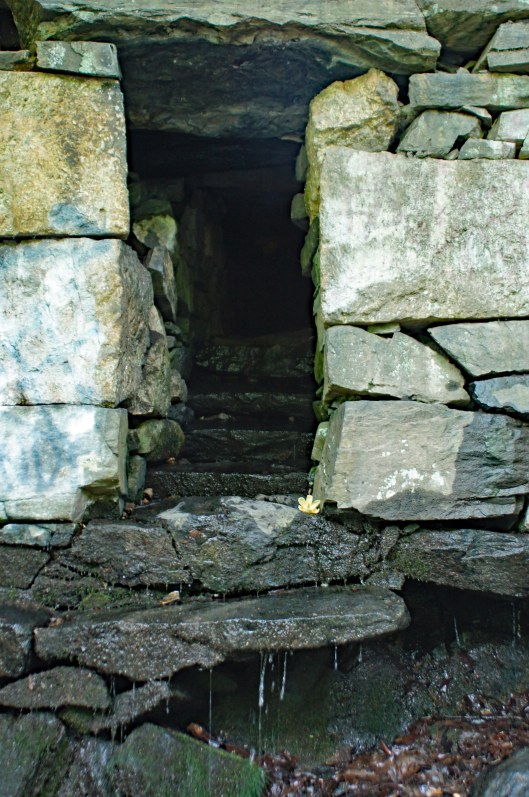
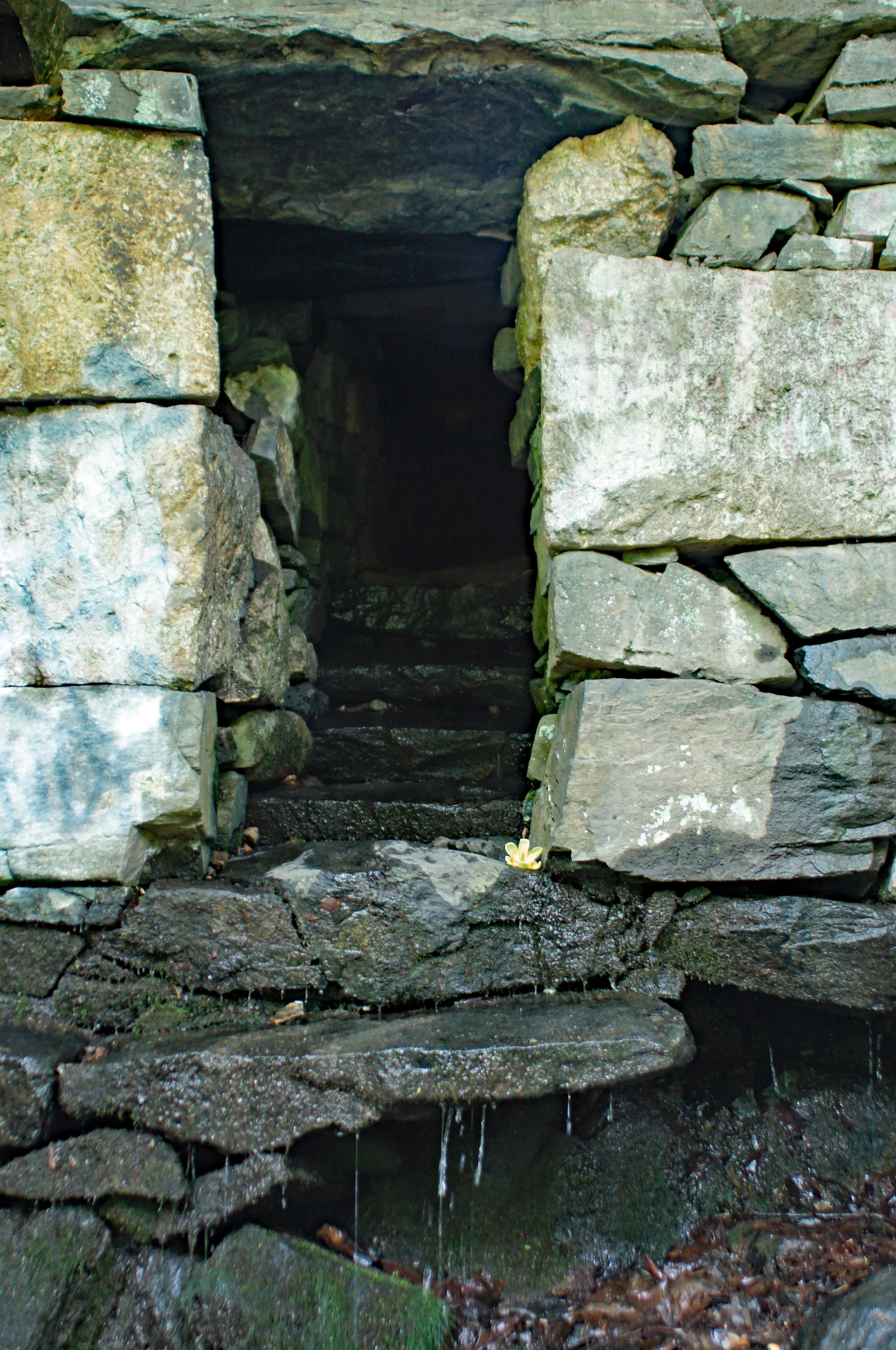
Besides the tunnels to the other side of the train tracks, there were many storm drains. This one had a Tulip Poplar Tree flower. Fell right in place for all to enjoy.
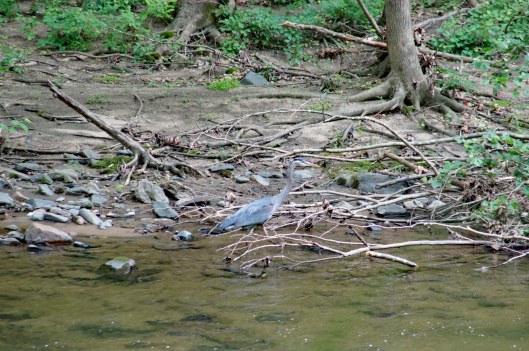
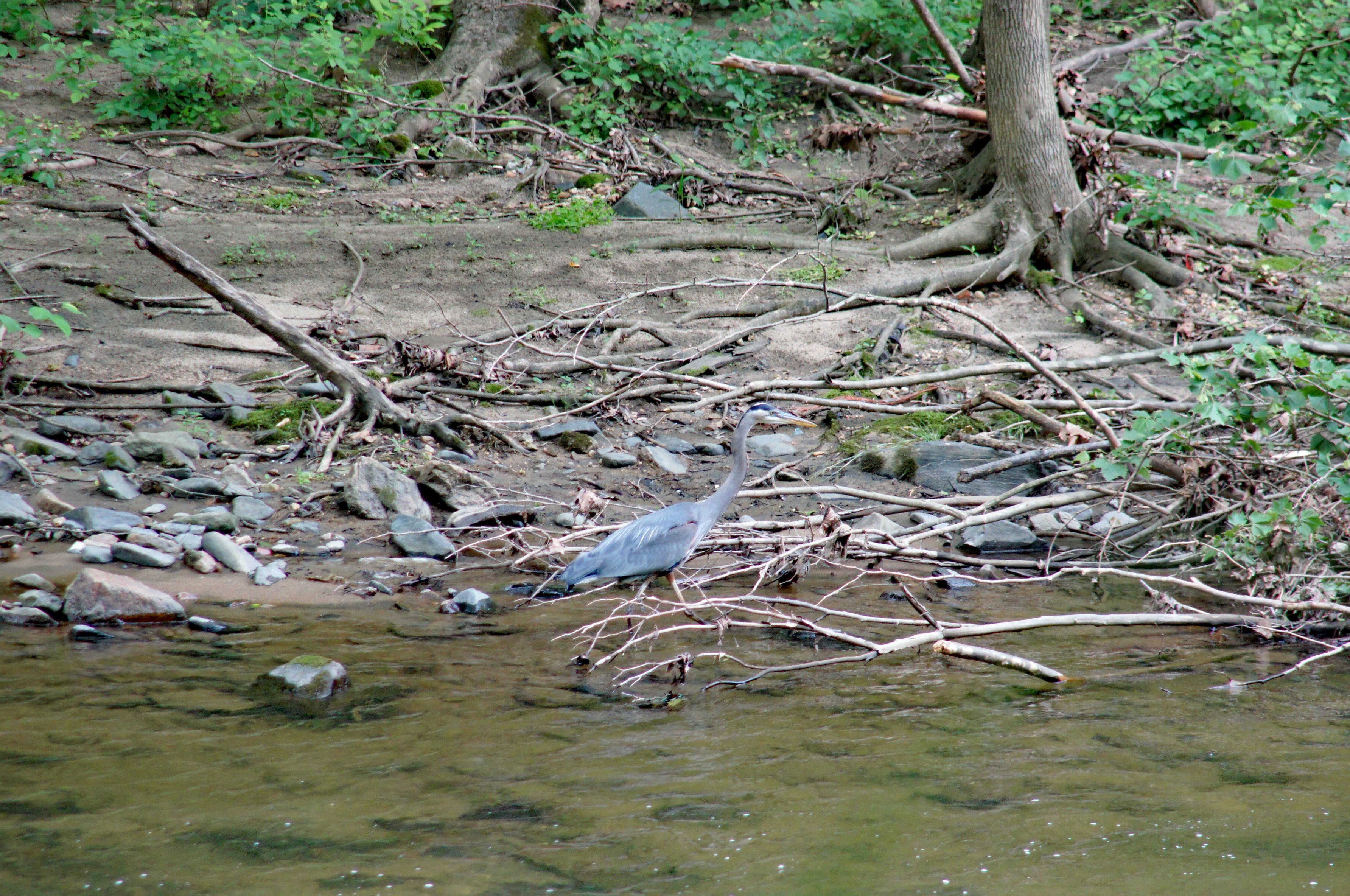
One of our off-trail forages to the river, we came across this guy. There was also an osprey and maybe an adolescent eagle.
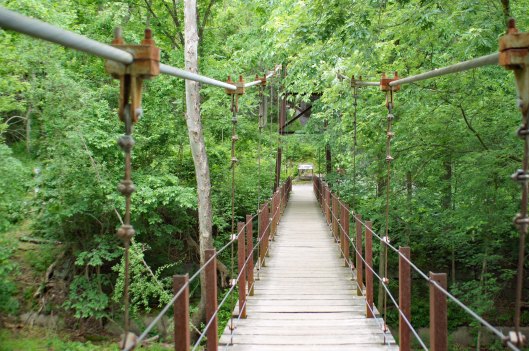
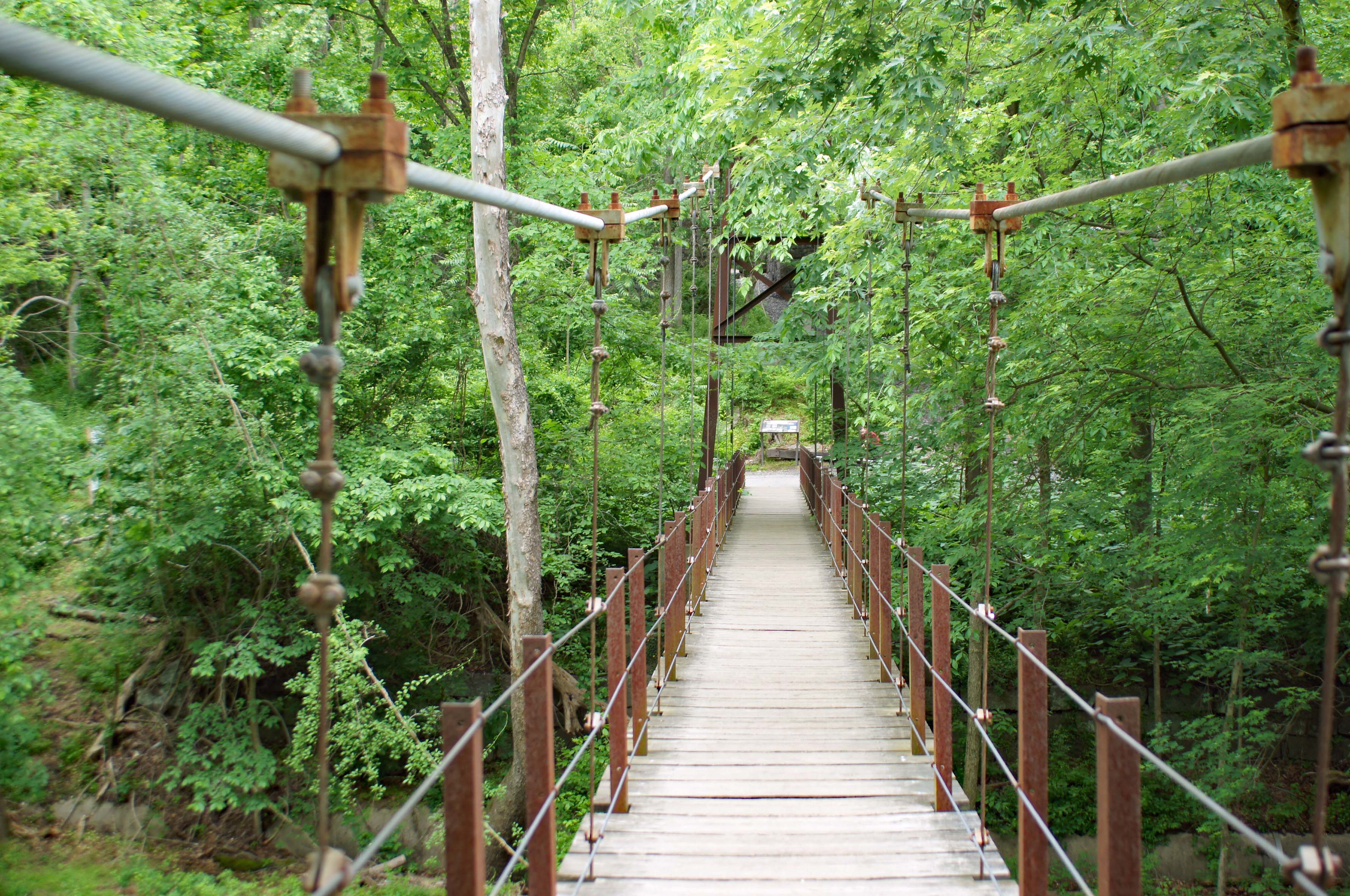
Up stream a ways is the swinging bridge. I could swear that when I was young, this bridge was made of rope and wood and it really swung. Now it just kind of bounces.
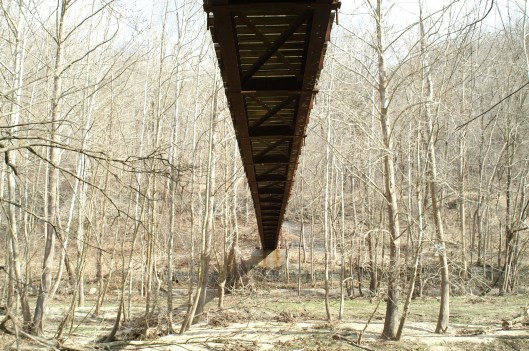
Five years ago. It was pretty clear under the swinging bridge.
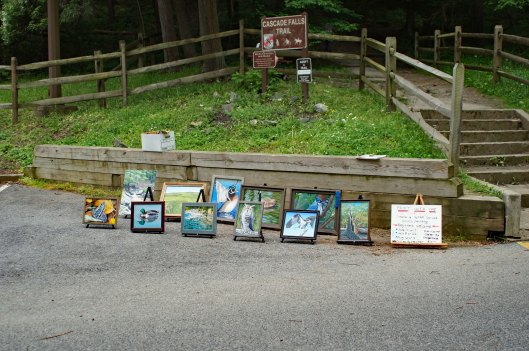
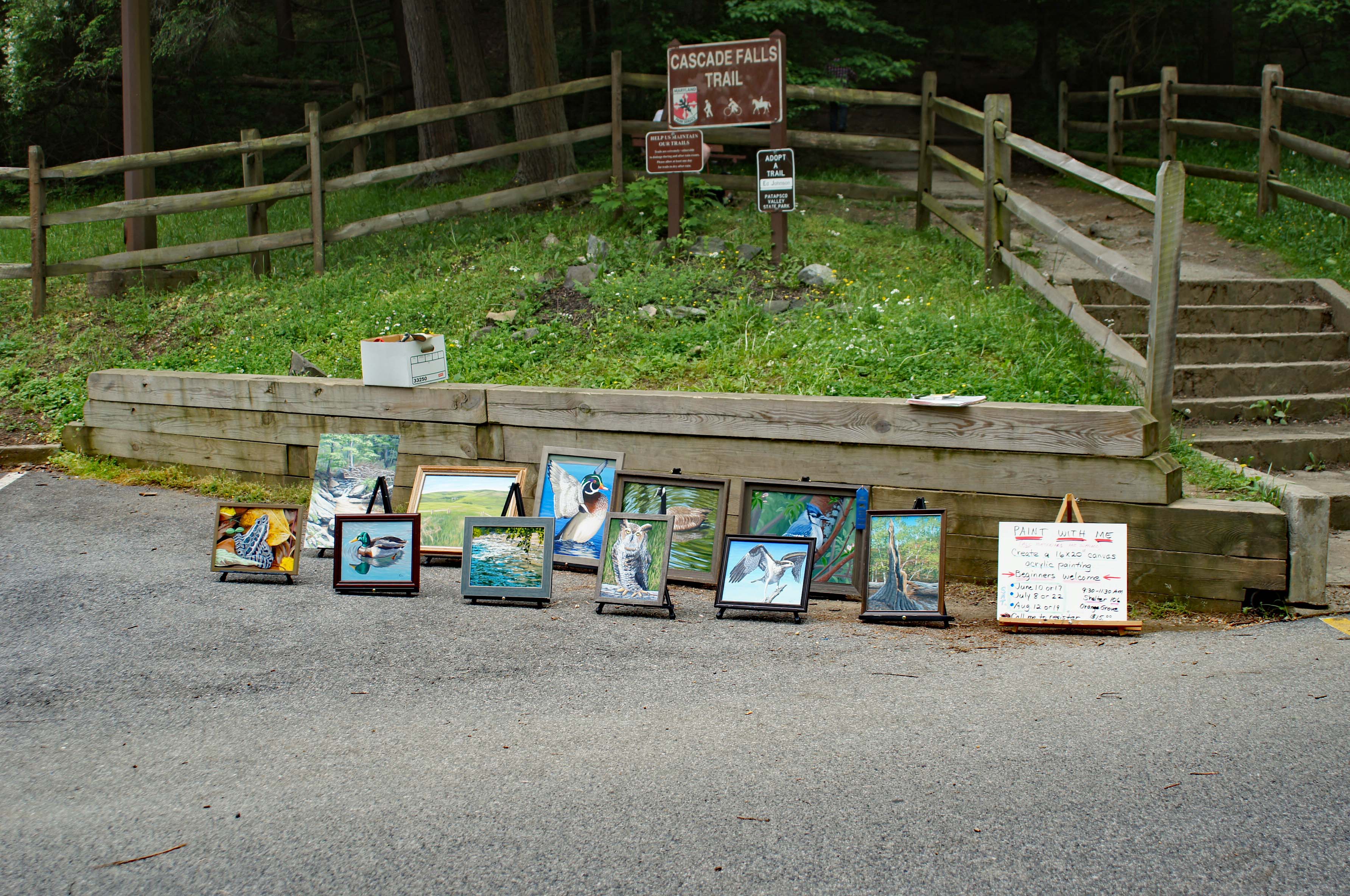
Plein art at the entrance to Cascade Falls.
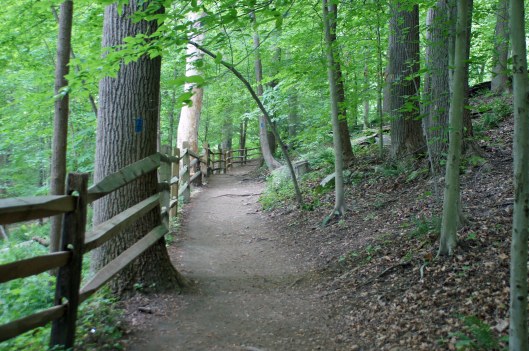
Well worn trails.
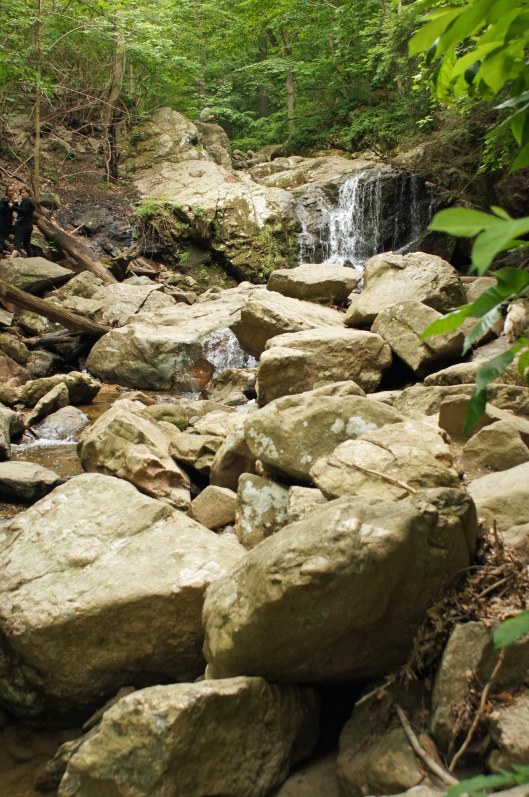
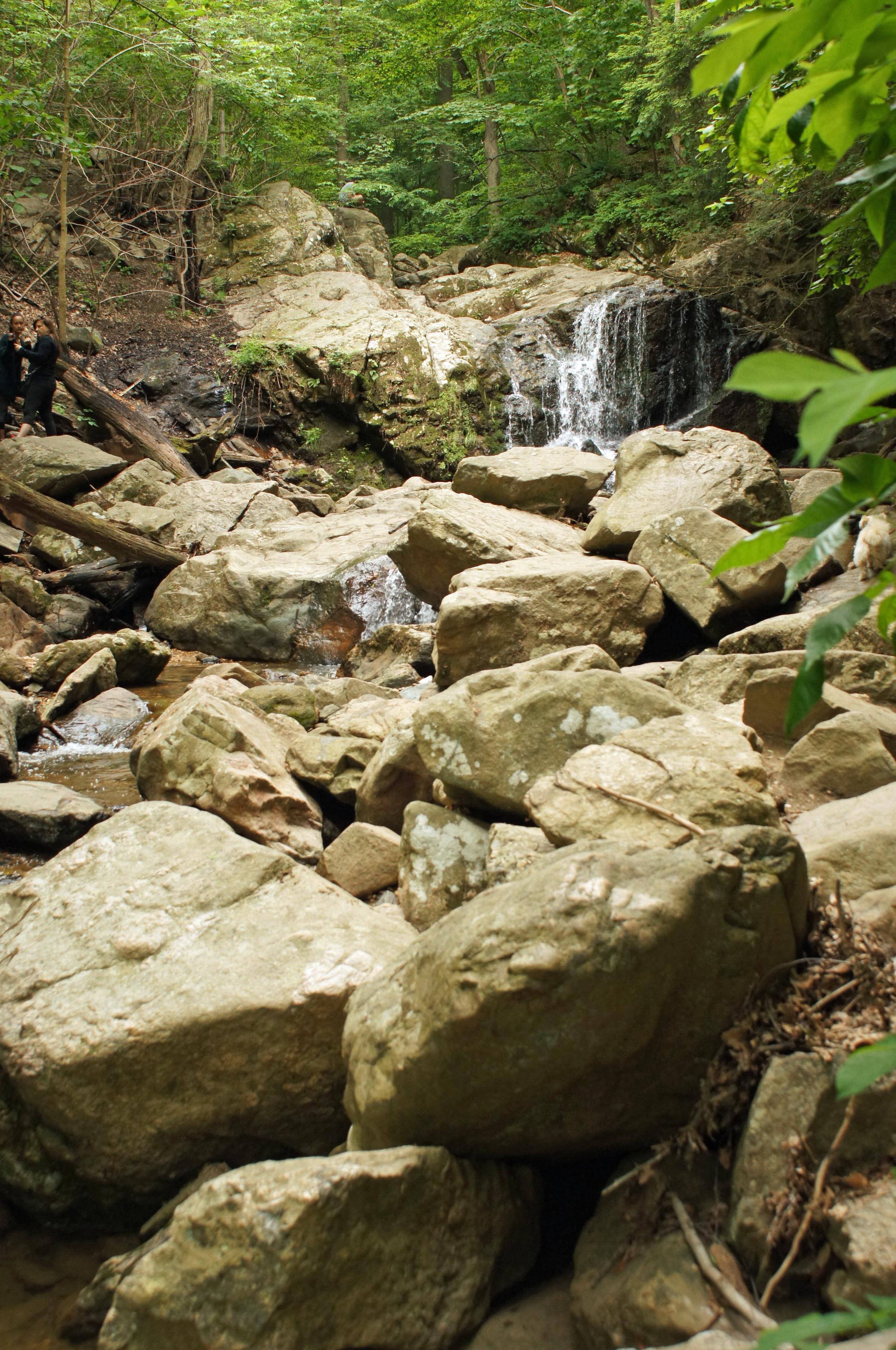
The lower portion of the falls.
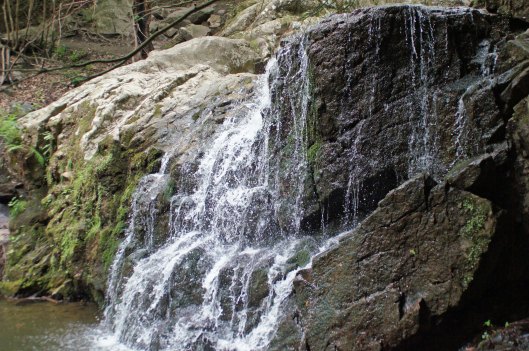
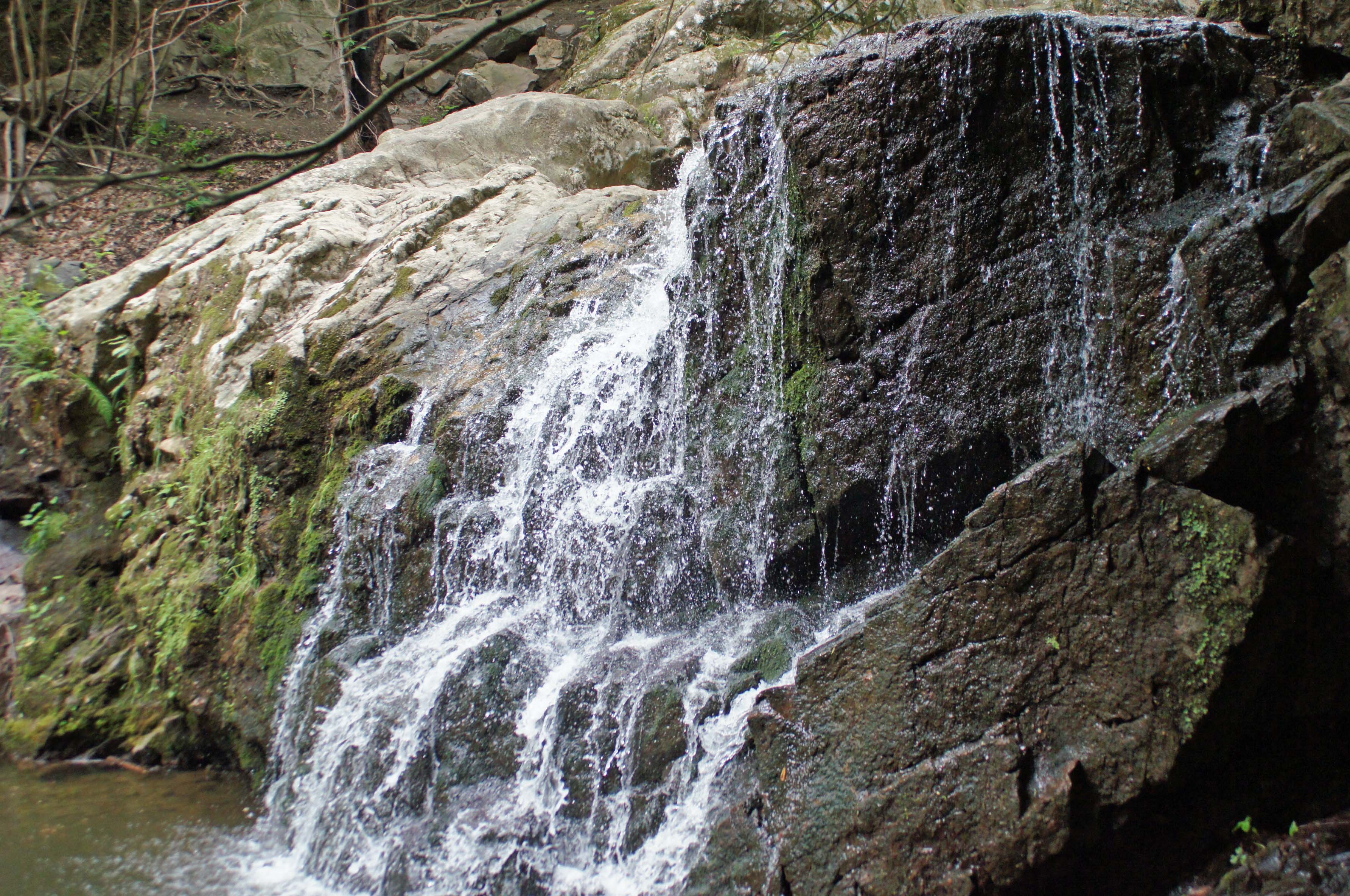
Cascade Falls.

Kathy contemplating the sights and sounds of the falls. Molly contemplating how to get off that log and back to land.
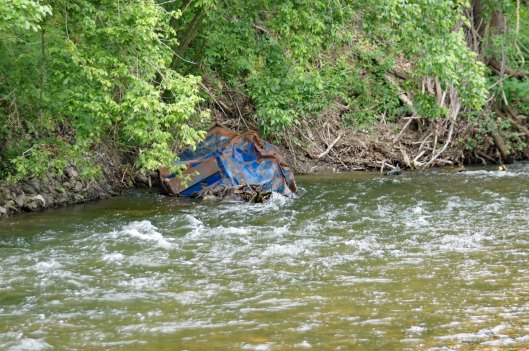
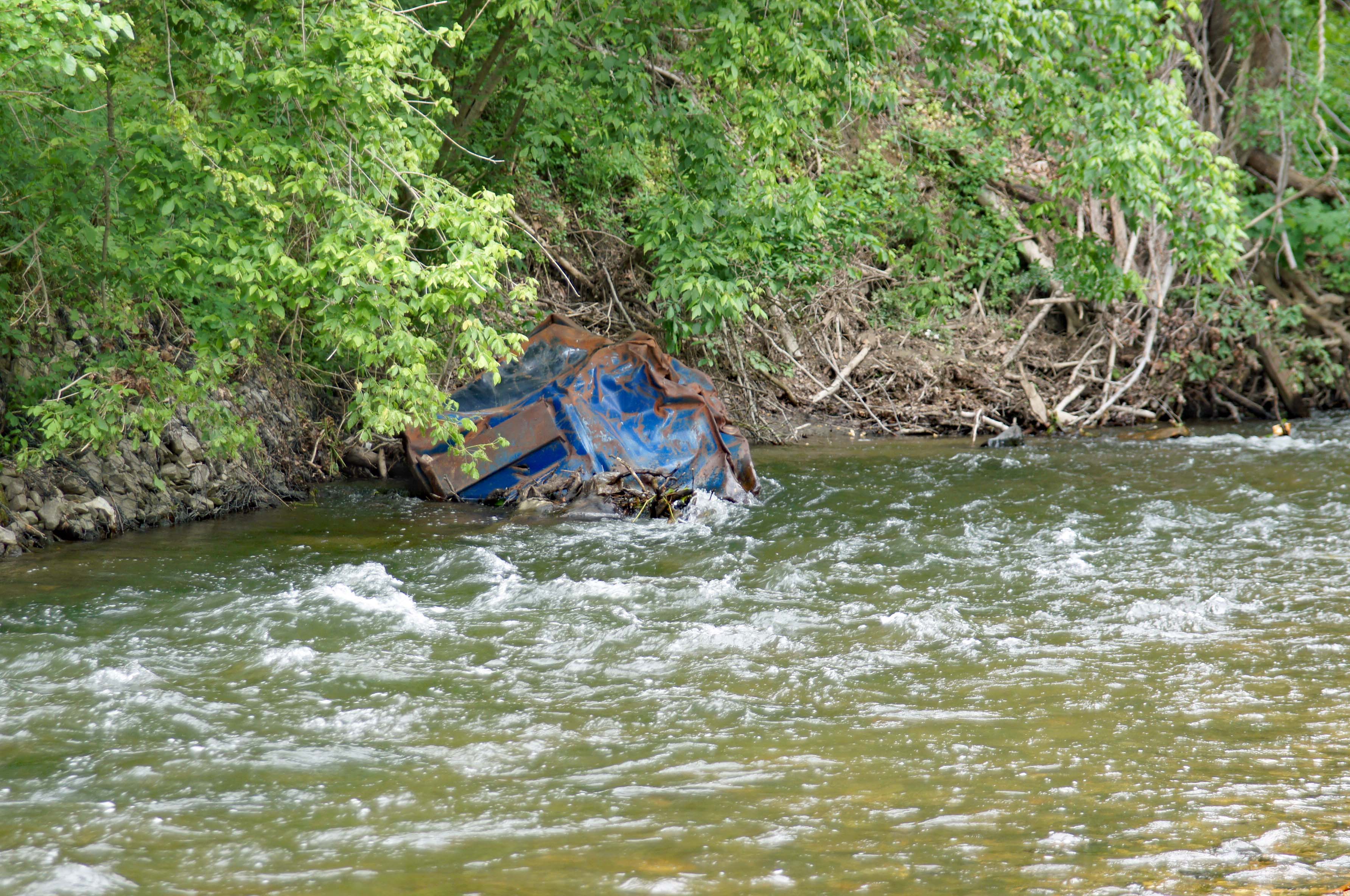
Heading back, following the river instead of the trail. Dumpster?
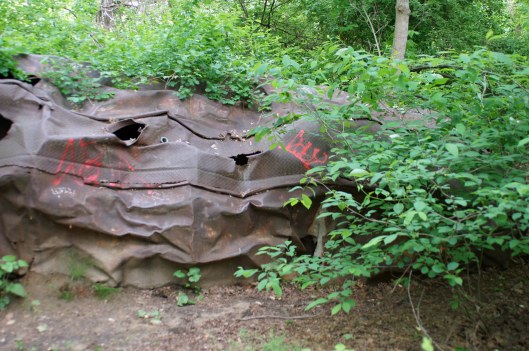
Had trouble finding this guy. An oil tanker that was washed away during Hurricane Agnes, 1972.
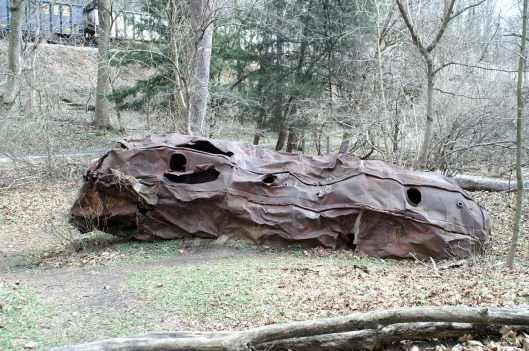
This is 5 years ago. So only recently did they (Park people) allow it to get so overgrown. There is a historic marker on the trail – The Forces of Nature.
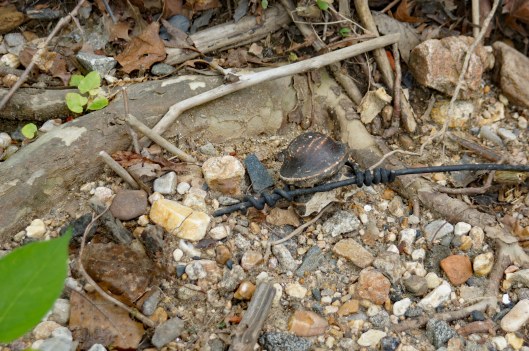
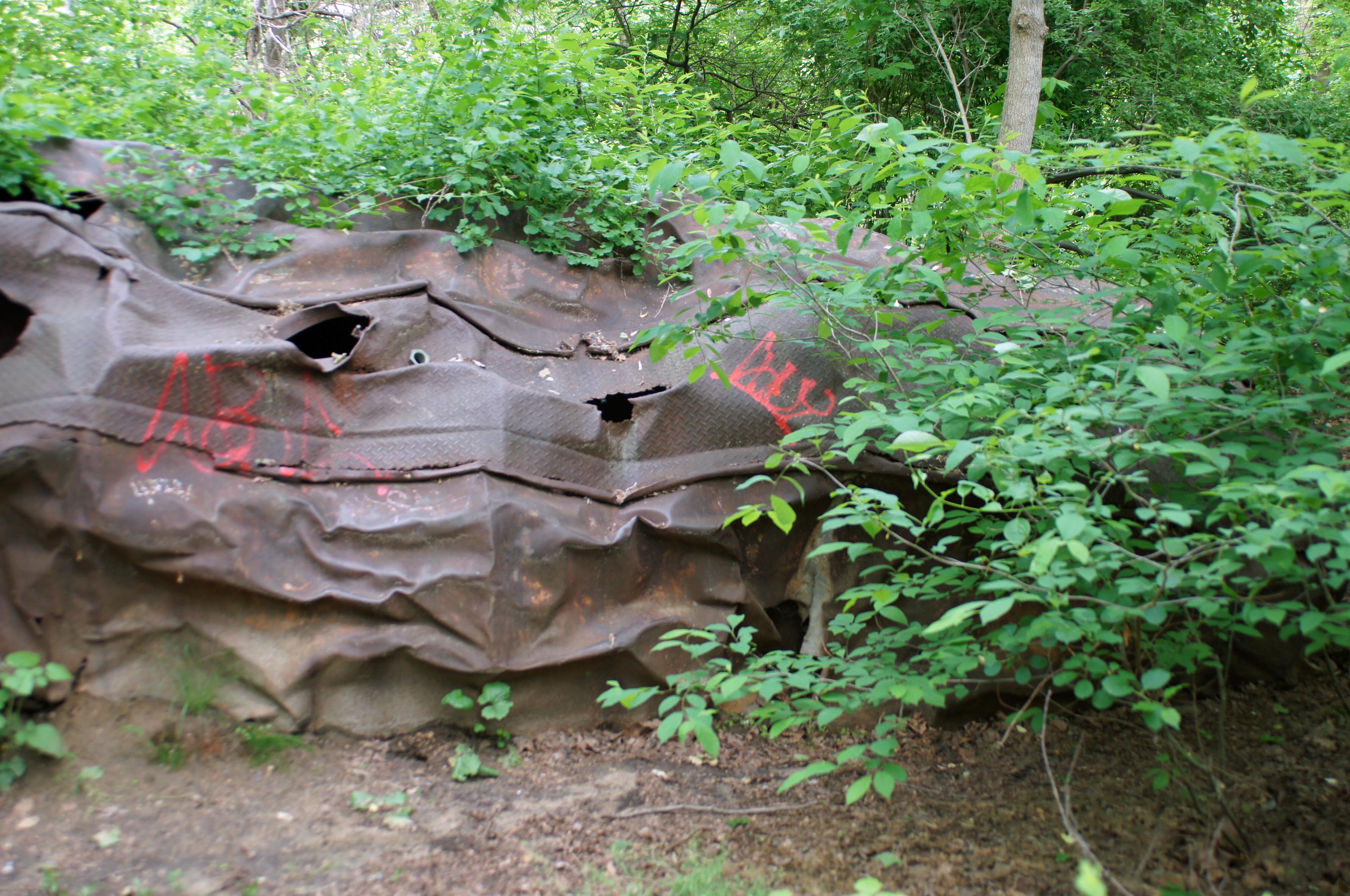
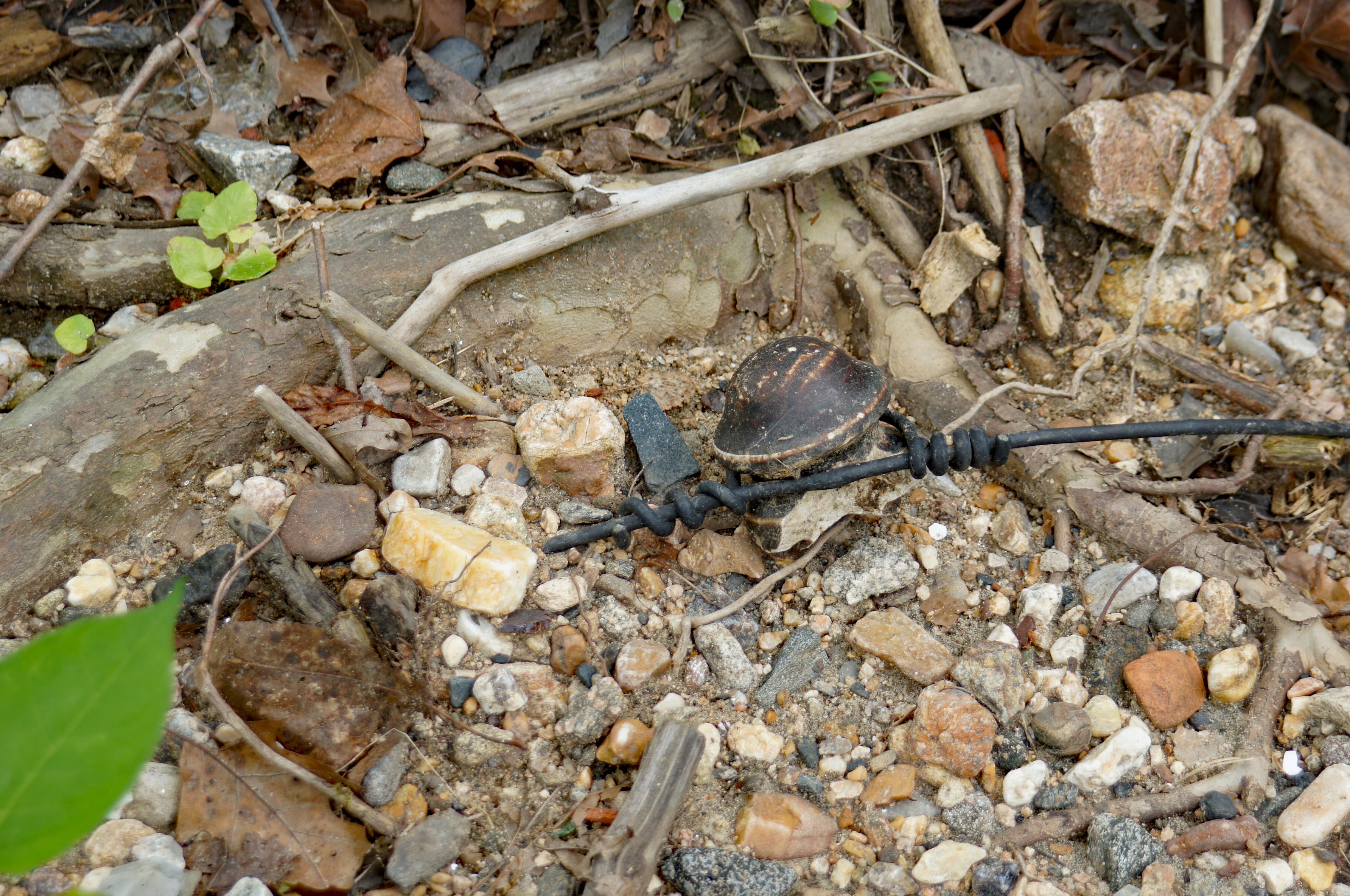
Walking along the river, found a lot of Sea Glass – actually I guess it is river glass. Also there was an electrical insulator. Found some really nice glass and porcelain. (Kathy found most of it)

A nice day and a wonderful hike. Five years ago I did this hike by myself. It is nice to have someone with me, to enjoy this.

Random Archives

04 Thursday May 2017

Posted by Ronald Parks in Baltimore, HISTORY, Sewage History

≈ Leave a comment

Tags

Baltimore, baseball, Democrats, Latrobe, mayor, plumbing, POLITICS, Public Works, Research, Sewage History, stadium, water history

Sorting and documenting more archives from the DPW Museum.

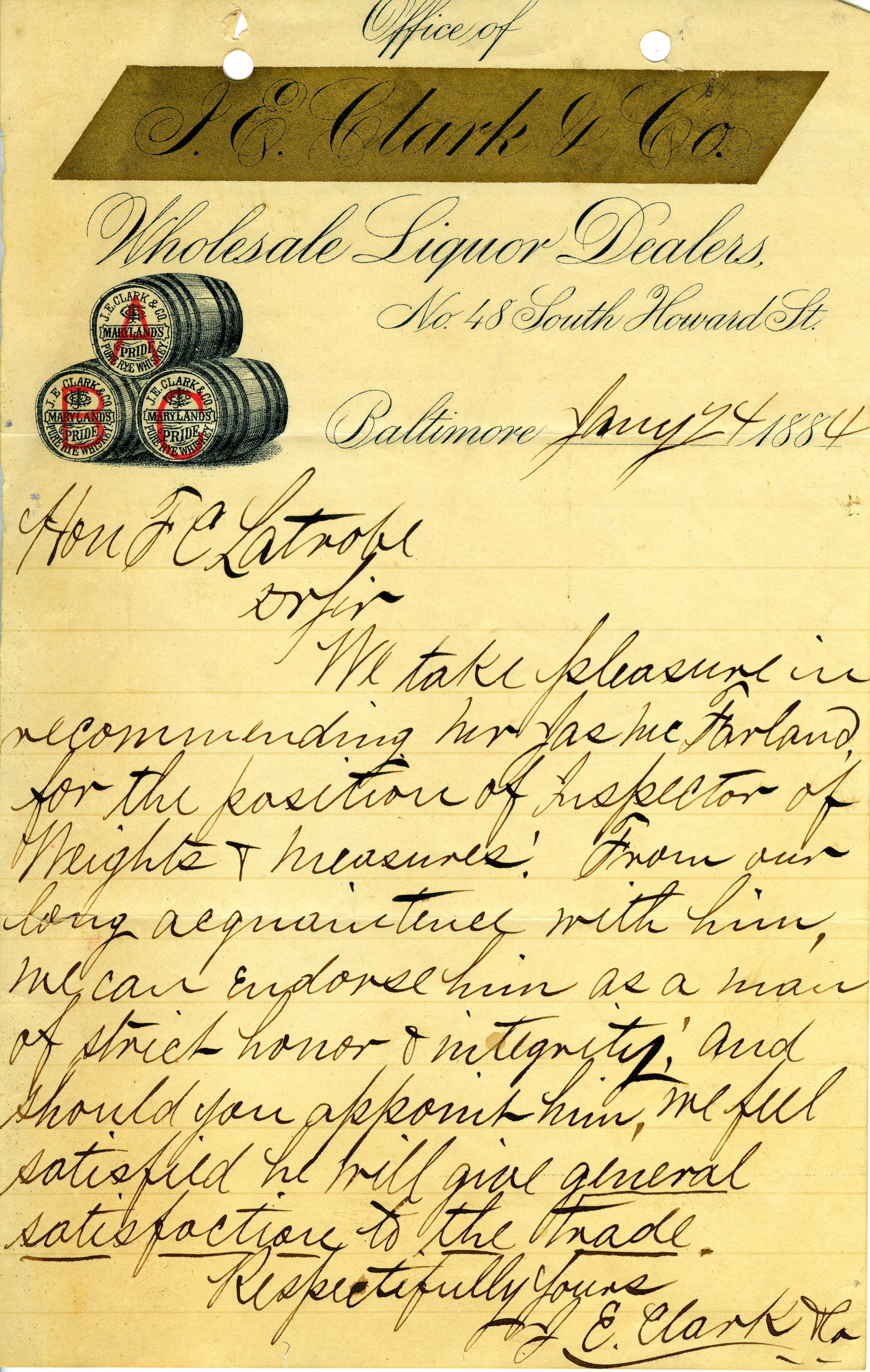
January 24, 1884 Letter from the office of J.E. Clark & Co., Wholesale Liquor Dealers, No. 48 S. Howard St. Baltimore to Hon (Honorable) (Mayor) F.E. Latrobe: Dr. (Dear) Sir, We take pleasure in recommending hon (honorable) Jas. McFarland for the position of Inspector of Weights and Measures! From our long acquaintance with him, we can endorse him as a man of strict honor & integrity and should you appoint him, we feel satisfied he will give general satisfaction to the trade. Respectfully Yours J. E. Clark & Co.
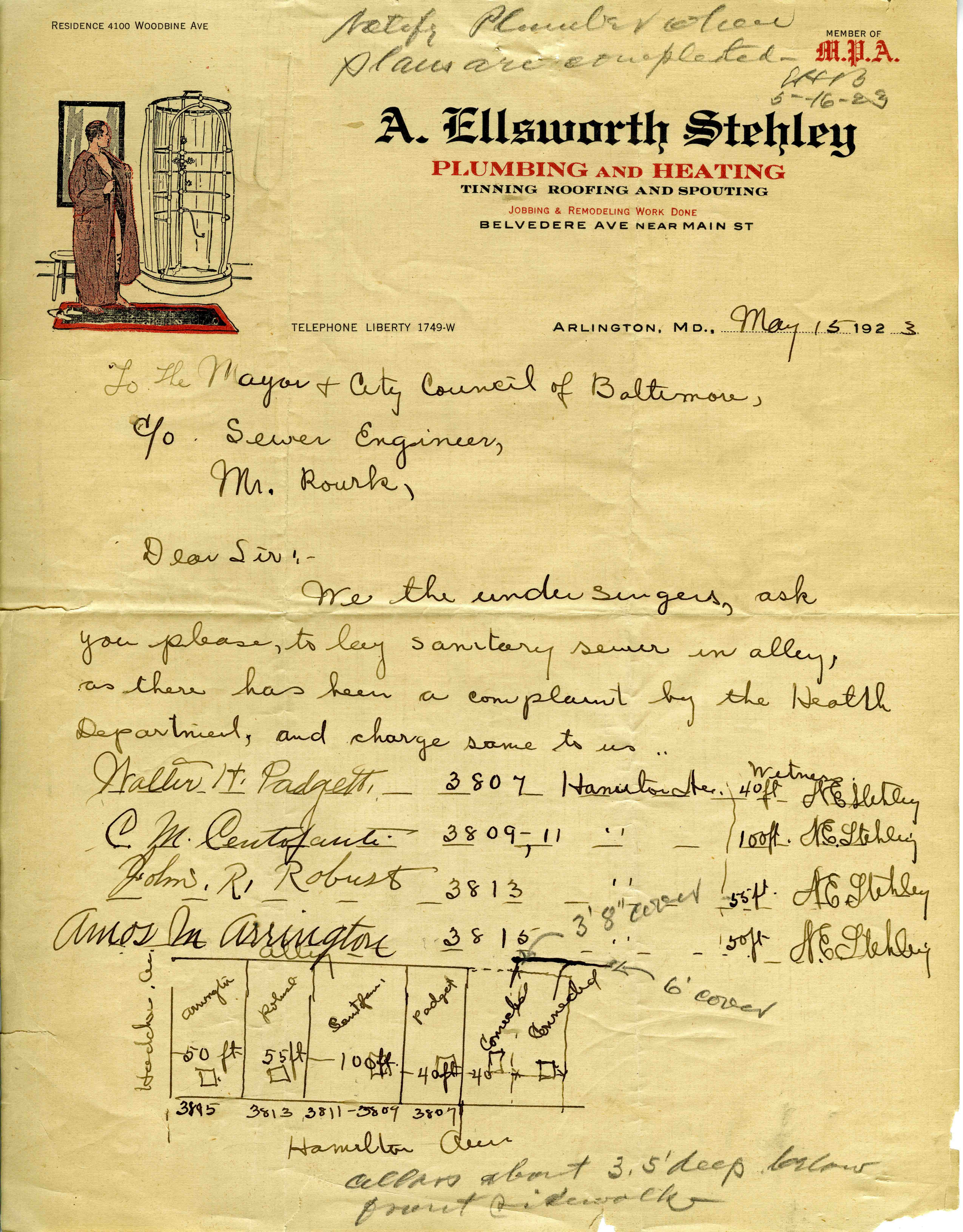
May 15, 1923 Letter from Stehley Plumbing to the Mayor and the sewerage engineer Ruark asking for a sanitary sewer in the alley, houses along Hamilton Ave. and ? (Where Remmell Ave. is now)(Not sure if initials in upper right are Mayor Broening’s? Note says to notify plumber when plans are completed).

I looked on a few maps and still cannot find the name of the intersection that 3815 Hamilton Ave. was at back then. Someone once asked me when did Northeast Baltimore get a sewer system? It was about this time.

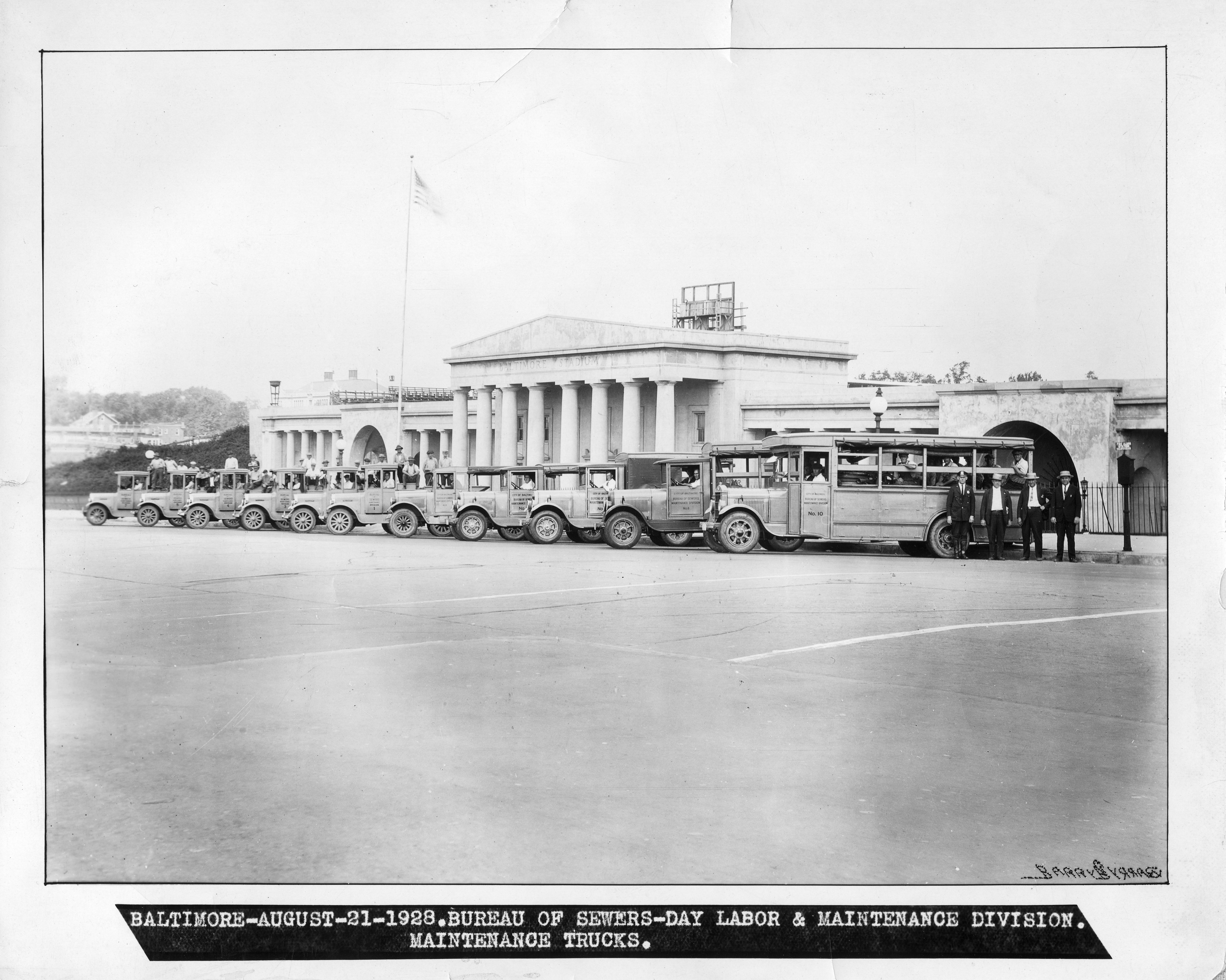
A photo I posted on Facebook a couple years ago, showing Sewerage Maintenance trucks and workers back in 1928, parked in front of the Baltimore Stadium.

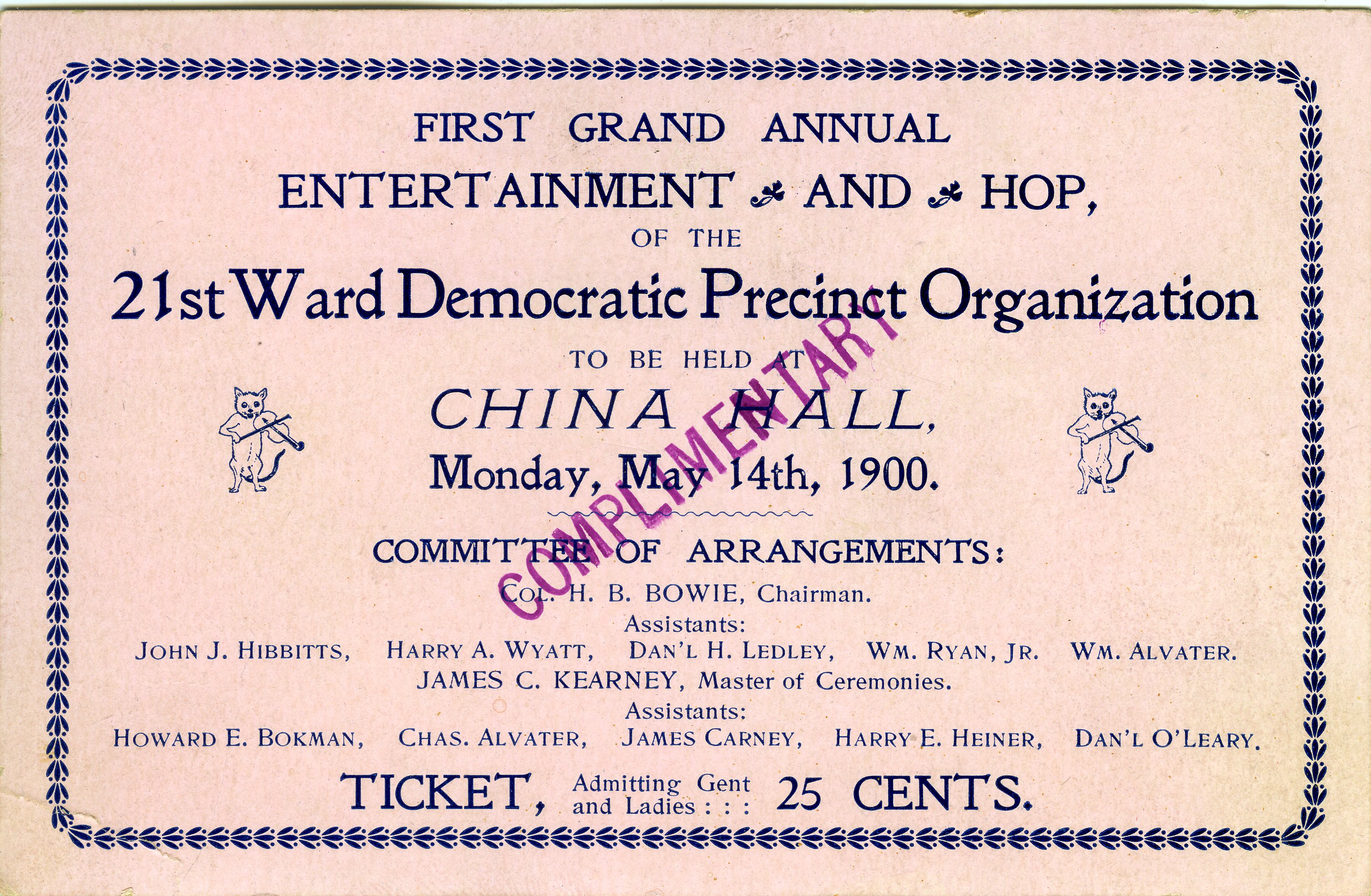
Democrats doing the Hip-Hop back in 1900! I looked up the 21st District to see where the China Hall was located. Found China Alley but no Hall.

National Aquarium, Baltimore

26 Wednesday Apr 2017

Posted by Ronald Parks in Aquarium, Baltimore, Photography

≈ 4 Comments

Tags

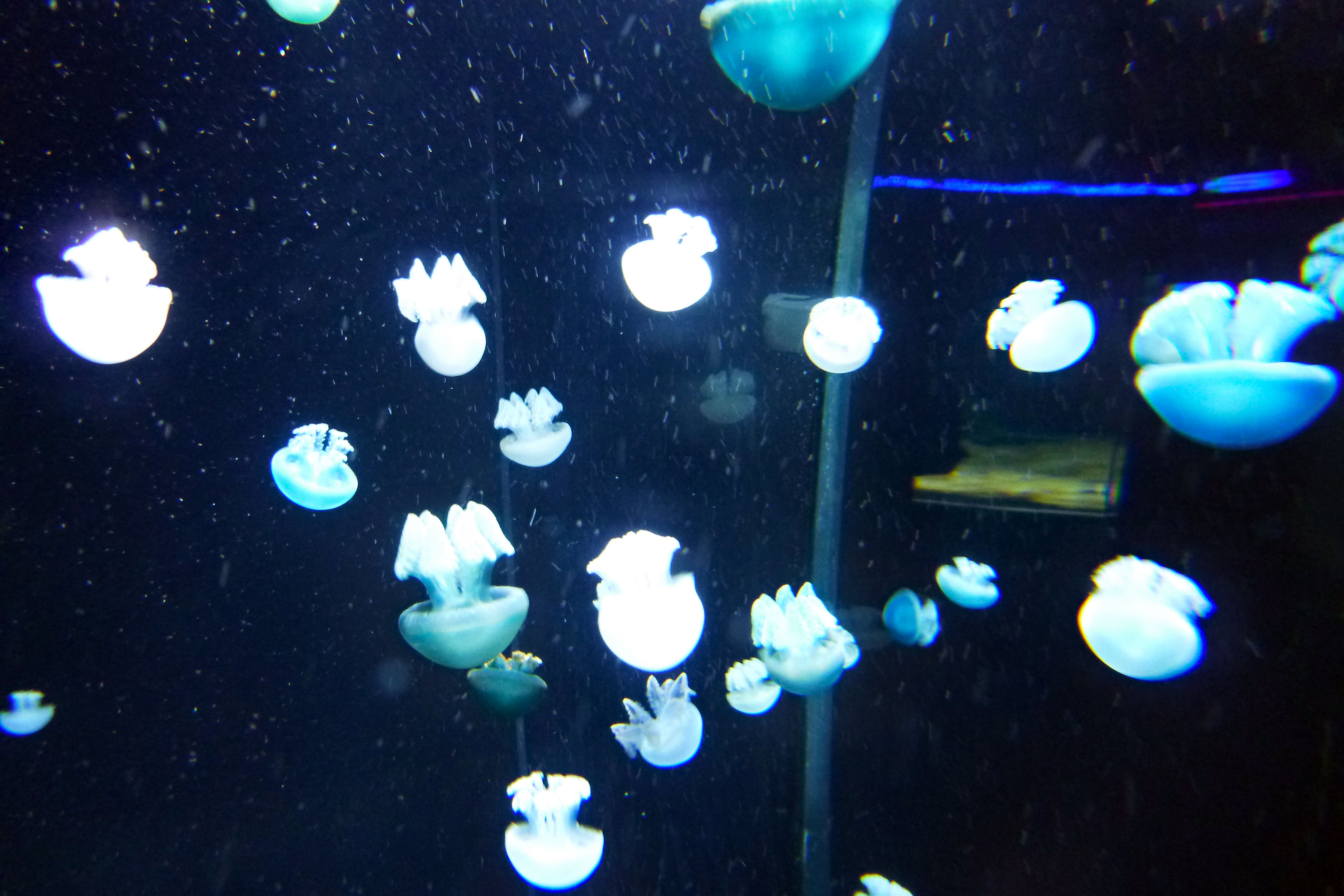
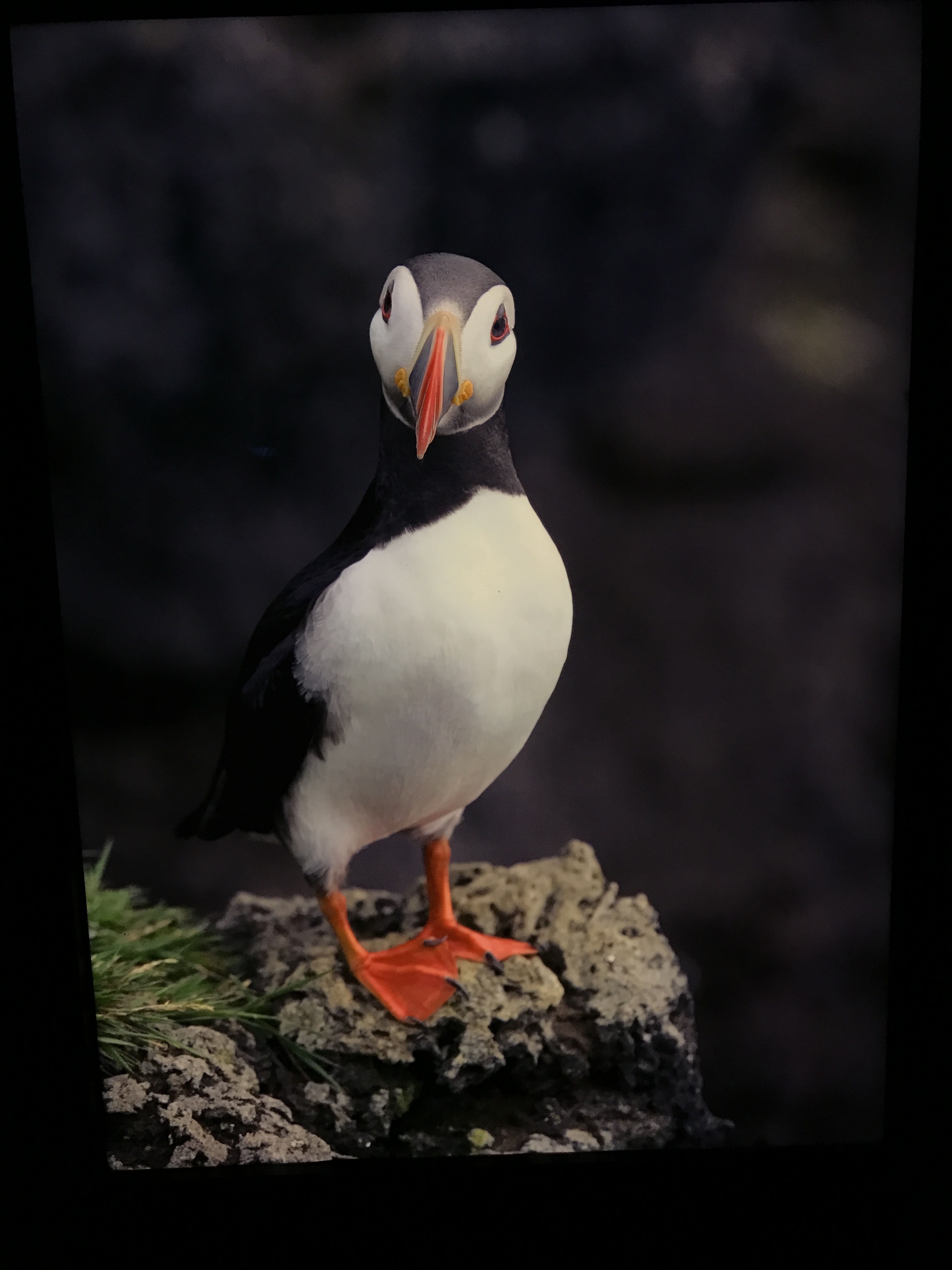
Aquarium, Baltimore, boats, Cushings, fish, nature, photography, puffin, Sea Turtle

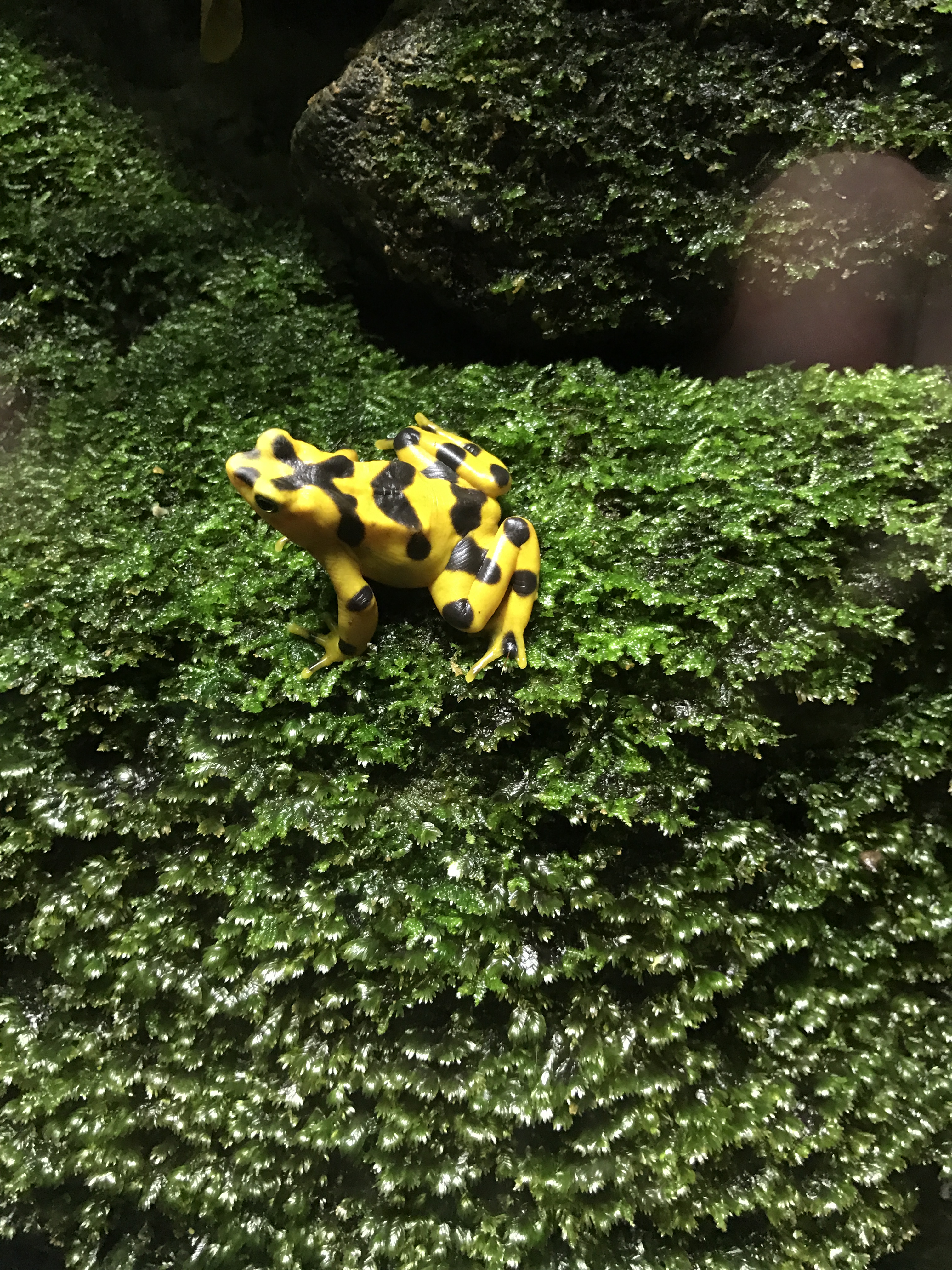
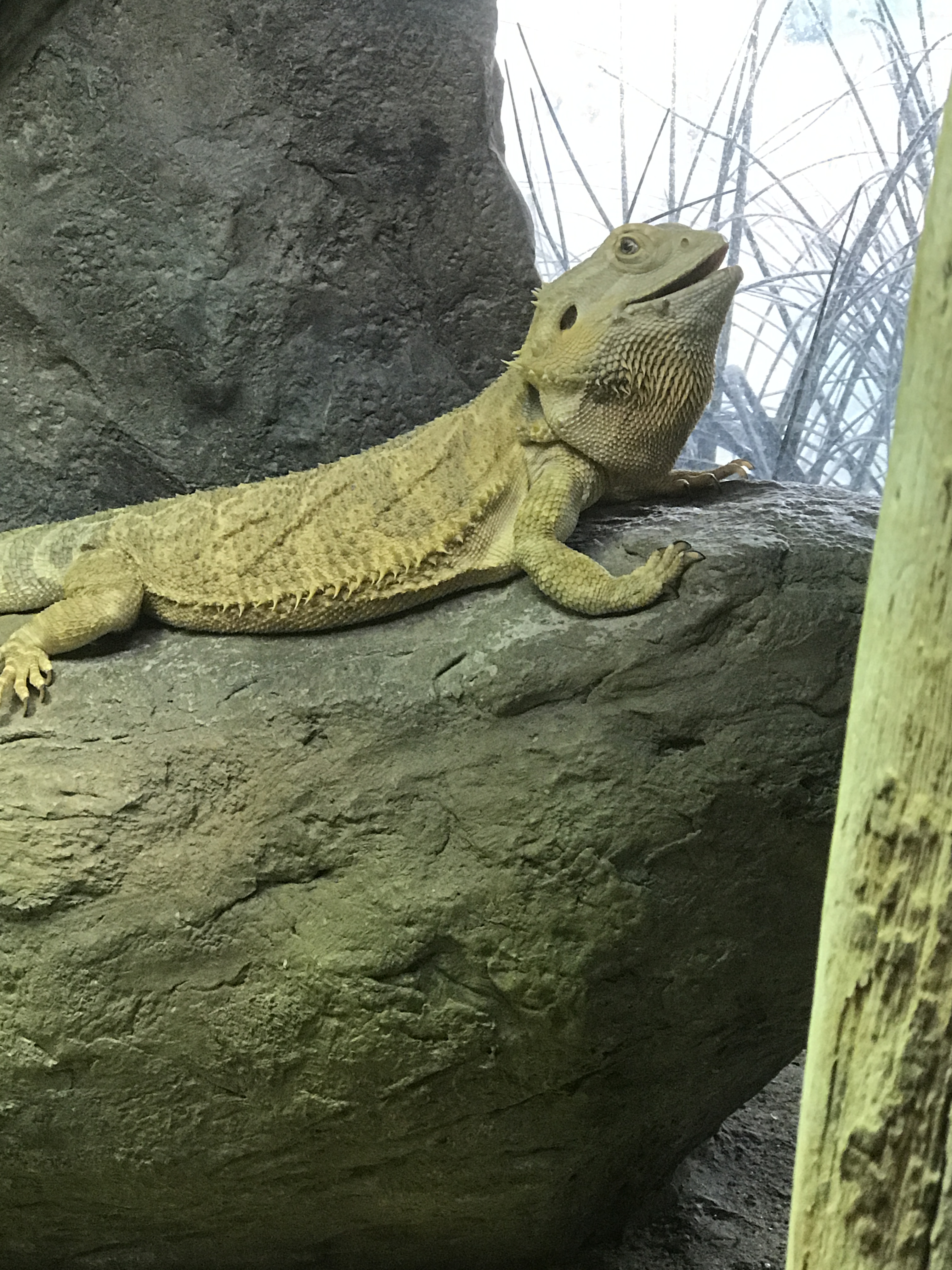
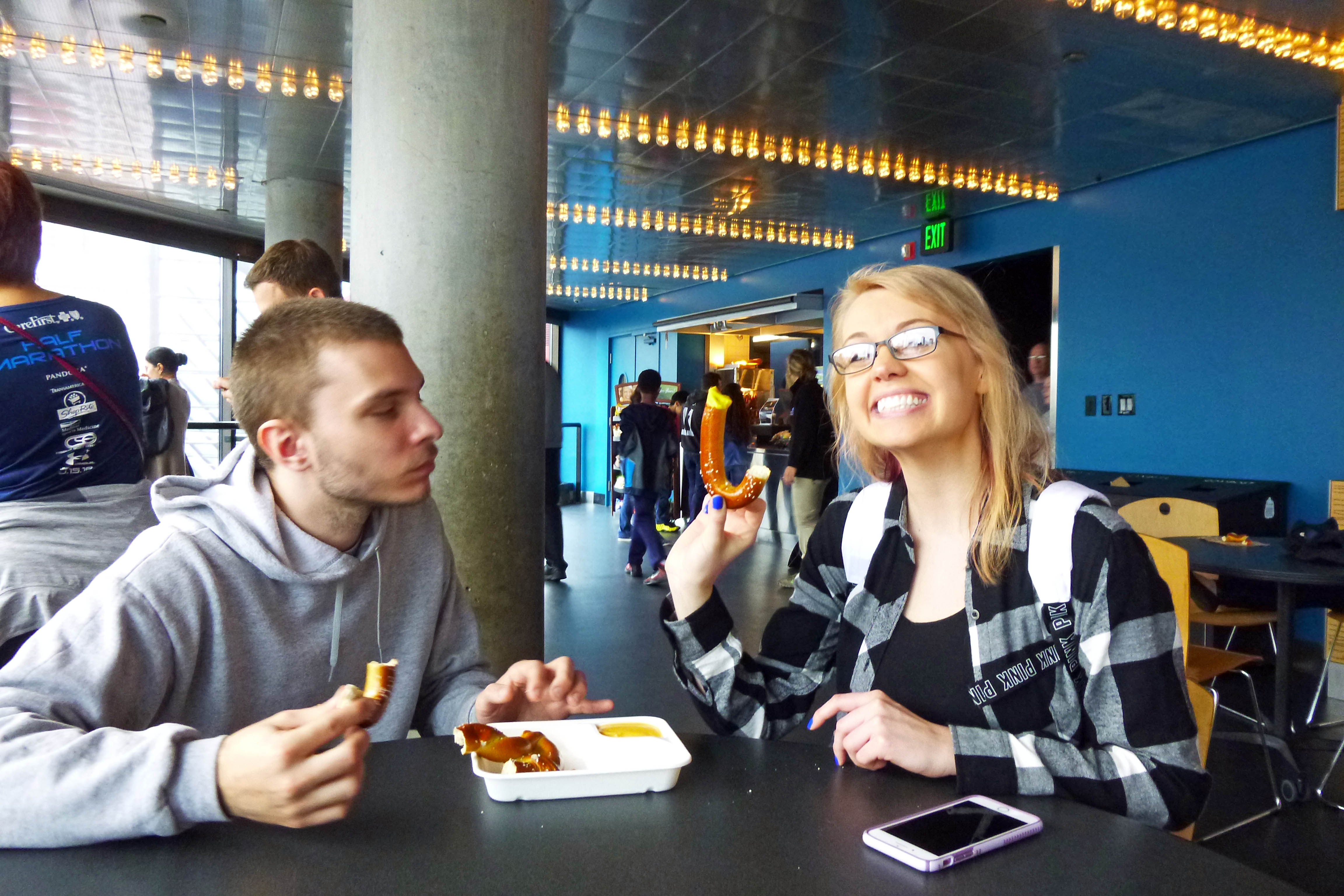
Hard to believe my daughter is 24. For her birthday she wanted to go to the zoo but because of the nasty weather, we went to the Aquarium instead. it is always a good time with her, Kevin and Kathy.

Kevin, Jules and their new friend – the sloth (couldn’t see the one inside, he was way up in a tree sleeping for 22 hours).

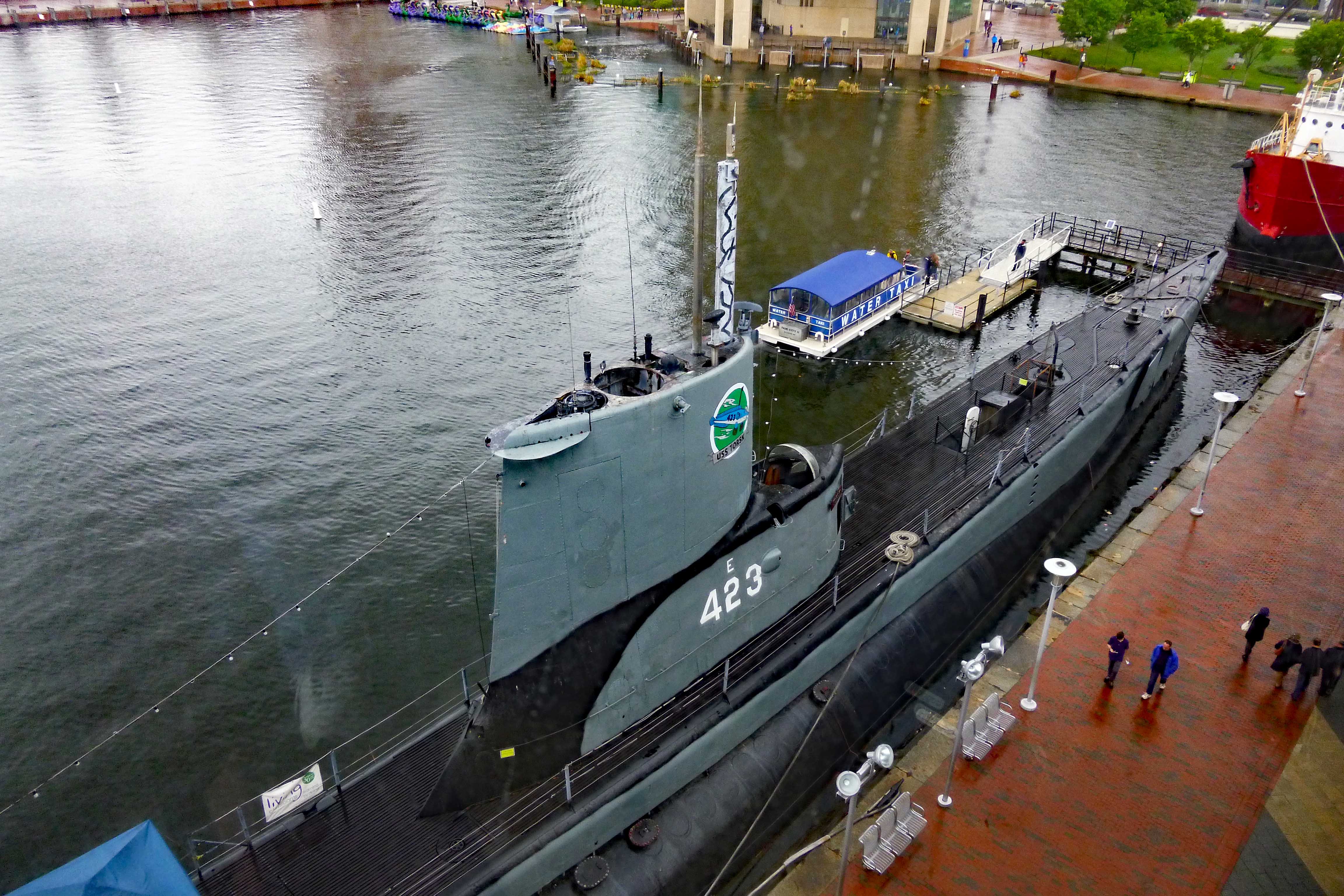
Non-stop raining outside. The USS Torsk. Didn’t it use to have shark teeth painted on the front?

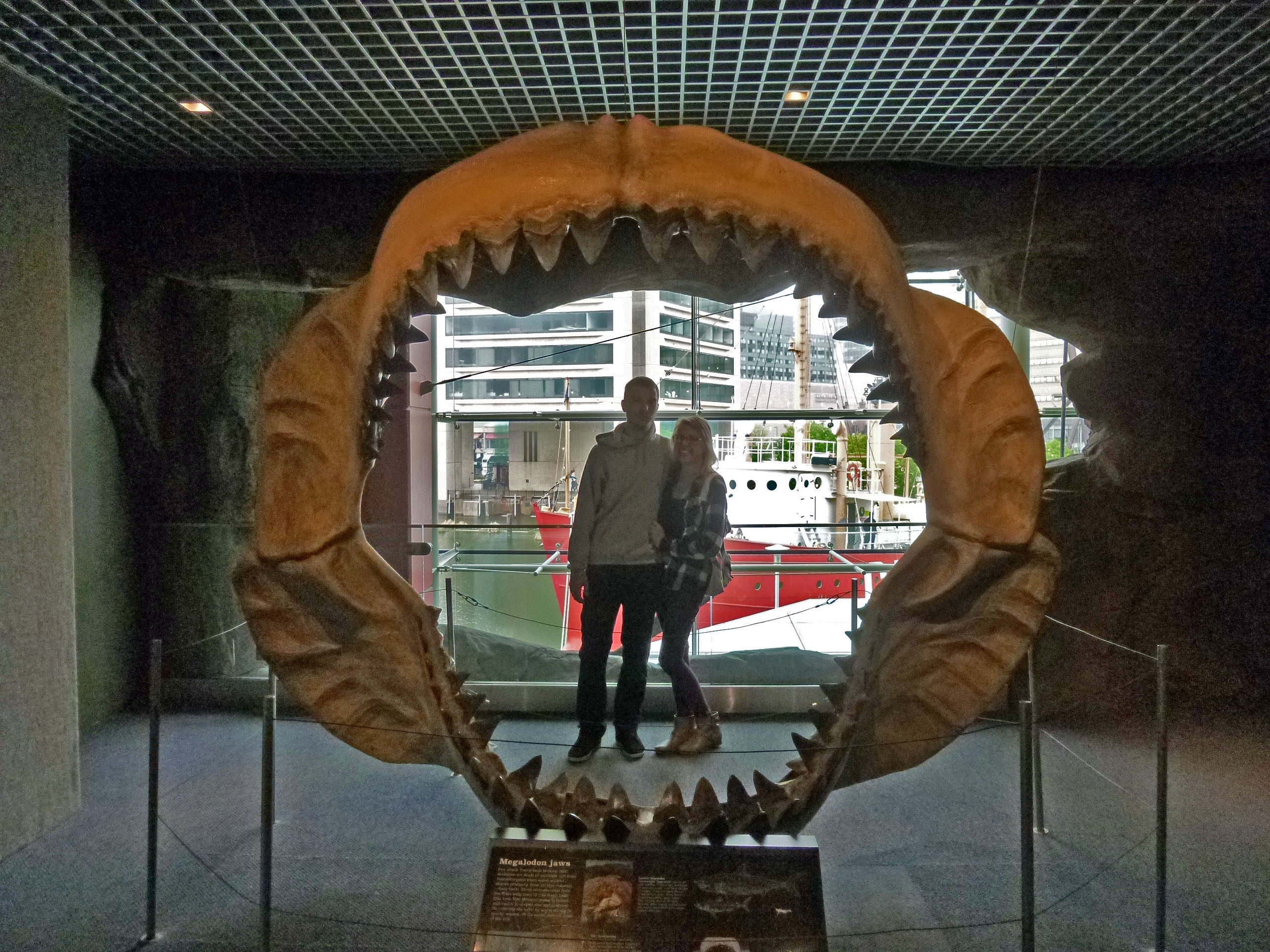
Top of the stairs, everyone wants their photo taken here. I did like the layout of the aquarium, you just follow a path thru the building and you pretty much get to see everything, except of course when the bratty little kids just bust right on thru putting their grubby little hands all over the windows.

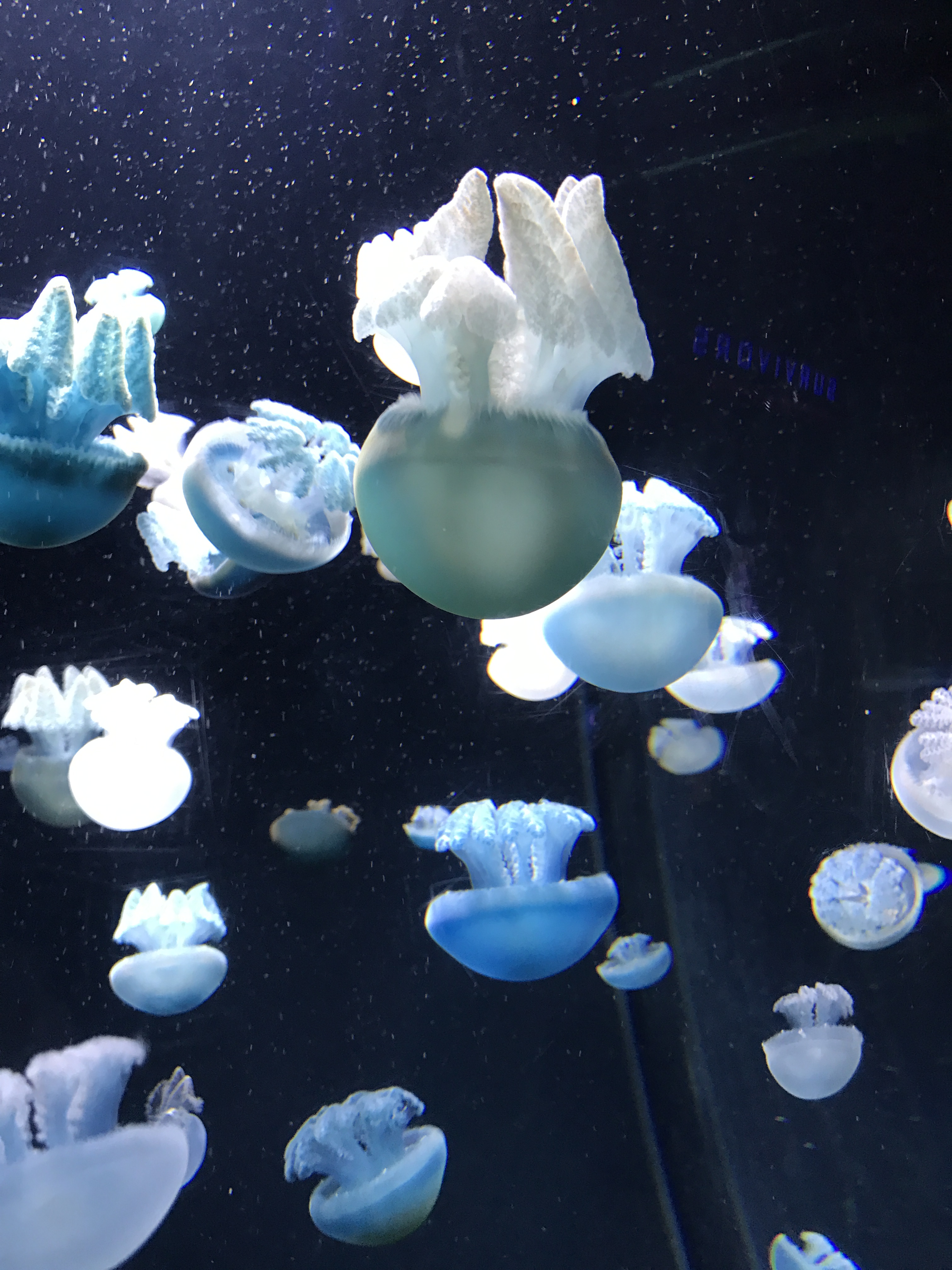
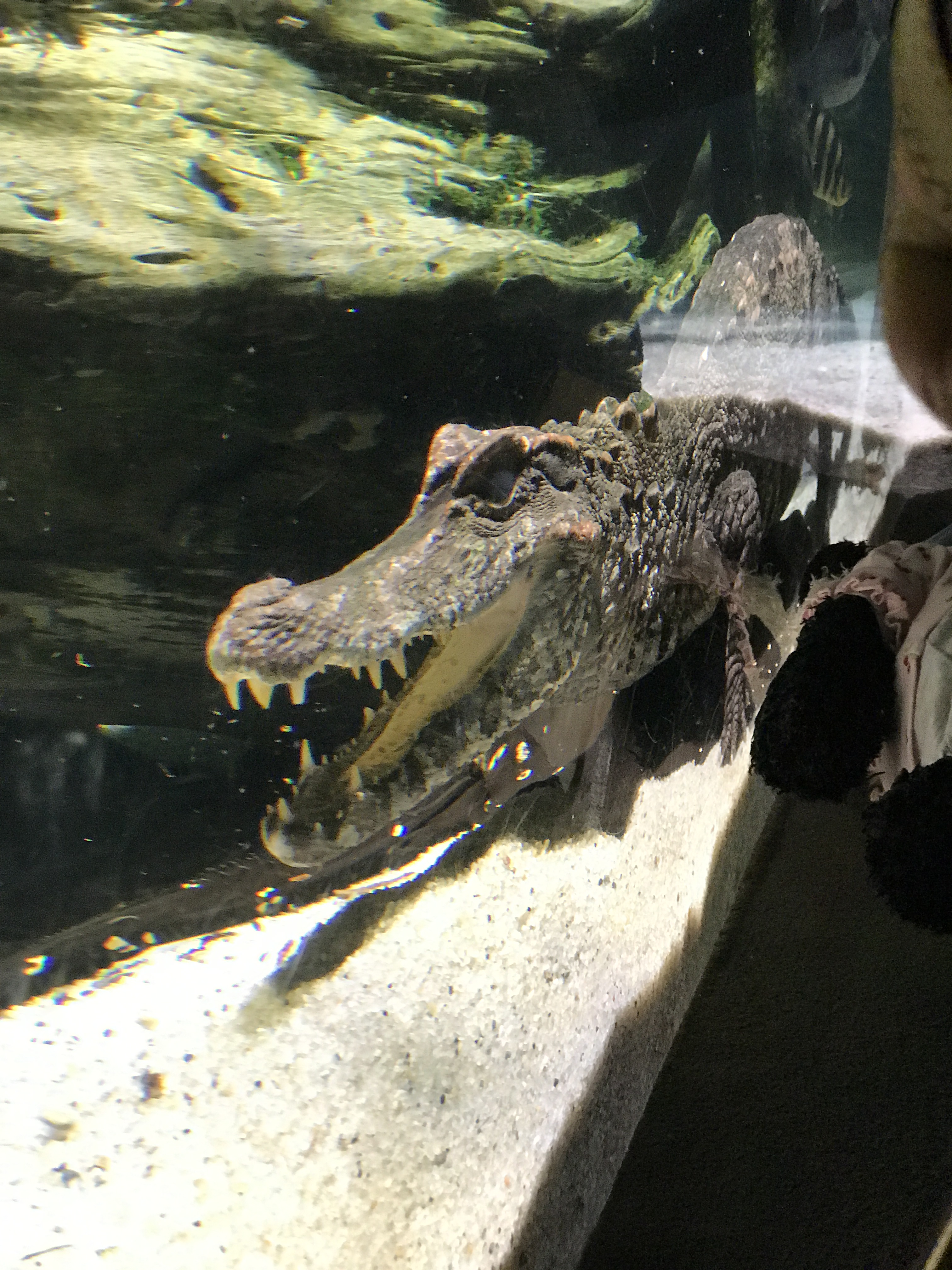
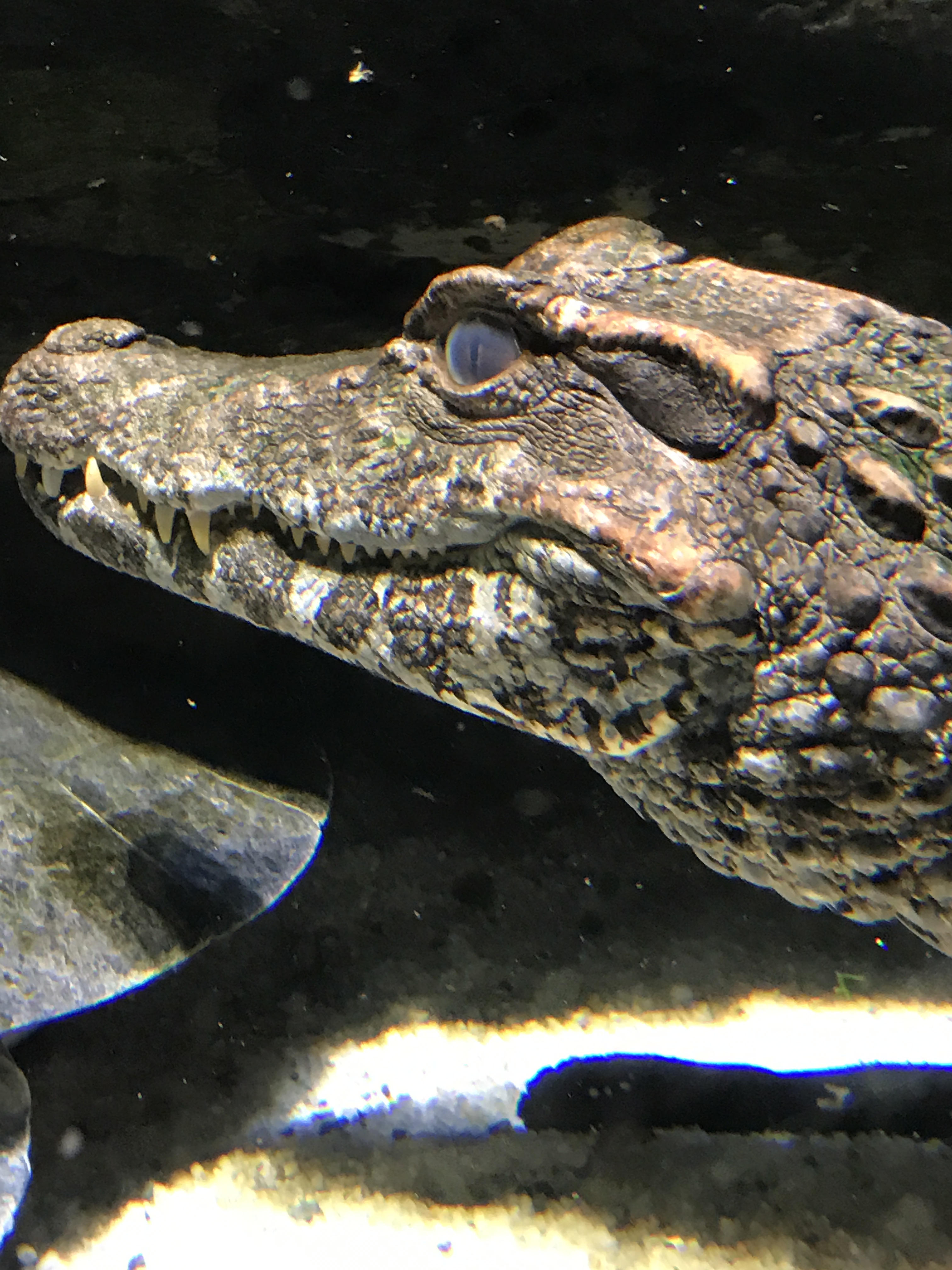
So now I see a problem – when smart phones came out I refused to use one as my camera. God made phones for a reason, cameras for another. Well, this photo was taken with a point and shoot that I bought specifically for taking pics thru glass.

And here is one from my daughter’s iPhone! I just may have to sell all my cameras, laptop and every other device to get one of these!

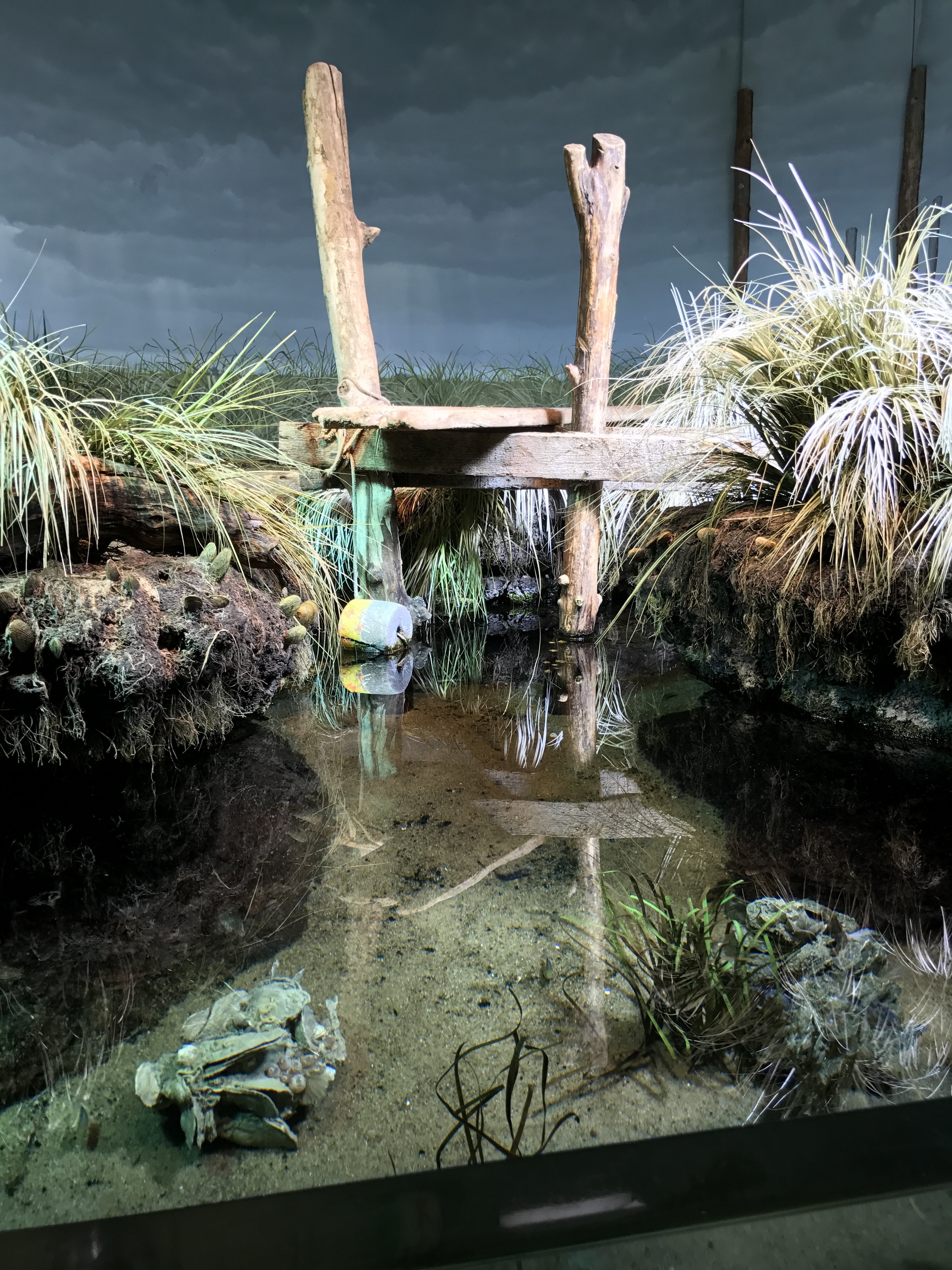
Moving on…this reminded me of kayaking at Dundee Creek for some reason.

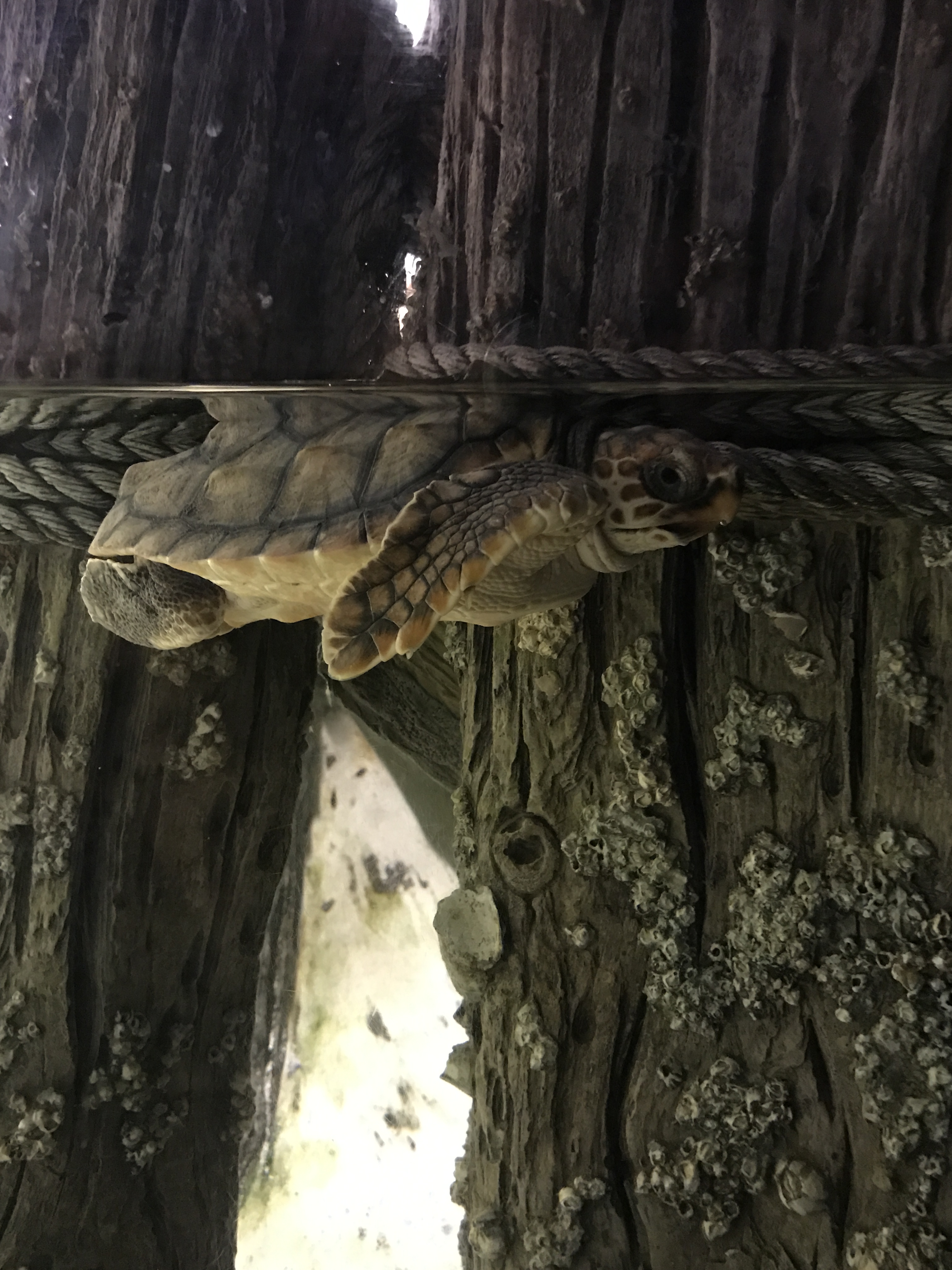
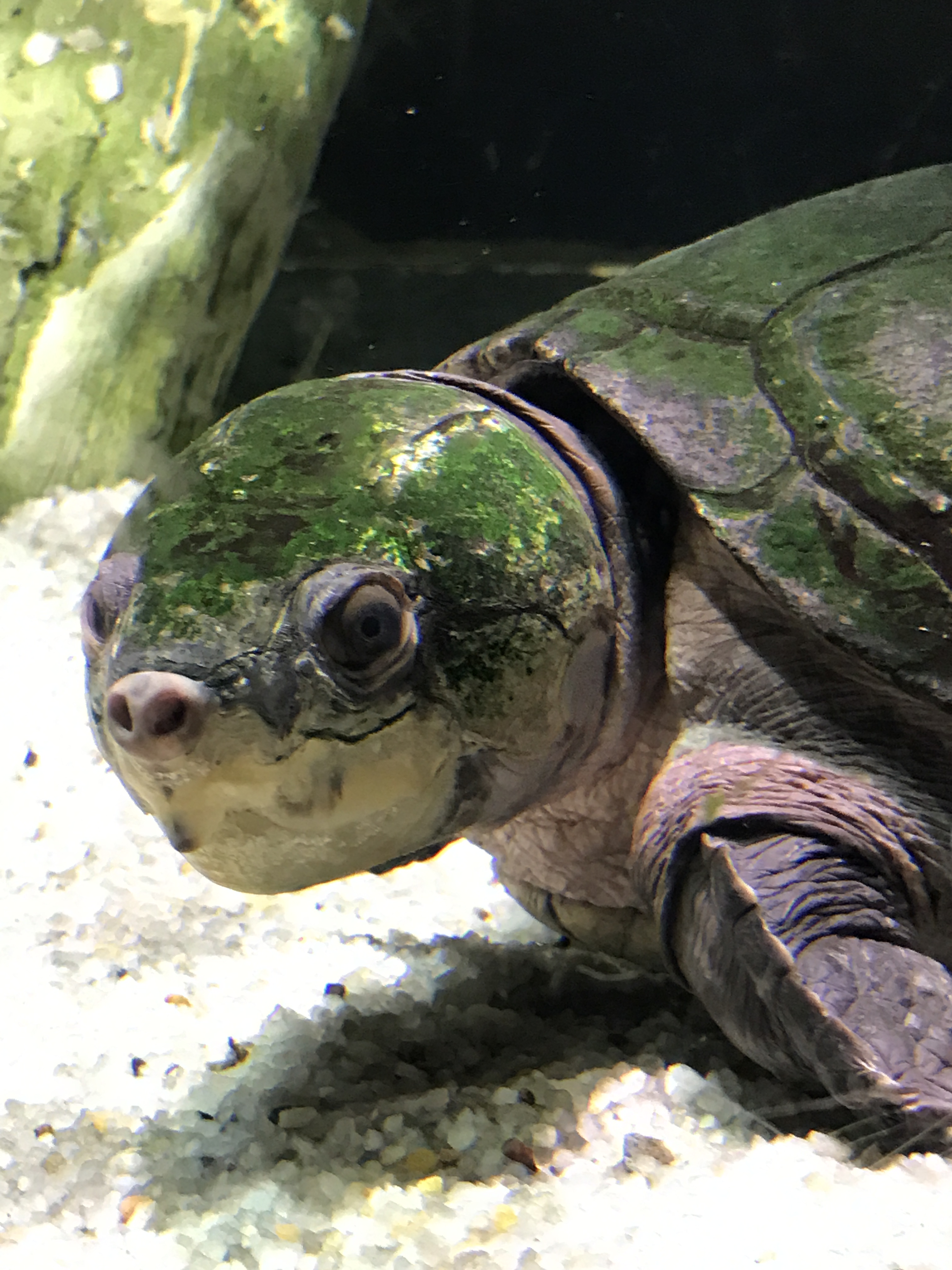
Turtle floating about.

I didn’t even notice this guy until someone pointed him out to me.

Another great shot my daughter took.

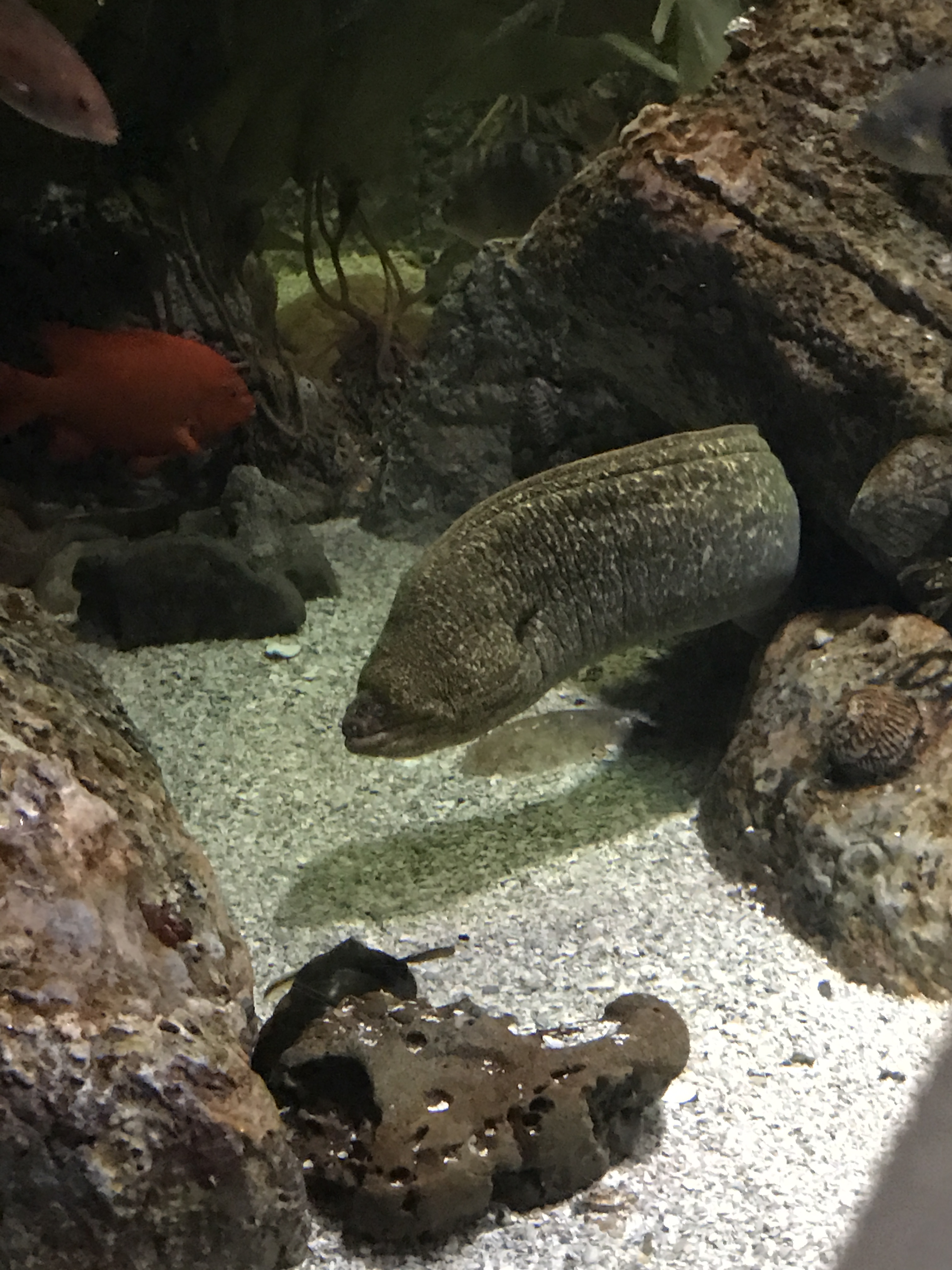
Morie!

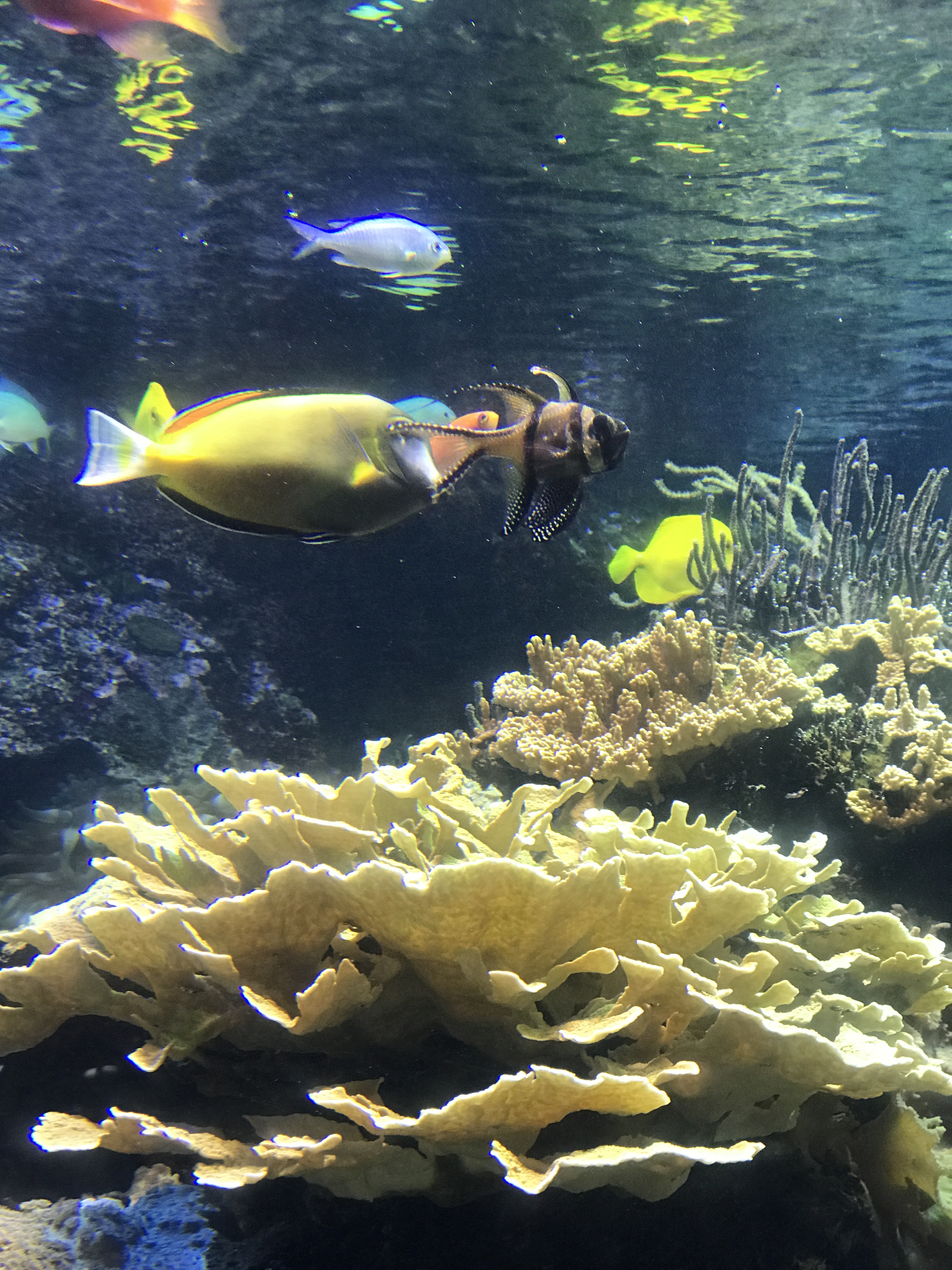
Nice colors and reflections on top the water, looking up from underneath.

This guy is starting to collect some algae.

Here is one of the oldest residents at the Aquarium.

Him and the three legged sea turtle have been here since the aquarium opened.

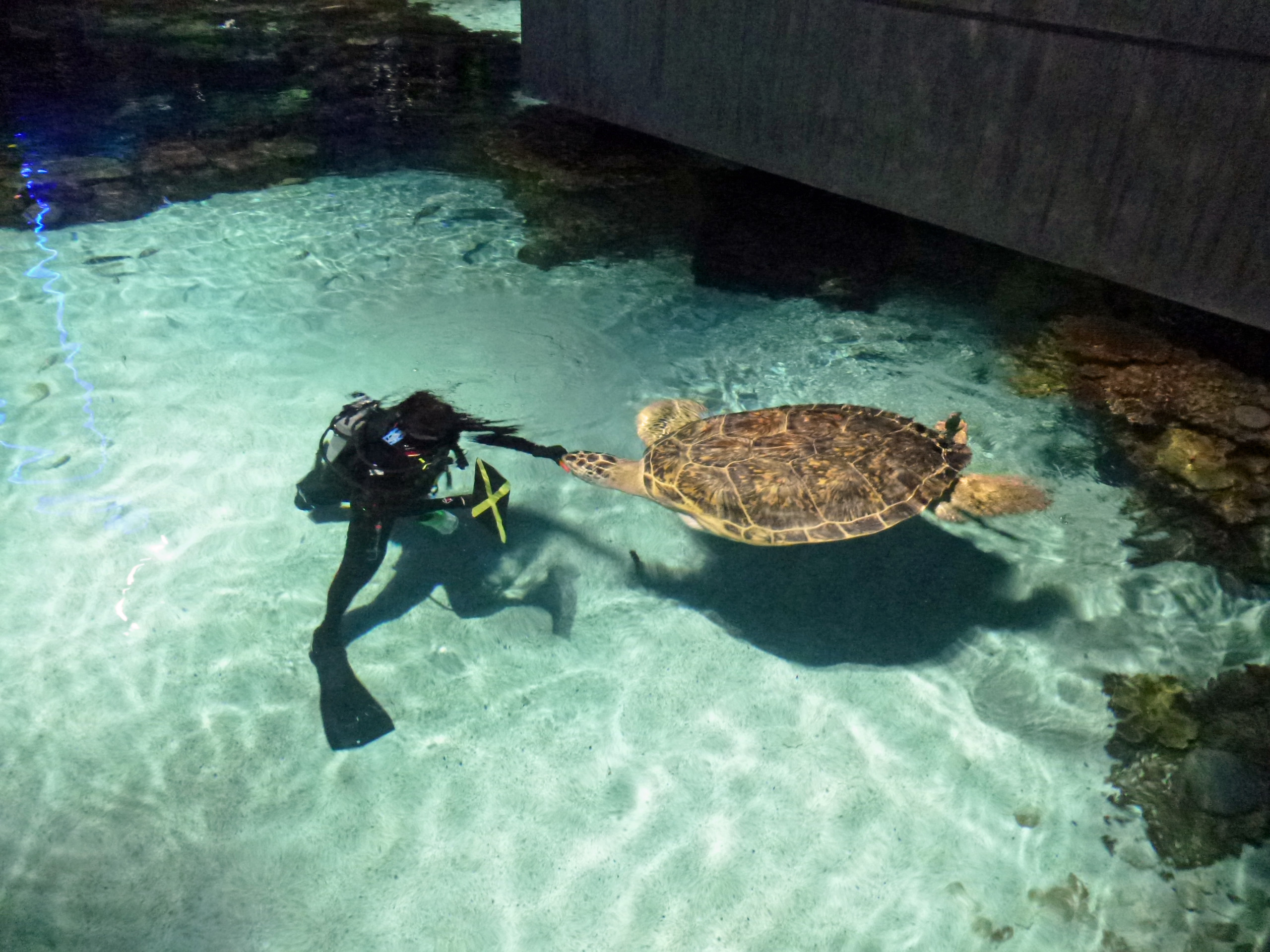
Calypso the sea turtle getting fed.

Sitting, watching, waiting…

Nice colors.

What a life.

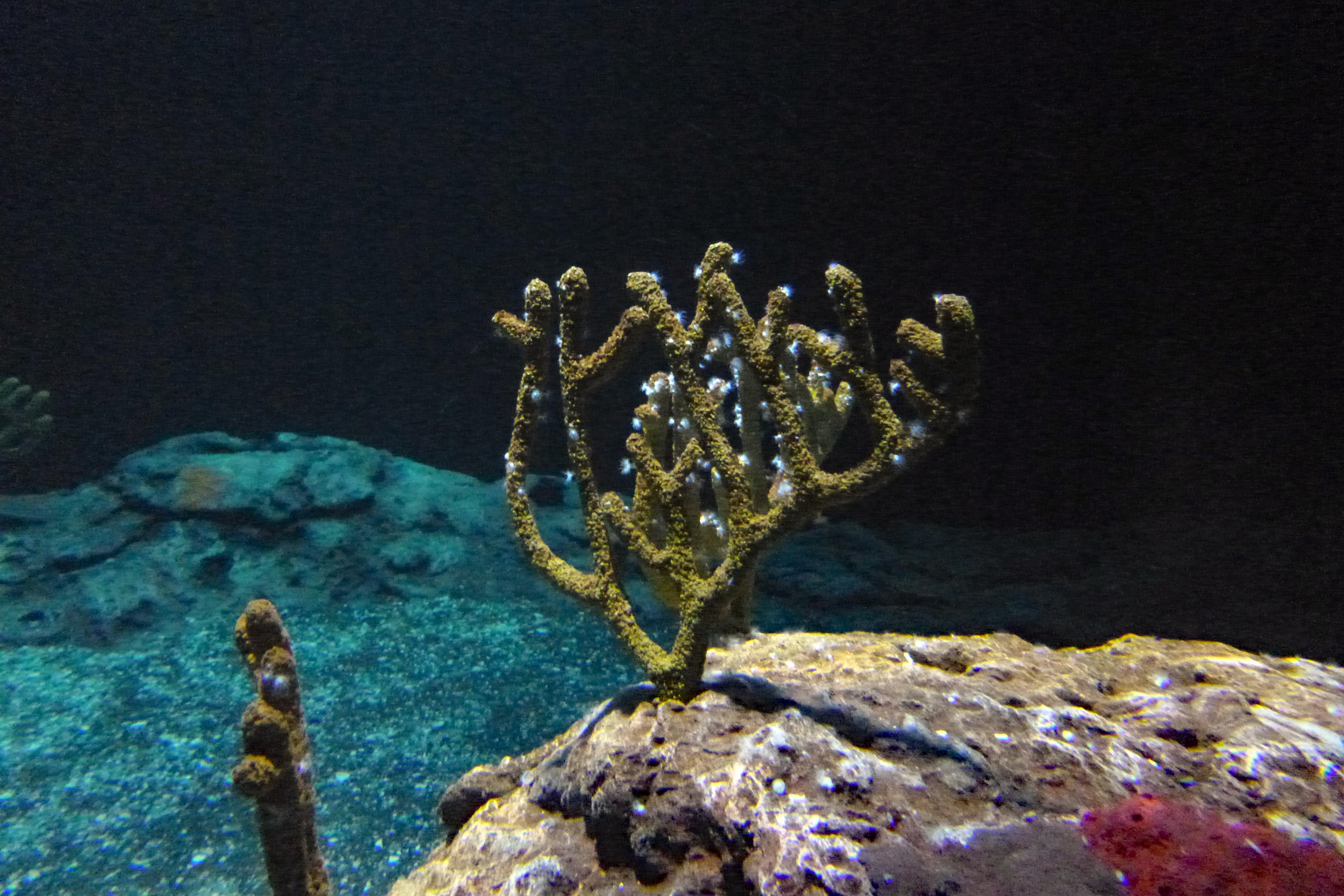
Quite a variety of underwater plant life.

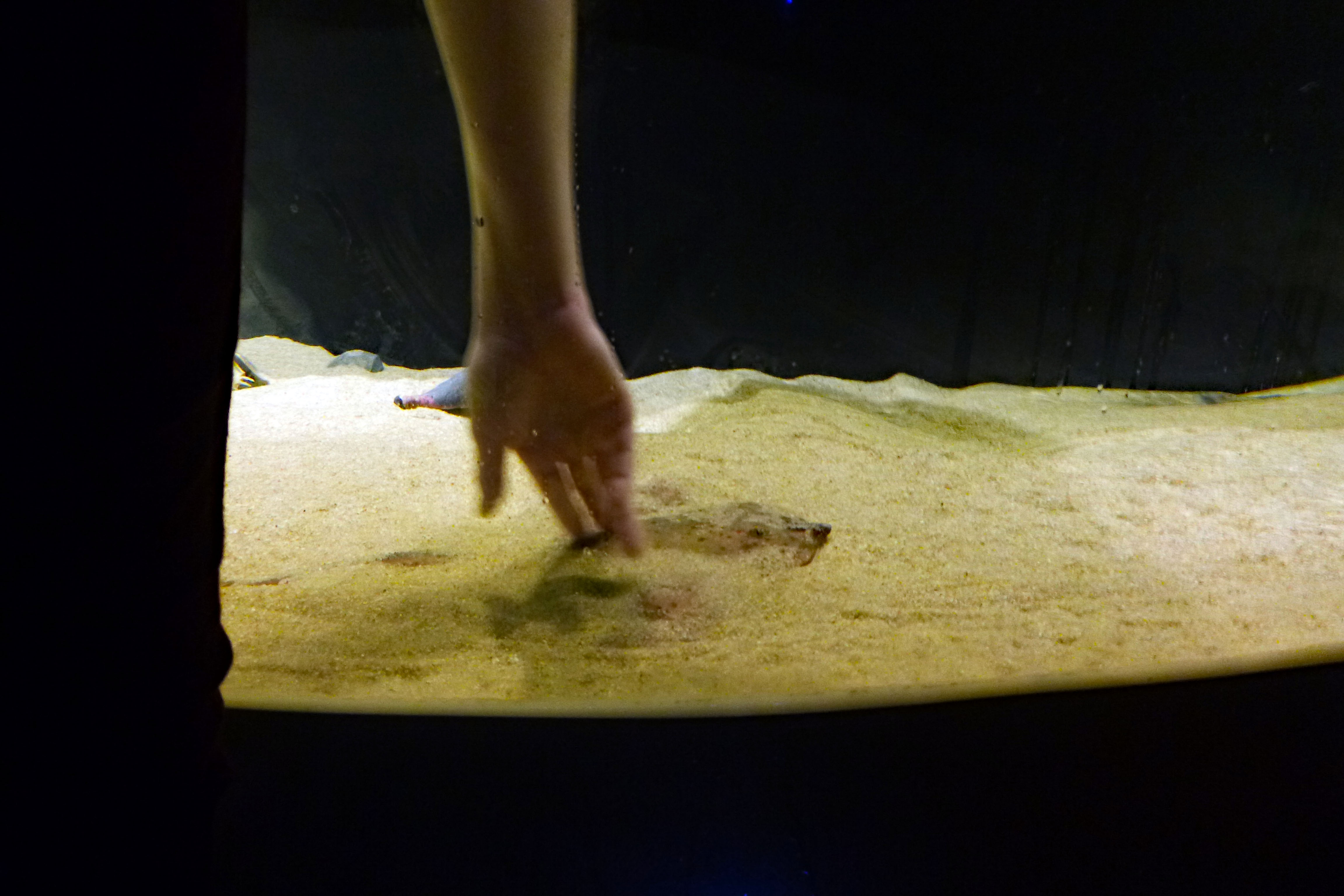
Julie petting a ray.

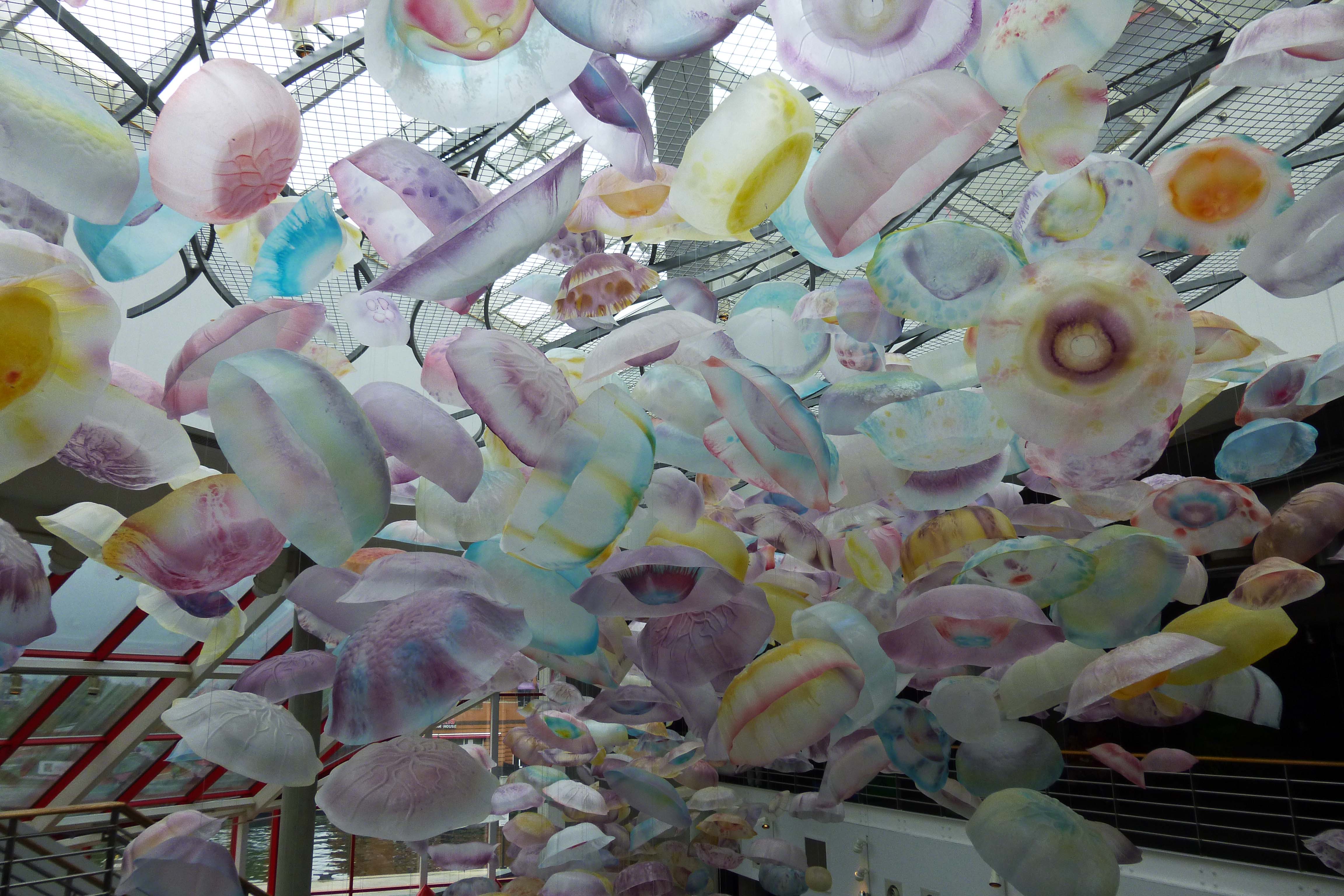
Overhead display.

Kevin and Julie. It is unbelievable how my daughter looks now compared to back in November, when she had a tumor removed. Thanks God.

Domino Sugar Hon.

J for Jules.

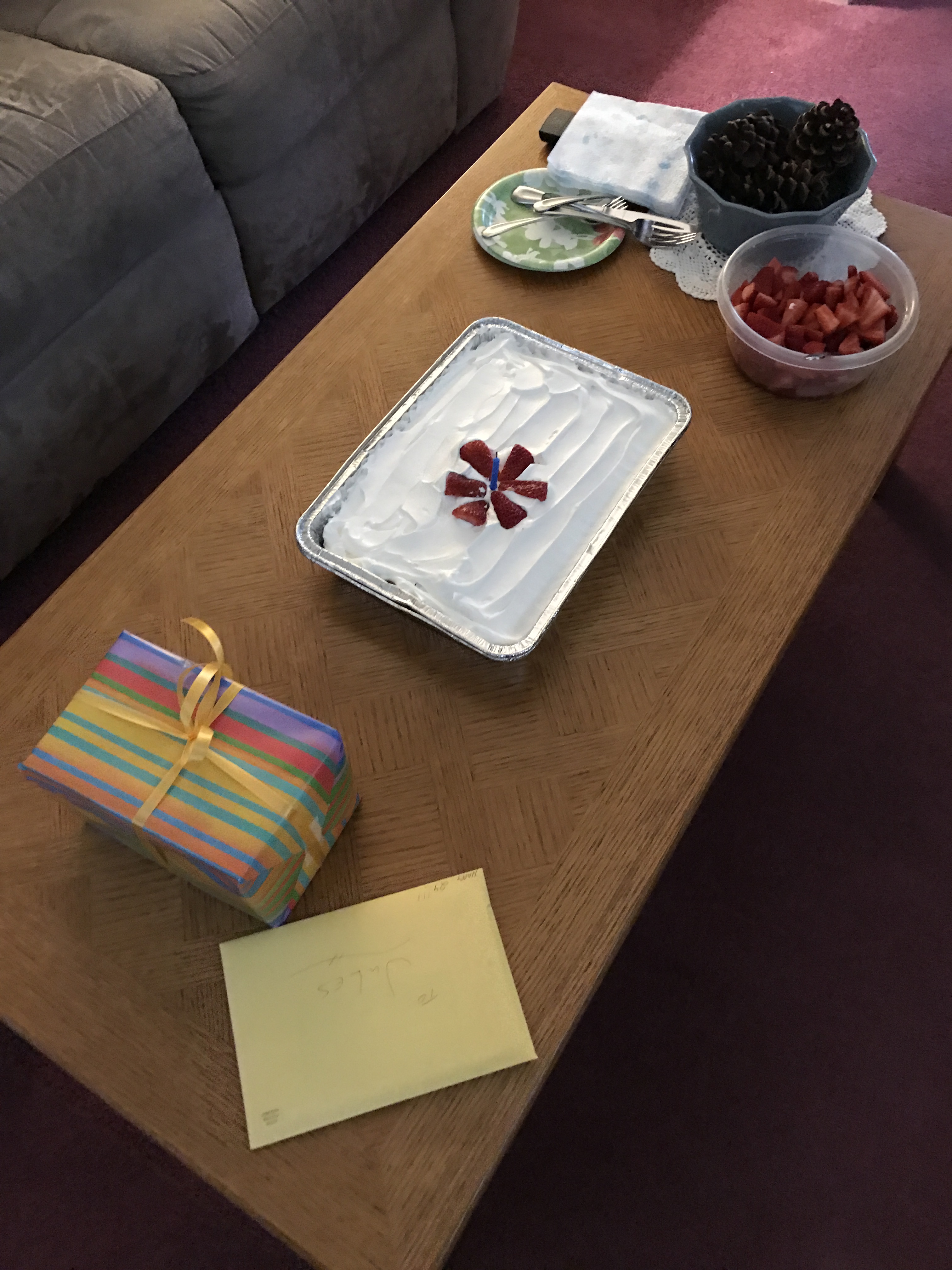
Back to the house for some cake – Tres Leches (Milk Cake). Thanks Kathy for making!

← Older posts
Newer posts →

Blogroll

  • Flouride Action Network
  • lulu
  • My Book
  • WordPress.com
  • WordPress.org

Recent Posts

  • Bermuda 2023
  • ICELAND April 2023
  • George Chalmers of Fochabers
  • In Search of The Skipjack Ada Mae
  • Trap Pond Kayak

Blog at WordPress.com.

  • Subscribe Subscribed
    • Water and Me
    • Join 231 other subscribers
    • Already have a WordPress.com account? Log in now.
    • Water and Me
    • Subscribe Subscribed
    • Sign up
    • Log in
    • Report this content
    • View site in Reader
    • Manage subscriptions
    • Collapse this bar
 

Loading Comments...