• About
  • History Writings

Water and Me

Water and Me

Category Archives: Baltimore

Waste Lake Chronicles

31 Monday Oct 2016

Posted by Ronald Parks in Baltimore, Hiking, water history

≈ Leave a comment

Tags

Baltimore, boats, engineering, FILTRATION, Hiking, HISTORY, Lake Montebello, Montebello, Public Works, water history

Checking on the contractors the other day, I saw that they had pretty much cleared most of the shoreline…nice day for a hike around the lake.

wl1

Started on the SW side looking towards Morgan State University.

wl2

Headed up to the far end, closest to Hillen Road. The old surge shaft from Loch Raven is to the right. The dredge and barges could not get this far up.

wl3

Looking down from on top – the sludge. This is a by-product of what goes on in the filtration plant. Lots of sand at this point. The sand is used to filter the drinking water and when the filter becomes clogged, we backwash it. Unfortunately the pressure from backwashing pushes sand into the drain and ends up here.

wl4

More sand and sludge.

wl5

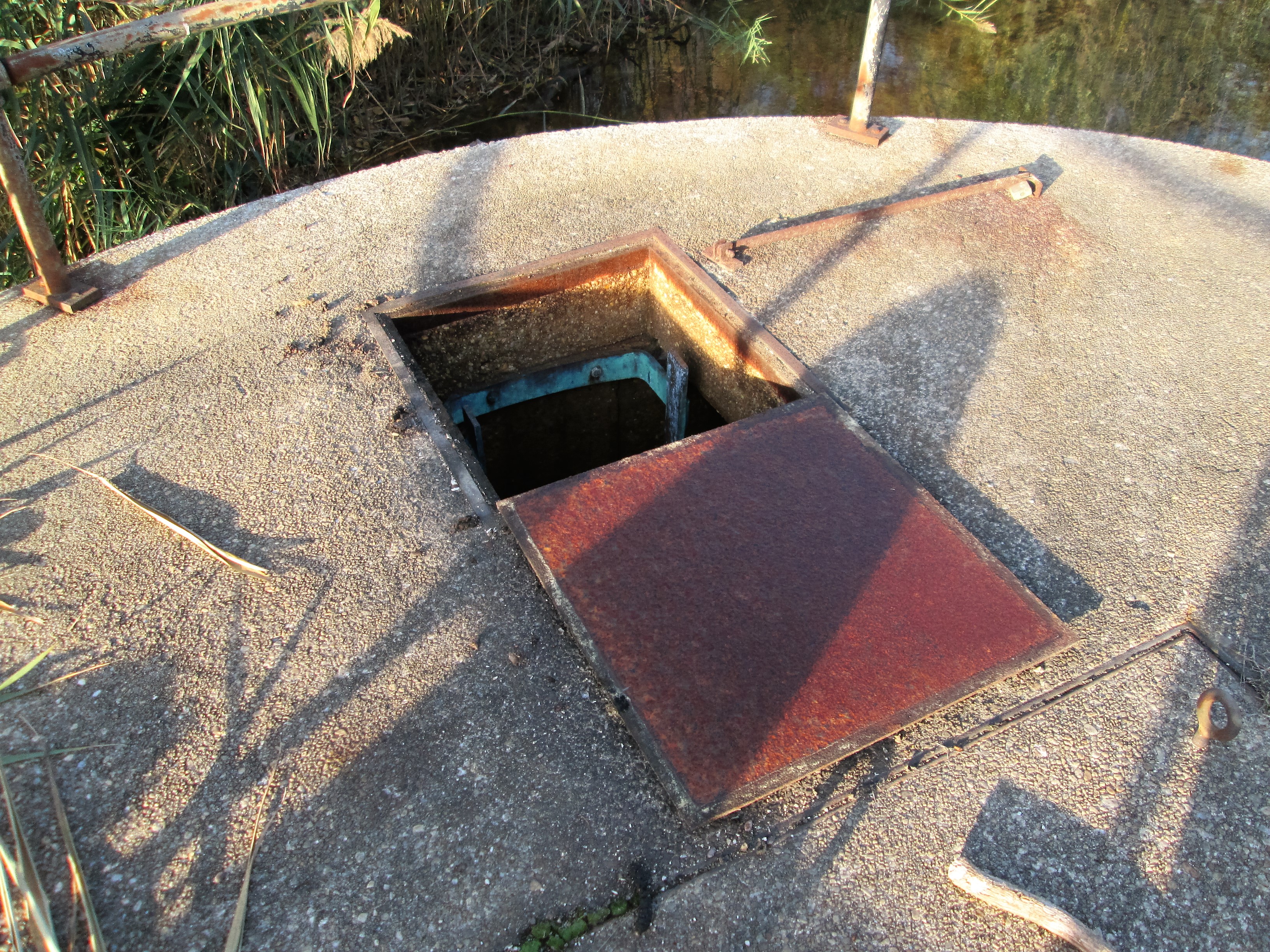
Since I was up here, I figured I would look down the hatch. The contractor had some concerns about getting too close to this structure. He said they could see a pipe that I told them to stay away from.

wl6

The pipe coming thru the wall at the top, is laid in the waste lake bed. It is about 10′ under the water surface. Although capped off, it would still cause problems if broken. I was supposed to climb out of this shaft a while ago…after an inspection of the old 1880 Loch Raven tunnel. (5-1/2 mile hike). Cancelled due to safety concerns.

wl7

Heading down the NE side. Watching the small barge and excavator get as close as he can.

wl10

The large excavator and barges. These barges are only about 5 feet tall. They displace only 2 feet of water. That just amazes me.

wl8

Soon, we will be testing pumps up on Deer Creek. This will be water from the Susquehanna River. It is very dirty water so we will just dump it instead of letting it go into the plant. See that tower in the background? That is the Susquehanna Surge shaft. When the DC pumps come on and the water flows 36 miles to this point, closing the valves to not let it in, well, the water has to go somewhere. It goes up that shaft and then out thru the drain you see to the left of the boat. 50-60mgd. The dredging should be done by then and their equipment removed. If not, they better tie that stuff down!

wl9

Continuing my hike down the shoreline.

wl11

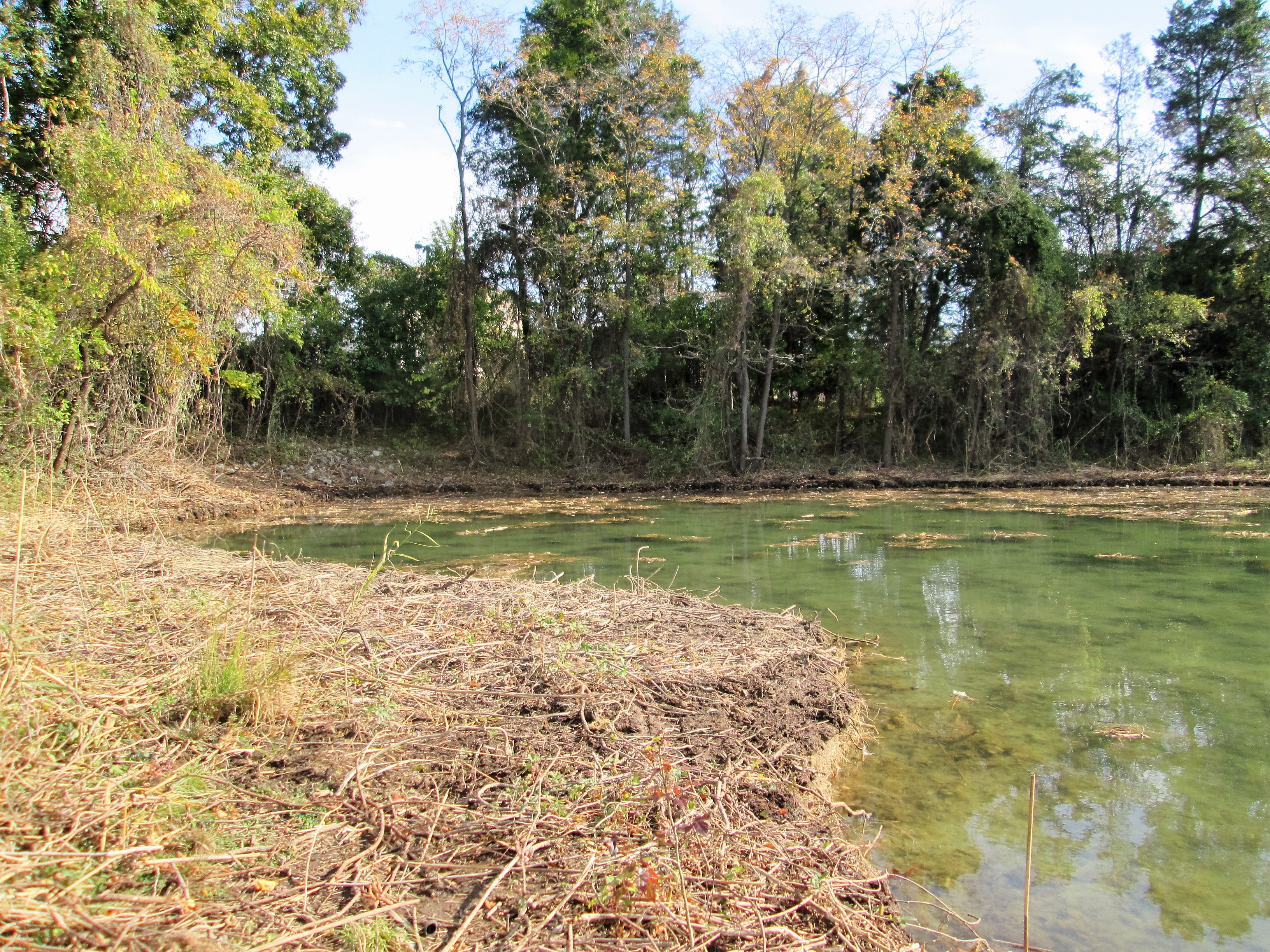
Some spots were a little rough to navigate across.
wl12

Here is that cove I mentioned in an earlier post. Deer tracks everywhere.

wl13

The 4 million dollar problem – already rearing its head in the warm sun!

Roland Water Tower

24 Monday Oct 2016

Posted by Ronald Parks in Baltimore, engineering, HISTORY, water history

≈ 3 Comments

Tags

Baltimore, engineering, FILTRATION, HISTORY, Lake Roland, Montebello, POLITICS, Public Works, water, water history

Received an email – you know the kind – a city resident has a complaint, goes to their City Council Person, goes to the Director of Public Works, goes to my boss – who sends it to me to investigate: The area around the Roland Water Tower is the site of 24/7 drug dealing activity. Shouldn’t this complaint have gone to the police? Being the good employee that I am, I went to investigate. For a 24/7 drug spot, the grounds looked clean and I saw only 2 people, walking their dogs. My mission was to see if there was any available electricity for new lighting? There are already 5 street lights surrounding the property. I could not get inside the tower itself to see if there was electric. I doubt it.

Time for a history lesson: The Tower was built, according to the bronze tablets, between 1904 and 1905. According to my records the contract was awarded to two contractors – one for the steel tower and one for the brick enclosure. Then later, another contractor for the concrete pool and steps.

rsp02

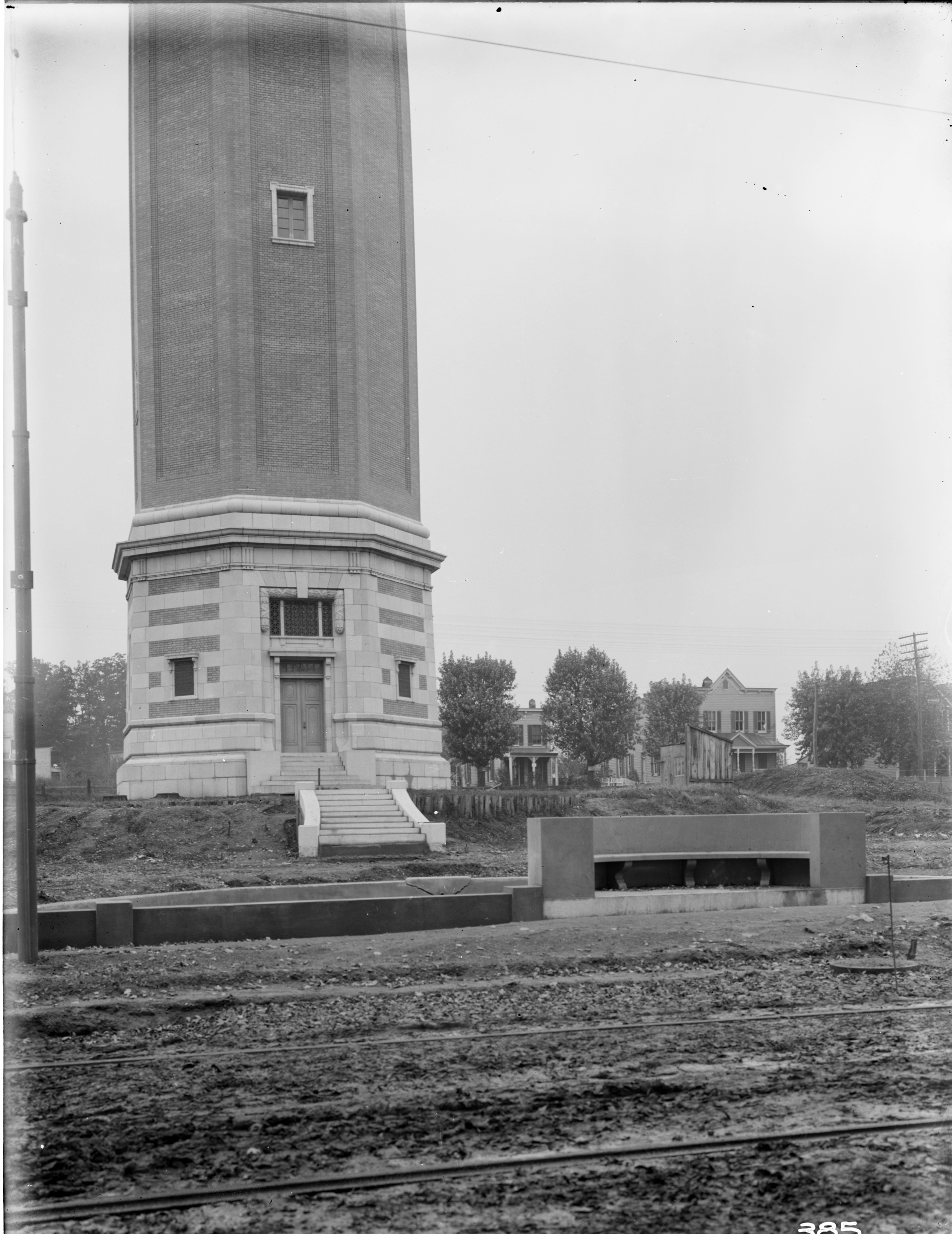
The steel stand pipe being built by Tippett and Wood.

rsp01

The brick enclosure by John Stack. The steps and pool by the Andrew Co.

rsp06

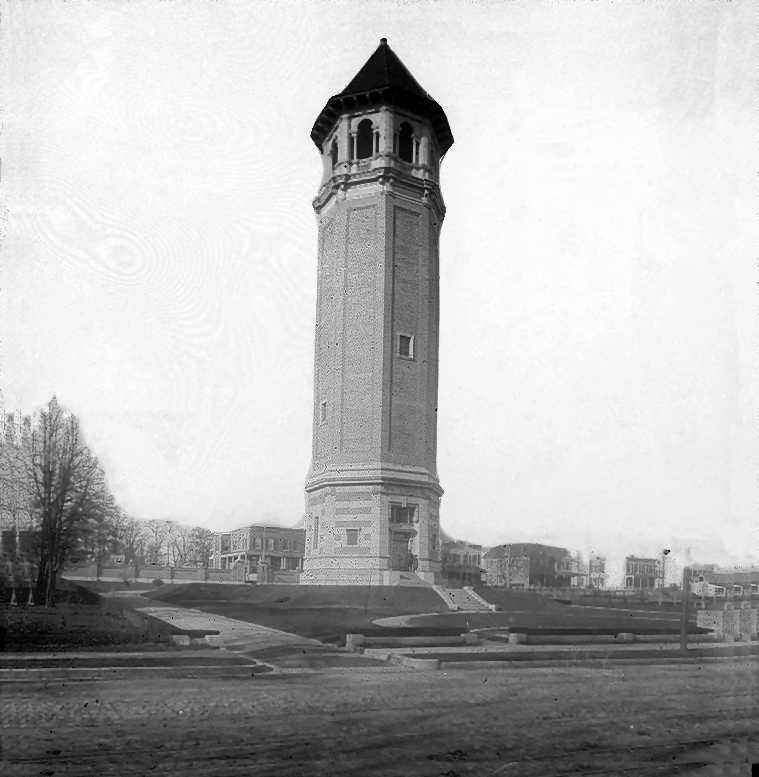
The finished tower.

rsp04

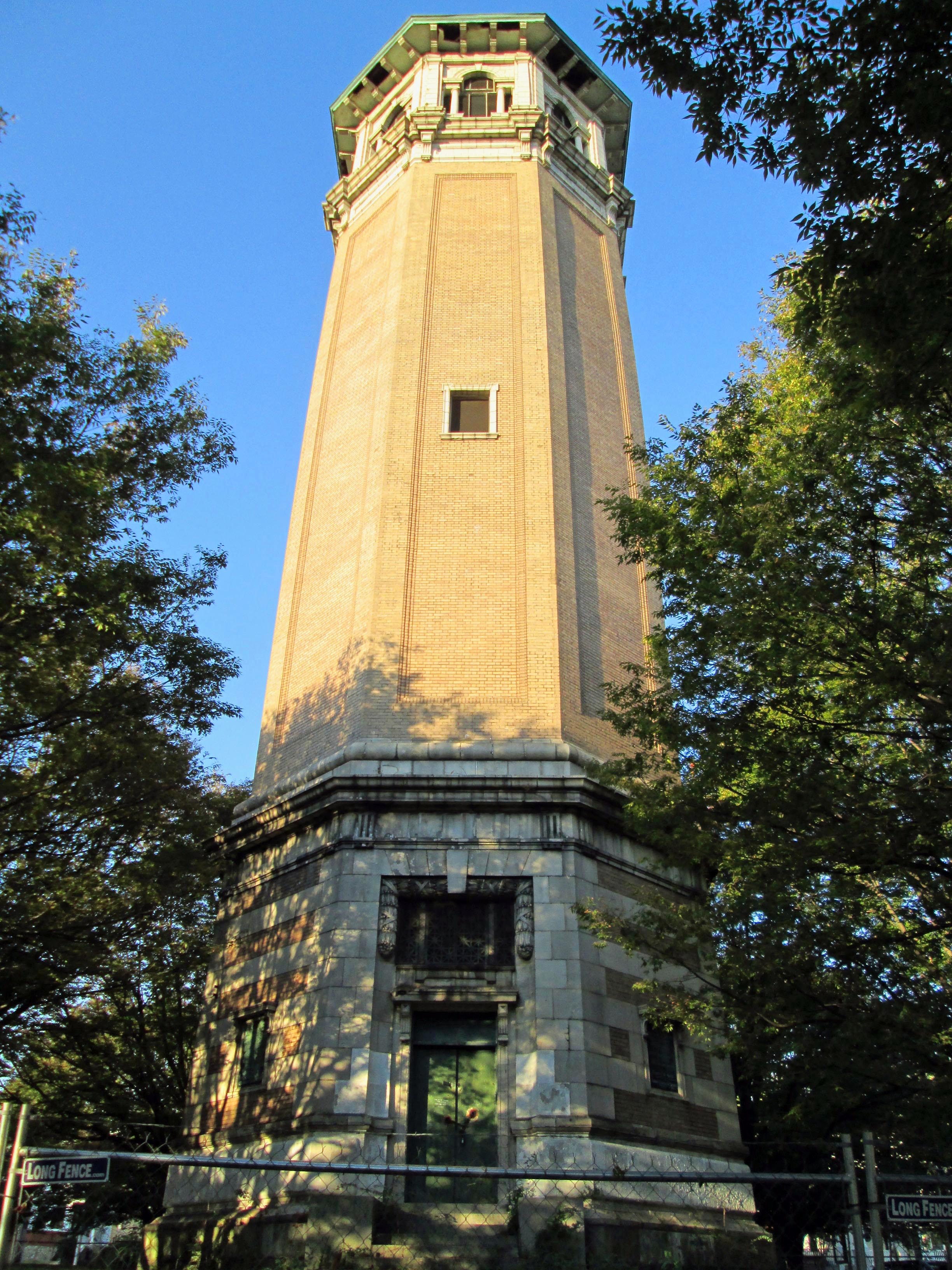
As it looked this morning. There is a fence around it, which I was able to go through.

rsp05

Pieces of the tower are falling down. This is the purpose of the fence – to keep people out and to keep people away from the falling pieces.

The tower held about 213,000 gallons of water that it received from Druid Lake. The design was by William Fizone, who also designed the Montebello Filters. The pool has been filled in. In 1939 the Water Board turned the property over to the City Comptroller. In 2009 and again in 2011 consultants were hired to figure out what to do with this abandoned tower. It had a couple times been turned over to the Roland Park Community Association, who tried to raise funds to restore it. And it still sits – a magnet for the druggies and dog walkers.

Waste Lake Progress

17 Monday Oct 2016

Posted by Ronald Parks in Baltimore, water history

≈ 2 Comments

Tags

Baltimore, boats, engineering, FILTRATION, HISTORY, Lake Montebello, Montebello, POLITICS, Public Works, water, water history

The downtown consultants for the dredging of the waste lake at Montebello had underestimated the amount of material that could be possibly dredged from our waste lake – so they asked if it would be alright to remove the phragmites. A big OK to that.

Back in July I posted an aerial of the lake filled with sludge. This view shows most removed. The phrags were attached to the outfall structure and the contractor cut by hand. (At end of catwalk, lower center of lake). At lower right of lake more sludge accumulated due to a polymer added to belt presses, dumping back into this area.

Barge and excavator removing phragmites. The one shore is completed. Would be nice to have enough budgeted money to remove growth along shoreline.

Within one month the phragmites have grown a couple feet around outfall. Because the growth mat is attached to the structure, pulling away the growth will damage the wall. This outfall leads directly to Herring Run and we can not have this water going there.

What the waste lake by the outfall structure use to look like. Those houses are long gone.

Another view of the lake from years past. This is looking towards the NW corner where the surge pipe from Loch Raven is located. It was nice and clear of growth, inside and out. Those houses are also gone.

The waste lake shoreline was so clear that kids would come in and sail their model boats. This is looking towards the outfall structure.

Fullerton from the Susquehanna

12 Wednesday Oct 2016

Posted by Ronald Parks in Baltimore, engineering, water history

≈ Leave a comment

Tags

bridges, engineering, Gunpowder Falls, HISTORY, Public Works, susquehanna, tunnel, water history

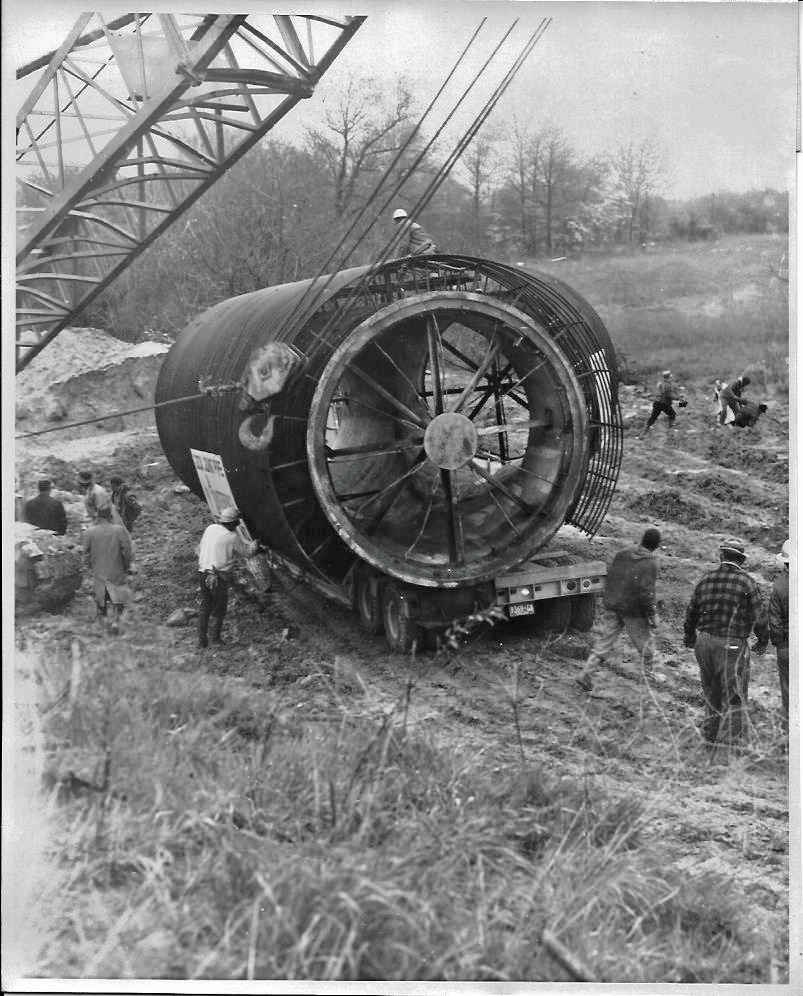
In my previous post I talked about the Fullerton Filtration Plant and the problems with it becoming a reality. Below are some photographs from the pre-planning stages of the Fullerton Plant. 1964 – when engineers were still able to look ahead and plan for the future.

389-d

Contractors moving the Fullerton connection into place.

396-d

Connecting the ‘Y’ branch to the Susquehanna pipe line. The Susquehanna pipe line was known as the “Big Inch” being 108 inches in diameter. This connection dropped it down to 96 inches. The metal mesh is for pouring concrete around the pipe line to hold it in place.

406-d1

Capping off the end for future contractors to be able to connect the Fullerton Plant, if and when…

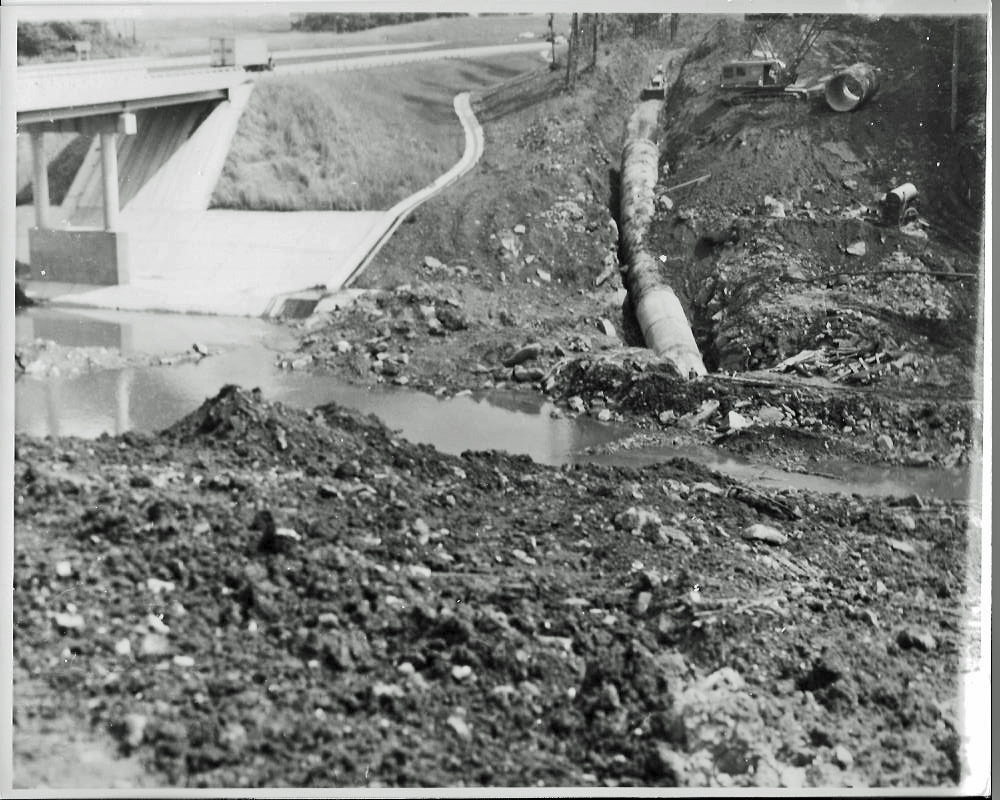
444-d

Just up the road is the Big Gunpowder Falls (Loch Raven and Prettyboy dams are on this river, way upstream). The Big Inch went under the Falls at this point. To the left is Interstate 95, back then known as the North-East Expressway.

Fullerton WTP or Show Me The Money

11 Tuesday Oct 2016

Posted by Ronald Parks in Baltimore, POLITICS, Reservoir, water history

≈ 2 Comments

Tags

Baltimore, engineering, FILTRATION, HISTORY, Montebello, POLITICS, Public Works, water history

I was asked last week about a new filtration plant to be built at Fullerton, Baltimore County. Here is what I found:

1955 – Dr. John C. Geyer, Consultant for Baltimore City, and Mr. Jerome B. Wolff, Consultant for Baltimore County Metropolitan District, having concluded their study of the entire distribution system submitted their report on July 1, 1955. According to the Fullerton Reservoir Study Preliminary Design Report of 2000, the 1955 Geyer-Wolff Report recommended purchasing a tract of land in the Fullerton area – which the City of Baltimore did purchase – for the future construction of a water treatment facility, a water storage reservoir, and a water pumping station.
1962 – On November 23, the sinking of shafts for the Fullerton Tunnel began. Both shafts were completed but no Fullerton Tunnel had been driven to date. (Project, Section #6 Susquehanna conduit) Tunnel completed for Fullerton in 1963.
1993 – Design of the Fullerton Pumping Station. PS completed in 1999
1997 – Design for Fullerton Reservoir
1999 – The design of the reservoir would be based on receiving 120 MGD from the future filtration plant. The study showed that the system could not support a 160 MGD reservoir. The reservoir was to be designed to elevation 226. The design proposed two reservoirs to be built, each with baffles. The reservoirs would have separate influent and effluent chlorination provided. As of December, 1999, the study was 75% completed. (Same report info in 2003)
2006 – A two year study began on May 2006. Approval was given to construct a pilot plant to test the operation of the membrane technology.
2007 – Reason contract on-hold is due to financial constraints caused by the artificial 9% rate cap; studies on the construction of the Fullerton Filtration Plant; continuation of the hypochlorite conversion project; and, the federal requirement to cover finished water reservoirs.
2008 – The draft of the Project Development Report for Fullerton, dated May 2008, was submitted for review and returned with comments. There were 4 alternatives in the review. As of October no method has been selected from the alternatives selected. Due to the economy at the time, the cost for each of these alternatives was in excess of $400M. The study had been extended to March 28, 2009. The cost proposal, received on June 23, was not accepted. The cost allocations to all concerned is still being worked on.
2009 – The Fullerton Filtration Plant construction had been delayed until 2017. If this project is ever resurrected, a new consultant agreement will need to be executed.
2010 – The contract for designing the facility could not be advertised until the cost allocation had been agreed upon.
2011 – The contract for designing the facility (Treatment Plant) could not be advertised until the cost allocation had been agreed upon. Also this year, repairs to the Montebello filters were initiated – “The filters were needed to be kept in service for another decade until the Fullerton Facility had been built and the new Montebello Facility was released for construction.” (New Montebello Filters never happened – Band-Aid after Band-Aid)
2012 – Fullerton Water Filtration Study: The contract for designing the facility could not be advertised until the cost allocation had been agreed upon. The Fullerton construction had been delayed originally until 2017. The Fullerton Reservoir would need to be constructed first. The design contract was expected to be released for bid in 2013 under the Fiscal Year 2014 budget, with a design completion date set for 2016. Construction was expected to begin in 2017 and was to be completed by 2021.
2014 – The Office of Environmental Compliance and Laboratory Services began gathering information in preparation of the contracts’ future pending design release. In 5-years the DPW of Baltimore expected the Fullerton Filtration Plant to be built and online thus clearing the path to fully renovate one of the two Plants at Montebello and shutting down operation of the second Montebello Plant.

Readers Digest version: The 100 year old Montebello Filters keeps being patched up while the City and Counties fight over who is going to pay what, for a new filter treatment plant at Fullerton. Status of Fullerton – it will be built, sometime in the future.

Conowingo Dam

04 Tuesday Oct 2016

Posted by Ronald Parks in Baltimore, Dams, engineering, Photography

≈ Leave a comment

Tags

Baltimore, bridges, Conowingo, Dams, engineering, fishing, photography, Public Works, water history

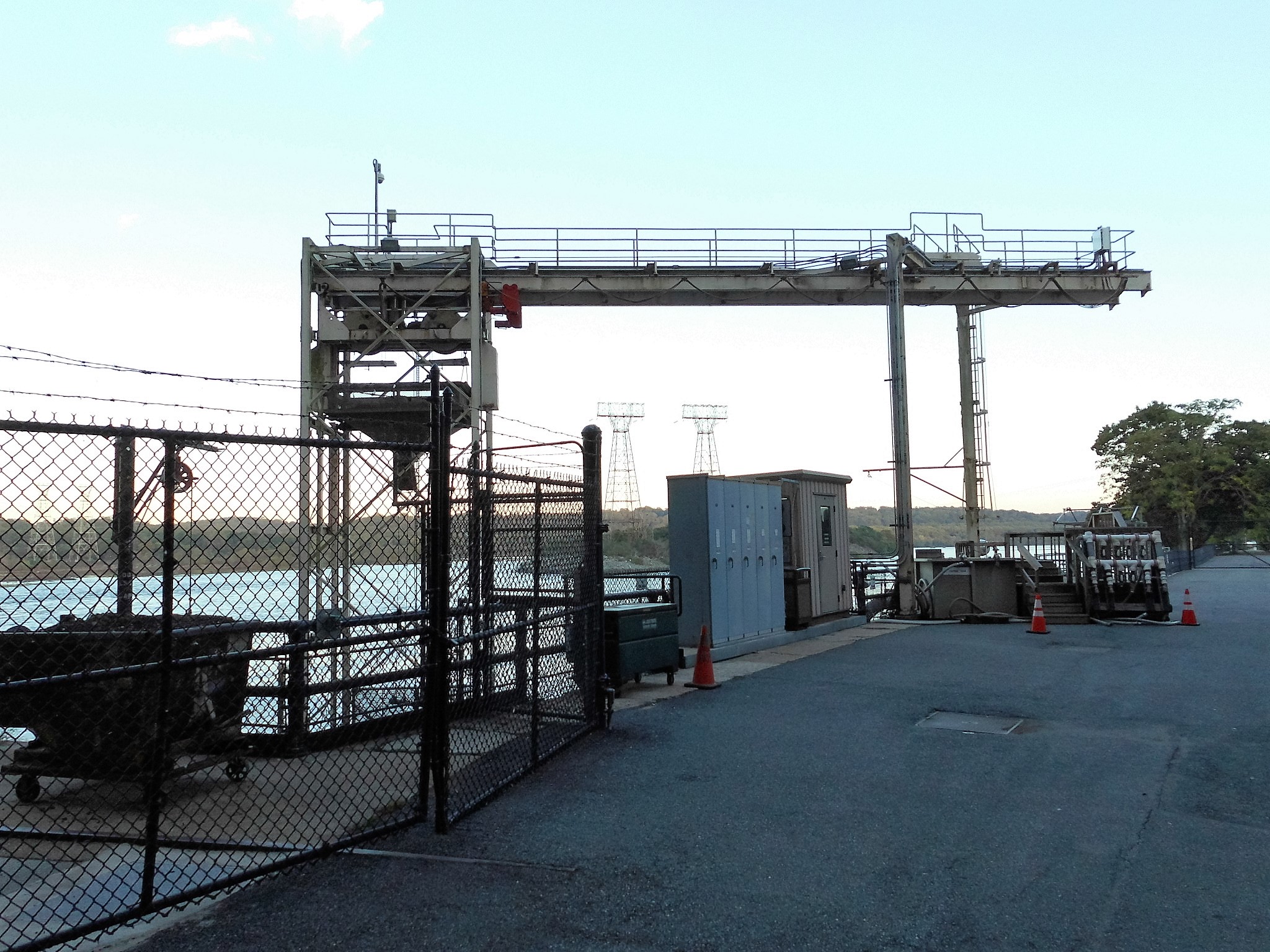
My visit into the Conowingo Hydroelectric Plant. Built in about two years time with close to 4,500 men. 1926-1928. Built by the Arundel Corporation. It generates over 13, 000 volts and then steps it up to 220,000. We were not allowed to take photos in the control room but one thing interesting about that was a board that gives real time prices for electricity. The other thing in the control room was – I was asked, very sternly, Do Not Go Back There Or Touch Anything!! Sheesh!
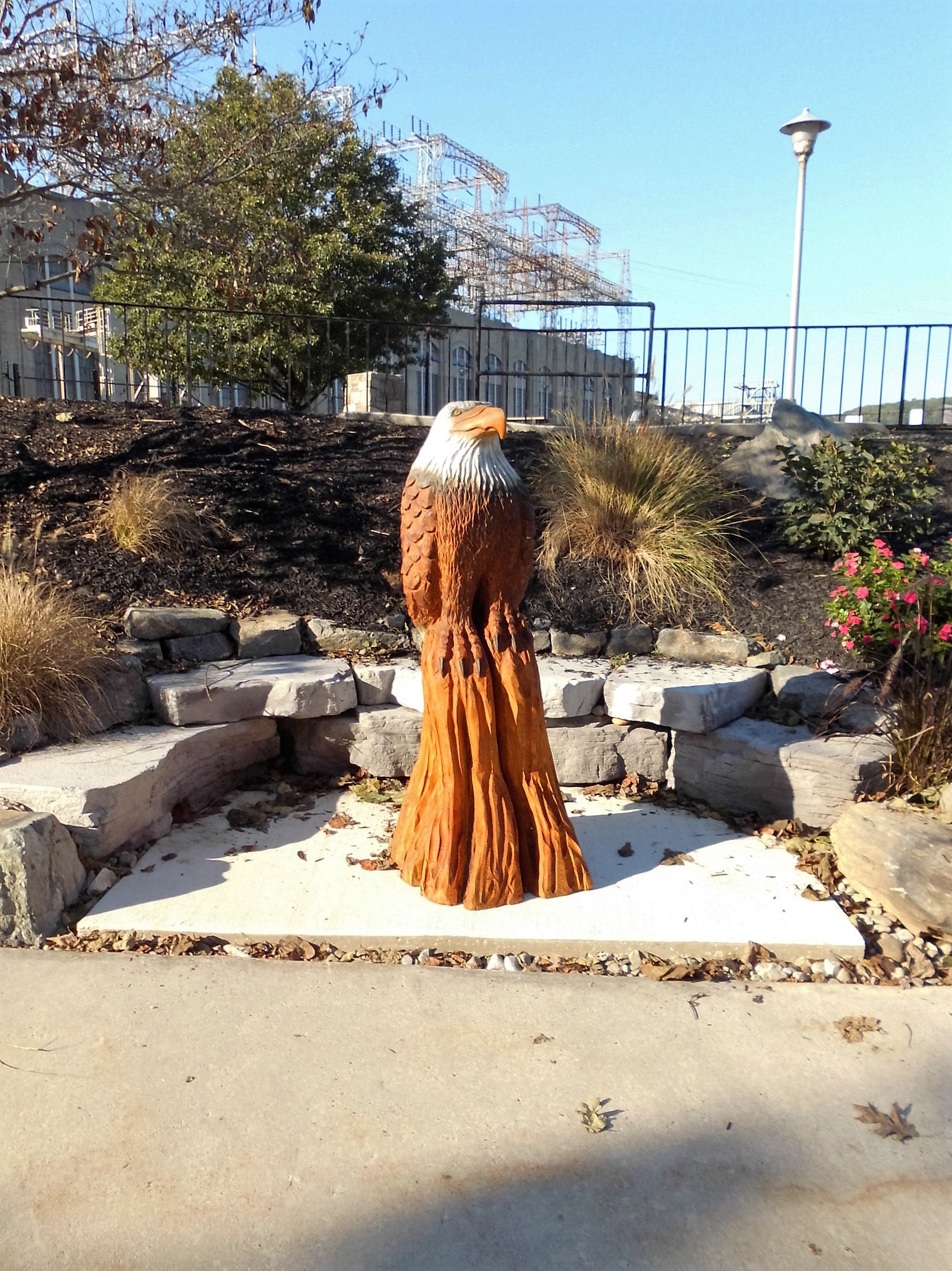
conowingo-010

Got there early and looked around. Carved eagle in front. They have a photo contest every year for eagle photos. I didn’t bring a telephoto lens.

conowingo-012

Fishermen. How the heck do they not get their lines tangled?? Three turbines on. Roughest water up to the right was a large unit. Two smaller units are on, to the left of guys fishing.

conowingo-054

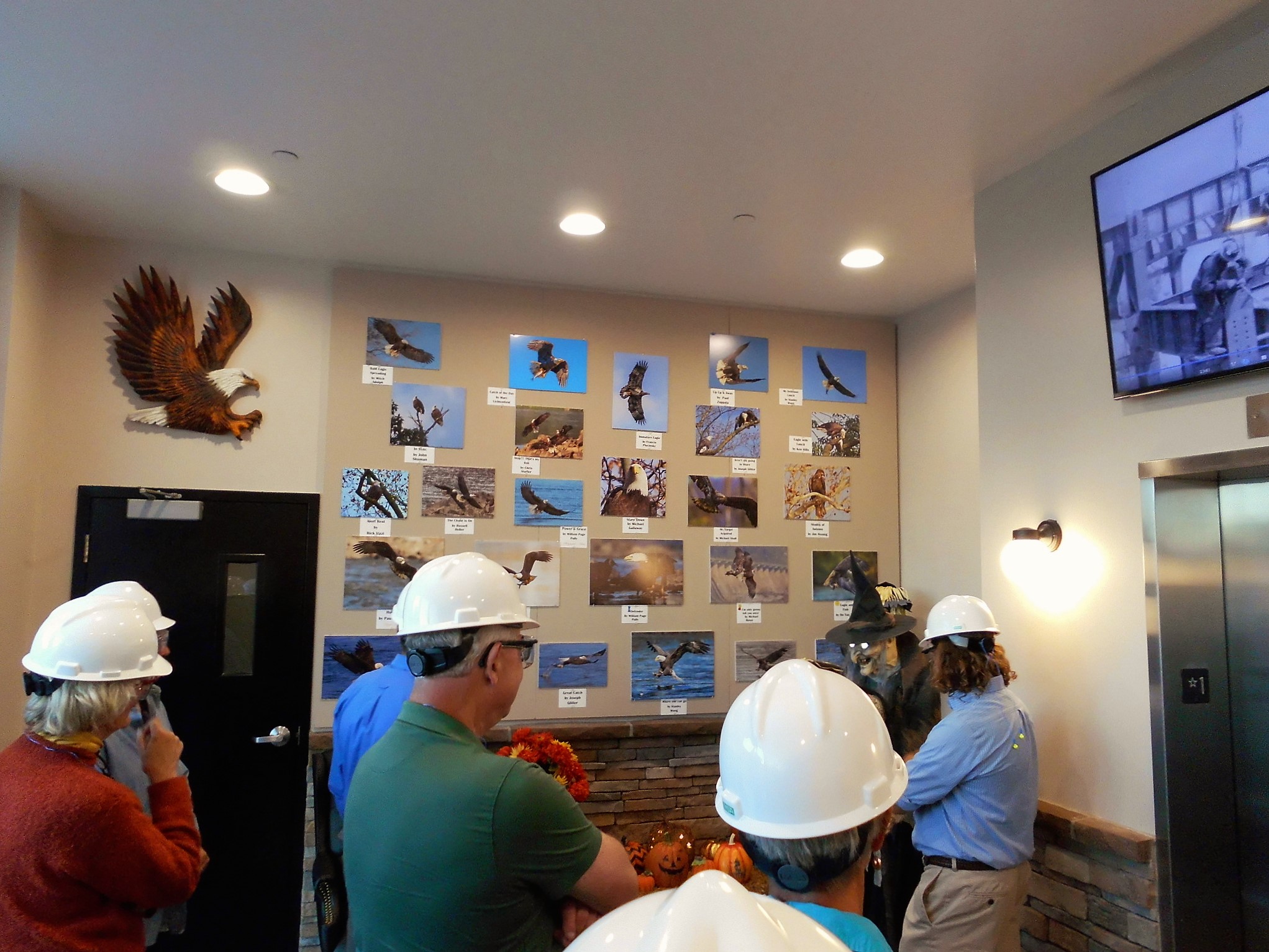
Time to go in and start the tour. Our tour guide is wearing the black hat. A continuous run movie on the building of the dam is playing. There is a nice one on Youtube called Conowingo: Then and Now.

conowingo-058

The real tour guide. The photos on the wall are all winners and submissions for the eagle photo contest last year.

conowingo-060

One of two fish lifts. This one was used to collect fish and then transport them by truck to hatcheries and fish farms to be released above all the dams (There are a few and about five years ago they all installed real fish lifts so the shad can just go up river to where they are supposed to)

conowingo-066

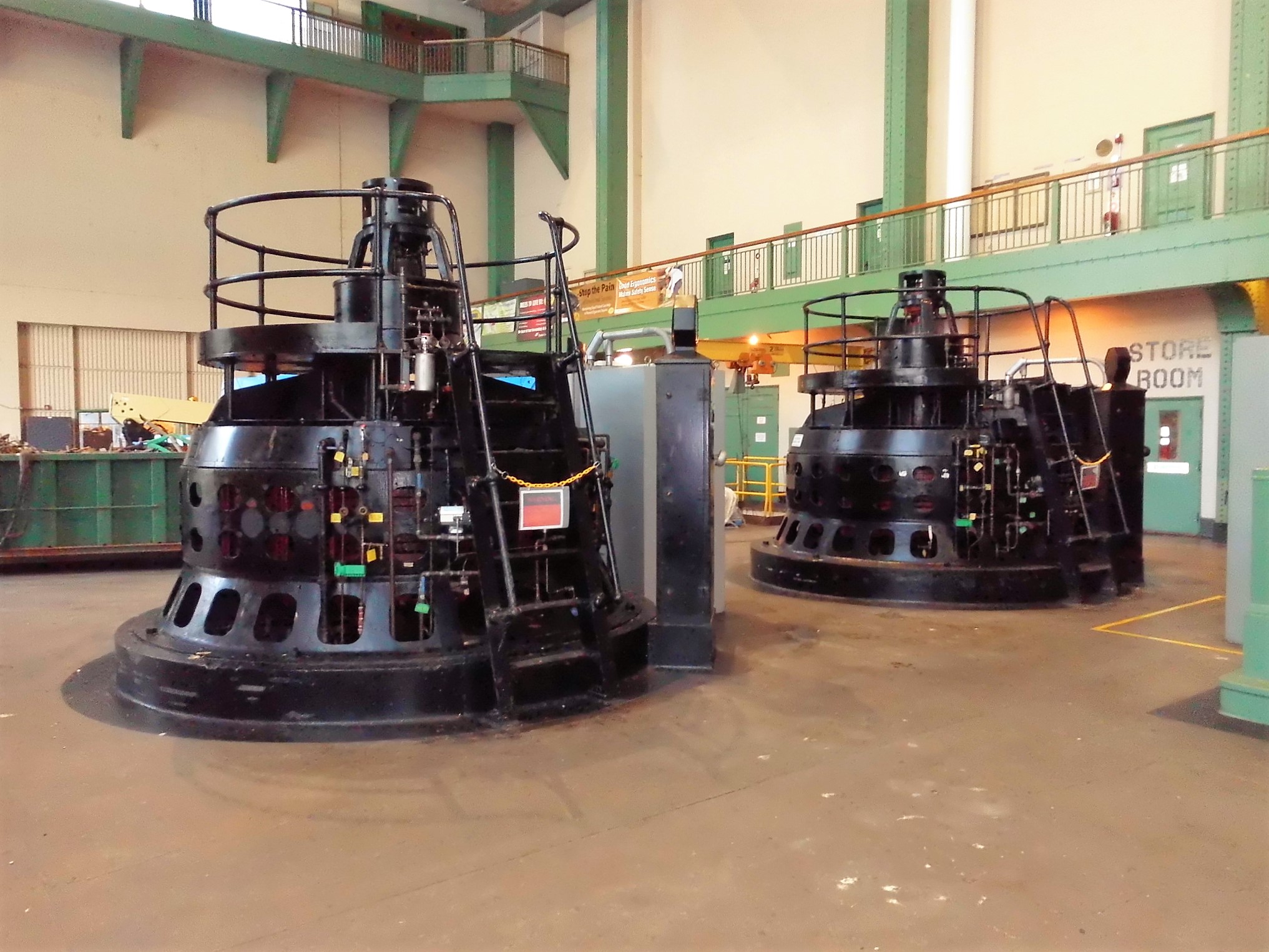
I believe our tour guide said these two generated power to run the plant. It was loud in there.

conowingo-068

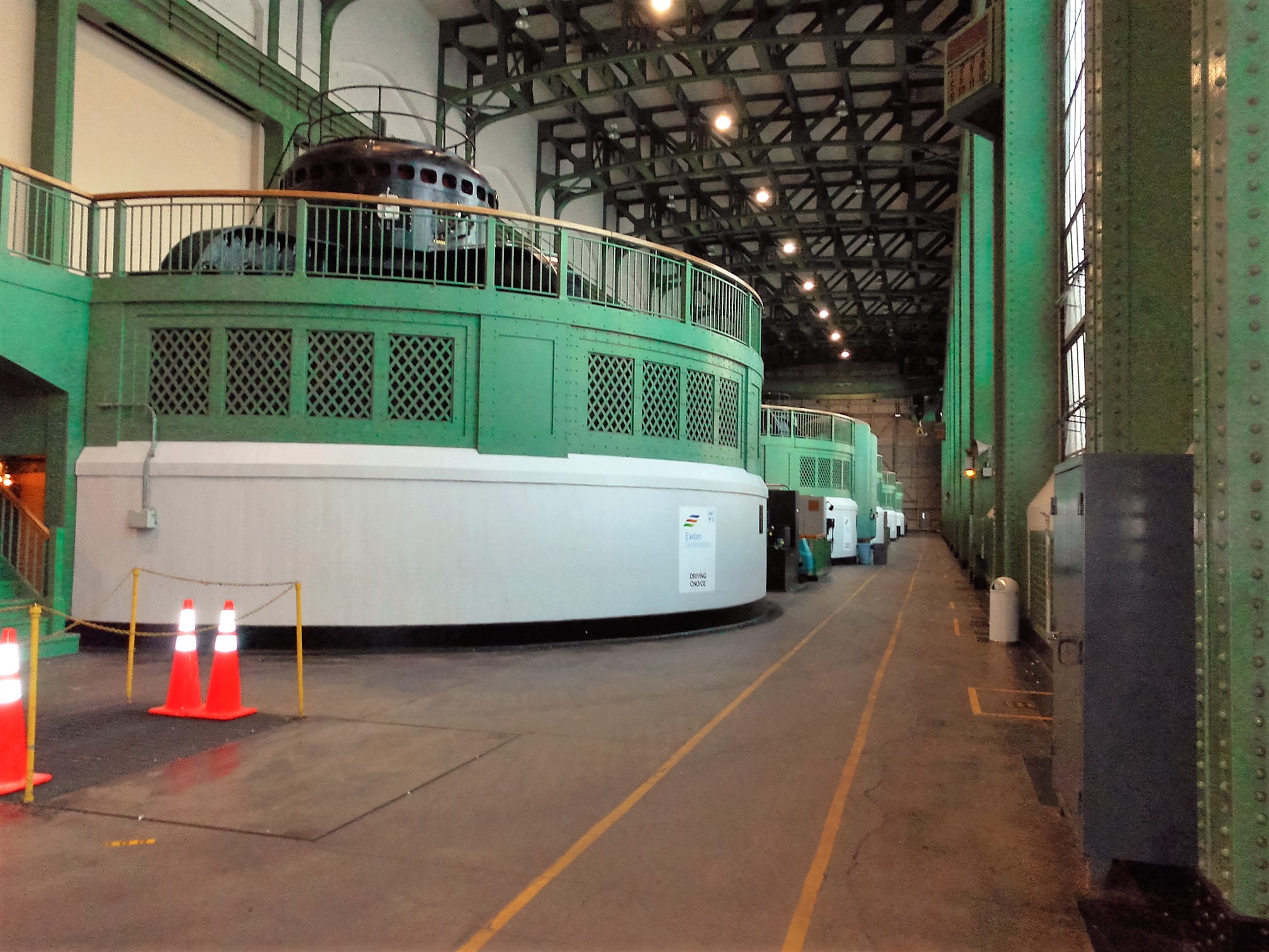
Where they make electricity. Yellow light on the right wall means – put in your earplugs.

conowingo-077

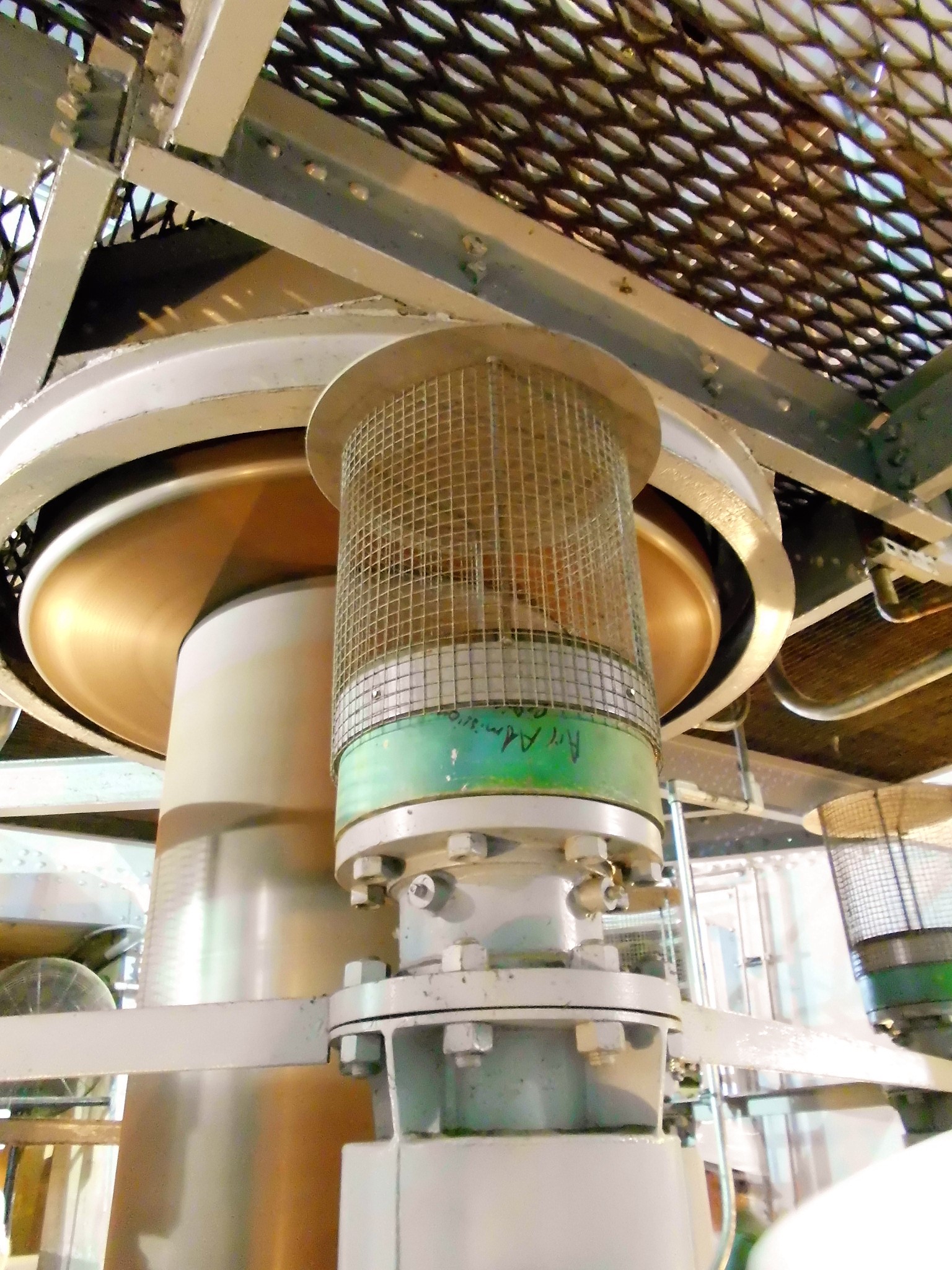
Aerator. It sucks air into the water. The dissolved oxygen drops about 60% from the dam pool to the discharge side, so they add some air to the water.

conowingo-081

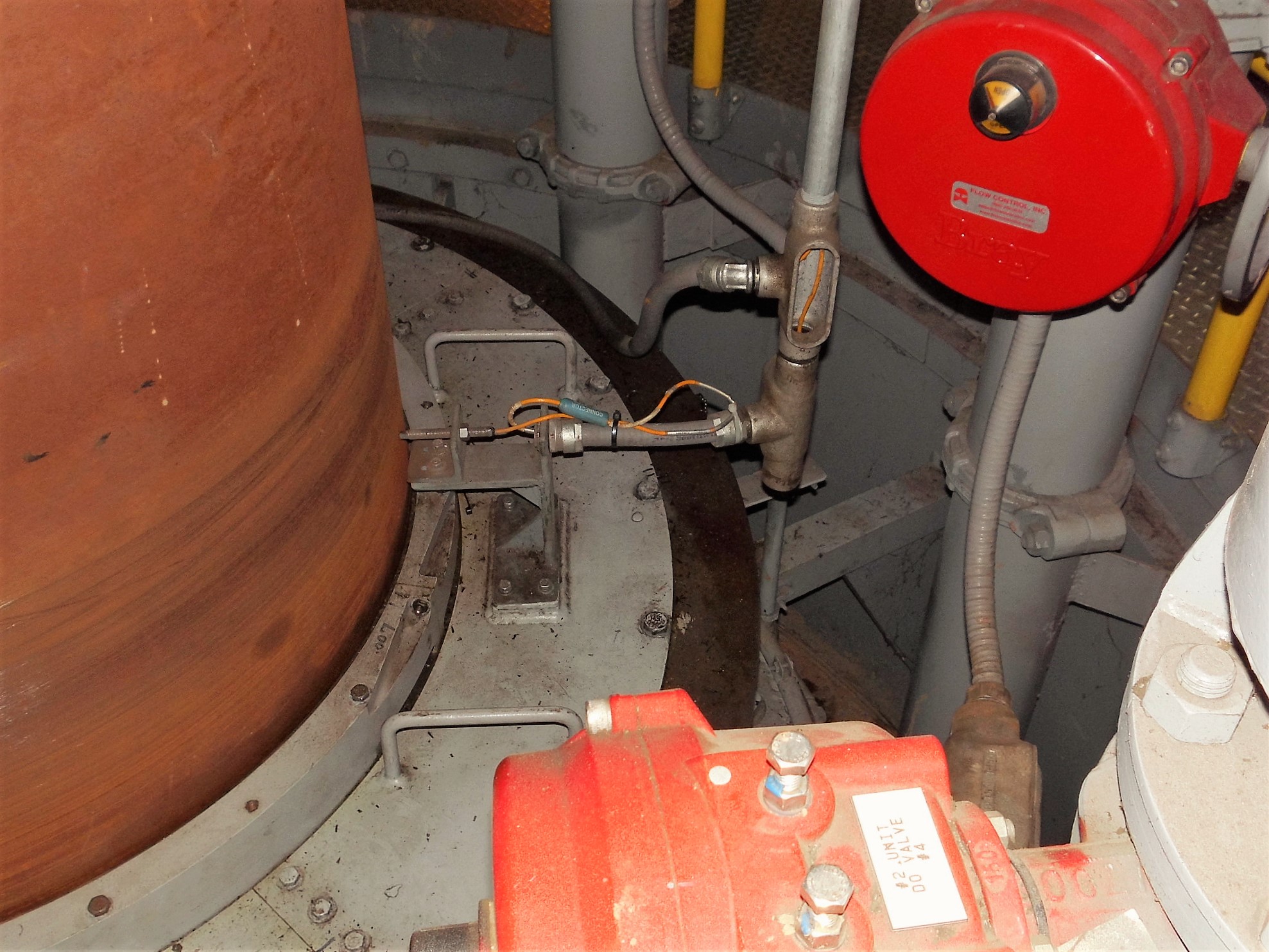
This little probe, just barely touching the turbine shaft measures for any distortion in the shaft. If it senses some, it will shut down the unit.

conowingo-087

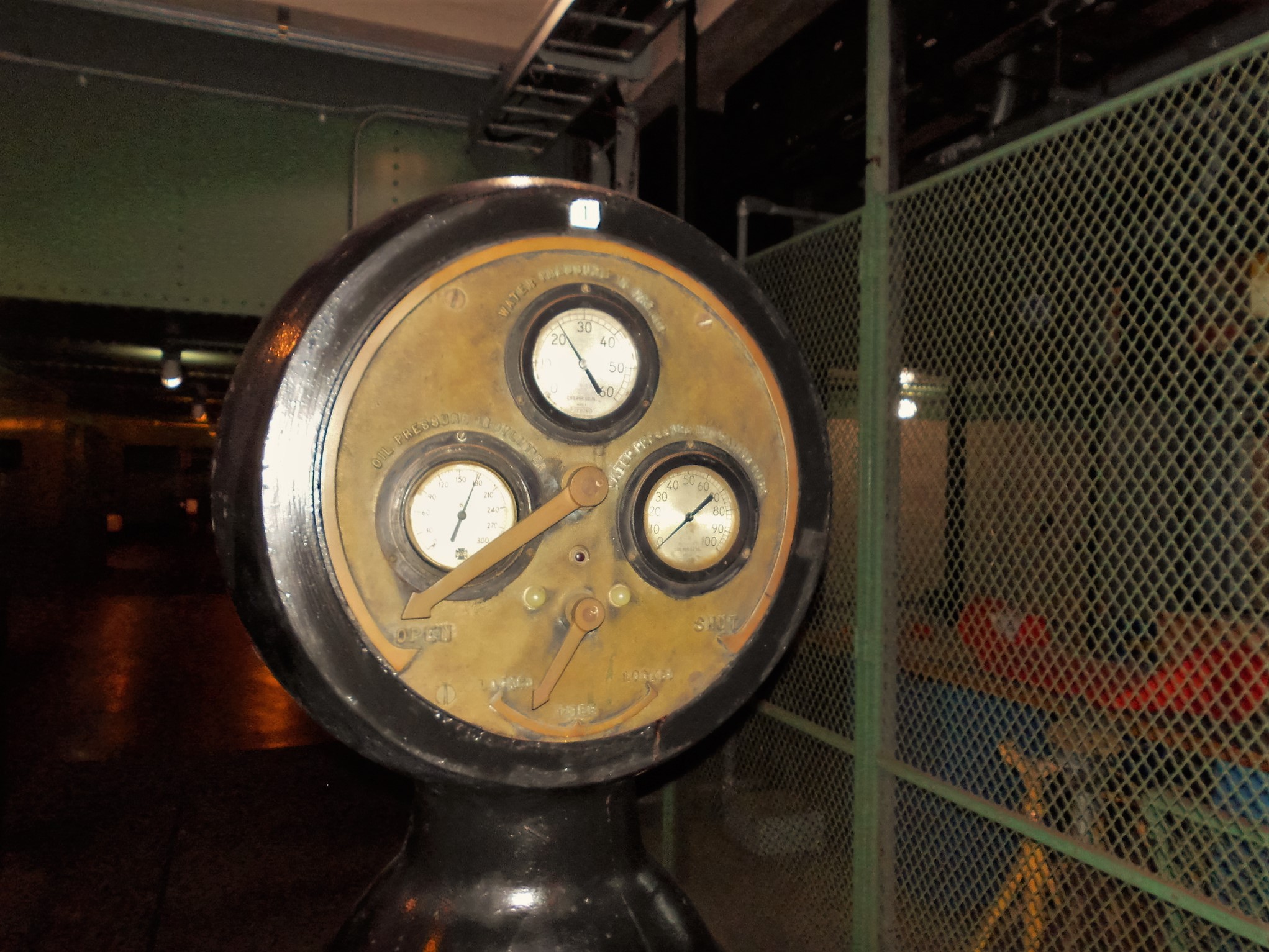
Some old gauges.

conowingo-096

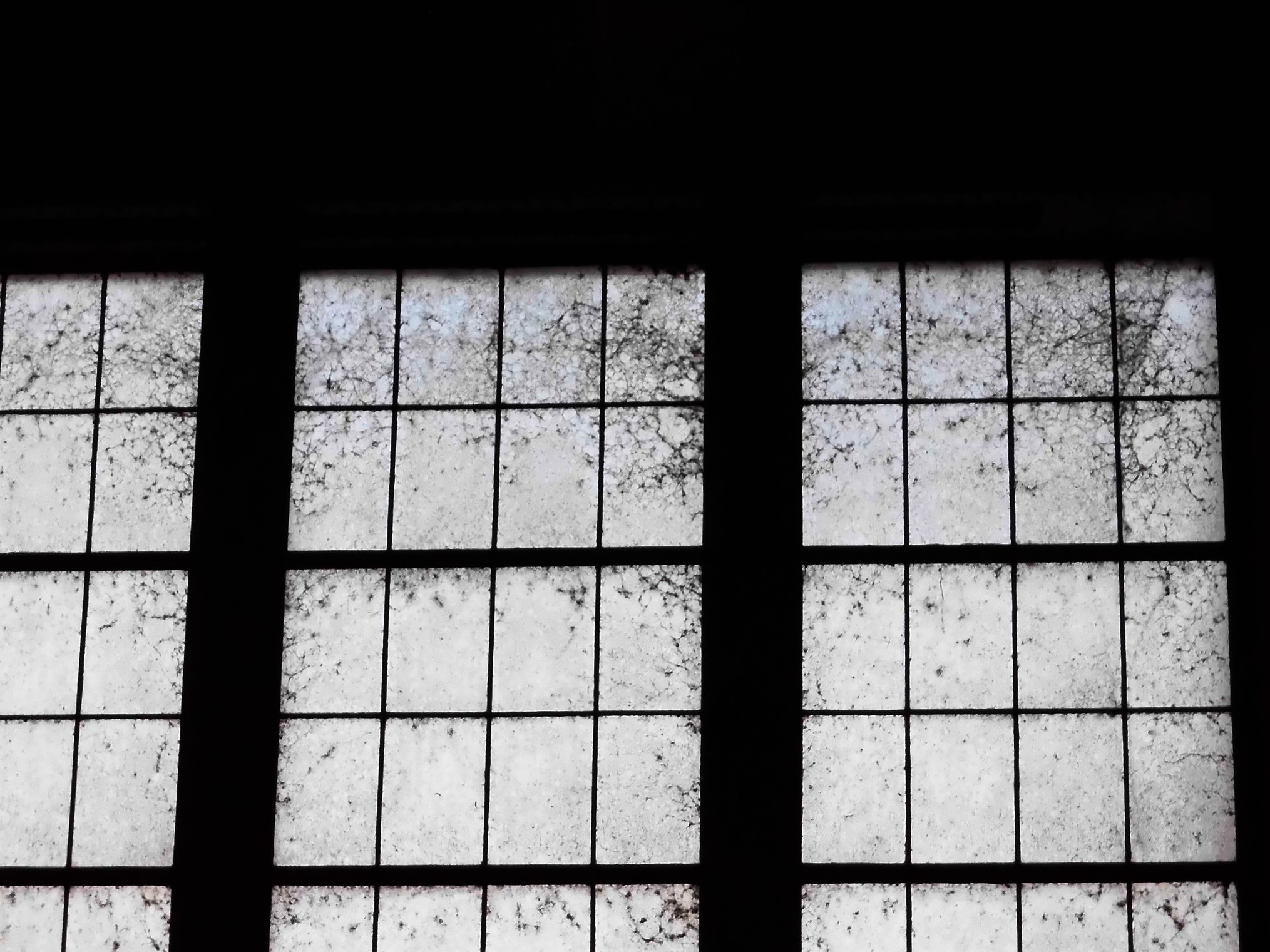
Spiders! They just cleaned these windows a couple months ago.

conowingo-104

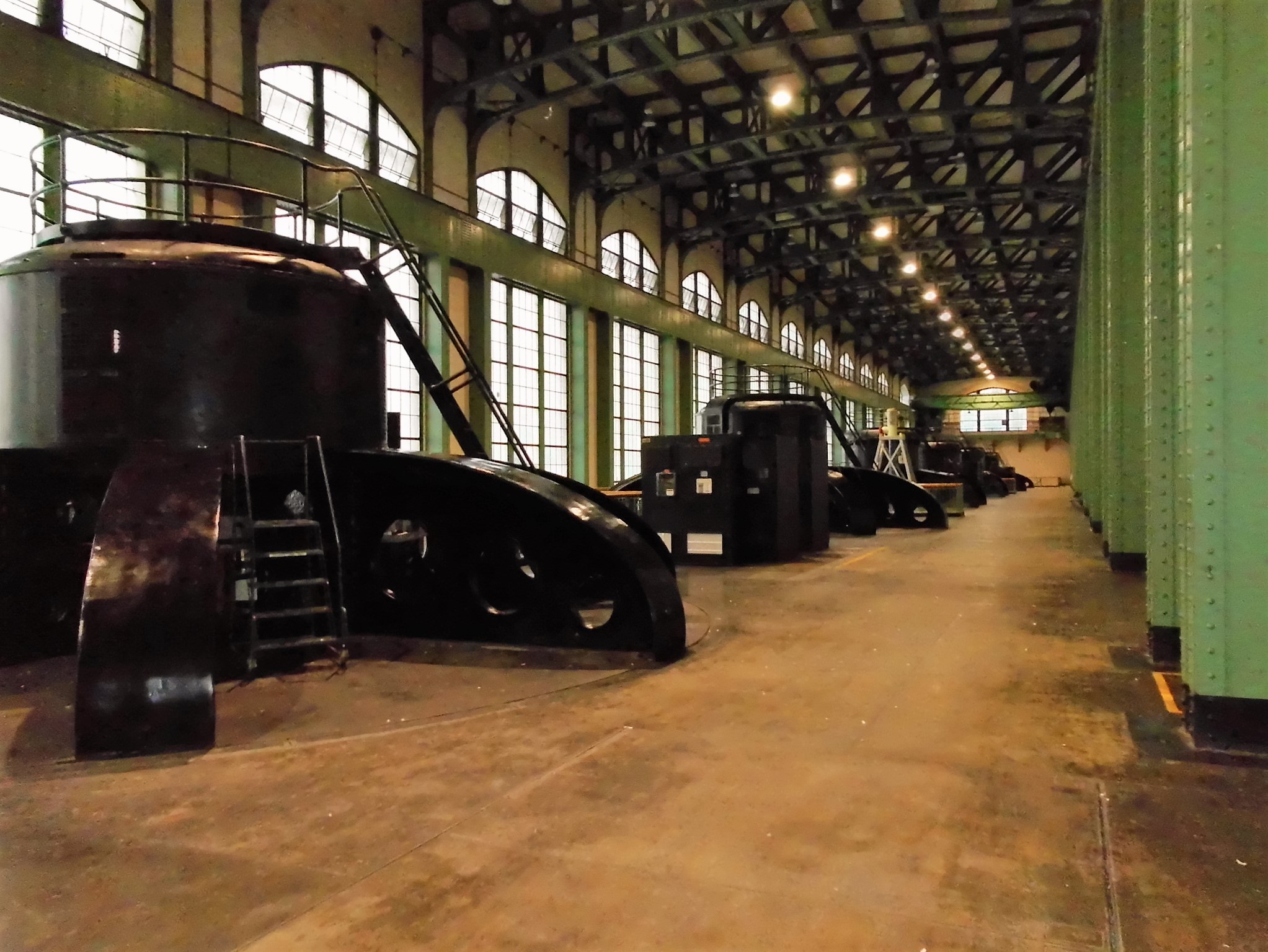
Next level above the turbines – generators.

conowingo-120

Outside above the catwalk. Years ago, pre 9/11 you were allowed to fish off the catwalk. This is looking down towards Port Deposit.

conowingo-125

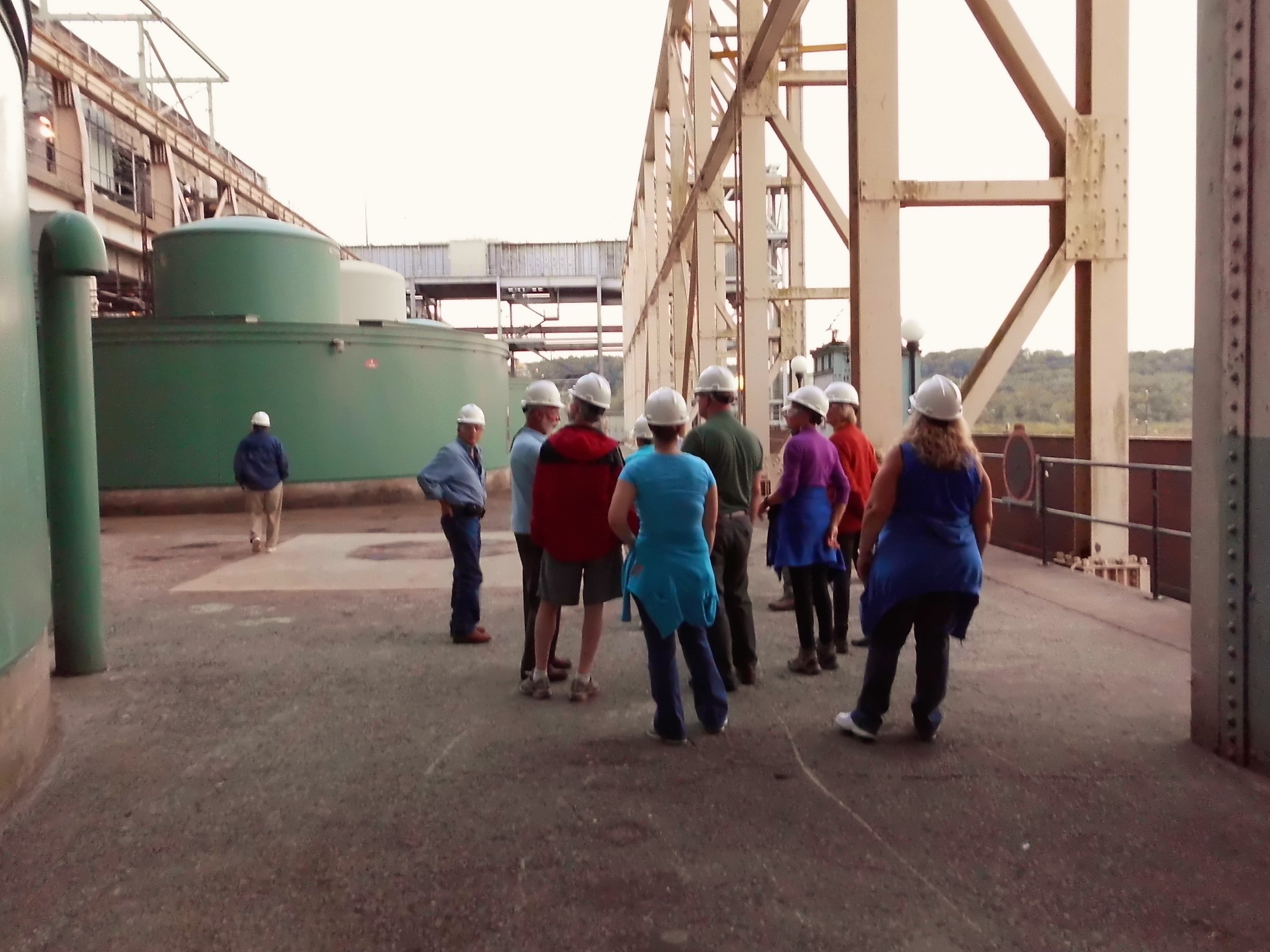
The tour group. I didn’t know a single one of these people.

conowingo-127

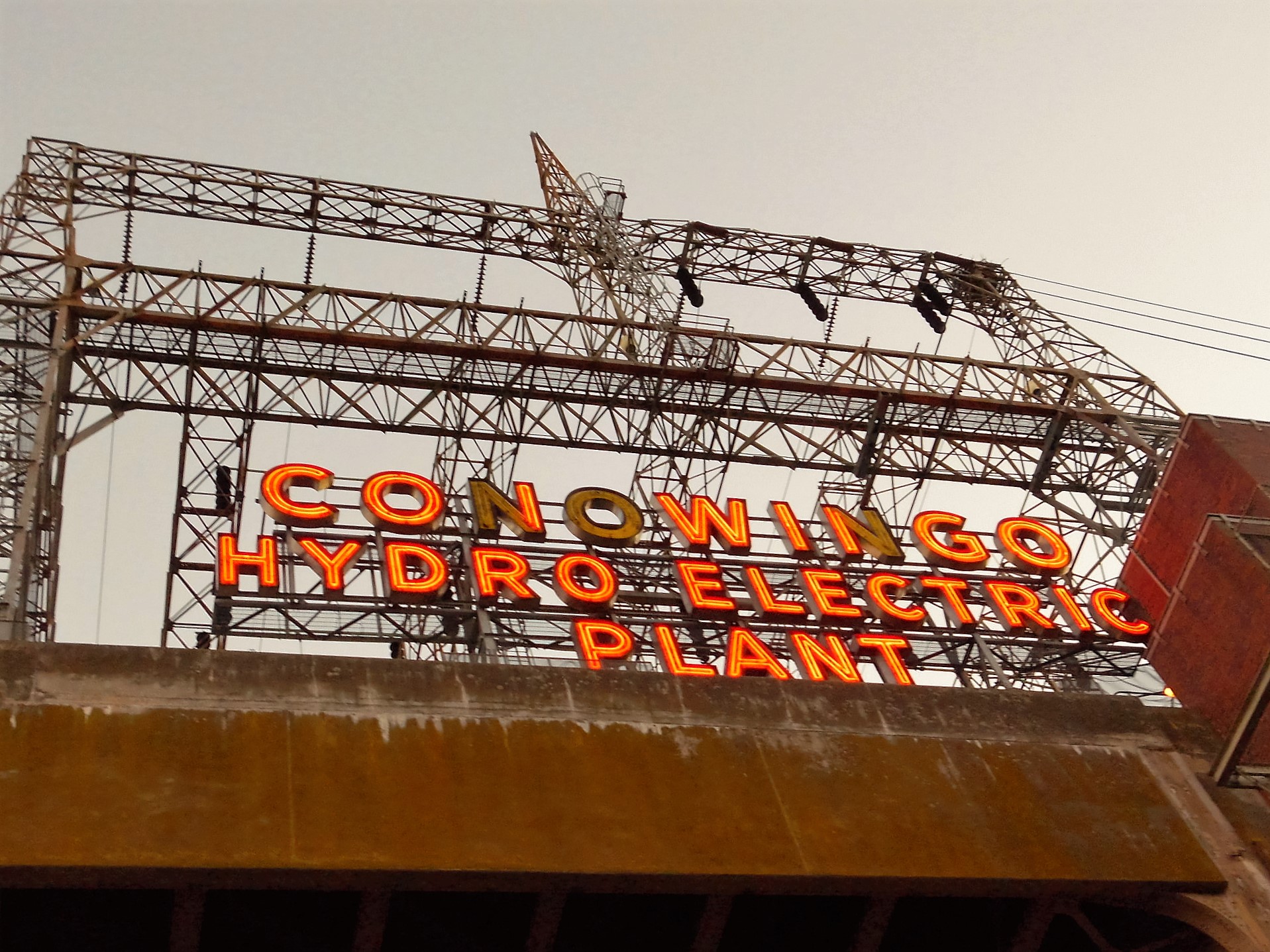
Need some lights changed on this sign.

conowingo-134

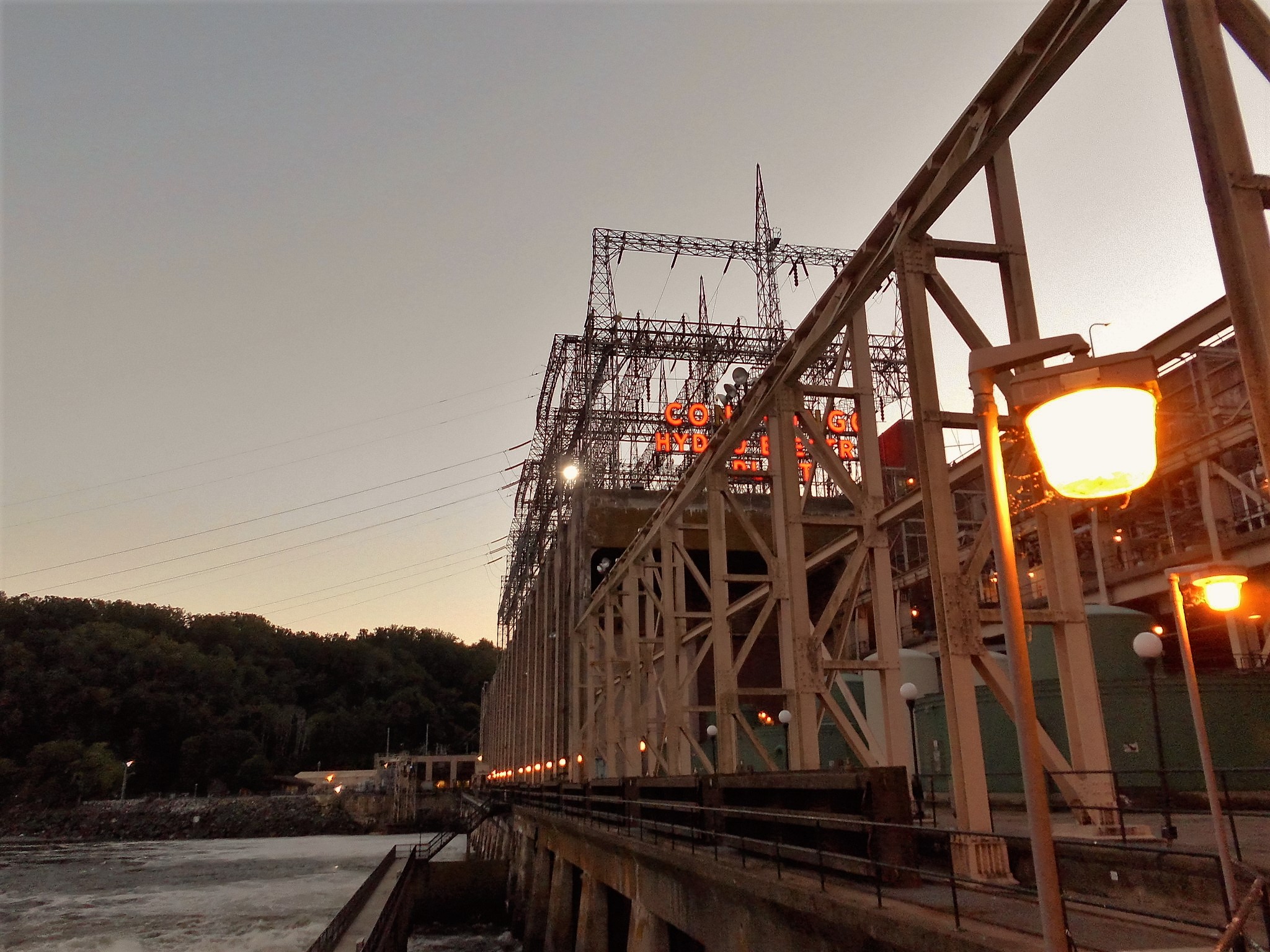
Lonely lamp right before the second fish lift. Do fish need to see to be lifted?

conowingo-141

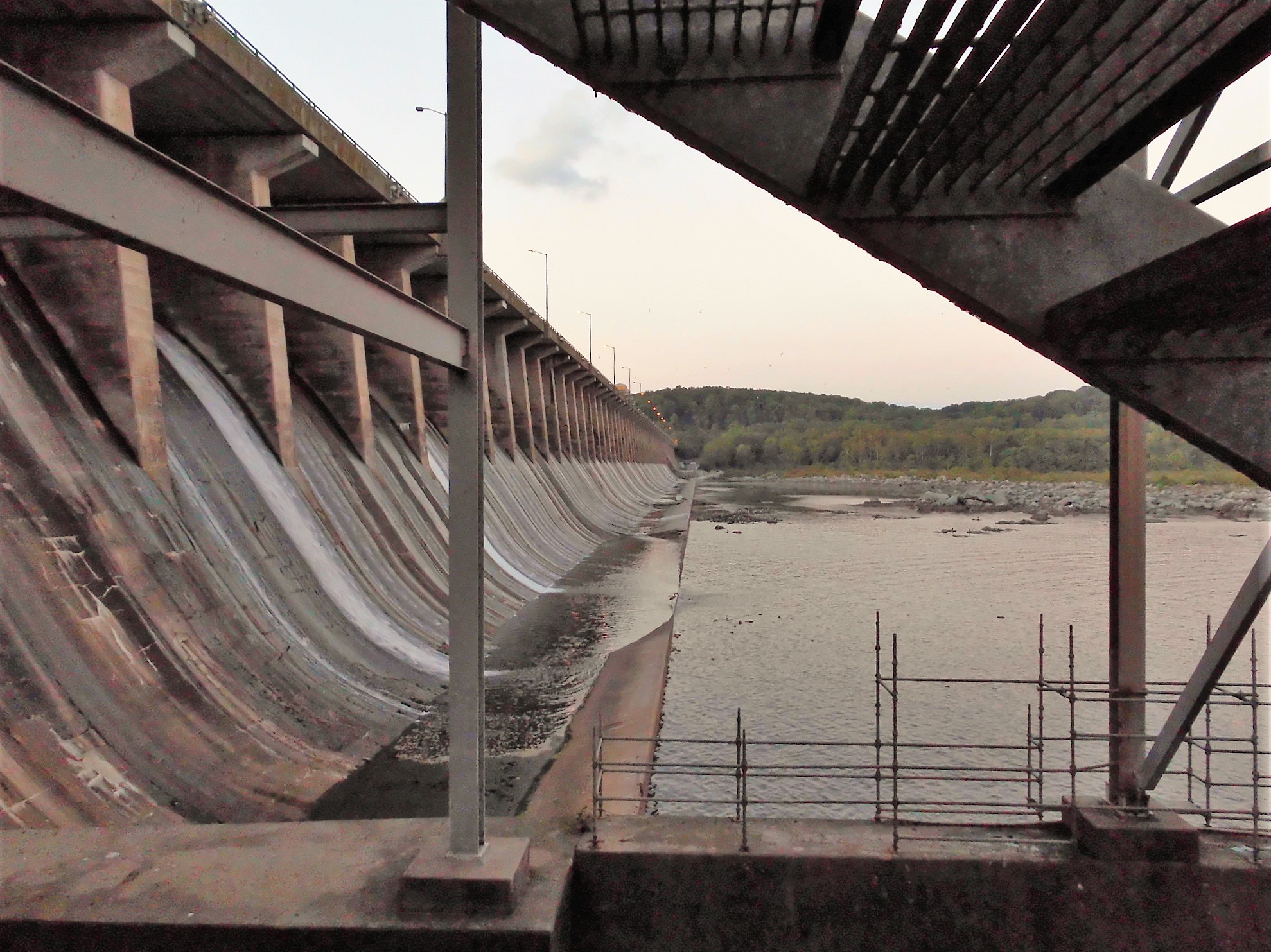
In the very early 1960s I use to fish on that little rise at the bottom of the dam.

conowingo-142

Second fish lift. They swim into that lift and are free to swim out at the top. Supposedly there is someone who looks thru a plexiglass window and counts them? Since the other dams have installed lifts, no reason to truck them anywhere.

conowingo-147

Starting to get dark out.

conowingo-178

Back inside, on the way to the control room. Pit.

conowingo-202

Dark outside now, after control room. Guys are still fishing!

Dams

02 Sunday Oct 2016

Posted by Ronald Parks in Baltimore, Photography, Reservoir

≈ Leave a comment

Tags

Baltimore, bridges, Conowingo, engineering, fishing, Gunpowder Falls, Hiking, HISTORY, photography, Reservoir, Star Wars

Back in the beginning of September, I posted some photographs of my visit into Liberty Dam. The watershed manager, Clark, took me down to the bottom. It was quite an experience for me. Before leaving I made the comment that the Conowingo Dam will be my next adventure, to go inside. A couple weeks later, Clark sends me an email telling me that a group he belongs to, the Upper Western Shore Tributary Team, are going into Conowingo. That I should contact them and ask if I can go. A couple days later they sent me a yes answer. Very nice. So, here are some of the dams I’ve gone into. Not listed yet is Loch Raven. Not much to go into there but Clark said when they do the next inspection, I can go.

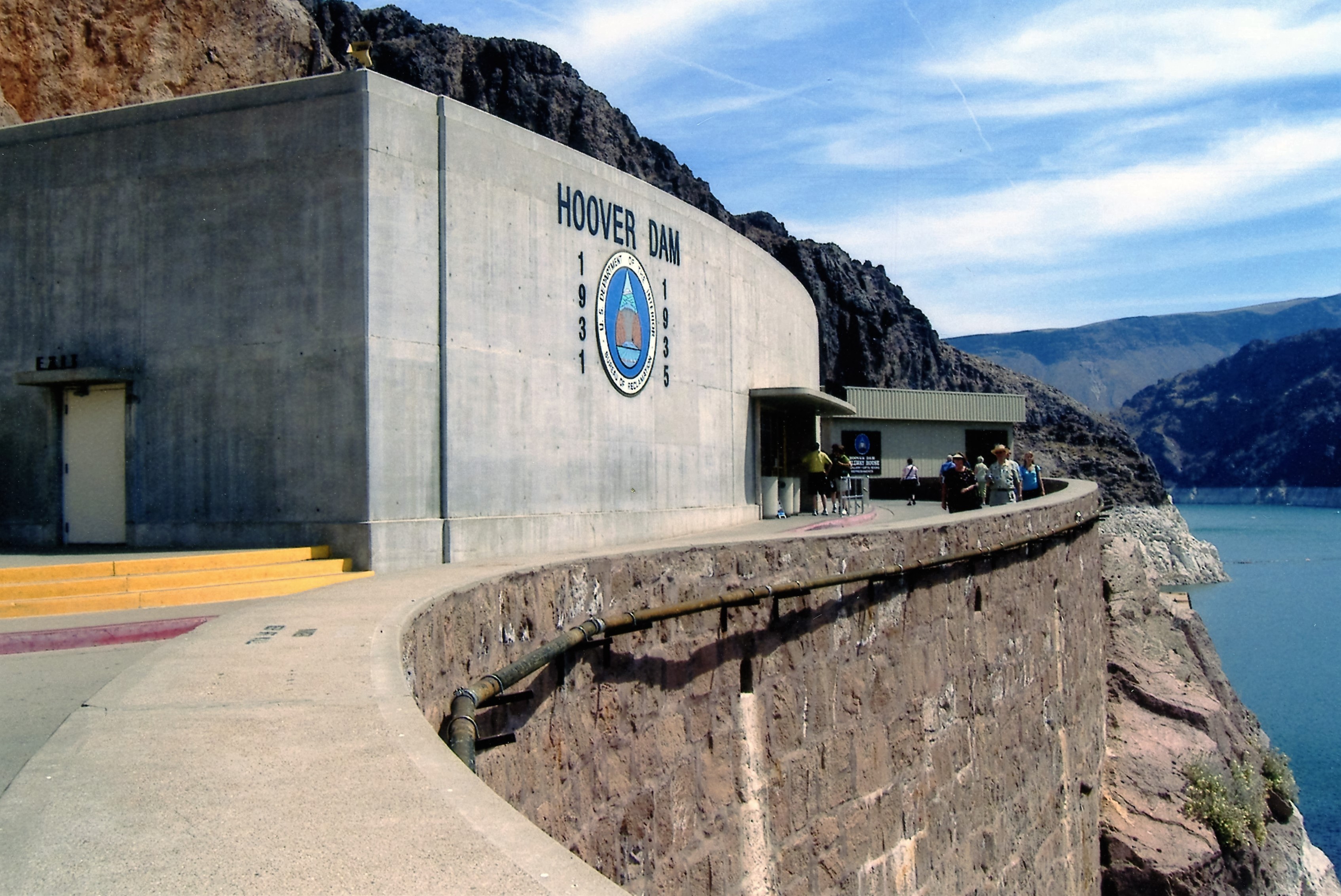
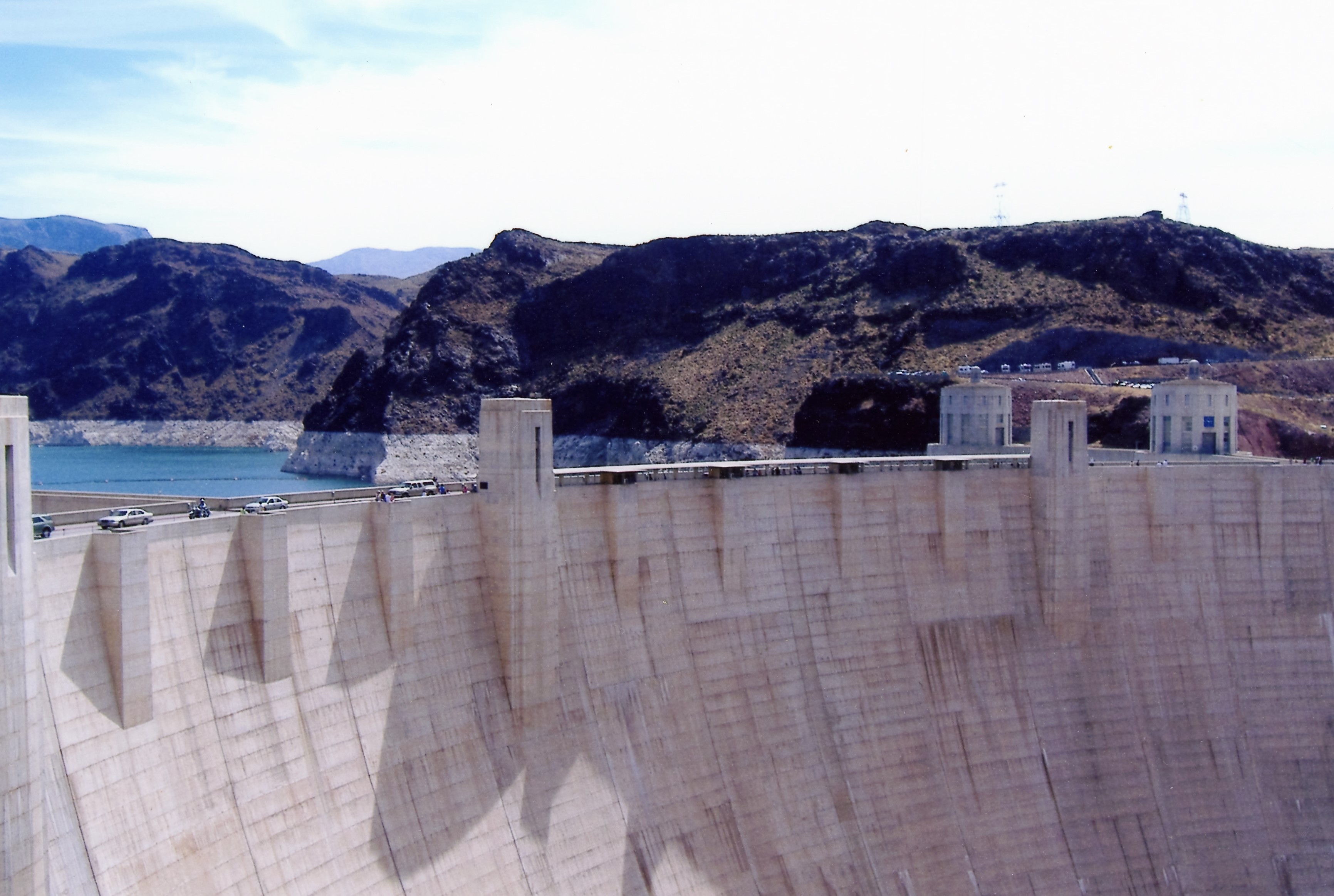
My first interior dam I visited was Hoover Dam in 2005. It was nice but a disappointment in that 3-1/2 years after 9/11, the lower portion was closed off. I only got to see the turbines from an observation deck.

hoover001

This was a quick looksy – “Alright people, back on the elevators.”

hoover004

Up on top.

hoover002

One side of the dam…

hoover006

to the other.

hoover003

Intake structures – actually more impressive than the one at Liberty!

hoover005

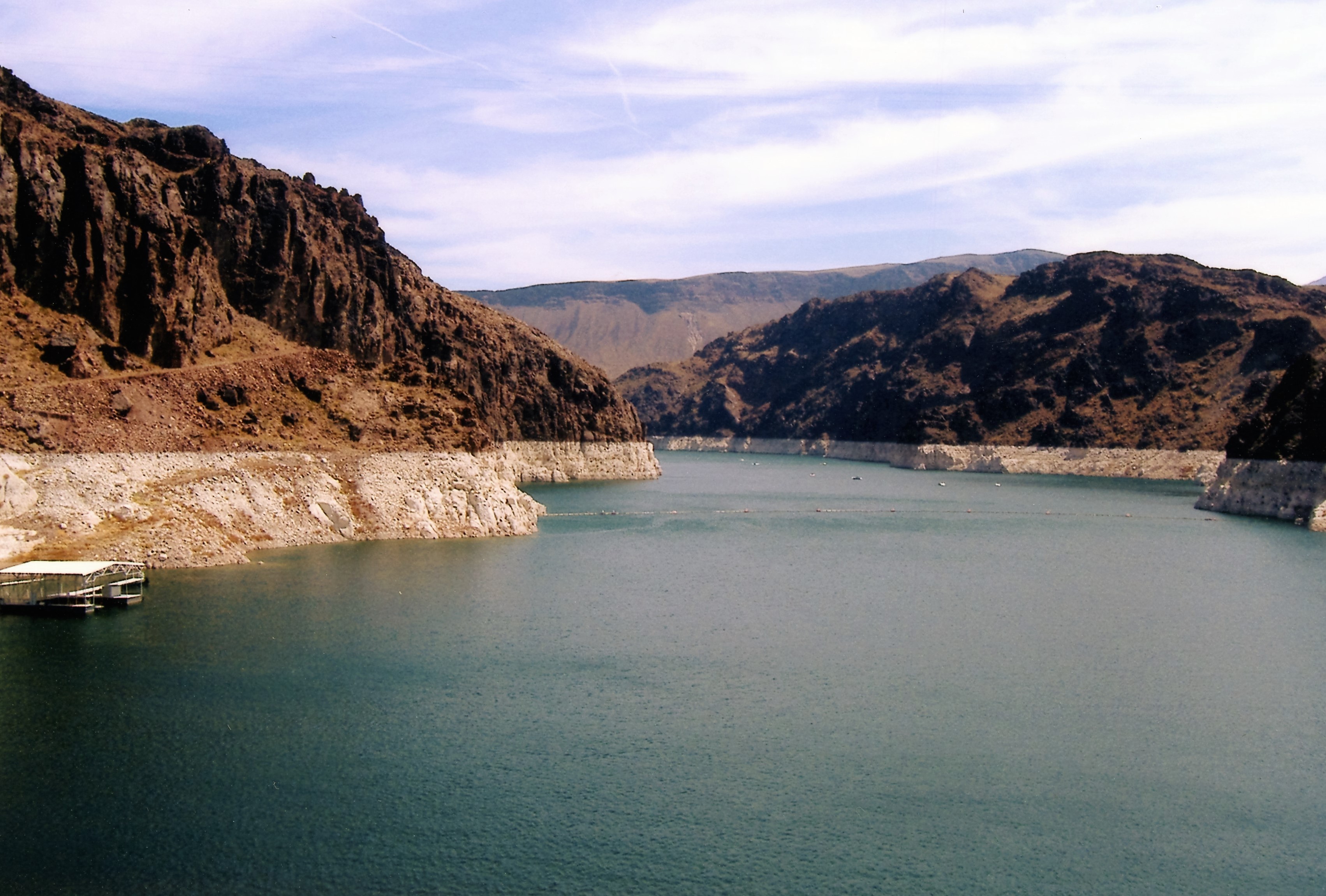
Reservoir getting low…and yet they are still building new homes in the area.

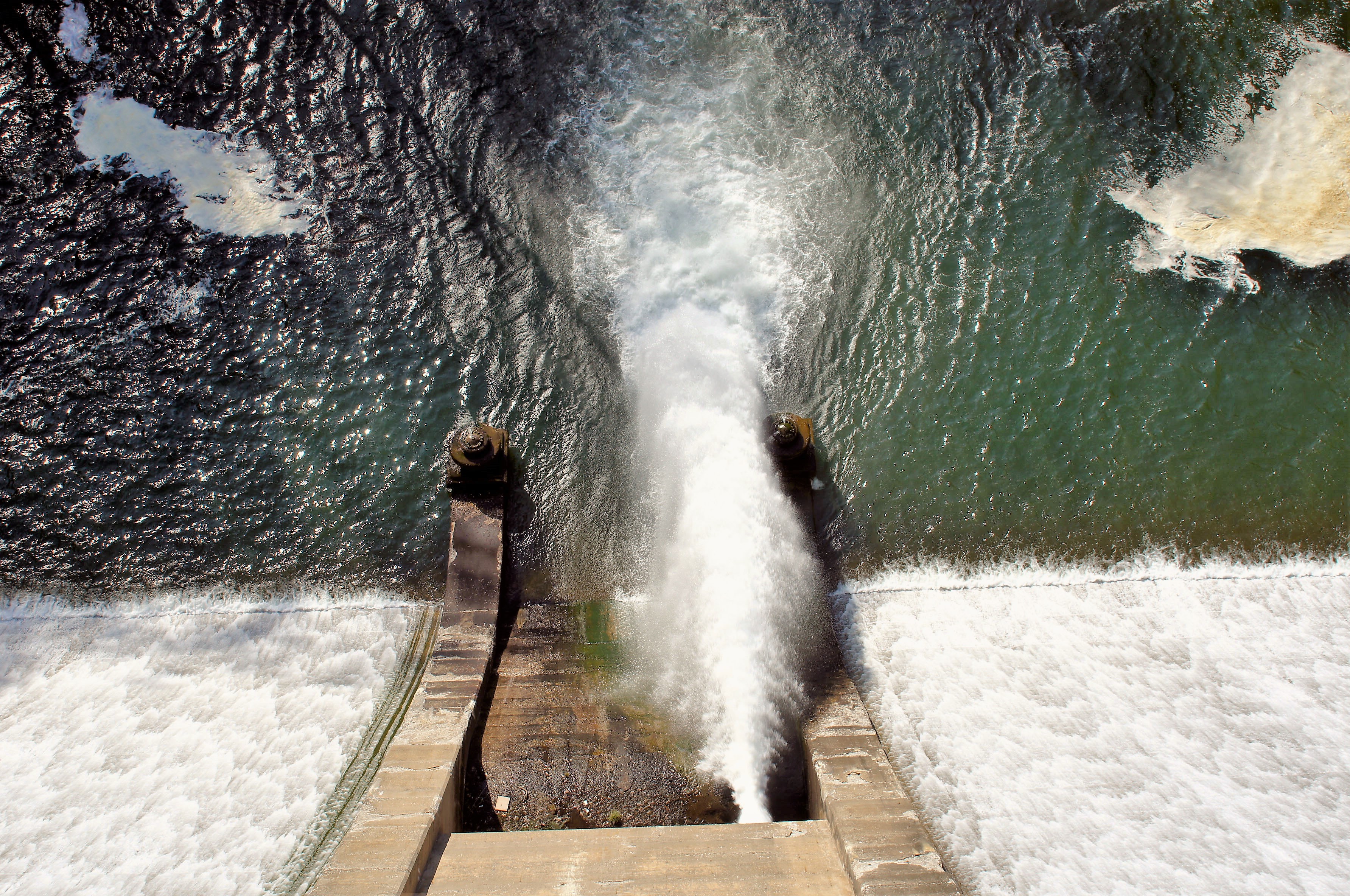
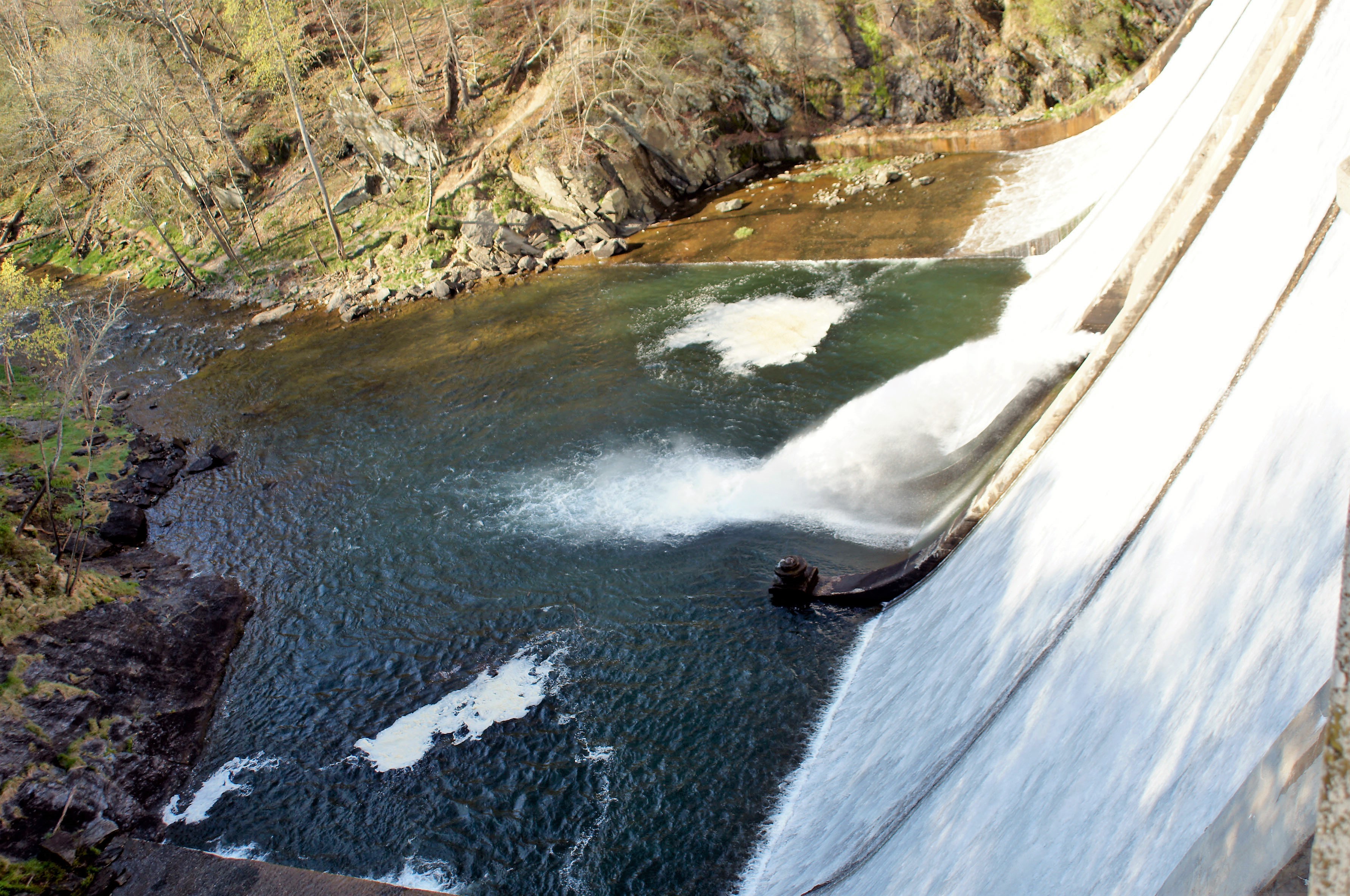
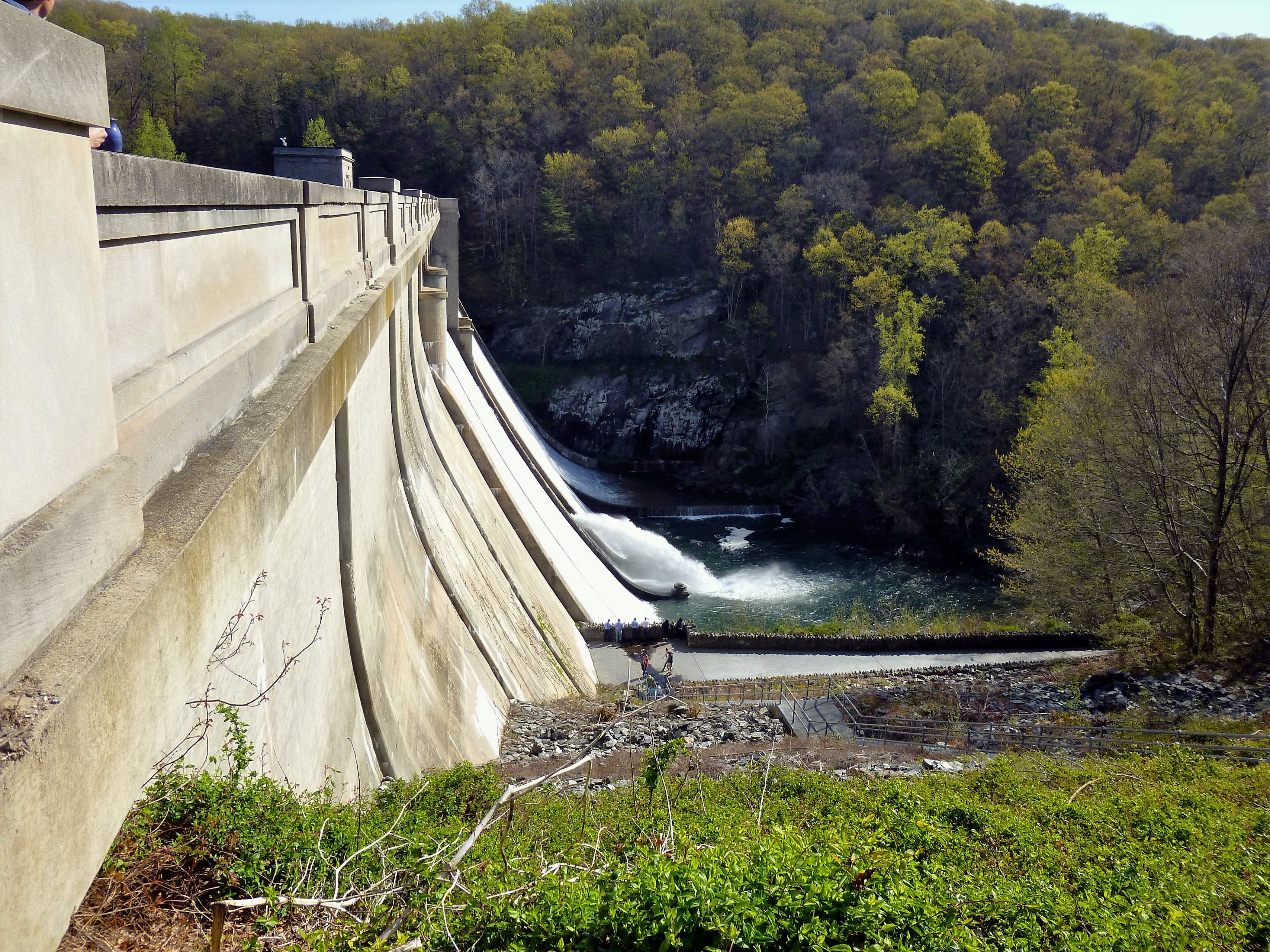
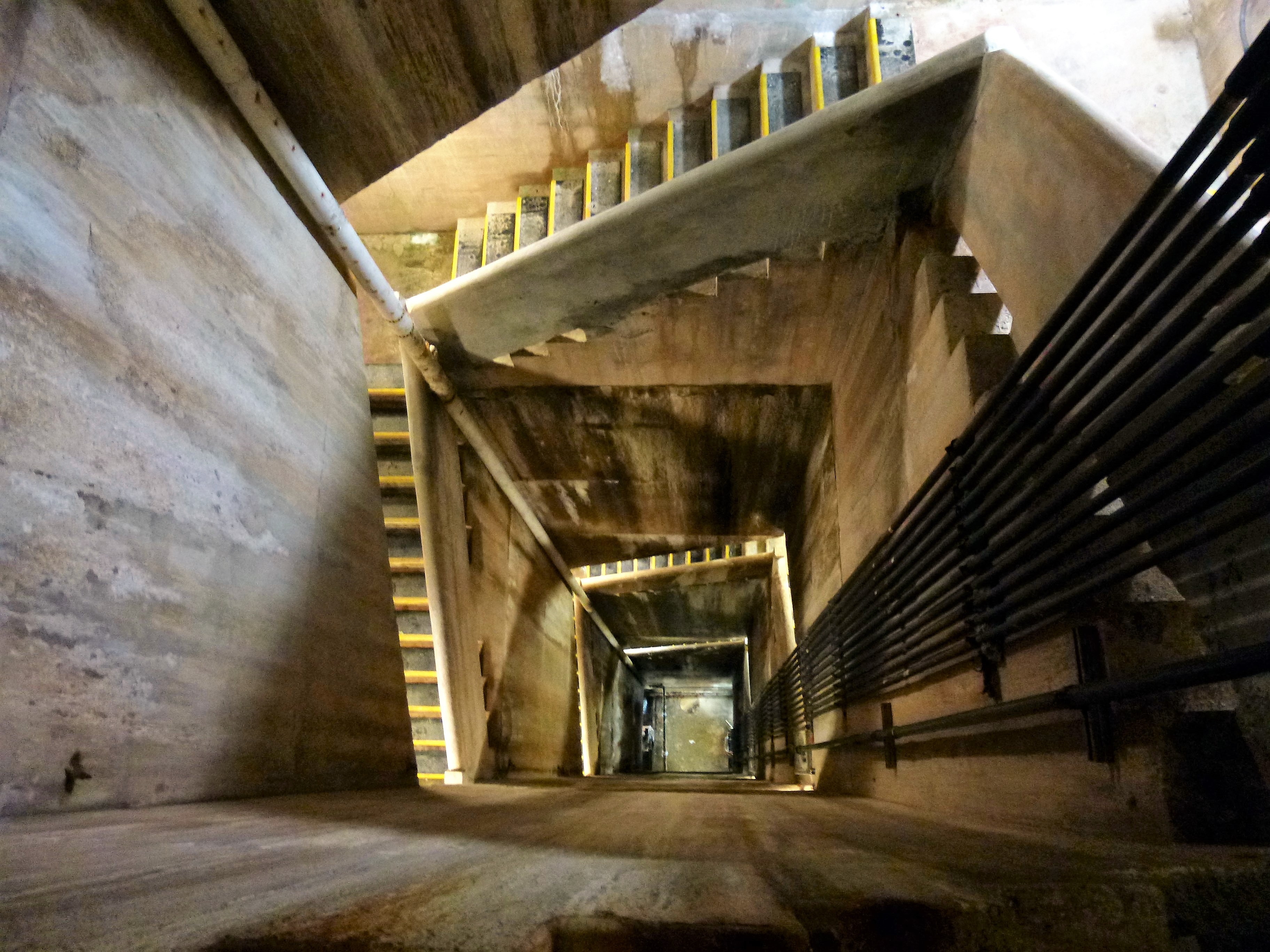
In 2013 I was able to go into Prettyboy Dam.

Looking down from the top.

What I like about this view are the memories of my father taking me down to the bottom – concrete slab – to go fishing.

We had to go down the steps, then climb over a fence and trek down the hillside to get to the fishing spot.

Time to head to the bottom of the dam. More steps.

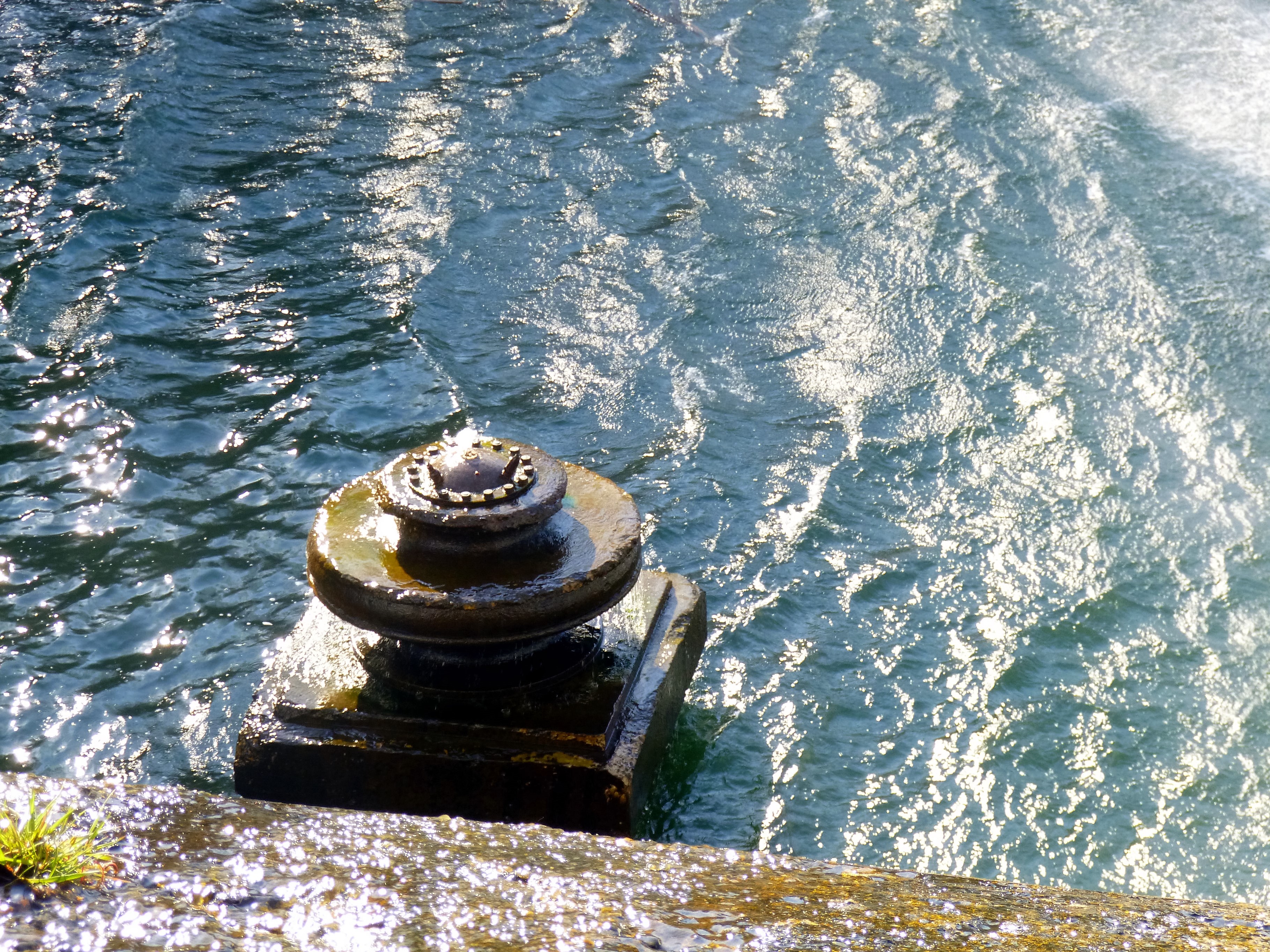
I was able to go out onto the deck, where the valve was spewing forth water to my right. This is one of two fountains that don’t work. Contractor said it would cost over $100k to fix. Director says no.

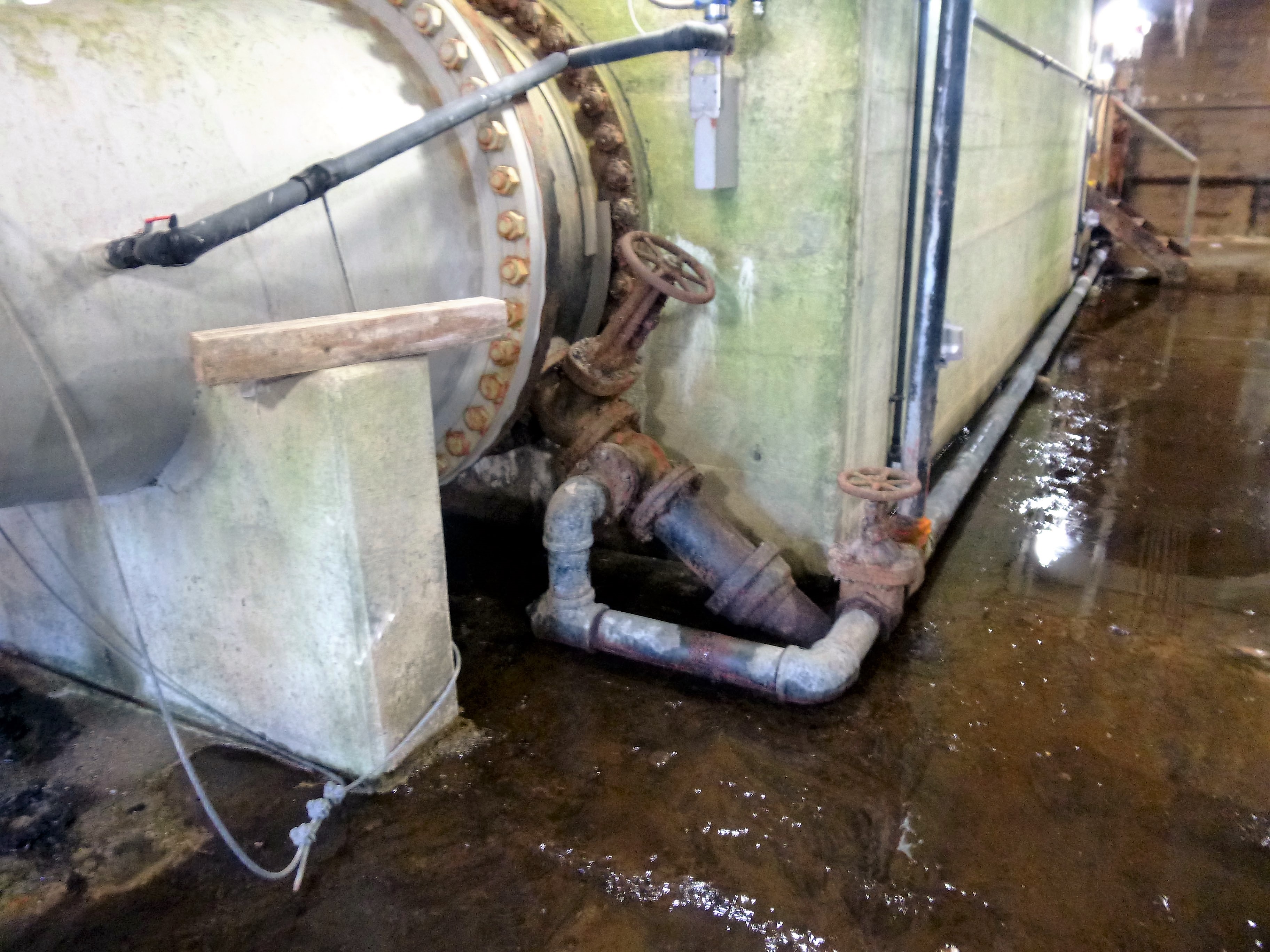
The 45 degree pipe is what feeds the fountains. It goes under this floor into a chamber and then into more concrete. It is collapsed there and this is why it would cost so much to fix.

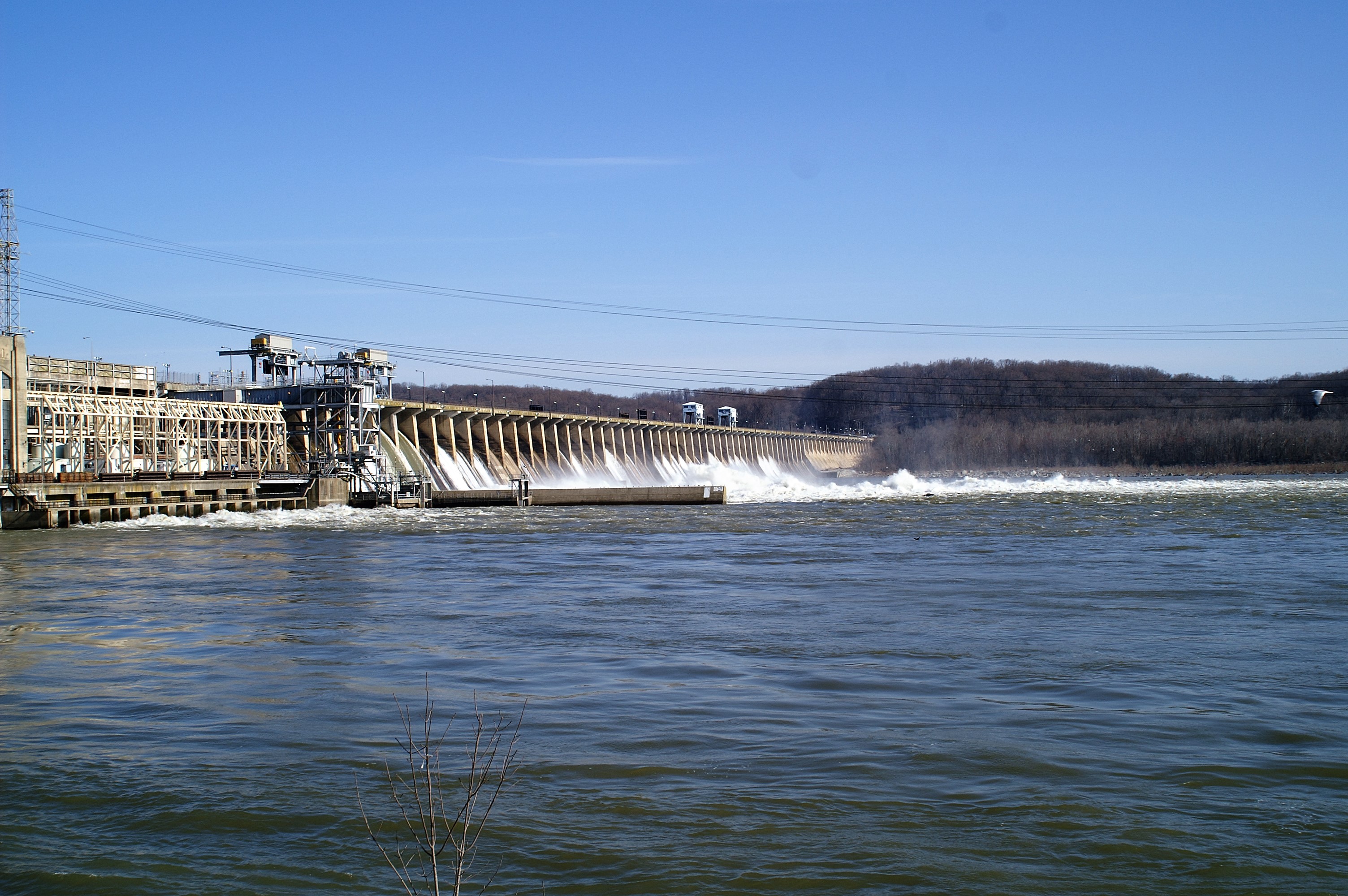
Tomorrow, if the dam Gods permit, I will be going into this dam – Conowingo! This is from 2011 when most of the flood gates were opened. I just bought a new telephoto lense for my camera and wanted to see how it works…

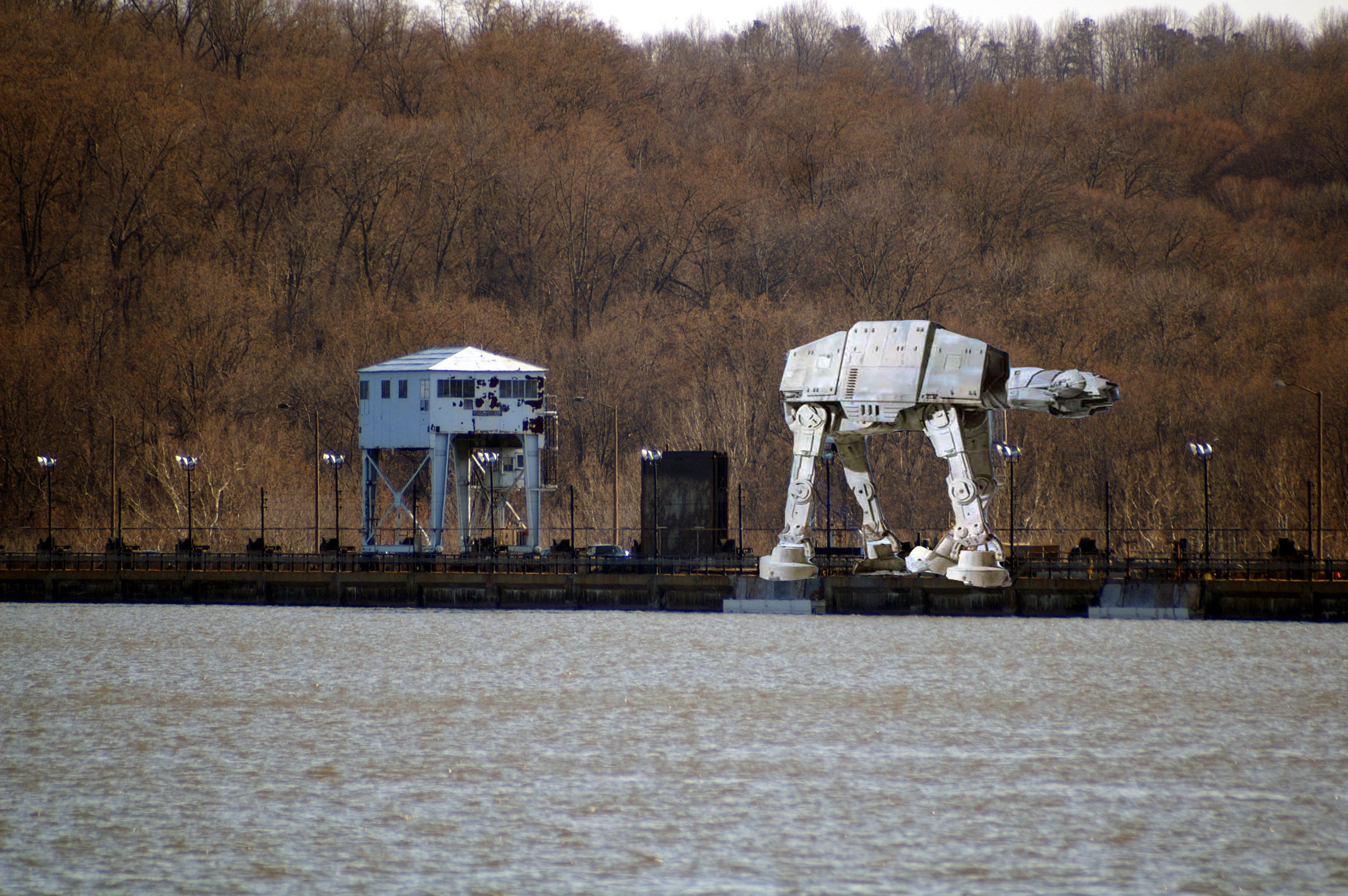
A little too well. I hope this guy shows up again for the tour!

Health Department 1936-1937

29 Thursday Sep 2016

Posted by Ronald Parks in Baltimore, Health, HISTORY

≈ Leave a comment

Tags

Baltimore, dentist, HISTORY, hospital, POLITICS, Public Works

Whenever I get a break from my normal job, checking on the contractors, I continue with my research and documentation of museum archives. Today I scanned a box of 5″ x 8″ photographs that had no markings or descriptions. I gave them my own, only so I know what is in the box. Each box comes with an electronic index after scanning.

hd013a

So this guy gets worked on, sitting on a wooden chair in what appears to be a closet.

hd013

And this person gets a nice dentist office. Hmmm…wonder why?

hd075

Nurses posing. One in back right looks a little psycho to me.

hd038

Nurses posing again, this time with patients. Two of which are posing themselves. Not sure what two nurses on right are doing?

hd070

A segregated ward no doubt. In my one book from 1935-1940 I mention about the blacks having a black doctor and the whites having a white one. For posing purposes I guess these guys get white ones (or was there no black doctors then at City Hospital?)

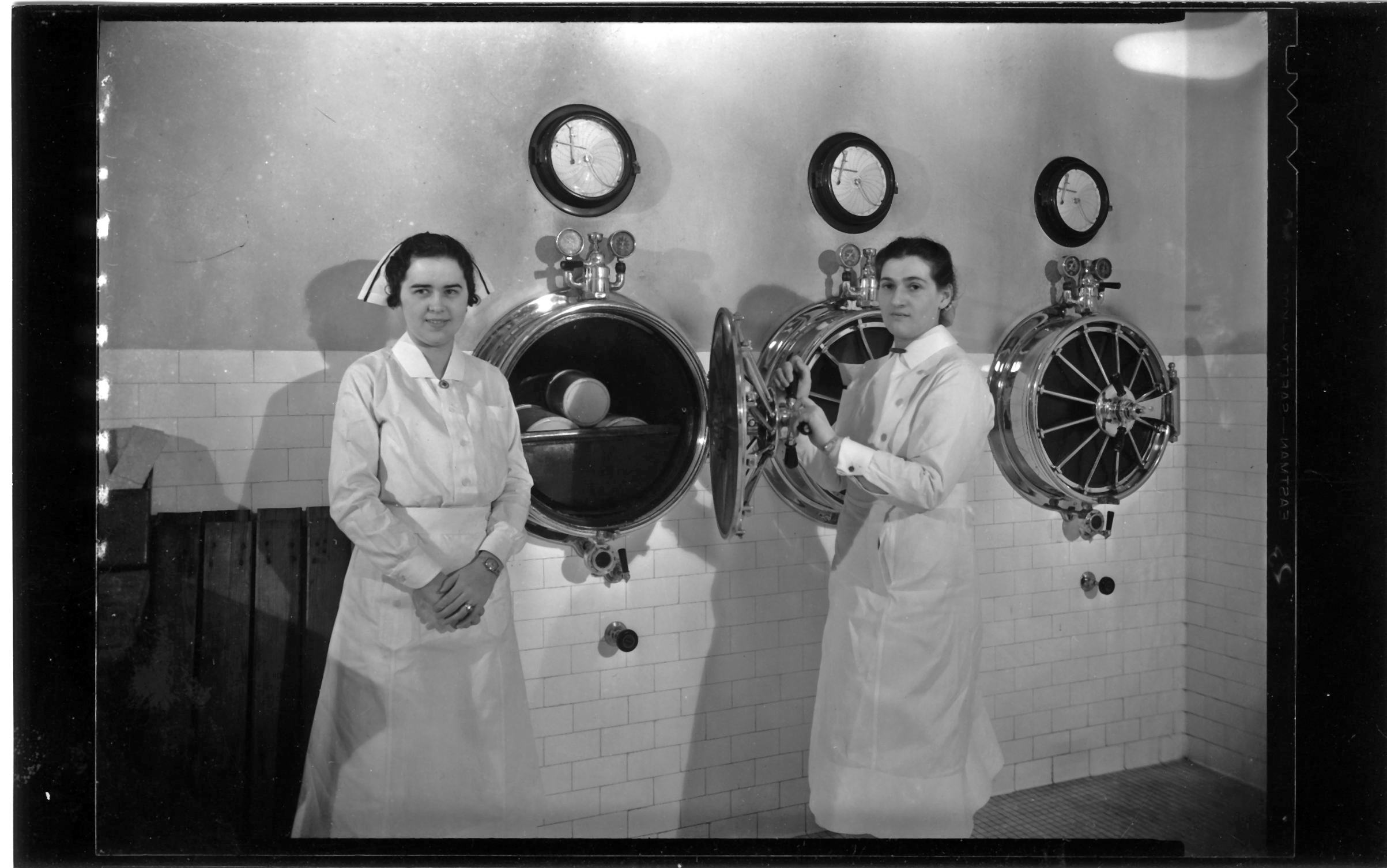
hd046

The only caption I could think to give this photo concerns torpedo tubes or pressure cookers??

hd029

I wonder what malady this person has/had, that needs this many doctors??

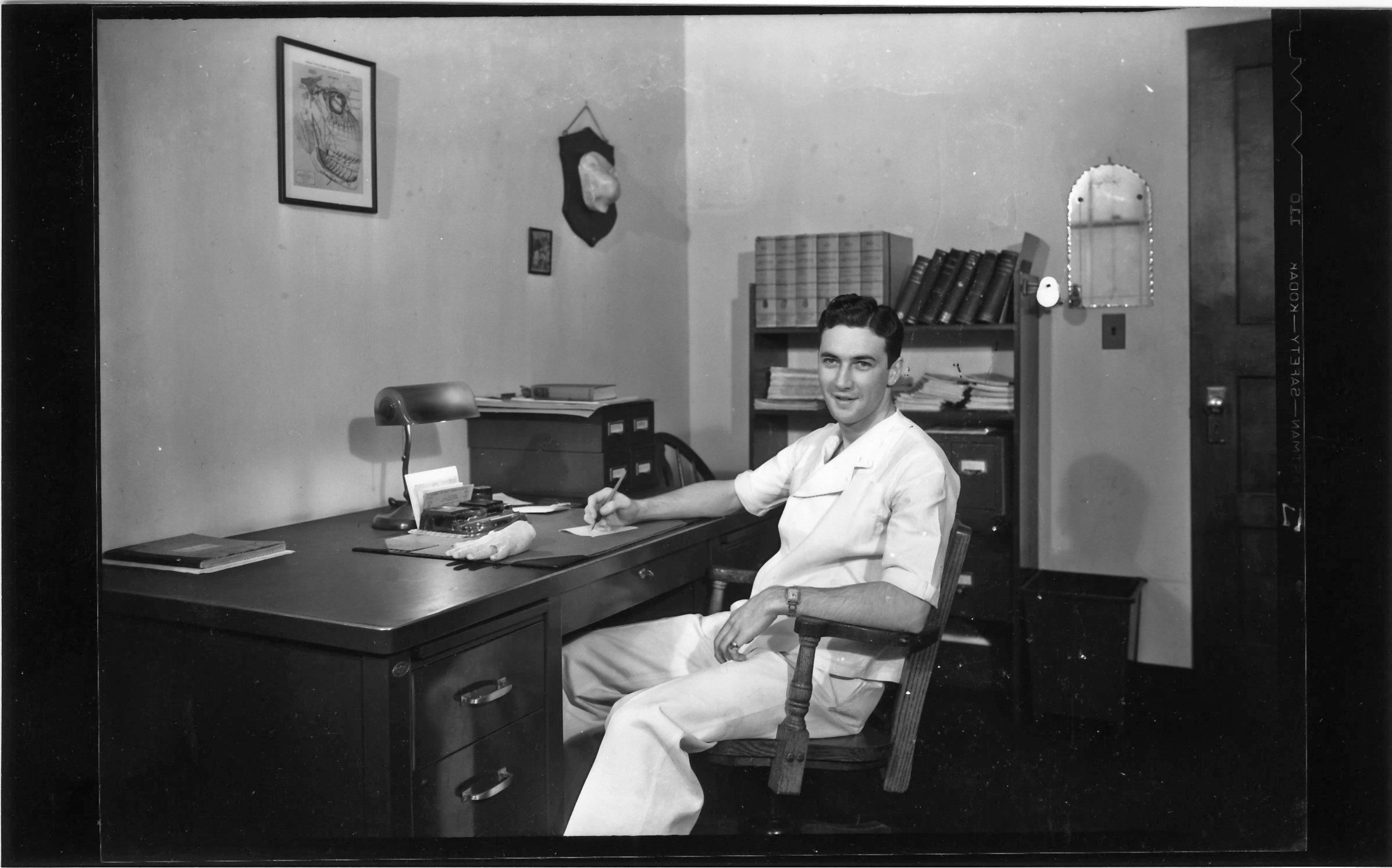
hd010

A little odd. A hand wearing a ring on the desk and what looks like a nose hanging on the wall??

hd009

Bureau of Liens. Poster asks that you pay your taxes promptly

Parades

09 Friday Sep 2016

Posted by Ronald Parks in Baltimore, water history

≈ Leave a comment

Tags

Baltimore, bricks, engineering, FILTRATION, glass plate negatives, Gunpowder Falls, HISTORY, Lake Montebello, Montebello, Public Works, water history

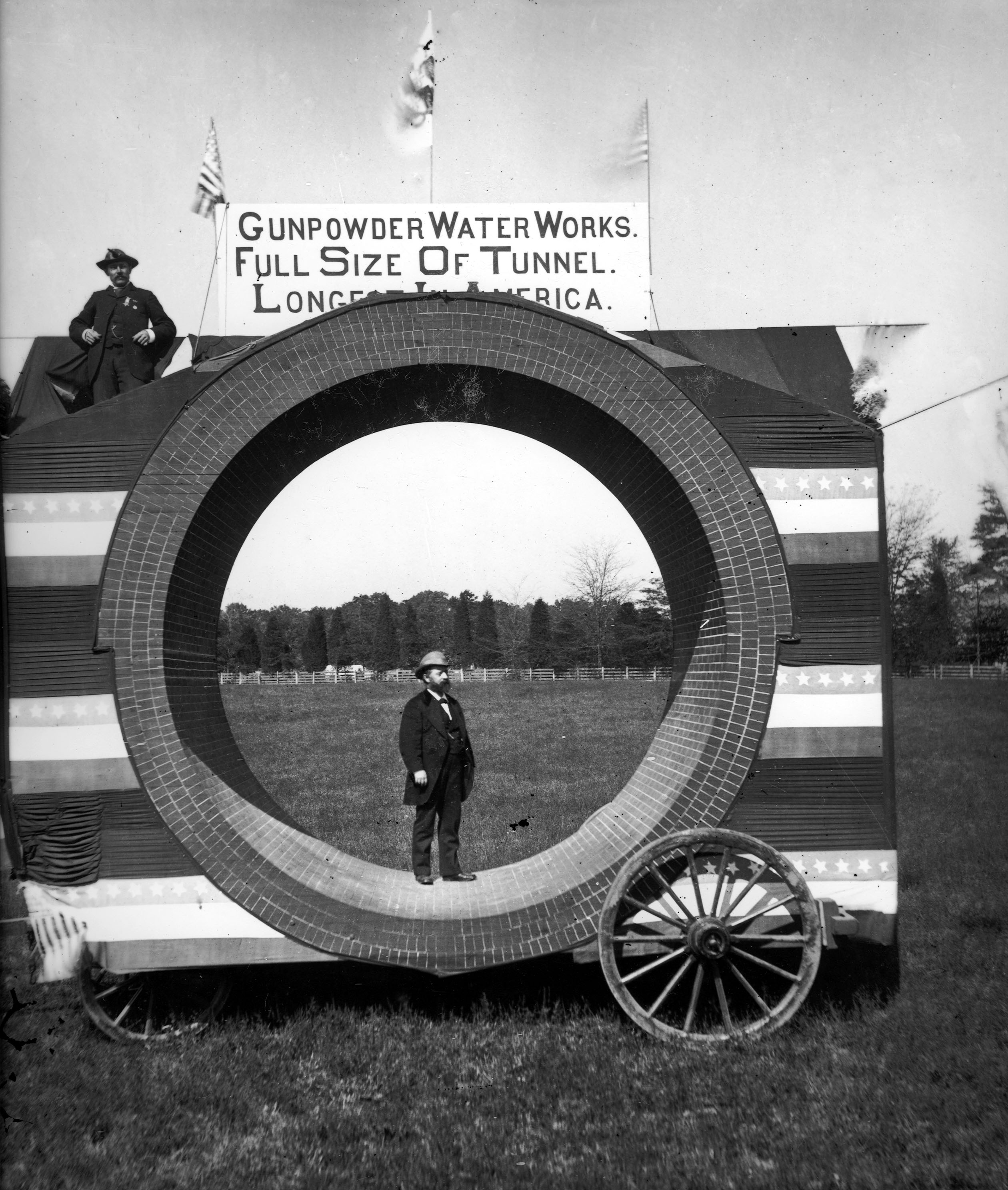
Who doesn’t love a parade. Wish I would have been around for this one!

gunpowderpipe

This float was built in the 1880s to promote the building of the Loch Raven – Montebello tunnel. Longest in America at the time – 7 miles long.

Leakin Park

05 Monday Sep 2016

Posted by Ronald Parks in art, Baltimore, Hiking, HISTORY, Photography, water history

≈ 1 Comment

Tags

art, Baltimore, engineering, Hiking, HISTORY, Parks, photography, Public Works, sewage, Sewage History, water history

Visited this park the other day. Our plans for the Eastern Shore were cancelled by Hermine. It was a nice hike. Below is from the Baltimore Heritage website.

Crimea Estate at Leakin Park
By Johns Hopkins
The Crimea Estate is the former summer home of Thomas DeKay Winans, a chief engineer of the Russian Railway between Moscow and St. Petersburg in the 19th Century. The estate features Winans’ Italianate stone mansion, Orianda, as well as a gothic chapel, a “honeymoon” cottage, and a carriage house. The architectural design is said to have been inspired by Winans’ French-Russian wife, Celeste Louise Revillon.

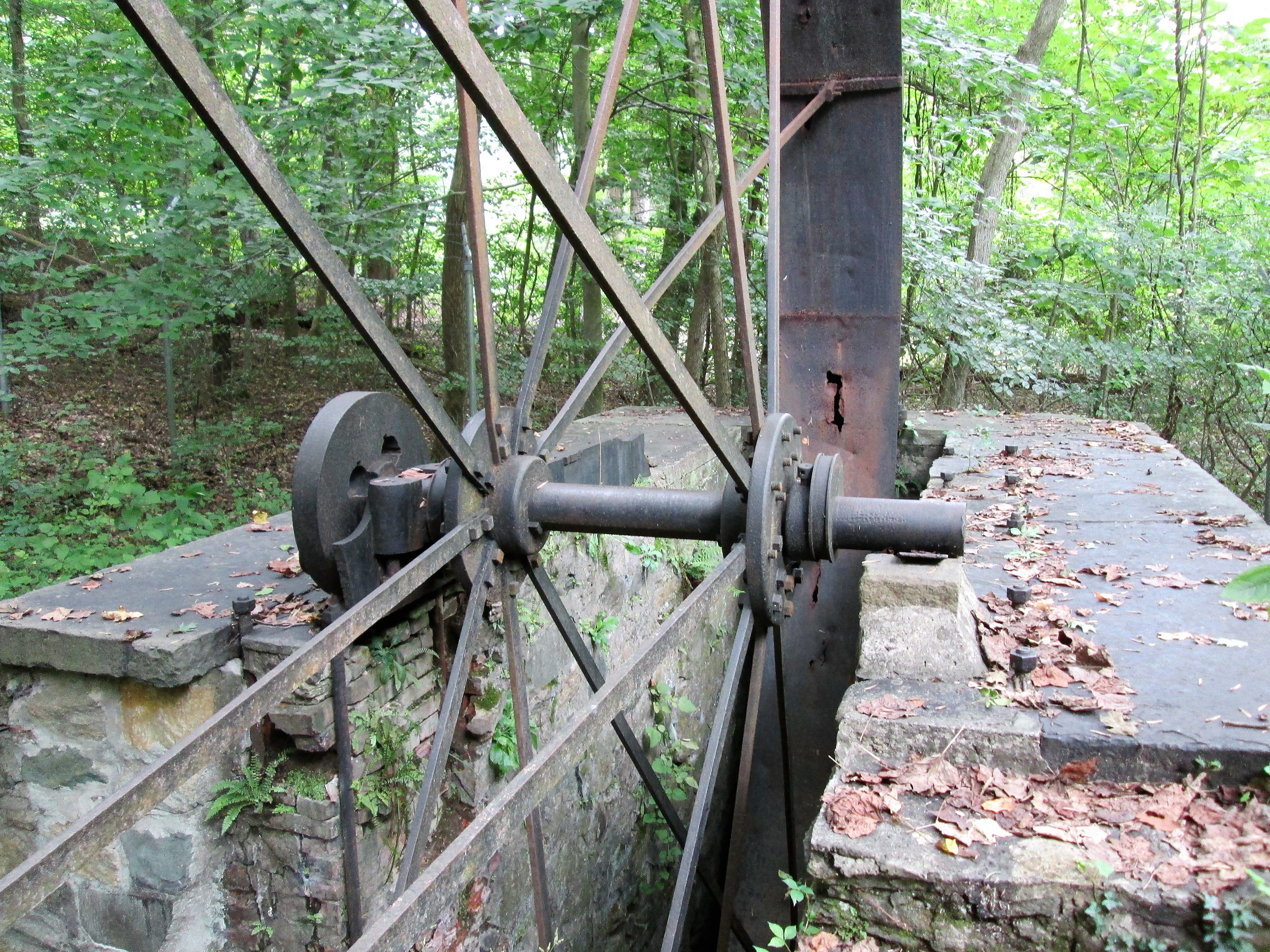
An early, and now often overlooked, part of the estate is called Winans Meadow in Leakin Park. This current meadow was the site of an early milling operation along the Gwynns Falls River. An iron water wheel still remains that pumped water to the Orianda mansion. Along with the water wheel, a barn, silo, smokehouse, and root cellar also tell the story of early development in West Baltimore. There is even an intriguing battlement near the meadow that is thought to be modeled after the Battle of Balaklava where the Russian stand against the British was immortalized in Alfred Lord Tennyson’s poem “The Charge of the Light Brigade.”

Although Leakin Park has retained its original structures in a picturesque natural setting, it almost wasn’t so. In the 1970s, federal and city officials planned to route Interstate 70 through the park in front of the mansion and directly through the carriage house. Saved by a group of dedicated Baltimoreans, the estate remains a central element in Leakin Park. (Check Google Maps for this road – it ends right at the park. The road to nowhere)

Not mentioned in the above narrative is the fact that since 1940, 71 bodies have been found in the park. Dumping ground for west Baltimore knuckleheads. It is about 1200 acres large. Part of the Blair Witch Project was filmed here.

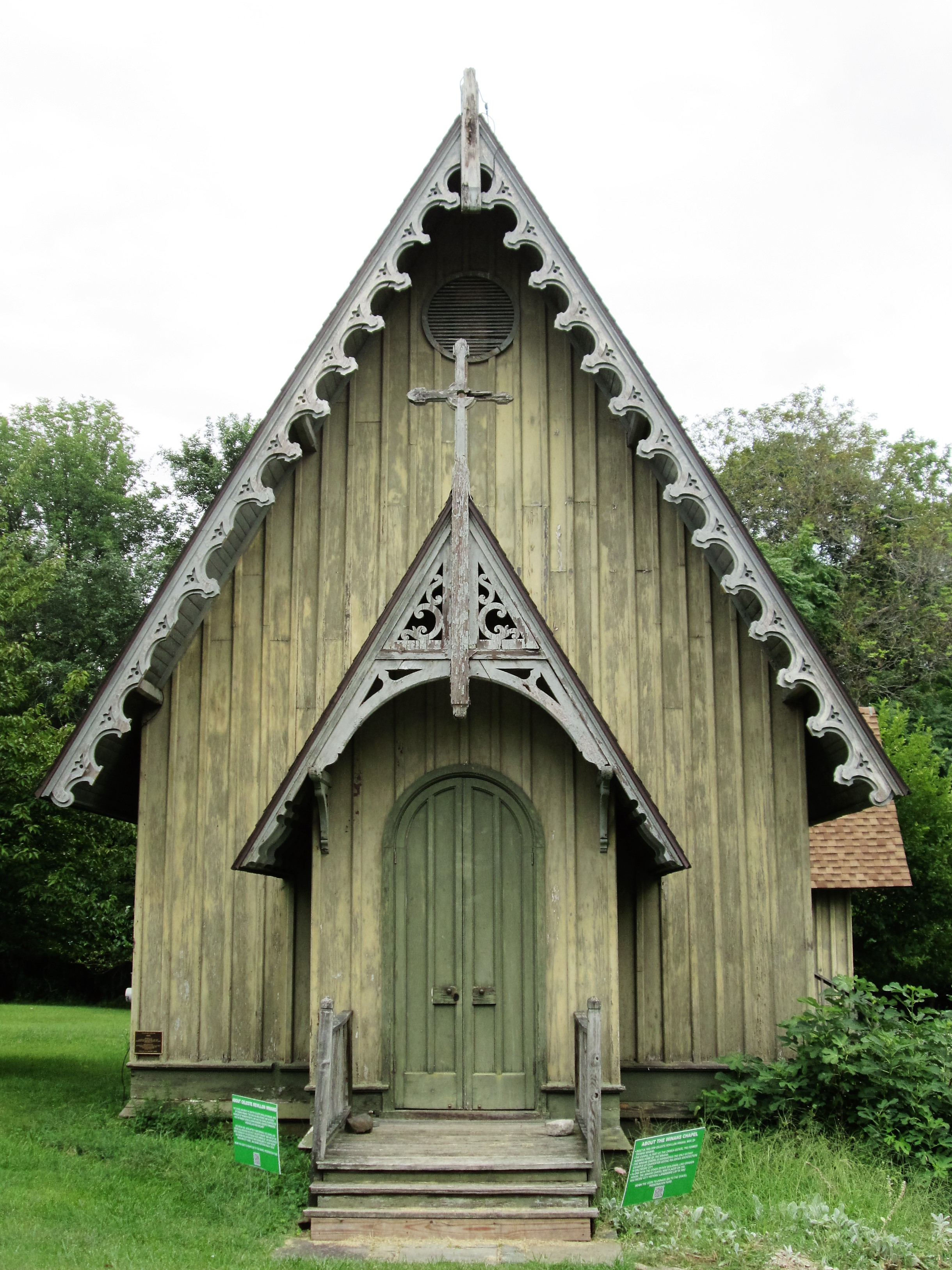
002

The chapel where annual herb festivals are held.

007

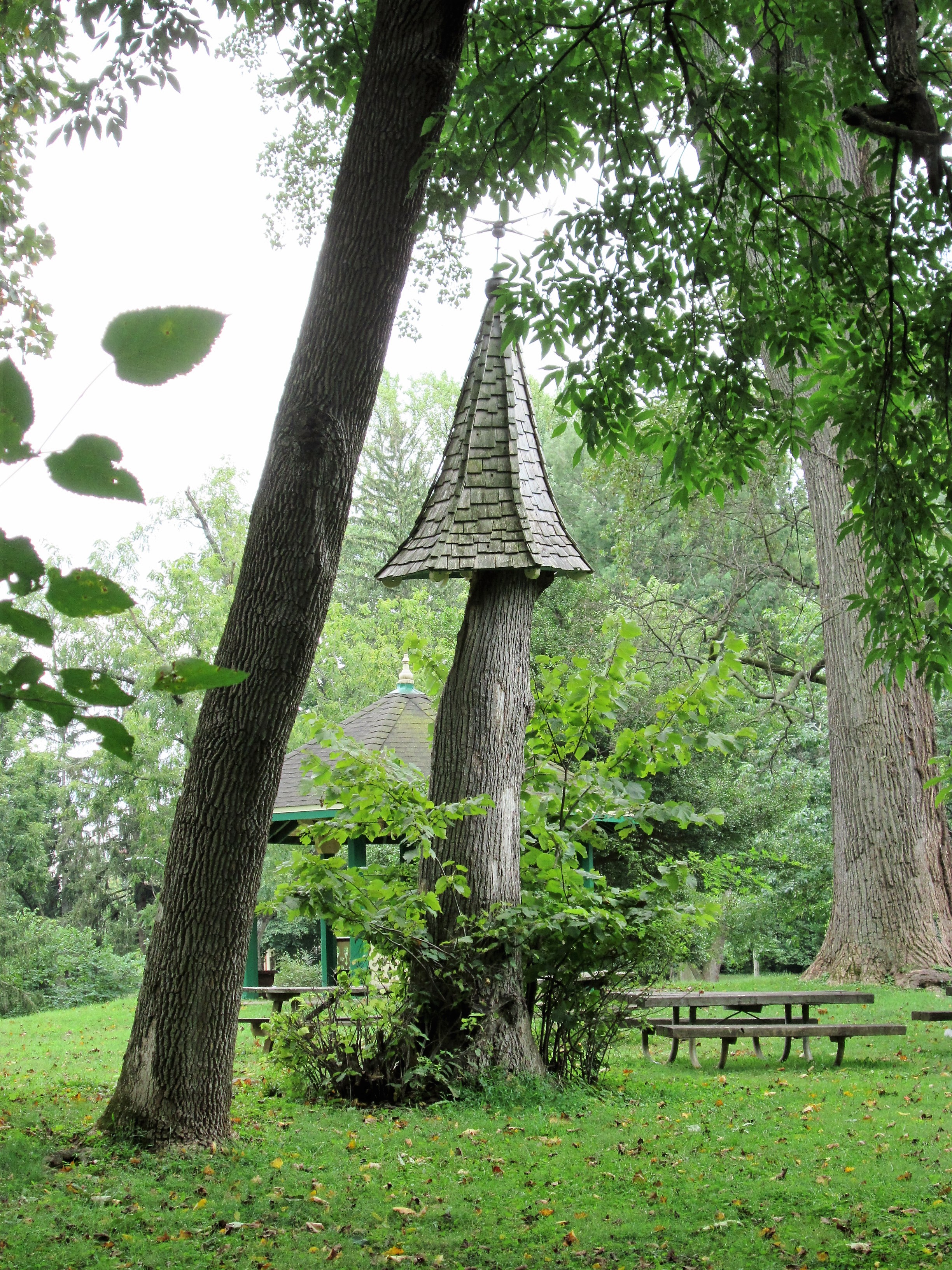
Part of the ‘Art in the Park’ collection. Mr Keebler’s house.

009

Sometimes nature creates her own art.

013Shrooms.

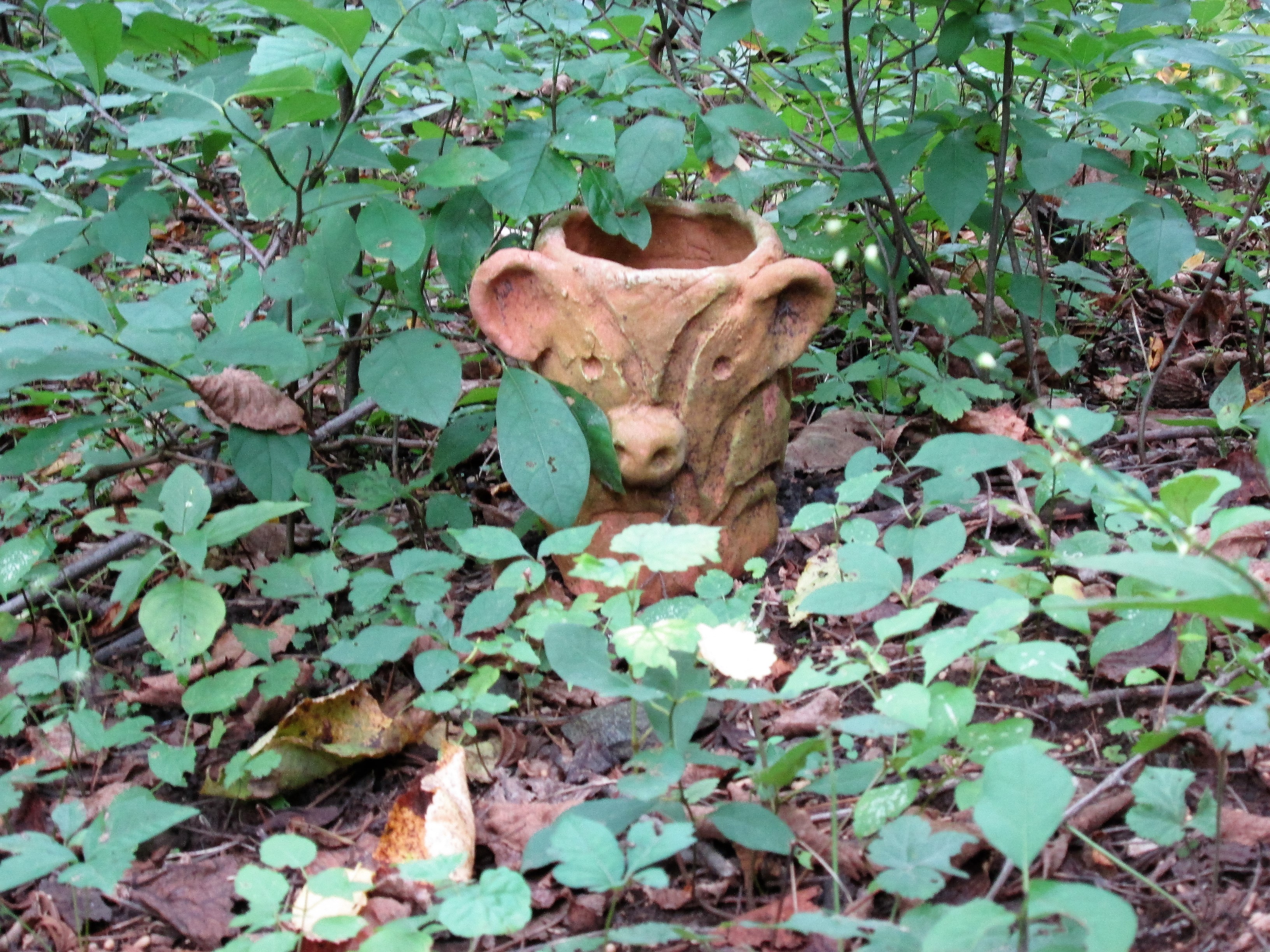
014

Clay art.

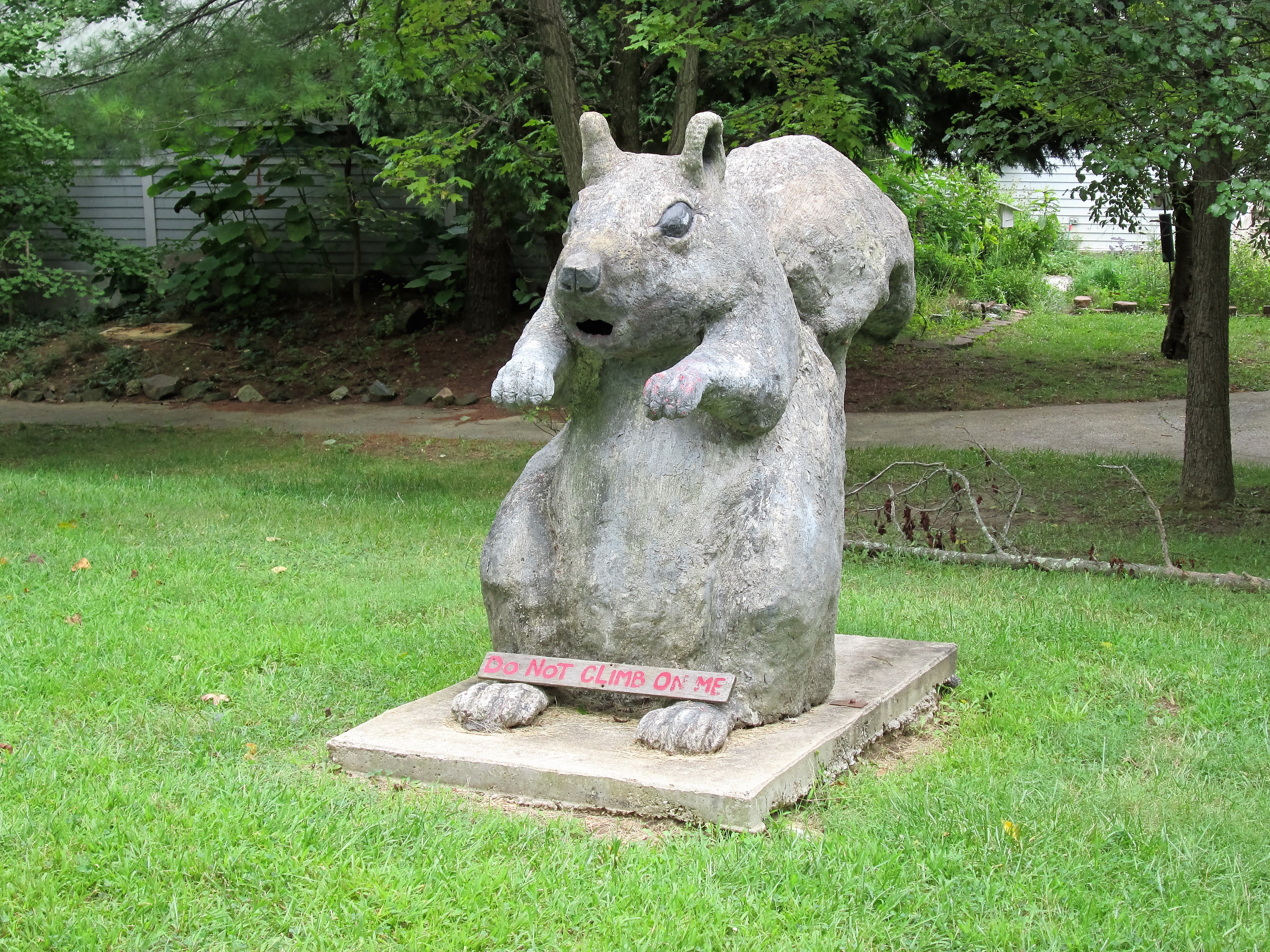
024

Big scary squirrel.

028

Spider-woman.

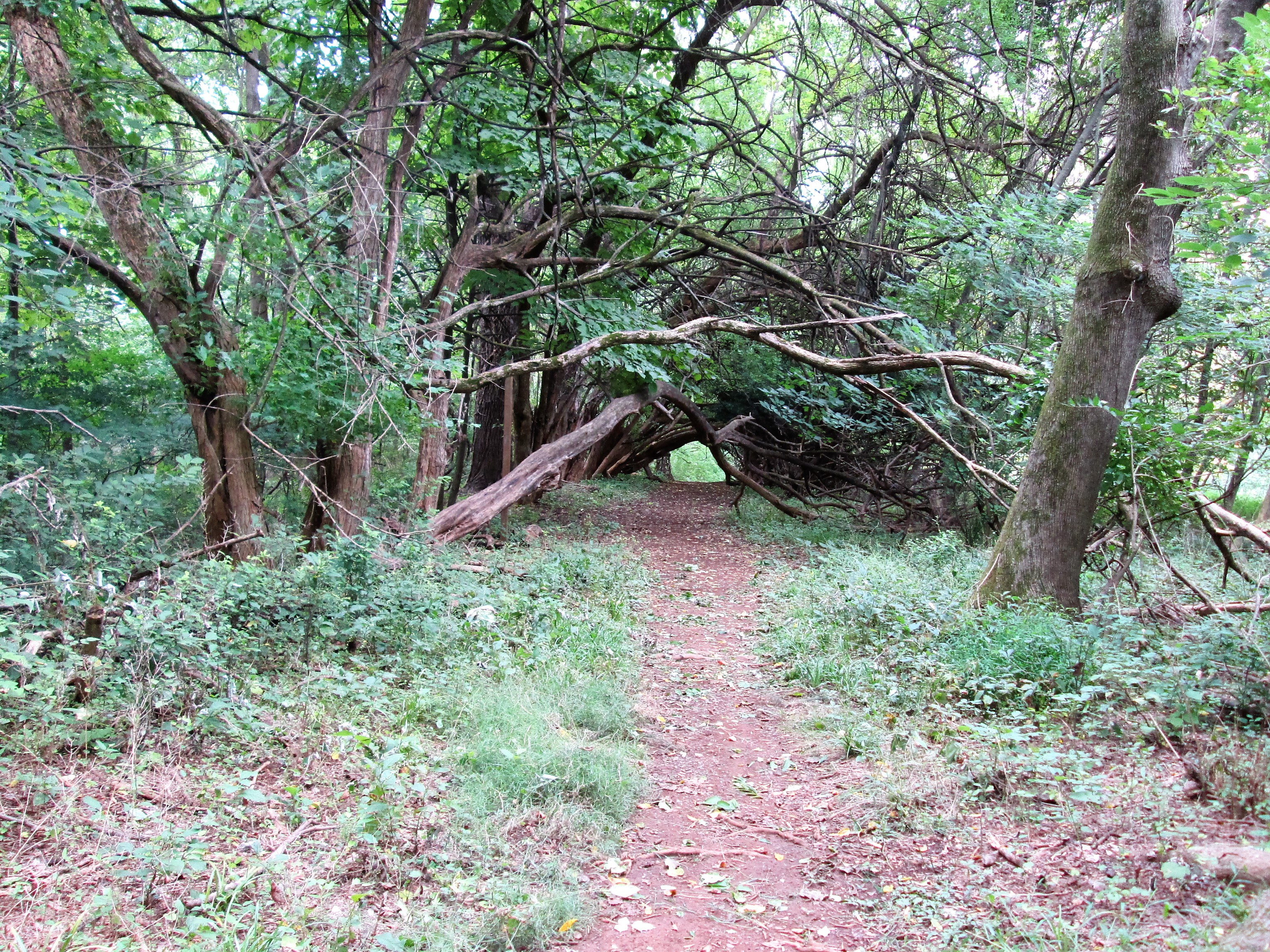
033

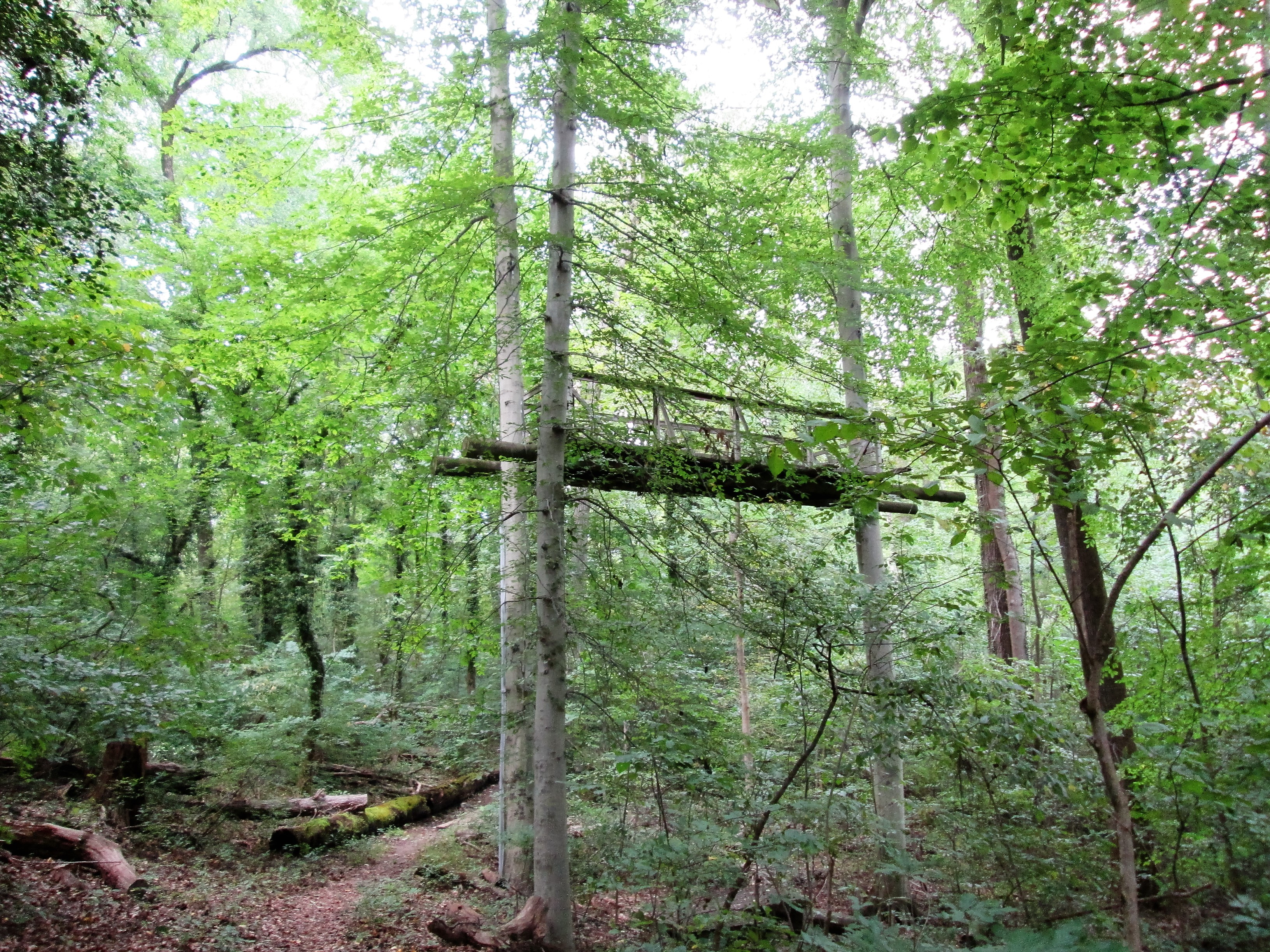
Nice little walkway to the next trail down.

044

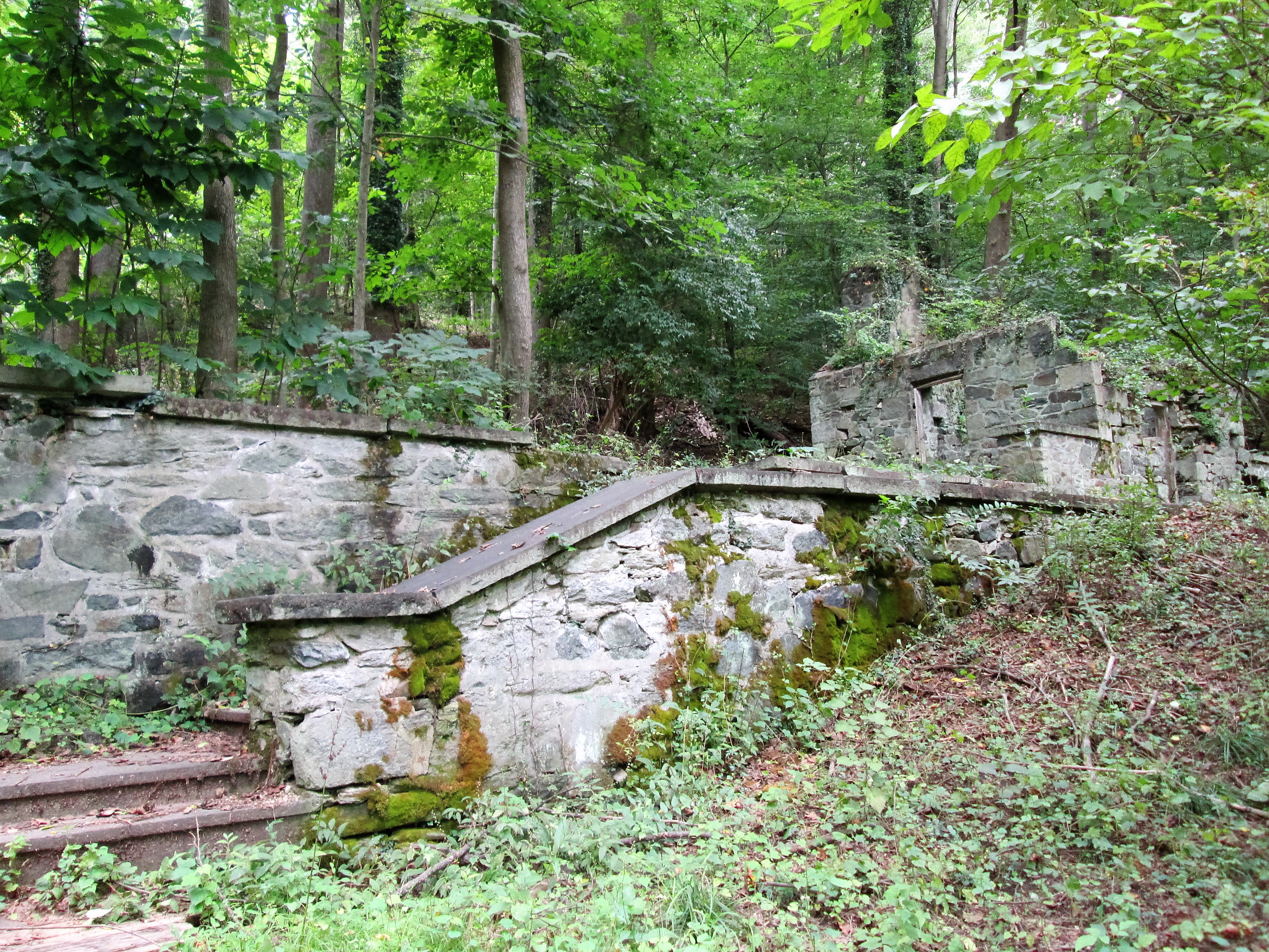
Fort remnants.

047

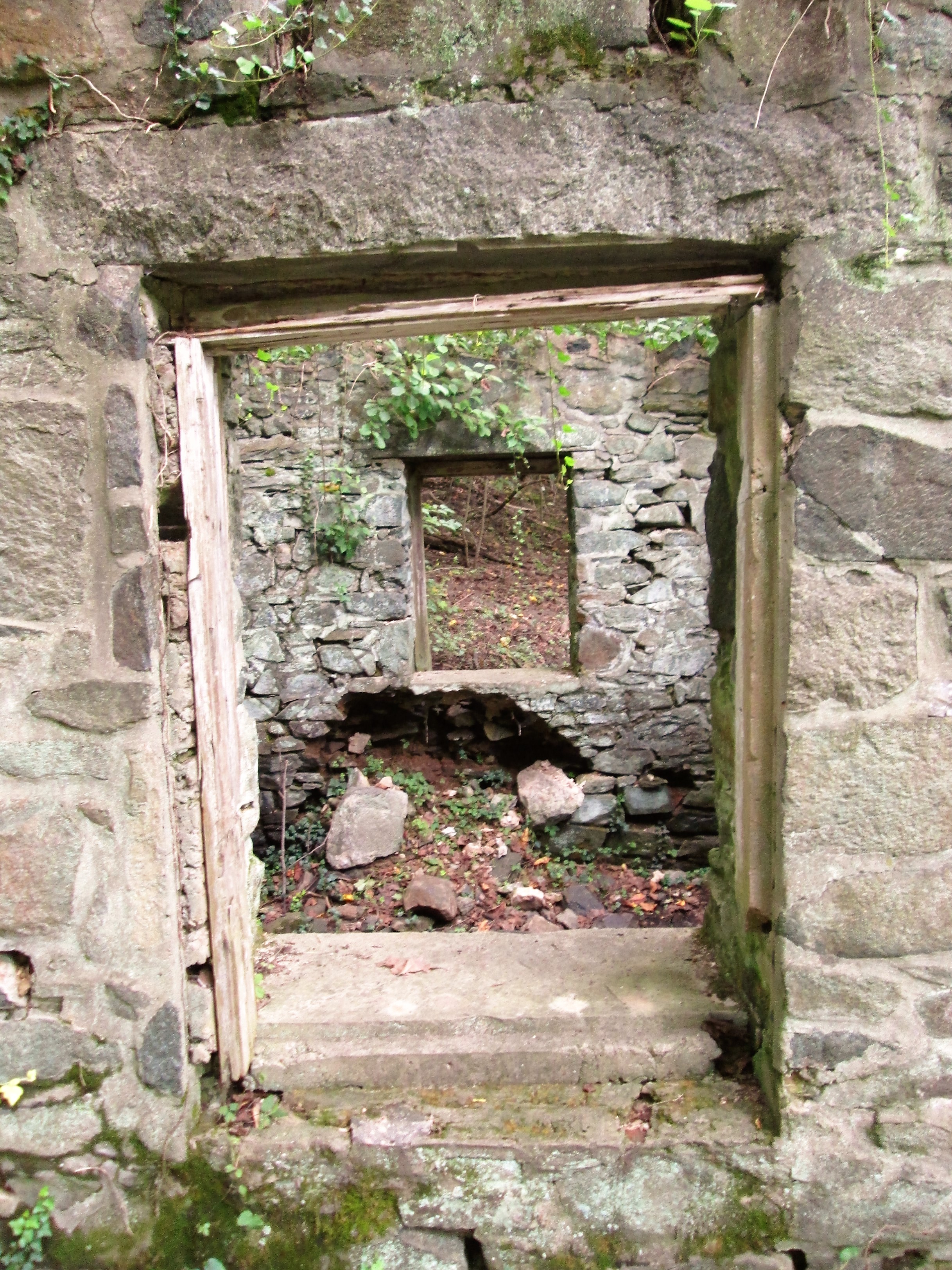
Through the doorway, fireplace.

051

Windows to its soul.

054

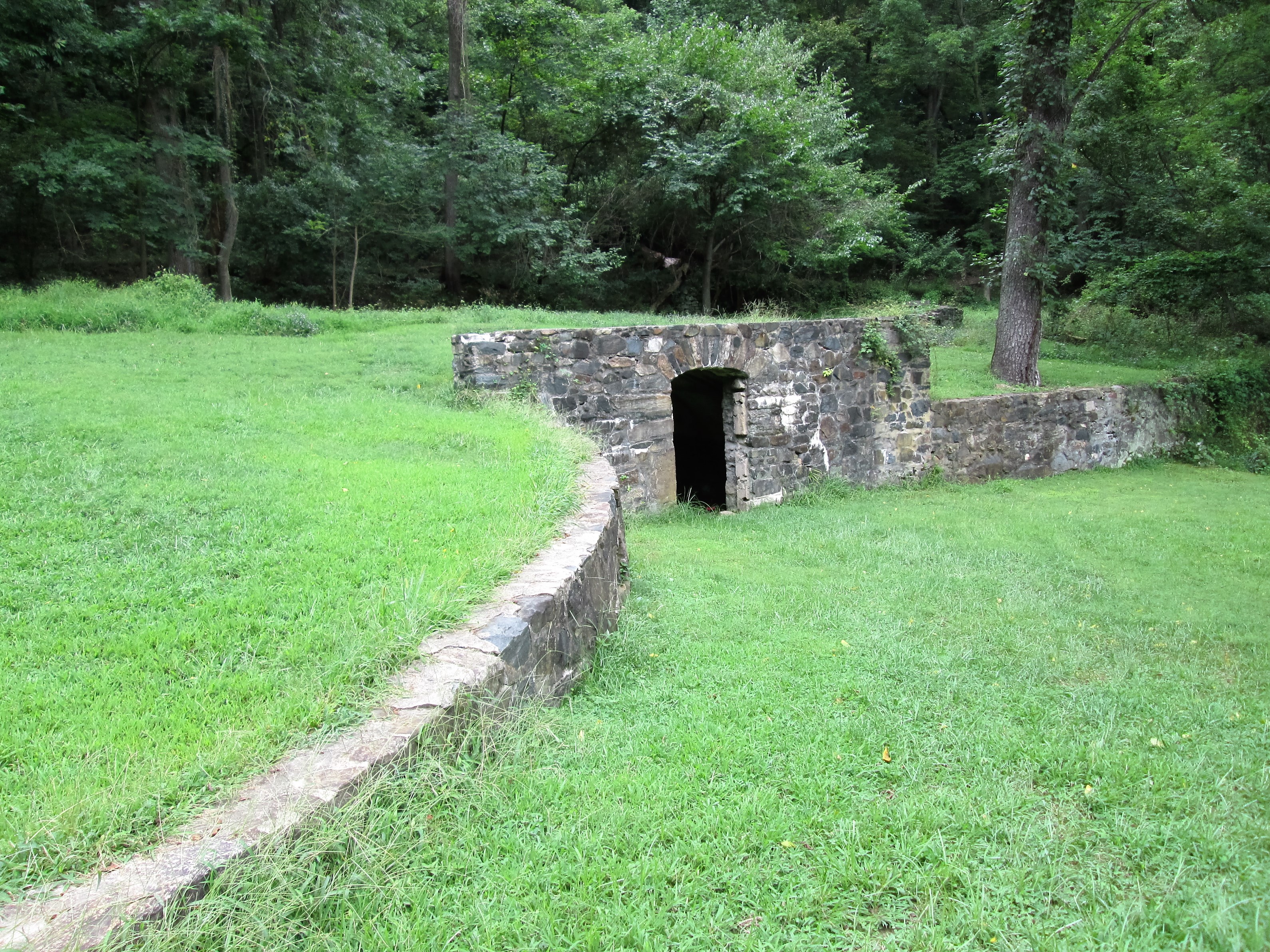
Looks like a place to keep your black powder.

057

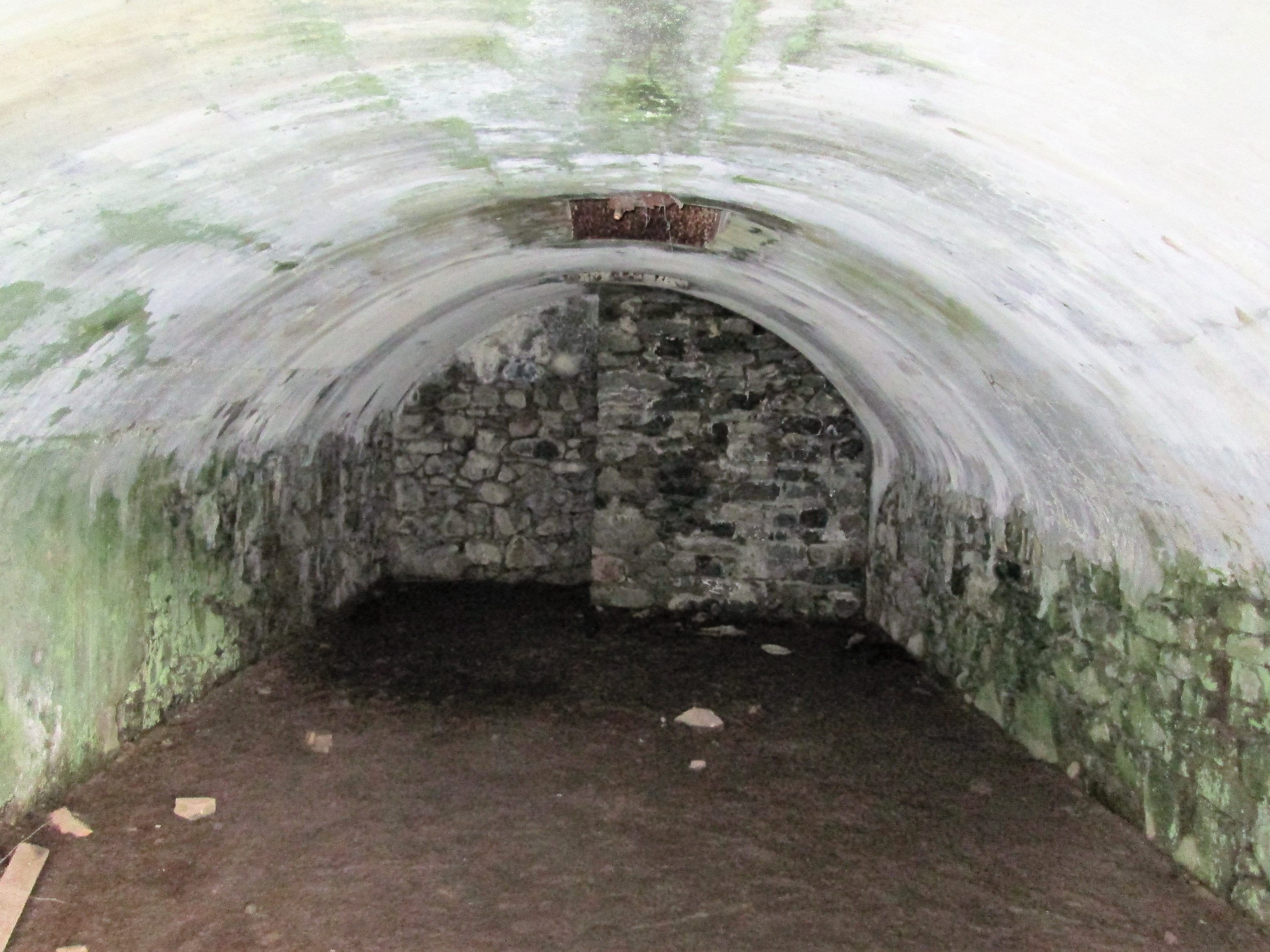
Interior of bunker.

069

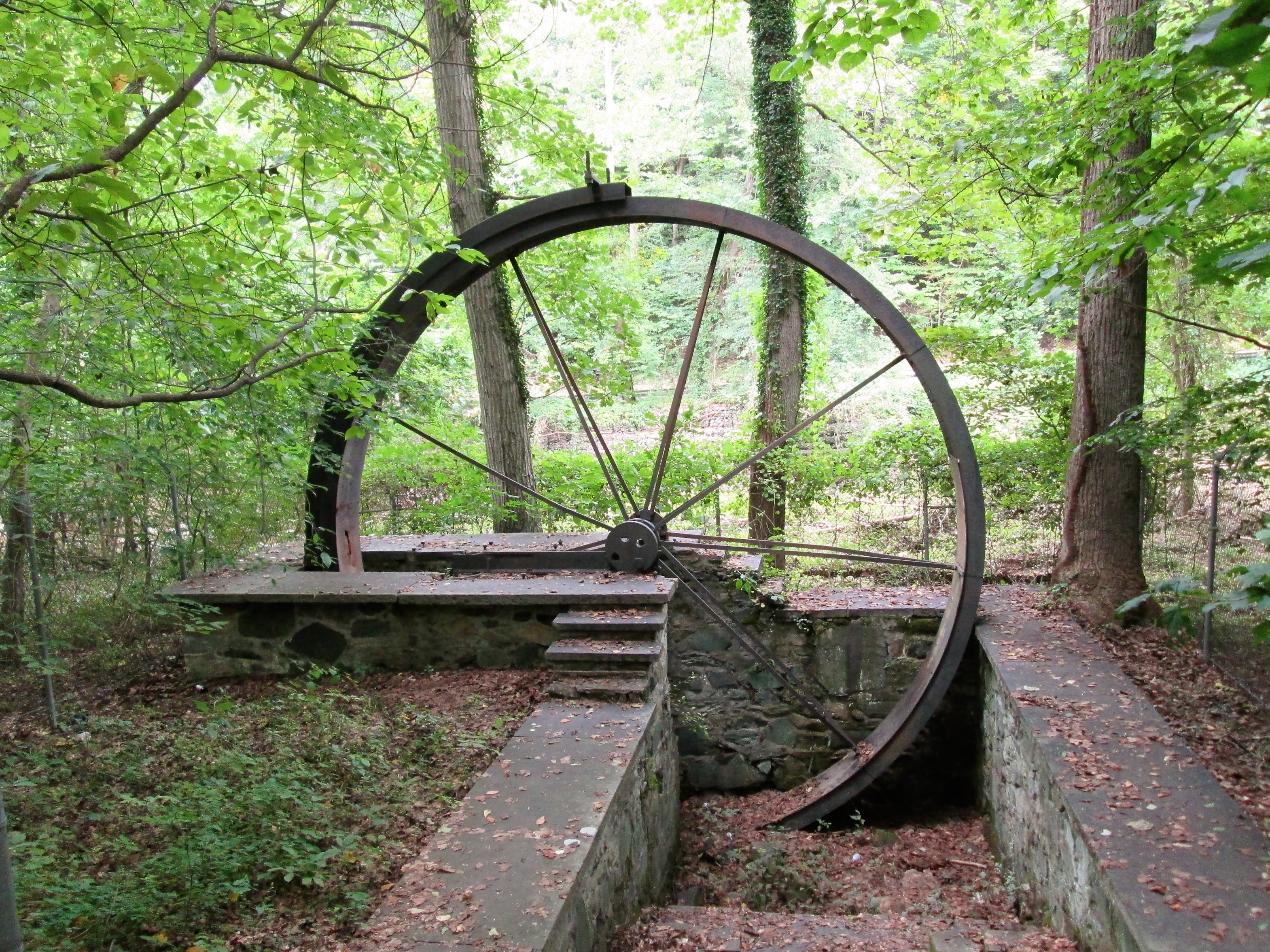
The water wheel. It is unbelievable how far up the hill this had to pump water – to the mansion.

073

Water works. (I have to mention something about water since that is what my blog is supposed to be about) (It smelled like sewage here. I read that during the last storm, 850,000? gallons of sewage was dumped into the Gwynn’s Falls – controlled dump?)

083

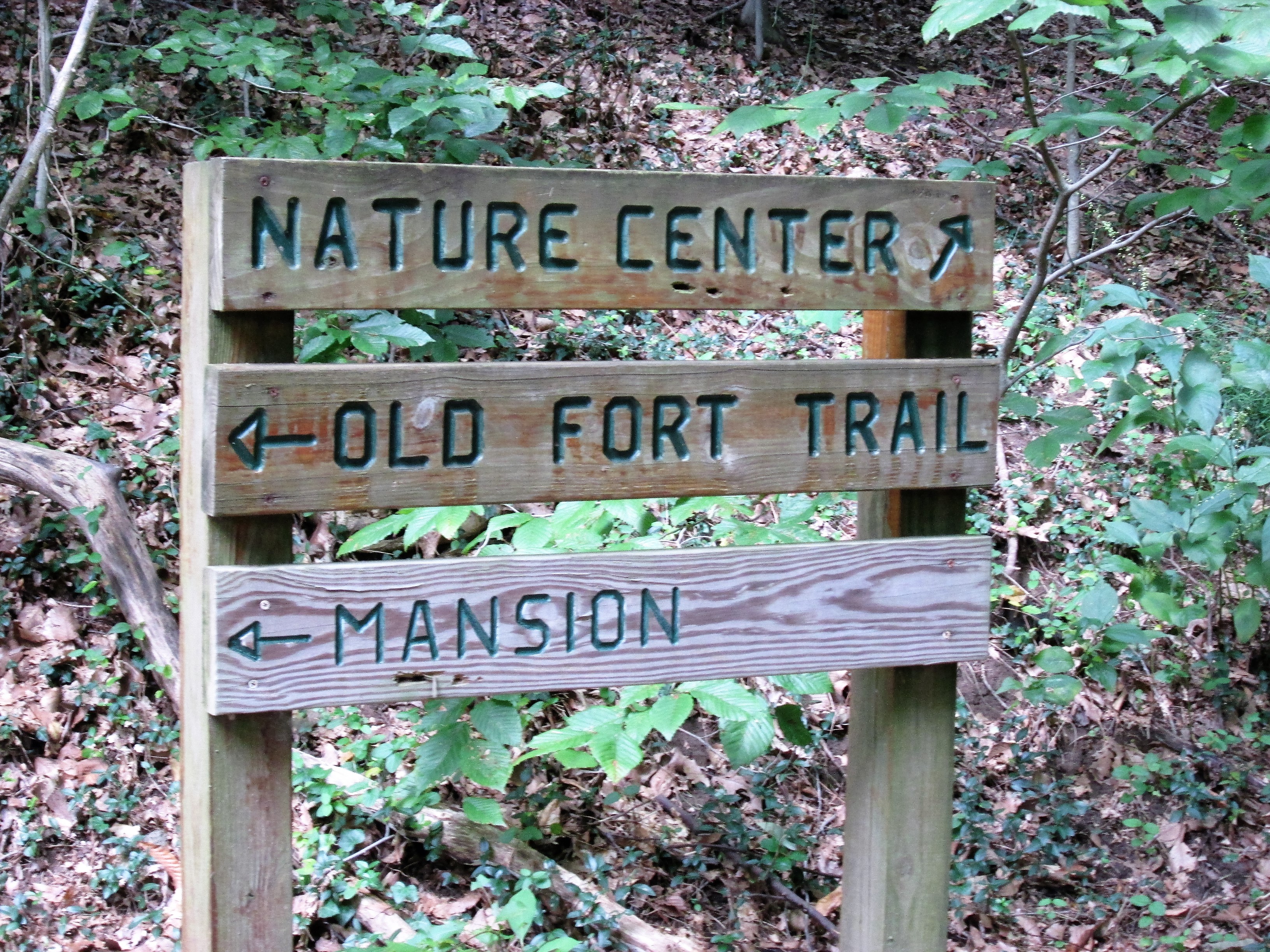
Trails were marked pretty good.

090

Kathy and I stood and stared at this for a while. No clue. It is on cables and has a trap door with hooks. Torture item? Remnant from filming Blair Witch?

099Man made art…

108

Nature made art.

114

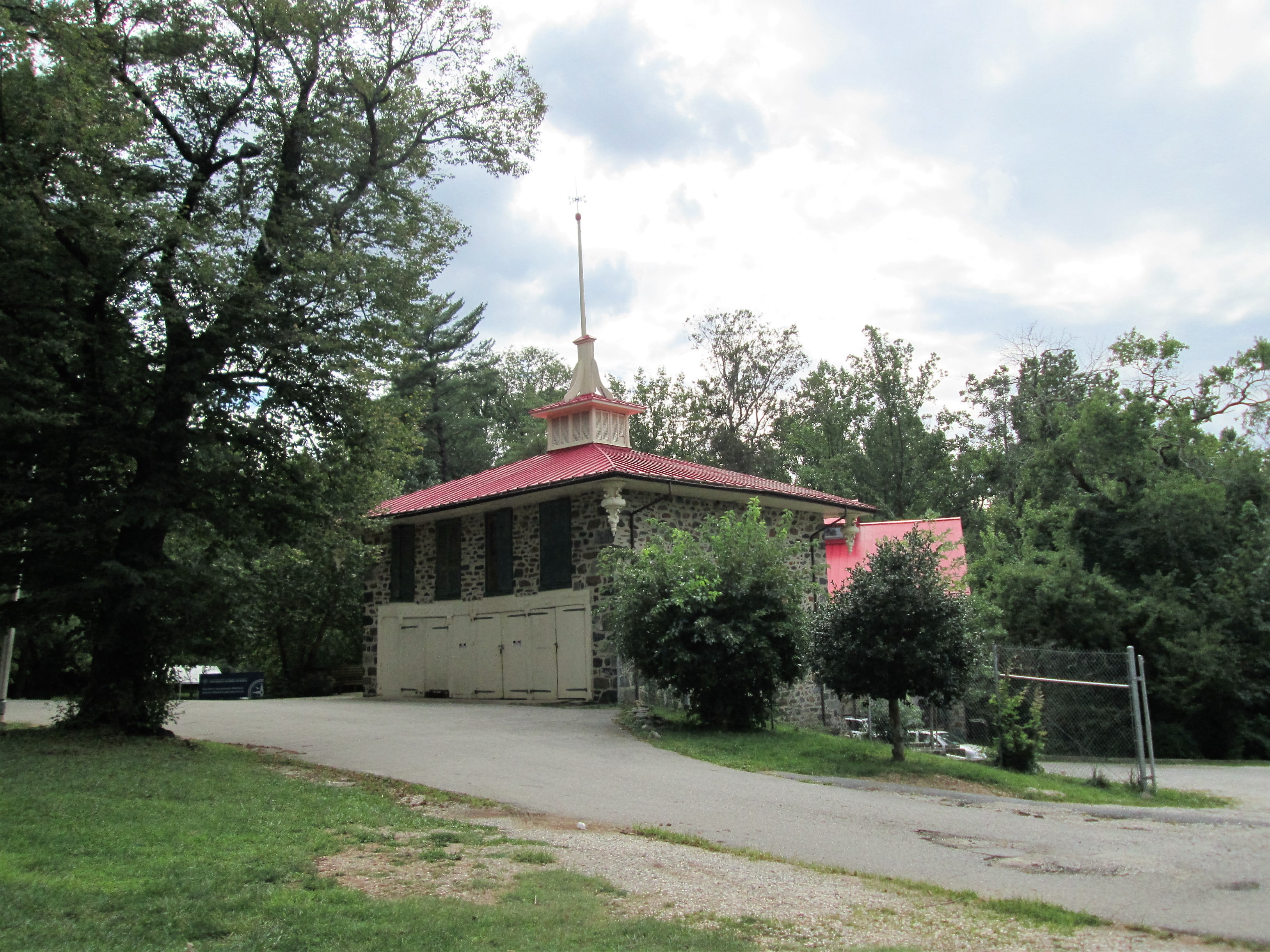
The old carriage house.

117

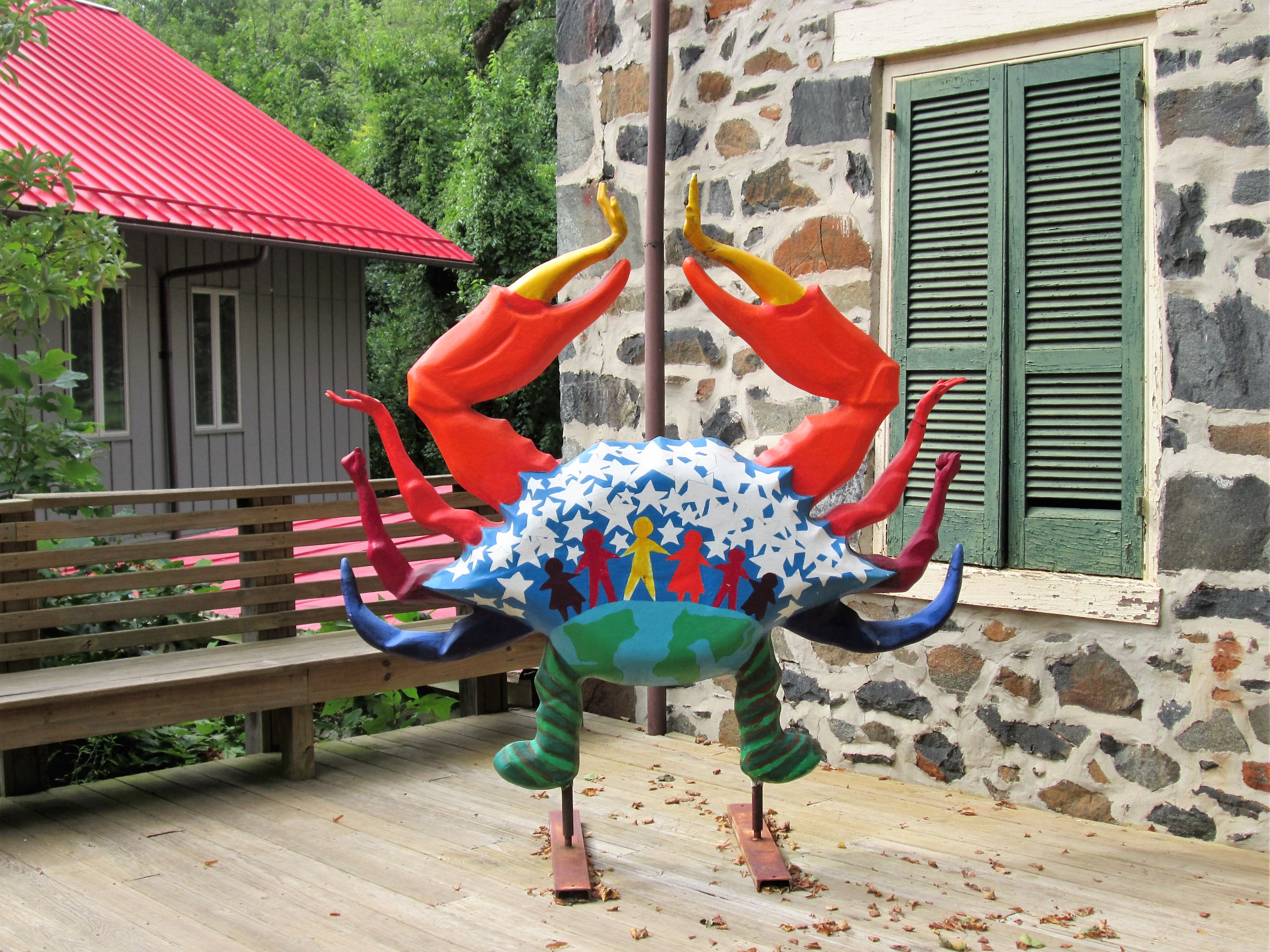
Pole dancing crab

118

Honeymoon cottage.

125

Art.

126

Mansion.

135

Nice.

← Older posts
Newer posts →

Blogroll

  • Flouride Action Network
  • lulu
  • My Book
  • WordPress.com
  • WordPress.org

Recent Posts

  • Bermuda 2023
  • ICELAND April 2023
  • George Chalmers of Fochabers
  • In Search of The Skipjack Ada Mae
  • Trap Pond Kayak

Blog at WordPress.com.

  • Subscribe Subscribed
    • Water and Me
    • Join 231 other subscribers
    • Already have a WordPress.com account? Log in now.
    • Water and Me
    • Subscribe Subscribed
    • Sign up
    • Log in
    • Report this content
    • View site in Reader
    • Manage subscriptions
    • Collapse this bar
 

Loading Comments...