• About
  • History Writings

Water and Me

Water and Me

Tag Archives: Gunpowder Falls

Fullerton from the Susquehanna

12 Wednesday Oct 2016

Posted by Ronald Parks in Baltimore, engineering, water history

≈ Leave a comment

Tags

bridges, engineering, Gunpowder Falls, HISTORY, Public Works, susquehanna, tunnel, water history

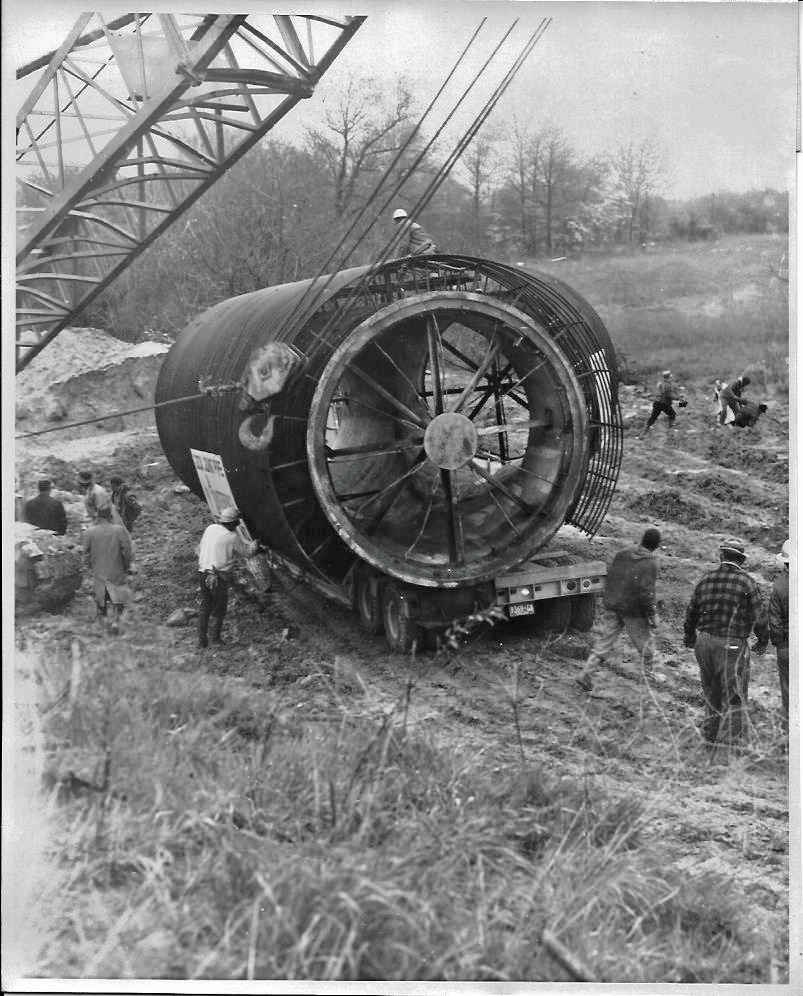
In my previous post I talked about the Fullerton Filtration Plant and the problems with it becoming a reality. Below are some photographs from the pre-planning stages of the Fullerton Plant. 1964 – when engineers were still able to look ahead and plan for the future.

389-d

Contractors moving the Fullerton connection into place.

396-d

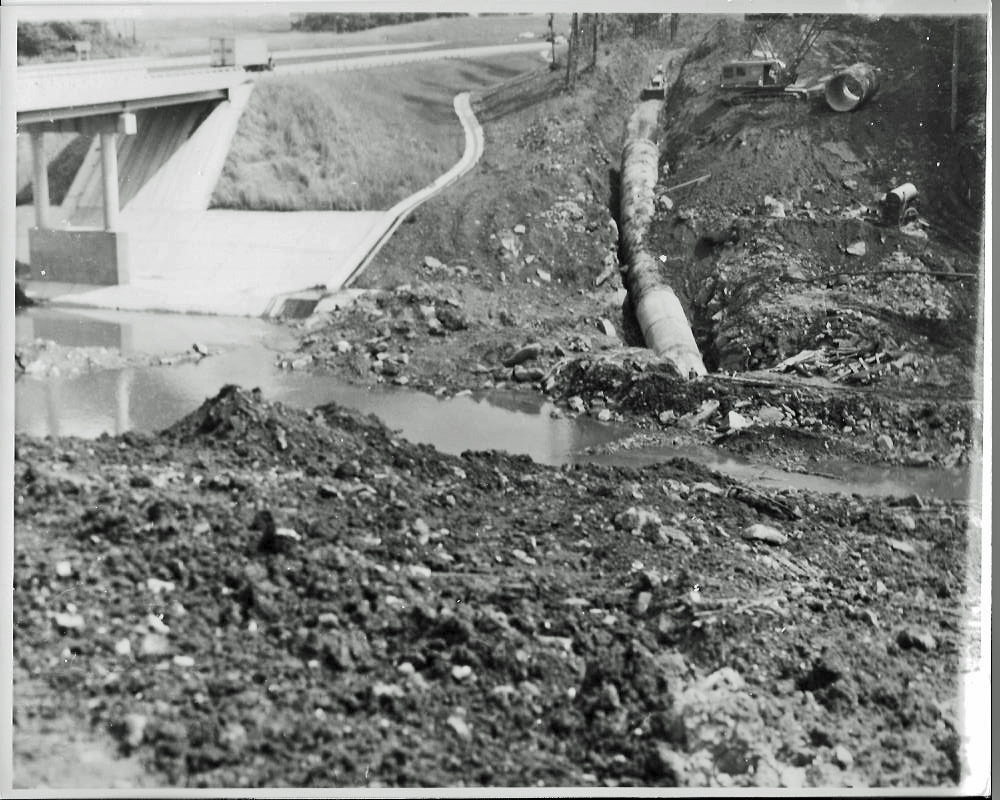
Connecting the ‘Y’ branch to the Susquehanna pipe line. The Susquehanna pipe line was known as the “Big Inch” being 108 inches in diameter. This connection dropped it down to 96 inches. The metal mesh is for pouring concrete around the pipe line to hold it in place.

406-d1

Capping off the end for future contractors to be able to connect the Fullerton Plant, if and when…

444-d

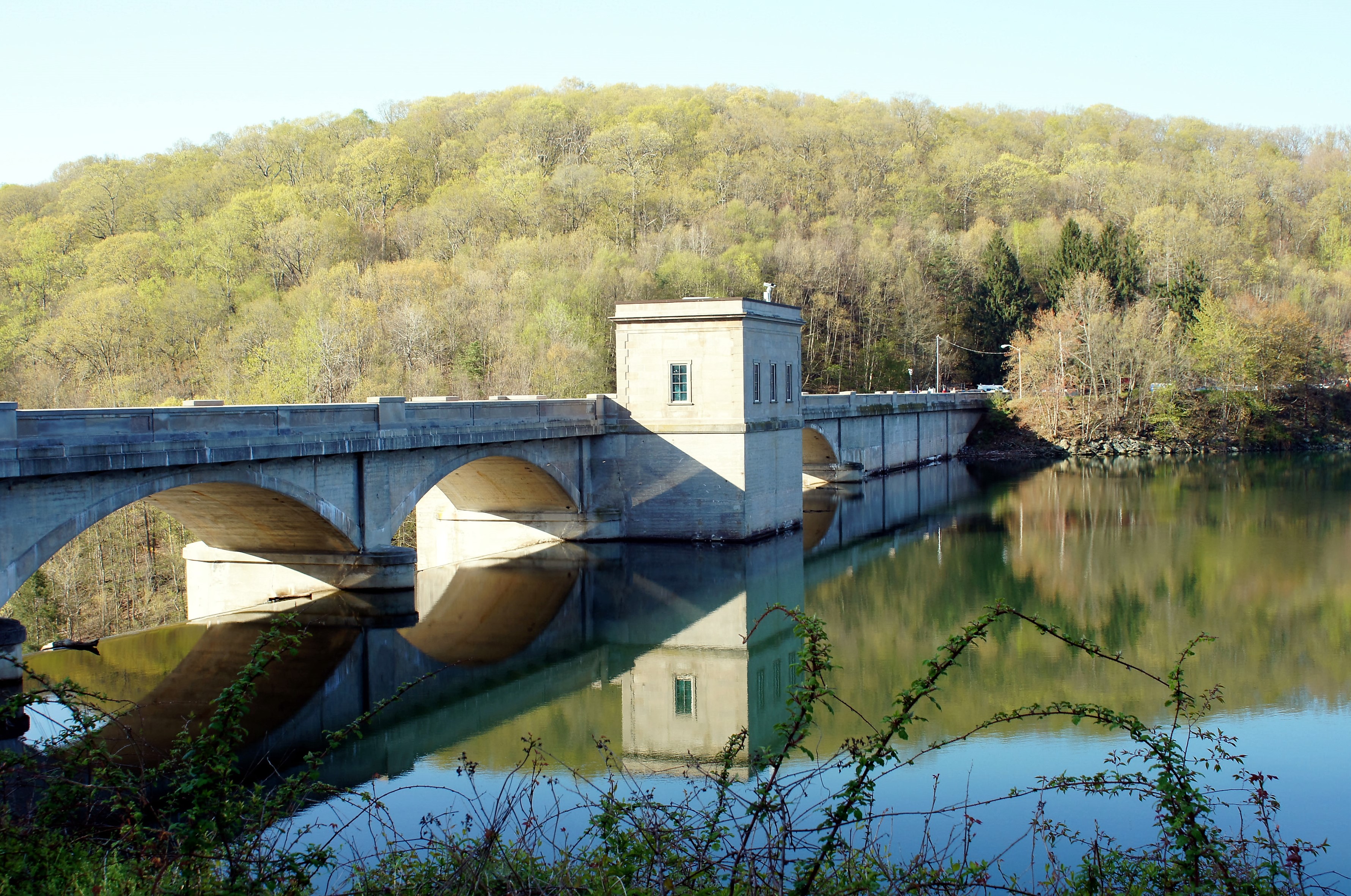
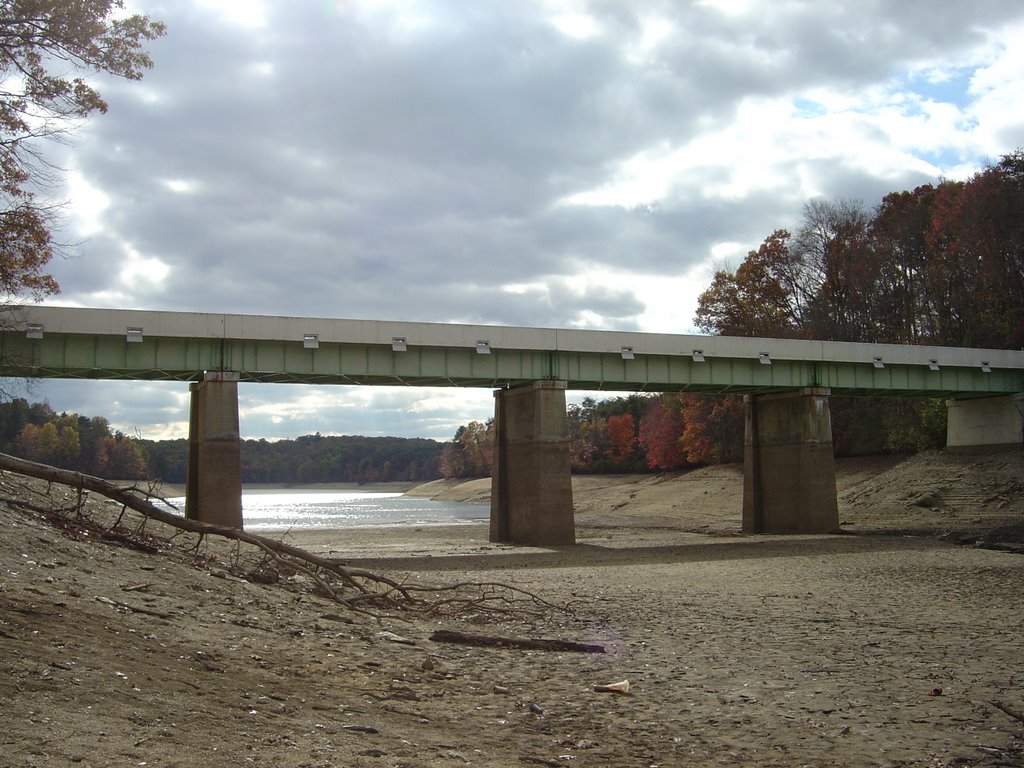
Just up the road is the Big Gunpowder Falls (Loch Raven and Prettyboy dams are on this river, way upstream). The Big Inch went under the Falls at this point. To the left is Interstate 95, back then known as the North-East Expressway.

Dams

02 Sunday Oct 2016

Posted by Ronald Parks in Baltimore, Photography, Reservoir

≈ Leave a comment

Tags

Baltimore, bridges, Conowingo, engineering, fishing, Gunpowder Falls, Hiking, HISTORY, photography, Reservoir, Star Wars

Back in the beginning of September, I posted some photographs of my visit into Liberty Dam. The watershed manager, Clark, took me down to the bottom. It was quite an experience for me. Before leaving I made the comment that the Conowingo Dam will be my next adventure, to go inside. A couple weeks later, Clark sends me an email telling me that a group he belongs to, the Upper Western Shore Tributary Team, are going into Conowingo. That I should contact them and ask if I can go. A couple days later they sent me a yes answer. Very nice. So, here are some of the dams I’ve gone into. Not listed yet is Loch Raven. Not much to go into there but Clark said when they do the next inspection, I can go.

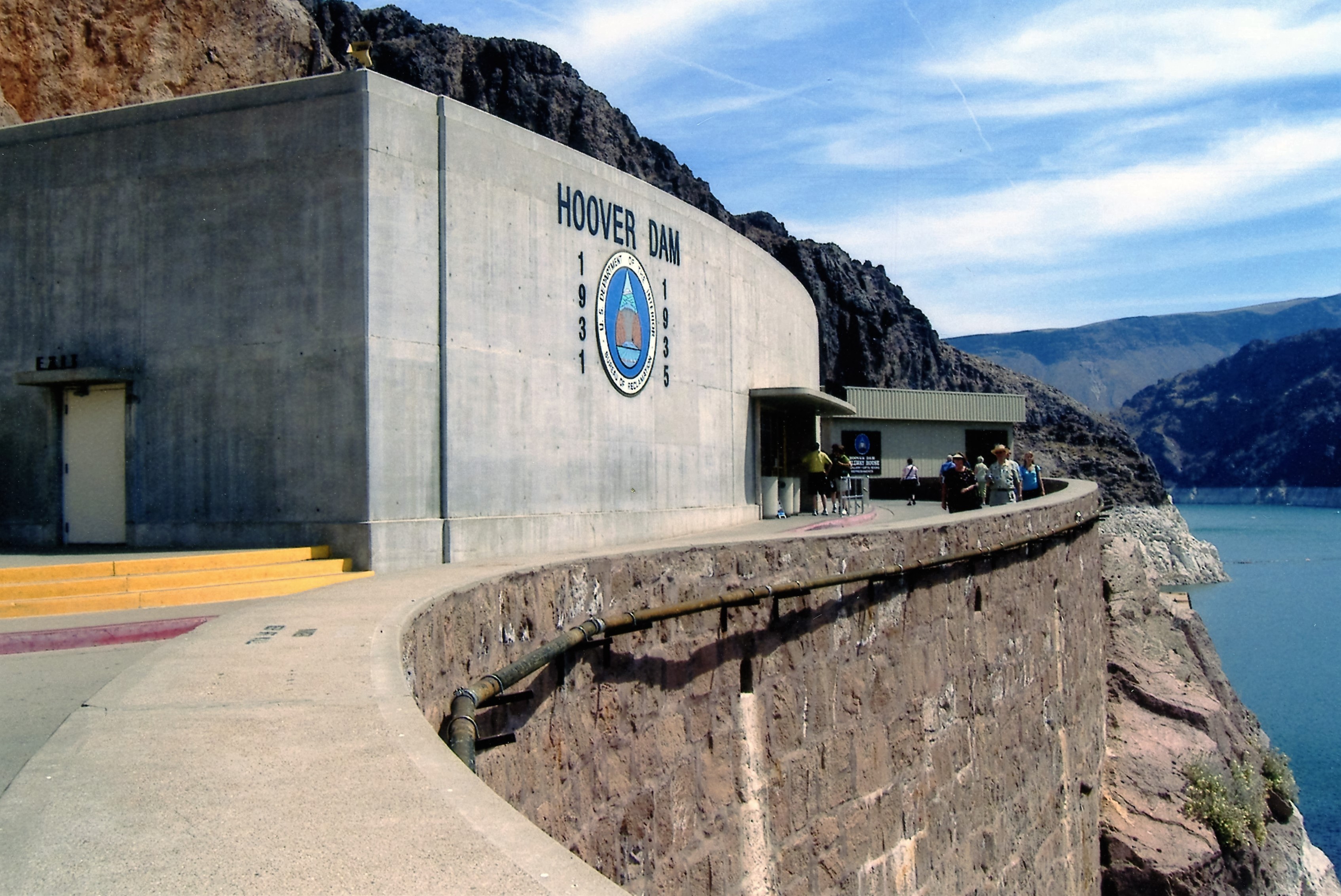
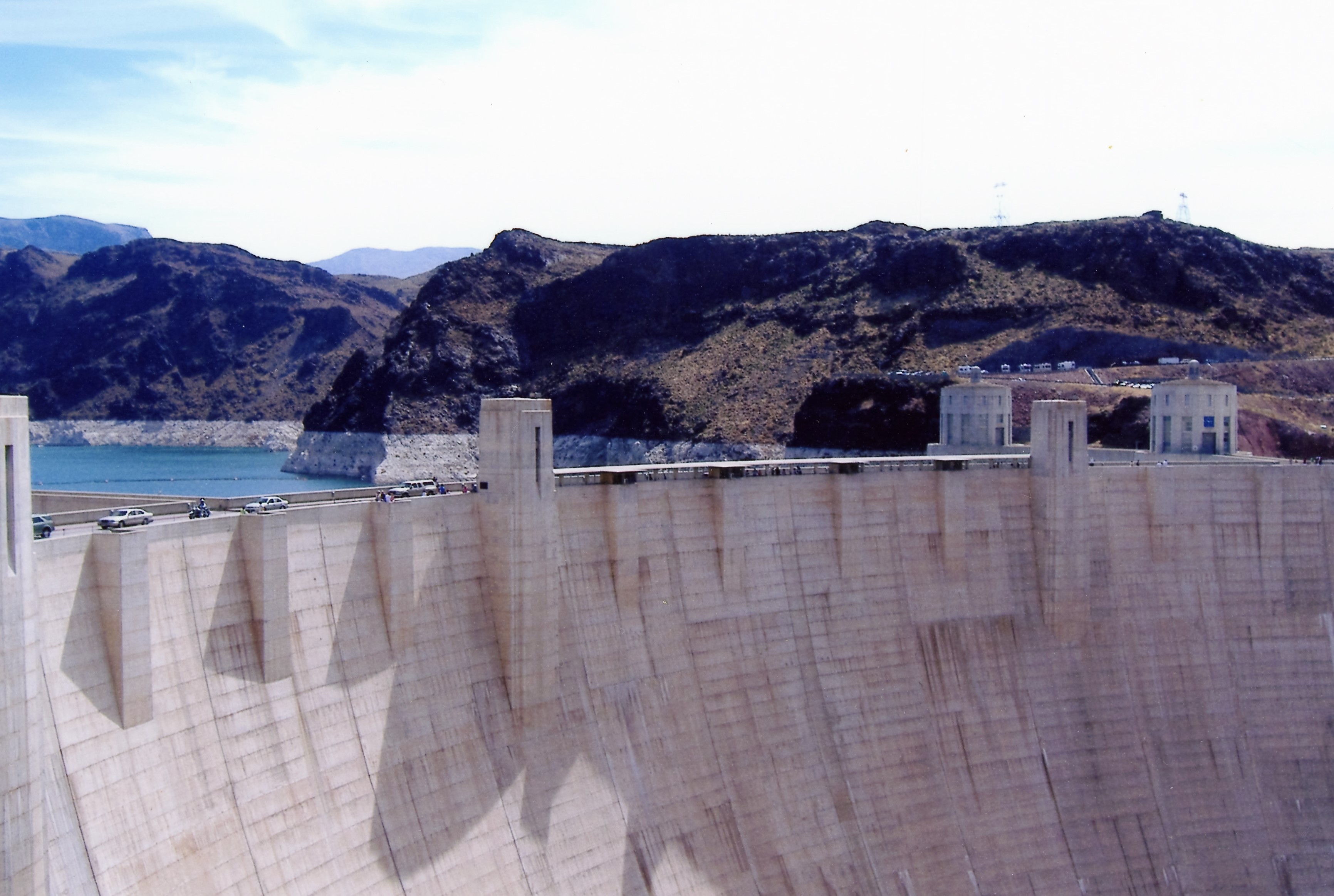
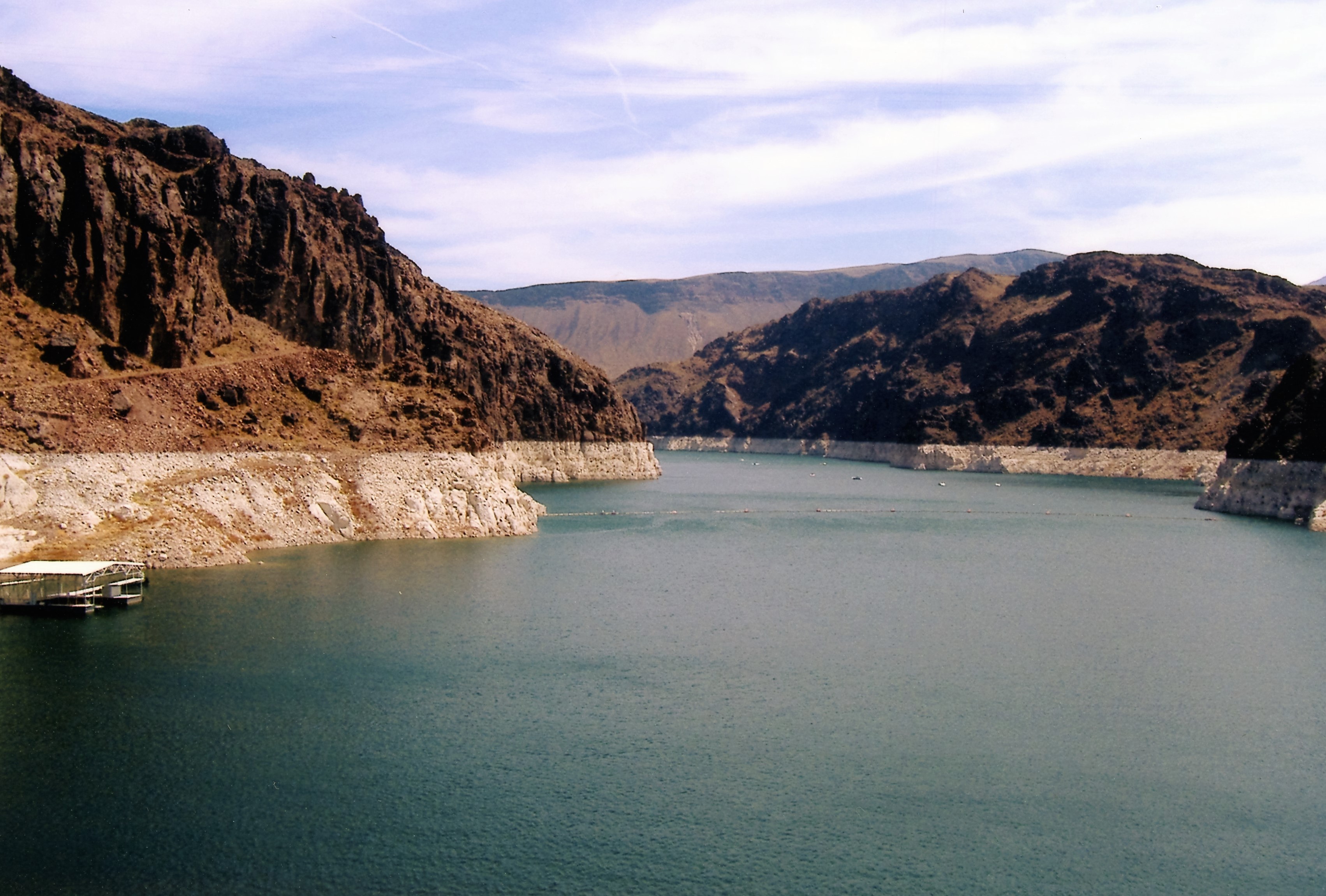
My first interior dam I visited was Hoover Dam in 2005. It was nice but a disappointment in that 3-1/2 years after 9/11, the lower portion was closed off. I only got to see the turbines from an observation deck.

hoover001

This was a quick looksy – “Alright people, back on the elevators.”

hoover004

Up on top.

hoover002

One side of the dam…

hoover006

to the other.

hoover003

Intake structures – actually more impressive than the one at Liberty!

hoover005

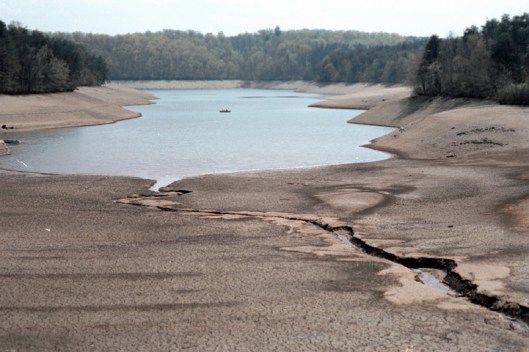
Reservoir getting low…and yet they are still building new homes in the area.

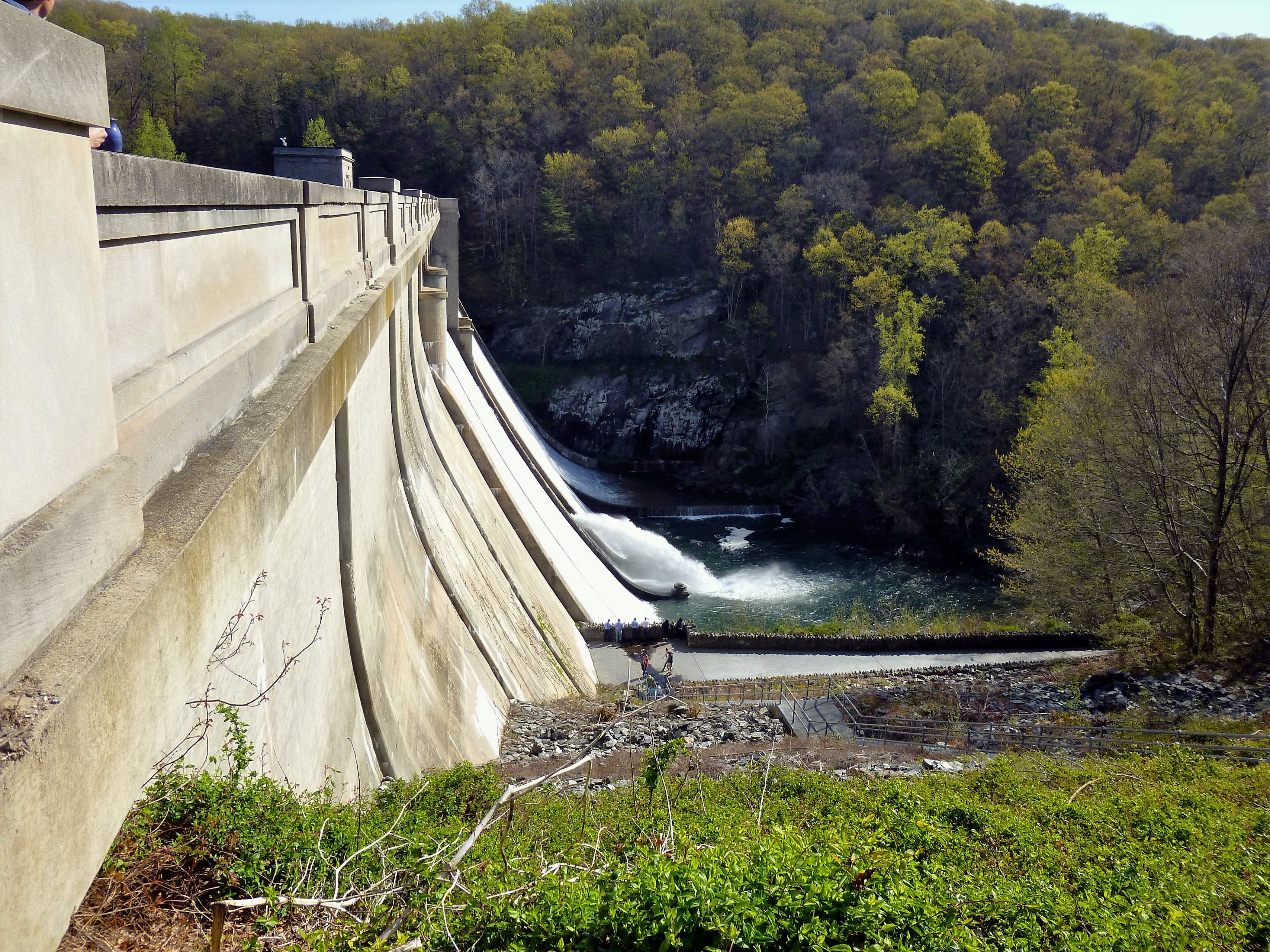
In 2013 I was able to go into Prettyboy Dam.

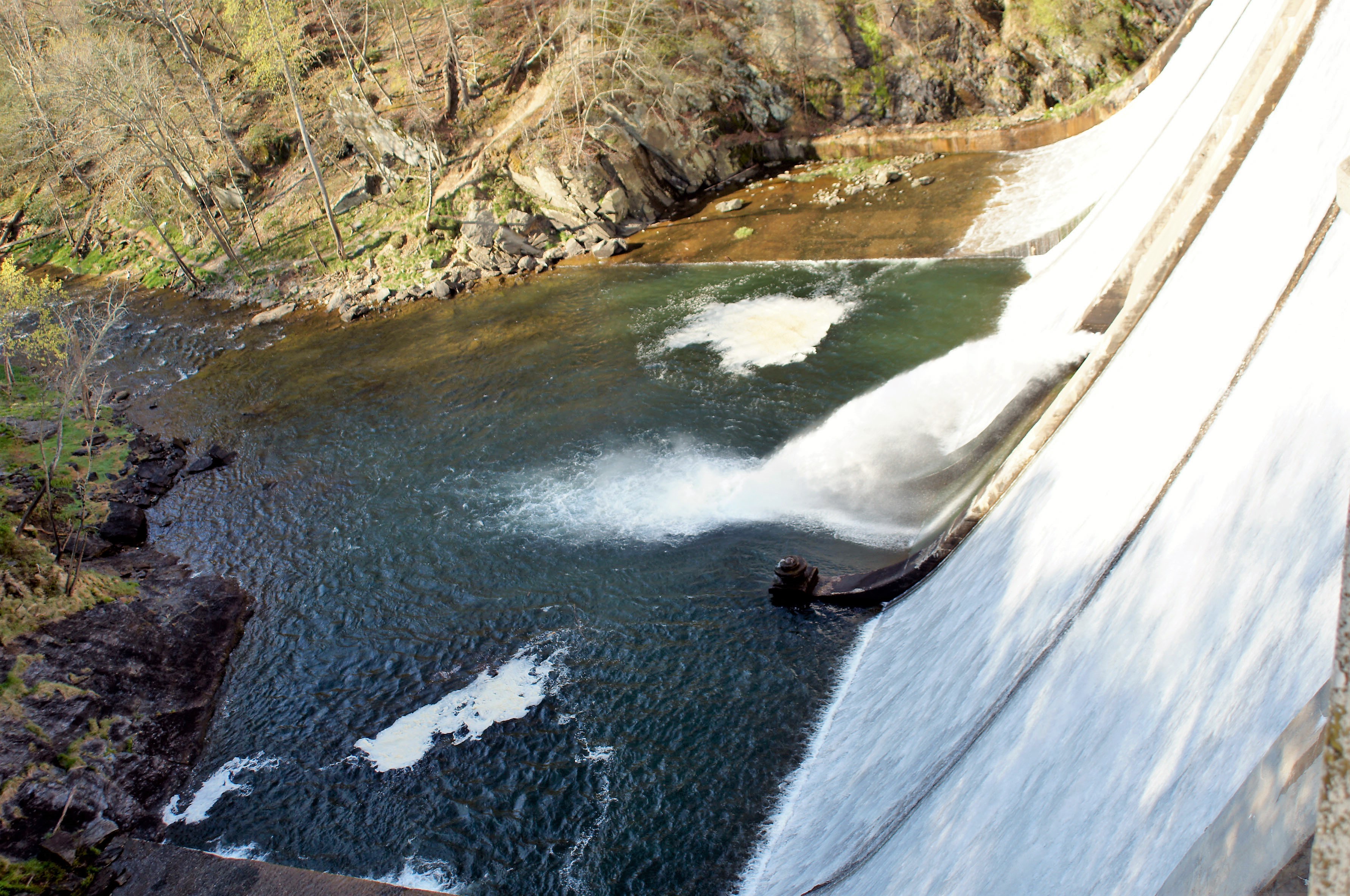
Looking down from the top.

What I like about this view are the memories of my father taking me down to the bottom – concrete slab – to go fishing.

We had to go down the steps, then climb over a fence and trek down the hillside to get to the fishing spot.

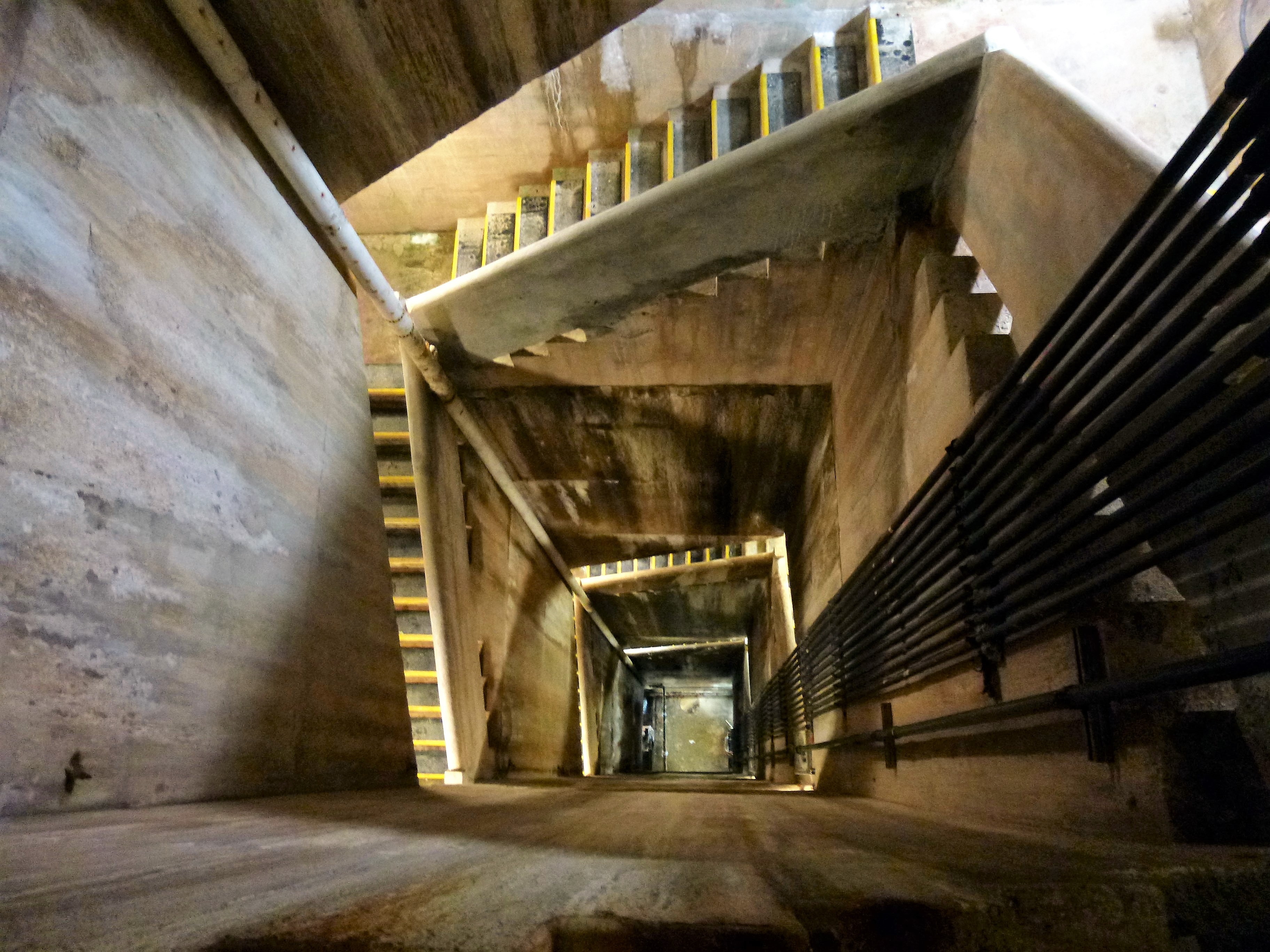
Time to head to the bottom of the dam. More steps.

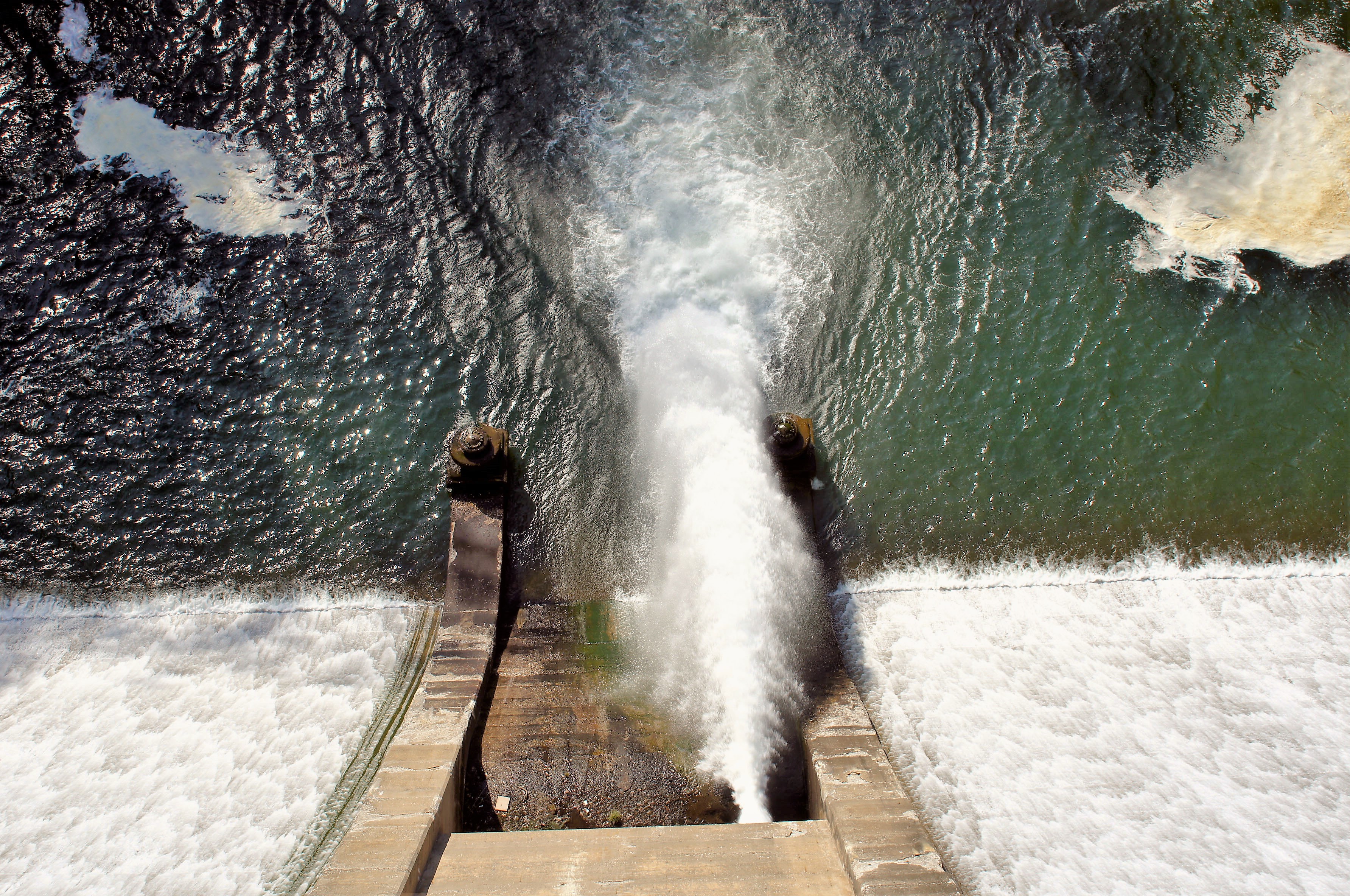
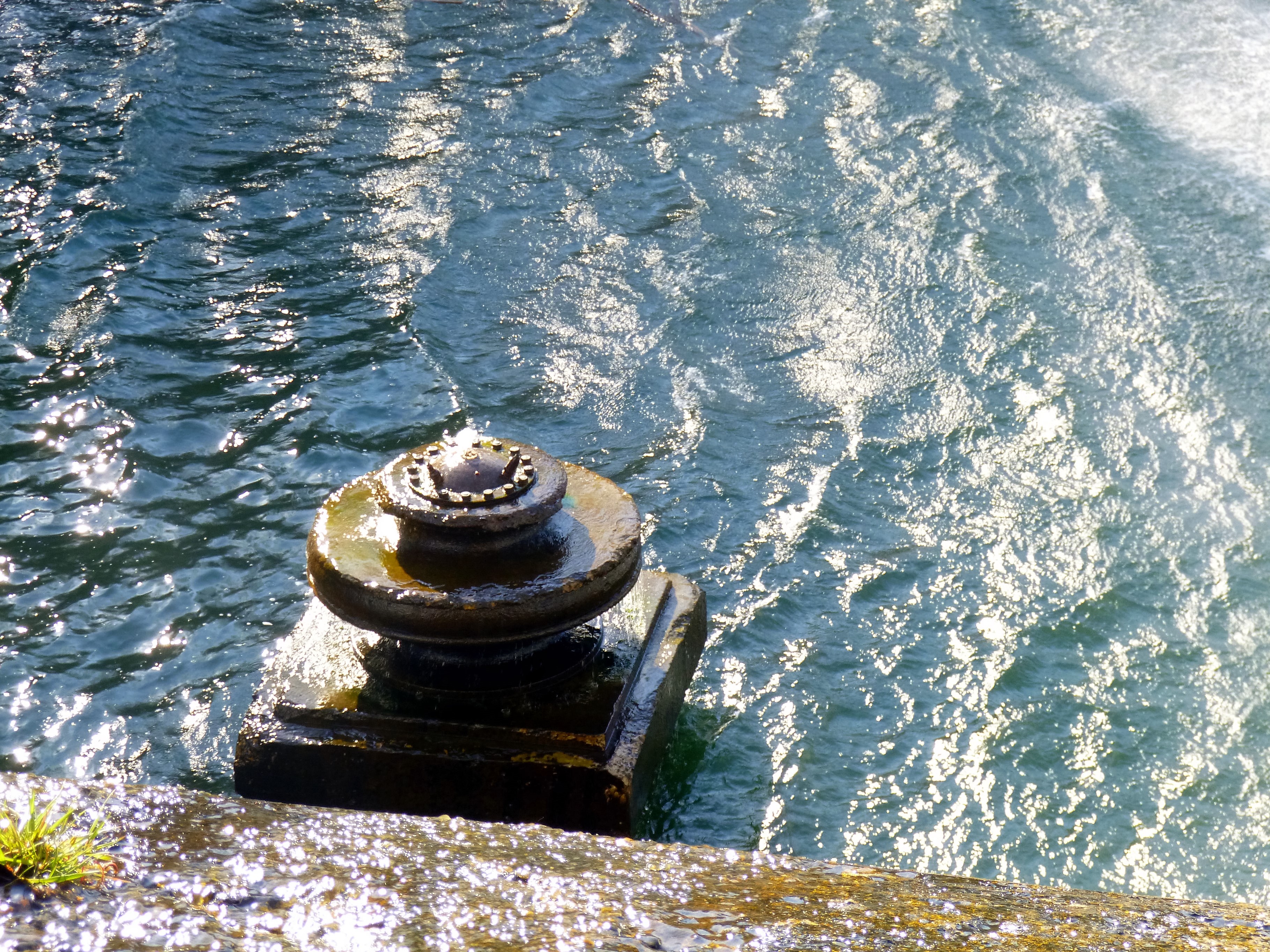
I was able to go out onto the deck, where the valve was spewing forth water to my right. This is one of two fountains that don’t work. Contractor said it would cost over $100k to fix. Director says no.

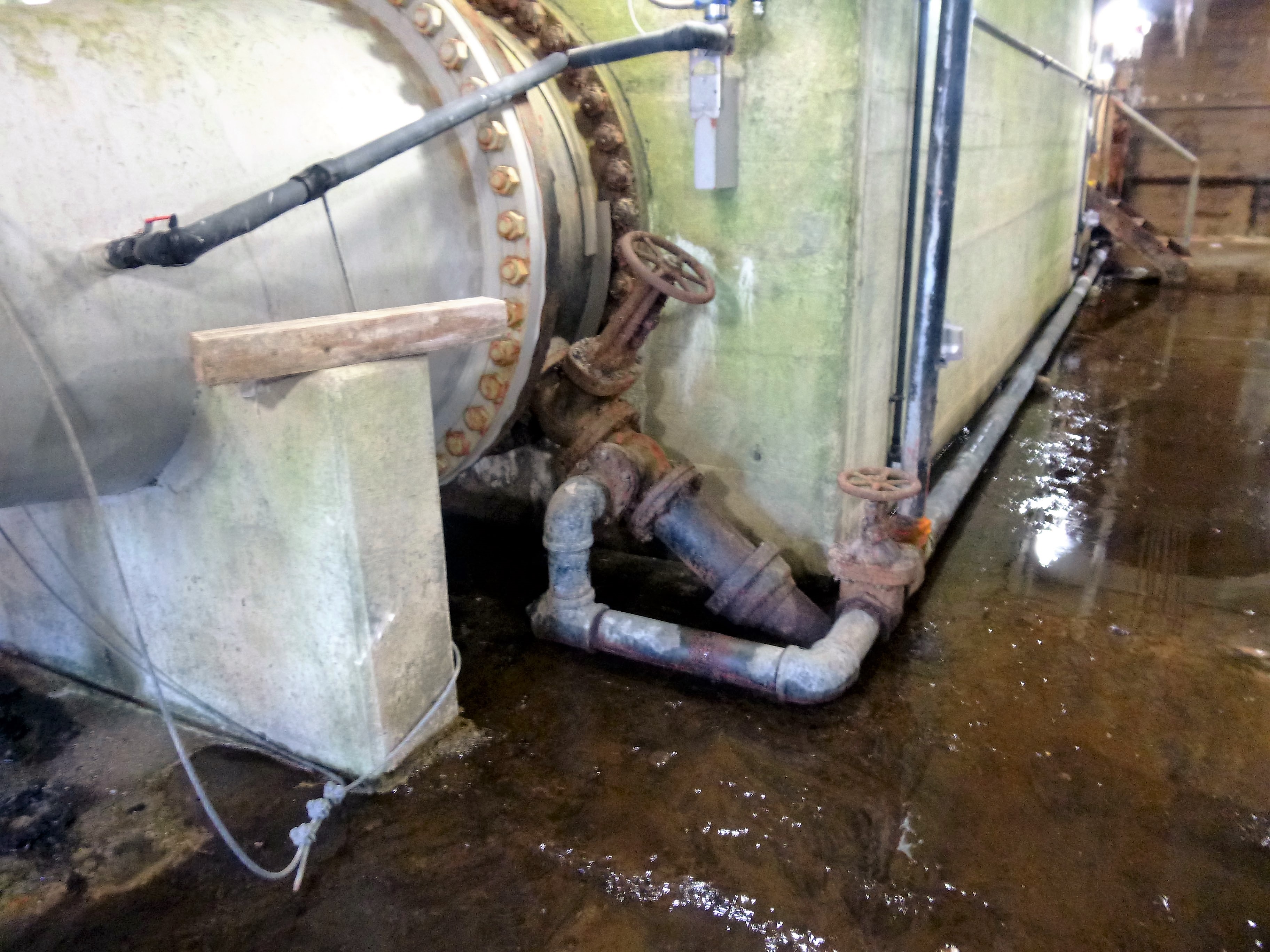
The 45 degree pipe is what feeds the fountains. It goes under this floor into a chamber and then into more concrete. It is collapsed there and this is why it would cost so much to fix.

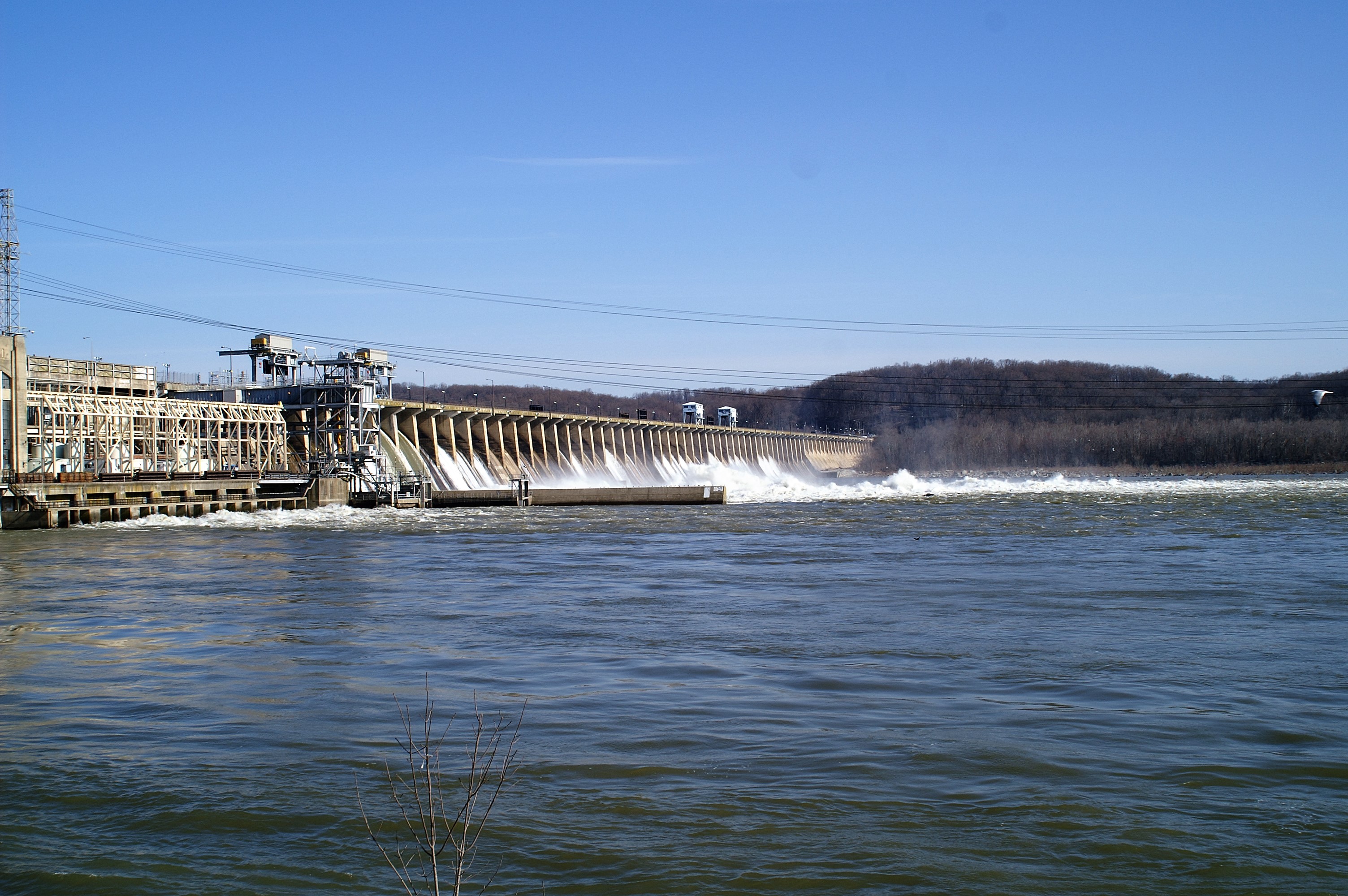
Tomorrow, if the dam Gods permit, I will be going into this dam – Conowingo! This is from 2011 when most of the flood gates were opened. I just bought a new telephoto lense for my camera and wanted to see how it works…

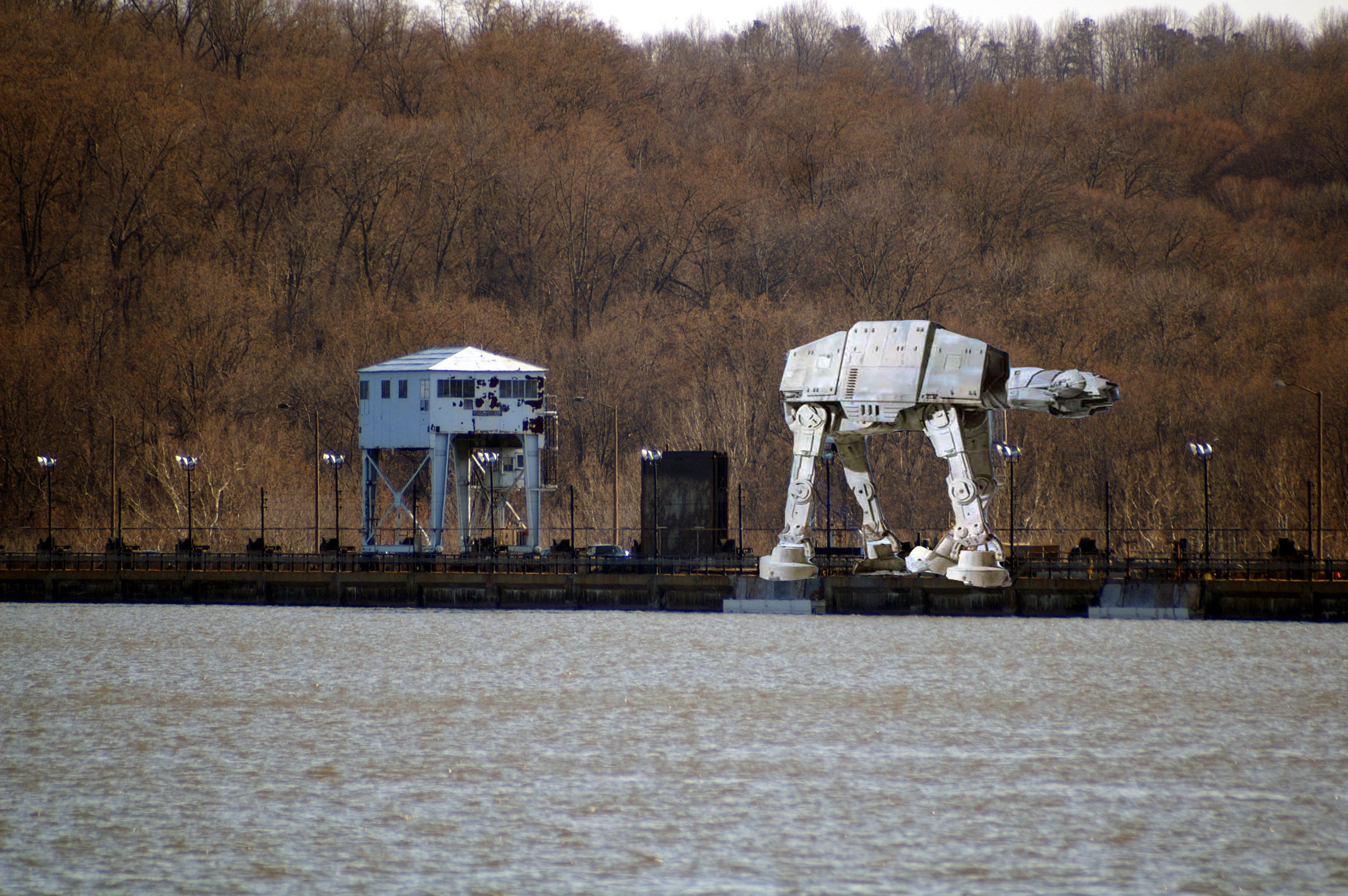
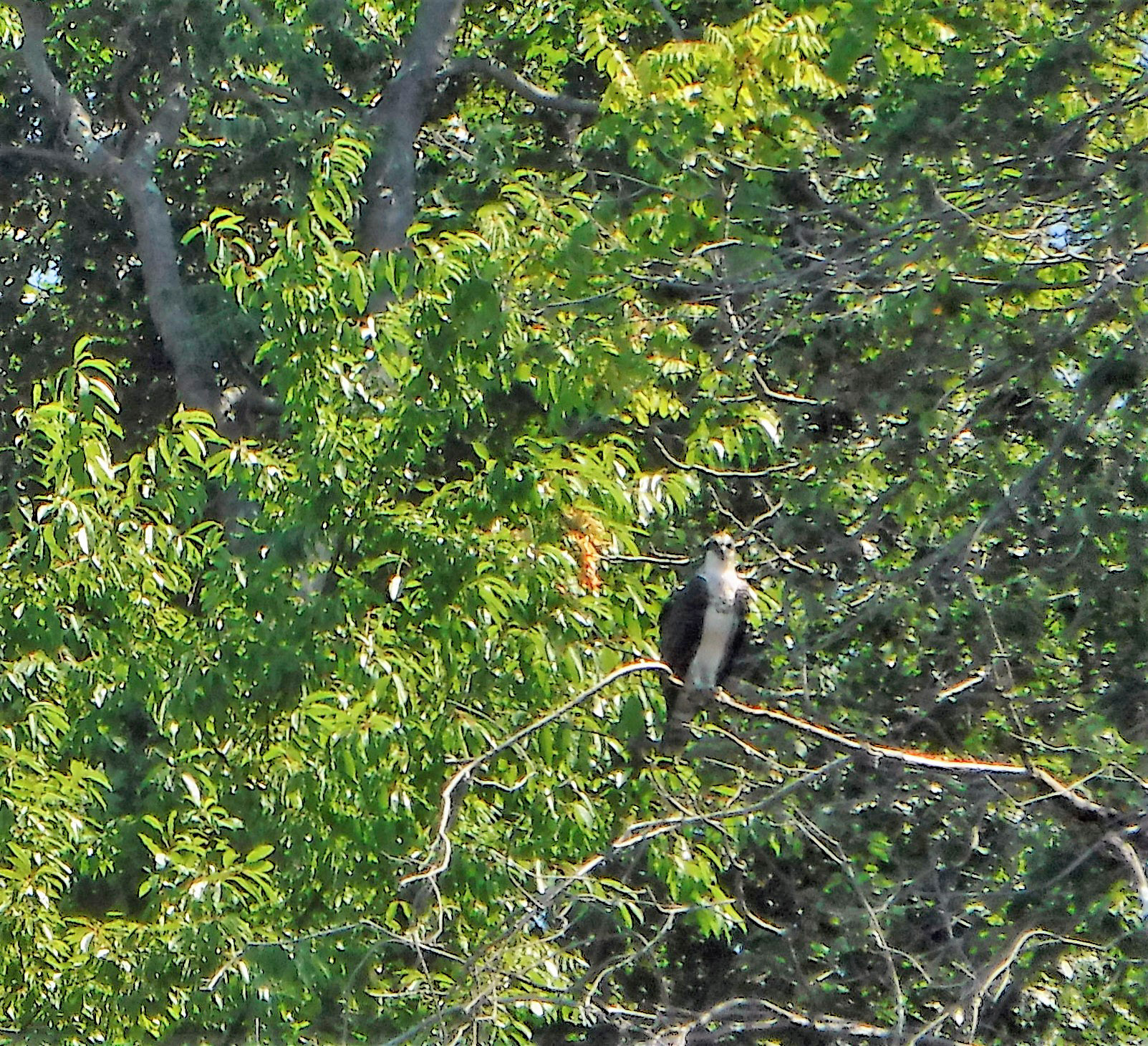
A little too well. I hope this guy shows up again for the tour!

Dundee Creek

30 Friday Sep 2016

Posted by Ronald Parks in kayaking, Photography

≈ 1 Comment

Tags

boats, bridges, Gunpowder Falls, kayaking, nature, Parks, photography

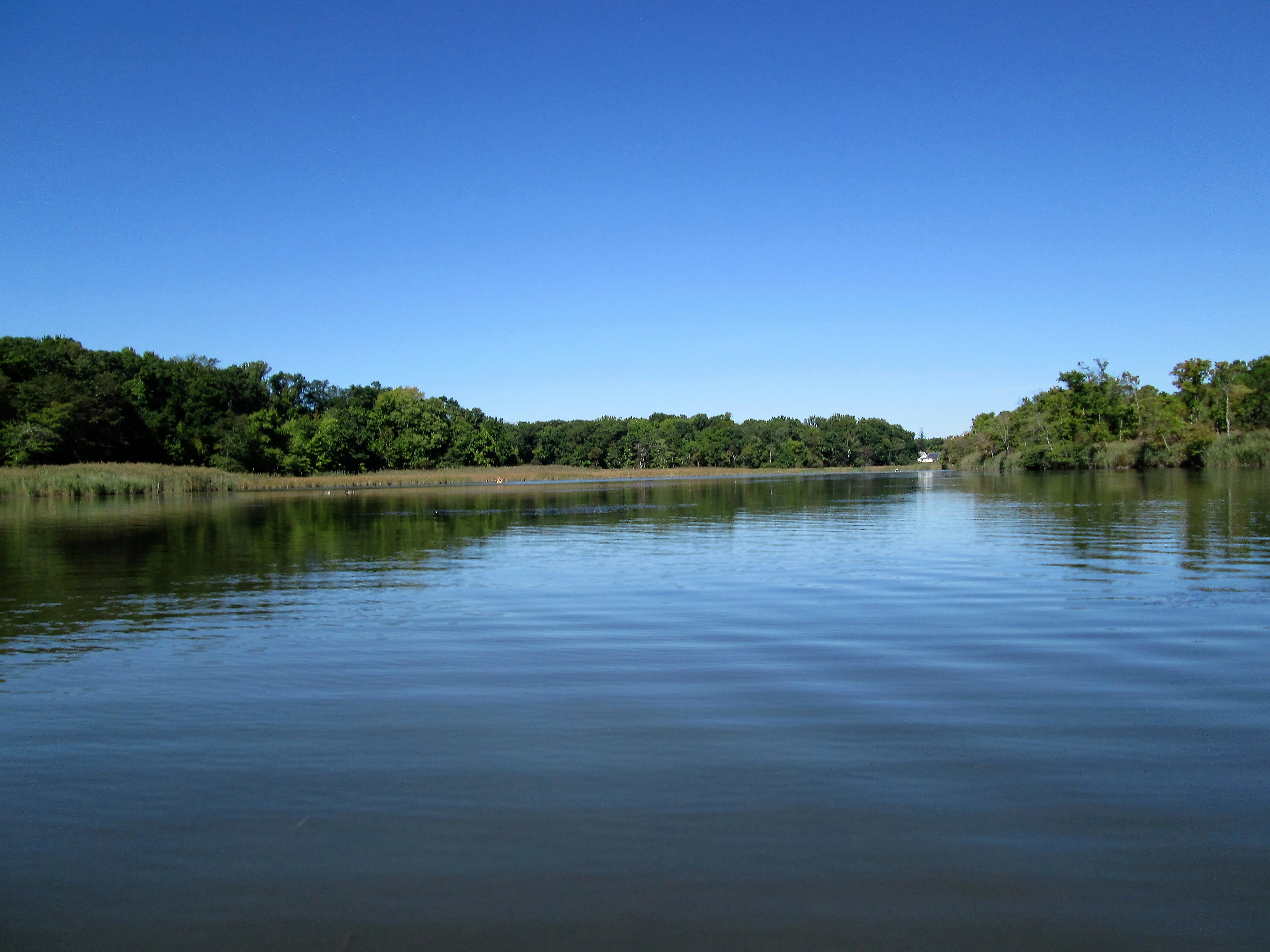
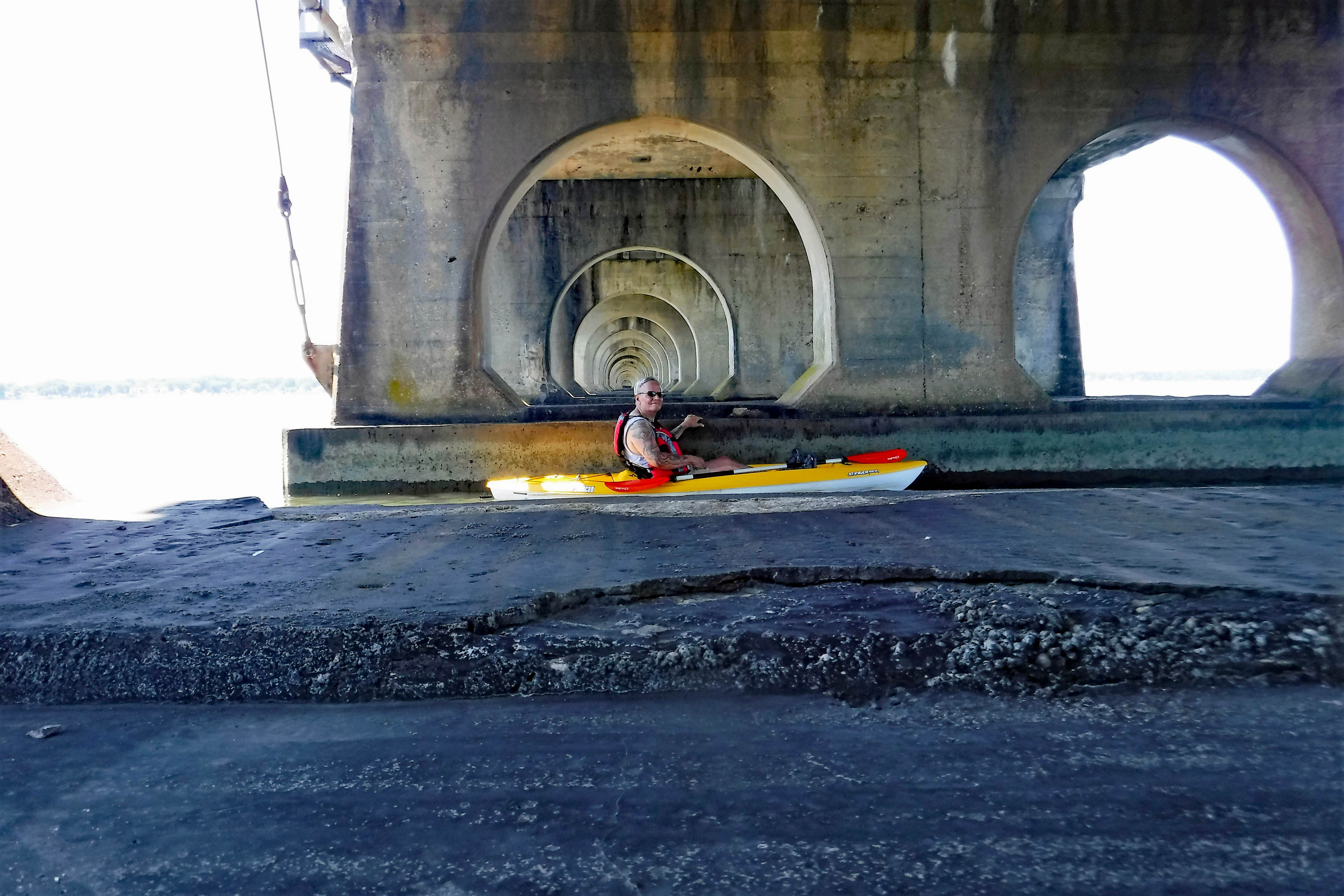
After our vacation to the Eastern Shore, we returned to one of our favorite kayaking spots – Dundee Creek. My first time there was to paddleboard. I did not like that at all. Just couldn’t find my center of balance and I kept falling off. The following week, Kathy showed me about kayaking. I had never done that before. I enjoy it immensely! So peaceful and relaxing. Dundee Creek merges with Saltpeter Creek and then into the Gunpowder River and then onto the Chesapeake Bay.

001

Before heading out to open water, we always like to head into the cove. Calm waters that dead-end at a stream and bulkhead.

012

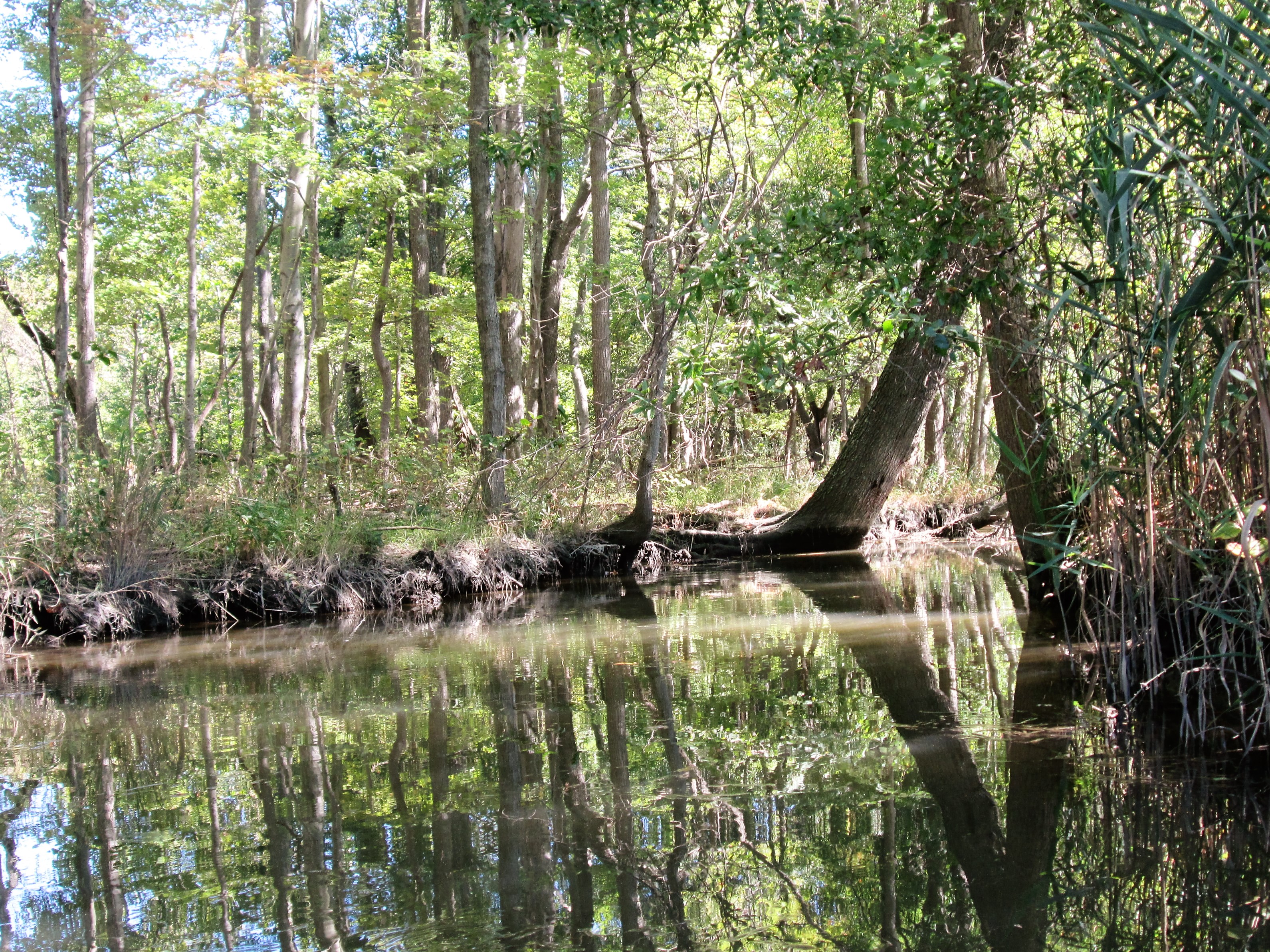
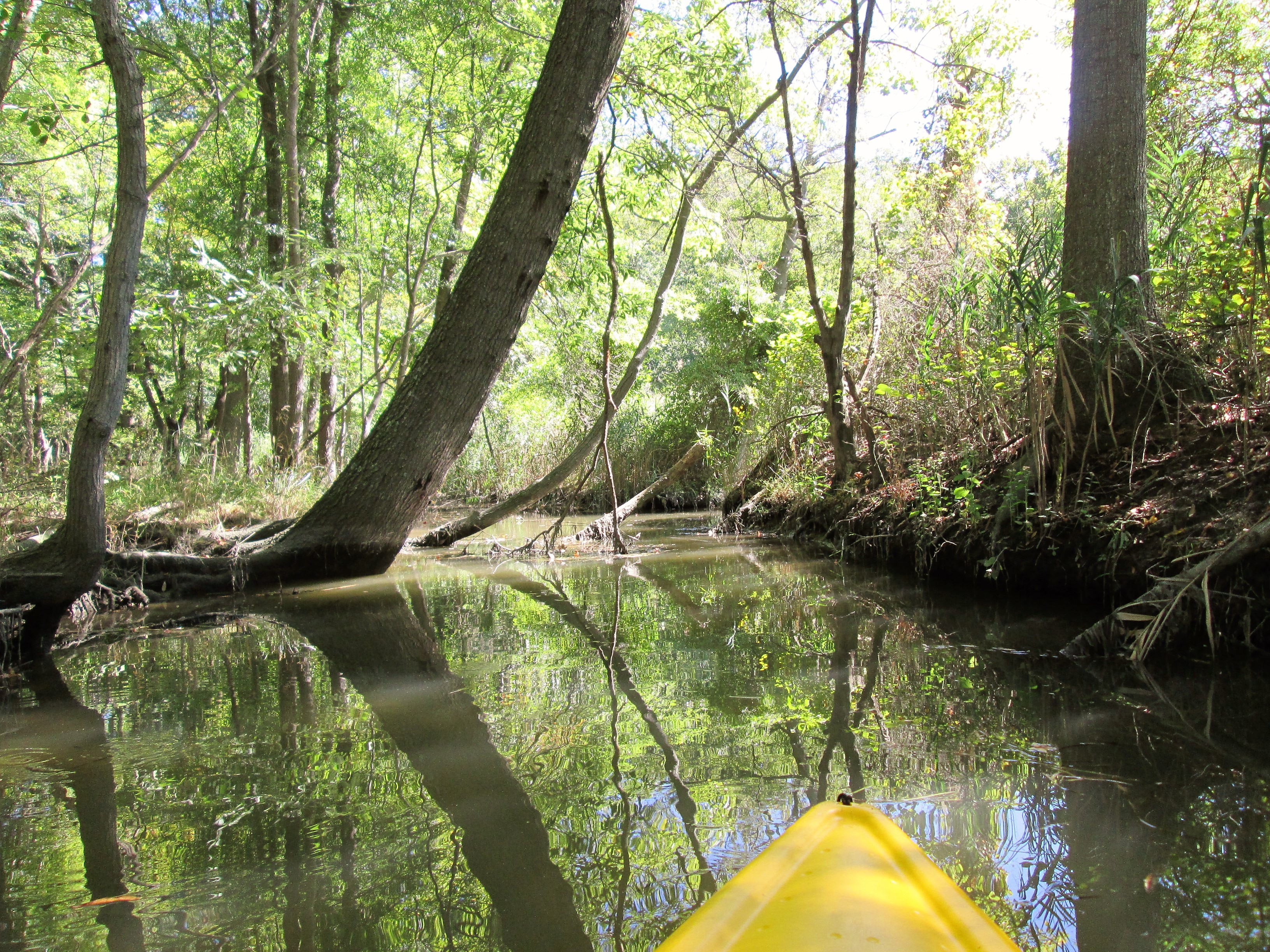
As many times that we have been here, neither one of us noticed this little opening.

013

Nice and quiet. Looks like some logs up to the right.

016

I went up and moved them out of the way.

017

Kathy was then able to pass under the trees, along the shoreline.

021

Once through, I let Kathy go first – you know, in case there were alligators, wild boars or Adrienne Barbeau.

030

We found our own little cove. Not very big but nice.

054

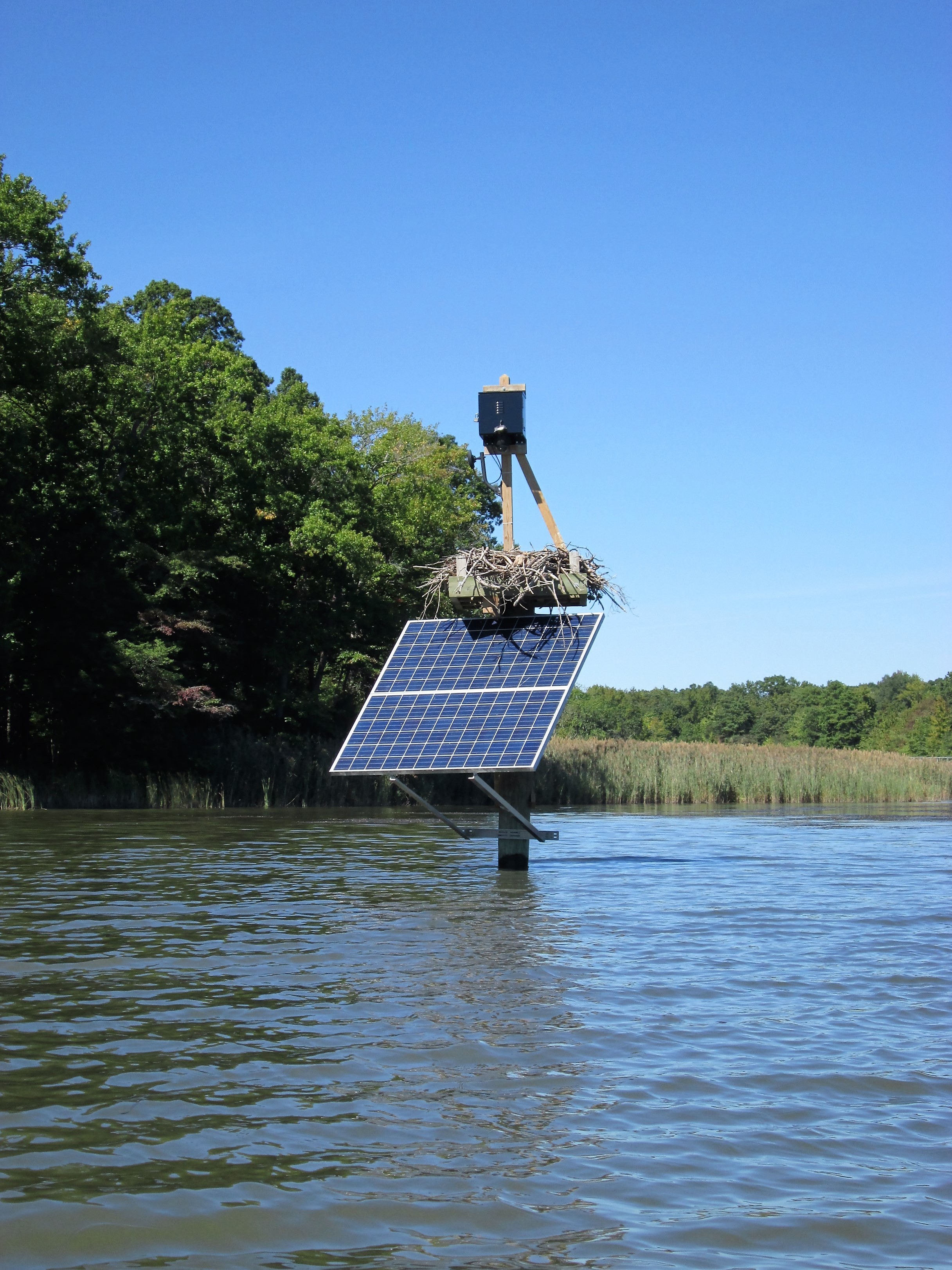
After a while there, we headed out towards Marshy Point. This is the Marshy Point Osprey Cam. It is shut down now – the osprey have all headed south. This is fun to watch when they come back. So is the Osprey Cam on the Chesapeake Bay.

061

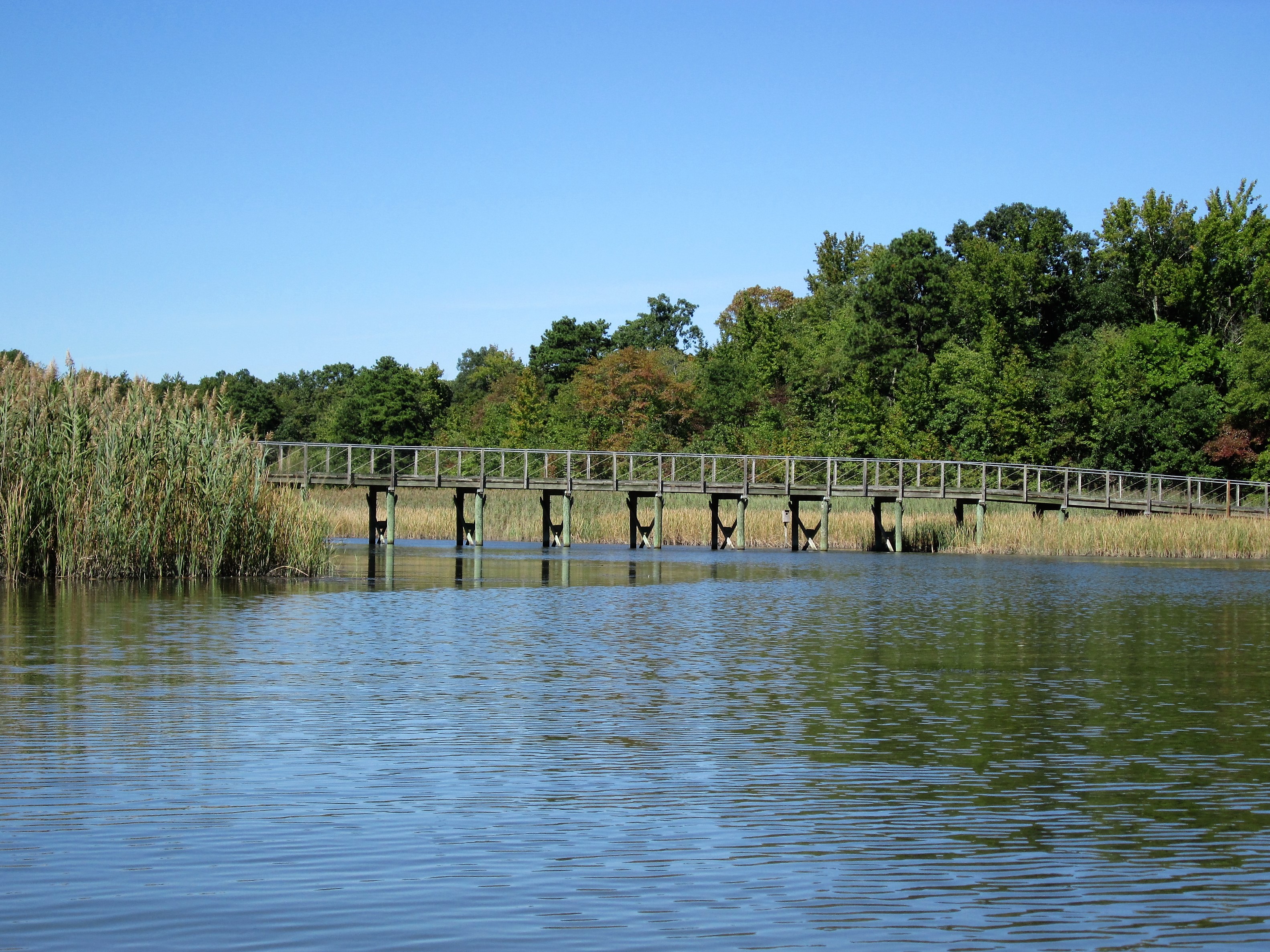
Favorite little foot bridge at Marshy Point Nature Center.

083

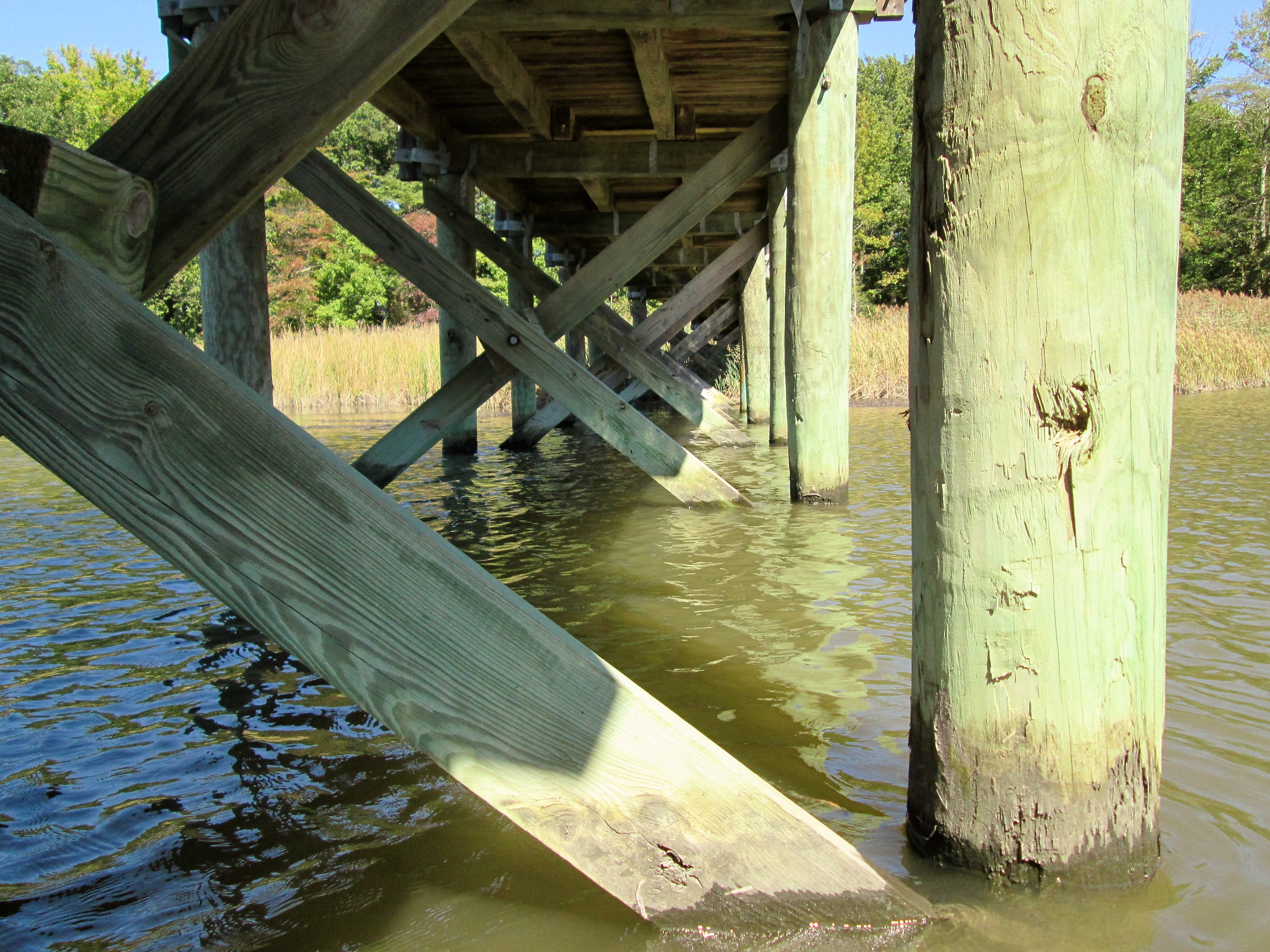
Under the bridge we go.

084

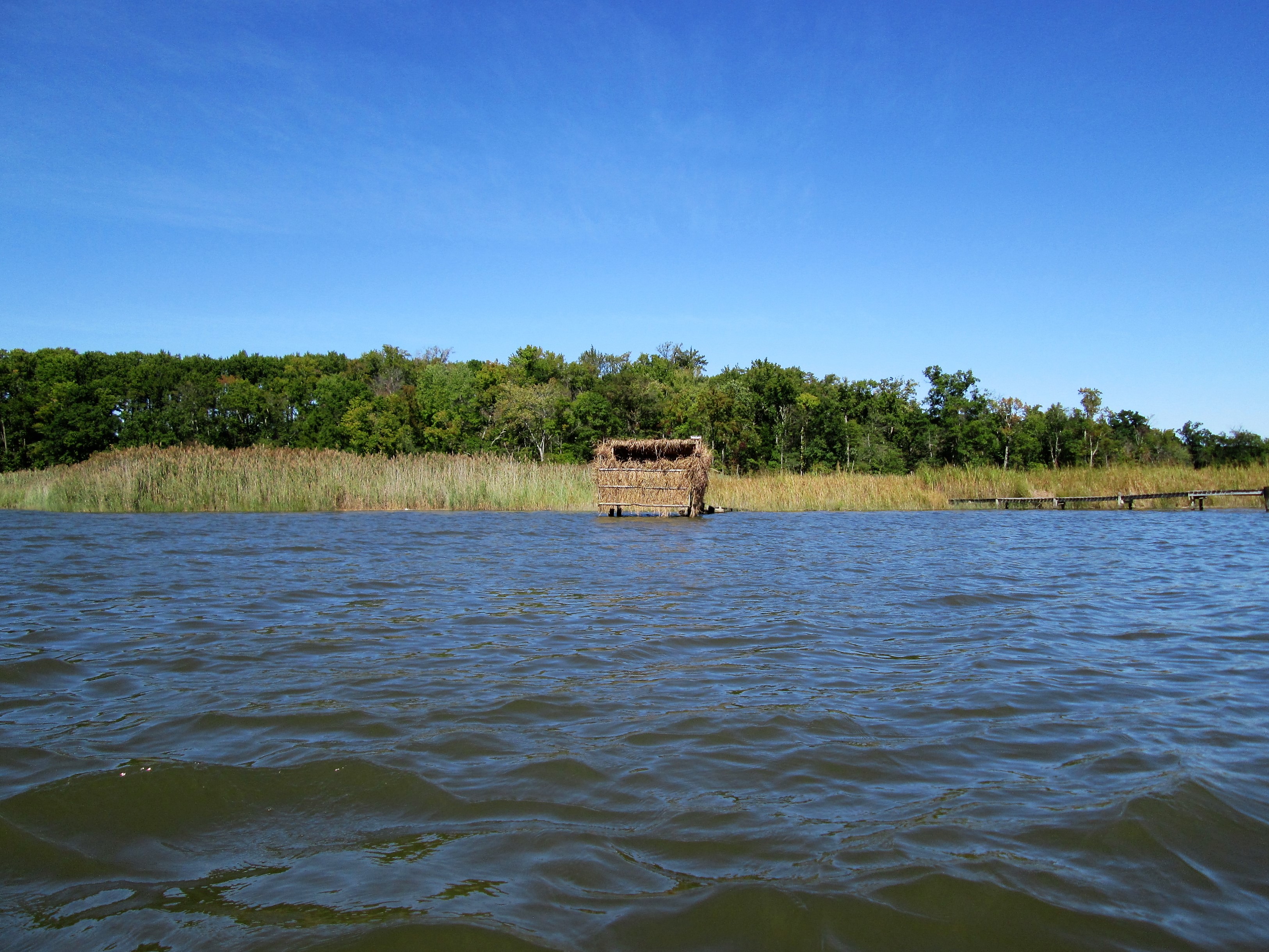
After the bridge and spending time watching life in the marsh, we headed back to the marina. Water was getting a little choppy. Duck blind.

Parades

09 Friday Sep 2016

Posted by Ronald Parks in Baltimore, water history

≈ Leave a comment

Tags

Baltimore, bricks, engineering, FILTRATION, glass plate negatives, Gunpowder Falls, HISTORY, Lake Montebello, Montebello, Public Works, water history

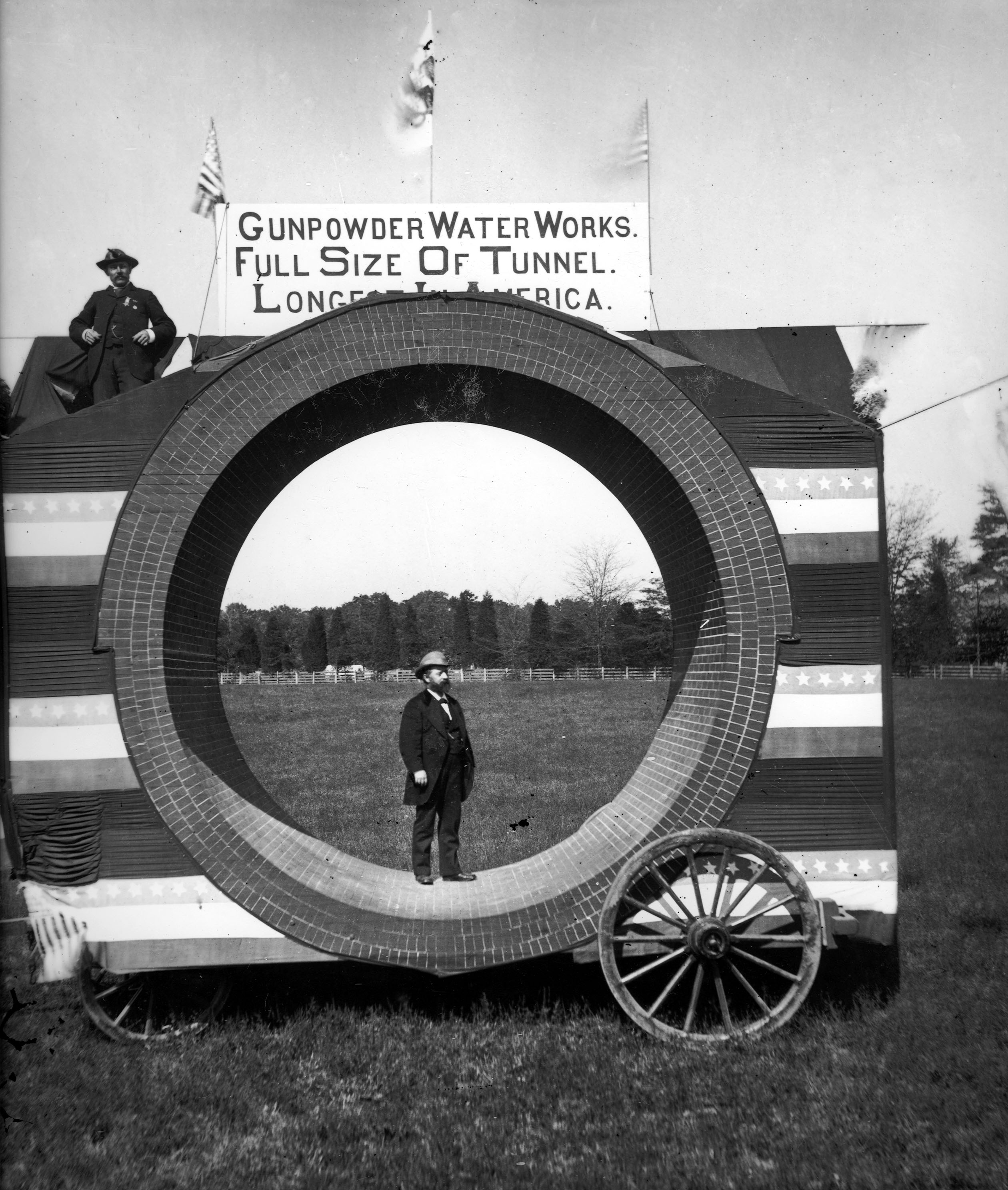
Who doesn’t love a parade. Wish I would have been around for this one!

gunpowderpipe

This float was built in the 1880s to promote the building of the Loch Raven – Montebello tunnel. Longest in America at the time – 7 miles long.

Dam Jam II

23 Tuesday Aug 2016

Posted by Ronald Parks in HISTORY, Reservoir, water history

≈ 8 Comments

Tags

Baltimore, engineering, FILTRATION, Gunpowder Falls, Hiking, HISTORY, Public Works, water history

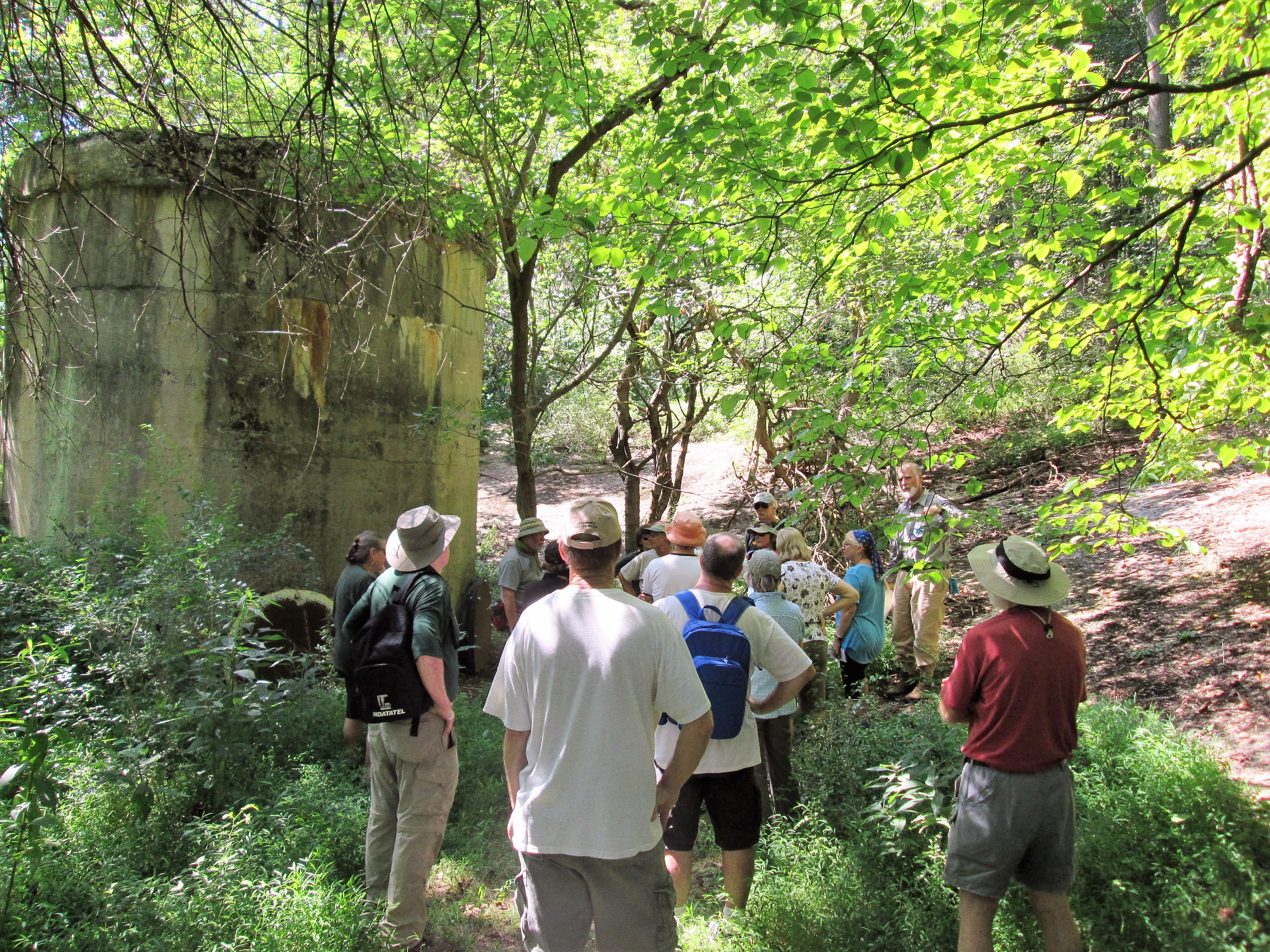
Nice day for a hike thru Cromwell Valley Park. Always like listening to these guys speak on the history. Learn something new every time. The volunteers here are a great group of people who deserve a lot more credit than they get.

015

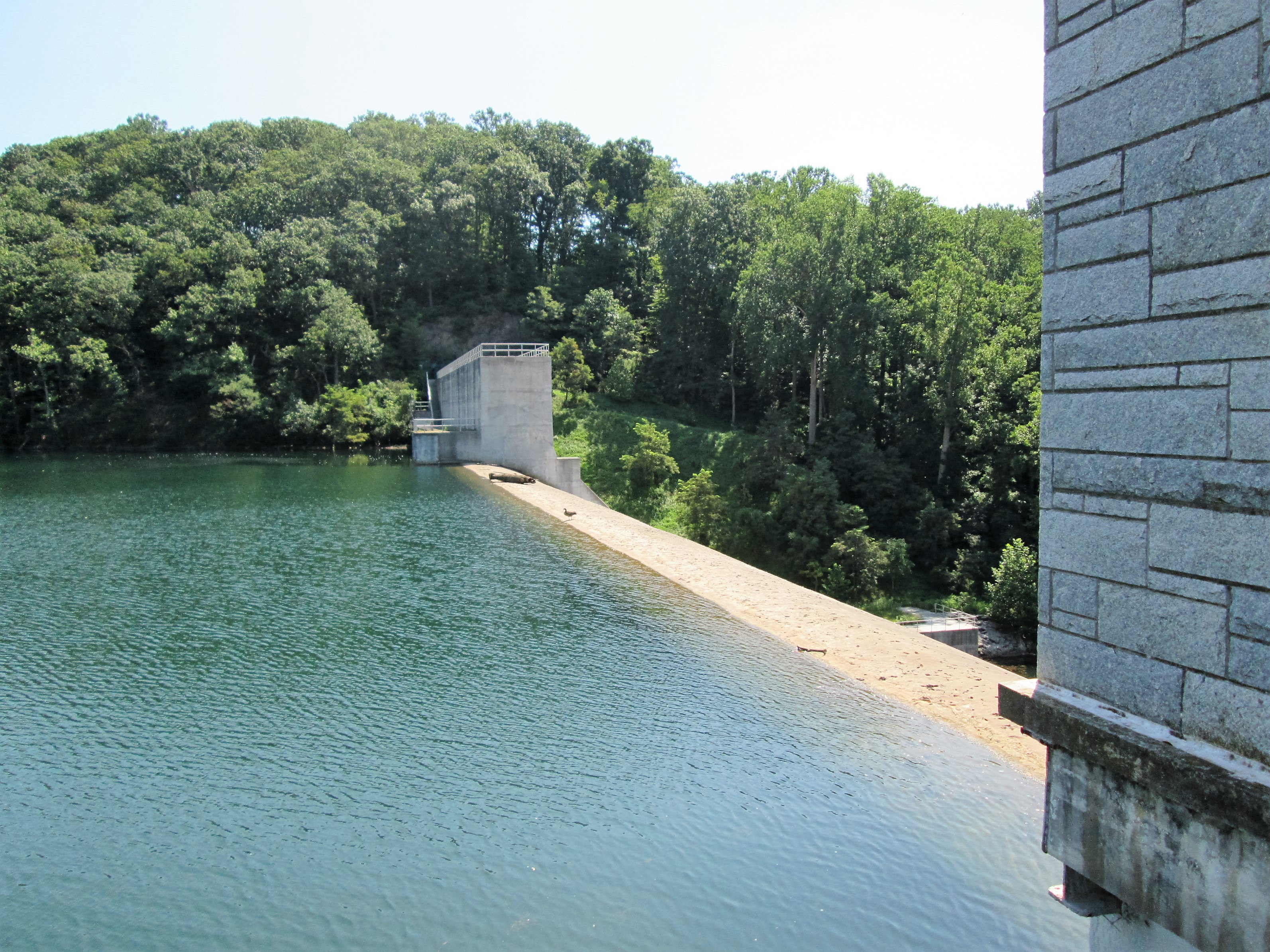
View from the observation deck on top of the dam. Water level is dropping again.

056

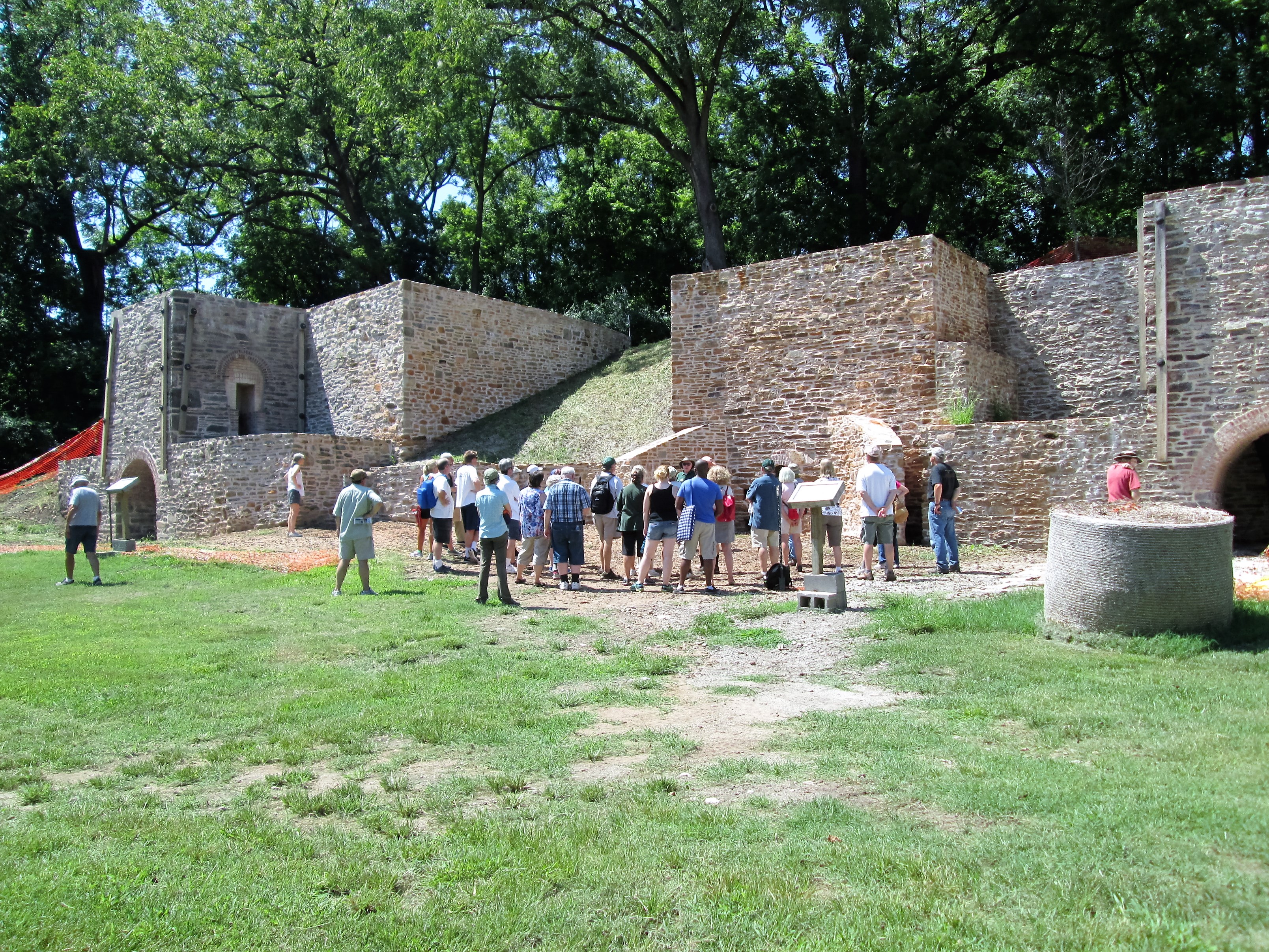
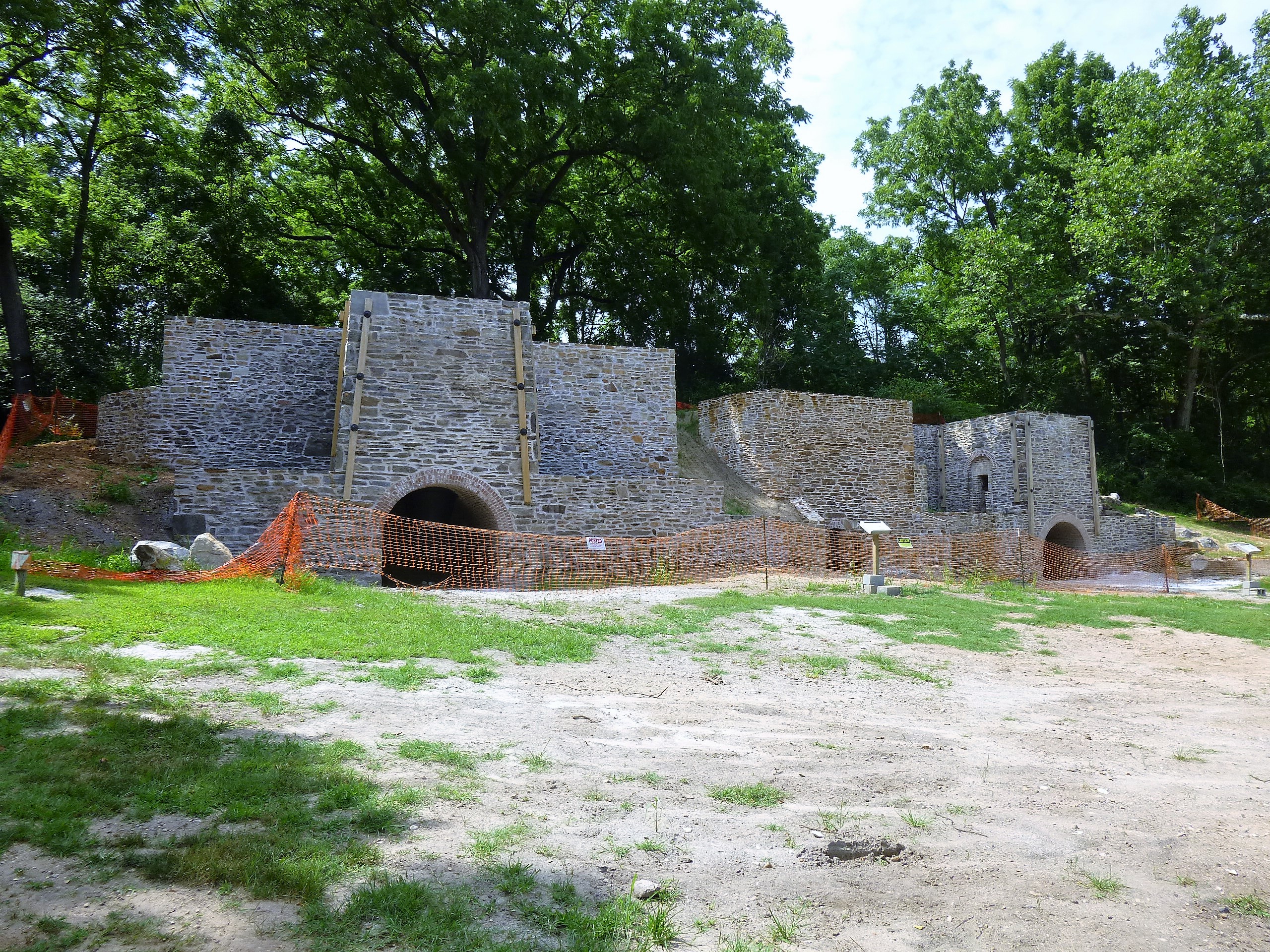
First stop was the restored lime kilns. Big difference since 2006. Nice turnout for a history talk.

079

The balancing reservoir. See last post for when it was still in use…

Dam Jam 2016

19 Friday Aug 2016

Posted by Ronald Parks in Baltimore, Hiking, water history

≈ 1 Comment

Tags

Baltimore, DPW, engineering, FILTRATION, Gunpowder Falls, Hiking, HISTORY, Montebello, Public Works, water, water history

Happening tomorrow! Loch Raven is nice but I liked the one at Prettyboy Dam a couple years ago, only because I got to go to the bottom-insides of that dam.


You will get to walk out here. This use to be open all the time, now only open to the public on special occasions.

Ask your tour guide who is responsible for closing these gates during the 100 year storm?? Enquiring minds want to know!

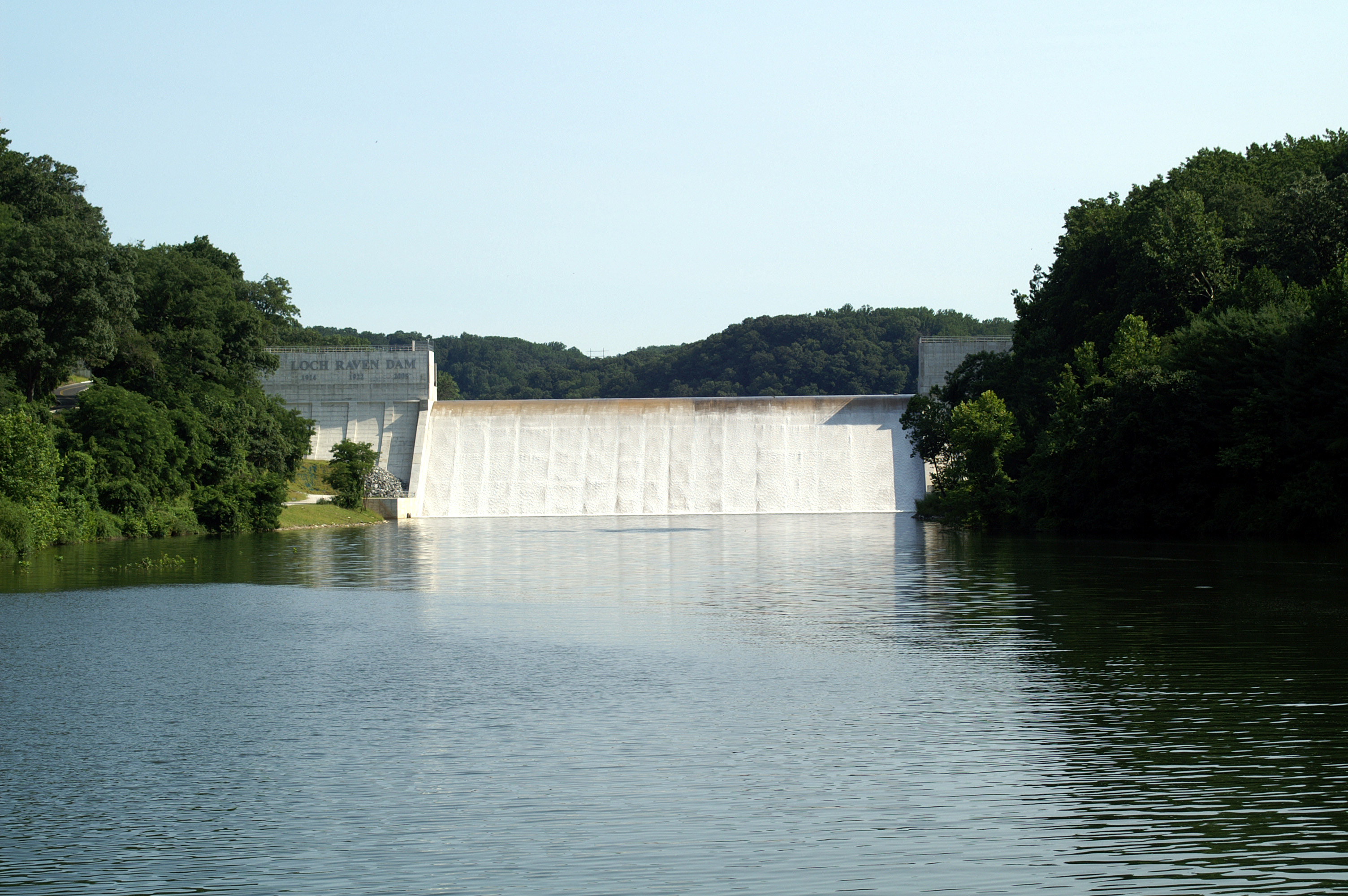
Looking upstreams from the old dam to the new.

This is what it looked like after the storm of 2011. Lots of water going over the crest.

This is the 1880 dam during the same storm.

KONICA MINOLTA DIGITAL CAMERA

There will be tours of the lime kilns by Jim Kelly, who will be giving away copies of my book (Might as well give them away – nobody buys them anymore!) (That’s ok, a good cause) This photo was from 2006

Volunteers started clearing the weeds back in 2011.

P1070168

Jim and company have had a lot of work done to the kilns. He will be giving a presentation on the 3 different kilns, talking about their history.

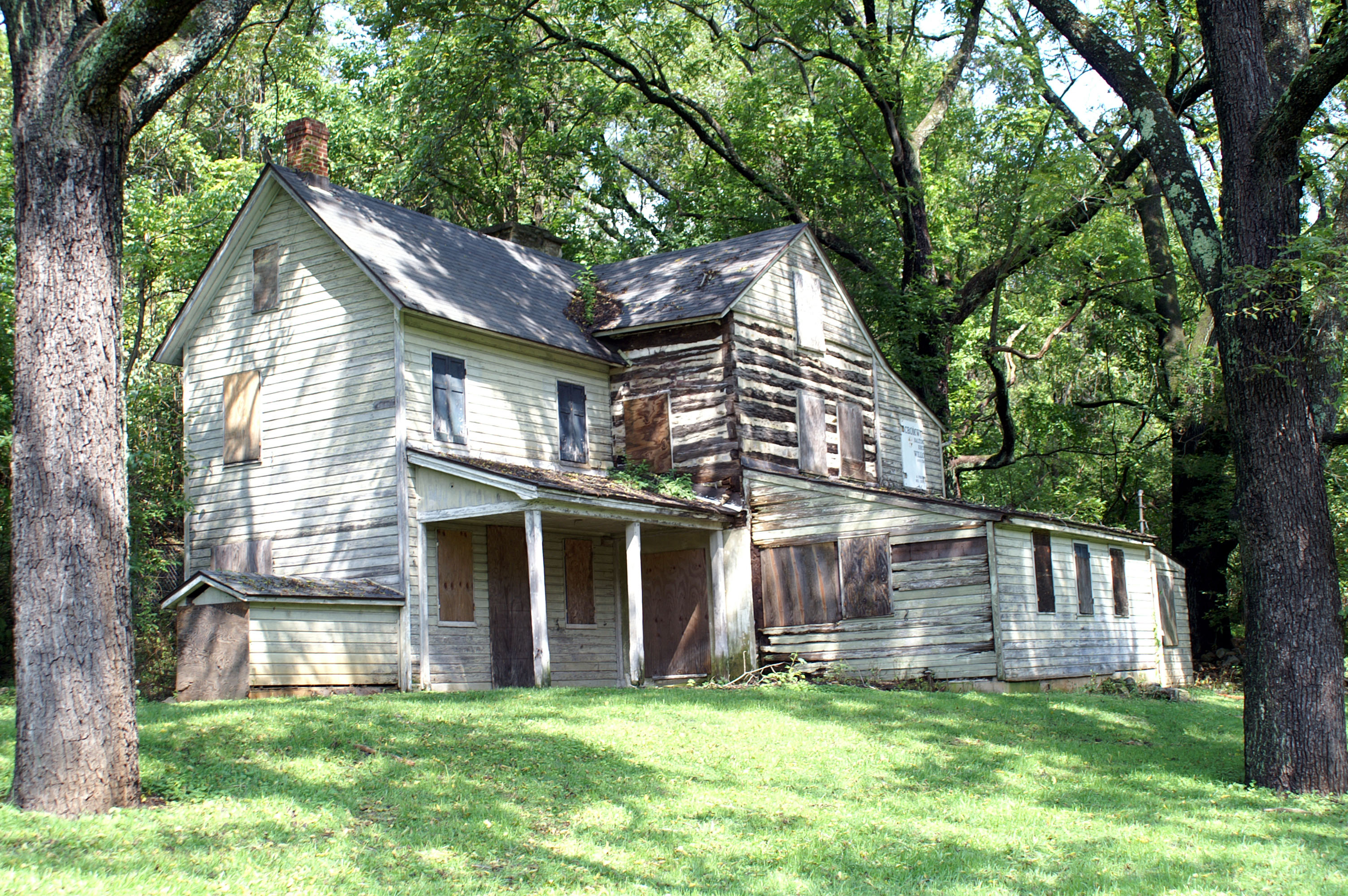
He will also be talking about this house, which has been restored.

PP236.1693A Loch Raven. Balancing reservoir. Throwing shaft over

Thom Grizzard will be giving a tour of this area. Where the old balancing reservoir and shaft are. No sense in bringing your bathing suit – it no longer looks like this. It is grown over. The volunteers have cleared a lot of the trails around here – making exploration of Cromwell Valley Park a lot of fun!

Mariners Point Park

17 Wednesday Aug 2016

Posted by Ronald Parks in kayaking

≈ 2 Comments

Tags

boats, Gunpowder Falls, Hiking, kayaking, photography

Nice Sunday morning kayaking trip. Thanks to EFF30 for the recommendation. What I like about this is that the Little Gunpowder Falls, the Big Gunpowder Falls and the Gunpowder River all converge here.

Entrance into the park

There’s a little black squirrel in the park today…

One of the many fishing piers

Nice boat ramp. I like that it is marked as enter and exit…not that everybody pays attention…

Many heron

Another one

Grounded Buoy.

Ducks

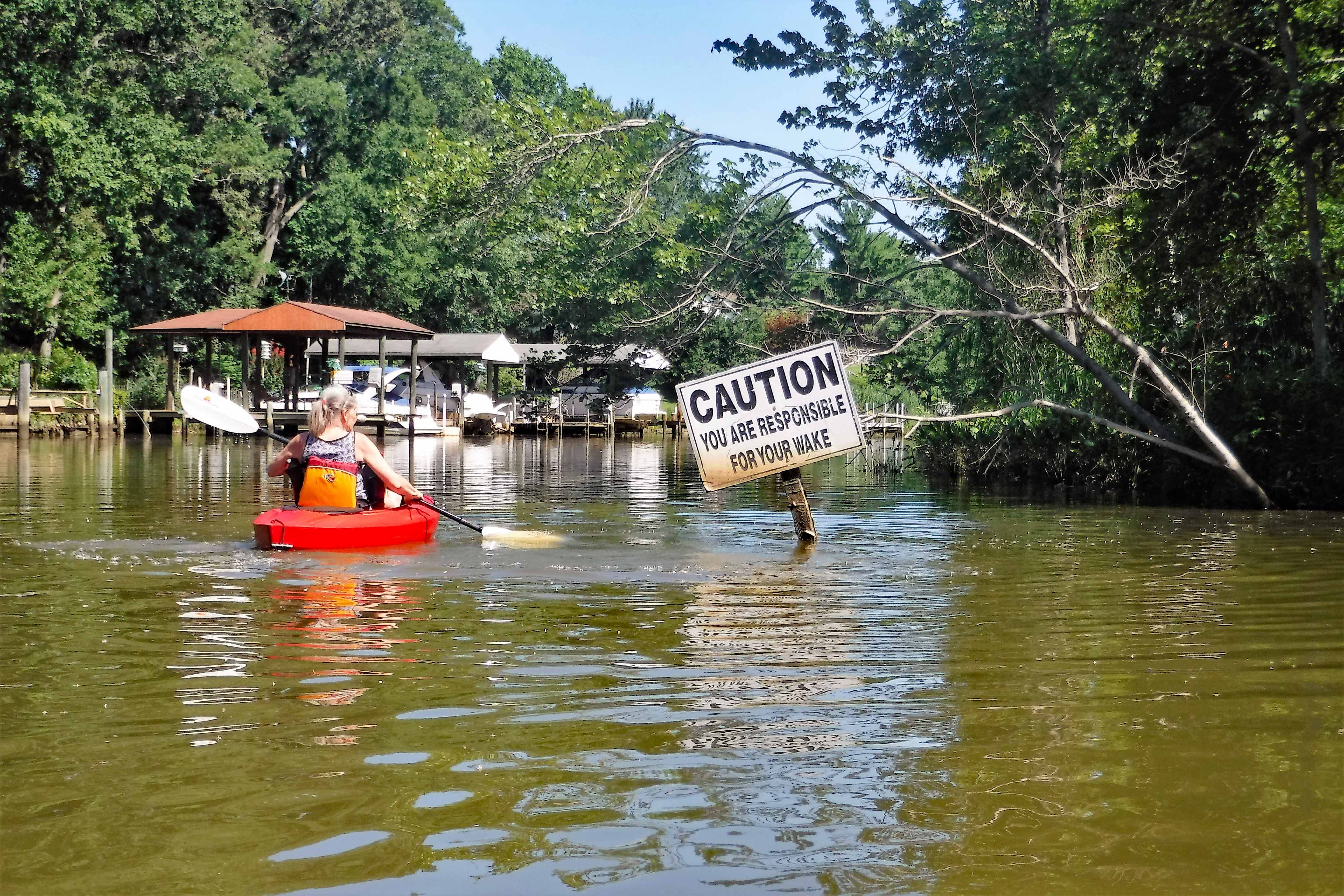
Kathy trying her darndest to make wakes!

And another.

After paddling around the coves we headed to the RR bridge.

I think Amtrak needs a bridge inspector in a kayak

Me.

Besides heron, there were many osprey to be seen.

Baltimore Droughts – a brief history

27 Wednesday Jul 2016

Posted by Ronald Parks in Baltimore, Reservoir, water history

≈ 2 Comments

Tags

Baltimore, engineering, FILTRATION, Gunpowder Falls, HISTORY, Lake Montebello, Montebello, POLITICS, Public Works, water, water history

I have been asked numerous questions and for information on what is the procedure for the water plant, in dealing with drought scenarios? All new bosses asking. There are a lot of procedures that will need to be followed, so I will be updating the information I have collected over the years, all the different ways to keep Baltimore drinking water flowing. To be brief, when the reservoir at Loch Raven gets below an elevation of 235′, a decision will need to be made – Open gates at Prettyboy Dam, start low lift pumps, and/or introduce water from the Susquehanna River. Right now the 3 reservoirs are only about 1-2′ below normal. In most cases, when Prettyboy and Loch Raven drop, the pumps from the Susquehanna are used instead of our Low Lift Pumps. Here is a brief history:

1869 – 1870 – The City suffers a severe drought in the summers. It was concluded that the Jones’ Falls water supply was not sufficient for the future. After an investigation for a future water source, it was decided the source would be the Gunpowder Falls. Noting that due to the severe drought of this past year (1869), Engineers Curran and Martin went to the Great Gunpowder Falls to gauge its flow. In twenty-four hours, one hundred and sixty four million plus gallons flowed, which is twenty times more than the present supply. Following the drought was a heavy rain in October, during the farmers’ plowing of their fields. The runoff caused Druid Lake to be too muddy for the consumer. It was not fit for use for twenty-six days.
1872 – Notwithstanding the confident assertions and opinions of the advocates of the Jones’ Falls supply that there would be no want of water at any time after its introduction, in the severe drought of 1872 it became apparent that unless the Gunpowder was resorted to, Baltimore would encounter the risk of a water famine in every dry summer.
1877 – The temporary supply pumps (on the Gunpowder) were needed this year due to a drought.
1896 – Long drought.
1900 – There was a drought condition during the year. This was the first recorded drought during the use of Loch Raven water. The drought was referred to when the water consumption exceeded the total flow of the Gunpowder River. “An unusually severe drought occurred and the city escaped a water famine by the narrowest margin”
1910 – Worst drought, only 418 million gallons left in reserve storage, depleted 1.06 billion gallons of reserve storage. The year 1910 recorded the second drought since the City began using Loch Raven water as a water source.
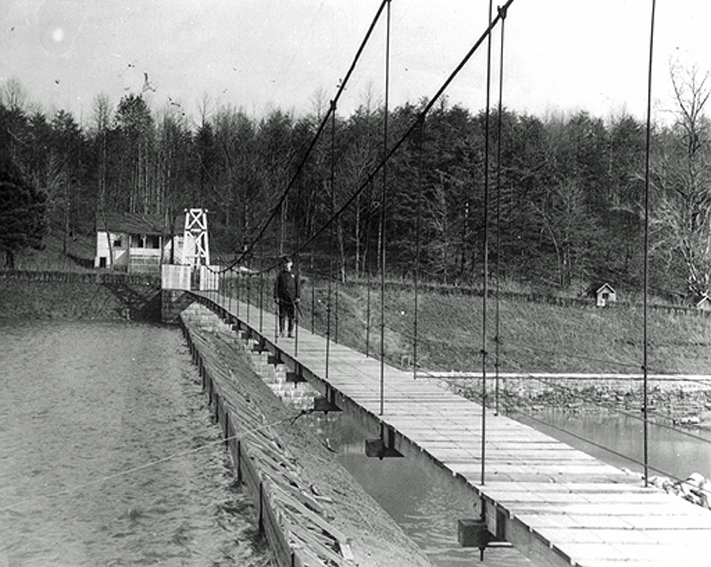
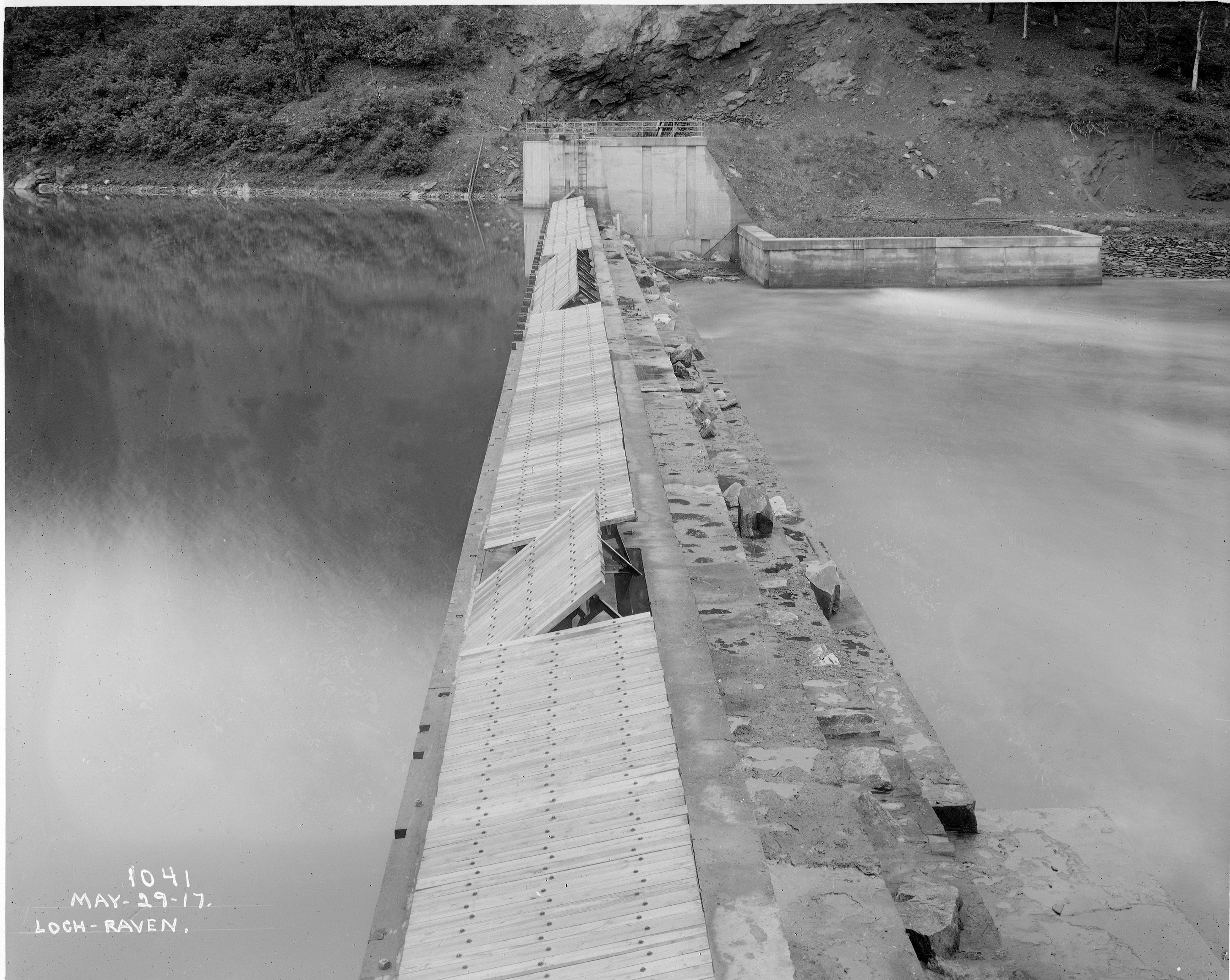
1911 – Due to drought, wooden flash boards were placed at the dam at Loch Raven and at the Waste Weirs at Lake Montebello and Lake Clifton in order to increase the storage capacity at each location by three to six feet in depth. (This is prior to the new dam being built in 1915)
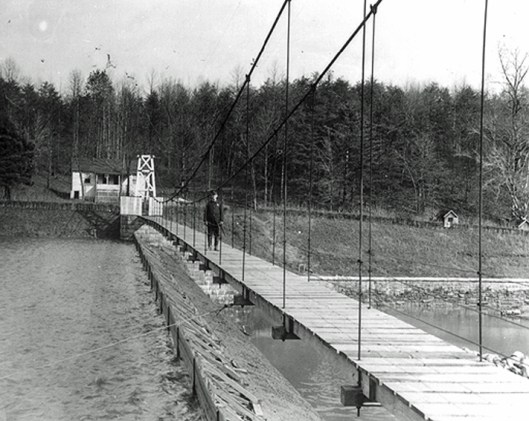
Drought lochraven2

Drought LochRaven 5-17

The top photo shows the baffle boards on the original 1881 dam. The second photo shows that up until 1917 they still used the boards, this time on the second dam.

1914 – Recorded the third drought since the City began using Loch Raven. The average daily water consumption for the year 1914 was 72.677 million gallons. It was estimated the total population supplied was 593,000.
1929 – 1930 – There was a long continued drought this year with occasional spells of unusually hot weather. The lack of rainfall had actually begun in 1929. As of December 31, the Loch Raven Dam was at an elevation of 227.2 feet A.M.T. (Normal is 240’) The typhoid death rate had risen to 3.3 per 100,000. Because the typhoid death rate was rising in most of the eastern states, it was concluded that the prolonged drought was the contributing factor. As a result of the long drought, low flow of the Gunpowder River, and the depletion of the Loch Raven Reservoir, the Water Department decided to reclaim the water used for washing filters. It was estimated that 2,000,000 gallons of water could be saved each day. The water was pumped from the washwater reservoir and pumped into the raw water supply tunnel through the surge tank. (This building is still there, covered in overgrowth, pumps having been removed years ago).
1931 – The drought continued through the year 1931. As of December 31, 1931 the water level at the Loch Raven Dam was 15.5 feet below the crest which is 2.7 feet lower than at the beginning of the year.
1932 – The drought which started in July 1930 and continued through the entire year of 1931 came to an end in 1932. By May 14, 1932 the water finally ran over the crest of the dam at Loch Raven; and, on May 15 the water restrictions on the public were removed. On May 14 when the water started overflowing the crest at the dam, the preparation plans to use an emergency water supply and filtration plant at Avalon was discontinued. At Montebello, the emergency pump that was used to recycle washwater by discharging the washwater back into the raw water tunnel was discontinued when the water flowed over the dam.
1941 – There was a prolonged drought which caused a great drop in the Loch Raven Reservoir. It was then necessary to open the valve at the Prettyboy Reservoir (Dam crest elevation 520’). This was the first time that it was necessary to open the valve at Prettyboy to supply water to Loch Raven. The Prettyboy Reservoir construction had been completed in 1933. The valves remained opened until the spring rains came in 1942. Water quality improved from Prettyboy because of the aeration affect while the water traveled downstream.
1943 – In addition to the water consumption by the war industrial activity and the general population, there was a drought condition throughout summer and fall which in effect set a new daily water consumption record of 165.19 million gallons.
1955 – 1956 – The drought that began in December 1955 ended in February 1956. Liberty Dam (Dam crest elevation 420’) did not relieve effects of the two year drought. Mayor asks for study on scientific rain making.
1965 – By the end of the year, the combined water storage of the three reservoirs was at 36.8% of full capacity. This serious deficiency led to the decision to activate the Susquehanna line as soon as the Susquehanna project was completed. The dedication of the completed Susquehanna project was being scheduled for January 28, 1966.
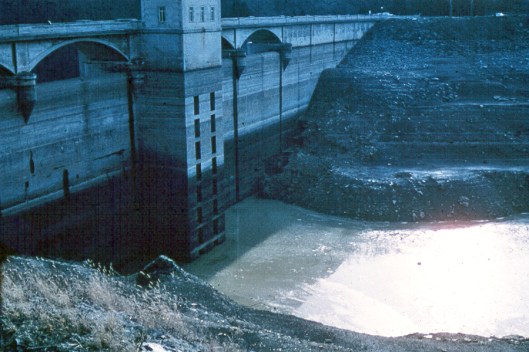
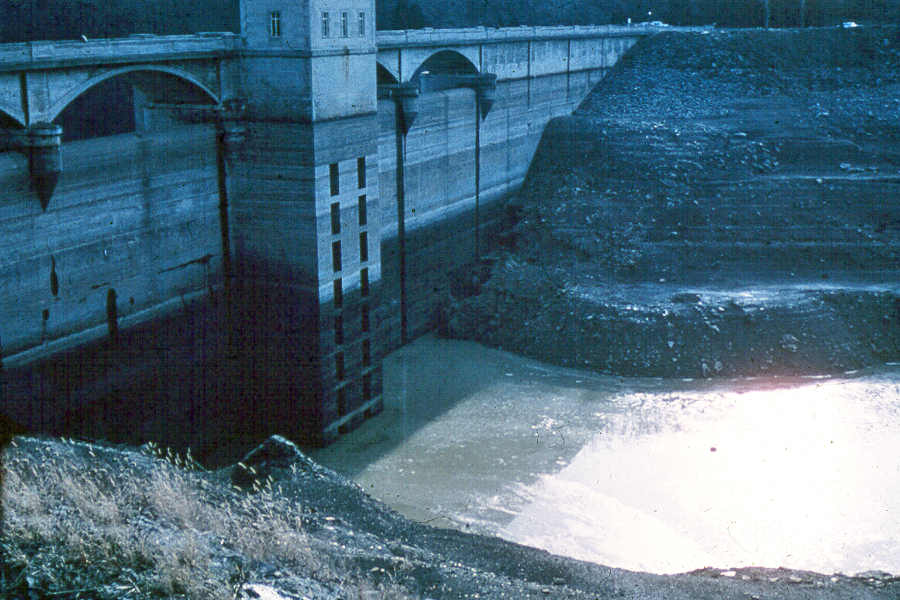
drought pb 65

Prettyboy drought in 1965.

1966 – Due to the continuing drought conditions, it became necessary by August 1966 to supply water to a part of Harford County via Winter’s Run. The water supply was accomplished by installing an emergency connection to the Susquehanna pipe line; and installing a meter and control valve set to discharge 1 MGD to Winter’s Run. The temporary connection was activated on August 5, 1966 through August 15, 1966. The temporary connection was then dismantled. Because of the low water level in Loch Raven, the low lift pumps at the Montebello Raw Water Distribution Center were operated from January 1, 1966 until February 21, 1966. On January 28, 1966, the Deer Creek Pumping Station was dedicated by Mayor Theodore R. McKeldin. By June 30, due to the drought conditions and water use, the raw water reservoirs were as follows: Liberty – 14.75 feet below crest; Loch Raven Reservoir – 7.2 feet below crest; and, Prettyboy Reservoir – 29.27 feet below crest. On March 28, 1966 the Bureau of Water Supply initiated the Montebello Plants to begin withdrawing 158 MGD of Susquehanna water via Deer Creek Pumping Station in an attempt to halt the decline and firm up the raw water reserves of the Gunpowder and Patapsco. By March 30, 1966 the Philadelphia Electric Company had opened the control gates at the Conowingo dam thereby dropping the water level; and, thereafter the Montebello Plants were restricted to withdrawing only 112 MGD from Susquehanna. On May 25, 1966 the elevation at Loch Raven reached 236.9 feet and pumpage from Susquehanna ceased. On June 10, 1966 one 56 MGD pump at Deer Creek Pumping Station was reactivated when the Loch Raven Reservoir dropped to elevation 234.75 feet. The water level continued to decline at Loch Raven and a second pump at Deer Creek Pumping Station went online on June 22, 1966. On November 16, the Susquehanna water was shut off because the water hardness had reached 200 ppm and the customers had been complaining about the quality of the water. On December 20, 1966 the Montebello Plants began blending 50 MGD of Susquehanna water with Loch Raven water.
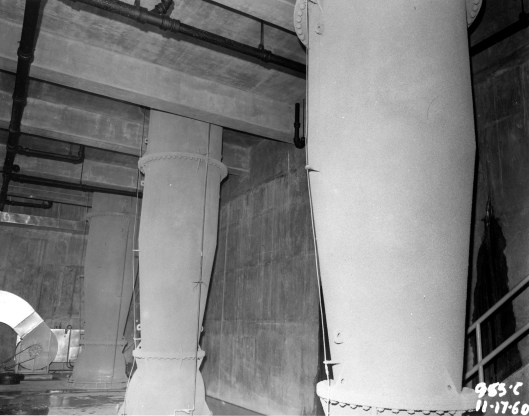
Drought LL 1960

The low lift pumps suction well.

Drought Susq 253-D 1963

A section of the Susquehanna pipe line – 36 miles from the river to Baltimore.
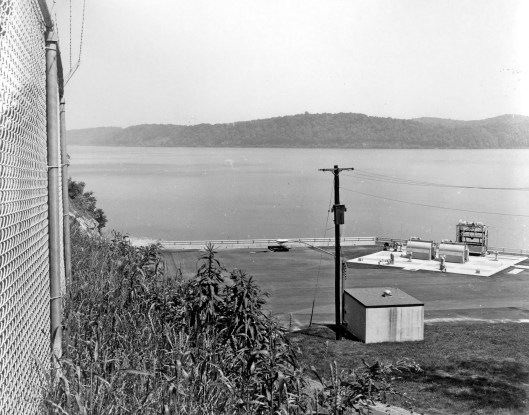
Drought DC552-D 1965

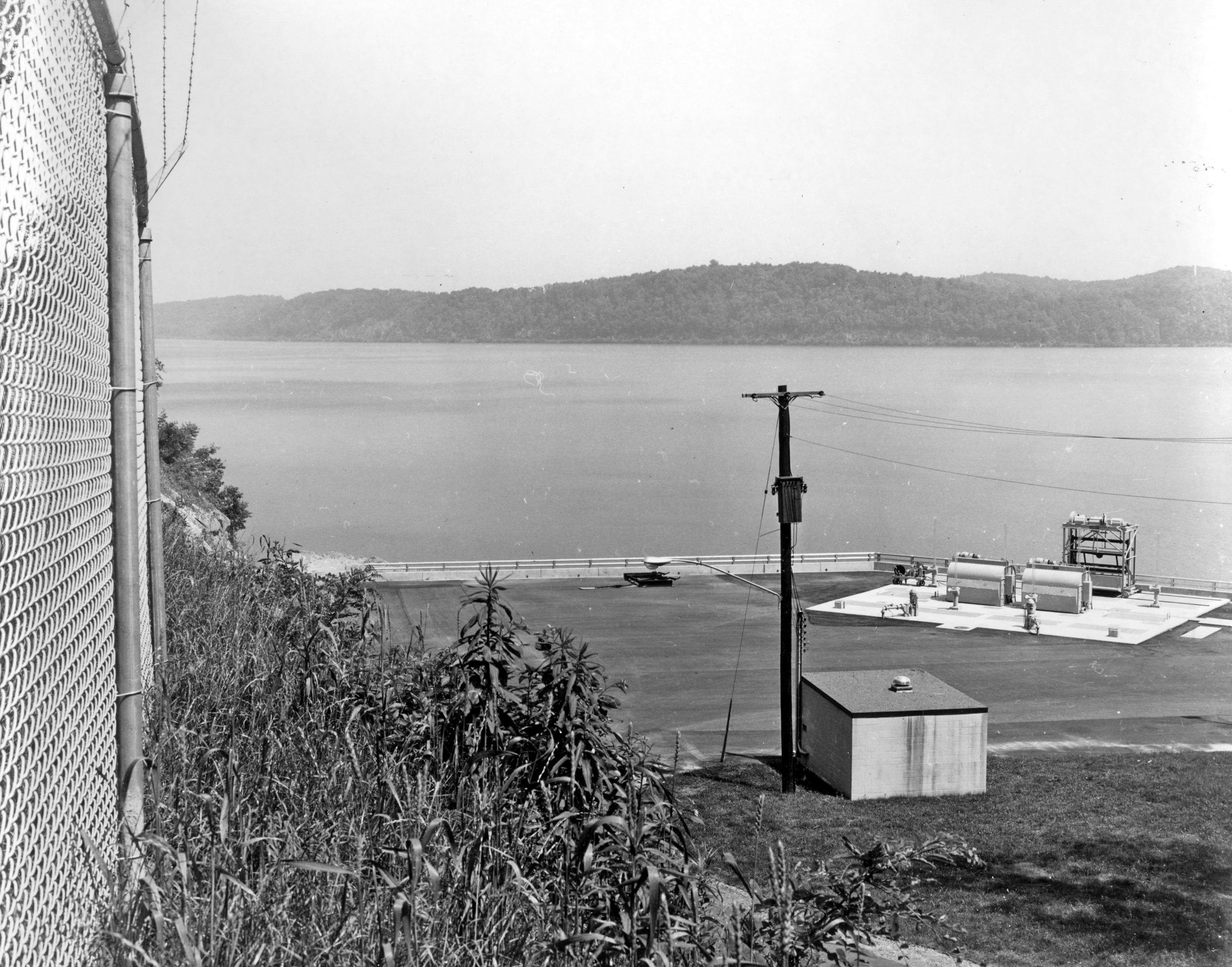
The intake structure on the Susquehanna River.

Drought DC670-D

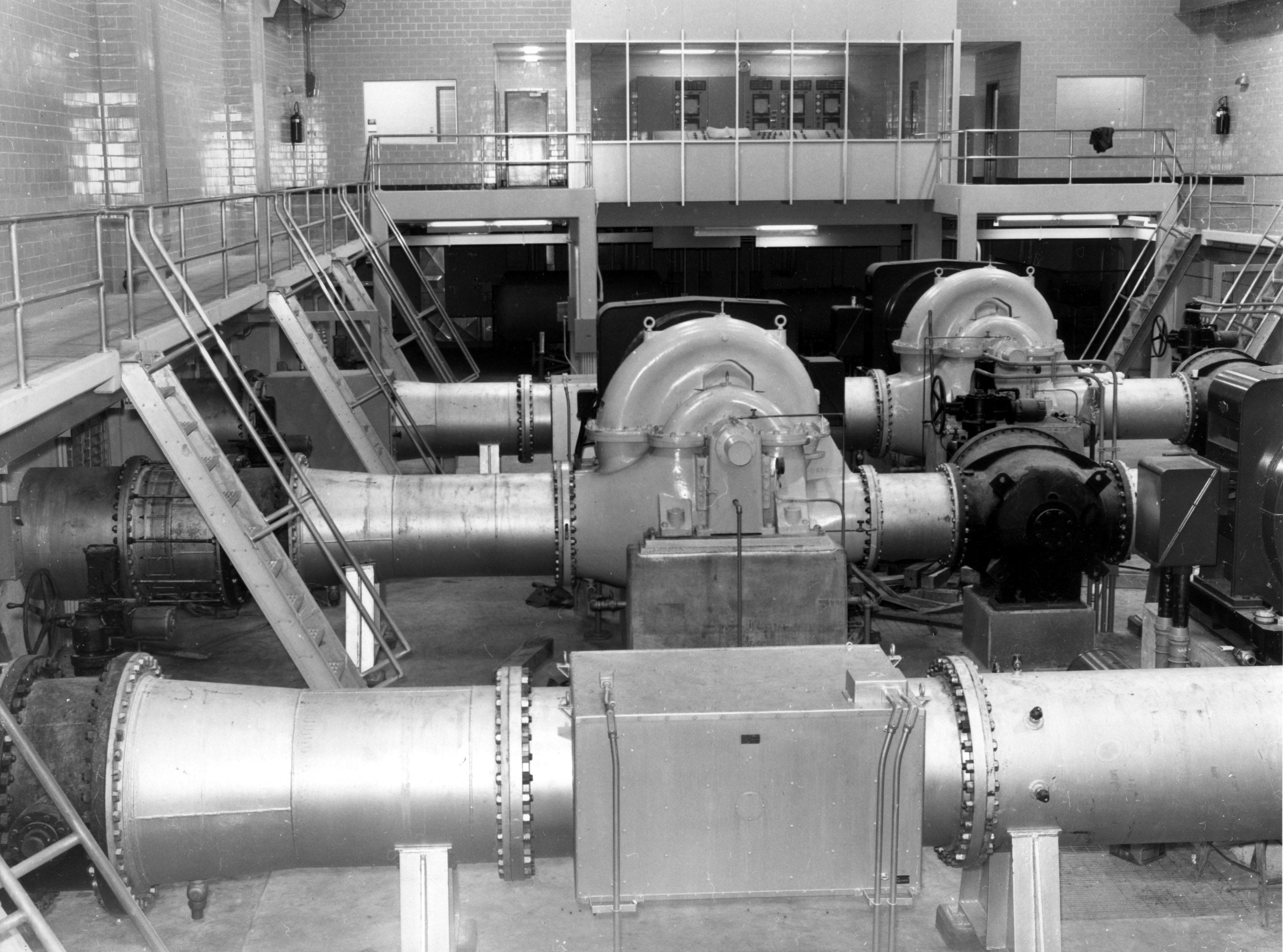
The pumps at Deer Creek. Because of the variation in the elevation of the pipe line, the water will not flow by gravity, so pumps are used.

1968 – On May 30, 1968 all three raw water reservoirs were at overflow elevation for the first time since 1961.
2001 – 2002 – There was a drought during the year. The drop in elevations which had begun in August/September of 2001 continued through the year. Water Management tried to maintain Loch Raven at a certain level once the drought became official. Susquehanna water was required to be blended with the Loch Raven water until the drought was over. By the end of December all three raw water reservoirs were at the following elevations: Loch Raven Reservoir was at about full capacity; Prettyboy Reservoir was down by about 25 feet below full capacity or about 1.5 feet below 50% full; and, Liberty Reservoir was down by about 22.5 feet below full capacity or about 1 foot below 50% full.
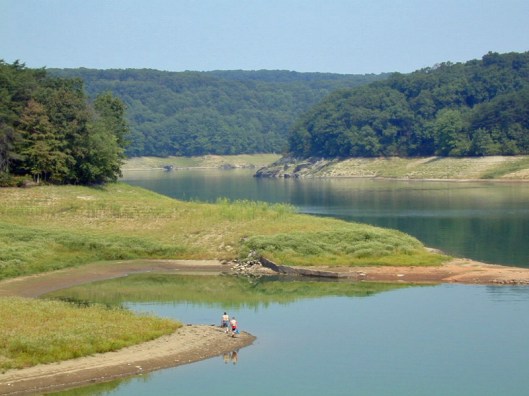
Drought LR 02

Loch Raven in 2002

Drought PB 02

Prettyboy in 2002

2007 – Low accumulation of snow during the year and the lack of rain during summer/fall created a strain on the reservoirs towards the end of the year, creating a drought scenario. The Loch Raven Reservoir dropped below full capacity by the end of June, and by the beginning of December was at an elevation of 233.8 feet, about 6.2 feet below full capacity or about 1.3 feet above 75% full. Water Management at this time was trying to balance the elevations between Loch Raven and Prettyboy so that Loch Raven would not overflow while Prettyboy remained significantly low, should the groundwater increased the raw water levels, as had happened in 2002. The Prettyboy Reservoir dropped below full capacity by the end of May and continued dropping for months. By the beginning of December, Prettyboy Reservoir was at an elevation of 497.3 feet, about 23 feet below full capacity or about 0.8 feet above 50% full. The Liberty Reservoir dropped below full capacity by the end of May and continued dropping for the remainder of the year. By the beginning of December, Liberty Reservoir was at an elevation of 407.08 feet, about 13 feet below full capacity or about 3 feet below 75% full. On December 11, 2007 it was planned by Water Management to open the Susquehanna line to relieve the dwindling raw water reservoir levels. The opening of the Susquehanna line was delayed due to the Director’s health and eventual death, which also delayed notification to the public of a pending drought situation and the planned opening of the Susquehanna line. Days later after the death of the Director, the public was notified of the pending drought situation and the Susquehanna water line would be opened on December 18, 2007, first to flush the line of brackish water before blending with Loch Raven raw water.
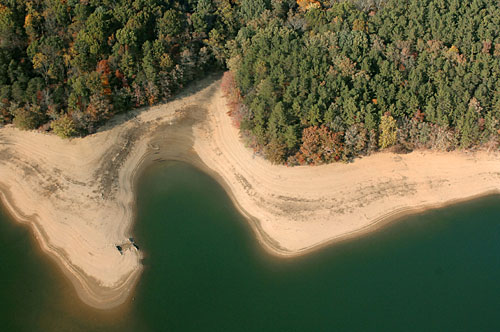
Drought pb 07

Prettyboy in 2007

Drought pb 07b

Prettyboy in 2007

Note – some of these photos come from the dPW collection, some from people sending to me and some downloaded from US Geological.

Other People’s Digital Collections

18 Monday Jul 2016

Posted by Ronald Parks in Baltimore, HISTORY, water history

≈ Leave a comment

Tags

Baltimore, engineering, glass plate negatives, Gunpowder Falls, HISTORY, Public Works, water history

I learned quite a bit during my History Preservation classes. Most notably, concerning research. The instructor, Eli Pousson, showed us many resources where we could find information and photographs. So I went to one site at a local university (Hughes Collection) and as I normally do, I typed in two keywords in the search box. First, ‘Montebello’ followed by ‘Loch Raven’.  There were about 30 photographs listed, most of which were mislabeled or misleading.
The below photo from the Public Works collection, which is the same as the one in the Hughes Collection, marked as #457 is described as –

LochRaven 8-14 457

Title [Metal bridge at Loch Raven, Baltimore]
Accession Number P75-54-0586g
Photographer Hughes Company
Date Created 1914-08-07
Caption From Sleeve: Greiner and Whitman Bridges. Loch Raven. (15370) -2 negs.
Loch Raven. Aug 7 14
Description Bridge attributed to John Edwin Greiner and Ezra B. Whitman.
Title Note Title supplied by cataloger.
Notes Positive digital file from original glass negative
Measurements 8 x 10 in.
DCMI Type StillImage
Work Type (AAT) photographs
Process black-and-white photographs, gelatin dry plate negatives
Genre documentary photography
Location United States — Maryland — Baltimore
Subject Names (Local) J.E. Greiner Company
Loch Raven Reservoir (Md.)
Subject Names (LCNAF) Greiner, J. E. (John Edwin), b. 1859
Subject (TGM) Truss bridges
Condition Border of black paper. Specks of emulsion chipped all over image. Glass side has fingertip smudges.
Collection Hughes Company Glass Negatives
Credit Line The Photography Collections, University of Maryland, Baltimore County
Rights This item may be protected under Title 17 of the U.S. Copyright Law. It is made available by UMBC for non-commercial research and education. For permission to publish or reproduce, please contact Special Collections at speccoll(at)umbc.edu.
Repository University of Maryland, Baltimore County (UMBC)

A couple things that jump out at me are these facts – Greiner and Whitman Bridges: These gentlemen (probably the ones in the photo) were the consulting engineers on the job. The actual builder of the bridge was the Roanoke Bridge Co. It also notes that there are two negatives? I have what I thought was the original negative. Did they photograph a print and make 2 negatives? Also, my plate is cracked and noted as such.

The photo below shows a side view, taken on the same date. The bridge was known as Bridge #1, also called the Yellott Bridge. It was approximately in the same place that the present bridge is – Loch Raven Drive.

LochRaven 8-14 455

The Conduit from Loch Raven (aka my favorite workers GPN)

08 Wednesday Jun 2016

Posted by Ronald Parks in Baltimore, water history

≈ Leave a comment

Tags

Baltimore, engineering, glass plate negatives, Gunpowder Falls, HISTORY, Lake Montebello, photography, Public Works, water history

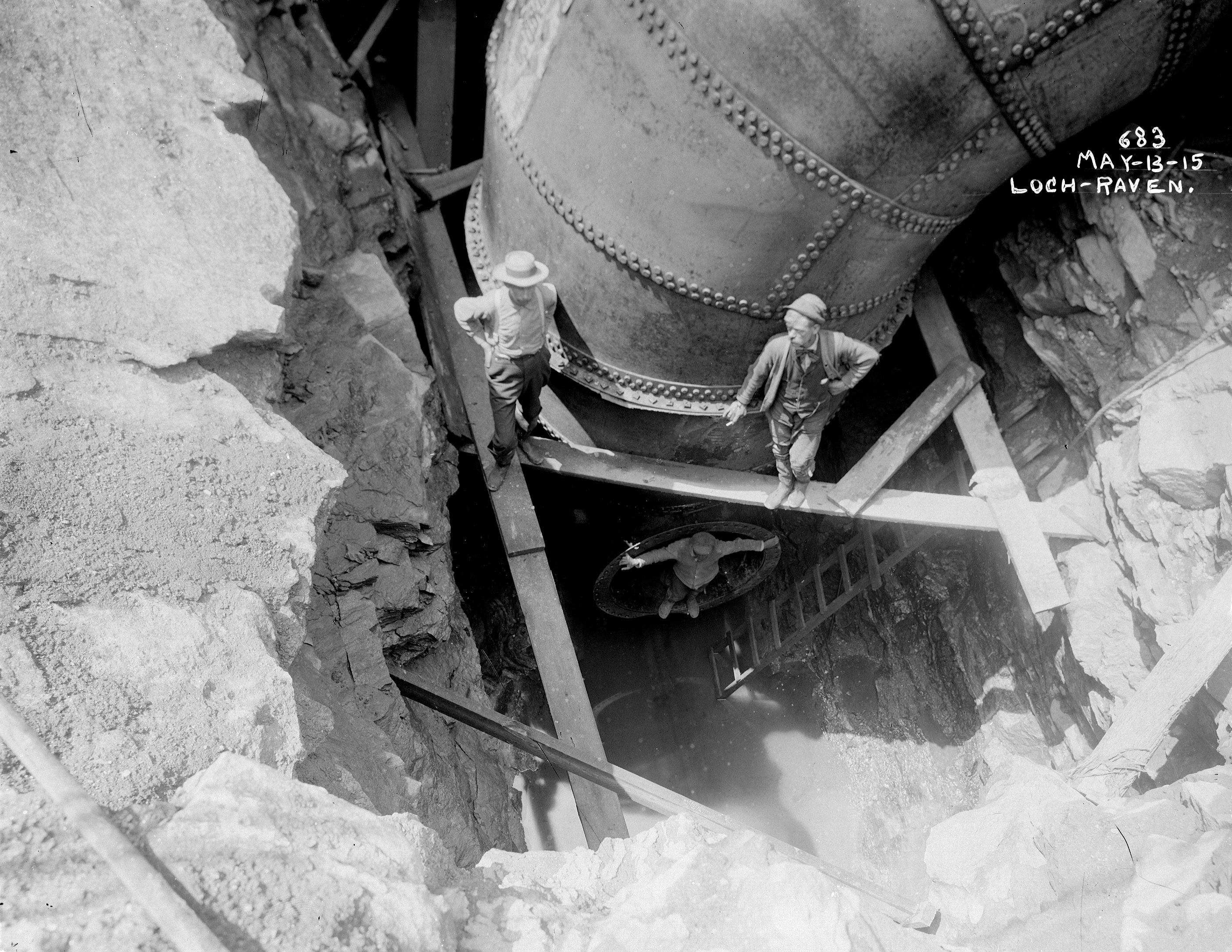
Since I started scanning and documenting the huge collection of Glass Plate Negatives (GPN) at work, there has always been a few that really caught my eye and became my favorites. Such being the one below. I would take the 8″ x 10″ GPN out of its falling apart sleeve, hold it up to the light and see what it was and in which collection it belonged. Most of these negatives were in the original boxes. Some not, just thrown into other boxes. I had to take a second look at this one. Is that a foot I see? I scanned it and blew it up and it sure does look like a foot! And a couple of workers taking a smoke break.

The original 1881 tunnel from the first dam to Lake Montebello was dug through rock. The new dam of 1915, just upstream from the old dam, was connected to the old tunnel by a steel conduit. The second picture below shows the steel conduit dropping down to meet the old one.

LochRaven 5-15 686a copy

I enlarged the center section and superimposed onto the corner.

LochRaven 5-15 683

Workers posing, which makes me wonder how much work would slow down if the cell phone/selfie was around back then?

← Older posts
Newer posts →

Blogroll

  • Flouride Action Network
  • lulu
  • My Book
  • WordPress.com
  • WordPress.org

Recent Posts

  • Bermuda 2023
  • ICELAND April 2023
  • George Chalmers of Fochabers
  • In Search of The Skipjack Ada Mae
  • Trap Pond Kayak

Blog at WordPress.com.

  • Subscribe Subscribed
    • Water and Me
    • Join 231 other subscribers
    • Already have a WordPress.com account? Log in now.
    • Water and Me
    • Subscribe Subscribed
    • Sign up
    • Log in
    • Report this content
    • View site in Reader
    • Manage subscriptions
    • Collapse this bar
 

Loading Comments...