• About
  • History Writings

Water and Me

Water and Me

Tag Archives: glass plate negatives

Lewis M Keizer Farm

24 Friday Feb 2017

Posted by Ronald Parks in HISTORY, water history

≈ 4 Comments

Tags

Baltimore, Cromwell Park, engineering, glass plate negatives, Gunpowder Falls, HISTORY, Loch Raven, POLITICS, Public Works, water, water history

I was called up to Loch Raven today because the contractor punched a hole through the ten foot water supply conduit, but that is a another story for another time. A lot of finger pointing going on so I should stay quiet for now…

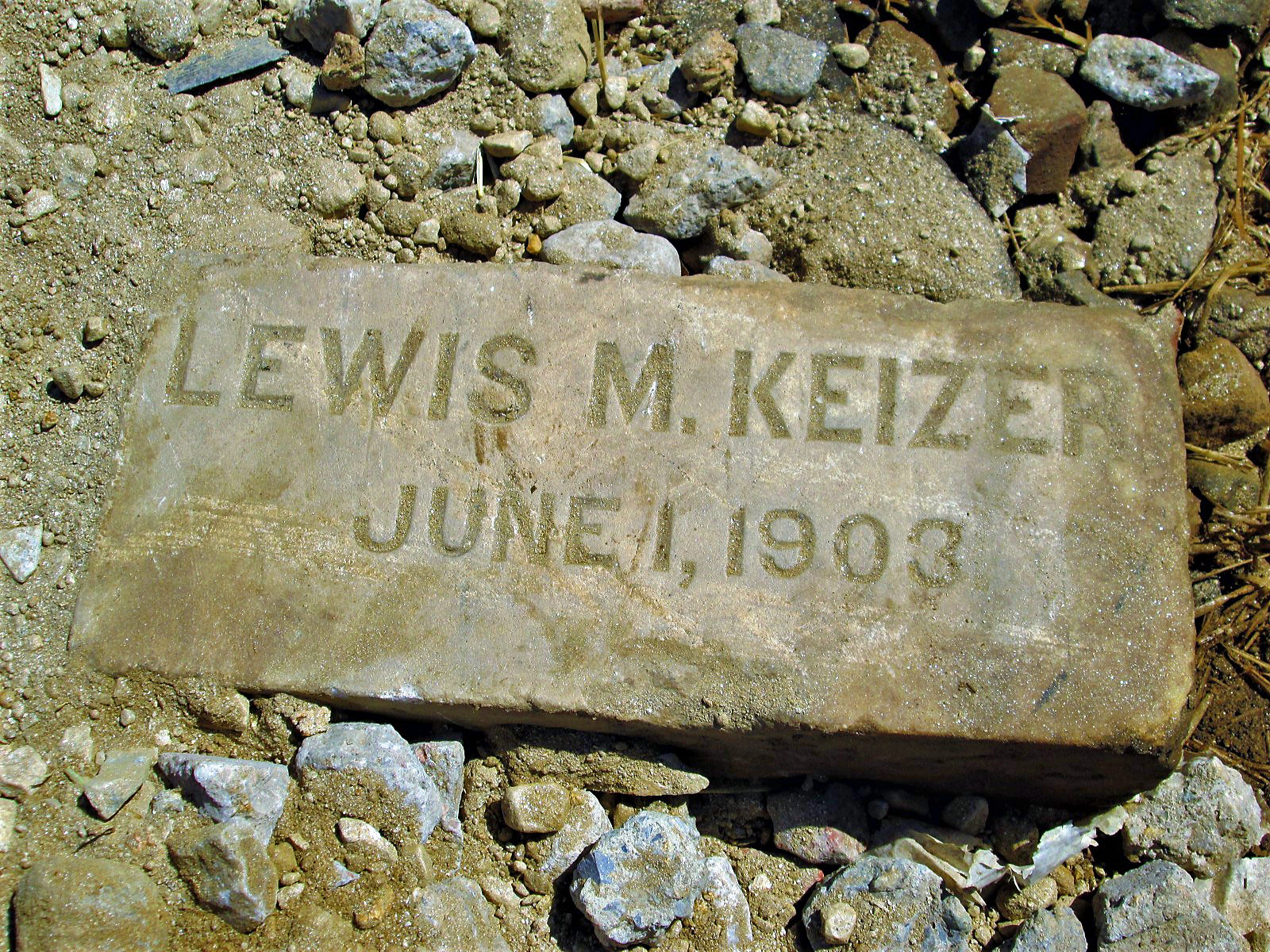
Anyway, while up there one of the laborers approached me and asked if I was the history guy and did I want to see something? Ok. He showed me the below stone:
067

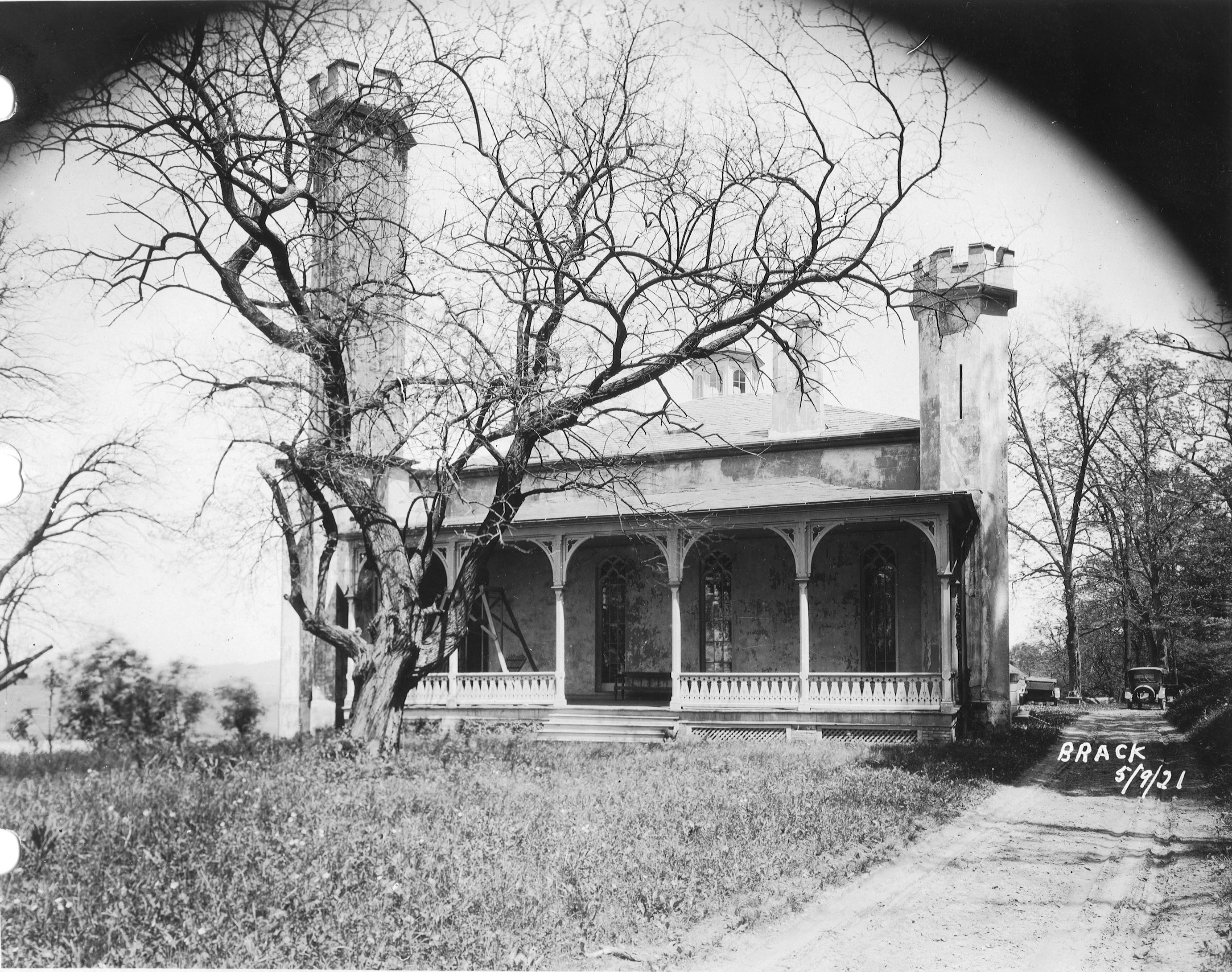
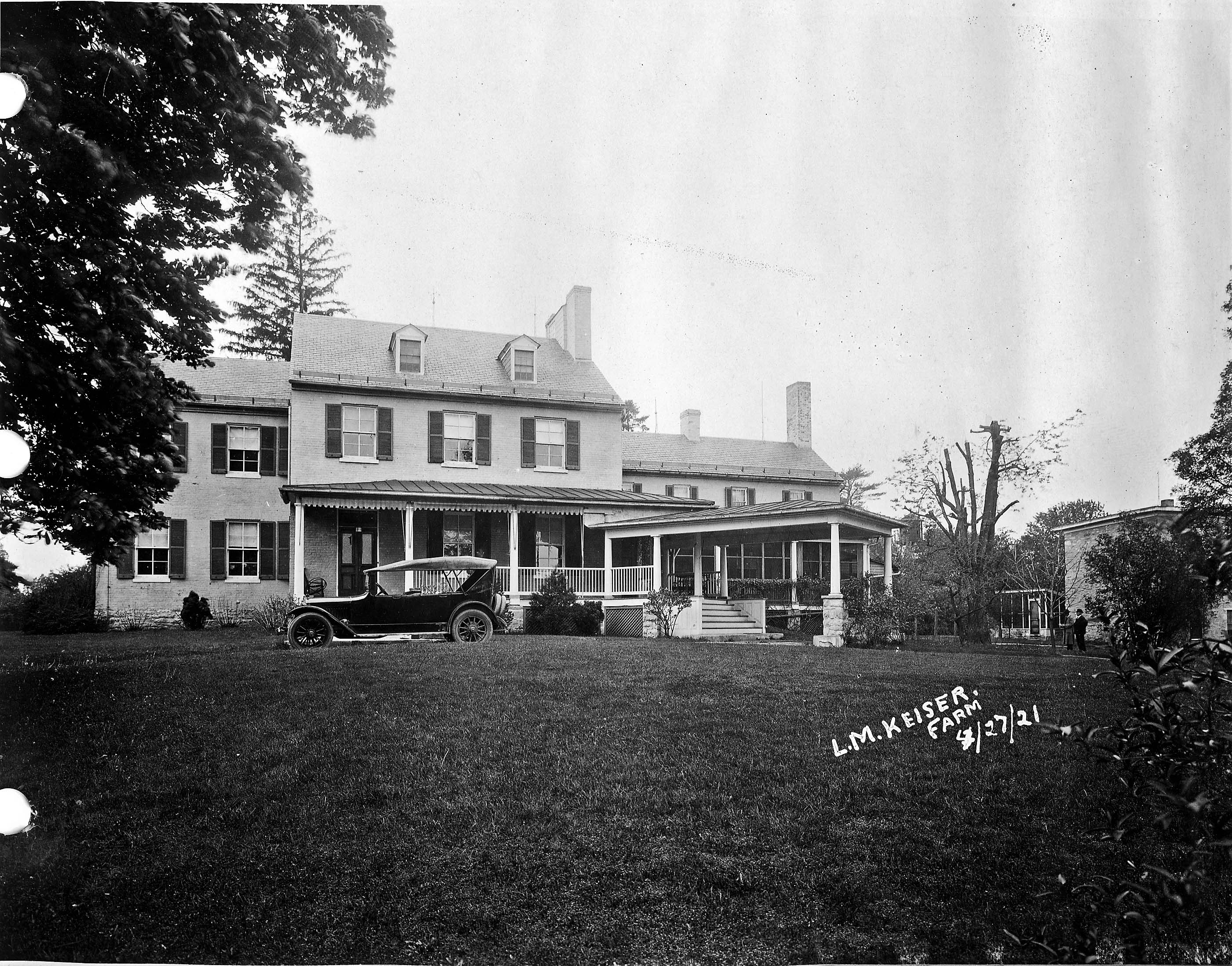
This is a nice sized marker (I hope it’s not part of a grave marker!) I recognized the name from some research I had done. So I did a quick look to see what I could find. I asked two of the workers there to load it onto my truck for me. Below are 2 photos of the old farm in 1921.
tract86a-1

This was when the city was buying up all the property around the Gunpowder Falls for the watershed, to raise the dam.
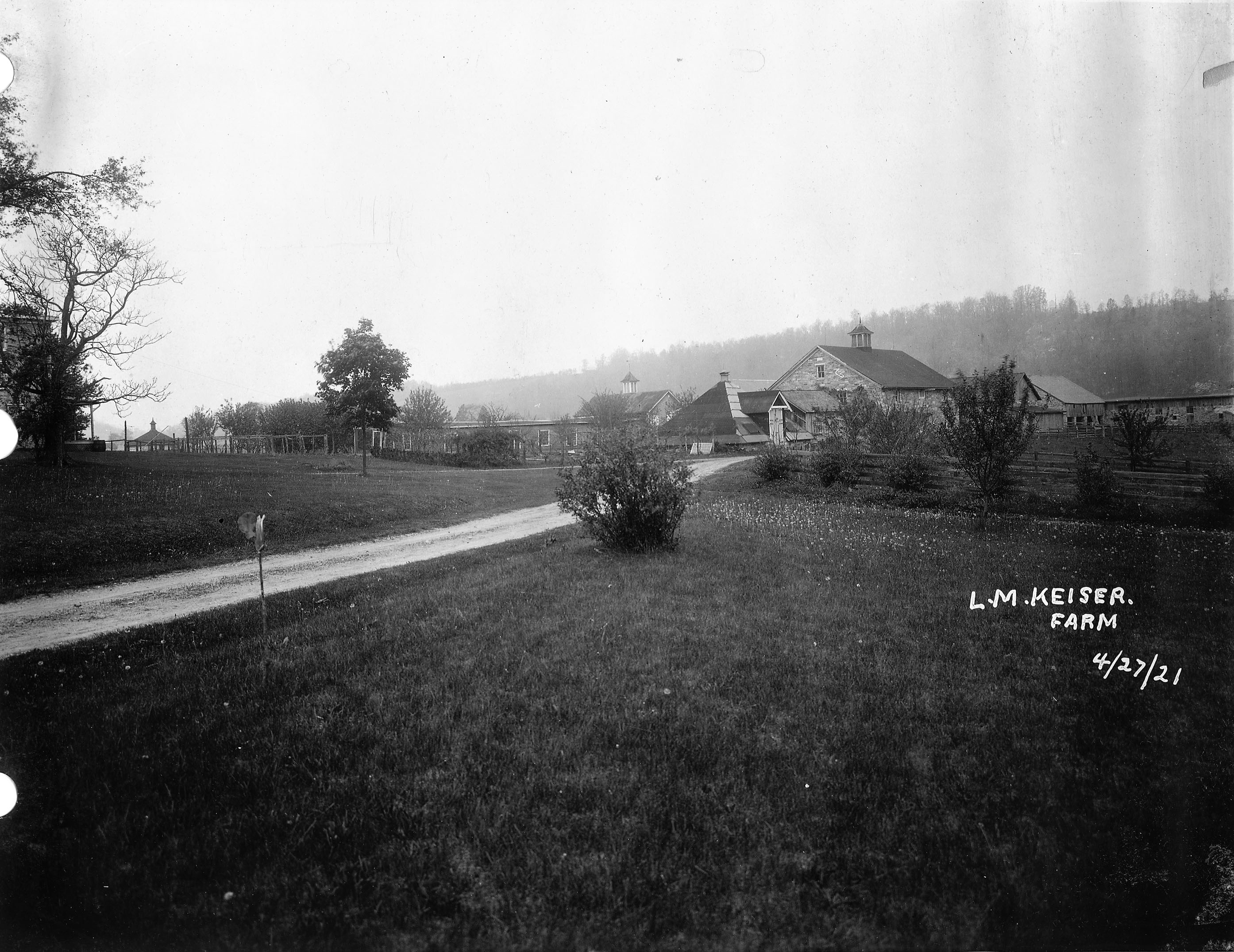
tract86a-2

It was a nice farm and the city didn’t tear it down, instead they used it as can be seen in the below excerpts:

1880 record of land acquisition and plat.
October 19, 1922 letter from assistant engineer Browne to Loch Raven resident engineer Allen, “…Megraw here today…you were to appoint a watchman for the Keiser property…a man who is now employed by Keiser known as Arc [Tracry]. Please permit me to tell you that this man has a (?) rep in this vicinity…he is a common thief. He has also deserted his wife and is living openly here in a city house with another woman…” October 23, 1922 letter, marked at top “Confidential Department Business” from assistant engineer Browne to Loch Raven Resident Engineer Allen, “I wish to advise you that [darkey] on Keiser property is about to move some property from such place during next day or so.”
November 6, 1922 memo from assistant Engineer Brown to Resident Engineer Allen, “The negro Henderson, former farm hand for Mr. Keiser, has visited this property and endeavored to start a row here. All due to his not moving his things…he comes and takes what he wants…need some direction from you as to what to do.”
January 23, 1928 letter to Armstrong from Rost, “Kindly permit Doctor Stuart Cassard to inspect the Keiser property (Near Phoenix, Loch Raven watershed). April 21, 1928 request from Girls Vocational School for tours of both Loch Raven and Montebello. July 3, 1928 letter, “To Whom It May Concern, This letter gives authority to bearer, Mr. G.S. Koller…and party to use the grounds of the Keiser property…for an outing. The request for this permission was endorsed by Mr. McKeldin, secretary to Mayor Broening.” October 10, 1928 another letter giving permission to inspect Keiser property, including the mansion house.
A different Keizer farm but a head scratcher never the less: May 17, 1948 letter from Fenwick Keyser to Small: Becoming involved with such people is a profitless occupation. They would only retaliate by harming my cattle, my dogs, or setting fire to farm buildings. All of the neighbors who own their homes around me are sober, industrious people. We are all on the best of terms. We do not shoot each other’s dogs or heap abuse on each other. I have tried to get along with your tenants. A few months ago I rounded up the escaped goats owned by the renter in the old Kiser place. He replied by killing our pet cat a few weeks later.

Nice history! But as can be seen in the 1928 note, the property was at Phoenix so what was this marker doing where the laborer found it? Eight miles away as the crow flies? A Google search also shows that Lewis Keizer had 3 patents for engine carburetors.
Love – Hate Relationships

14 Tuesday Feb 2017

Posted by Ronald Parks in engineering, HISTORY

≈ 2 Comments

Tags

Baltimore, bridges, Dams, engineering, FILTRATION, glass plate negatives, Gunpowder Falls, HISTORY, Public Works, water history

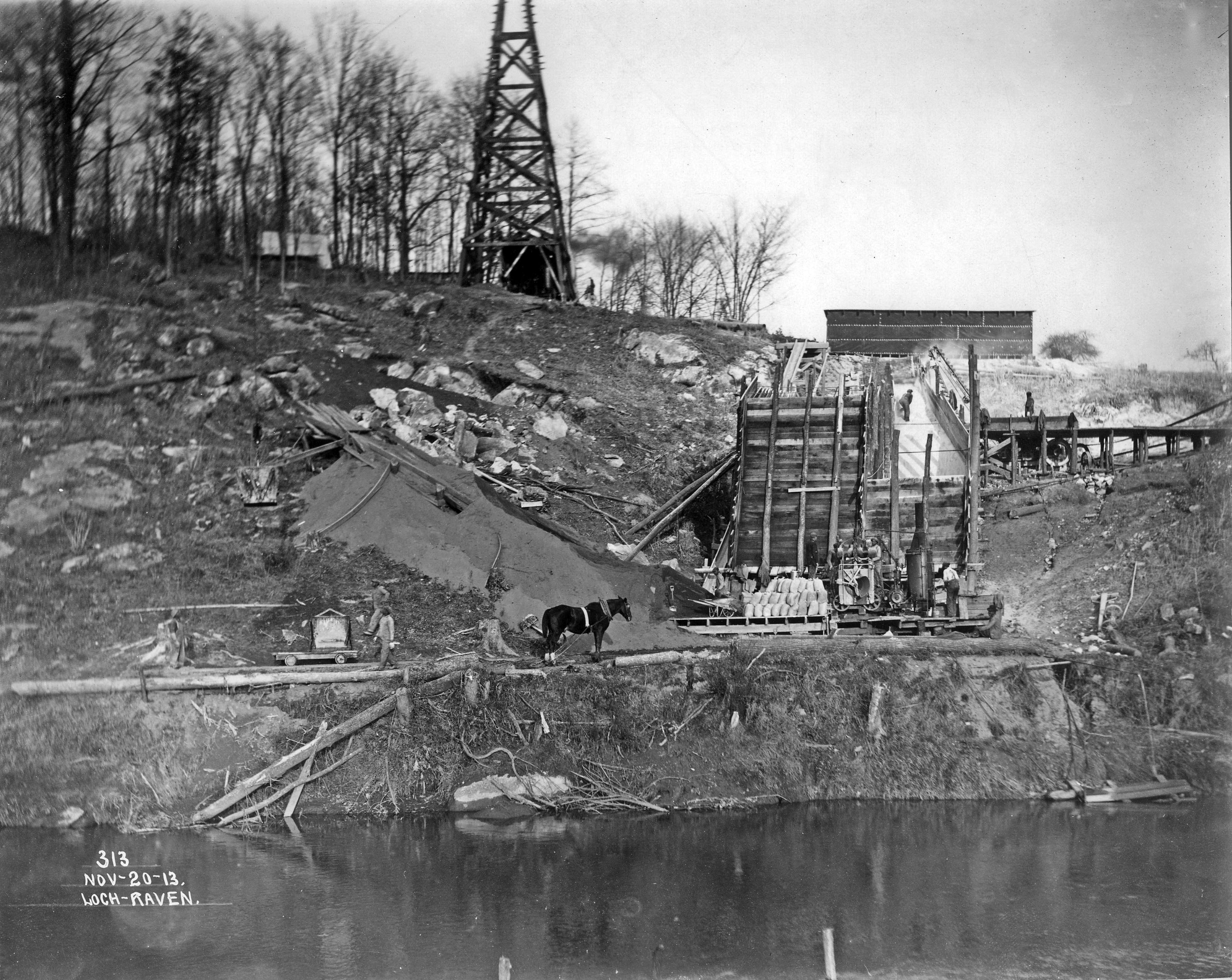
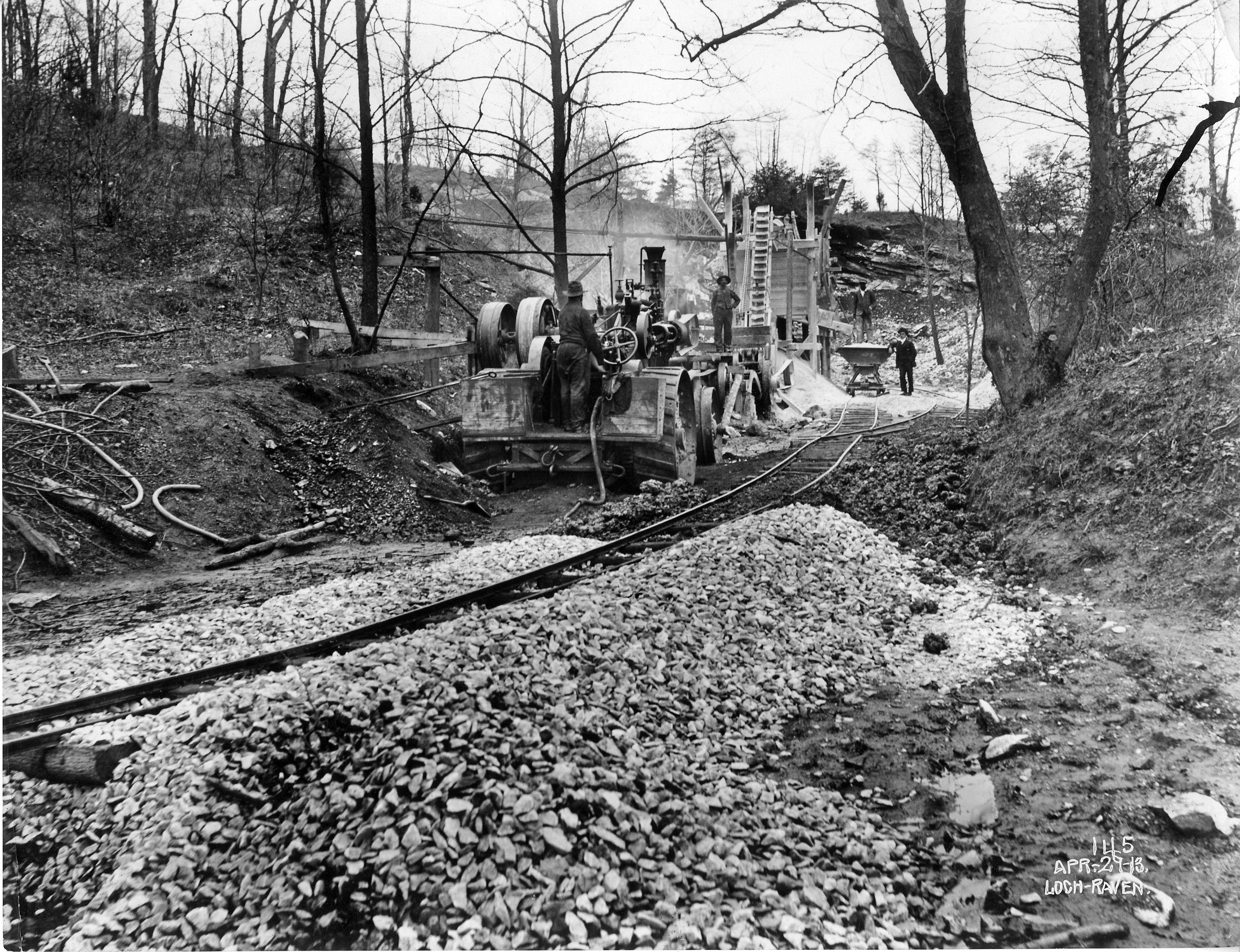
Sorry, this is not a Valentines Blog! This is in regards to my job. Co-workers know I do the archiving, so when they think it’s time to clear out some filing cabinets, they bring all their junk drawers to me. I hate it! So I sort and document and throw out a bunch of stuff…but then, hidden between the pages of some obscure files, I find a folder of photographs! I love it! This particular group of photos are from the 1913-1915 building of the Loch Raven dam. They are the actual prints from the glass plate negatives. Some of which I’ve never seen or ones that I have, scanned from plates that were cracked or silvering. Poor quality. These are near perfect prints.

ic-006

 I have a very poor quality of this one with no real description. On the back it says – “Crushing Plant at Department Quarry near Bridge #1”

ic-001

Building Bridge #1 which is the first bridge up Loch Raven Drive from the dam. One thing I don’t understand about engineering is…

ic-002

…how do they take the upside down bridge and turn it right side up??

ic-003

I’m not sure what this one is, which is ok. I will look thru the old records and see if I can match it up some how. I thought it was of the construction of bridge #1 but the date wouldn’t be right.

ic-004

No description on this one either, but I like the guy in the back with a hatchet, wearing Frye Boots!

ic-005

This one is of the building of the bridge. Look close and you can see a typical City worker, sitting down on the job to the right!

1908 Baltimore

30 Friday Dec 2016

Posted by Ronald Parks in Baltimore, HISTORY

≈ Leave a comment

Tags

Baltimore, City Hall, glass plate negatives, HISTORY, Museum, POLITICS, Public Works, Trolley

More scanning of Museum stuff – came across this photo on pressed cardboard. Looking north on Guilford Street (Ave.)

misc010

Looking close you can see the elevated trolley tracks just past City Hall.

misc011

I use to be good at figuring out what the writing on the back of old photos said, but this I am unsure of? “View from ? Bank after ?” No idea of what it says in the circle? Bottom word looks like ‘subway’??

The Gunpowder Falls and Battle Monument

21 Wednesday Dec 2016

Posted by Ronald Parks in Baltimore, water history

≈ 4 Comments

Tags

Baltimore, engineering, glass plate negatives, Gunpowder Falls, HISTORY, Lake Clifton, Lake Montebello, Montebello, Monuments, POLITICS, Public Works, Statues, water history

When the permanent water supply from the Gunpowder Falls was built, it included a dam at Loch Raven, a 12′ tunnel approximately 7 miles long, an impounding reservoir at Montebello, another conduit from there to Lake Clifton and then it was distributed to the public as unfiltered, yet wholesome drinking water.

Photo from the 1920s showing the original 1881 gate house at Loch Raven

How the gate house area looked in 2011.

When they eventually removed the gate house, they kept some of the original stone and built this somewhat mini-monument to the Permanent Supply, across the street.

The supply is finished and the valves are opened. This is downtown Baltimore at the Battle Monument. Caption reads: Fountain and Cataract – Monument Square – The Introduction of the Gunpowder Water Supply – Oct. 10th 1881

Weather News

15 Thursday Dec 2016

Posted by Ronald Parks in Baltimore, engineering, Reservoir, water history

≈ Leave a comment

Tags

Ashburton, Baltimore, engineering, FILTRATION, glass plate negatives, HISTORY, Public Works, Snow, water history, weather

First thing that popped up on my news feed said – Double Polar Vortex to Slam U.S. Did they talk like that in 1908? Or did they just say, “Folks we had us some snow last night, so bundle up!”

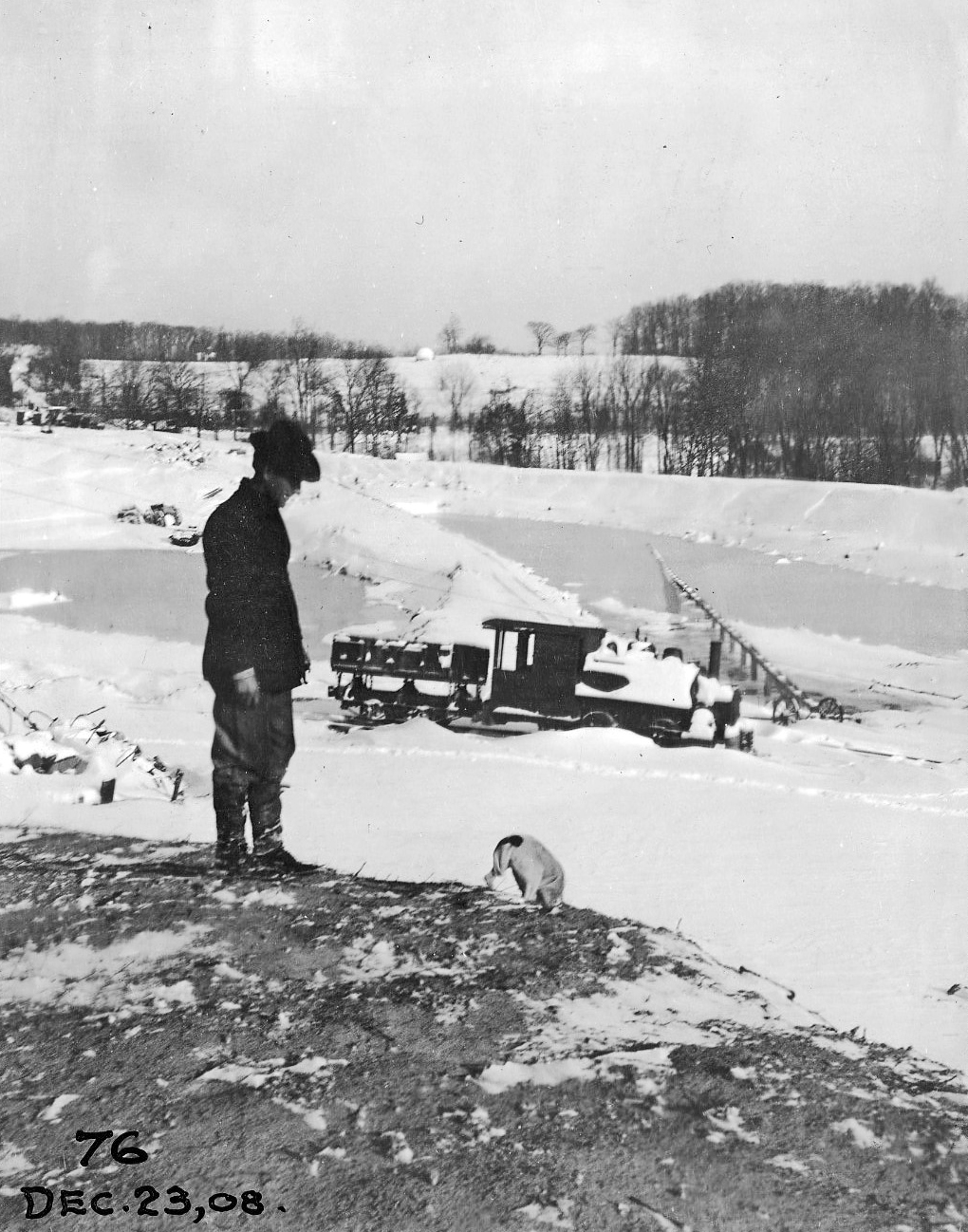
Building the High Service Reservoir, also known as Lake Ashburton.

lake-ashburton-12-08-077

The little train that couldn’t.

lake-ashburton-12-08-075

Steam engines used to pull cables on derricks, to lift construction materials.

lake-ashburton-12-08-076

A boy and his dog. Look close, center on horizon. Does that look like a giant snow ball someone is about to roll down the hill?

Loch Raven Property

10 Saturday Dec 2016

Posted by Ronald Parks in Baltimore, Dams, HISTORY

≈ 31 Comments

Tags

abandoned house, Baltimore, bricks, Eagles, engineering, FILTRATION, fishing, glass plate negatives, Gunpowder Falls, Hiking, HISTORY, Montebello, nature, photography, Public Works, water history

The day before taking off work for my daughter’s operation, I was contacted by CHAP – Commission for Historical and Architectural Preservation. They wanted to know if I knew anything about a fireplace mantle from Glenn Ellen Castle that was stored in a maintenance building downstream from the second dam? No. They were getting ready to tear down the buildings and were told by the contractors about the mantle.

tract2-3

This was Glenn Ellen prior to raising the dam from elevation 188′ to 240′. The reservoir did not reach this height but it was still on watershed property and taken by the City. I think only the foundation exists now.

003

Earlier this week a friend of mine, Thom, contacted me and told me about some signs he saw on the property as he was hiking behind the construction site. At first glance I thought they were bronze plaques so I met him and Wayne to go exploring.

001

The hiking trail is on the hill behind the silt fence. This is where the signs were. Turned out to be steel and not bronze, but still worth keeping a couple for history’s sake!

011

Saw some interesting items so took a closer look. I thought it was odd that the contractor cut the beams instead of just knocking this building down. Come to find out a company called Bricks And Boards came up a removed the wood to re-purpose. The boxes contain core bore samples. Not sure why the City didn’t want to keep these? They do me no good without the engineer’s records saying where the samples came from.

017

After rooting around in the barn we decided to head into the house. This is being knocked down also. A few years ago I was told there were lantern slides stored in here along with some old drawings. Back then, I wasn’t allowed in to look.

lochraven-1038

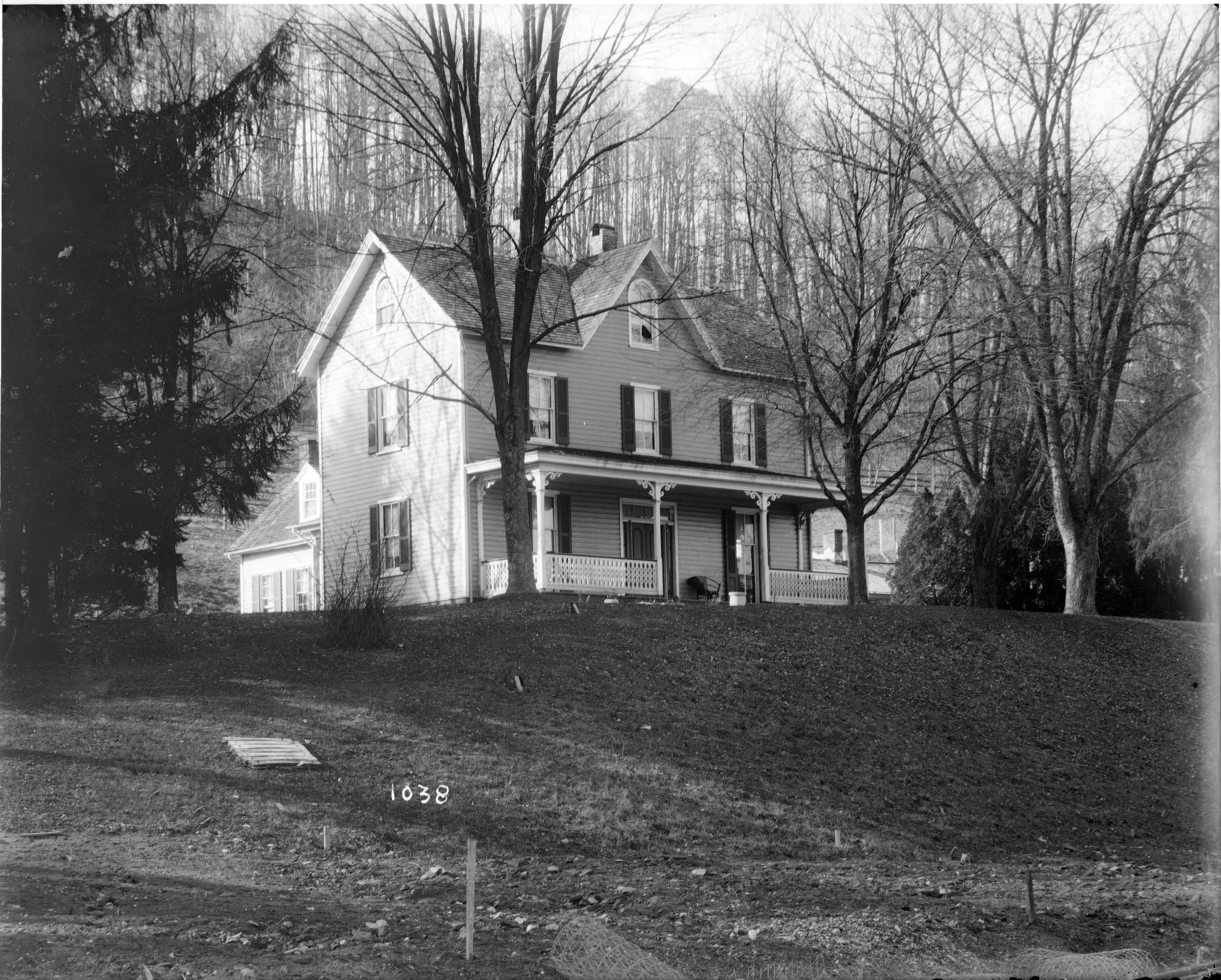
The house as it looked about the 1920-30s. I tried to find who was the original owner but had no luck. From a map of 1882 it has it listed as City Property. Adjacent to the Wisner, Shanklin properties. Further investigation is needed.

plate488

Wayne asked the date the house was built. Not sure but it shows up in a 1881 photo. Far right side just up from the Gunpowder River. This photo shows the dam near completion, ready to lay the last stone.

019

Back into the house. Entrance hall.

020

There are 3 fireplaces. One plastered over and two, like this one, with the mantles missing.

032

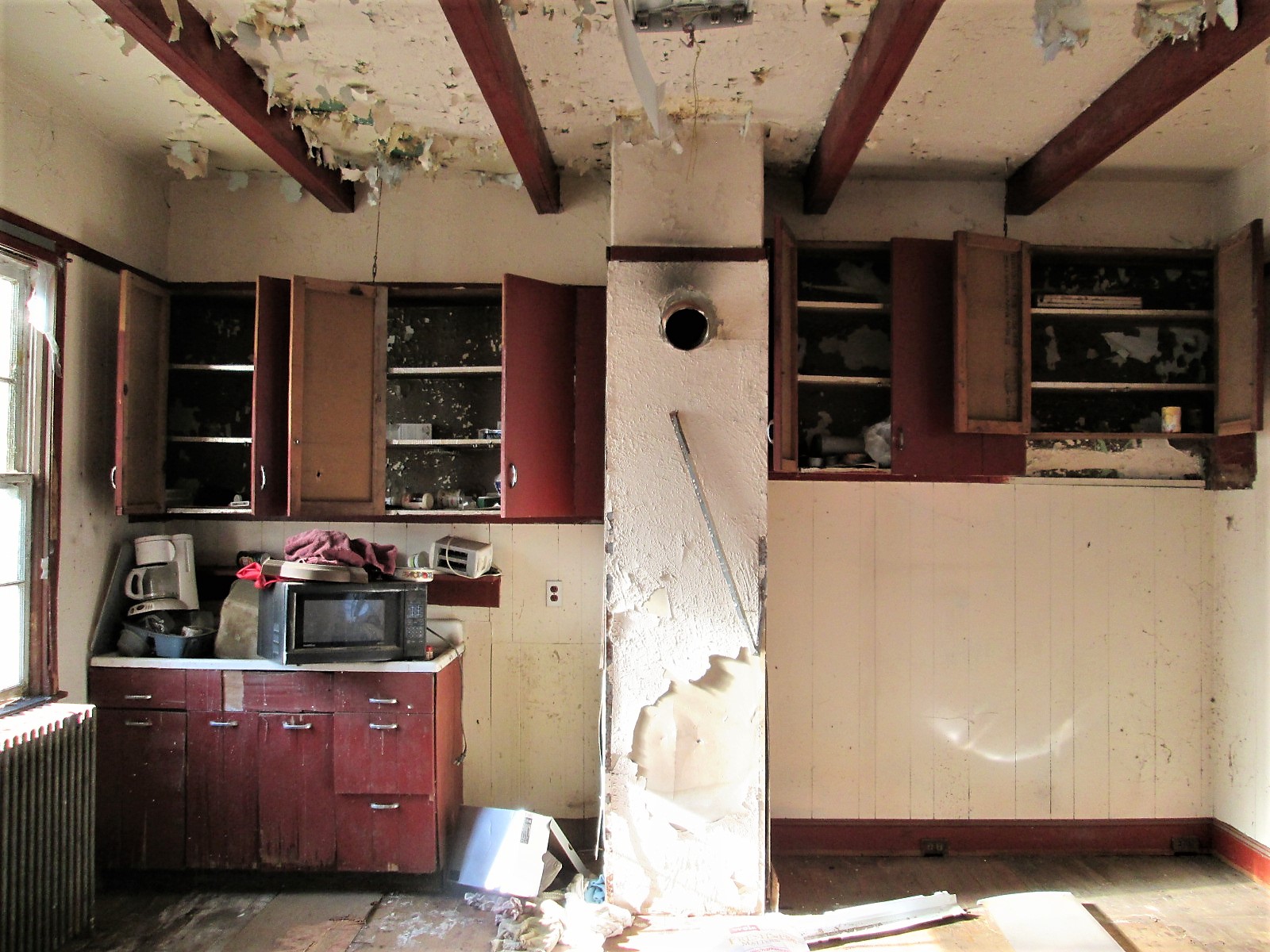
Kitchen.

034

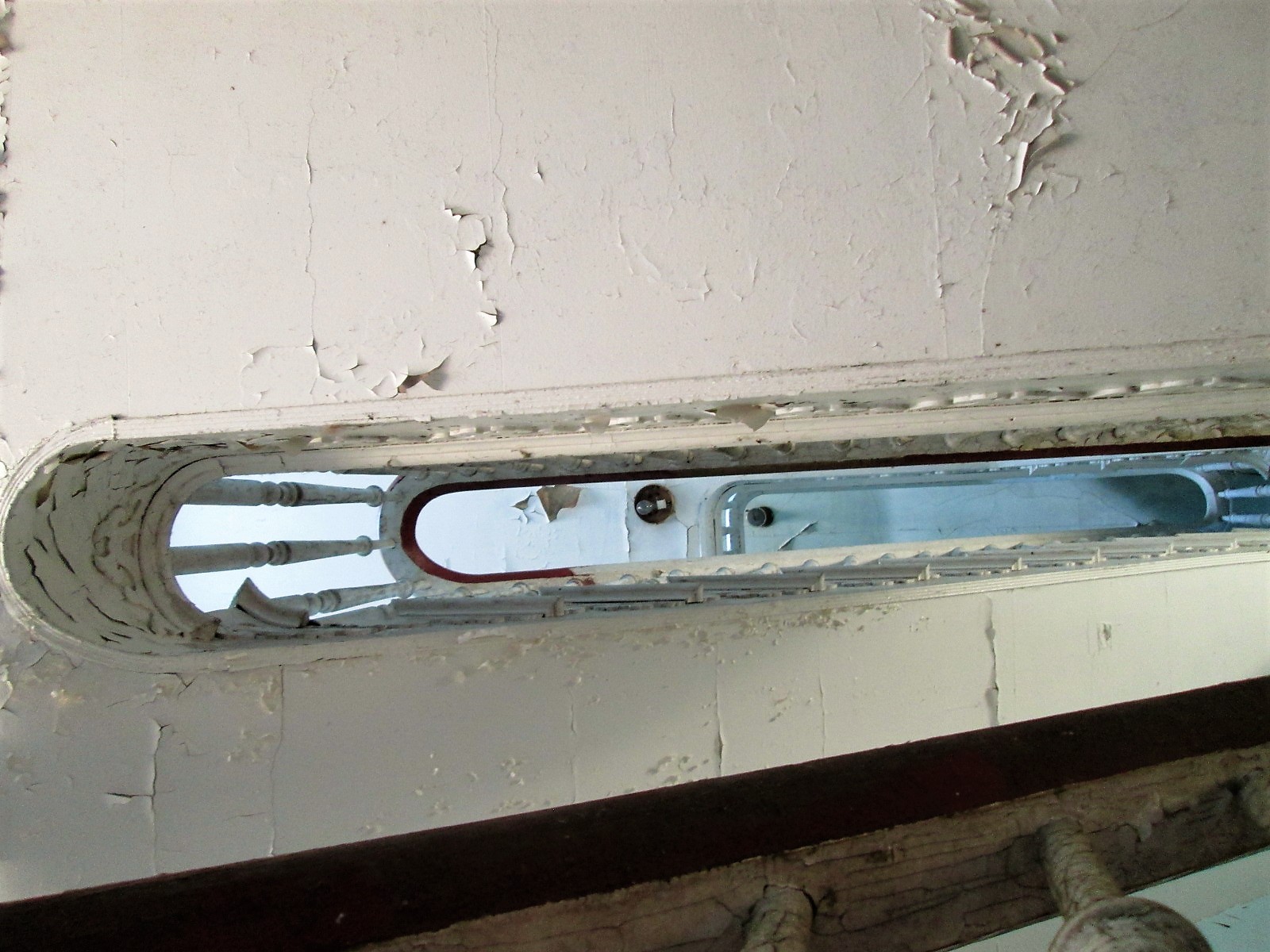
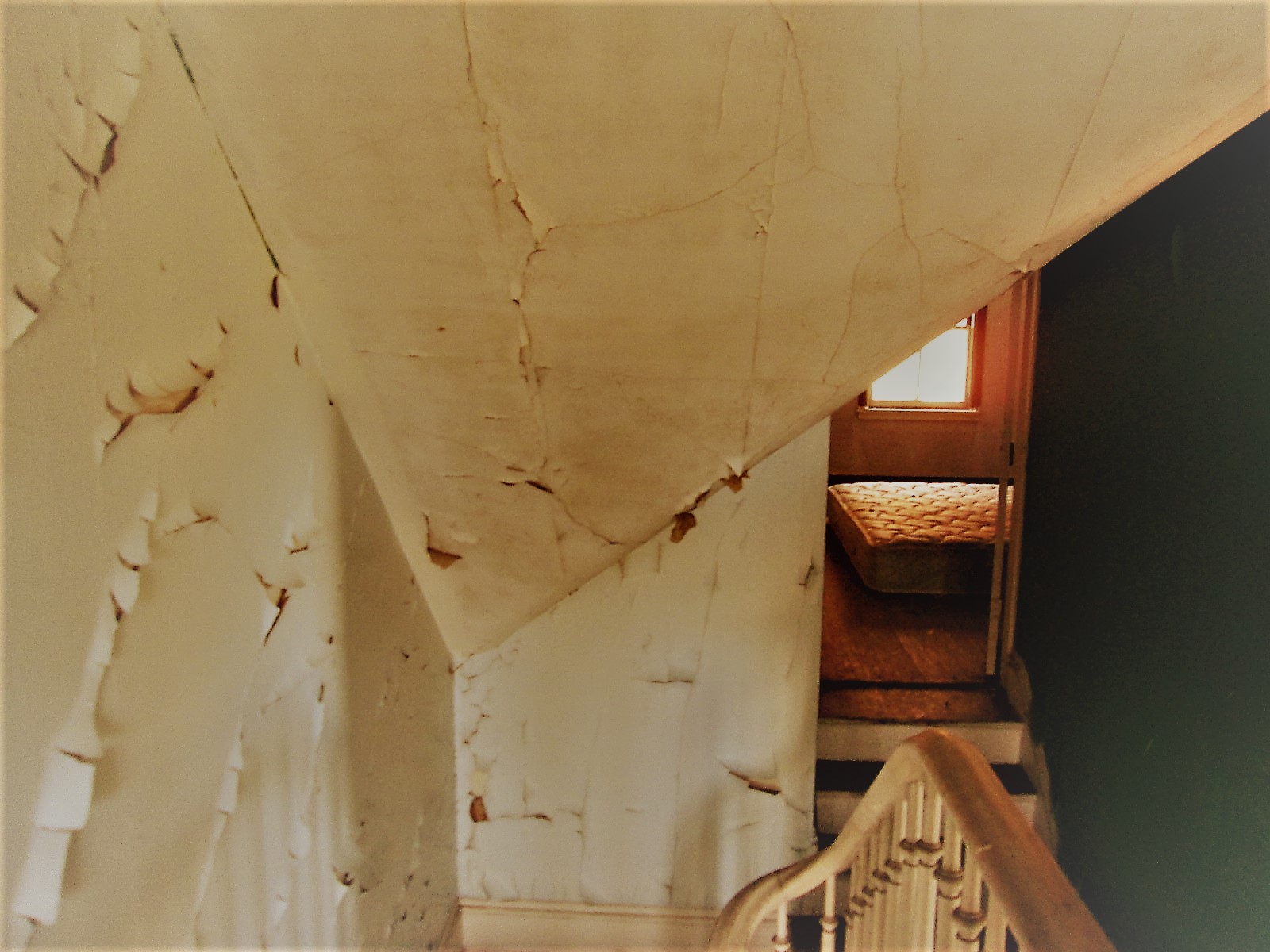
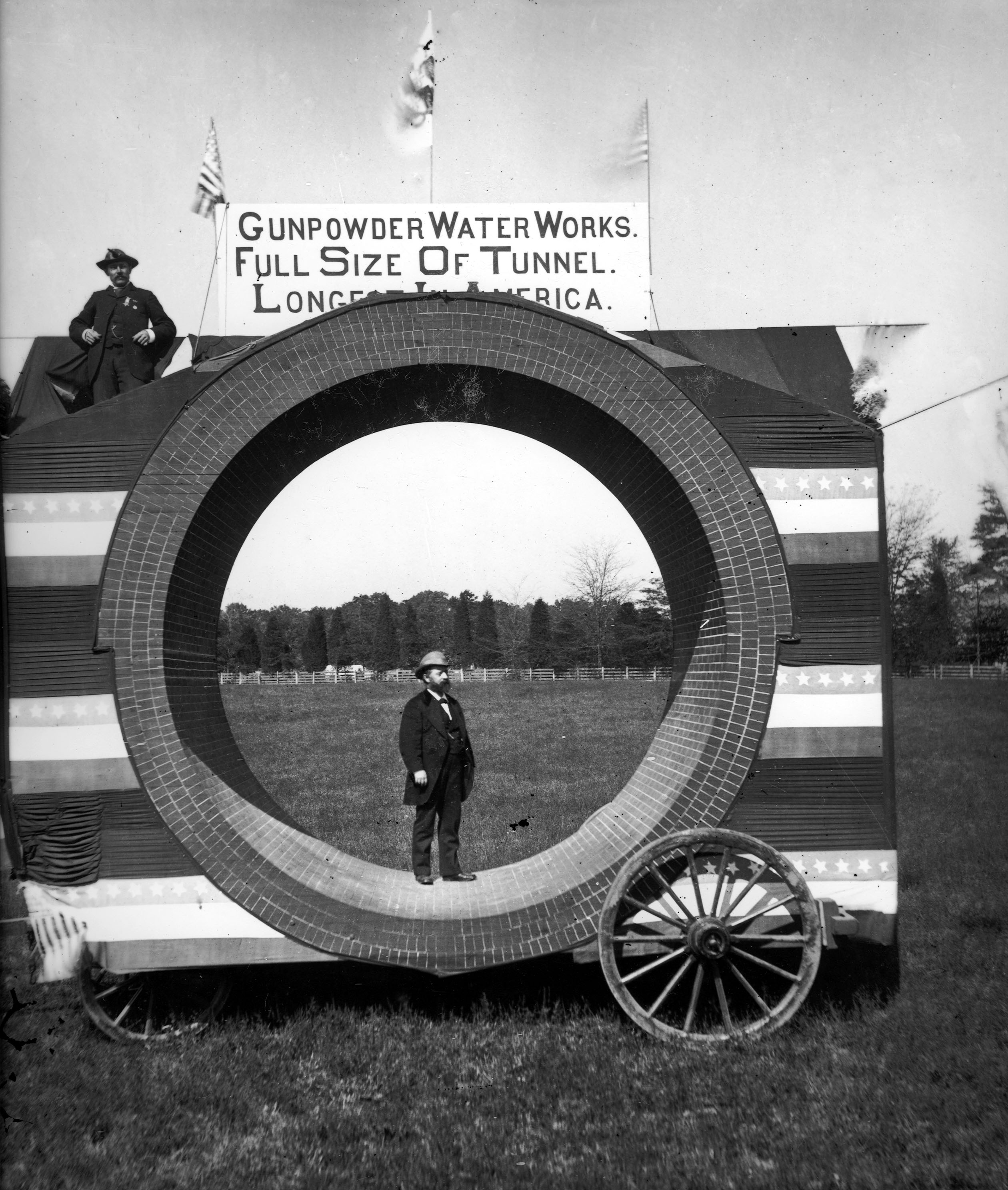
Looking up the stairwell. Three floors.
037

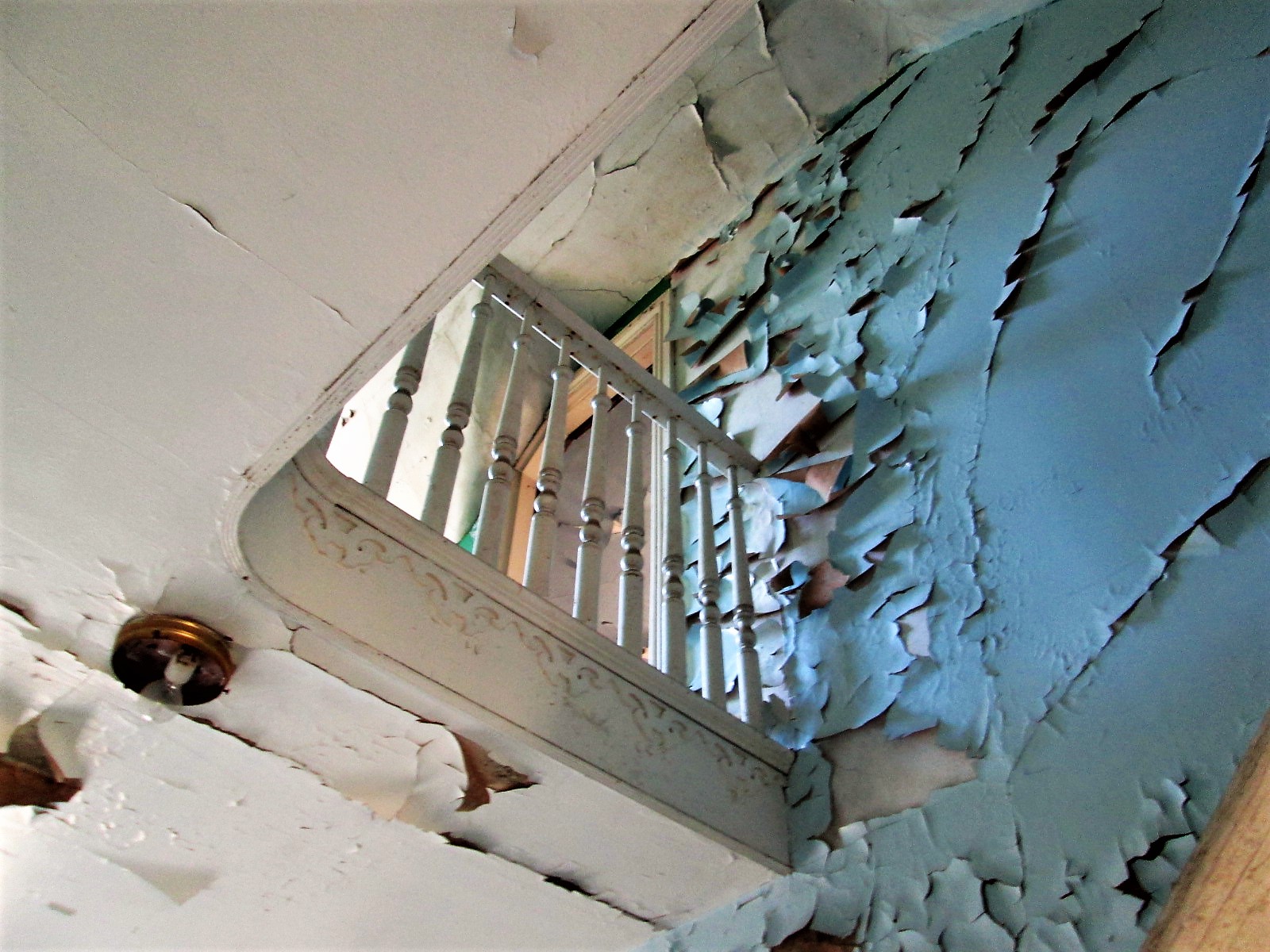
Second floor to third floor

042

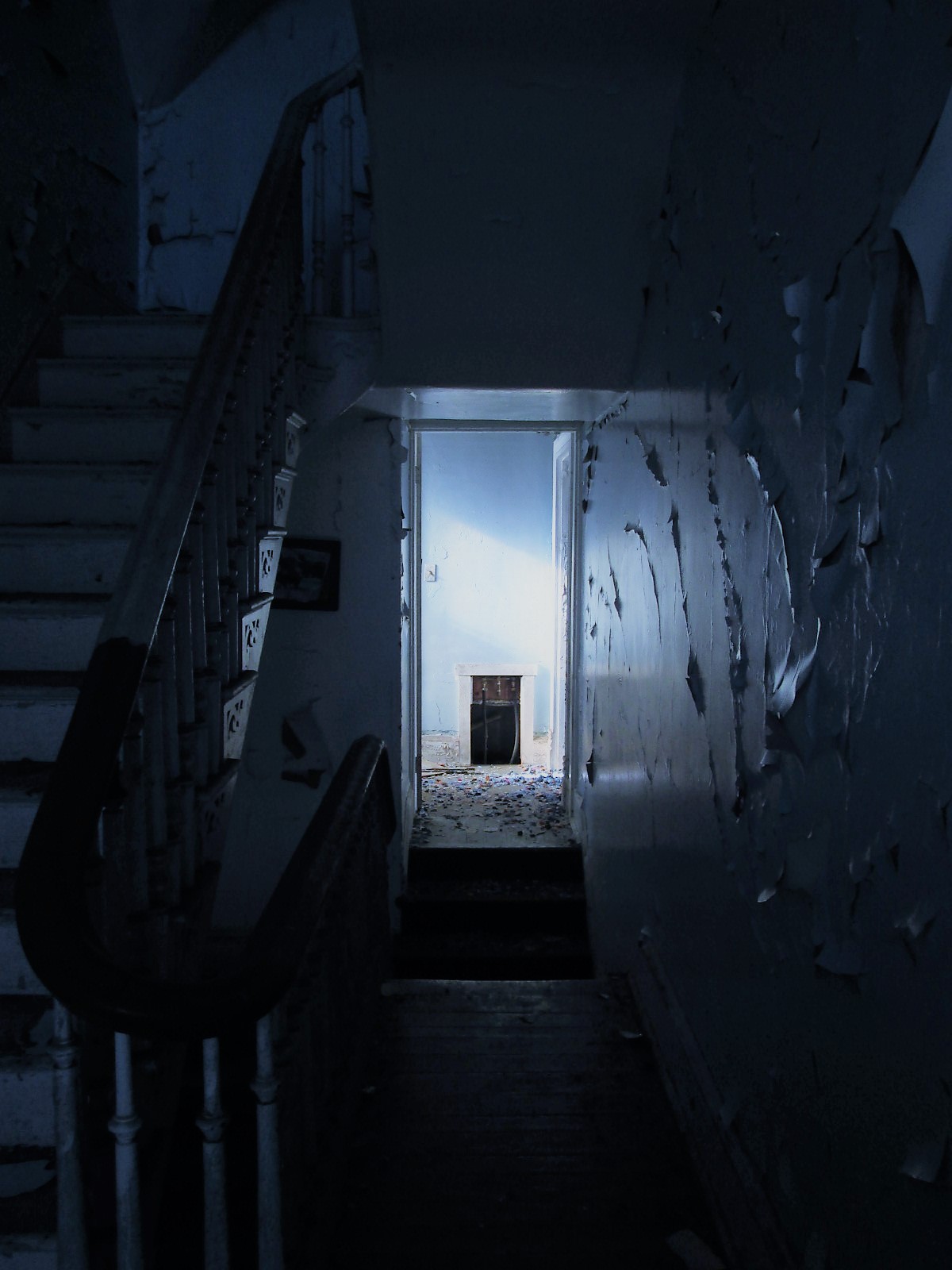
This was a nice design – up the stairs to a landing that will take you in both directions. This is a huge house.

071

Lots of rooms – curves and angles.

049

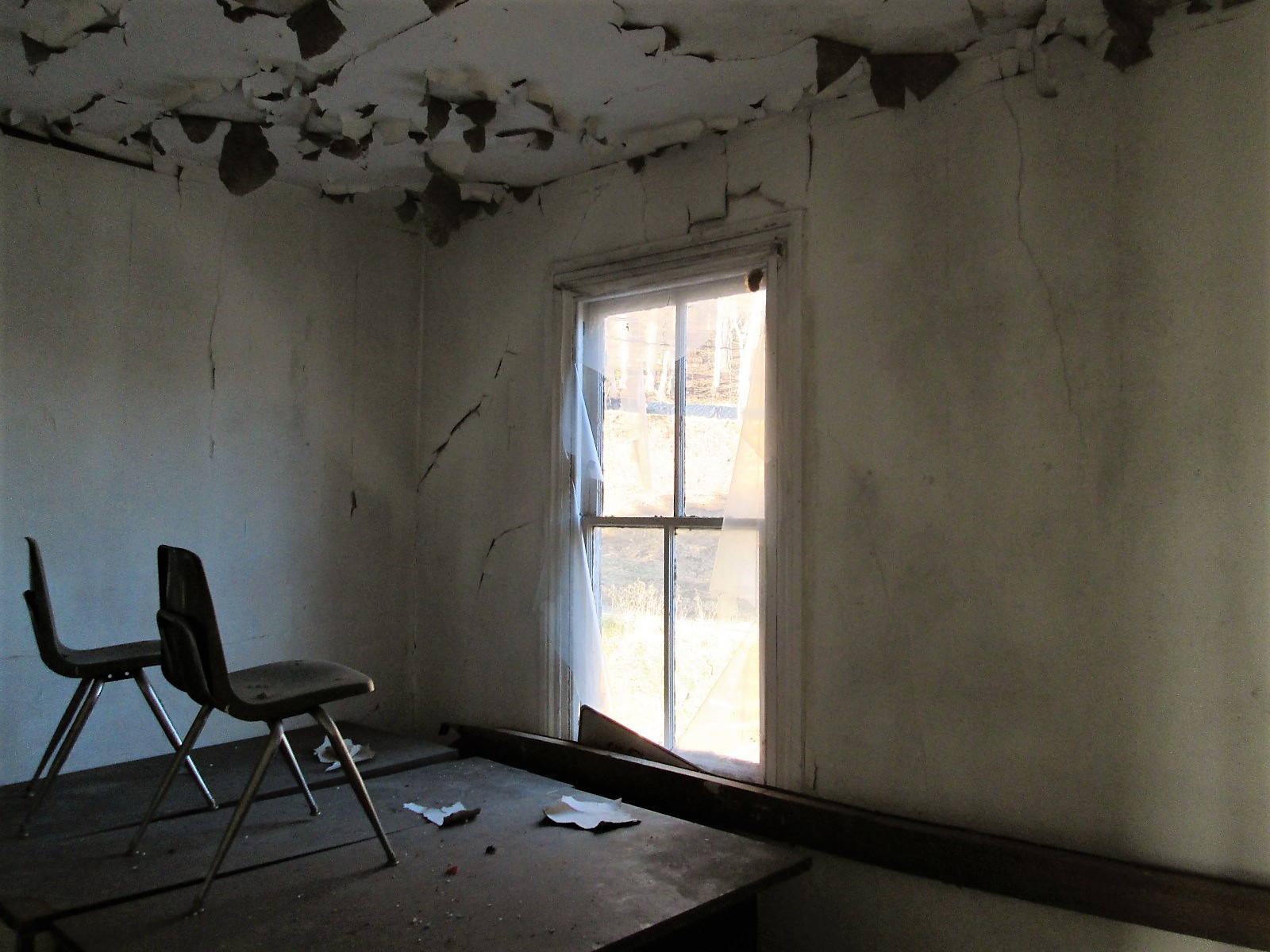
Chairs on a desk – watching…

067

One of the many views. Someone nailed a metal sign to the window? I would have loved to live here with this view. Two eagles were playing most of the morning over the lower reservoir. Nice!

072

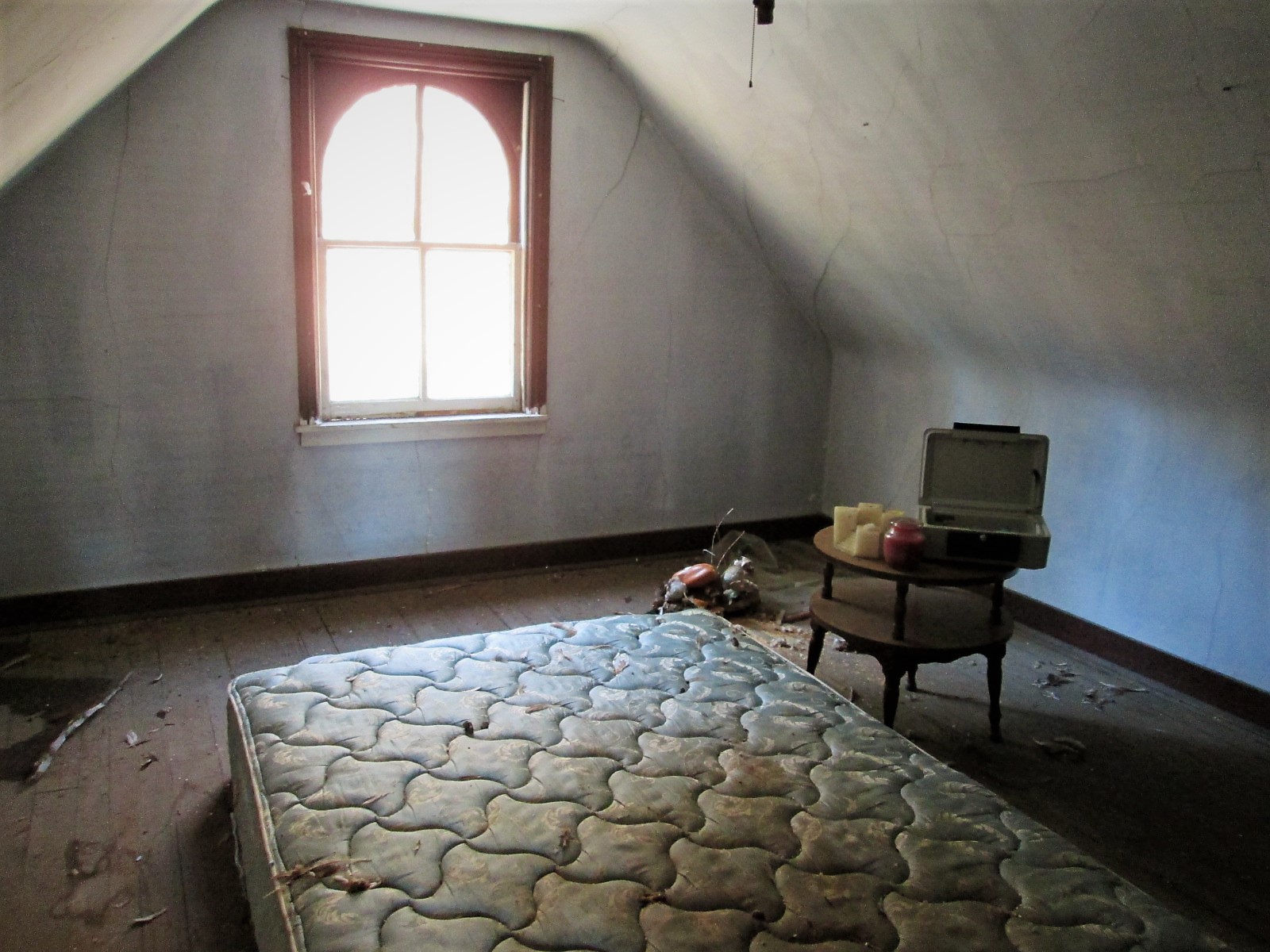
Another room. Candles, a bed, money box and stuffed ducks that look like the turkey buzzards tore open – must of thought they were real!

Prologue: I asked the contractor to hold two of the signs for me until I can come back up. He said ok…but, between my visit and when I sent off the email, Brick and Boards came up and took them. Talked to Max from there and he said they are in his warehouse and I can come pick them up!

Their site: https://baltimorebrickbybrick.com/2016/08/04/brick-board-is-here/

Herring Run or Tiffany Run

17 Thursday Nov 2016

Posted by Ronald Parks in Baltimore, HISTORY, water history

≈ Leave a comment

Tags

Baltimore, engineering, glass plate negatives, Gunpowder Falls, HISTORY, Lake Montebello, Montebello, Public Works, Research, water history, writing

I was recently asked to do a brief history for the Friends of Herring Run Park, concerning the history of DPW activity in the park. More specifically – What is up with those concrete structures in the park that have pipes sticking out of them? They are air relief vaults for the Susquehanna pipeline. So, instead of a brief, one line answer, I decided to give them a Readers Digest version for the building of the Susquehanna pipeline.
As in most cases, when doing basic research, I always get distracted with other history facts I find. The story of my life (Well, the story of my life is another book I wrote, which is out of print. Too many people disagree with what I wrote about MY life and MY memories. I did however see a copy on Amazon for $354.00! Ha!)(See what I mean about getting distracted!!)
Anyway, I came across the below 1854 report that mentions Herring Run as a possible source of water for the City of Baltimore. If not a source, then possibly build a reservoir there. The author of the report, Alfred Duvall, who signs the report as a ‘Practical Engineer’ also suggests a reservoir on Tiffany Run, which is a stone’s throw away from Herring Run. By 1875 they decided on Tiffany Run for the new reservoir, that would be filled via tunnel from Loch Raven.

1854

Duvall’s 1854 report. Interesting read.

2bw

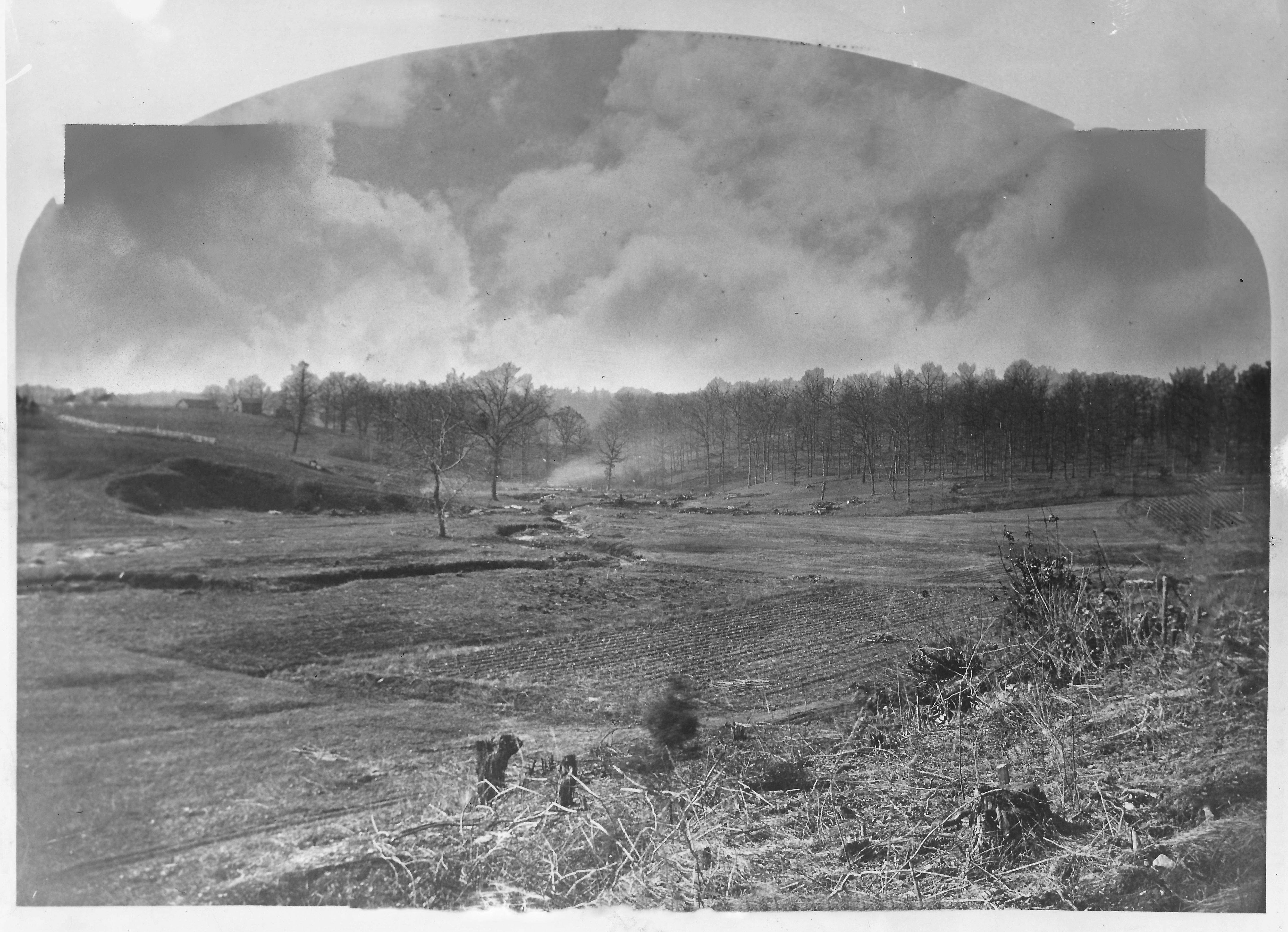
Tiffany Run, prior to the 1875-1881 construction of Lake Montebello

montgatehouse1u

Lake Montebello soon after construction. Gatehouse to the left received water from Loch Raven, where a dam was built during the same years.

Parades

09 Friday Sep 2016

Posted by Ronald Parks in Baltimore, water history

≈ Leave a comment

Tags

Baltimore, bricks, engineering, FILTRATION, glass plate negatives, Gunpowder Falls, HISTORY, Lake Montebello, Montebello, Public Works, water history

Who doesn’t love a parade. Wish I would have been around for this one!

gunpowderpipe

This float was built in the 1880s to promote the building of the Loch Raven – Montebello tunnel. Longest in America at the time – 7 miles long.

Other People’s Digital Collections

18 Monday Jul 2016

Posted by Ronald Parks in Baltimore, HISTORY, water history

≈ Leave a comment

Tags

Baltimore, engineering, glass plate negatives, Gunpowder Falls, HISTORY, Public Works, water history

I learned quite a bit during my History Preservation classes. Most notably, concerning research. The instructor, Eli Pousson, showed us many resources where we could find information and photographs. So I went to one site at a local university (Hughes Collection) and as I normally do, I typed in two keywords in the search box. First, ‘Montebello’ followed by ‘Loch Raven’.  There were about 30 photographs listed, most of which were mislabeled or misleading.
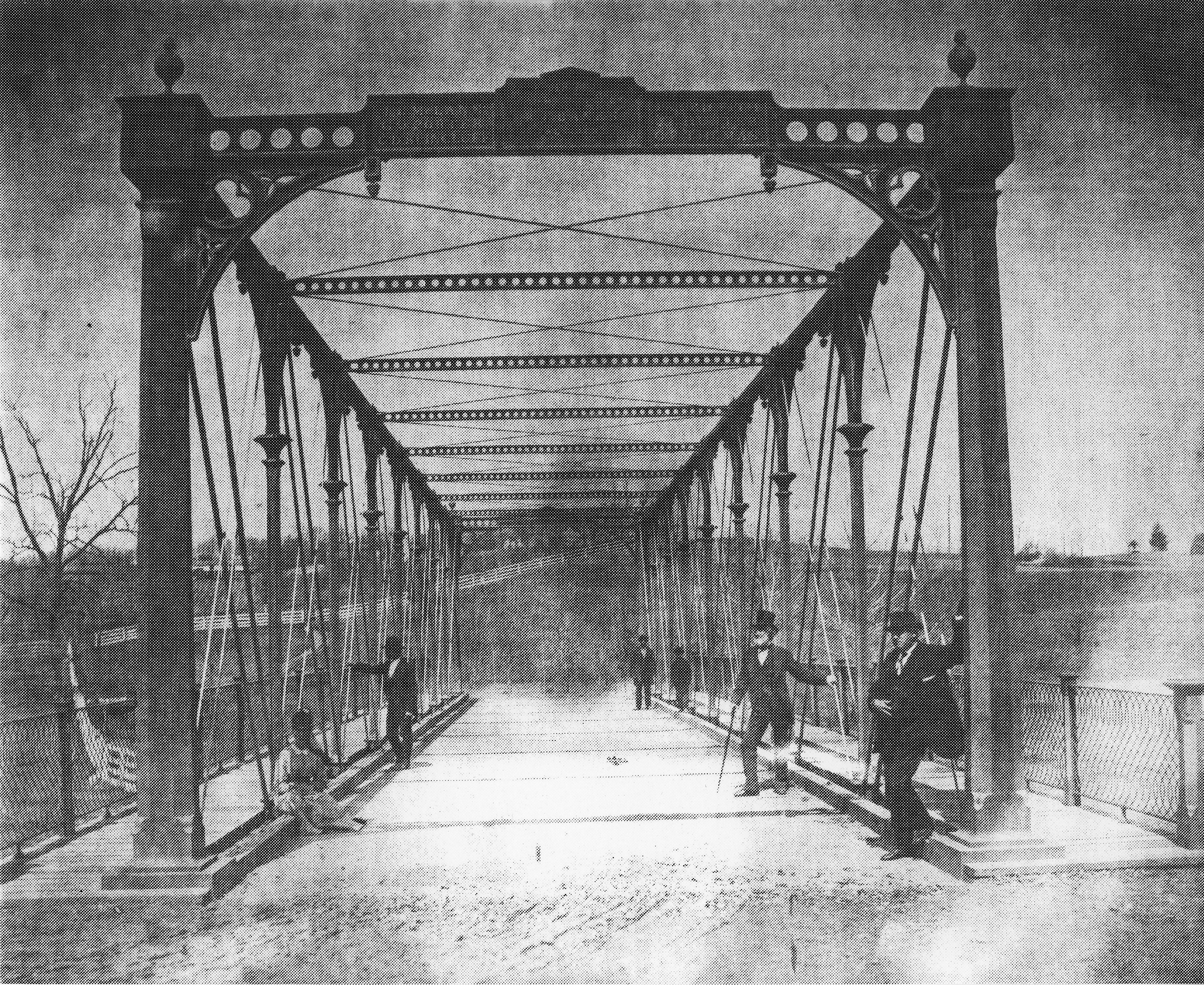
The below photo from the Public Works collection, which is the same as the one in the Hughes Collection, marked as #457 is described as –

LochRaven 8-14 457

Title [Metal bridge at Loch Raven, Baltimore]
Accession Number P75-54-0586g
Photographer Hughes Company
Date Created 1914-08-07
Caption From Sleeve: Greiner and Whitman Bridges. Loch Raven. (15370) -2 negs.
Loch Raven. Aug 7 14
Description Bridge attributed to John Edwin Greiner and Ezra B. Whitman.
Title Note Title supplied by cataloger.
Notes Positive digital file from original glass negative
Measurements 8 x 10 in.
DCMI Type StillImage
Work Type (AAT) photographs
Process black-and-white photographs, gelatin dry plate negatives
Genre documentary photography
Location United States — Maryland — Baltimore
Subject Names (Local) J.E. Greiner Company
Loch Raven Reservoir (Md.)
Subject Names (LCNAF) Greiner, J. E. (John Edwin), b. 1859
Subject (TGM) Truss bridges
Condition Border of black paper. Specks of emulsion chipped all over image. Glass side has fingertip smudges.
Collection Hughes Company Glass Negatives
Credit Line The Photography Collections, University of Maryland, Baltimore County
Rights This item may be protected under Title 17 of the U.S. Copyright Law. It is made available by UMBC for non-commercial research and education. For permission to publish or reproduce, please contact Special Collections at speccoll(at)umbc.edu.
Repository University of Maryland, Baltimore County (UMBC)

A couple things that jump out at me are these facts – Greiner and Whitman Bridges: These gentlemen (probably the ones in the photo) were the consulting engineers on the job. The actual builder of the bridge was the Roanoke Bridge Co. It also notes that there are two negatives? I have what I thought was the original negative. Did they photograph a print and make 2 negatives? Also, my plate is cracked and noted as such.

The photo below shows a side view, taken on the same date. The bridge was known as Bridge #1, also called the Yellott Bridge. It was approximately in the same place that the present bridge is – Loch Raven Drive.

LochRaven 8-14 455

Bridges Along the Jones Falls

17 Friday Jun 2016

Posted by Ronald Parks in Baltimore, HISTORY, Sewage History

≈ 3 Comments

Tags

Baltimore, boats, bridges, engineering, glass plate negatives, Health, HISTORY, Jones Falls, POLITICS, Public Works, sewage, Sewage History, water history

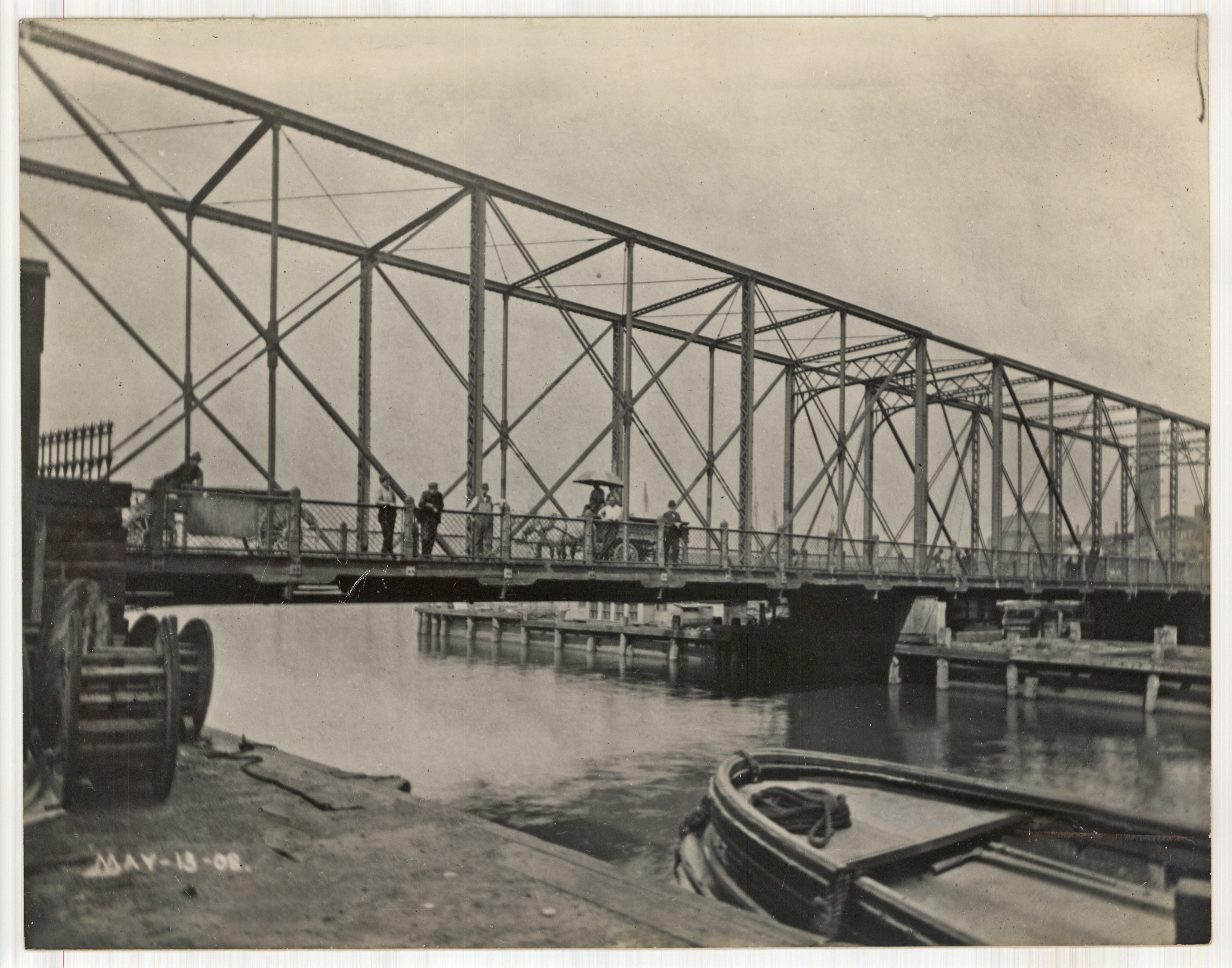
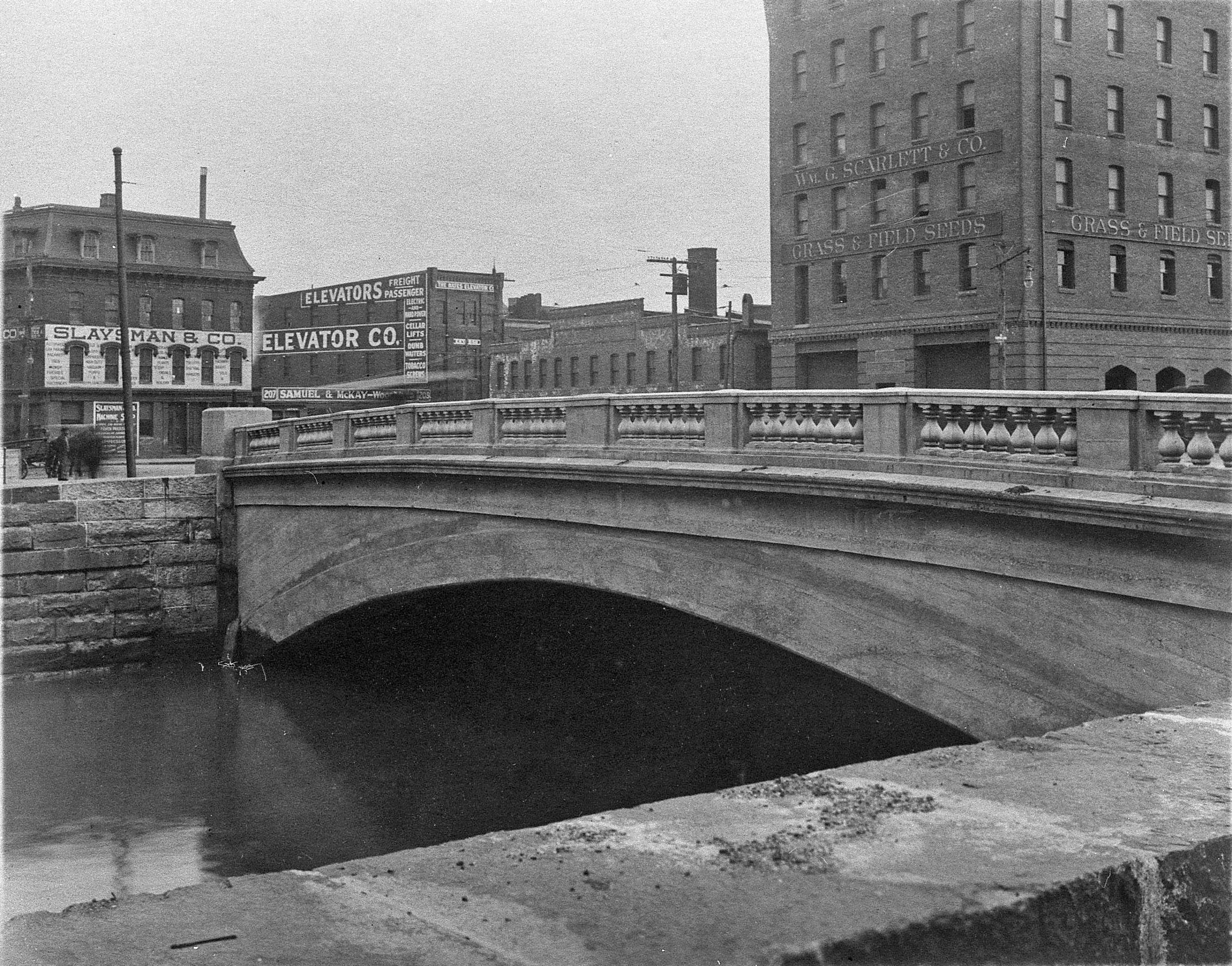
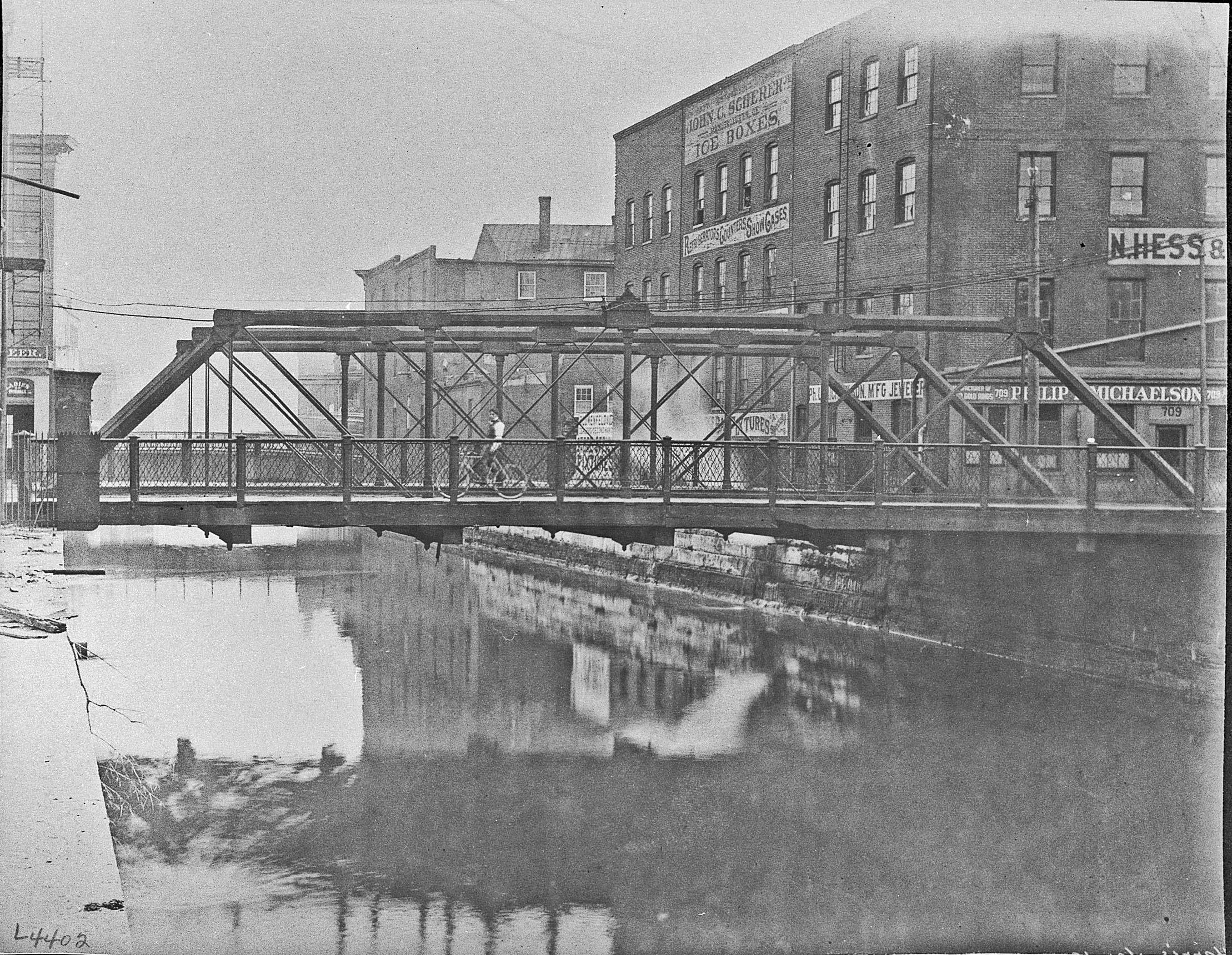
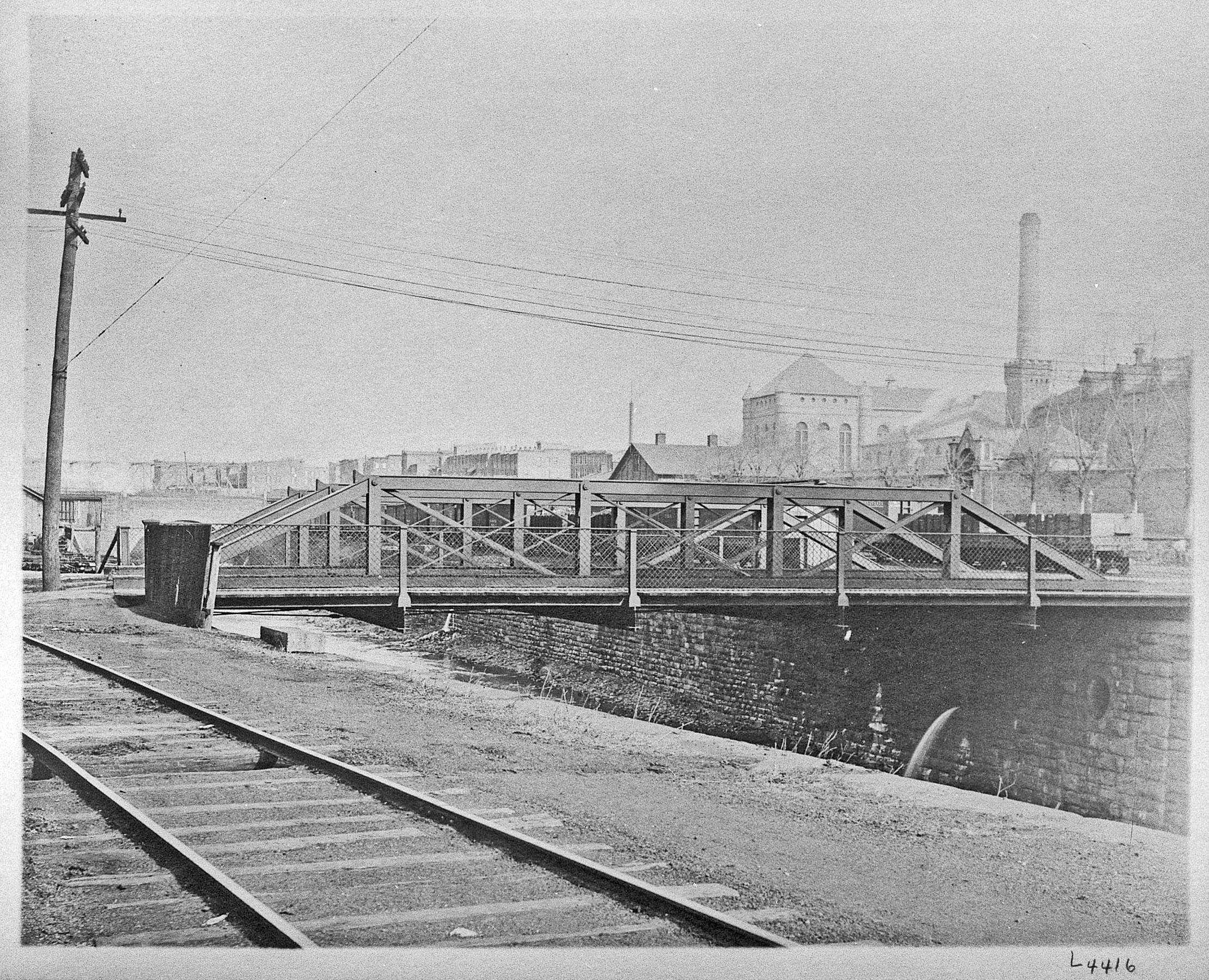
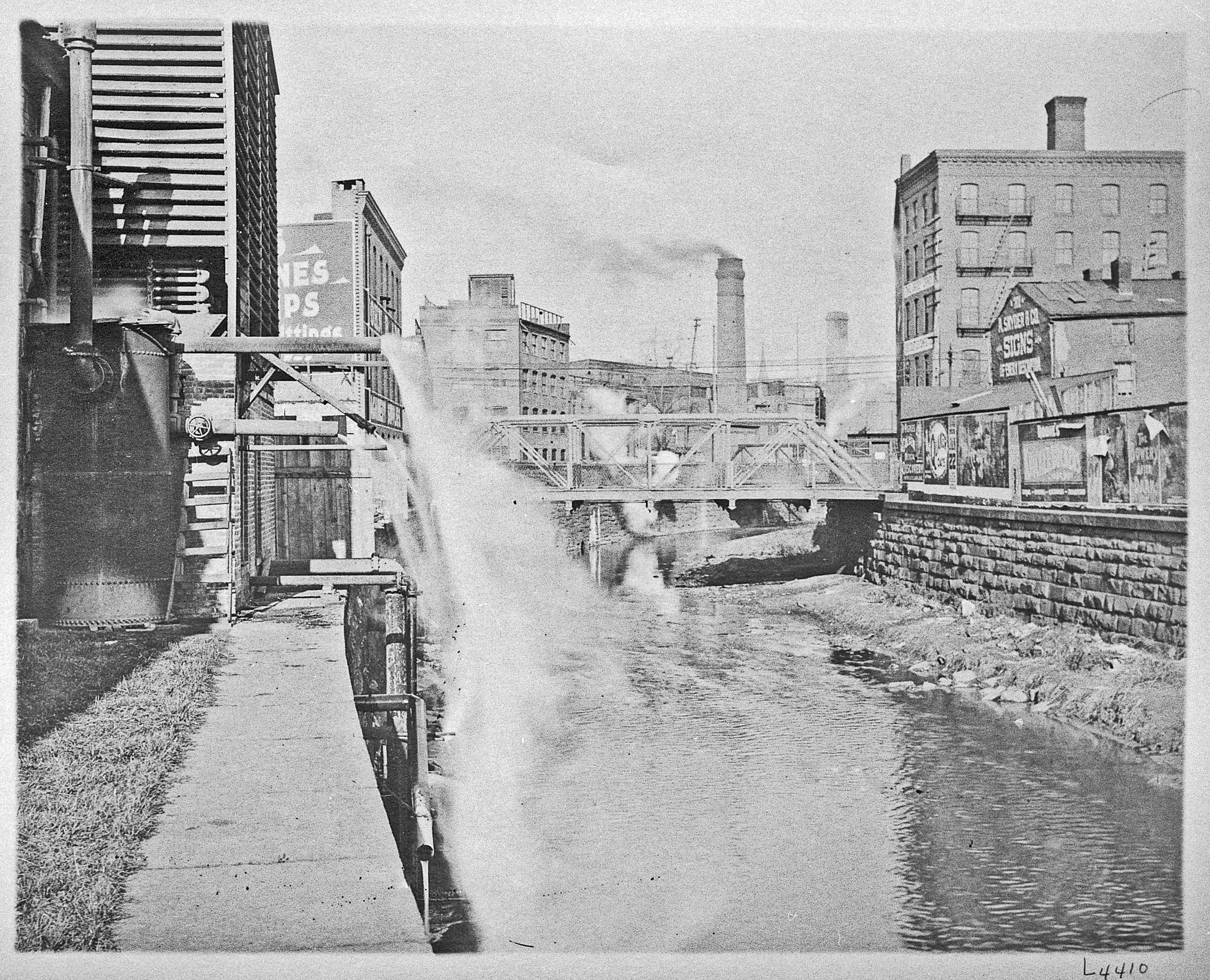
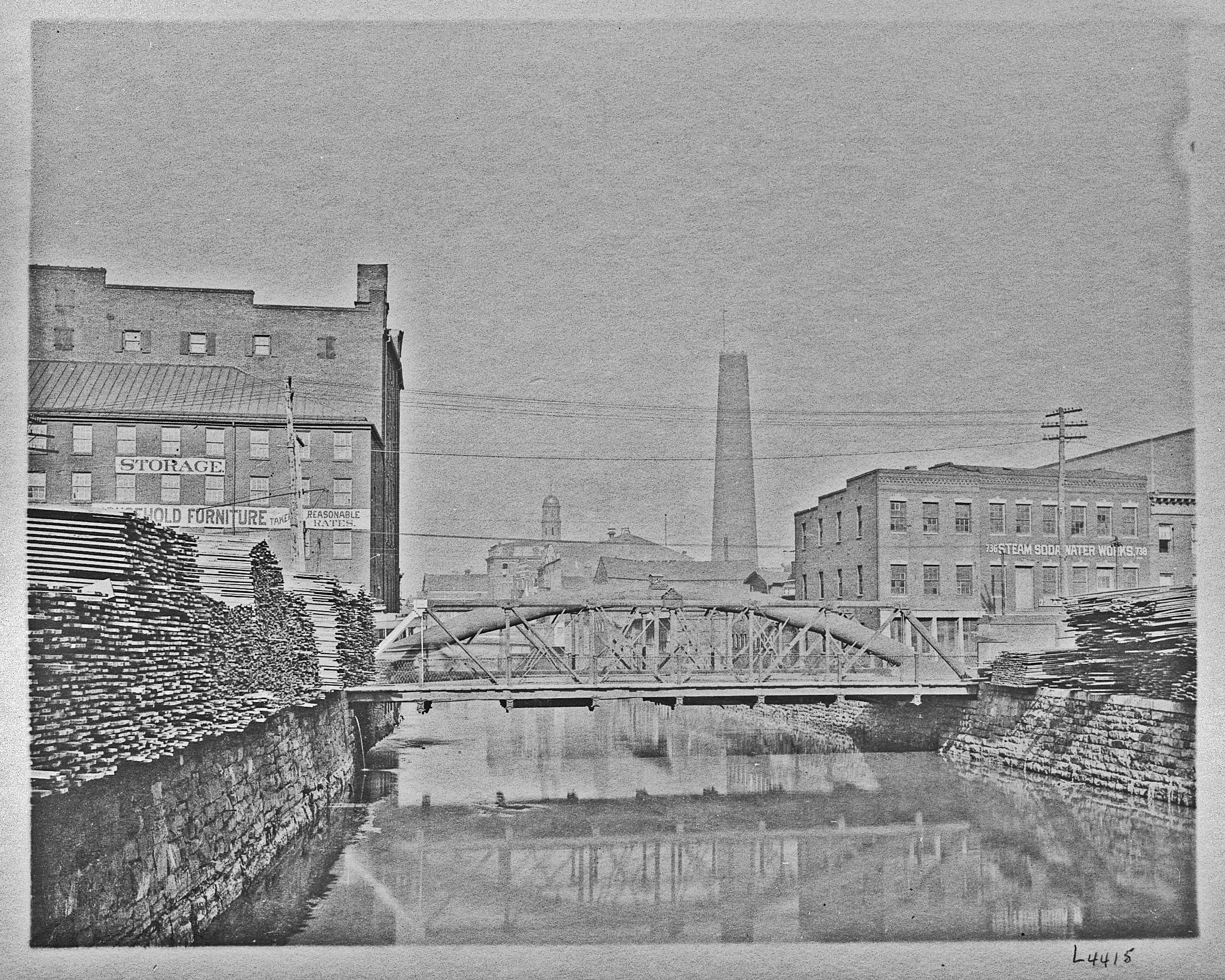
Here are some photos from the DPW collection of various bridges along the Jones Falls. These negatives were all in an unmarked box. I posted them on Facebook a while ago and people told me the names as best they could guess. I am no longer on FB and unfortunately I did not write down the names they told me. Some are marked. Some are duplicates from other views – north to south or south to north.

If you can correctly name these bridges I will send you a copy of my book – Baltimore’s Water Supply History. Thanks.

img075

br045

img517

img515

img511

img510img509

img507

img506

img504

img501

img395c

img395b

img003b

img001e

img001d

img001a

81_6_1338

← Older posts
Newer posts →

Blogroll

  • Flouride Action Network
  • lulu
  • My Book
  • WordPress.com
  • WordPress.org

Recent Posts

  • Bermuda 2023
  • ICELAND April 2023
  • George Chalmers of Fochabers
  • In Search of The Skipjack Ada Mae
  • Trap Pond Kayak

Blog at WordPress.com.

  • Subscribe Subscribed
    • Water and Me
    • Join 231 other subscribers
    • Already have a WordPress.com account? Log in now.
    • Water and Me
    • Subscribe Subscribed
    • Sign up
    • Log in
    • Report this content
    • View site in Reader
    • Manage subscriptions
    • Collapse this bar
 

Loading Comments...