• About
  • History Writings

Water and Me

Water and Me

Tag Archives: HISTORY

Grate Works

02 Friday Dec 2016

Posted by Ronald Parks in art, Baltimore, Photography, Sewage History

≈ 2 Comments

Tags

Baltimore, HISTORY, Museum, photography, Public Works, Sewage History, water history

When not doing my regular job, I document archives and museum objects. Recently thinking of my retirement in a few years, I started to wonder what will happen to most of the stuff I have stored in a large garage at work. Most of the water archives were almost thrown out many years ago, but I stashed them away for a couple decades. So, with my leaving, what will happen to it? No one really knows or knows what to tell me. Some of the artwork doesn’t even belong to the City, so I decided to get in touch with the artist to see what they wanted me to do with it.

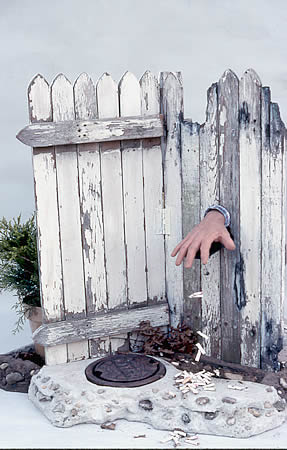
First up is Bobbi Mastrangelo who has a collection of manhole cover art. Both sculptures and art prints. I found her thru a Google search and we have been in contact for the past couple weeks. She will see first how to relocate the work and if she has no luck, I will ask around to see who may want to display or purchase the works. Below is a sampling of her work.
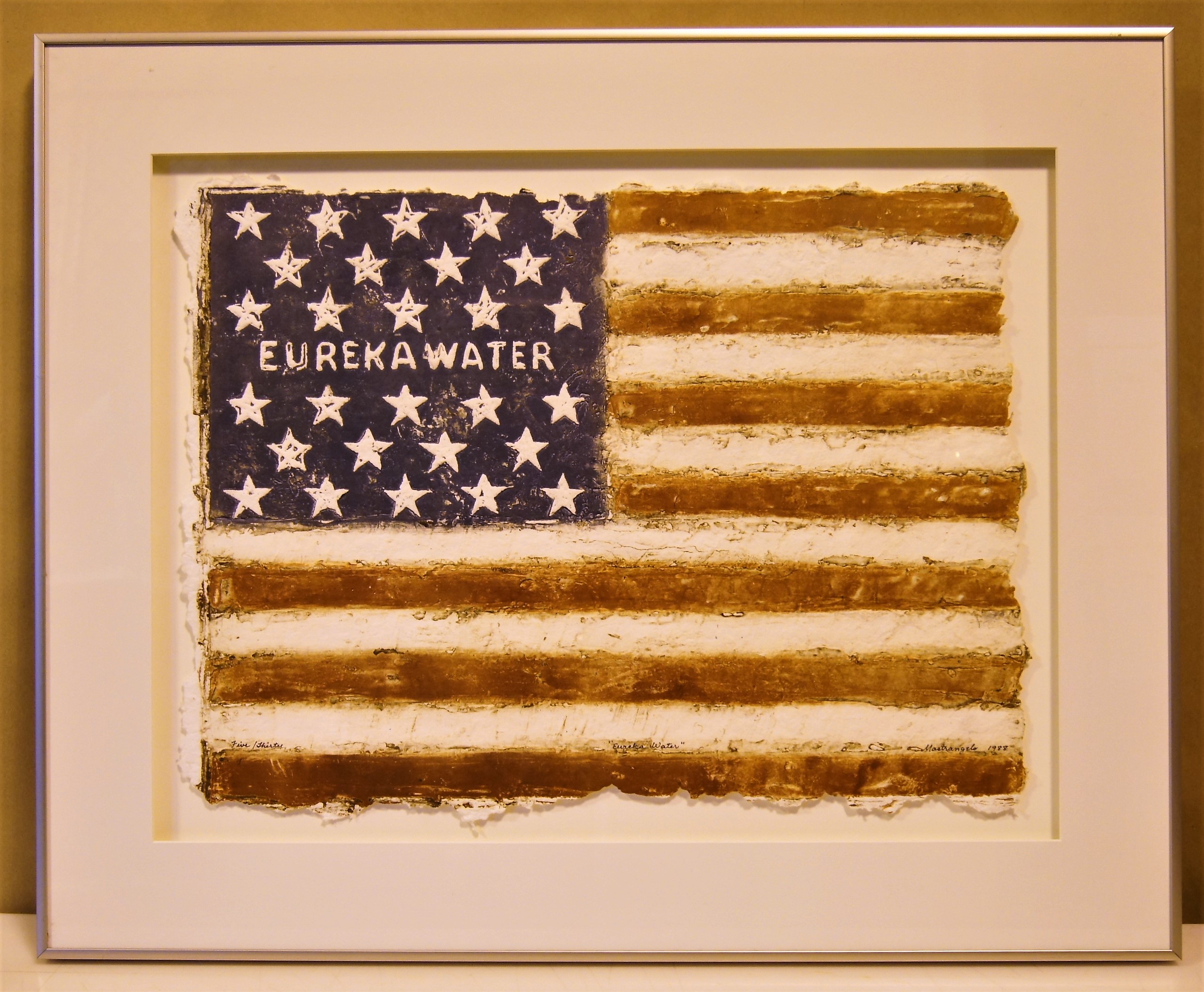
One of my favorites. Eureka Water American Flag.
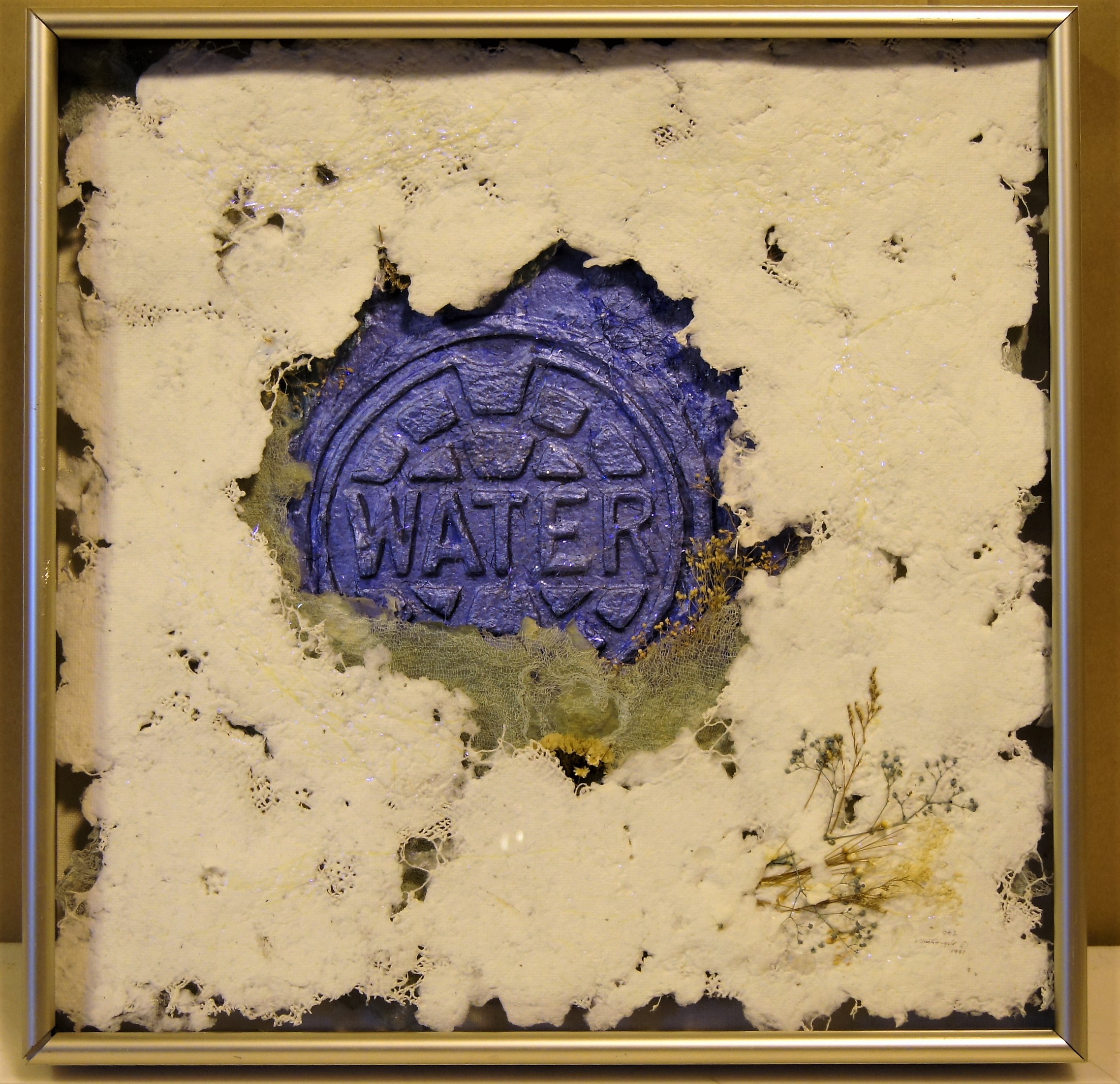
Another favorite. I think this one is called – Sparkling Blue Waters. (Mixed Media Relief) Some of the names I am unsure of. They have been stored at Back River WWTP for about 20 years. The transfer of loan paperwork is a mess.
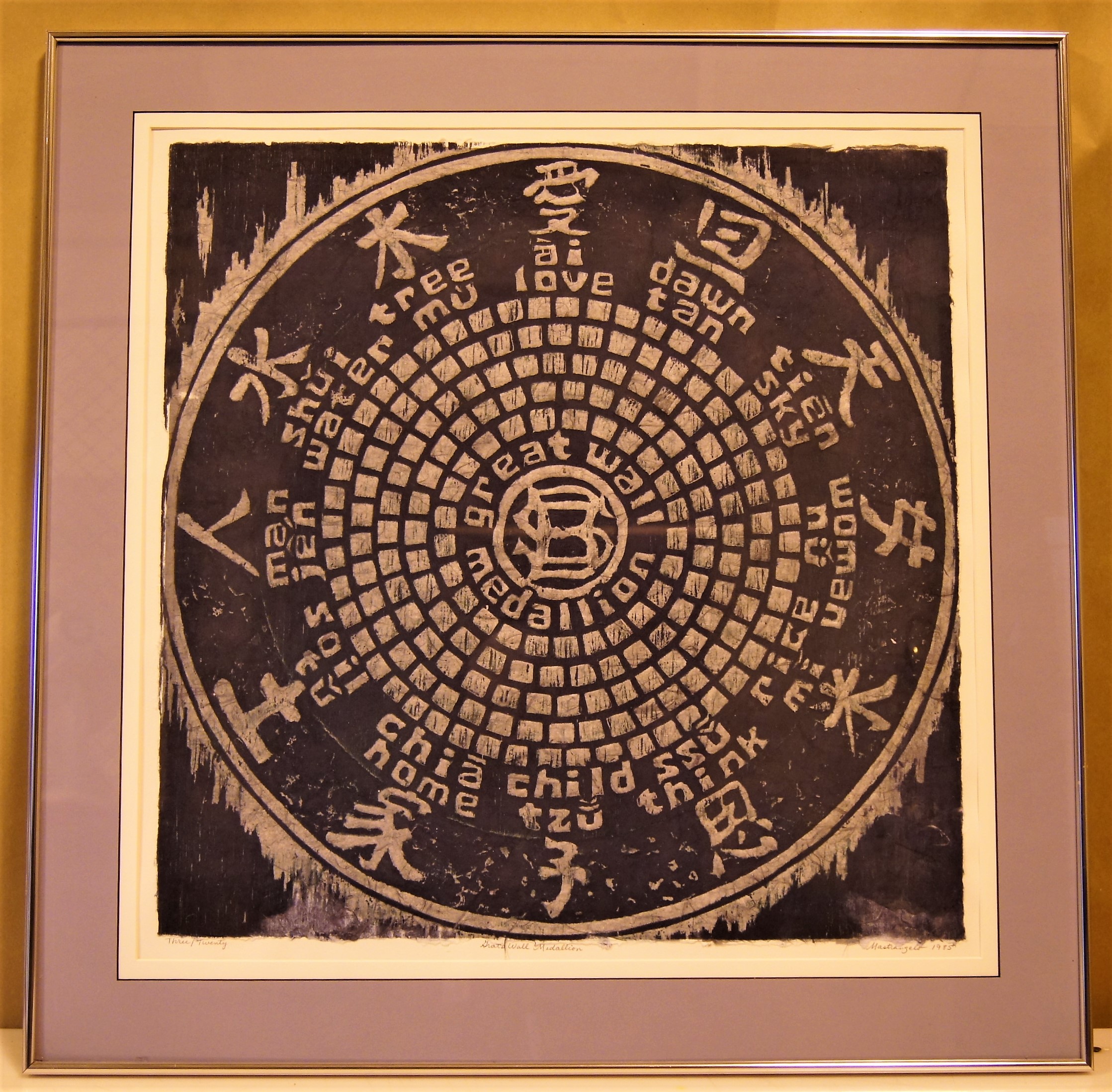
The Great Wall Medallion.
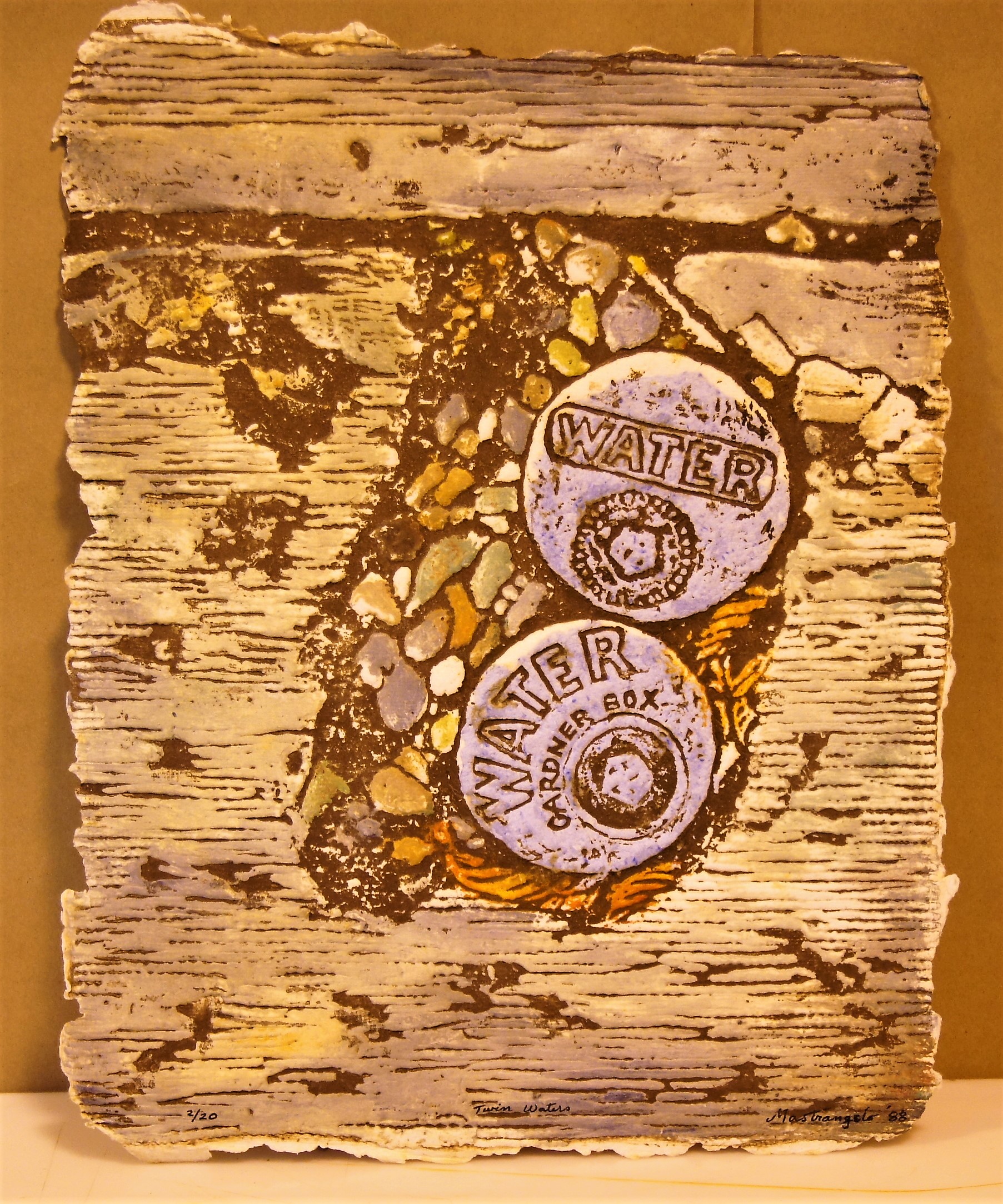
Twin Waters.
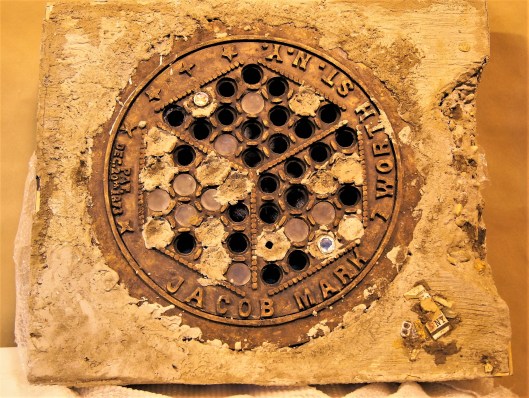
SONY DSC

peoplestartpoll1

Another sculpture. People Start-Stop Pollution.

A few of these I had trouble photographing. The lights in the building are a mixture of incandescent, sodium vapor and fluorescent. I snapped off 20 before looking at them on the computer and realized they were all really yellow. I brought into work my good camera and messed with the white balance but still had trouble getting it right?? Any tips on this kind of lighting?

Here is Bobbi’s website if you are interested in her work: http://www.grateworks.com/
Random

30 Wednesday Nov 2016

Posted by Ronald Parks in Hiking, HISTORY, kayaking, Photography

≈ 1 Comment

Tags

golf, Hiking, HISTORY, kayaking, nature, photography

055

 NASSAWANGO IRON FURNACE:From 1828-1850 the Nassawango Iron Furnace was in its heyday. Many workers – miners, sawyers, colliers, molders, draymen, and bargemen – labored to make iron. They gathered bog ore from Nassawango swamp, brought clam and oyster shells up the canal via the Pocomoke River from the Chesapeake Bay, and made charcoal in the Pocomoke Forest. These raw materials were loaded into the Iron Furnace from the top, heated to 3,000 degrees, and the two resulting liquids were drawn off at the bottom of the furnace. Slag was cooled and tossed into the swamp. Iron was poured into molds and loaded onto barges which were towed down the canal by mule to waiting ships for transport to Baltimore, Philadelphia, and New York.

054

It was closed! Closed on October 31st.

079

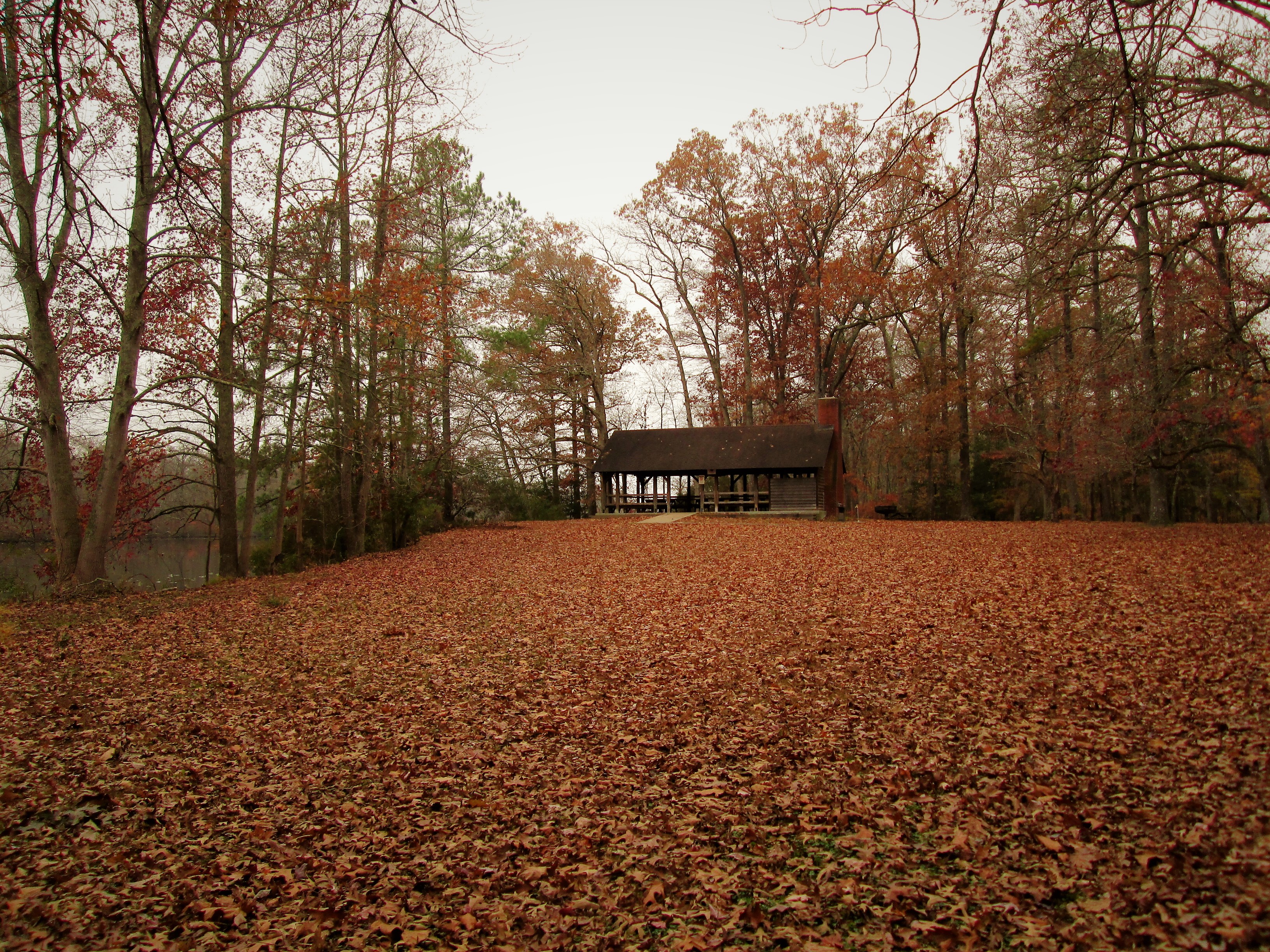
Left there and went to Milburn Landing on the Pocomoke. Glad I don’t have to rake all those leaves!

076

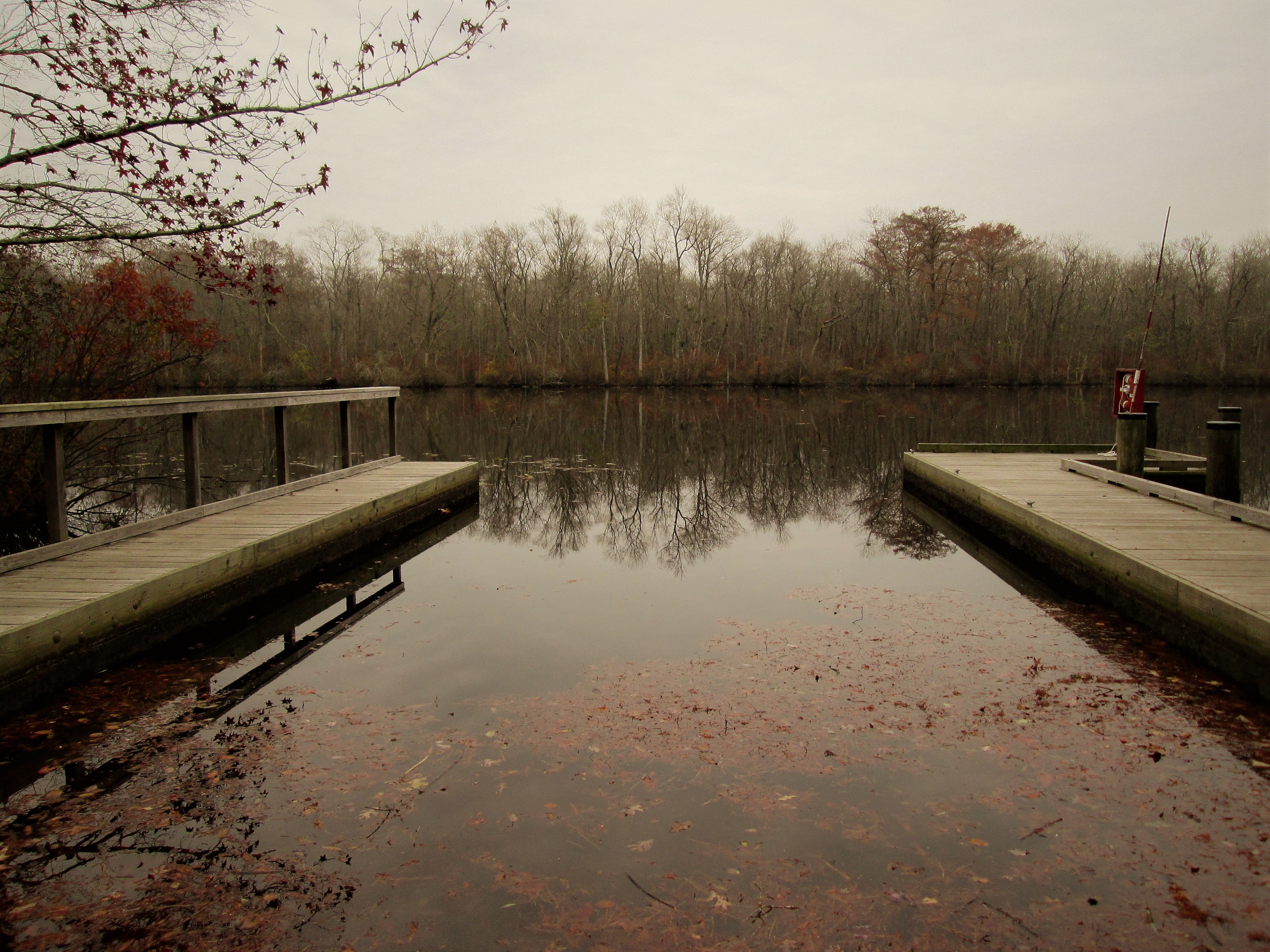
The landing. A couple reviews I read said it doesn’t get crowded. Kayak time!

090

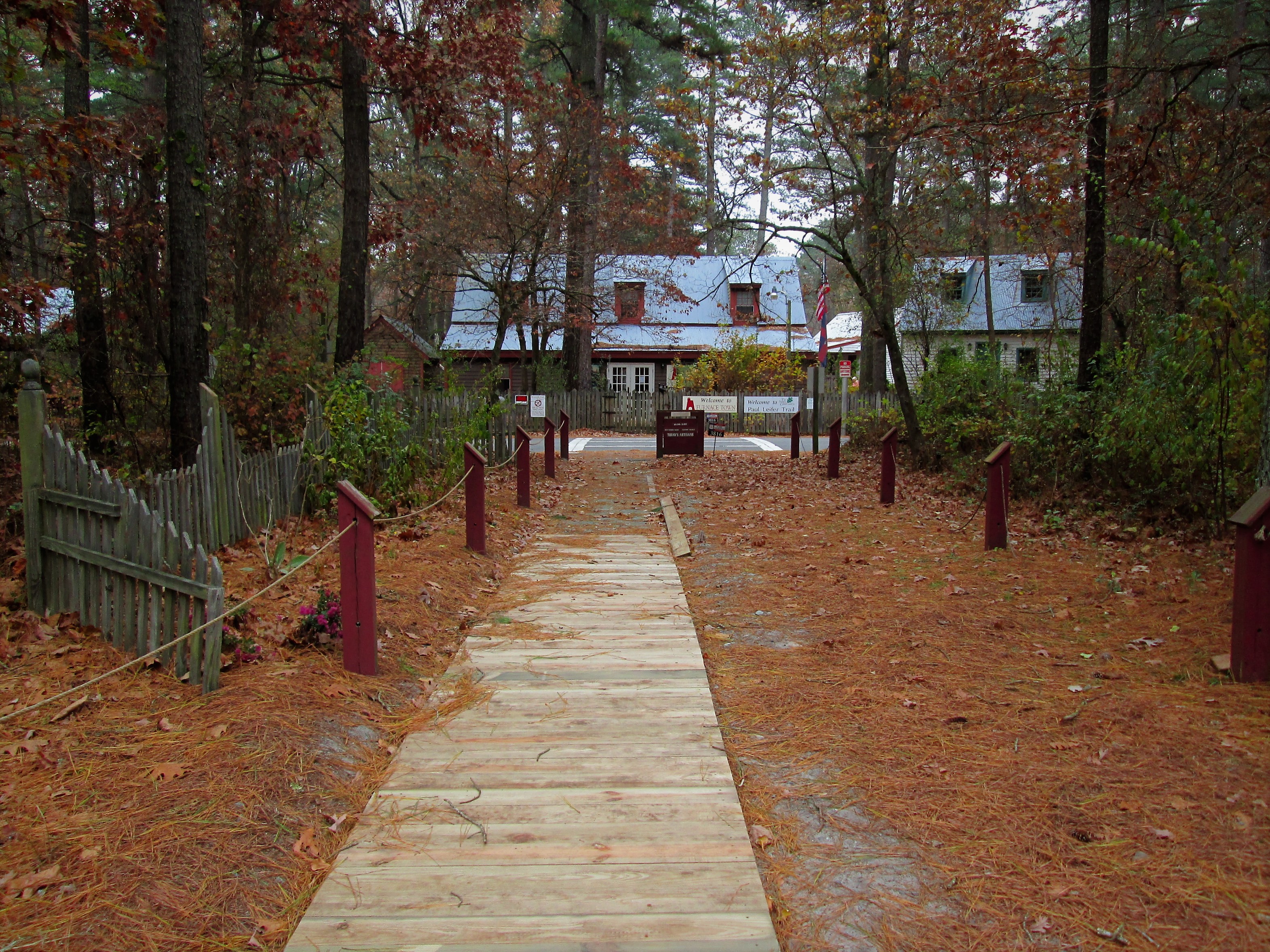
After that we found an abandoned golf course – Nassawango. The club house.

081

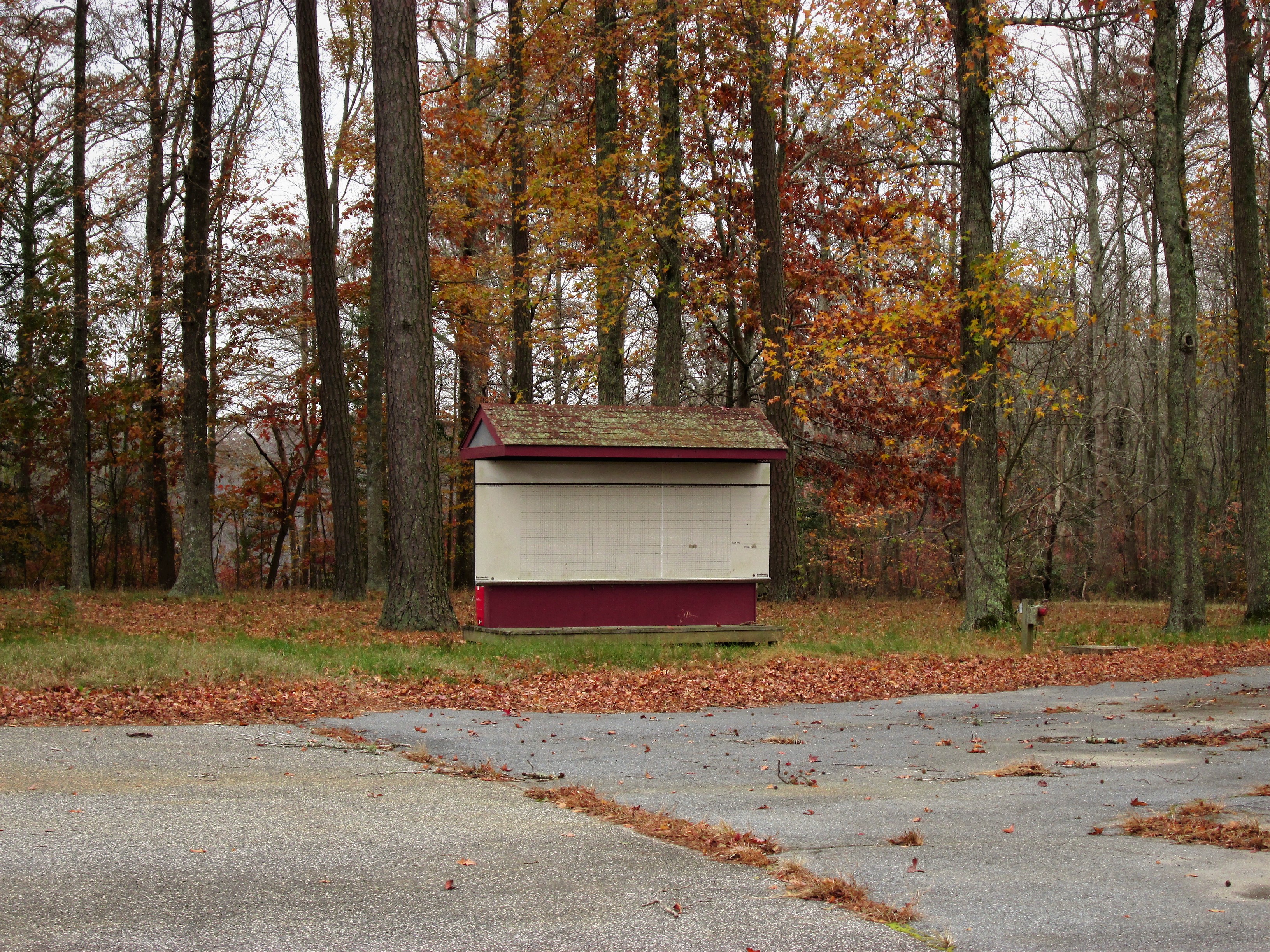
Leader board?

083

I prefer Putt-Putt

086

But I don’t remember seeing one of these at Putt-Putt? Ball warmer?

098

Then heading back to the farm we spotted a couple eagles – and this is why I’m not an animals in nature photographer!

130

Inside the barn. Nice visit with Kathy’s family.

Pre-Black Friday Sale

23 Wednesday Nov 2016

Posted by Ronald Parks in Baltimore, water history, Writing

≈ Leave a comment

Tags

Baltimore, engineering, FILTRATION, fluoride, Gunpowder Falls, Health, HISTORY, Lake Montebello, Montebello, POLITICS, Public Works, Research, water, water history, writing

Ok, time to order now for Christmas! Nothing like a little self promoting during the Holiday Season. (Thanks to the person(s) that bought 3 copies this month! My sales report does not list the buyers so I have no way to know who to thank)

These books are cheaper on Amazon than they are on the publisher’s pages. ALL proceeds from the sale of these books goes to Water For People.

This first book is a crazy story about Chuck and Gary and the misadventures that happen because of the fluoride in their toothpaste! I think this may have been an LSD induced novel. But more likely comes from all the research I did concerning the subject that I didn’t know what else to do with!bookcoverimage-1


This next one is about, well, it’s about what the title says it’s about. Taken from the journals of the building inspectors. Ten miners killed in an explosion – called an accident, but I don’t think so…

bookcoverimage-2


And this last one is also about what the title implies. Over 400 pages of more information you will probably ever need concerning water history. Plus a bunch of tidbits thrown in.bookcoverimage


Herring Run Walking (or running) Tour

21 Monday Nov 2016

Posted by Ronald Parks in Baltimore, HISTORY

≈ Leave a comment

Tags

Baltimore, bridges, engineering, Floods, HISTORY, Lake Montebello, Montebello, Public Works, water history

I was not the only one asked for information concerning Herring Run. All this info is for a walking tour on Black Friday. This instead of Mall Madness. Another submission of info:
The design for the Pedestrian Bridge at Sinclair Lane began in 2010 with final greenway plans dated on January 31, 2014. The bridge was designed by Wheeler in Bloomington, Minnesota and fabricated by Big R Bridge in Gresley, Colorado. A new pedestrian bridge was built in close proximity to Sinclair Road since the new ten foot wide greenway trail could not be accommodated using the existing Sinclair Road bridge. Also, the new pedestrian bridge location was selected to span the narrowest portion of the Herring Run Stream and the bridge length was determined to not encroach the Herring Run Stream’s 100 year flood elevation and cross over the existing DPW utility sanitary and 84” water pipes.
This info got me thinking about various reports I had read recently. Not concerning a 100 year flood, but about what would happen if the dam gave way at Montebello Lake??
August 2000 – Danger Reach Study for Lake Montebello MD Dam #107. Prepared for DPW, Bureau of Water and Wastewater. Has a lot of graphs, charts and data. ‘What if’ scenario of a dam failure at Lake Montebello, between Harford Rd and the Park. The consultants do not believe the water would go over the Harford Rd bridge, but under. They do believe it would overflow four feet above the Belair Rd bridge at Herring Run. It would overflow Manasota by two feet and Brehms lane by four feet. Sinclair Lane would be two feet under water. It would follow a path all the way to Moore’s Run. The dam is 600 feet long, 60 feet wide at top and 31 feet tall.
From the Emergency Action Plan 2016: Lake Montebello is an earthen dam built in 1880 as a water supply reservoir for the city of Baltimore. It contains approximately 410 million gallons of water, with a maximum storage of 606 million gallons. If the dam fails, this is what will be read by Emergency Management:
“Lake Montebello Dam, MD Dam No. 107, located northeast Baltimore City is failing. Repeat. Lake Montebello Dam, Dam No. 107, located northeast Baltimore City is failing. If you are in or near this area, proceed immediately to high ground away from Herring Run Park. Do not travel on the following roadways: Parkside Dr., Shannon Dr., Pulaski Hwy, North Point Rd, Bowleys Ln, Harford Rd, Mannasota Ave, Belair Rd and Sinclair Ln, in the vicinity of Herring Run Park. Avoid all residential roadways near the Park located in northeastern Baltimore City. Travel away from Herring Run Park. Avoid all residential roadways near the park. Do not return to your home to recover your possessions. You cannot outrun or drive away from the flood wave. Proceed immediately to high ground away from the area.”

dam-breach2

The dam in question is to the right of the lake. Shows the Harford Road bridge to the far right.

dam-breach5

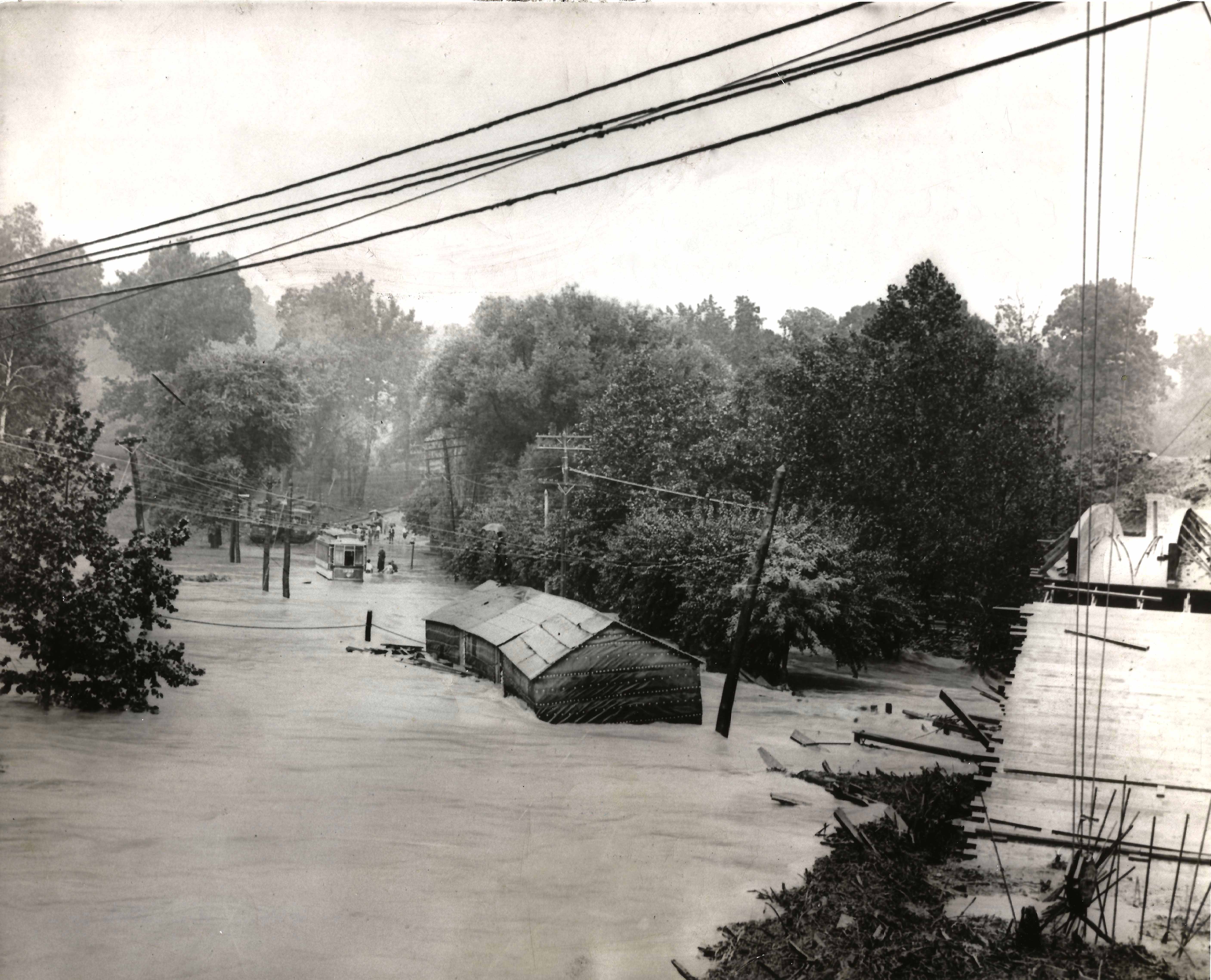
This is how a rain induced flood looked many years ago, Harford rd. bridge to the right.

dam-breach3

Belair road bridge would be flooded 4′ above roadway.

dam-breach4

Brehms Lane bridge – would also be 4′ under. (Note: Bridge no longer looks like this and there are no longer any horse rides in the park)

Herring Run or Tiffany Run

17 Thursday Nov 2016

Posted by Ronald Parks in Baltimore, HISTORY, water history

≈ Leave a comment

Tags

Baltimore, engineering, glass plate negatives, Gunpowder Falls, HISTORY, Lake Montebello, Montebello, Public Works, Research, water history, writing

I was recently asked to do a brief history for the Friends of Herring Run Park, concerning the history of DPW activity in the park. More specifically – What is up with those concrete structures in the park that have pipes sticking out of them? They are air relief vaults for the Susquehanna pipeline. So, instead of a brief, one line answer, I decided to give them a Readers Digest version for the building of the Susquehanna pipeline.
As in most cases, when doing basic research, I always get distracted with other history facts I find. The story of my life (Well, the story of my life is another book I wrote, which is out of print. Too many people disagree with what I wrote about MY life and MY memories. I did however see a copy on Amazon for $354.00! Ha!)(See what I mean about getting distracted!!)
Anyway, I came across the below 1854 report that mentions Herring Run as a possible source of water for the City of Baltimore. If not a source, then possibly build a reservoir there. The author of the report, Alfred Duvall, who signs the report as a ‘Practical Engineer’ also suggests a reservoir on Tiffany Run, which is a stone’s throw away from Herring Run. By 1875 they decided on Tiffany Run for the new reservoir, that would be filled via tunnel from Loch Raven.

1854

Duvall’s 1854 report. Interesting read.

2bw

Tiffany Run, prior to the 1875-1881 construction of Lake Montebello

montgatehouse1u

Lake Montebello soon after construction. Gatehouse to the left received water from Loch Raven, where a dam was built during the same years.

The Quarry

03 Thursday Nov 2016

Posted by Ronald Parks in Hiking, Photography, water history

≈ 4 Comments

Tags

engineering, Hiking, HISTORY, nature, photography, Research, water history

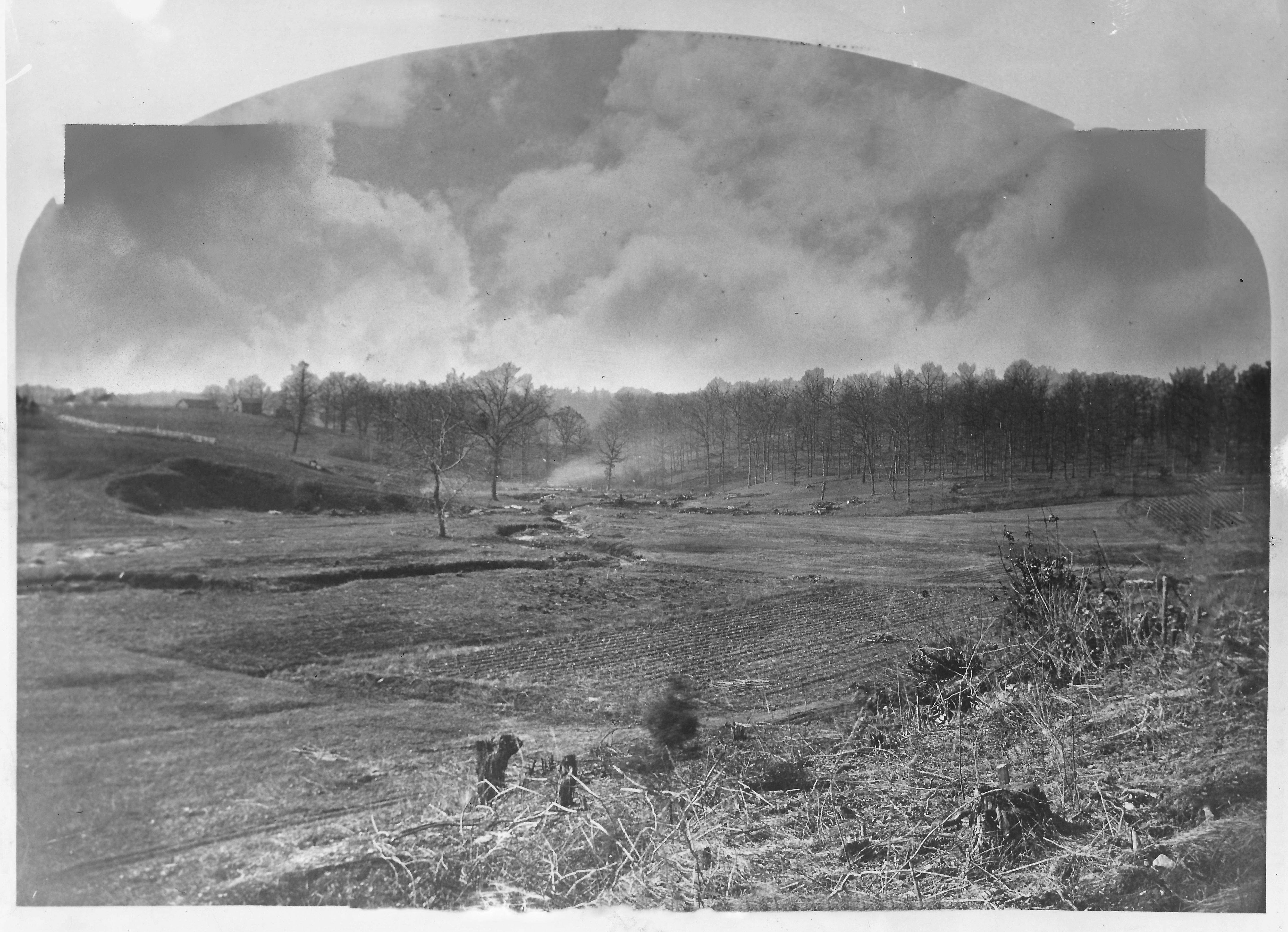
While doing research for my book a few years ago, I came across reports that mentioned a quarry on the filtration plant property. I had even seen glass plate negatives showing the quarry with its mills. But for the life of me, I could not find it or figure out where on this 300 acres it was located.

untitled-1

This 1894 map shows the quarry in relation to Lake Montebello.

mont-10-13-276

This photo taken in 1913 shows the quarry and mill.

mont-10-13-293

Another view of the quarry.

mont-10-13-286

And another.

OLYMPUS DIGITAL CAMERA

In 2011 I was on a mission – to find the quarry. I started roaming around in the woods, in search of it. I was not able to roam too much though – the area was really overgrown. From atop a rock, I saw water.

OLYMPUS DIGITAL CAMERA

So I climbed down to take a look. It was just too overgrown to make an accurate assessment as to whether or not this was it. I tried to match the rocks to the 1913 photos.

OLYMPUS DIGITAL CAMERA

One of my bosses back then said that he remembered the quarry in the late 60s. That his father and others in the neighborhood use to dump stuff in there. He believed that the quarry was filled in back in the early 70s.

OLYMPUS DIGITAL CAMERA

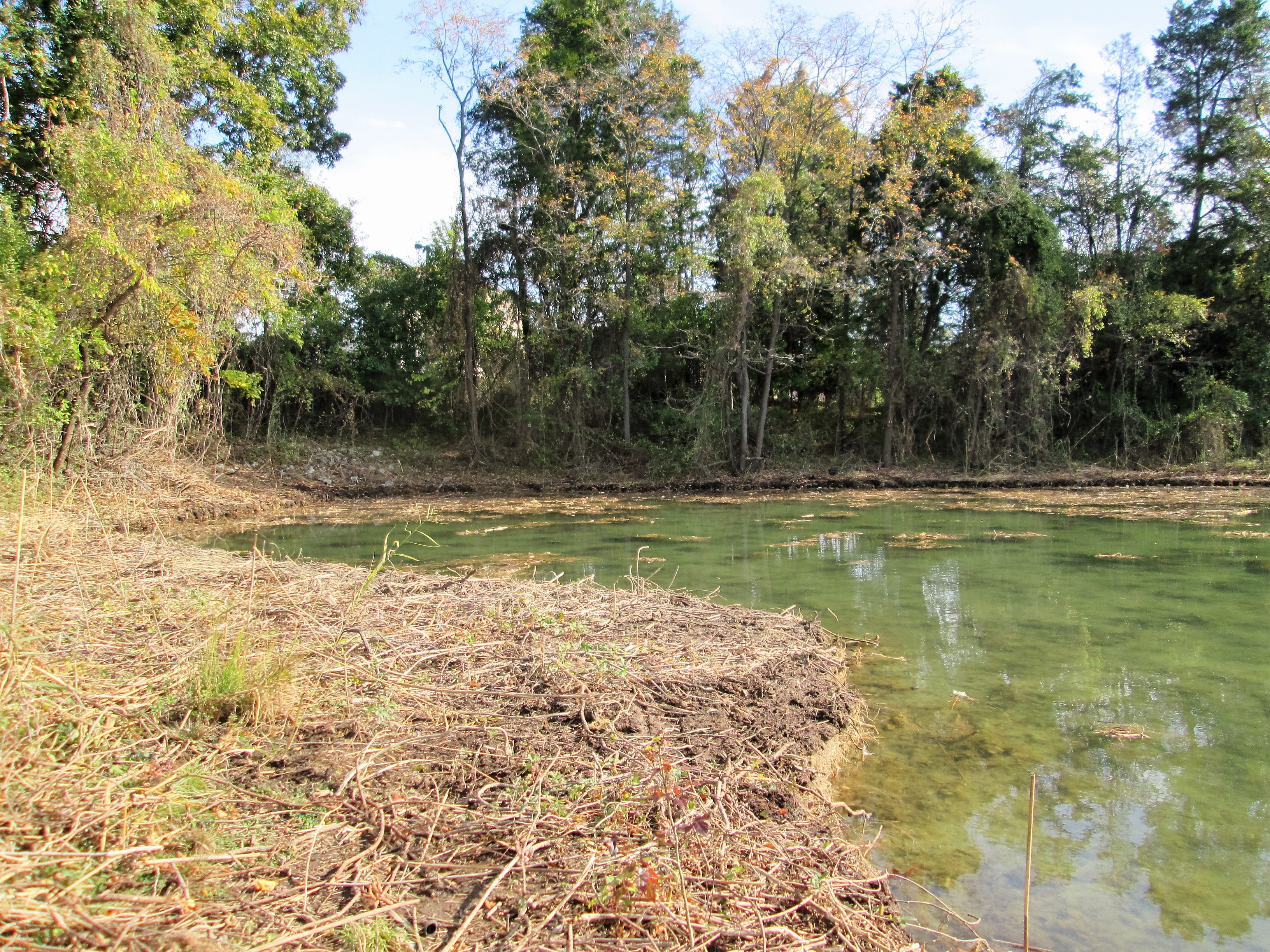
Then in 2013 the Federal Government said all the sewers in Baltimore needed improvement. A contractor went to the area and moved the sewer pipe out of Herring Run stream and into this area. In the process, clearing the area I was unable to get to before. Doesn’t look much like a quarry.

OLYMPUS DIGITAL CAMERA

Another view.

049

The other day I went back down to see how it looked. Soon it will look like it did in 2011. In just 3 years it is becoming overgrown.

087

Another view.

052

The one good thing about my job – I get to hike thru areas like this!

100

My lucky day!  A green Mushroom!

Waste Lake Chronicles

31 Monday Oct 2016

Posted by Ronald Parks in Baltimore, Hiking, water history

≈ Leave a comment

Tags

Baltimore, boats, engineering, FILTRATION, Hiking, HISTORY, Lake Montebello, Montebello, Public Works, water history

Checking on the contractors the other day, I saw that they had pretty much cleared most of the shoreline…nice day for a hike around the lake.

wl1

Started on the SW side looking towards Morgan State University.

wl2

Headed up to the far end, closest to Hillen Road. The old surge shaft from Loch Raven is to the right. The dredge and barges could not get this far up.

wl3

Looking down from on top – the sludge. This is a by-product of what goes on in the filtration plant. Lots of sand at this point. The sand is used to filter the drinking water and when the filter becomes clogged, we backwash it. Unfortunately the pressure from backwashing pushes sand into the drain and ends up here.

wl4

More sand and sludge.

wl5

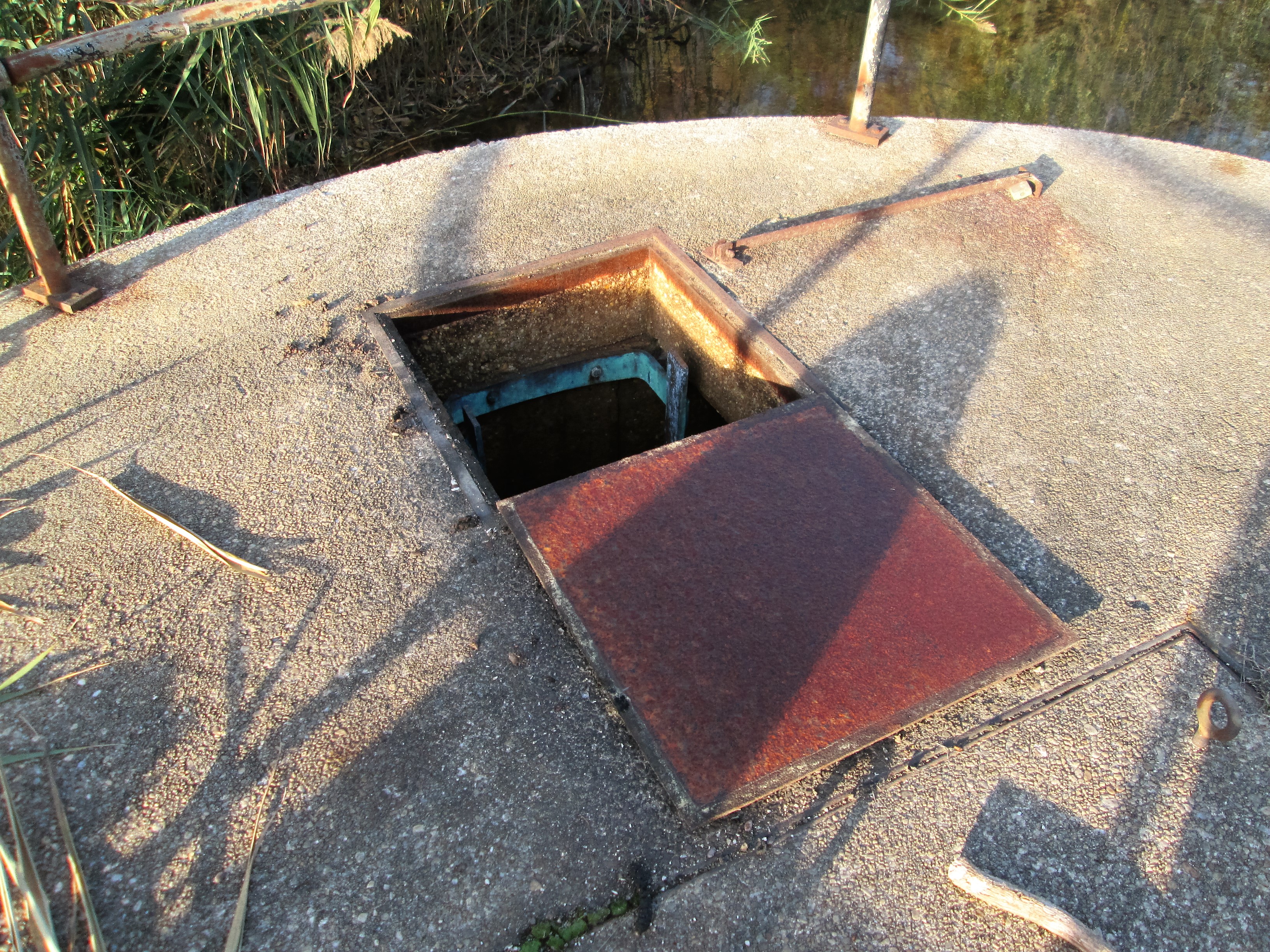
Since I was up here, I figured I would look down the hatch. The contractor had some concerns about getting too close to this structure. He said they could see a pipe that I told them to stay away from.

wl6

The pipe coming thru the wall at the top, is laid in the waste lake bed. It is about 10′ under the water surface. Although capped off, it would still cause problems if broken. I was supposed to climb out of this shaft a while ago…after an inspection of the old 1880 Loch Raven tunnel. (5-1/2 mile hike). Cancelled due to safety concerns.

wl7

Heading down the NE side. Watching the small barge and excavator get as close as he can.

wl10

The large excavator and barges. These barges are only about 5 feet tall. They displace only 2 feet of water. That just amazes me.

wl8

Soon, we will be testing pumps up on Deer Creek. This will be water from the Susquehanna River. It is very dirty water so we will just dump it instead of letting it go into the plant. See that tower in the background? That is the Susquehanna Surge shaft. When the DC pumps come on and the water flows 36 miles to this point, closing the valves to not let it in, well, the water has to go somewhere. It goes up that shaft and then out thru the drain you see to the left of the boat. 50-60mgd. The dredging should be done by then and their equipment removed. If not, they better tie that stuff down!

wl9

Continuing my hike down the shoreline.

wl11

Some spots were a little rough to navigate across.

wl12

Here is that cove I mentioned in an earlier post. Deer tracks everywhere.

wl13

The 4 million dollar problem – already rearing its head in the warm sun!

Oxford Pa. and Stafford Md.

28 Friday Oct 2016

Posted by Ronald Parks in Hiking, Photography

≈ 3 Comments

Tags

books, bridges, Conowingo, engineering, HISTORY, nature, photography, trains, Travel

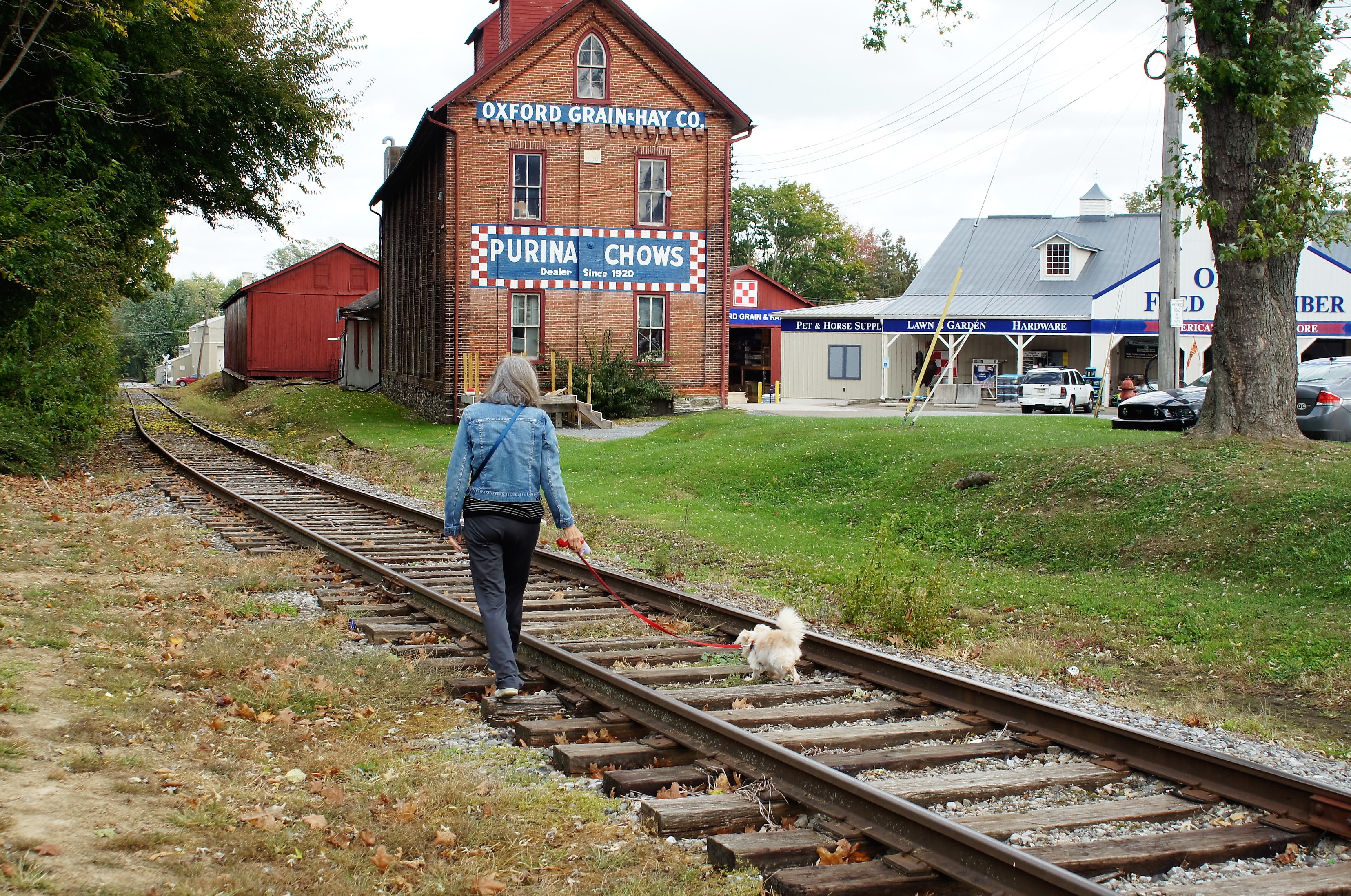
The other day Kathy, Molly and I decided to take a ride to Oxford, to an old used bookstore just south of town. It has been a couple years since I was there. I met the author, Mark Bowden (Black Hawk Down) the last time I visited. The place has changed since then, but still nice. (Anywhere that sells old books is nice!) We left there and roamed around town some. Being a Sunday, most shops were closed.

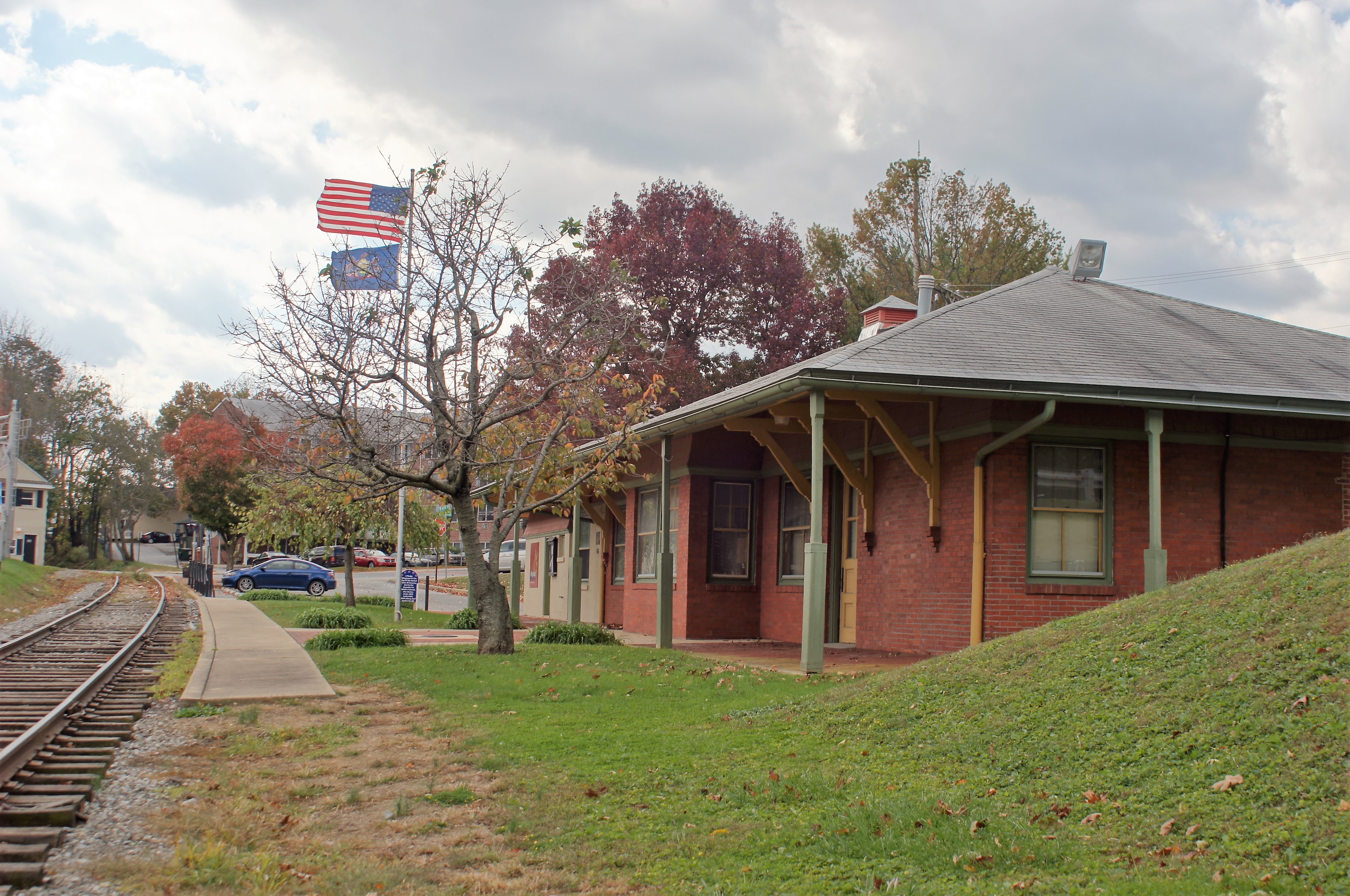
The old train station now converted into Borough Hall?

Molly smells food and is wondering where the gravy train is (Sorry Molly, Purina does not make Gravy Train!)

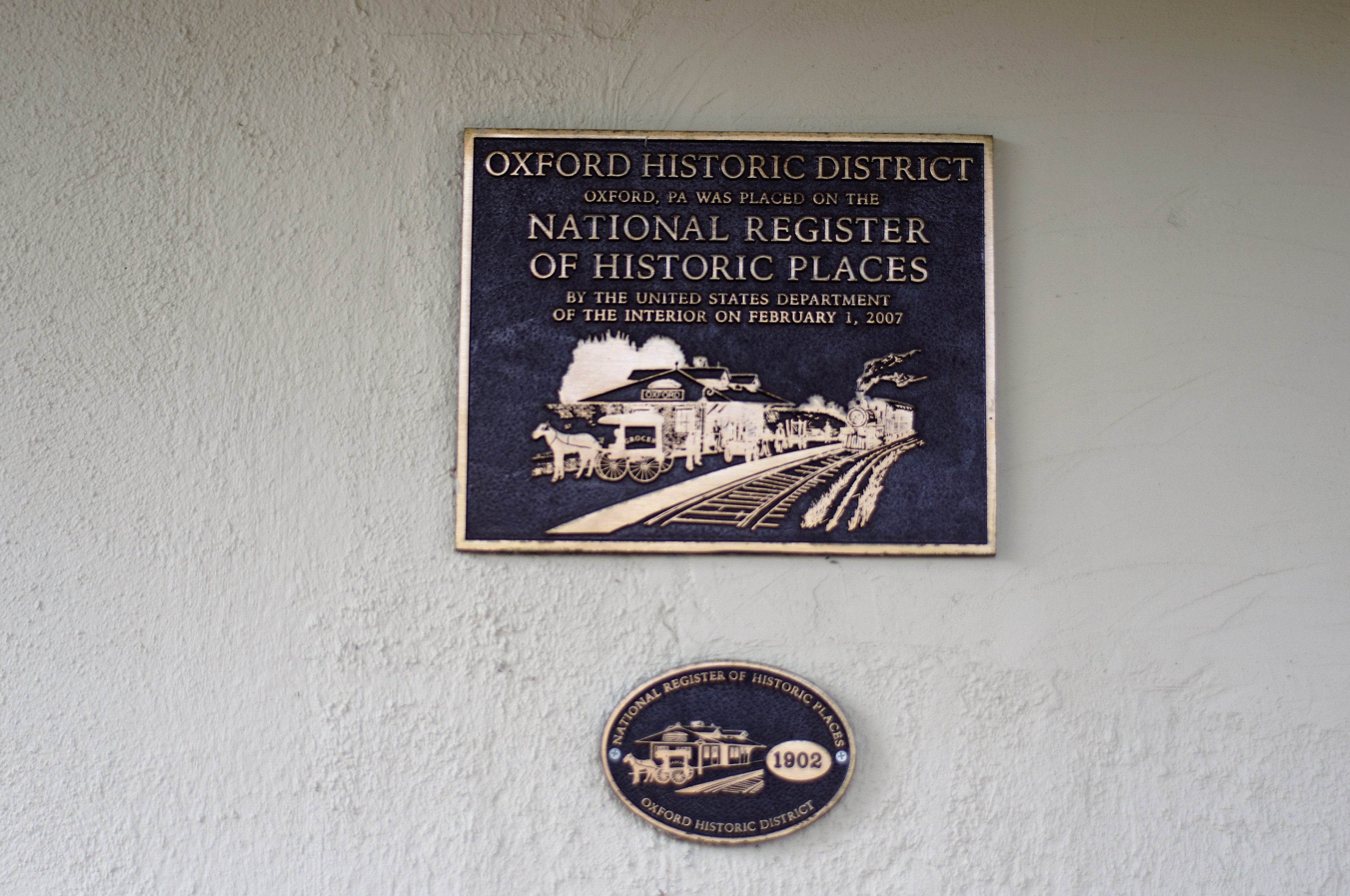
Historic Marker

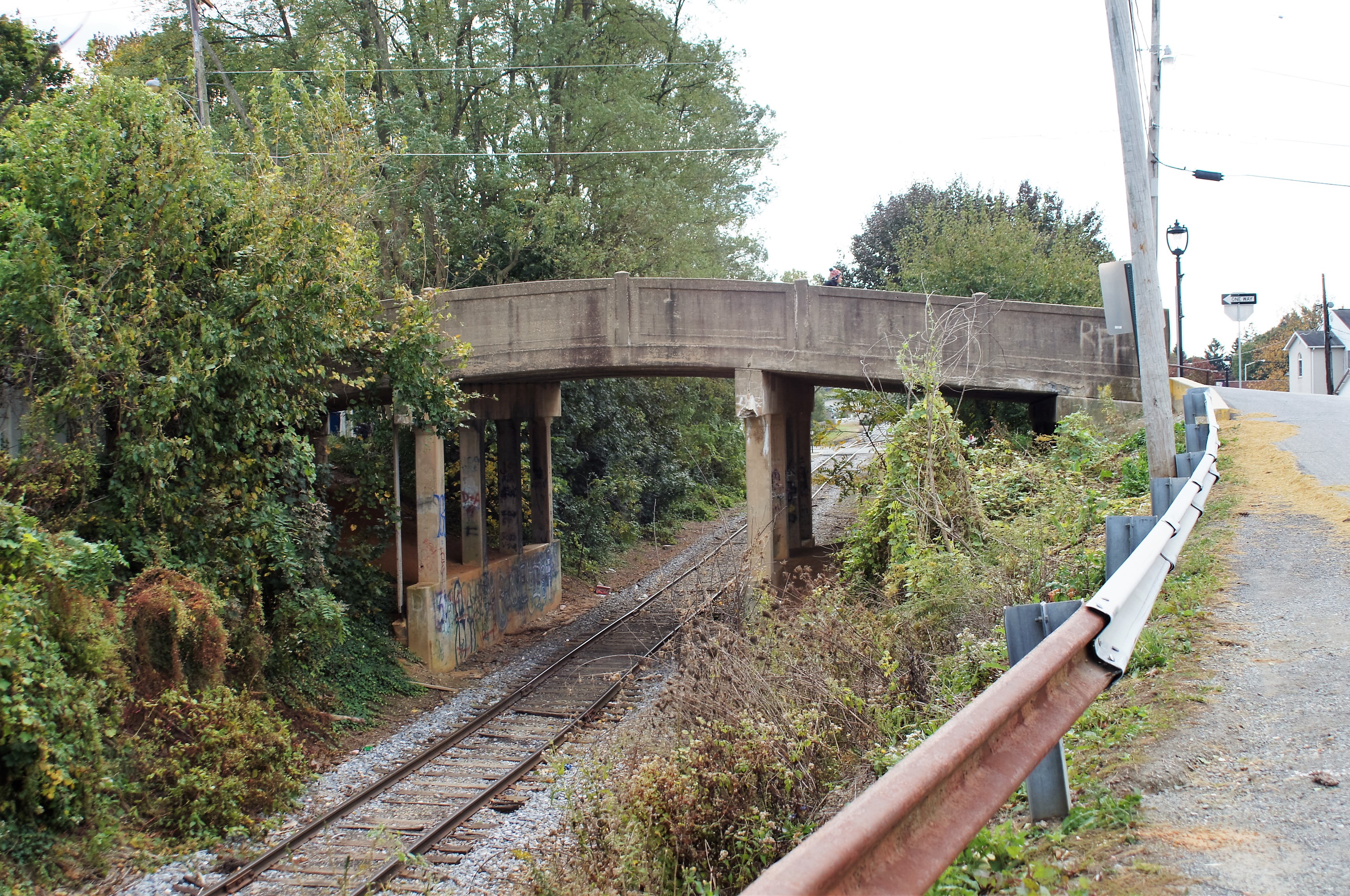
Niblock Alley train over-pass.

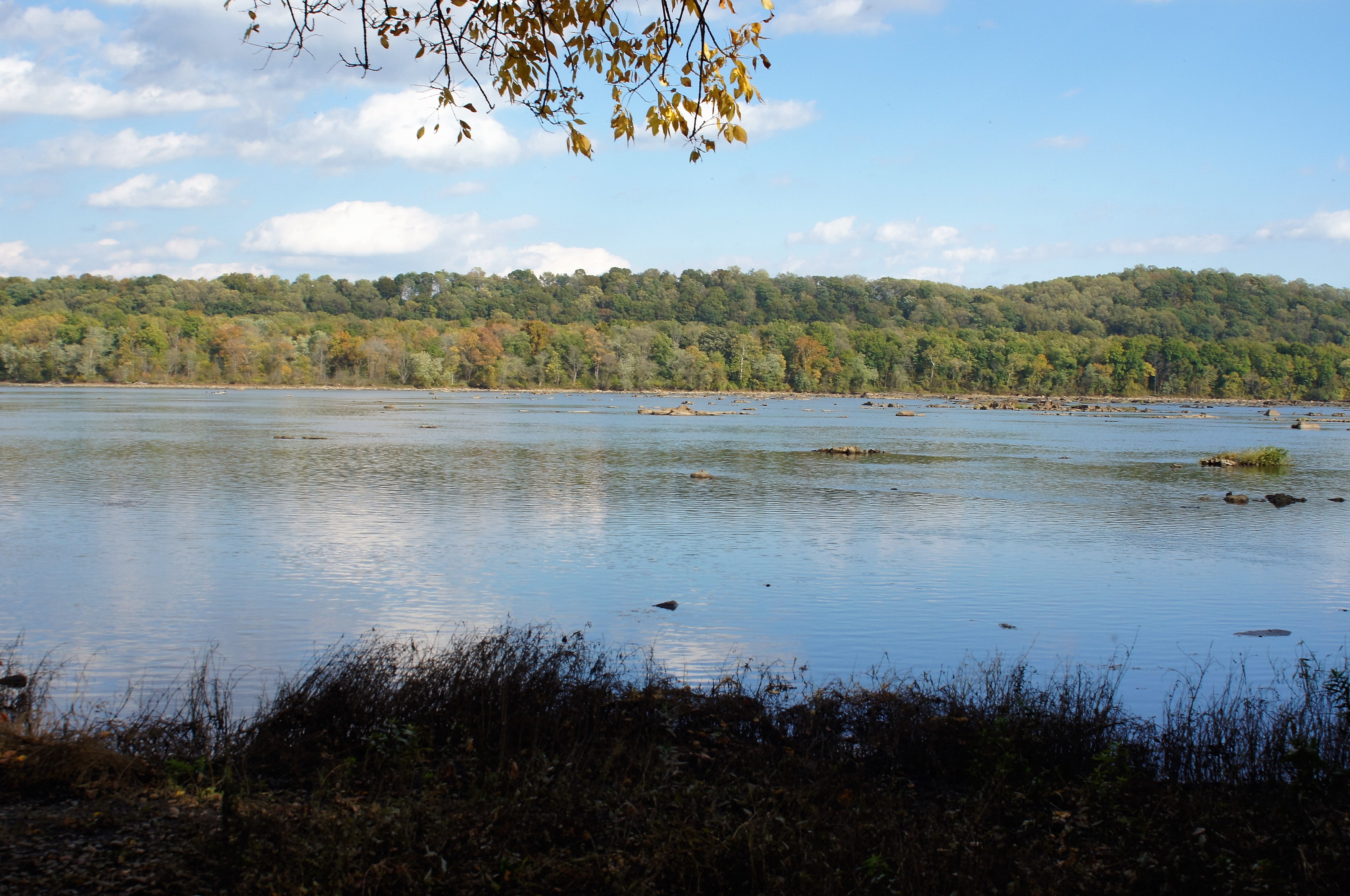
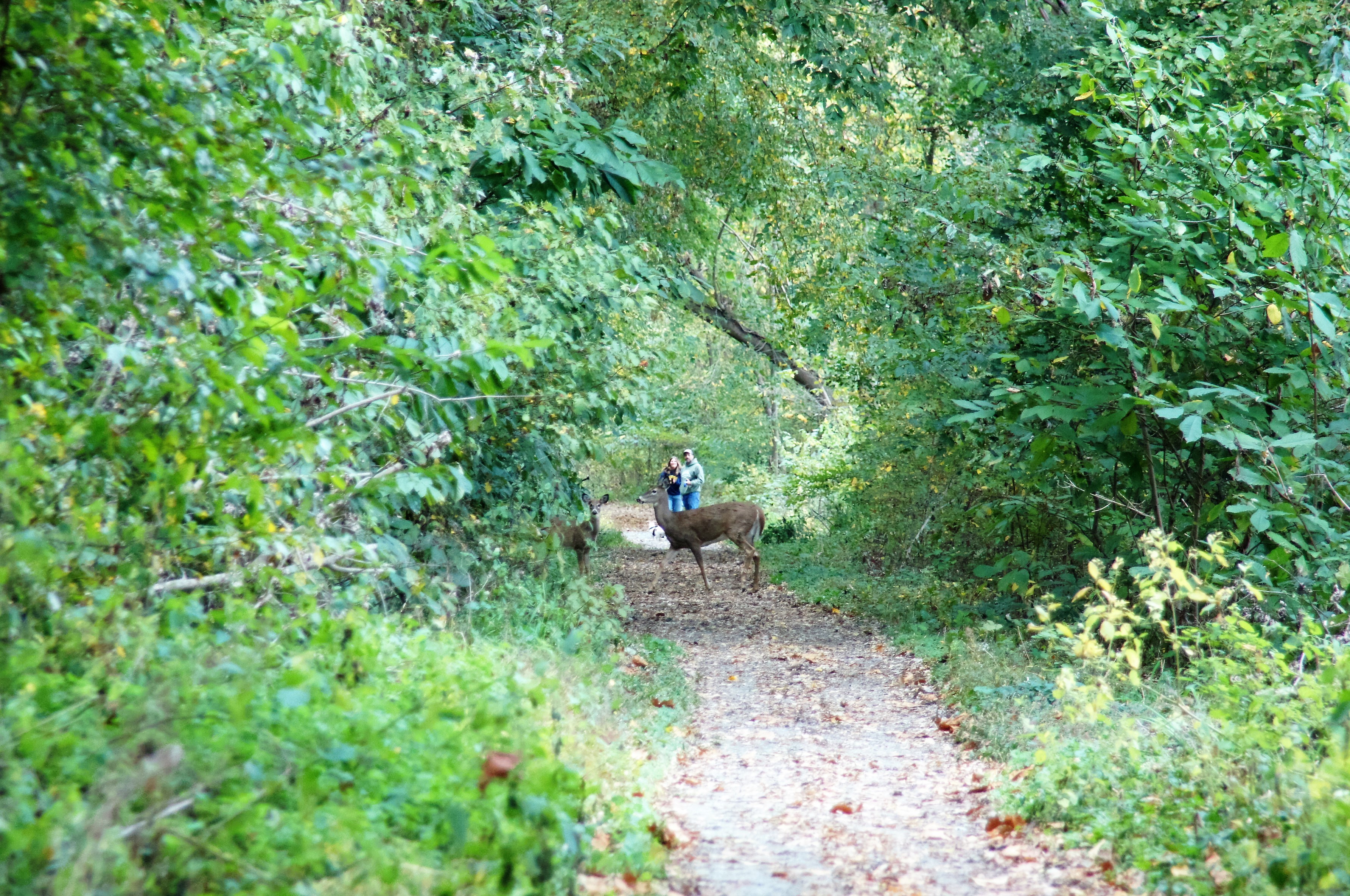
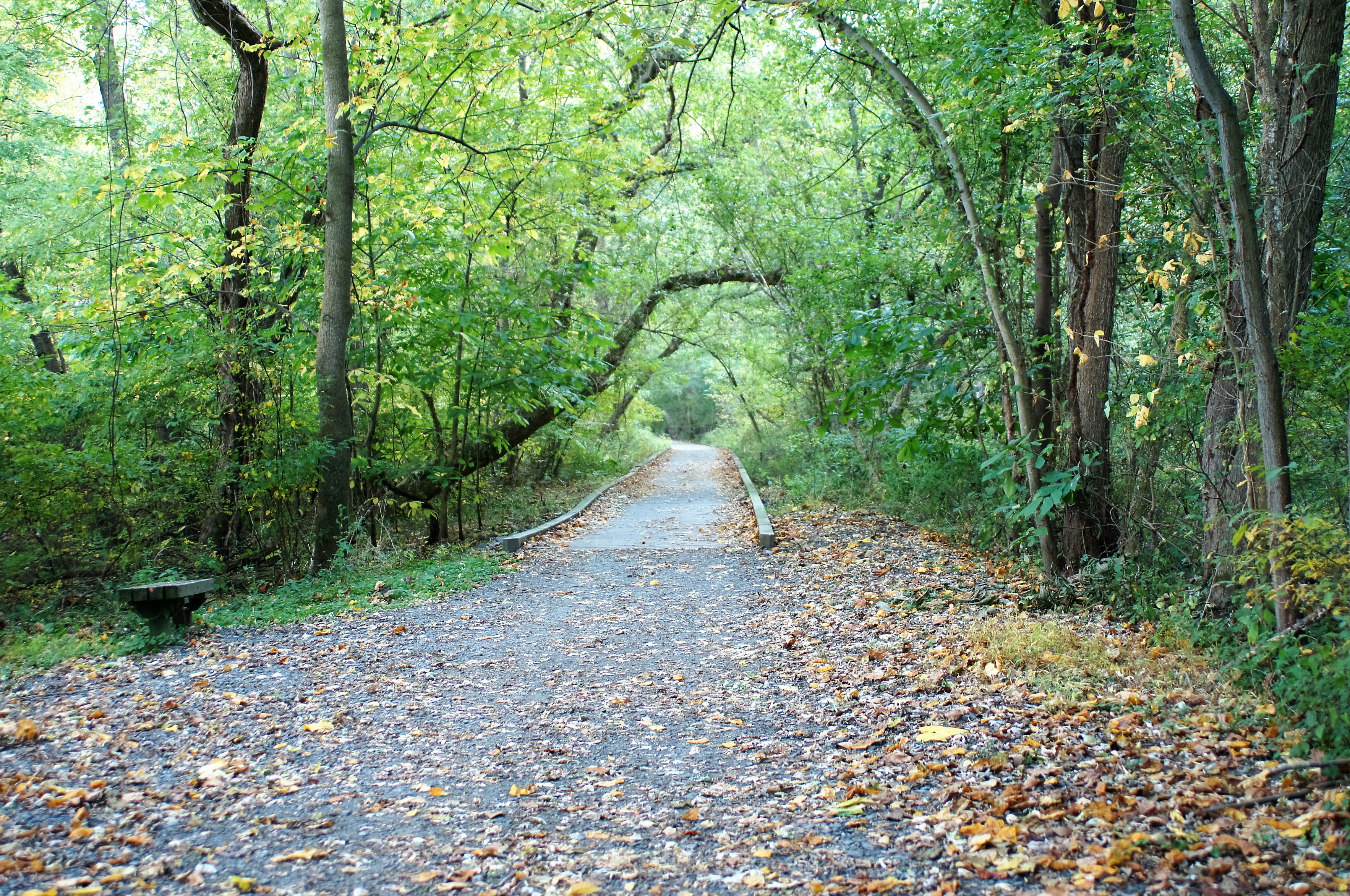
We left Oxford and decided to head to Stafford on the Susquehanna Trail. This was a nice 4-1/2 mile hike. Unfortunately – no Fall Foliage.

Uncertain of which way to go…back into the woods then.

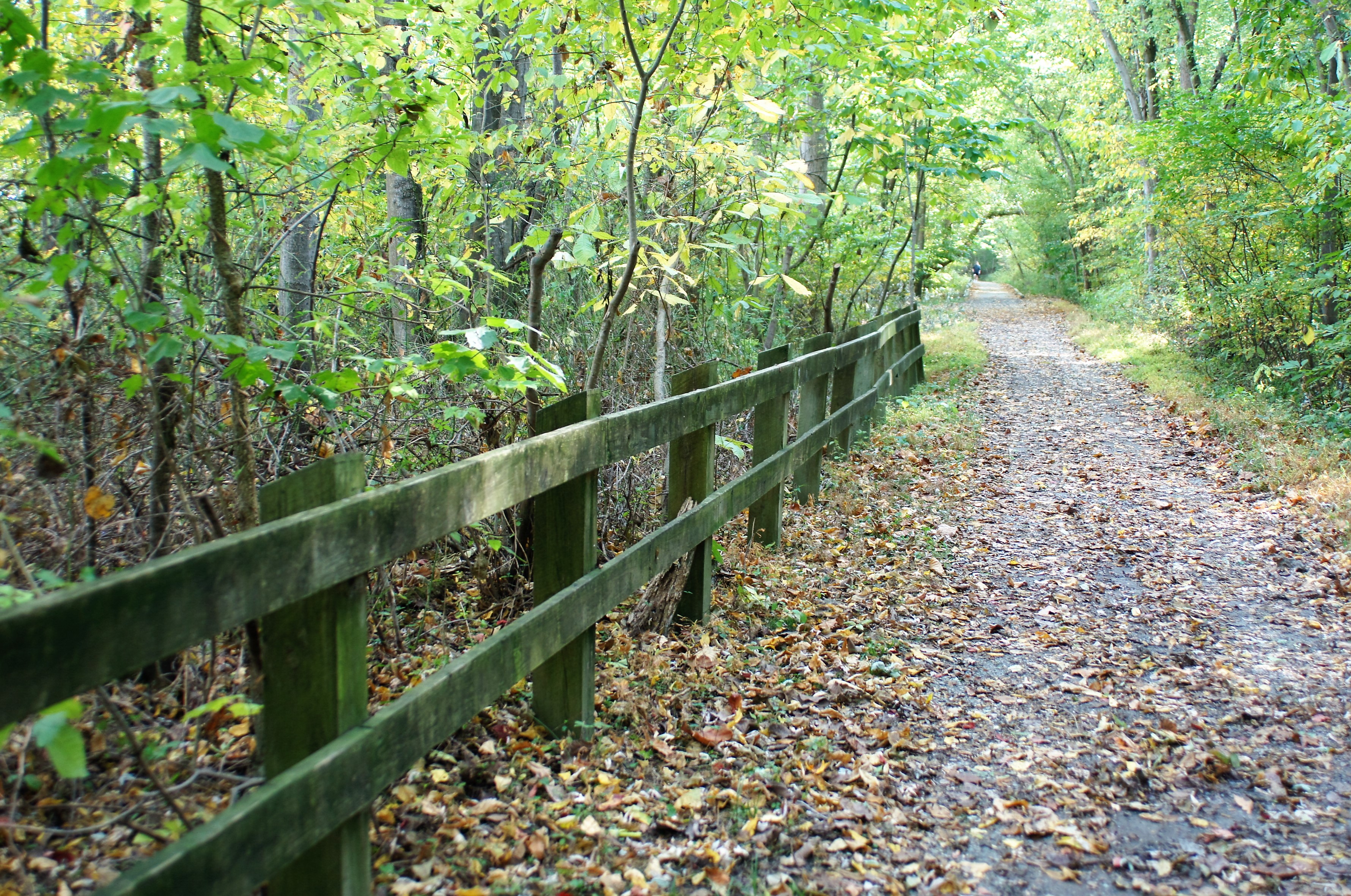
Not sure the purpose of this fence, but I like it.

The path is over old train tracks. These tracks were put here when the Conowingo Dam was built. Carried supplies and men to and from town.

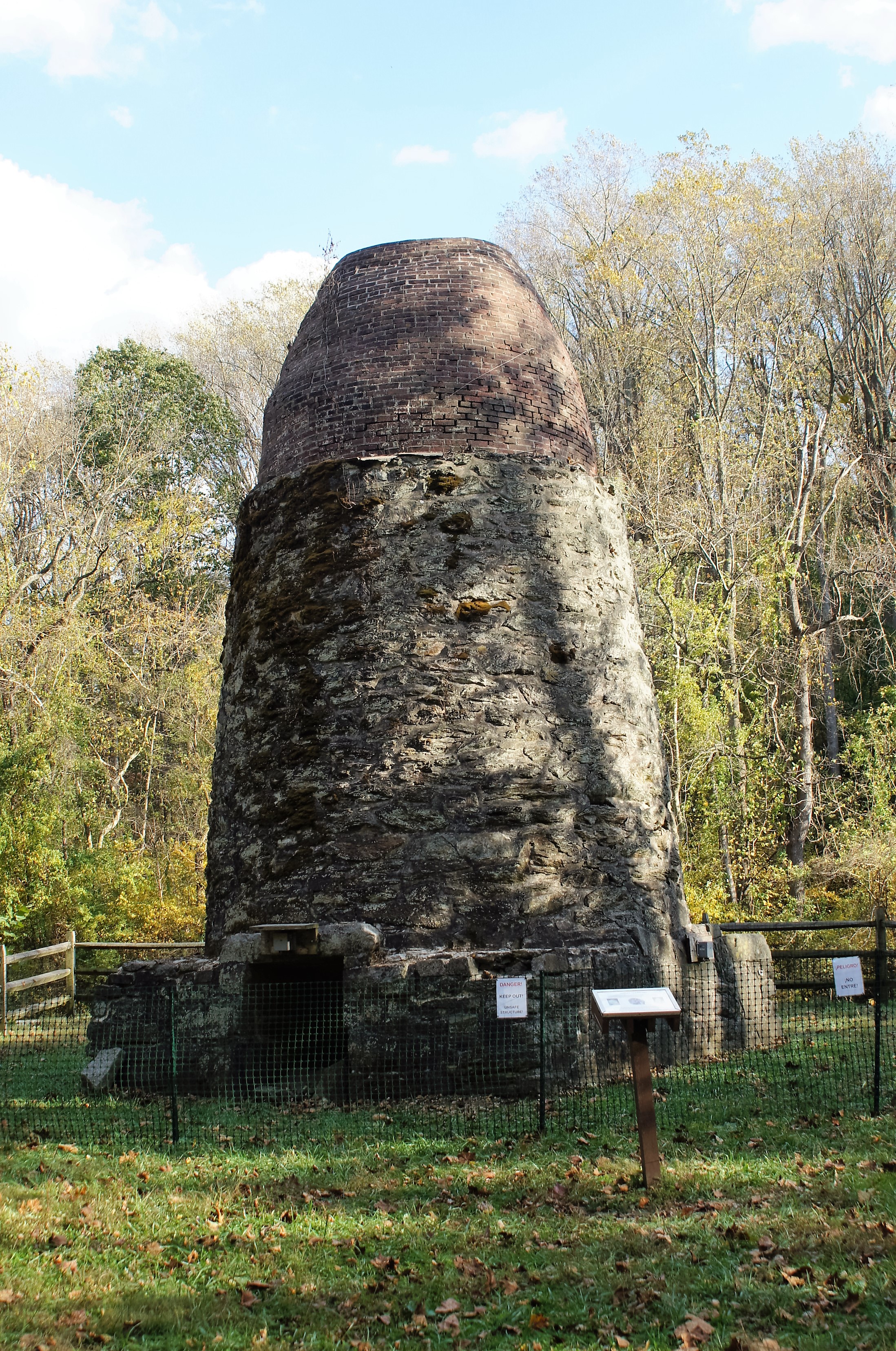
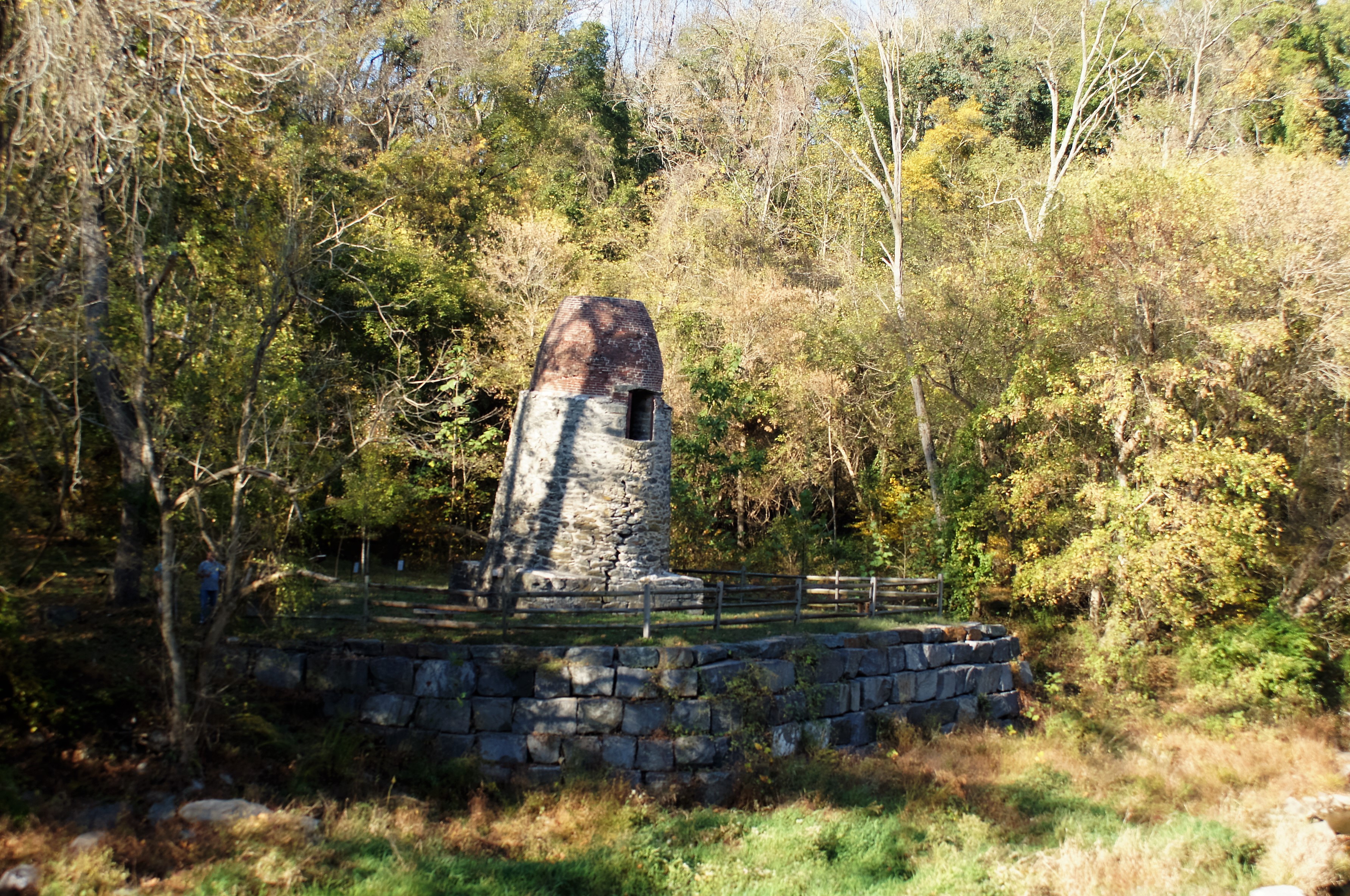
The Stafford Flint Furnace. This structure is a couple hundred years old. It took a beating during the great quake of 2011.

As can be seen in this photo. They put seismic measuring devices on it. That won’t save it.

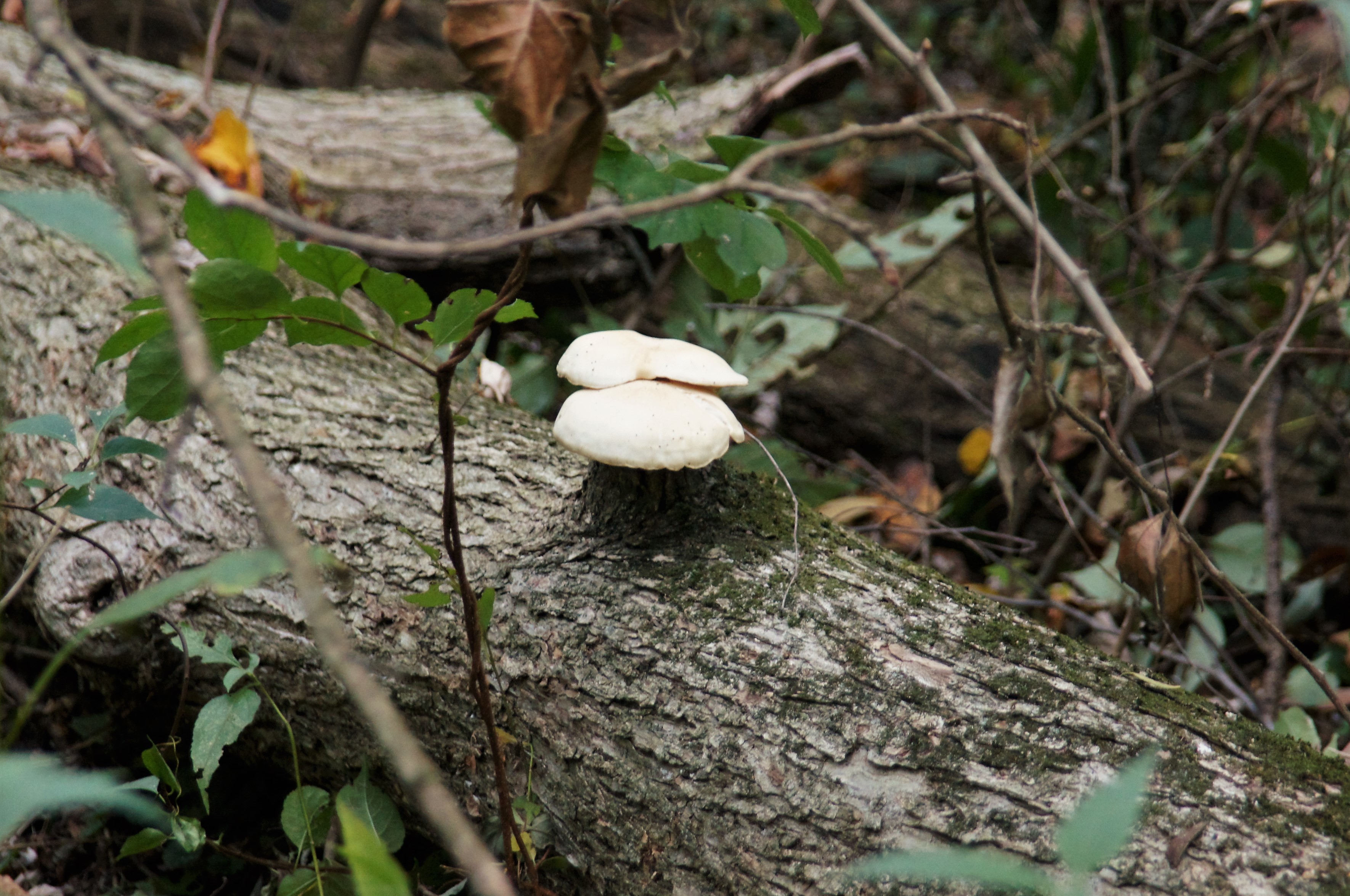
Triple headed shrooms and our hike is done! Nice day!

Roland Water Tower

24 Monday Oct 2016

Posted by Ronald Parks in Baltimore, engineering, HISTORY, water history

≈ 3 Comments

Tags

Baltimore, engineering, FILTRATION, HISTORY, Lake Roland, Montebello, POLITICS, Public Works, water, water history

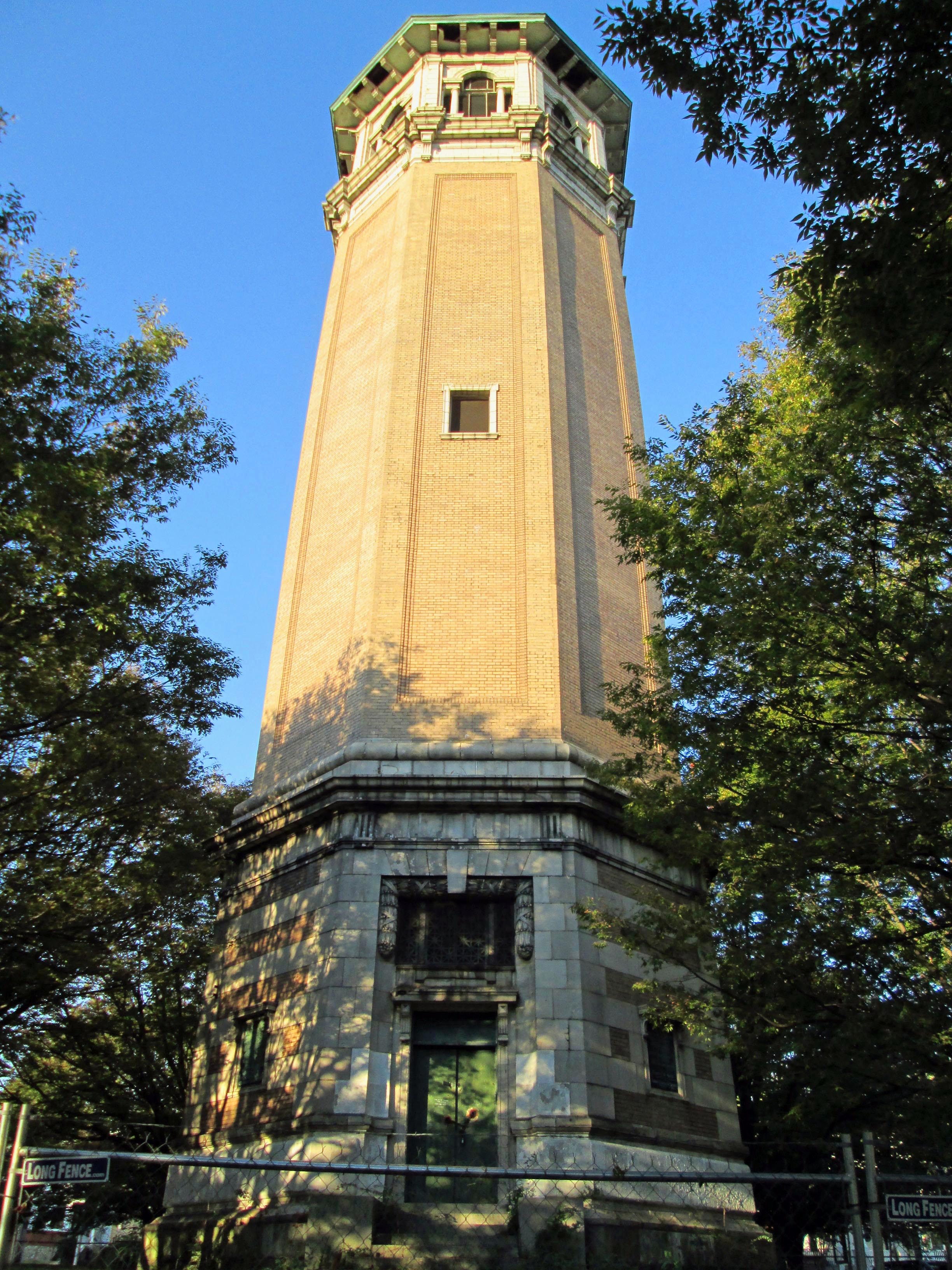
Received an email – you know the kind – a city resident has a complaint, goes to their City Council Person, goes to the Director of Public Works, goes to my boss – who sends it to me to investigate: The area around the Roland Water Tower is the site of 24/7 drug dealing activity. Shouldn’t this complaint have gone to the police? Being the good employee that I am, I went to investigate. For a 24/7 drug spot, the grounds looked clean and I saw only 2 people, walking their dogs. My mission was to see if there was any available electricity for new lighting? There are already 5 street lights surrounding the property. I could not get inside the tower itself to see if there was electric. I doubt it.

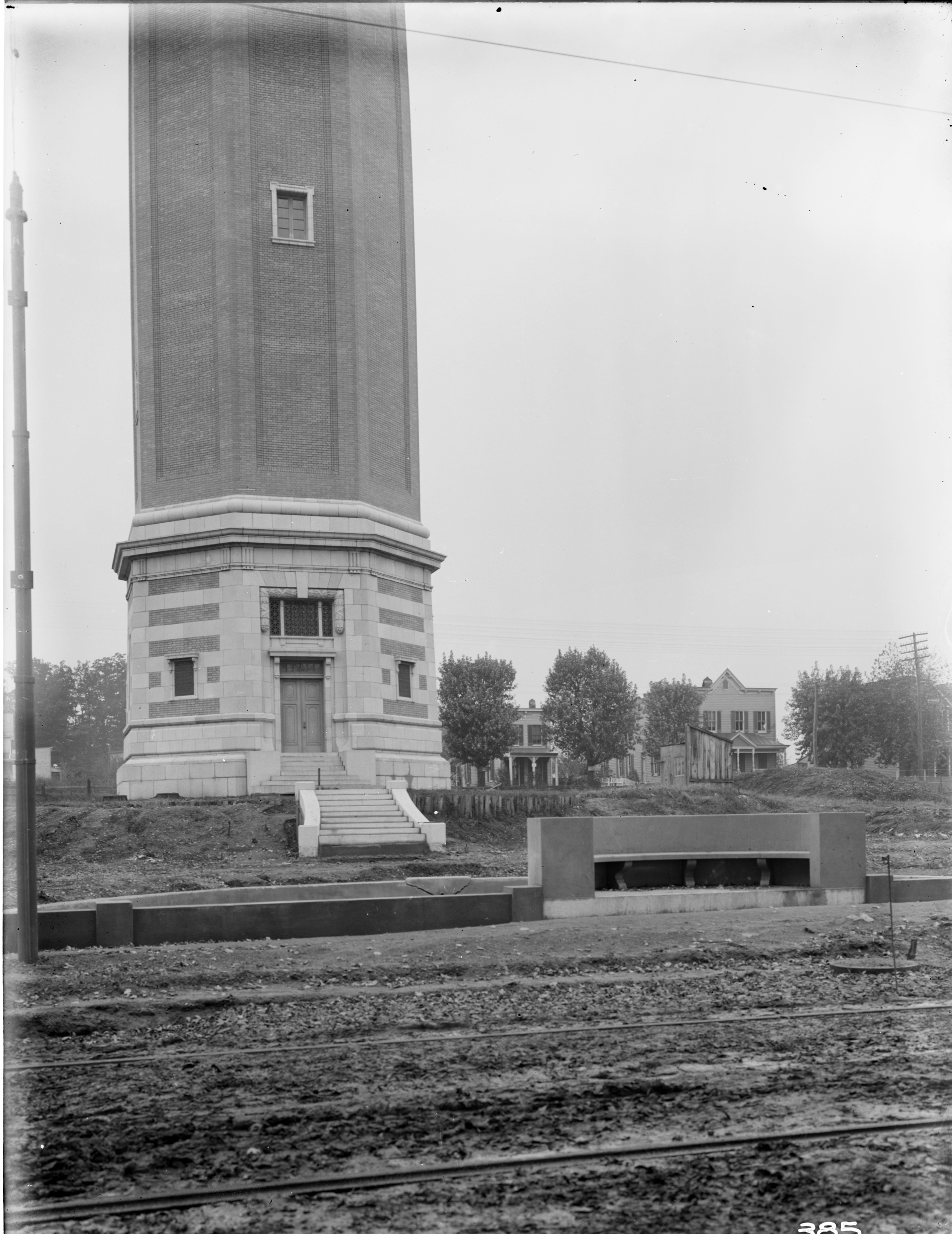
Time for a history lesson: The Tower was built, according to the bronze tablets, between 1904 and 1905. According to my records the contract was awarded to two contractors – one for the steel tower and one for the brick enclosure. Then later, another contractor for the concrete pool and steps.

rsp02

The steel stand pipe being built by Tippett and Wood.

rsp01

The brick enclosure by John Stack. The steps and pool by the Andrew Co.

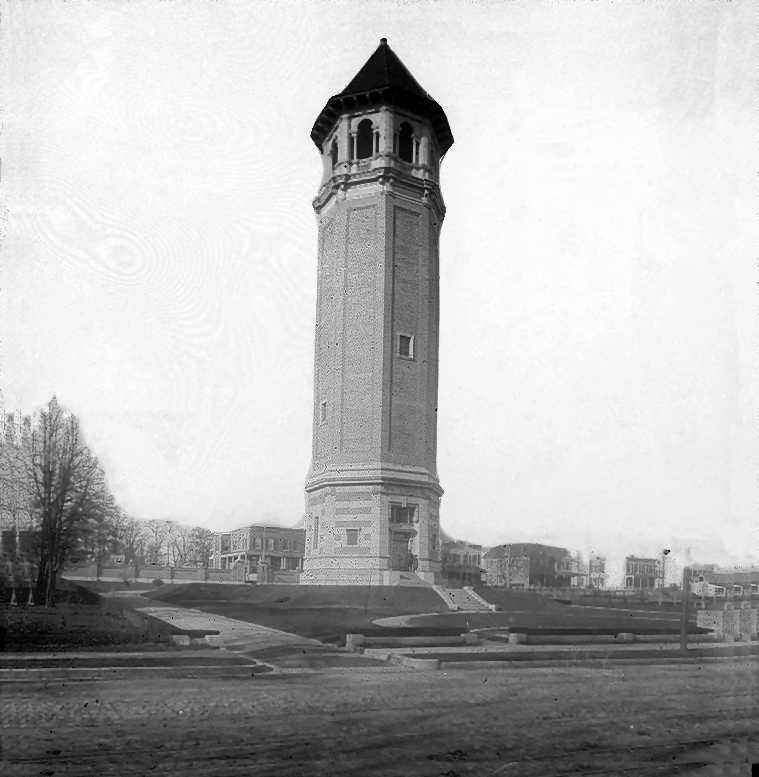
rsp06

The finished tower.

rsp04

As it looked this morning. There is a fence around it, which I was able to go through.

rsp05

Pieces of the tower are falling down. This is the purpose of the fence – to keep people out and to keep people away from the falling pieces.

The tower held about 213,000 gallons of water that it received from Druid Lake. The design was by William Fizone, who also designed the Montebello Filters. The pool has been filled in. In 1939 the Water Board turned the property over to the City Comptroller. In 2009 and again in 2011 consultants were hired to figure out what to do with this abandoned tower. It had a couple times been turned over to the Roland Park Community Association, who tried to raise funds to restore it. And it still sits – a magnet for the druggies and dog walkers.

Conowingo During Agnes 1972

21 Friday Oct 2016

Posted by Ronald Parks in 1972, Dams, engineering, Floods

≈ 2 Comments

Tags

Baltimore, bridges, Conowingo, Dams, engineering, HISTORY

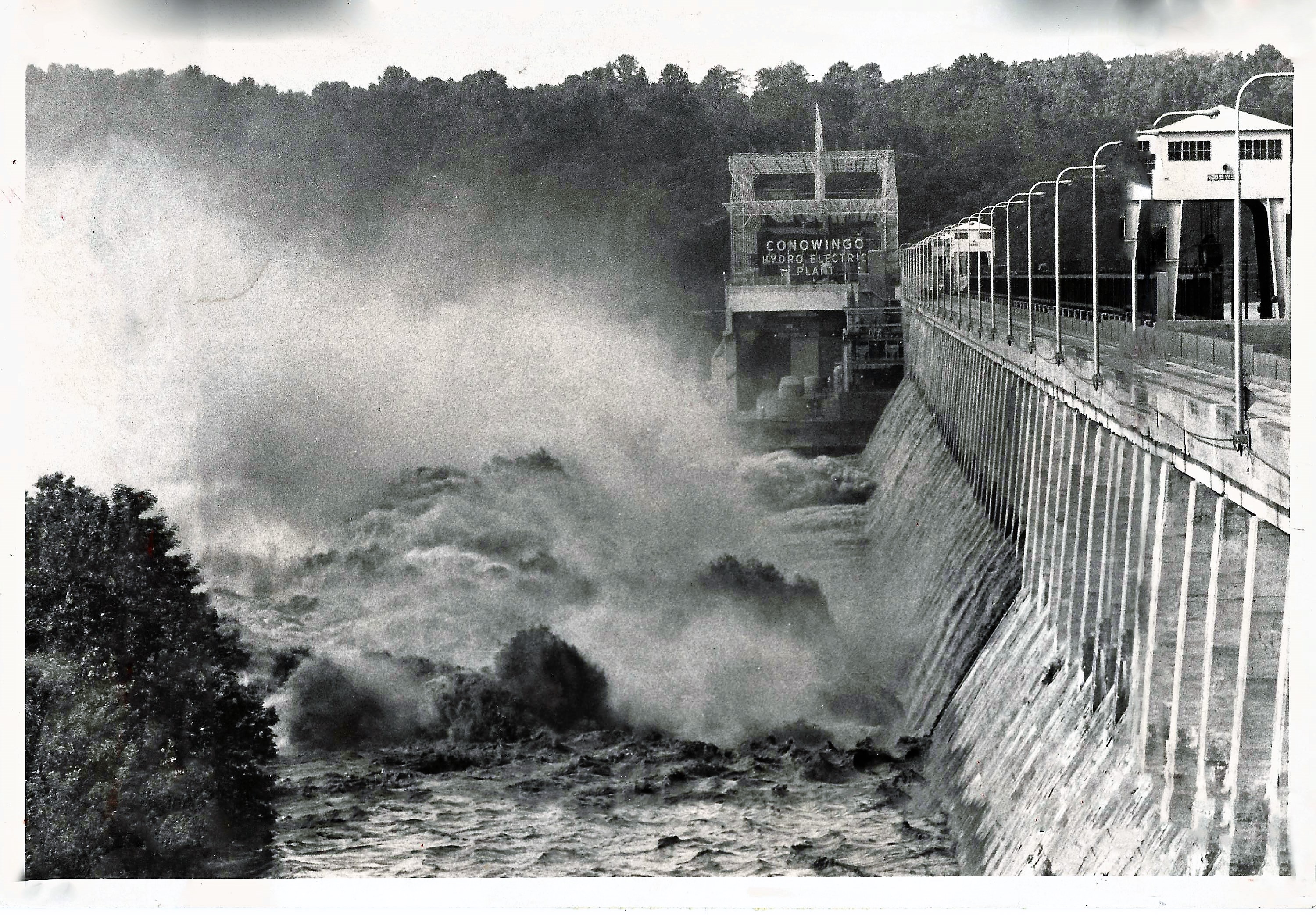
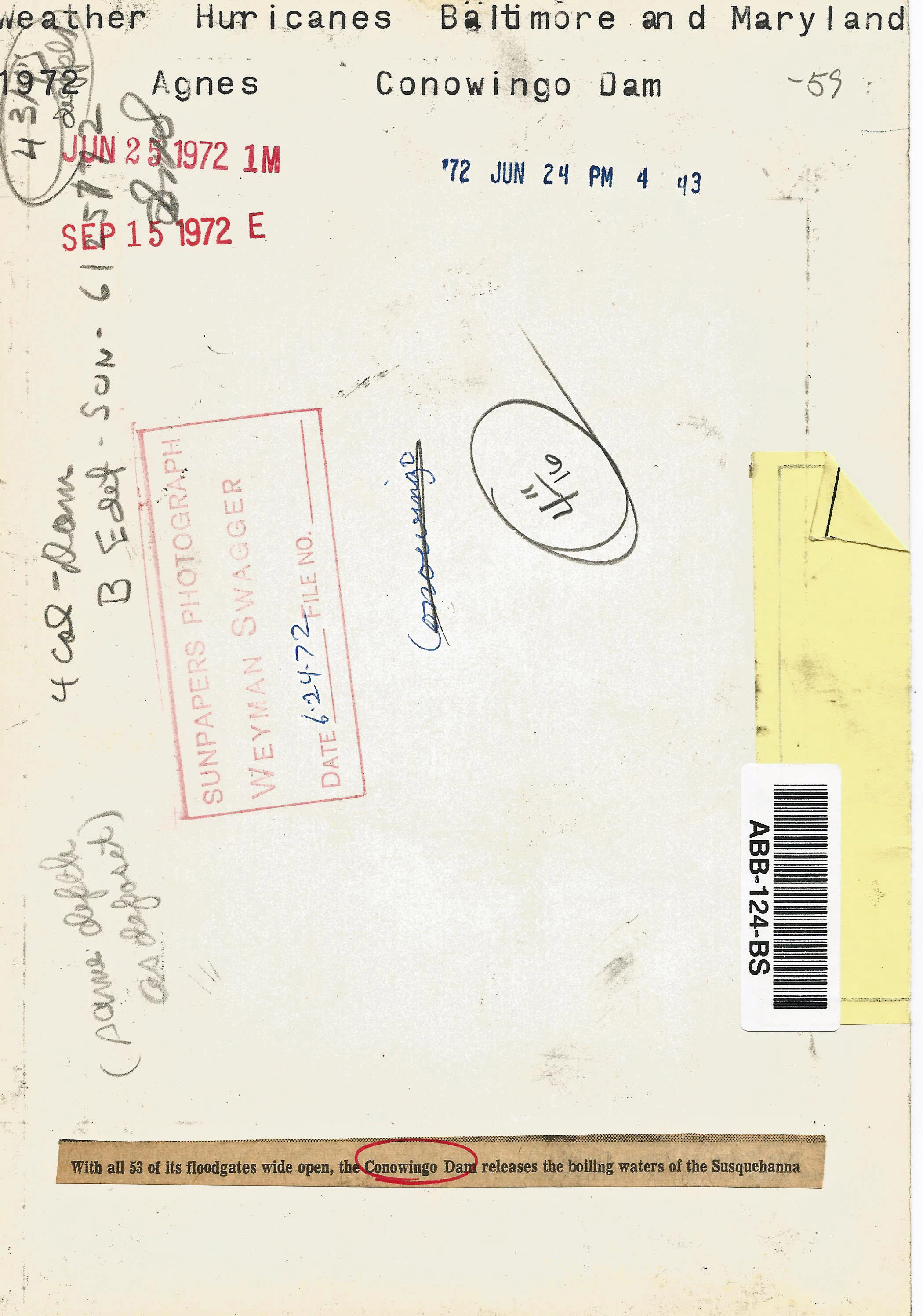
Came across this Sun Paper photograph showing, what it says on the back, that all 53 gates of the dam were opened during the storm. It doesn’t look like all 53 are opened. In a 2008 interview, a former Conowingo Employee, Elder Silvercloud tells us that many of the flood gates wouldn’t open. They were stuck. Another article I read said they were going to dynamite a portion of the dam to relieve pressure? In 2011 another storm caused them to open 43 gates. For more info, Google Search Conowingo Dam Agnes.

conowingo1

Notice there are no watermarks saying ebay or sun paper – that is because I do not steal these photos off the internet. They are in my personal collection.

conowingo2


← Older posts
Newer posts →

Blogroll

  • Flouride Action Network
  • lulu
  • My Book
  • WordPress.com
  • WordPress.org

Recent Posts

  • Bermuda 2023
  • ICELAND April 2023
  • George Chalmers of Fochabers
  • In Search of The Skipjack Ada Mae
  • Trap Pond Kayak

Blog at WordPress.com.

  • Subscribe Subscribed
    • Water and Me
    • Join 231 other subscribers
    • Already have a WordPress.com account? Log in now.
    • Water and Me
    • Subscribe Subscribed
    • Sign up
    • Log in
    • Report this content
    • View site in Reader
    • Manage subscriptions
    • Collapse this bar
 

Loading Comments...