• About
  • History Writings

Water and Me

Water and Me

Tag Archives: Gunpowder Falls

Box of Blues

20 Friday Jul 2018

Posted by Ronald Parks in Archives, Baltimore, water history

≈ 4 Comments

Tags

Baltimore, bridges, Cromwell Park, Dams, engineering, glass plate negatives, Gunpowder Falls, HISTORY, Loch Raven, photography, Public Works, Research, water history

This box has been sitting in my office for years now and as I slowly pack my office up, the box has been making its presence known more and more. This is one of those task that I didn’t want to undertake, but knew eventually I would have to. I’ve referred to it before as the Jigsaw Puzzle Box. It contains a lot of broken glass plate negatives.
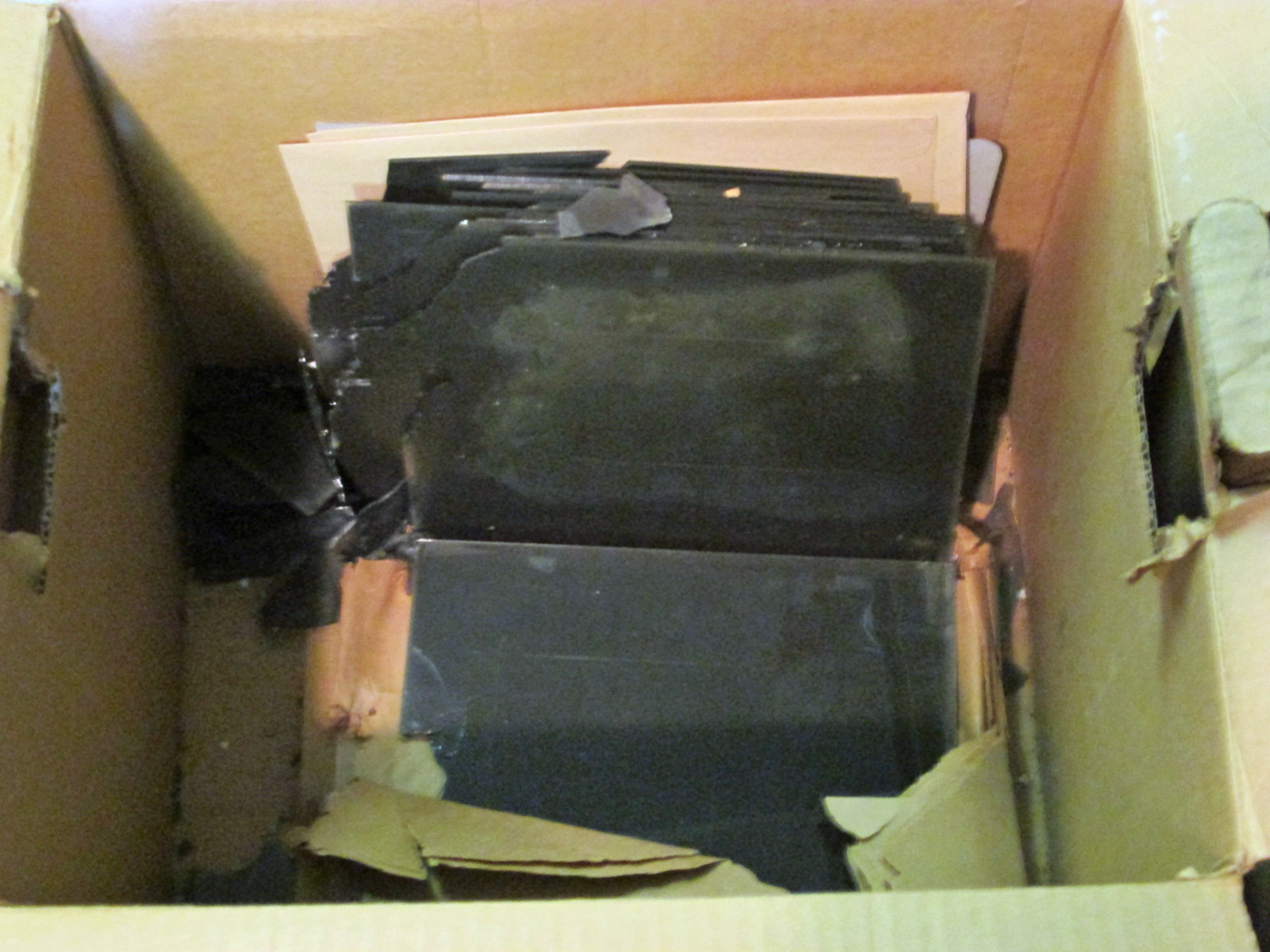
They were originally laying one on top another. No boxes or protective sleeves. I sat them on their side to try to stop some of the damage. These plates are heavy and the weight of being stacked is enough to crush themselves.

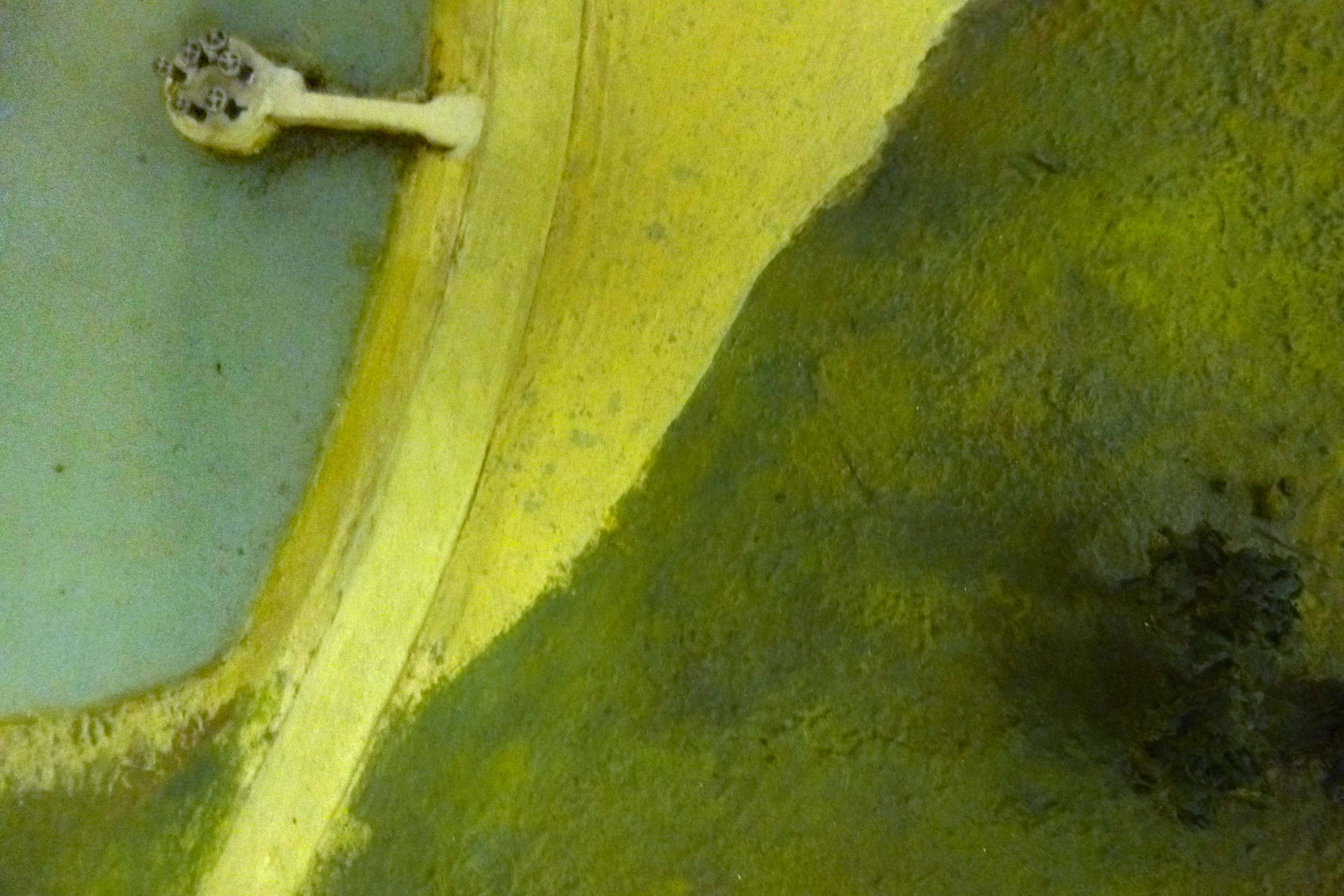
So let’s get started on cleaning and scanning. I pulled out the more intact ones first, but already there was a problem – not only were most of these suffering from severe silvering, from being improperly stored, this one was yellow (Under or over exposed when taken maybe?)
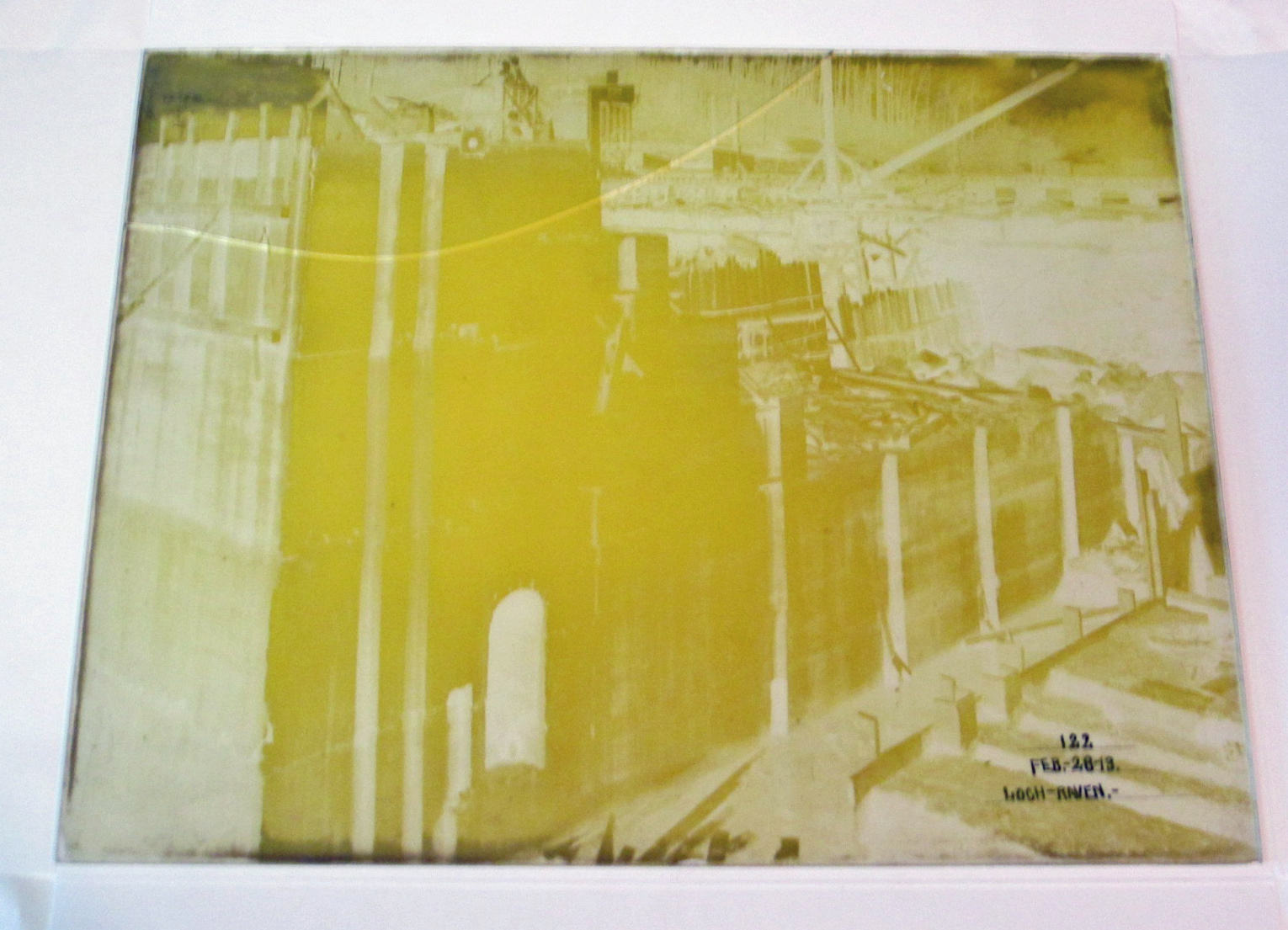
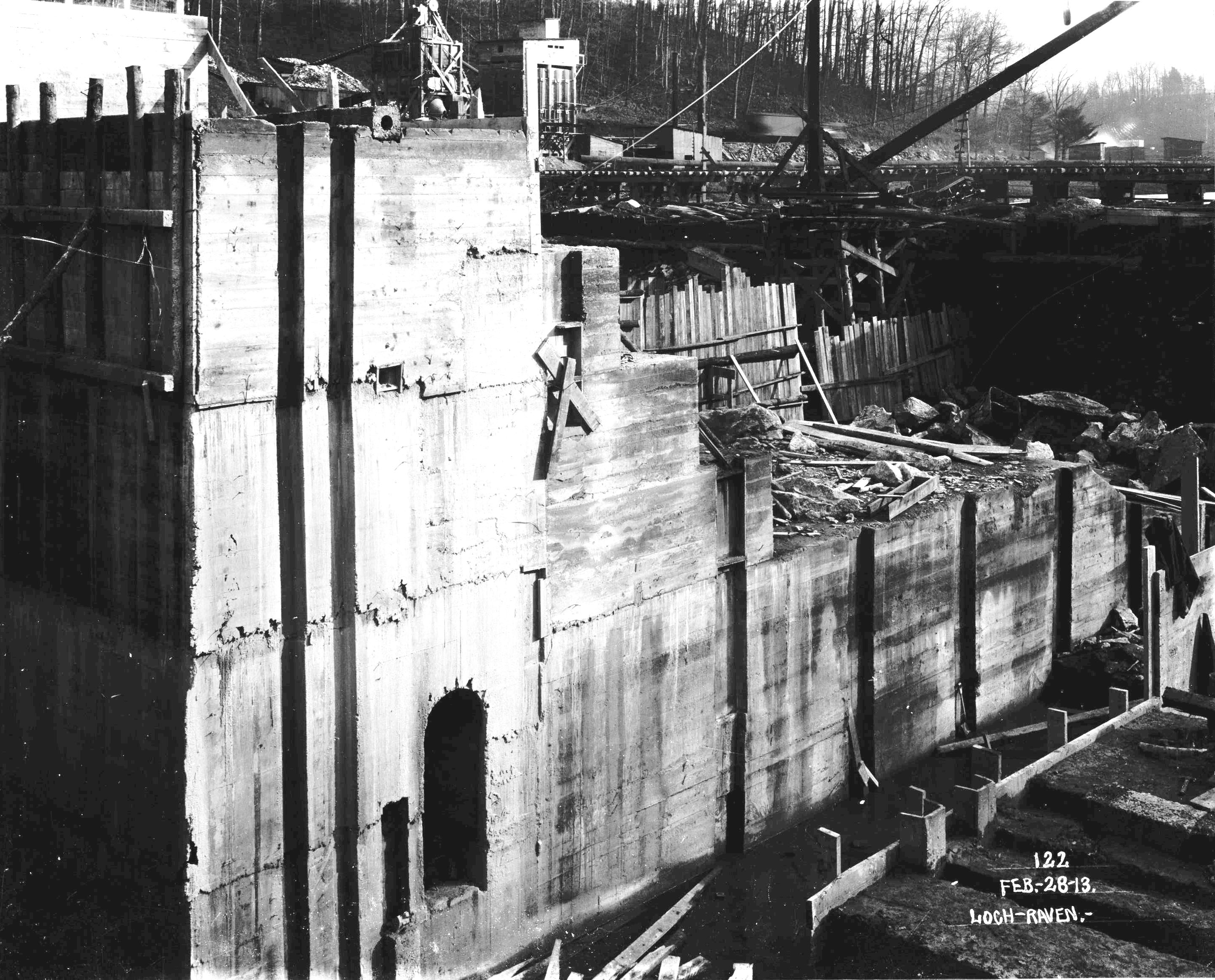
I scanned it anyway because there is something about this photo – The second Loch Raven Dam being built, showing an arched walkway through the base of the dam. A couple years ago I was told that I would be able to go on an inspection tour of the inside of the dam – I guess they forgot me…
A couple more intact plates, not found in previous collections of building the 1915 dam. I like this one, below, looking downstream of the Gunpowder River. A locomotive riding the spur track in the distance and a person on the trestle.
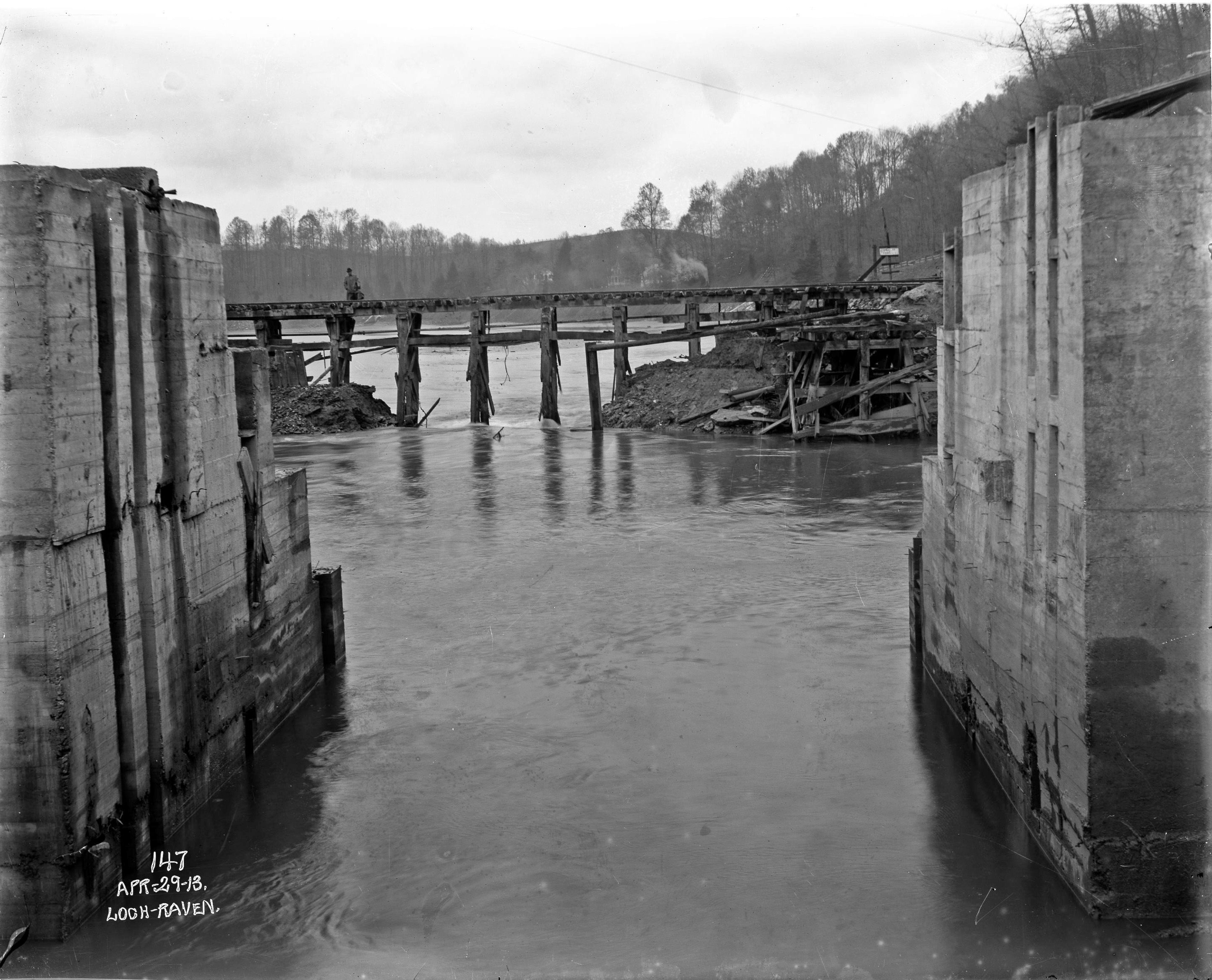
A view looking upstream from the cofferdam. 
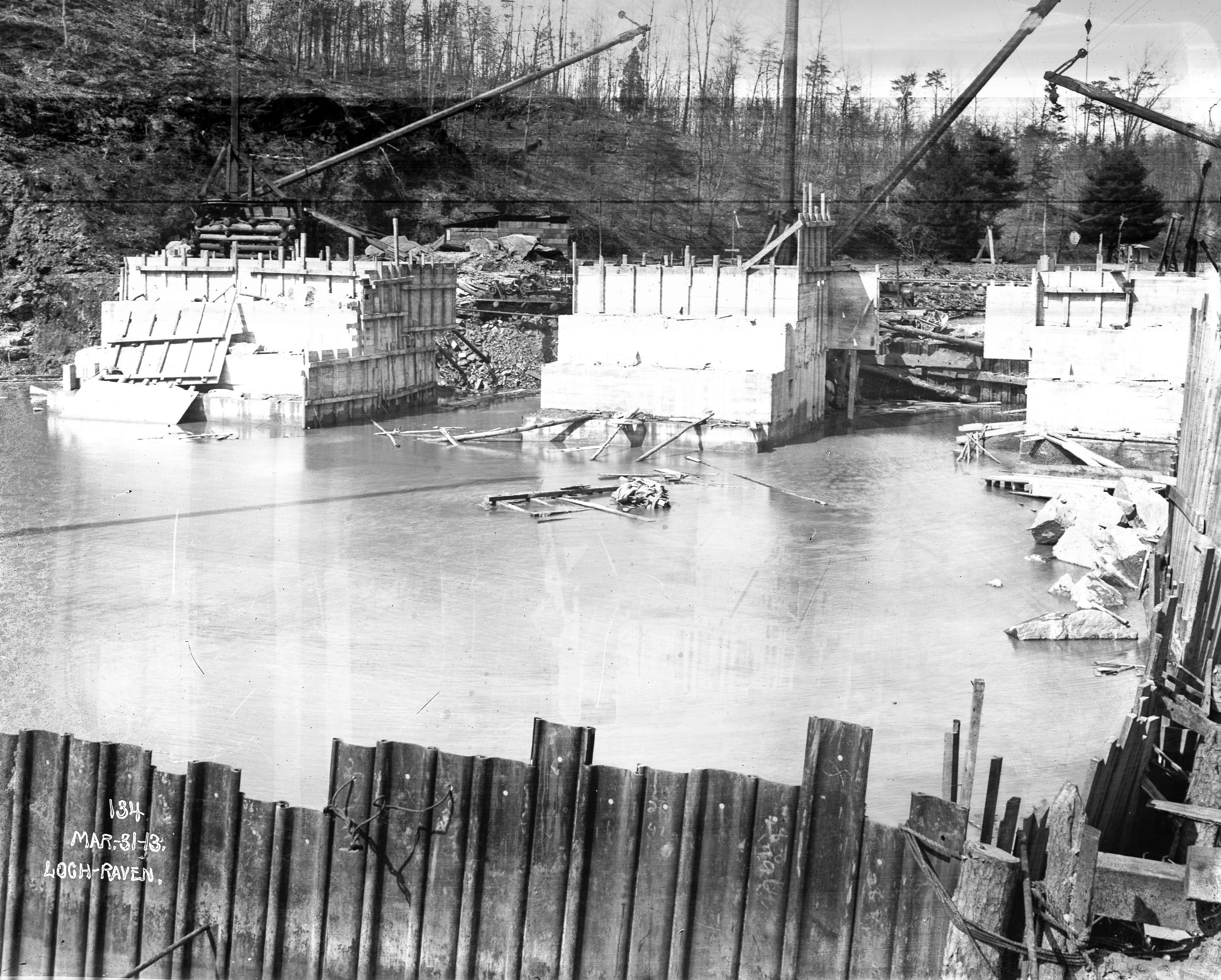
Although there was a lot of silvering, after some work in Photoshop Elements, I was fortunate enough to make them worth saving. Another view downstream. The old 1880s gatehouse in background. Notice the wood pedestal for the valve operator. 
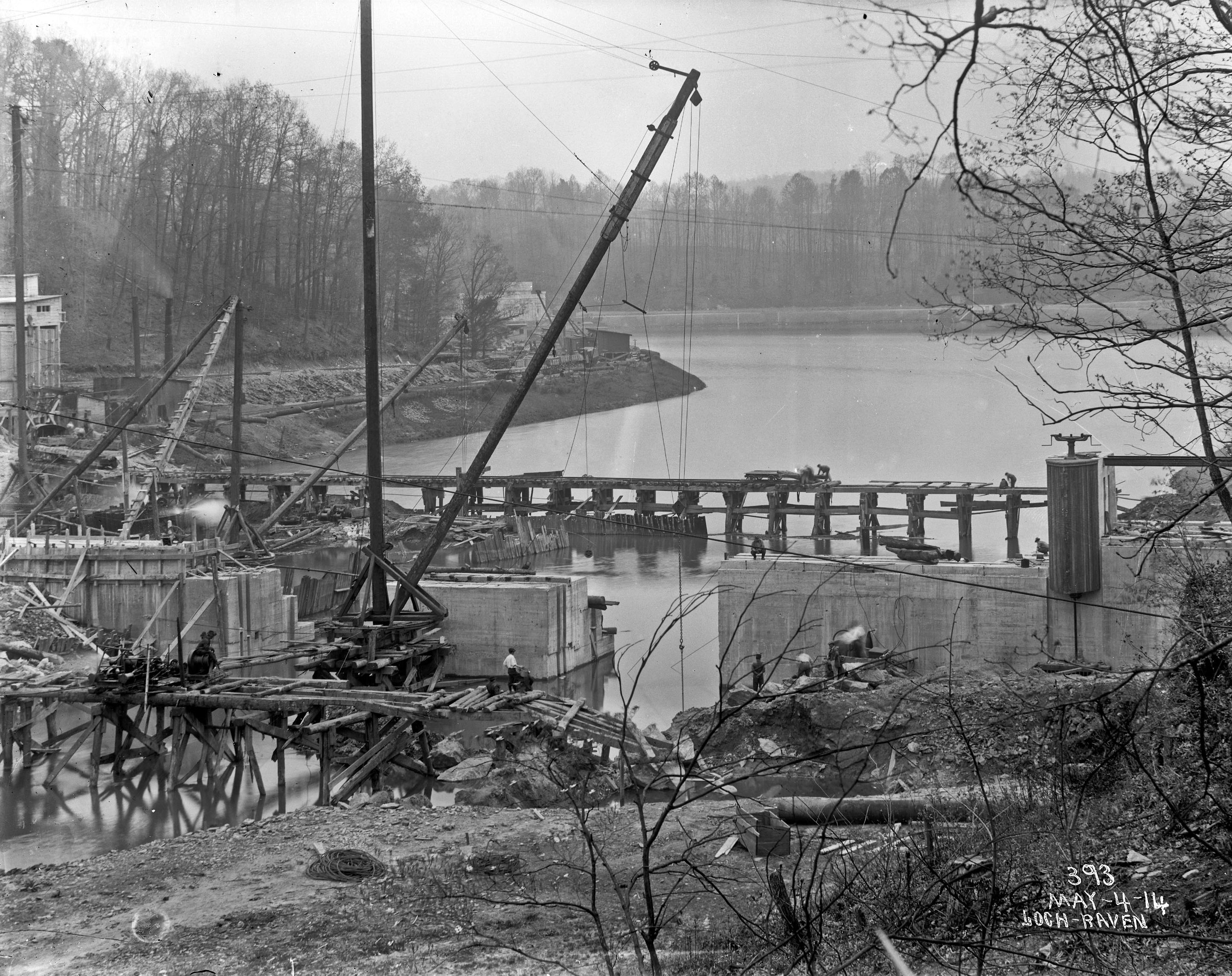
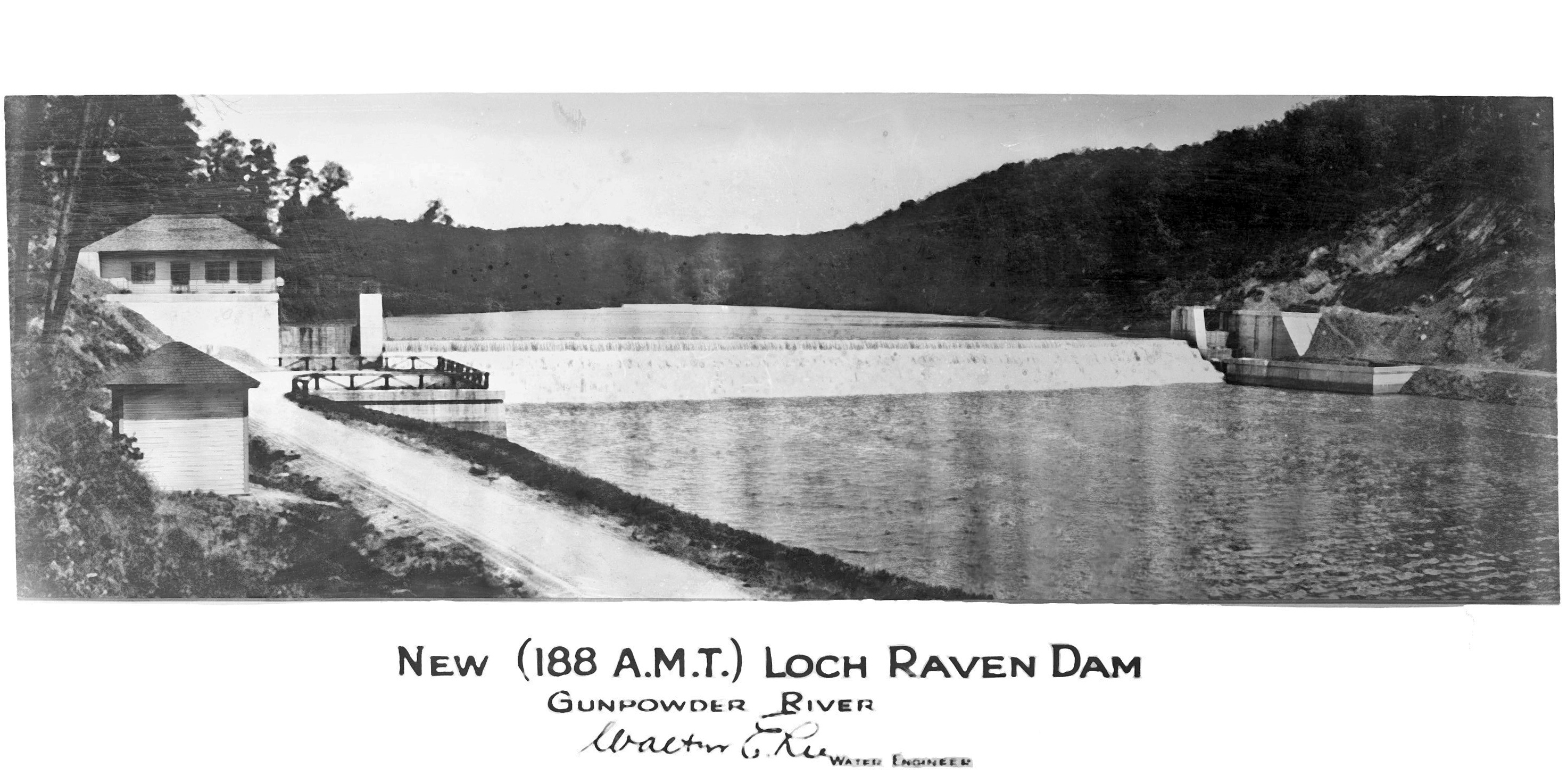
I wish I would have found this one years ago. This photo is signed by the engineer, Walter Lee and the plate itself is signed by the photographer – Waldeck.
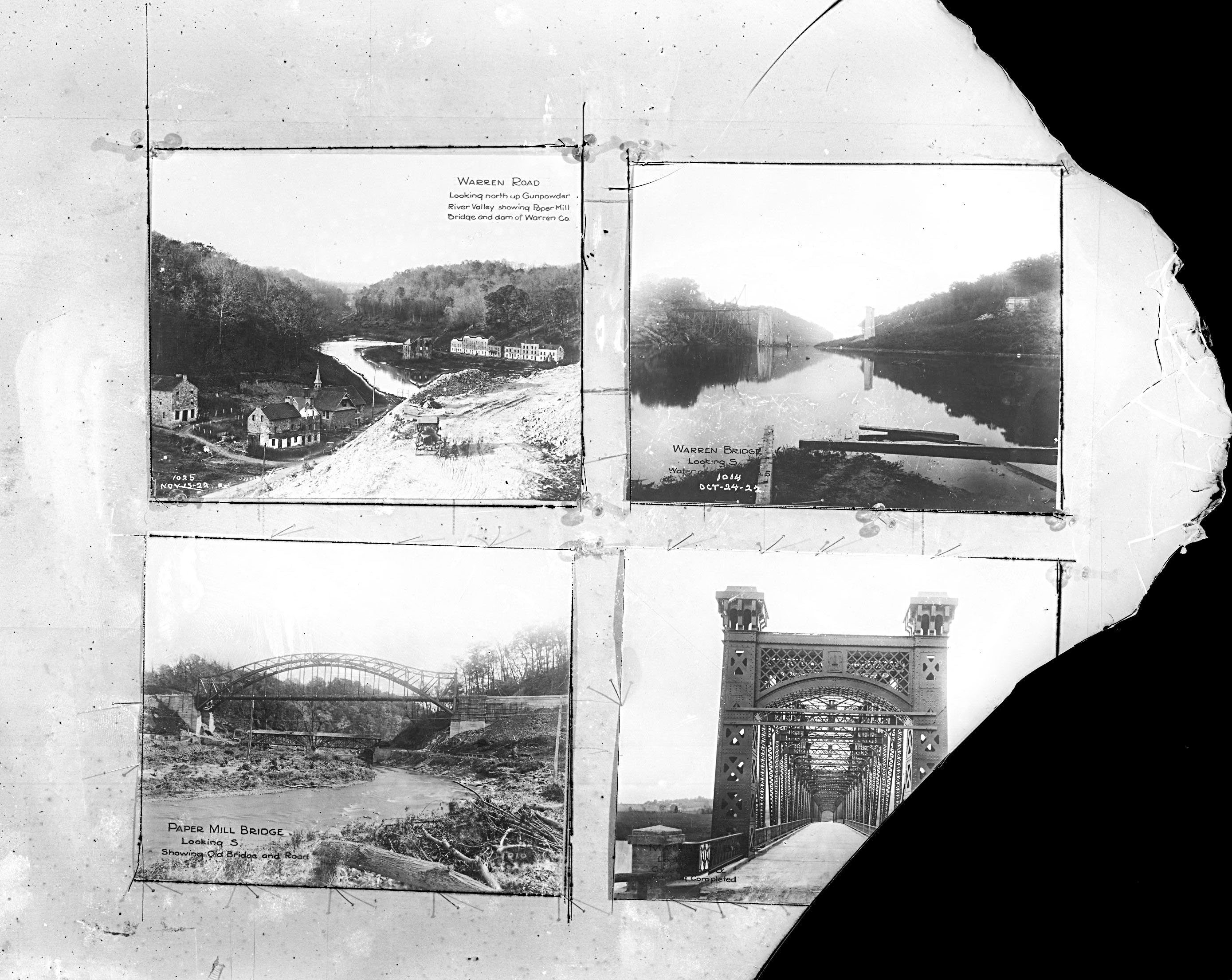
With this next one, the puzzle pieces start falling apart. The photographer would take photographs and drawings, mount them on a board and then photograph the photographs. Thank God for the digital age!
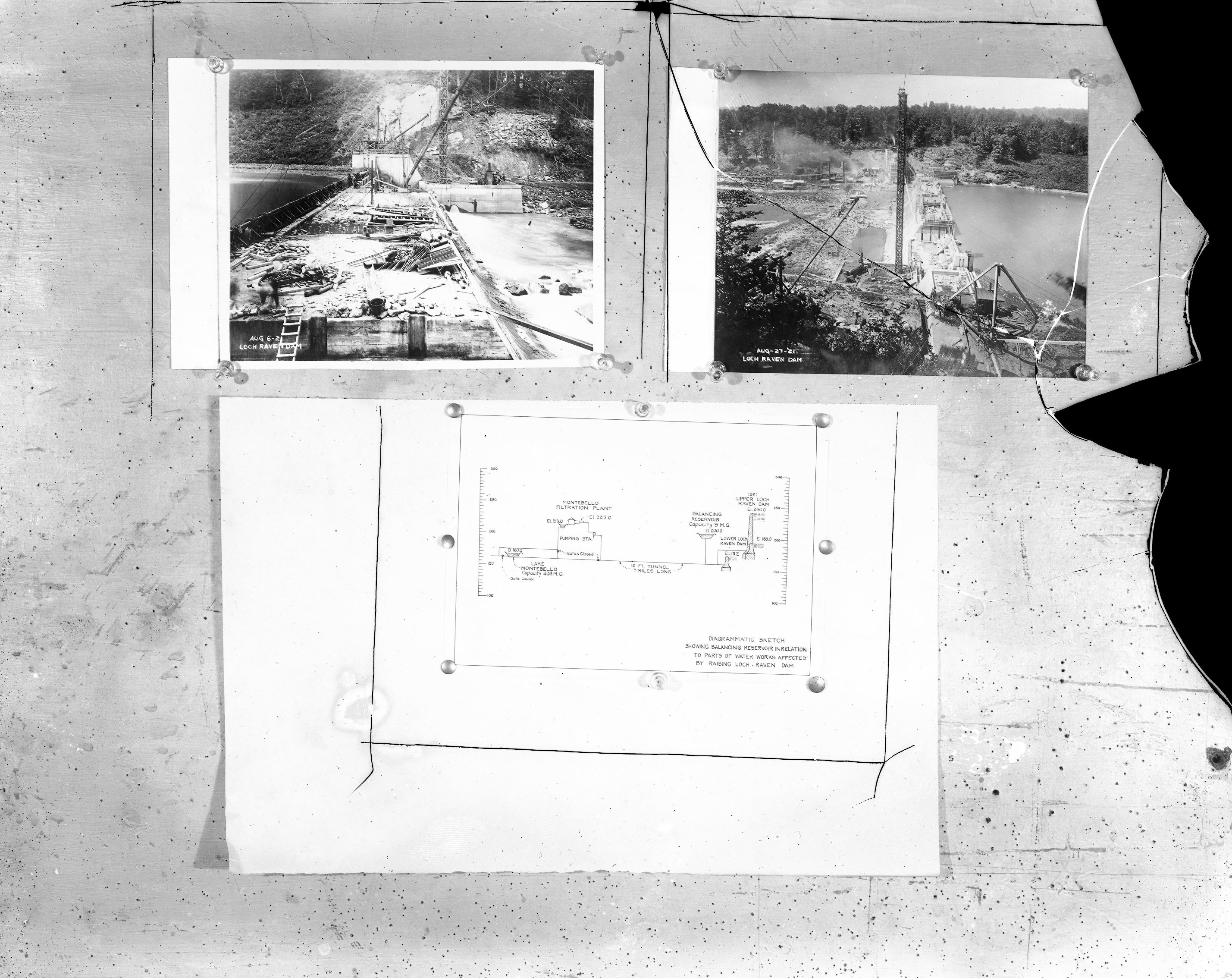
Inside the photographers studio – more like an onsite shed at the construction site – 1920s.
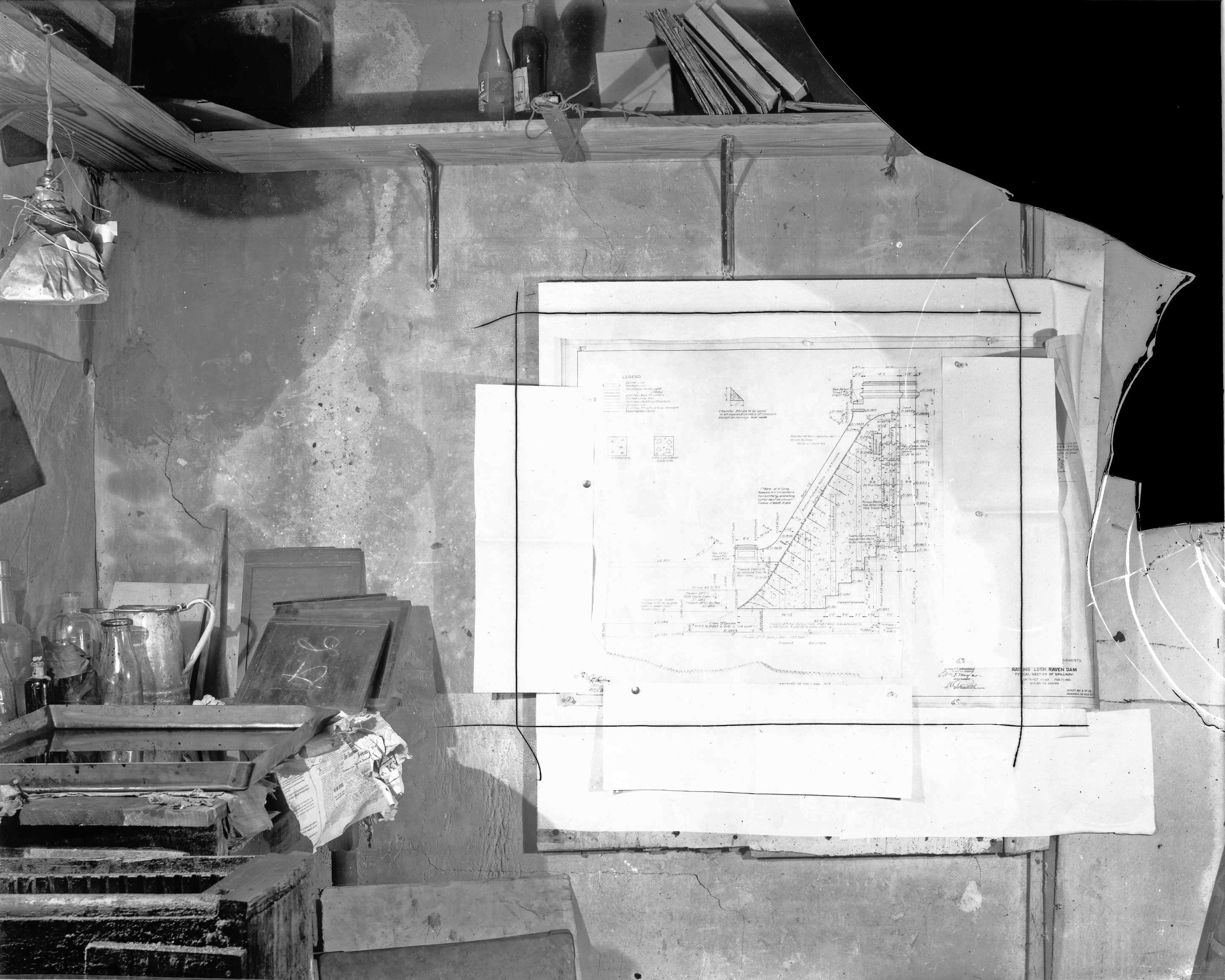
Some of the shed photo plates were not only broken, but were over exposed.
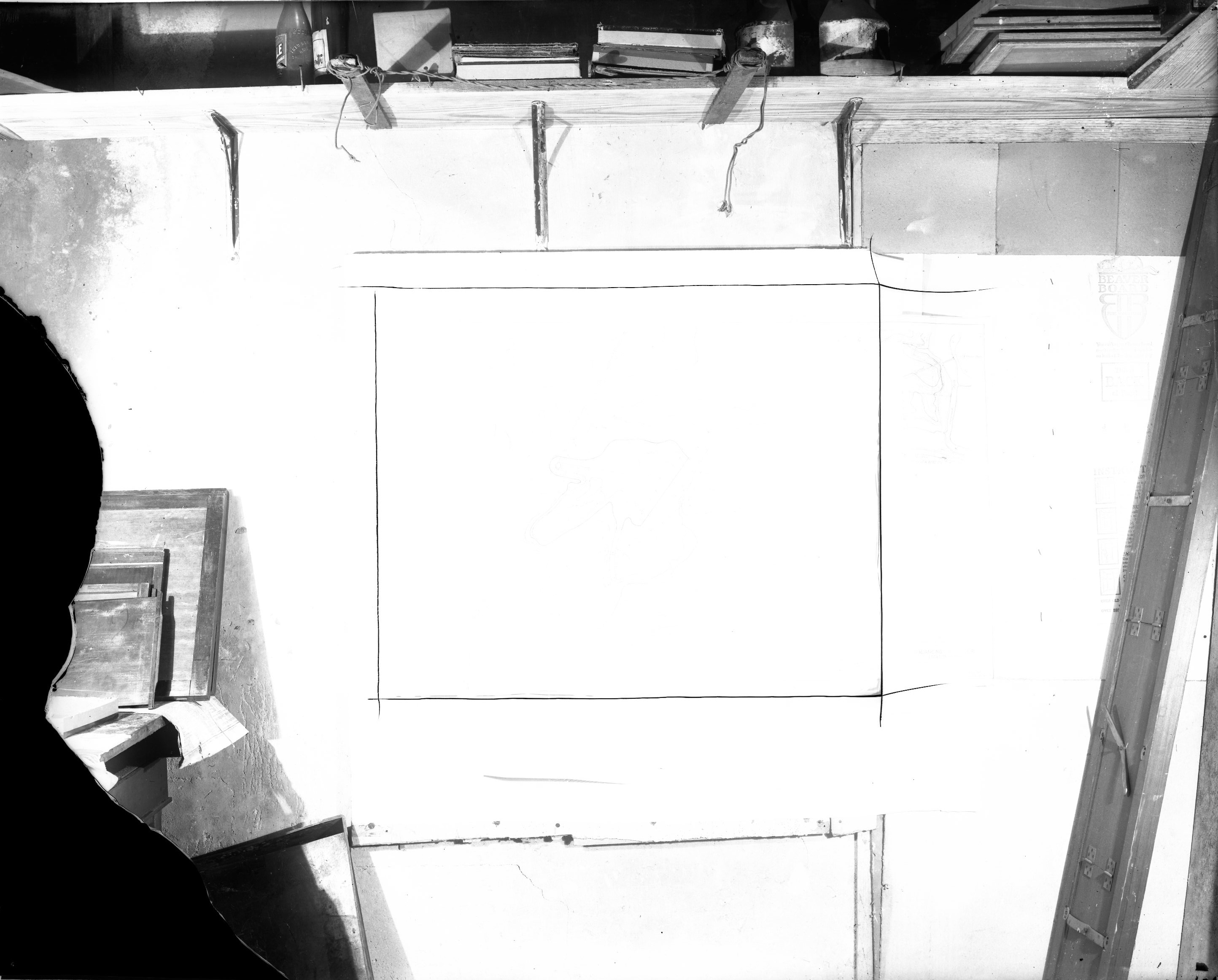
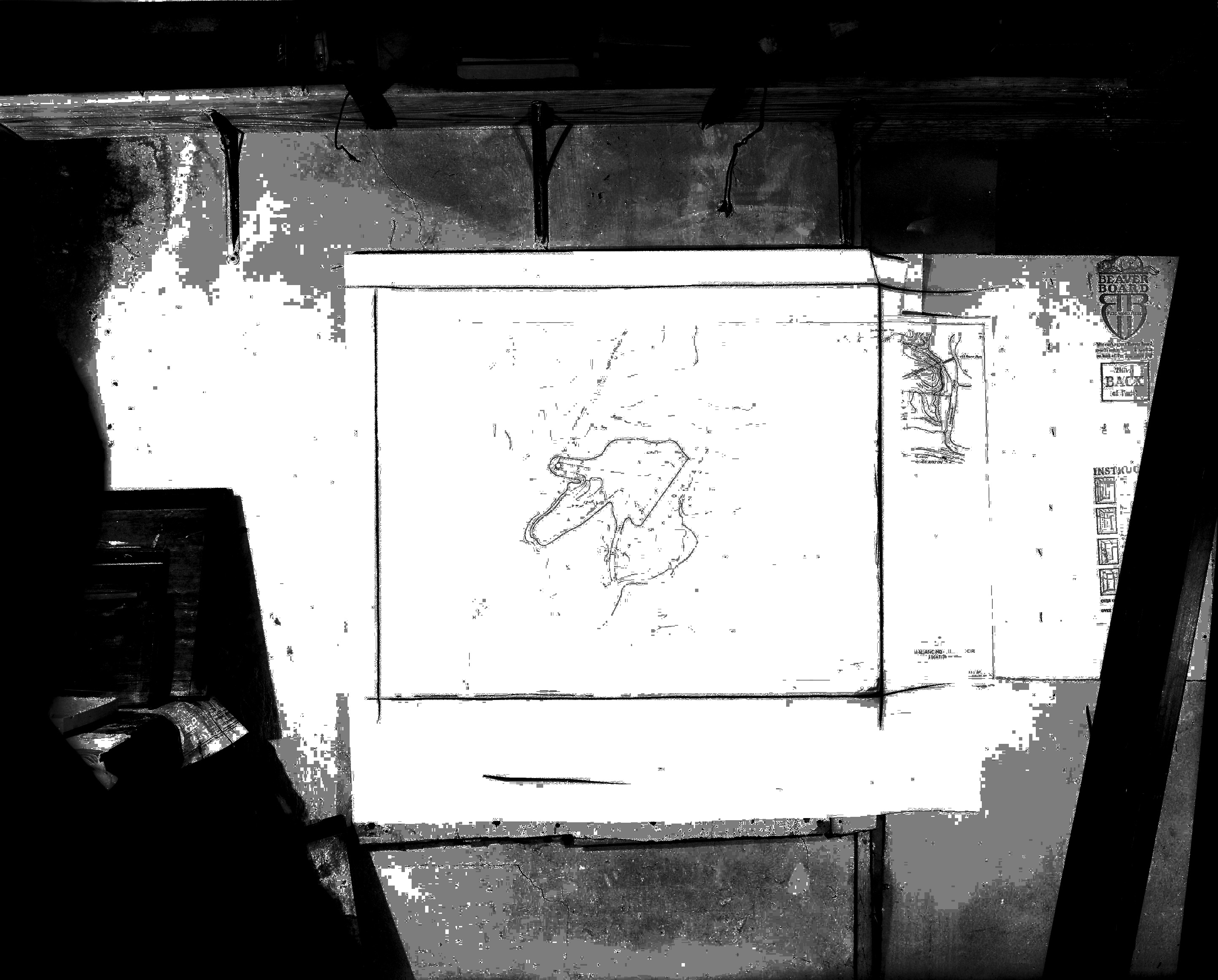
Using my software I was able to enhance the above photo enough, using the ‘Equalize’ button, to bring out the drawing. In this case it is the Balancing Reservoir at Cromwell Park.
Next up more photos being photographed. Two of my favorites on this plate – The original photo of the town of Warren before flooding (A lot of historical societies use this photo and don’t give credit to the City for using it. I guess because it has been used so many times in various newsletters and publications, they consider it public domain) And I like the Paper Mill Bridge with the covered bridge underneath. 
This next one threw me for a loop! A Cathedral to Water? Not sure what this is of?
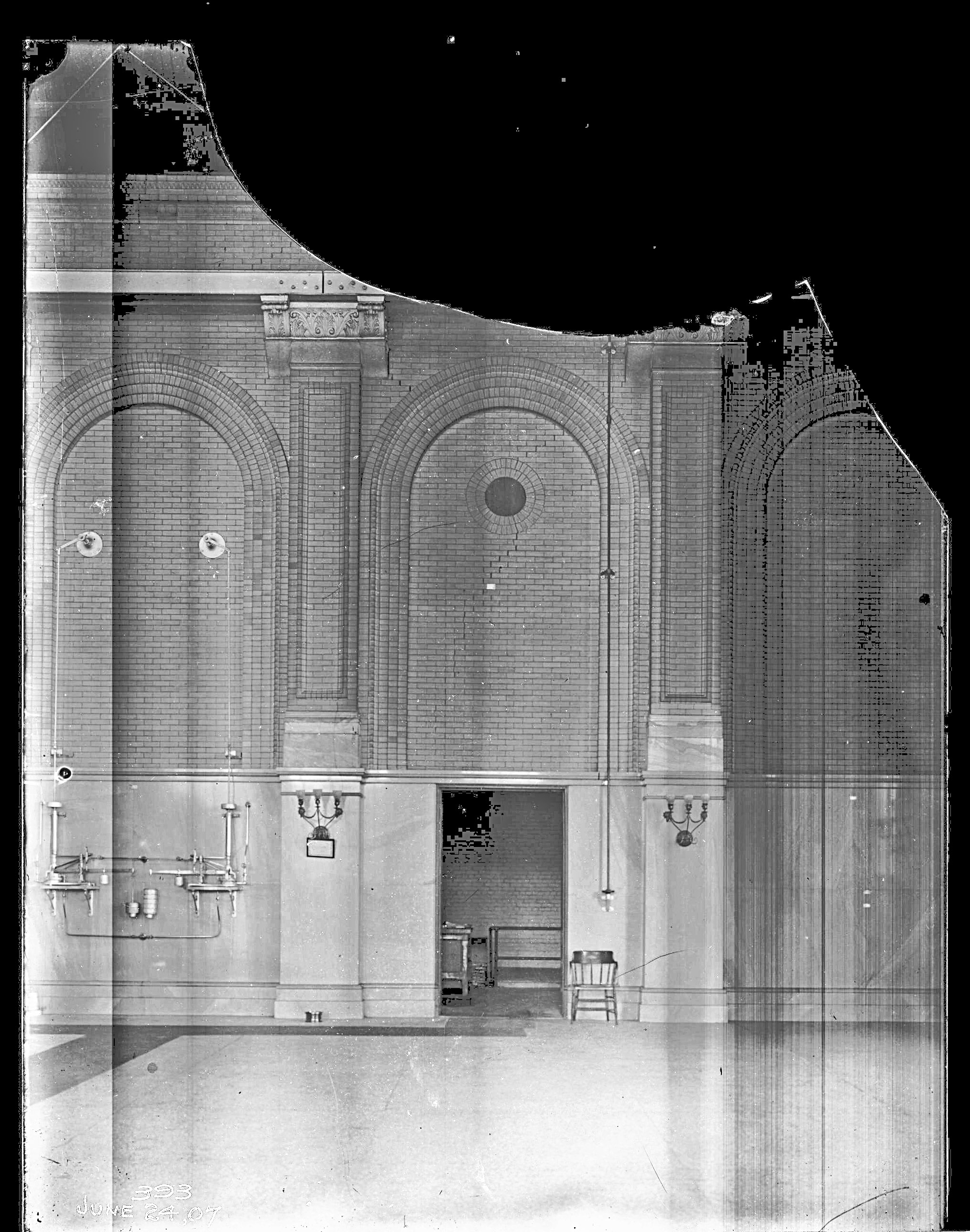
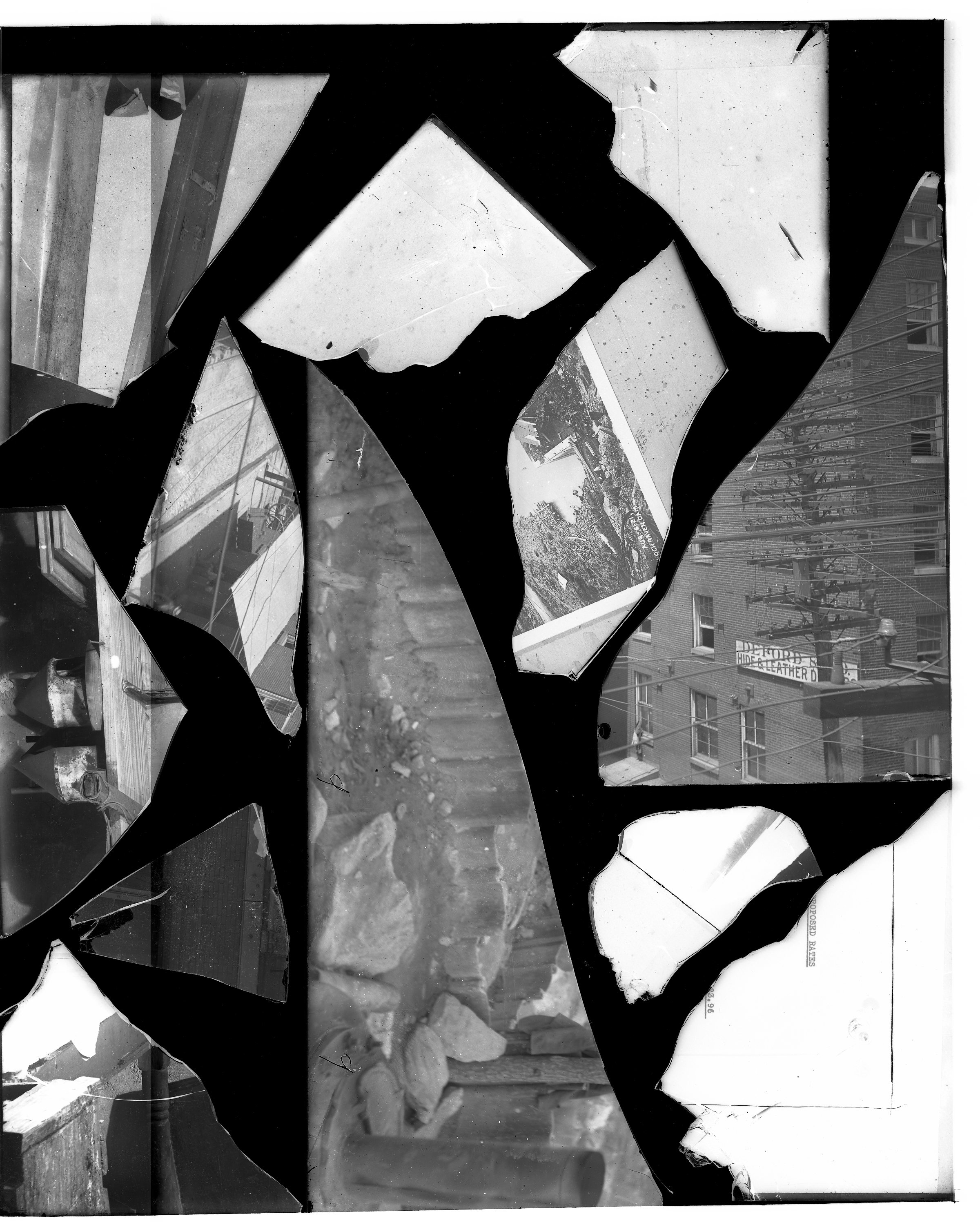
I finally hit the bottom of the box, nothing but pieces. Some large ones and then many small pieces.
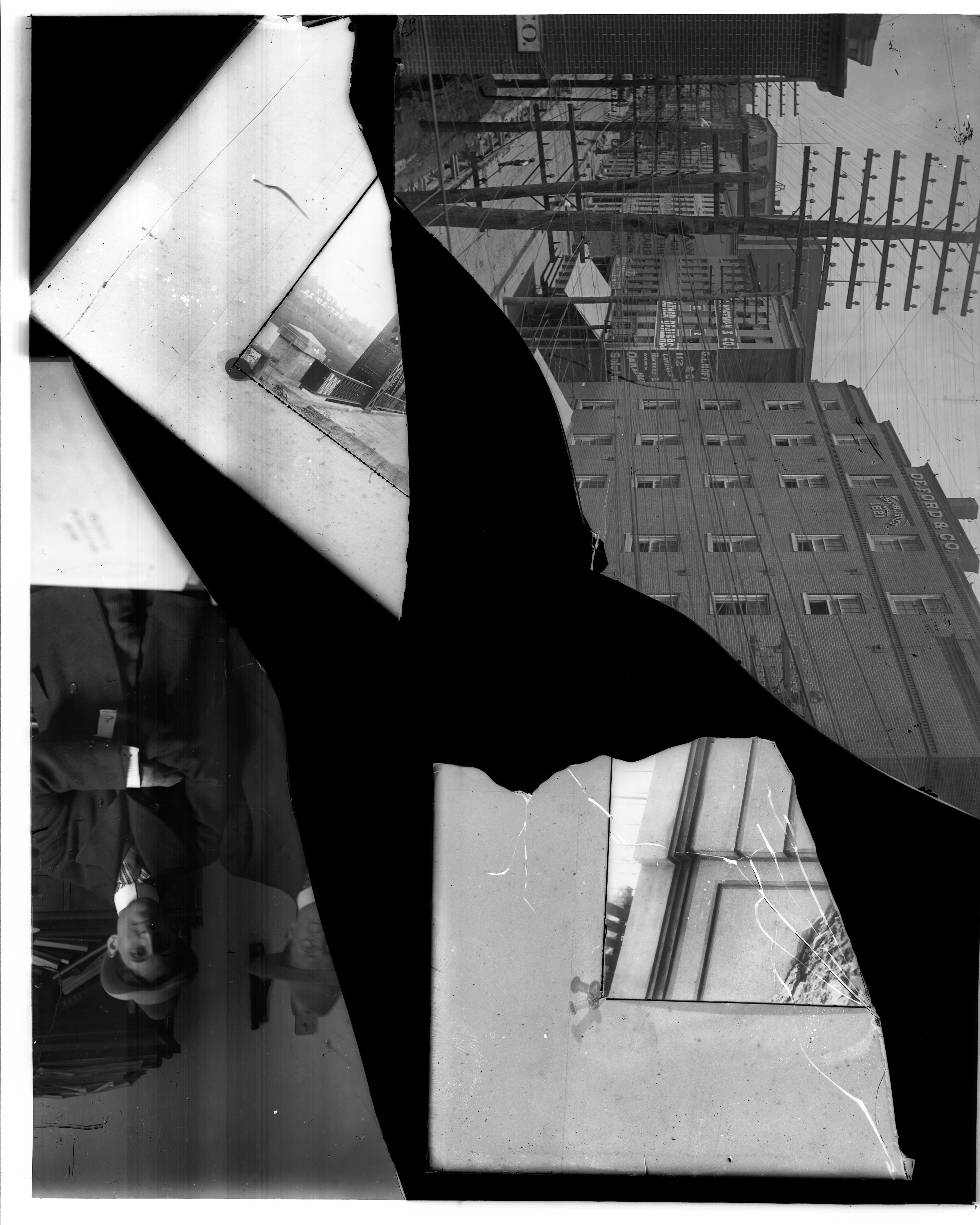
I scanned them just in case some day, some one can use modern technology to put the pieces together, where they belong! (I know, the tech exists, maybe something for someone to do later!)
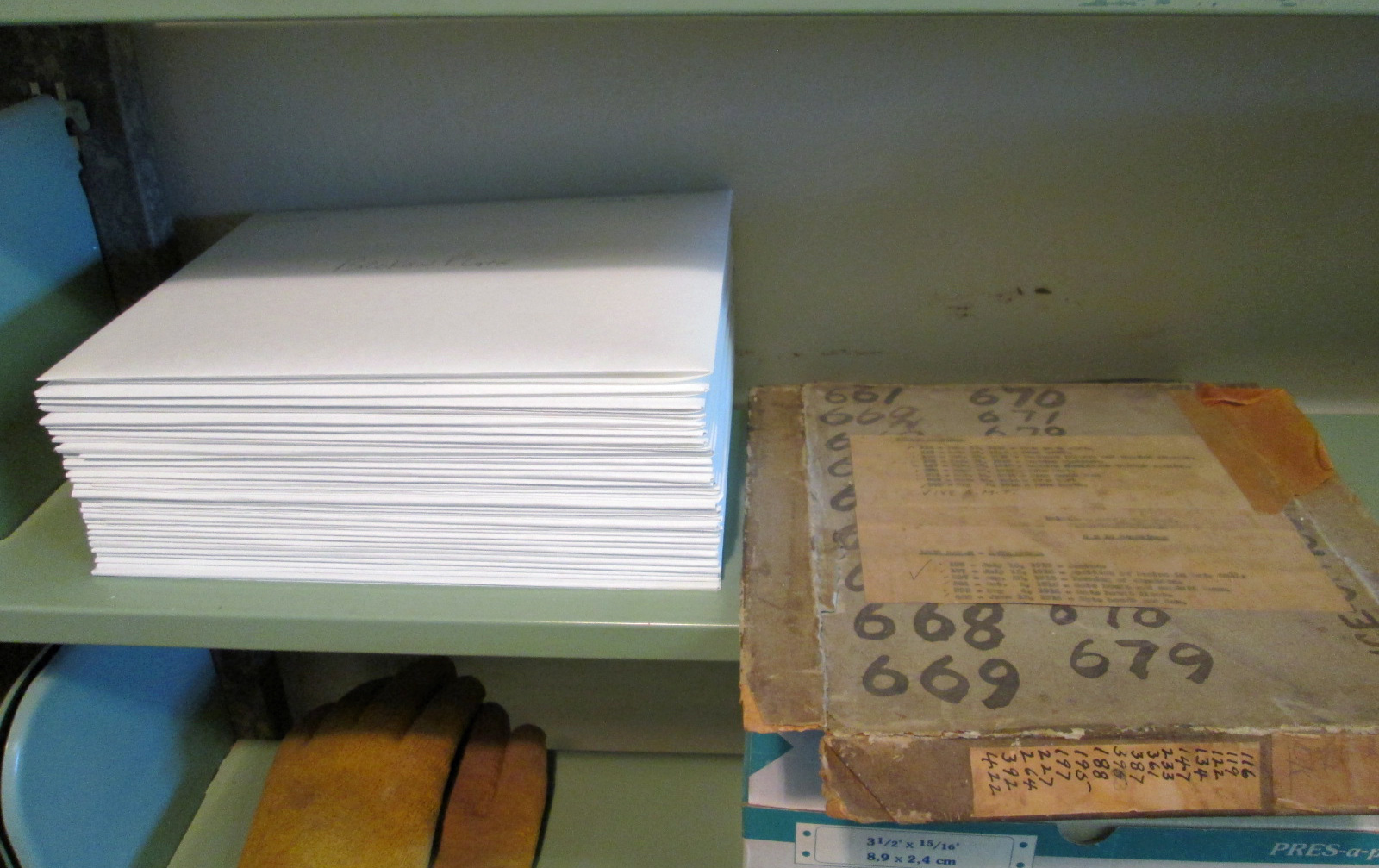
So I am wrapping up the history and placing in it storage. Hopefully it will be around in 100 more years. Who knows. I have done about as much as I could with what I have been given.
 

Dundee Kayaking

05 Thursday Jul 2018

Posted by Ronald Parks in kayaking, Recovery

≈ 2 Comments

Tags

Dundee, Eagles, GOD, Gunpowder Falls, heron, kayaking, nature, photography, Recovery

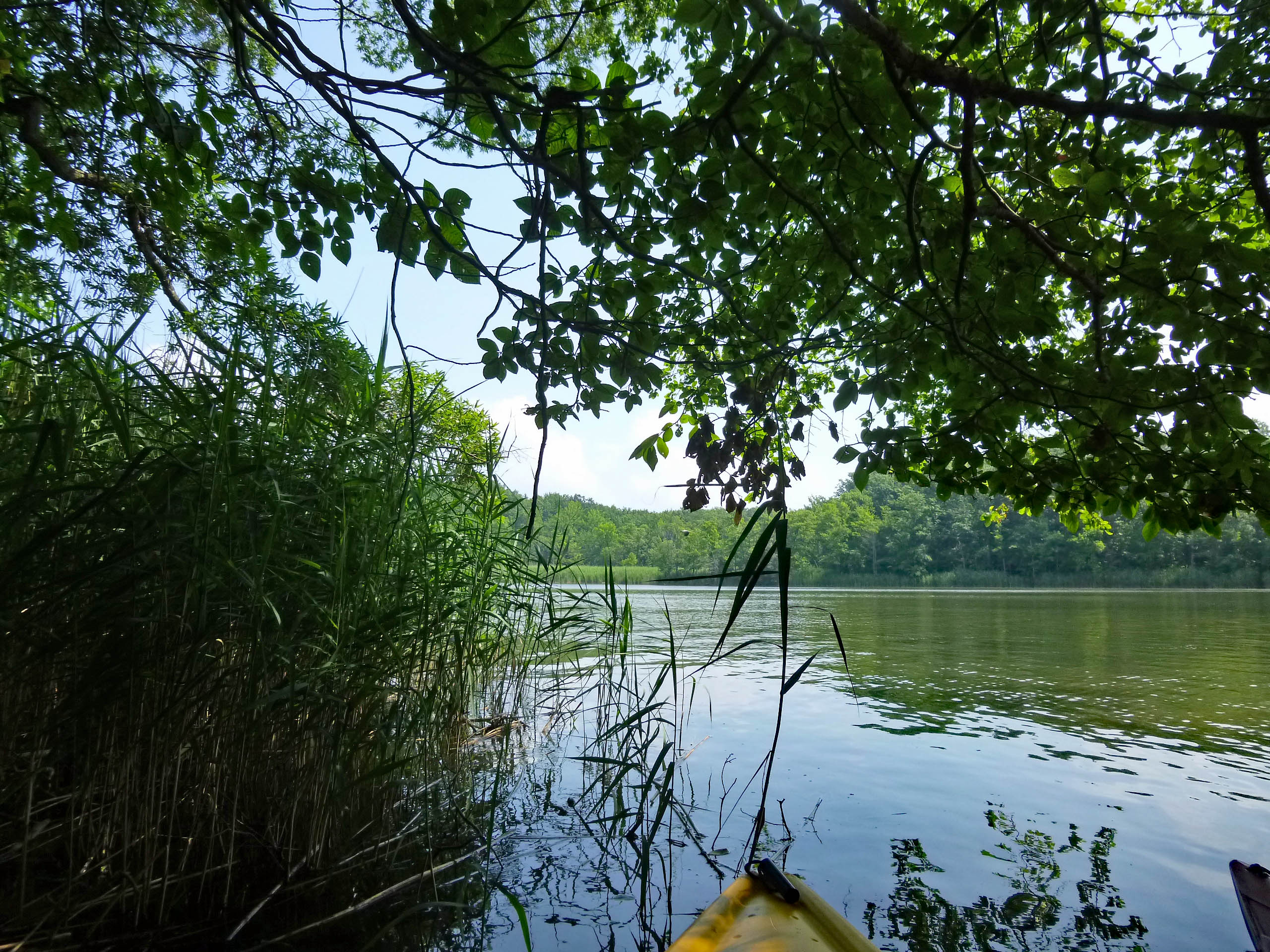
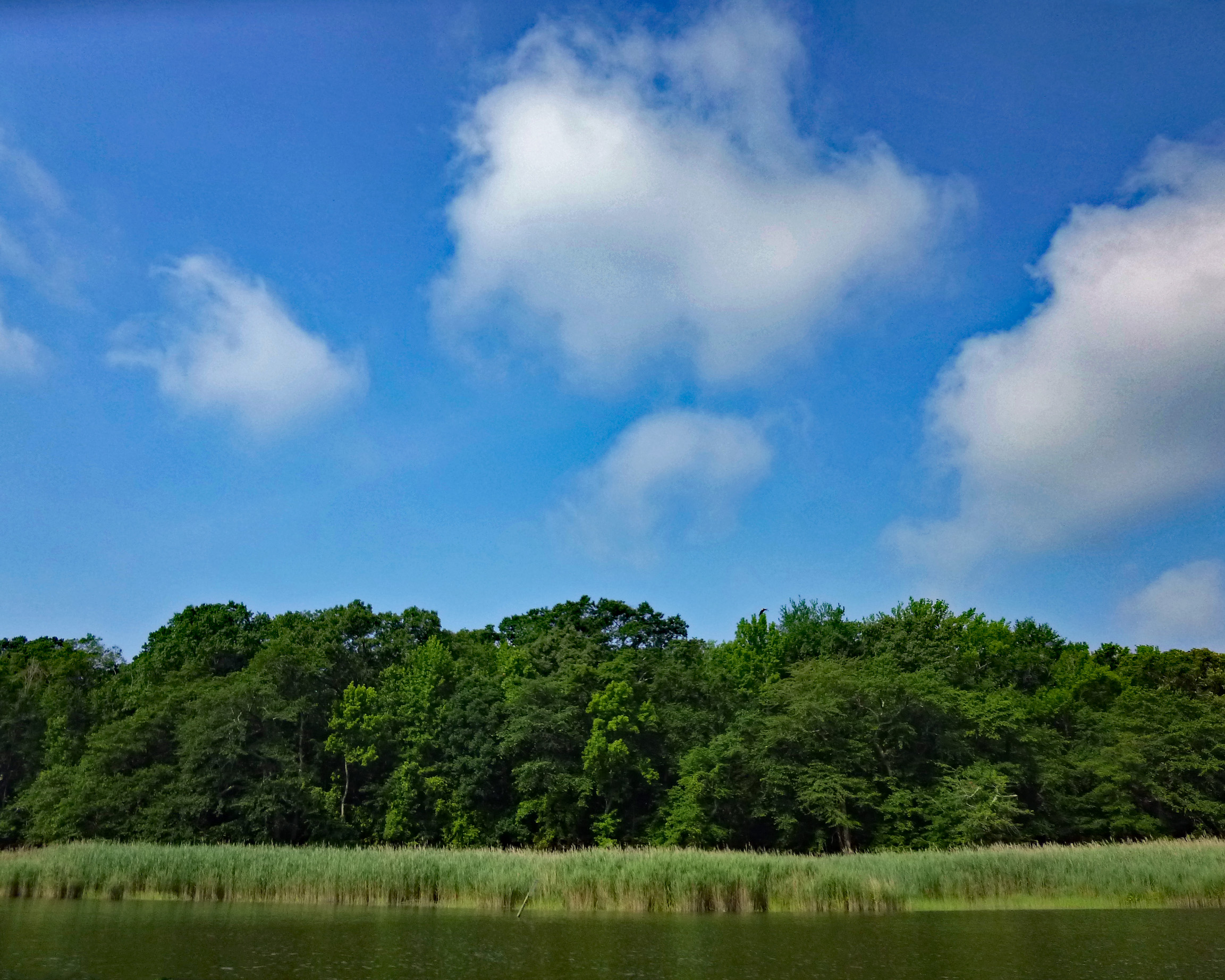
Up early on the 4th and headed out for our first kayak adventure of the year. A lot of busy-ness going on in Kathy and my life, so today was our first chance to get a little kayaking in. Being a holiday we thought it best to get out there early and glad we did.

The sand landing at Dundee Marina is small but easy to get in and out of. Ultimate Water Sports use to be here but now it is Eastern Watersports. The people running it said it is the same prices and types of equipment. We have our own but I was just checking.

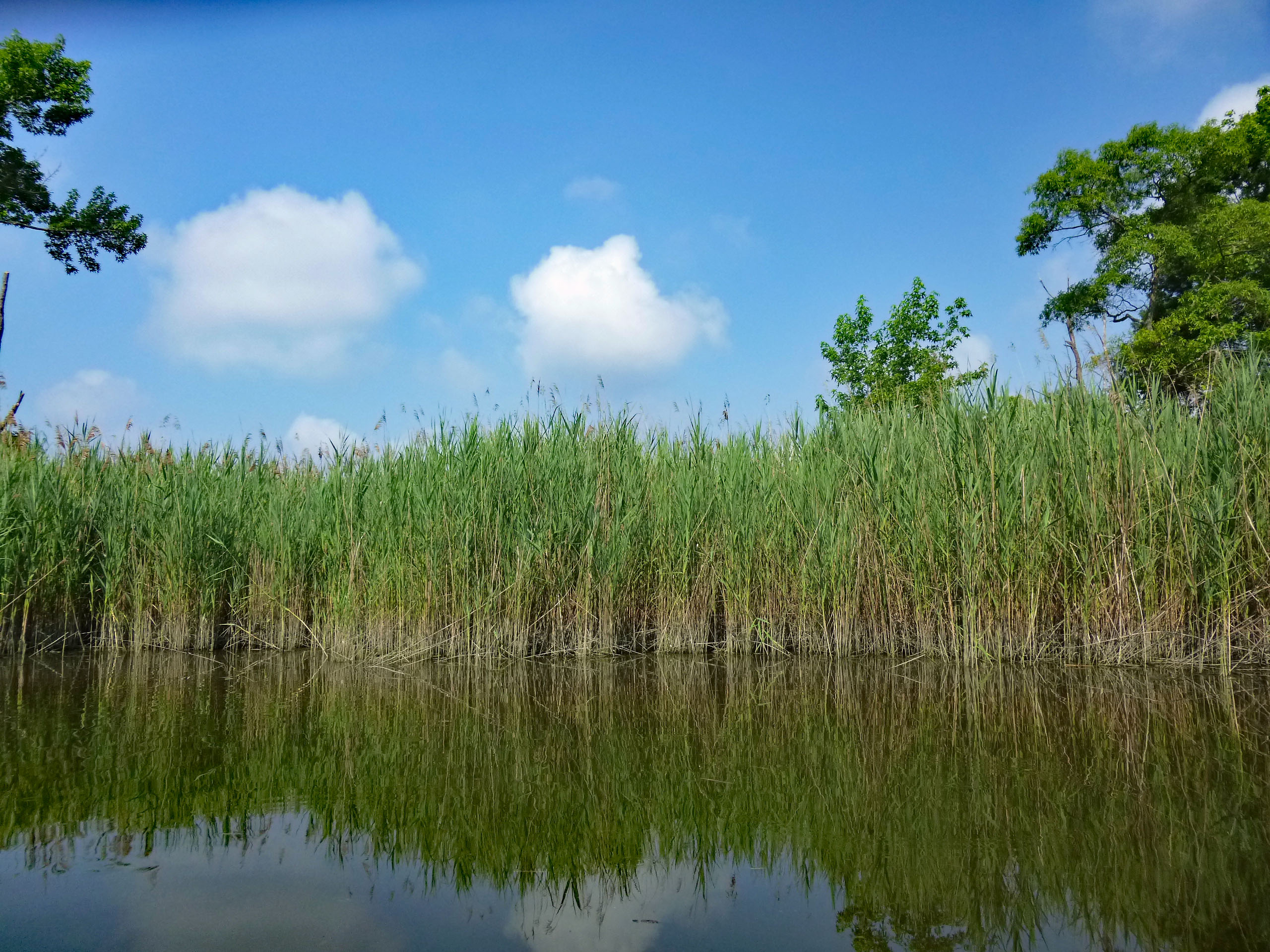
What a beautiful day. Glad I wore sunscreen because it was hot out there. Every once in a while we would catch a nice breeze. The water was calm.

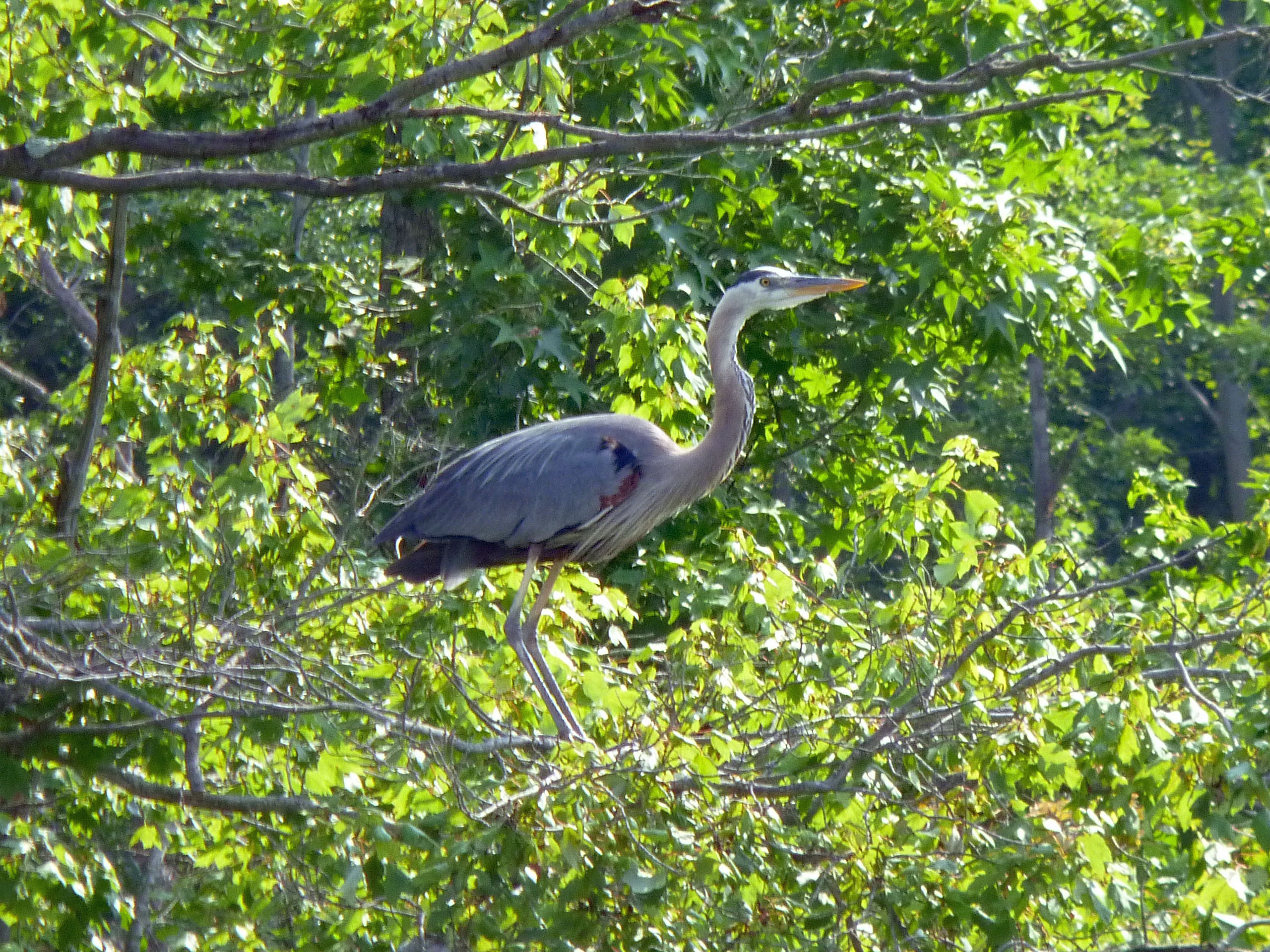
Quite a bit of wildlife here today. Glad Kathy is with me, to remind me of my past and to be grateful of my present – “From Heroin to Heron!” Yes indeedy! Although I had to laugh. Years ago in my active days down the Lombard Street Projects, I kept hearing the guys saying ‘Hair-ron’! At first I thought they were saying ‘Hey Ron’ How the hell did they know my name and that I was down there trying to cop??!! 

This little pier marks the entrance to a little cove. I think Kathy and I are the only ones that know about it. Never see anyone else in there.

It seems that recent storms have knocked over some trees, but that usually doesn’t stop us.

Nice little kayaking path.

And this is what surrounds you once inside. So peaceful and quiet.

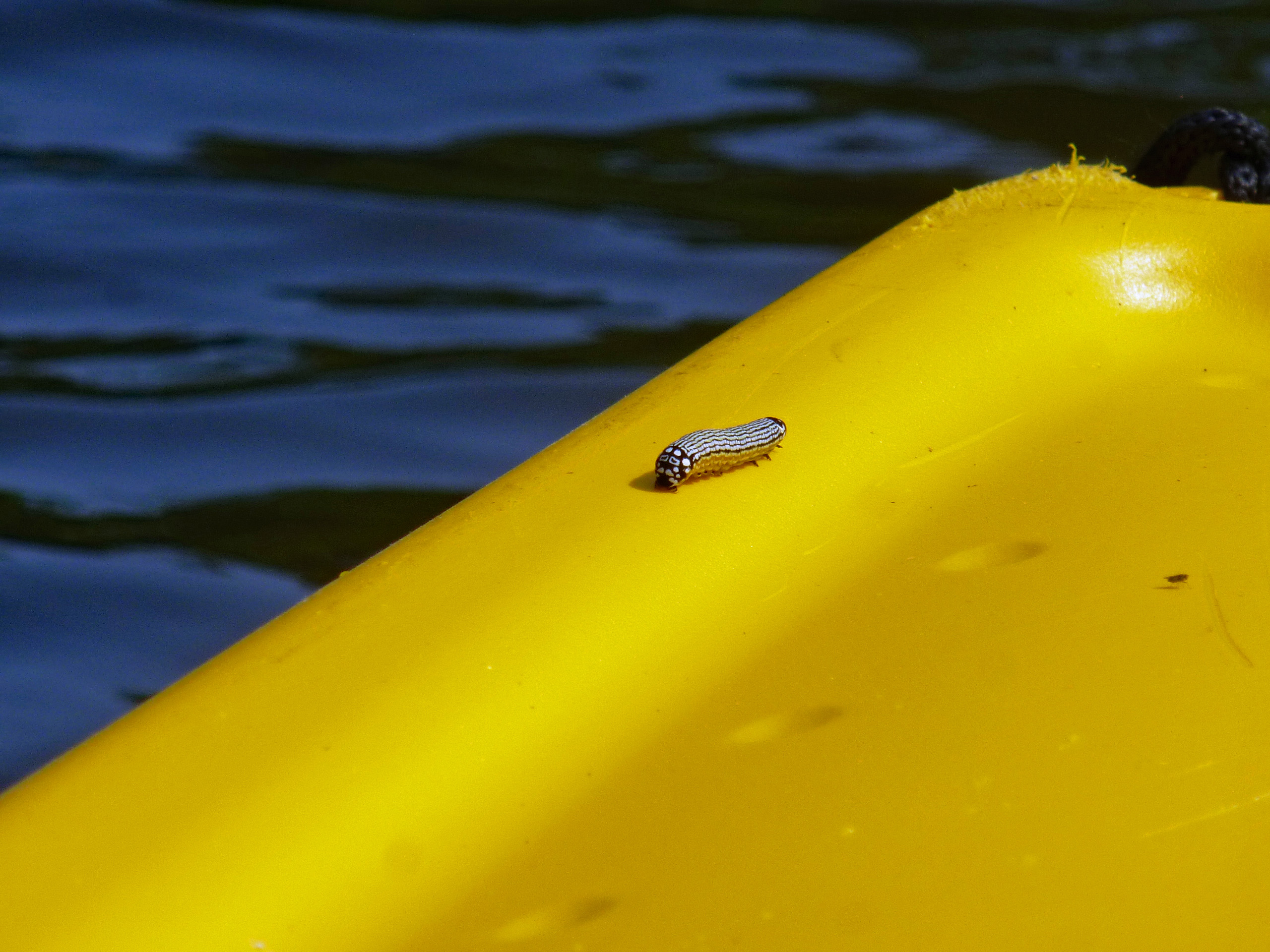
I picked up this hitch-hiker in our little cove. Kathy came over and got him, to place him on a reed – hoping he will turn into a beautiful butterfly. Damn, looked like fish food to me! Our kayaks are getting a little beat up over the years, as we look for little waterways to explore.

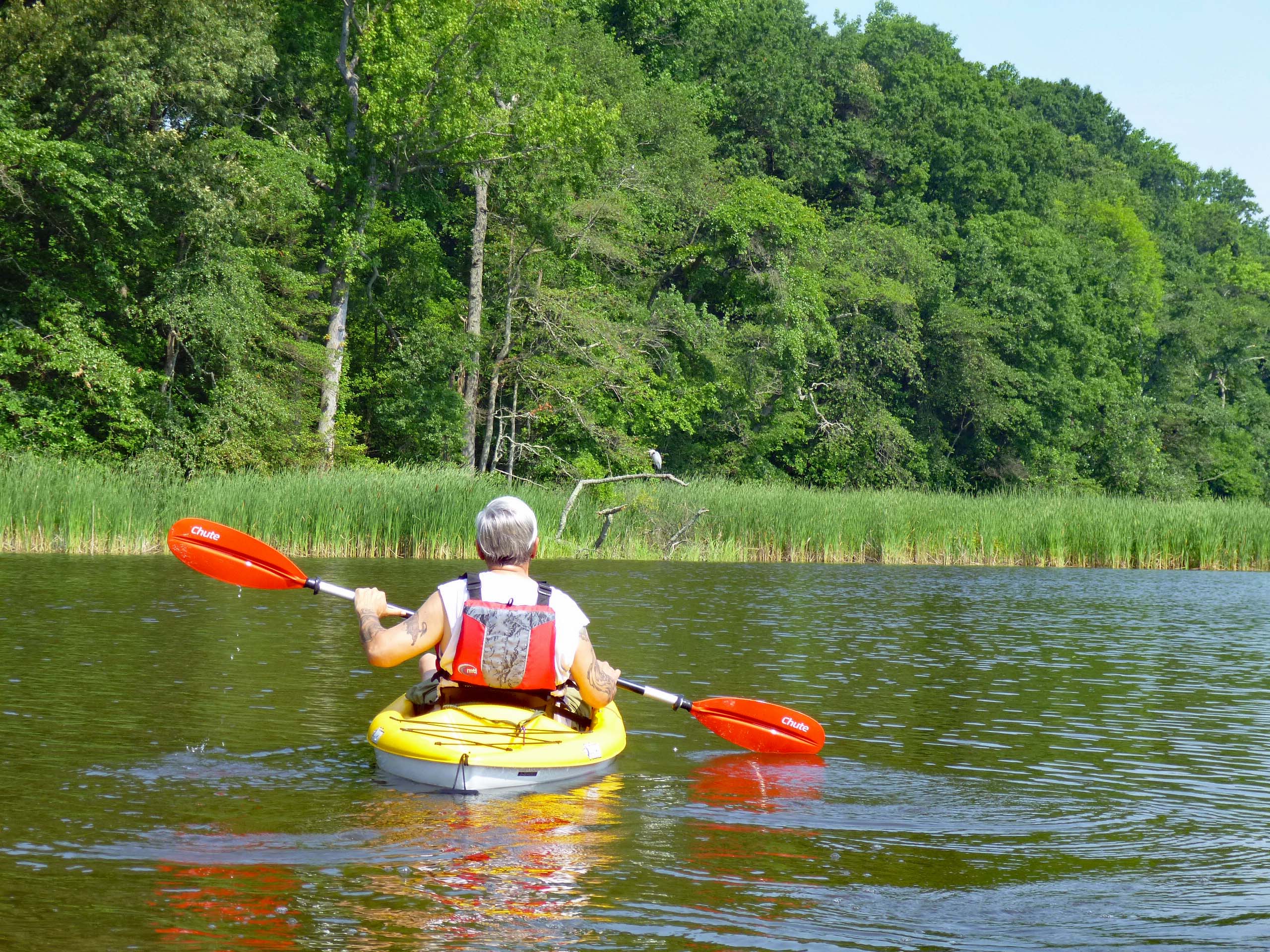
Me, chasing that heron.

Up to the left of the heron was Mr. America himself. Happy Birthday America!

After about an hour and a half of open water, we headed to a shady spot.

Then we headed out again to follow the shoreline and found this poser.

Two hours for a first trip was enough. Headed back to the beach and it was getting crowded. I have never seen people picnicing at the landing before.

On the way home, coming out of the park (Part of Gunpowder State Park) there were quite a few DNR Police, diverting and stopping traffic. By 12:30 most of the parks were full and people were being turned away. Glad we go early. Topped the day off with some steamed crabs and corn on the cob.

Thanks God for another day clean and another adventure with Kathy!

Looking For A House

02 Monday Jul 2018

Posted by Ronald Parks in Baltimore, Eastern Shore, water history

≈ 5 Comments

Tags

Avalon, Baltimore, Gunpowder Falls, Houses, Loch Raven, Montebello, Pretty Boy, Public Works, Realtors, water history

With retirement not too far away, Kathy and I have been looking at houses the past couple of months. Some have been fairly nice, others would take too much work and still others have since been knocked down!

Of course, working for the Water Department for 37 years, why not live on watershed property or any other house owned by the City of Baltimore?

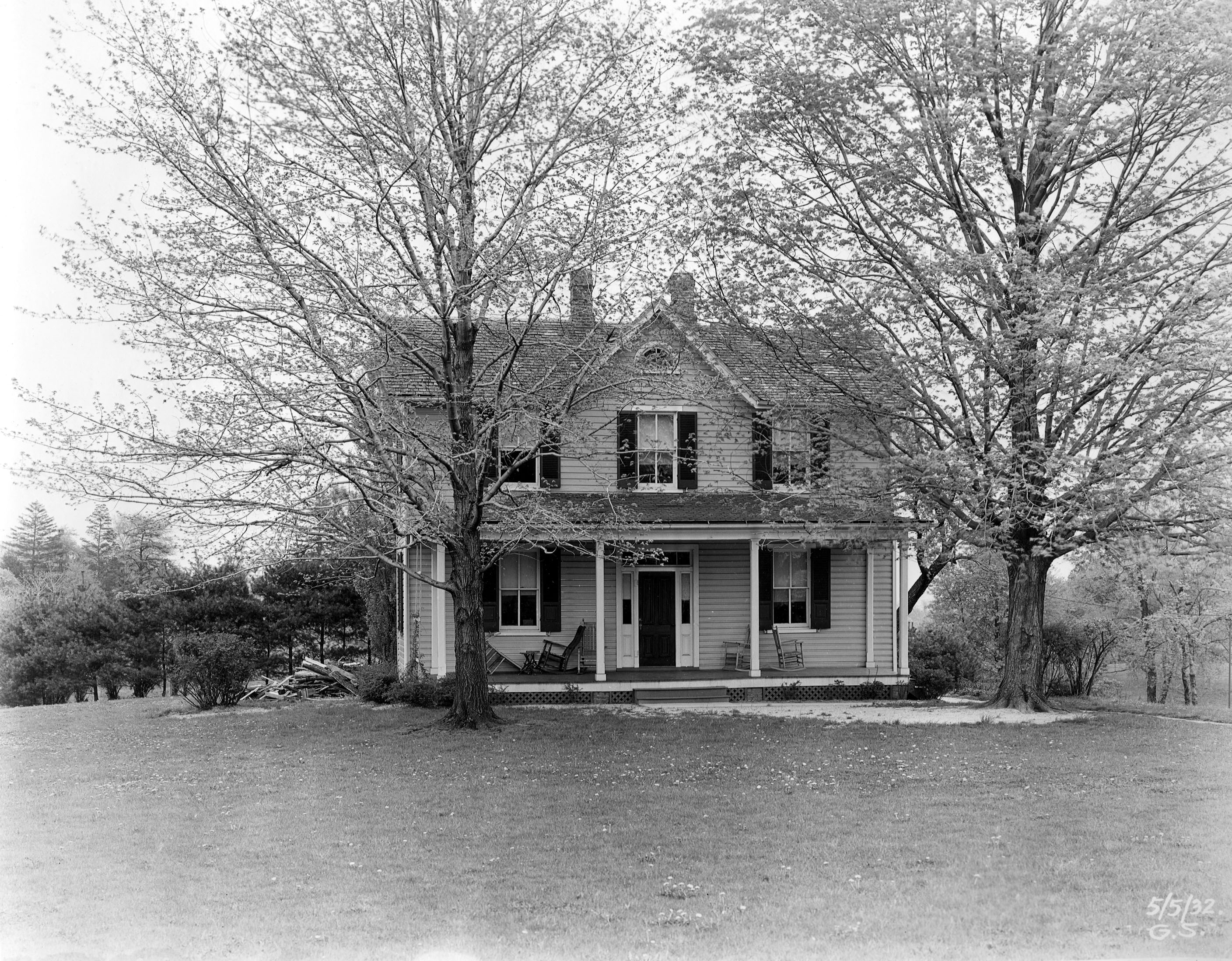
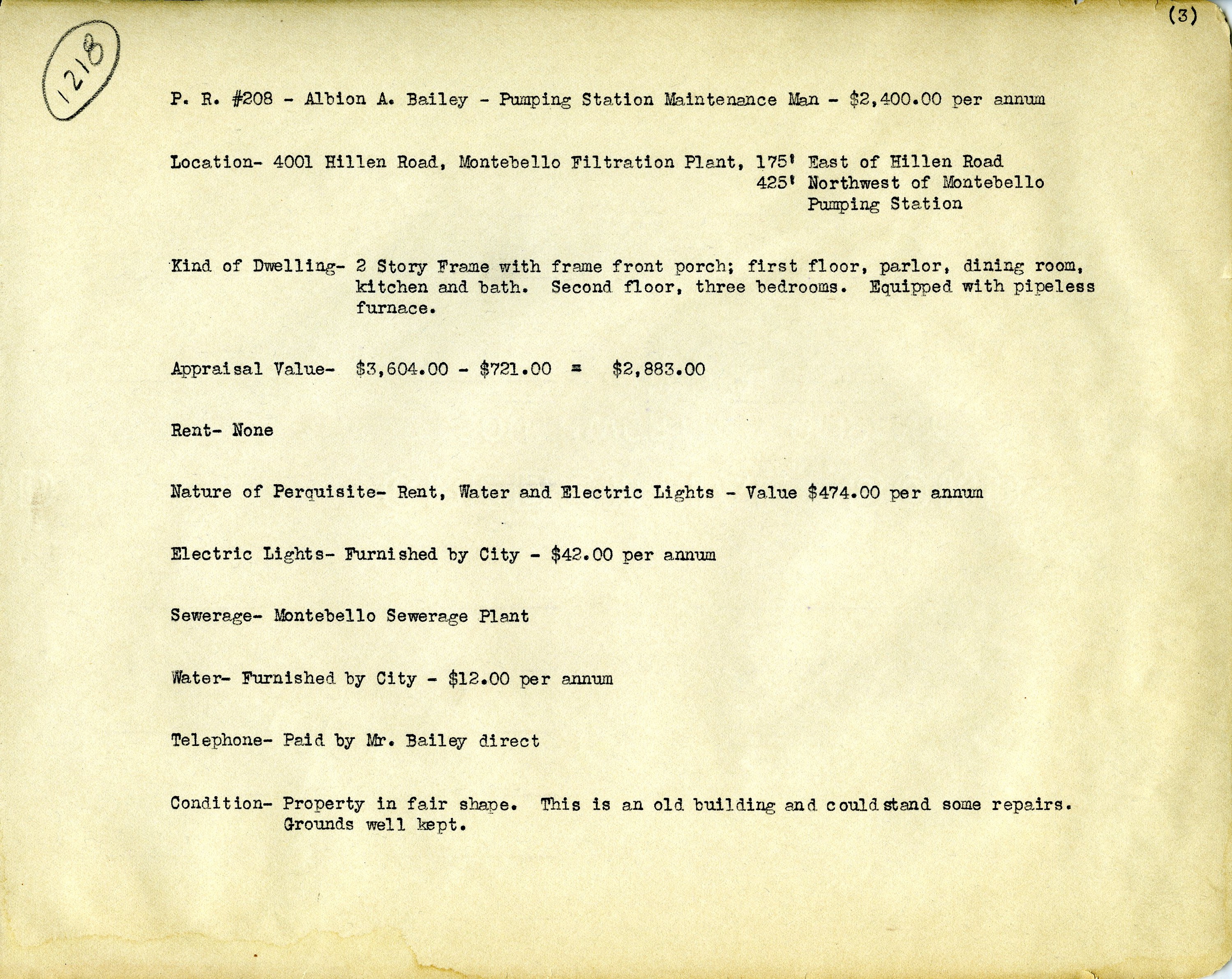
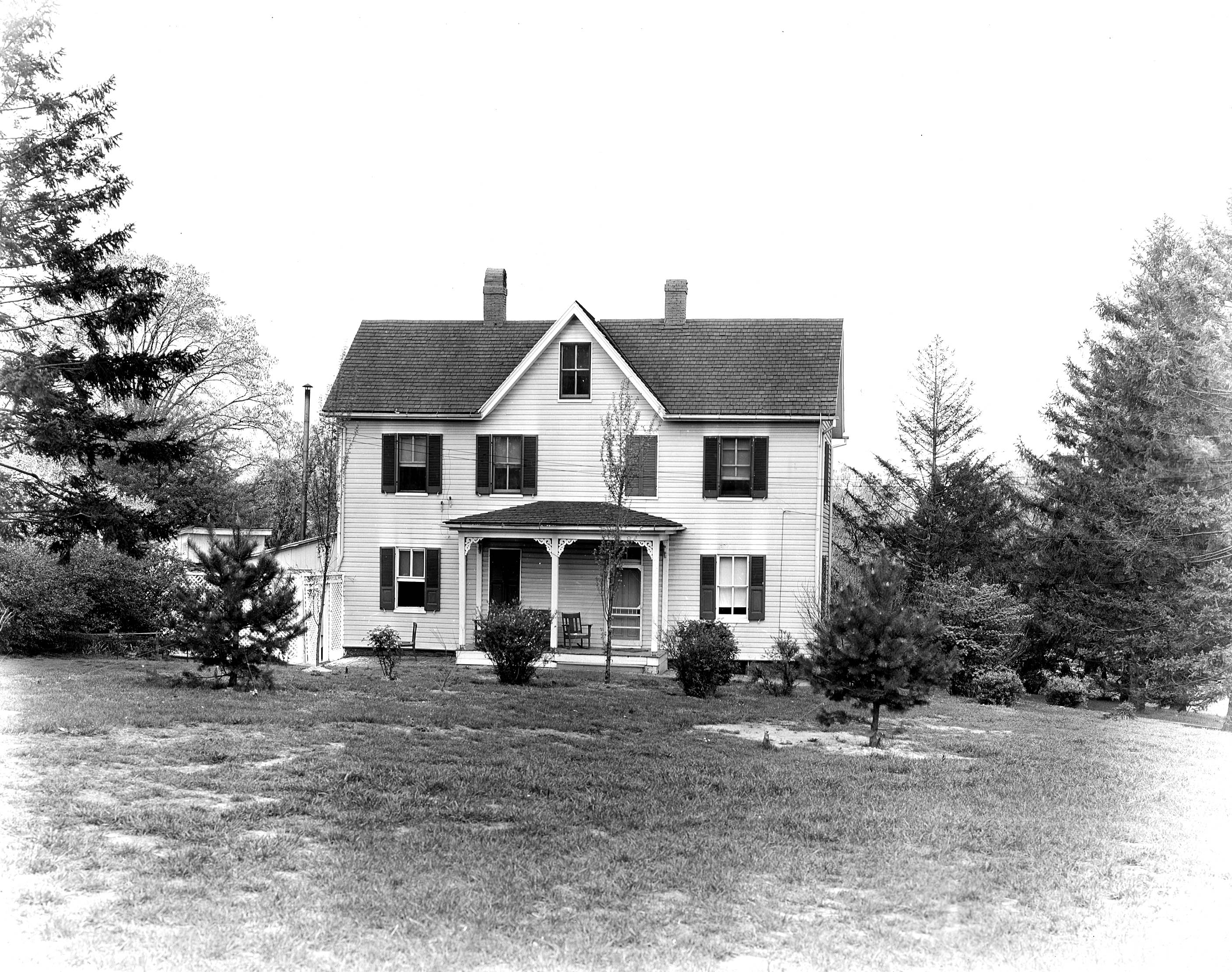
This first house was right here at the Montebello water plant. The only thing left to this house is the BBQ chimney.

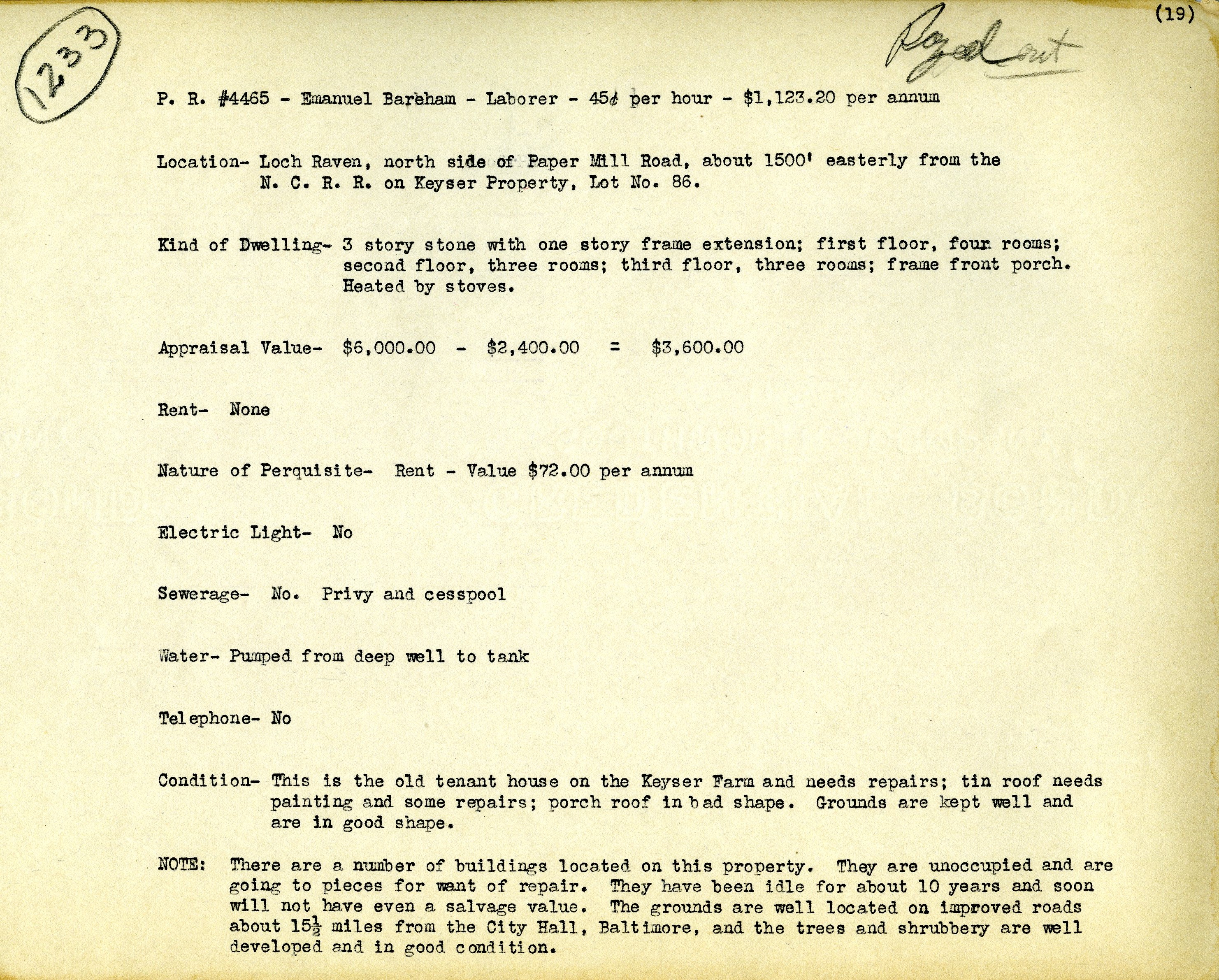
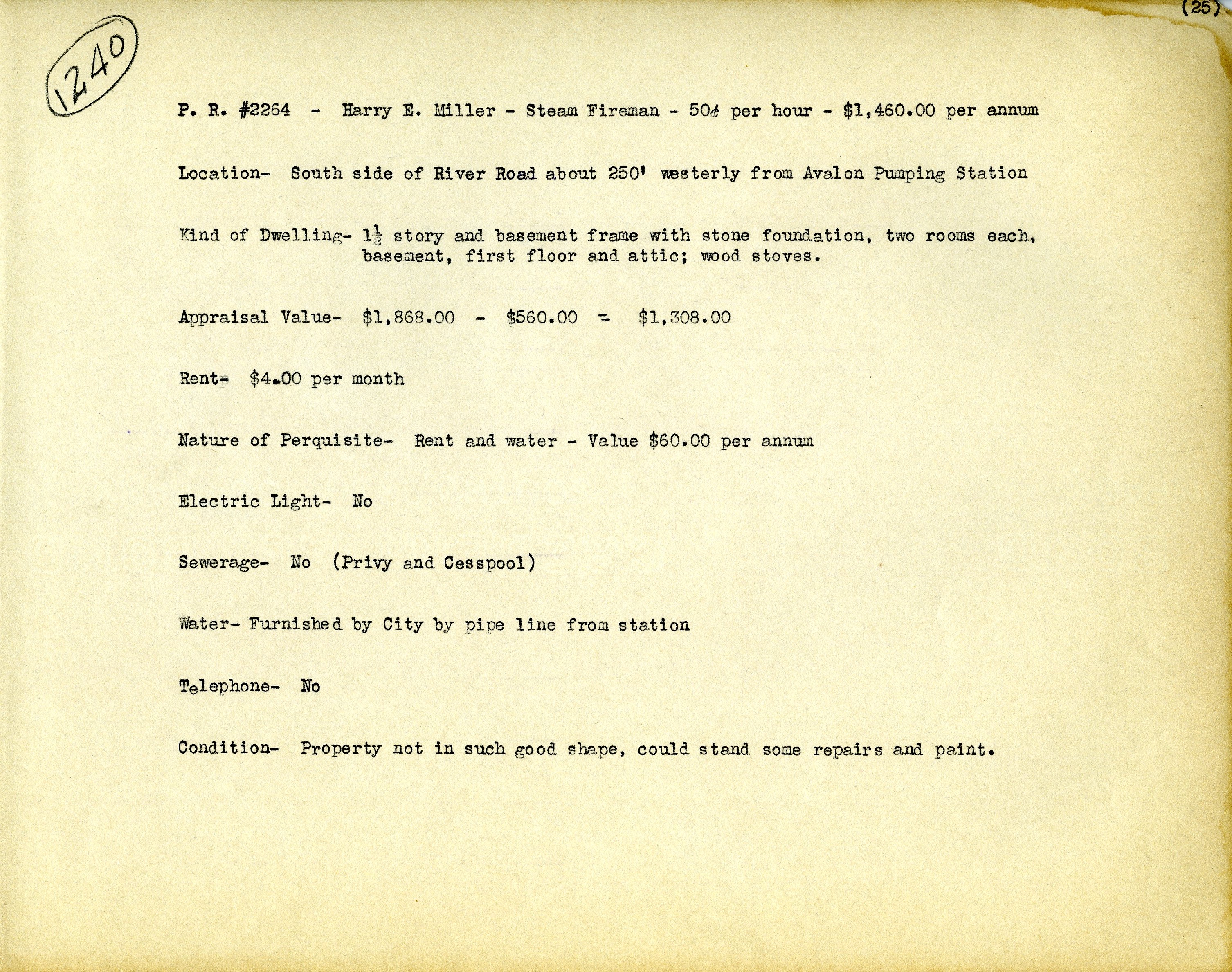
Info on the house and its occupants.

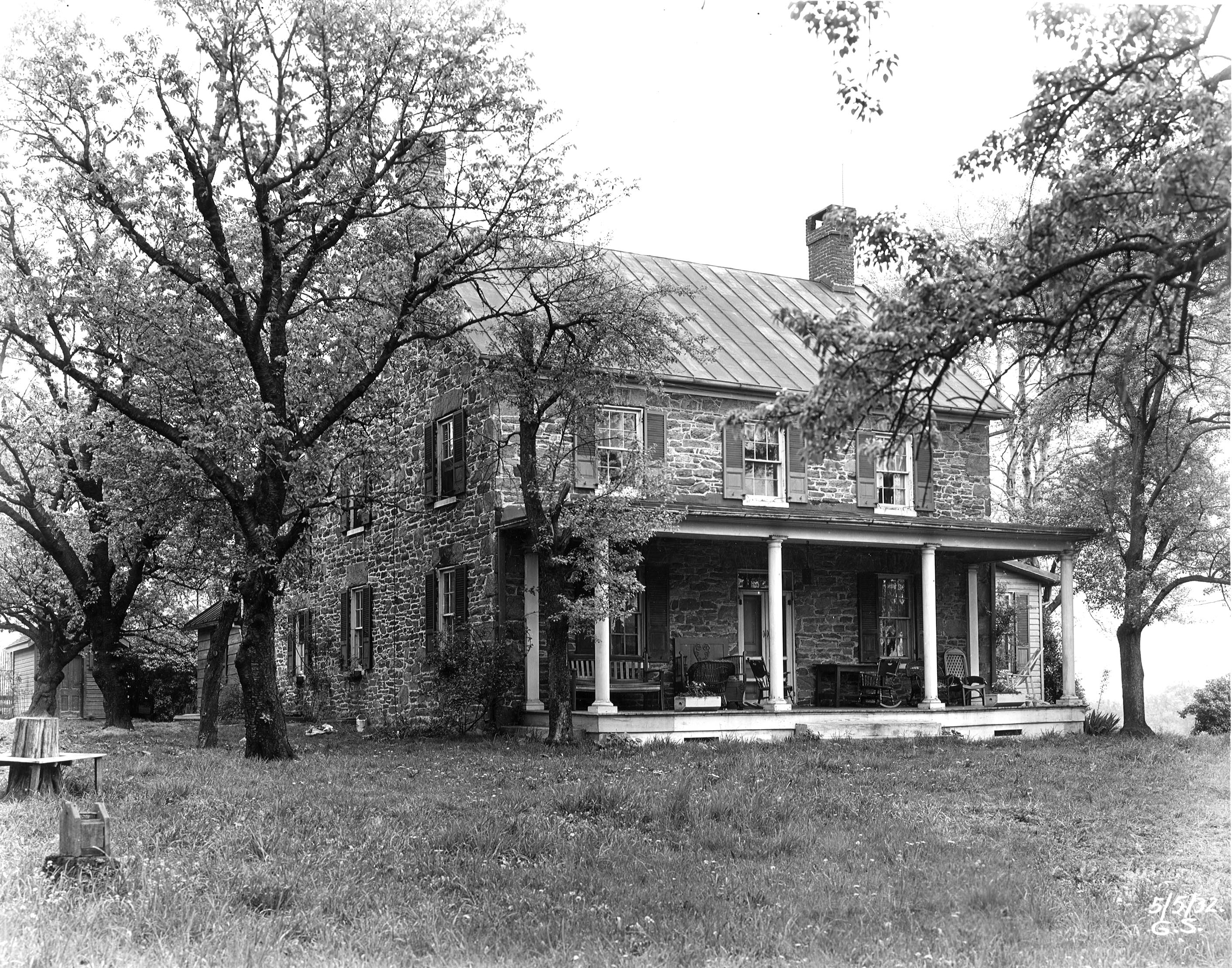
Another house on the Montebello Grounds. I had actually met people who lived here. This too was knocked down.

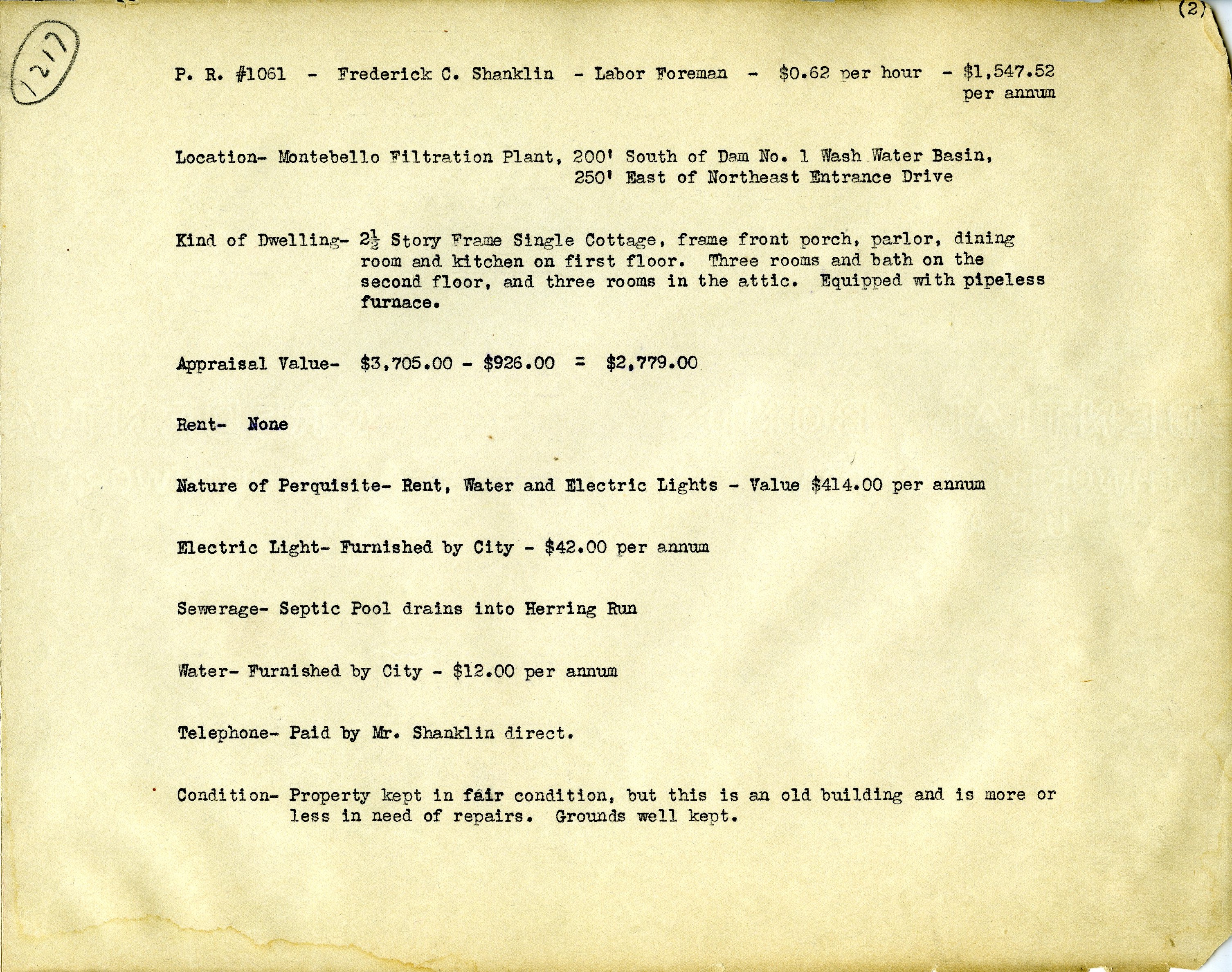
Info on house. Nice house for a labor foreman.

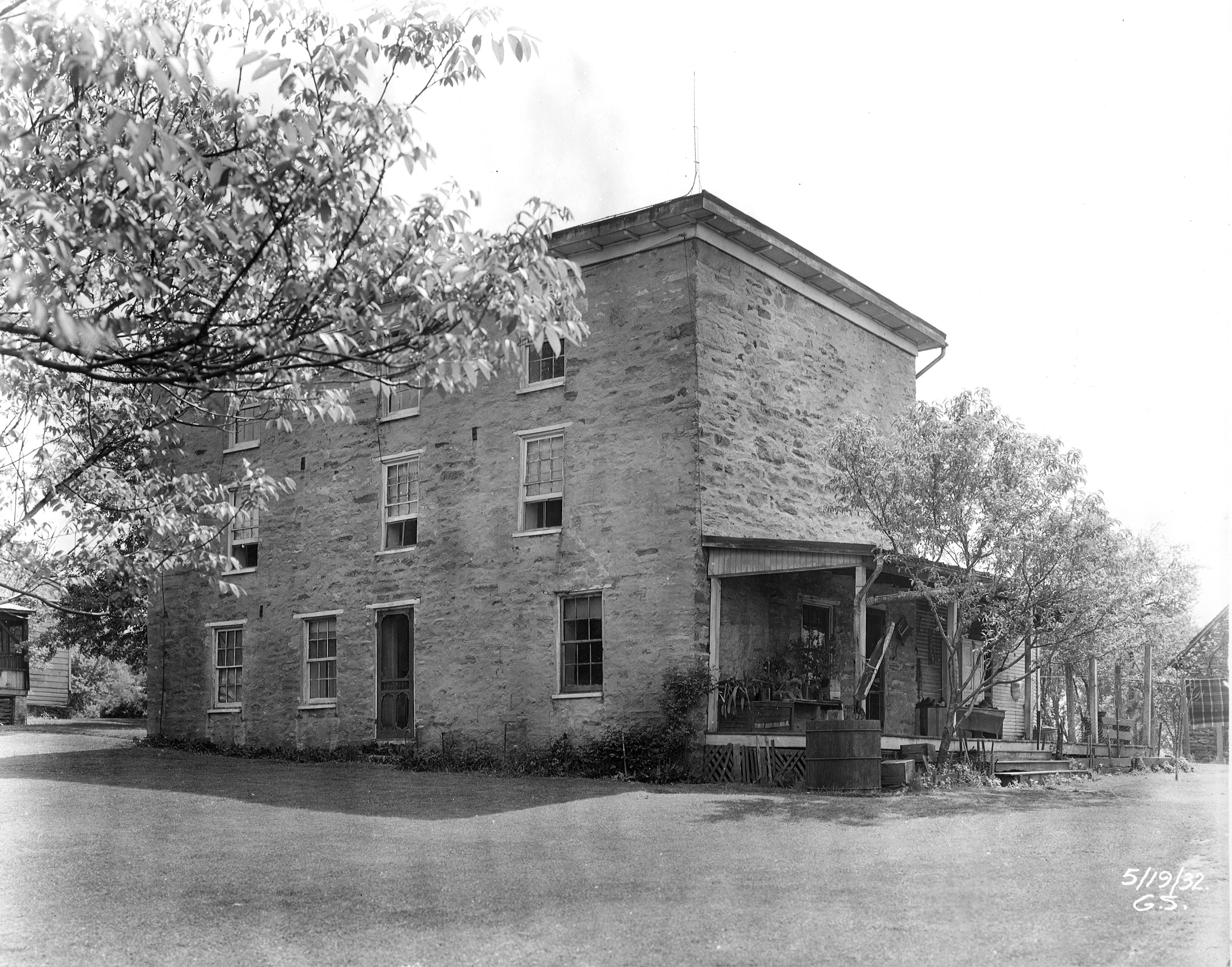
And the final Montebello house.

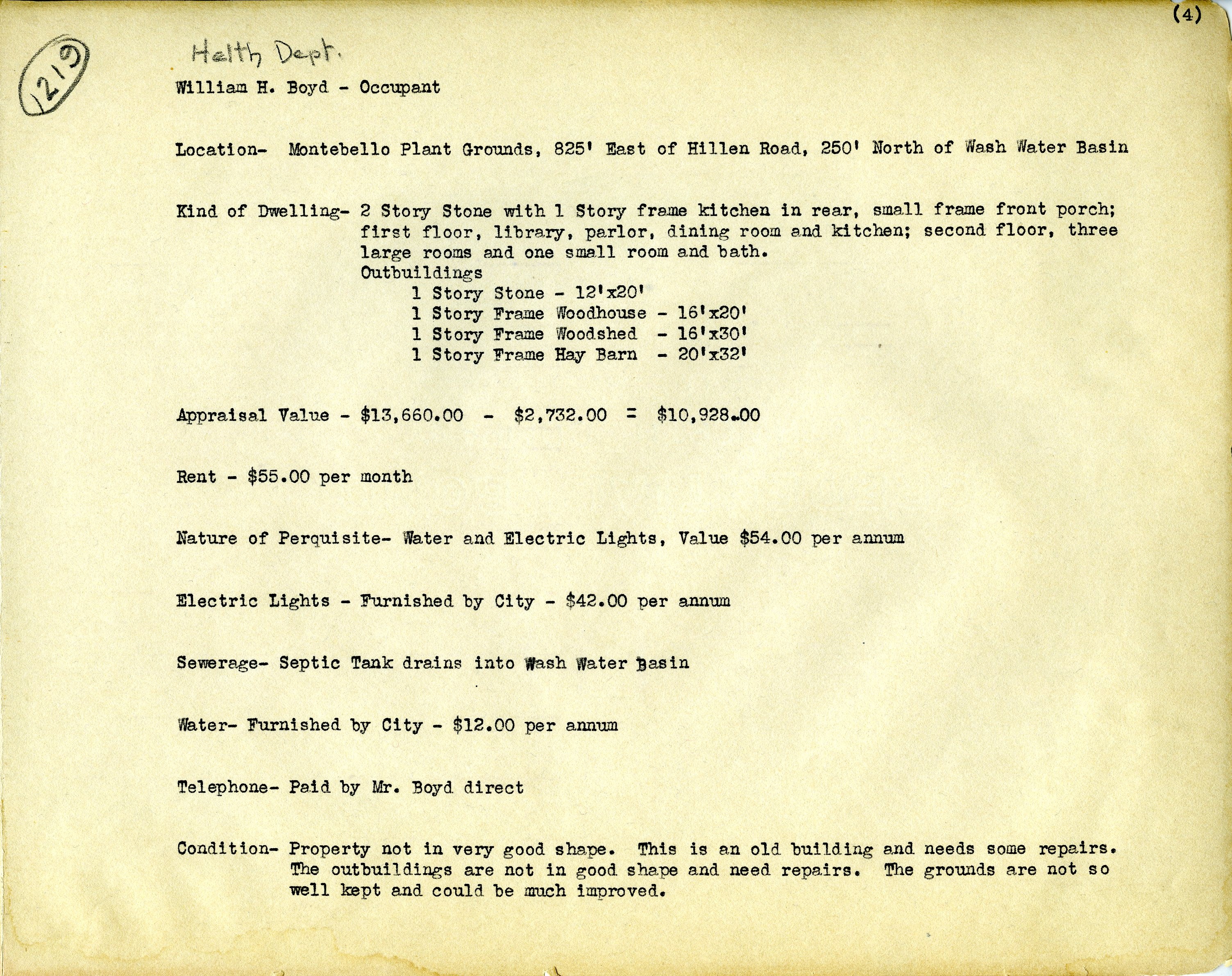
Info on house. This is a duplicate of the Armstrong house, that the preservation people are holding up construction on a new chlorine building, but where were they when this house was razed? I guess a youth baseball field makes it ok to knock it down, but not a water process building??

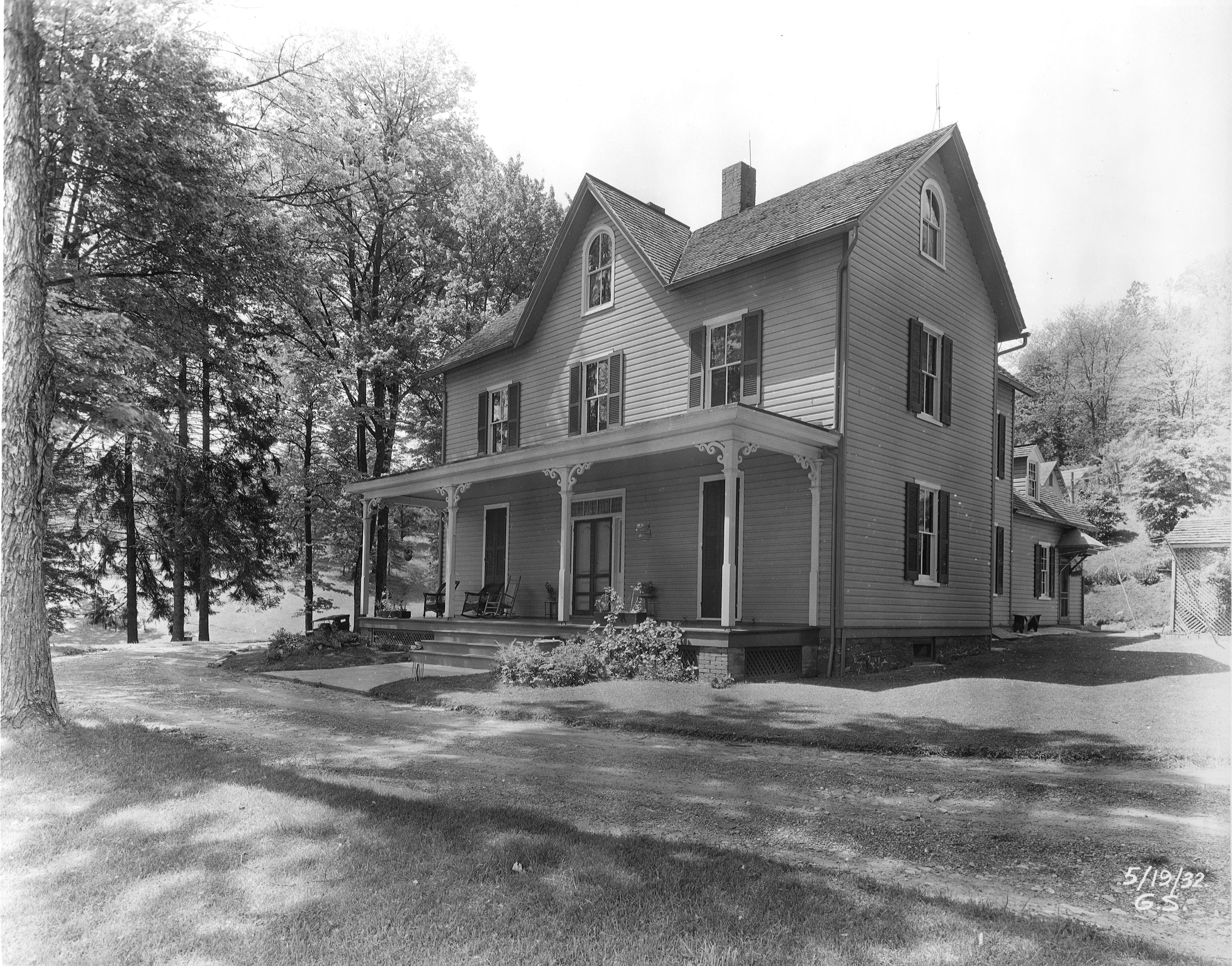
Time to ride up to Loch Raven, to look at some houses:

Info on house.

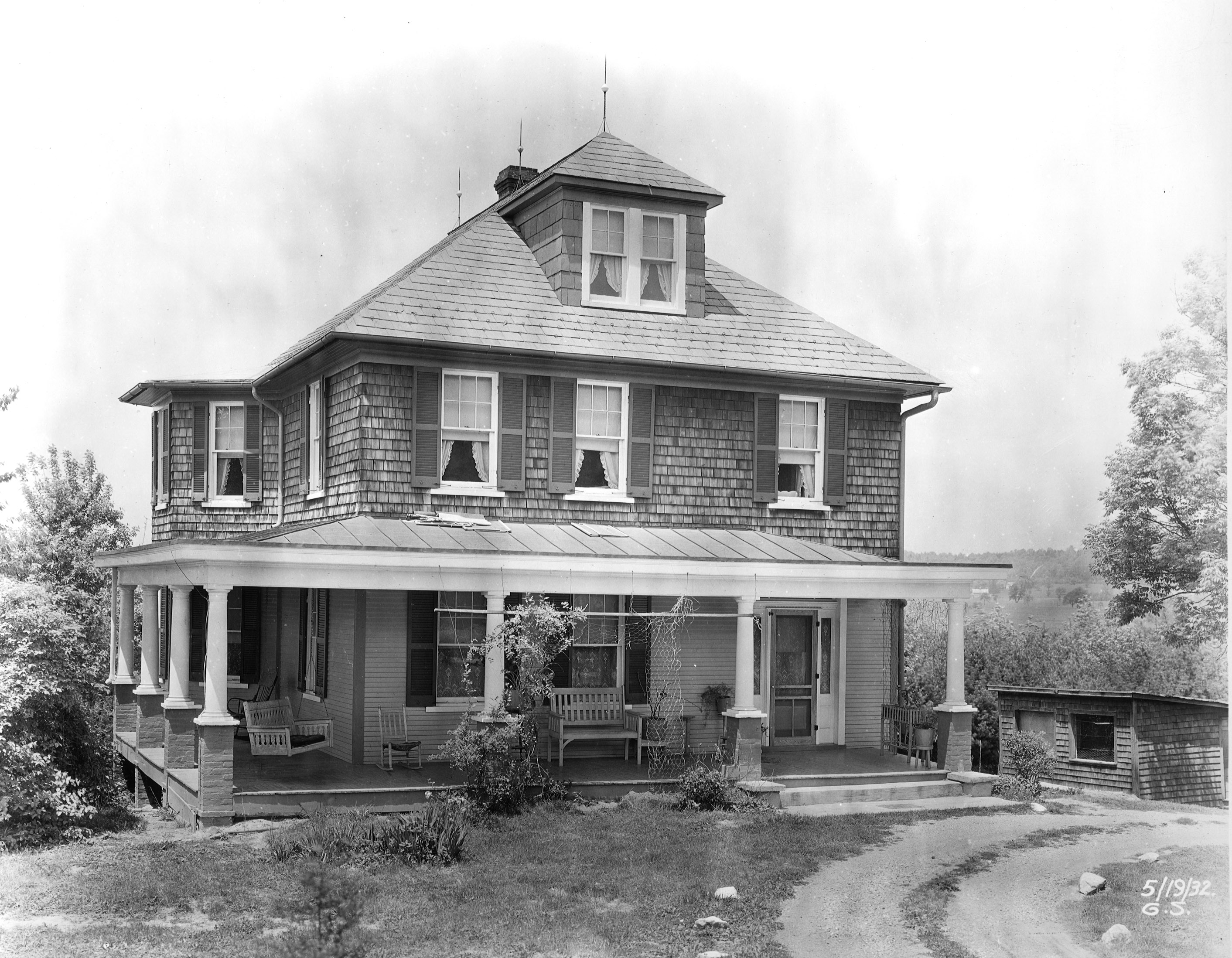
This next one looks nice – also looks familiar.

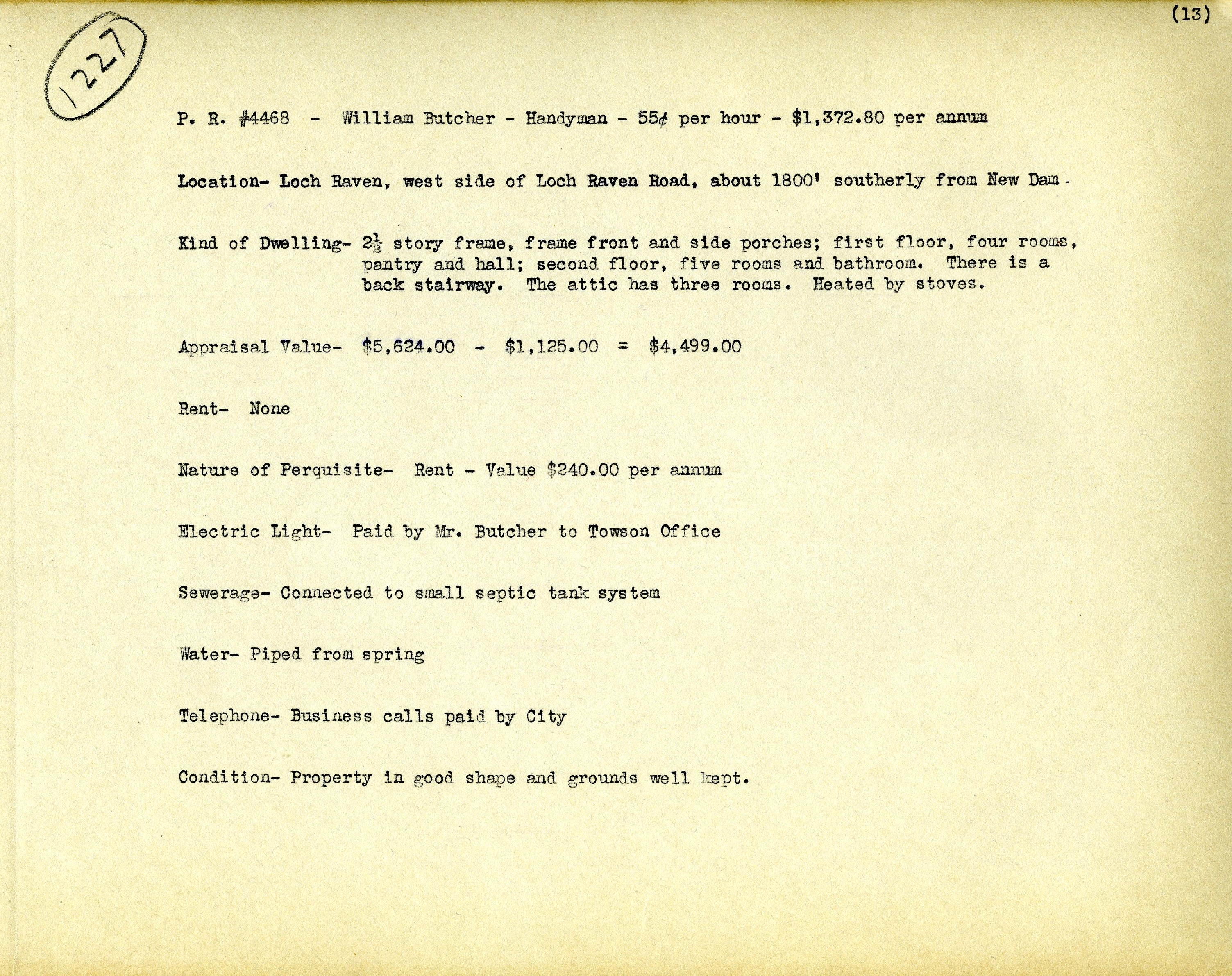
Info on house.

Another nice one.

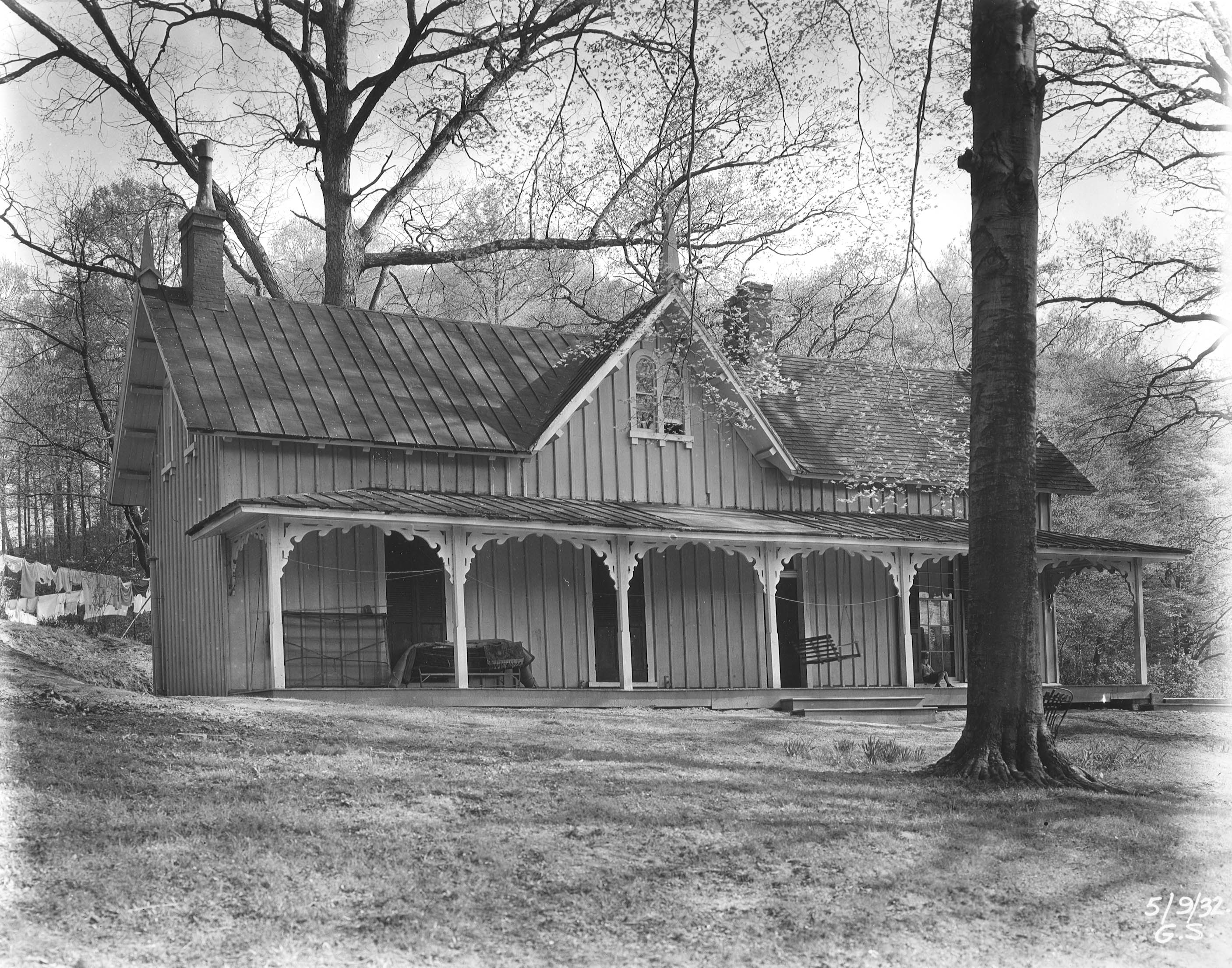
Another laborer’s house.

Moving up the Gunpowder River to check out some houses up near Prettyboy Reservoir.

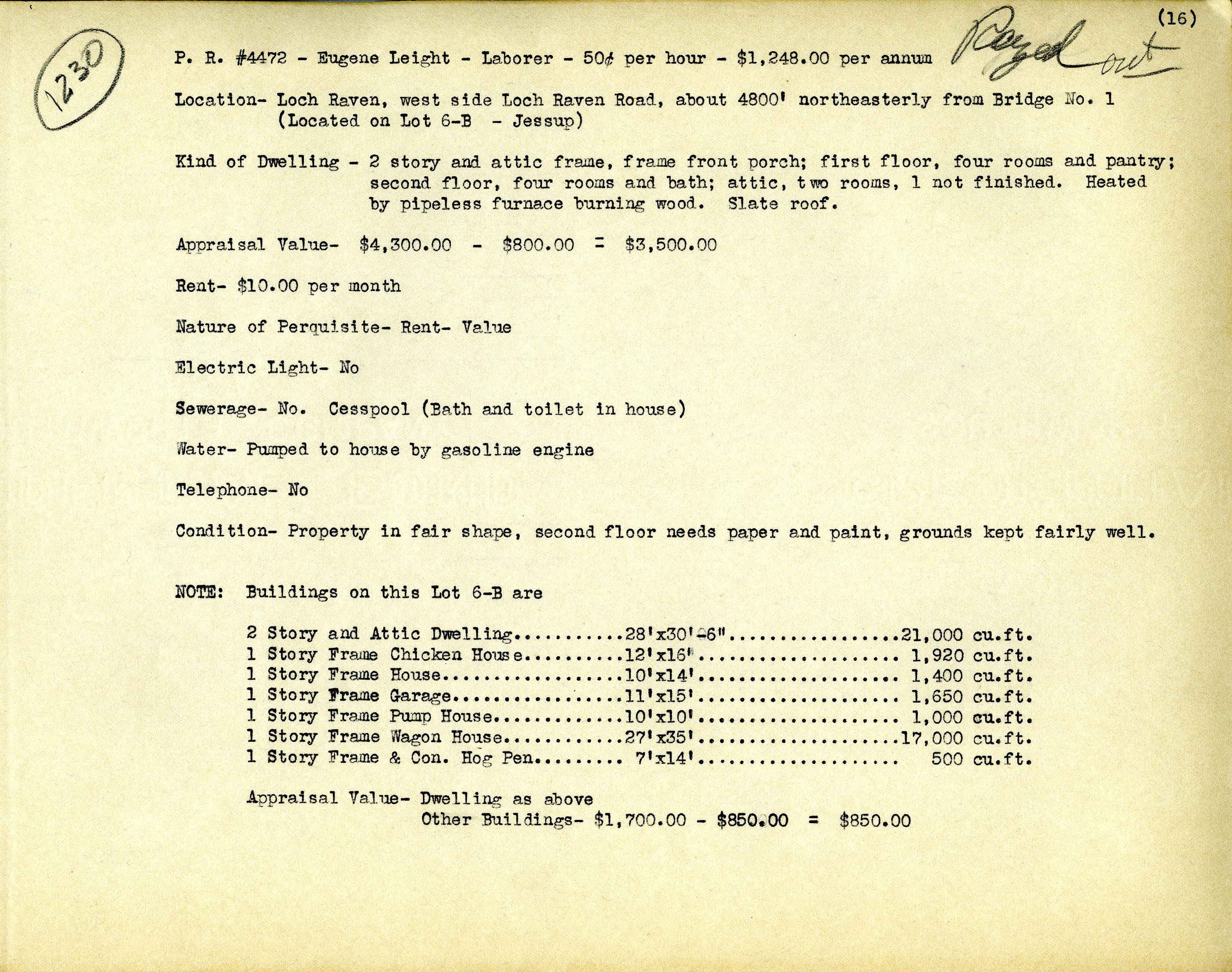
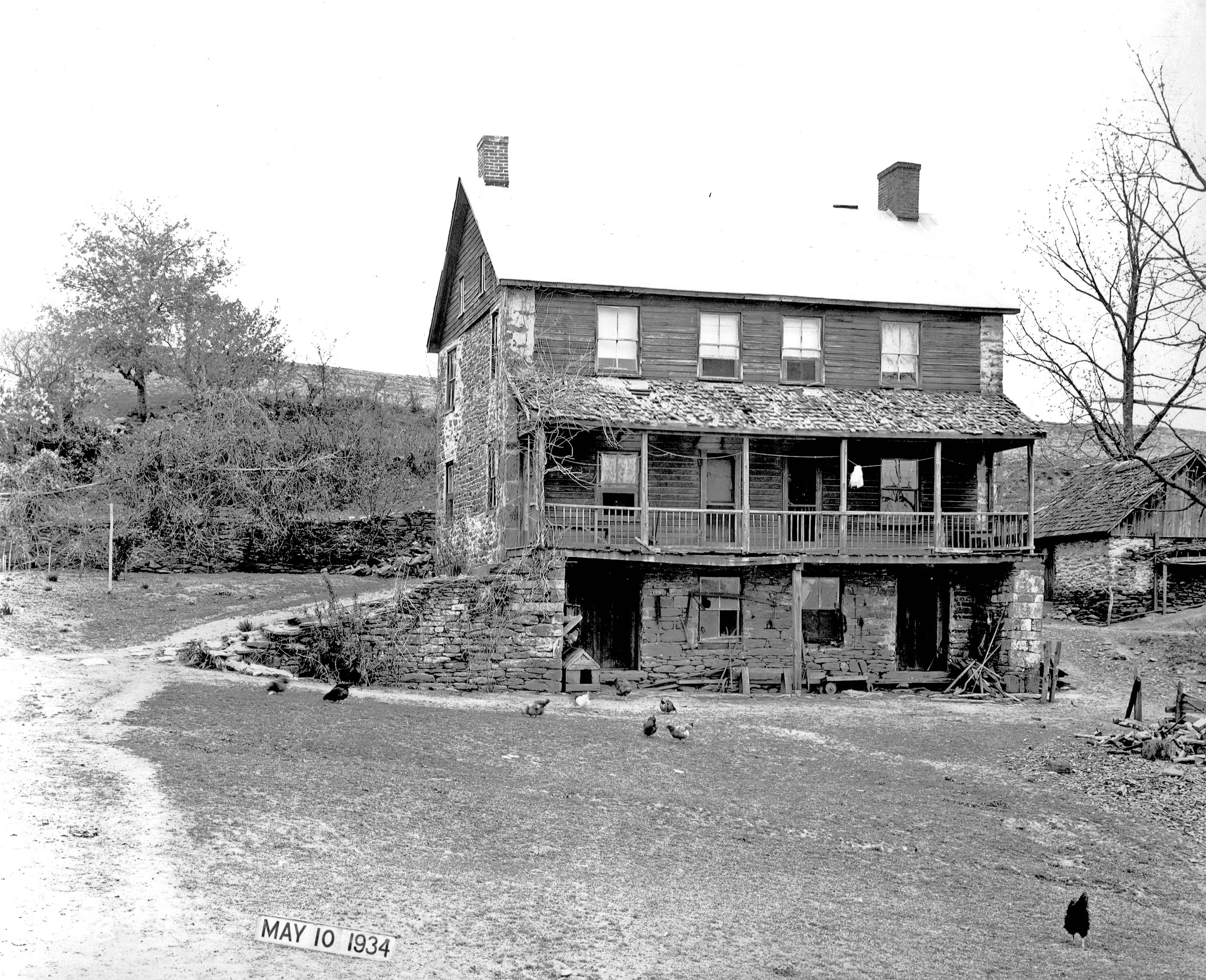
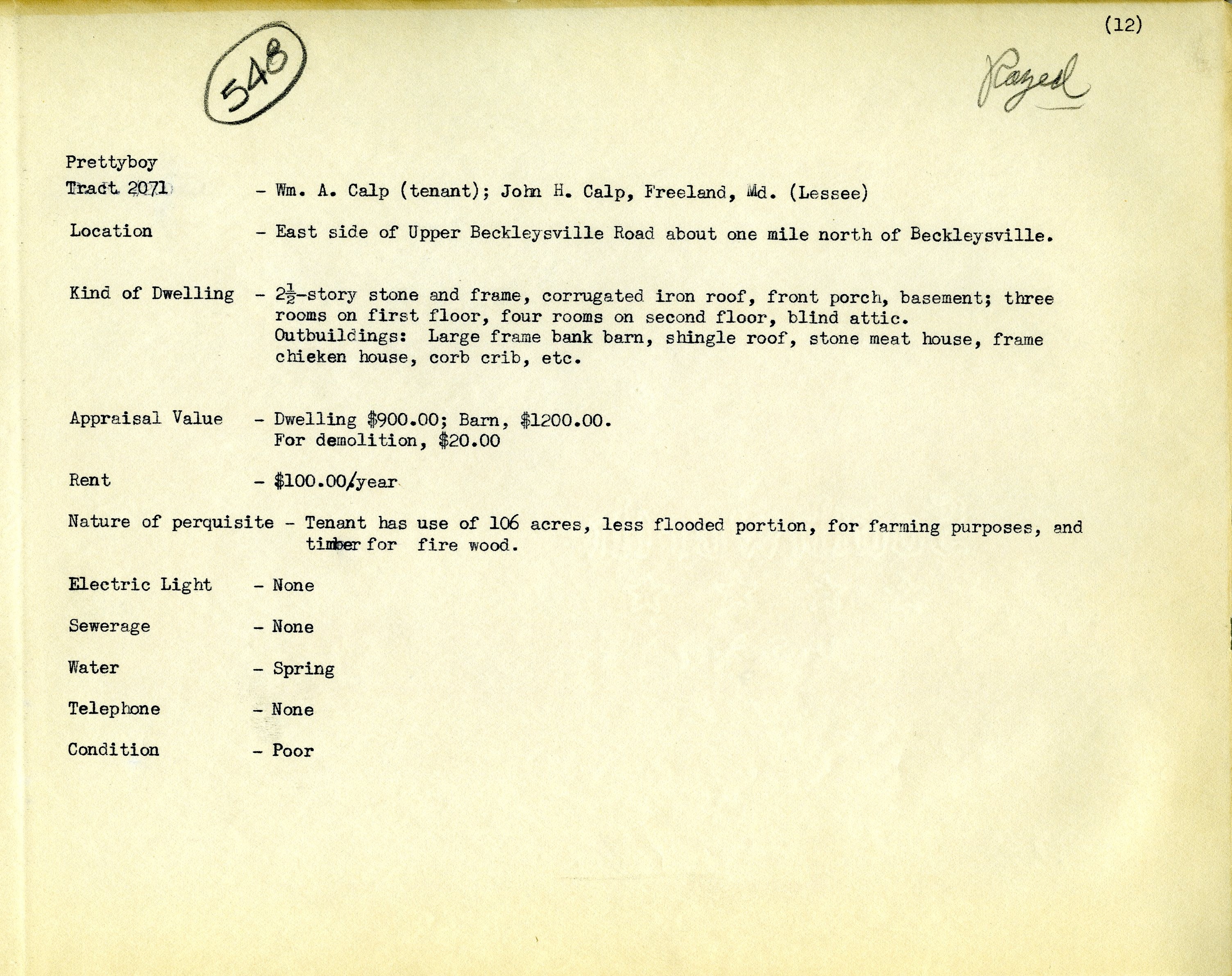
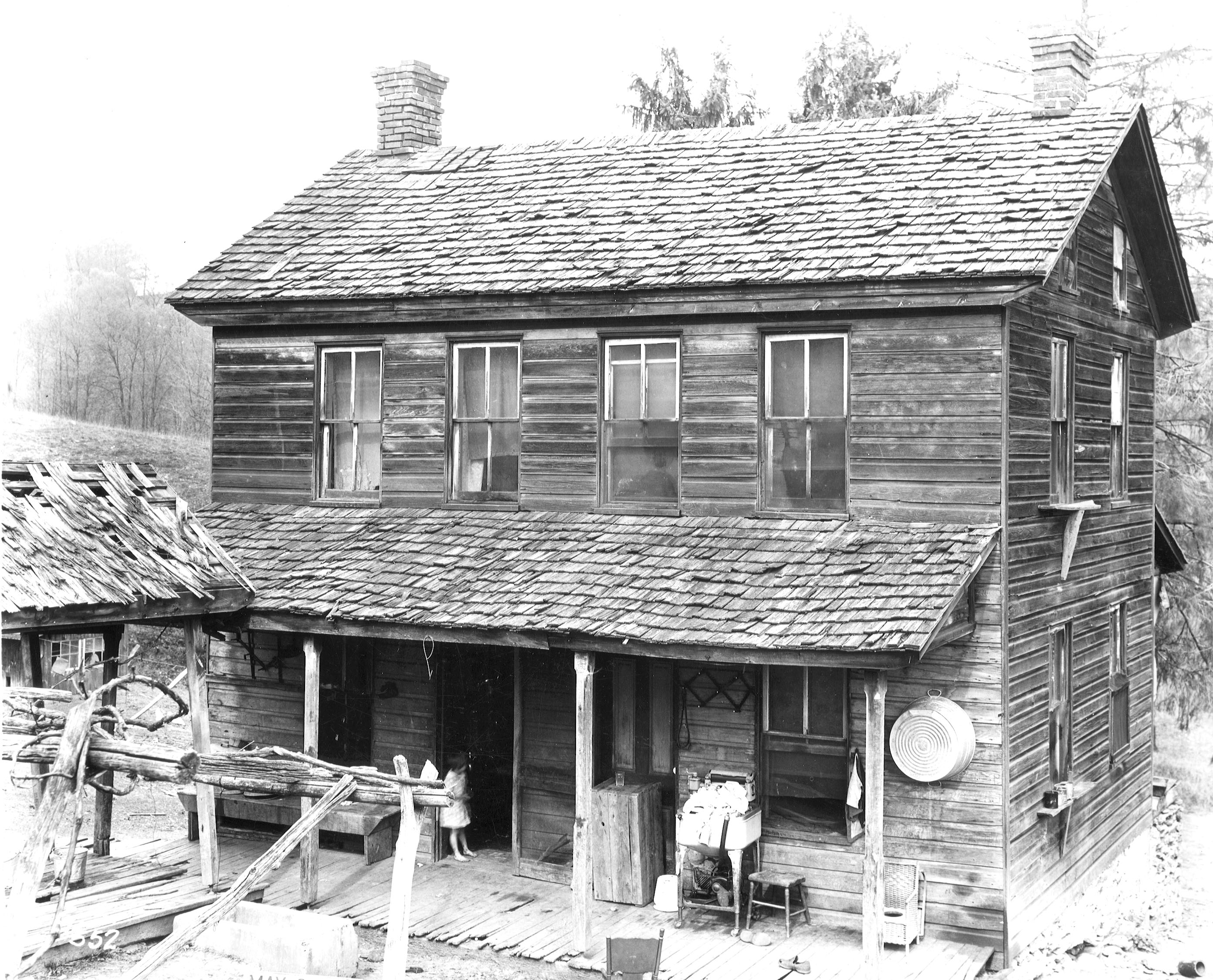
A fixer upper with chickens.

This one looks like a scary place to raise kids.

Doesn’t appear to be a City employee, but still City property.

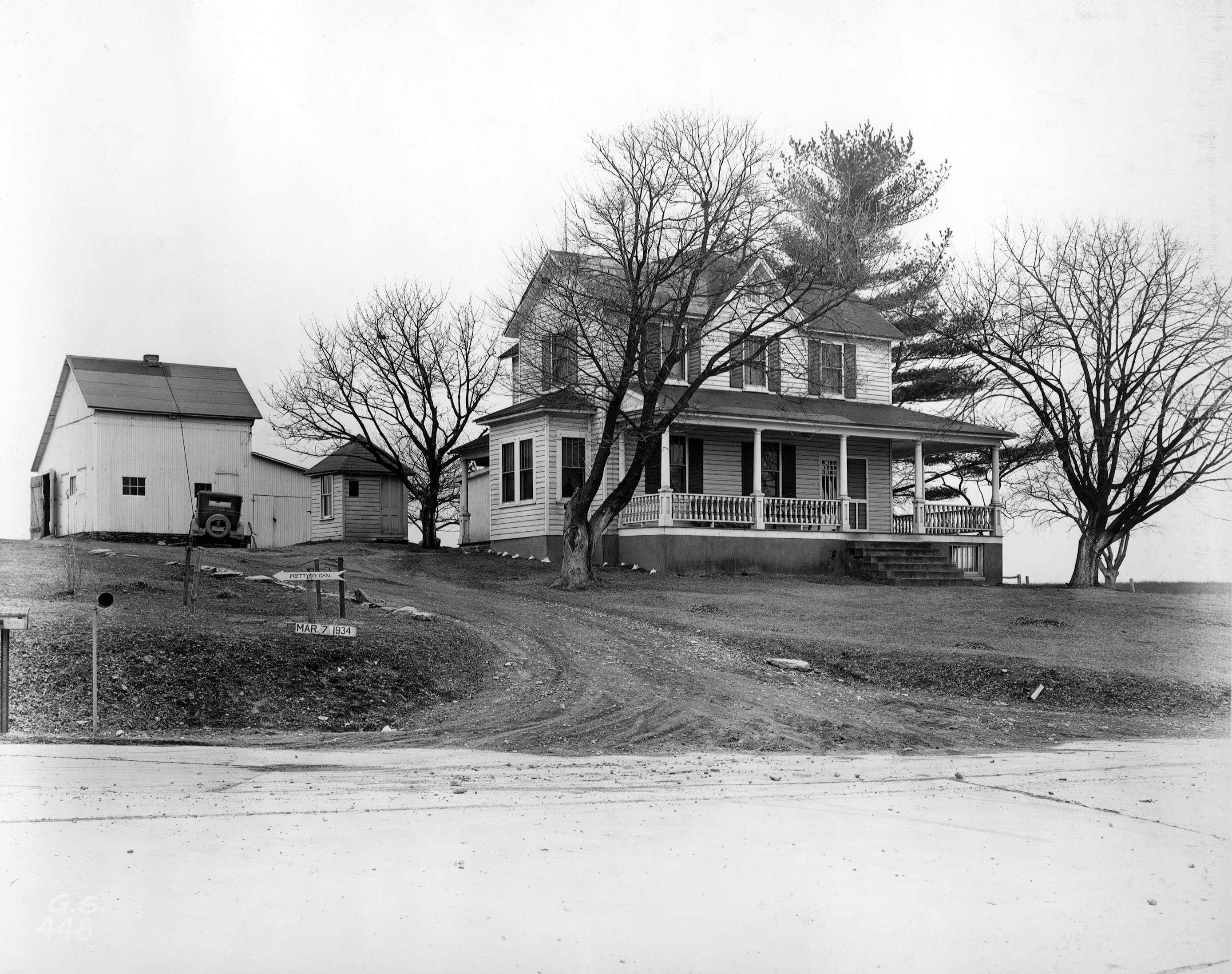
I doubt if Jimi lived here, but nice. I guess the owner was tired of people asking where the dam was so he put up a sign.

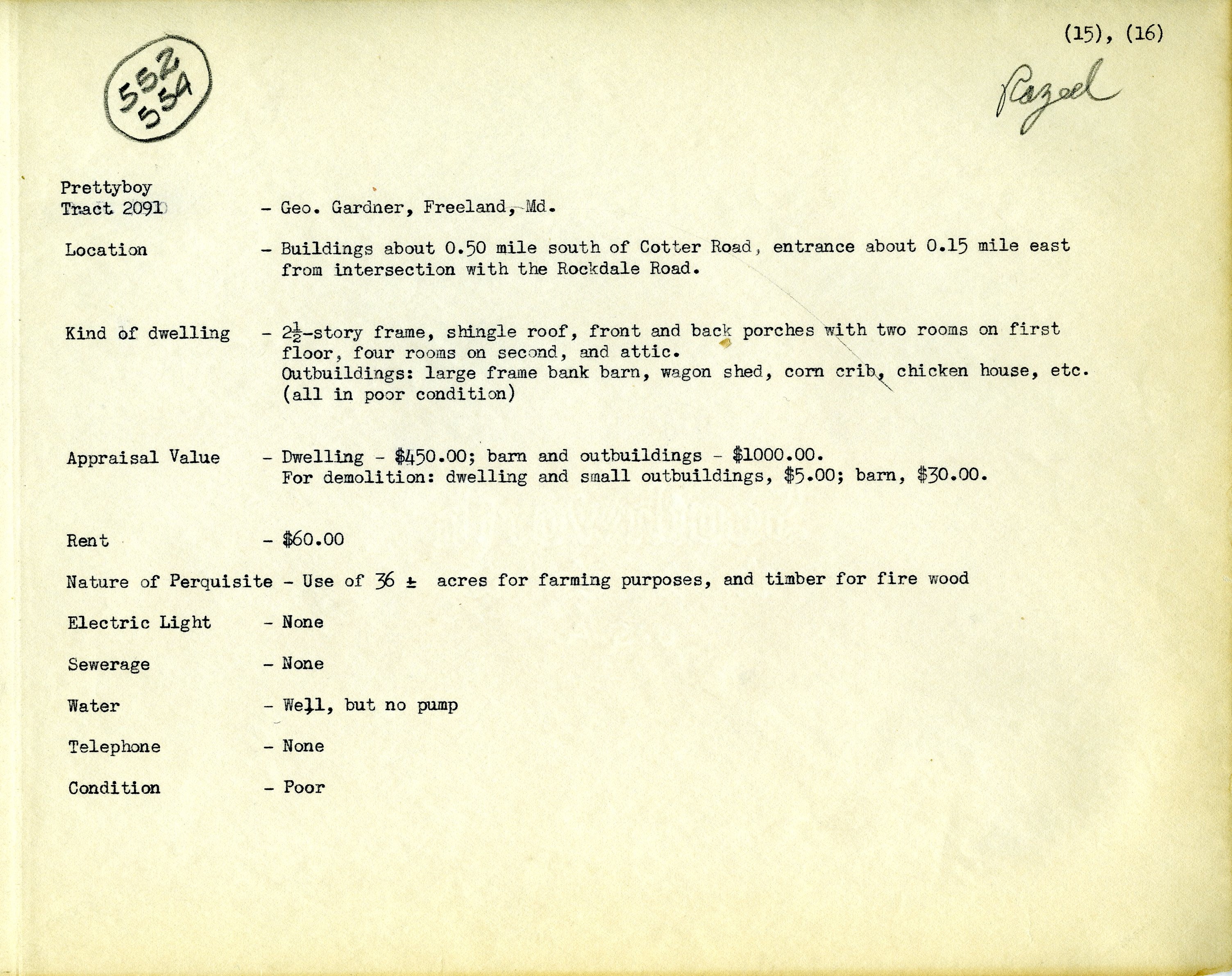
Info on house.

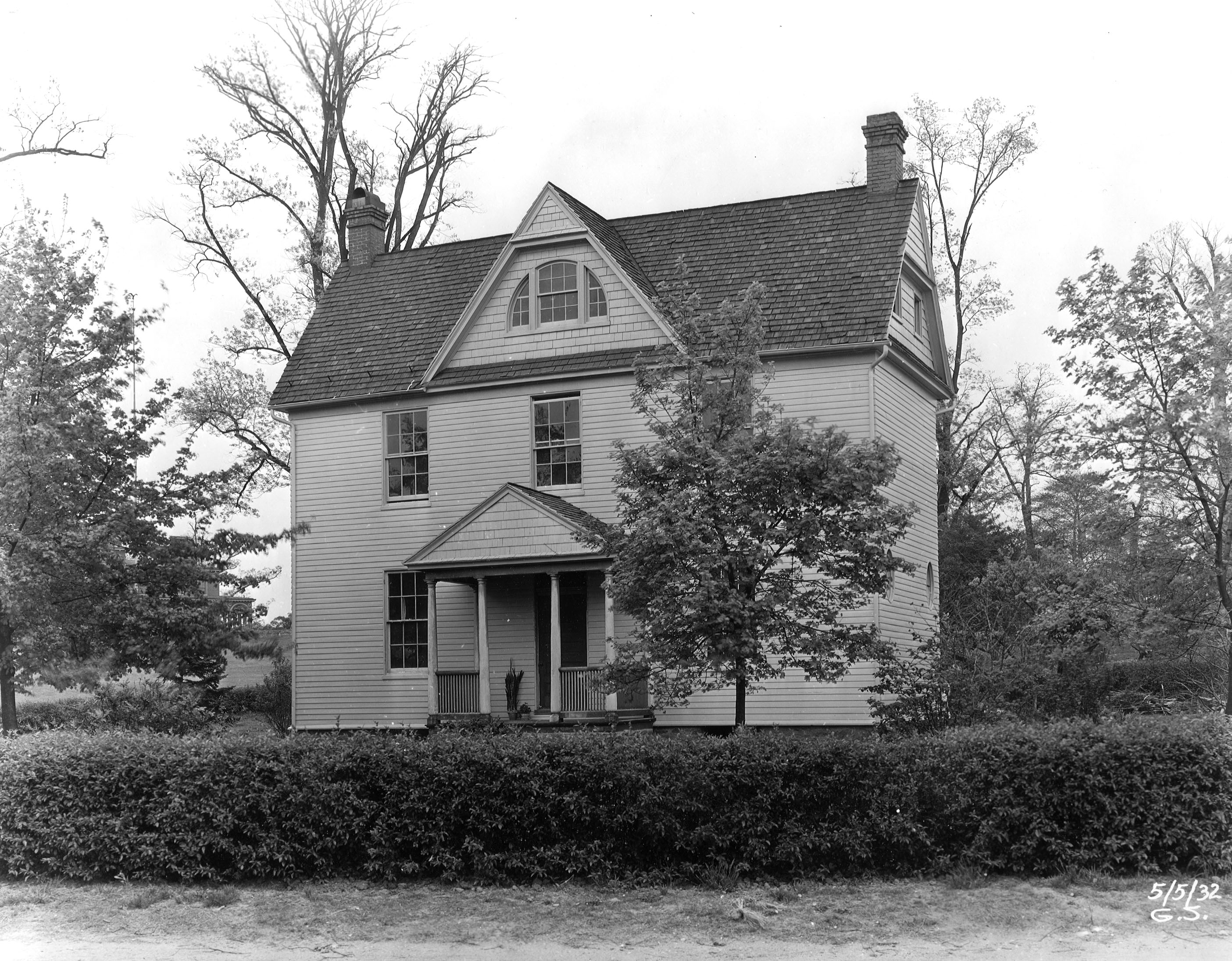
We leave the Gunpowder area and head back to the City, Roland Park. I like this one. A little skinny but nice. Wish the realtor would have posted some interior pics!

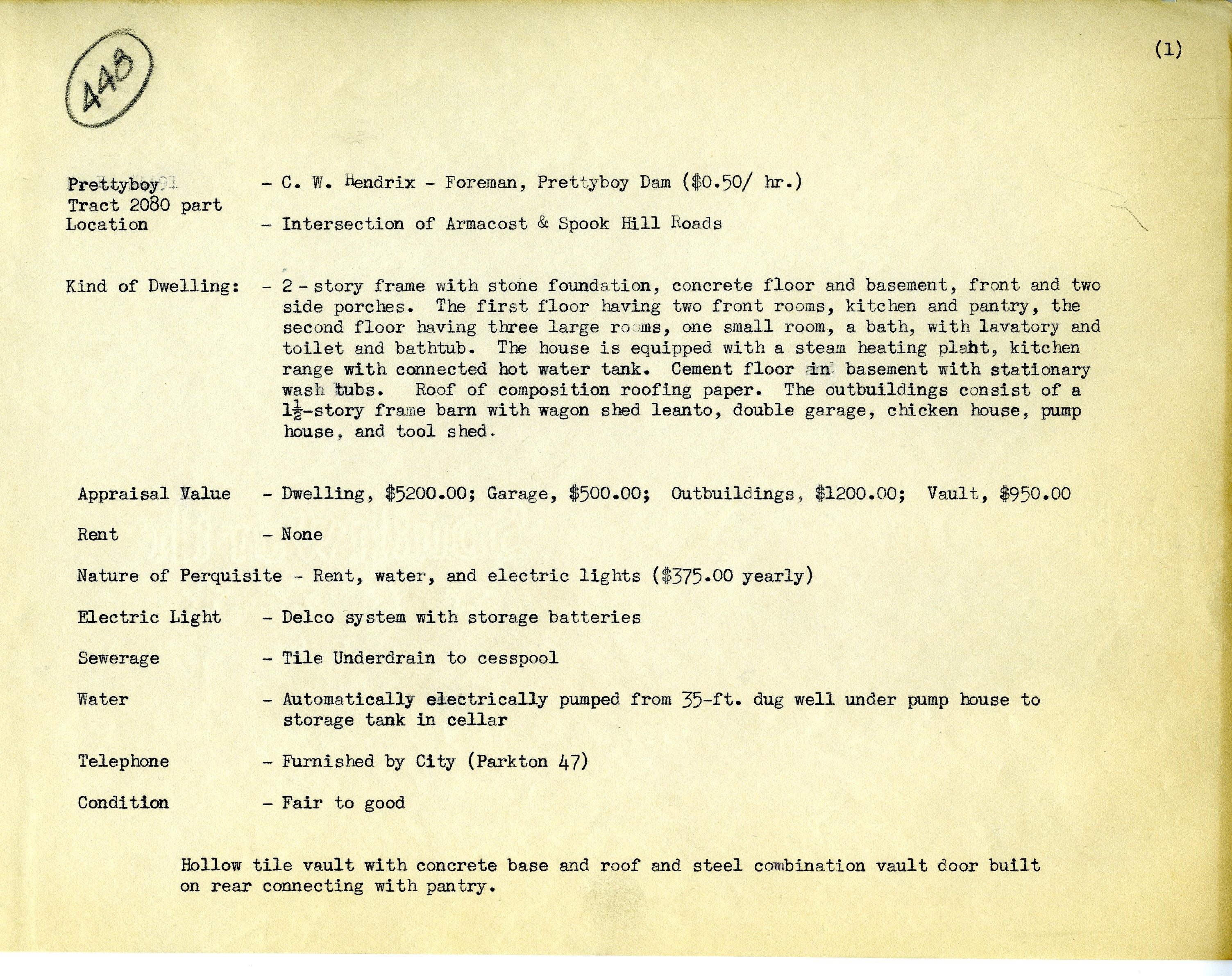
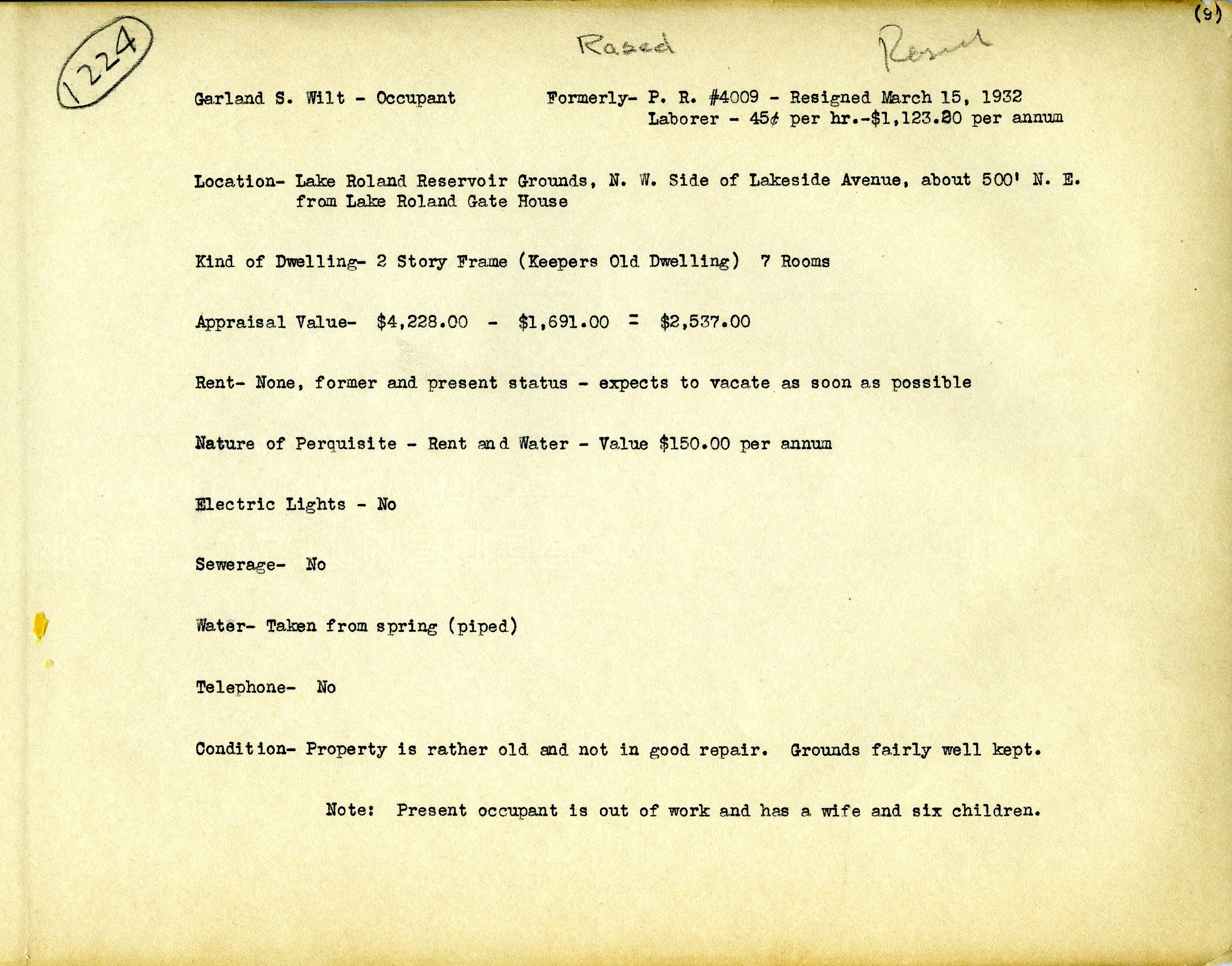
Property info. This guy resigned but is still living in the house.

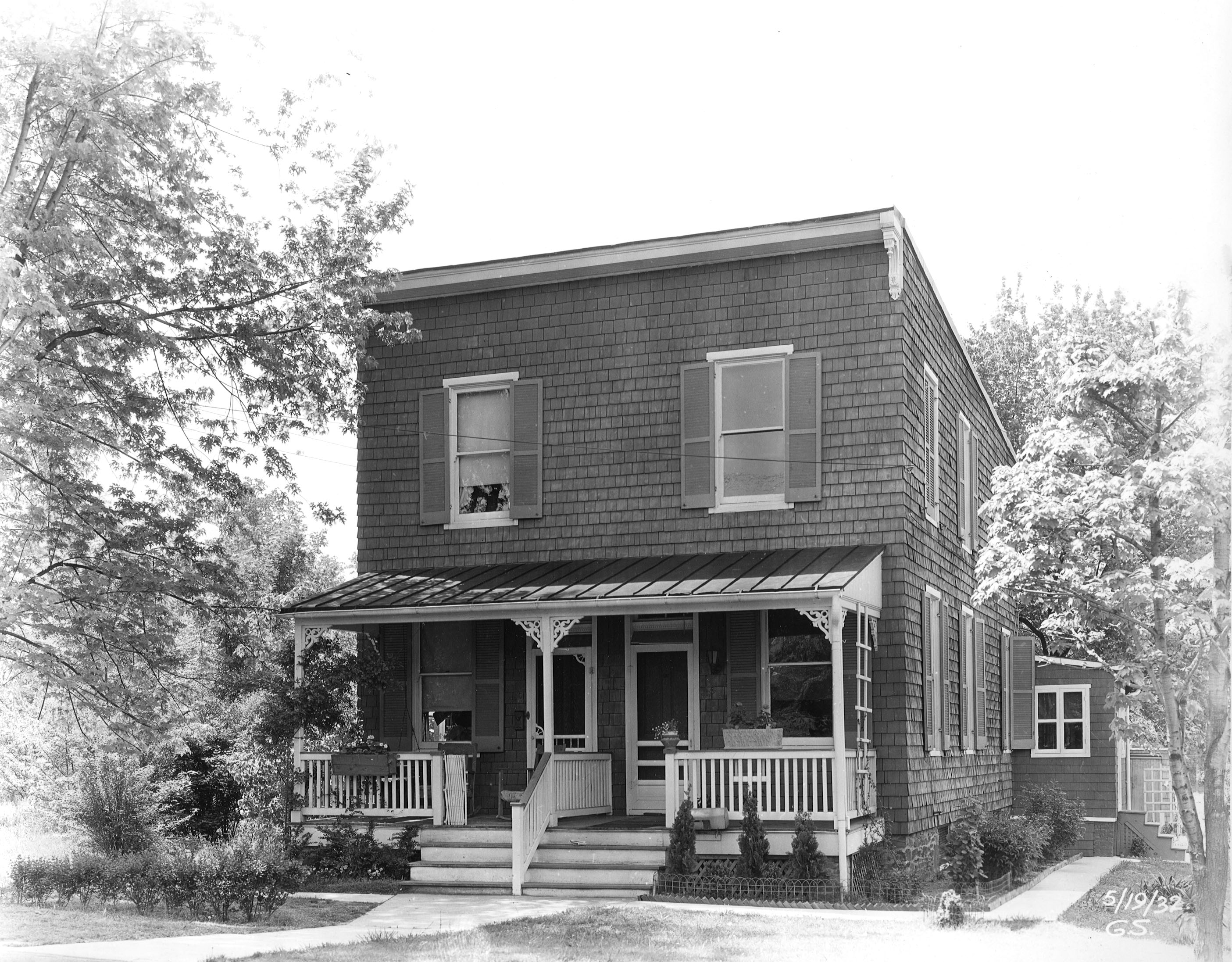
We left there and headed back over near Montebello. Got a text from my agent saying that a house just came on the market over at Clifton!

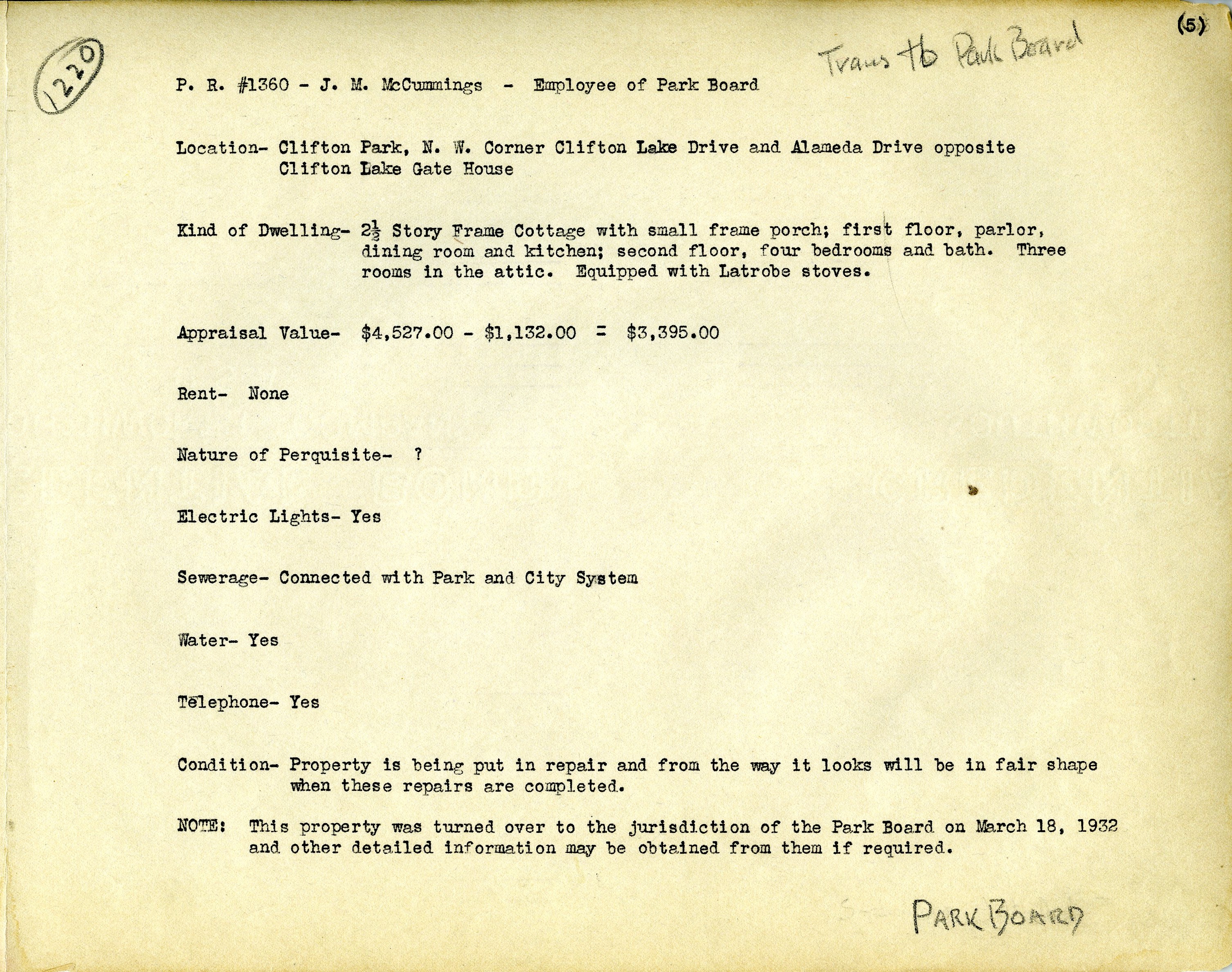
Darn! Too late – turned over to the Park Board!

We now head west out of the city towards the Patapsco river. Avalon.

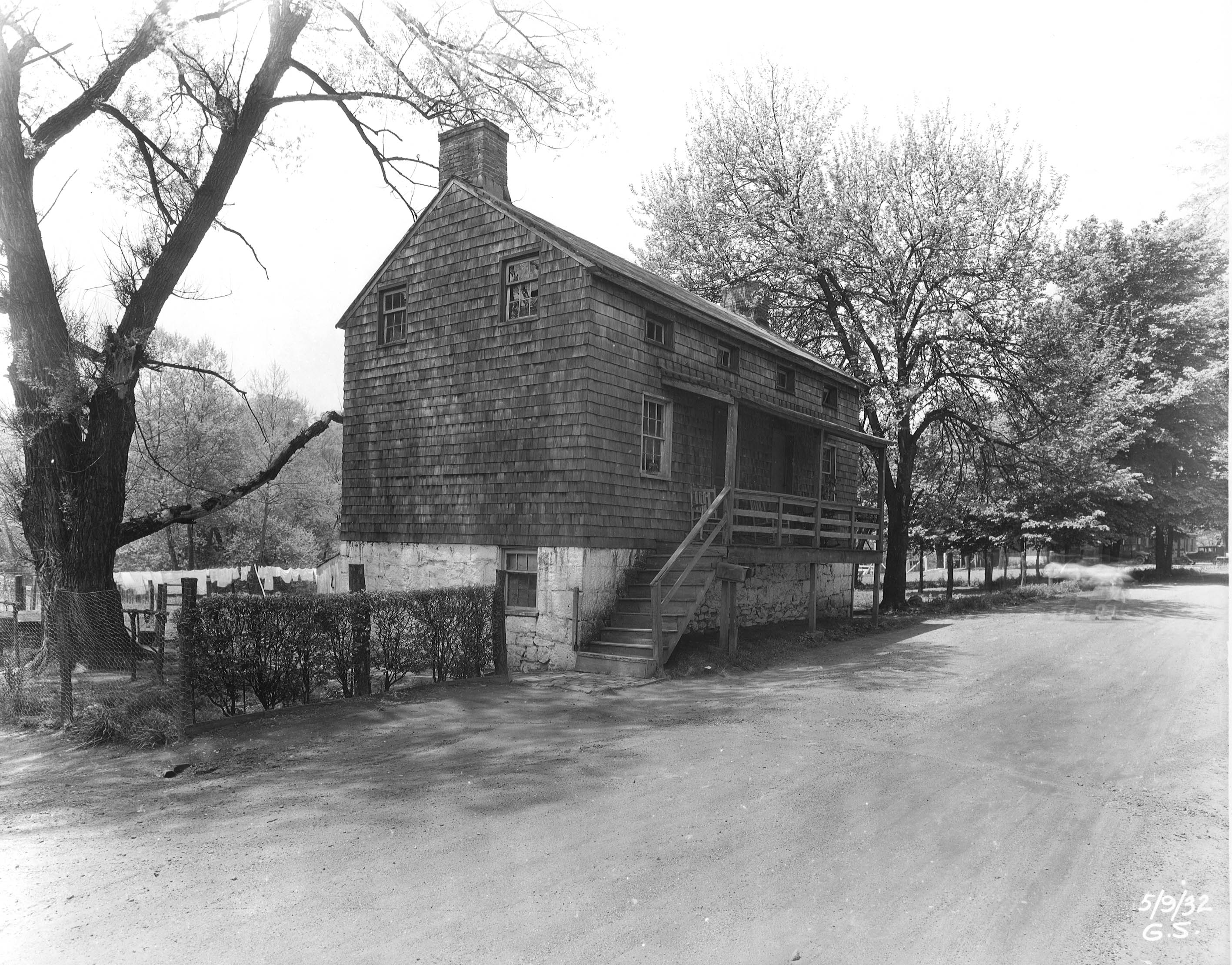
Not sure about that porch and what’s with those small upper windows??

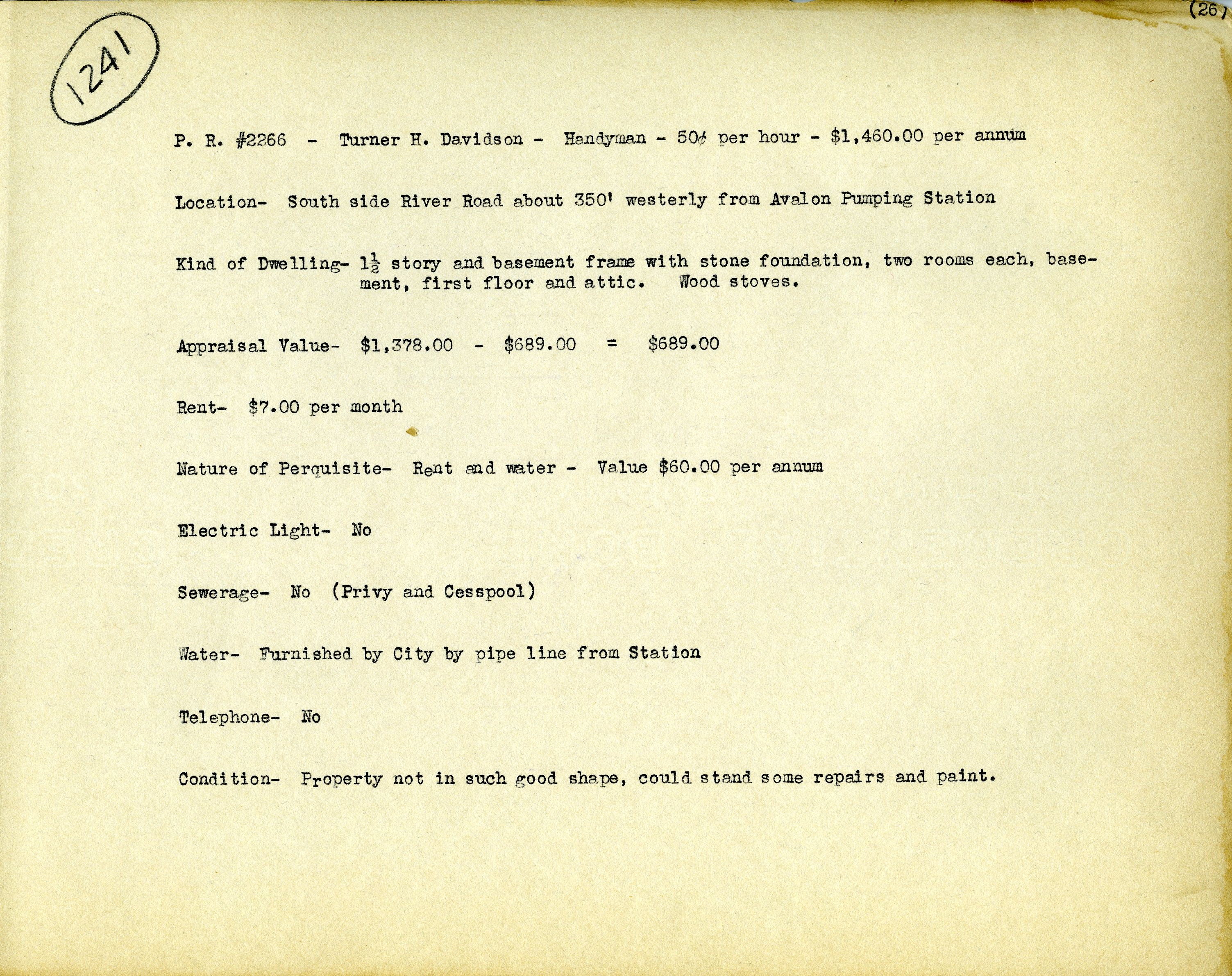
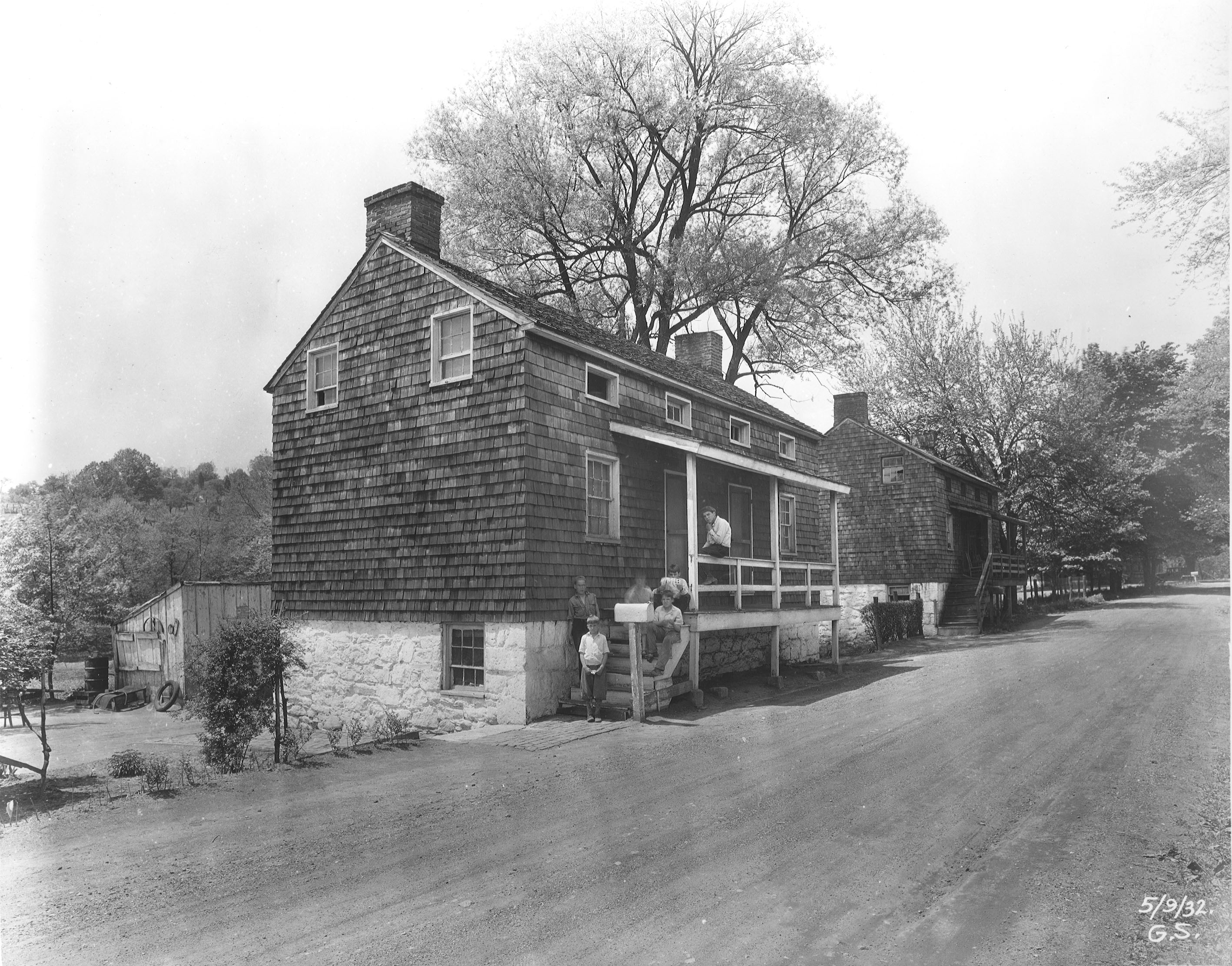
This one looks like the Davidson house above, but it comes with children.

Info on house.

More searching took us to a couple more.

These were double occupancy, I really don’t want to live next to someone that works at the water department! This one below is a semi-detached.

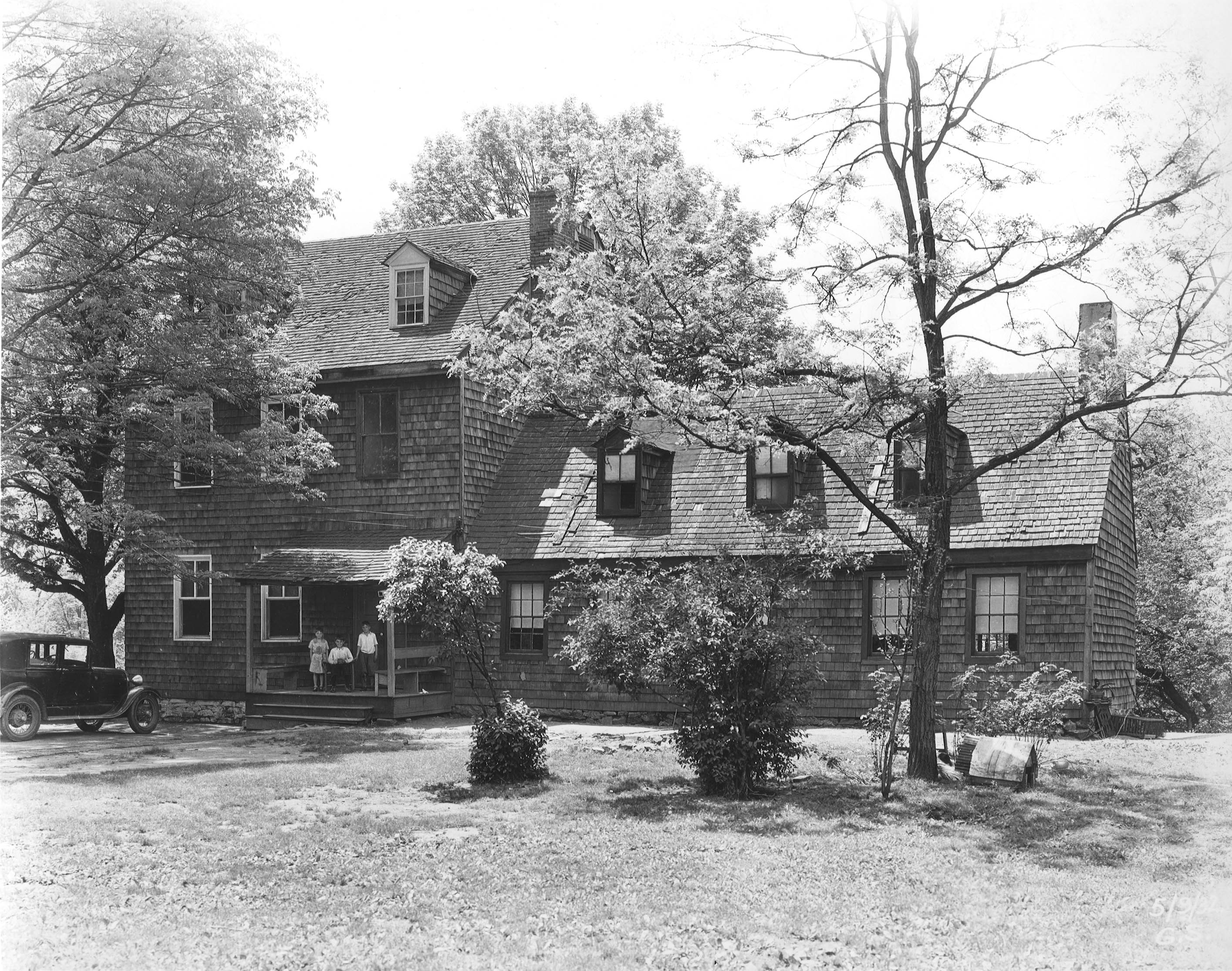
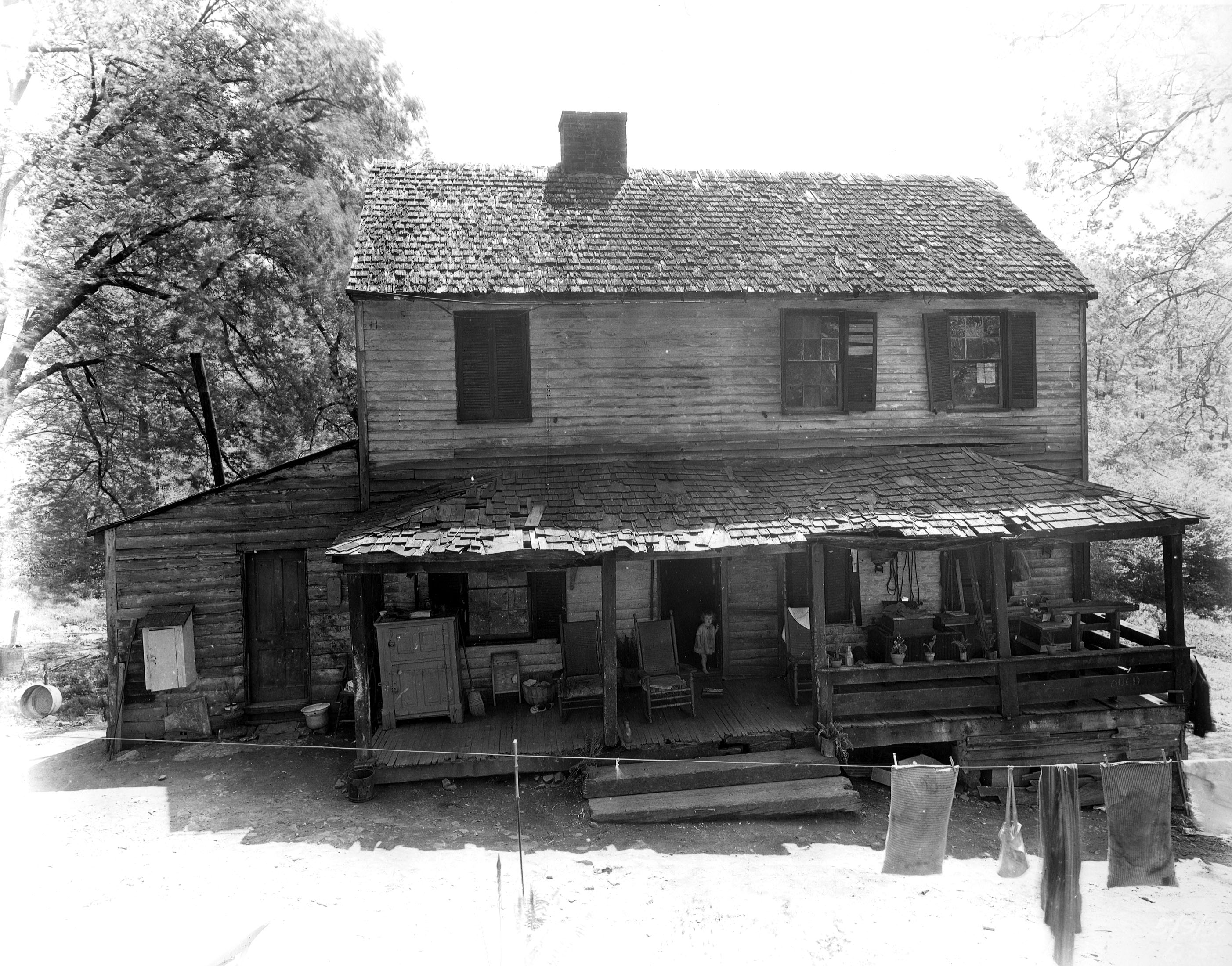
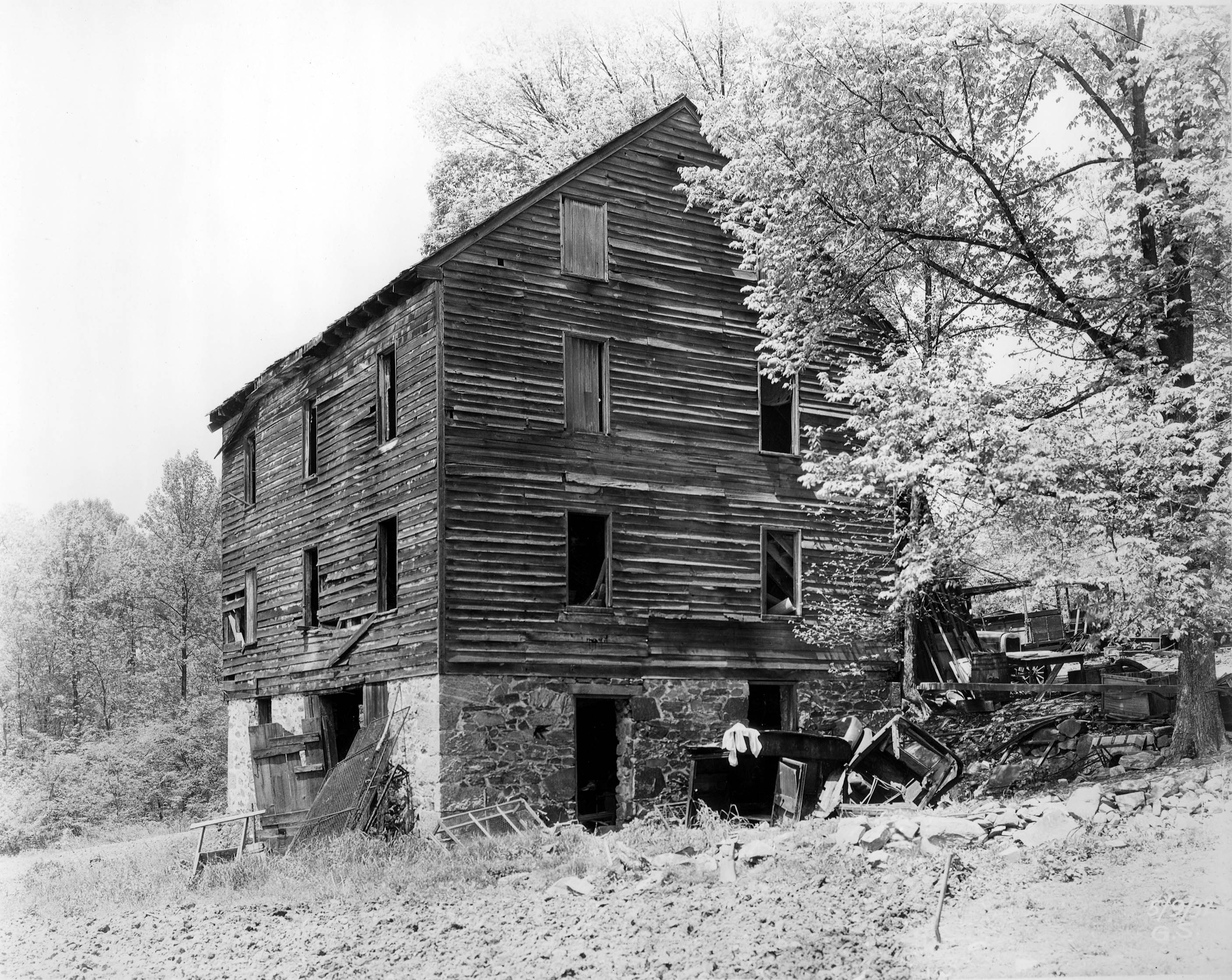
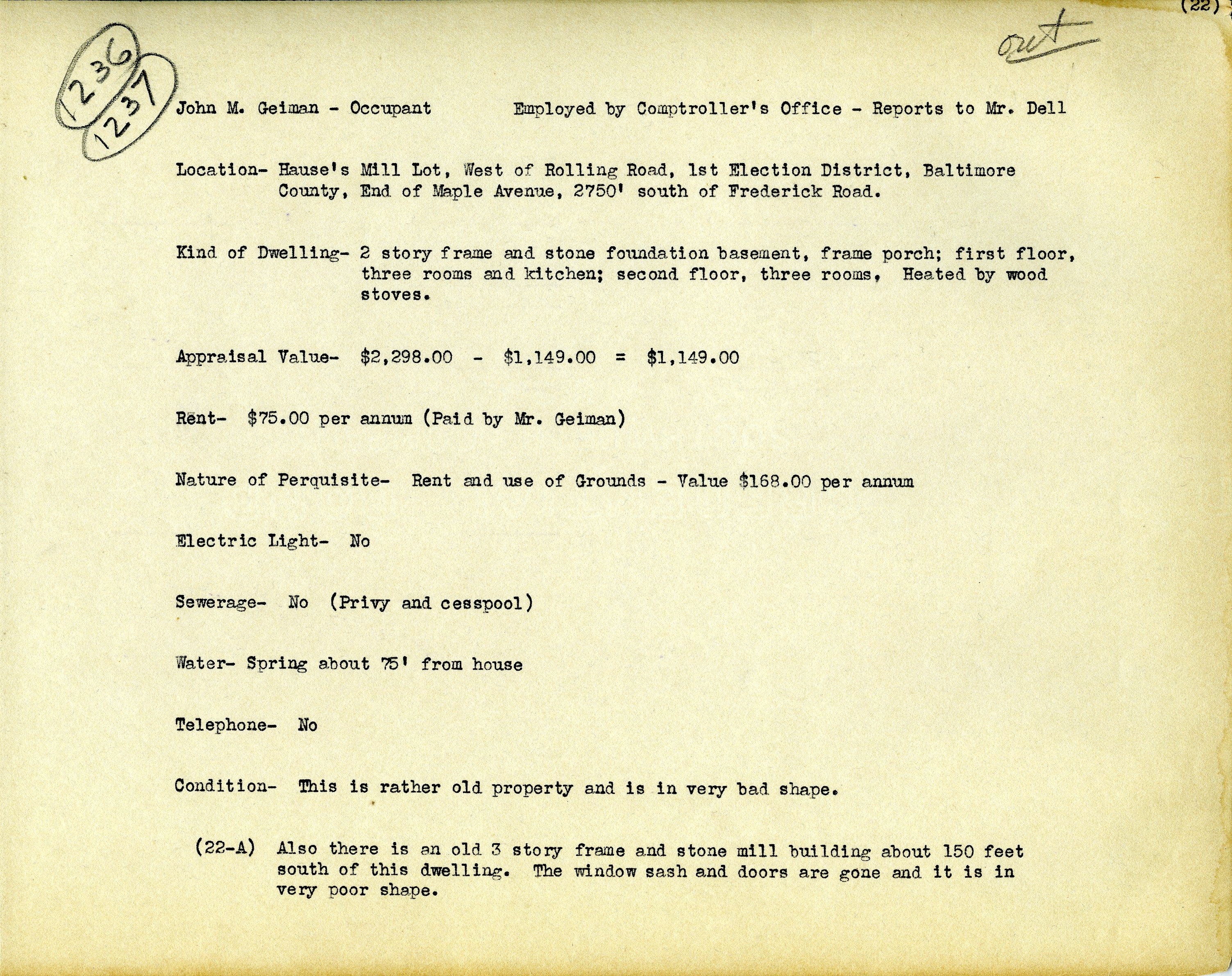
The next house was unbelievably dirty. I felt sorry for this little kid, whose father worked for the City Comptroller.

It does have a mill though.

Info on the house.

A big house on the market, over on the west side – Arlington.

Looks like a school next door – don’t need the noise.

Highlights in Public Works History part 2

11 Monday Jun 2018

Posted by Ronald Parks in Archives, Baltimore, engineering, HISTORY

≈ Leave a comment

Tags

Baltimore, bridges, Dams, engineering, Gunpowder Falls, HISTORY, Latrobe, Montebello, POLITICS, Public Works, Research, Route 40, water history, White wings

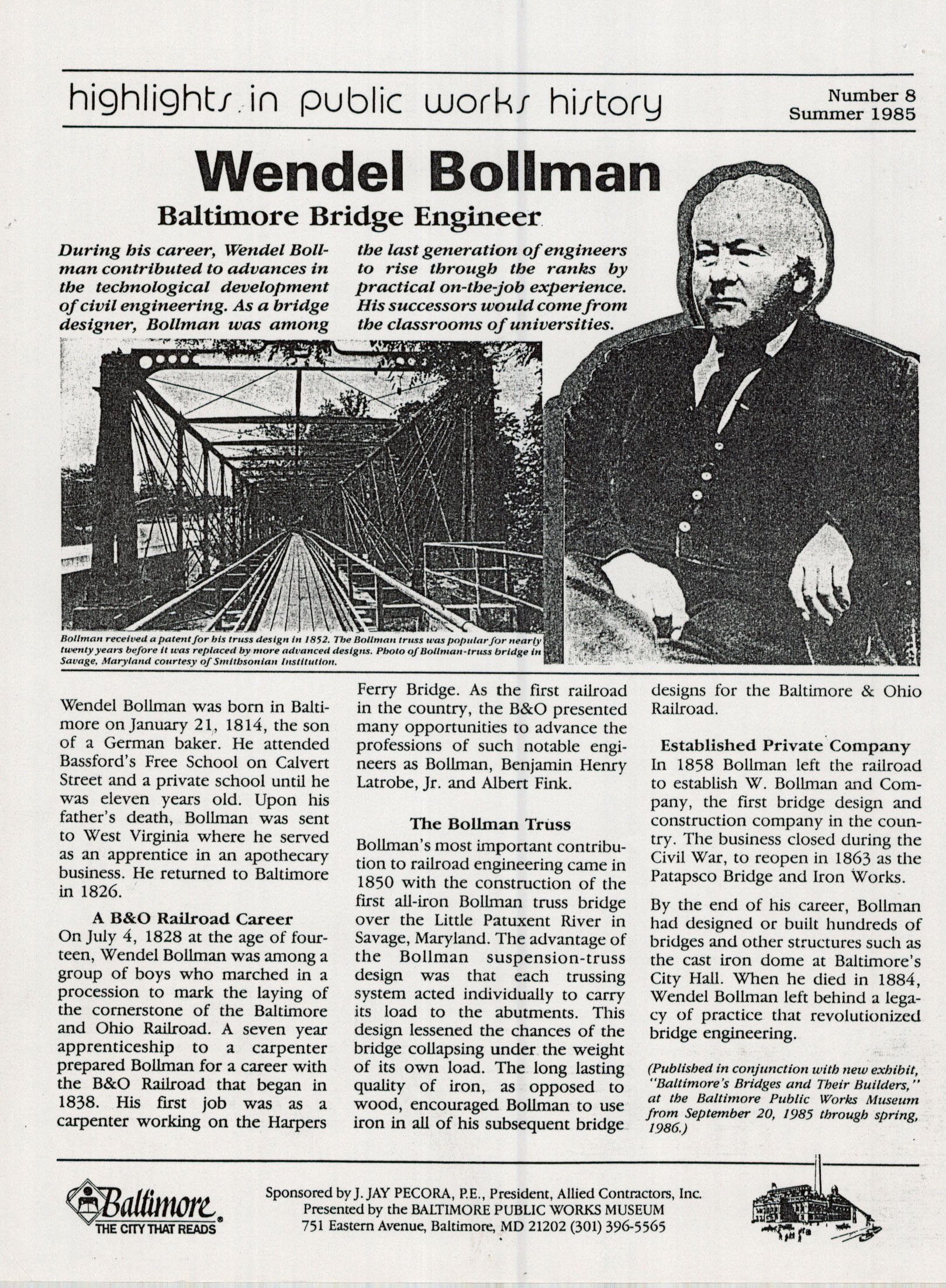
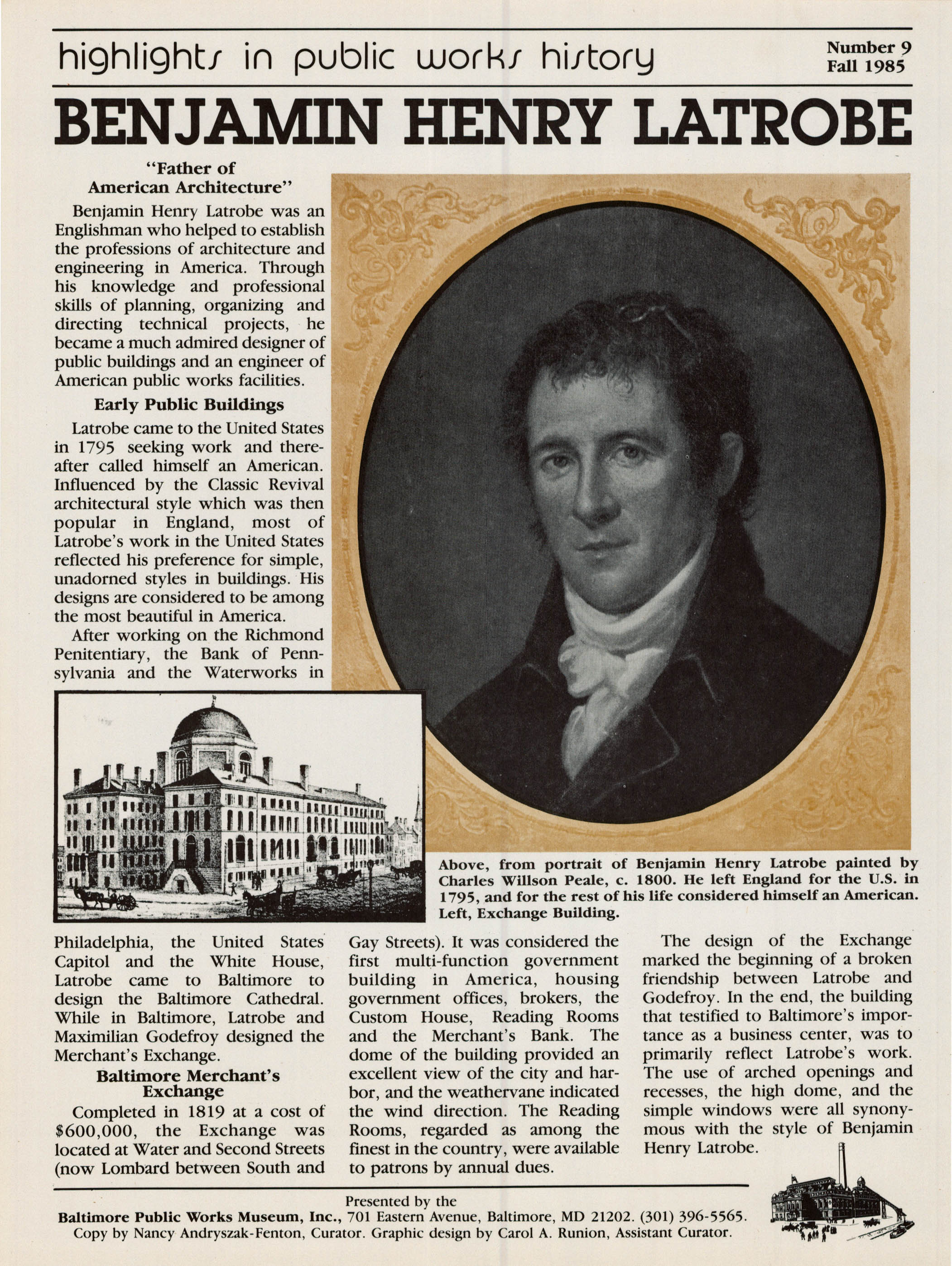
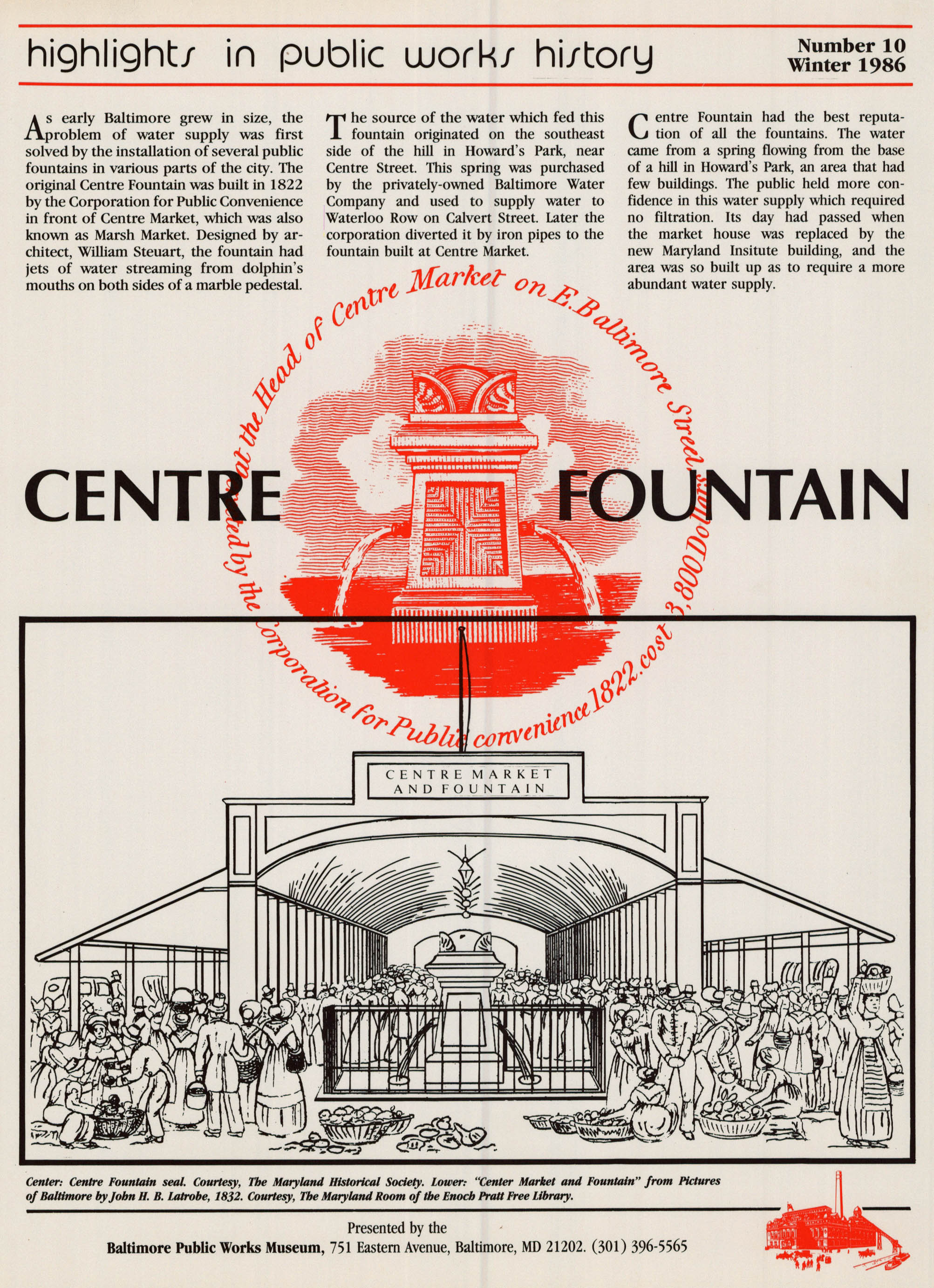
Some more flyers from the DPW Museum.

Bollman, bridge engineer:

B.H. Latrobe:

Centre Fountain:

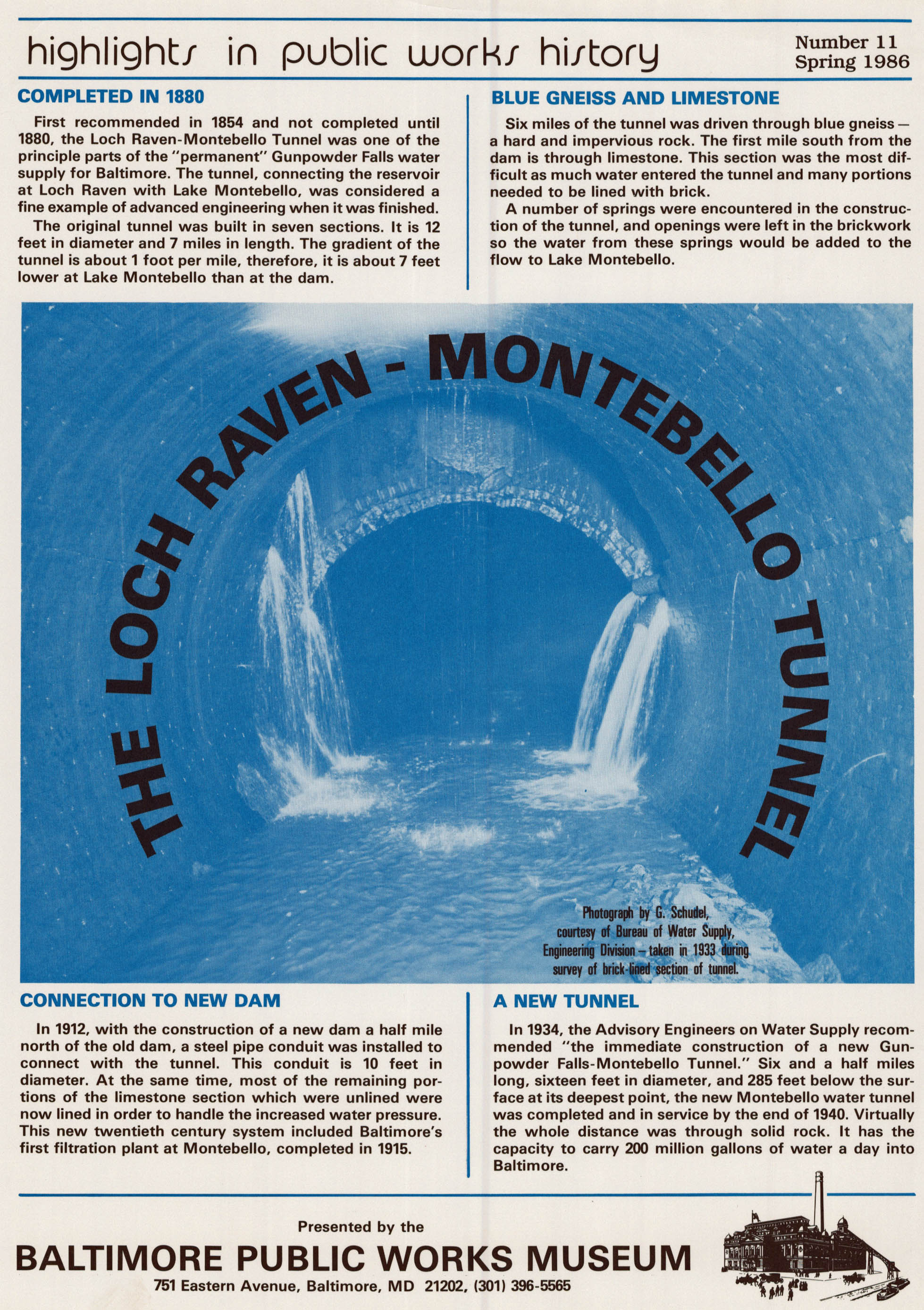
Loch Raven-Montebello Tunnel:

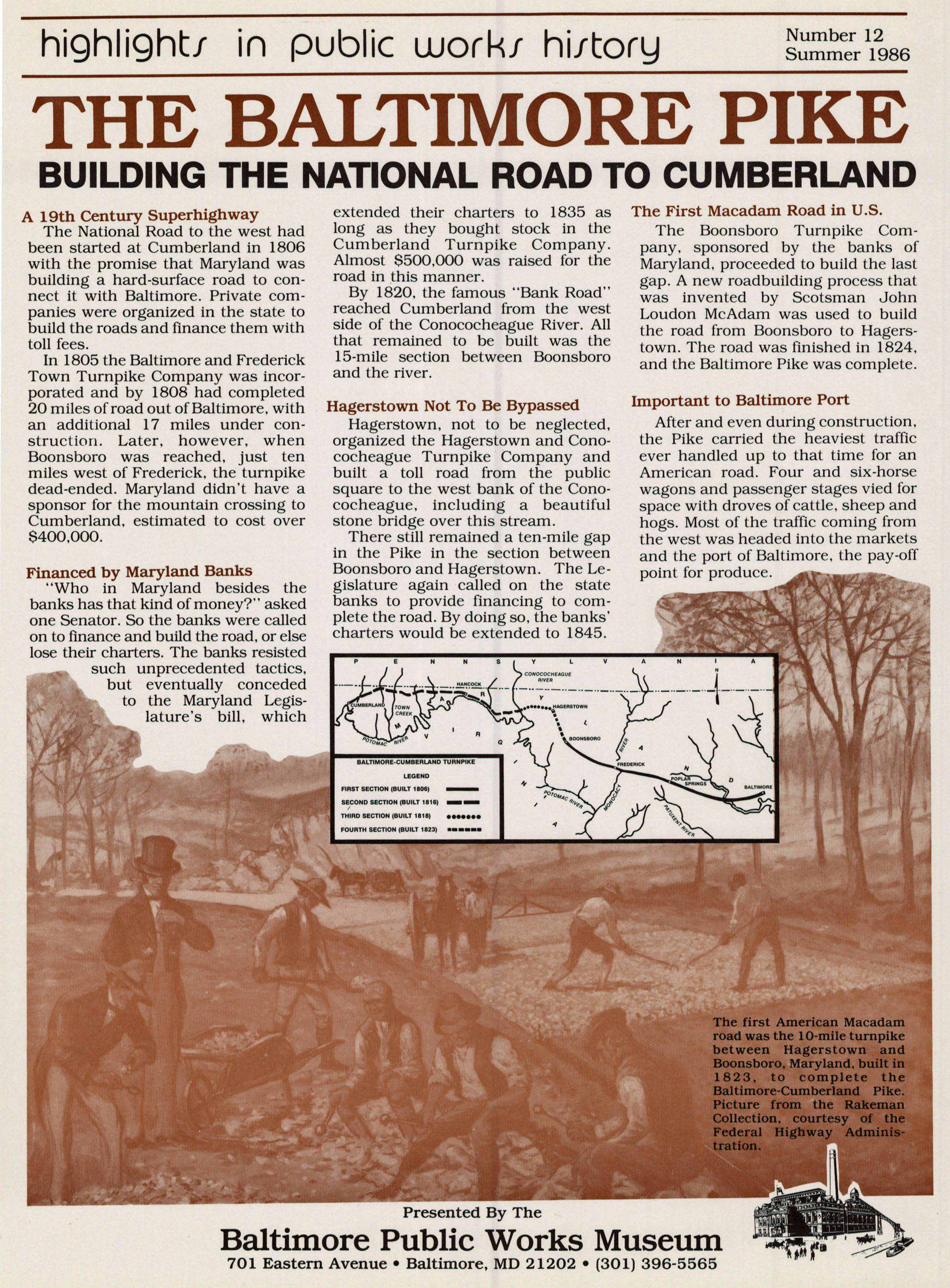
The Baltimore Pike:

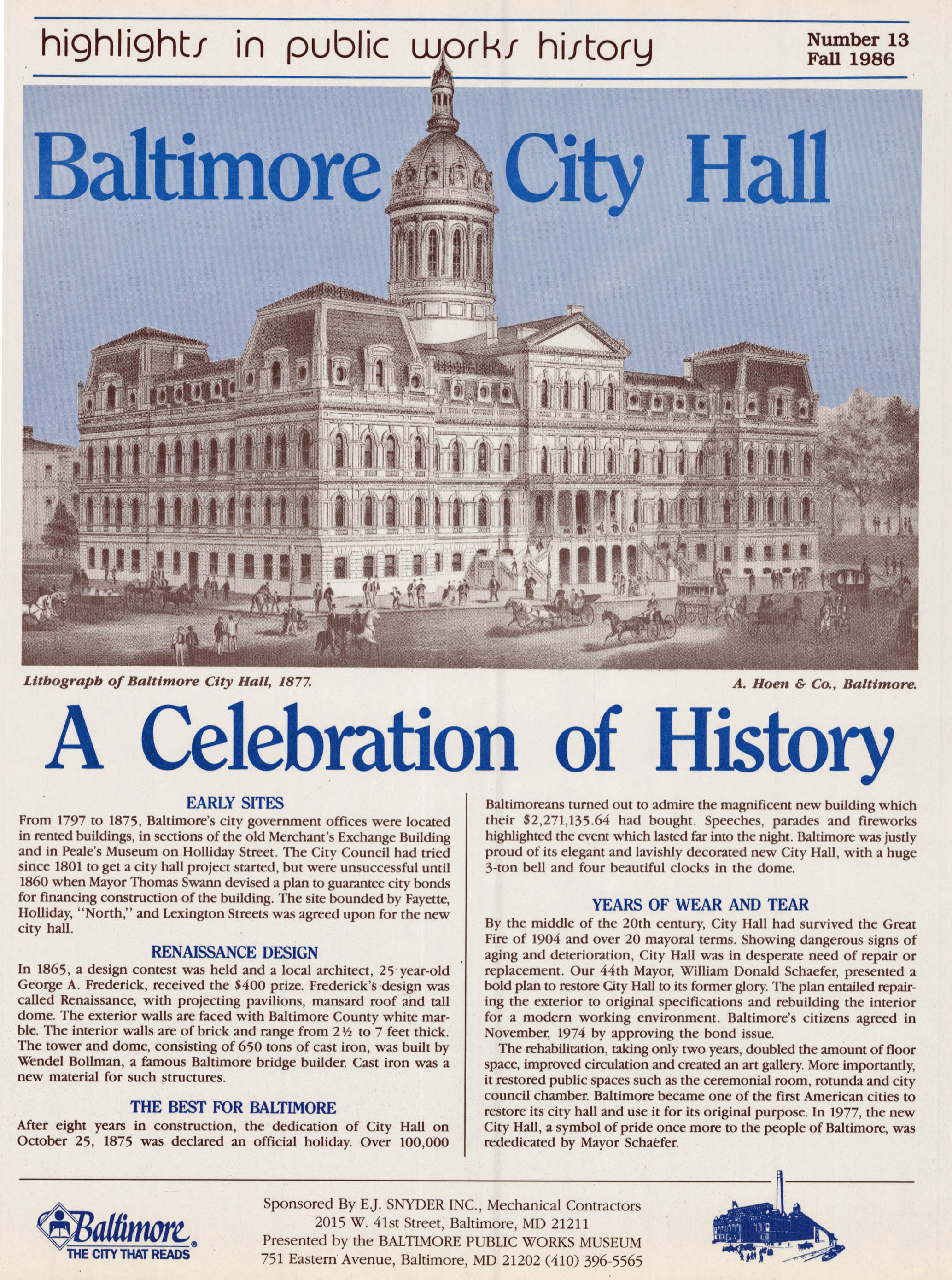
City Hall:

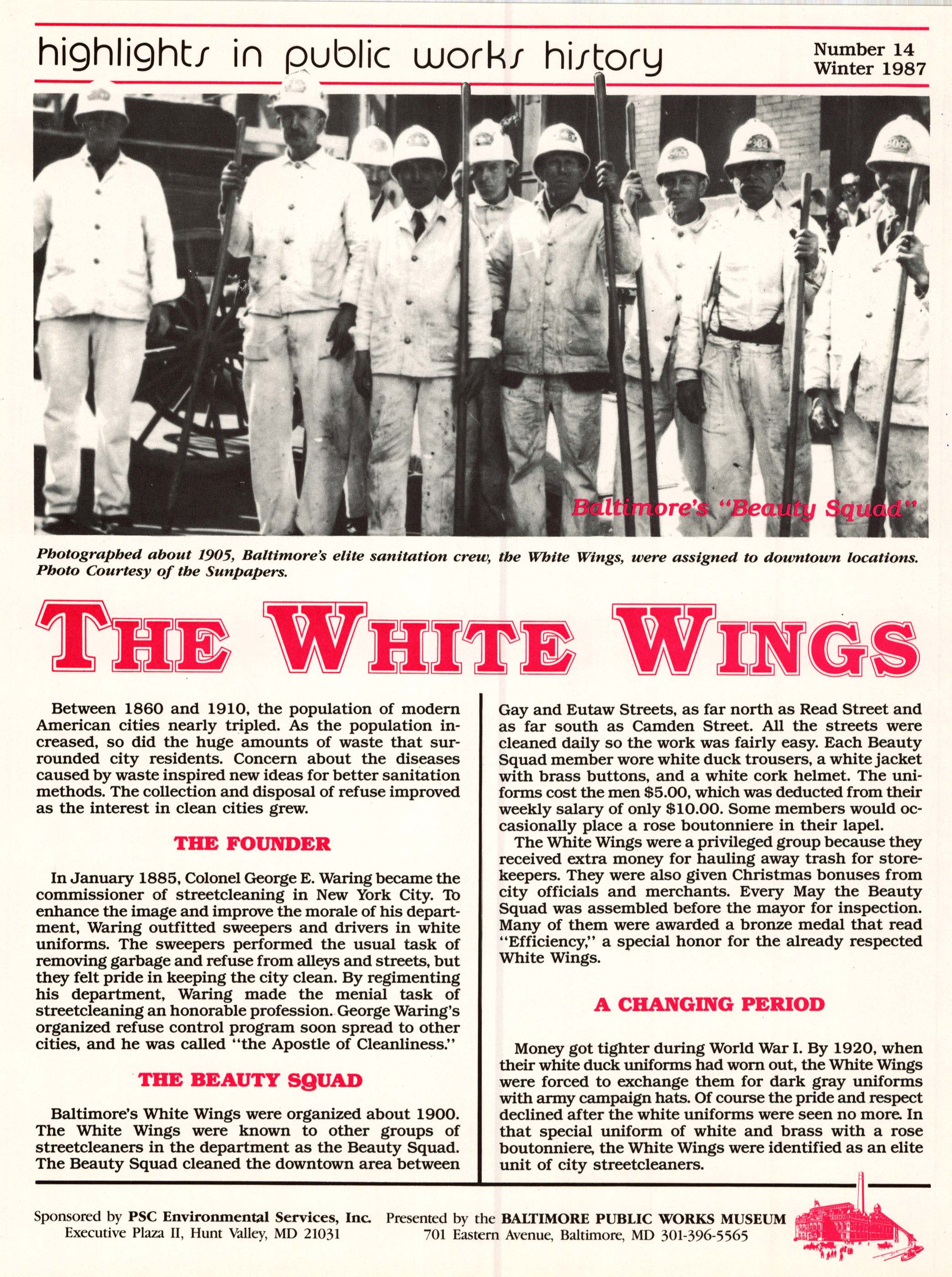
The white Wings:

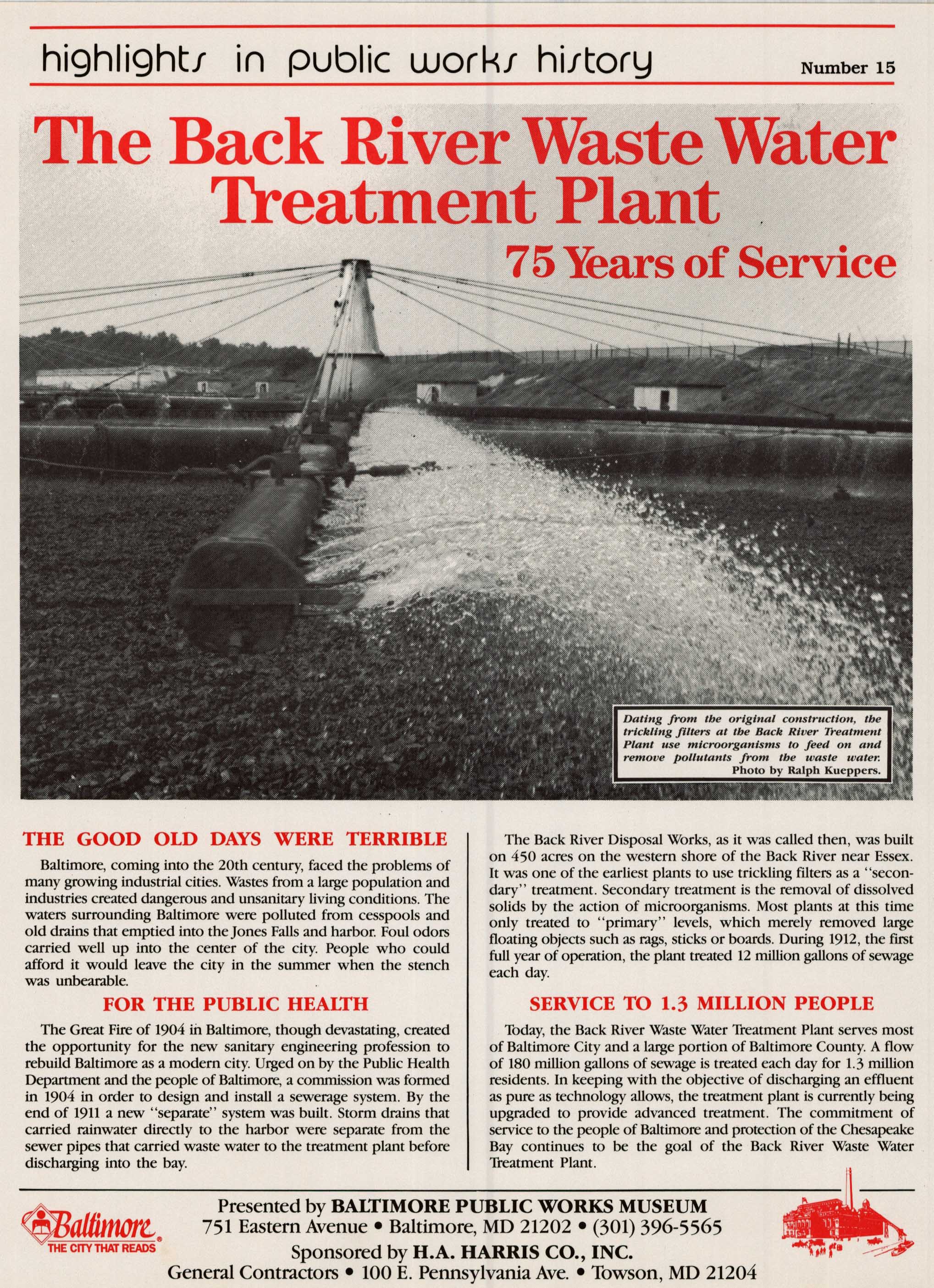
Back River:

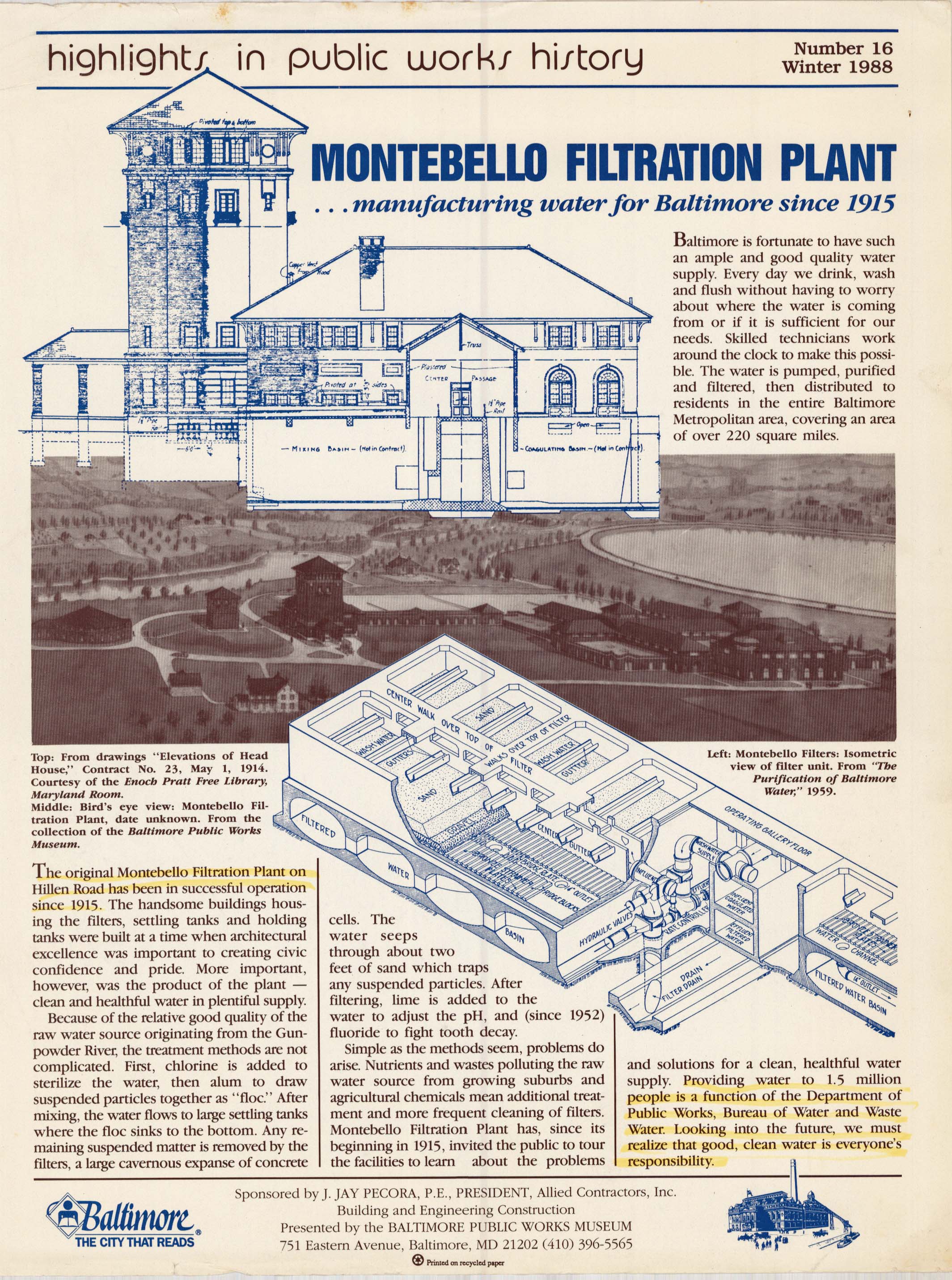
Montebello Filters:

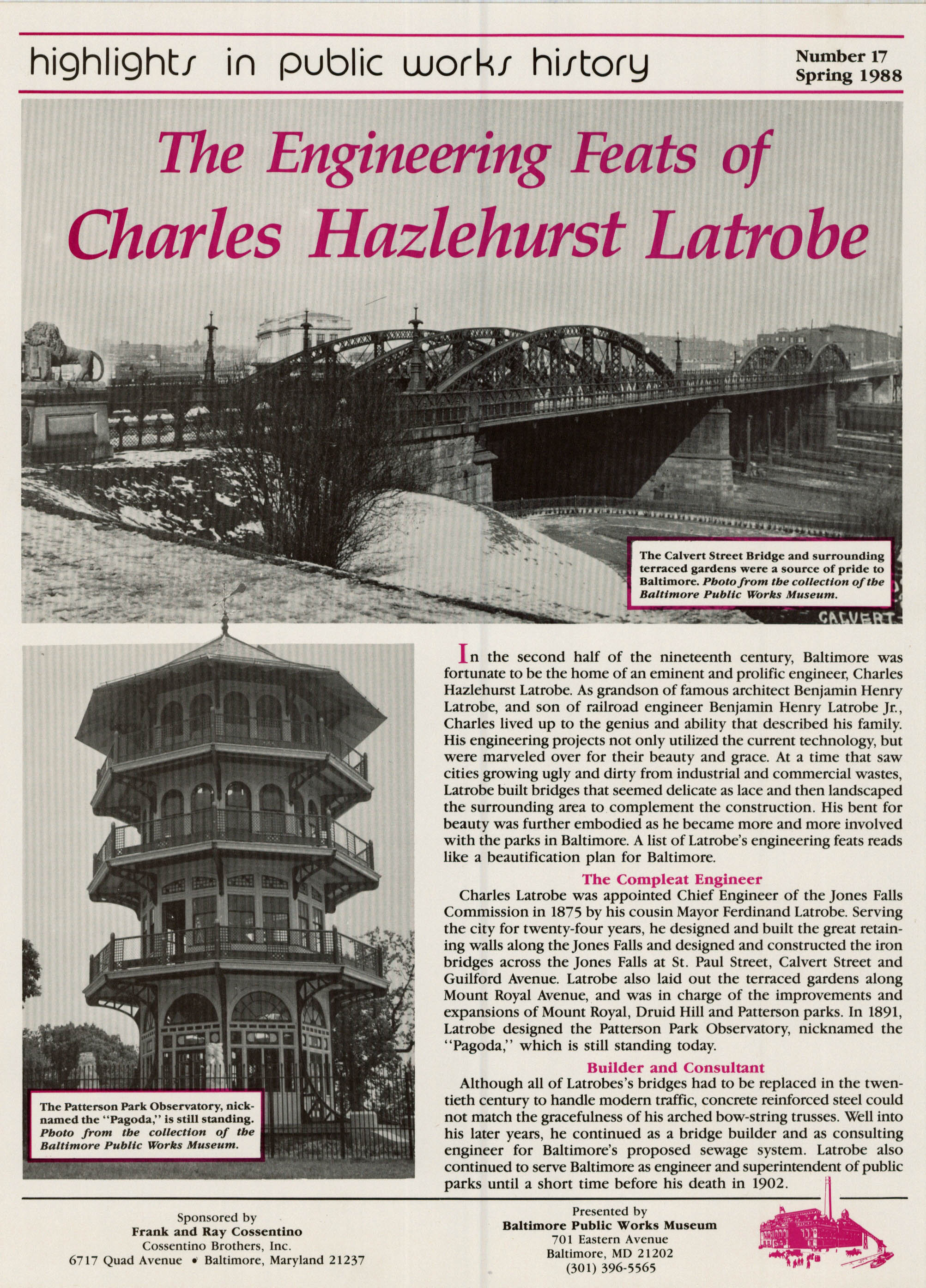
C.H. Latrobe:


Fire Towers

10 Thursday May 2018

Posted by Ronald Parks in Reservoir, water history

≈ Leave a comment

Tags

Baltimore, engineering, Fires, Gunpowder Falls, Loch Raven, Public Works, Research, water history

I have just about completed scanning and documenting the 1500+ negatives I found a few weeks back (Loose Ends Never End). Only needed to scan just over 700. The others have already been documented elsewhere. I wish someone would have taken the time to at least give a descriptive label to these things, other than the date the photos were taken. From my years of research, most I can identify, others I cannot.

Here are two that were in a group, although not labelled, I recognized as construction of the Susquehanna Conduit. Along with Deer Creek Pumping Station. There are quite a few negatives scattered throughout this collection, although in numerical and chronological order, that should be in other groups of photos.

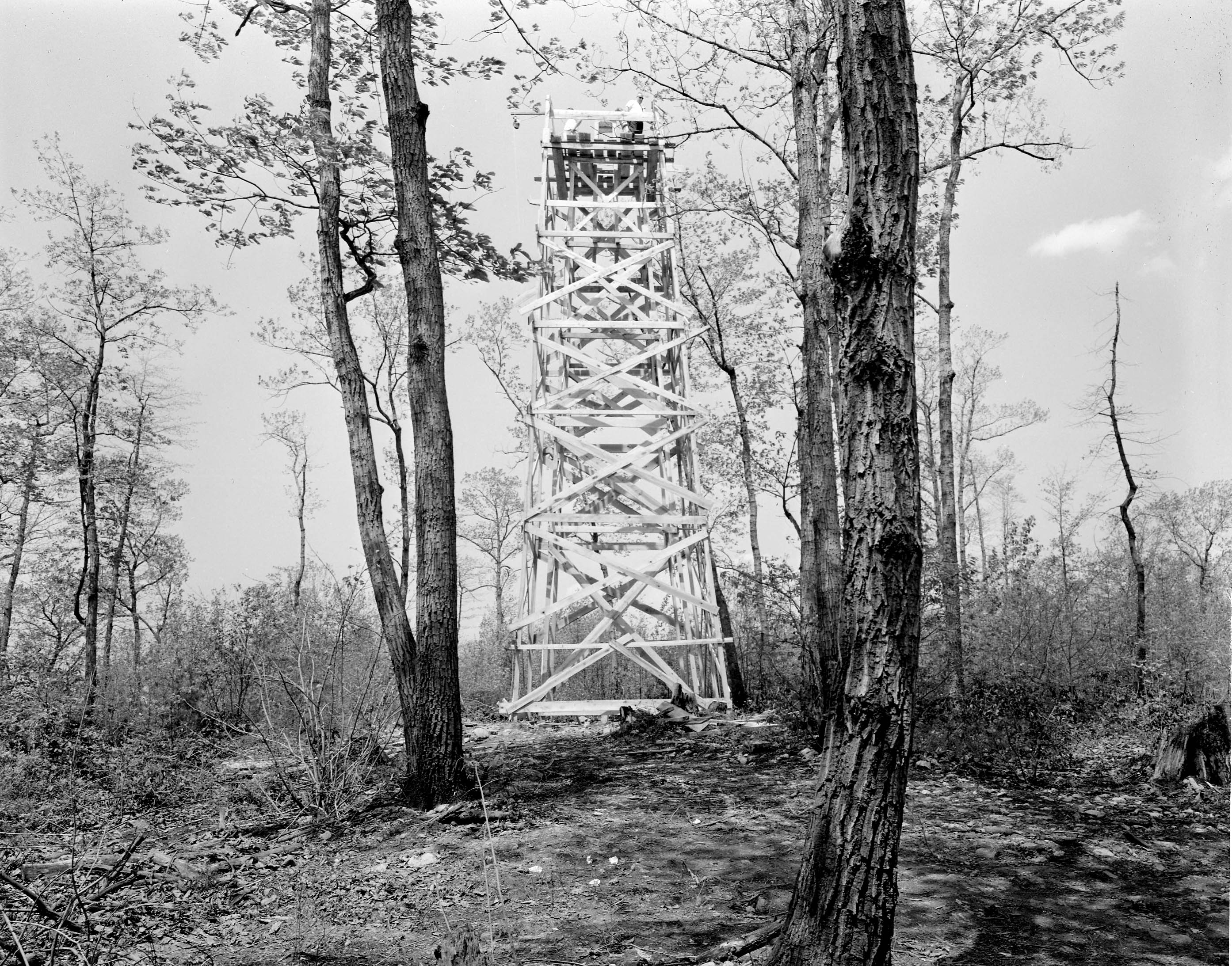
It looks like a fire tower, just not sure. What my book says about fires in the watersheds:

From File Folder 1194: August 1931 letter concerning the building of a fire tower located near Loch Raven. The State Dept. of Forestry request fire towers at all watershed properties. Rost responds that they (the City) have no money to contribute to the building of these towers. 1932 fire reports: Most report that the fires were caused by smokers. Also a list of damage done: Twenty five acres burned, mostly ten inch hardwoods. 1939 letter from Towson Nurseries concerning property adjacent to the Northern Central RR at Kenilworth. They want to plow some furrows in the field to help stop any fires that may happen. Small gives them permission. January 5, 1943 report of a fire at the Gatekeeper’s house at Lake Roland. May 22, 1945 memo of a fire in the barracks immediately behind of the old gatehouse at Lake Montebello, formerly occupied by the Maryland State Guard. November 20, 1945 fire report, barn owned by City on Mittens’ farm about one mile west of Westminster Pike: On investigation of this fire learned from Paul George, age 46, overseer on Dr. Saffell’s farm, that he was husking corn, in a field near the barn, with five German prisoners. He stated that all of them ate their lunch at this barn around noon. At about 2:45pm, one of these prisoners went on top a hill, to relieve himself, when he came running back and told Mr. George that smoke was coming out of this barn. Mr. George stated that at no time was any of the prisoners in the barn or smoking near same. Dale George, son, said he saw two hunters near the barn earlier but didn’t know them. June 9, 1949 memo concerning all the fires occurring on the property between Pierce’s store and the dam. Mostly are caused by picnickers. 1956 memo concerning fire at Hampton in which fifty acres burnt. Three young boys were caught leaving the fire. Contains lengthy report. 1957 letter from Werner to a Philip Franklin who had started a fire at Loch Raven and then left the scene. Werner wants to know a good reason why he shouldn’t be prosecuted. March 1962 report of a fire north of the dam caused by fishermen.
These two photos are dated May 10, 1965. I know the watersheds have fire roads; I have never seen any of these towers – not that this one would still be standing. Looks pretty rickety to me.

History Hike Part 2

23 Tuesday Jan 2018

Posted by Ronald Parks in Baltimore, Dams, water history

≈ 4 Comments

Tags

Baltimore, Dams, engineering, Gunpowder Falls, Hiking, HISTORY, mills, nature, POLITICS, Public Works, Research, water history

Now the good stuff! In yesterday’s post I shared about our hike along the Little Gunpowder Falls, from Jerusalem Mill to the old iron bridge at Franklinville. On the way we stopped and explored an abandoned mill race and structure that appeared to be for valving or damming up the water flow. Back at my office on Monday I found a report from 1933 concerning the mill and property.

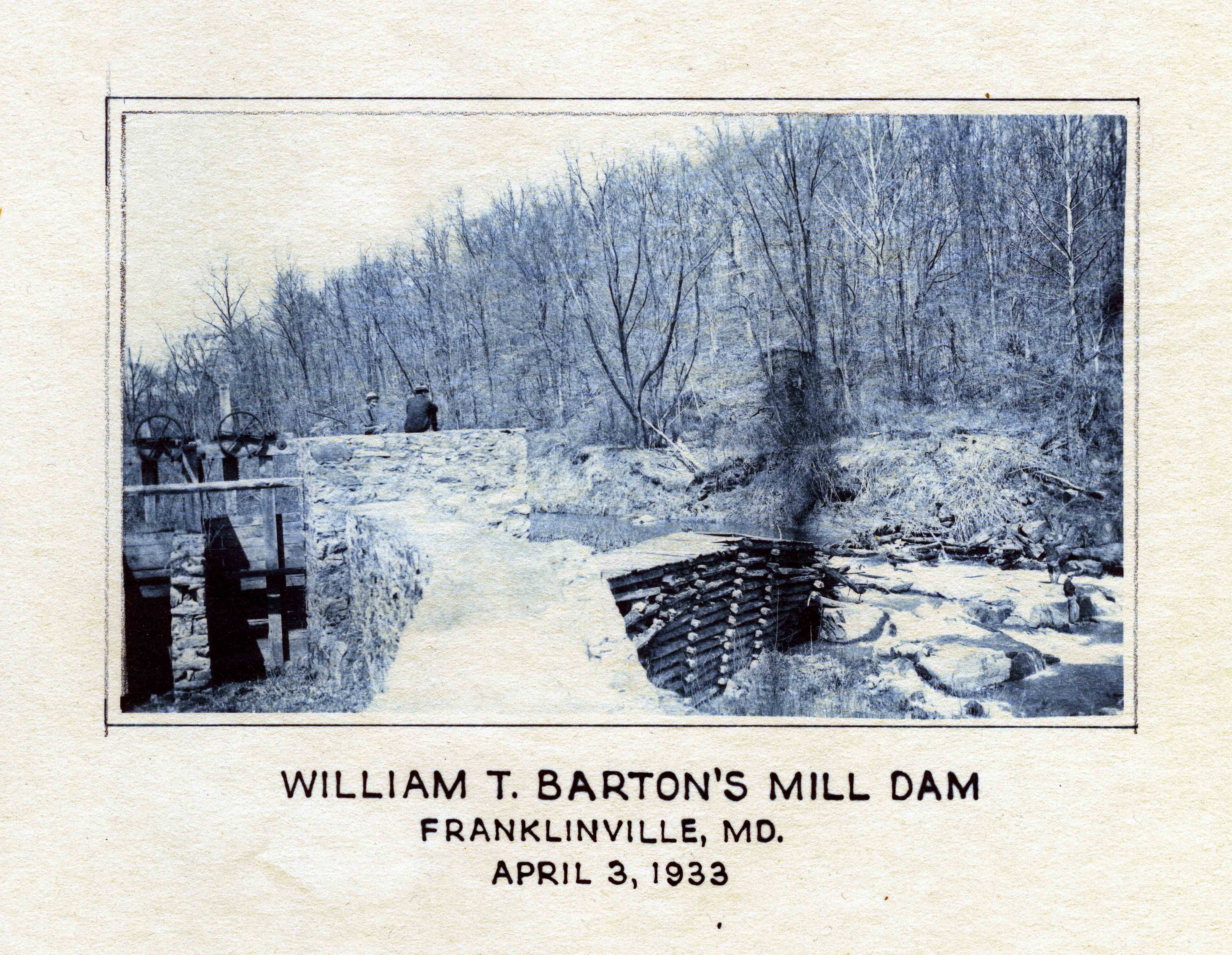
Here is a photograph of the mill that use to be there:

The 1933 report gives this description of the mill – Wm. Barton Mill in Franklinville, Little Gunpowder Falls. Several mill buildings used for the manufacturing of cotton duck. Mill race and dam have been broken thru since about 1926. Mill was built in 1883. All manufacturing equipment has been removed except for turbine. Barton purchased property from Mt. Vernon-Woodberry Mills on August 5, 1930. Information is sketchy on ownership. 1899 sold to Mt. Vernon-Woodberry Mills, yet they sold it twice. Once to Oak Tire and Rubber in 1925 and to Barton, but notes ownership to Marvin Merryman in 1929. No info on size of mill pond since dam was broken through. Supplementary water reservoir of 20,000 gallons in center of square in tenement section to furnish water for automatic sprinkler system in mills. Dam, made of timber, was about 800’ from mill. There was a water wheel at one time, with 140hp capacity.
Buildings at mill included: the main mill, waste house, store house, boiler house, and wheel house. There were also 3, two family two story houses on property. And more, according to tax records at Baltimore county. Records mention a mill adjacent to this one, to the north, known as Jericho mill. no traces of mill could be found.
Along with the report is this plat which shows the layout of the buildings:


And this plat:


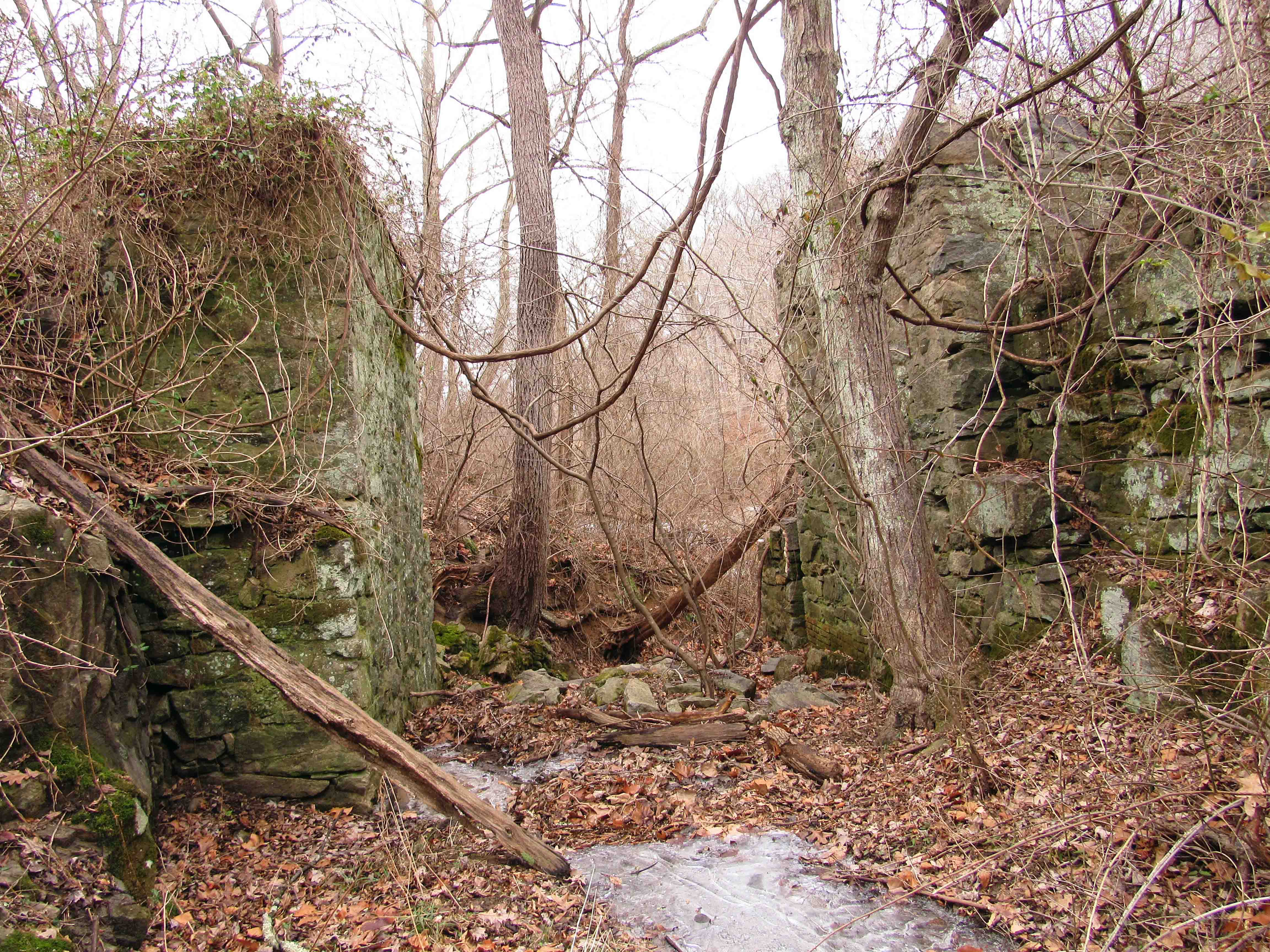
As stated before, we climbed down into the mill race where we saw holes in the structure. I told Kathy I believed them to be supports to hold valves or gates.

In the report was this photo. The center part of this structure on the left is missing, along with the dam itself on the right.

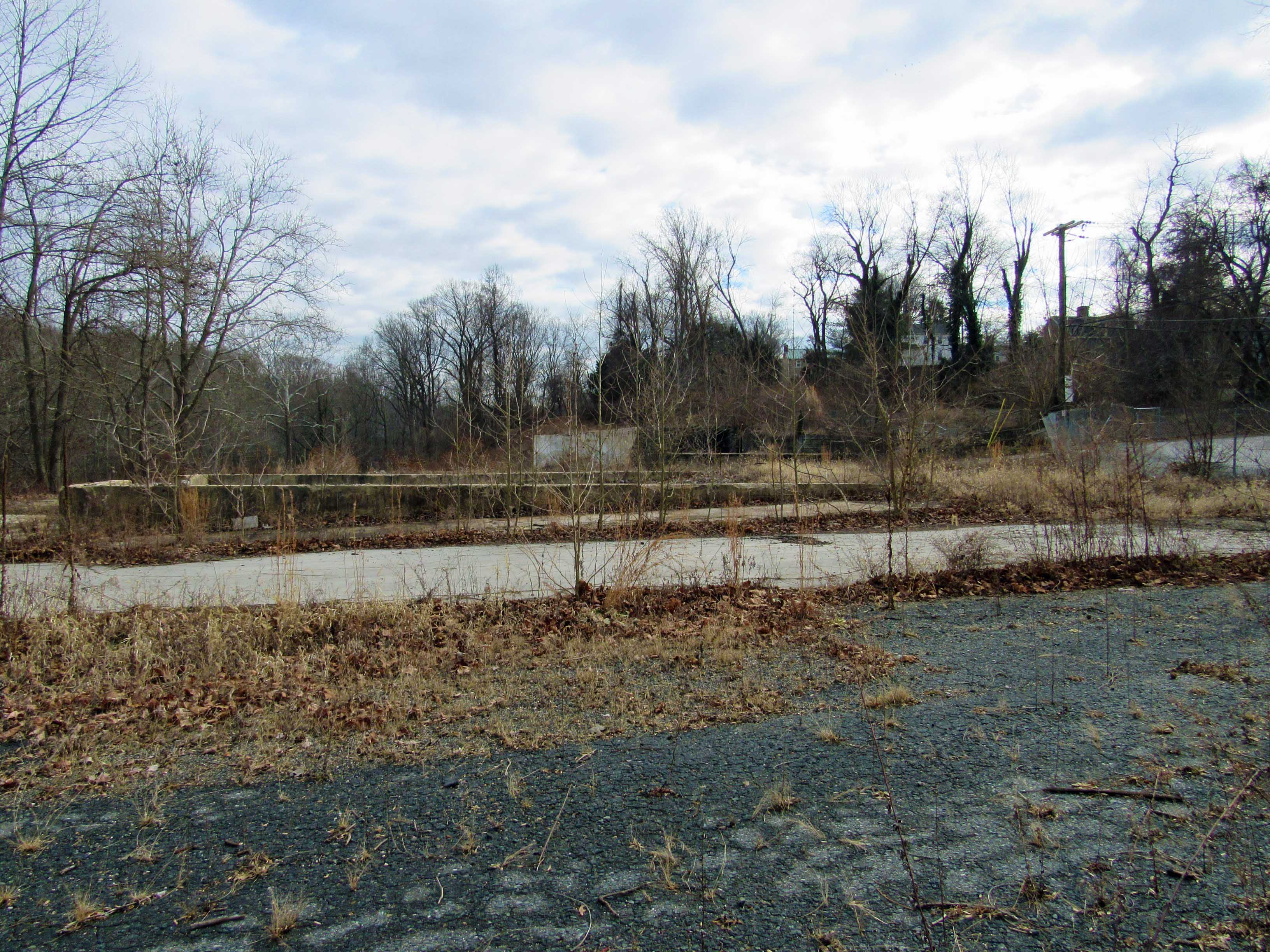
Below is a photograph of the area today, where the mill use to be. A sign on the fence says it is managed by Carnegie Express Construction Managers, Builders and Developers:

What does this have to do with Baltimore’s Water Supply History?

Typhoid cases, which had decreased by the mid-1920s, would re-emerge by the early 1930s along with a long period of drought. In 1932, the City Government hires consultants to review the status of its water supply. These consultants would form a board of engineers known as The Advisory Engineers on Water Supply. The engineers were Messrs. John H. Gregory, Gustav J. Requardt and Abel Wolman9. On December 19, 1934, the Advisory Engineers released their report:
1) Immediate construction of a new Gunpowder Falls Montebello Tunnel.
2) Immediately following the completion of the new Gunpowder Falls – Montebello Tunnel, the existing Loch Raven – Montebello Tunnel should be strengthened.
3) Conduct surveys, land purchases, sub-surface explorations and preparation of plans and specifications for the development of an additional water supply should be undertaken at once. (Areas of development looked at by the Board were the Patapsco River; the Little Gunpowder Falls, Winters Run and Deer Creek, and the Susquehanna River).

They were going to dam up the Little Gunpowder Falls and all the mills and property along the Falls would need to be bought (or taken). It was decided to go with Item #1 above.


History Hike Part 1

22 Monday Jan 2018

Posted by Ronald Parks in Hiking, nature

≈ 2 Comments

Tags

bridges, Dams, Gunpowder Falls, Hiking, mills, nature, photography

Between the work on our houses and going to Salisbury, yesterday was our first opportunity to take a hike. A little over-cast but a very nice day. The map shows we walked about 3-1/2 miles on the Little Gunpowder Trail, starting at Jerusalem Mill.

We headed thru the field to first look at the progress of the old stone structure. Not much done.

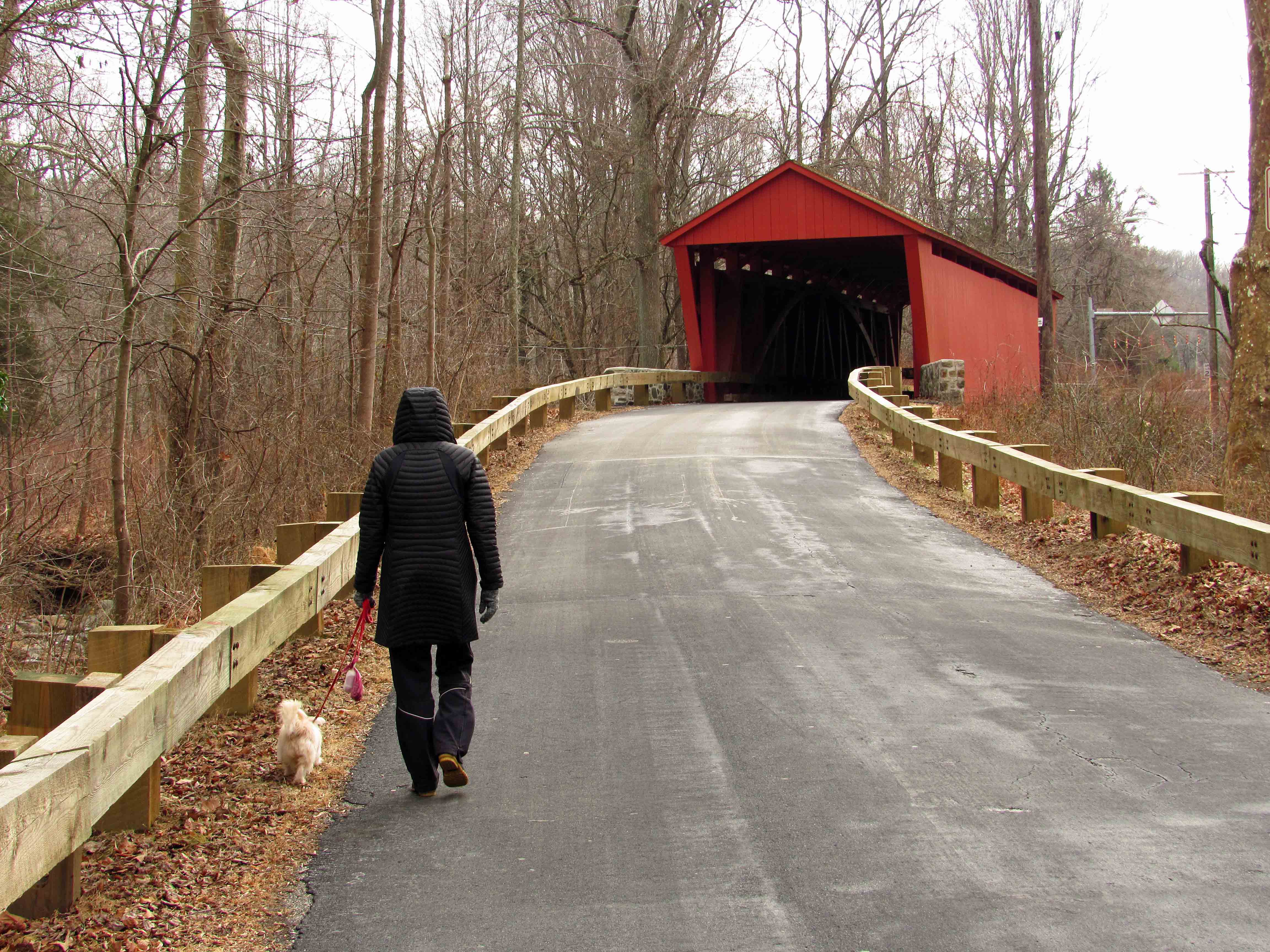
From there onto the Jericho Covered Bridge.

Interior of bridge.

Since this was a short walk, we decided to follow the road for a bit instead of taking the other trail back. Here is a roadside attraction.

Overlooking the stream. 

A nice ice floe with some blue ice.

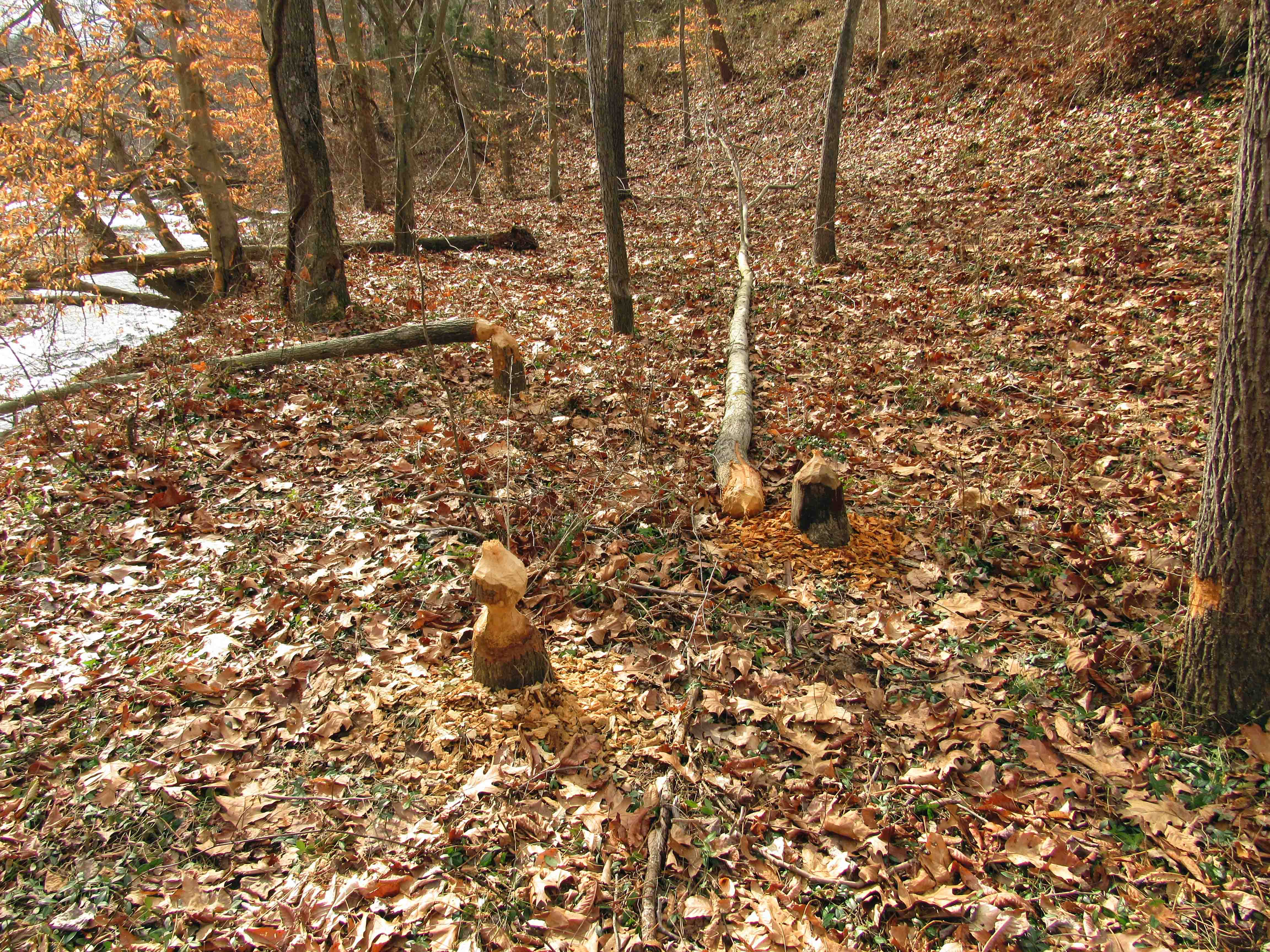
Beavers getting their fill. First time I have seen a double gnawing on a tree?

Another view of the ice floe.

A small stream feeding into the Falls.

And what do we have here?

An old mill race. Kathy could see that I was excited to see this, so she prodded me on for us to go down there and take a look. 

So we did. Molly wasn’t too enthused about this. Ice hanging off the rocks.

The mill race valve structure (More later on the mill)

Molly was pretty much done with walking on the ice, so I picked her up and still managed to get some photos while Kathy was taking my pic.

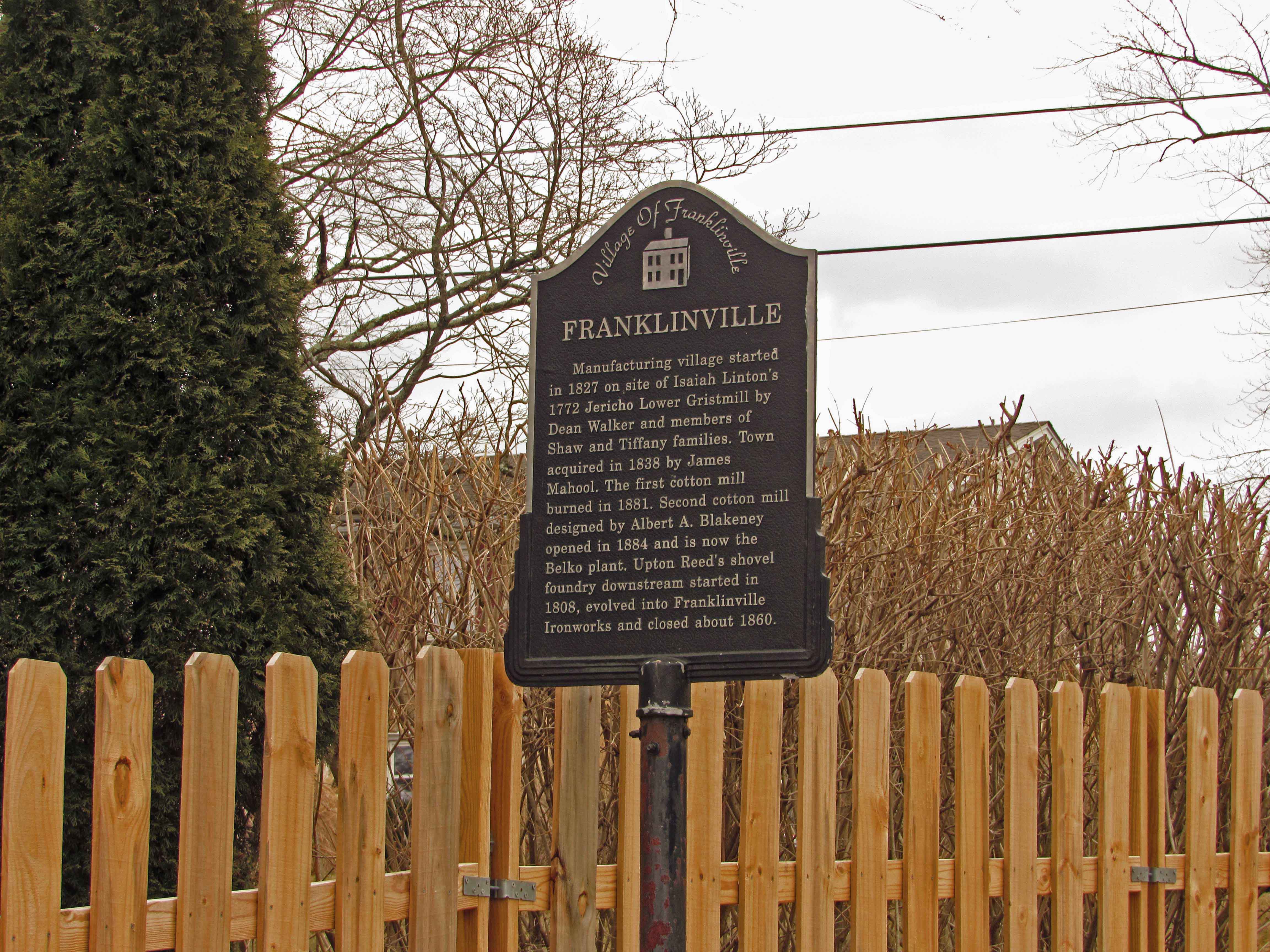
Out of the mill and headed farther south. Sign about the town of Franklinville.

Nice place to be.

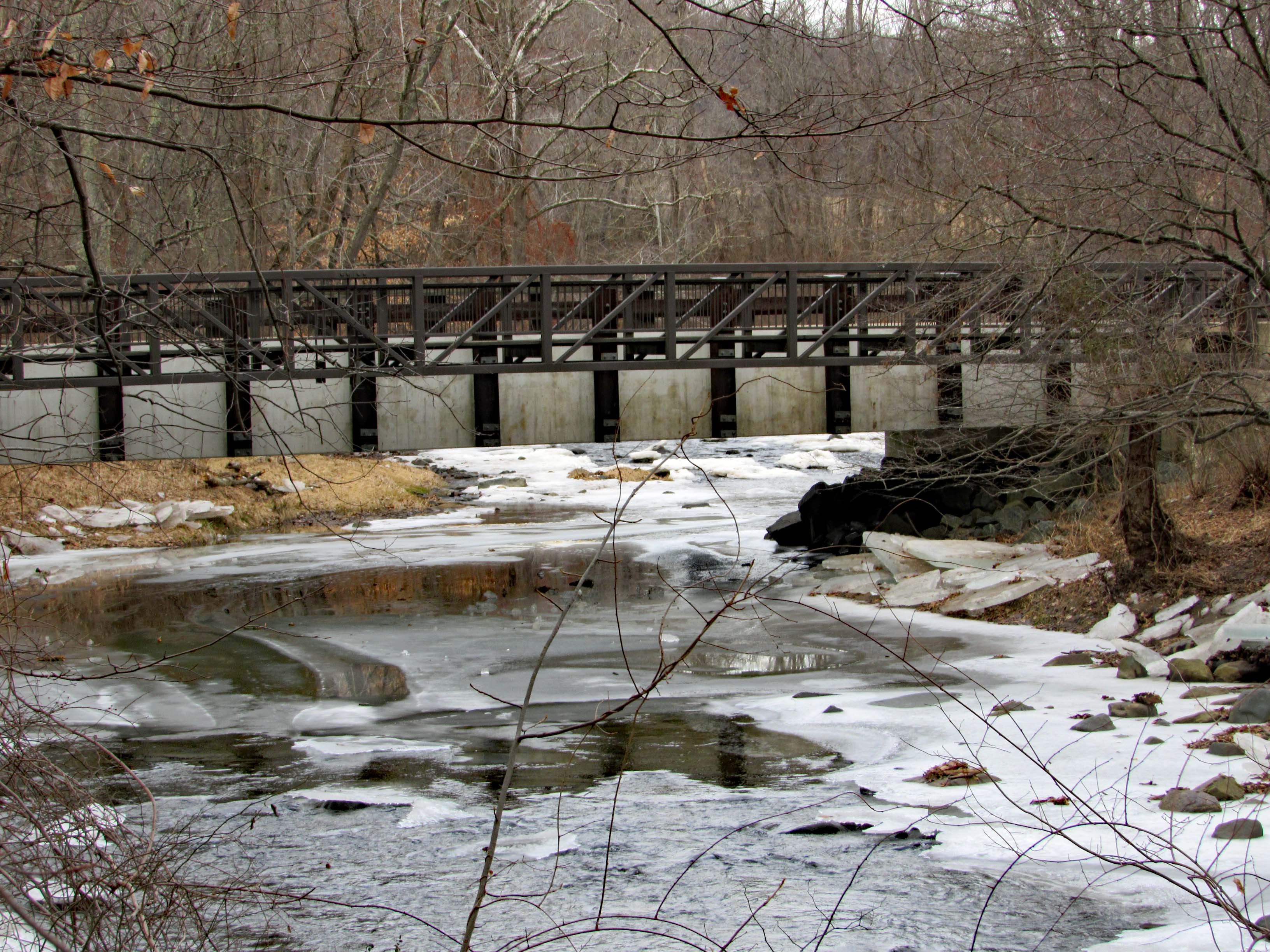
Passing thru Franklinville and onto the old iron bridge.

From the bridge. Looking north.

Then looking south. Kathy took a great photo of this. Hoping she shares soon!

Time to head back. Saw this guy on the way.

A leaf left its mark in the asphalt, with the help of a lot of salt.

This is a long narrow road. Most drivers were very cautious approaching us. Nice fence.

The covered bridge from the west side.

Molly back on the ice, floating around.

If you are still long enough, you can hear the ice crack.

How much longer can this tree hold on?

Jerusalem Mill road. Bridge over stream.

Later I will write about the history portion of our hike. Some interesting stuff!!


Montebello and the Panama-Pacific Exposition 1915

22 Friday Dec 2017

Posted by Ronald Parks in Baltimore, Dams, HISTORY, water history

≈ 2 Comments

Tags

Baltimore, Dams, engineering, FILTRATION, glass plate negatives, Gunpowder Falls, HISTORY, Lake Montebello, Loch Raven, maps, Montebello, Public Works, Research, water history

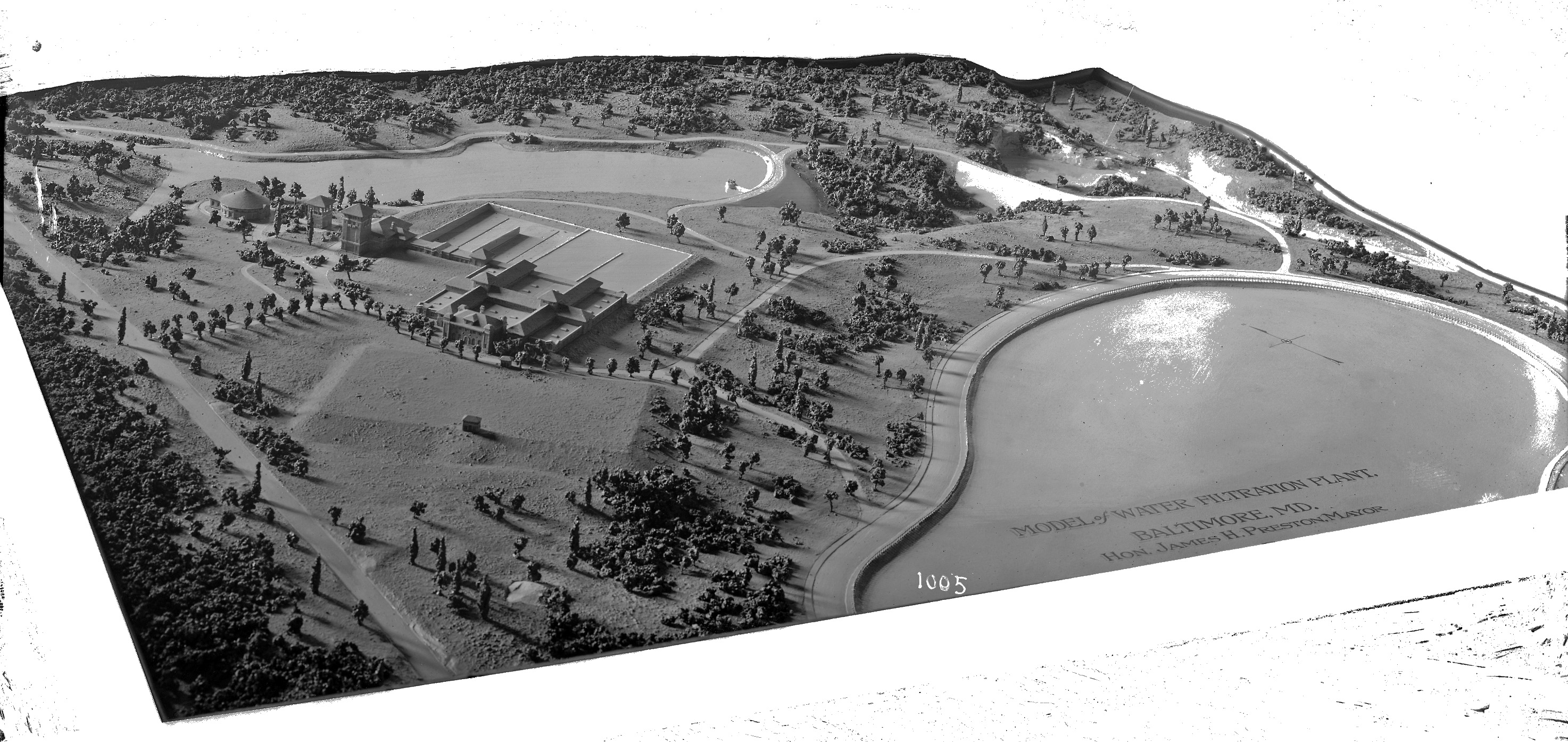
Finishing up documenting a Water Board Minutes of Meetings Journal, I came across a couple of interesting tidbits concerning the connection between Baltimore and San Francisco. In 2015 we both celebrated a 100 year anniversary. Them celebrating the 1915 World’s Fair and us the building and opening of the Montebello Filtration Plant. The connection being this – February 11, 1915 It was resolved by the Water Board to send the Filtration and Dam models to the Panama-Pacific Exposition. According to the model itself, it was completed in December, 1914.

Here is a lantern slide copy of the model. If you visited Montebello during our 100th anniversary and took a tour, you would have saw the actual model.

The lighting in the hallway is terrible with all the reflections. It was too dark with the lights out and too reflective with a flash.

Here is the nameplate data on the model.

Along with this one. I did a search for information on this company but could not find much. And something else I could not find is – where is the model of Loch Raven?

Howell’s did a pretty good job replicating the filtration plant.

The plant as it looked in the 1920s.

I don’t know about anybody else, but I’d like to put little people in here…and maybe Godzilla!!

Showing what the waste lake looked like.

And the detail of the outfall structure.

The waste lake dam and outfall structure being built. Notice the date – October 1914. This means that the model was built conceptually, like an artist’s rendition of something before it is there.

Of course, one research item always leads to more.

In 1884 models of the substructures were built and placed in each gatehouse, Loch Raven and Lake Montebello, to give visitors a better understanding as to how each works. (What happened to them?)
February 6, 1893 the Water Board resolved to send a display to the Columbian Exposition. This was 21 years before the Howell Microcosms were built. so what did they send?
November 18, 1935 letter from M.P. McNulty, he has just completed creating a model of the Loch Raven dams and inquires as to the dates the real dams were built. Small replies that the lower dam was built between 1875 and 1881 by Fenton and Jones, Contractor. The upper dam was constructed by King-Ganey starting in 1912 and finished in 1914 and then raised between 1920 to 1922 by Whiting-Turner. Attached to the letter was a newspaper clipping which shows a picture of the model. (This clipping is at the City Archives)
December 31, 1952 letter from William Eichbaum Scale Models informing Hopkins that they will build a new, Montebello Plant model in the existing case for $1,000.00. This was not done.
And for what appears to be a wonderful book – San Francisco’s Jewel City: The Panama-Pacific International Exposition of 1915 by Laura Ackley


Willow Grove at Cromwell Valley

09 Saturday Dec 2017

Posted by Ronald Parks in Hiking, nature, Photography

≈ 2 Comments

Tags

Cromwell Park, Gunpowder Falls, Hiking, Loch Raven, nature, photography

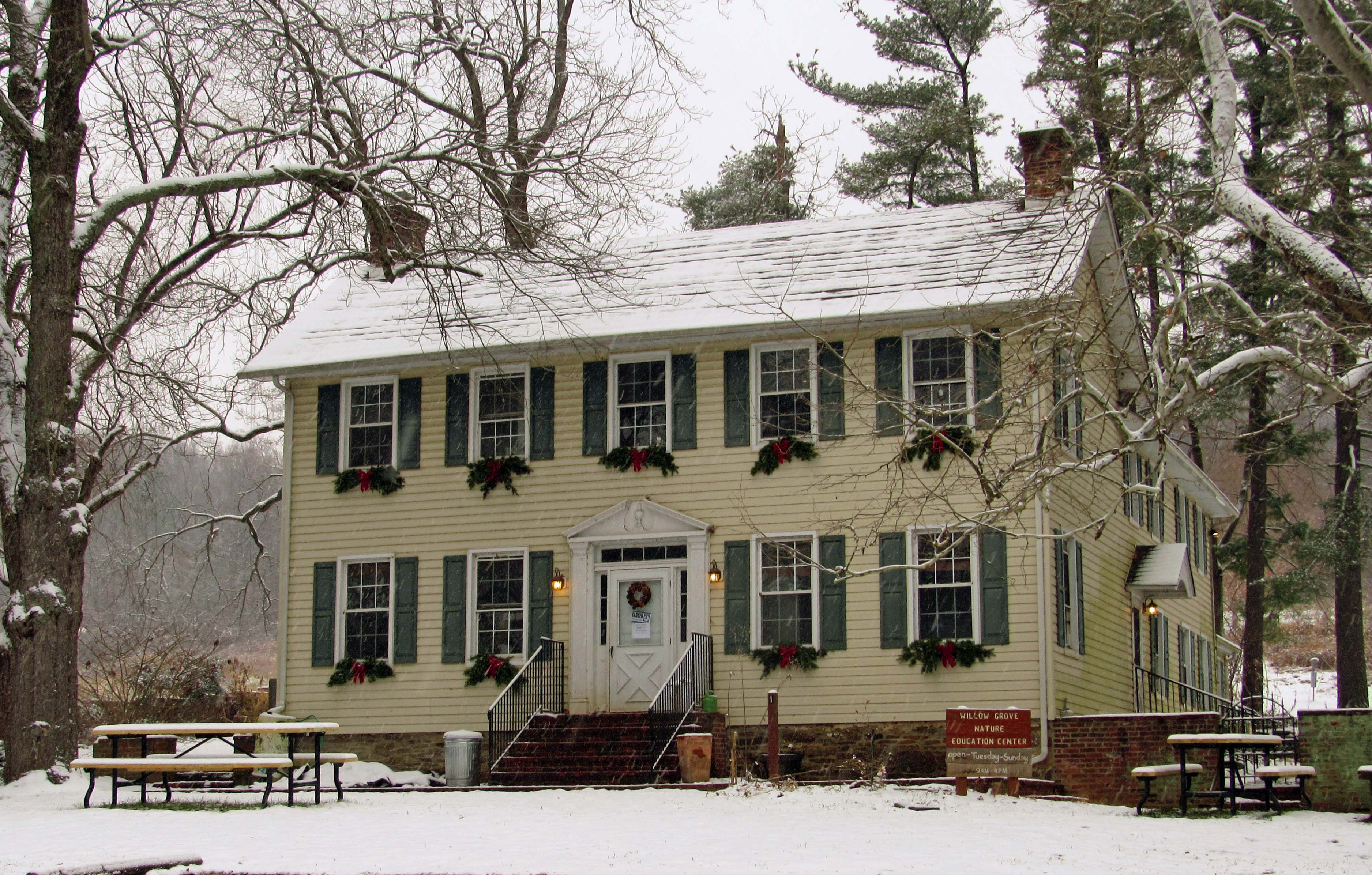
Nice day for a walk in the park. Let it snow!

The nature center is decorated, so why not the Little House?

Bells, bows and garland, from us to you.

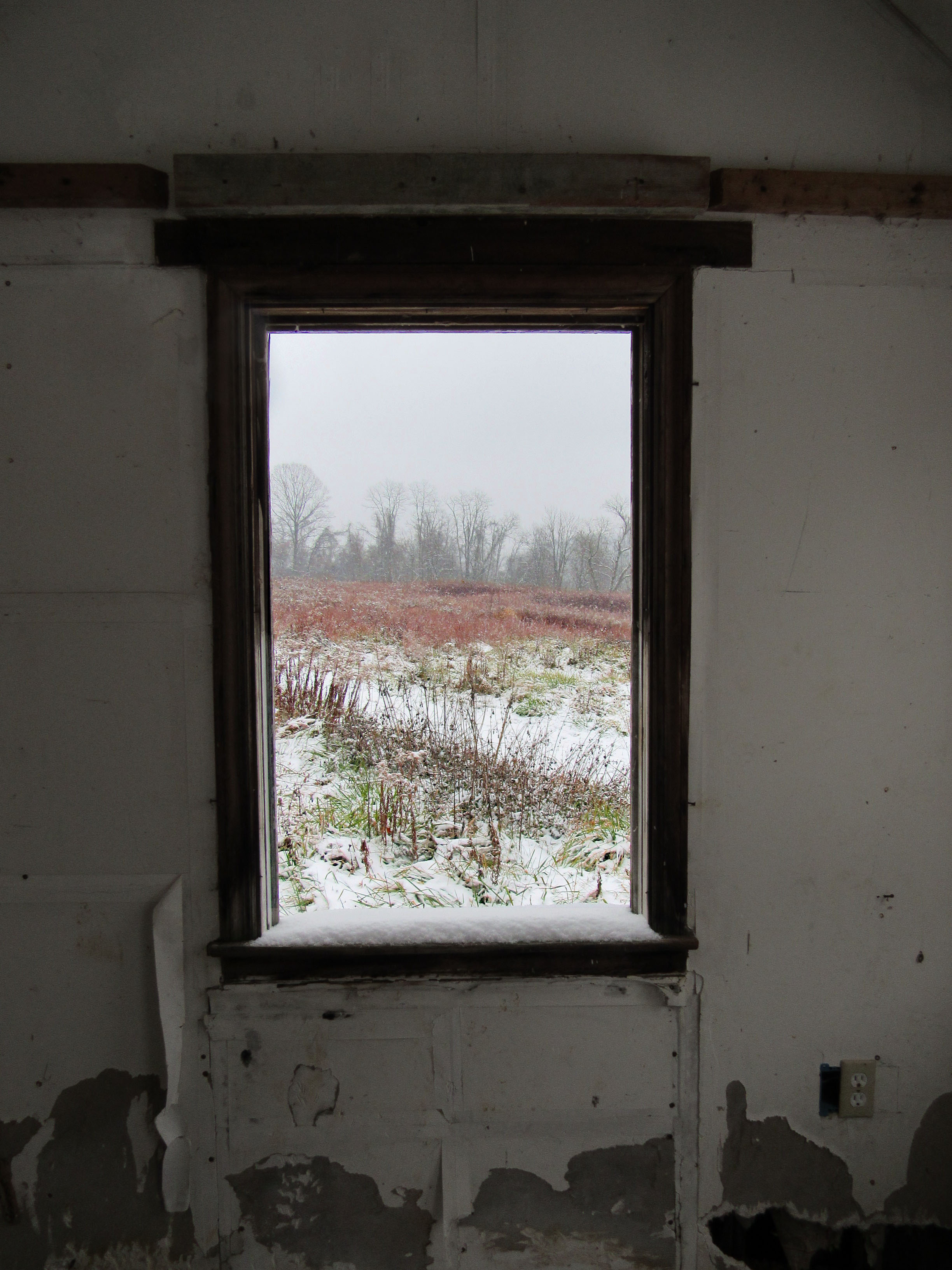
While Kathy is decorating the door, I enjoy the cold view through the window.

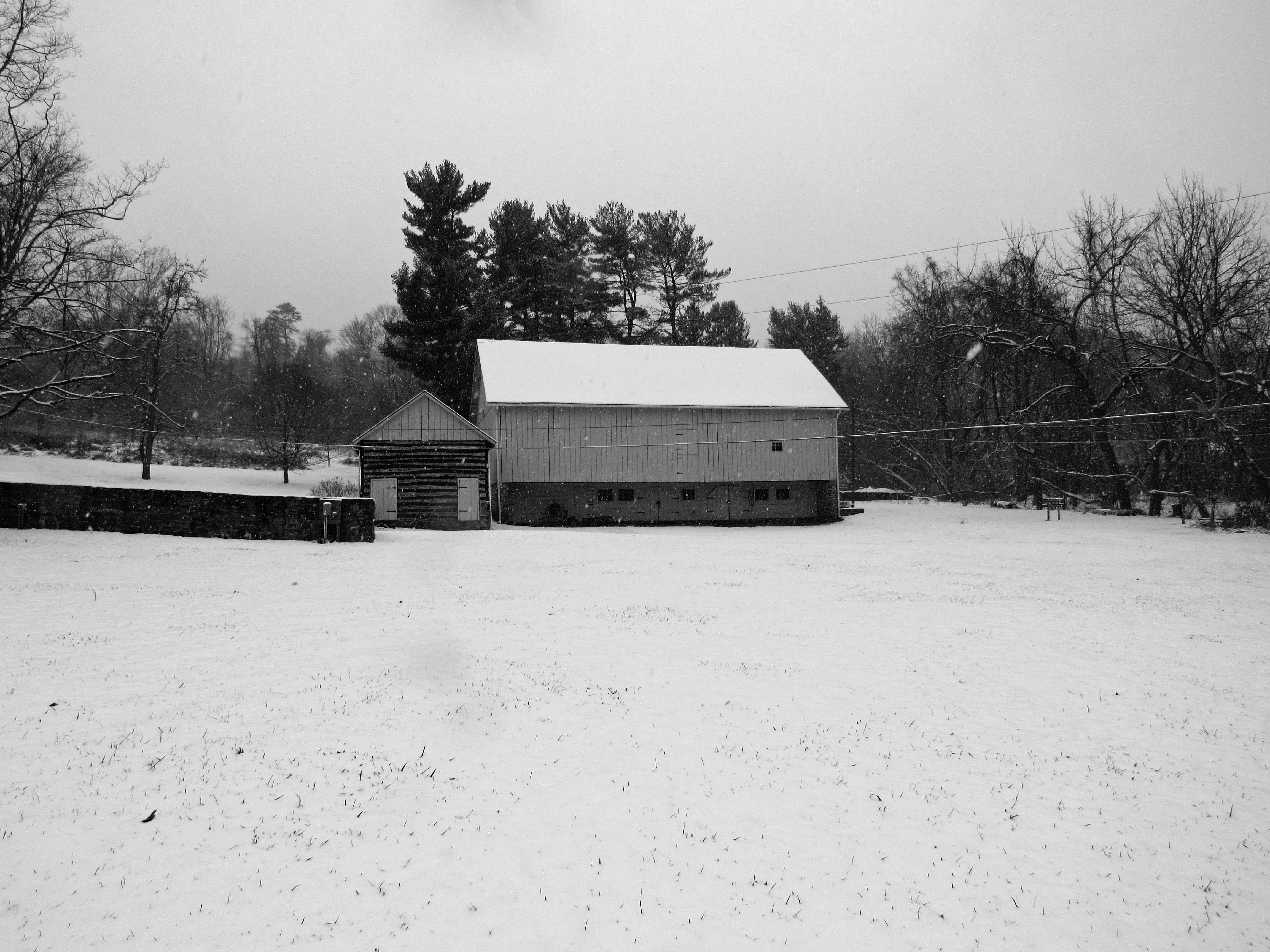
The barn in B/W. Thanks God for the snow! It lets us be grateful for the sunny days.

The Permanent Gunpowder Water Supply

05 Tuesday Dec 2017

Posted by Ronald Parks in Archives, Baltimore, water history

≈ Leave a comment

Tags

Baltimore, bridges, Dams, engineering, glass plate negatives, Gunpowder Falls, Loch Raven, Public Works, water history

Started planning back in 1854. Elevation of 160’ would supply seven-eighths of population (according to contour lines). Supplying others outside that elevation would be a matter of mechanical detail (pumping stations). The need to keep Lake Roland and the Gunpowder as two distinct and separate supplies, as Lake Roland becomes muddied during rainy season (this was why Druid Lake was constructed). It was first suggested to tap the river as far up as the Warren Factory but concurred by a host of engineers that the proper volume of water could not be obtained by damming at any point above Raven’s Rock and most agreed to a point further downstream about where Mr. Martin has located it. The dam will be erected on the Gunpowder river, at a point admirably adapted for the purpose, a short distance above Mine Bank Run, and the lake thus formed, will extend up the river as far as Meredith’s Ford Bridge at the Dulaney Valley Turnpike, where the pump house connected with the ‘Temporary Supply’ is now located…will flow by natural gravity through a twelve foot pipe to a lake at Montebello, between Hillen and Harford roads, located in a natural basin formed by one of the tributaries of Herring Run (Tiffany Run). The lake will have a water area of about eighty acres and a storage capacity of 700,000,000 gallons. The twelve foot pipe (conduit) will continue to a point on the Harford road opposite Homestead, whence pipes will be laid to connect with the city pipe system at North Boundary Ave. and Washington St. Lake Clifton.

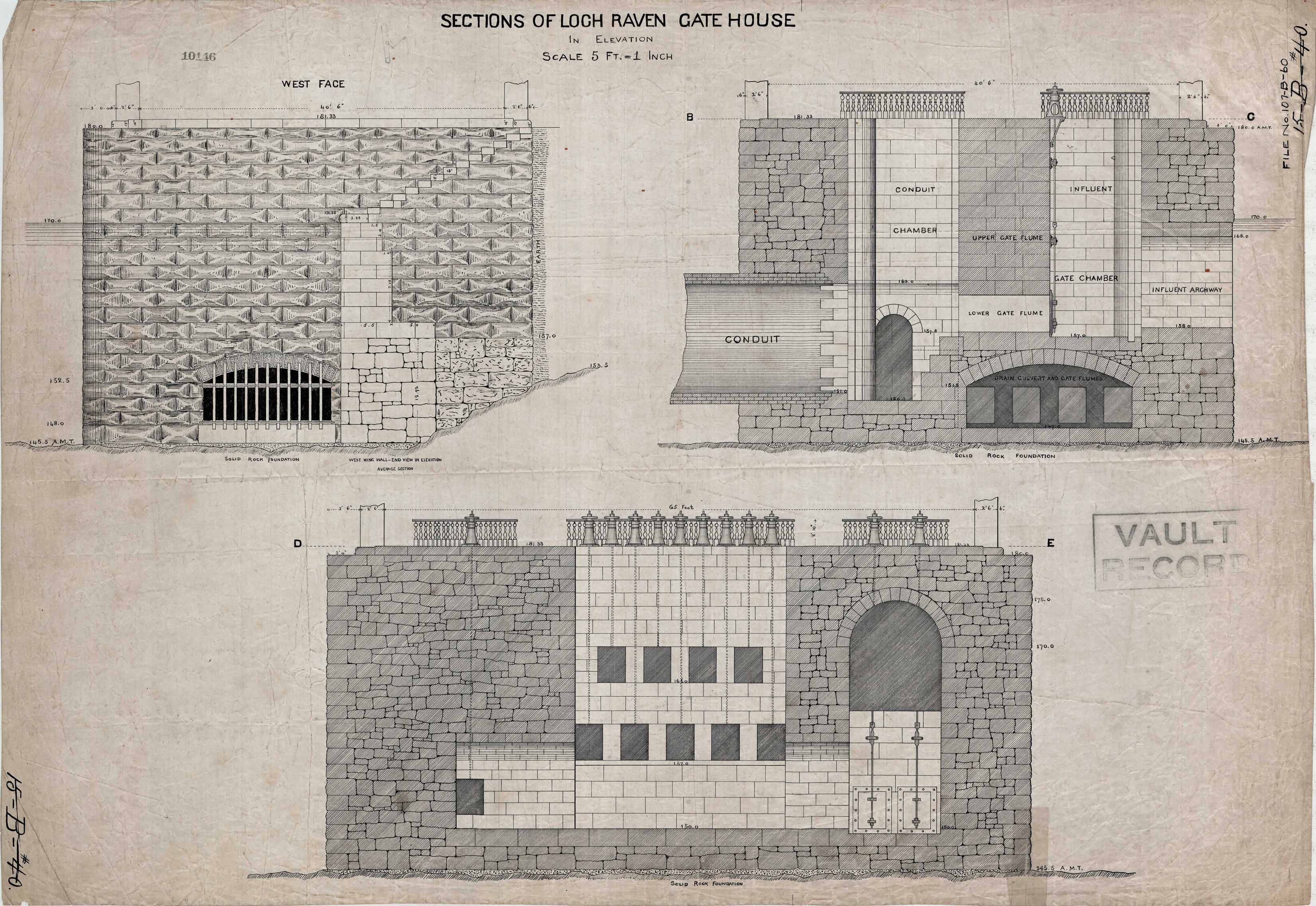
A drawing of the Loch Raven Gate House a couple years after completion, for the engineer’s files.

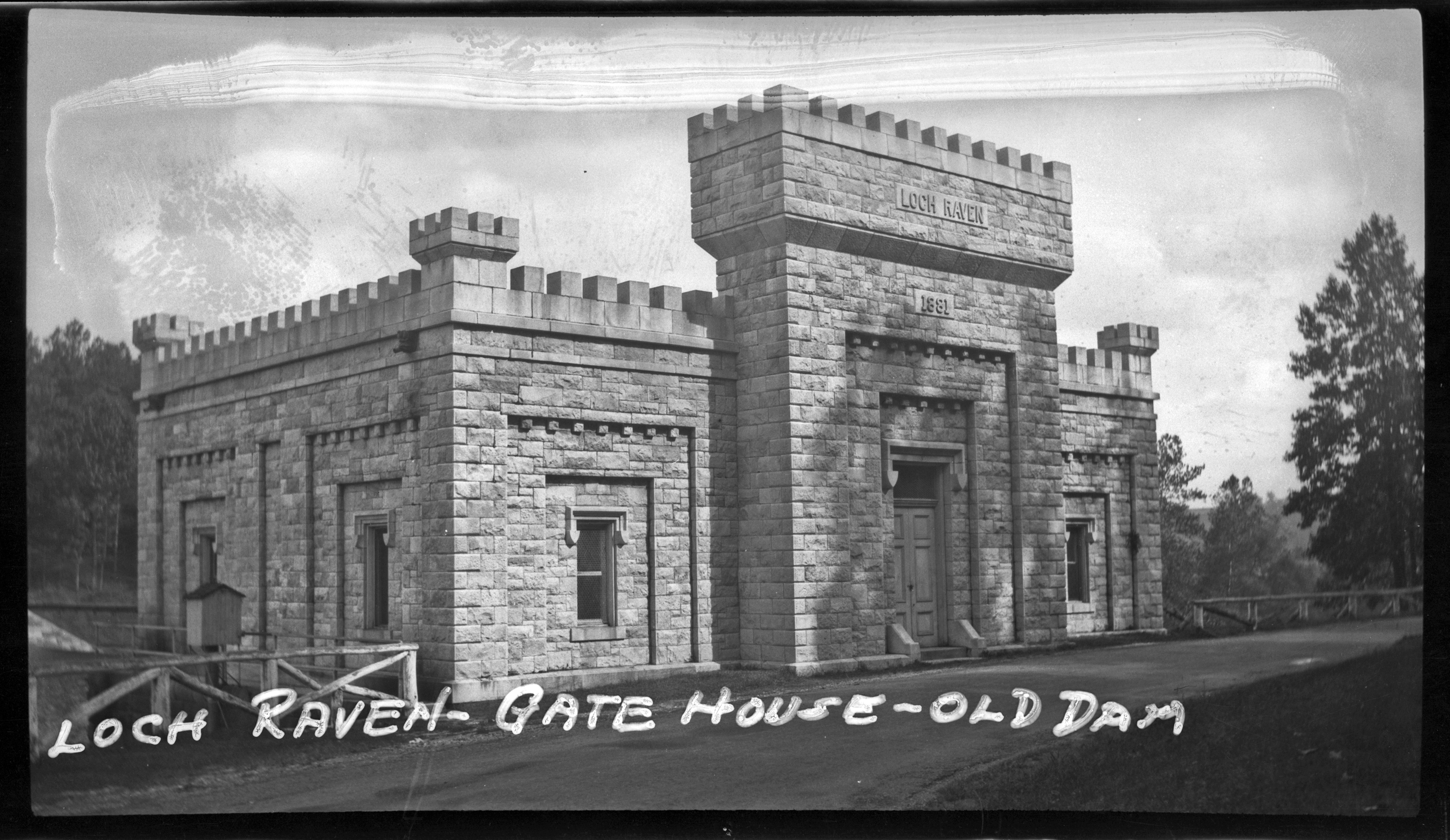
The Gate House and how it looked in the 1920s.

An interior, cut away view.

The influent drain chamber to the yet to be built Gate House.

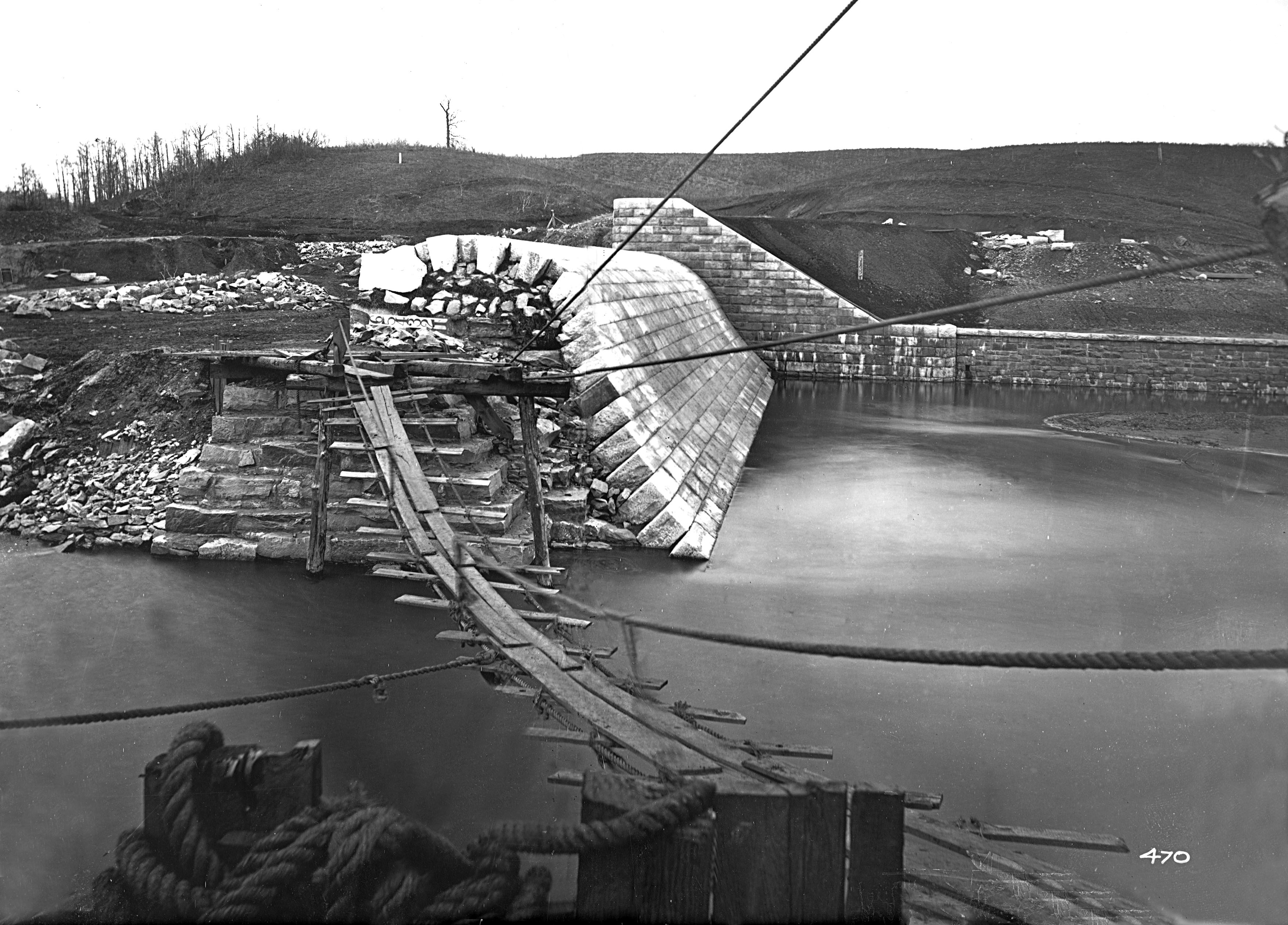
Looking over the construction of the dam, towards the east wall.

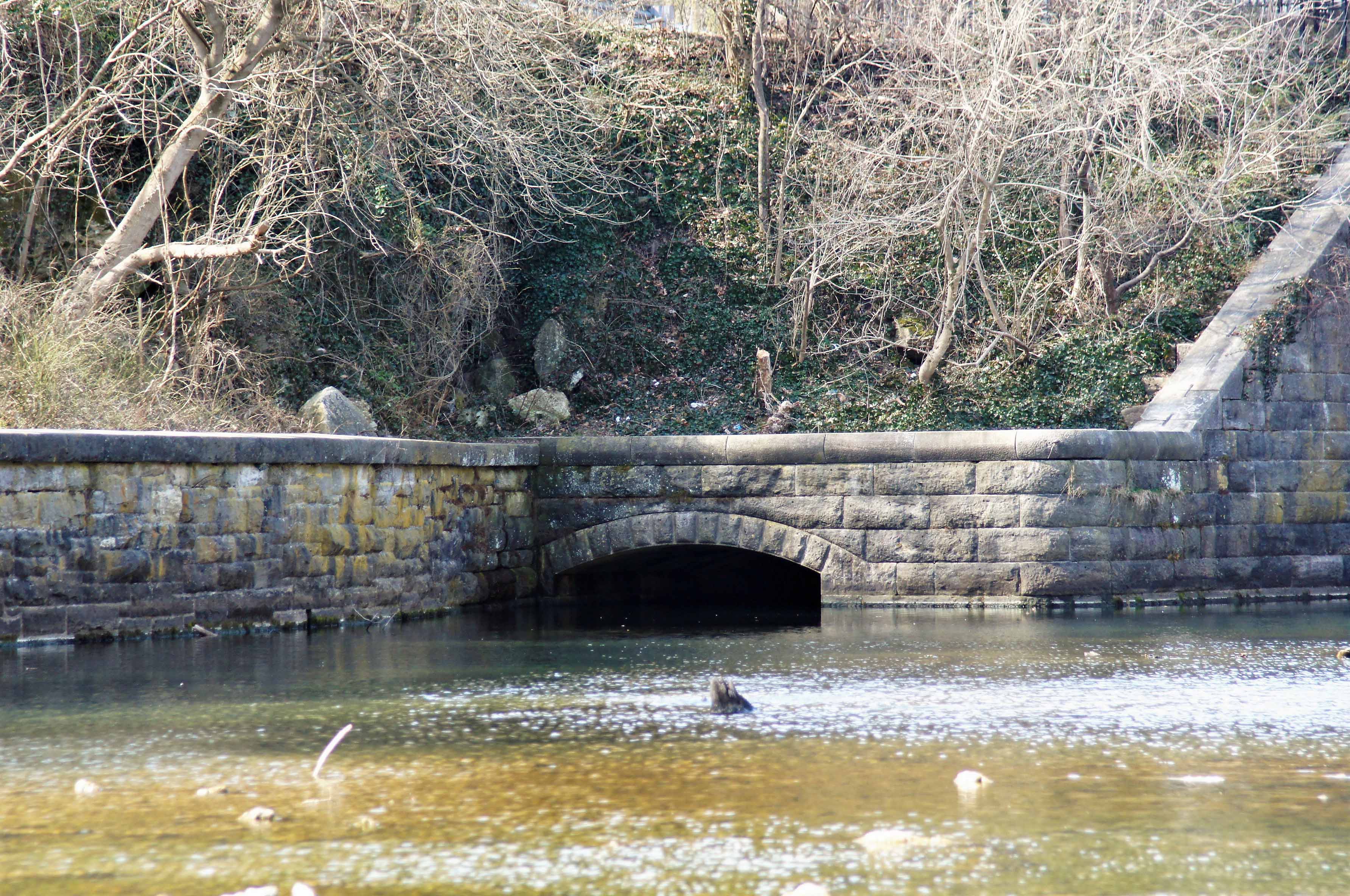
A recent view of the discharge conduit, below the dam. As shown in third photo above.

Another drawing of the Gate House structure. Where it says Vault Record would be facing the road.

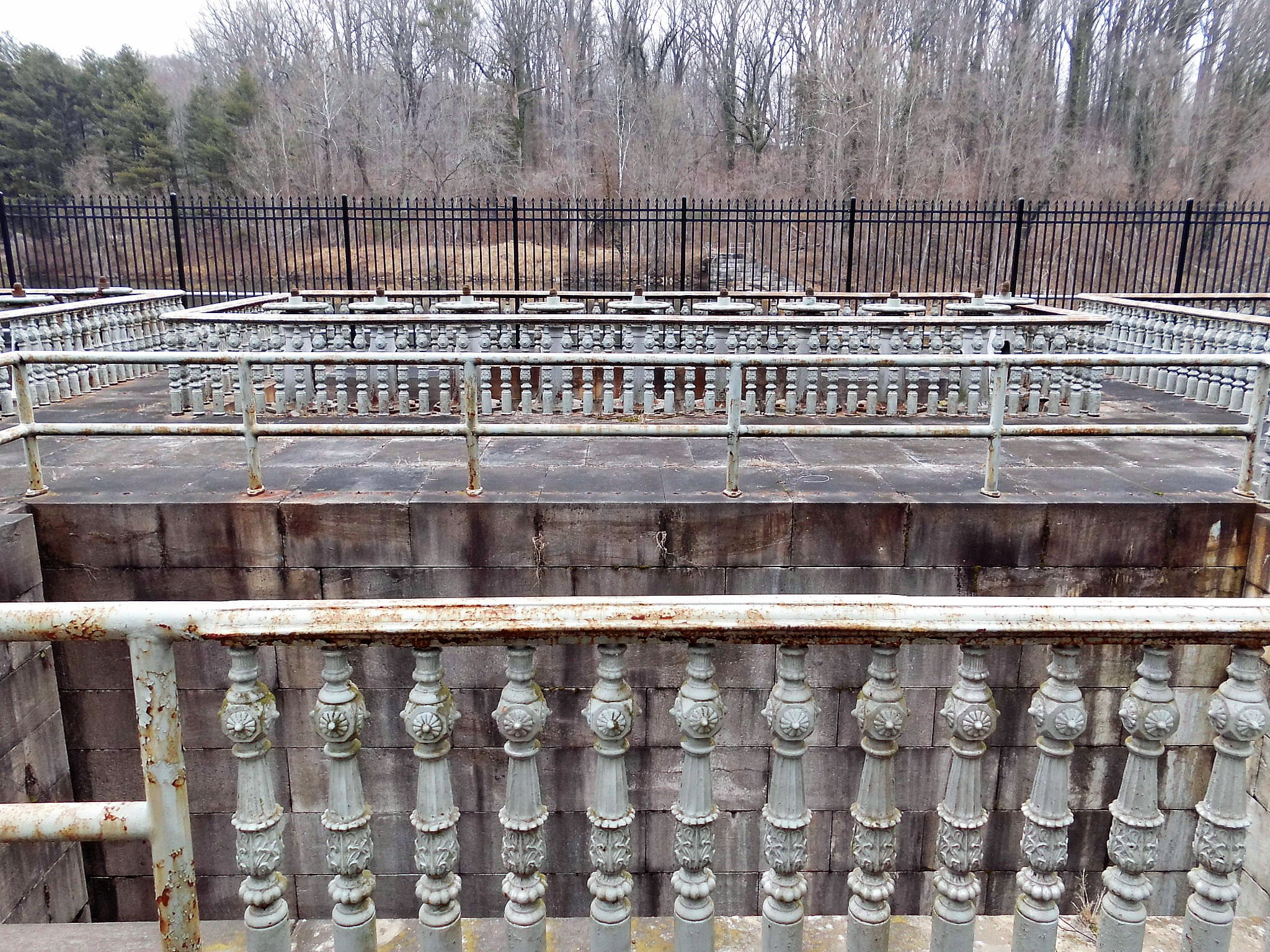
Recent photo from the road, after Gate House was removed, showning vaults and valves.

This photo has me baffled. It is showing two 12′ conduits, whereas all the drawings only show one. On the left you can see where the laborers are building the brick lined conduit. On the right, nothing going on. Wondering if it was built in error or was it for a bypass as the dam was being built?

Drawing of the east wall.

1880s photo of building dam, looking east.

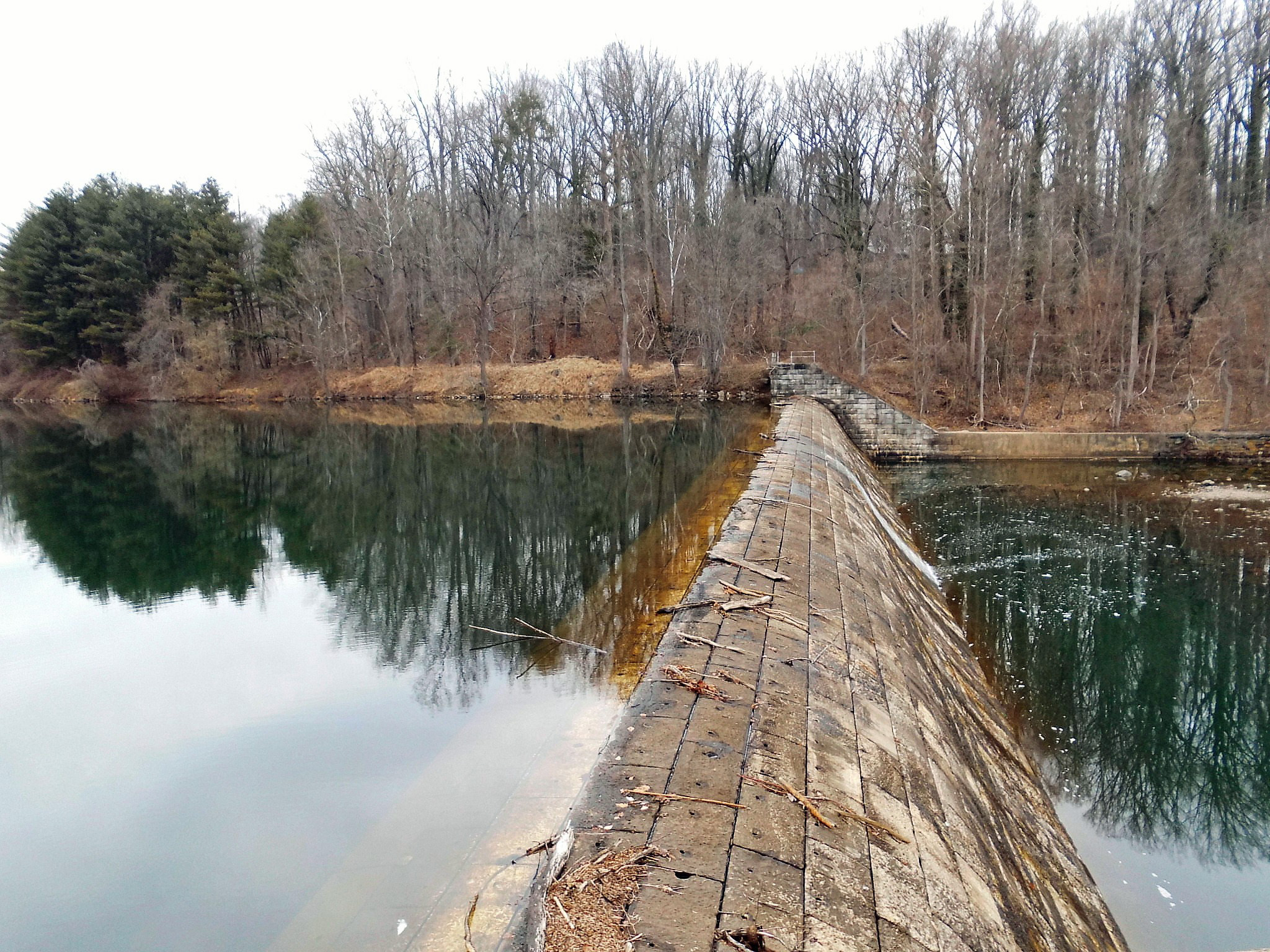
Recent photo looking east. Looking close you can see where the stone work stops and cement starts. In the 1970s they put a parallel pipeline in and cut right thru the wall.

This is an early, beginning of construction photo. Stone excavation looking west. Interesting on zooming in – under the roadway guardrail is a tunnel opening that looks like…

…the top left of these drawings. 

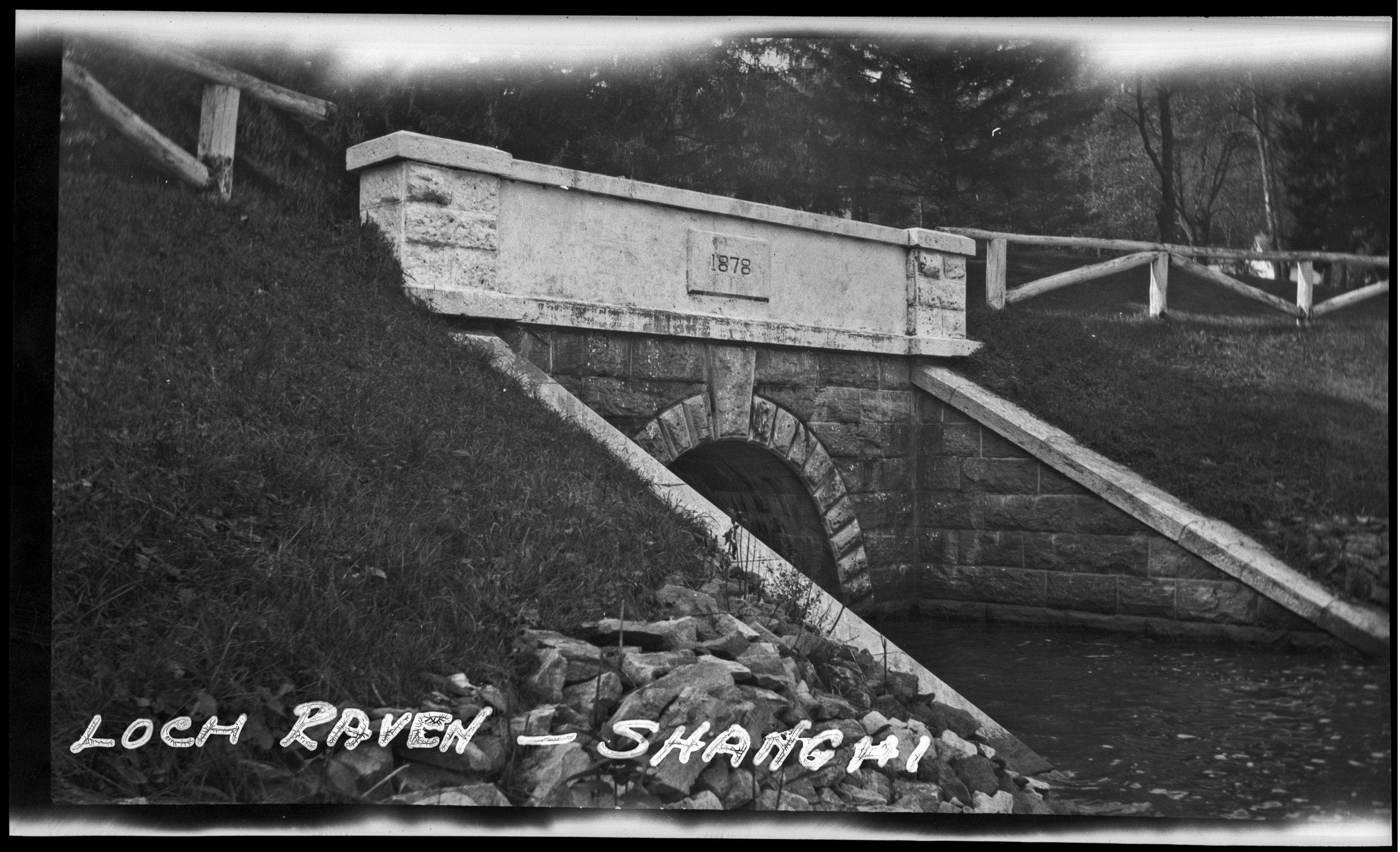
The drawing for Shanghai Run.

A 1920s photograph.

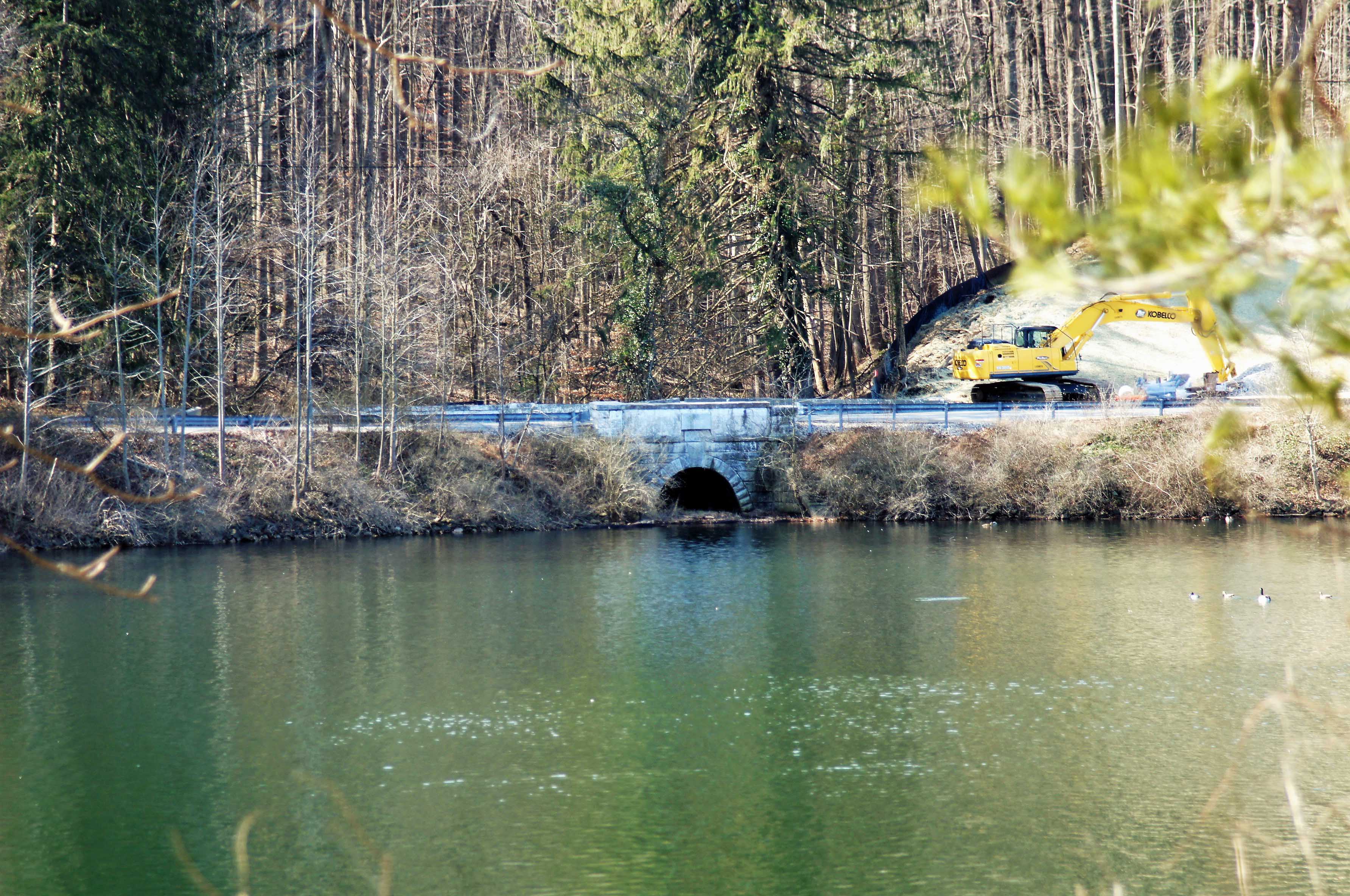
A recent photo of the opening to Shanghai Run. Looking over the wall towards the woods, there is no opening??

City workers lounging and the job is almost completed.


← Older posts
Newer posts →

Blogroll

  • Flouride Action Network
  • lulu
  • My Book
  • WordPress.com
  • WordPress.org

Recent Posts

  • Bermuda 2023
  • ICELAND April 2023
  • George Chalmers of Fochabers
  • In Search of The Skipjack Ada Mae
  • Trap Pond Kayak

Blog at WordPress.com.

  • Subscribe Subscribed
    • Water and Me
    • Join 231 other subscribers
    • Already have a WordPress.com account? Log in now.
    • Water and Me
    • Subscribe Subscribed
    • Sign up
    • Log in
    • Report this content
    • View site in Reader
    • Manage subscriptions
    • Collapse this bar
 

Loading Comments...